Parkatoikía (Final Design Thesis)
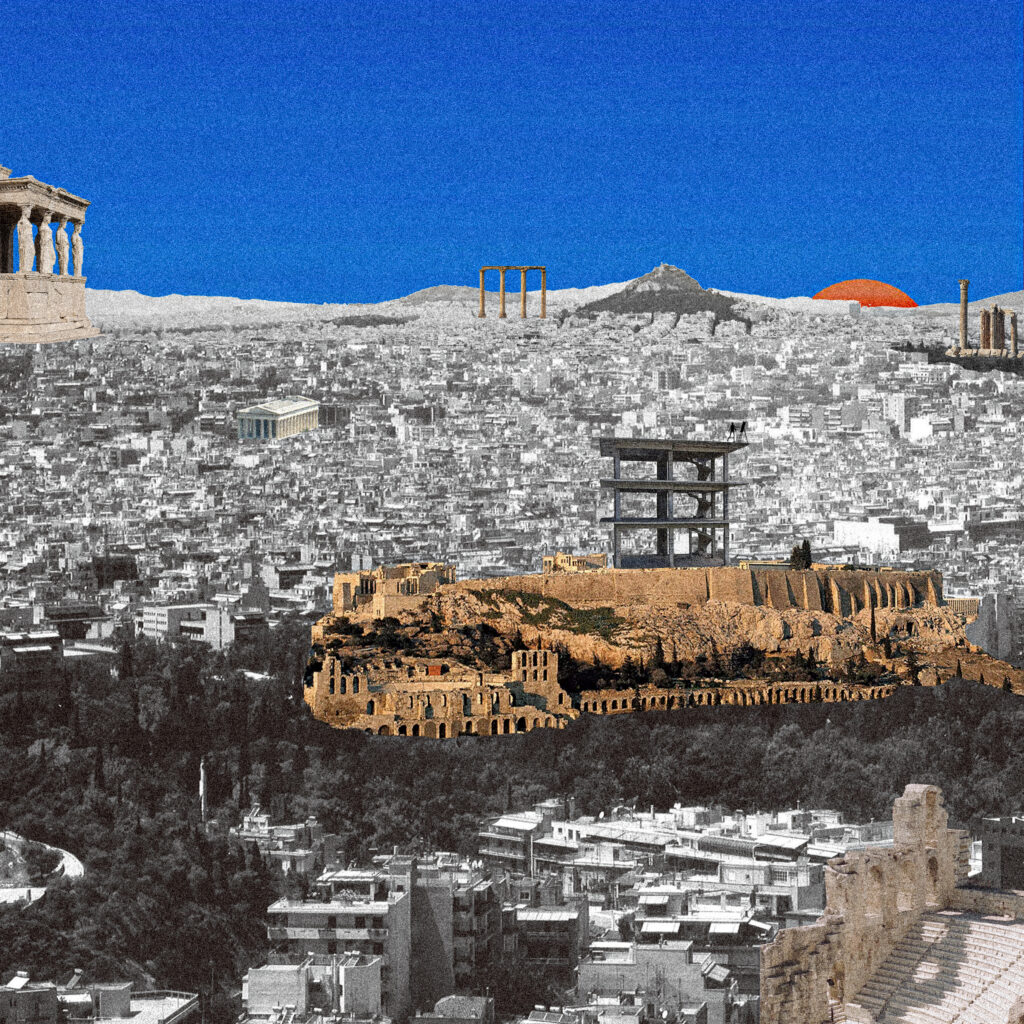
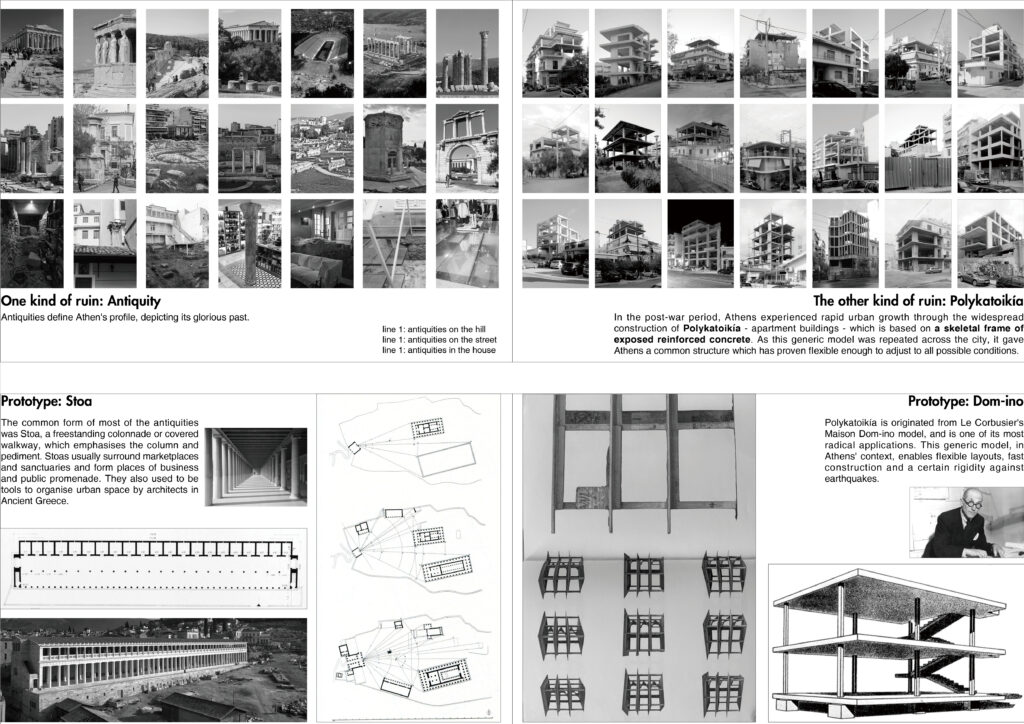
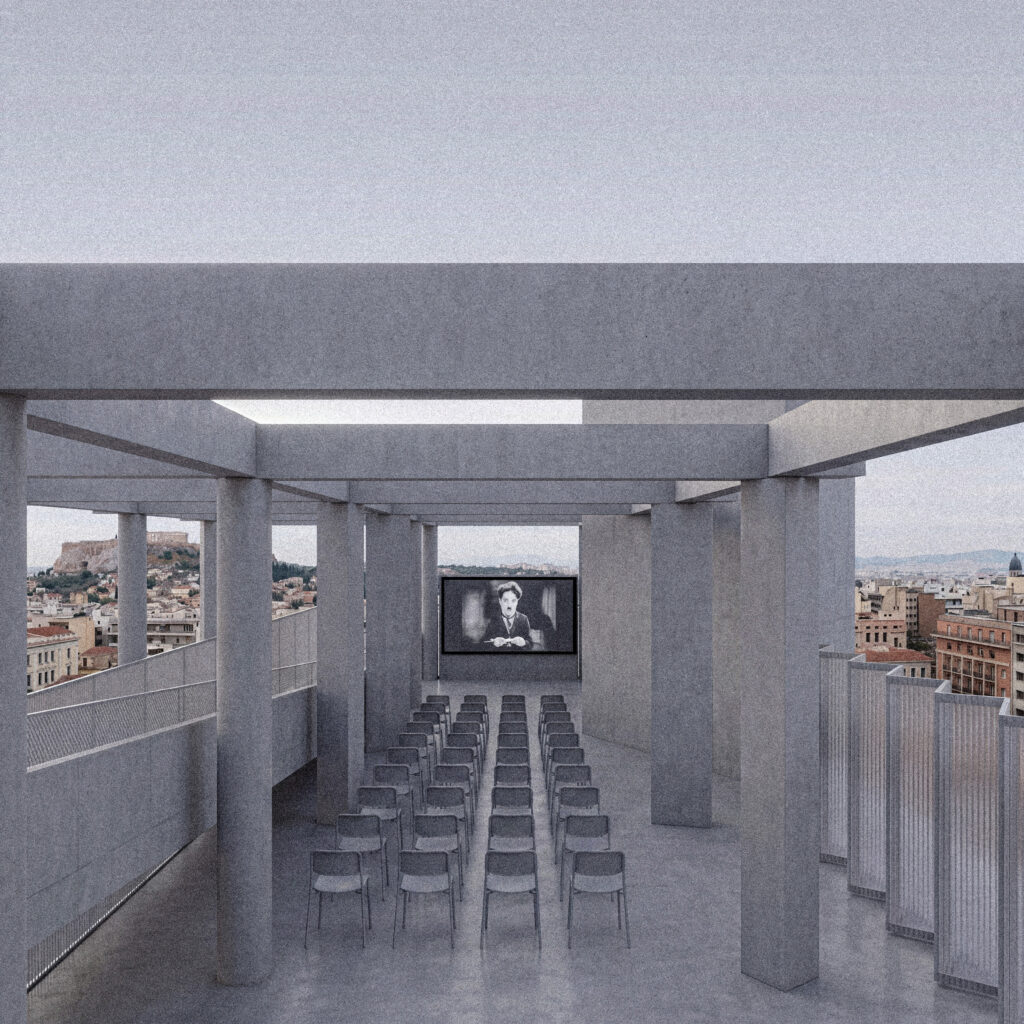
Ruins, or antiquities, define Athens’ profile. But imagine erasing all the antiquities, what would be left in the city? The answer is probably the other kind
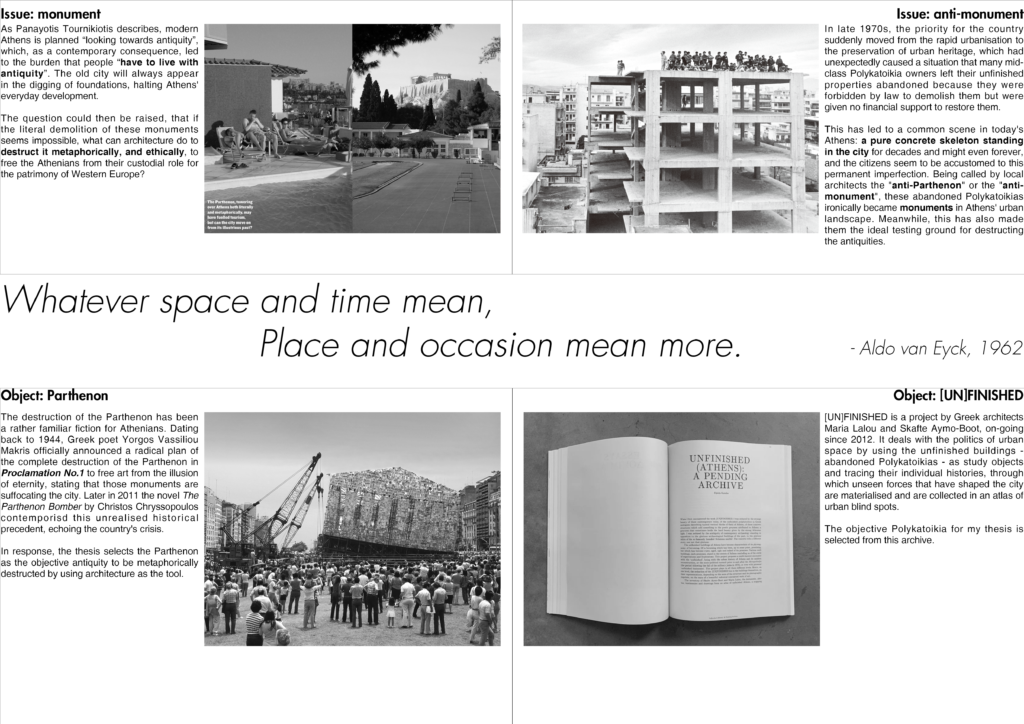
of ruins: concrete frames of Polykatoikía (apartment building). If the former depicts the glorious past of Ancient Greece, the latter implies the city’s rapid and unplanned post-war urbanisation. Appearing evidently within the chaotic urban landscape, the two distinct kinds of ruins are poorly connected, shaping the city by paradoxes and contradictions. Although Athenians seem to be accustomed to their existence and have to live with them, the voices about destructing both never vanish, echoing the country’s crises: the 1944 Proclamation No.1 called for blowing up the Parthenon; in 1970s sudden legislative changes forced many Polykatoikías owners to be abandon their properties.
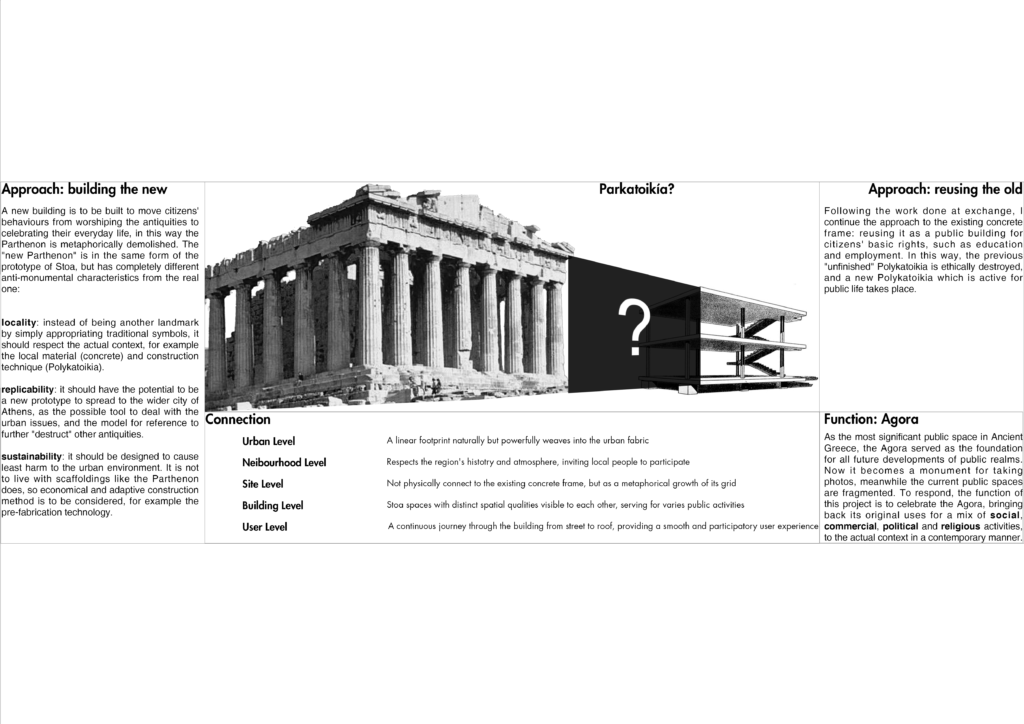
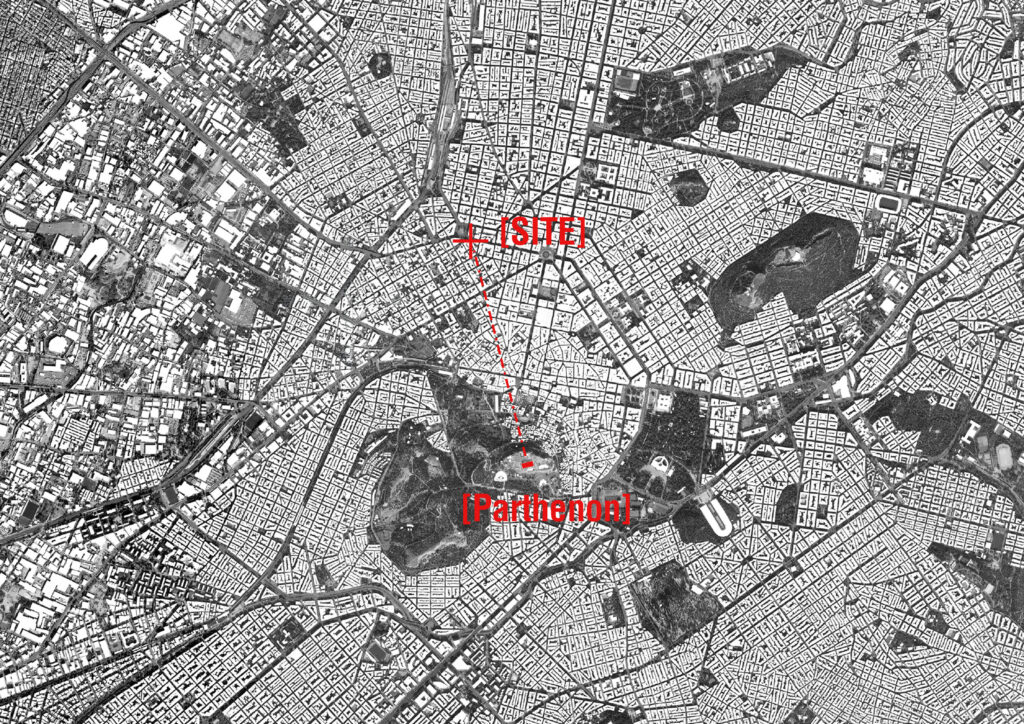
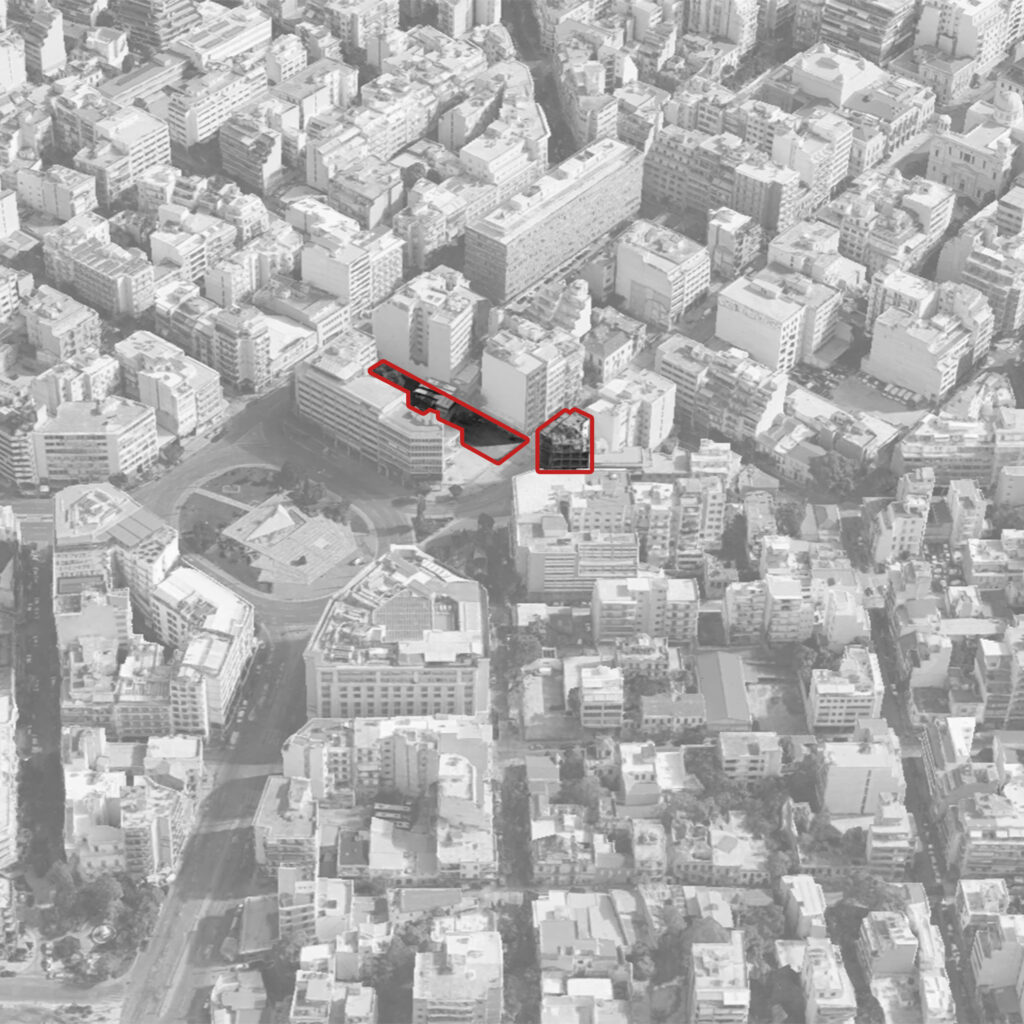
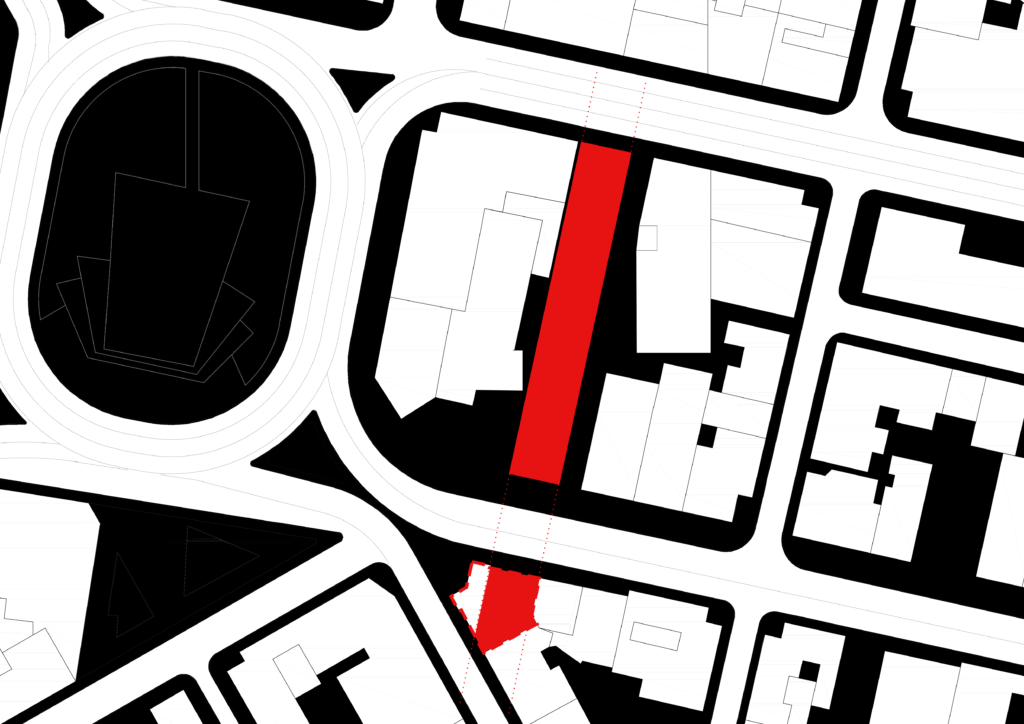
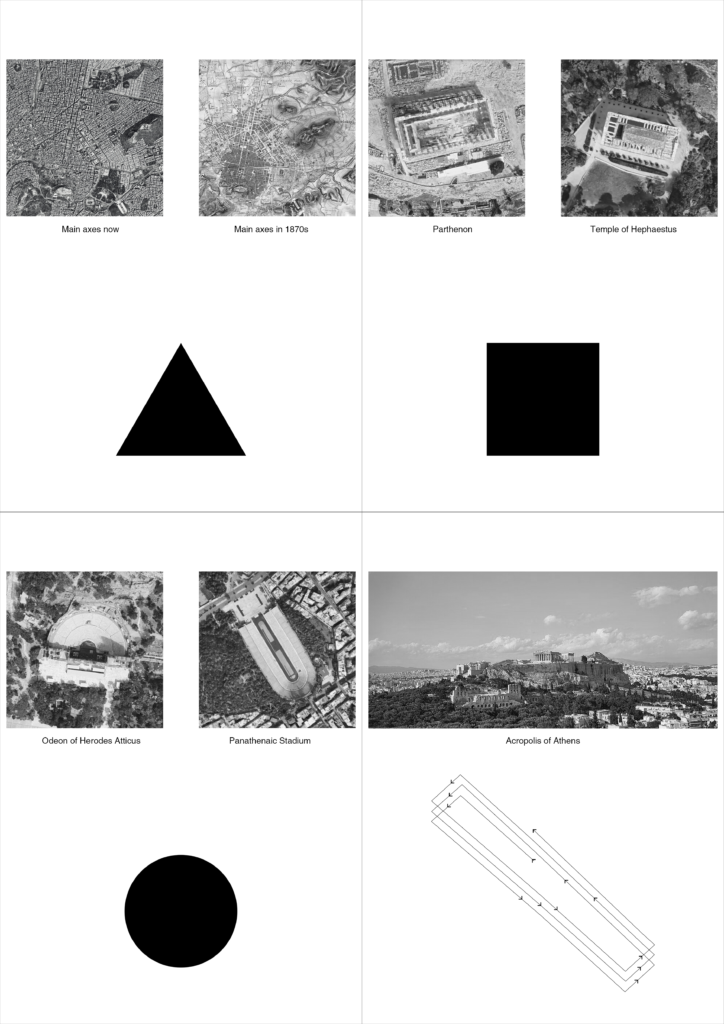
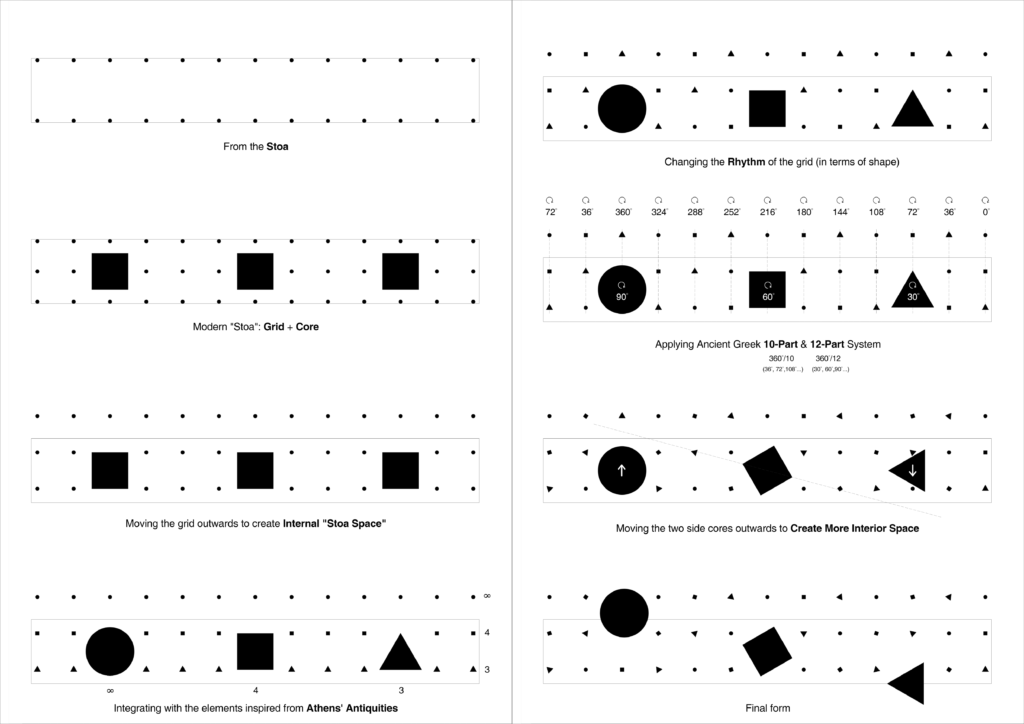
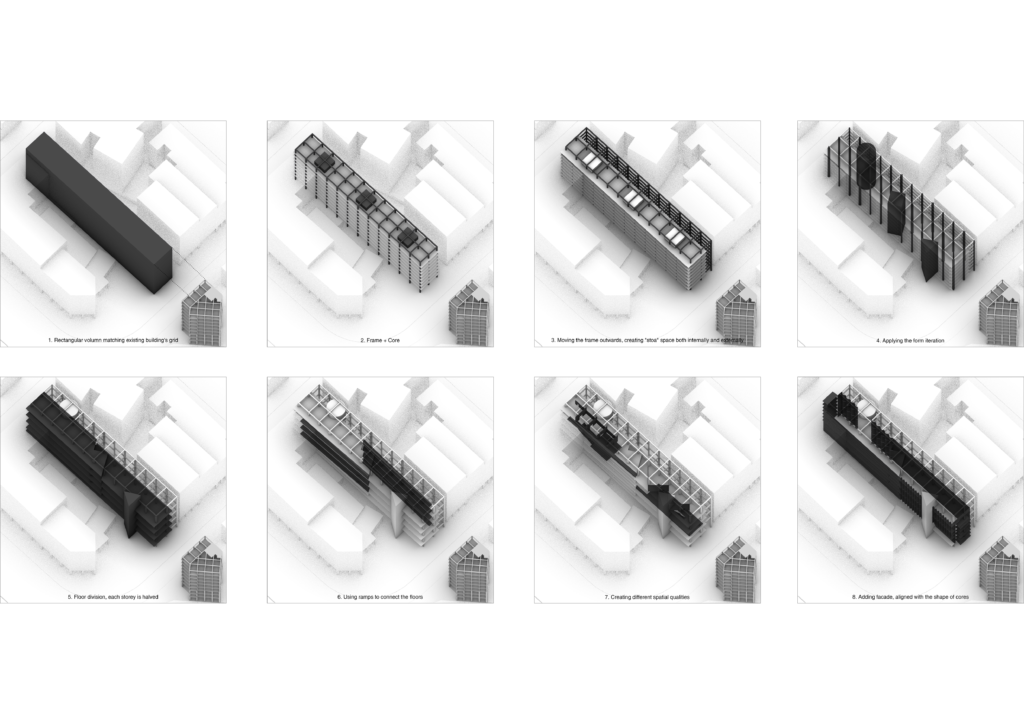
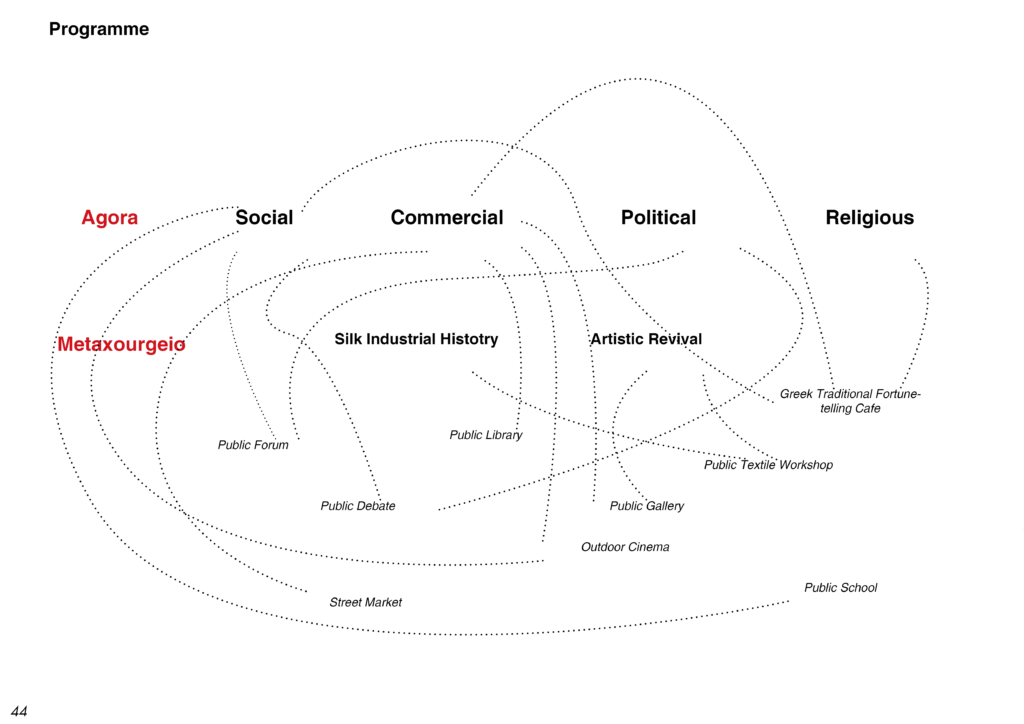
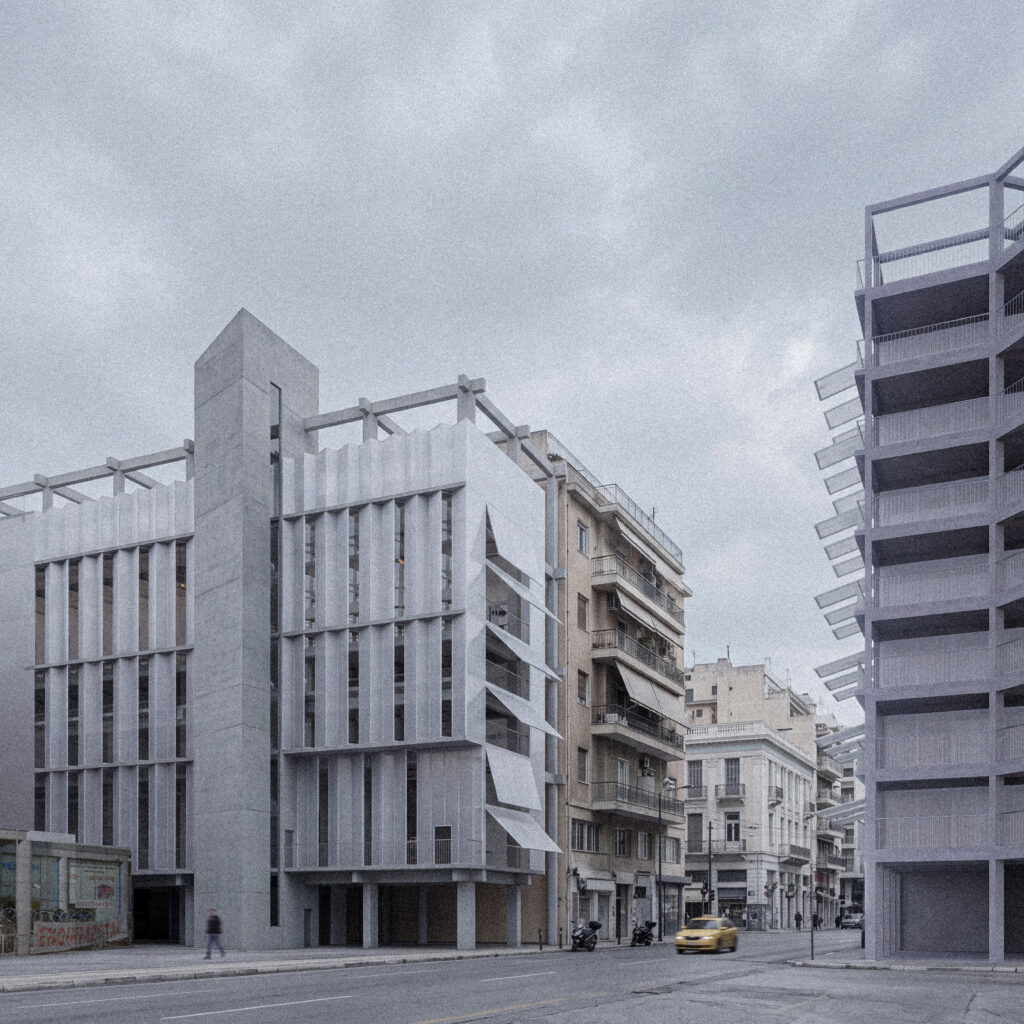
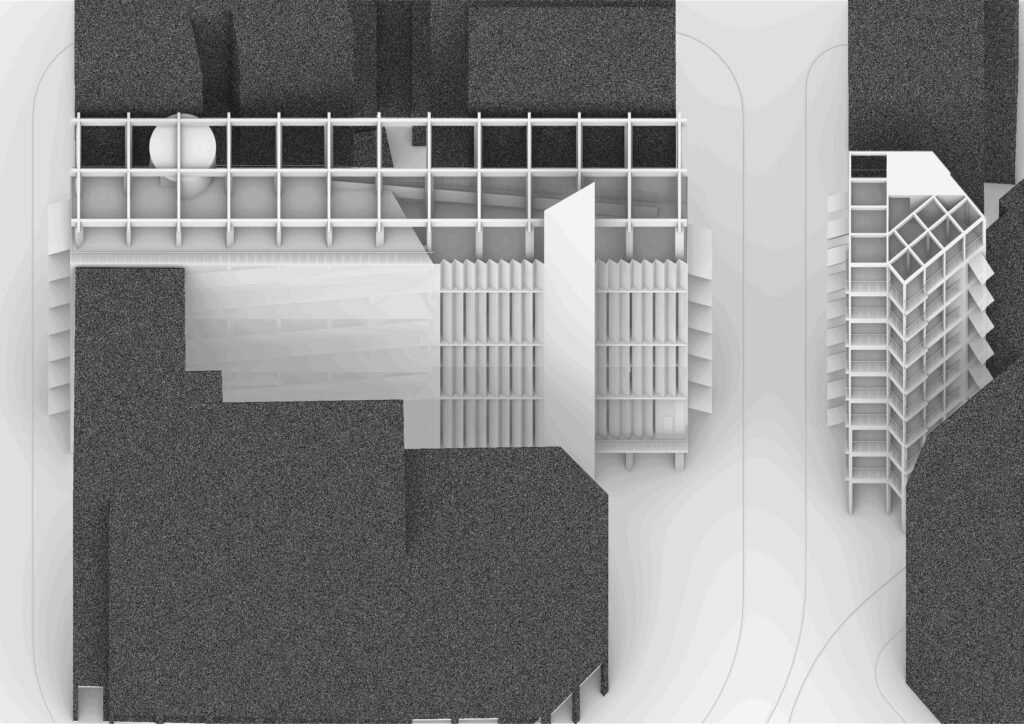
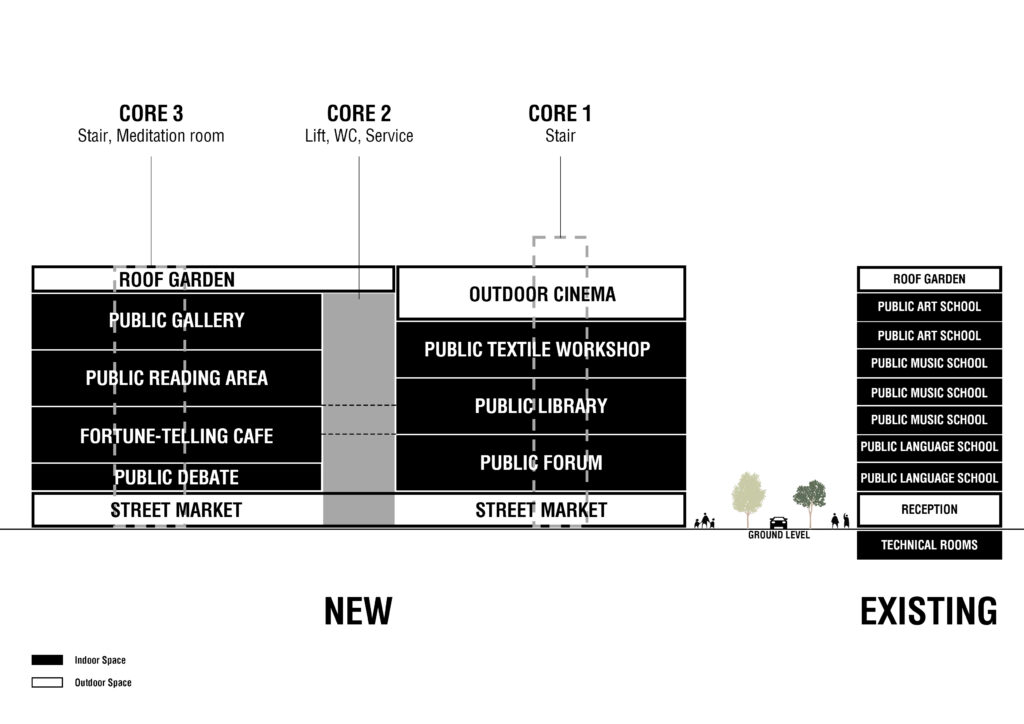
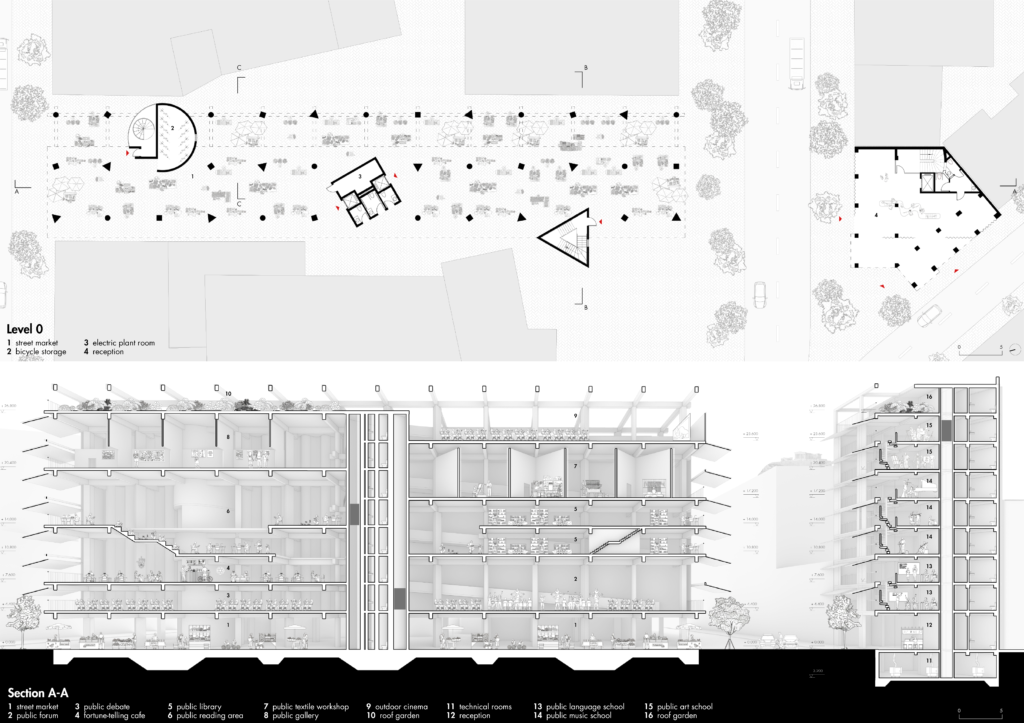
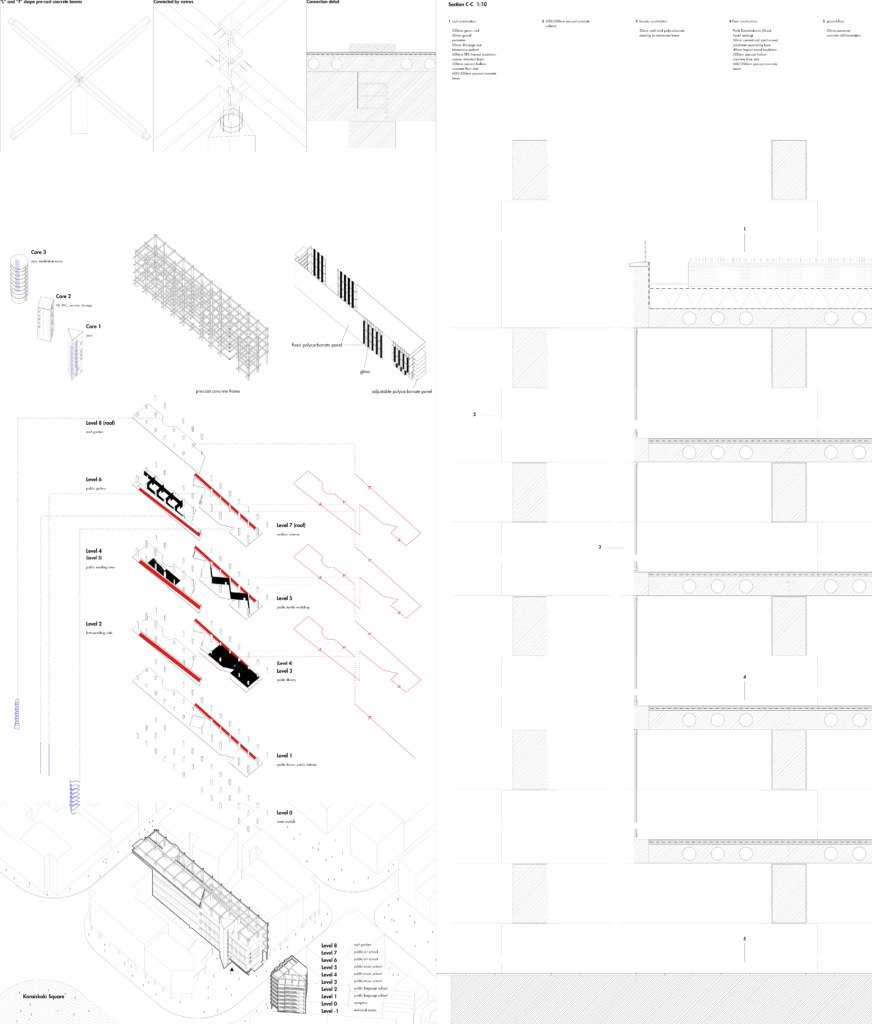
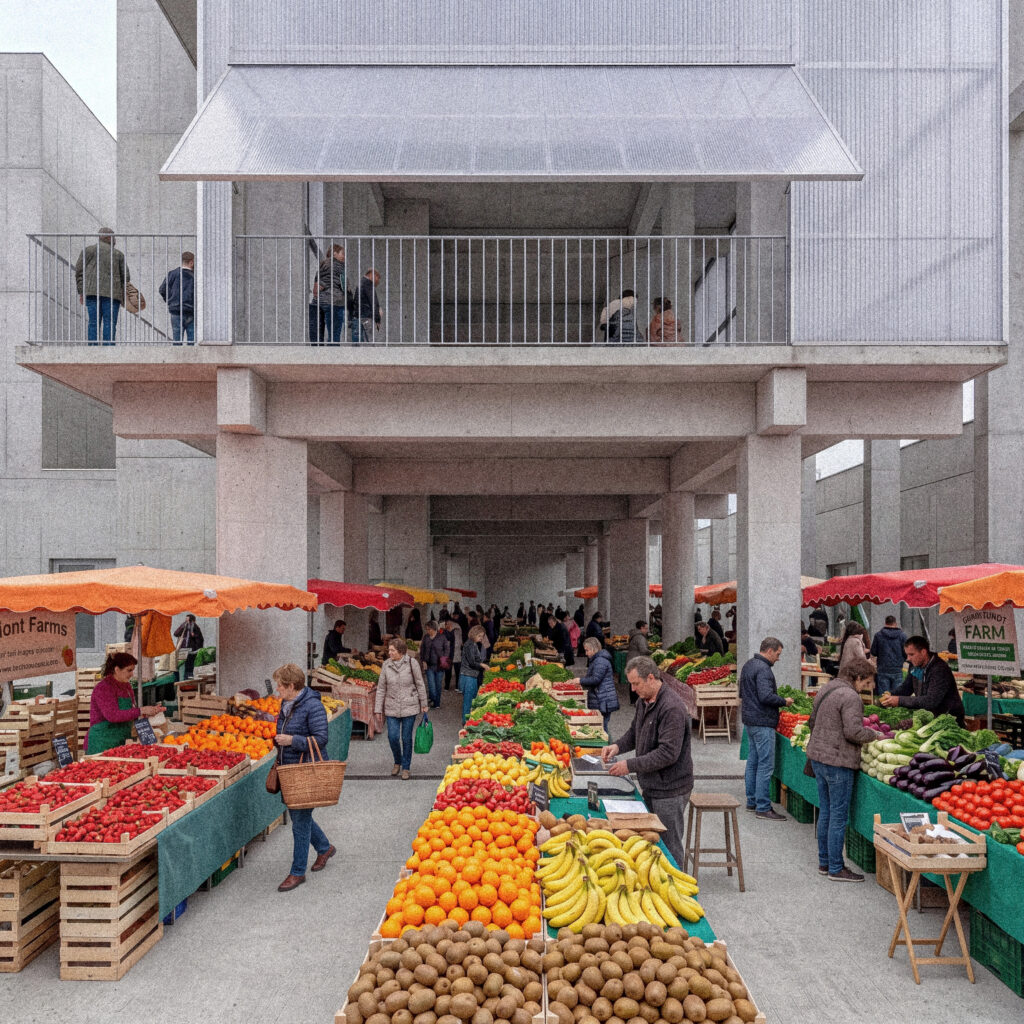
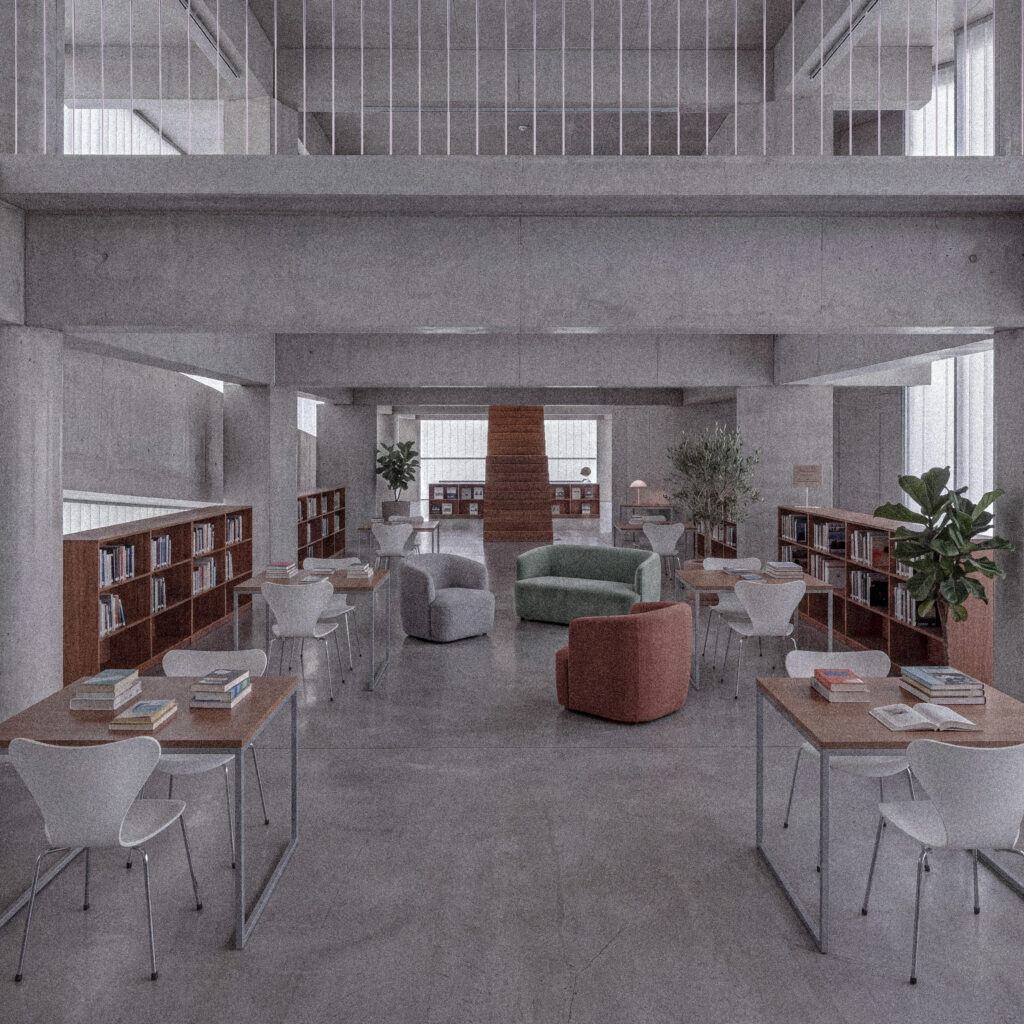
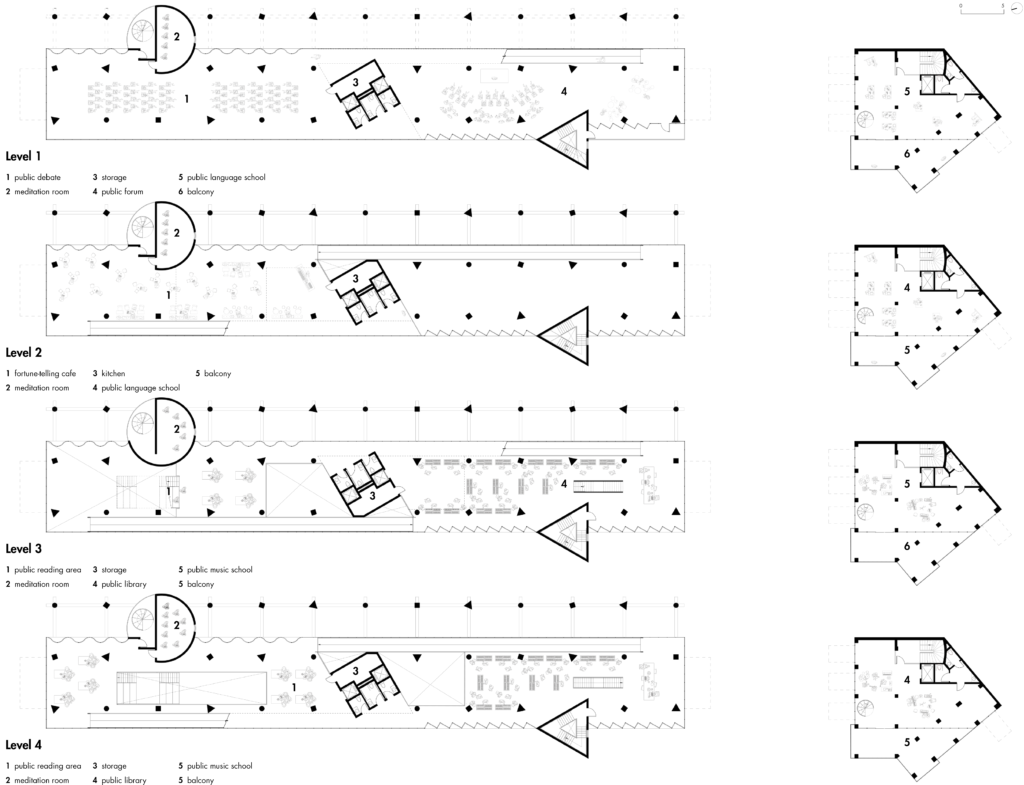
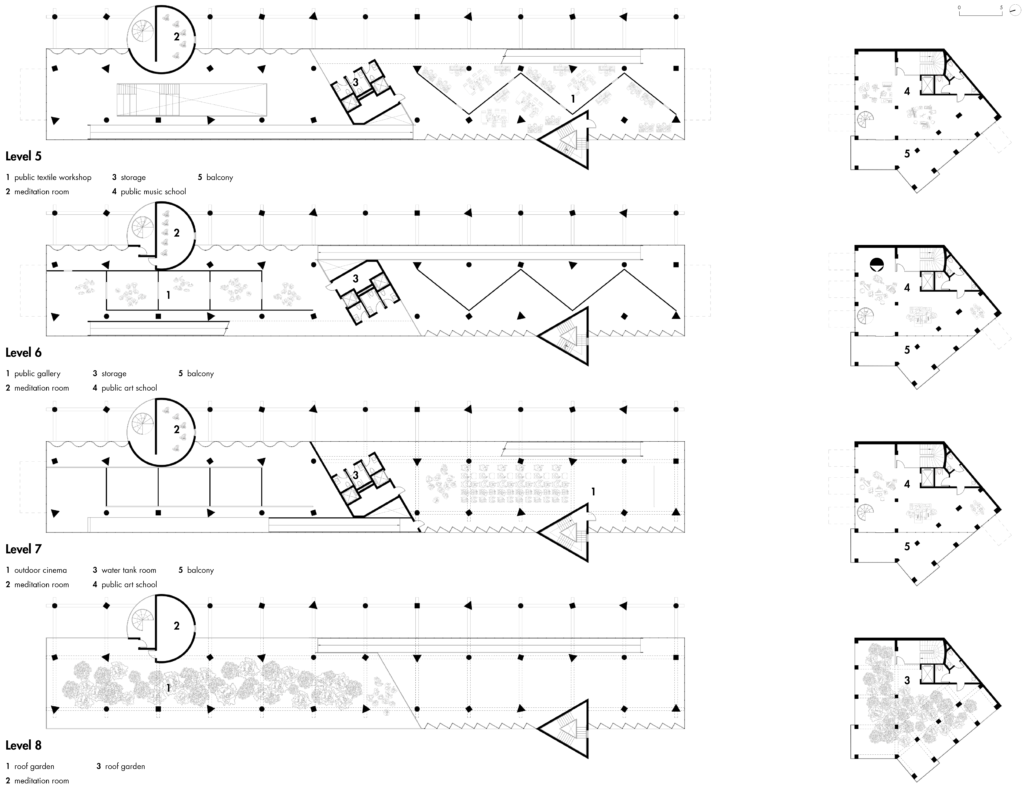
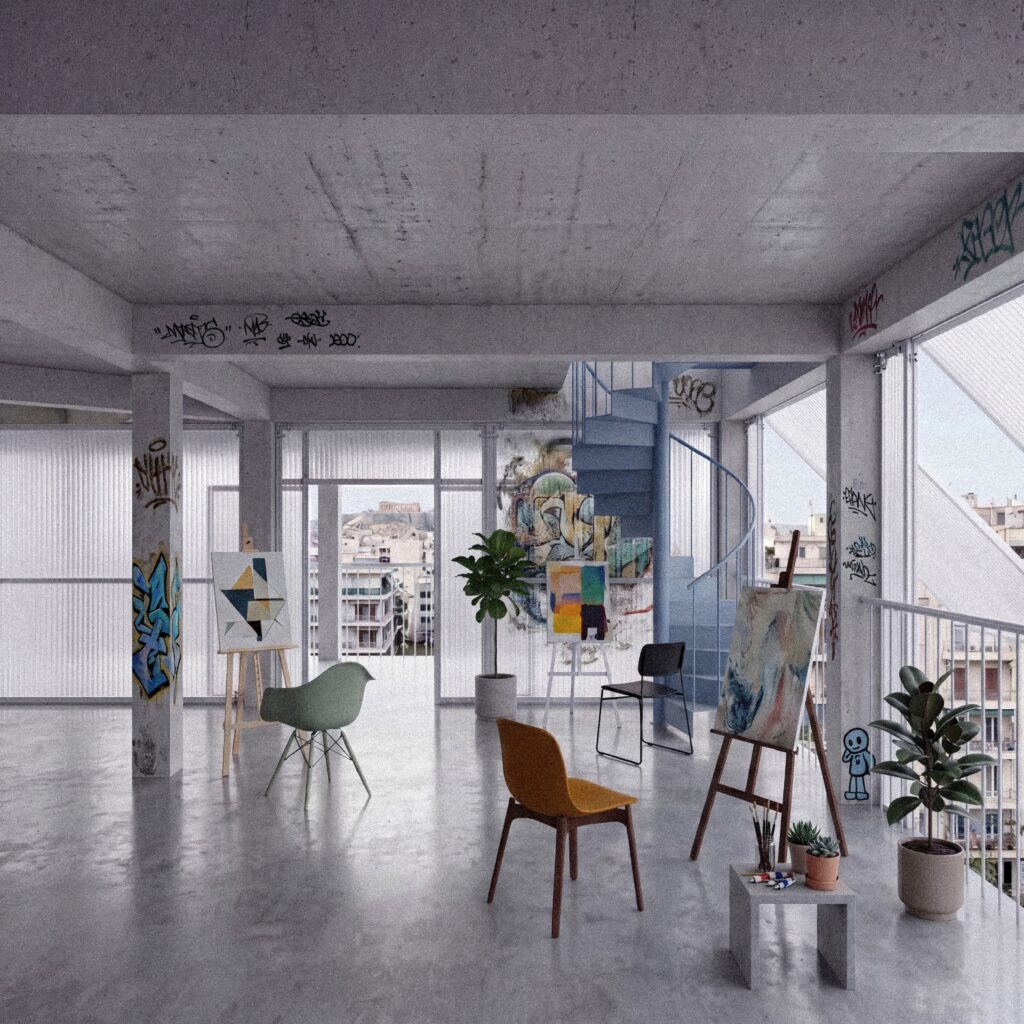
Developed from the framework of “Public Space +” on reusing the abandoned Polykatoikía at USI to the framework of “The Ethical City” at MSA, this thesis aims to uncover the hidden dialogue between the two kinds of ruins, and find their potential of linking the fragmented urban fabric, to bring back public life and reclaim Athenians’ civil rights. Using architecture as the tool, the scope is zoomed in to a specific building for each catagory: the Parthenon and a once exhibited Polykatoikía. With the core concept of anti-monument, different approaches are applied to demolish each – reusing the old to ethically destroy the forever unfinished status of the Polykatoikía, and building the new, which is for public engagement rather than worship, to metaphorically destruct the Parthenon. It celebrates the form of Stoa and the function of Agora, serving as new Athenian public space. With activities happening in there, the connection between the two kinds of ruins is built up. It can also provide the prototype for further destruction of other ruins, promoting the resolution to the urban level.