Rosie Boyce
(she/her)
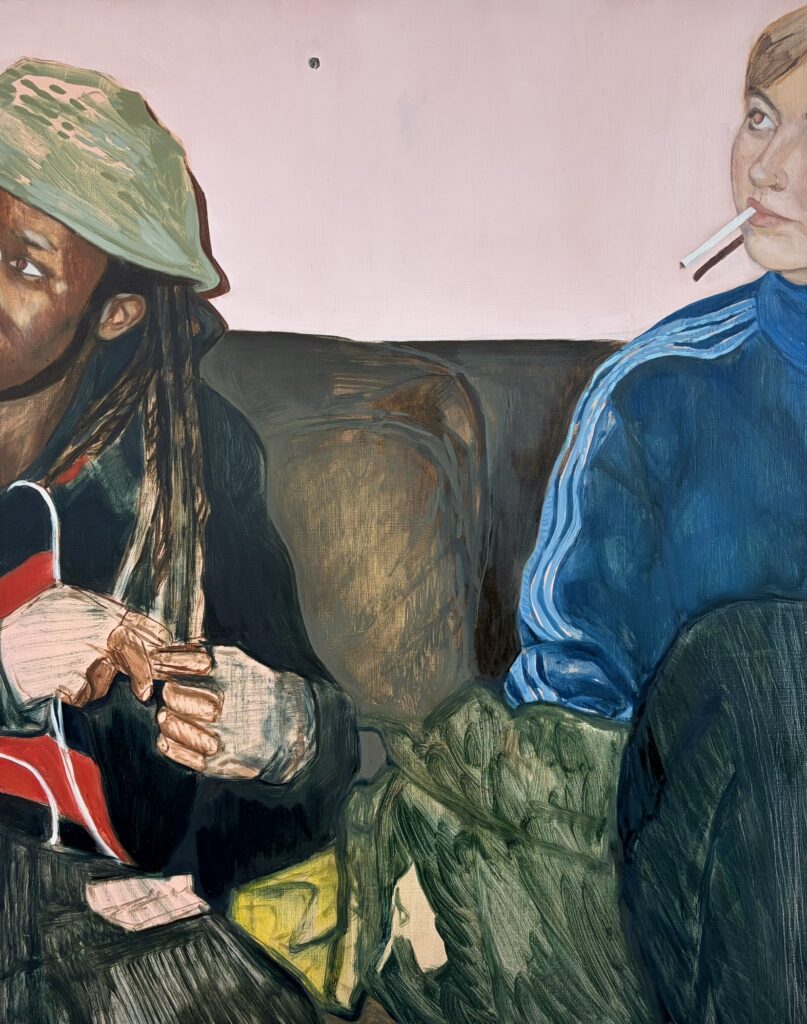
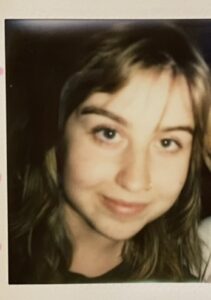
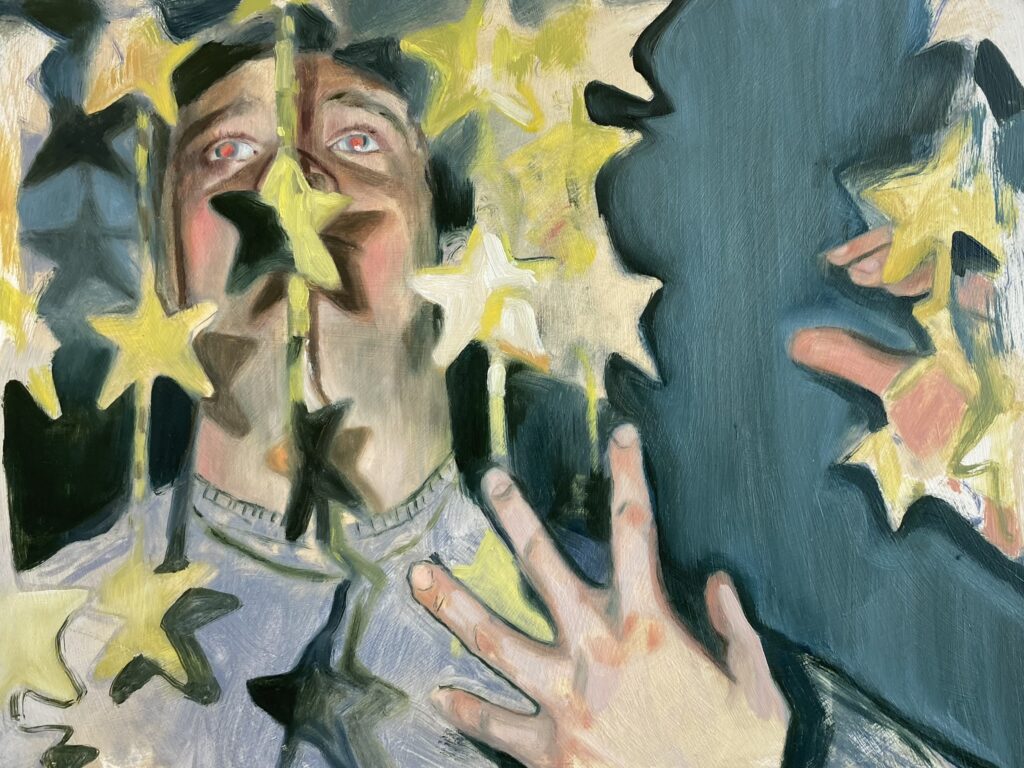
Rosie Boyce’s practice is centred around painting, drawing, and photography, working primarily from film photographs that she has taken herself. She is drawn to film because it already feels slightly removed from reality, imperfect, softened, and inherently interpretive. When translating photographs into paintings, Boyce often crops, zooms into, or obscures parts of the image, removing context and allowing the subject to shift away from documentation.
Her paintings primarily portray works rooted in personal experiences and emotions reflected through photographs. Small details, unusual angles, and subtle imagery can evoke emotion without fully explaining it. Boyce’s paintings evolve from photographic sources but gradually take on a more interpretive form, shaping meaning through abstraction and memory. The images she creates feel intimate and specific, yet remain open enough to become universal.
Although her paintings are personal, Boyce does not see them as attempts to document events exactly as they happened. Instead, they act as records of feeling, shaped by time, memory, and reflection. She is interested in how meaning changes over time and how images can hold traces of emotion.
Boyce often thinks of her paintings and photographs as working together, particularly as part of a series. While individual works may stand visually on their own, together they form a non-linear way of looking, a personal lens through which she responds to the people she knows, the spaces she inhabits, and the small details that trigger memory.
She has come to accept the subject of her practice as deliberately ordinary: her life, her relationships, and the world immediately around her. Rather than looking elsewhere for significance, she embraces these familiar experiences and recognises them as enough.
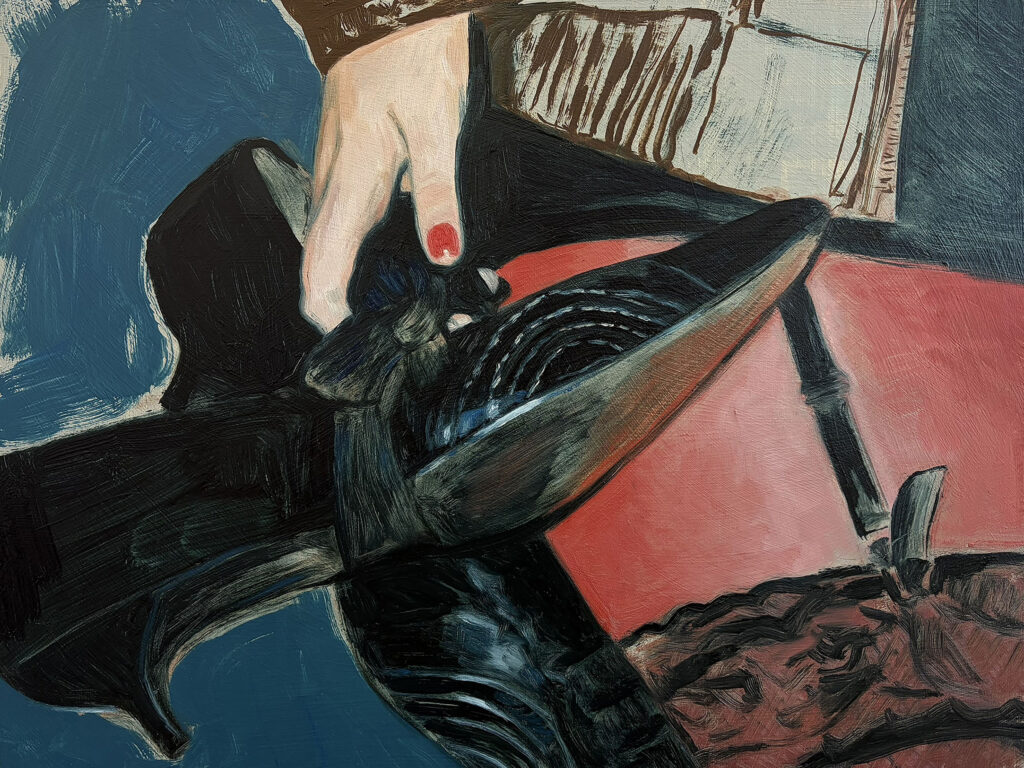
After the Disco
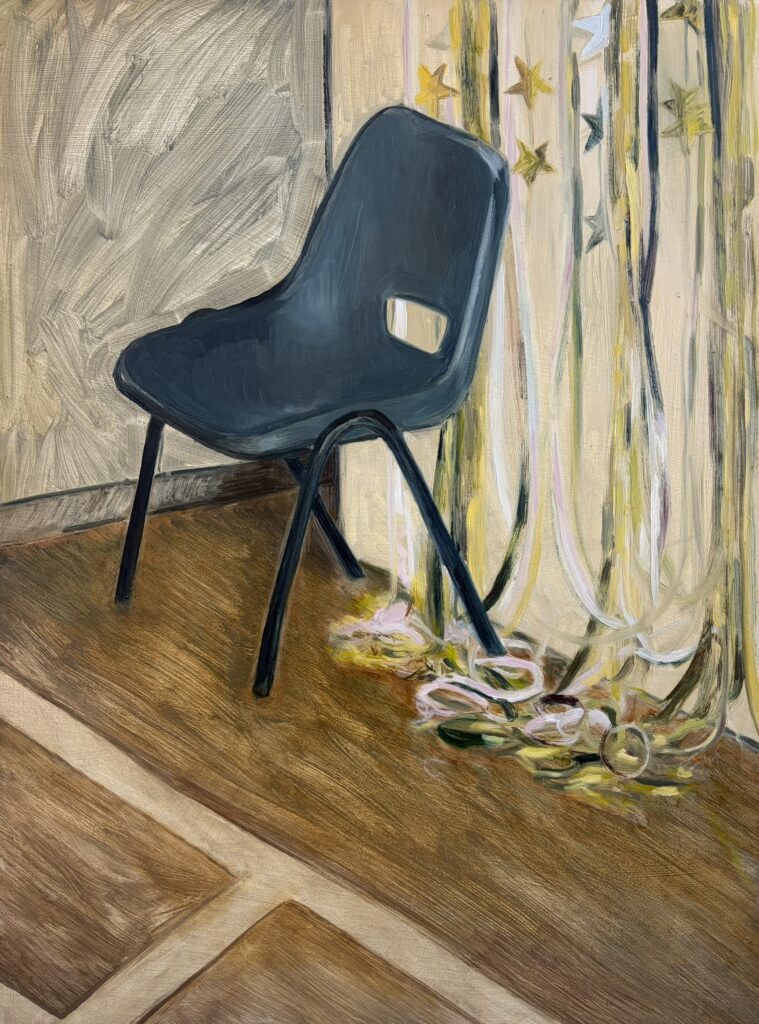
Claire with Blue Sleeve
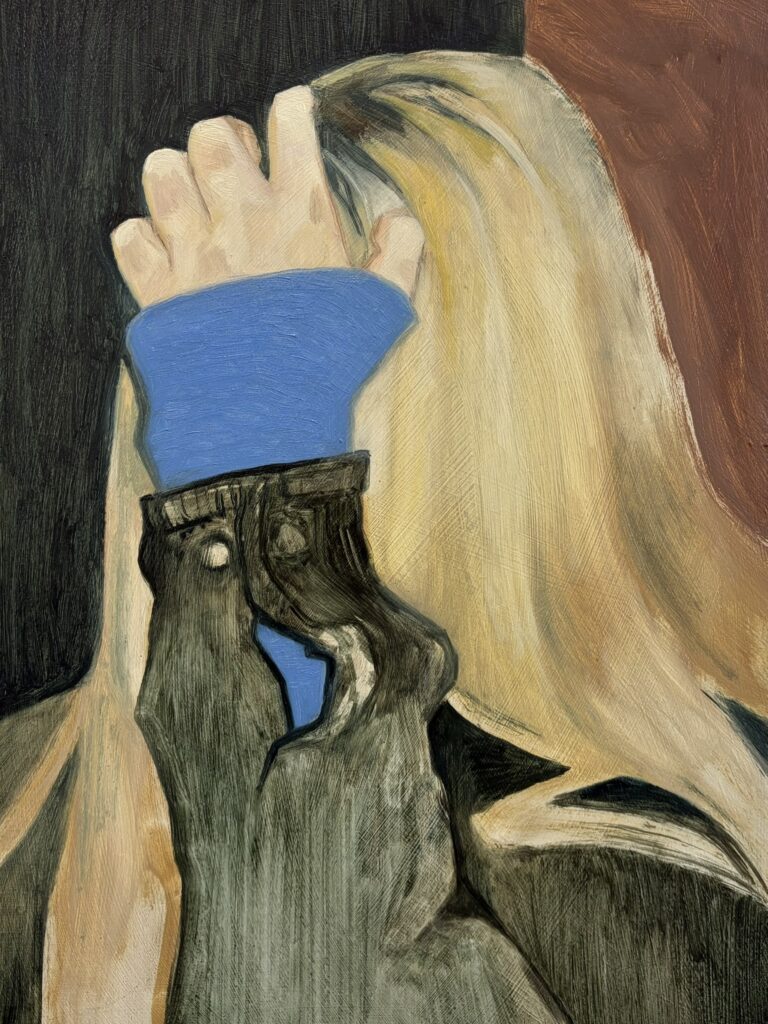
Figure in the Doorway
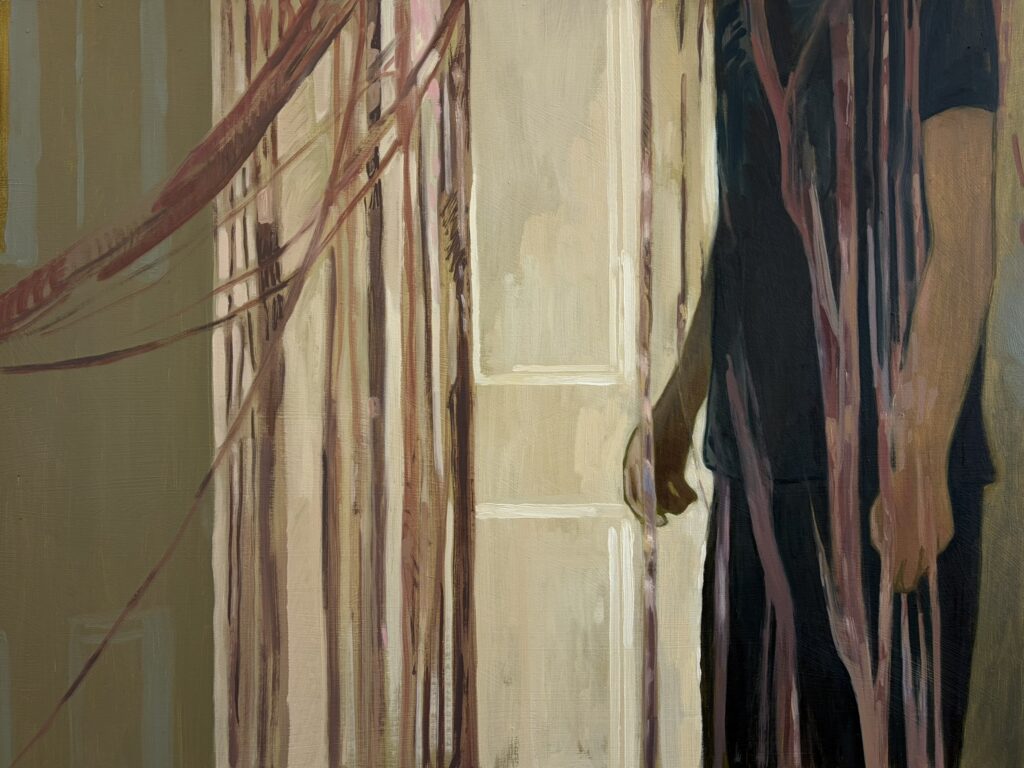
Ines with Glittery Eye
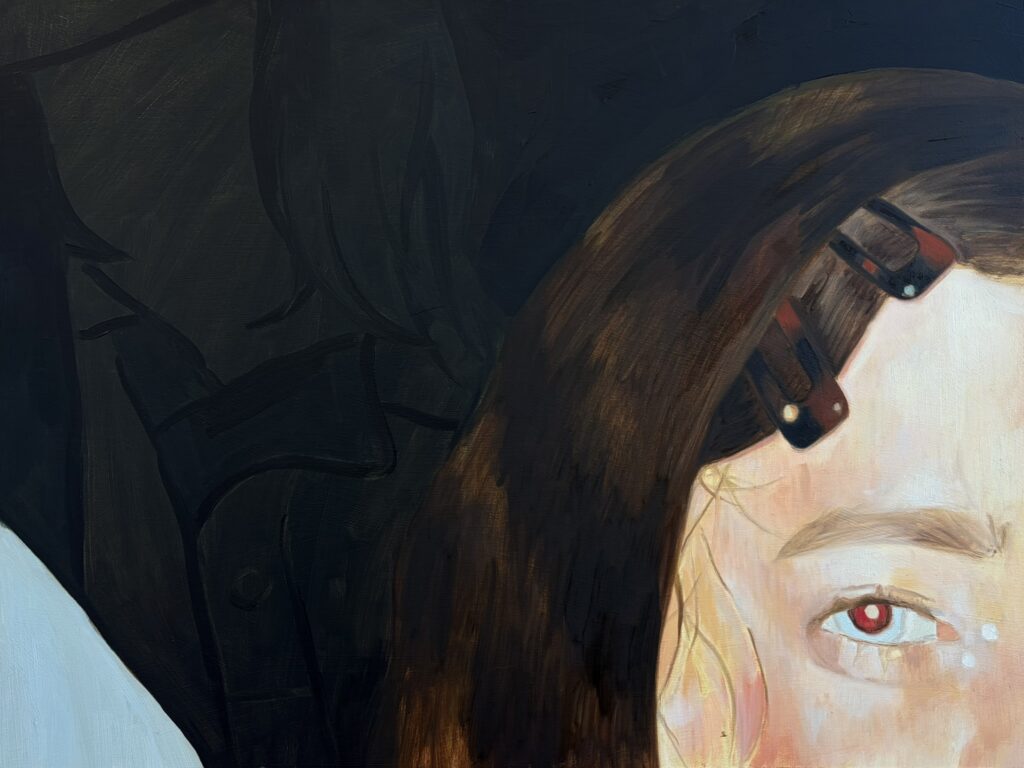
My Back, The Berkeley Suite
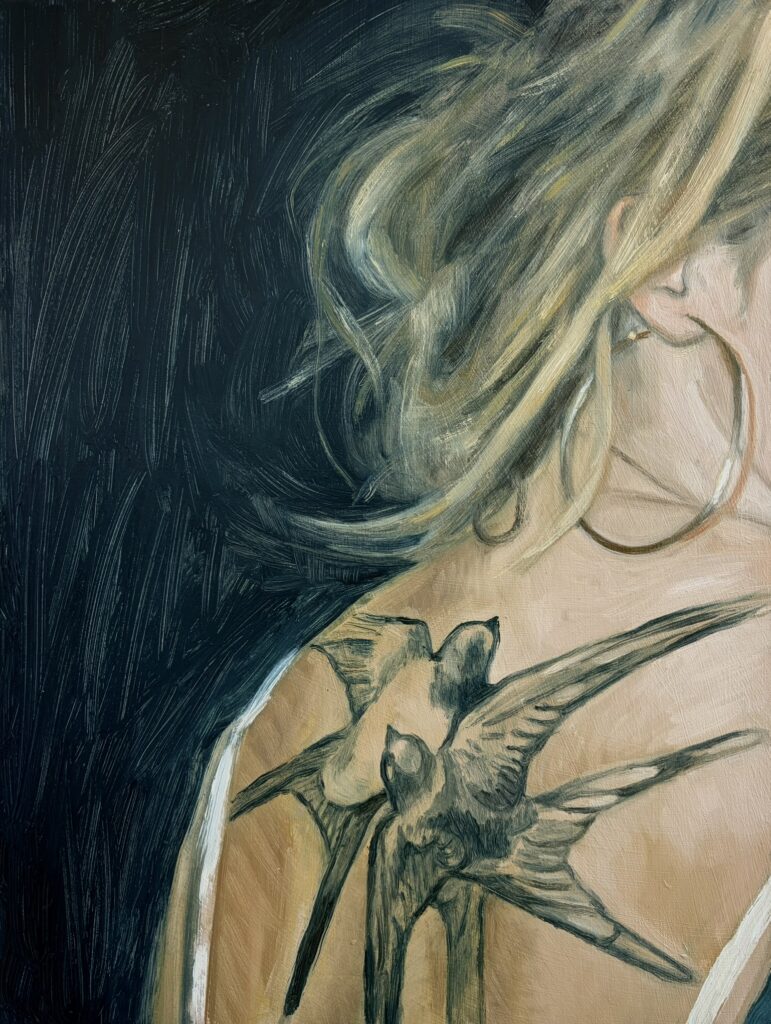
Natalie with Dancin’ Shoes
The Partygoers
The Strangers