
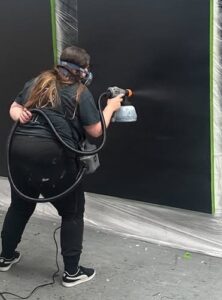
Thea Crawford
(she/they)
My work explores how bodies are constructed, circulated and made legible through digital image culture. Working across painting, digital collage and sculpture, I build composite figures from bodily fragments, found imagery and self-sourced material. These figures bring together forms of looking shaped by desire, visibility and online spectatorship.
The bodies are assembled through visible cuts, substitutions and mismatched surfaces. Rather than resolving into stable forms, they remain partial and unstable, exposing the joins and distortions through which they are made. Flesh, facial features and gendered signifiers shift between seduction, humour and discomfort, reflecting the ways bodies are performed, consumed and fetishised through images.
Rooted in my experience of navigating image-based spaces as a fat body, the work considers visibility as both intimate and exposing. The figures often occupy an ambiguous space between vulnerability and theatricality, appearing bodily and artificial at once.
Painting slows the speed of digital looking. Images that usually circulate quickly are translated into surfaces that require time, scale and physical encounter.
Through airbrushed gradients, hard edges, staged spaces and visible seams, the work holds the body in tension: constructed but bodily, exposed but withheld, unresolved and open to multiple readings.
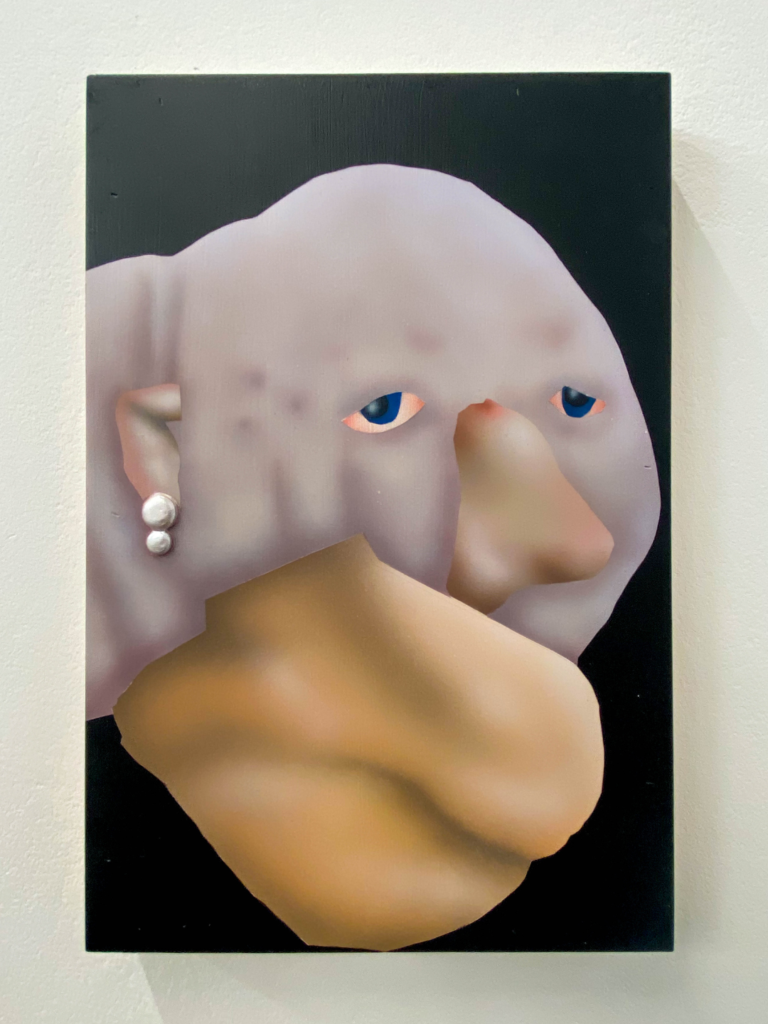
The Body After the Screen
These installation views document my degree show works in situ, bringing together composite bodies, propositional portraits and 3D work shaped by post-digital painting methods. The exhibition gathers the processes, fragments and surfaces developed across my final year, extending the movement between digital collage, airbrushed painting and sculptural form into a single physical encounter.
This language is developed in dialogue with my dissertation, Vibrant Matters and Rhizomatic Deterritorialisation: Building a Lexicon of Post-Digital Painting, where I began to define terms for the studio logic running through the work. Across the exhibition, a vocabulary of flesh emerges through repeated bodily fragments, substitutions, staged surfaces and visible seams. Terms such as edge discipline and compression aesthetics become ways of naming how the work moves between screen and surface: from hard masked edges and airbrushed gradients to moments of distortion, compression and material translation.
Together, the works reflect on the circulation of femme queer bodies across contemporary image culture, tracing how bodies are fragmented, consumed, recirculated and made visible through digital space. The installation brings these questions into scale, surface and physical proximity, holding the body as constructed, mediated and materially present: partial, exposed, withheld and open to multiple readings.
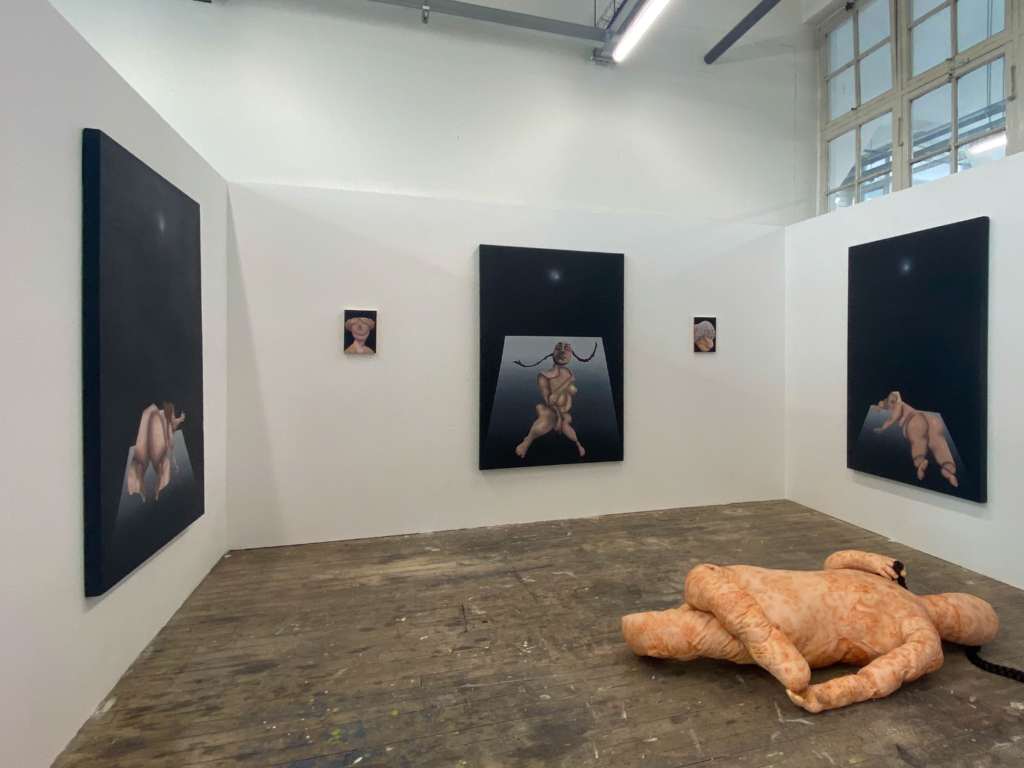
Glasgow School of Art Degree Show Install, 2026
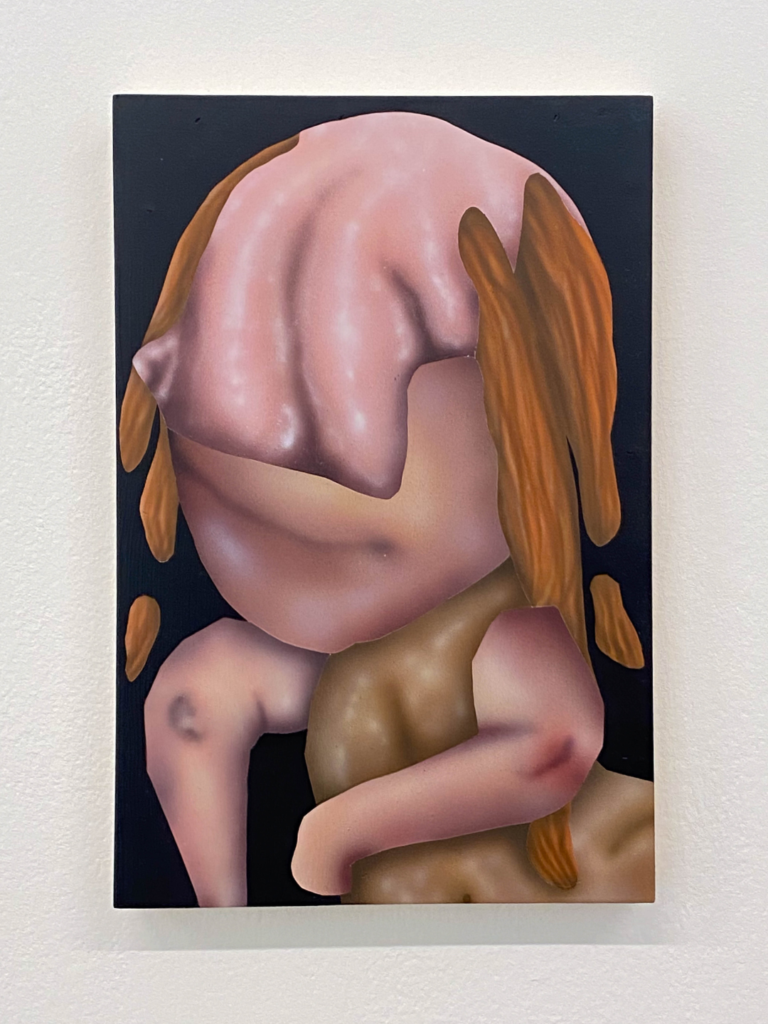
2026, acrylic on board, 20 x 30 cm
For Sale: Price on request.
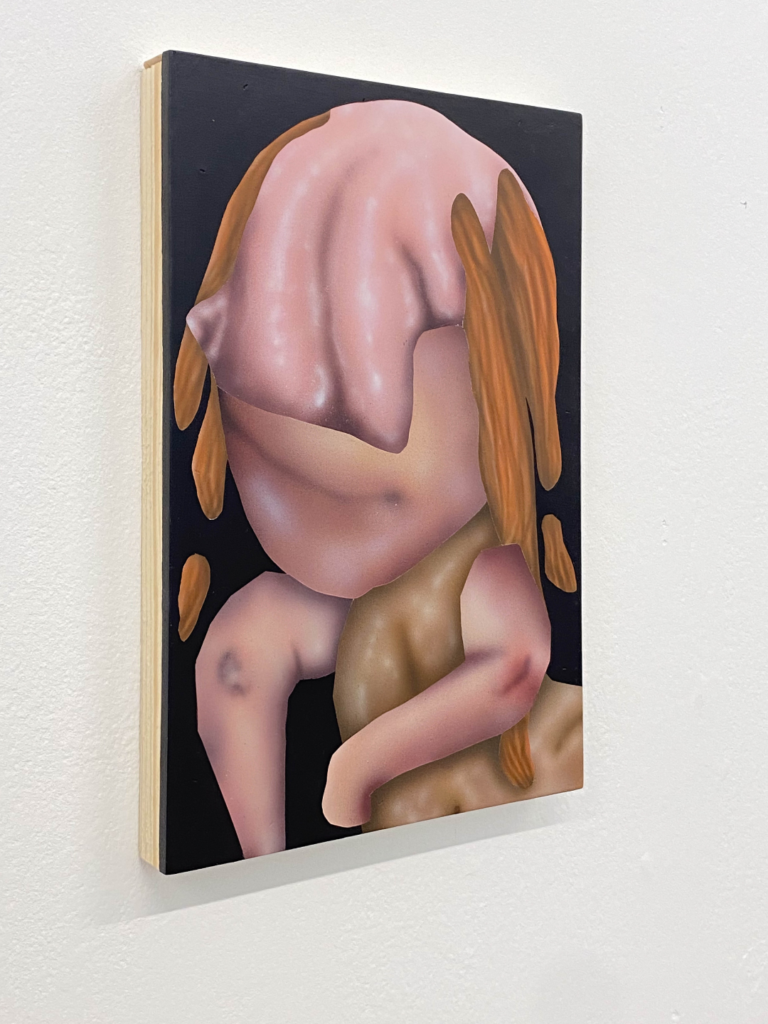
2026, acrylic on board, 20 x 30 cm
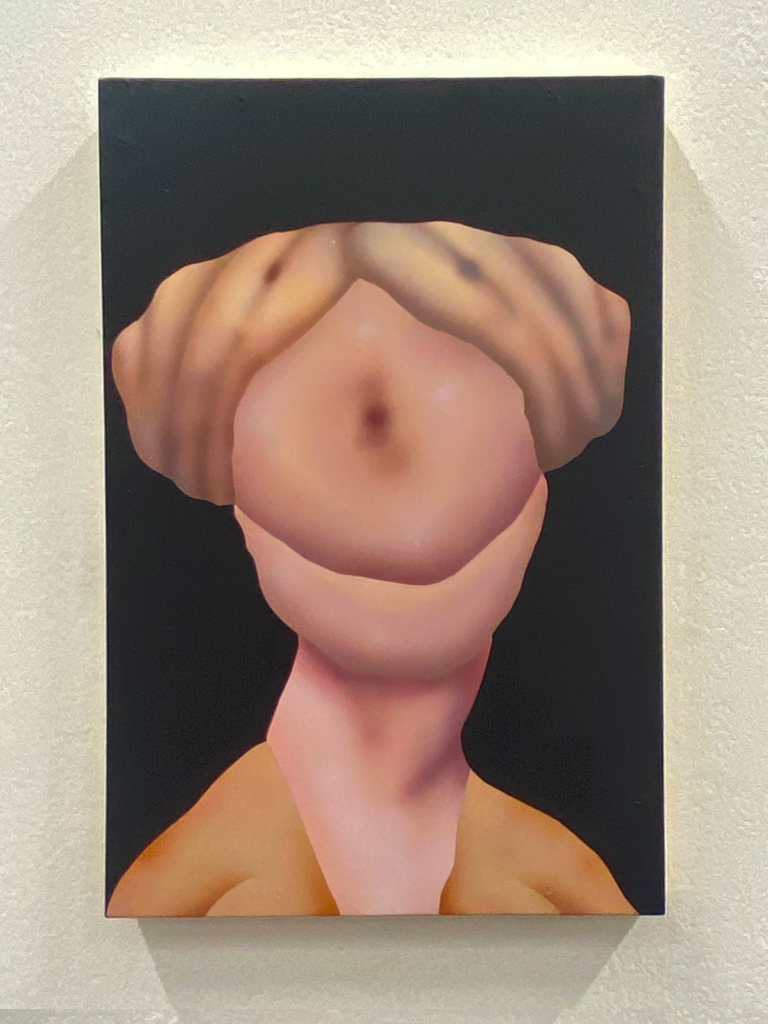
2026, acrylic on board, 20 x 30 cm
For Sale: Price Available on Request
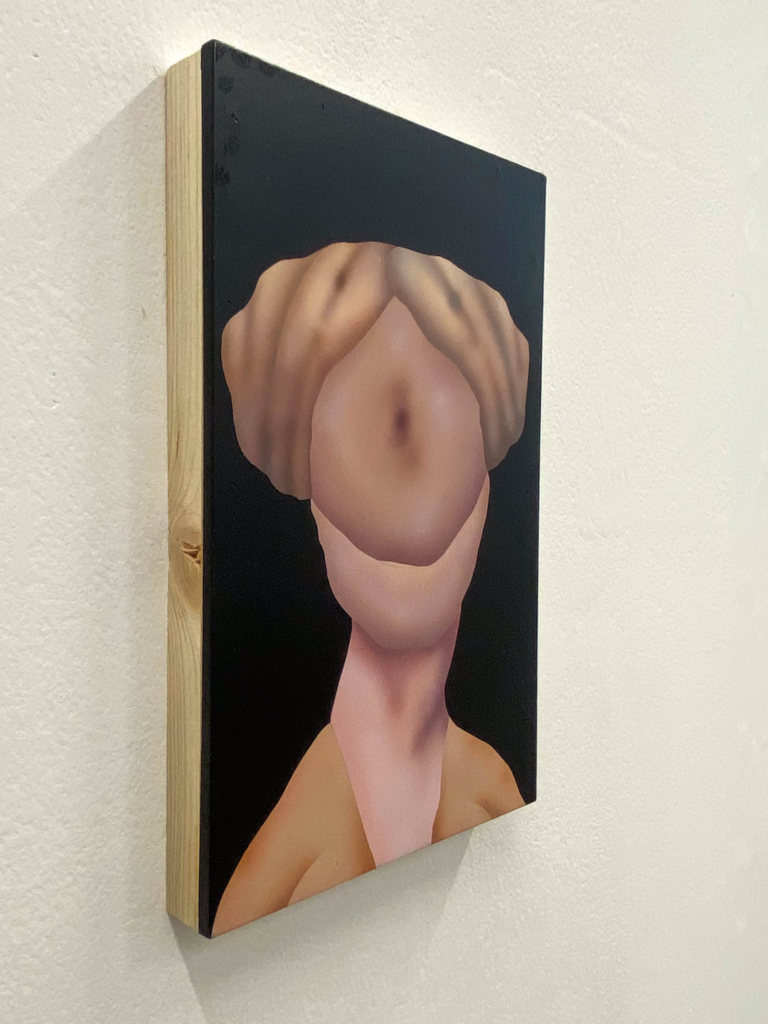
2026, acrylic on board, 20 x 30 cm
2026, acrylic and modelling paste on board, 20 x 30 cm
For Sale: Price on Request
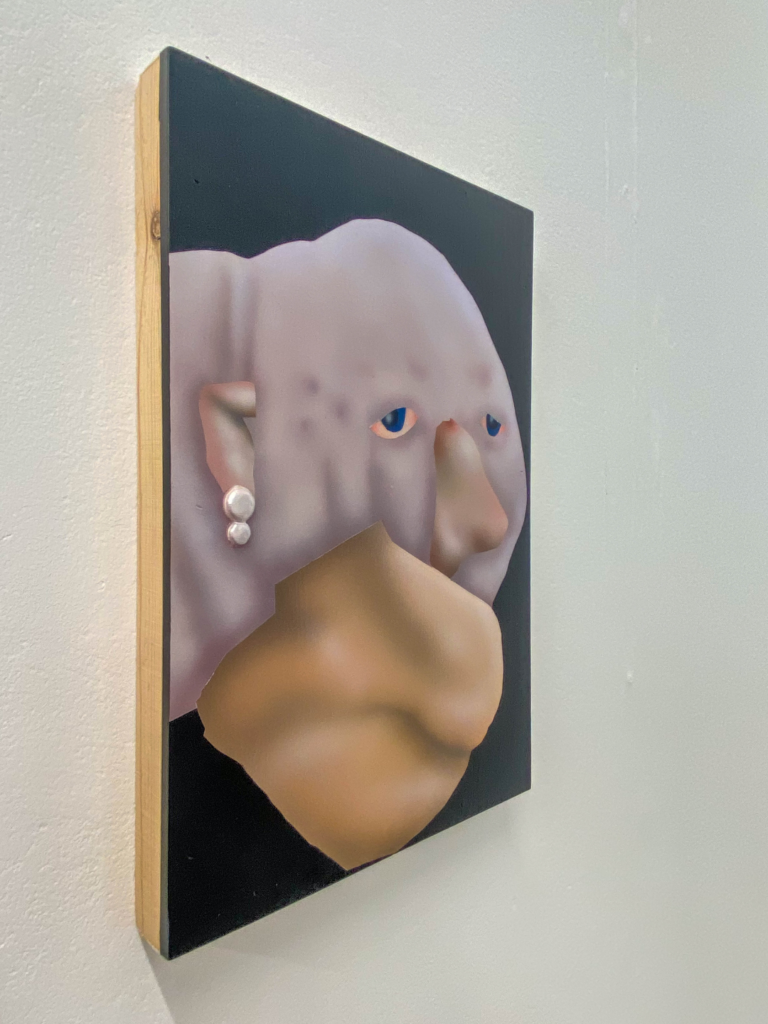
2026, acrylic and modelling paste on board, 20 x 30 cm
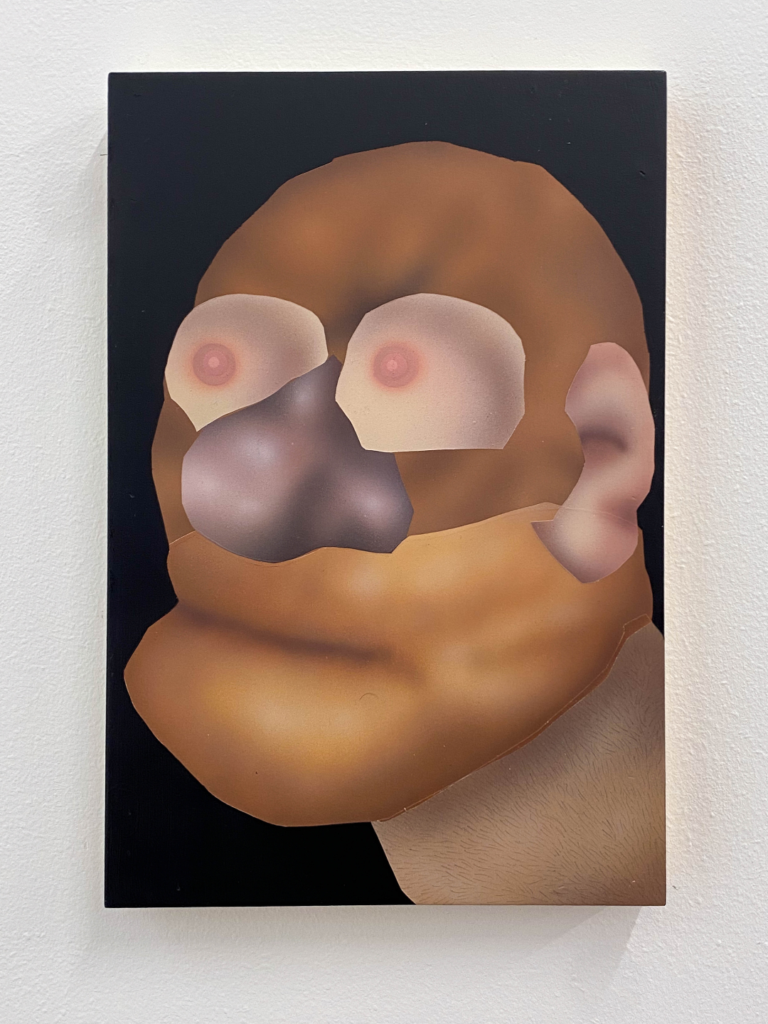
2026, acrylic on board, 20 cm x 30 cm
For Sale: Price on Request
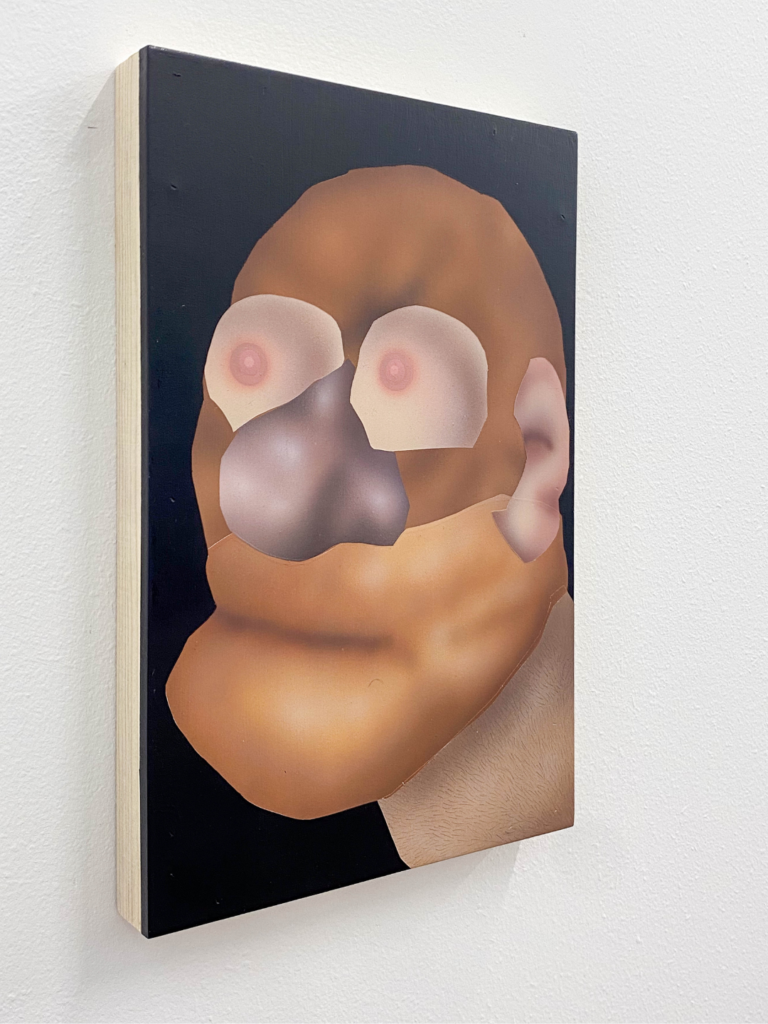
2026, acrylic on board, 20 x 30 cm
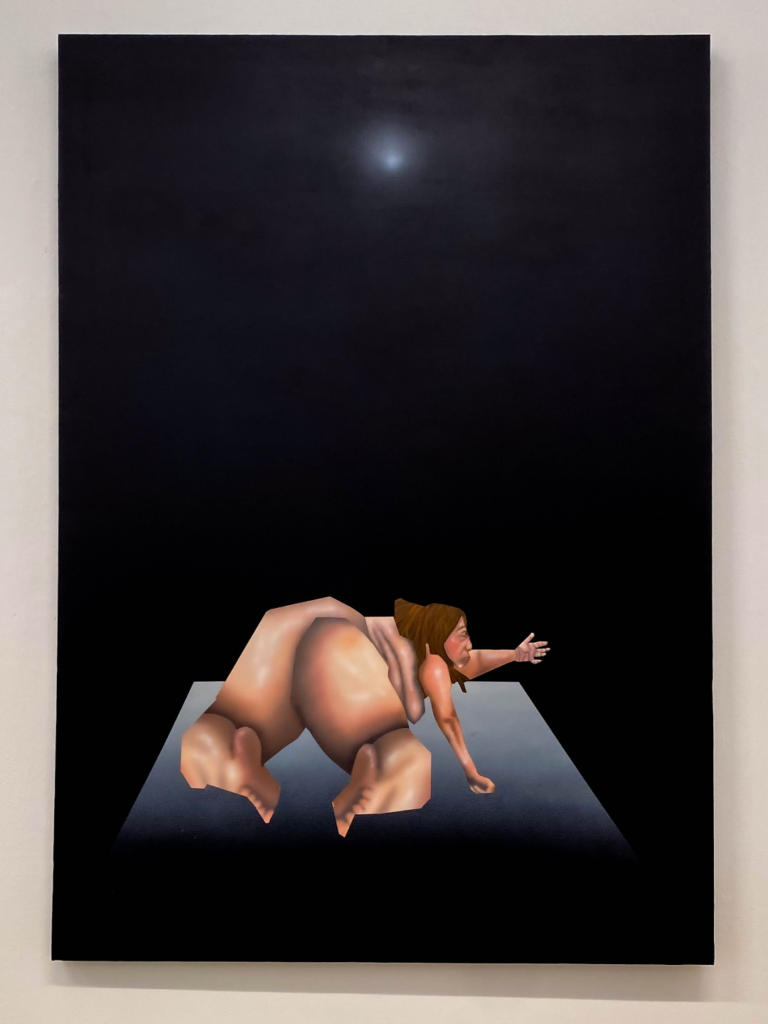
2026, acrylic on canvas, 120 x 170 cm
For Sale: Price on Request
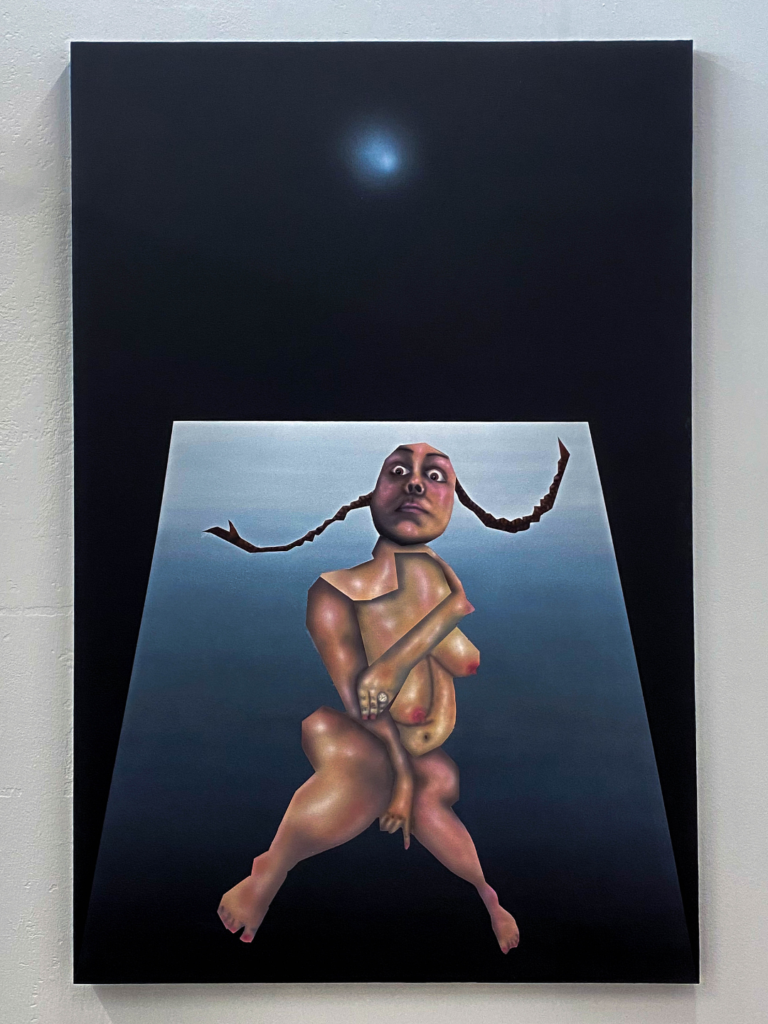
2026, acrylic on canvas, 118 x 170 cm
For Sale: Price on Request
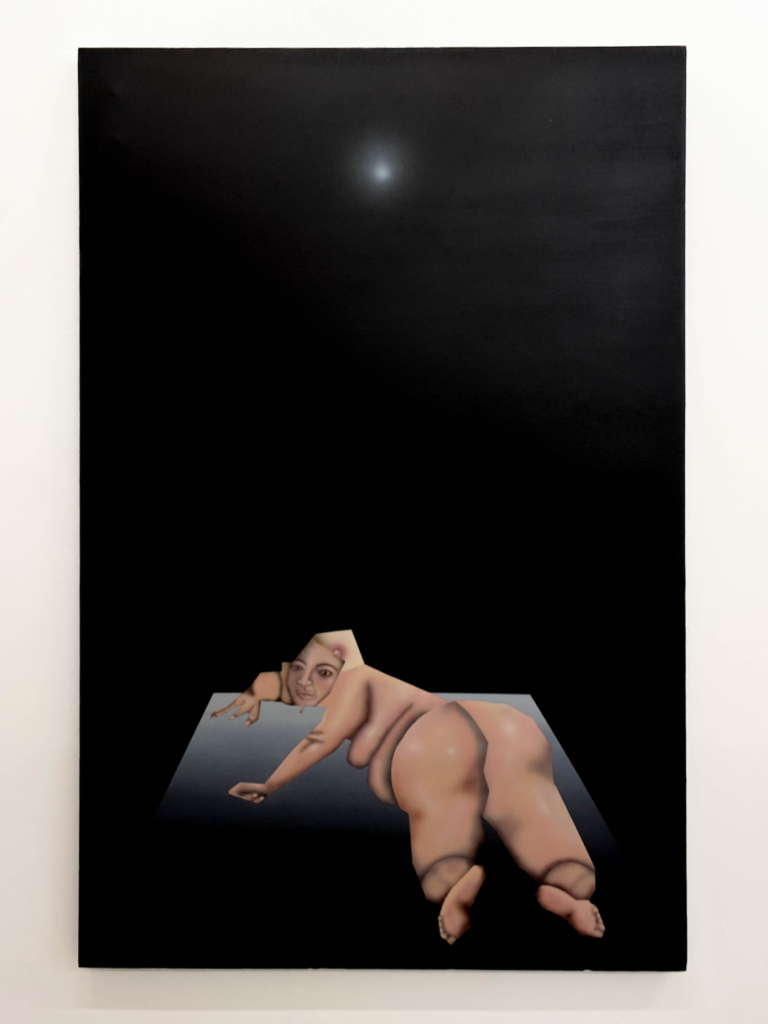
2026, acrylic on canvas, 120 x 170 cm
For Sale: Price on Request
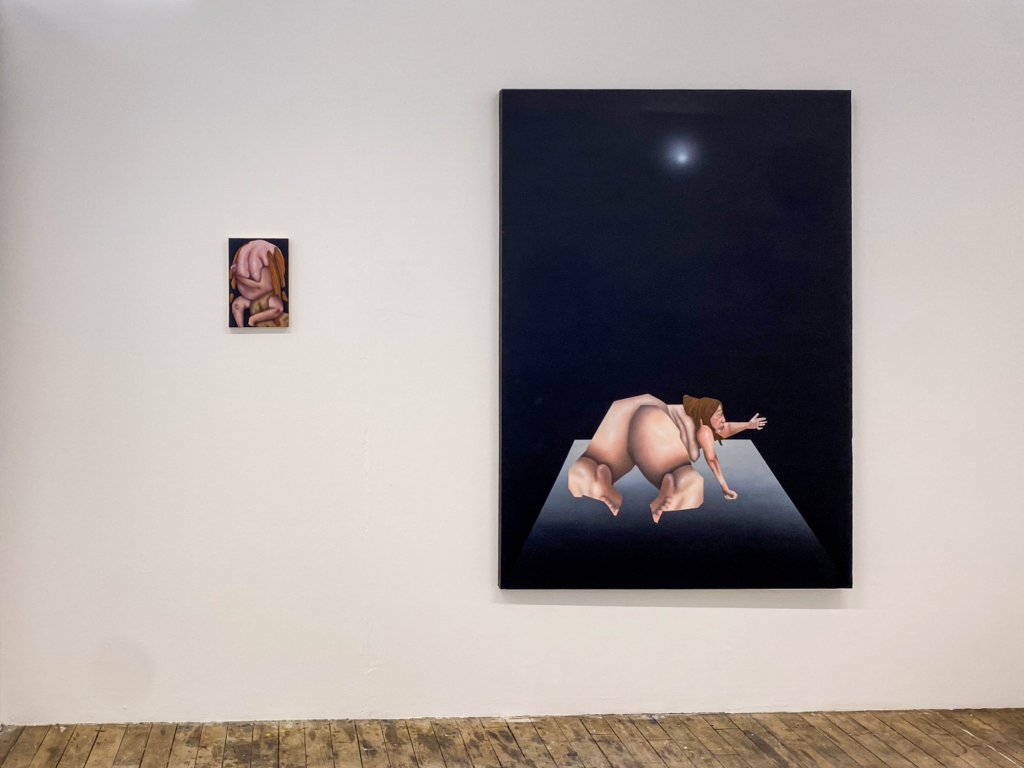
Left: Corpus Right: Three Studies for a Composite Figure I
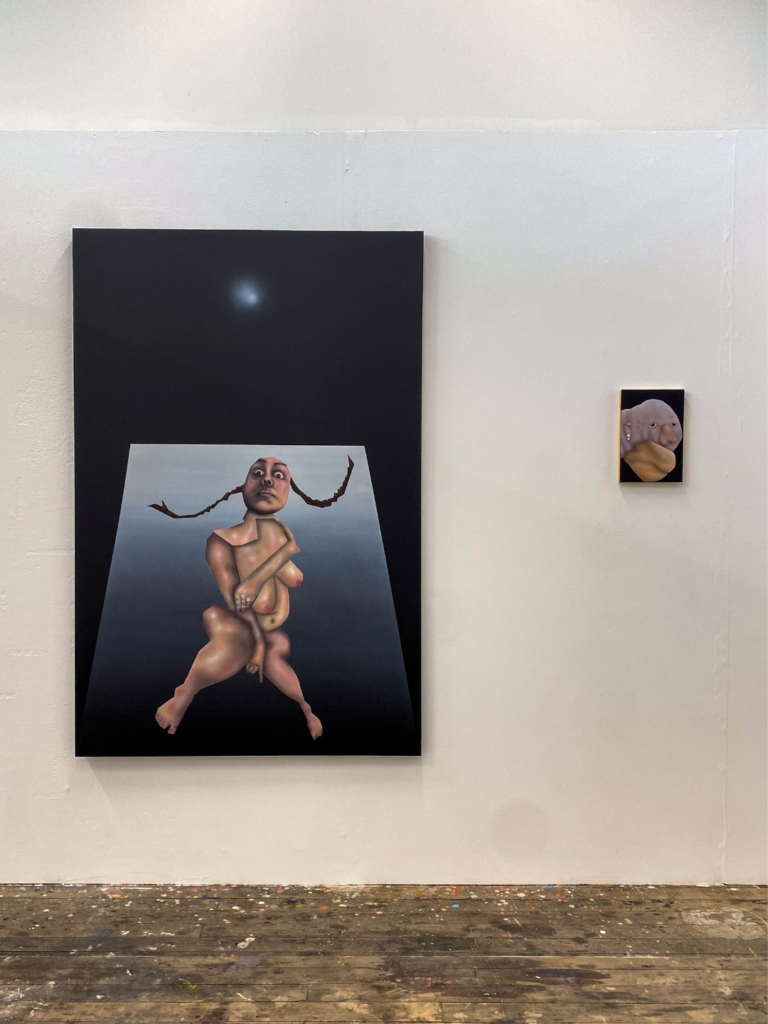
Left: Three Studies for a Composite Figure II Rigt: Effigy
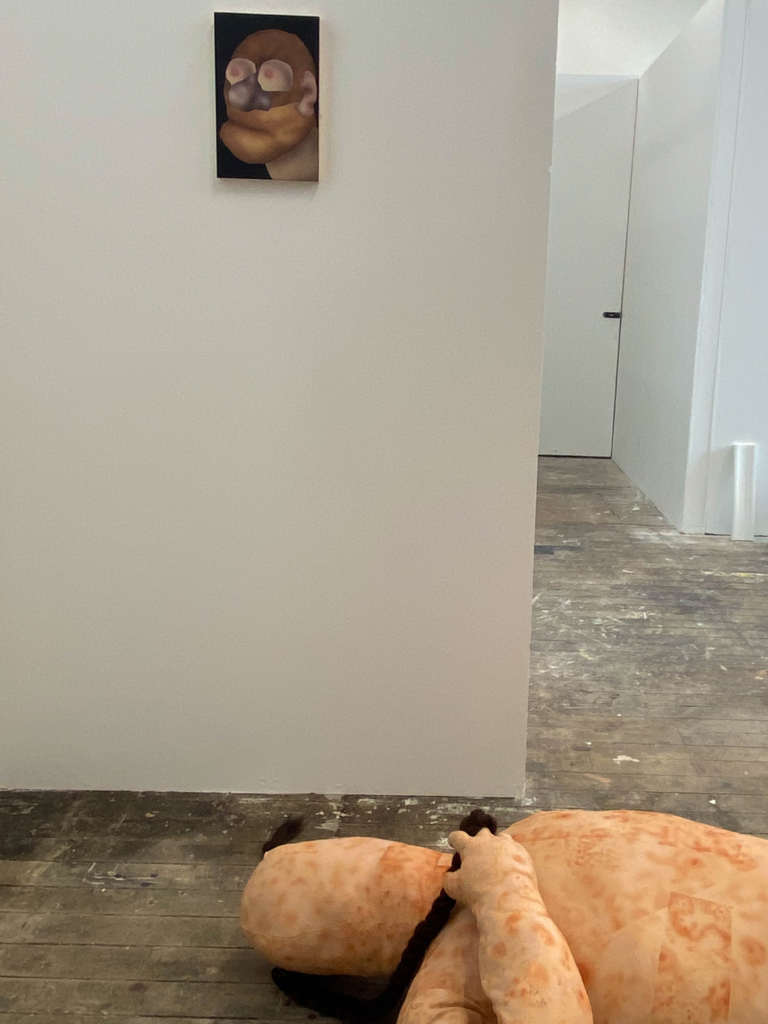
Wall: Homunculus Floor: Armature
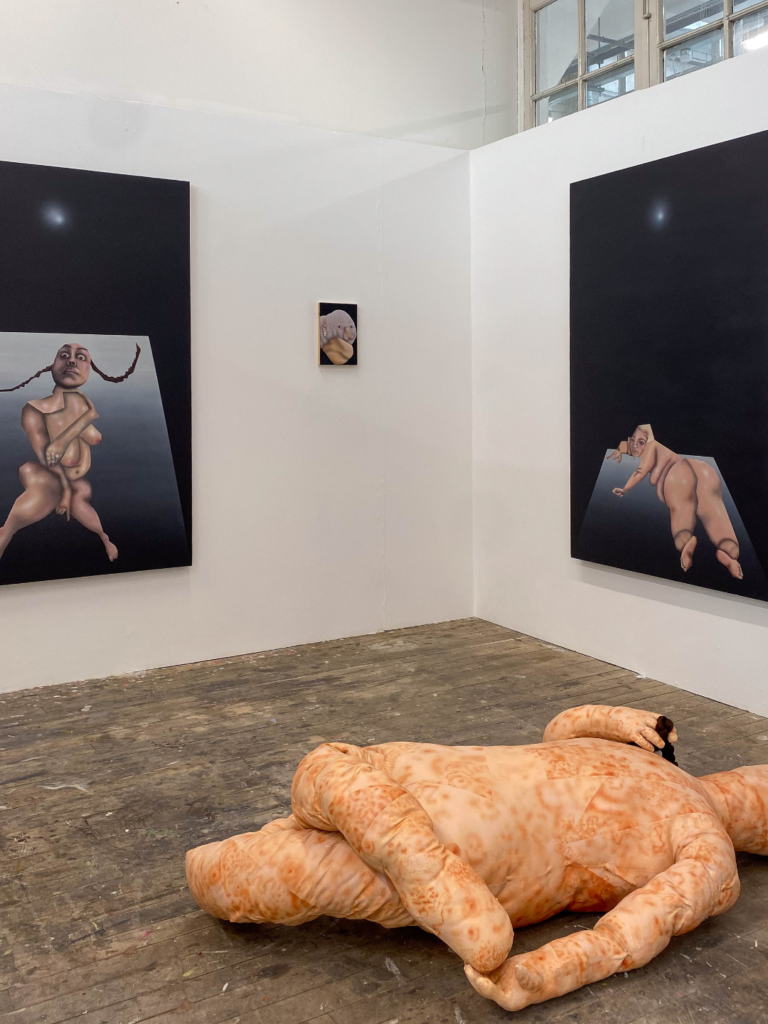
Left: Three Studies for a Composite Figure II Center: Effigy Right: Three Studies for a Composite Figure III Floor: Armature
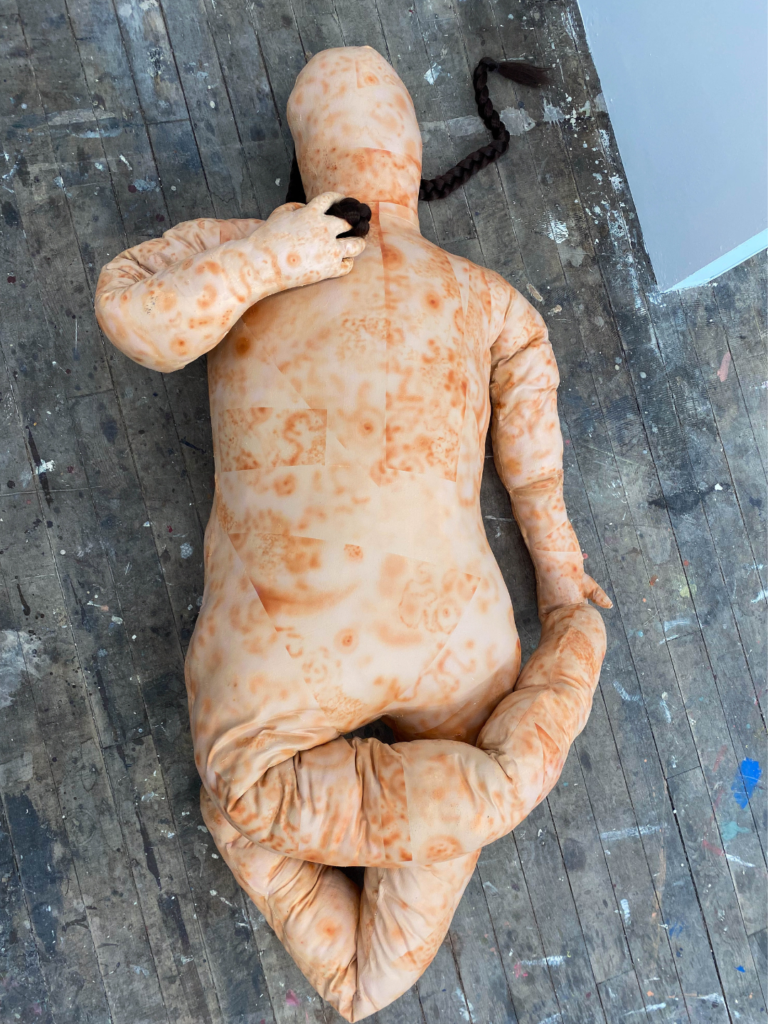
2026 mixed media sculpture: morph suit, hollow fibre stuffing, wire, PVA and acrylic
For Sale: Price on Request
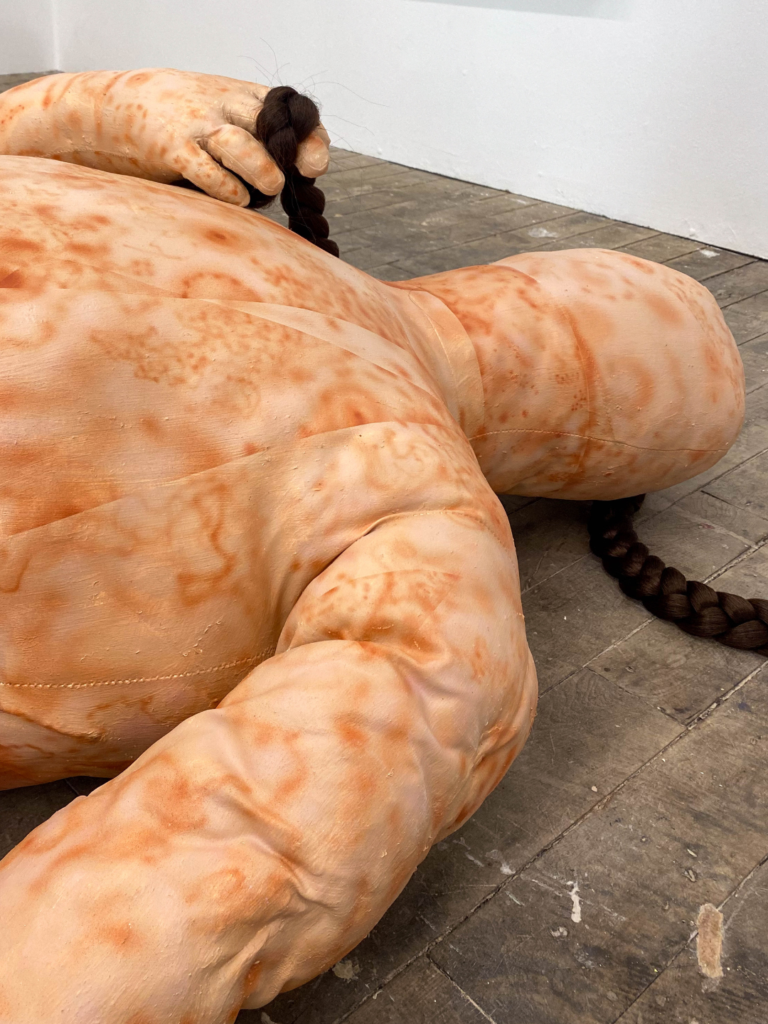
2026 mixed media sculpture: morph suit, hollow fibre stuffing, wire, PVA and acrylic
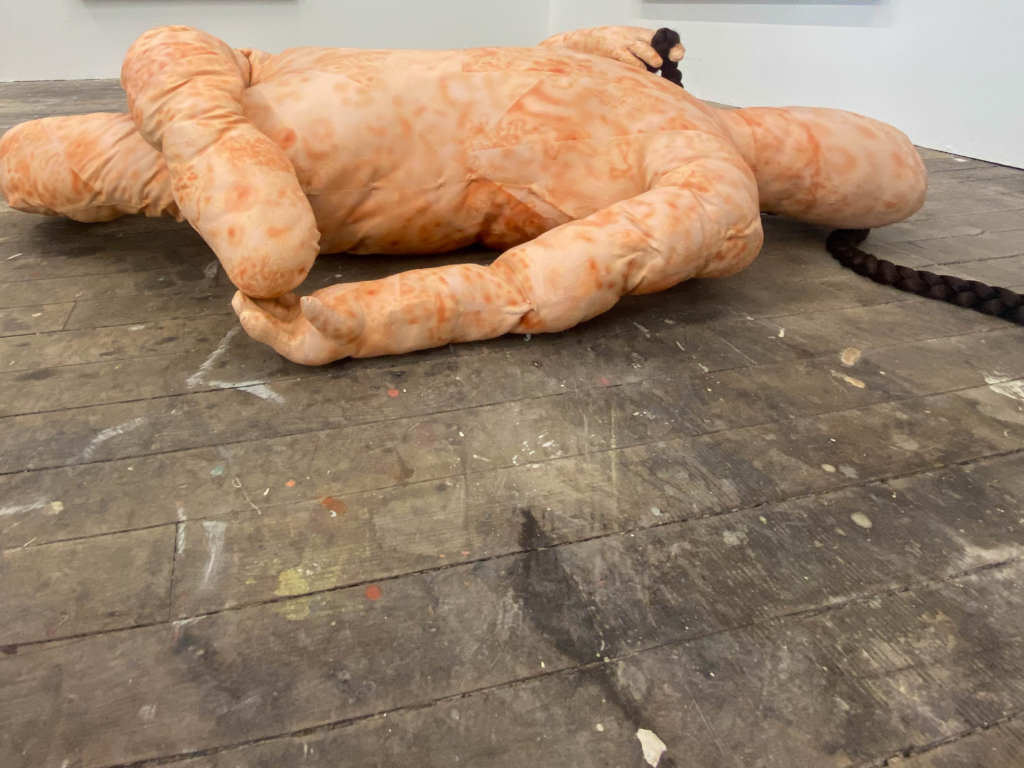
2026 mixed media sculpture: morph suit, hollow fibre stuffing, wire, PVA and acrylic