Rita Rogers
(she/her)
I am interested in photography’s relationship to systems of power and how it can serve as a form of counter-surveillance. It can be used as a tool to challenge and reveal the uneven distribution of power and the stratified ways of seeing.
I use photography to engage with landscapes and infrastructures, focusing on sites marked by extraction, surveillance, industrial and military intervention. I consider how these environments make visible the hidden forms of contemporary violence and systems embedded within them. By positioning the photograph as both witness and inquiry, I want to investigate and understand the relationship to these concealed worlds we live in.
REHEARSALS
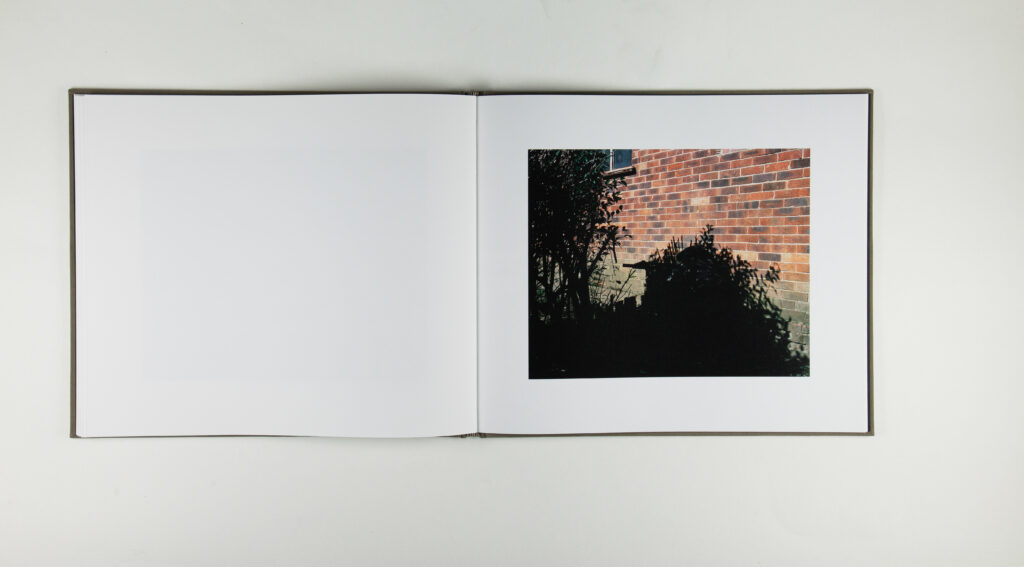
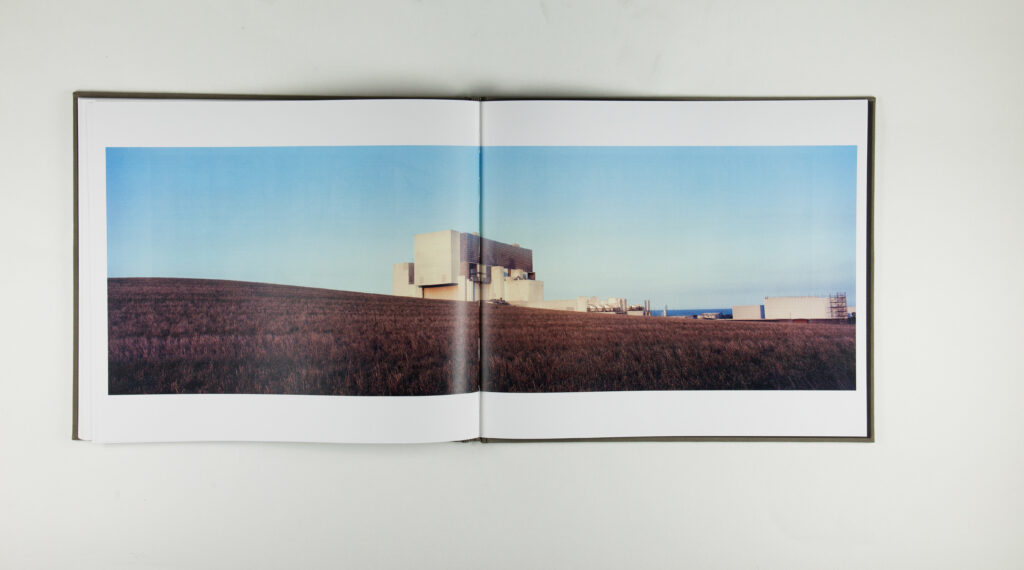
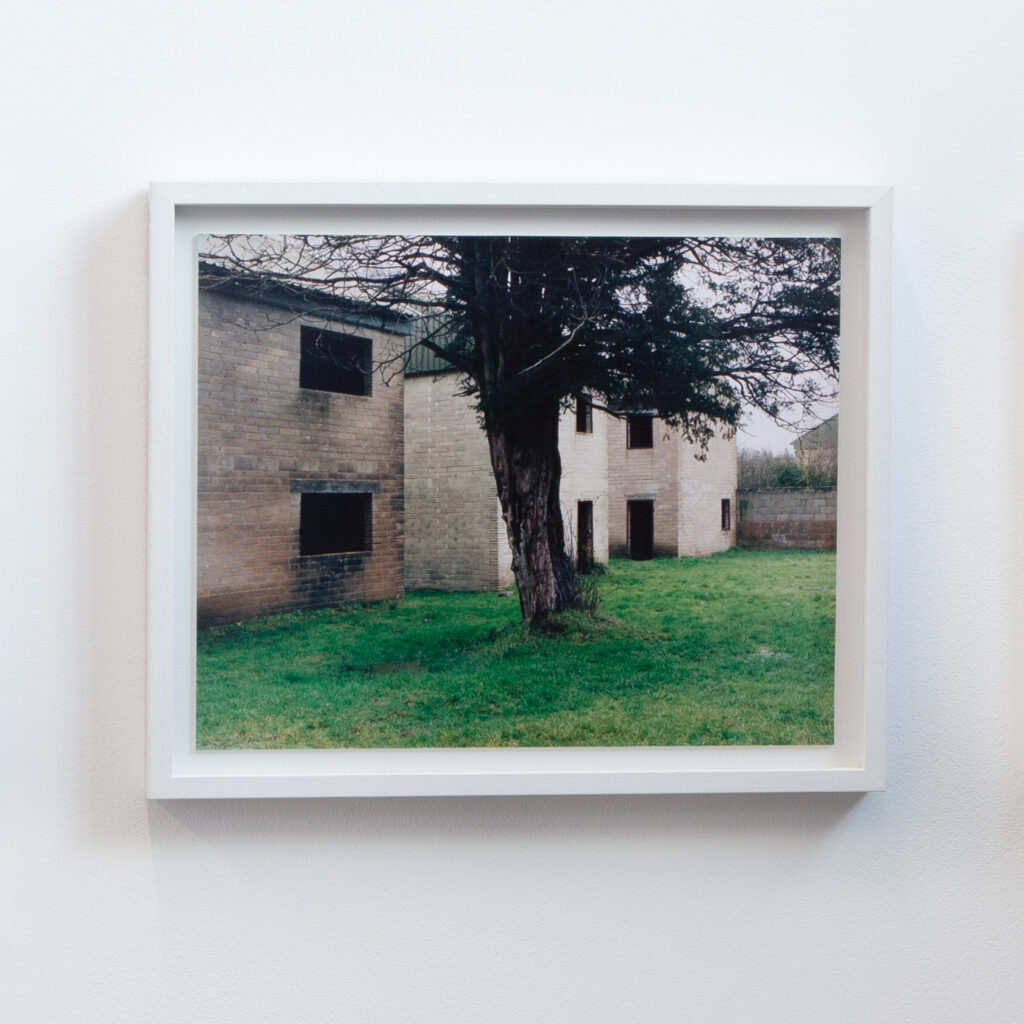
‘Rehearsals’ explores the gap between armed conflict and the everyday. It documents military training areas and their simulated urban environments. Replicas of Northern Irish back gardens, Afghan markets and Eastern European villages scatter the British countryside, and each site is constantly modified as the UK’s Ministry of Defence scrambles to keep up with ever-evolving global conflicts and geopolitics.
These simulations are not ‘copies’ of the ‘real’ but hyperreal fabrications. In their familiarity, these spaces mimic reality. They are often domestic in scale, with traces of community that represent cultural tropes, but are used here as model landscapes for war.
There is no relationship with real places or the real people they attempt to represent. In this disassociation, violence will be performed, rehearsed, and constructed again and again until it is legitimised.
These ideas extend beyond training environments into the public imagination of the military itself. The public understanding of military activity is mediated through photography, news footage, and curated histories until representation no longer obscures reality but stands in for it entirely. But this is not just a question about what is visible or what we see; rather, it is about how seeing itself functions as a system of control and, in turn, how power controls what is visible.
Fascinated by the idea that we can live alongside such legitimised systems of violence, I wanted to document complicit landscapes in the UK’s geopolitical operations: everything that happens offshore has been rehearsed here, parallel to our lives onshore.
Institutions of warfare survive by creating distance between reality and representation. Rather than solely capturing conflict and exposing hidden truths, by documenting the habits and the everydayness of the rehearsal, we can make visible the things that have become ordinary and refuse the terms under which these spaces are presented as neutral or necessary.
By returning to the street, to trusted civic infrastructure such as sites of governance, national archives, or industry, and by creating new proximities, we can begin to question the broader structures of violence and power, and move towards a clearer way of seeing.
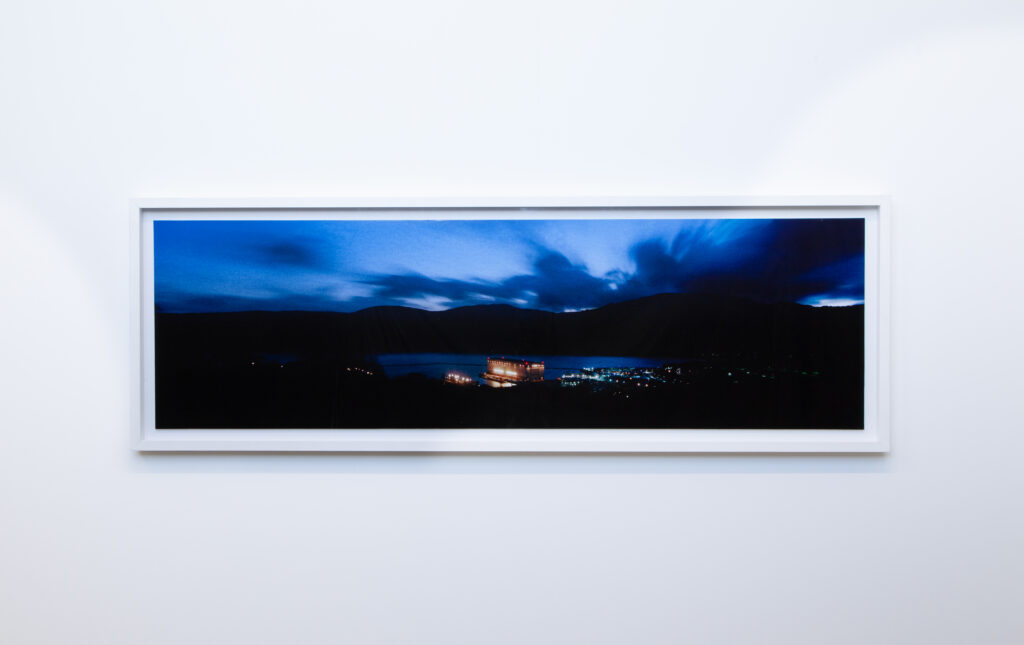
HMNB Clyde, 150 x 50 cm (Giclee Print)
For Sale: Price on Request
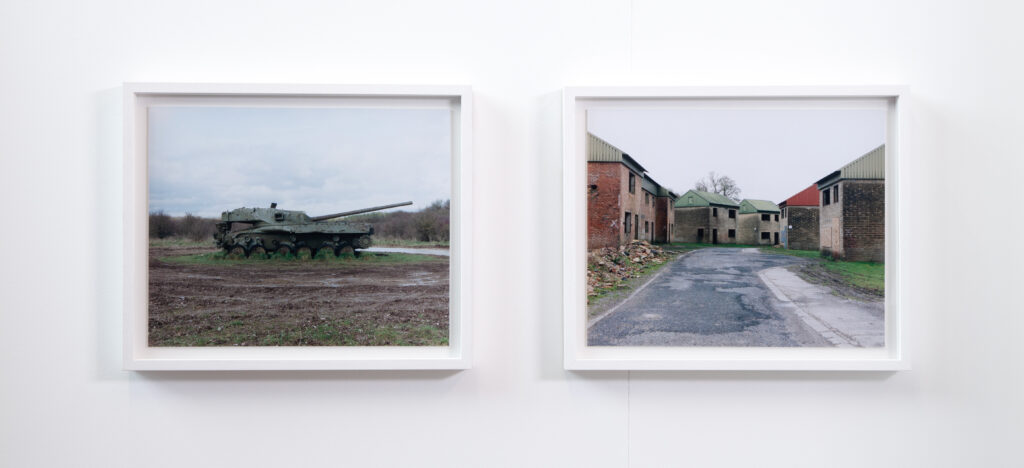
Salisbury Plain Training Area, 40 x 33cm (C-Type Prints)
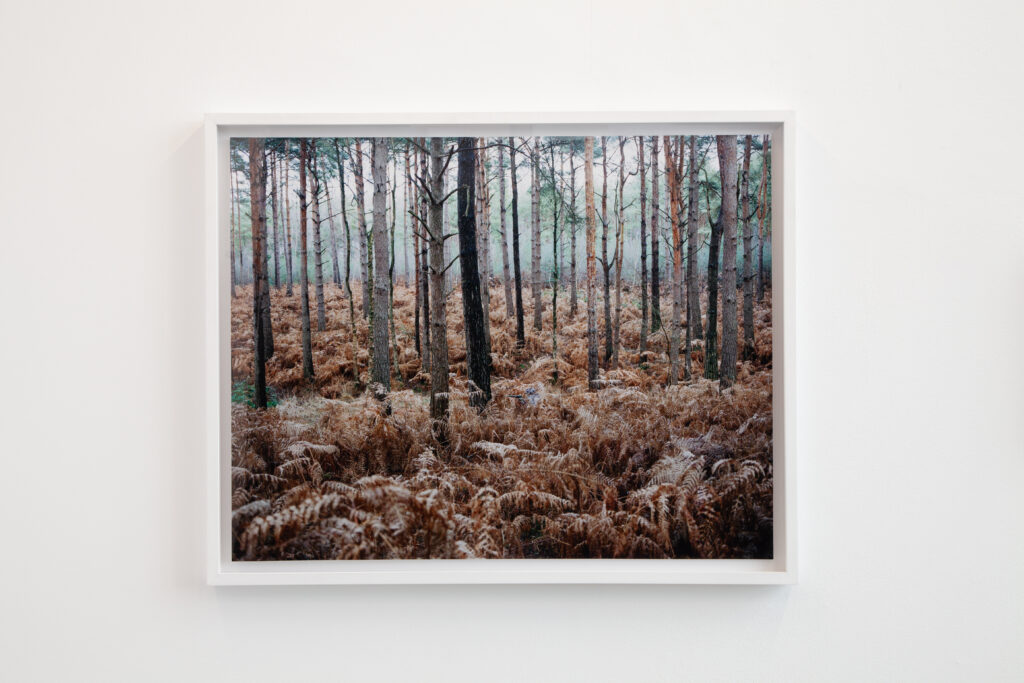
100 x 85cm (Giclee Print)
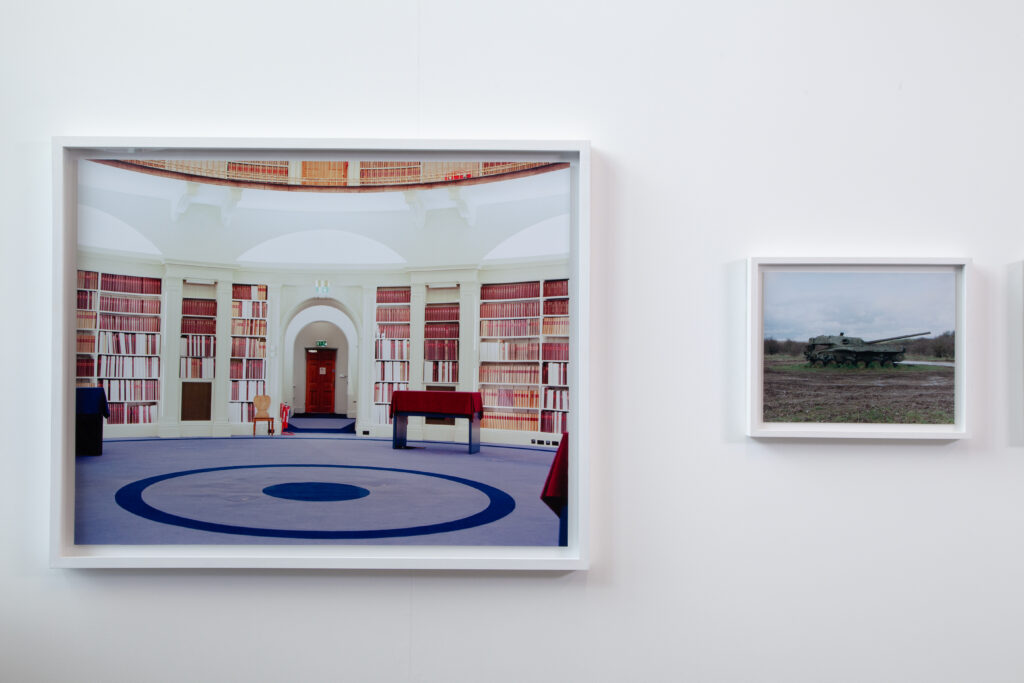
100 x 85cm (Giclee Print), 40 x 33cm (C-Type Print)
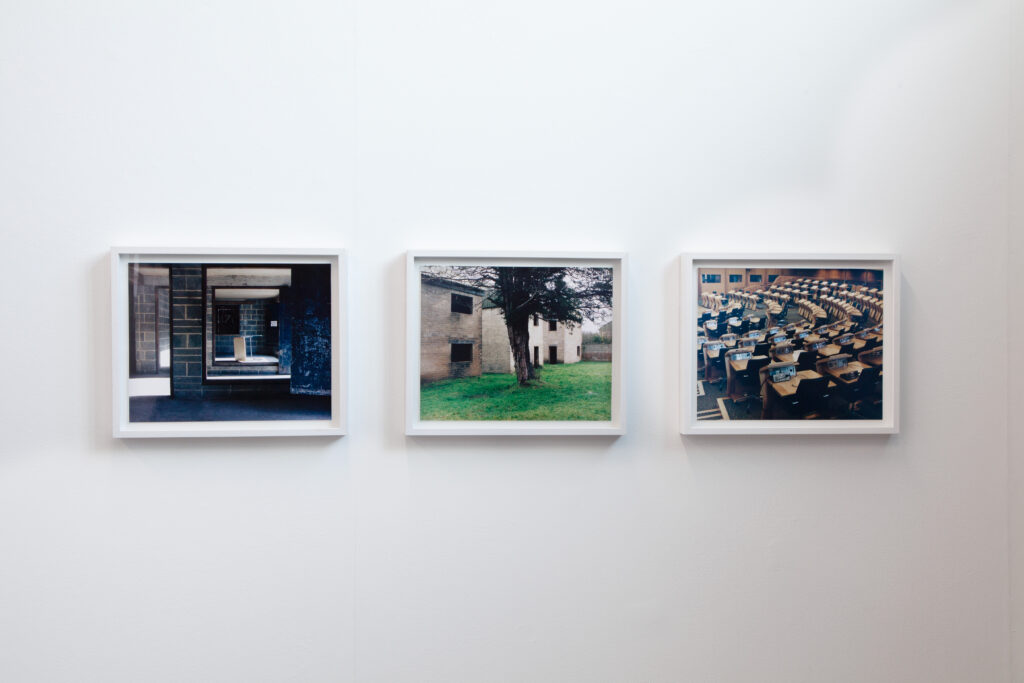
Catterick Training Area, Salisbury Plain Training Area, 40 x 33cm (C-Type Print)
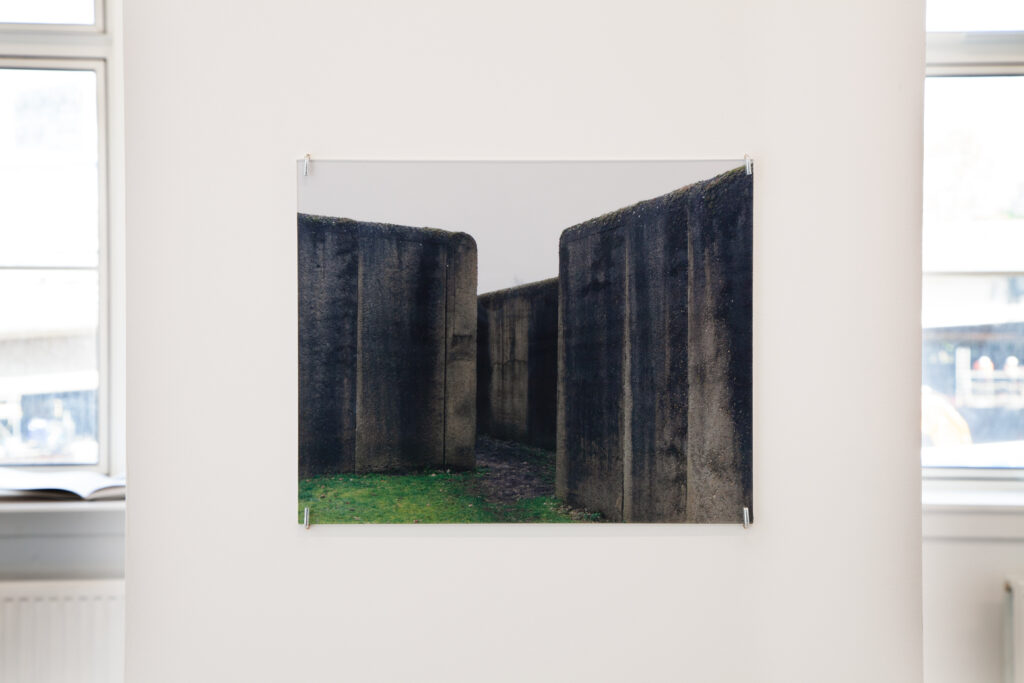
Stanford Training Area 35 x 28cm (C-Type Print)
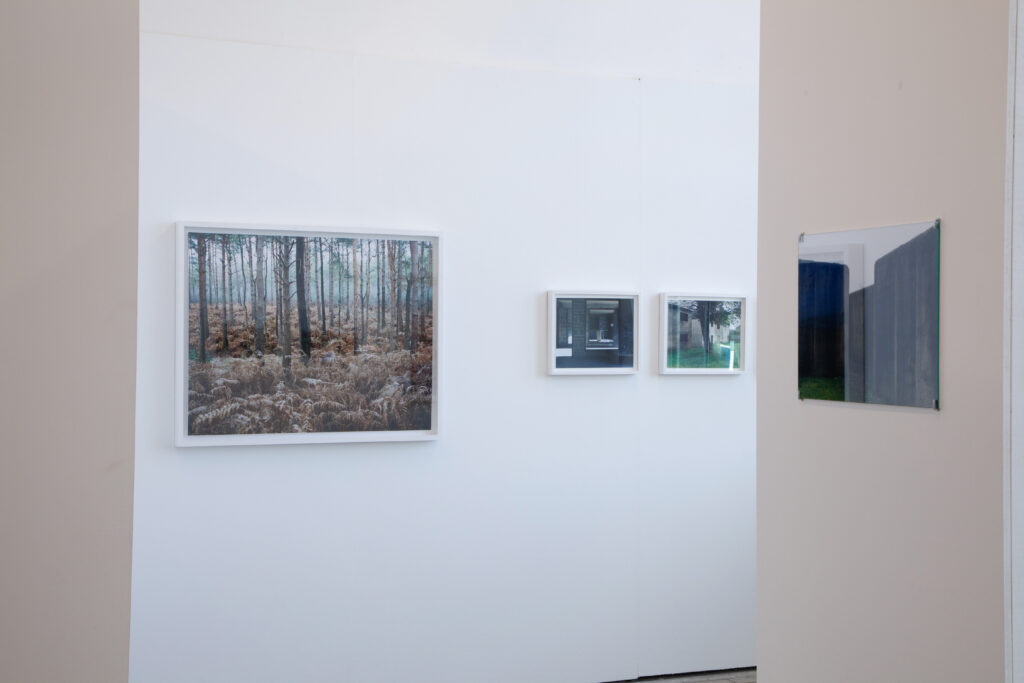
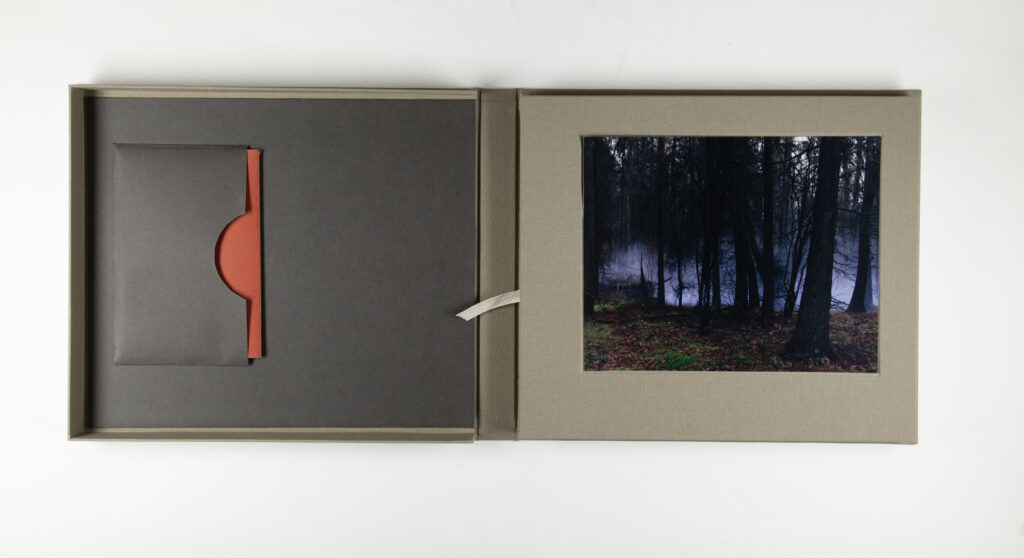
Handmade by Rita Rogers (edition of 3)
For Sale: Price on Request
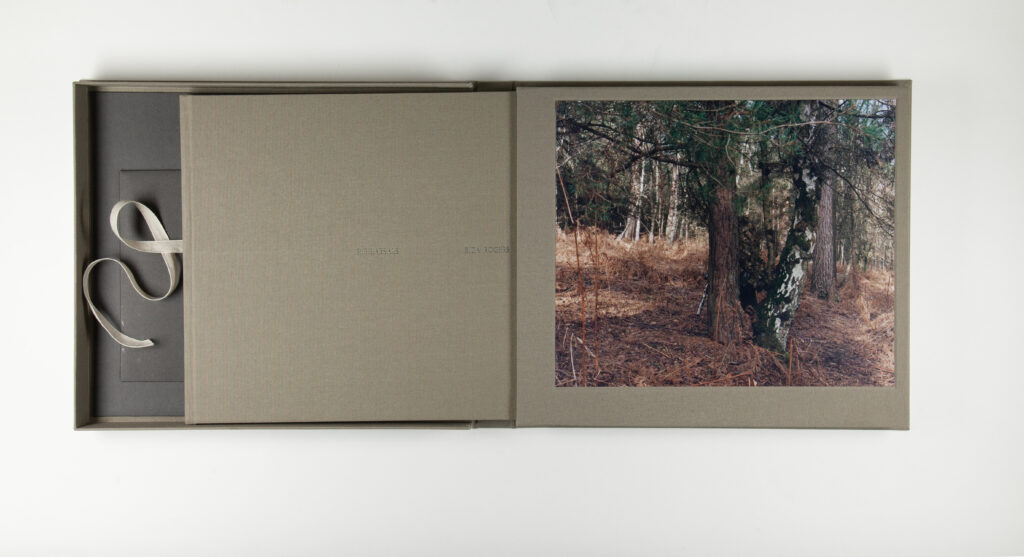
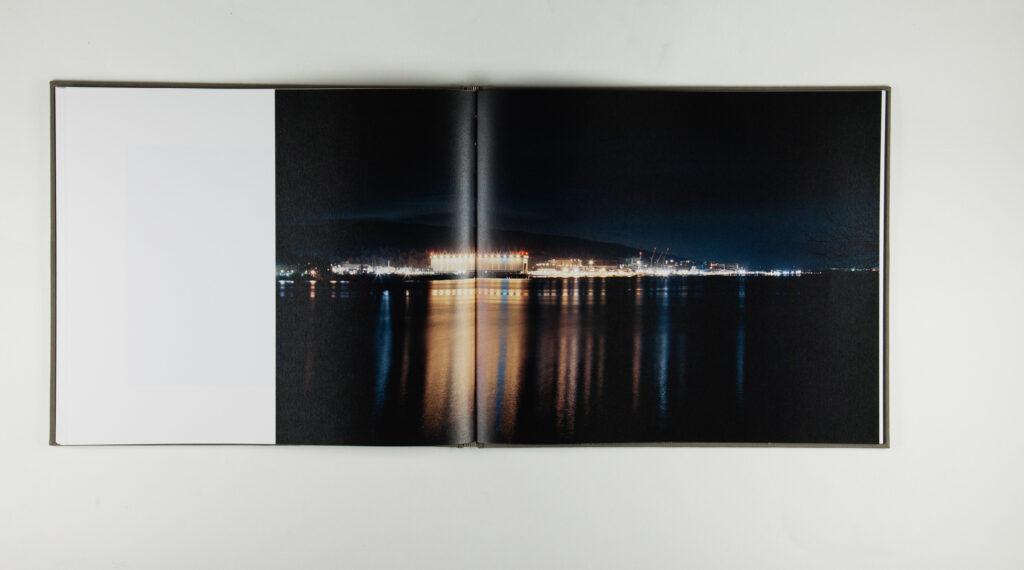
80 pages, Handmade by Rita Rogers