
Xiaoyi Gong
(she/her)
My art practice is centred on intangible yet palpable experiences—such as memory, absence, belief, and emotion—and translates abstract feelings into spatial languages that can be physically sensed. The work spans installation, sculpture, experimental film, audio, and digital media. The creative process often begins with everyday actions, reframing them through ritualised gestures and generative processes to explore the invisible relationships between the individual and a specific environment.
Within this framework, space, the mode of observation, and the bodily position are central. Ideas develop through adjustments in placement, duration, distance, and subtle spatial interventions. Incorporating interactive technologies, these environments respond directly to the viewer’s presence, allowing meaning to emerge through physical encounter rather than explanation. The ultimate goal is to encourage active sensation instead of passive viewing, treating the act of observation itself as an essential component of the work. While rooted in a cultural heritage that informs these notions of belief and ritual, the practice strives to transcend specific references. The work aims to communicate universally, allowing experiences to be felt across diverse linguistic and cultural landscapes.
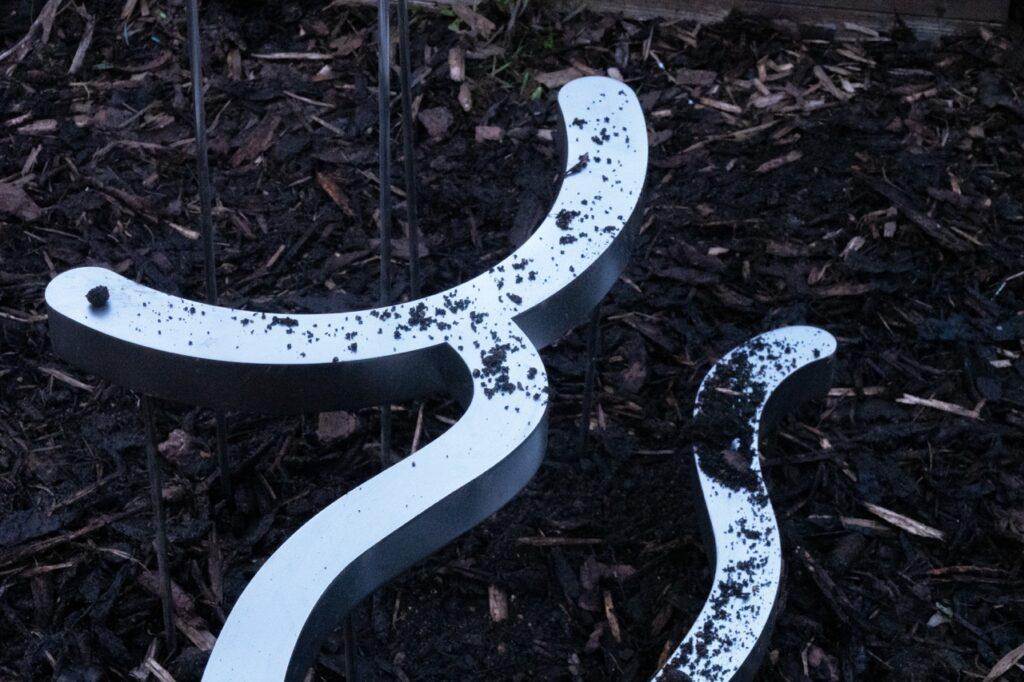
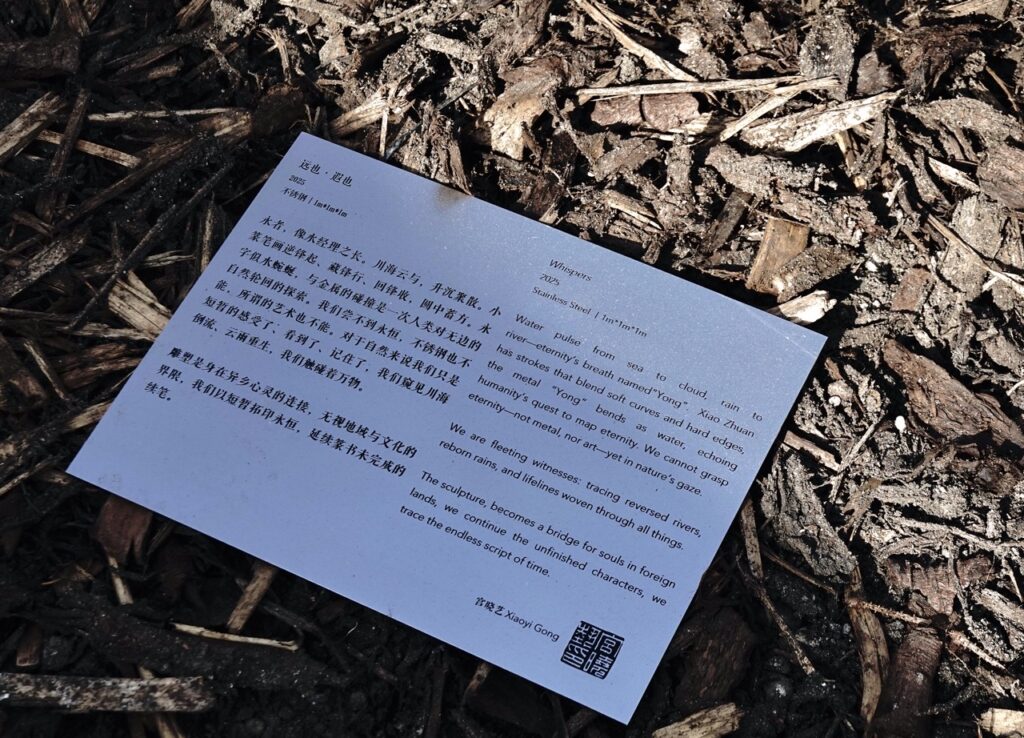
Whispers
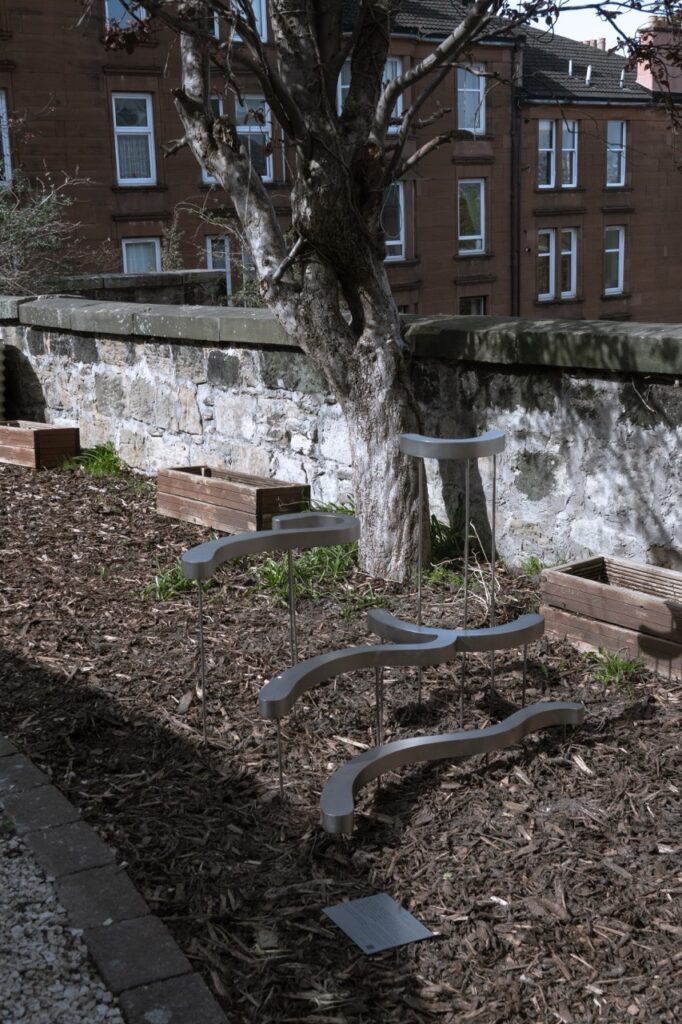
📍Wing Hong Elderly Group, Glasgow, UK | 2025
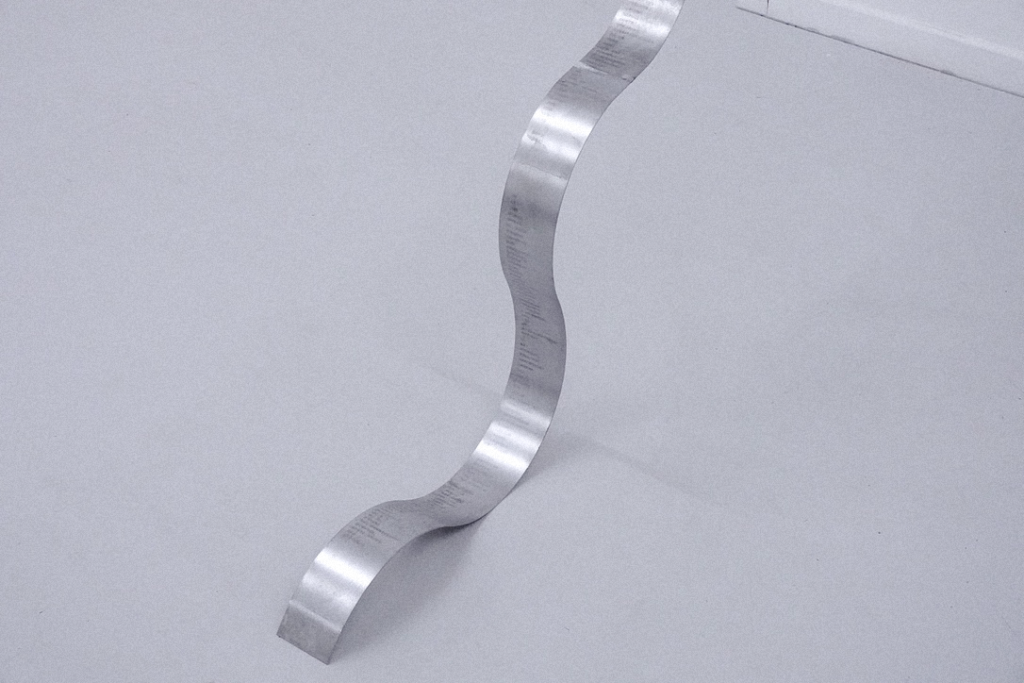
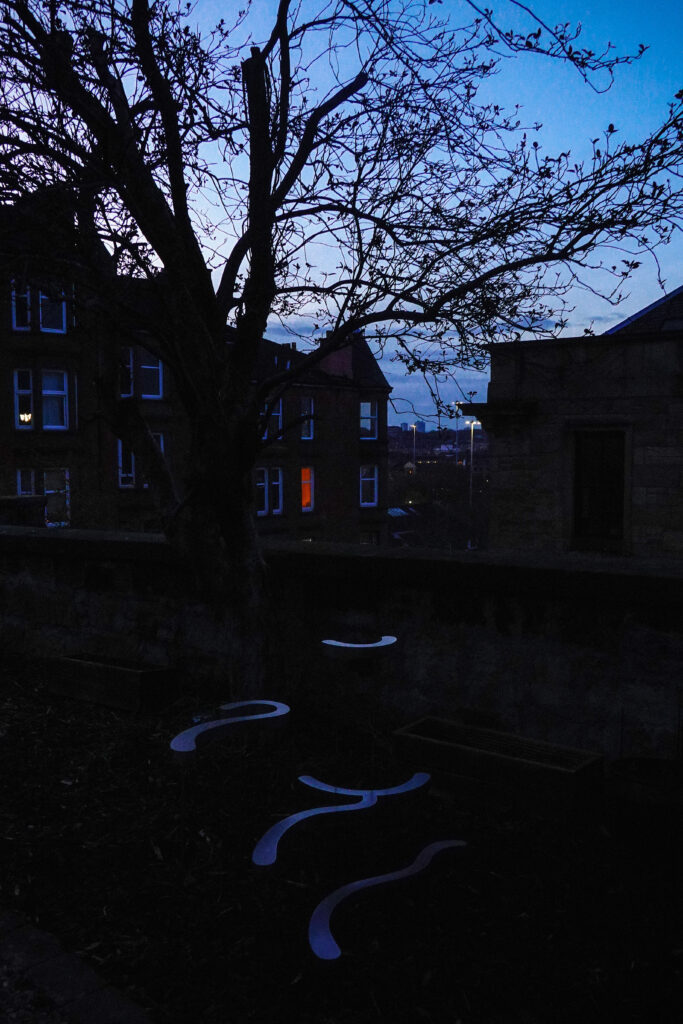
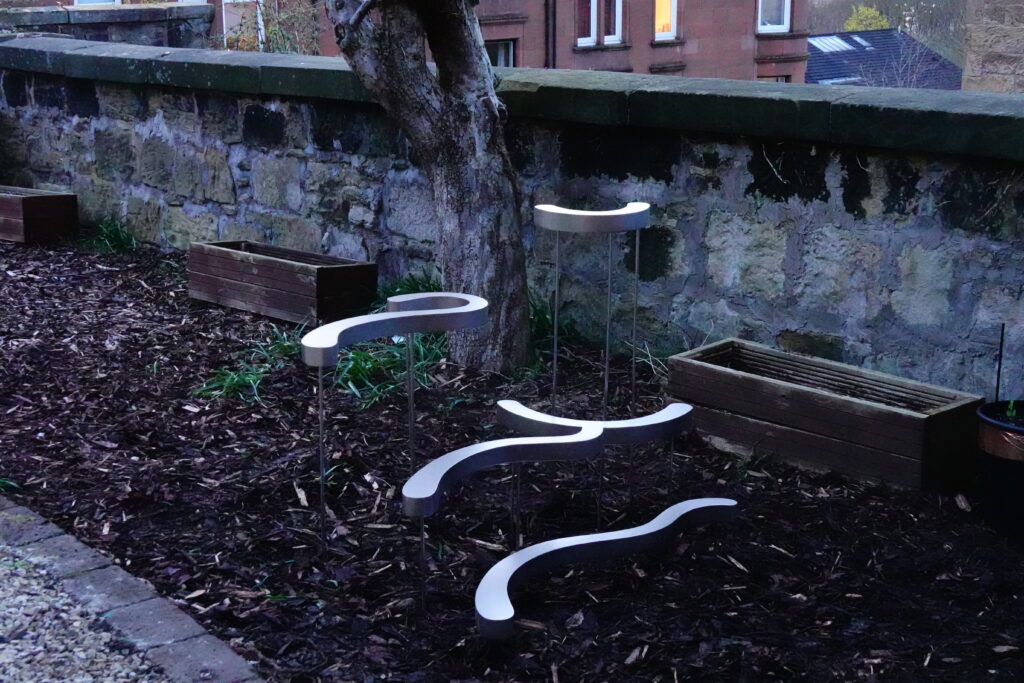
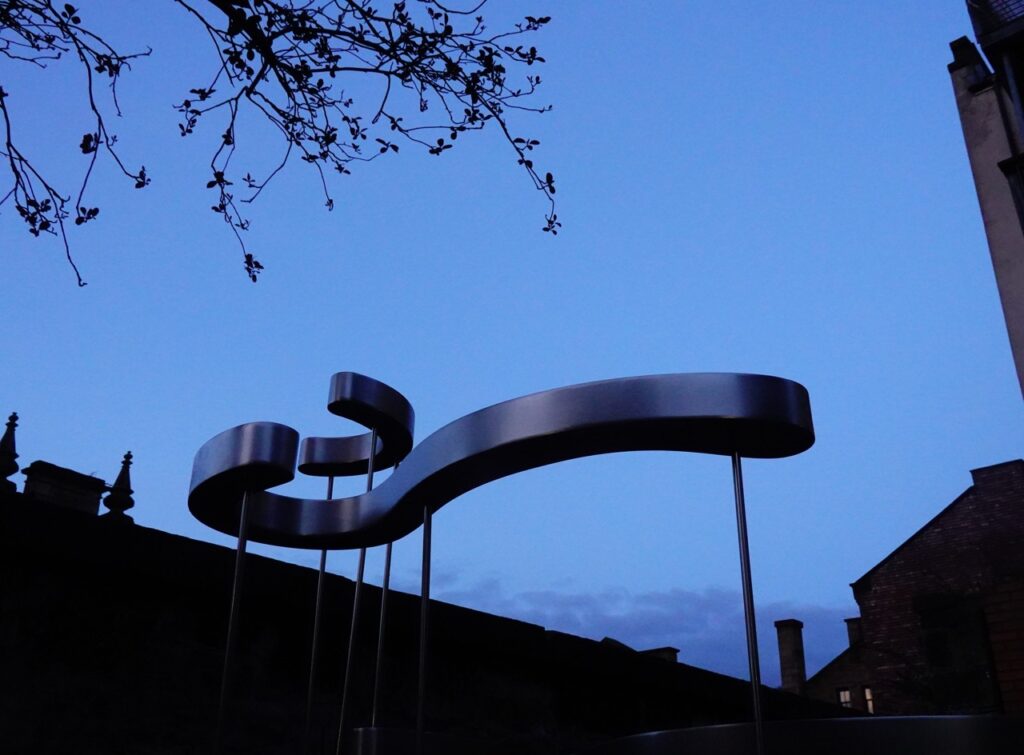
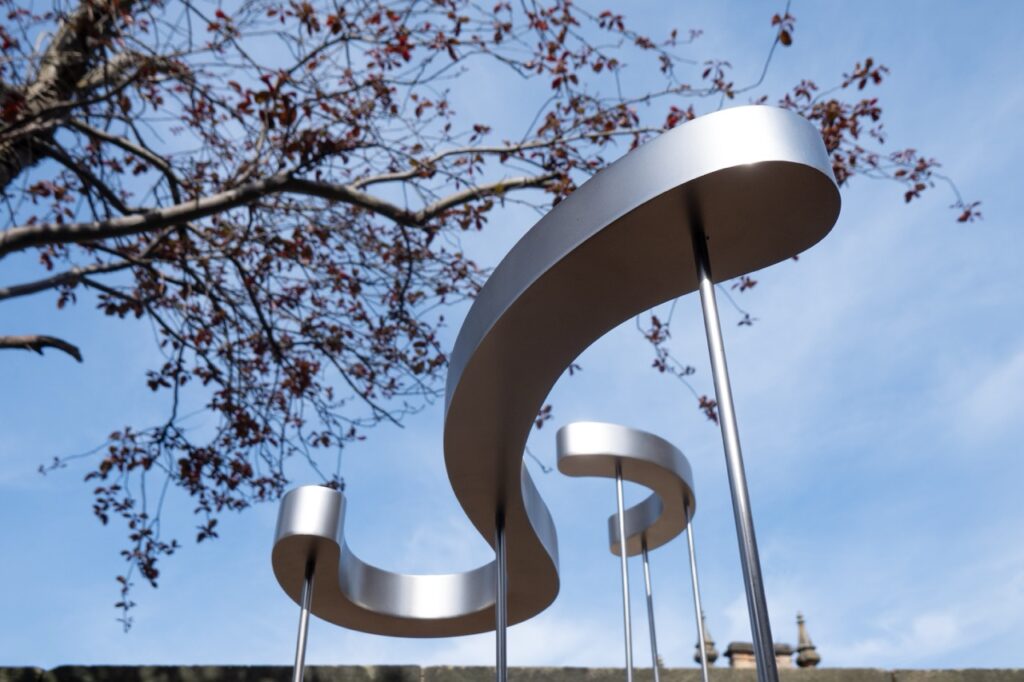
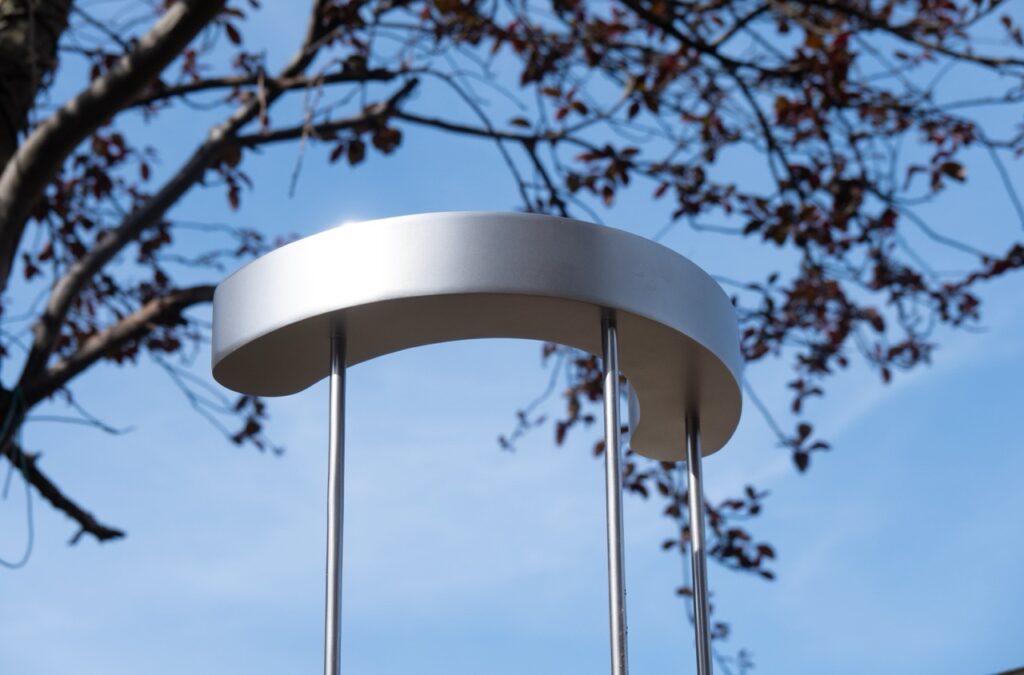
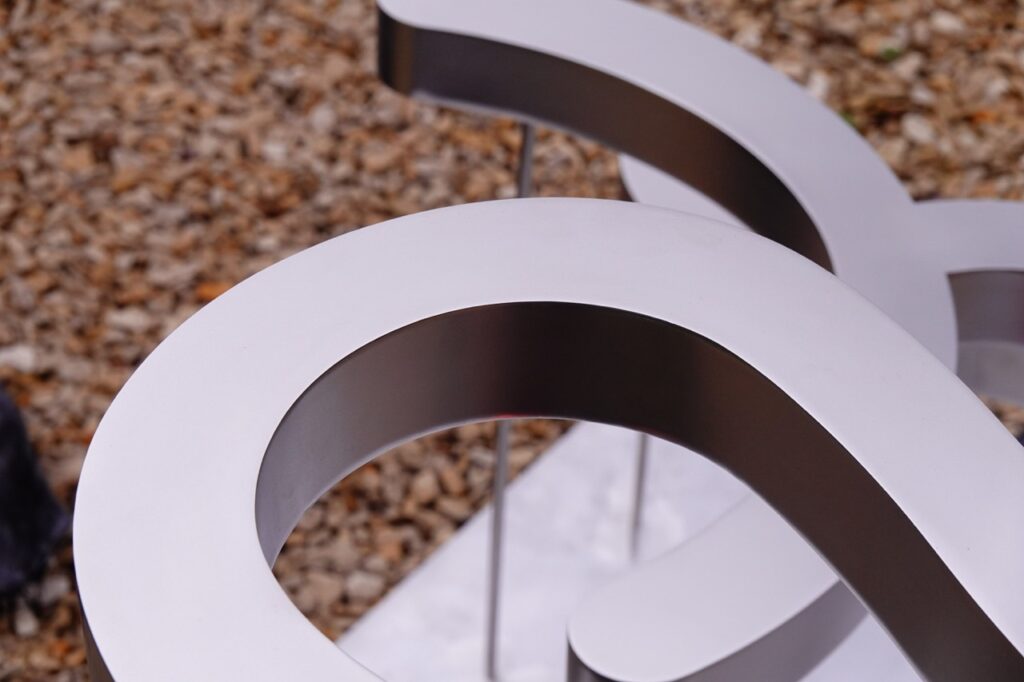
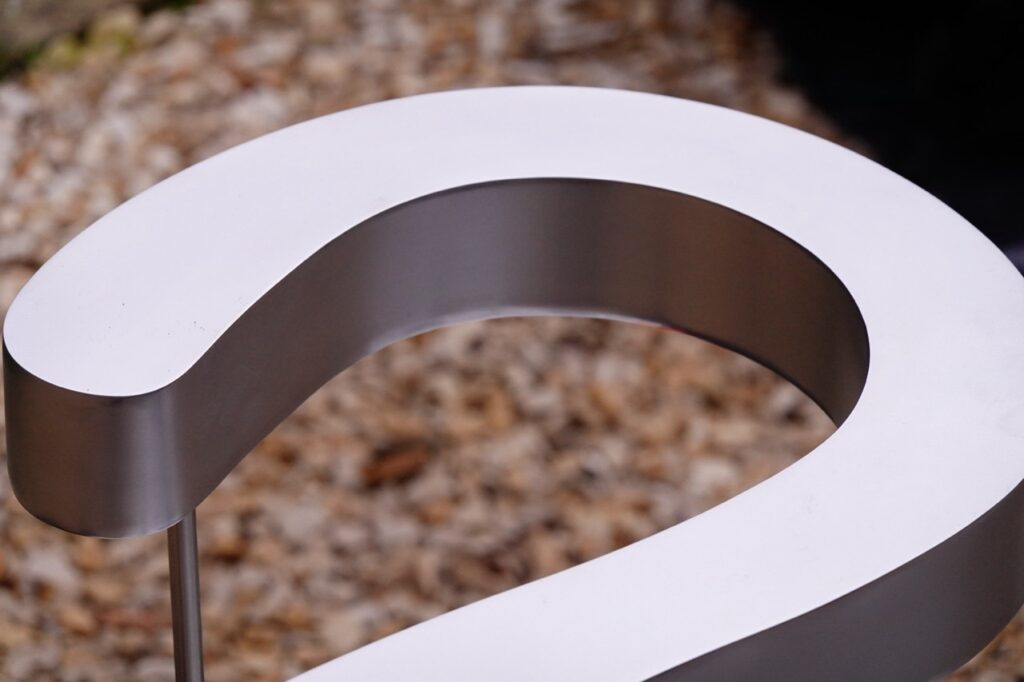
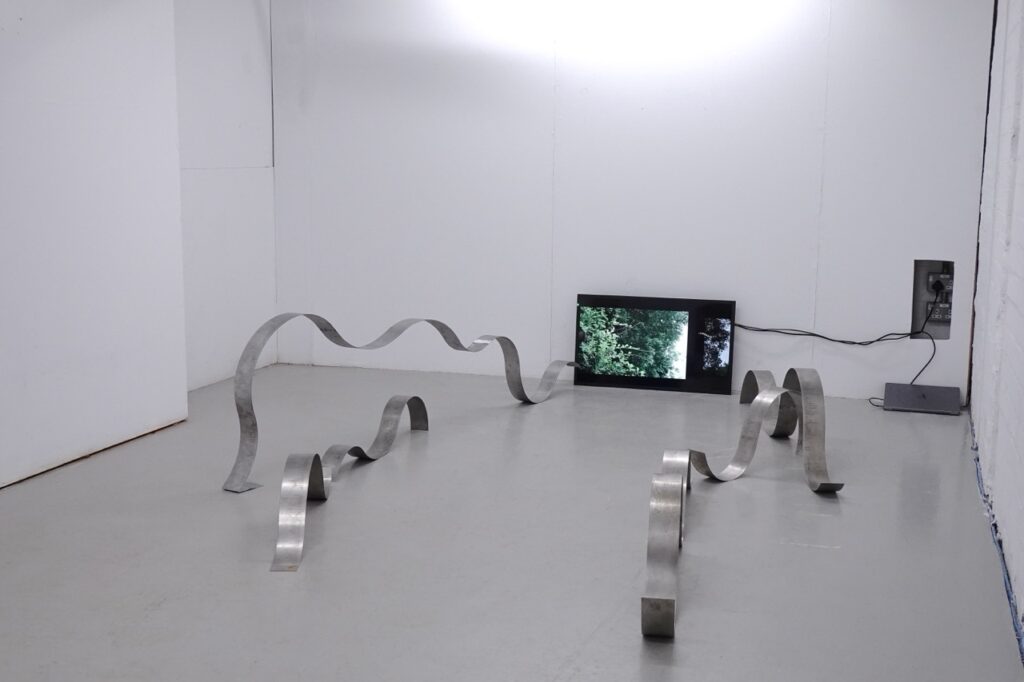
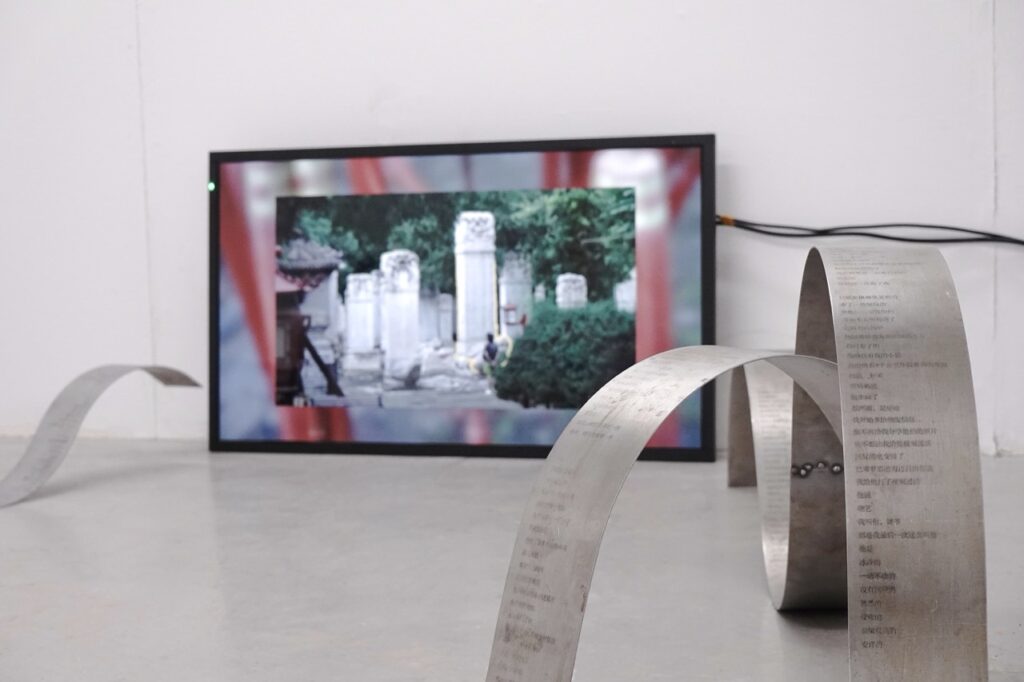
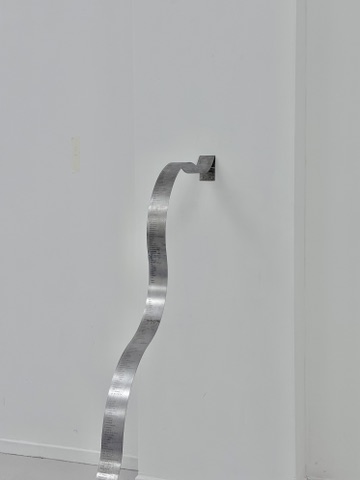
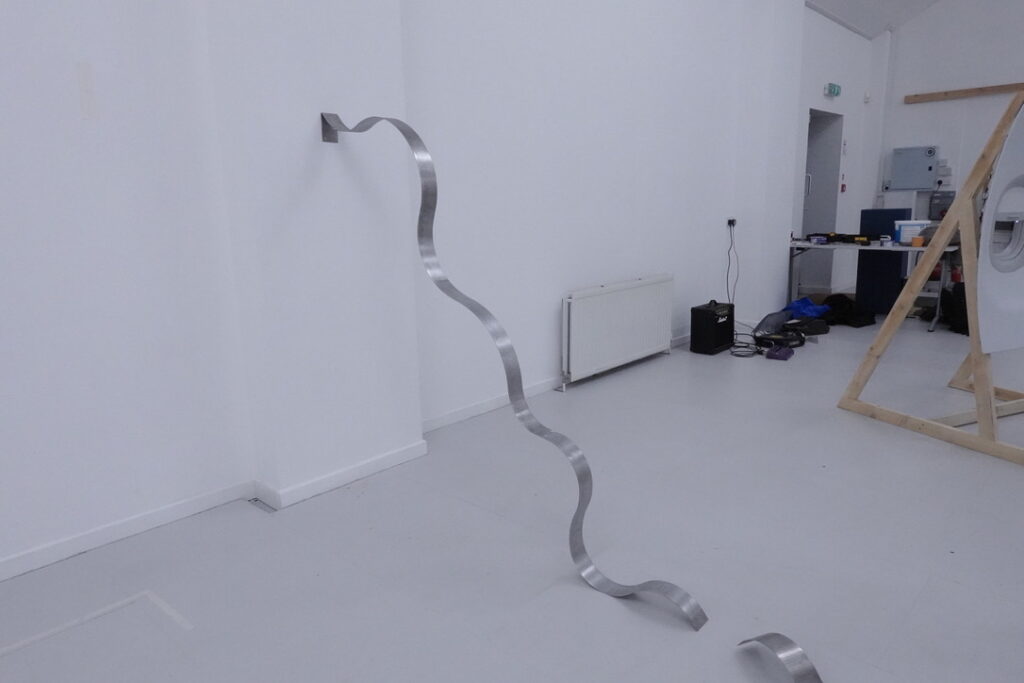
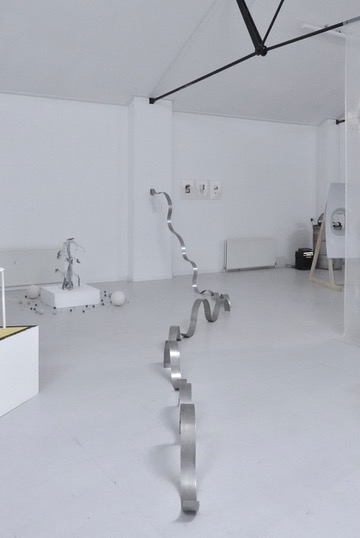
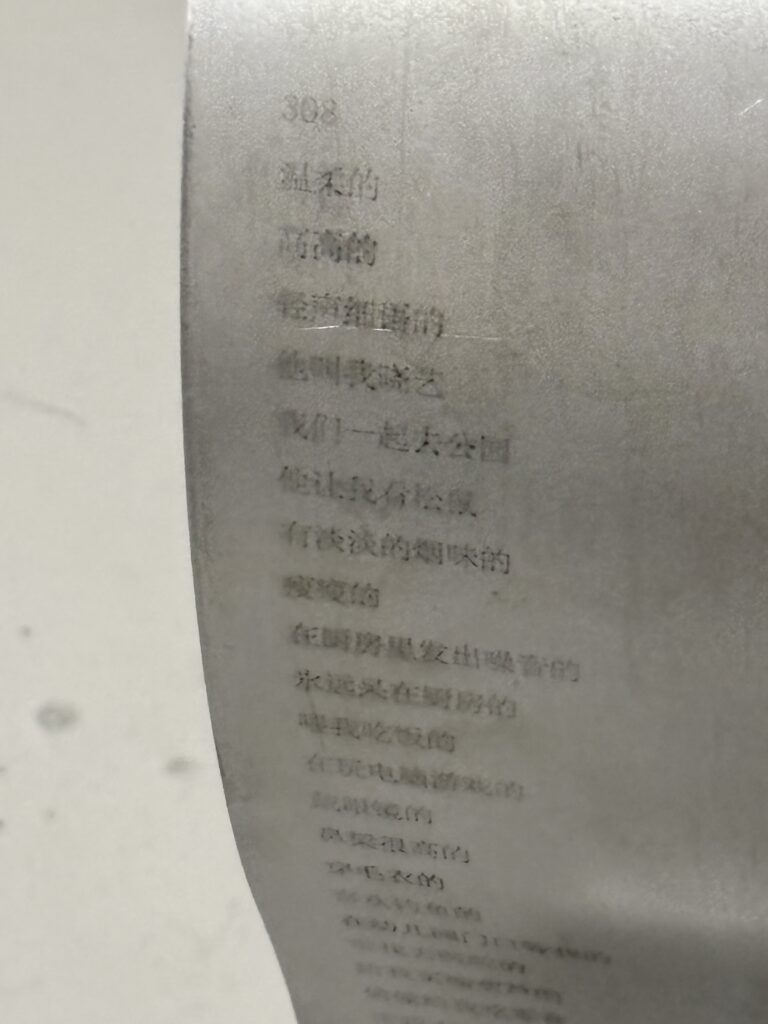
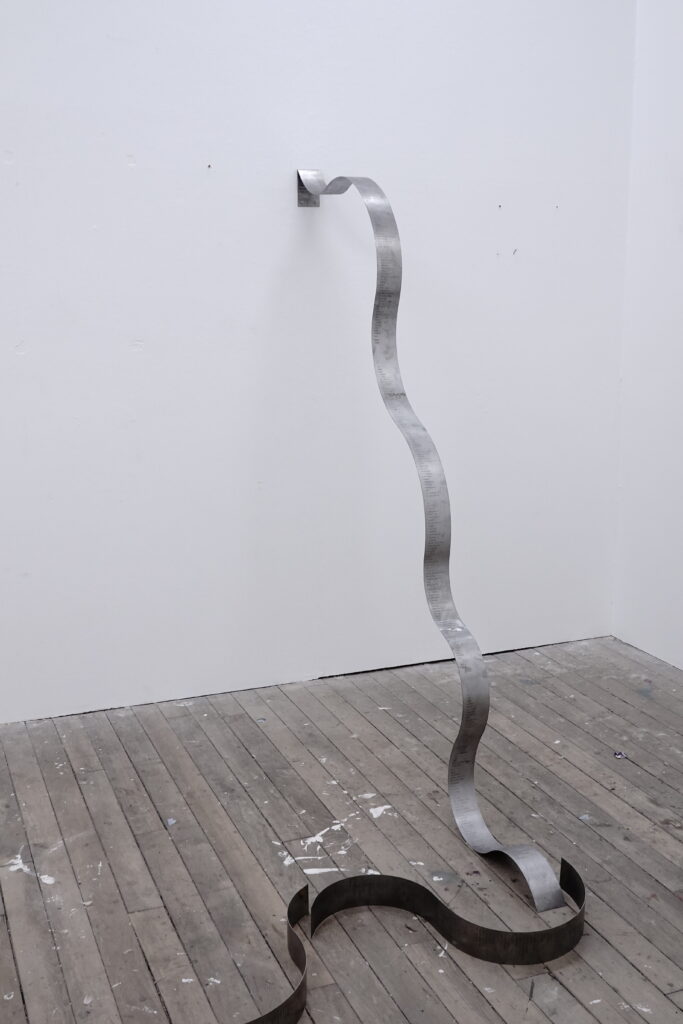
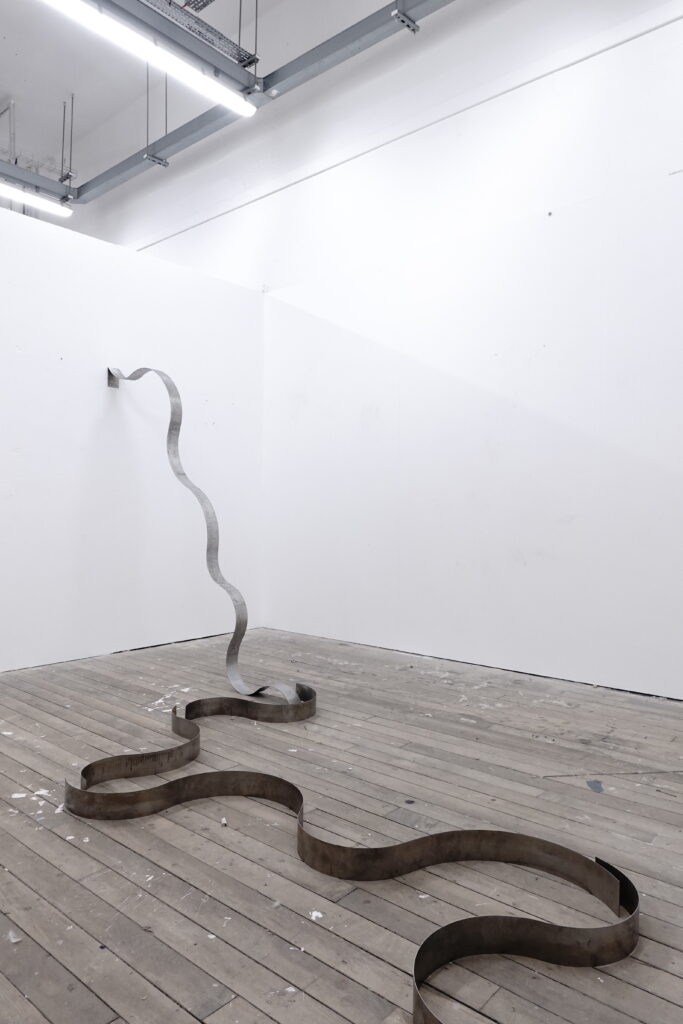
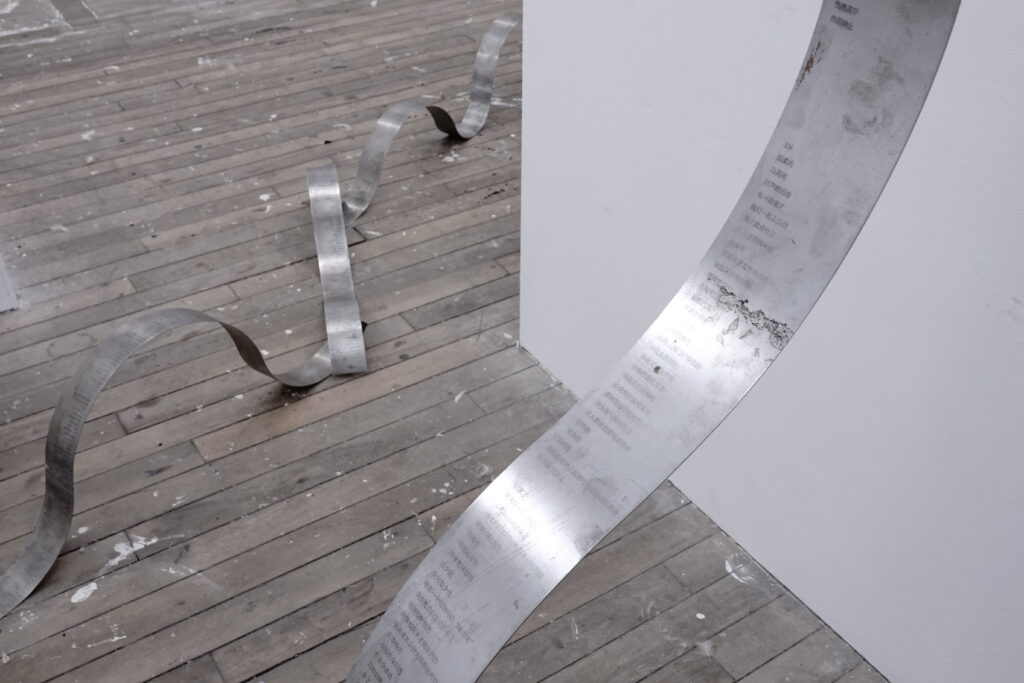
Nature is an endless cycle, and so is water, and so is human. Small seal script( Xiao Zhuang) has strokes of soft with hard and straight with curves. “Yong”, like water, is wingding, combined with metals, and is an exploration from humans of the boundless natural cycle. We can’t taste the perpetual, nor can metal nor the so-called art. For nature, we humans are just temporary witnesses who feel, observe, and remember. We witness the river flowing backwards, the cloud-rain rebirths, and touch the shared lifelines connecting us to all things.
The finished piece is a dialogue in space, a whisper of memory, culture, and nature. Humans are transient beings, yet we are always trying to create eternity. Stainless steel was made to resist nature’s decay, but it too will fade. Ancient words carved thousands of years ago now stand as a sculpture in Glasgow-still not eternal.
persistence | 余響
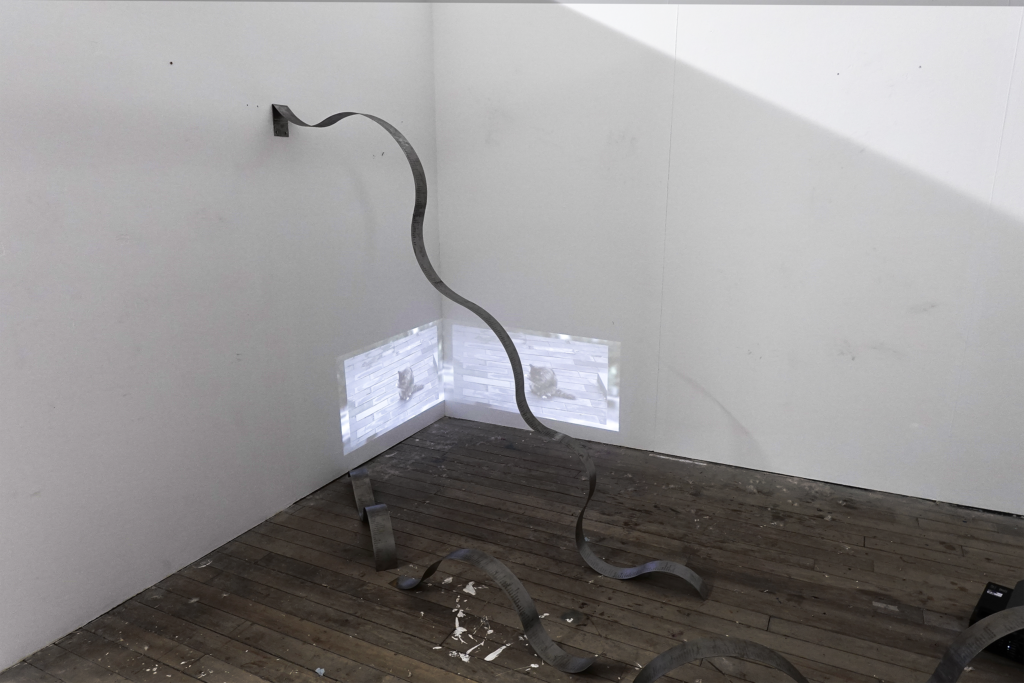
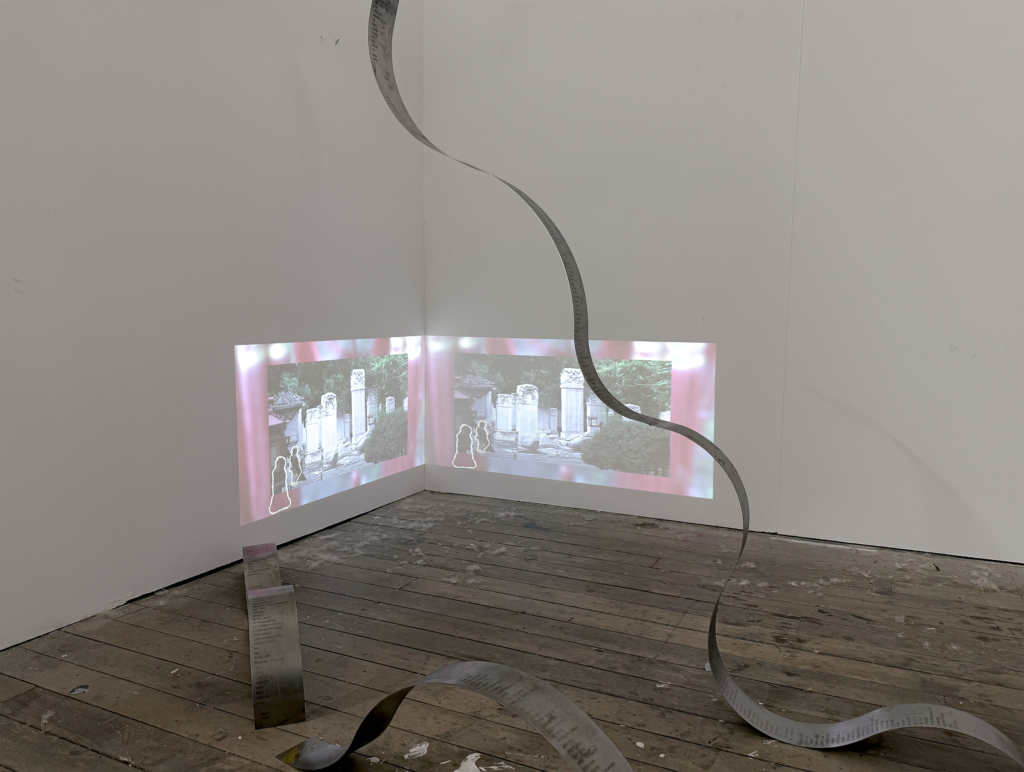
persistence | 余響|2026
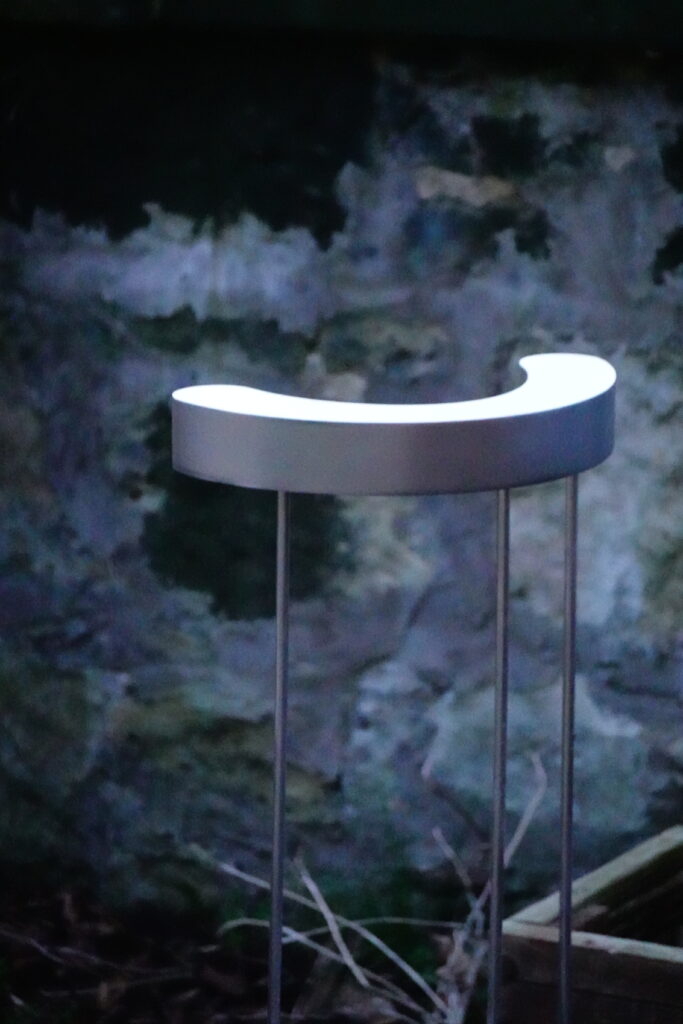
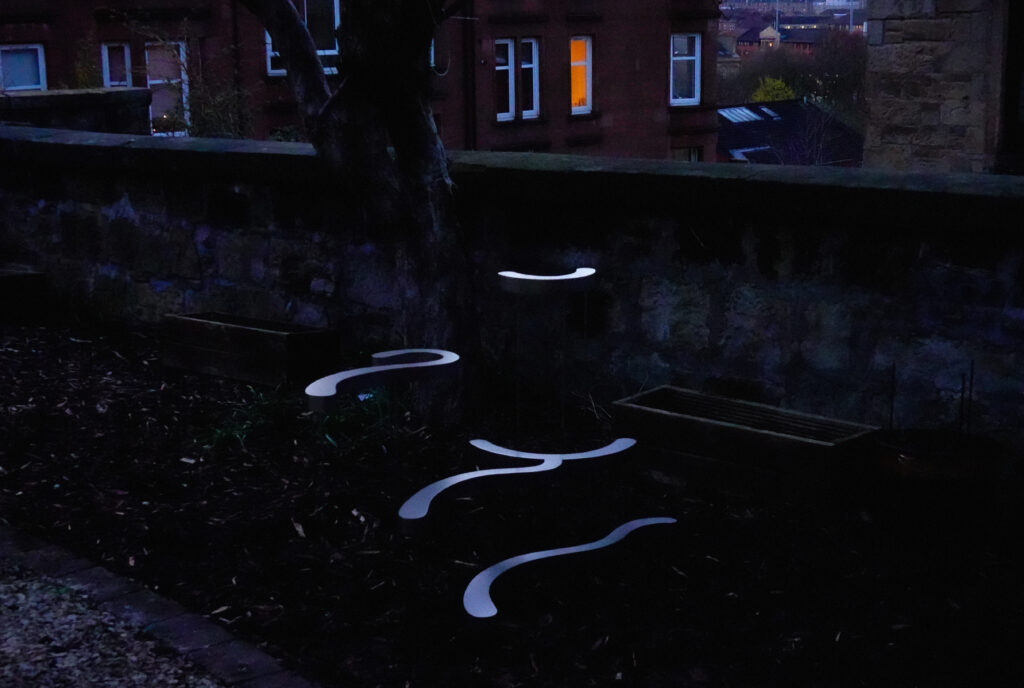
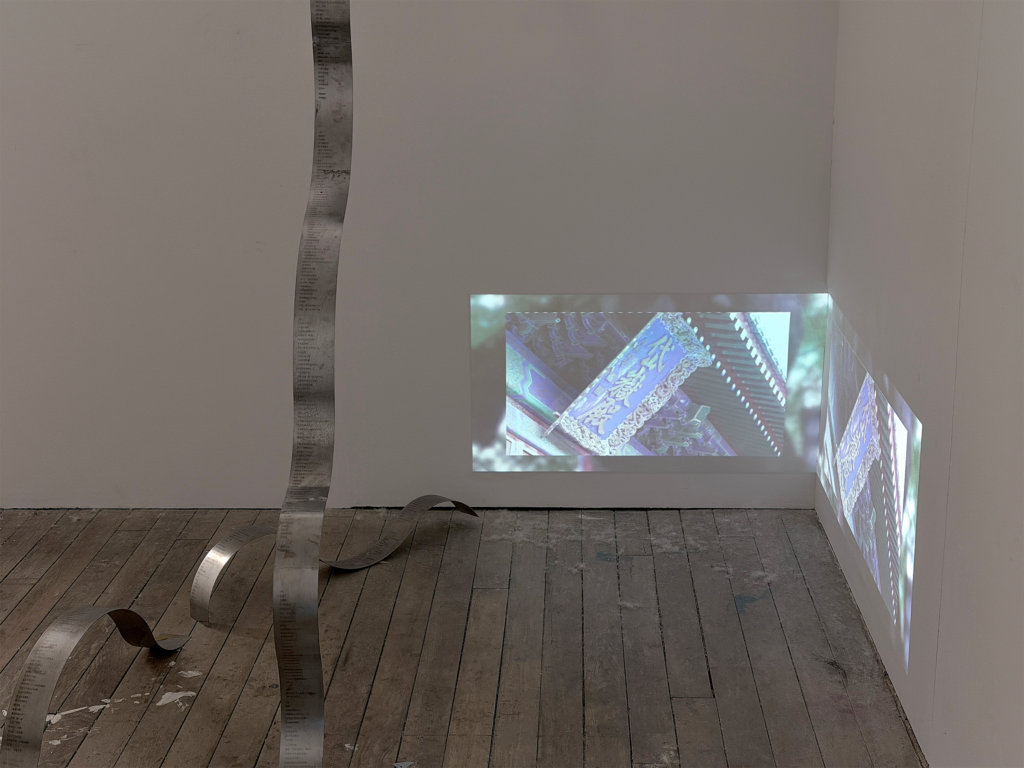
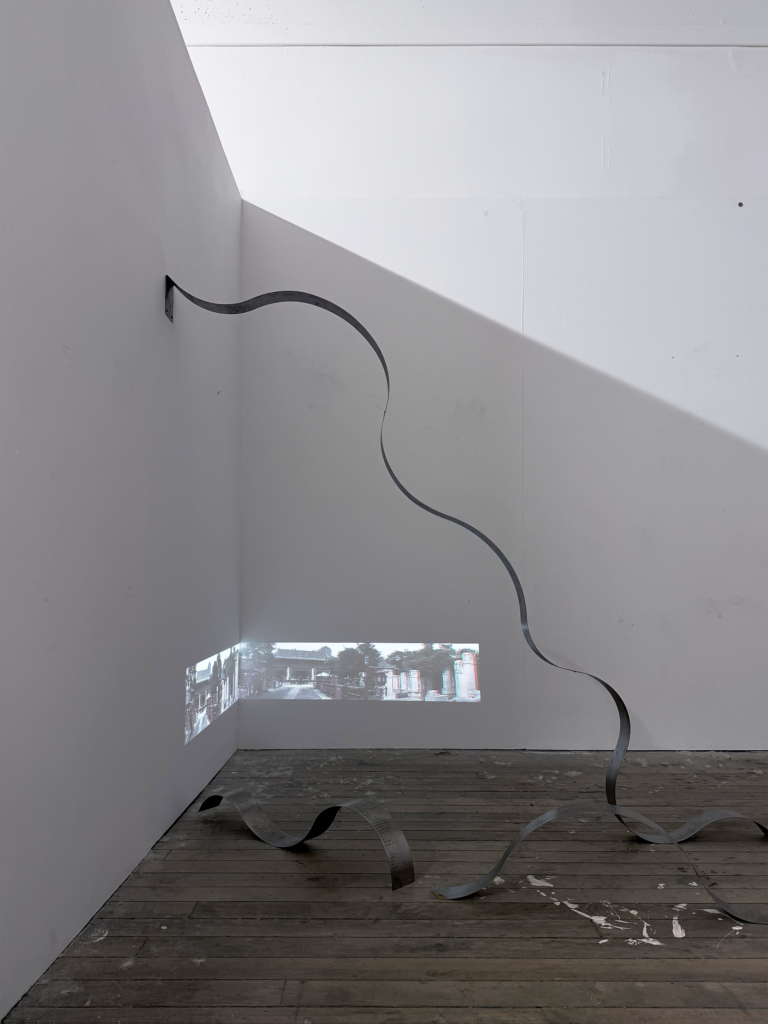
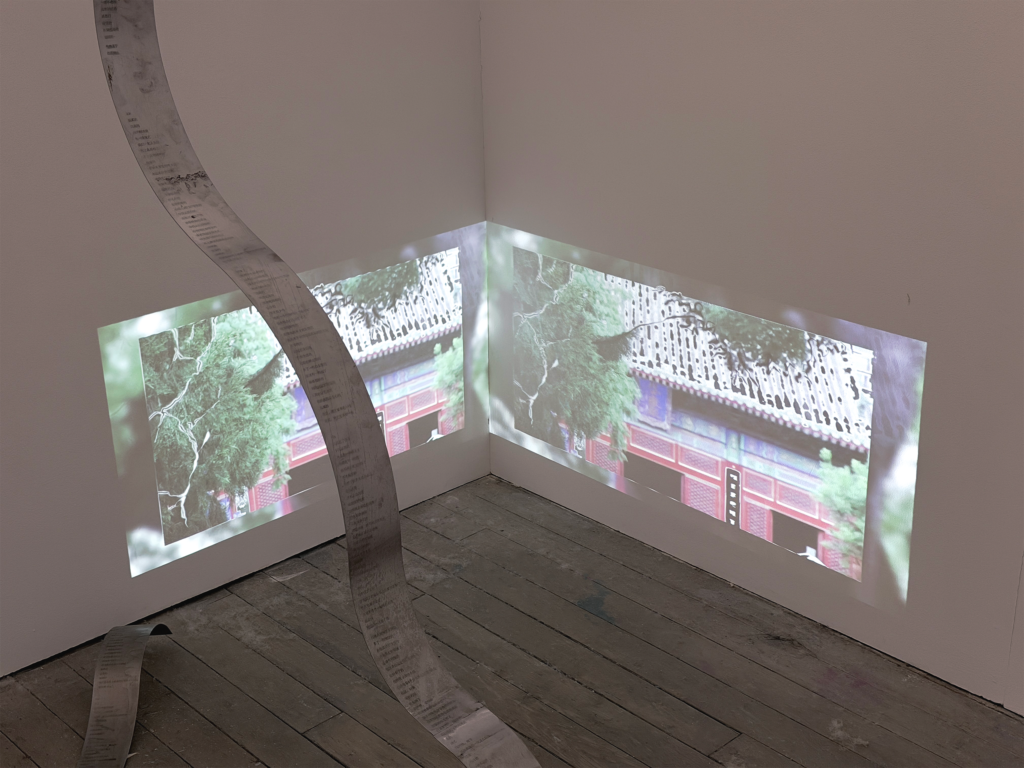
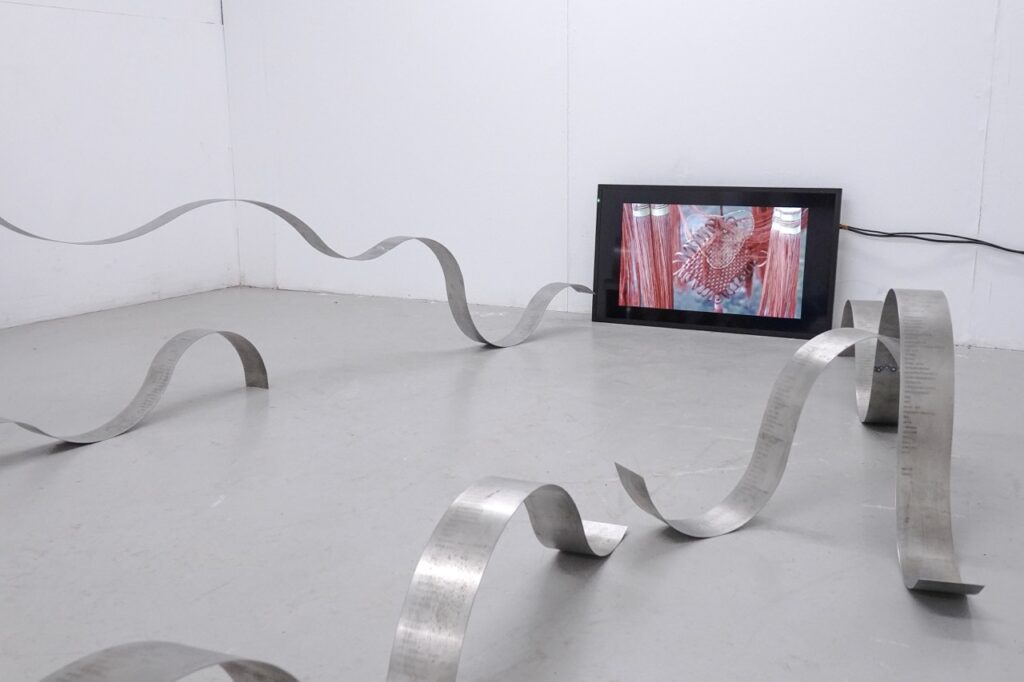
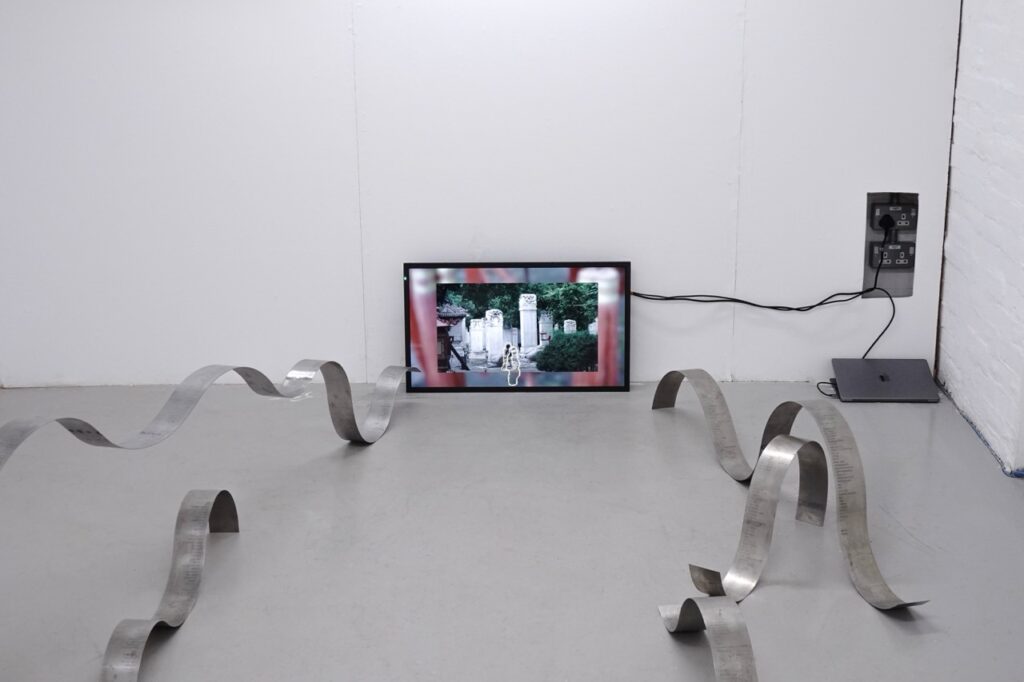
This work combines an installation and a moving image to explore how an unseen blessing can be felt, which unfolds from the smoke that rises as incense is lit. Through image and sound, the work traces the presence of an unseen blessing. As the incense burns, it shifts from a solid form into smoke. The smoke rises, spreads, and slowly dissolves. This transformation marks a movement between the visible and the invisible. Deities are formless, yet statues are created so that belief can be seen and touched. Similarly, incense is burned as an act of prayer. Its smoke becomes the temporary form of a blessing that cannot otherwise be seen. The work explores the concept of emptiness. A VoiceOver accompanies the imagery, spoken in the first person from the perspective of the object. Through this voice, the material is allowed to speak, carrying the weight of ritual, devotion, and disappearance. engages with the idea of emptiness. A voiceover accompanies the imagery, spoken in the first person from the perspective of the object. Through this voice, the material is allowed to speak, carrying the weight of ritual, devotion, and disappearance.
Trying to keep you close
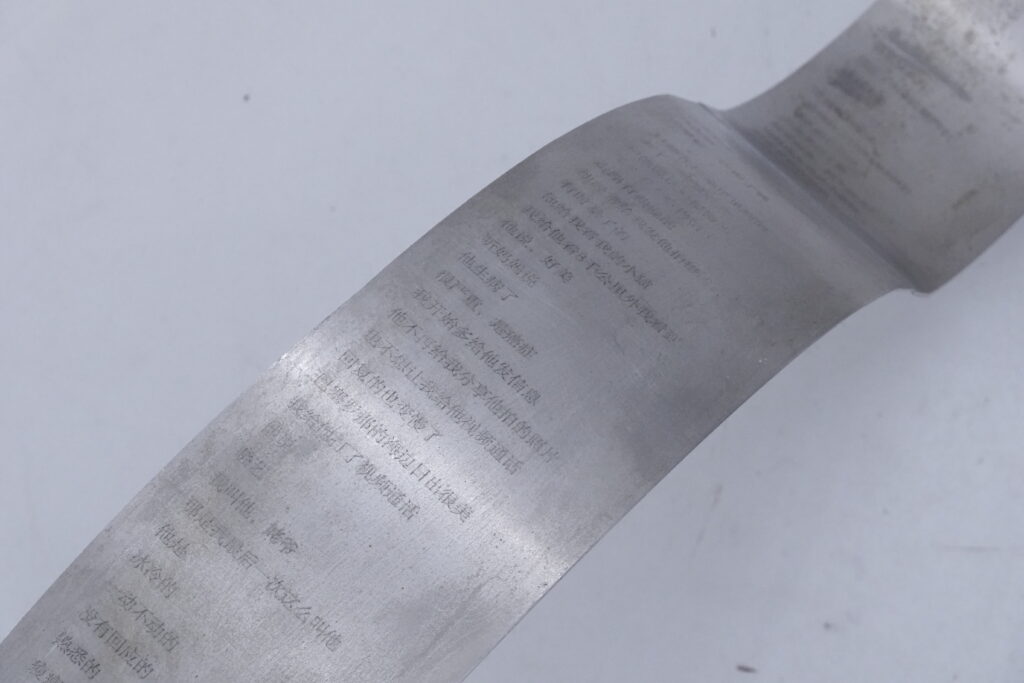
Since my grandfather passed away, no new memories of him are being created. My mind keeps revisiting the old ones, but with each repetition, they become more distorted and faded. Yet if I don’t want these memories to disappear, I have no choice but to review them again and again.
He still lives in my memory, so what I fear most is forgetting. But I’ve also come to realise that memory suffers from survivorship bias—you can only revisit what you’ve already retained, never knowing what has been lost. This frightens me, because I don’t know which parts of his “life” I’ve let slip away. In my writing, I try to reconstruct these memories with words. I seldom use clear subjects in my narration, preferring instead adjectives and vague impressions or events attached to hazy protagonists. The absence of a subject is common in how memory is stored—we often hold onto a certain feeling from a certain moment, which may also fade in time. Human memory is abstract, invisible, yet somehow still accessible. And forgetting feels like the slow spread of rust over metal, creeping over random, unknown patches, covering them bit by bit. The mind won’t create a new memory of the lost person; instead, it will revisit the old memory over and over again. But I realise that the memory suffers from survivorship bias—you can only revisit what you’ve already retained, never knowing what has been lost.
One-Second Escape | 我的身体里有一条河
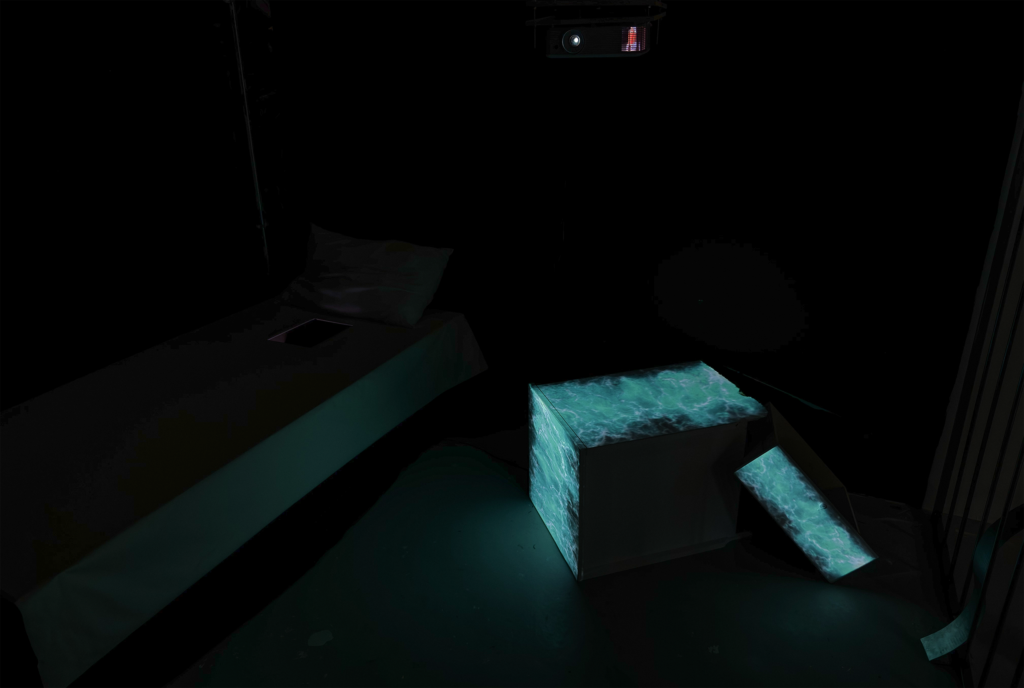
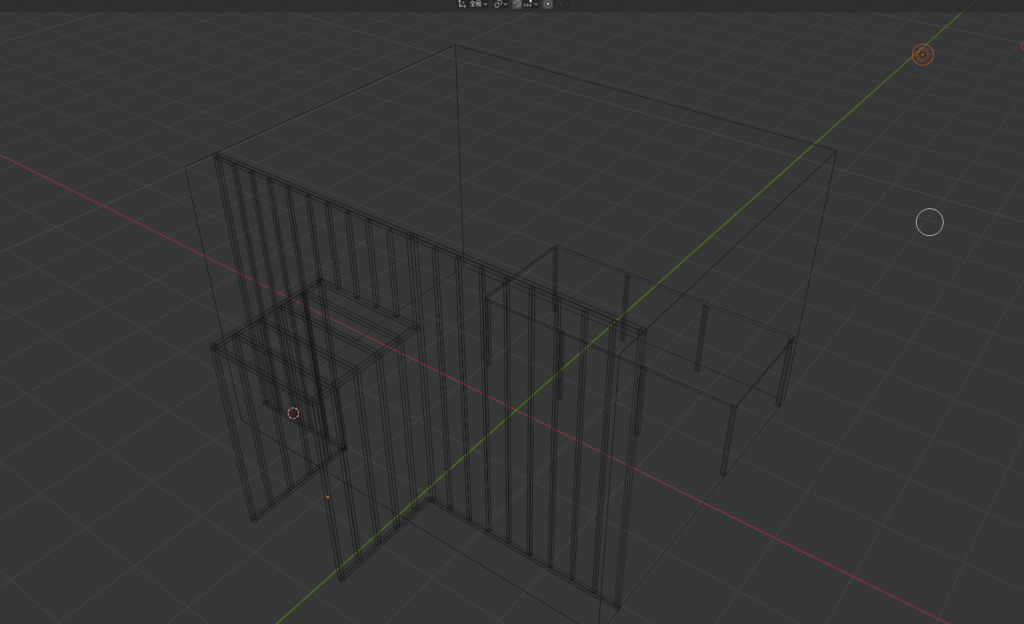
This site-specific installation constructs a confined, dim cell, reframing utilitarian objects—a single bed, a nightstand, and a toilet—to explore the tension between physical incarceration and spiritual transcendence. Drawing from Albert Camus’ The Stranger, the work synthesises moving images with spatial choreography, fabricating an “absurd space” where the restricted body paradoxically reclaims agency through sensory and behavioural volition. Grounded in Meursault’s final monologue before his execution—where the flesh is confined to a tight room while the consciousness expands into the starlit universe—the work visualises a hyper-sensory awakening within indifference. Every subtle spatial intervention and bodily adjustment (leaning, crouching, peering) transforms the viewer from a passive spectator into an active subject exercising free will. The exact second this motivated action occurs constitutes the core meaning of the work: a “one-second escape” that embodies the absurd heroism of loving life unconditionally.
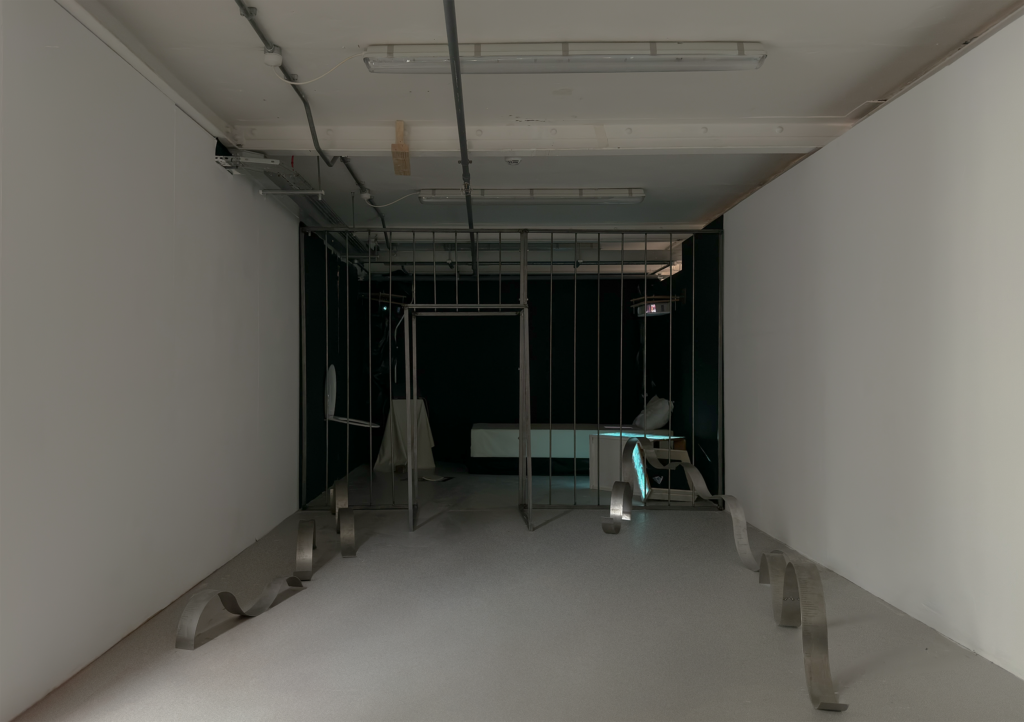
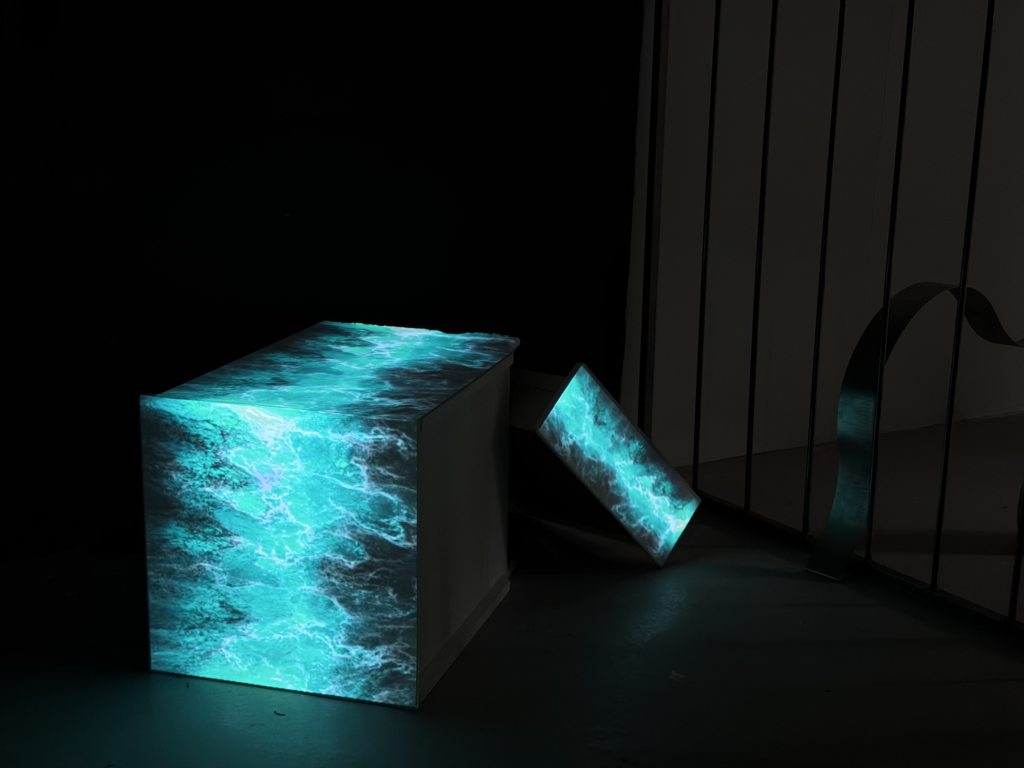
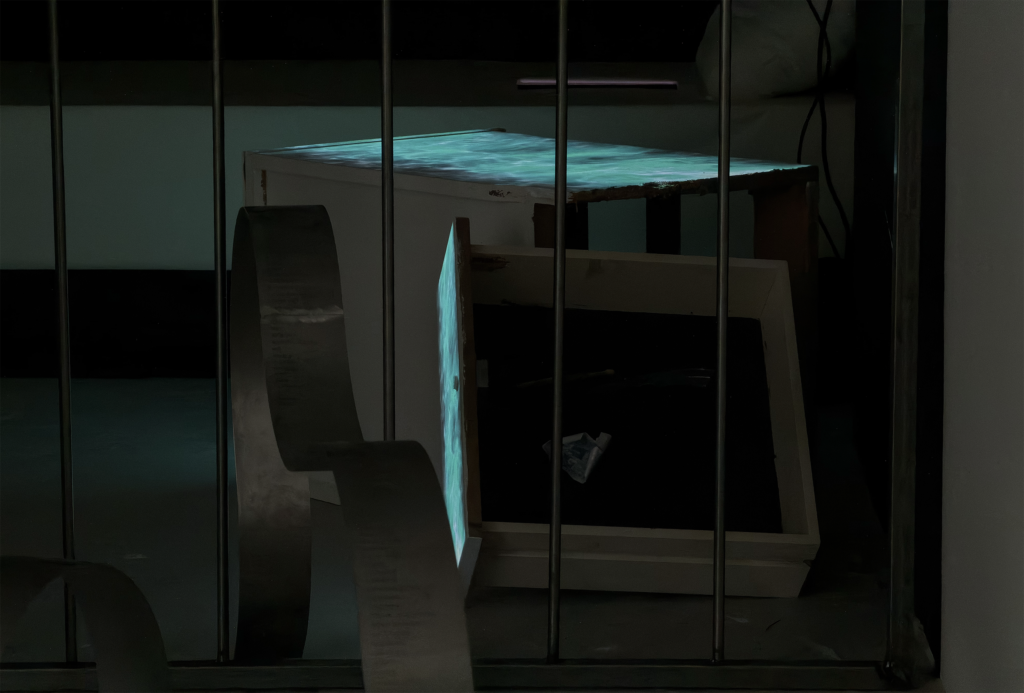
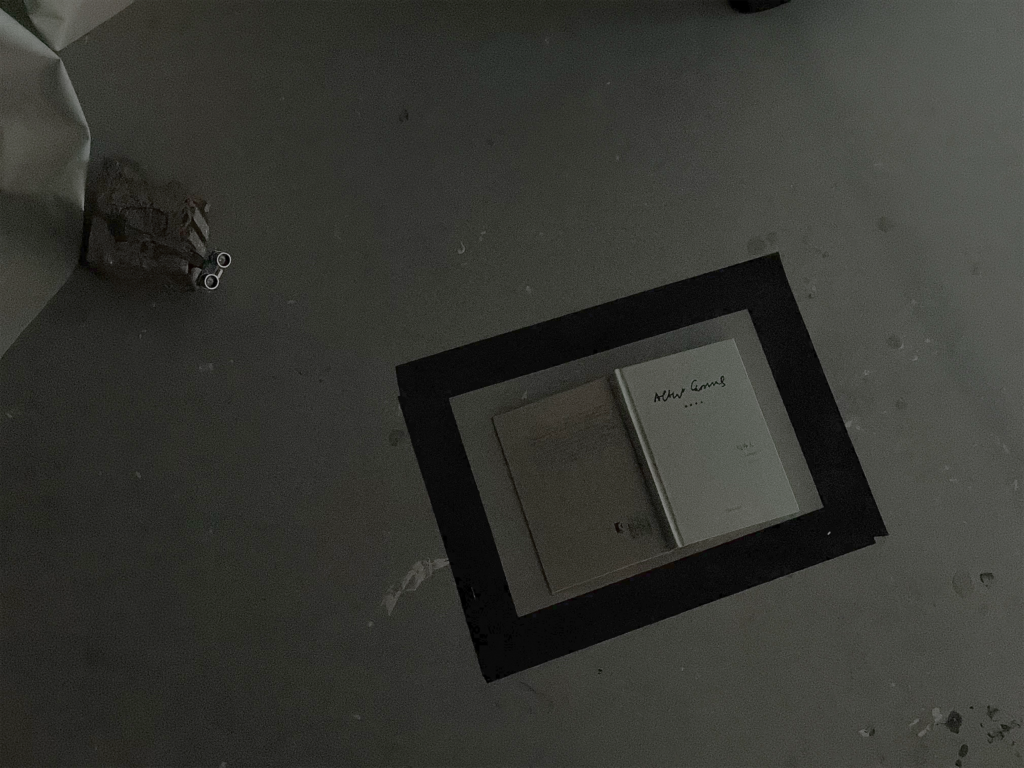
The Nightstand: An interactive, generative river is projected onto a flipped, dilapidated nightstand. A sensor is embedded near a copy of The Stranger left open on the floor. As viewers attempt to approach the book, the flowing river scatters into chaotic particles; only when they retreat does the water reconstitute. This interactive logic mirrors the protagonist Meursault's philosophy of detachment—the attempt to possess or over-interpret the absurd only alienates the truth.
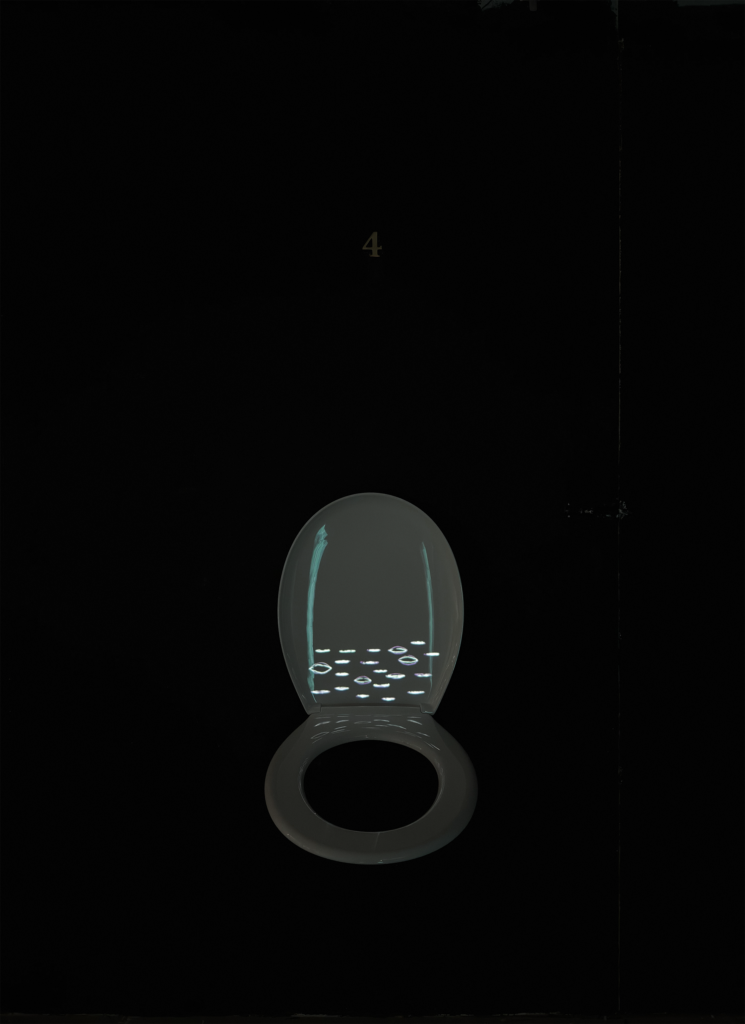
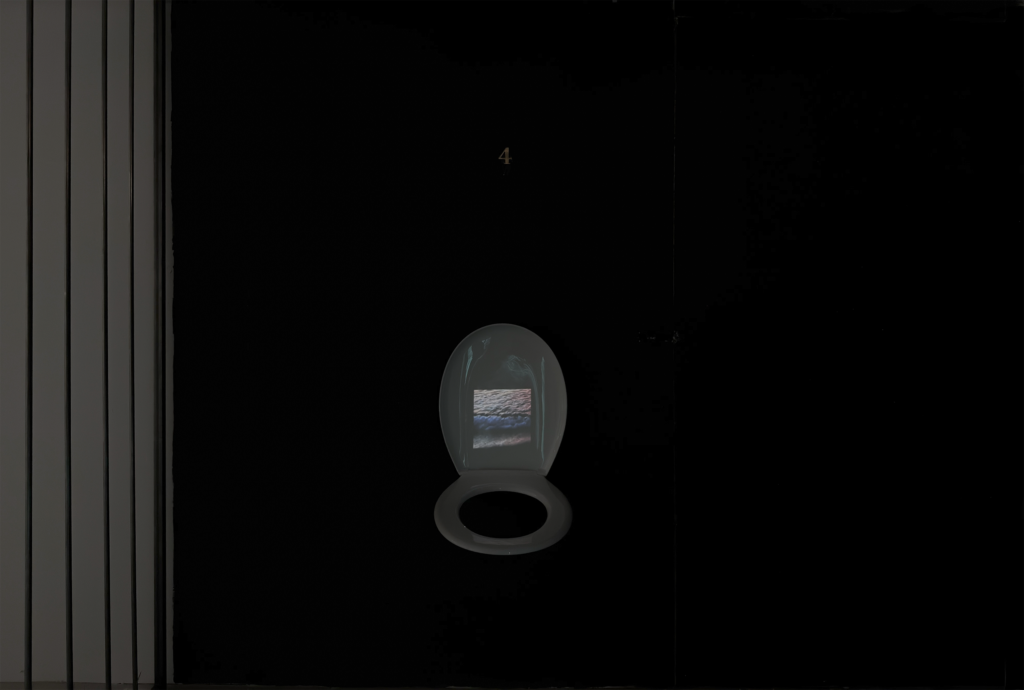
The Toilet: Suspended on the wall, the toilet seat serves as the initial visual anchor upon entering the space. Traditionally associated with the abject and marginal, this object is repositioned at the psychological centre. An experimental short film projected onto its surface depicts the macroscopic yet minute passion for life, juxtaposing the mundane with the sublime.
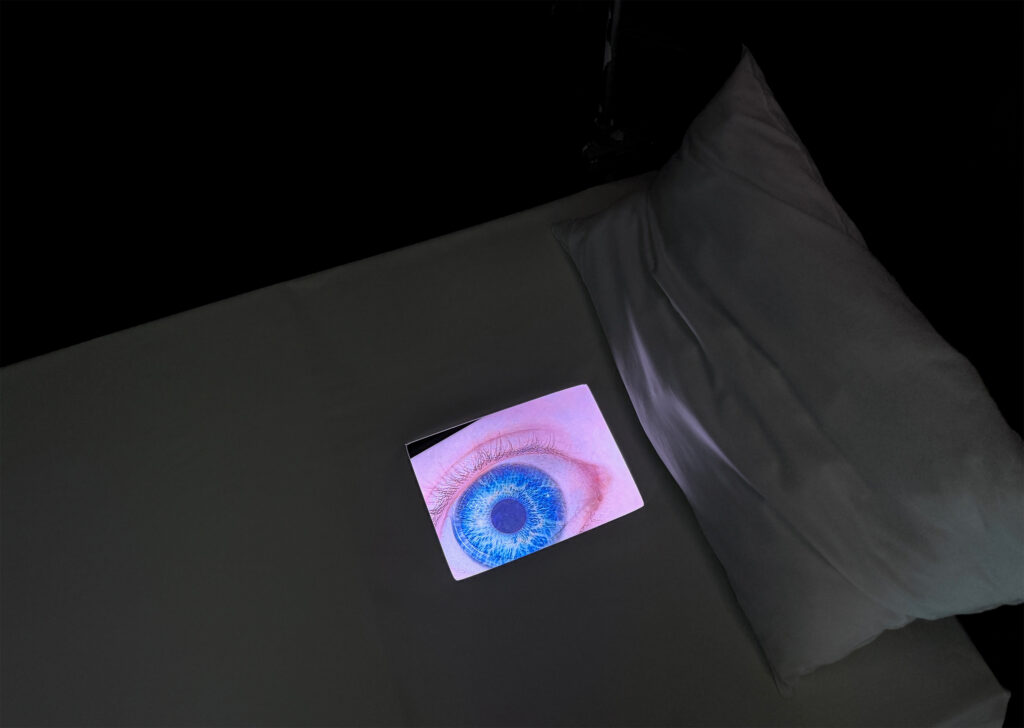
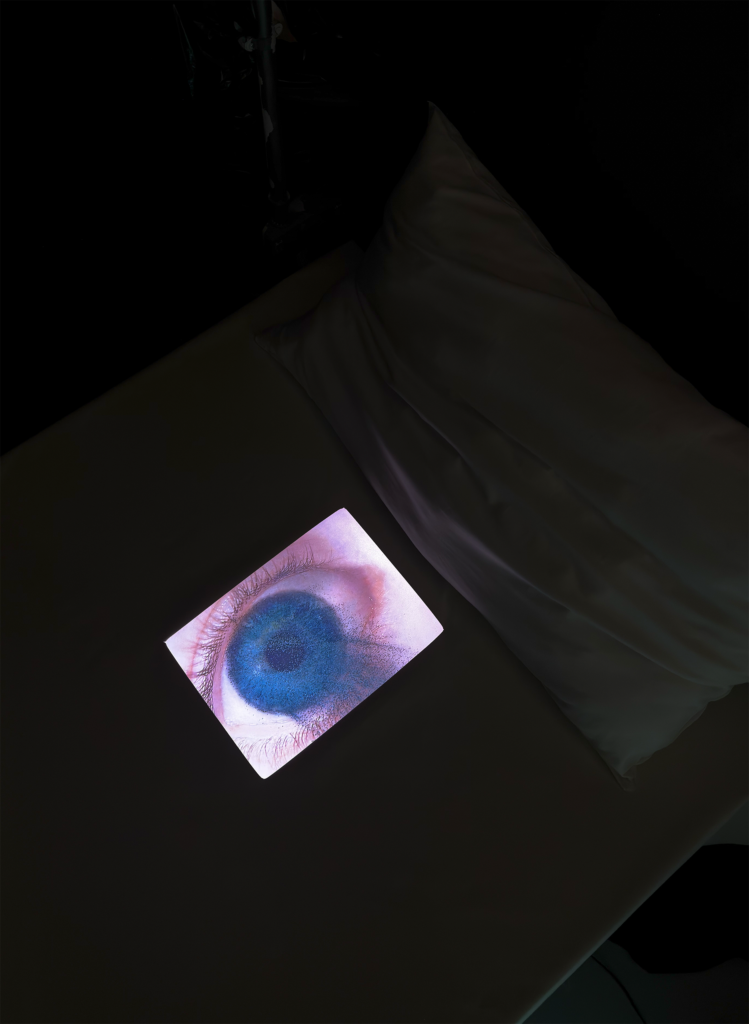
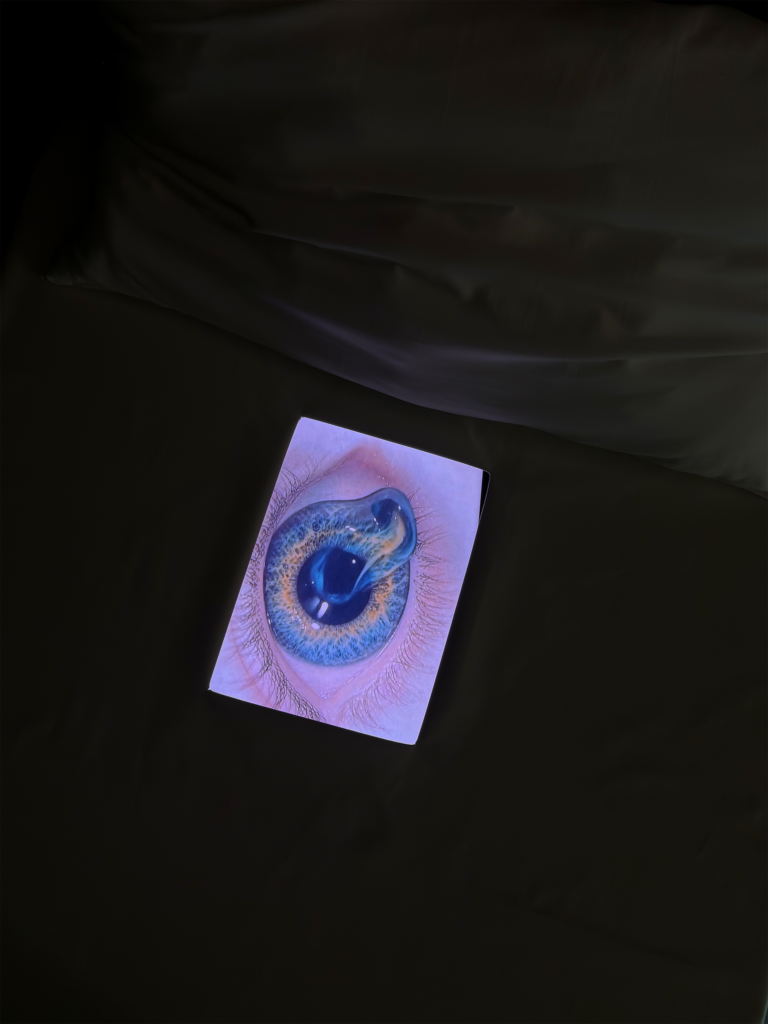
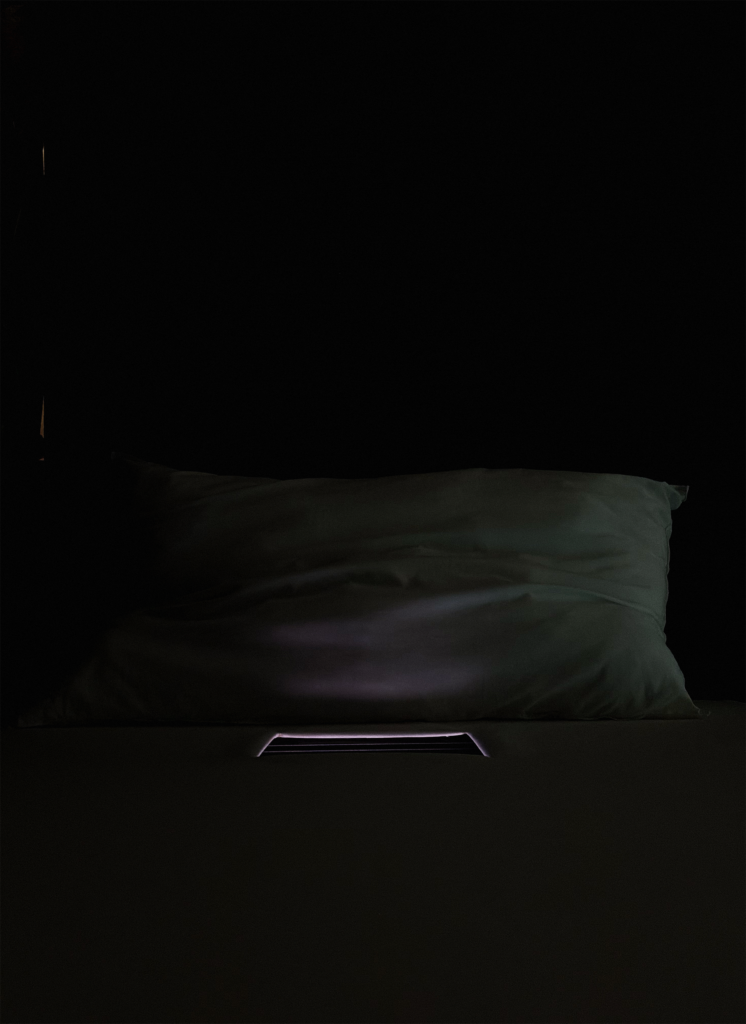
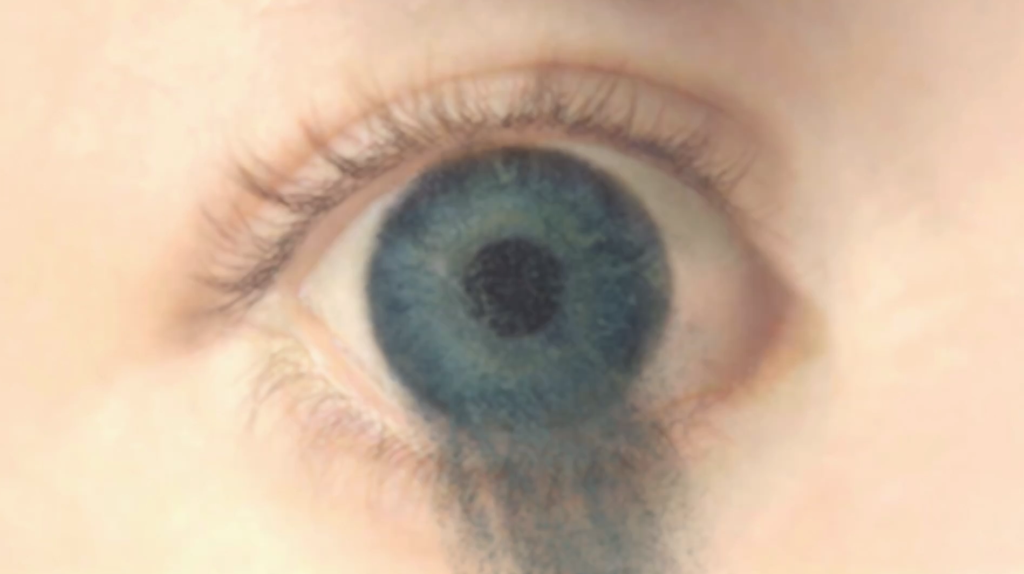
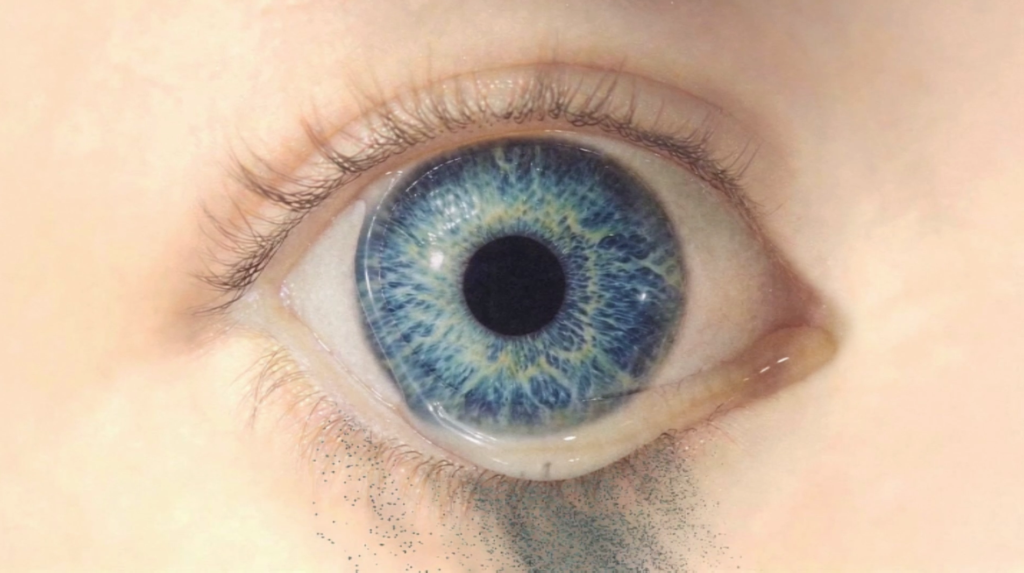
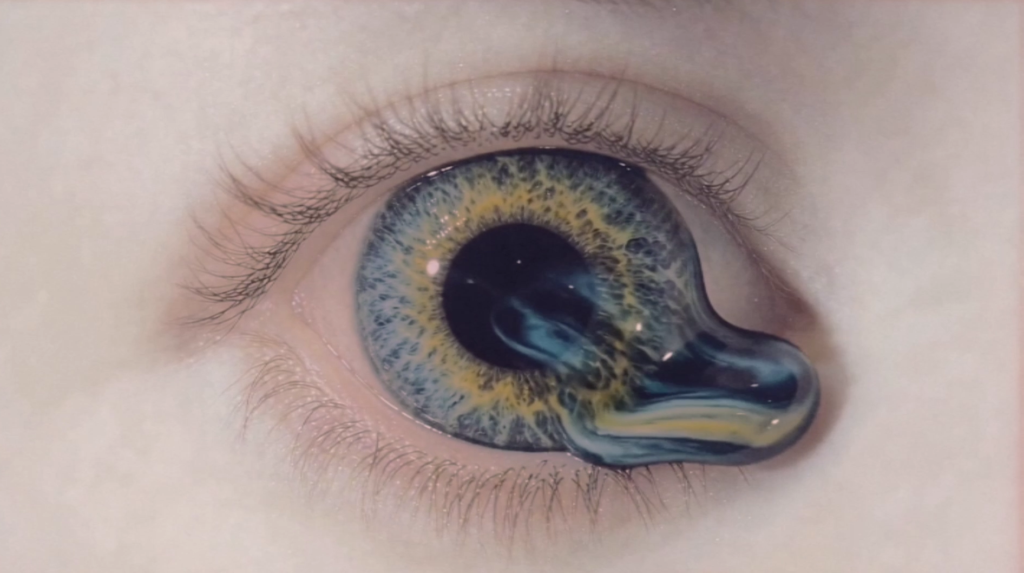
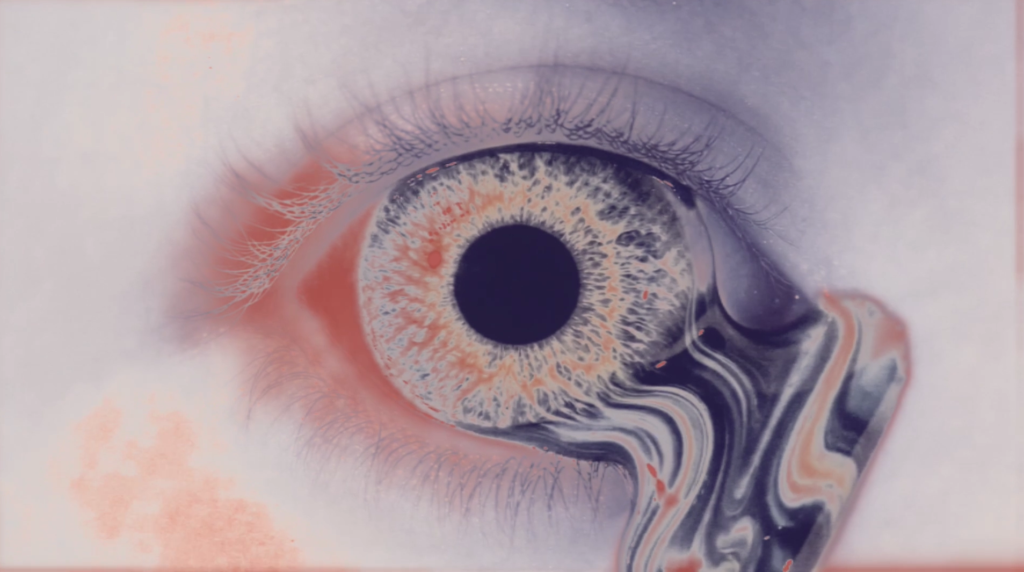
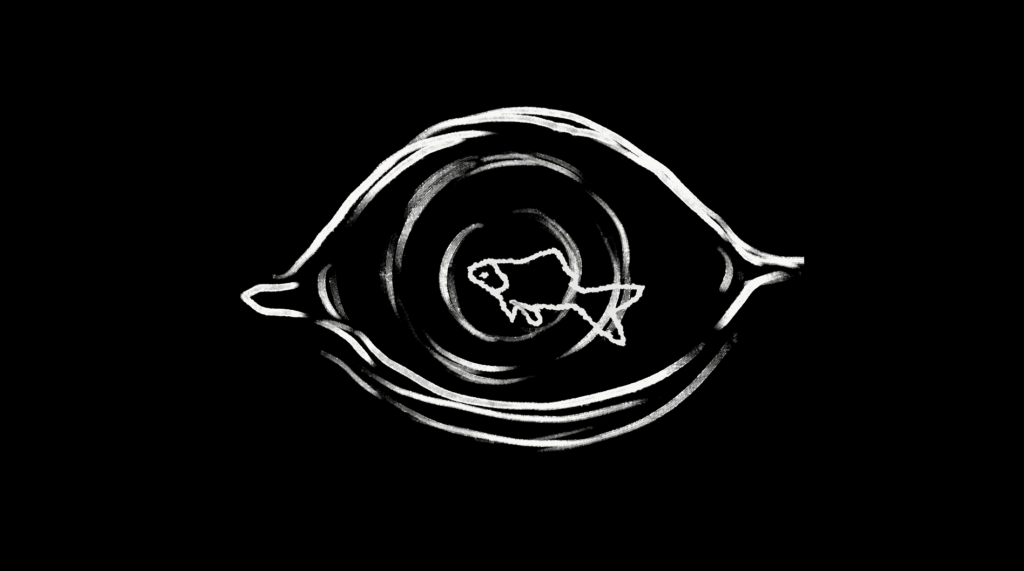
The Bed: Positioned in a dark corner, the single bed features a punctured opening emitting a faint light. This subtle visual cue disrupts the viewer’s upright stance, prompting them to bend. In that precise moment of voyeuristic looking, the viewer encounters a massive, animated, breathing eye staring back from beneath the bed.
Blender modeling
First-person experience
Interactive experience
The short film under the bed
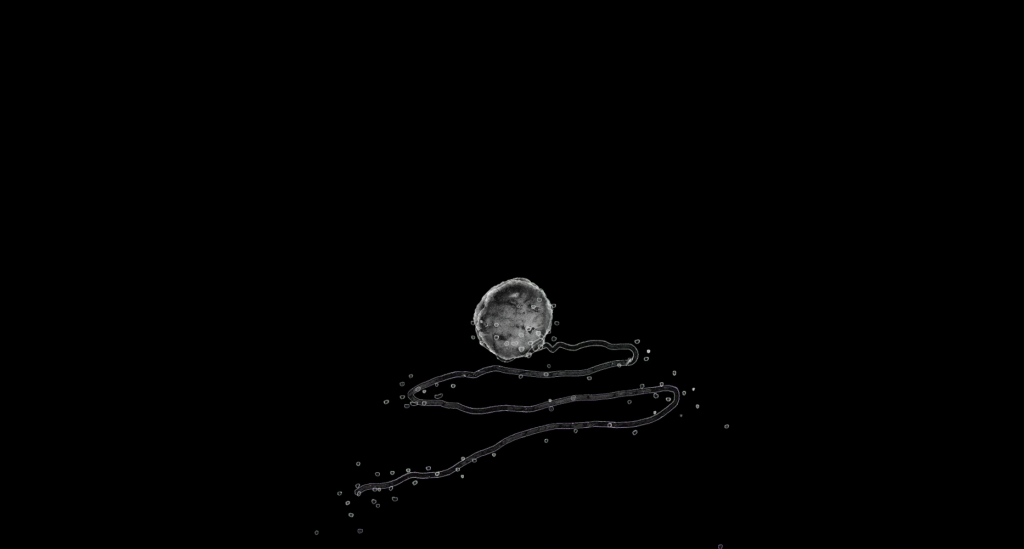
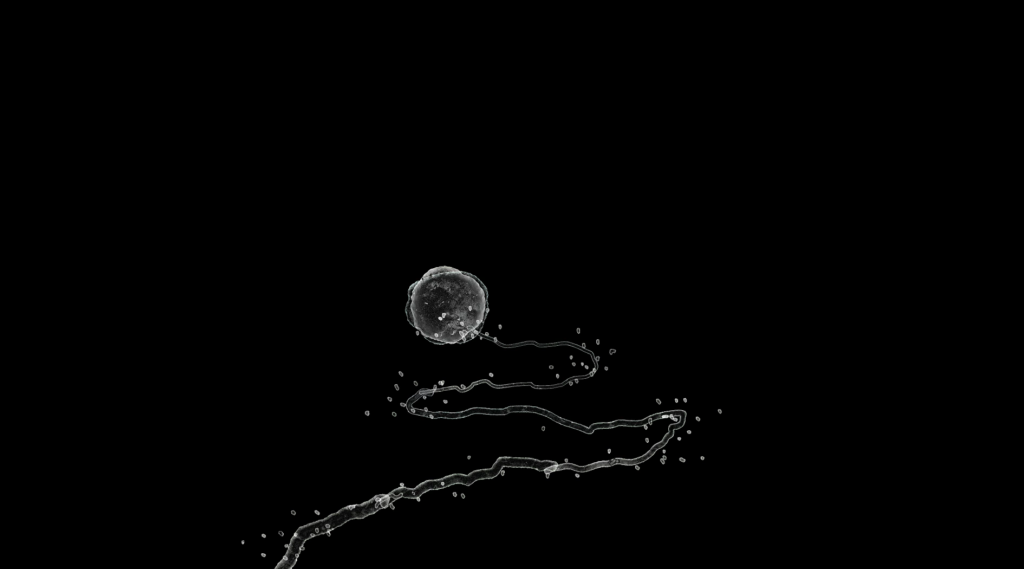
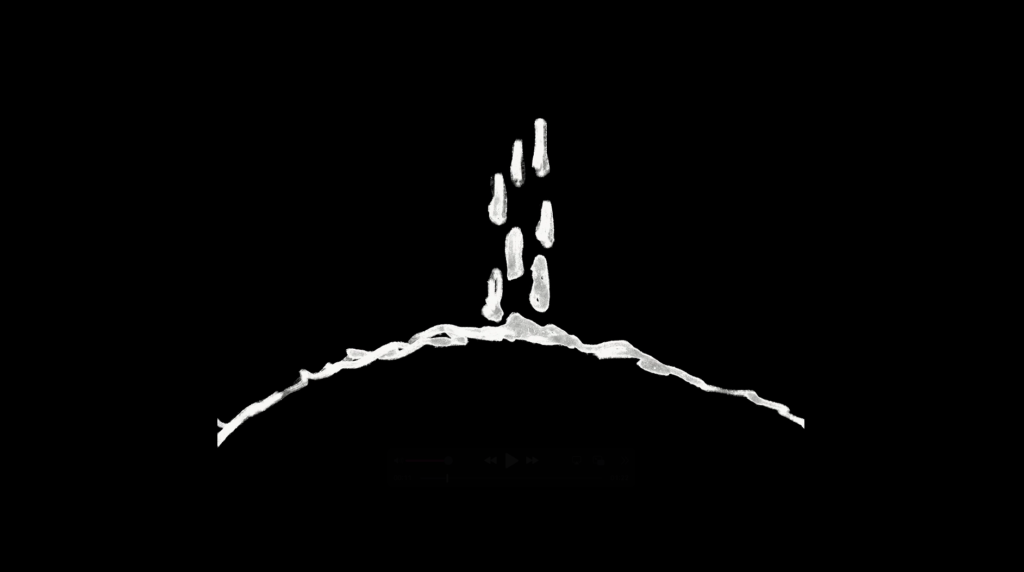
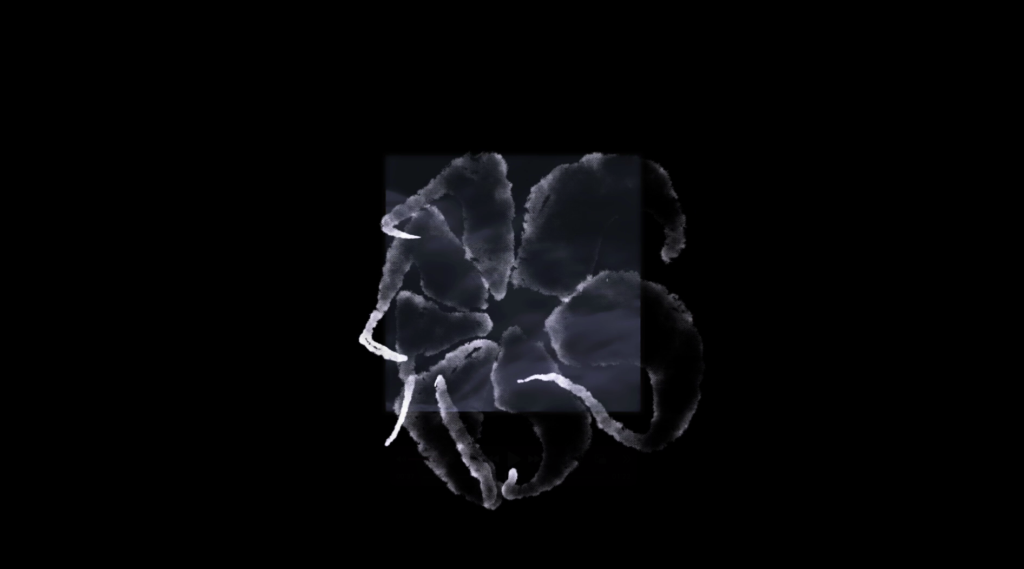
The content aims to capture the often-overlooked "sparks" of passion in life. These include the intricate veins of a leaf eaten by bugs, the distant silhouettes of mountains, the expanding ripples of a water drop, and the swimming tentacles of an ancient creature like an octopus. I want to convey that, even in an absurd world, the ultimate proof of our love for life actually exists in these tiny, quiet, and seemingly insignificant details.
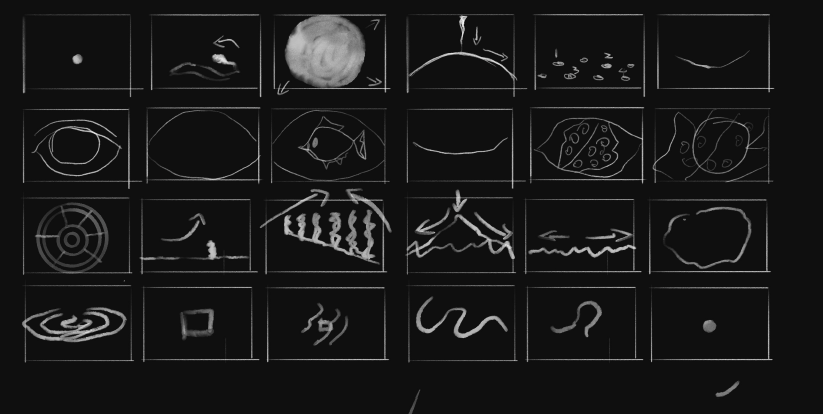
Sparks - Storyboard