
Luyao Wang
I am an illustrator with a narrative focus. My main areas of work include picture book illustration, general illustration and poster design. My interests lie in the natural world, fantasy stories and hidden truths, and I specialise in watercolour, coloured pencil, black-and-white and digital art.
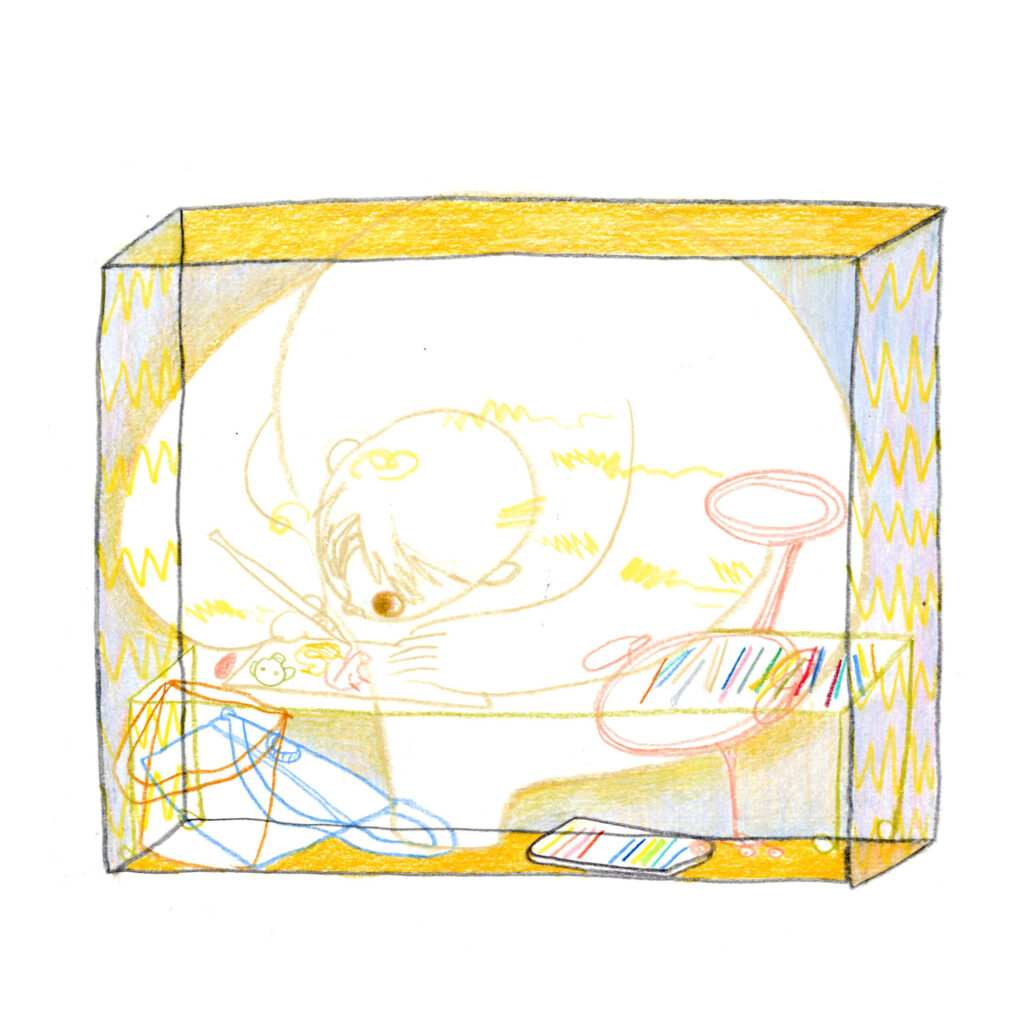
Grid
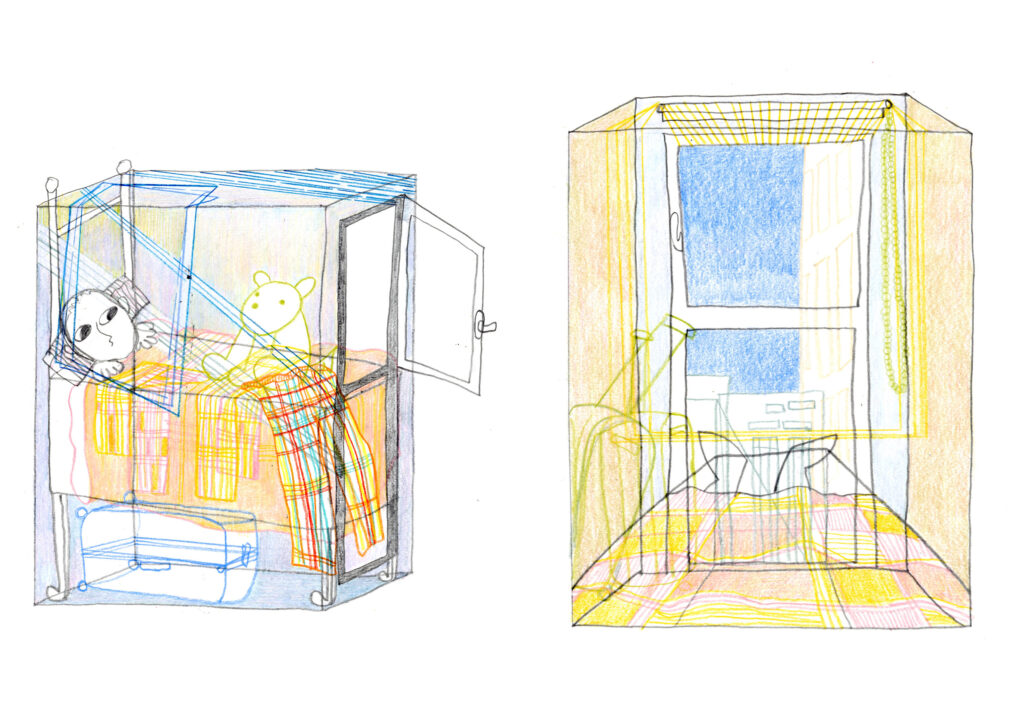
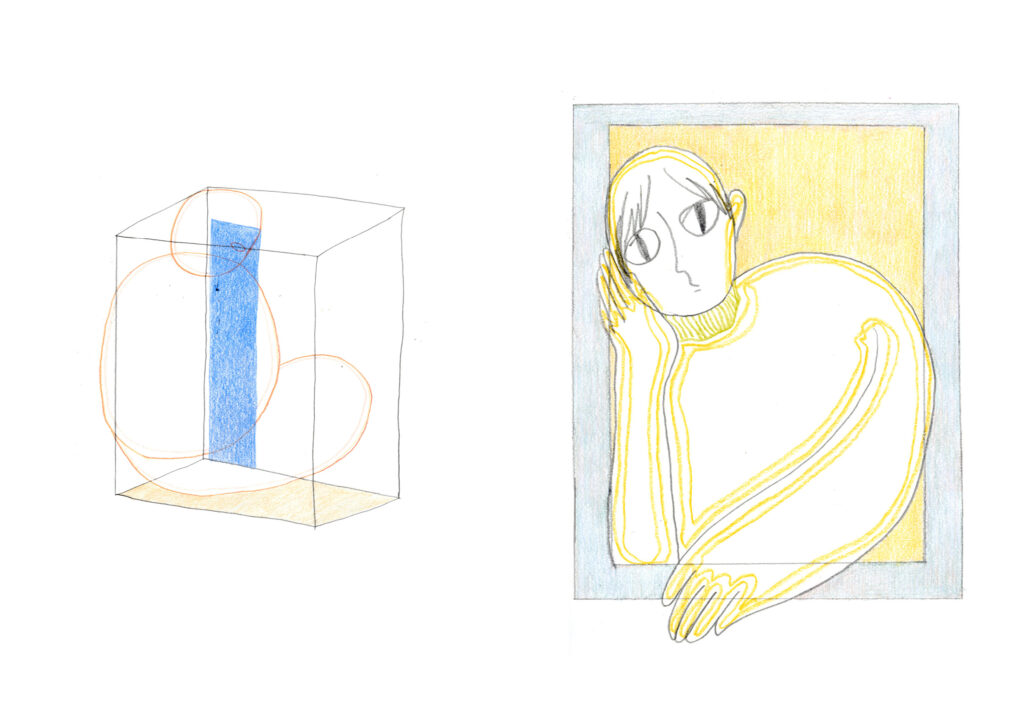
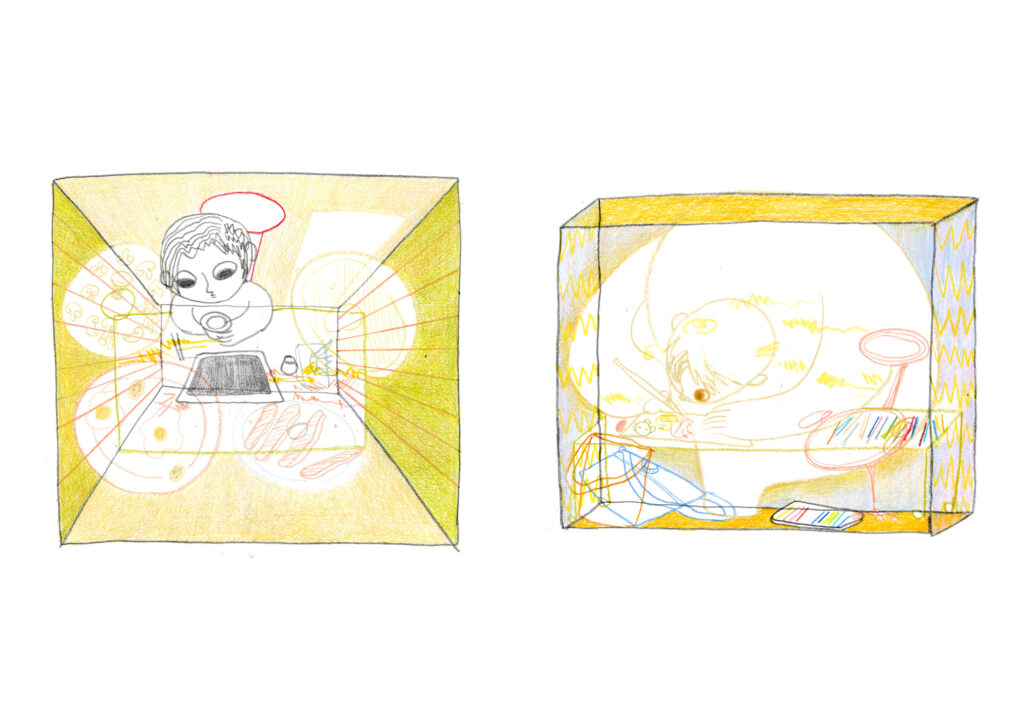
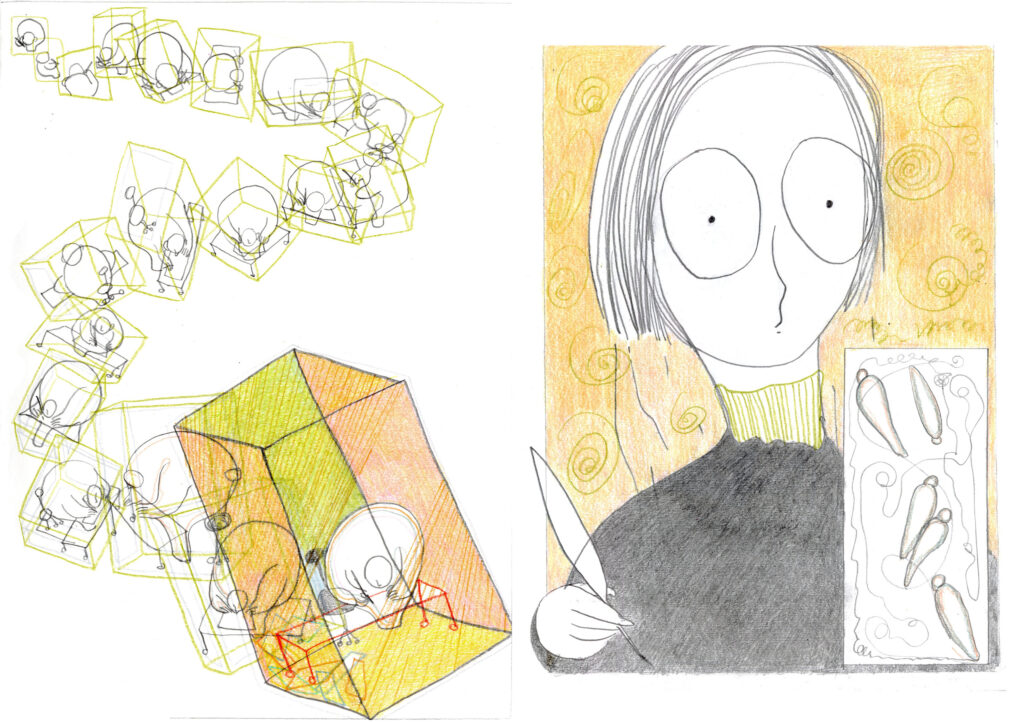
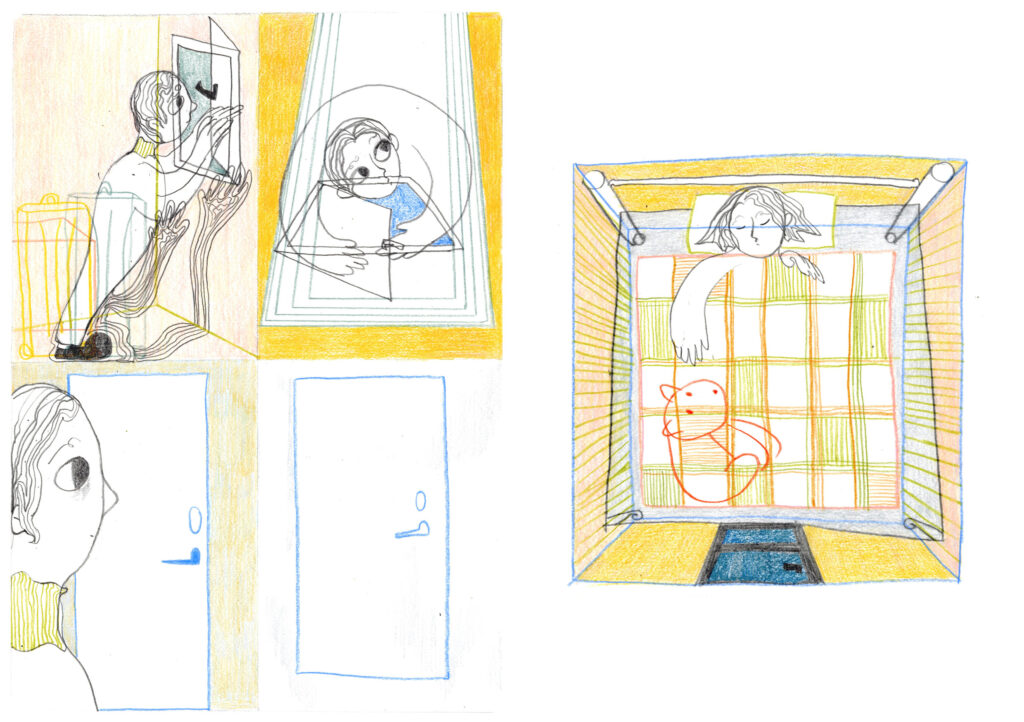
The inspiration for this project stems from my experiences over the past decade. Ever since I started primary school, I’ve been tied down by an endless cycle of tuition classes, school and homework; I barely had any time to go out during the week. On the rare occasions my parents took me on a trip, my first instinct was to go home to return to that grid.
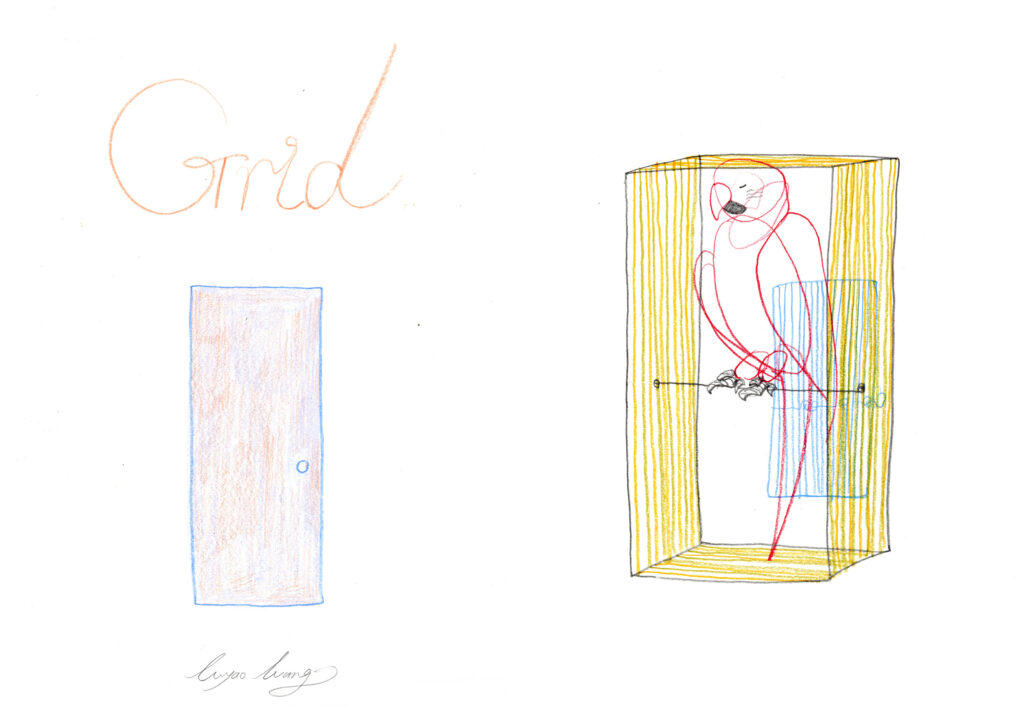
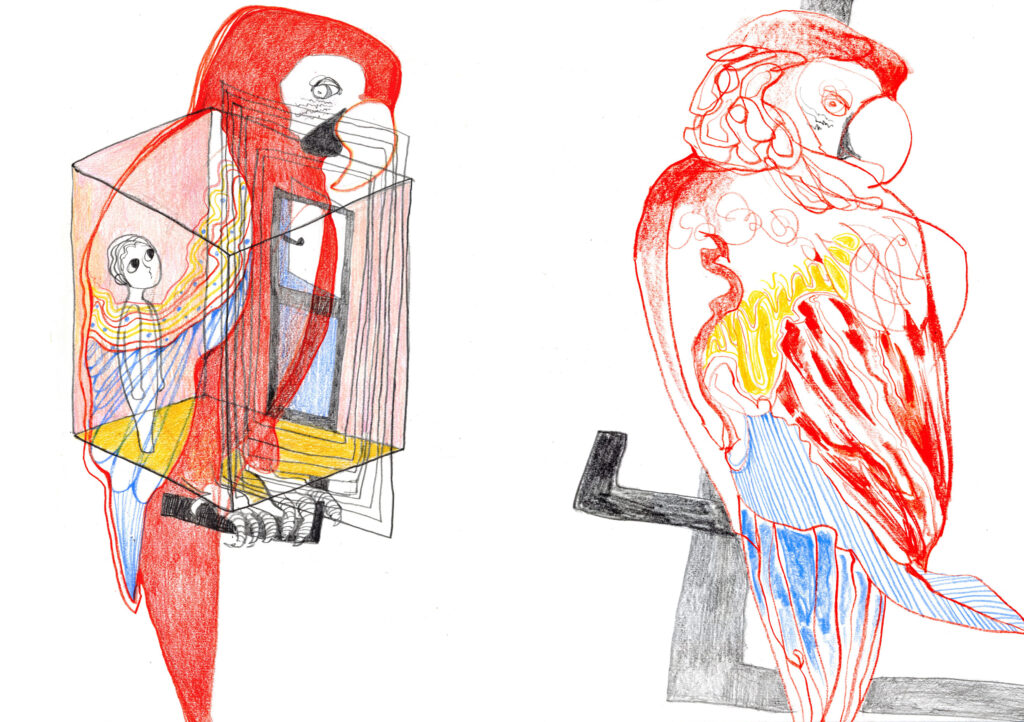
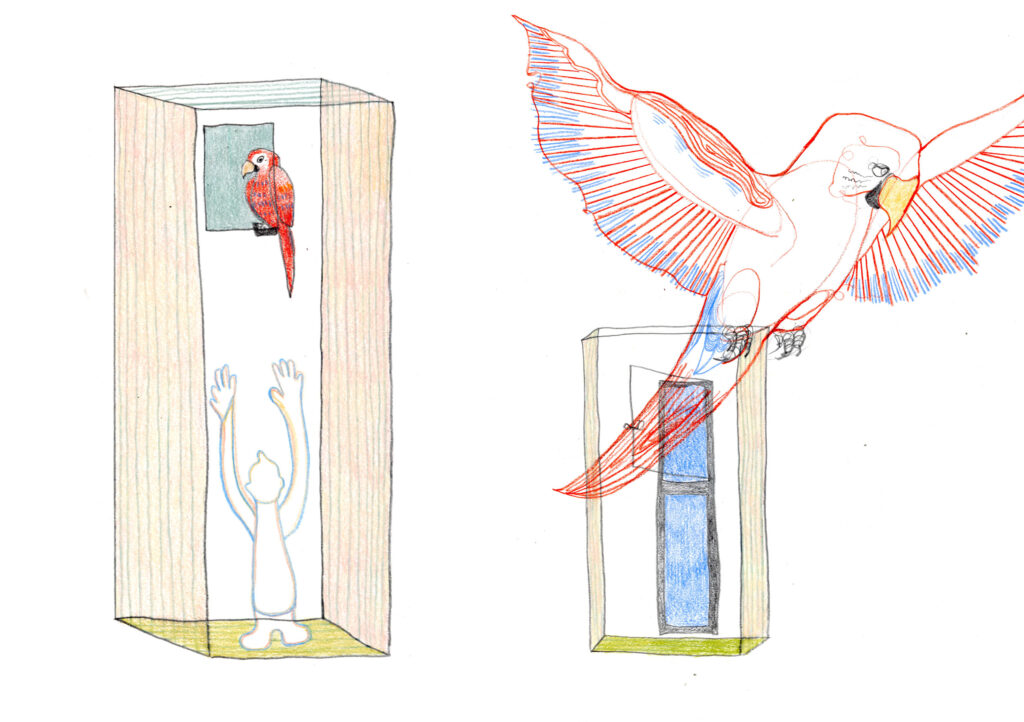
Then something happened that took me completely by surprise. One day, whilst staying at my grandparents’ house, my grandfather suddenly let out a cry of surprise upon spotting a macaw perched on the window. Whether it was someone’s pet that had flown away or one that had truly flown in from somewhere, I developed a profound fascination with that parrot. After all, it was the sole splash of colour amidst the concrete jungle, and it became my anchor for a time. I longed to fly into the sky like a bird, to escape from the grid (the school desk, the study at home, the cramped cram school room, and the confined spaces within my own mind).
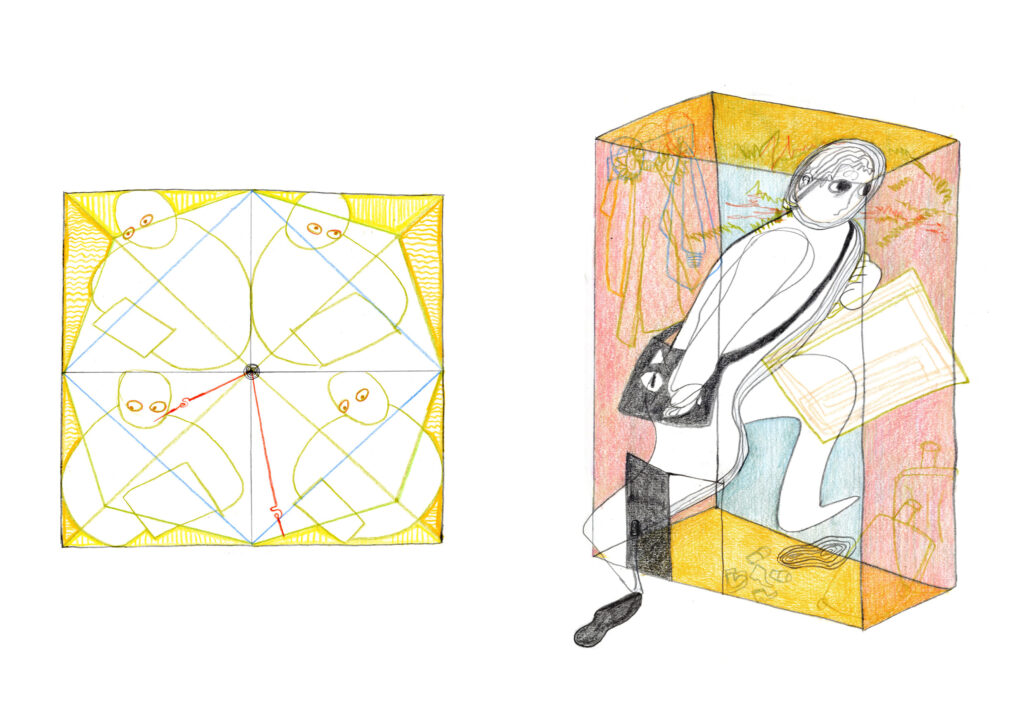
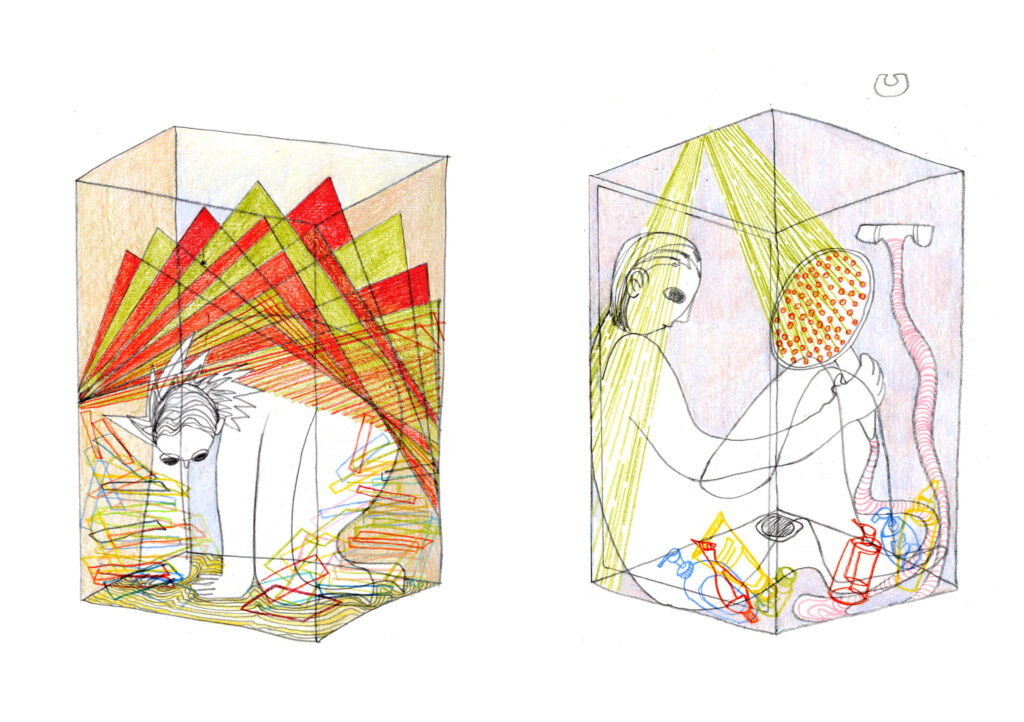
So I decided to create a zine to describe my state of being within these walls, and that repetitive life—my yearning to break free, yet being held back by various constraints until I could do nothing but remain within the grid. The original intent of this creation is a form of reflection. We constantly invest our time in building our future, yet we forget the present. So where do we place our feelings about the here and now? This constant sacrifice of time, or this endless cycle, seems to have become an unsolvable Rubik’s Cube; we depend on it yet hope to break free, to explore the world beyond the grid.
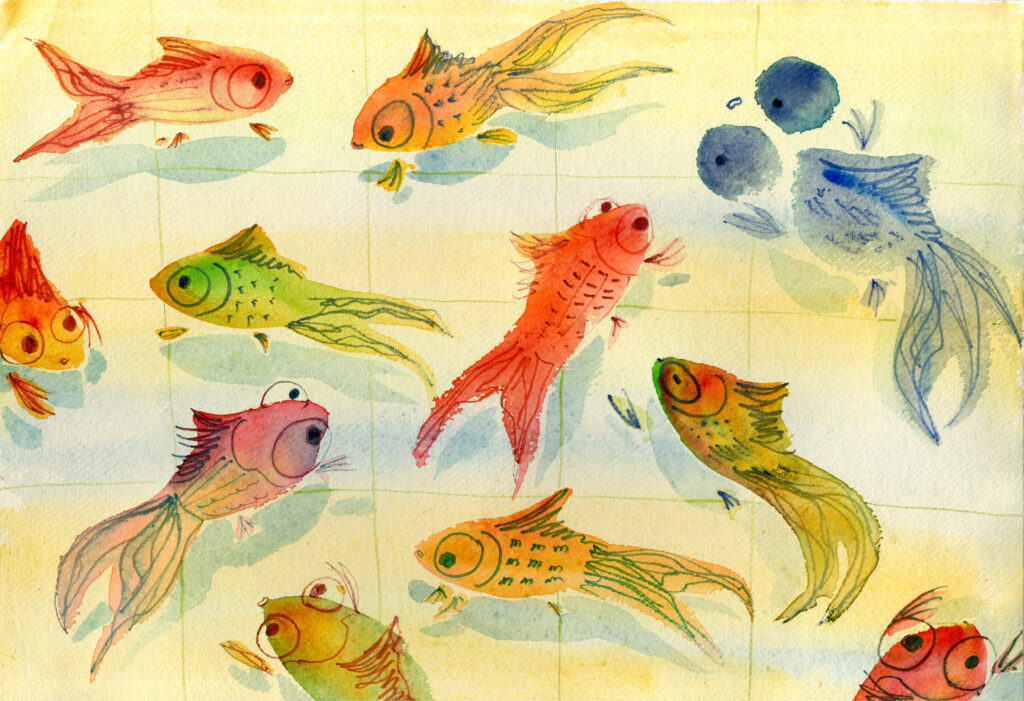
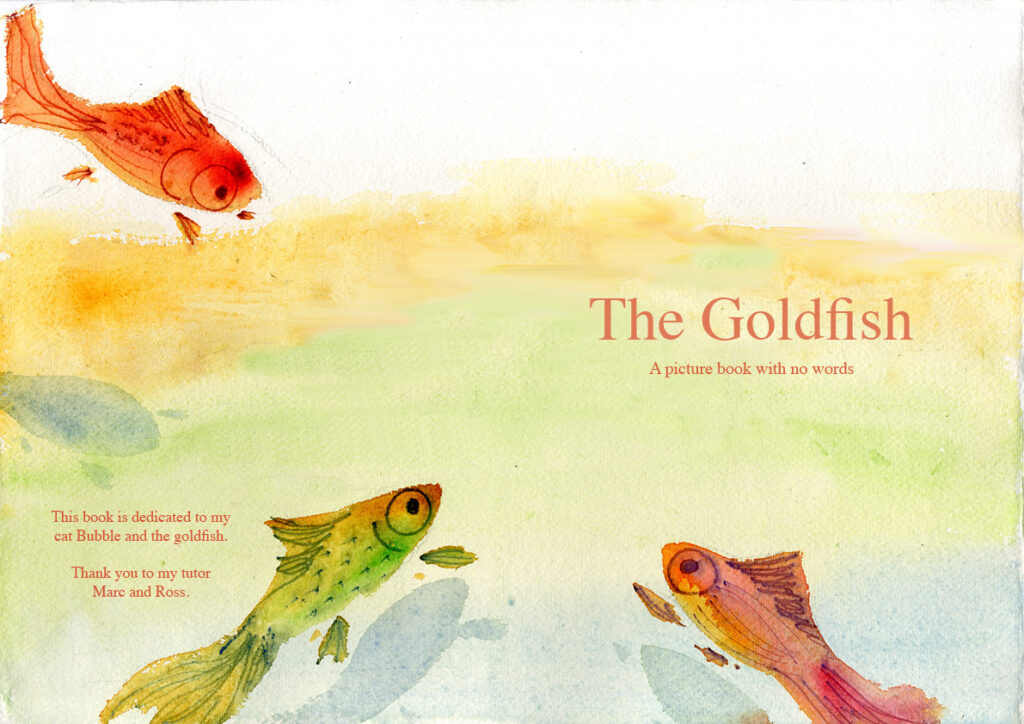
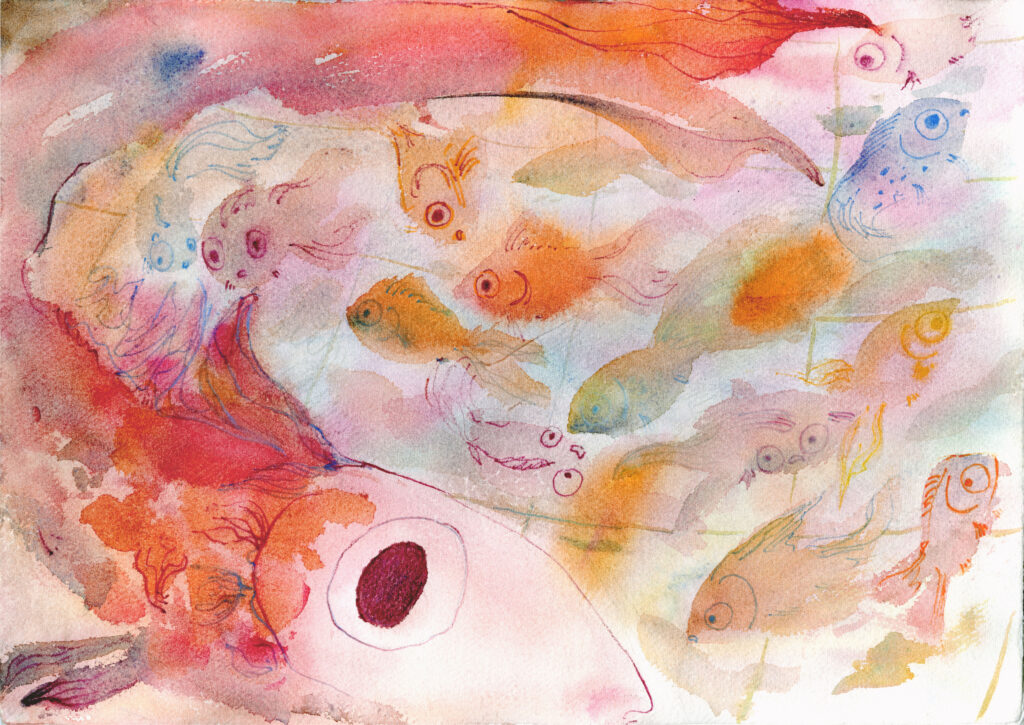
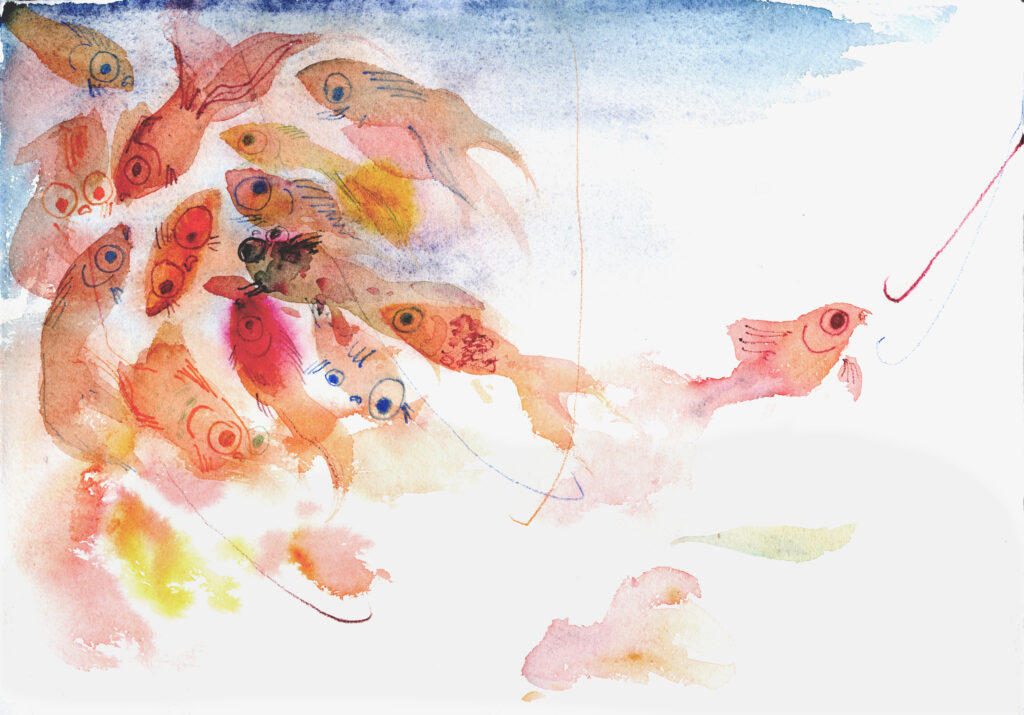
The Goldfish
As this project requires me to integrate my essay into the creative process, I shall begin by explaining the reasons behind this story, what I have created, and the reflections it has sparked. My essay explores how Disneyland immerses visitors by reworking symbols, employing architectural cues, and crafting a theme park world that appears more real than reality itself. As I continued writing, I began to wonder: when happiness is designed and reality is replaced, and contemporary social spaces are no longer neutral venues for experience, are there commercial spaces, much like Disneyland,hat appear joyful yet harbour an emotionalised consumption? And after enduring experiences that are constantly engineered, will I, following this course, become aware of these constructed memories?
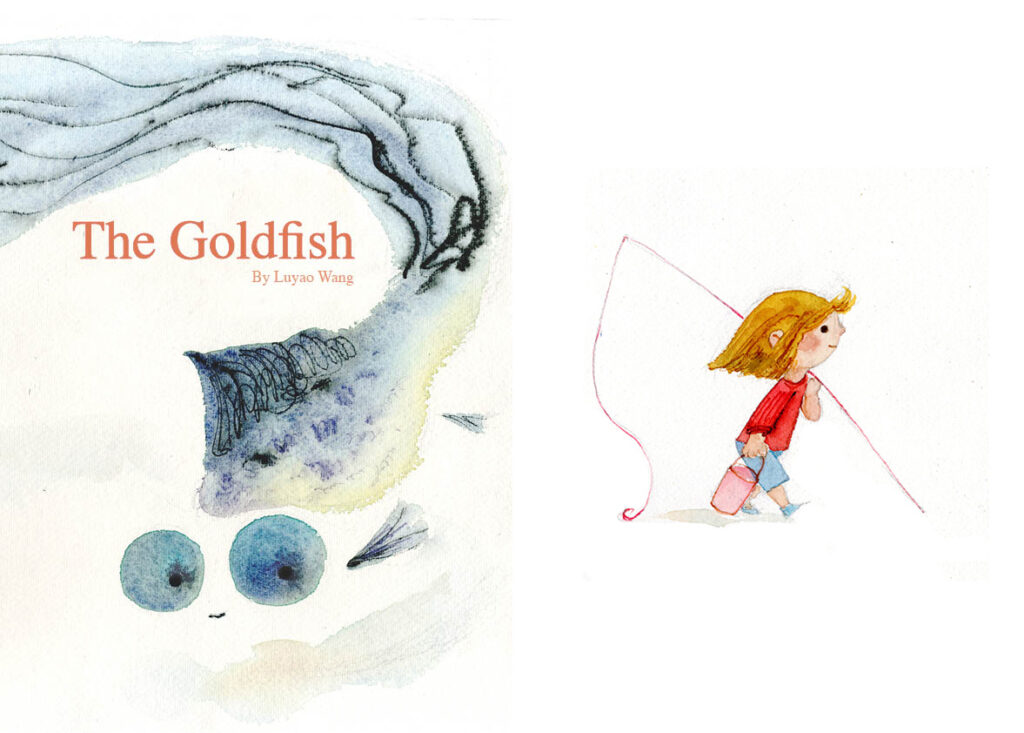
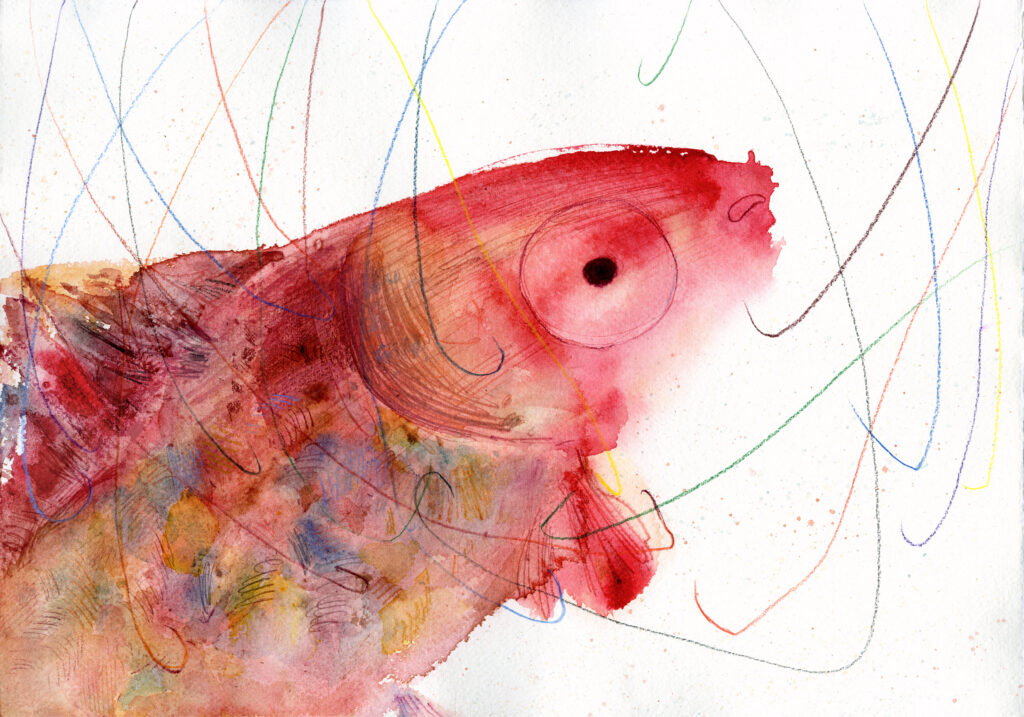
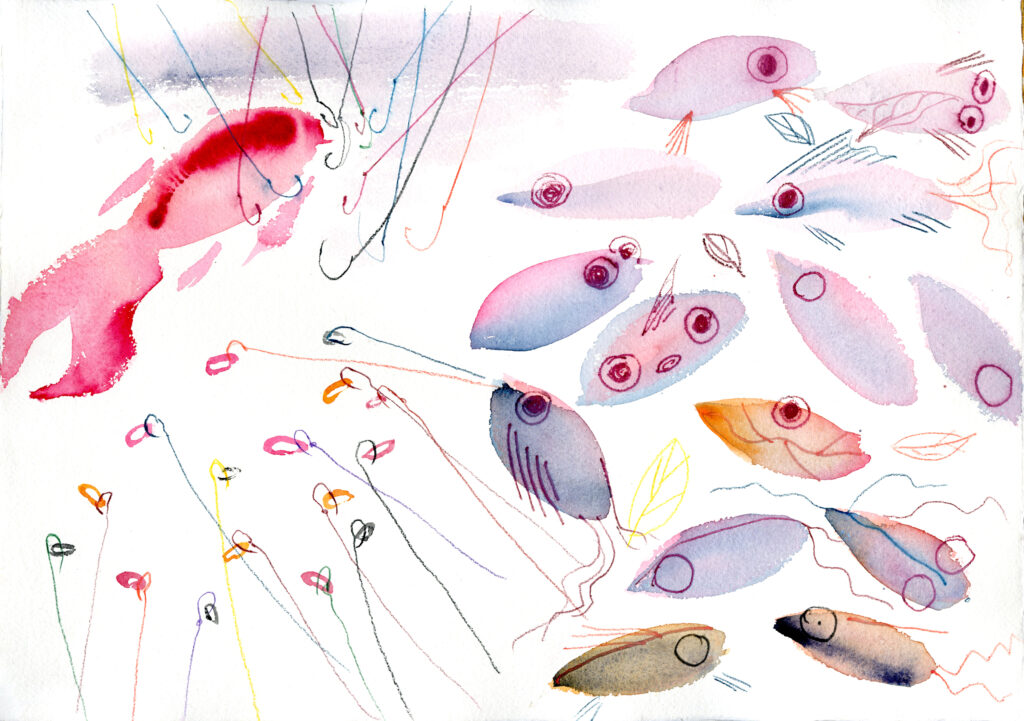
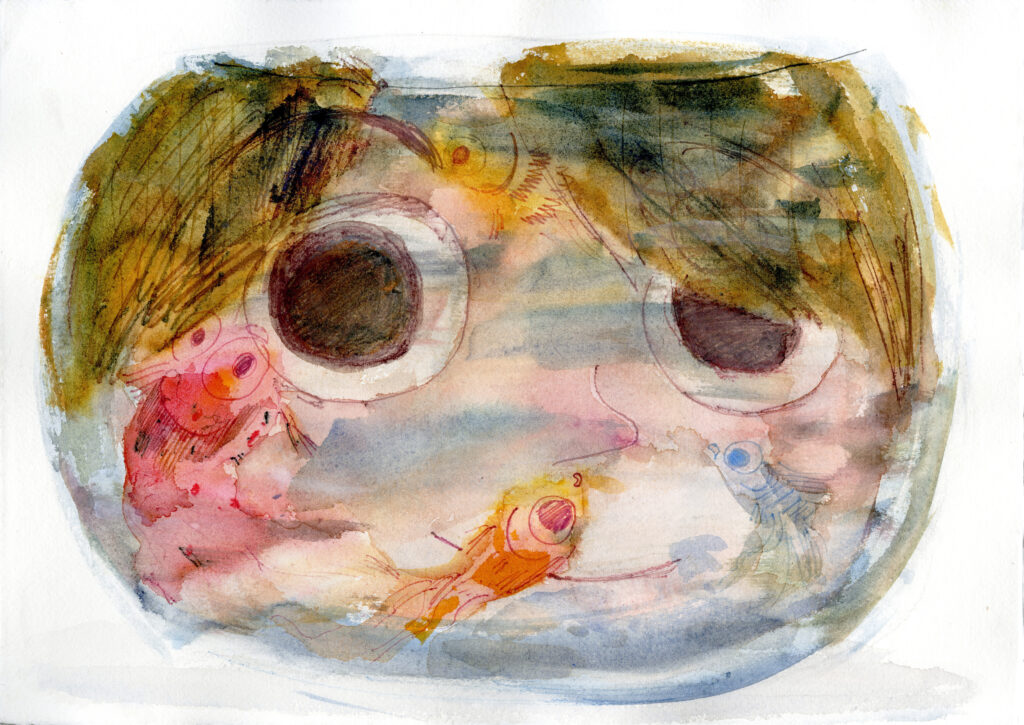
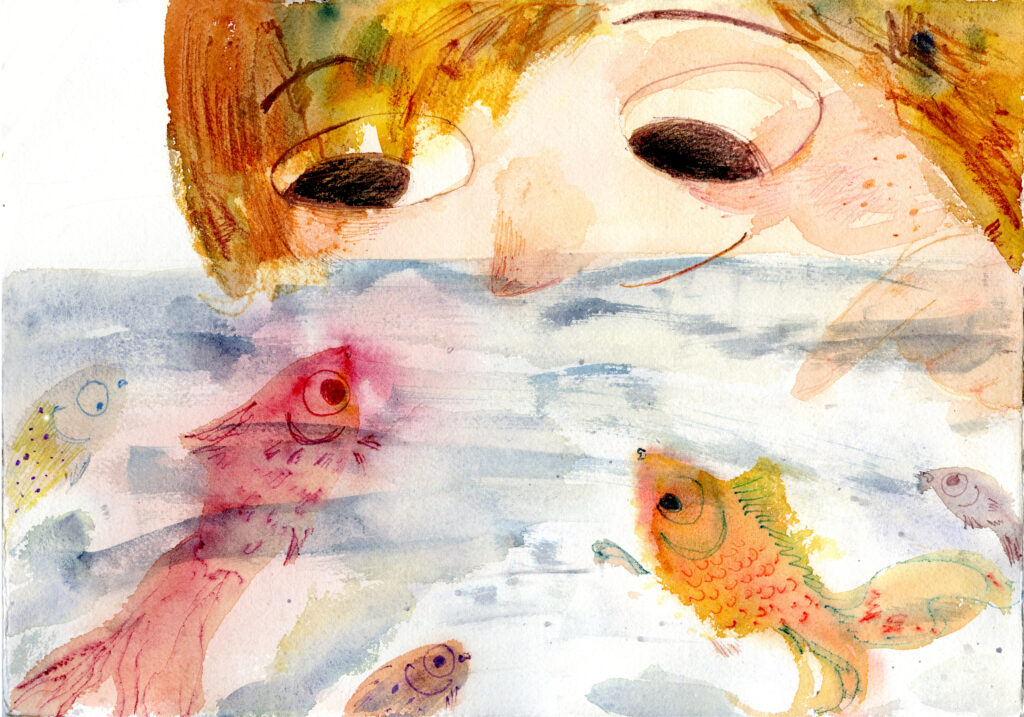
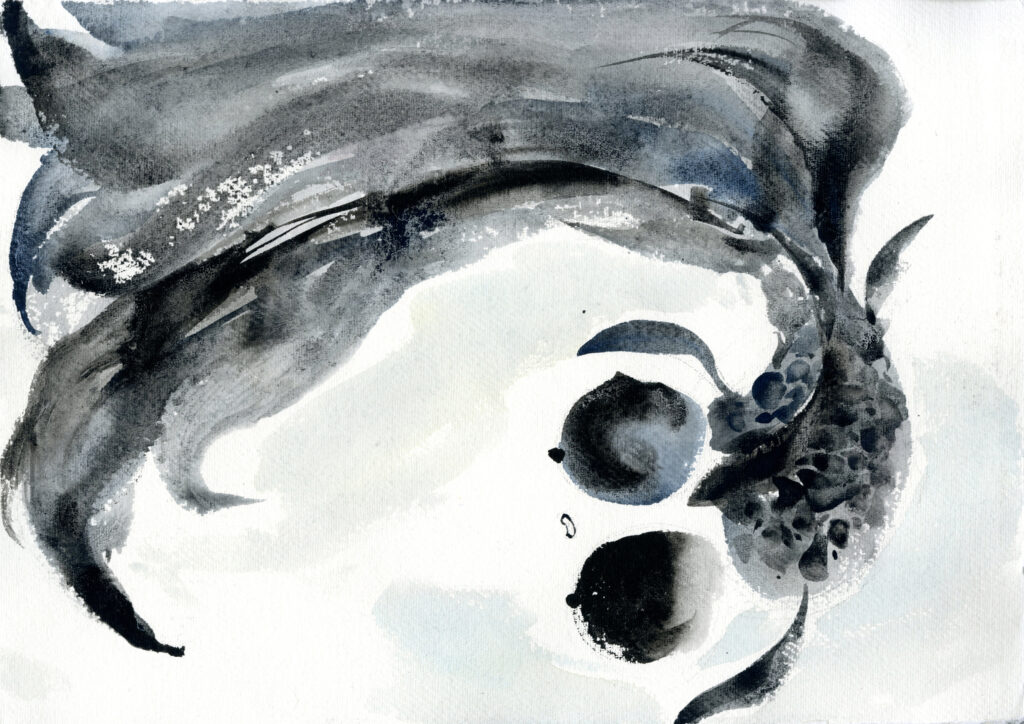
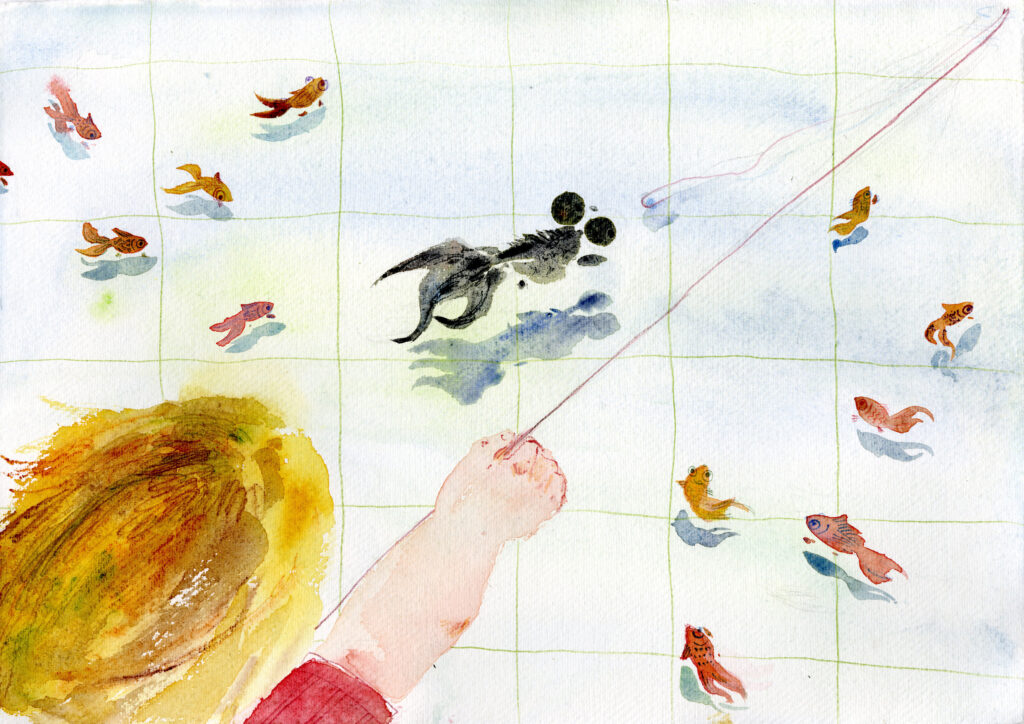
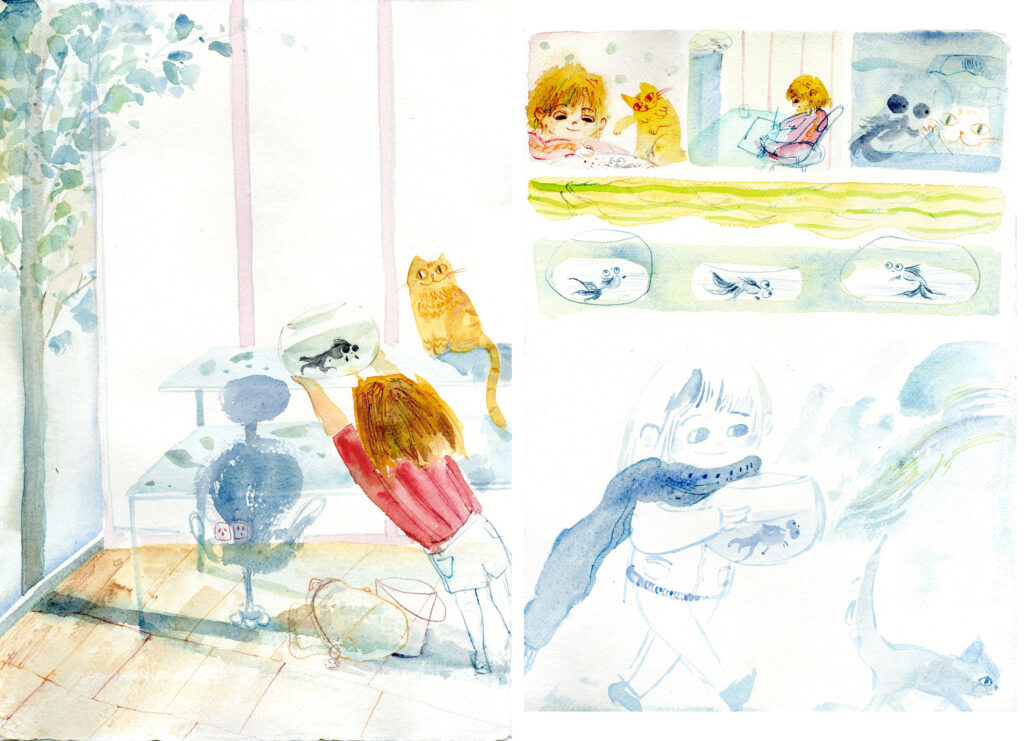
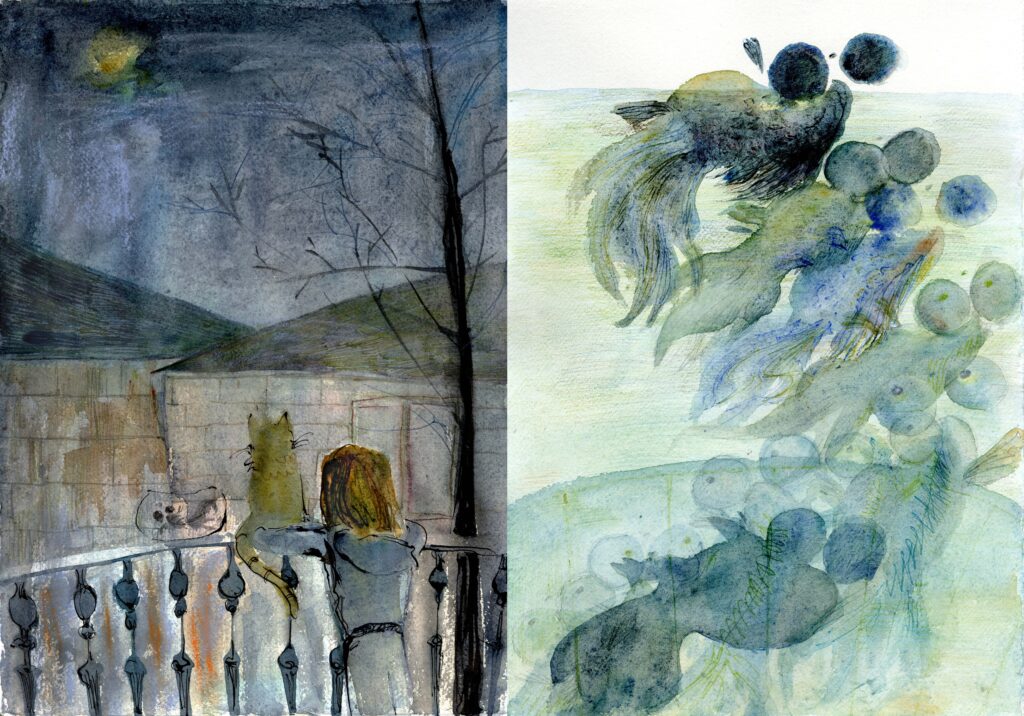
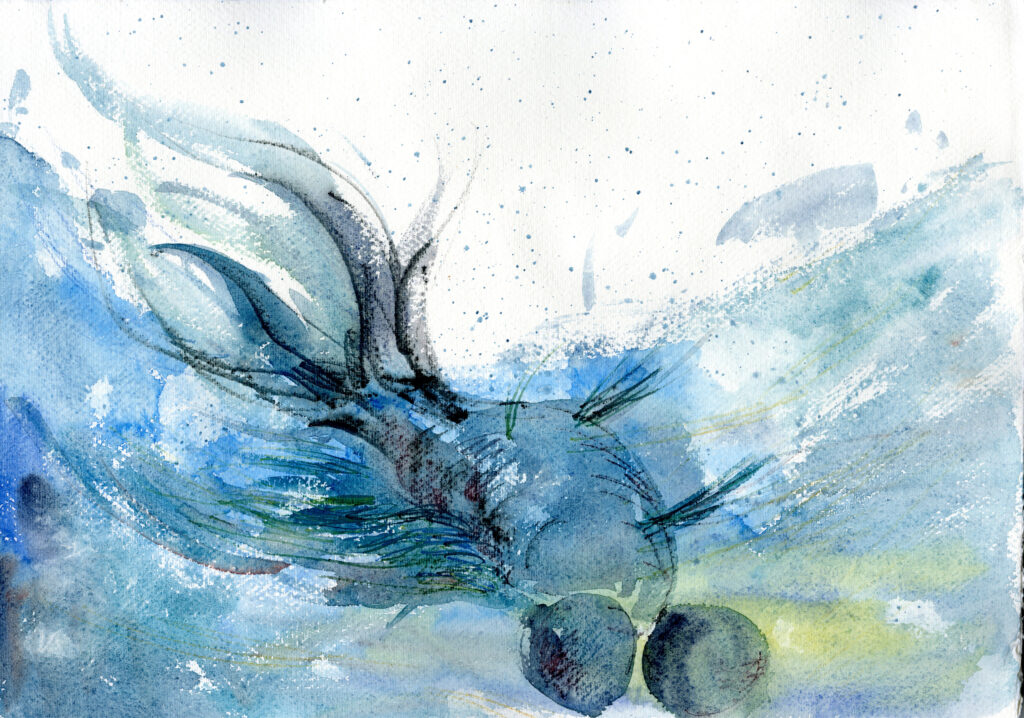
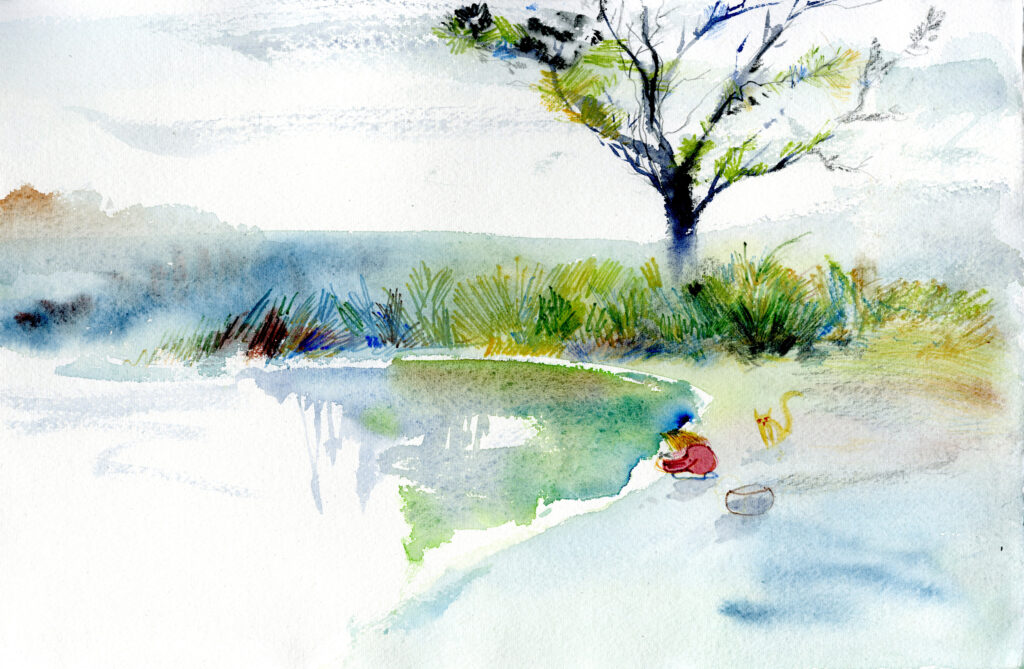
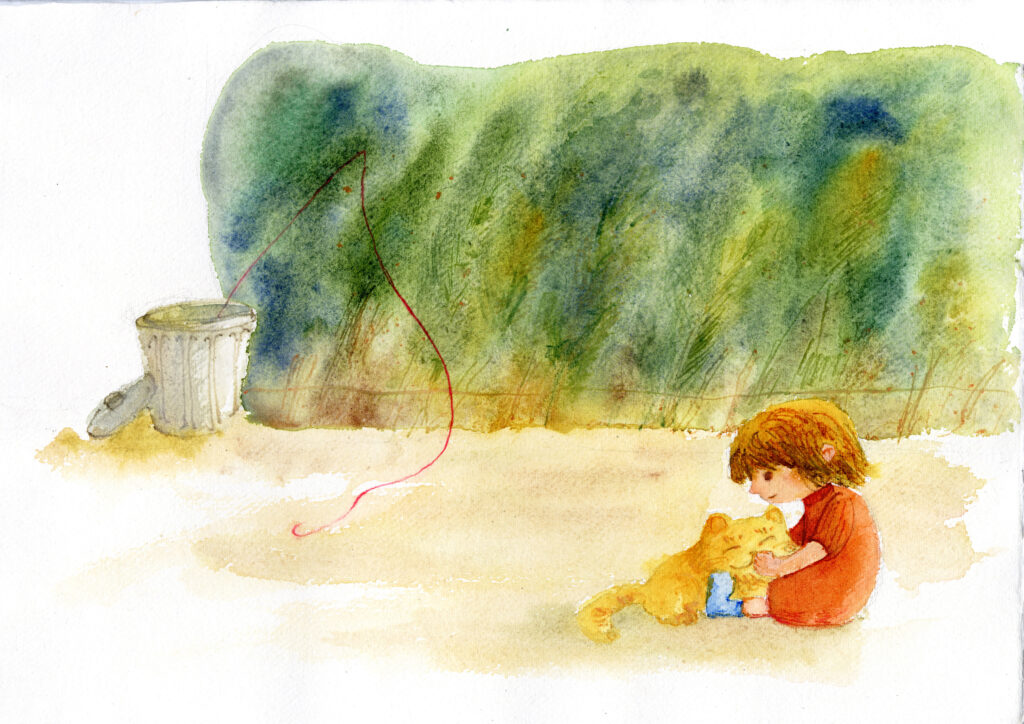
Driven by this curiosity, I began to delve into my hazy childhood memories, and I suddenly realised there were many connections between myself and goldfish that I hadn’t previously recognised; I discovered that my memories were rife with a romanticisation of death. When I was little, fishing for goldfish was all the rage. Every children’s playground had a goldfish pond, and countless children treated it as their weekend pastime. Every week, I would go there and catch five or six goldfish to take home. However, due to my lack of experience in caring for them, and perhaps influenced by the shopkeepers’ advice, I didn’t think twice even if a goldfish died on the way home or just a few hours later; I simply thought I’d catch some more the following week. until one day I caught a black goldfish. Miraculously, it lived in my fishbowl for a whole year. It was only at the moment of its death that I realised these were living creatures, not the ‘toys’ of my childhood. From that moment on, I stopped this activity immediately; whenever I think back on it, I feel an immense sense of cruelty. So I drew a very simple story. In it, a little girl catches goldfish three times. Through catching the black goldfish and watching it grow, she realises that goldfish are not the same as toys, and she never does it again.
The reason I chose to focus on goldfish-catching, using my childhood experiences as the core or theme of this project, was not to criticise the naive cruelty of children. After completing this thesis, I realised that the real issue lies in societal guidance. Against the backdrop of hypermodernity, countless business models that mimic or resemble Disneyland are emerging. Without proper guidancenamely, that life itself should not be treated as a commodity for such consumption for instance, if the stallholders at the goldfish pond had clearly explained to us children that these are living creatures, how to care for them properly, and how to choose a suitable fishbowl rather than selling us decorative ones where a single fish cannot even breathe (of course, this is impossible; if children knew how to care for fish properly, there would not be such a large customer turnover, and every day countless goldfish are treated as disposable toys, either carelessly or violently, for these very reasons). Against this backdrop, where entertainment and commercial models run rampant, children are guided by a deluge of information and prevailing attitudes that obscure the true reality. This is merely a reflection prompted by a single goldfish stall; yet when a single small truth is uncovered, how many more tragic realities lie concealed or have been trivialised by the entertainment industry? This is the reflection I have drawn from completing this project, and I believe there is still much more for me to discover.
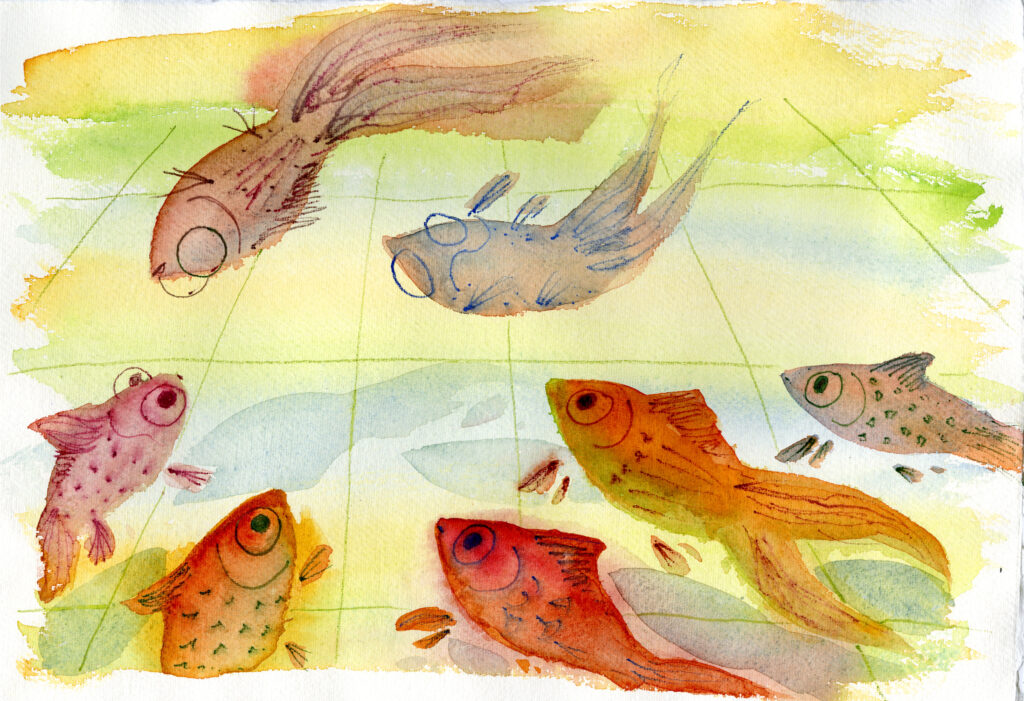
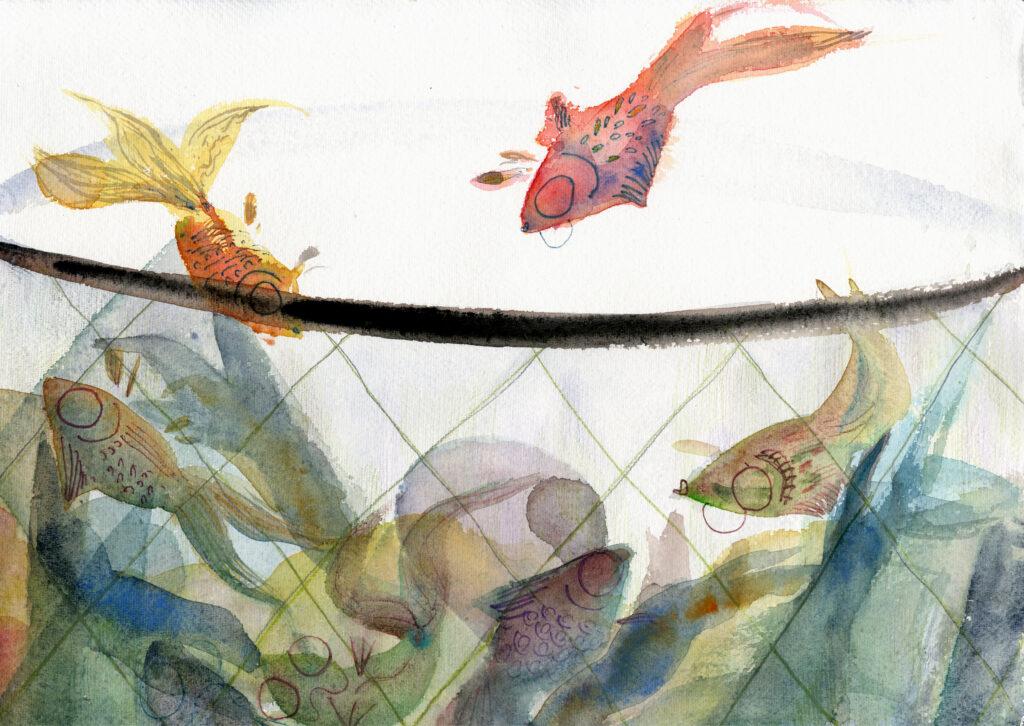
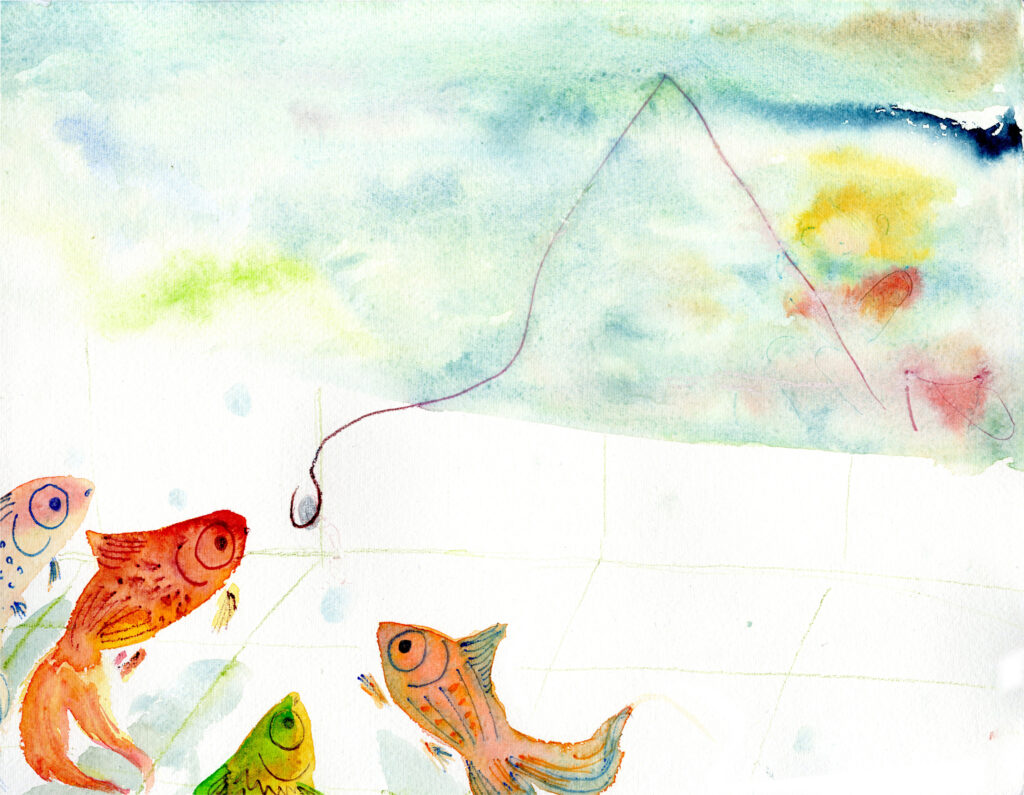
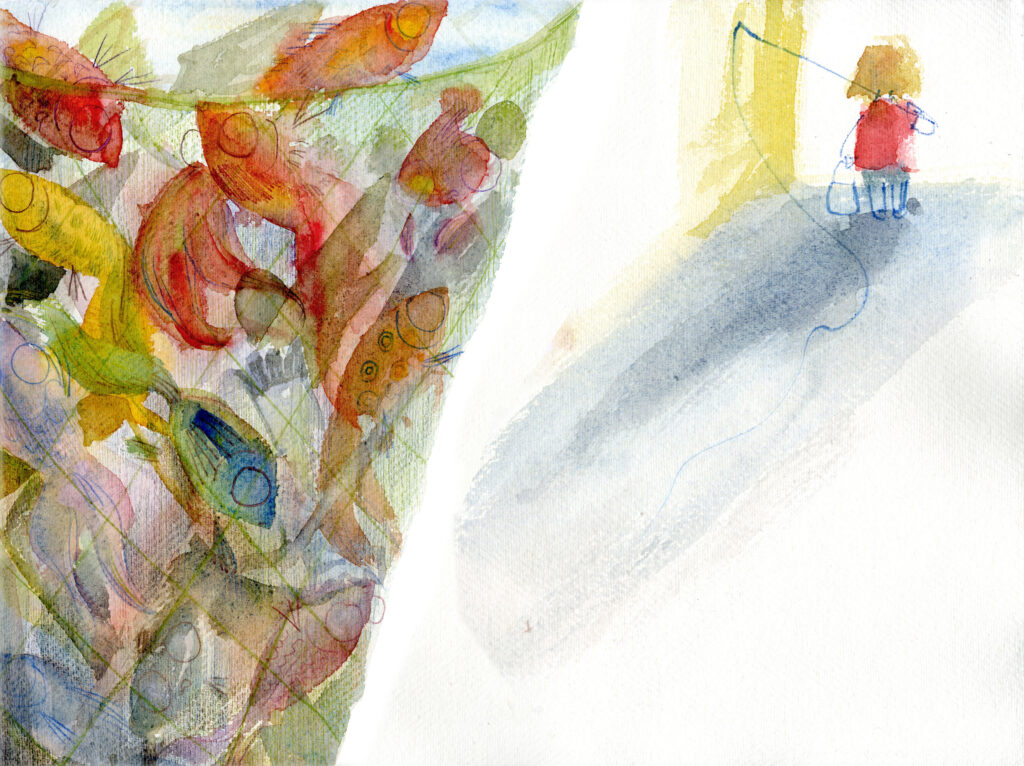
SWAN LAKE
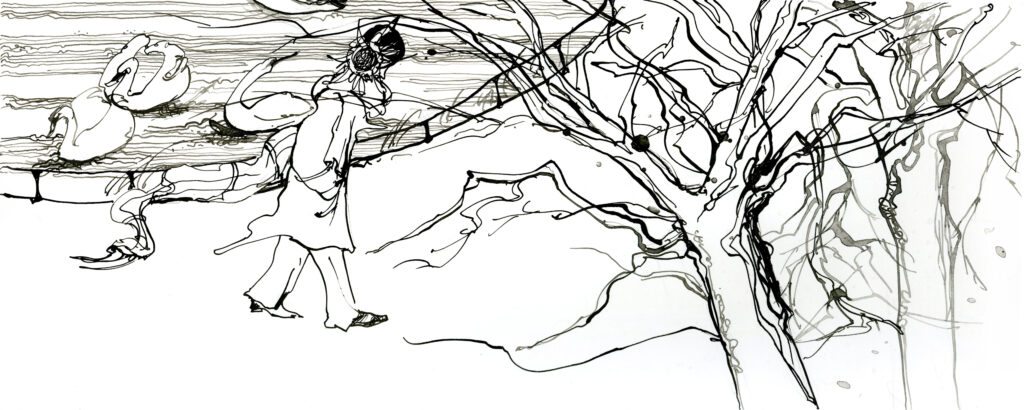
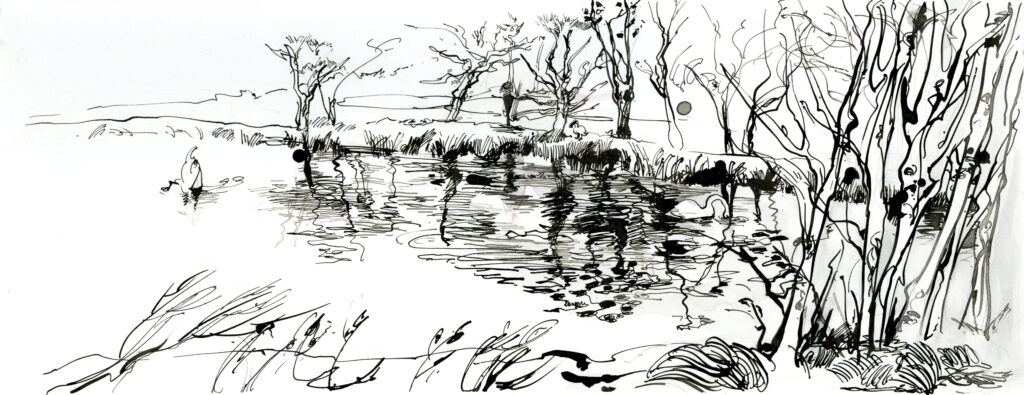
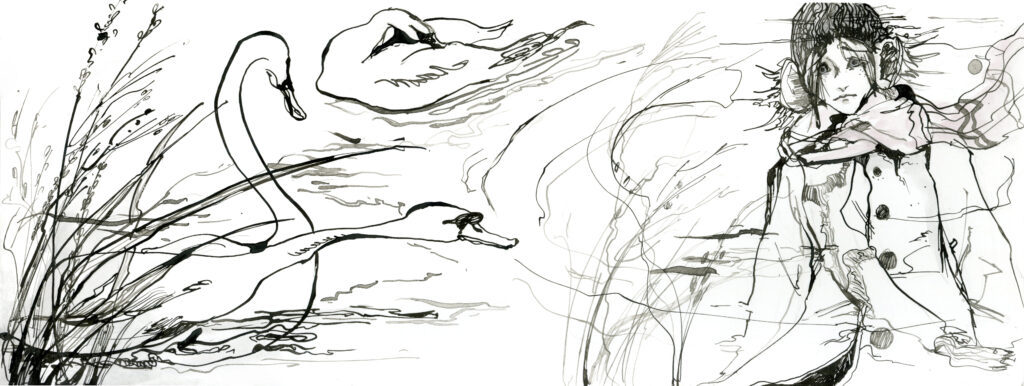
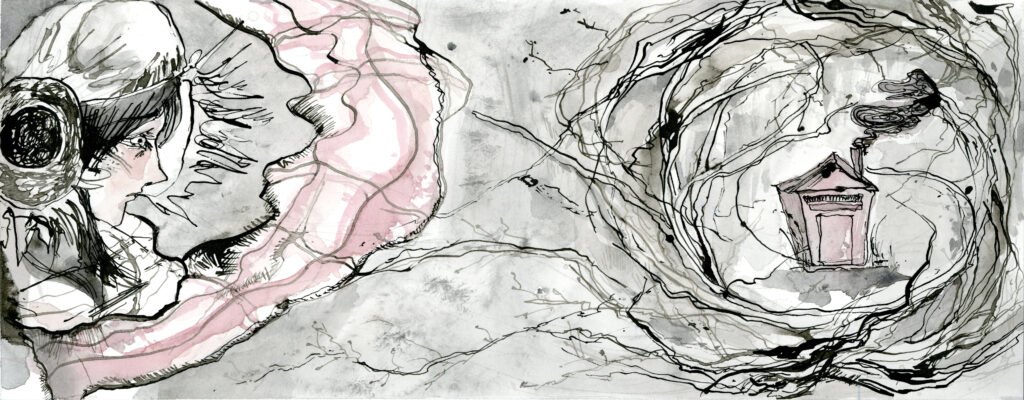
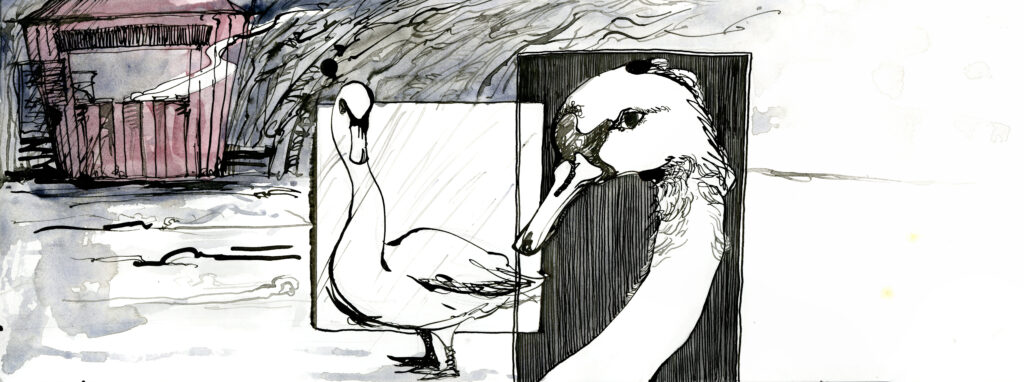
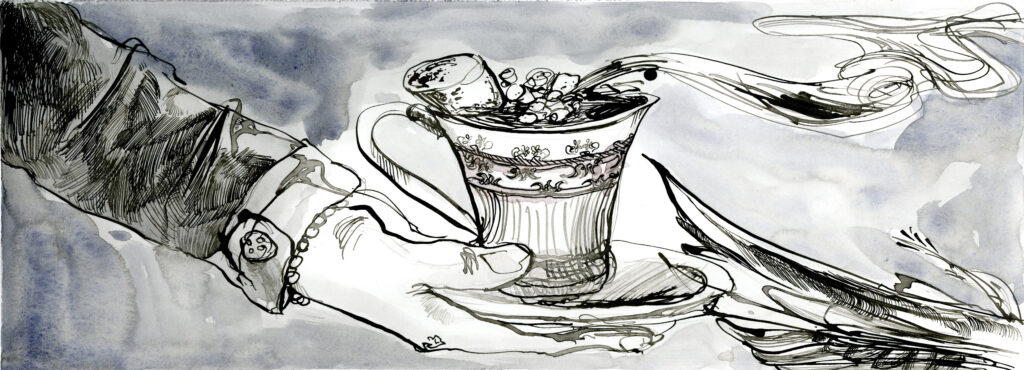
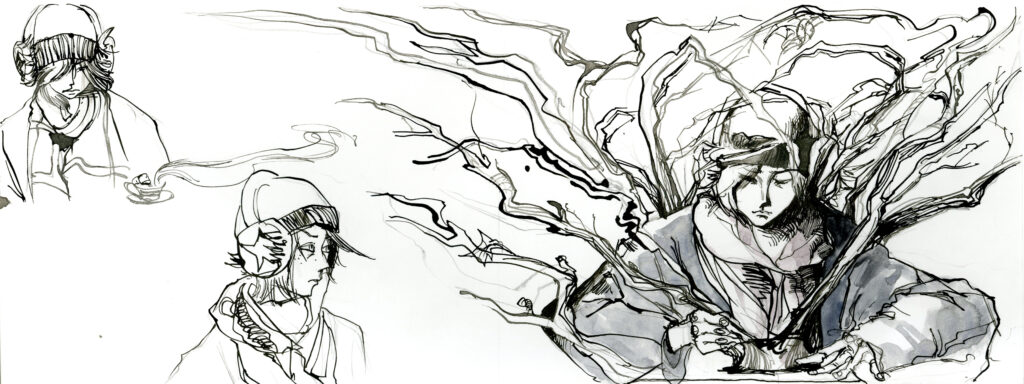
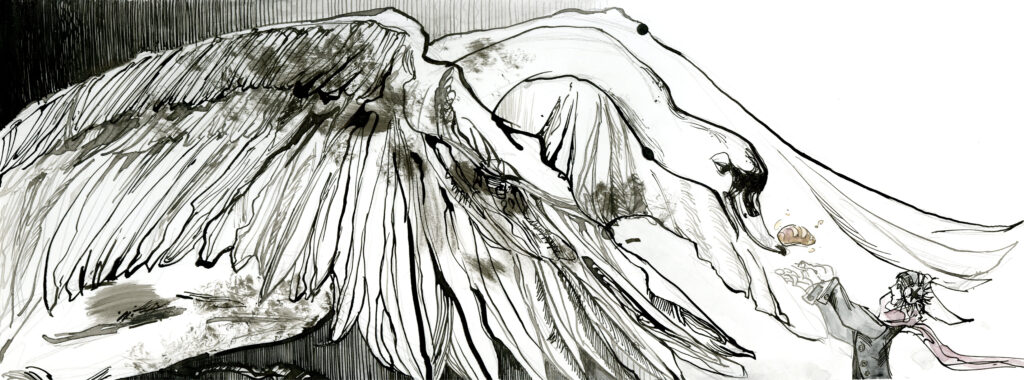
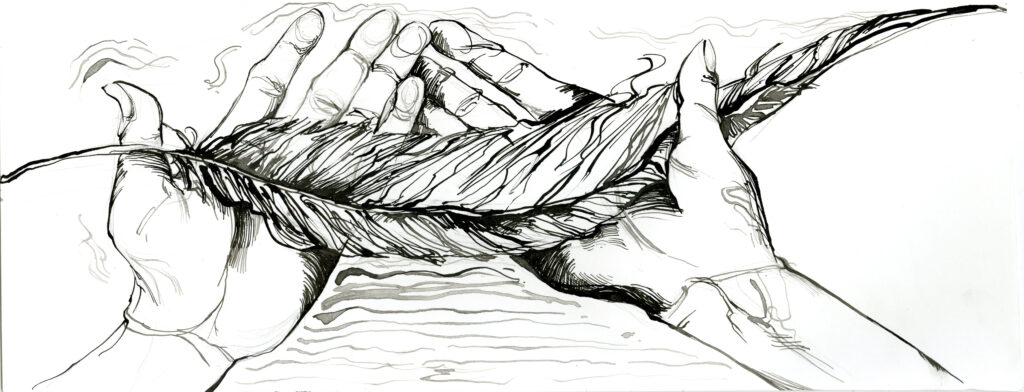
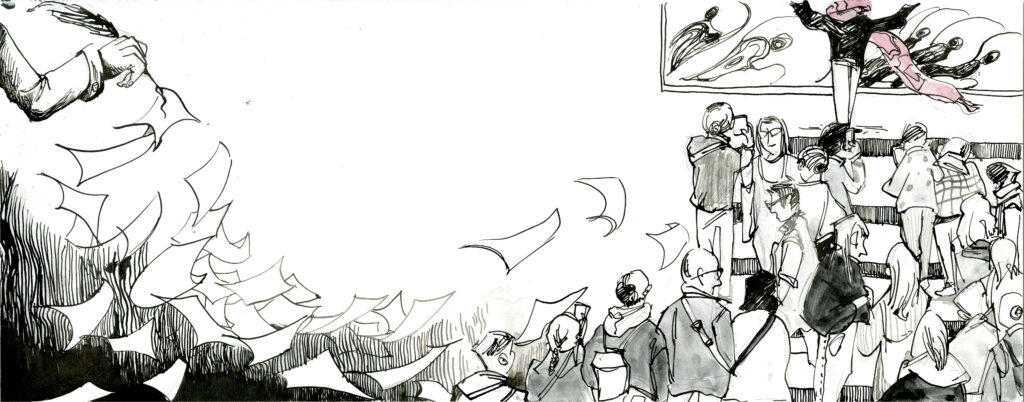
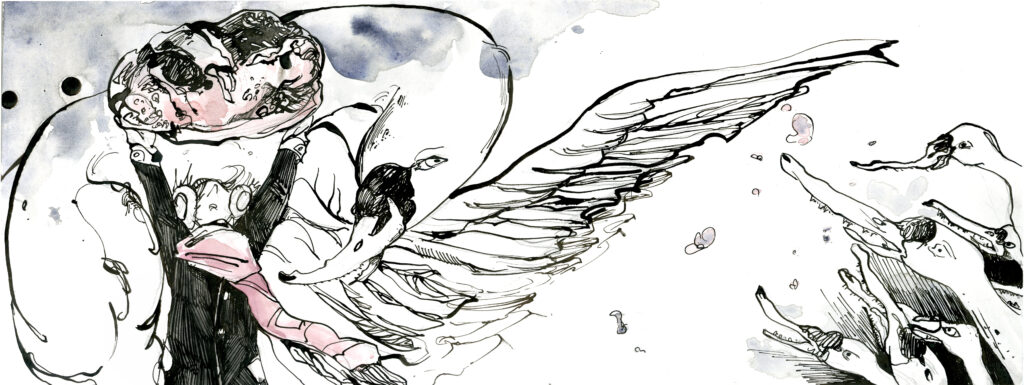
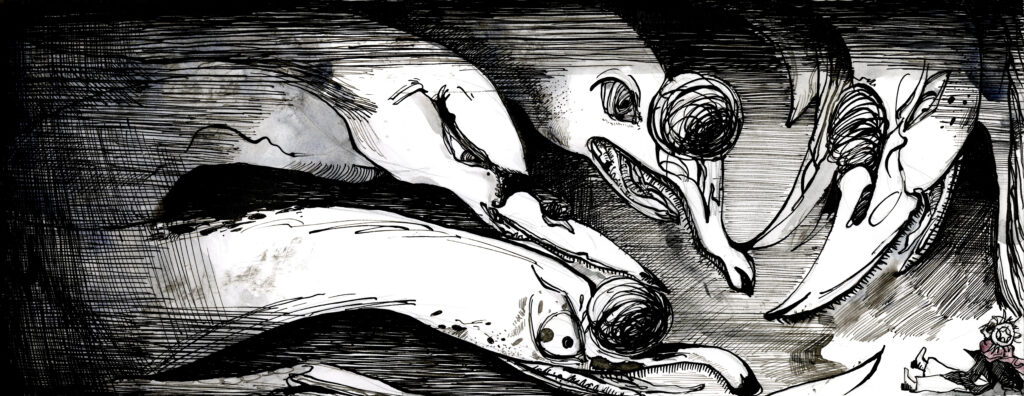
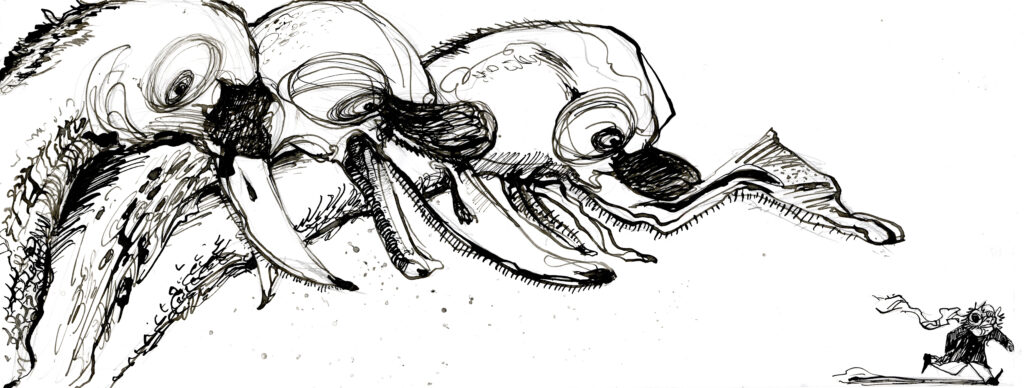
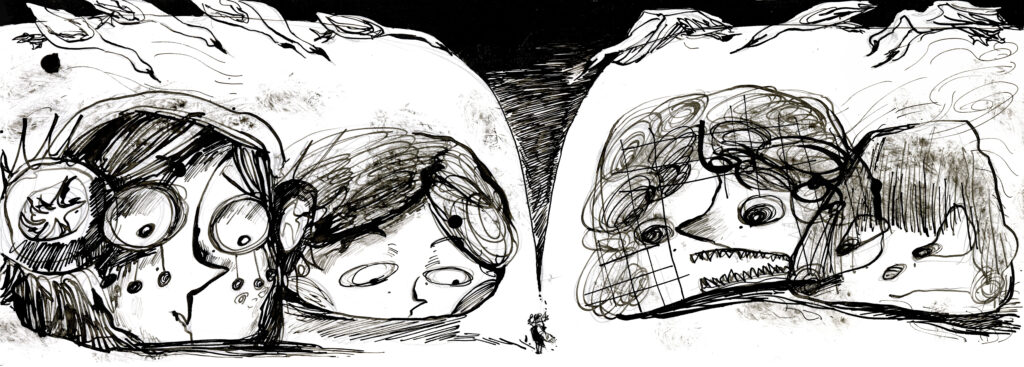
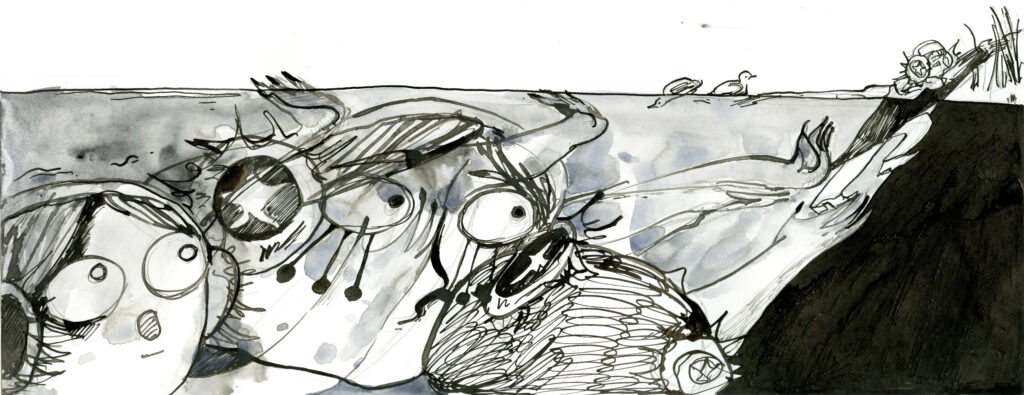
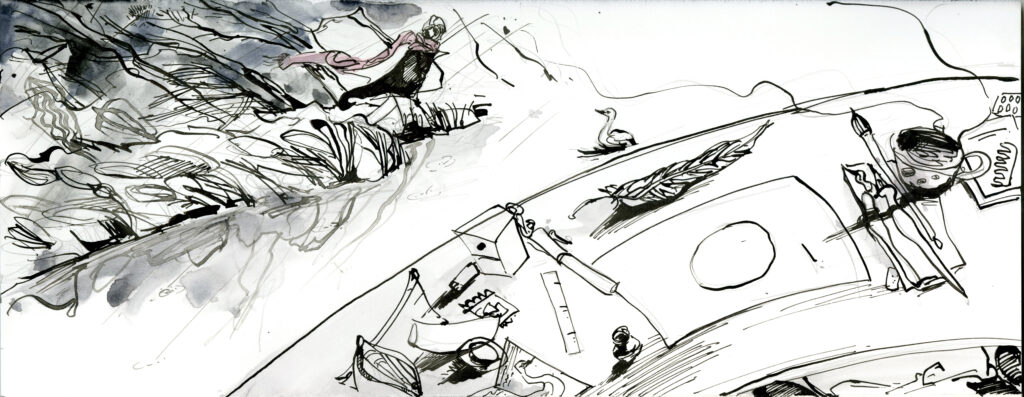
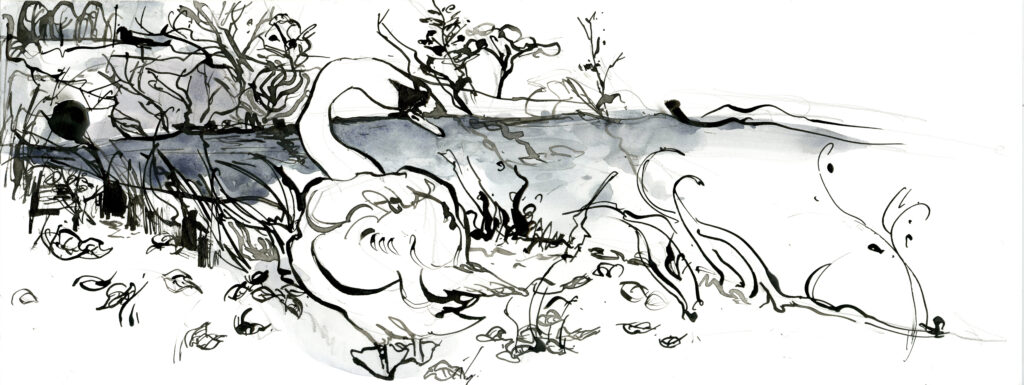
This is a tale adapted from personal experience and infused with elements of the fantastical. The setting draws inspiration from Hogganfield Park in Glasgow. I chose this location because whenever I felt low, I would go to the Swan Lake to clear my mind, seeking answers in its tranquil waters. Whilst tossing bread into Swan Lake, the swans’ scramble and their mutual nibbling gradually laid the foundation for defining the swan’s role. Thus I began to imagine that each time I walked by this lake, I would cast my negative emotions to the swans, and they would help me devour it all. Thus, I selected bread as the medium. The entire narrative revolves around an obsession, a craving for shortcuts, generating an emotional bread-and-swan exchange. Yet this exchange did not fill the void; instead, it amplified desire, drawing me deeper into the quagmire of seeking instant gratification and escape.
This project employs narrative illustrations created with dip pen, using a somewhat fantastical approach to connect personal experiences of studying abroad, creative disconnection, and societal AI phenomena. It explores how emotions are projected, examines the amplification of desire, and considers how we might relearn to heal ourselves through time—namely, that shortcuts taken for desire, paths skipped, exact their toll in other ways.
Vanishes
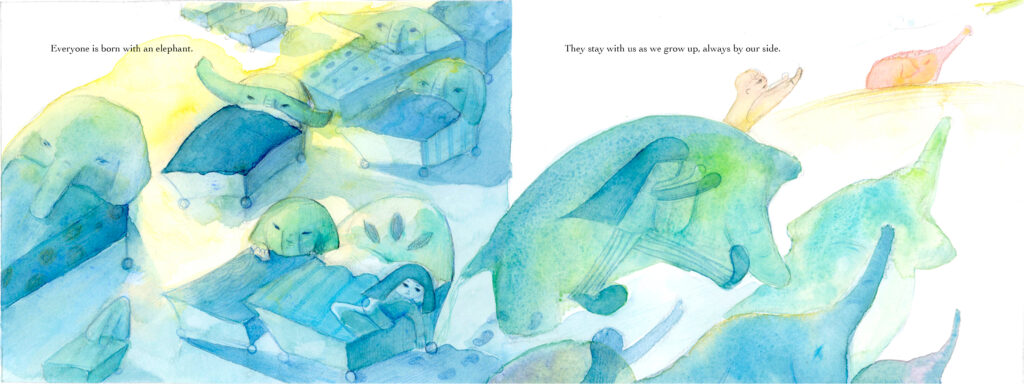
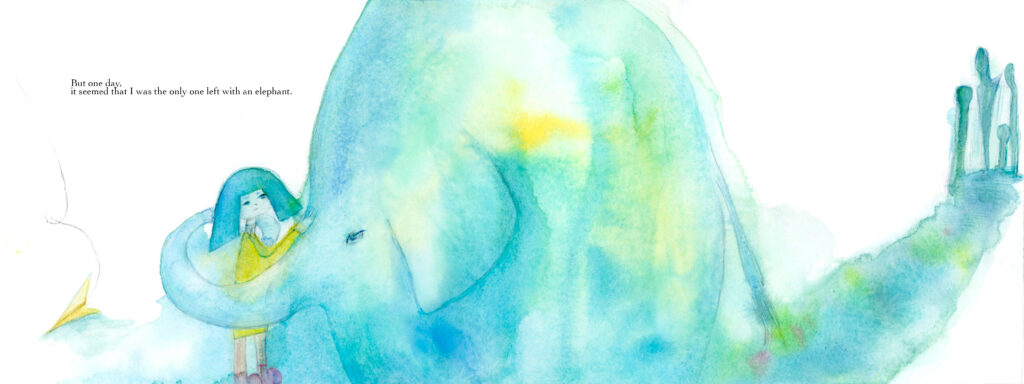
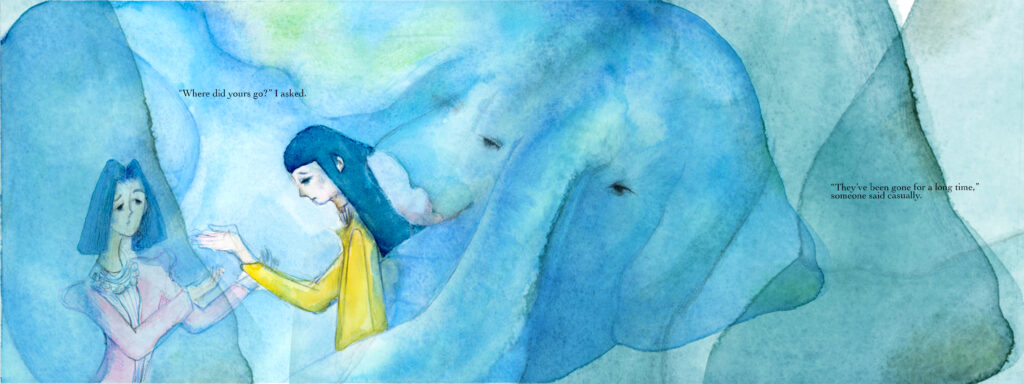
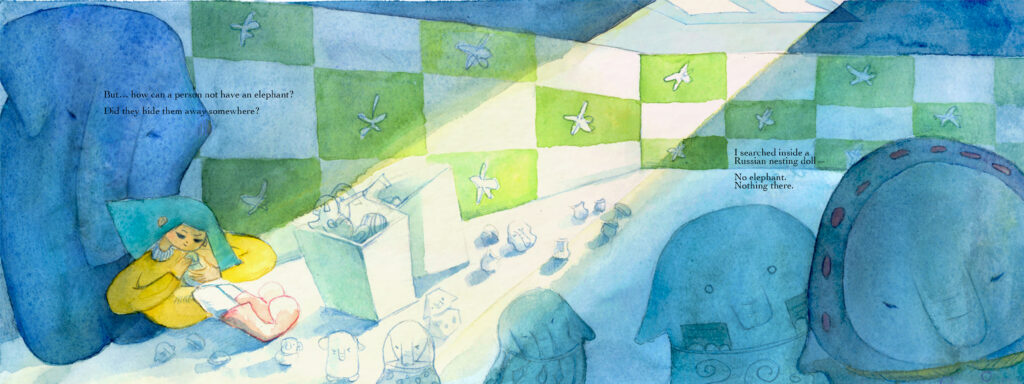
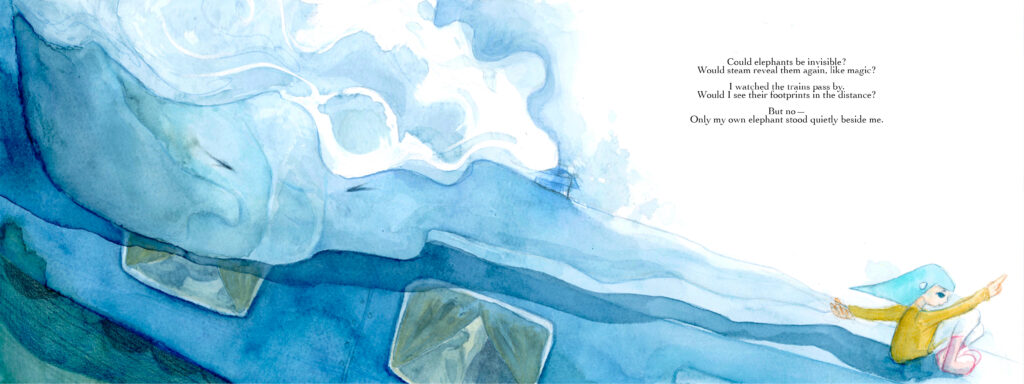
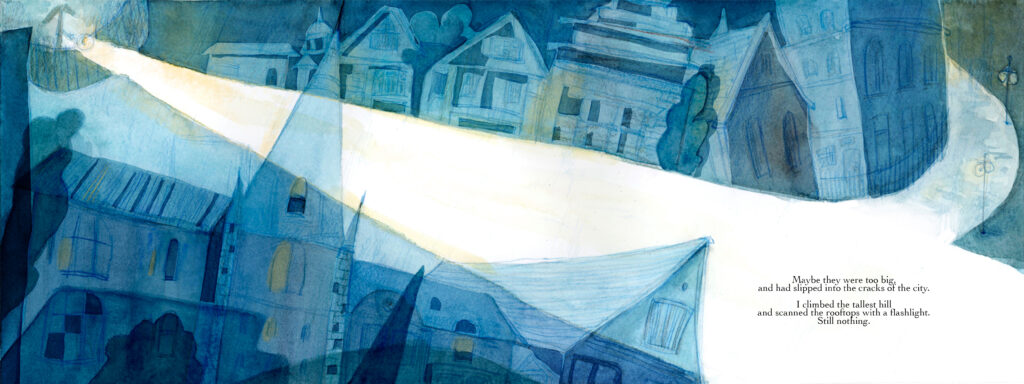
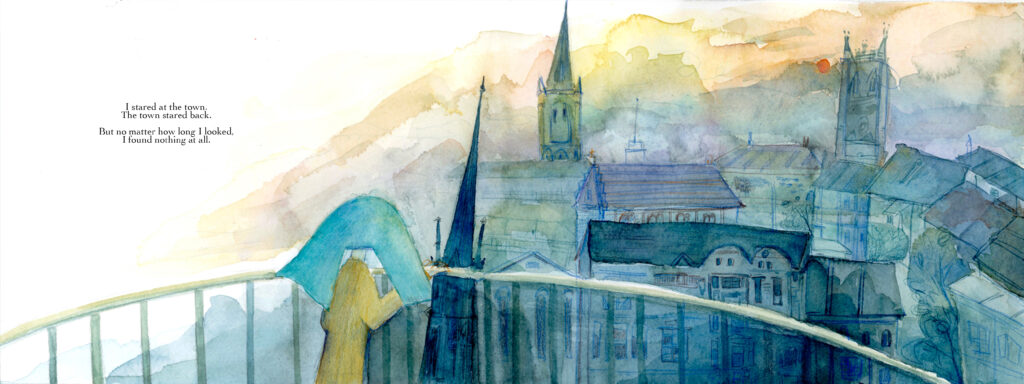
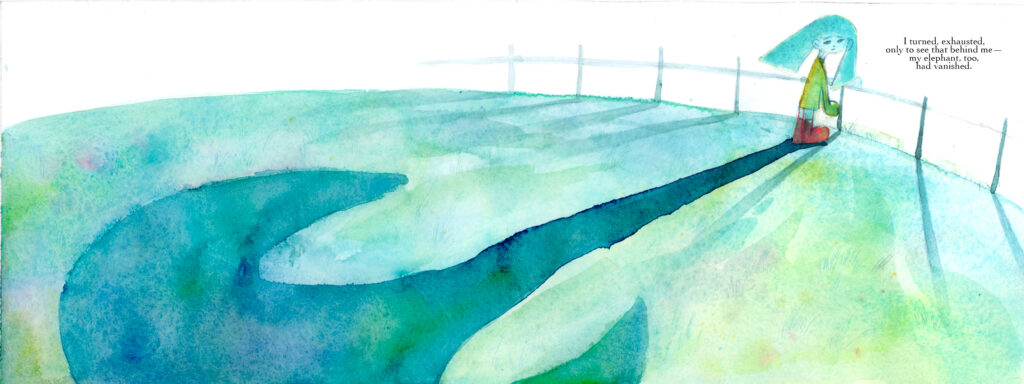
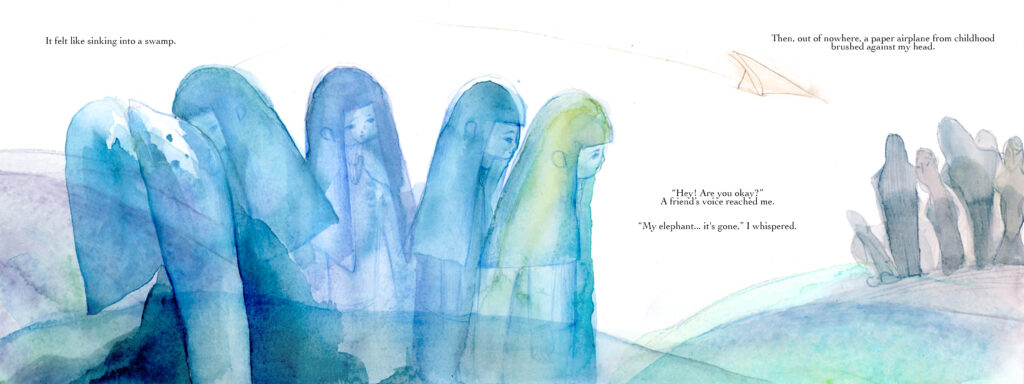
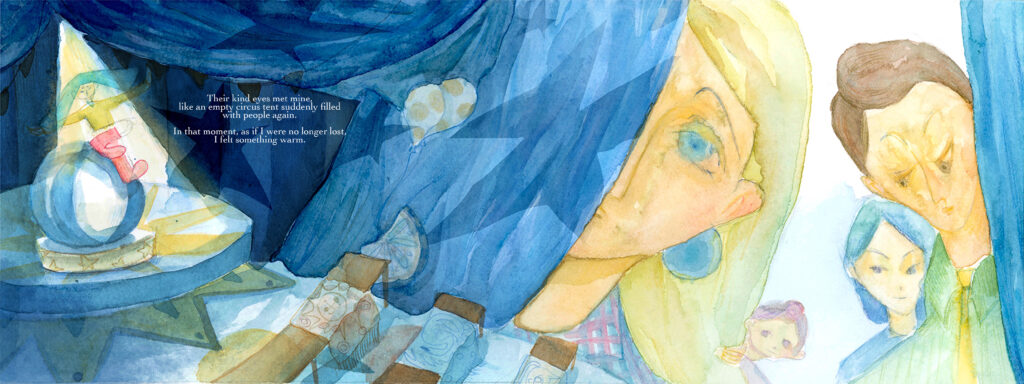
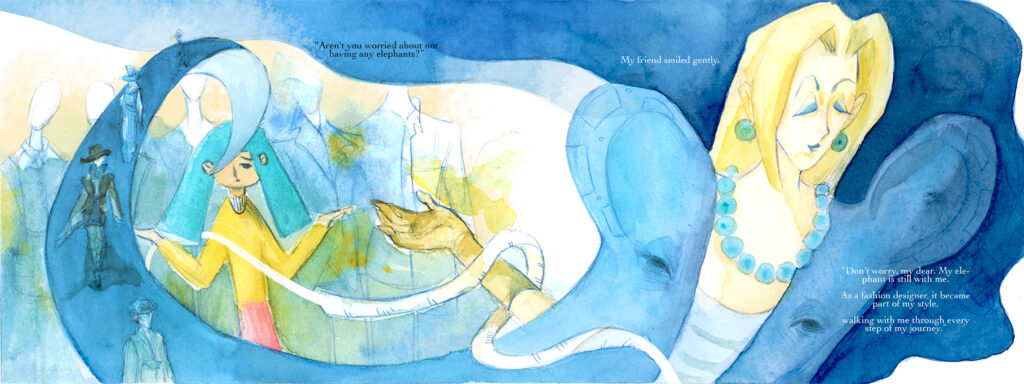
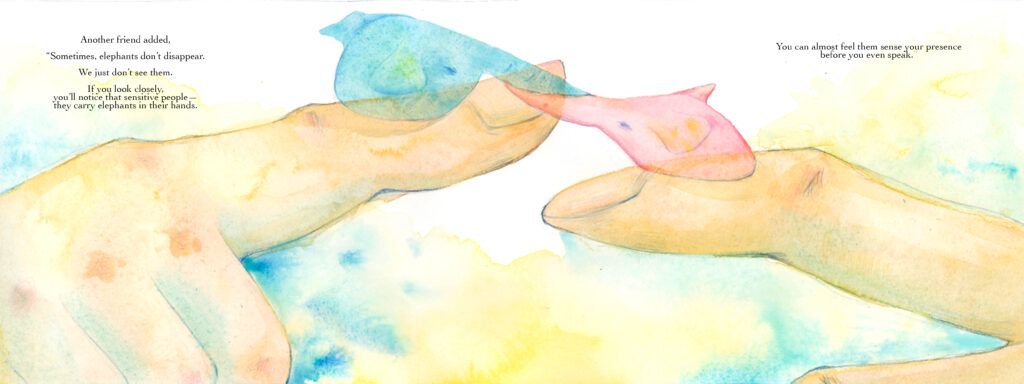
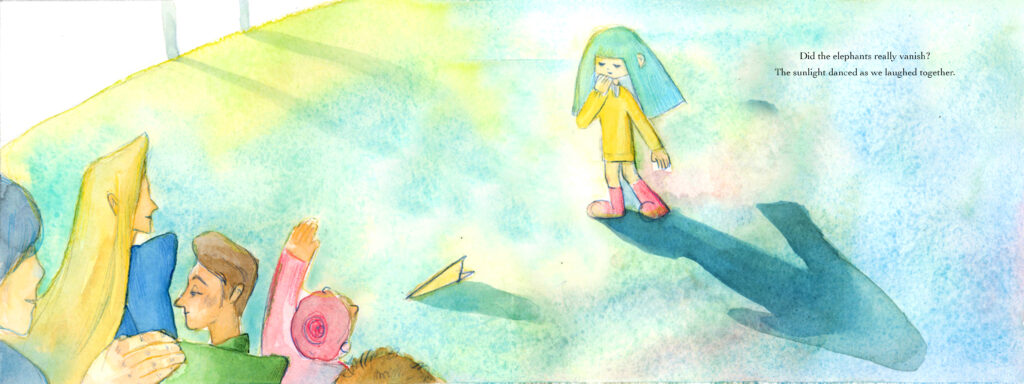
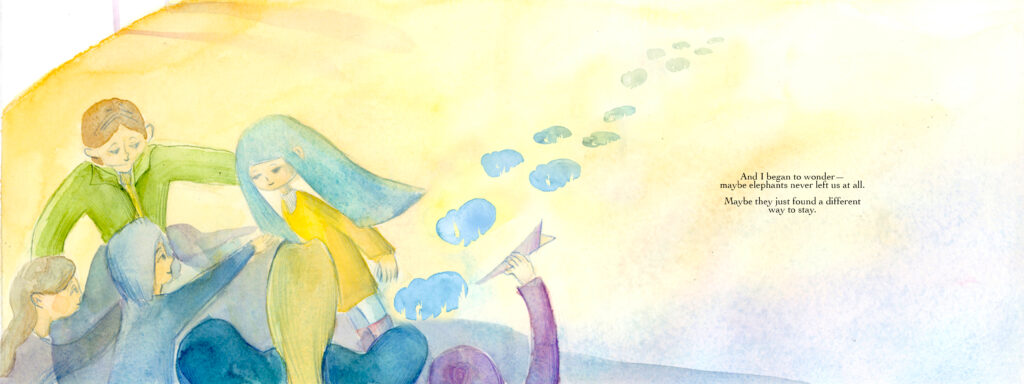
This work is based on a remake and further adaptation of a picture book created during my third year study.This picture book tells a story of rediscovering one’s original intentions through the disappearance and eventual return of the elephant.
The original story <The elephant vanishes>-which written byHaruki Murakami,follows from the protagonist’s point of view, the keeper and the elephant who disappears overnight.Puzzled, the protagonist and his friend engage in a great deal of abstract dialogue, and in the end, no one knows where the Vanished elephant and keeper went.In my opinion, the attitude of humans toward the elephant in the book,i.e.the questioning that arises between the superego and the ego. When the superego begins to avoid the needs of the ego, that is to say, when people conform to reality and forget the original mind,the ‘elephant’ representing the original mind will disappear.
The story tells of a fantastical world where everyone is born with an elephant. As the girl grows up, she notices that the elephants belonging to those around her are gradually disappearing one by one, yet no one seems to take it seriously. So the girl sets off on a journey to find the elephants, only to discover in the end that not only has she failed to find her friends’ elephants, but she cannot find her own either. It was then that her friends noticed her distress and revealed the truth behind the elephants’ disappearance: the elephants had not vanished entirely, but had become part of each person’s character and personality as they grew up. Encouraged by her friends, the girl regained her motivation, and unbeknownst to her, the elephant was quietly hiding within her own shadow.
Gold Diggers of 1933
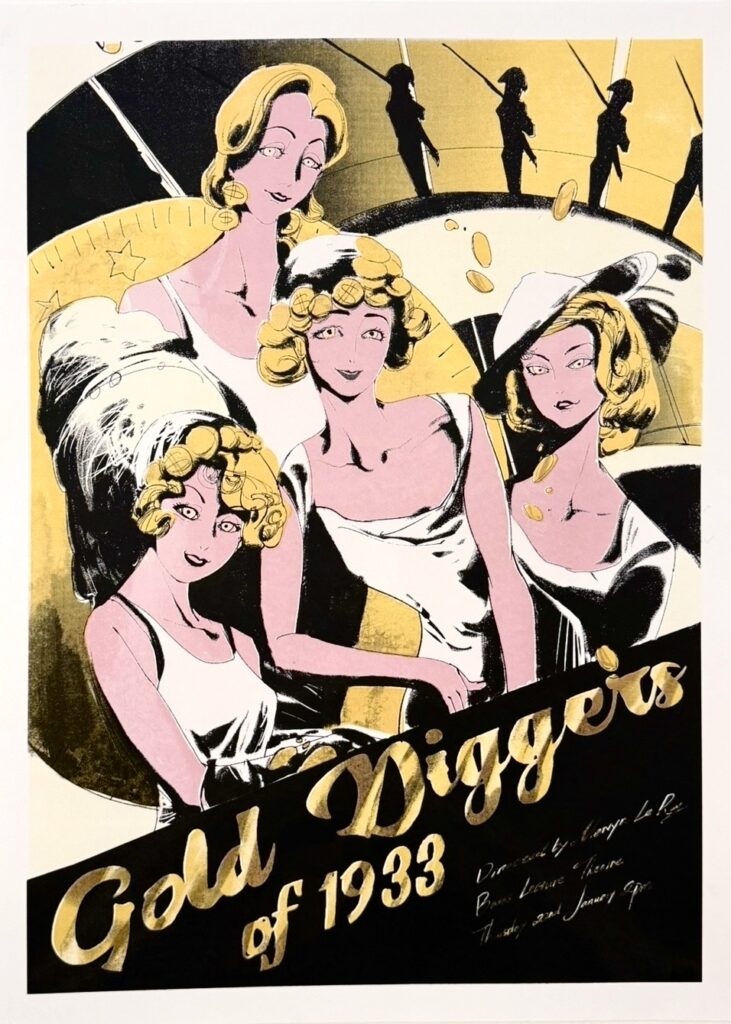
The film I obtained is Gold Diggers of 1933, a musical from the pre-Hays Code era in America, directed by Mervyn LeRoy, with songs by Harry Warren (music) and Al Dubin (lyrics). The production’s numerous captivating compositions and operatic creations vividly capture the splendour of the Broadway era. Set against the backdrop of the Great Depression, the film ostensibly follows four aspiring actresses pursuing fame at the American Opera House, each ultimately marrying into wealth. Yet the final scene starkly reveals the poverty of the Depression era, creating a jarring contrast with the earlier opulence and revelry that abruptly snaps the audience back to sobering reality. The soldiers in the final scene reference the 1932 March on Washington by veterans, genuinely highlighting the forgotten masses.
Thus, in my design, I not only studied the film’s framing techniques but also placed the final scene—the film’s subtext—behind the four girls. My production process involved initial digital painting, followed by layer separation using Spectrolite and Photoshop. Three halftone-formatted print proofs were generated and assembled. Employing three colours—pink, gold, and black—I aimed to evoke the opulent decadence of the upper classes while subtly incorporating the forgotten American servicemen within the background.
Screen Printing