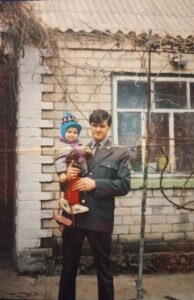
Dima Kryzhanovskyi
(He/Him)
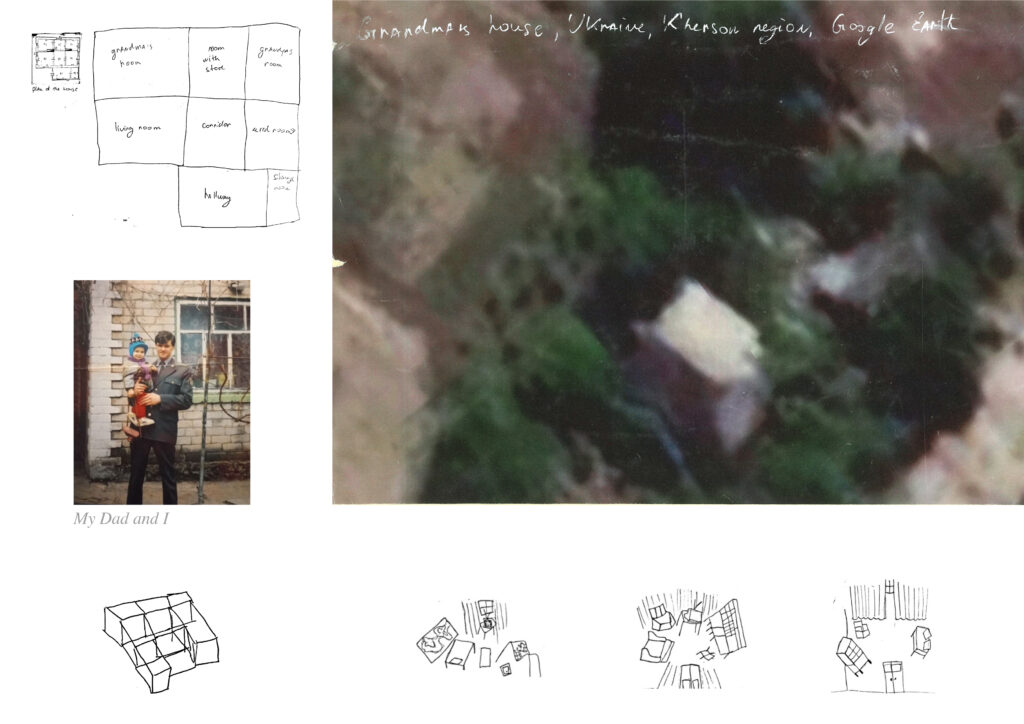
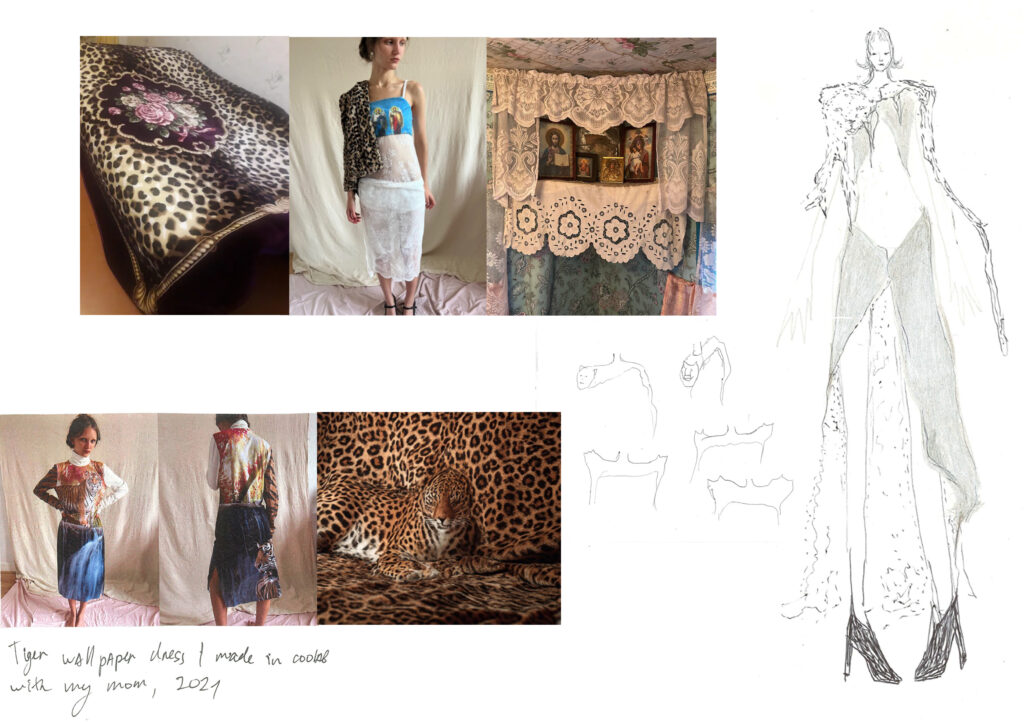
My practice explores memory, domestic space and the emotional surrealism of my Eastern European heritage. Throughout my BA, I developed a womenswear language that uses silhouette, texture and spatial construction to translate fragmented memories into garment form. Much of this research centres on my grandmother’s house in southern Ukraine, now existing only through memory due to the ongoing occupation. My graduation collection reconstructs this space, exploring how domestic interiors, dream logic and recollection can be expressed through structure and material.
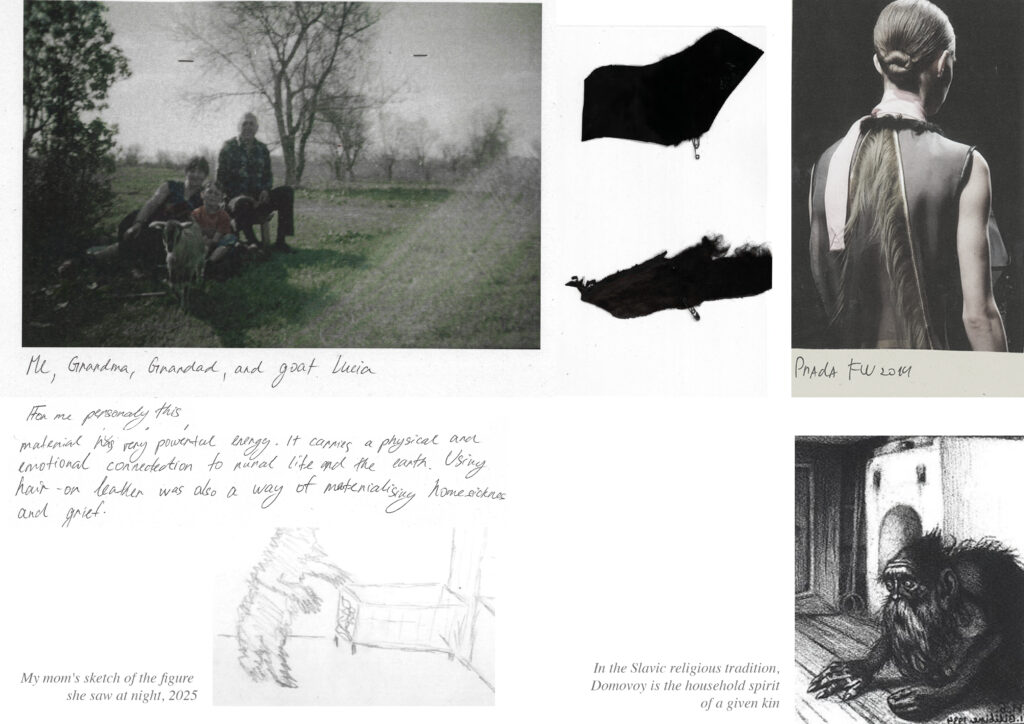
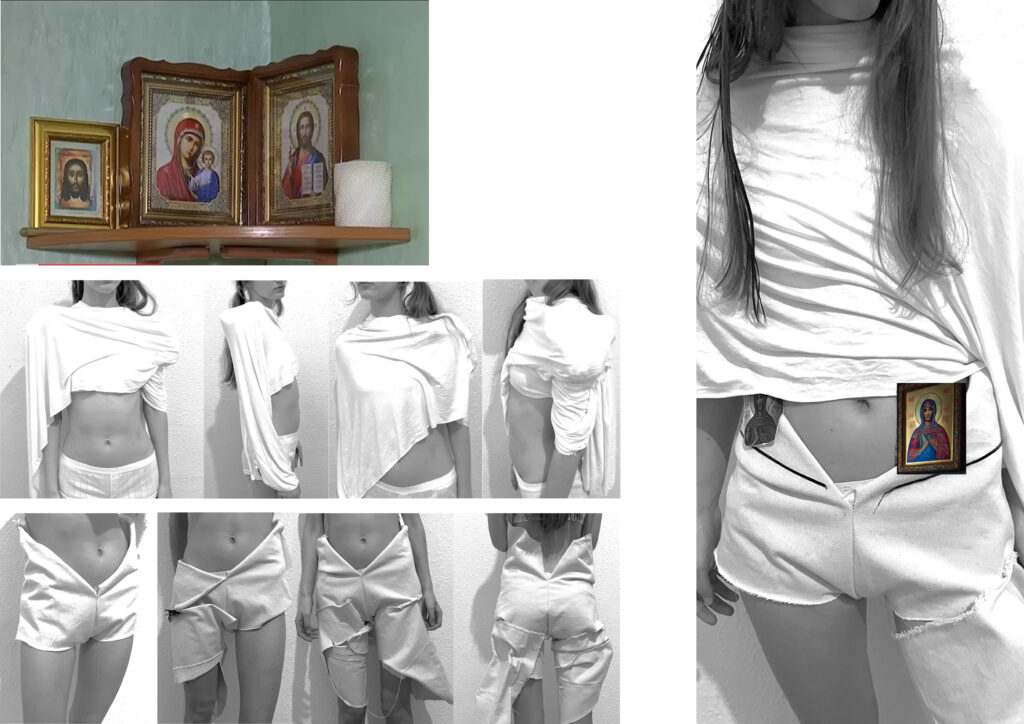
During my years of study, I moved from instinctive emotional storytelling to a more critically situated, concept-driven practice. Autobiographical elements such as dreams, domestic objects, and childhood interiors became tools for analysing the connection between the body, memory, and cultural identity. This displaced perspective makes me continually revisit the question of where (and what) “home” is. My design language transforms Ukrainian material culture, the architecture of provincial houses and the improvised DIY aesthetics of my origin into a contemporary vocabulary shaped by lived experience rather than stereotype.
Invisible Rooms
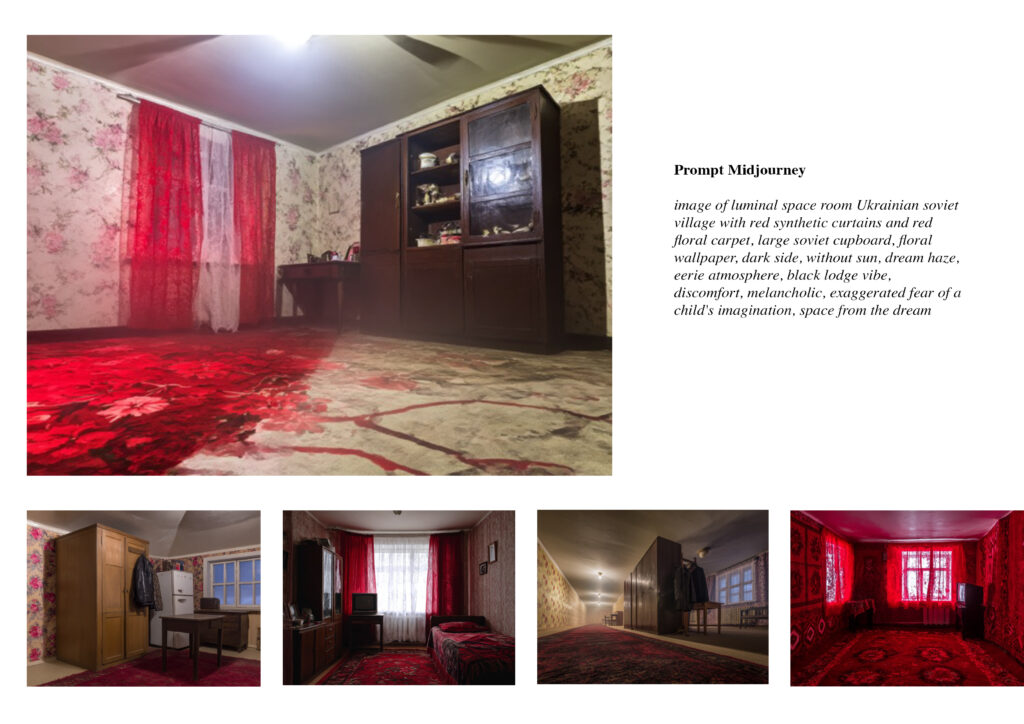
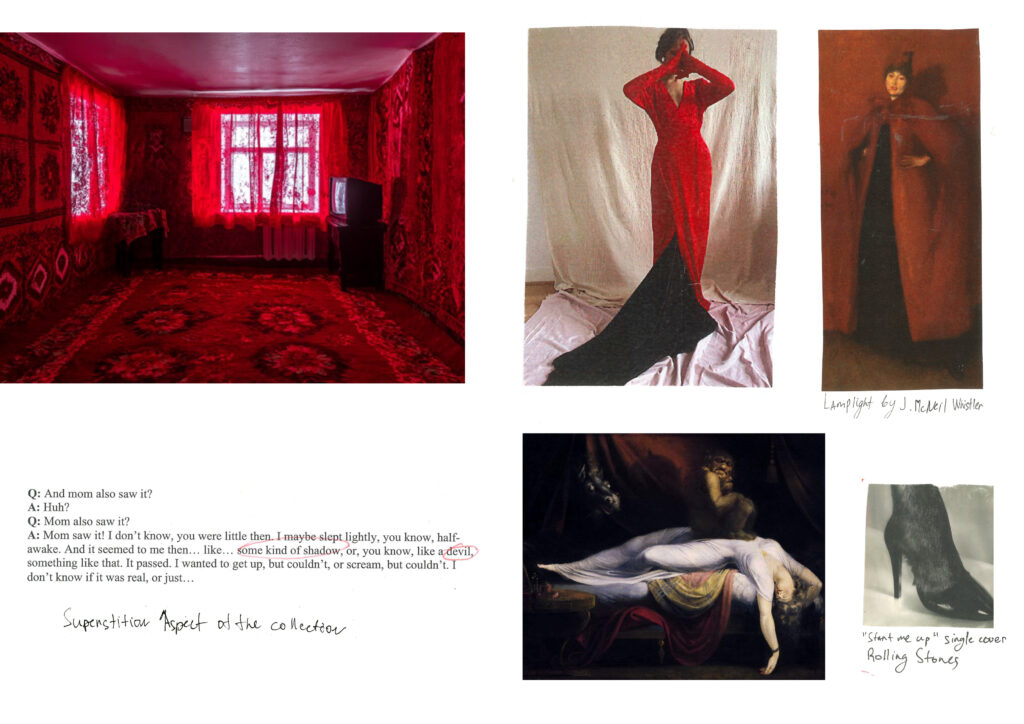
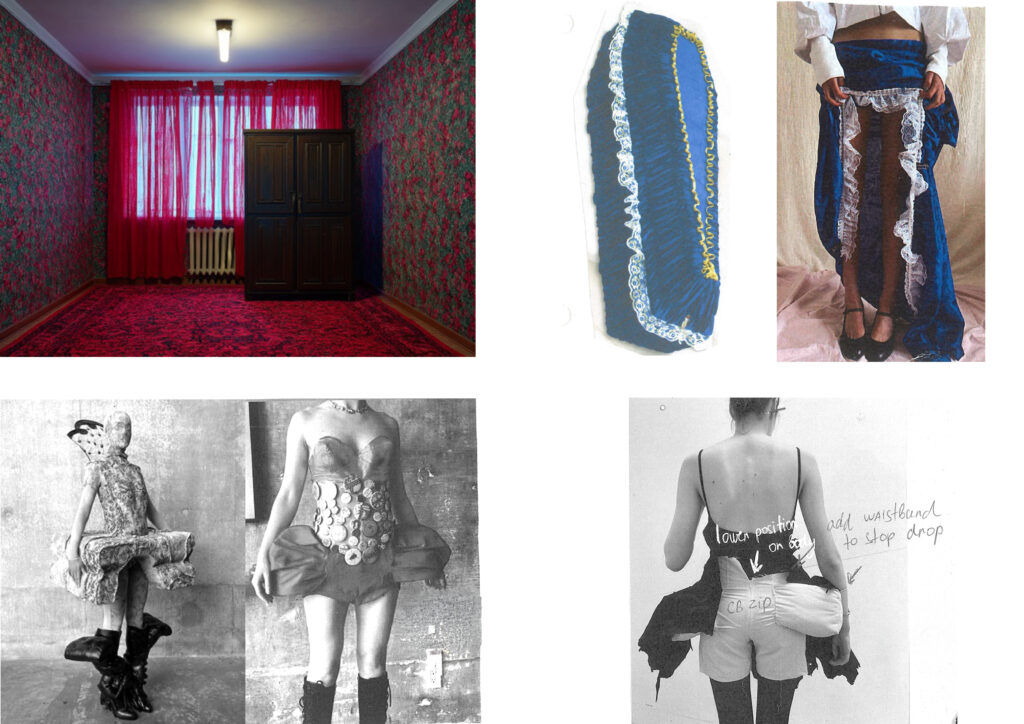
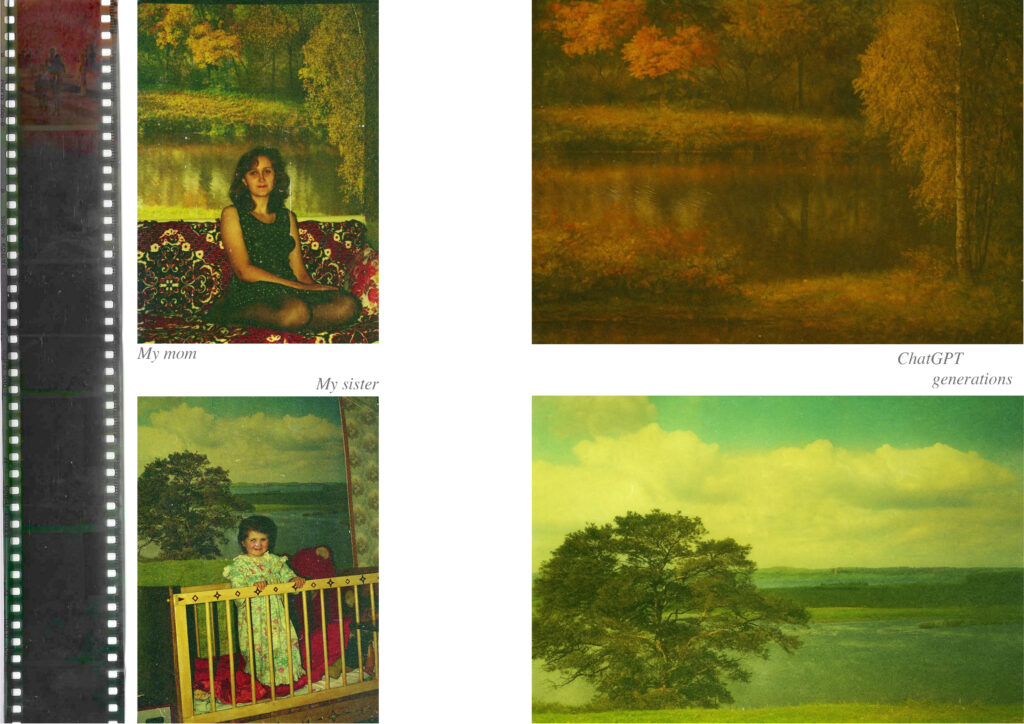
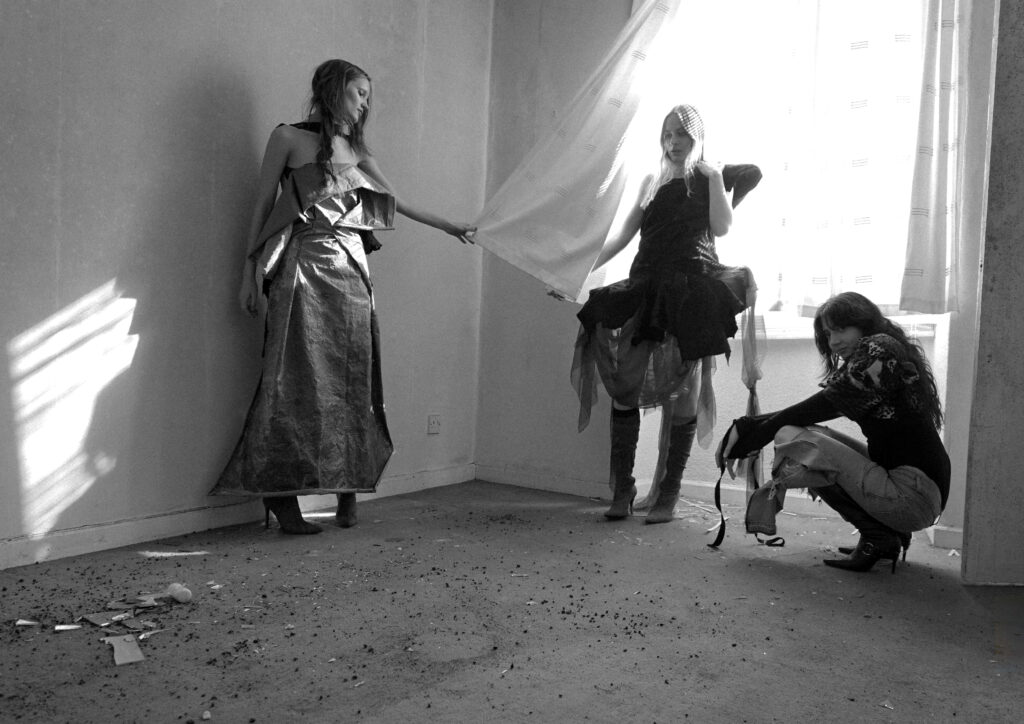
Invisible Rooms is a womenswear collection exploring memory, displacement, and domestic space. The project is rooted in the memory of my grandmother’s house, located in a region now occupied territory and physically inaccessible to me. Unable to return to this place in reality, I continue to revisit it unconsciously through recurring dreams, in which the house exists as a fragmented, unstable space.
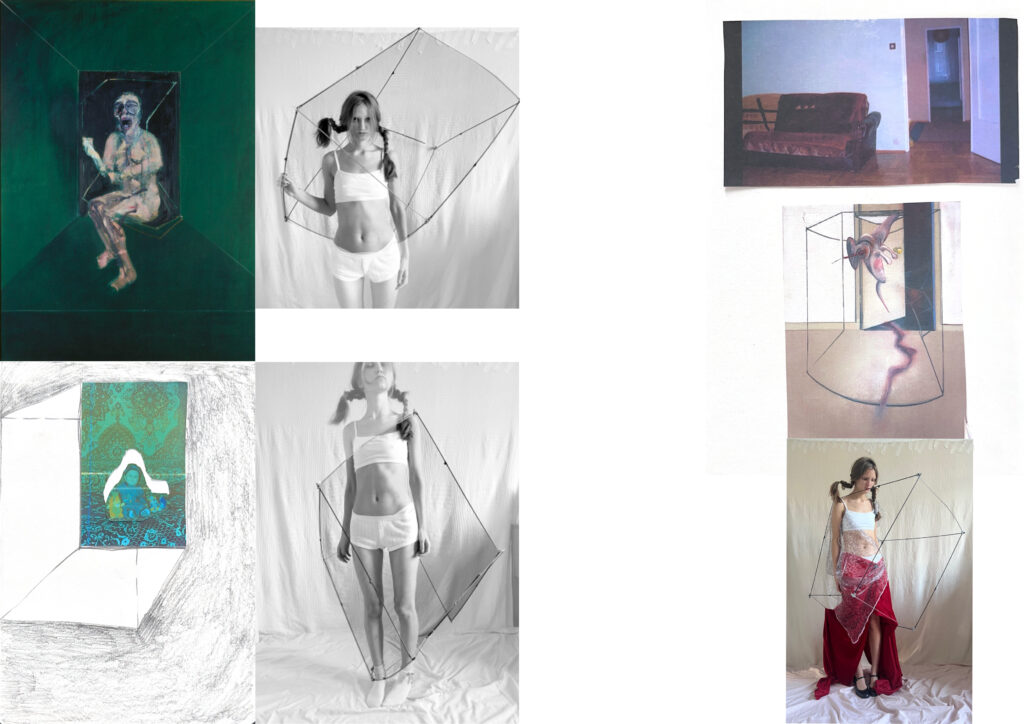
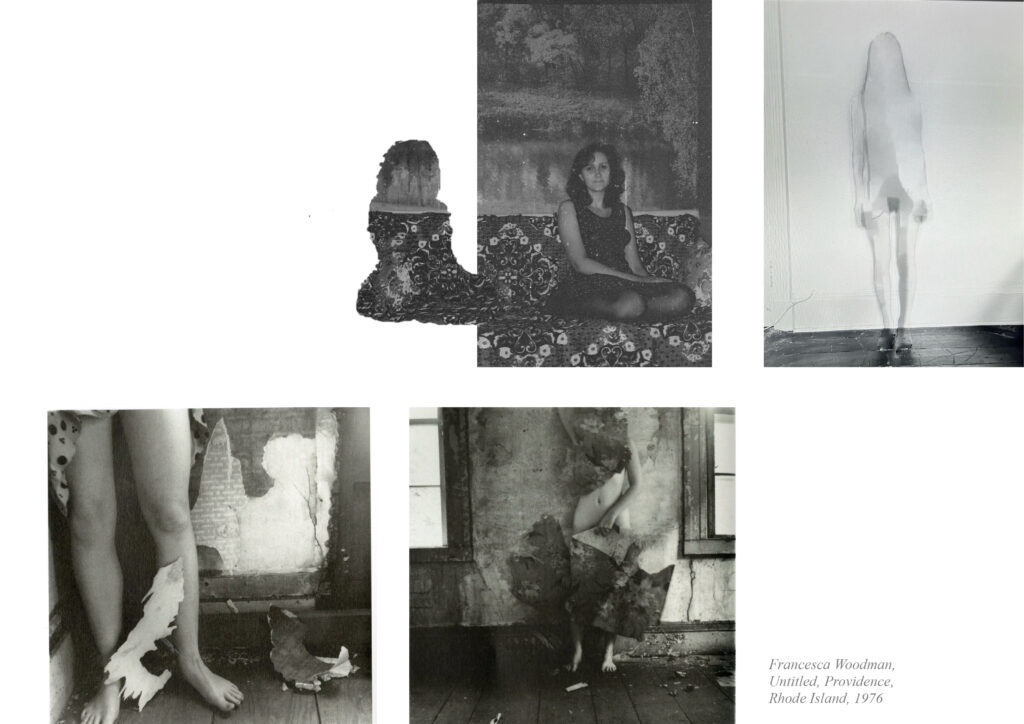
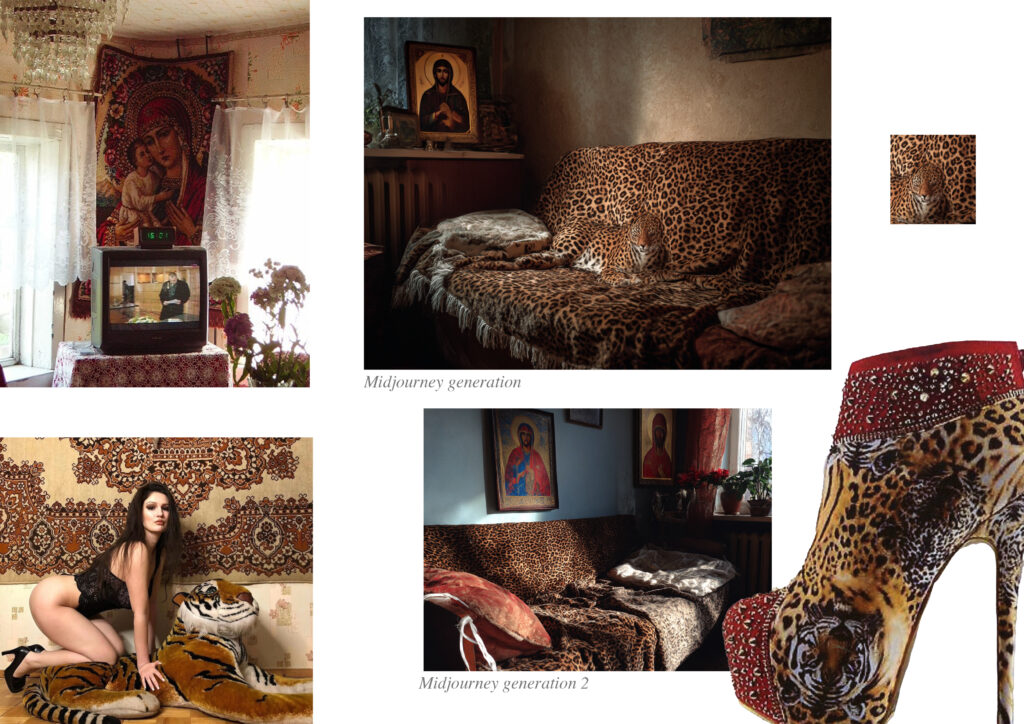
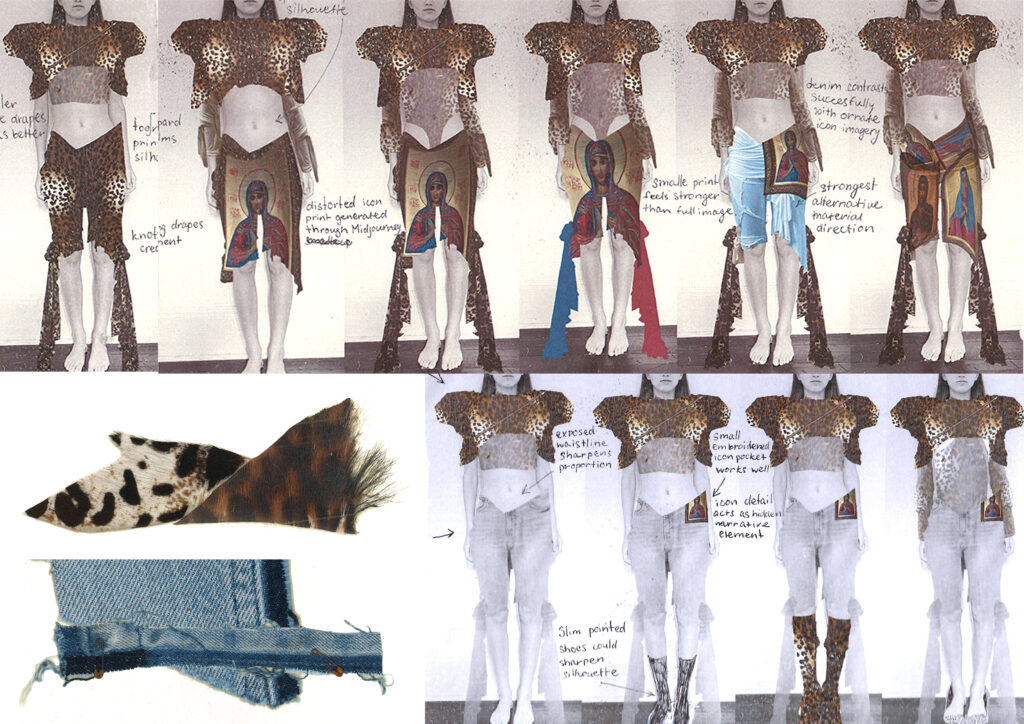
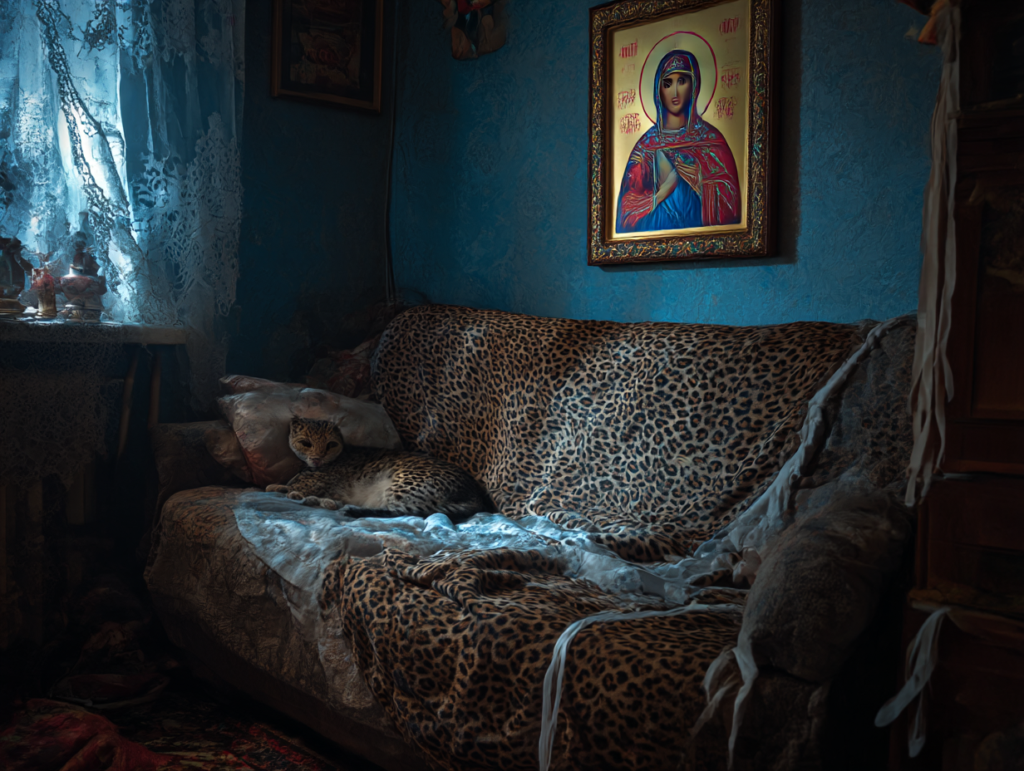
To reconstruct this inaccessible environment, I used AI image generation as a tool for speculative memory-making. By combining fragmented photographs, family descriptions, remembered objects, and emotional associations, I generated distorted interior images that reflect the unstable logic of memory itself. The imperfect and often uncanny quality of AI reconstruction became conceptually important to the project, mirroring how memory fills gaps inaccurately, exaggerates details, or merges spaces over time.
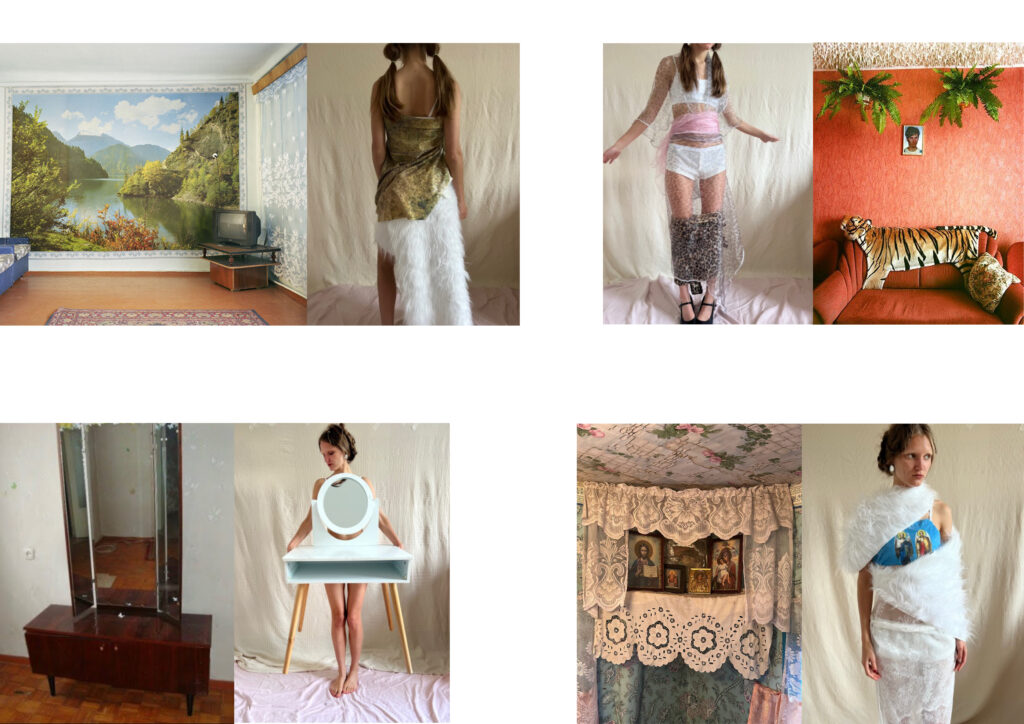
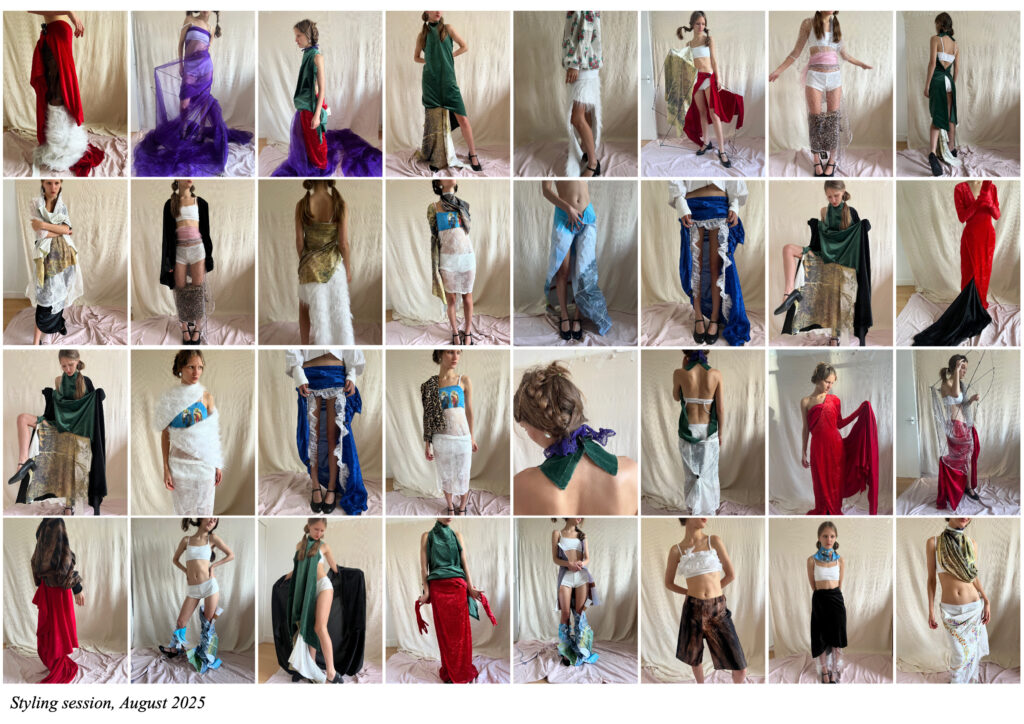
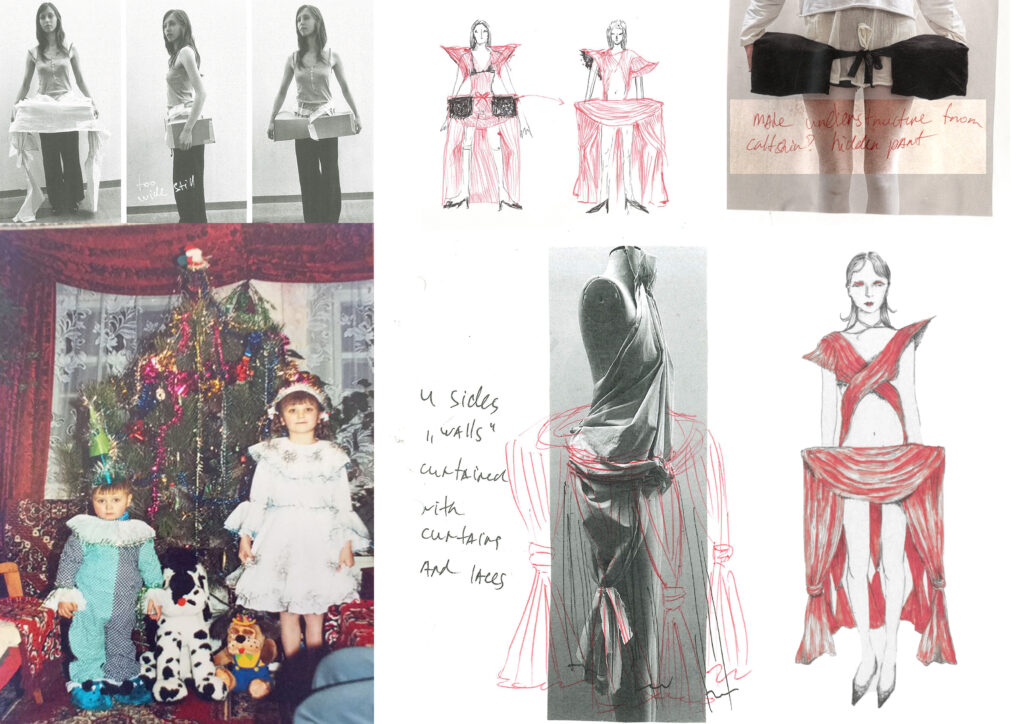
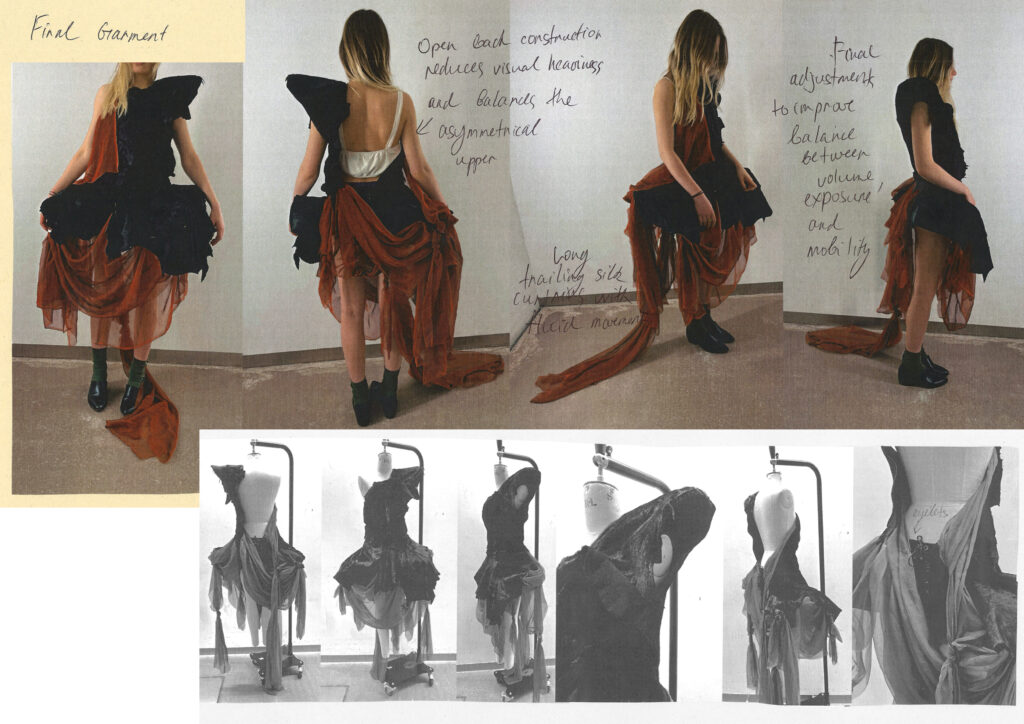
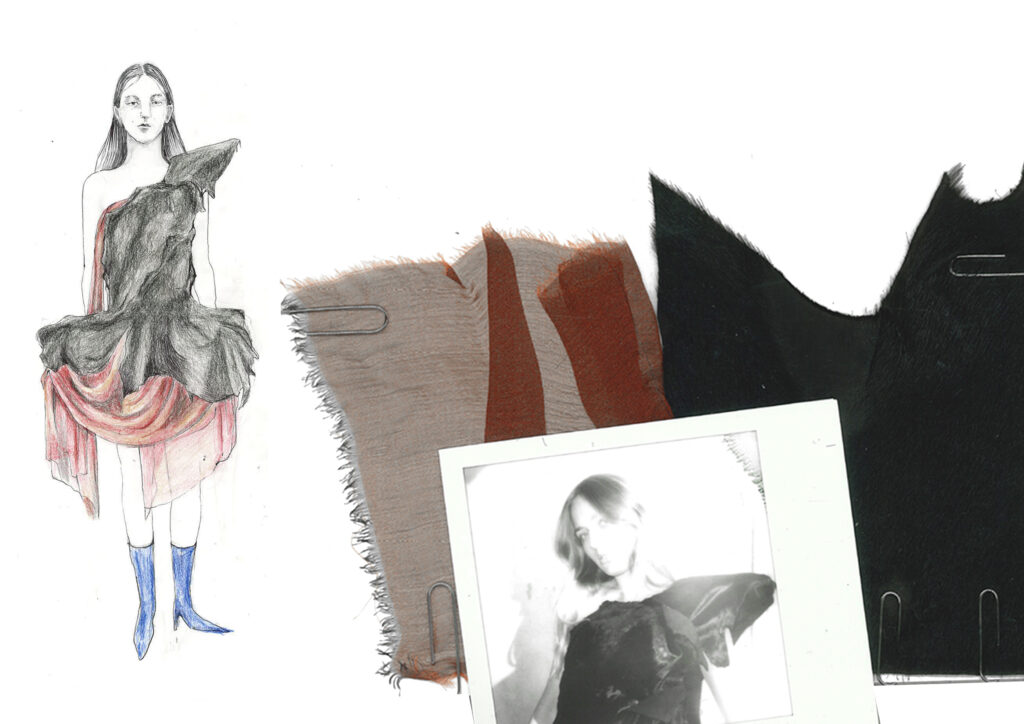
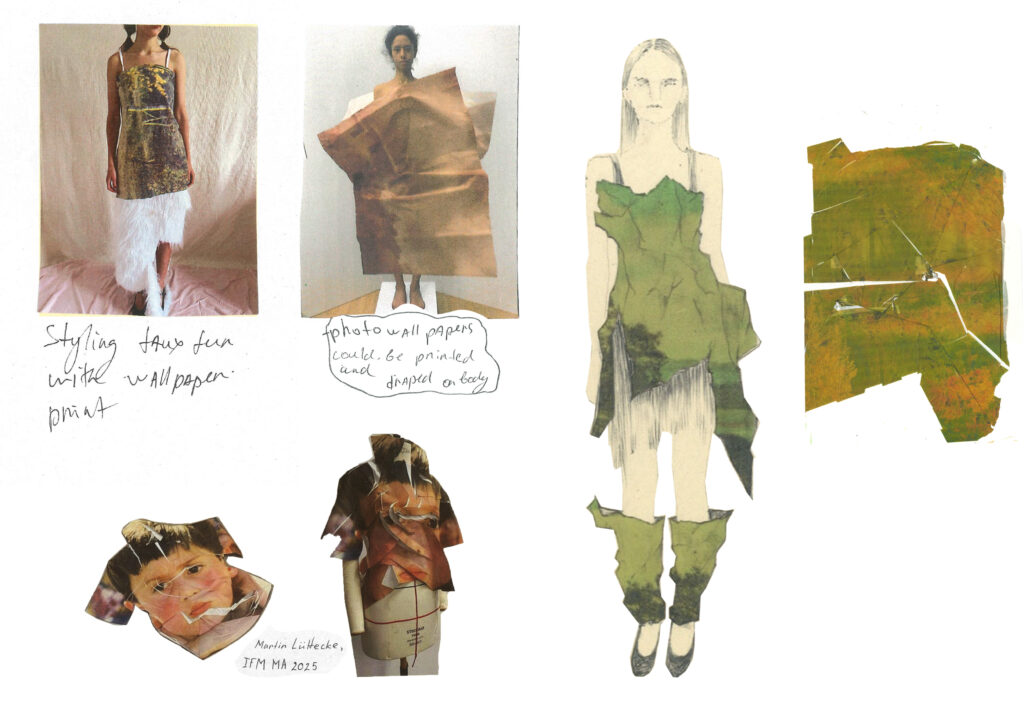
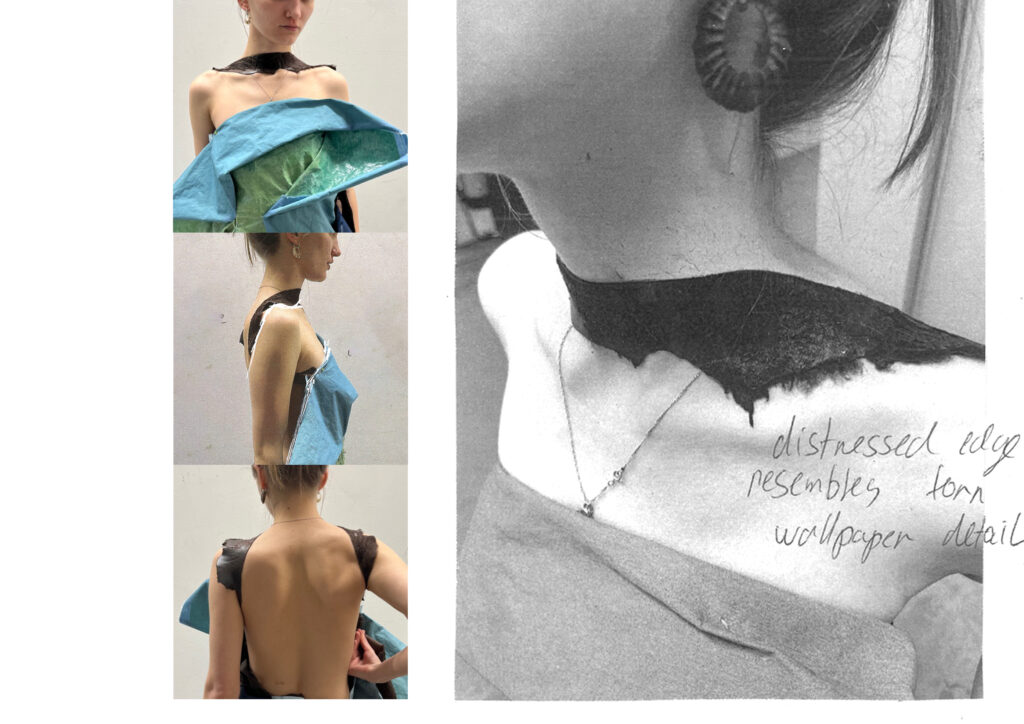
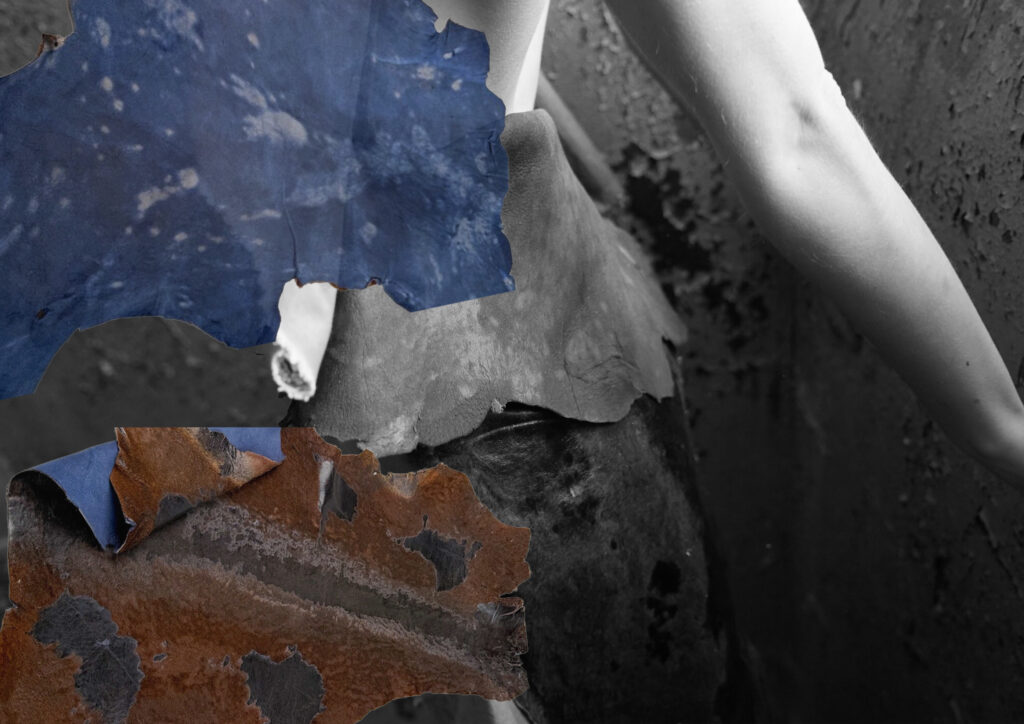
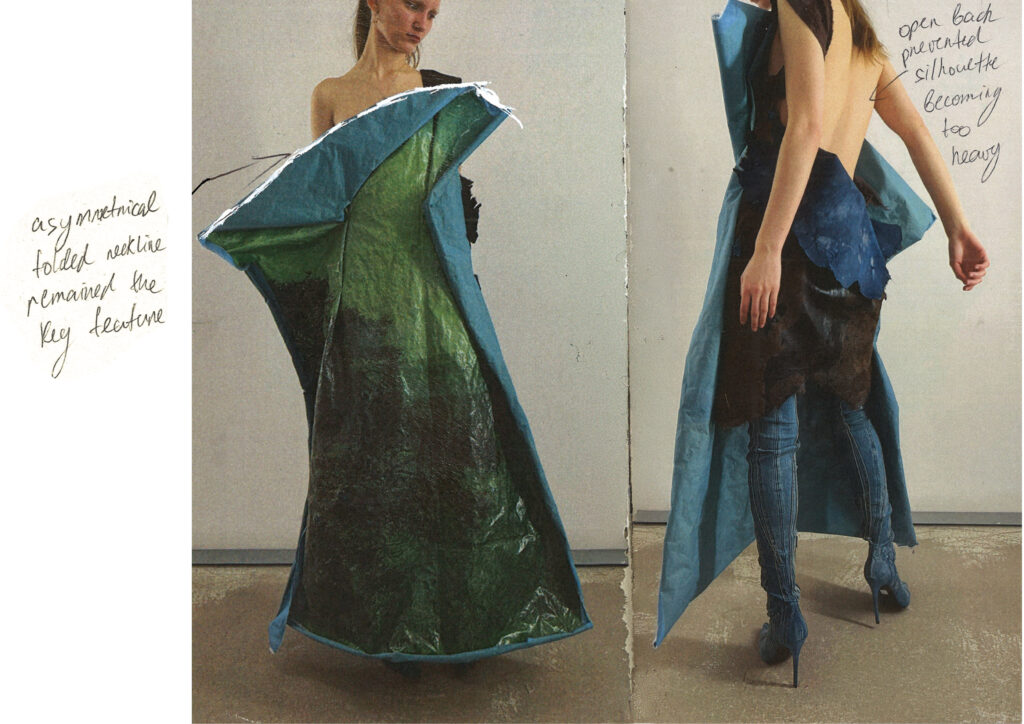
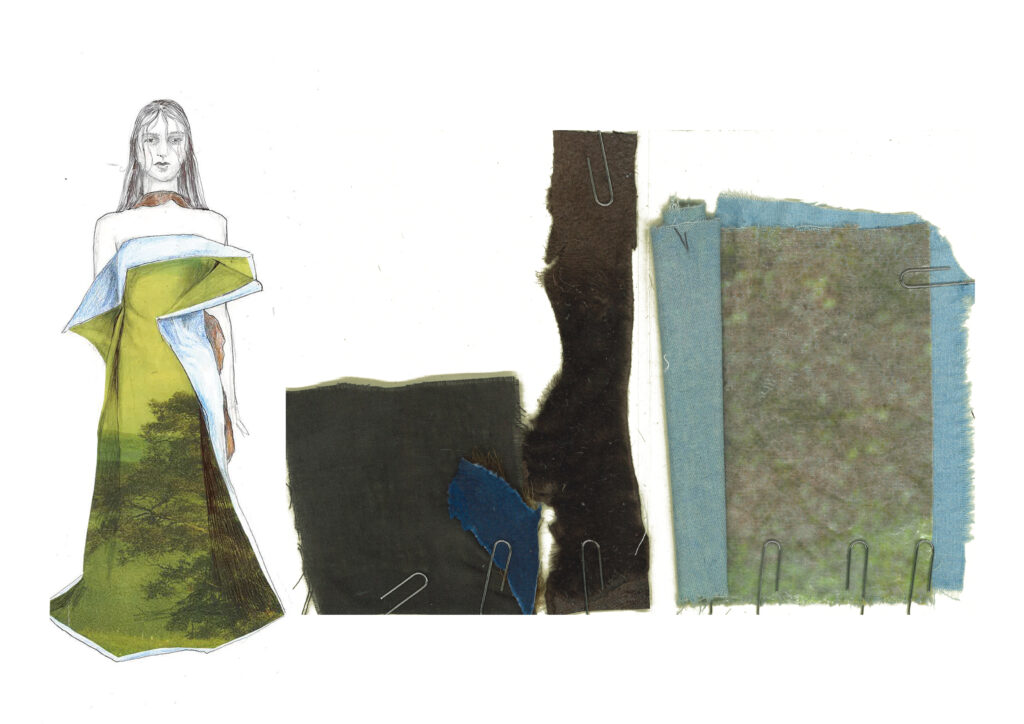
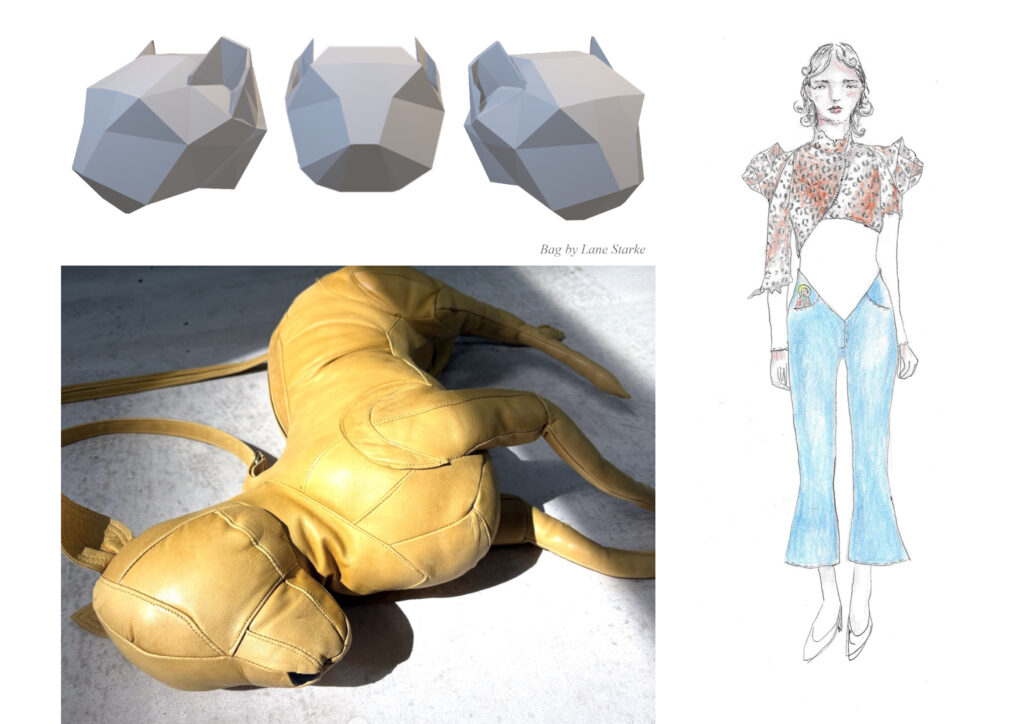
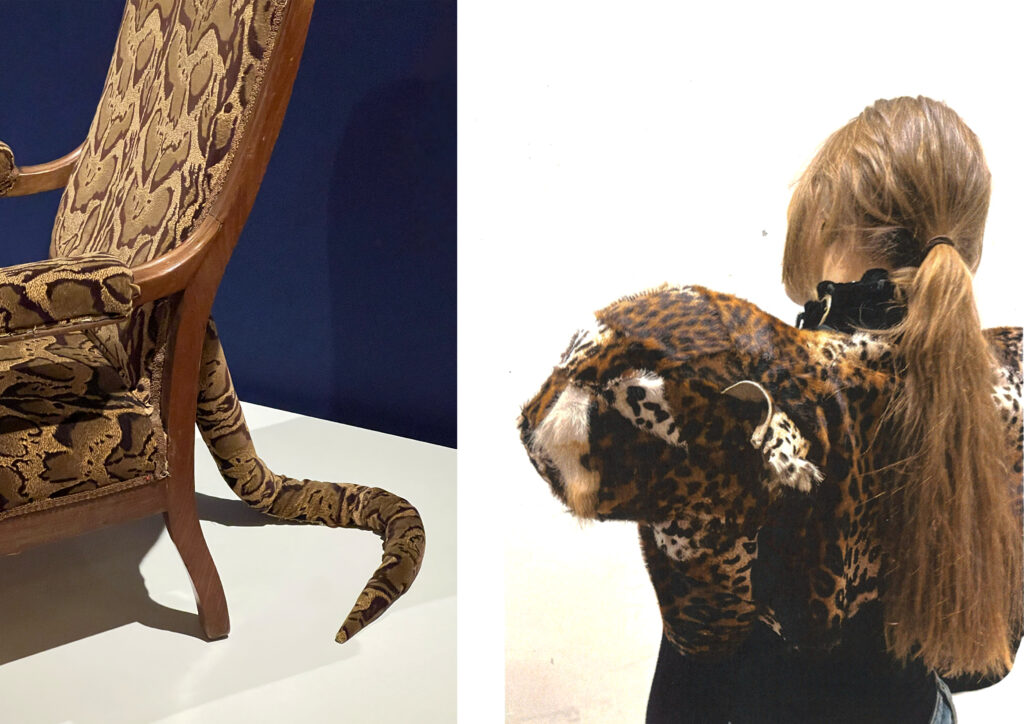
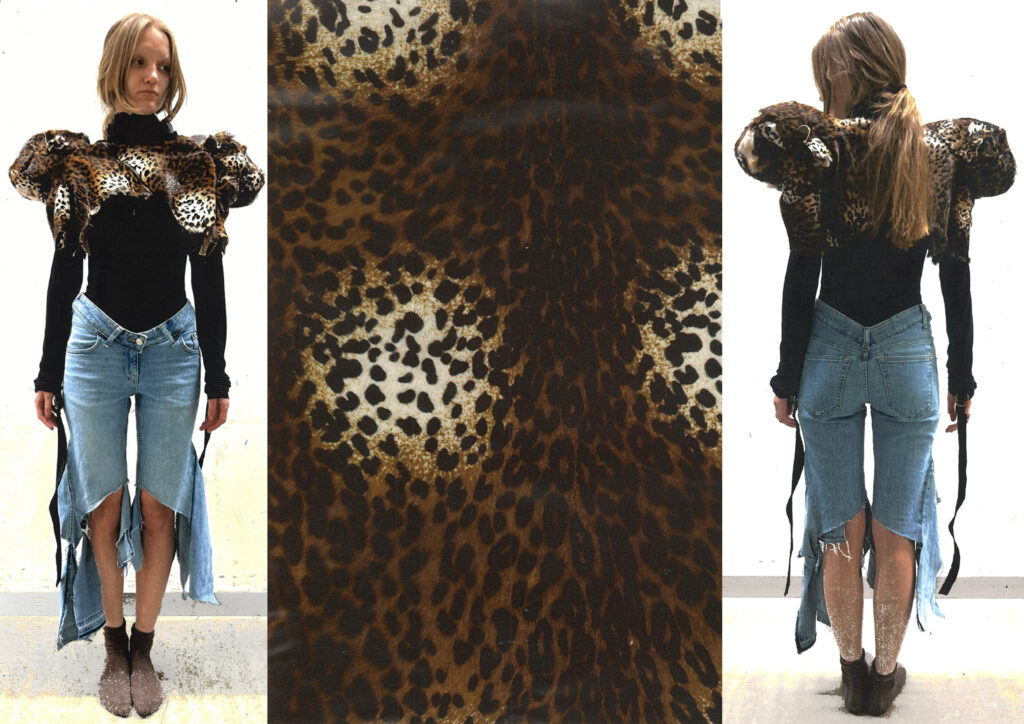
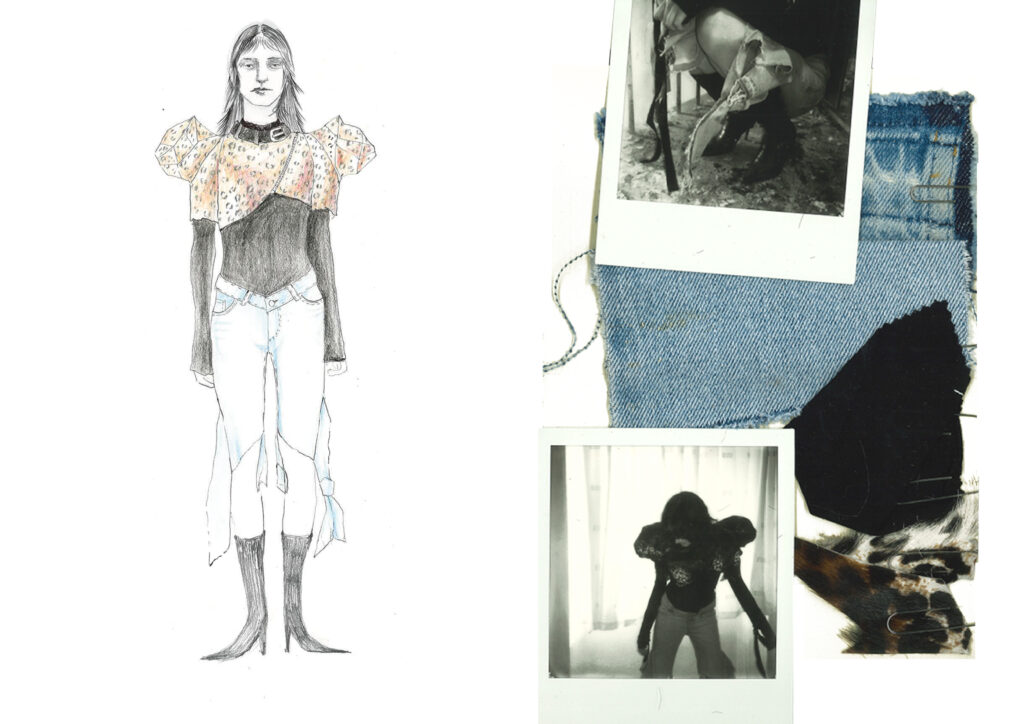
The collection reconstructs this unreachable interior through clothing, transforming curtains, carpets, furniture structures, hidden compartments, and distorted domestic proportions into garments. Silhouettes behave like rooms: oversized, enclosing, or restrictive.
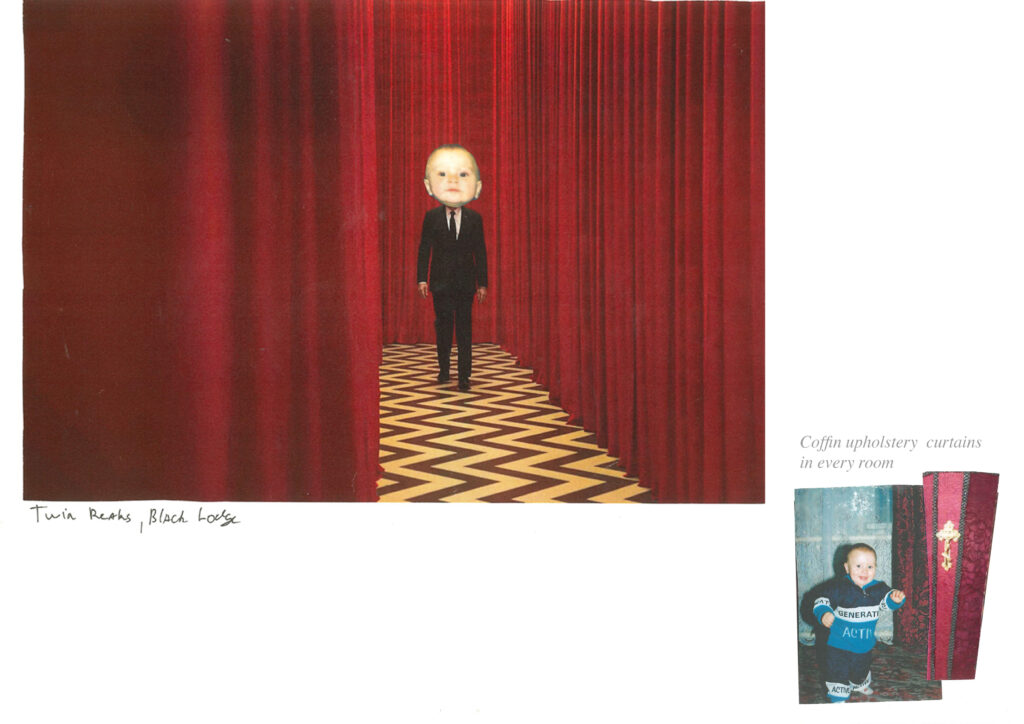
I draw on Eastern European visual culture, domestic kitsch, and inherited material memory. The collection embraces exaggeration, awkwardness, and emotional intensity as deliberate aesthetic languages. Upholstery references, hidden structures, curtain-like layering, and over-scaled volumes are used to create silhouettes that feel psychologically inhabited.
Invisible Rooms proposes fashion as an act of reconstruction and preservation — not nostalgia, but a way to hold memory, material, and identity together in an unstable world.