the walls they look, you see
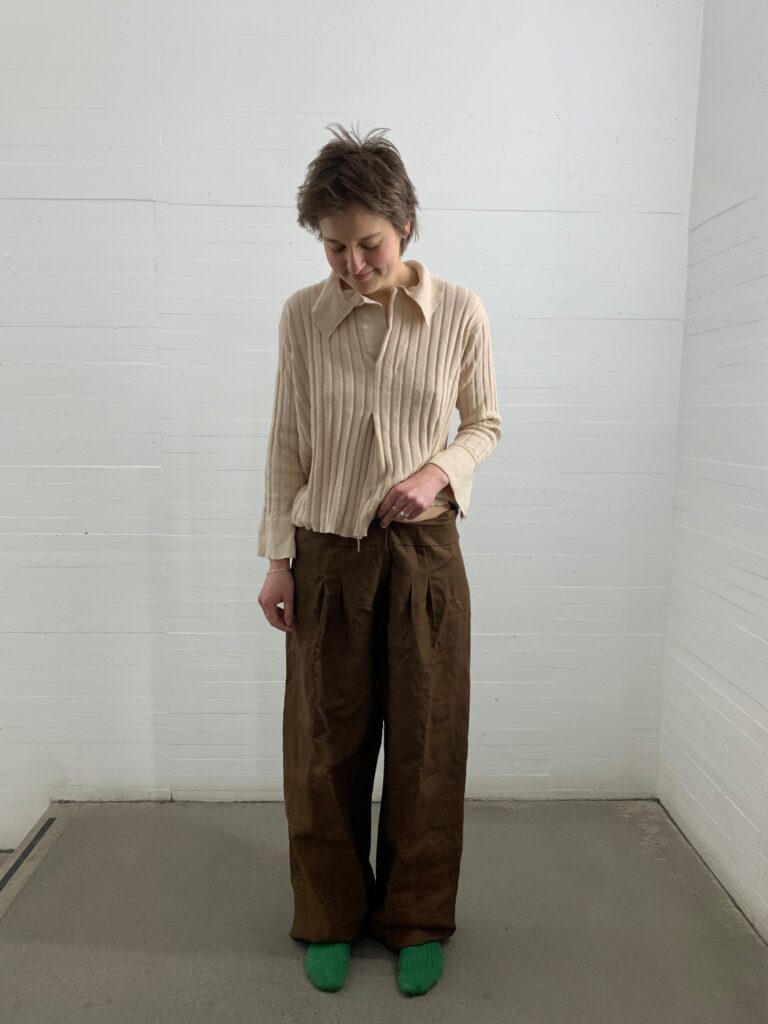
This collection draws on the walls of my Grandpa’s house, sunfaded and peeling, as a starting place for research to unfold. A wall is a skin, you see. Floral repeats bear the wrinkles of time.Traces of sunlight immortalised on the wallpaper and faithful paths trodden into the carpet. Corners peeling and surfaces discoloured. These soft walls hold you tight, they’ve seen it all. Only in losing my Grandpa and his beloved house have I realised its role in connecting me to those I never met. I know my Grandma through the worn brown carpets, through the printed wallpaper in the kitchen. Maybe this is my attempt to archive, holding onto this wornness as a means of keeping my grandparents close.
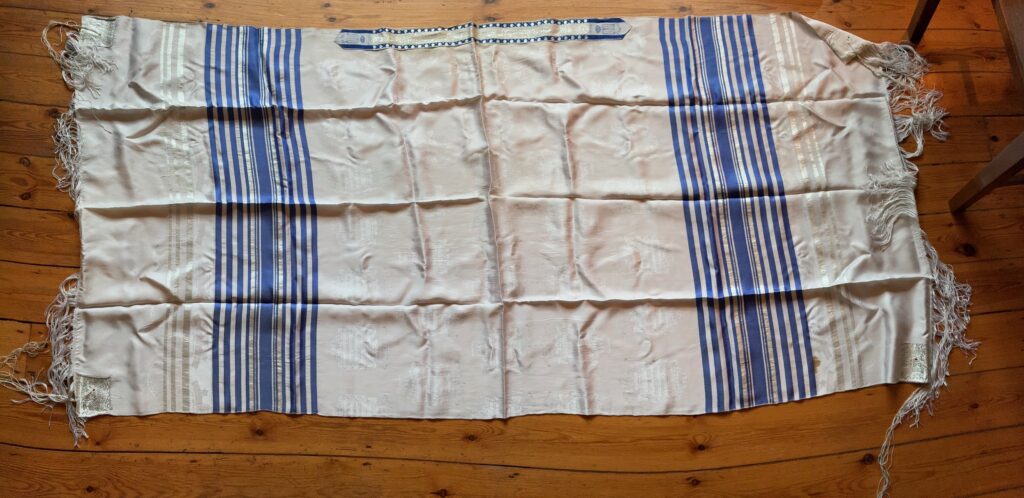
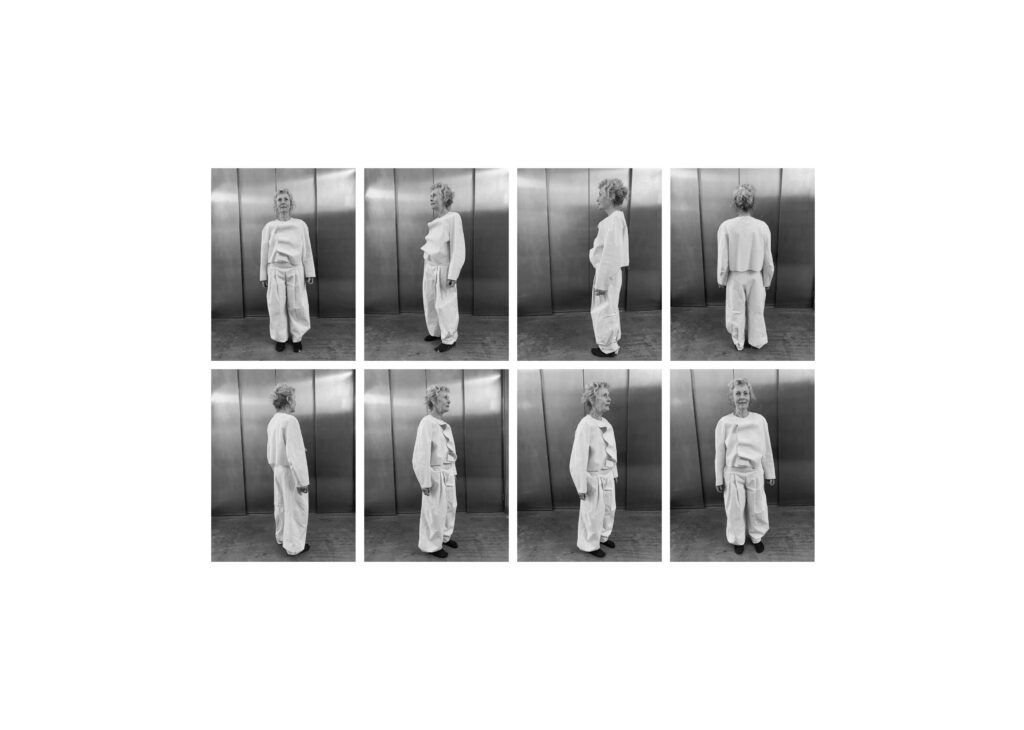
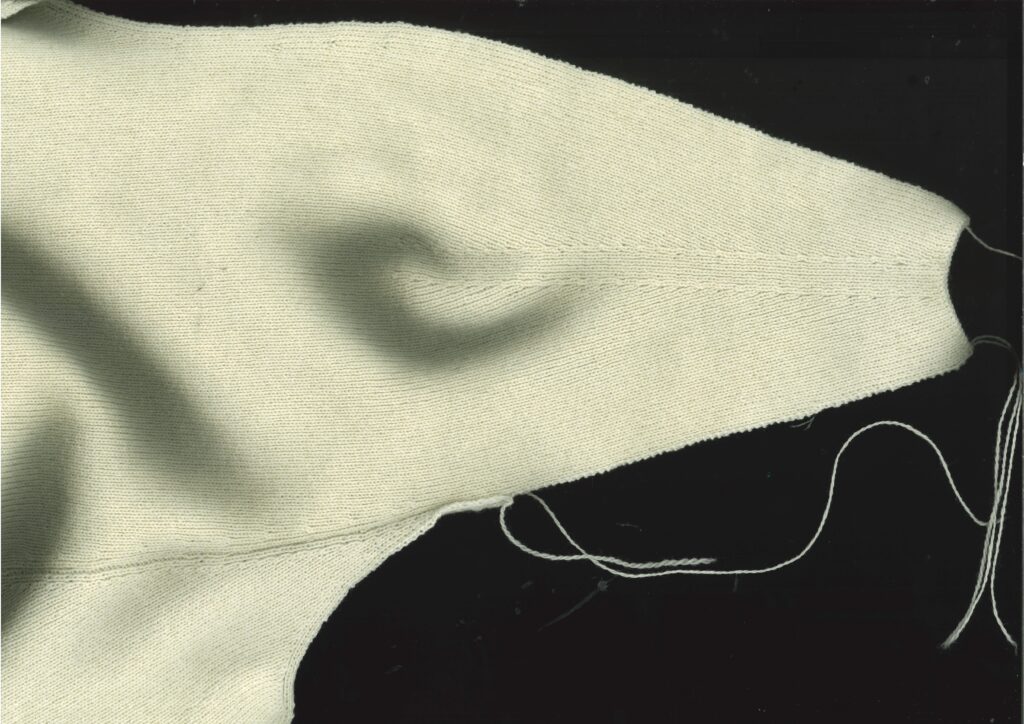
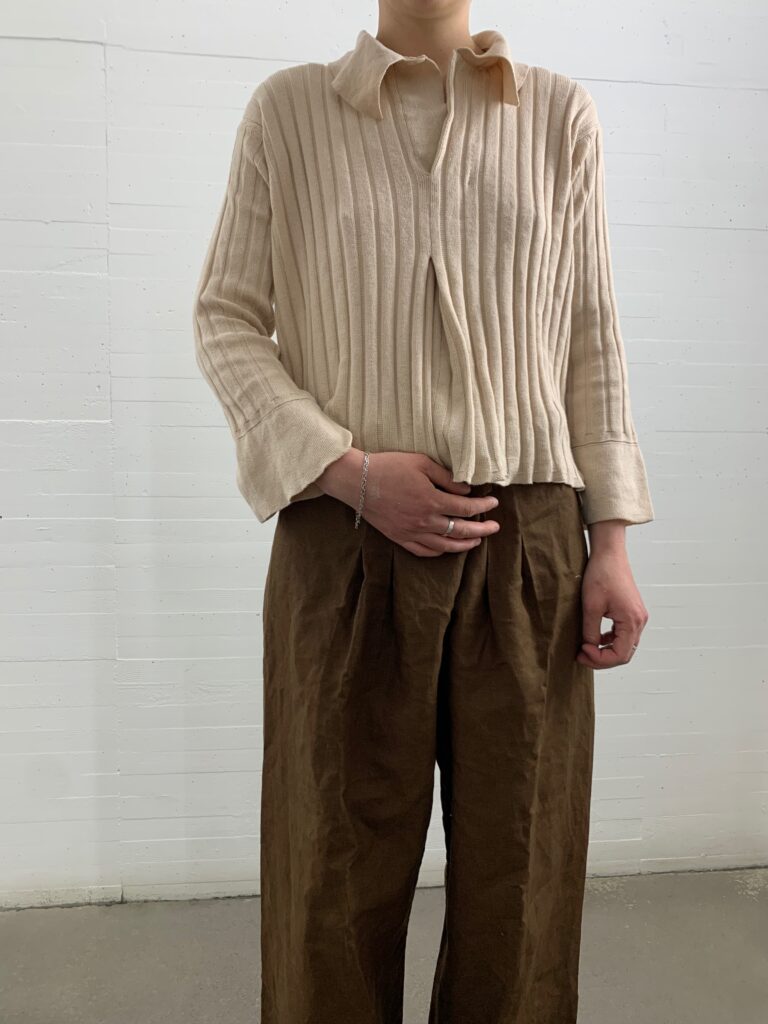
Birth, marriage, death: the house has been our witness as we perform rituals passed down to us. My Jewish identity was formed within these rooms. Silhouettes have become places of holding: pinches, tucks and curves created by the body are made permanent through pattern cutting and garment detailing. Such movements are recorded, I cling onto them with both hands, movement imprinted in cloth on and off the body. And yet, the soft structures of wools, velvet and linen tend toward collapse. Each garment is a soft shell, holding what it can, the rest spilling out.
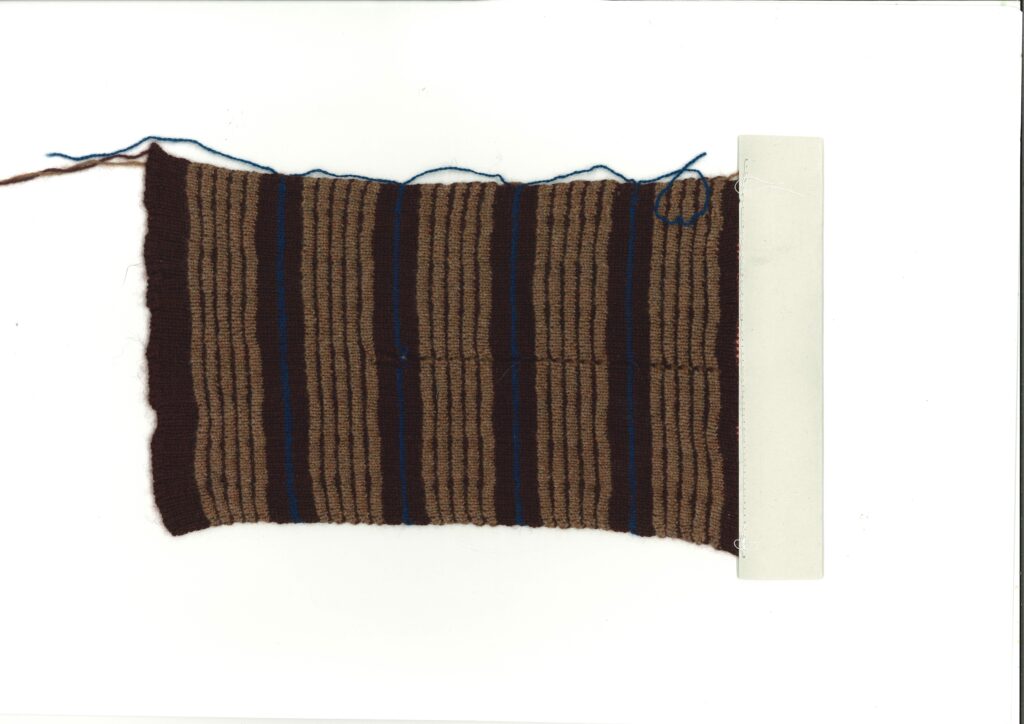
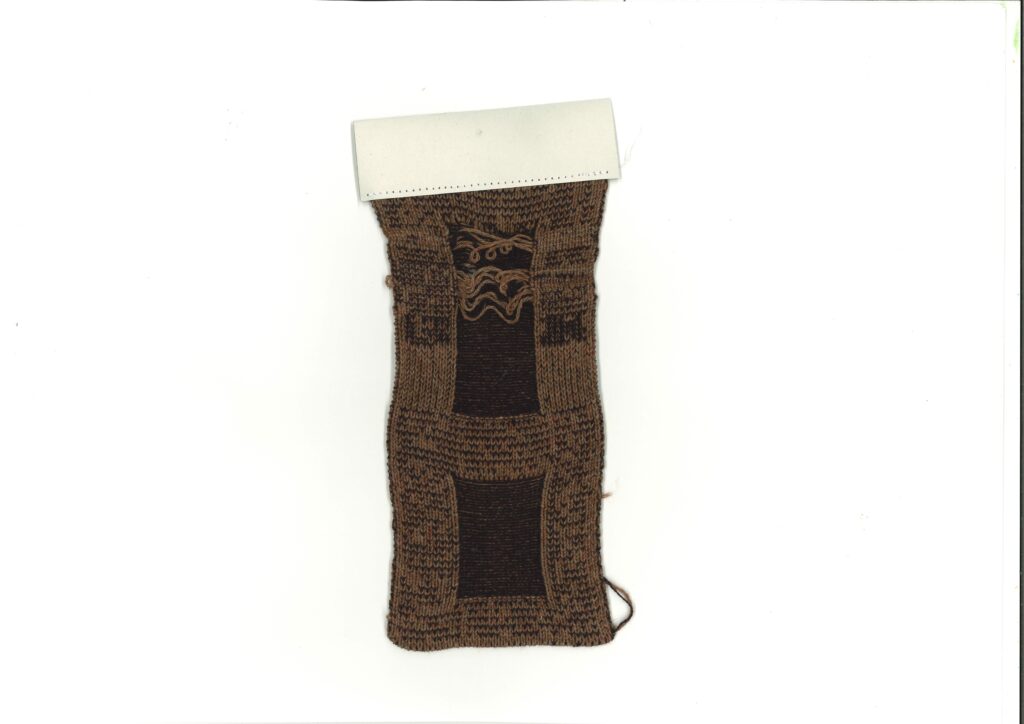
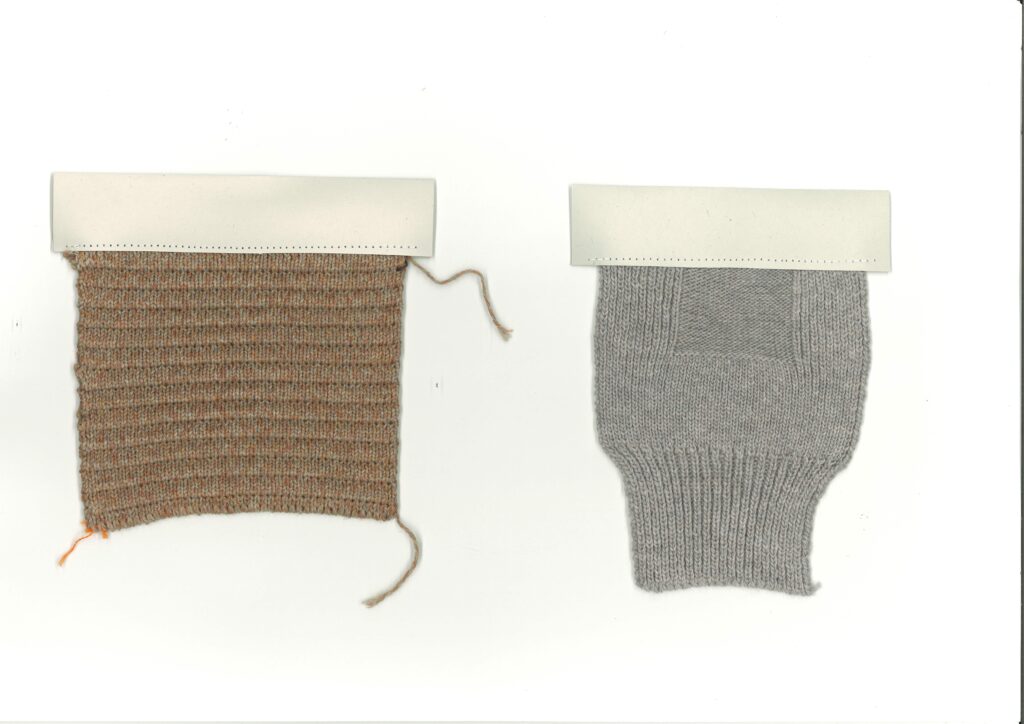
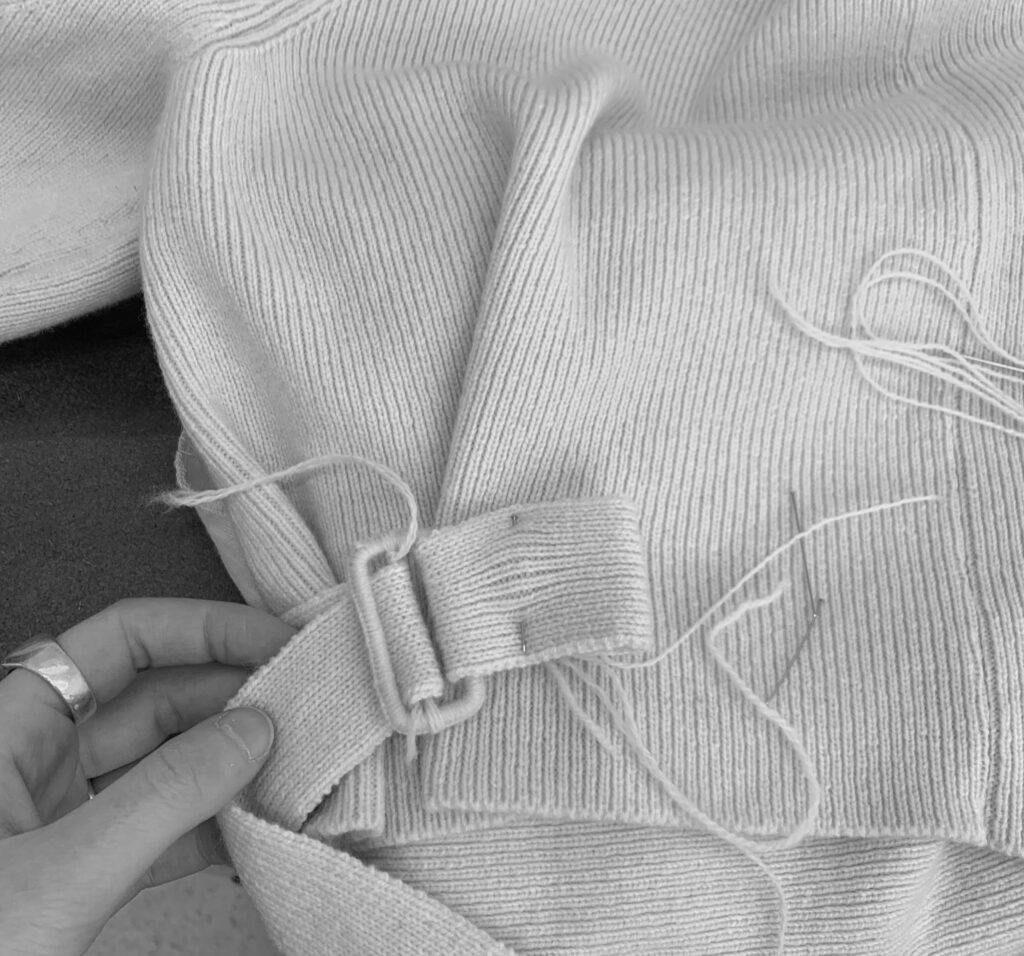
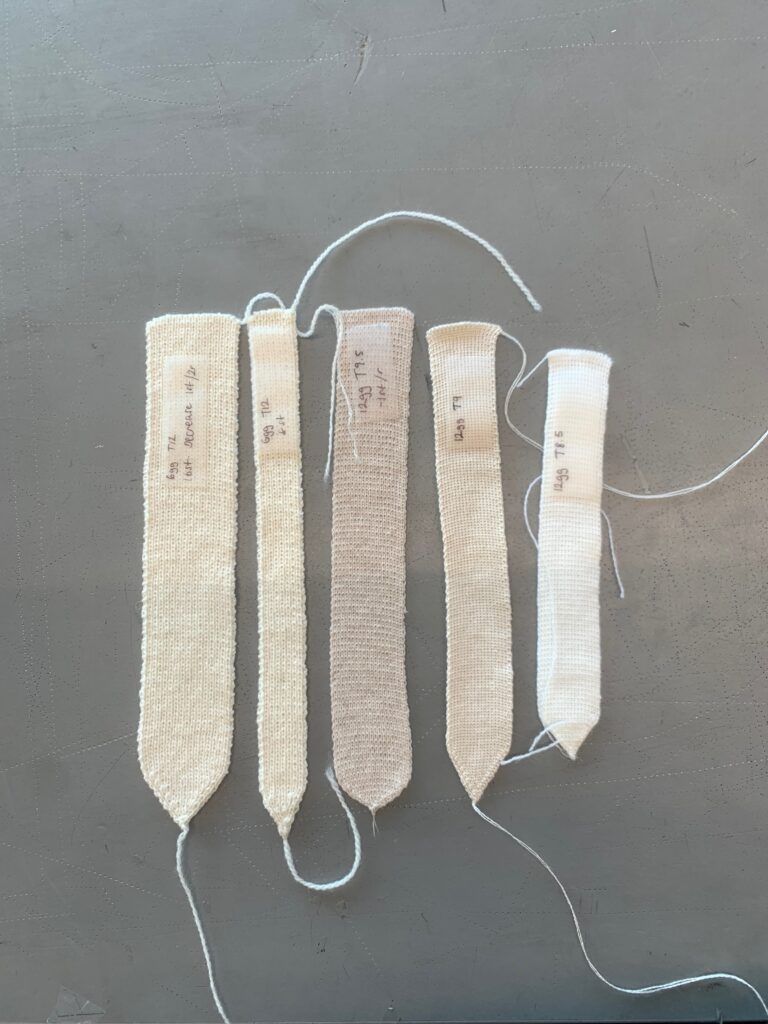
Just as the house morphed and changed slowly over decades, this collection rests on slow process. Analogue research methods are foundational to my design process. In visiting clothing archives, garment research leant on the senses as well as visual information. Wear indicated use. It is this notion of traces imprinted onto soft cloth that I wish to attend to. By making from a place of memory, a sensitivity to the lifetime of each garment develops. Durability lies not only in strong seams, but shapes that will endure the passage of time.
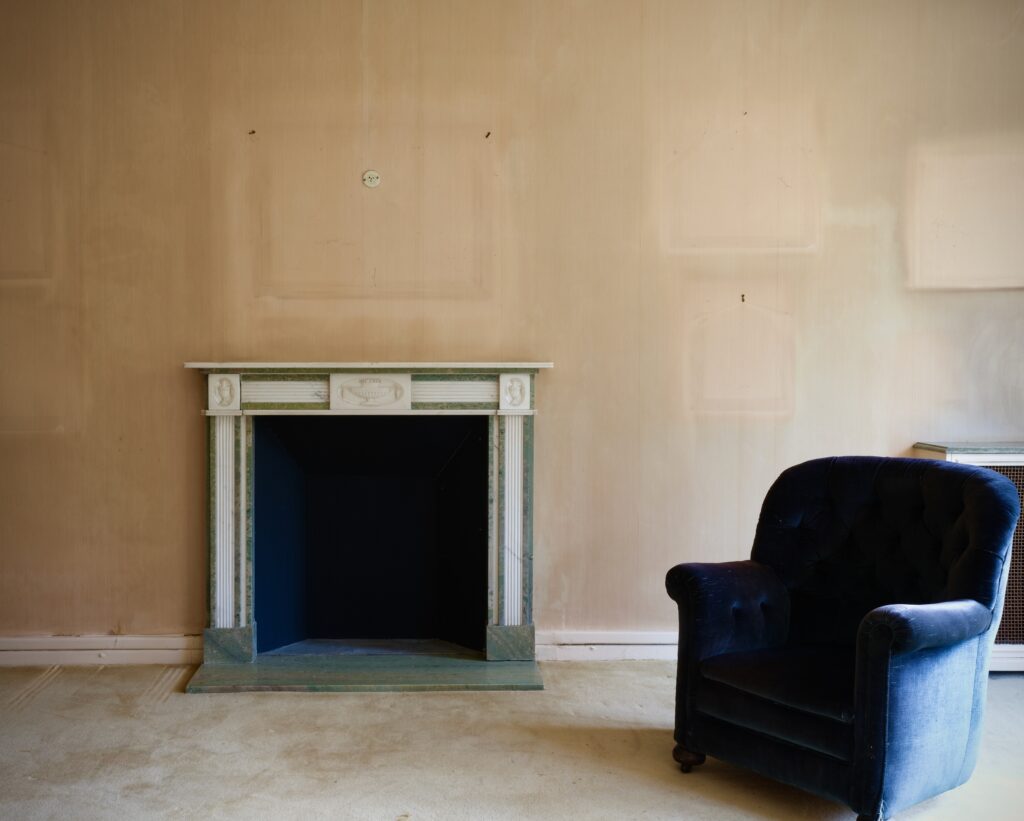
Image by Duncan Churchill
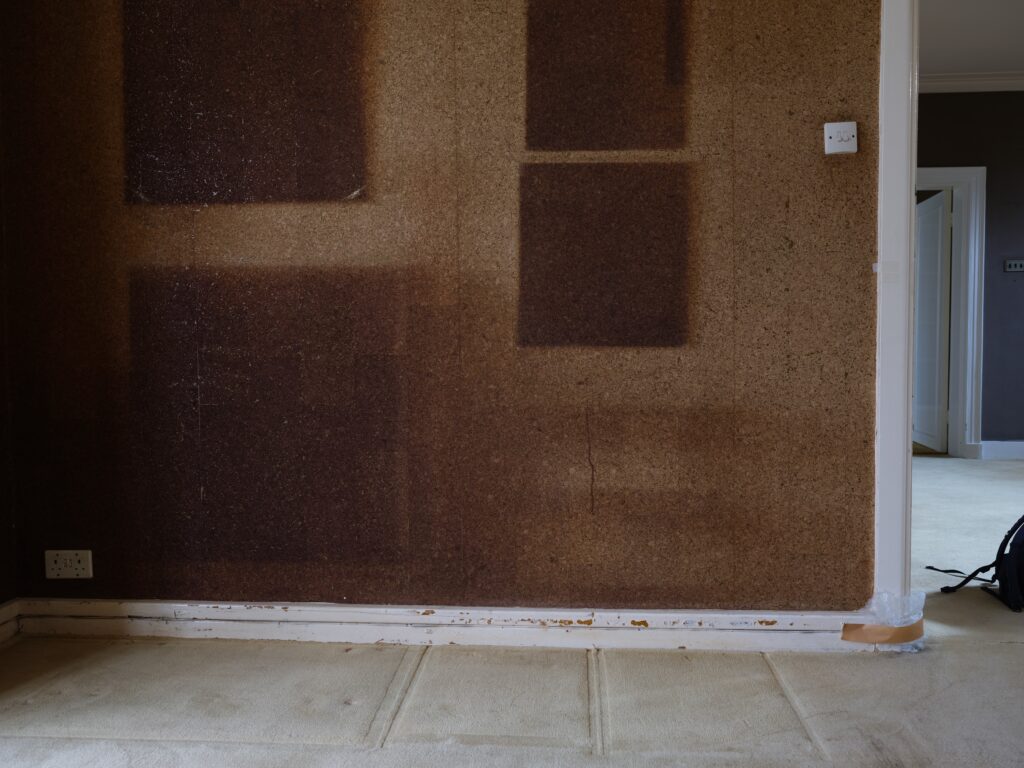
Image by Duncan Churchill