Samuel Justice
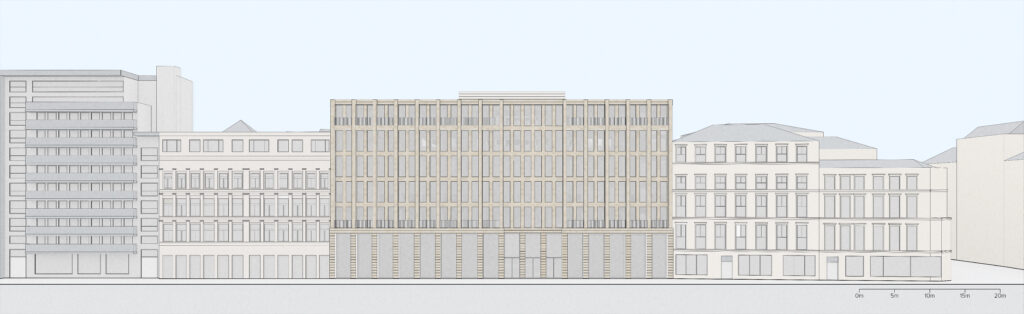
The Glasgow Assembly
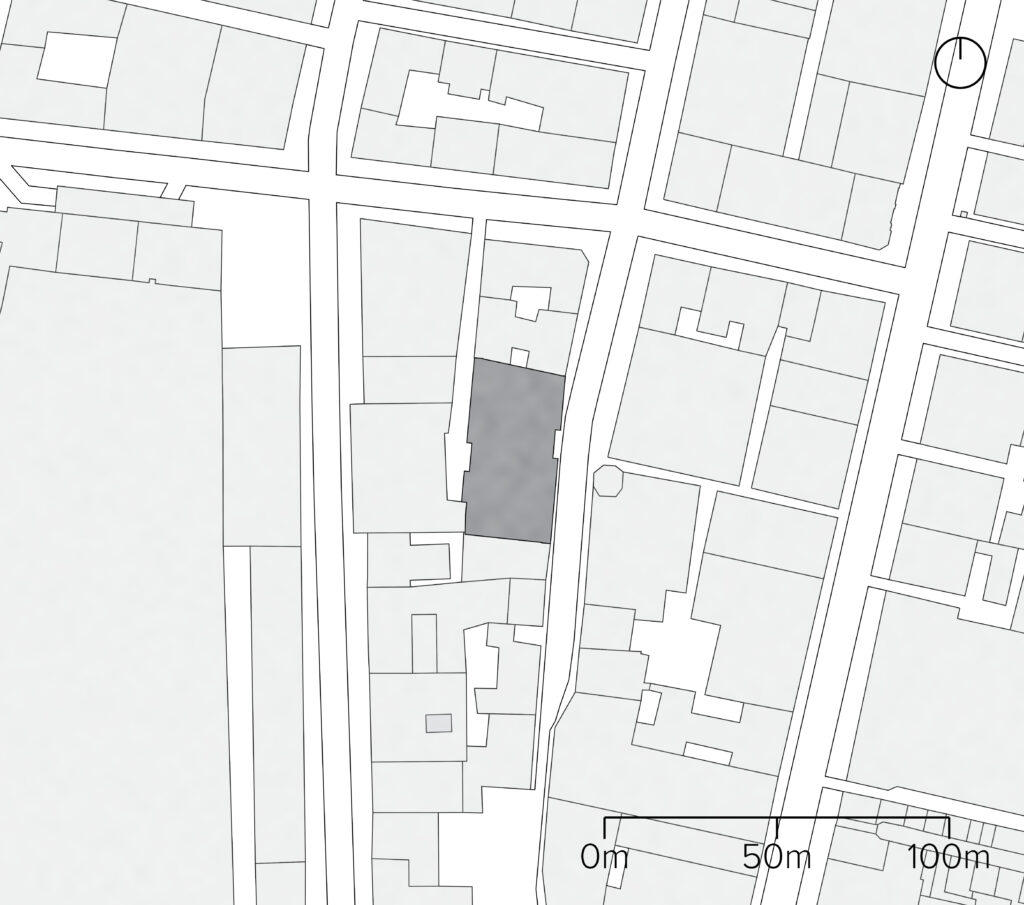
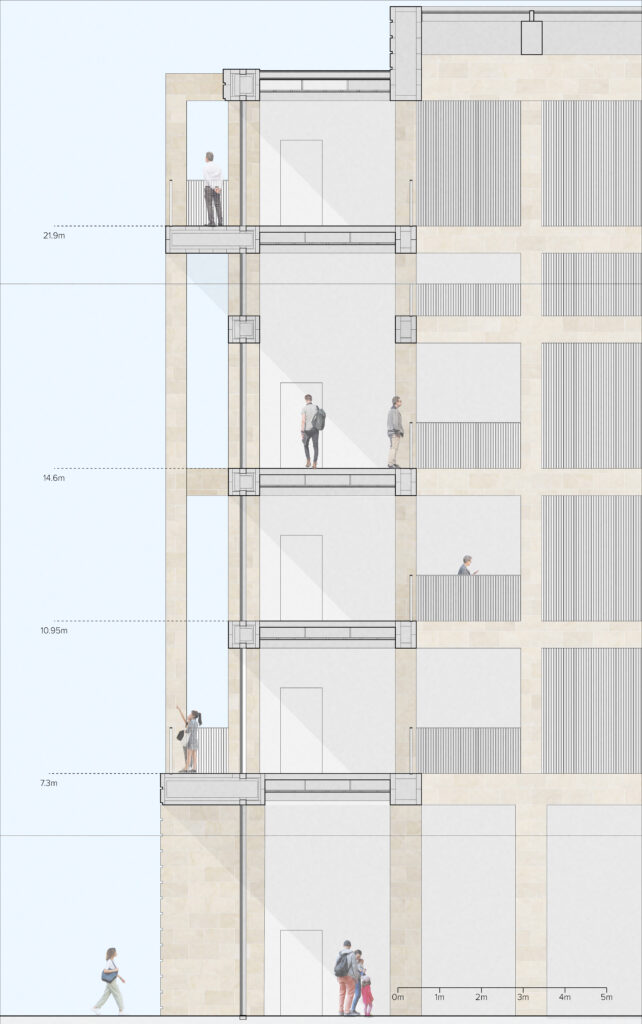
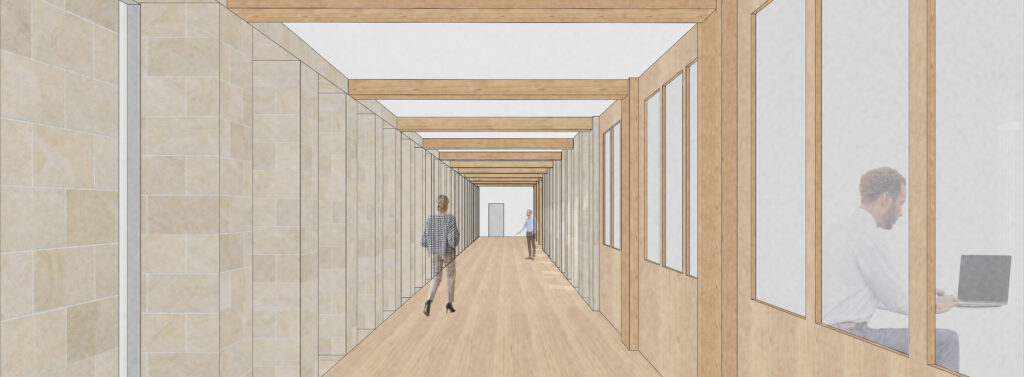
Located on the existing central car park site on Mitchell Street, the project responds to Glasgow’s historic urban fabric, drawing from the immediate context of sandstone ashlar construction and the civic monumentality found throughout the city centre. The proposal also addresses the current run down state of Mitchell Lane, transforming it into an active public route that reconnects surrounding pedestrian movement networks while creating opportunities for gathering within the city.
As Glasgow continues to evolve through cycles of redevelopment, increasing pressure is placed on preserving the city’s architectural identity while ensuring future growth remains publicly understood and accessible. The project responds to this disconnect by creating a civic platform where the public can actively engage with conversations surrounding heritage, planning, and urban change.
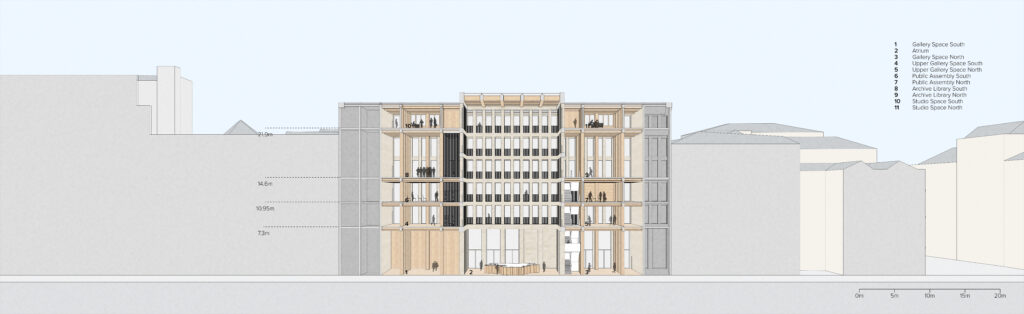
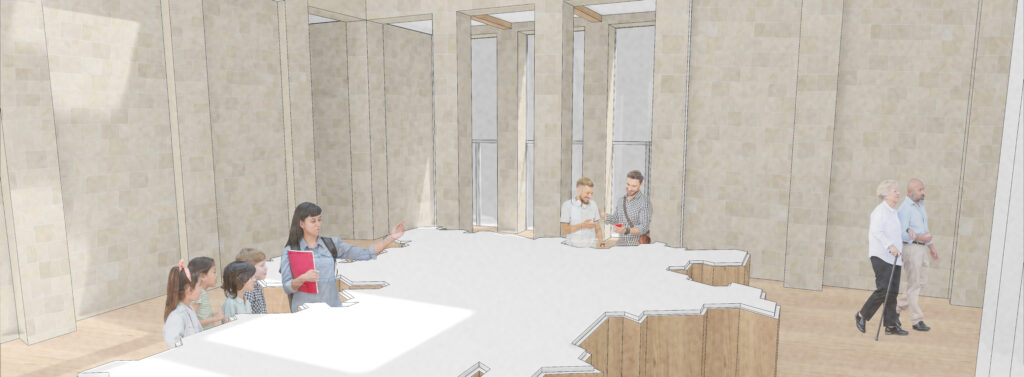
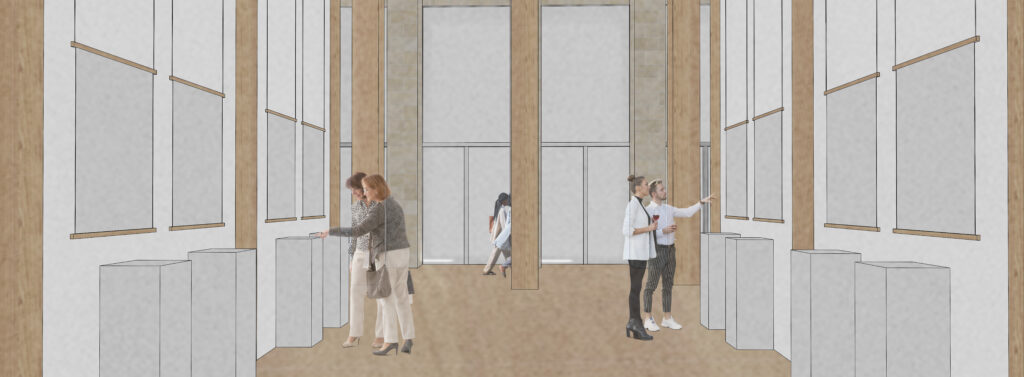
Conceived as a public architectural hub, the programme celebrates Glasgow’s urban development across its past, present, and future. A central atrium forms the heart of the building, allowing natural light to fall onto a large-scale model of the Glasgow City Council area, creating a focal point that orients visitors as they move through exhibition spaces, archive facilities, flexible assembly spaces, and public terraces overlooking the city.
Developed in partnership with Glasgow Institute of Architects and the Glasgow Building Preservation Trust, the proposal establishes a permanent and visible civic home for both institutions, relocating them from fragmented premises into a central public setting where their work becomes more accessible. In doing so, it creates an inclusive space where residents can engage with, celebrate, and actively shape Glasgow’s architectural future.