Freya Wootton
I am a 3rd year architecture student who grew up between the visual dominance of the built environment and the realm of sound. I became interested in spaces that work is to create journeys visually and through sound.
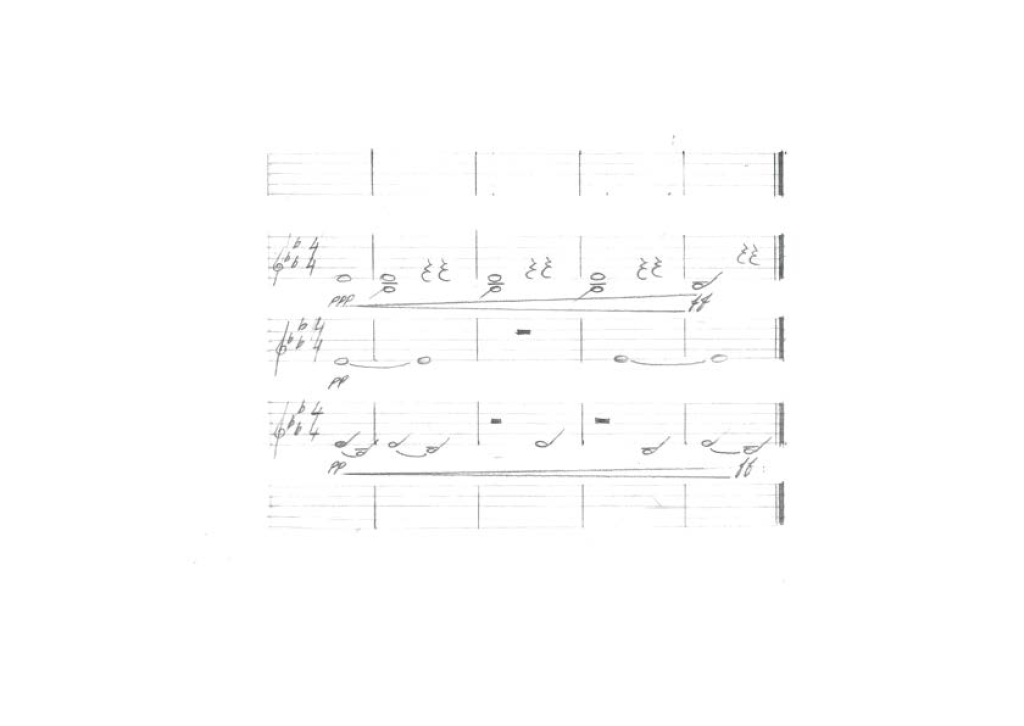
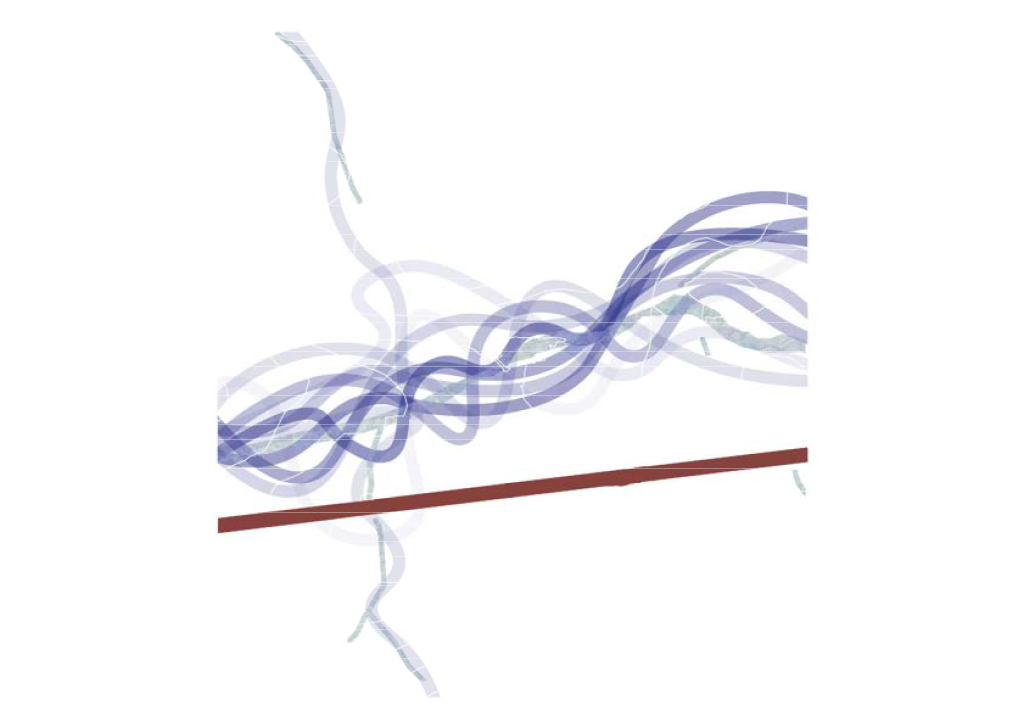
My projects this year have been rooted in immersive engagement with the Scottish Highlands, specifically Glencoe and Fort William. I employ listening as a primary design tool – using audio recordings, field visits, and acoustic modelling to understand how human and natural systems continuously compete, collide, and coexist. Taking inspiration from Felix Mendelssohn’s compositional translation of wave into staff, I approach architecture as a score, a ritual, and an instrument. For me, to hear a space is to be inside it – even with closed eyes. Sight privileges distance and control; sound privileges immersion and vulnerability.
My two projects explore different scales of this listening practice. Frequencies of Coexistence, set in Glencoe, rejects the romanticised silence of the Highlands by designing acoustic installations that work with the valley’s competing soundscape rather than replacing it. My Fort William Town Hall choreographs arrival as ritual – using sectional drama, constructed light, and a rainscreen facade to mediate between mountain and loch, shelter and exposure, town and landscape.
Together, these projects confront the messy entanglement of human and natural forces and ask how architecture can welcome the elements rather than lock them out. Ultimately, my design practice is driven by a deep curiosity for the invisible forces that shape place, and a belief that architecture must amplify voices, leave room for others, and listen before it looks.
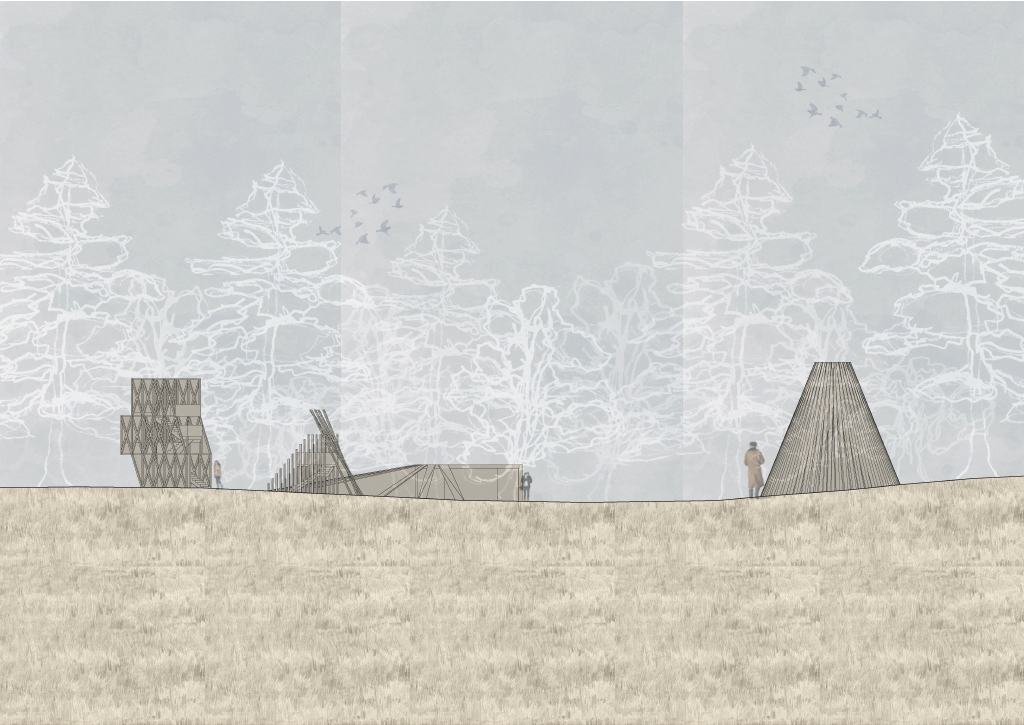
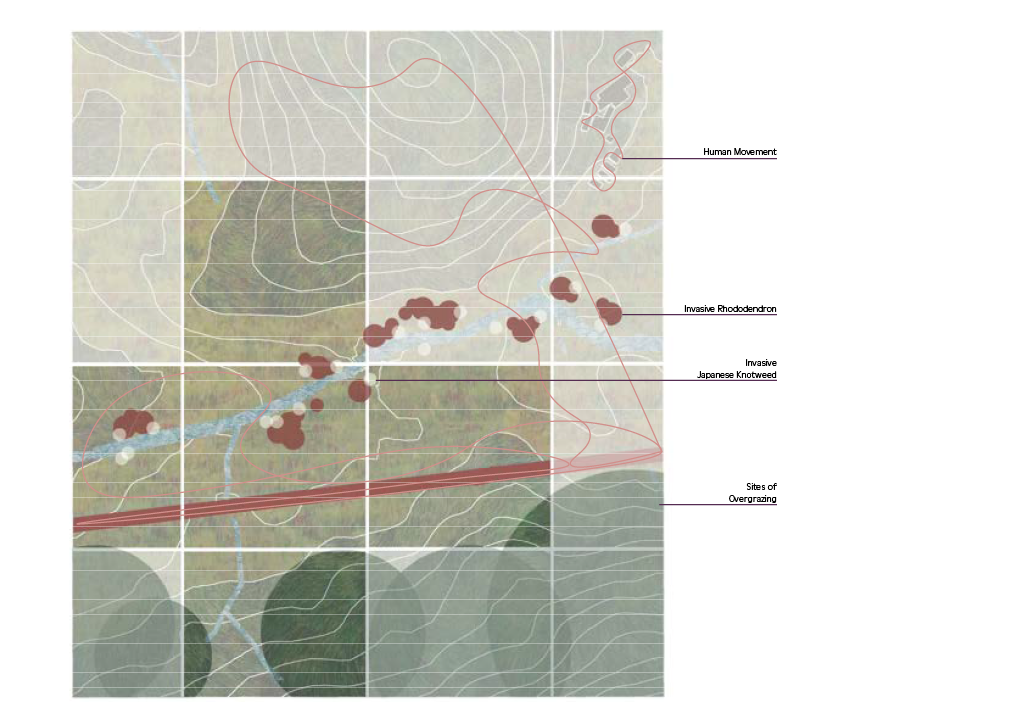
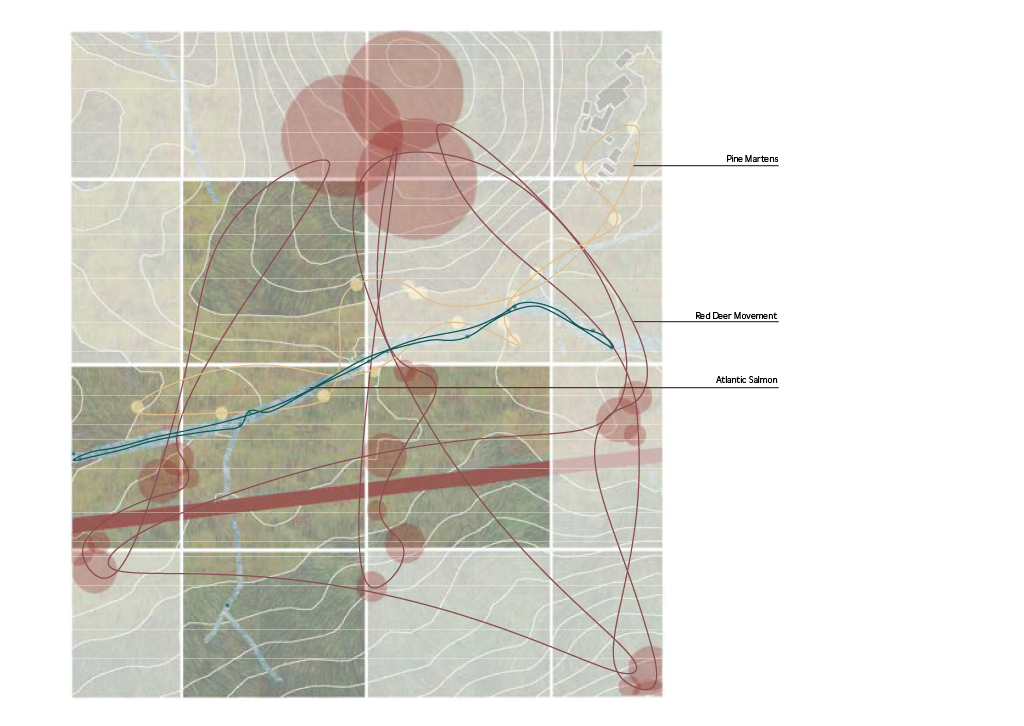
Frequencies of Coexistence, Glencoe
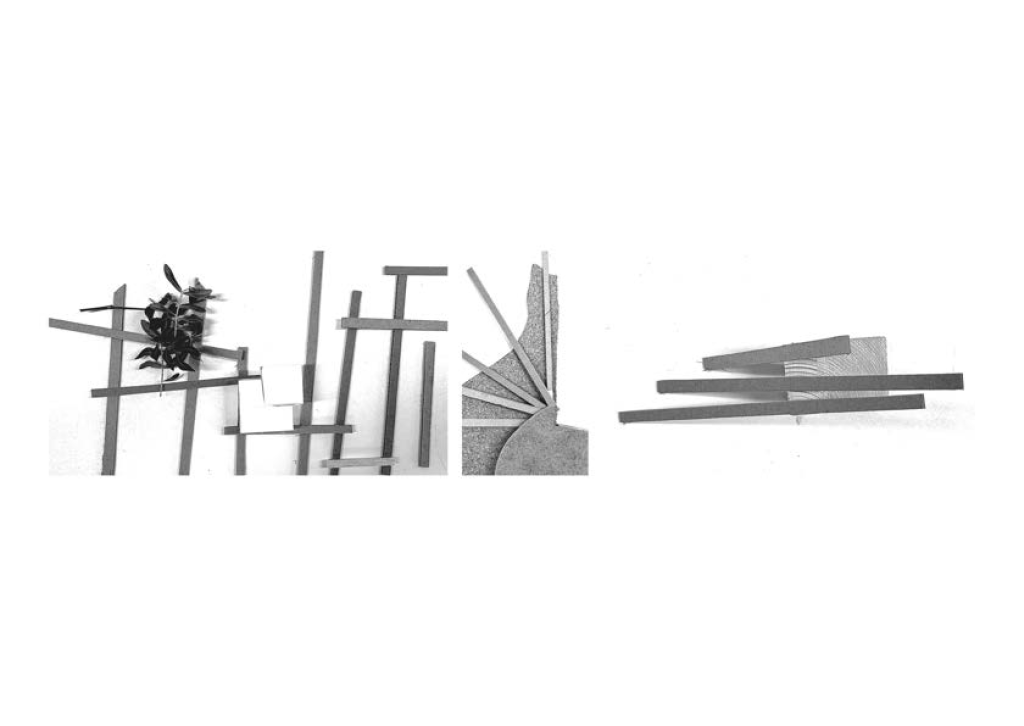
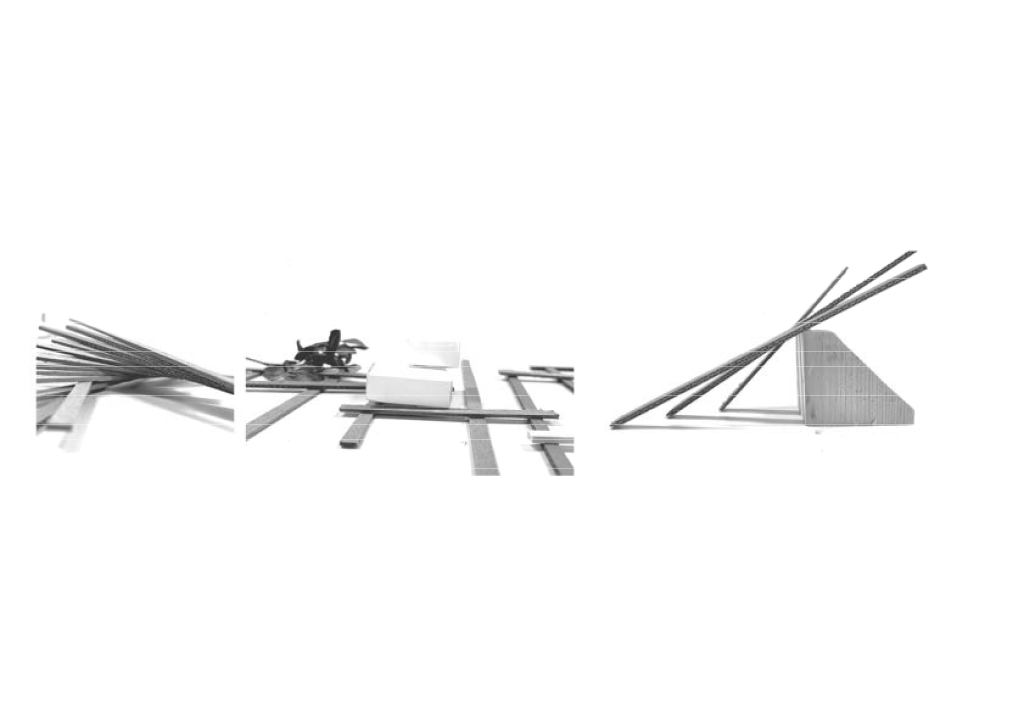
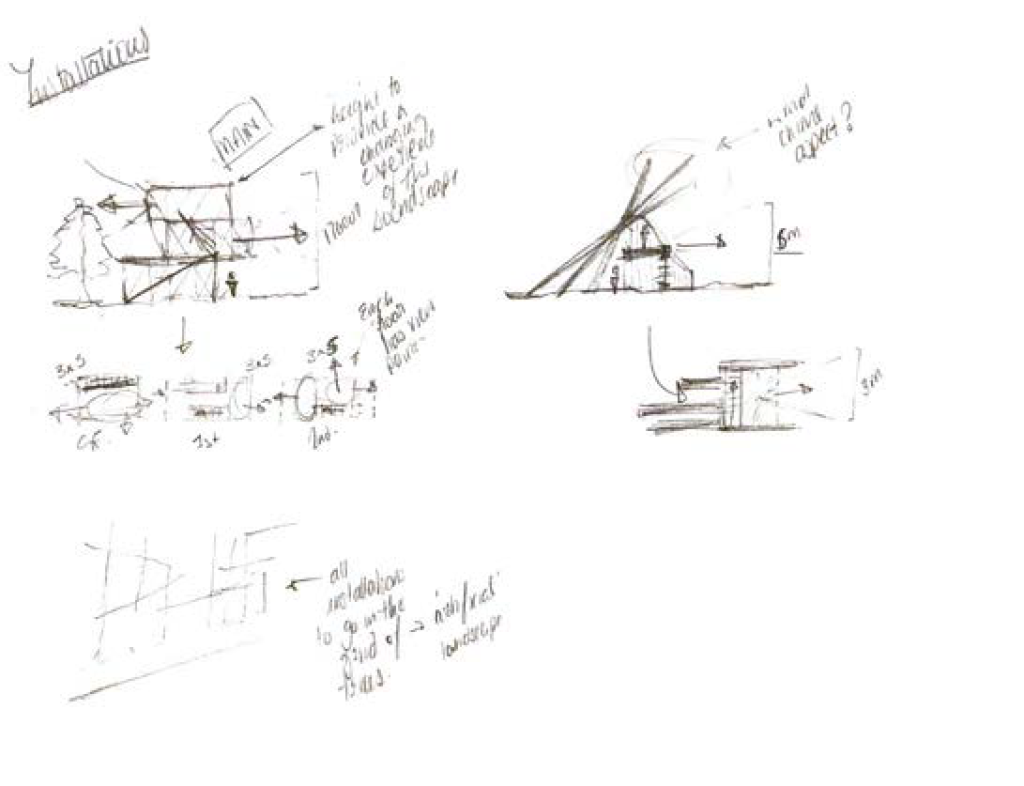
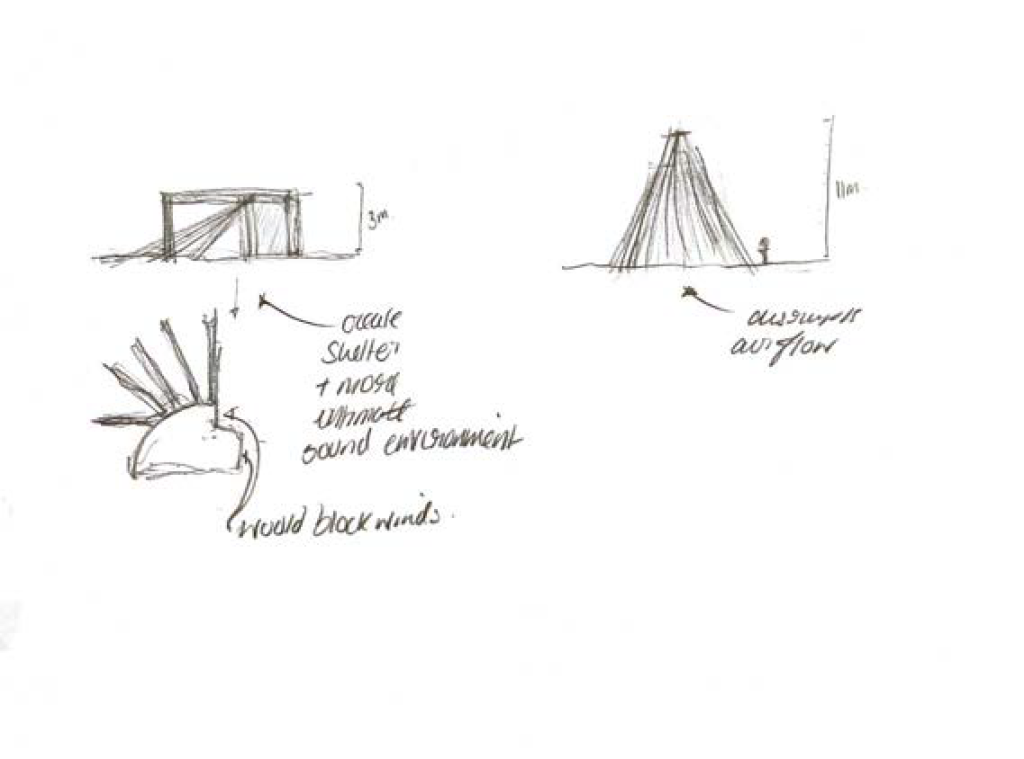
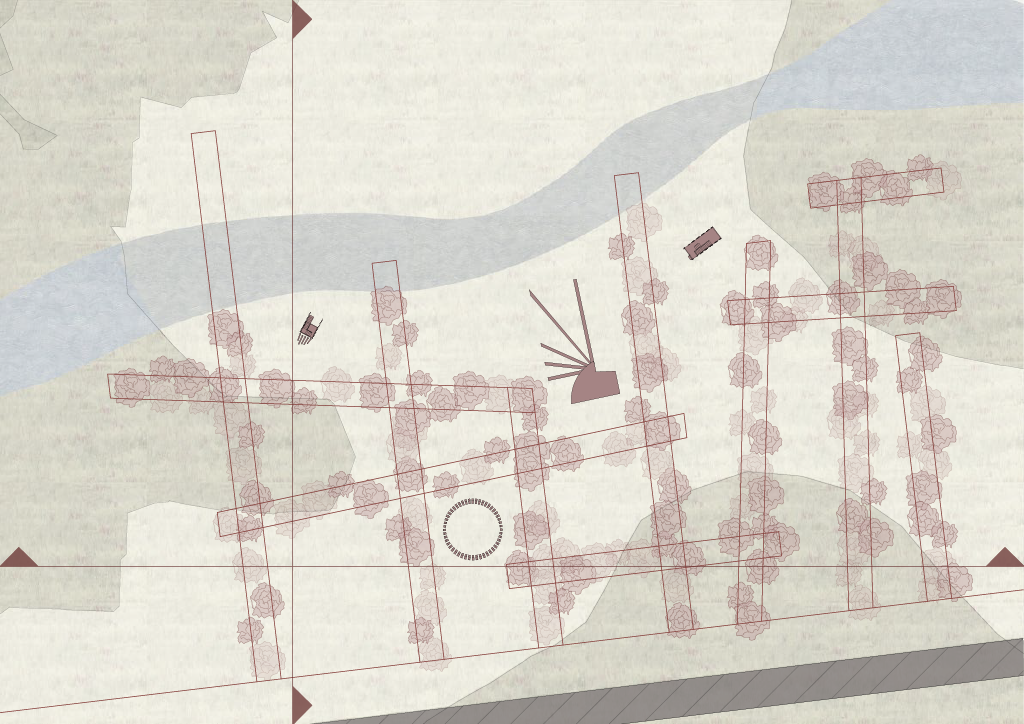
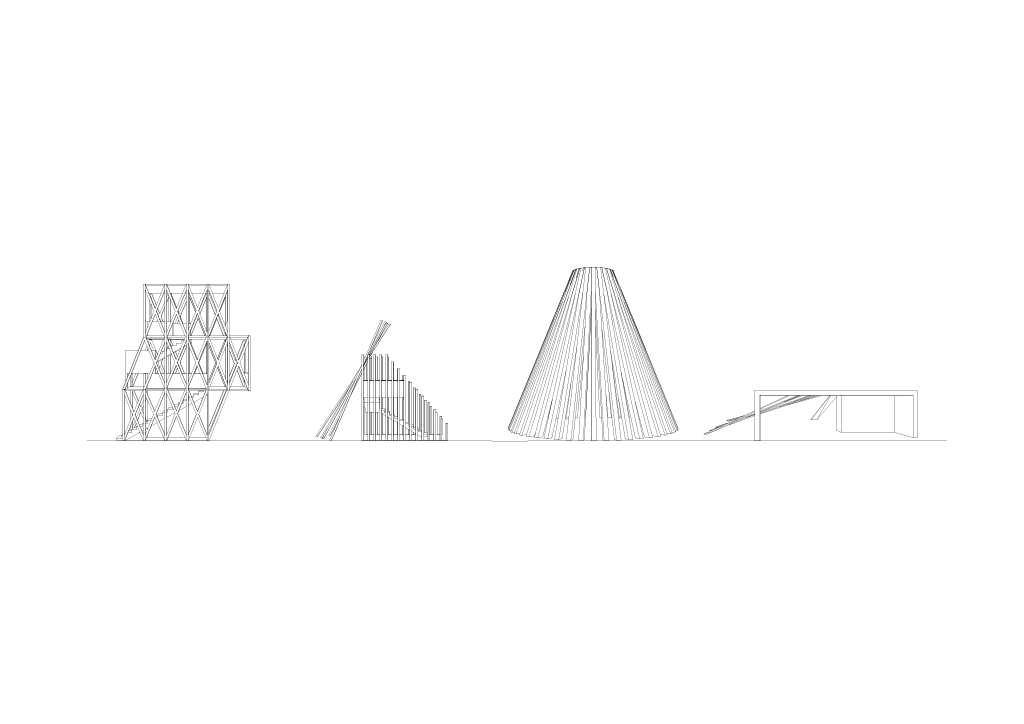
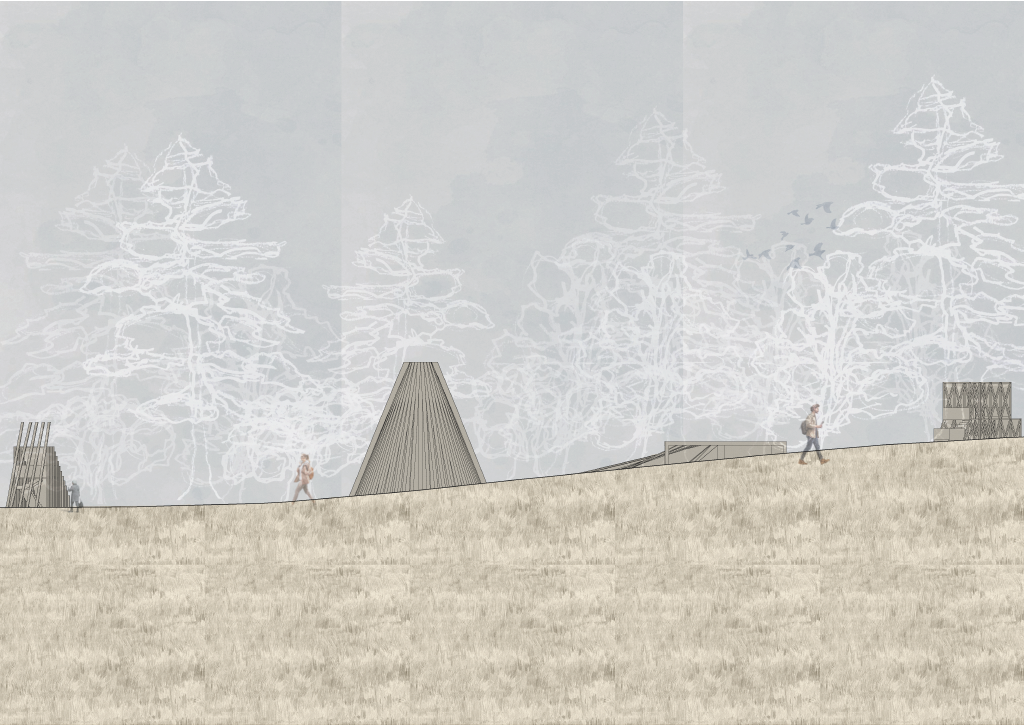
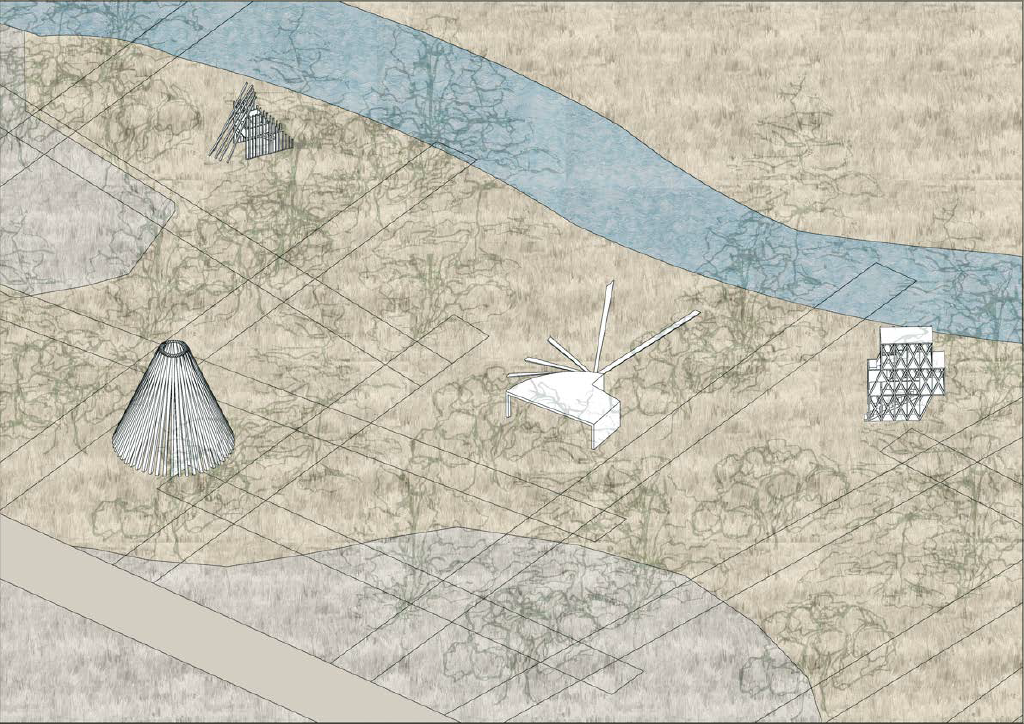
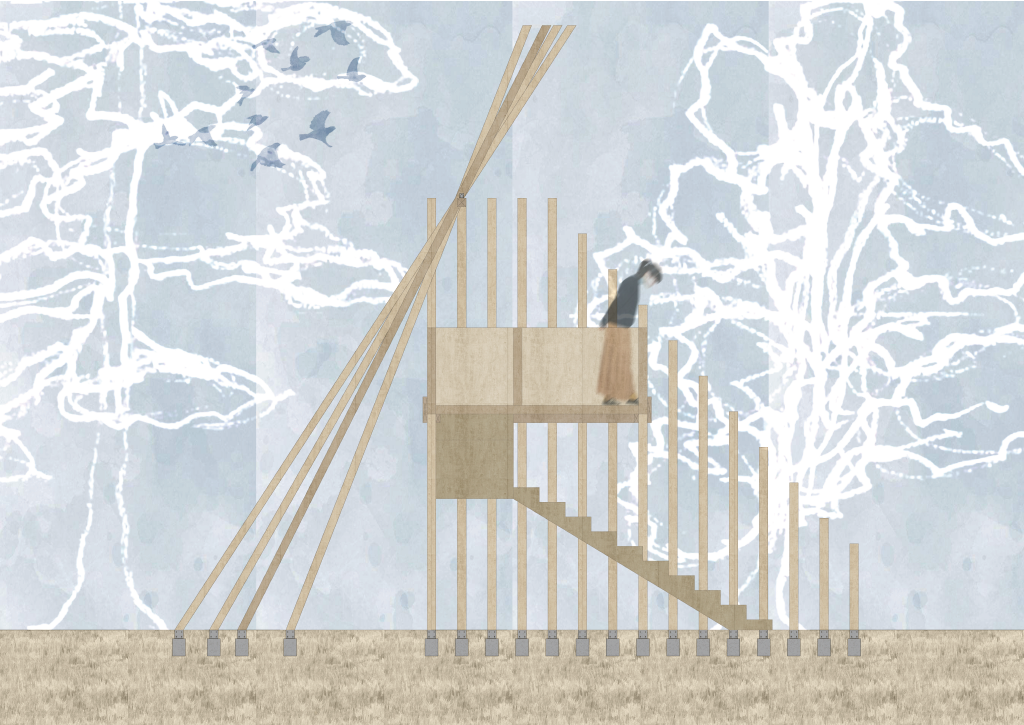
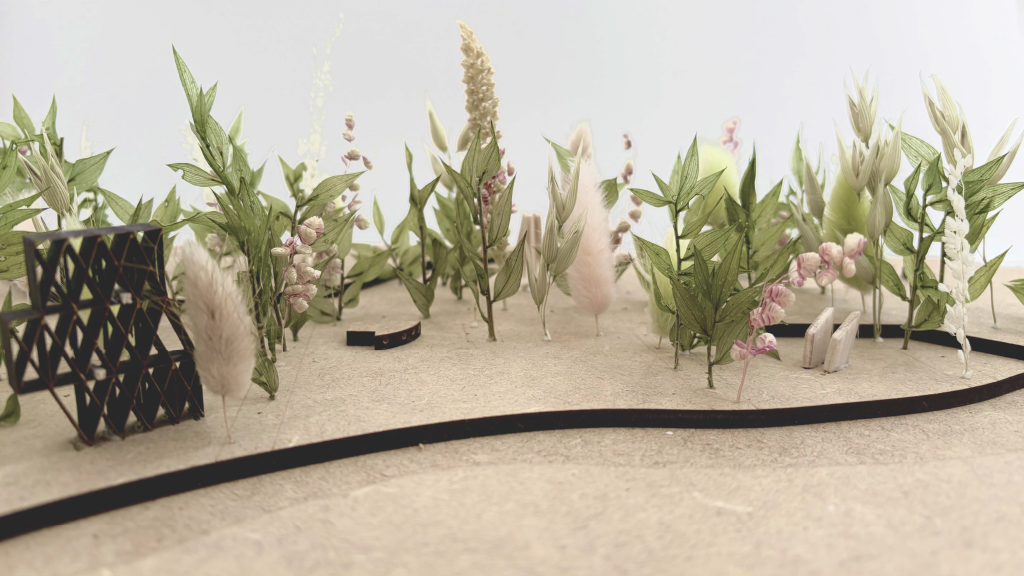
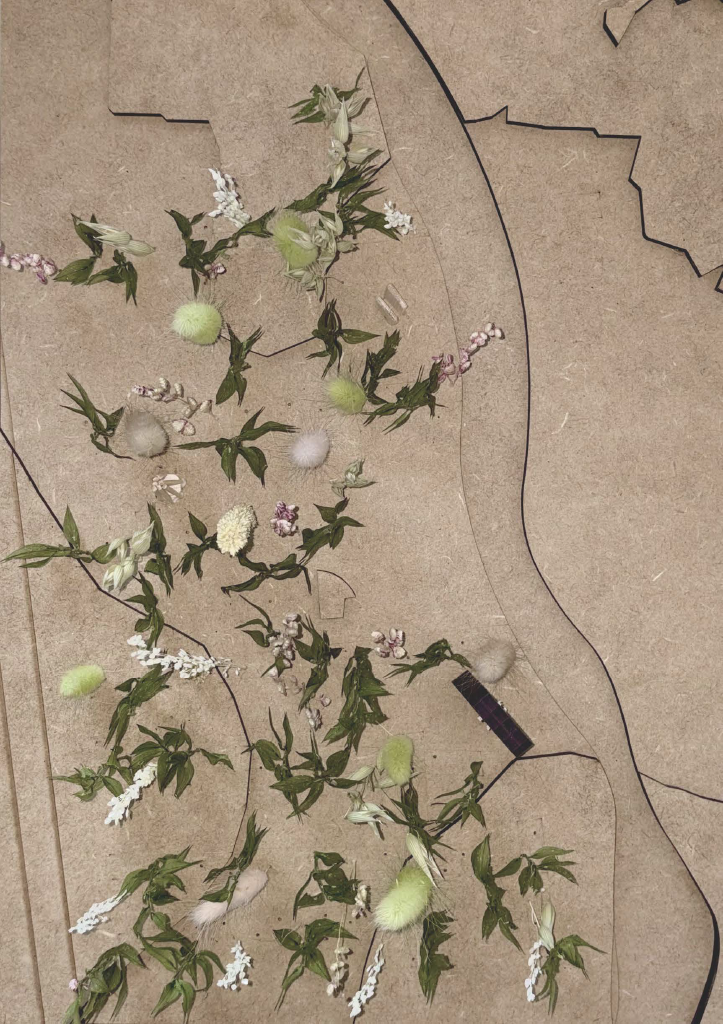
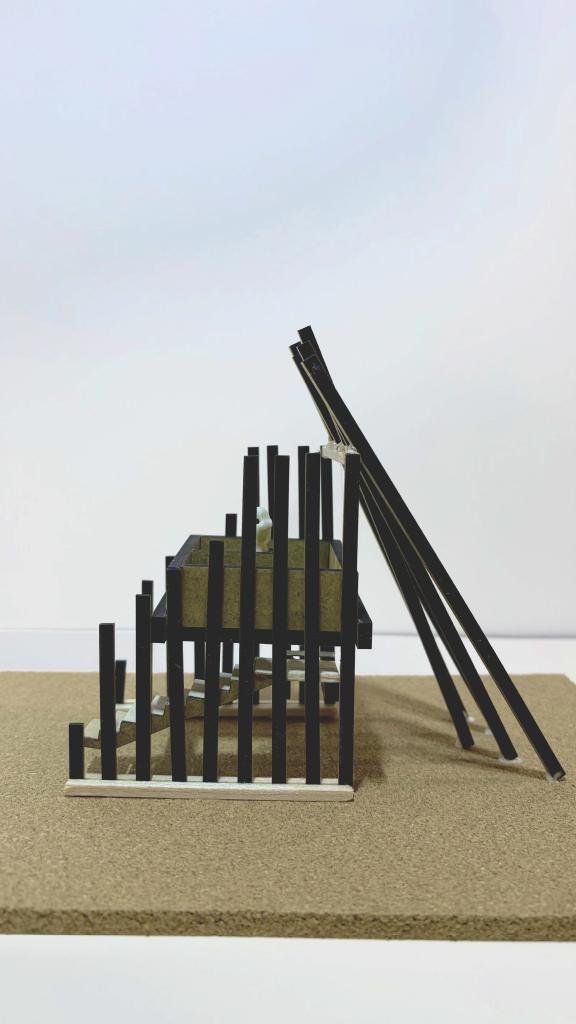
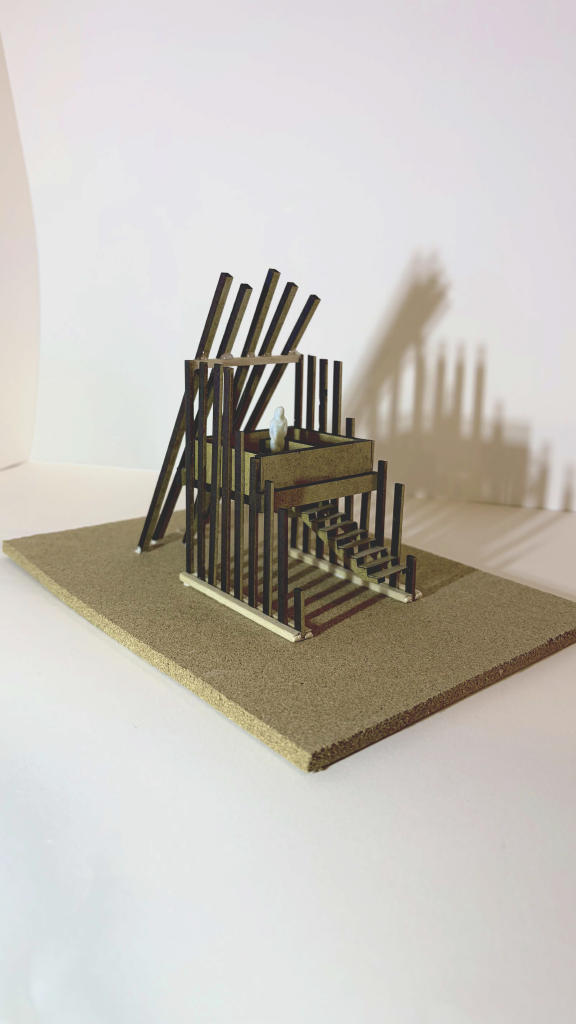
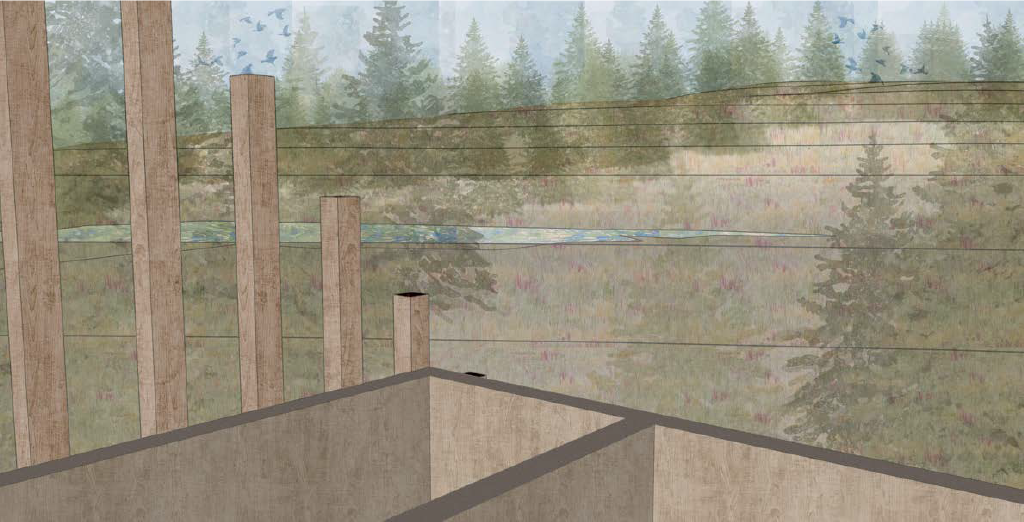
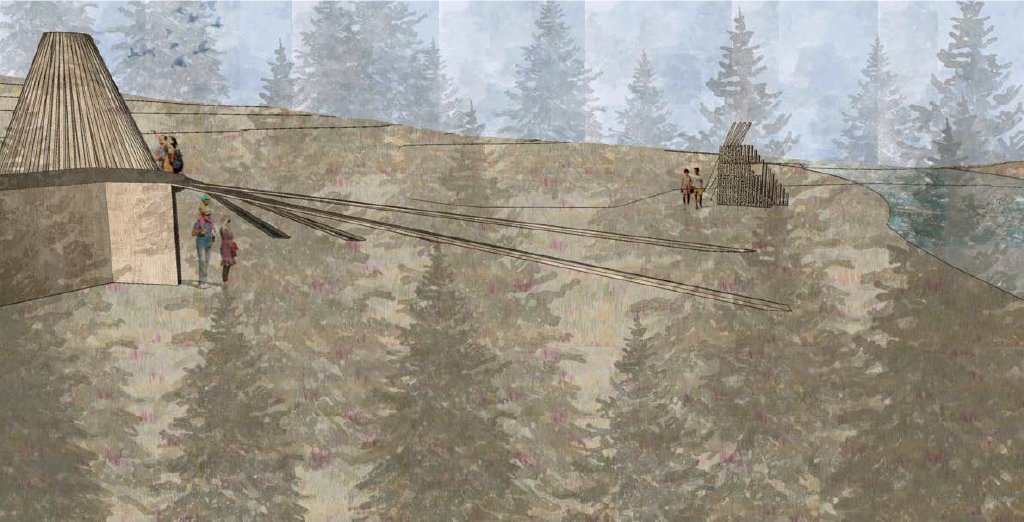
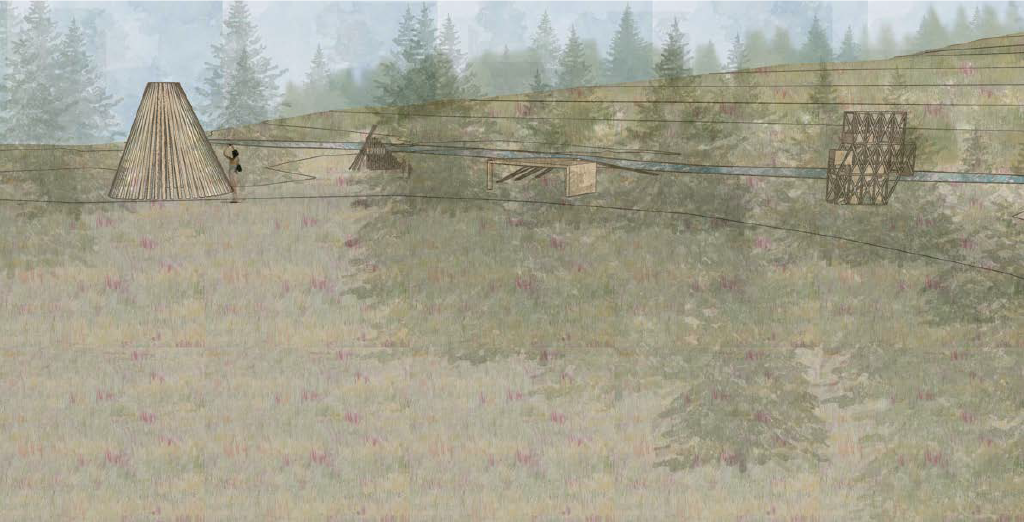
In Glencoe, a landscape marketed as pristine wilderness, listening reveals a different story: a contested soundscape where human and natural systems continuously collide. My project, Frequencies of Coexistence, rejects the romanticised silence of the Highlands to ask: what if architecture stopped trying to block out the elements and instead learned to welcome sound? Taking inspiration from Felix Mendelssohn’s translation of waves into musical staves, I developed a series of installations designed as acoustic instruments. Working with the valley’s competing tracks – the bleat of sheep, the twang of fence wires, the hiss of rain, the rhythm of the river – these interventions use porous walls, staggered perforations, and calibrated platforms to filter, delay, and resonate with the environment rather than replacing it. The result is not a harmonious symphony but a choreographed discord: a space where human and nature, invasive species and indigenous flora, manage to coexist without resolution.
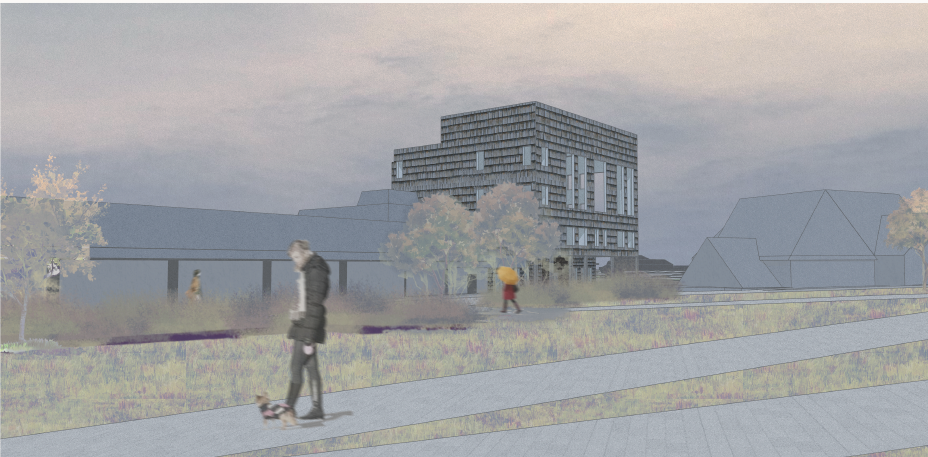
A New Town Hall, Fort William
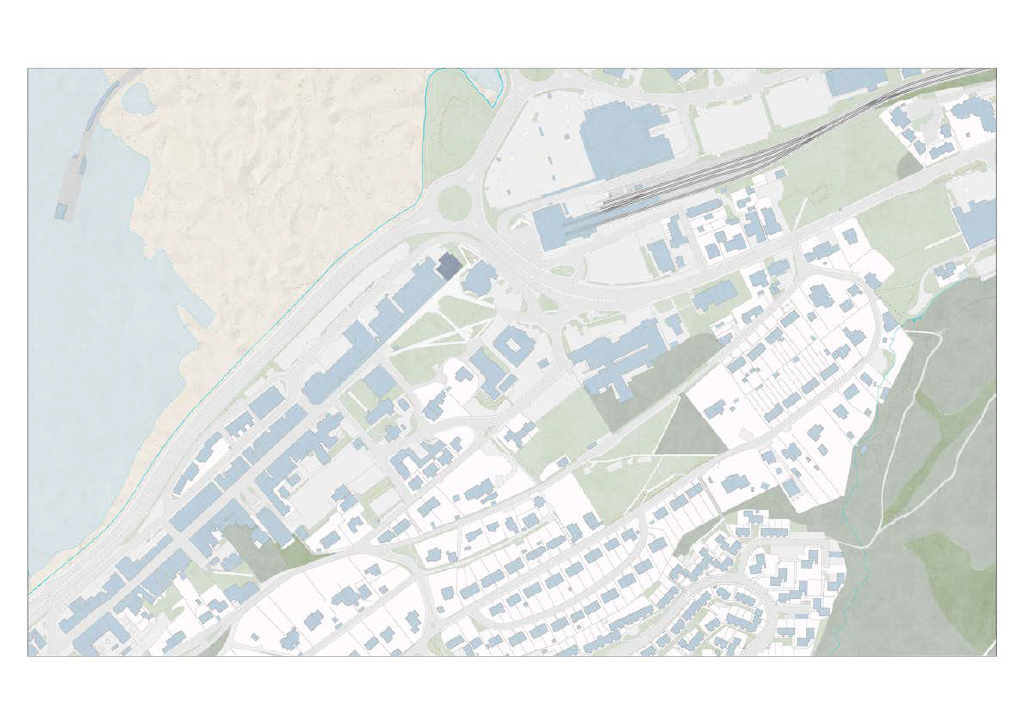
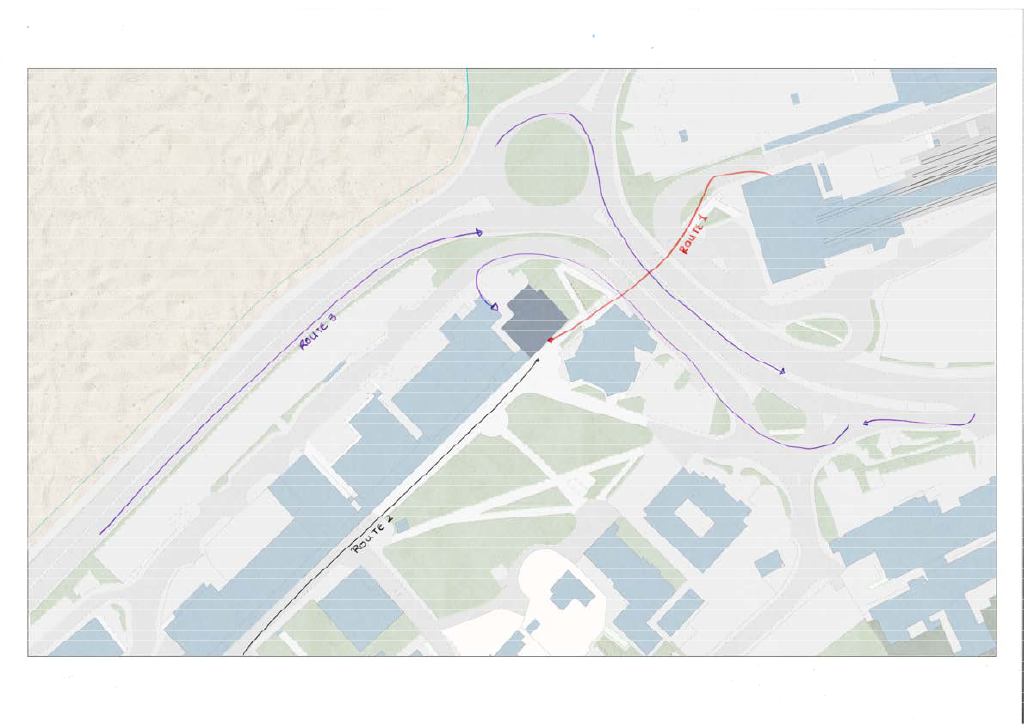
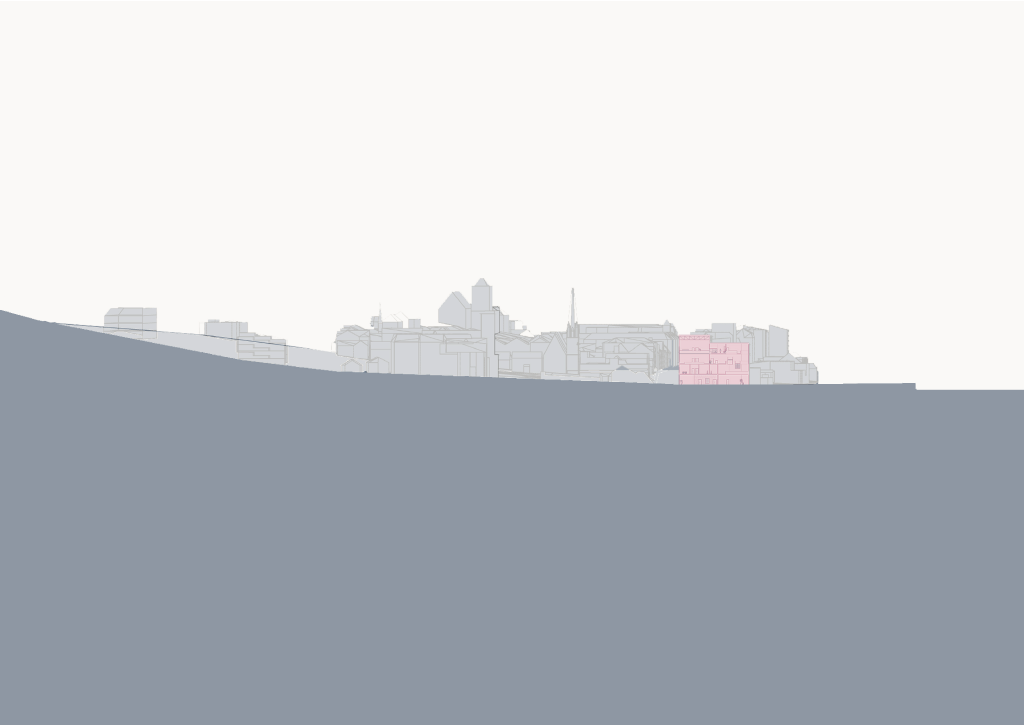
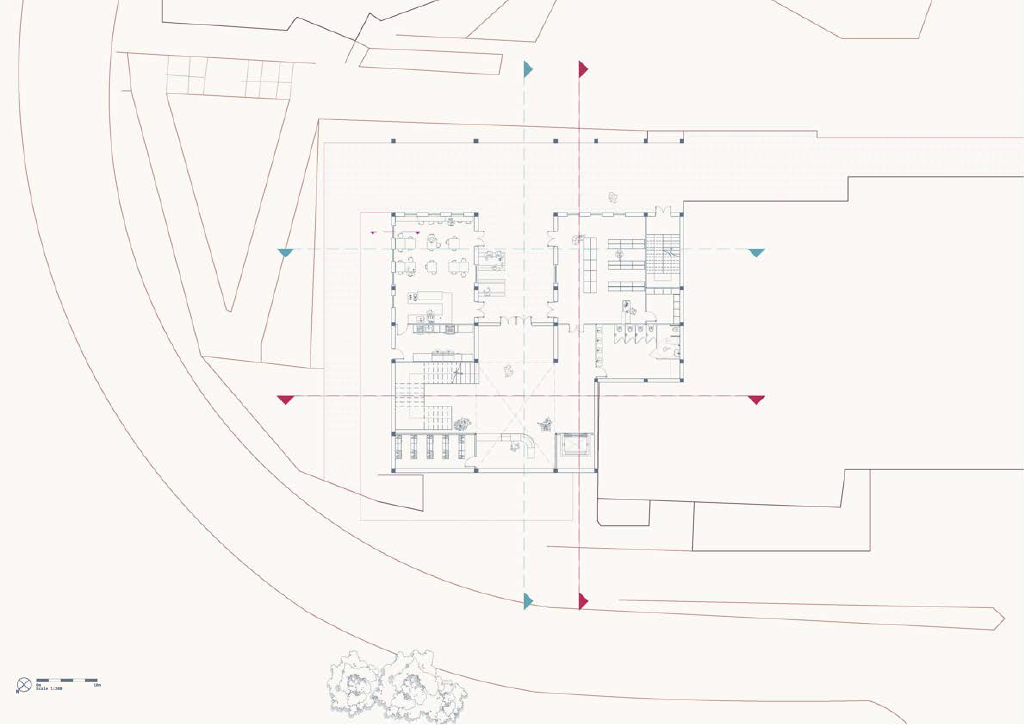
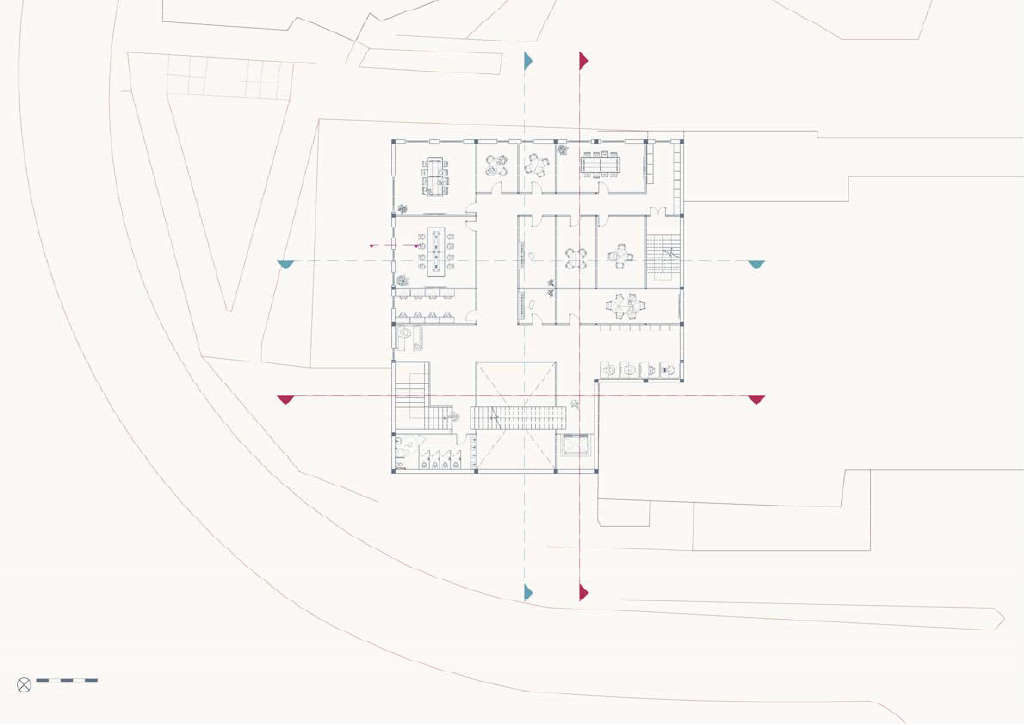
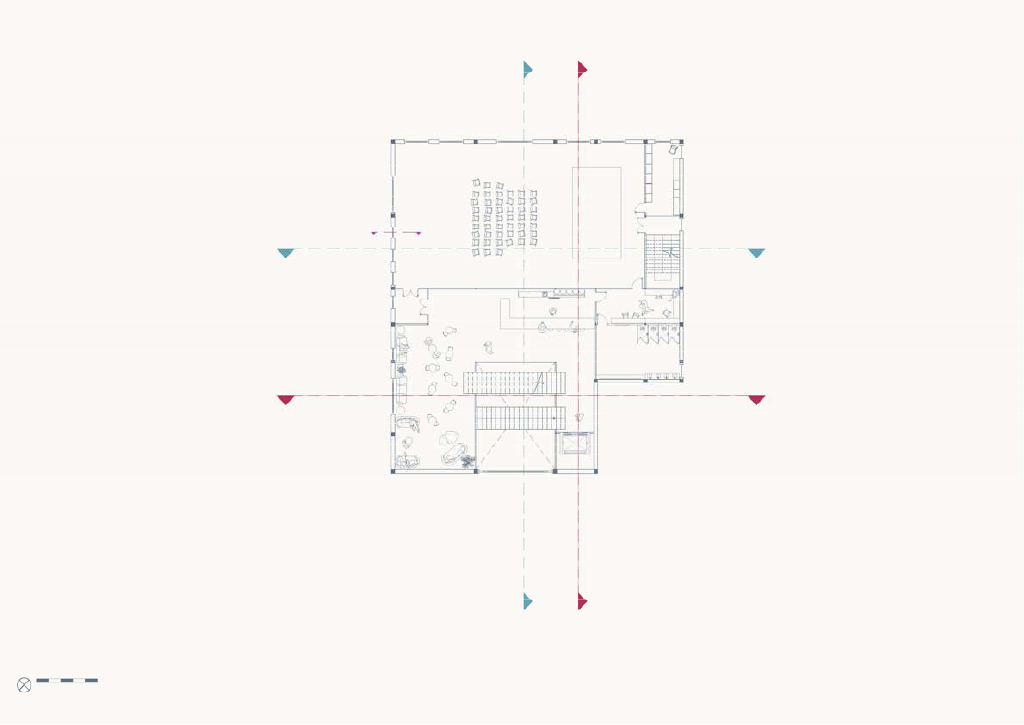
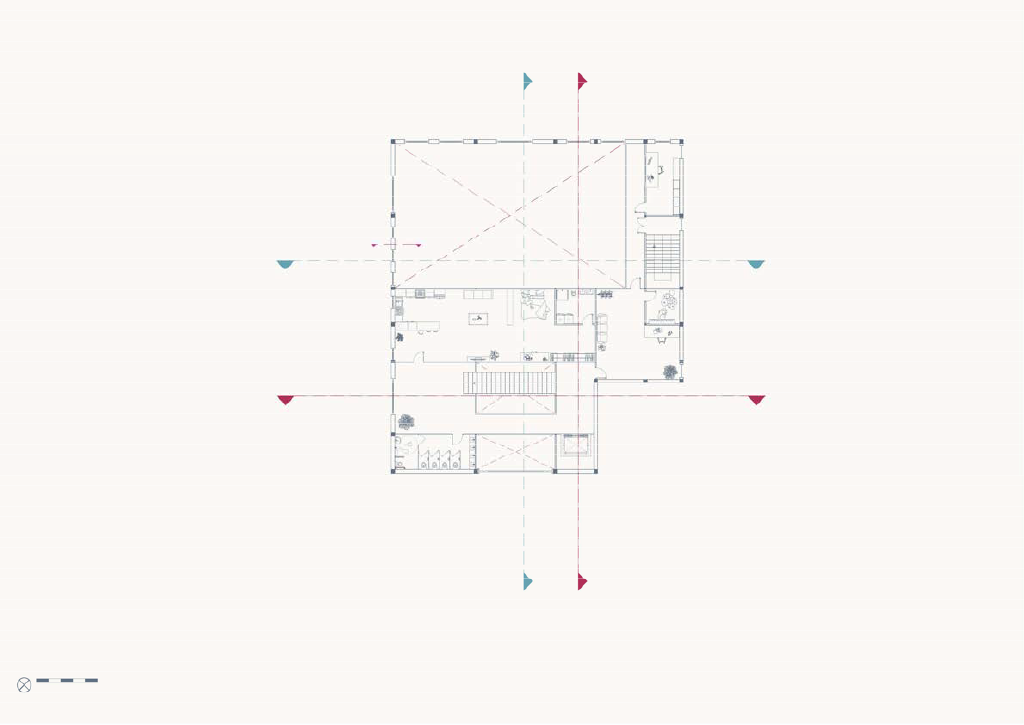
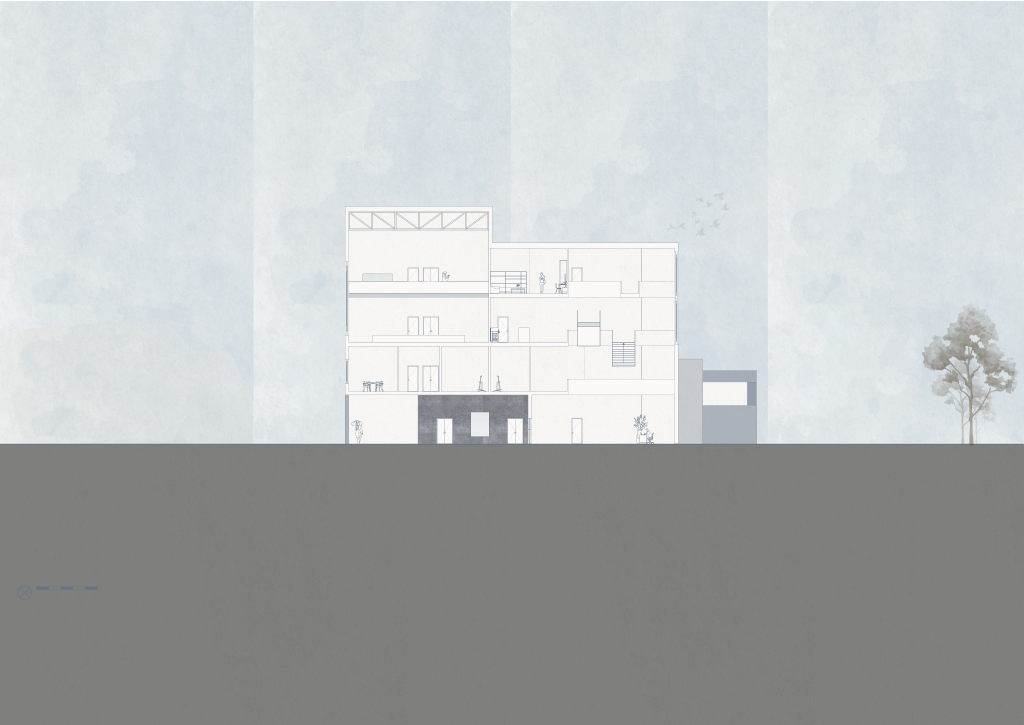
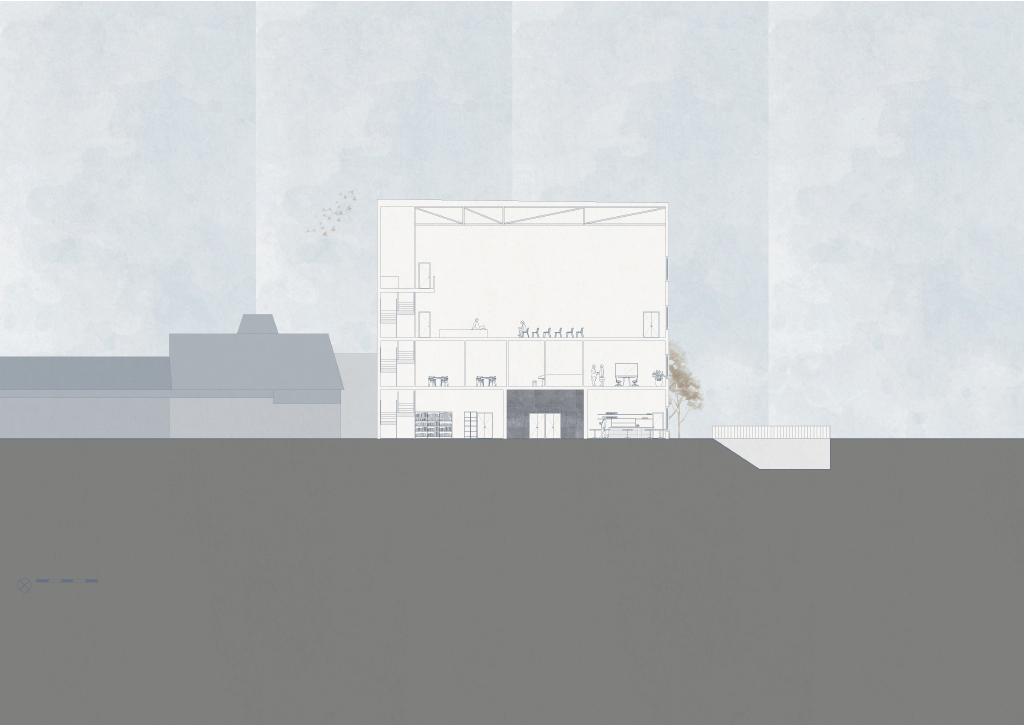
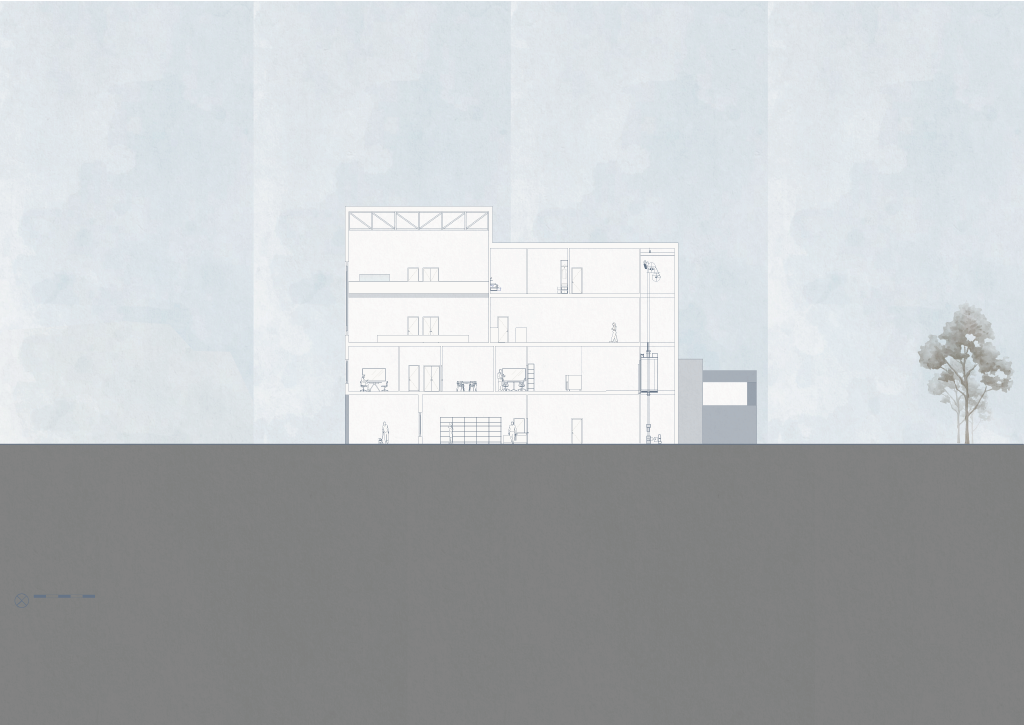
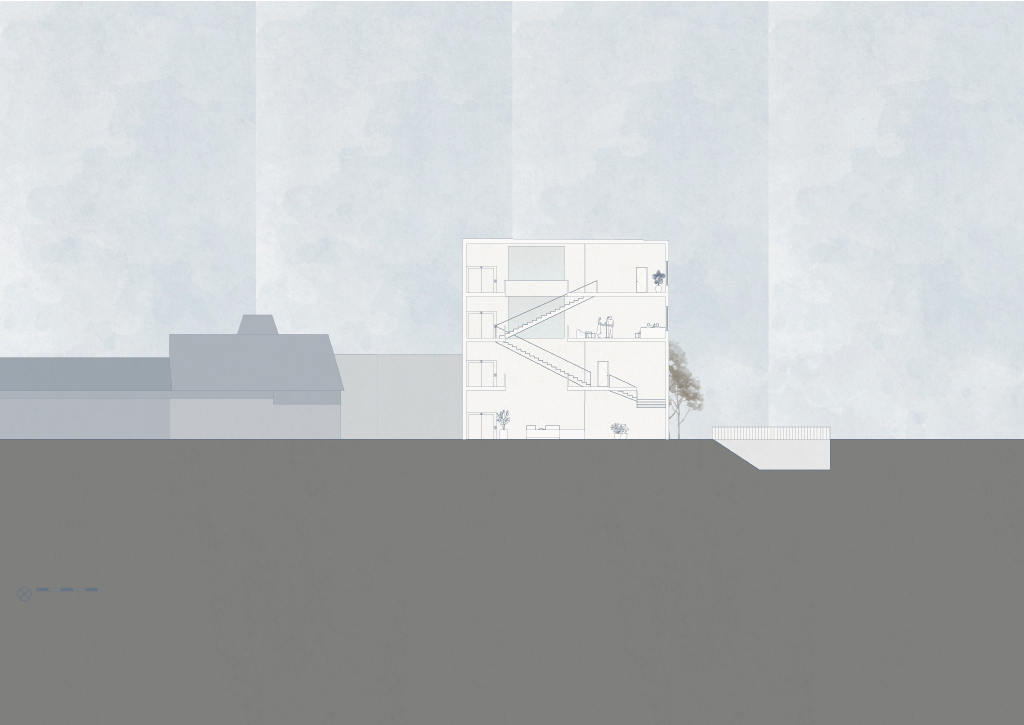
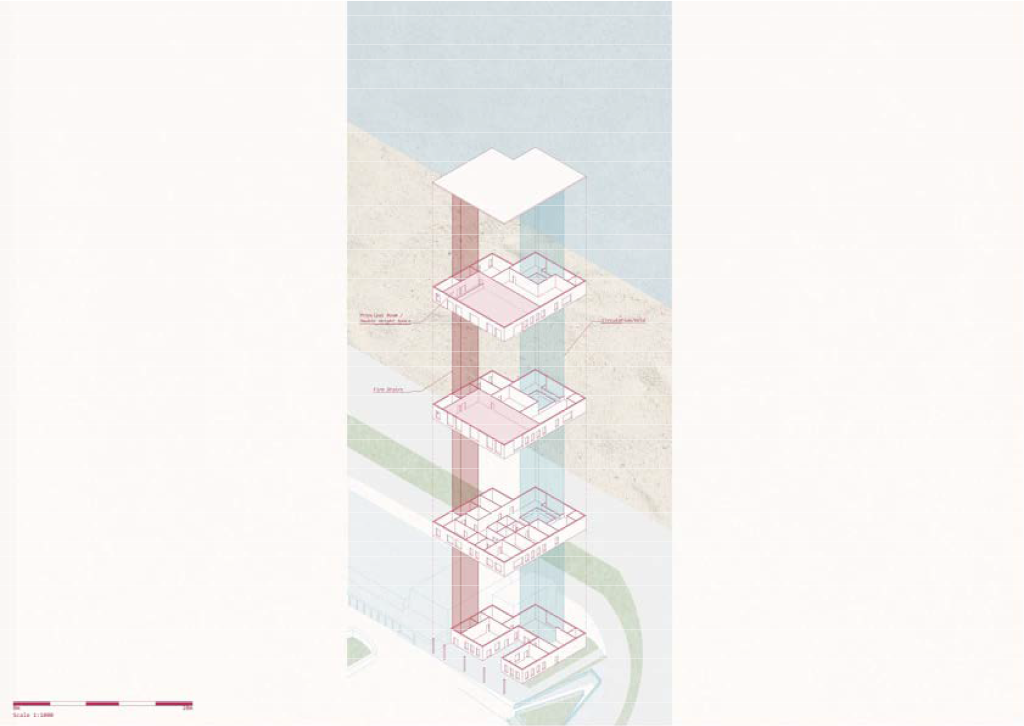
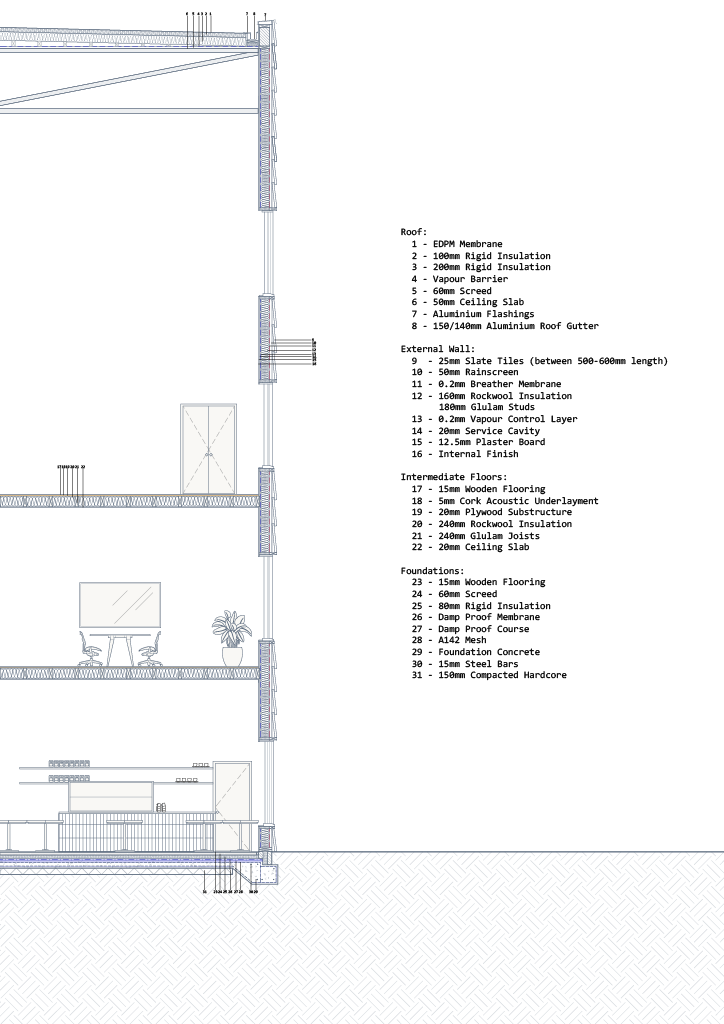
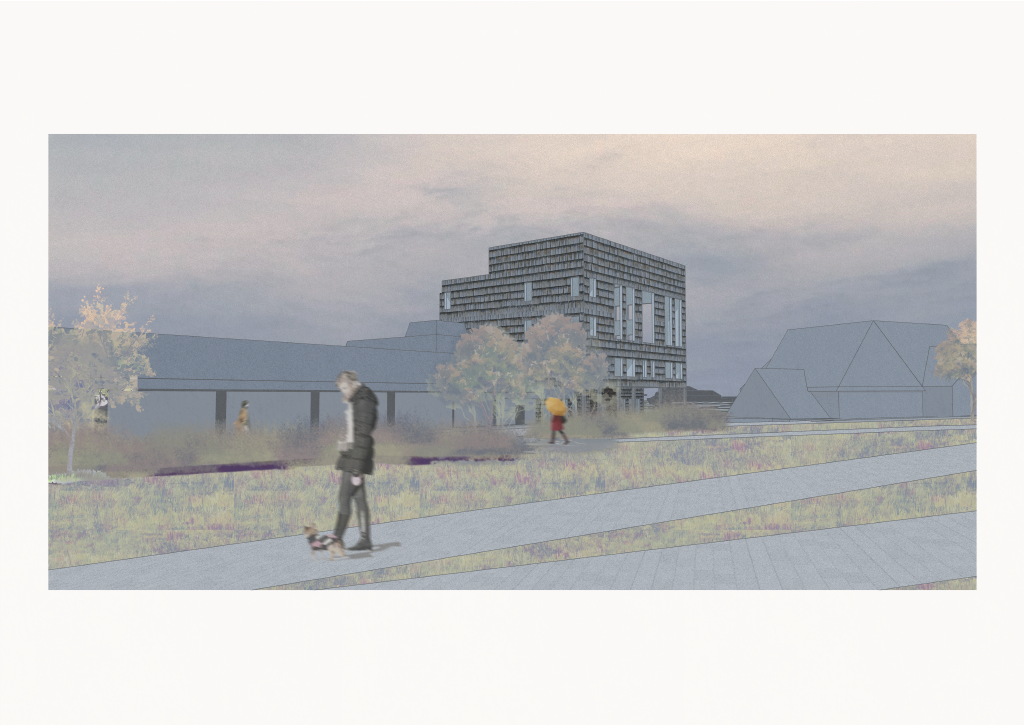
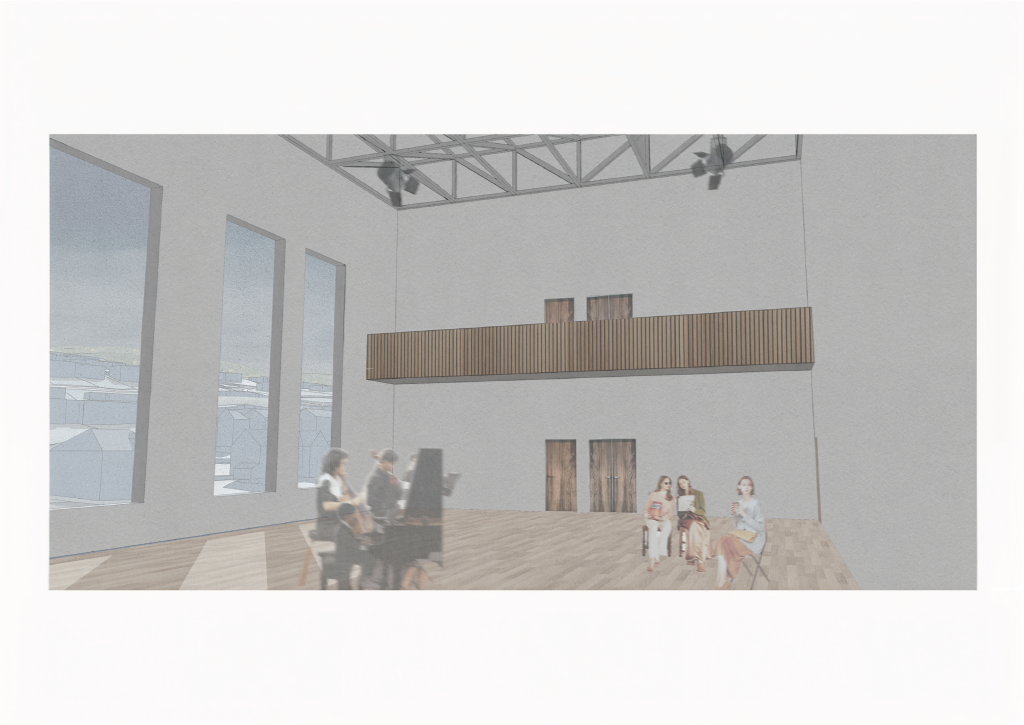
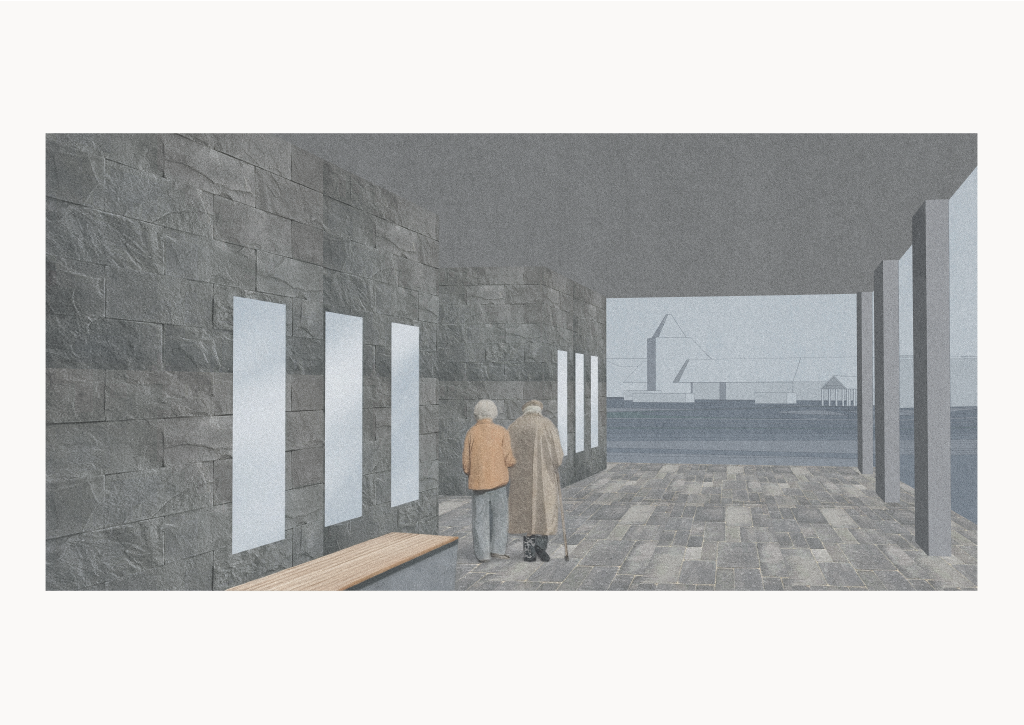
Set in Fort William, this project stages a civic dialogue between a town cradled between Cow Hill and Loch Linnhe. Rather than retreating from the mountain’s mass or the loch’s exposure, the building engages in a sectional drama – stepping down the slope and carving into it – so that moving through the building becomes a microcosm of climbing the hill itself. The design choreographs arrival as ritual: three distinct routes from the train station, High Street, and A82 each offer different narratives of compression, framed views, and shifting light before culminating in a central atrium. A rainscreen slate cladding system responds directly to prevailing southwesterly winds, while the sun path diagram dictates a southeast-facing public facade. Internally, constructed light differentiates the collective gathering spaces from more private functions, ensuring that every surface, gap, and material choice becomes an acoustic and phenomenological decision – an architecture that begins long before the visible and ends long after the echo fades.