Euan Sweeten
Thresholds Of Arrival
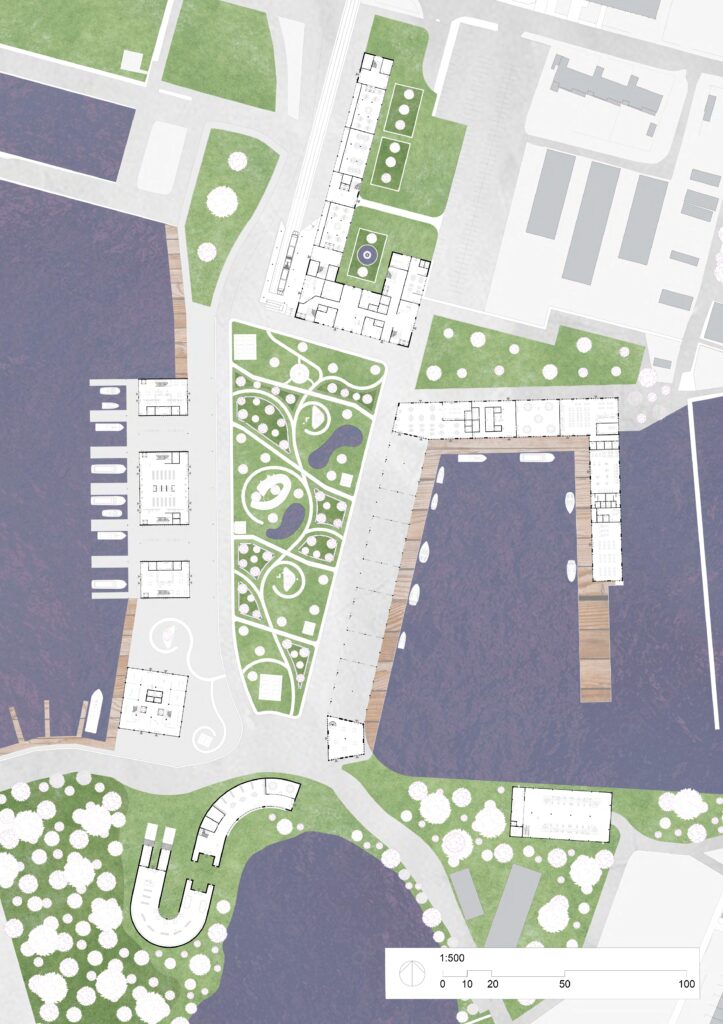
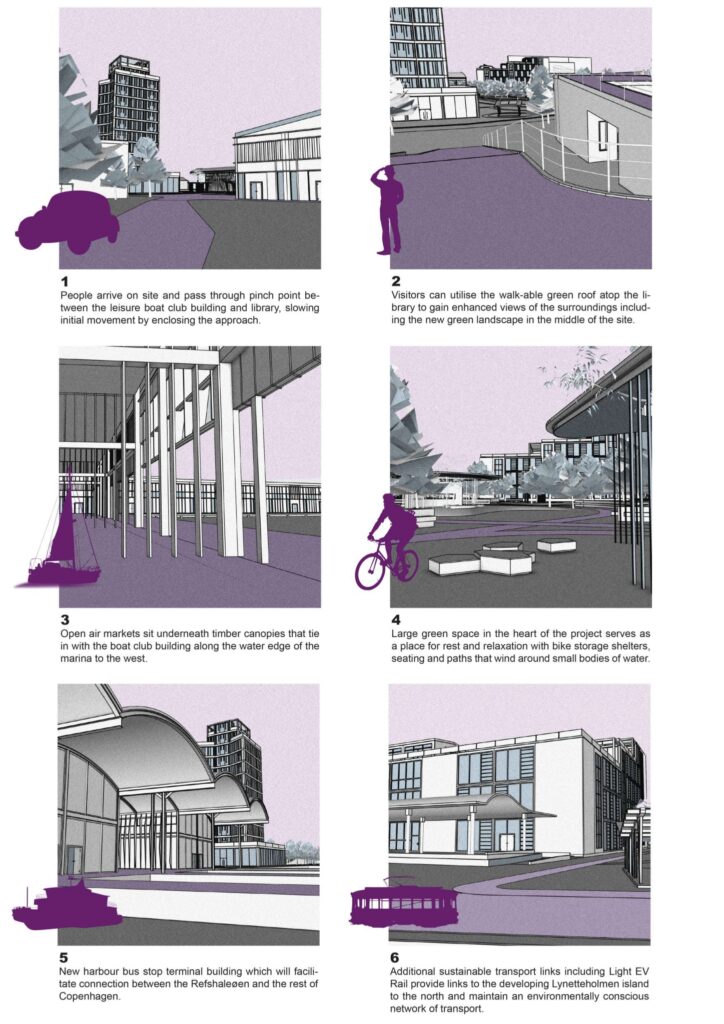
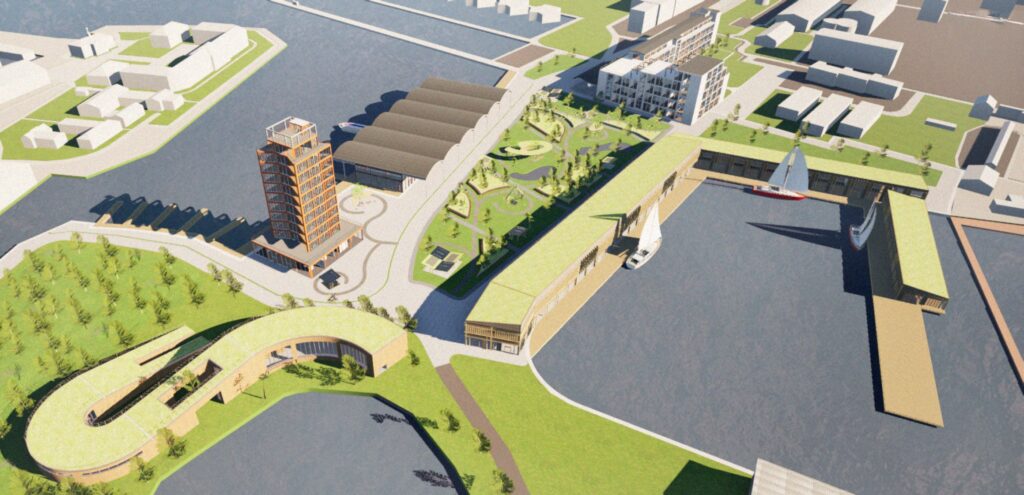
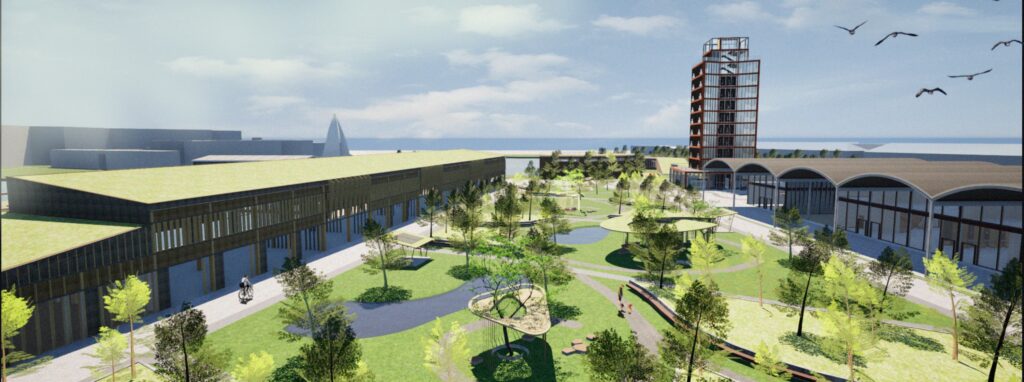
This thesis investigates how architecture can choreograph the experience of arriving on Copenhagen’s waterfront through the design of a new cultural transport interchange in Margretheholm. Positioned between the city, traditional naval infrastructure, Holmen’s creative districts and the rapidly expanding urban development of Lynetteholmen Island to the North. The site becomes a strategic point of transition and connection, both geographically and culturally. The project explores how a multimodal transport network can operate not only as transportation infrastructure but also as a civic space that promotes movement, encourages pause and embeds cultural identity into the act of arrival.
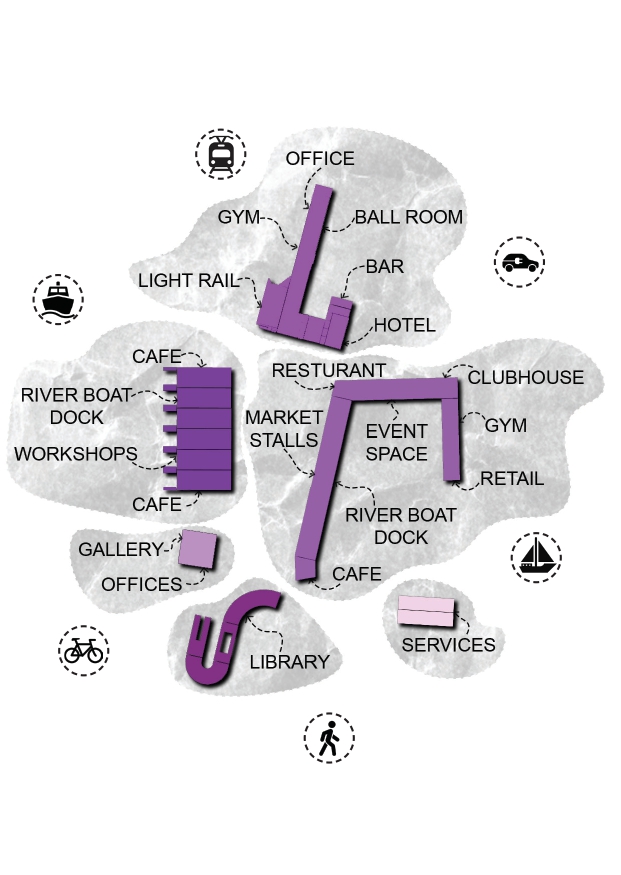
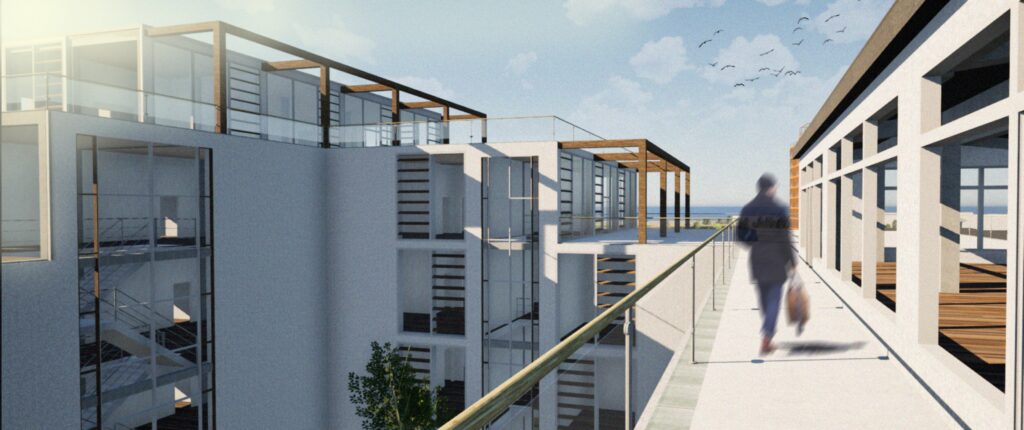
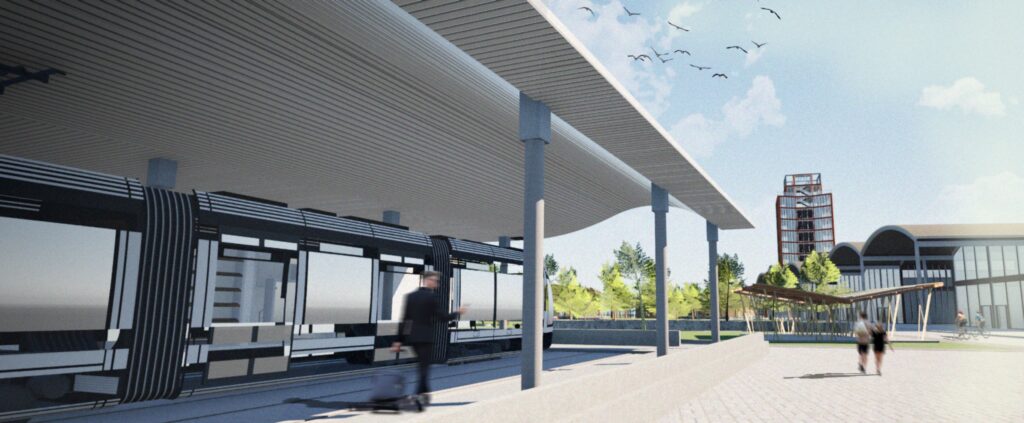
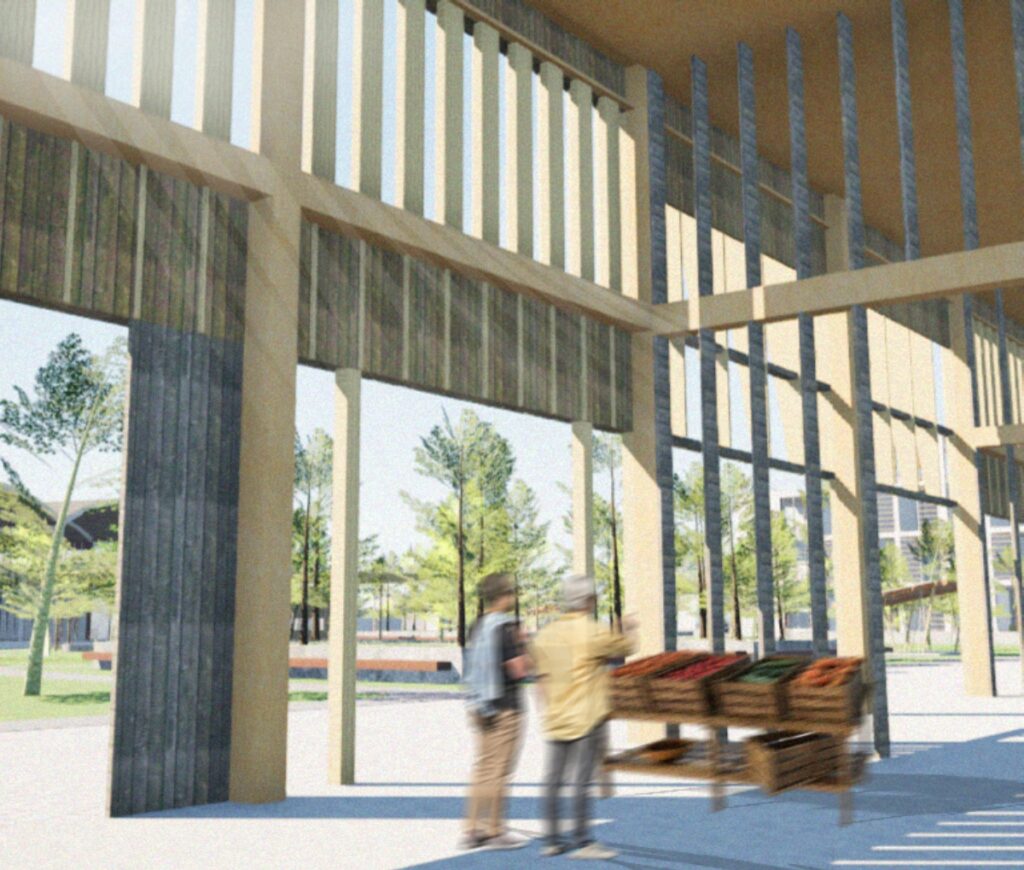
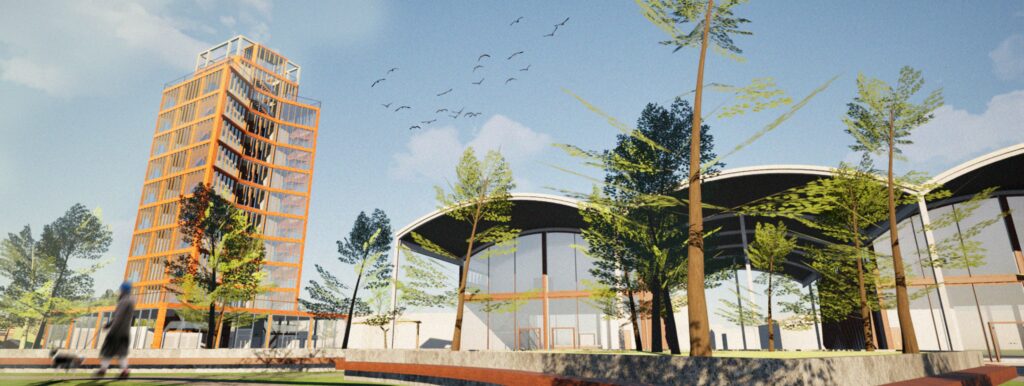
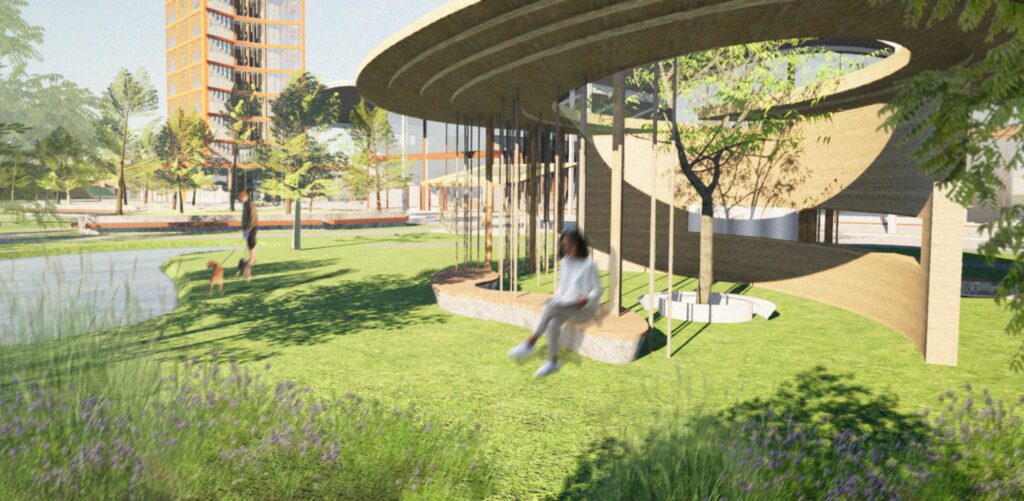
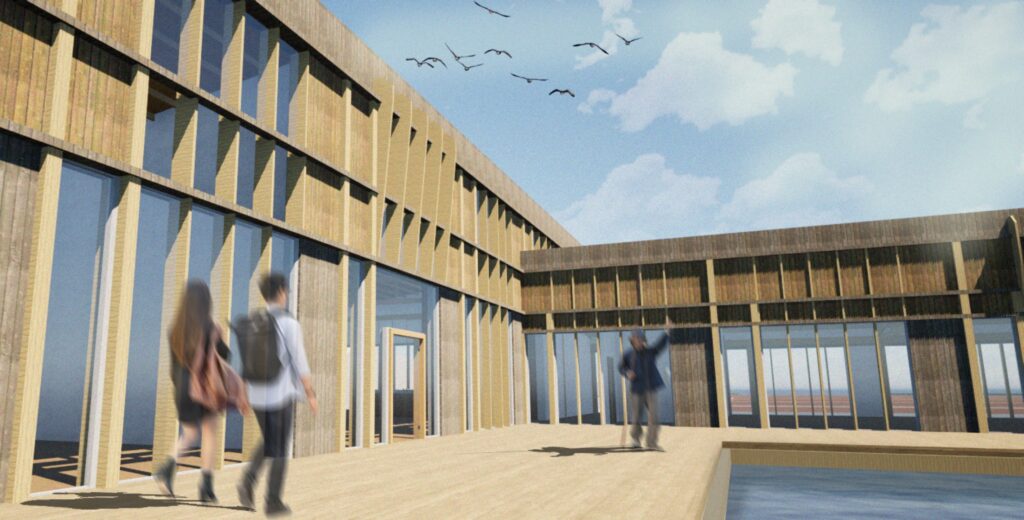
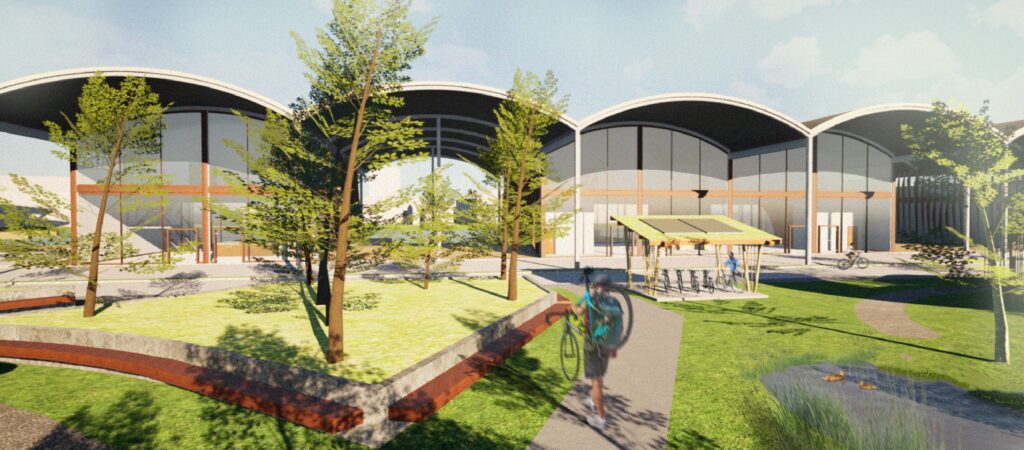
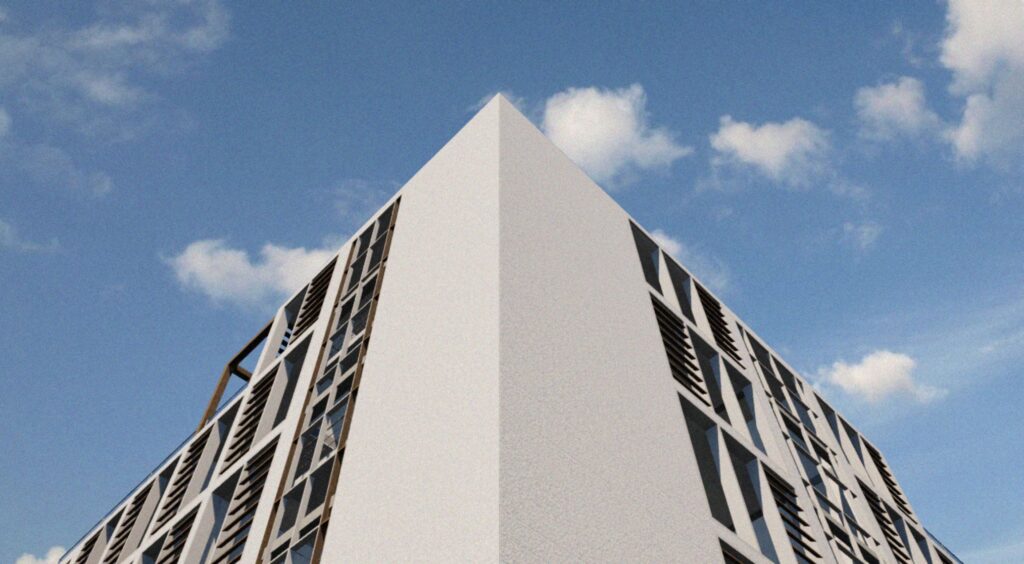
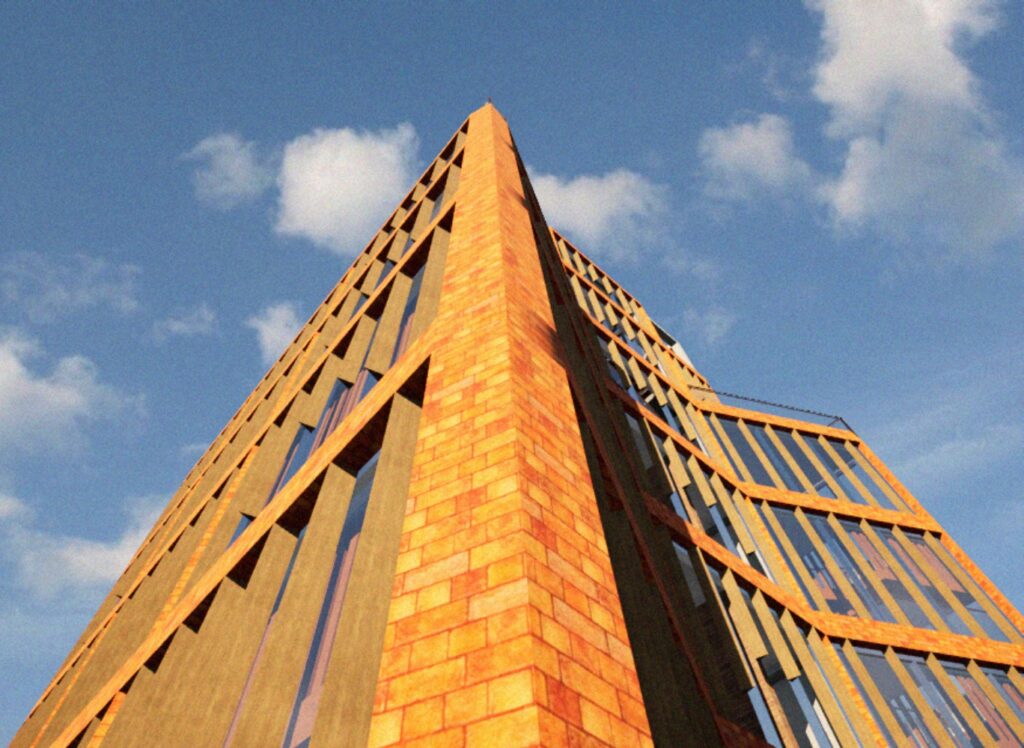
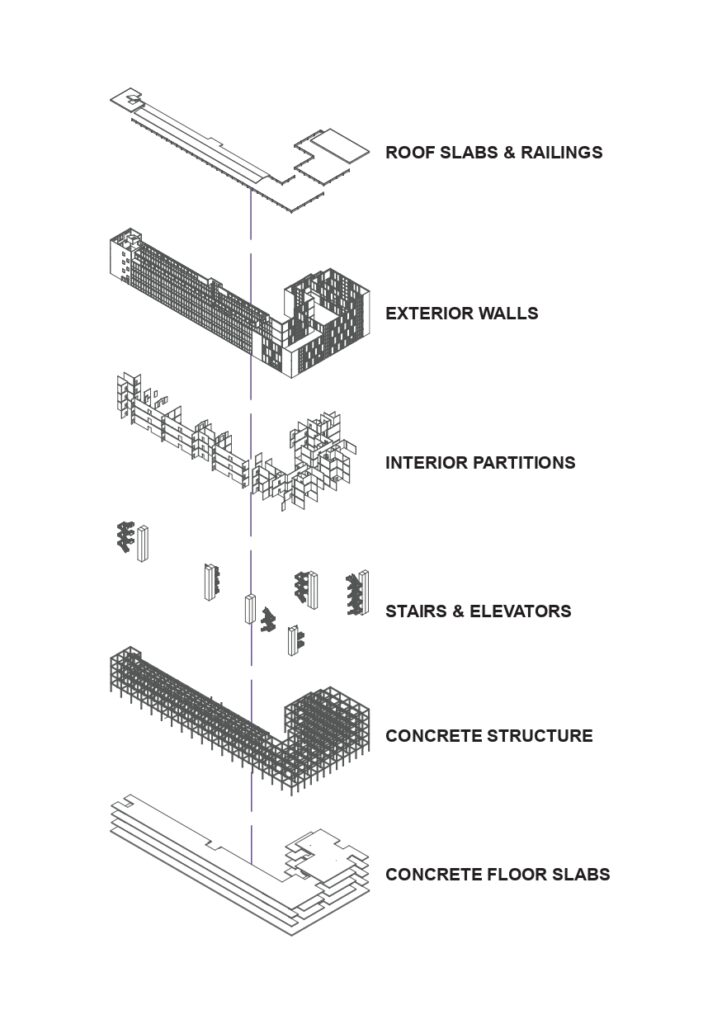
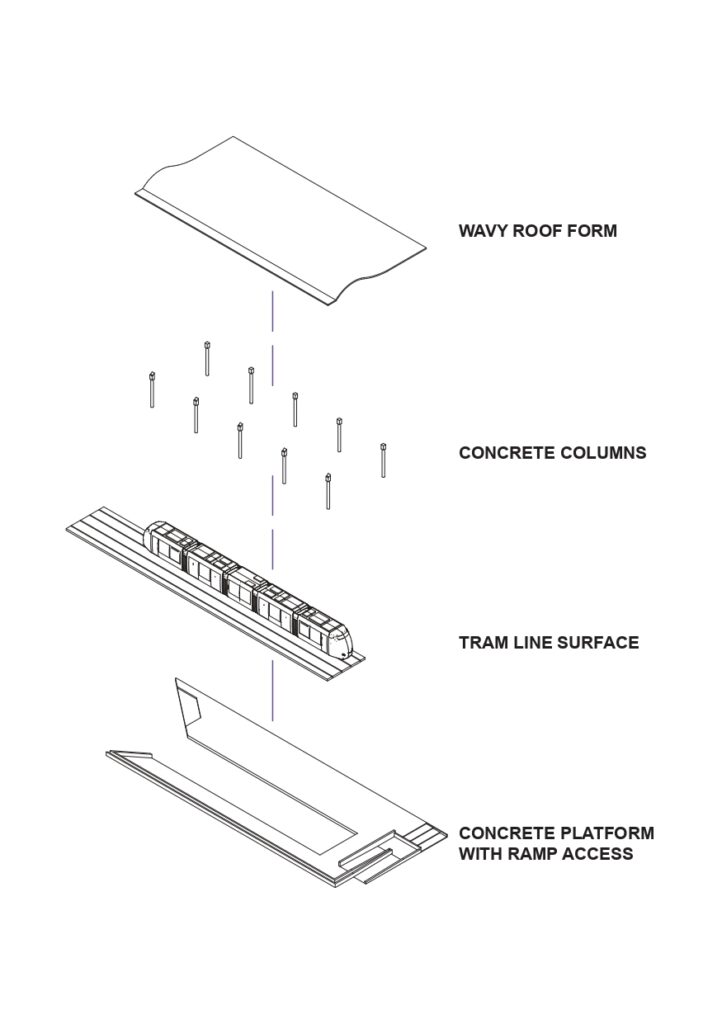
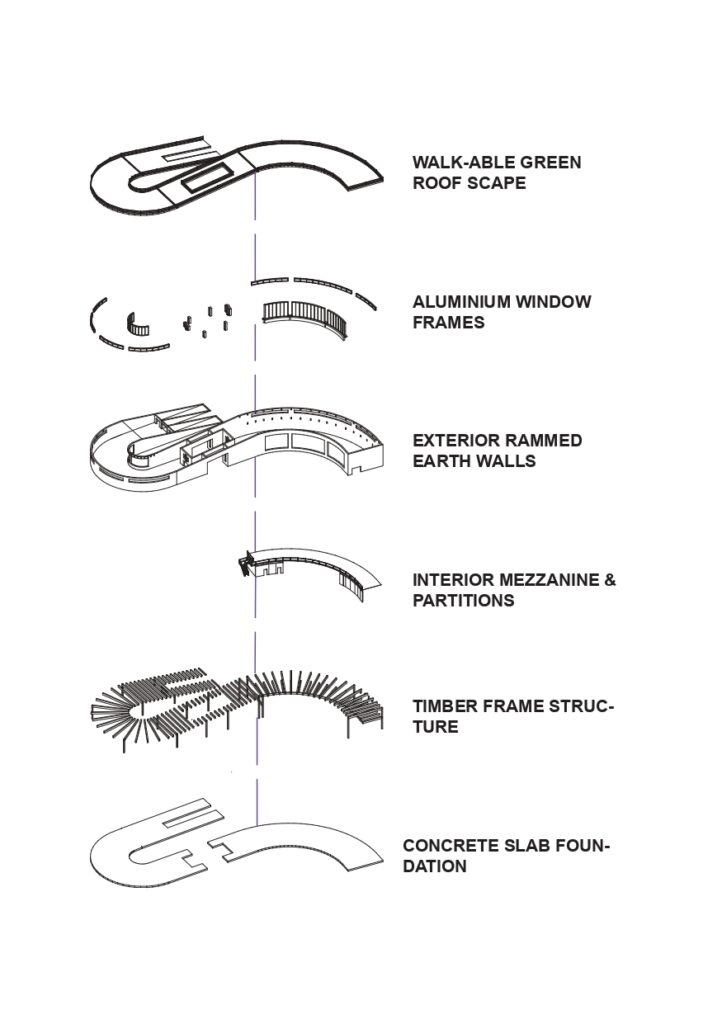
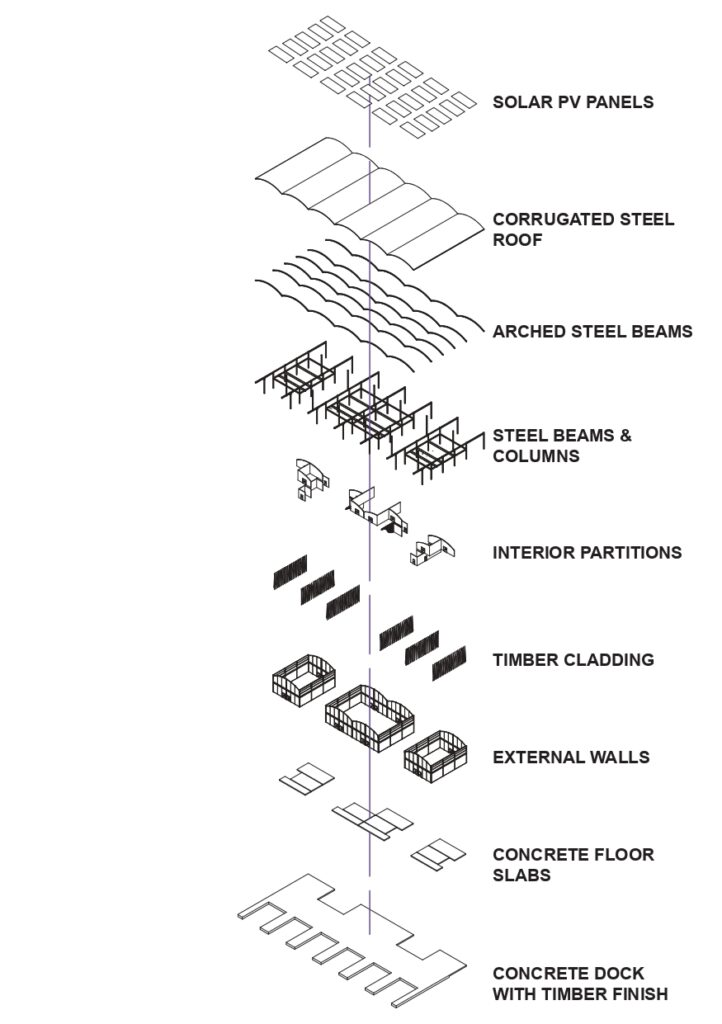
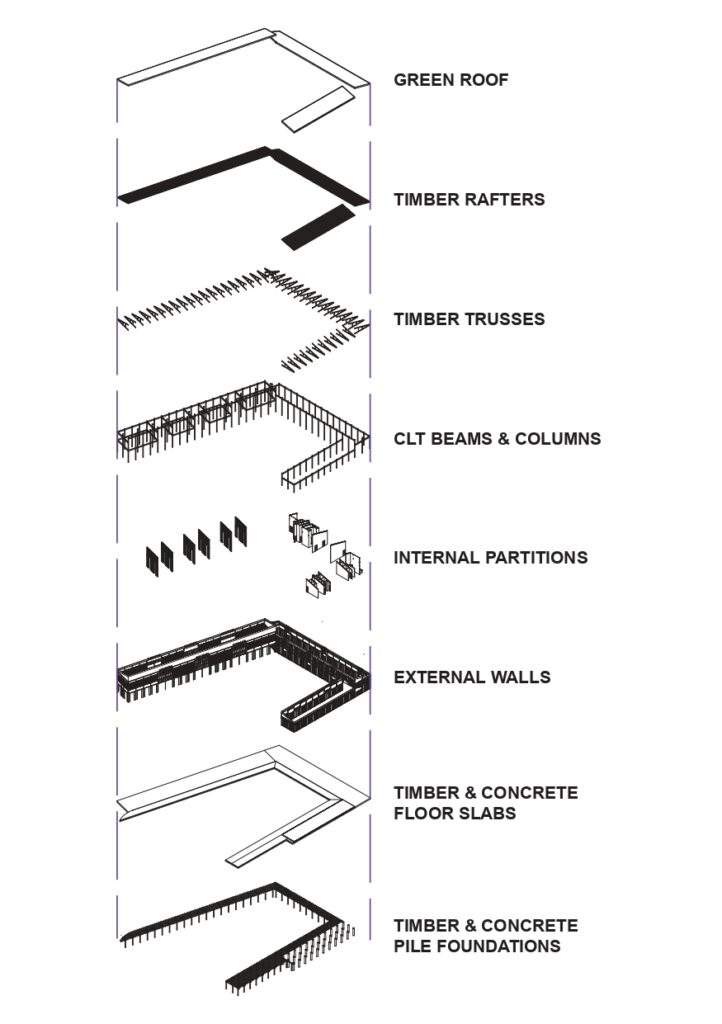
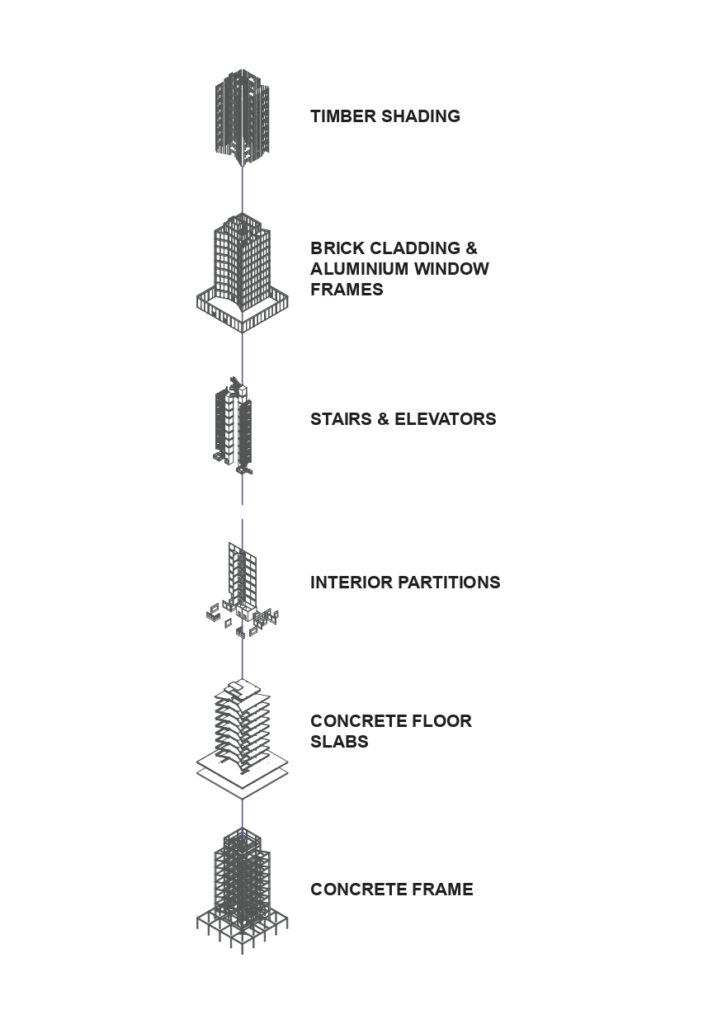
Central to the proposal is the integration of slow transport networks. The interchange accommodates public river boats, leisure vessels, EV light rail, cycling infrastructure, and EV car charging stations, establishing a layered mobility system that supports sustainable and human orientated movement across land and water. Slow transport modes in particular, walking and cycling are prioritised to enhance the experiential quality of arrival and encourage longer engagement with the waterfront. Rather than a singular monolithic structure, the interchange is conceived as a constellation of smaller interconnected buildings. Each of these has been dedicated to a specific transport mode. This distributed approach increases permeability and creates a diverse sequence of spatial conditions across the site.
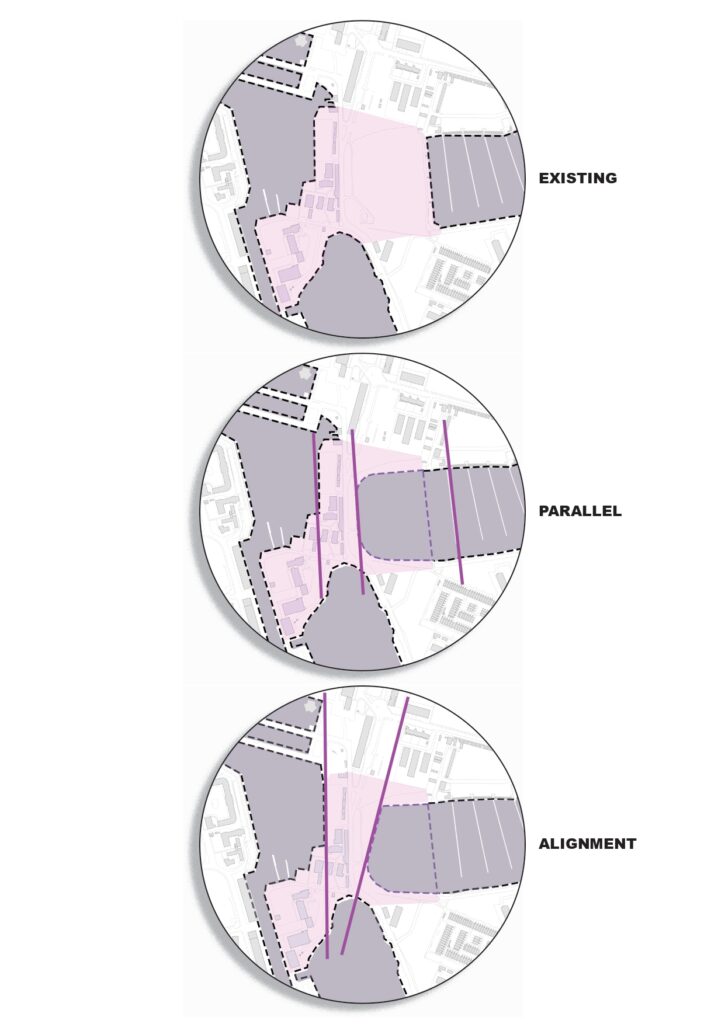
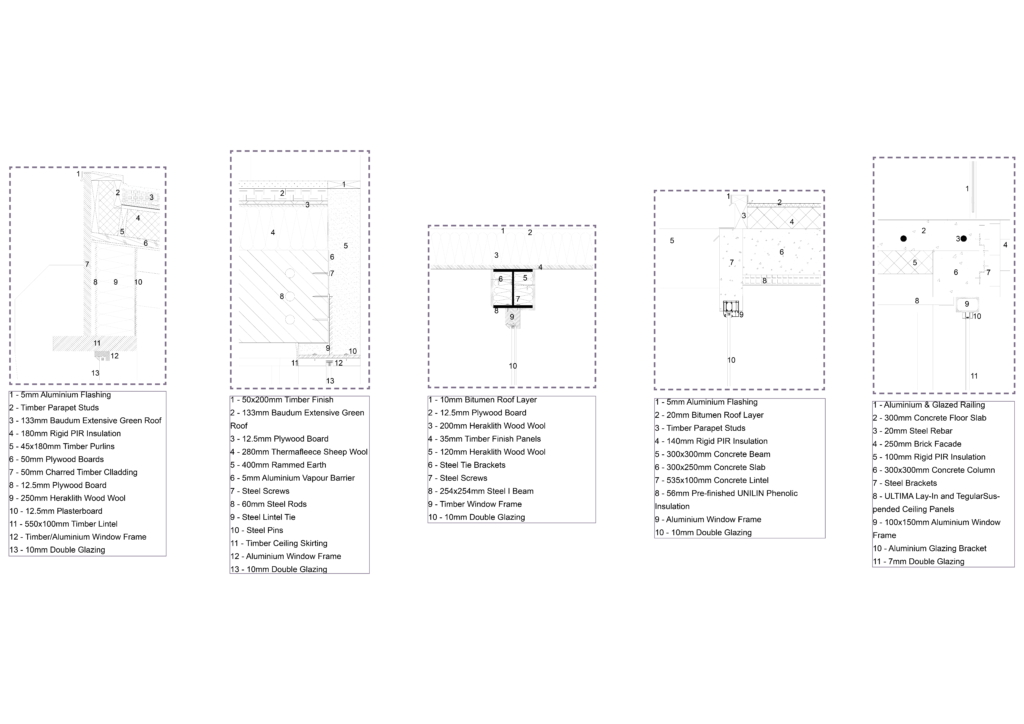
The study examines the challenges of designing for multiple forms of transition and threshold including: land to water, industry to culture, and community to city. It investigates how spatial sequencing and material expression can shape meaningful and legible journeys. The thesis develops a design methodology that combines experiential architecture with performance-driven technical resolutions through iterative research, environmental analysis and precedent studies.
An ethical framework underpins the investigation by emphasising social inclusion, environmental responsibility and equitable access to public space. The project responds to contemporary challenges in Copenhagen which faces ever increasing threats from rising sea levels and the need for sustainable transport systems. Ultimately, the thesis proposes an architectural model that connects people, places, and practices by transforming a maritime threshold into a culturally active, environmentally conscious, and accessible gateway to the rest of the city.