Iris Tudor
GSA Widening Participation Pupil’s Choice Award 2026
My work is rooted in an interest in the relationship between people, place, and the built environment. I am inspired by existing buildings, urban conditions, and the ways communities shape and adapt spaces over time.
Bridging the Divide / making two ends meet
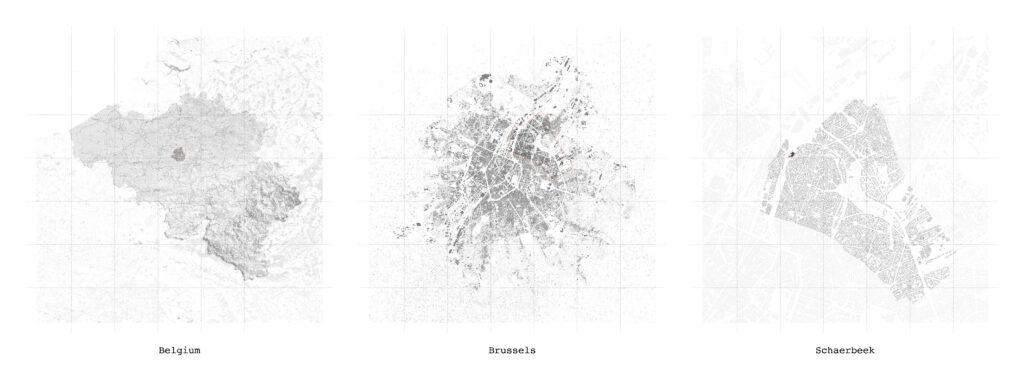
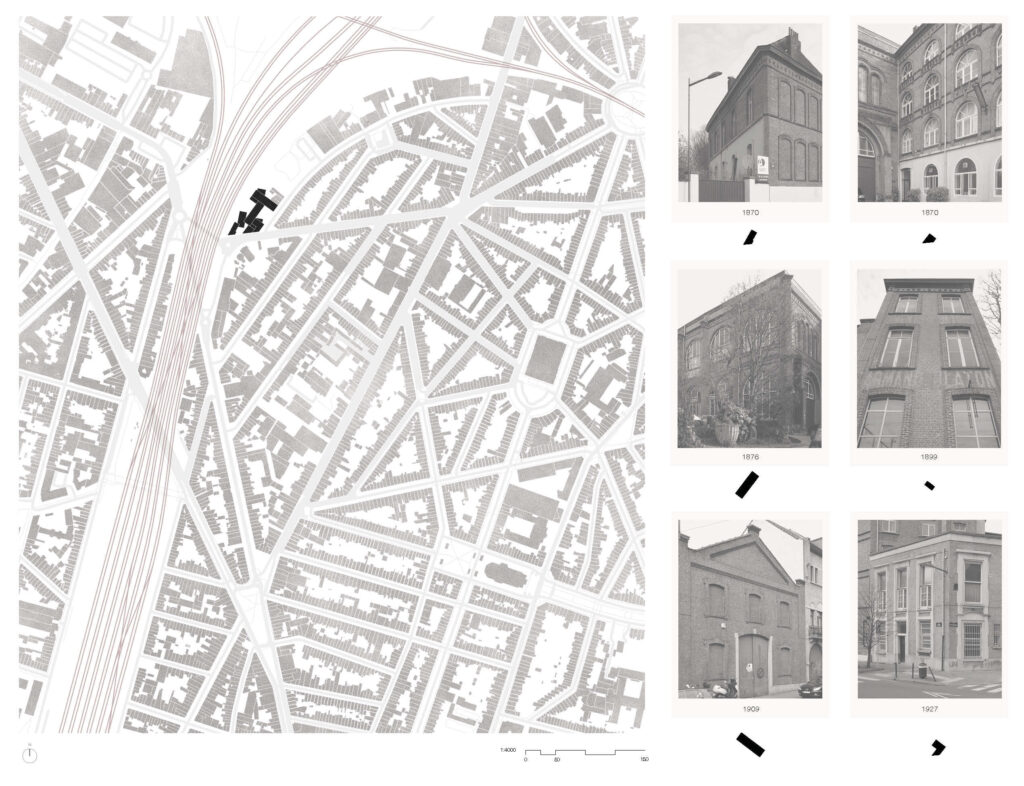
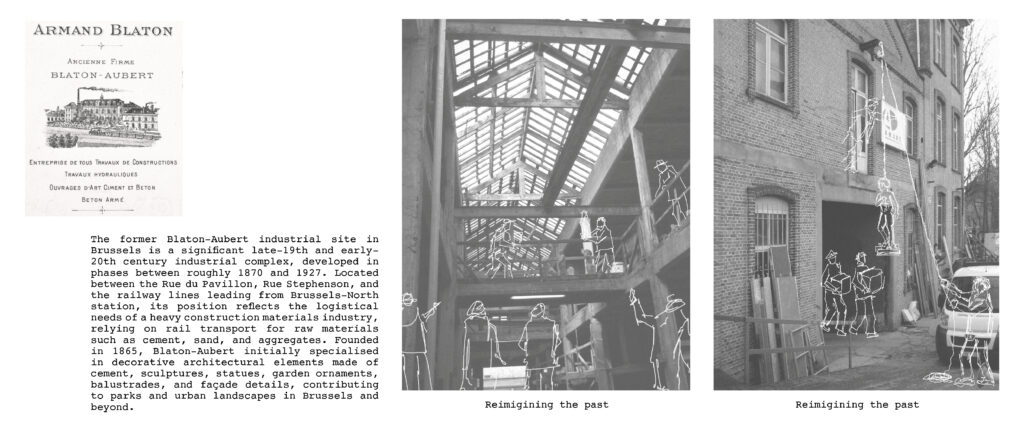
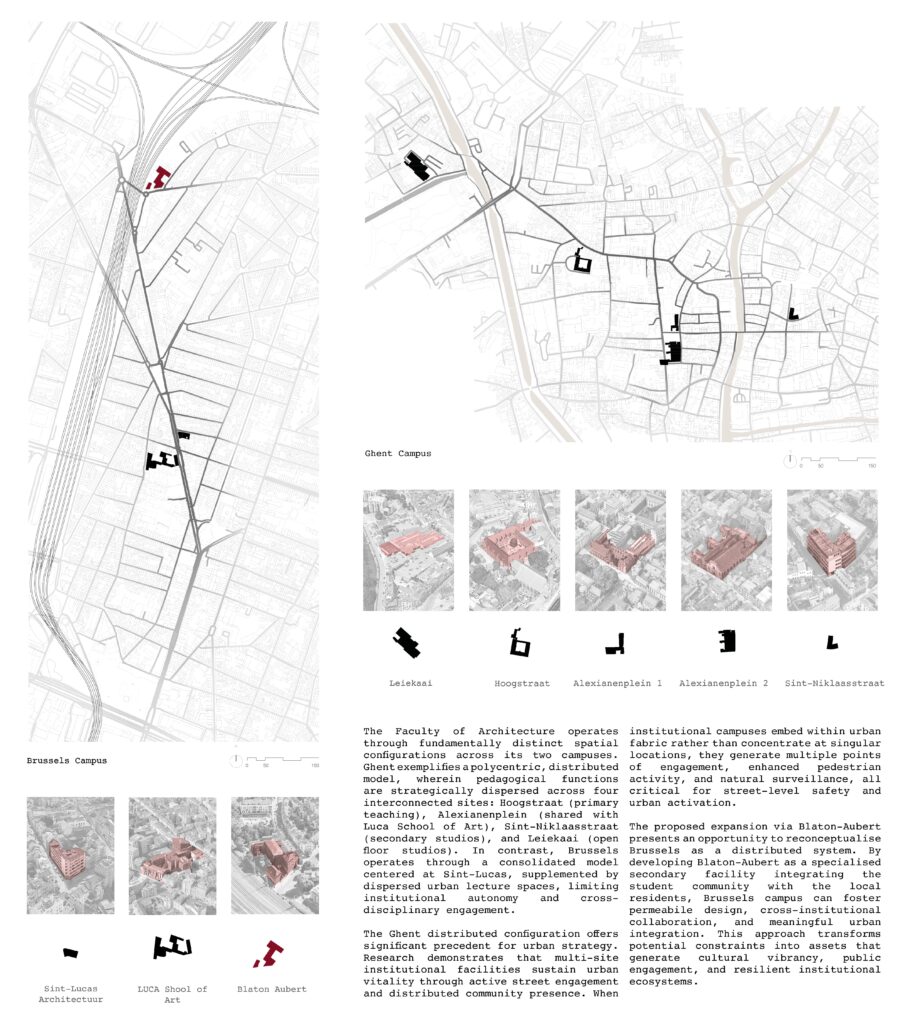
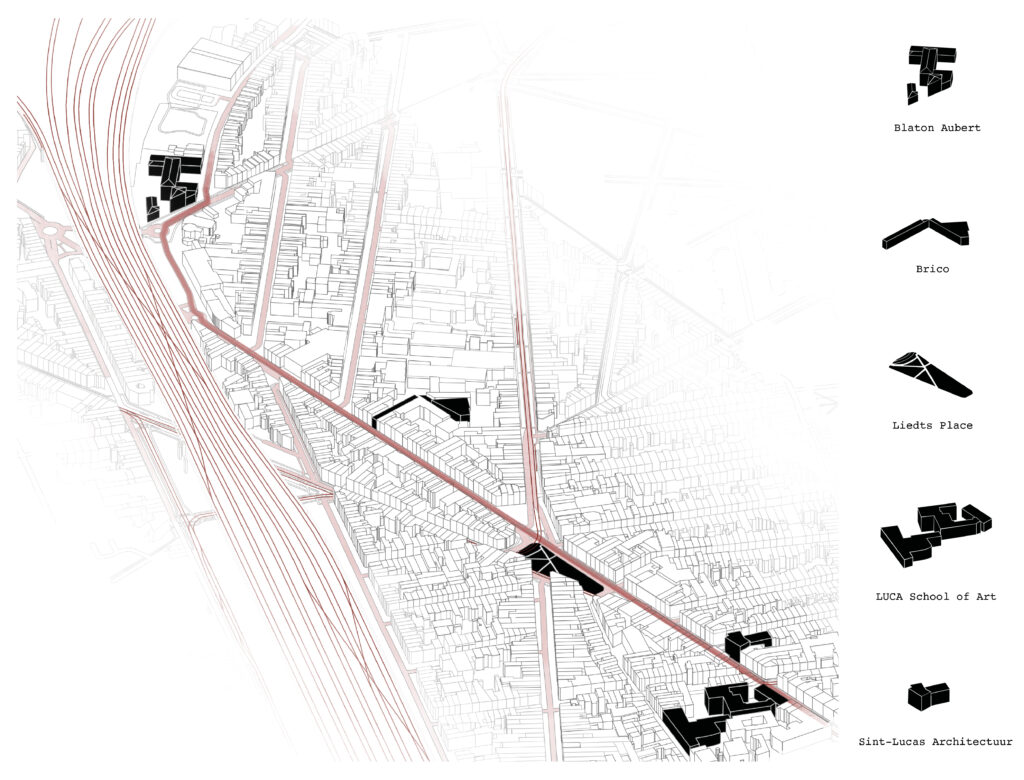
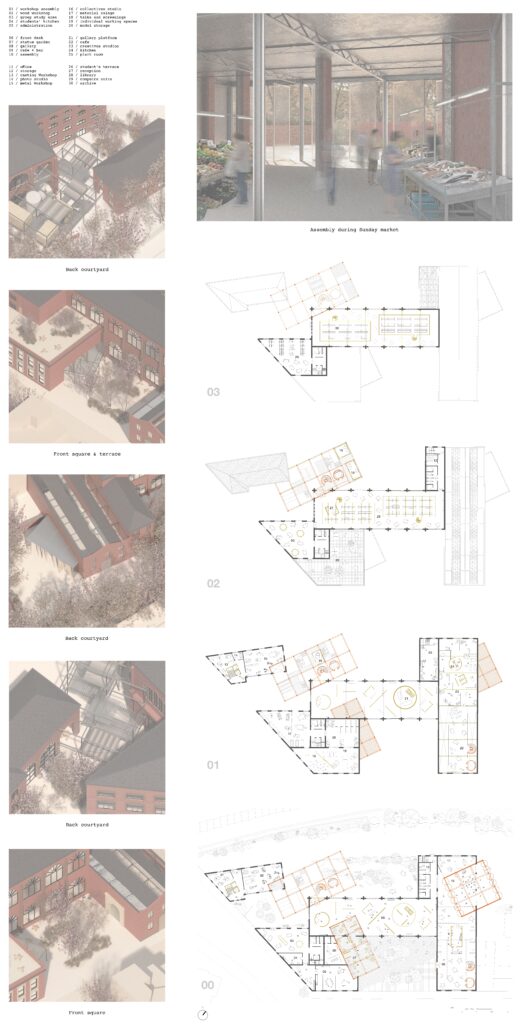
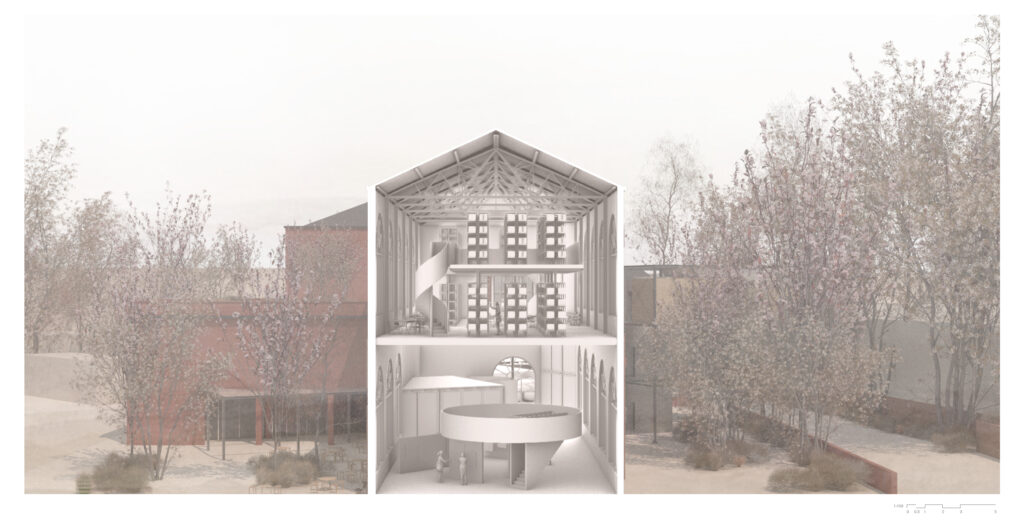
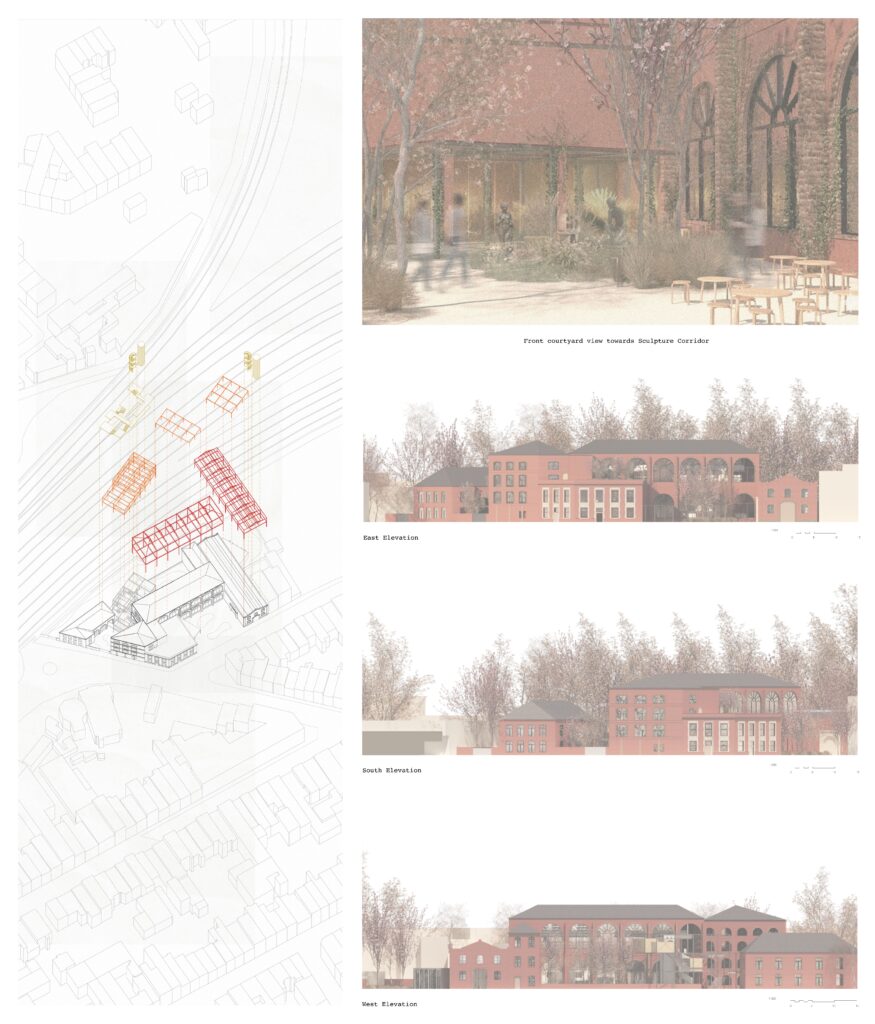
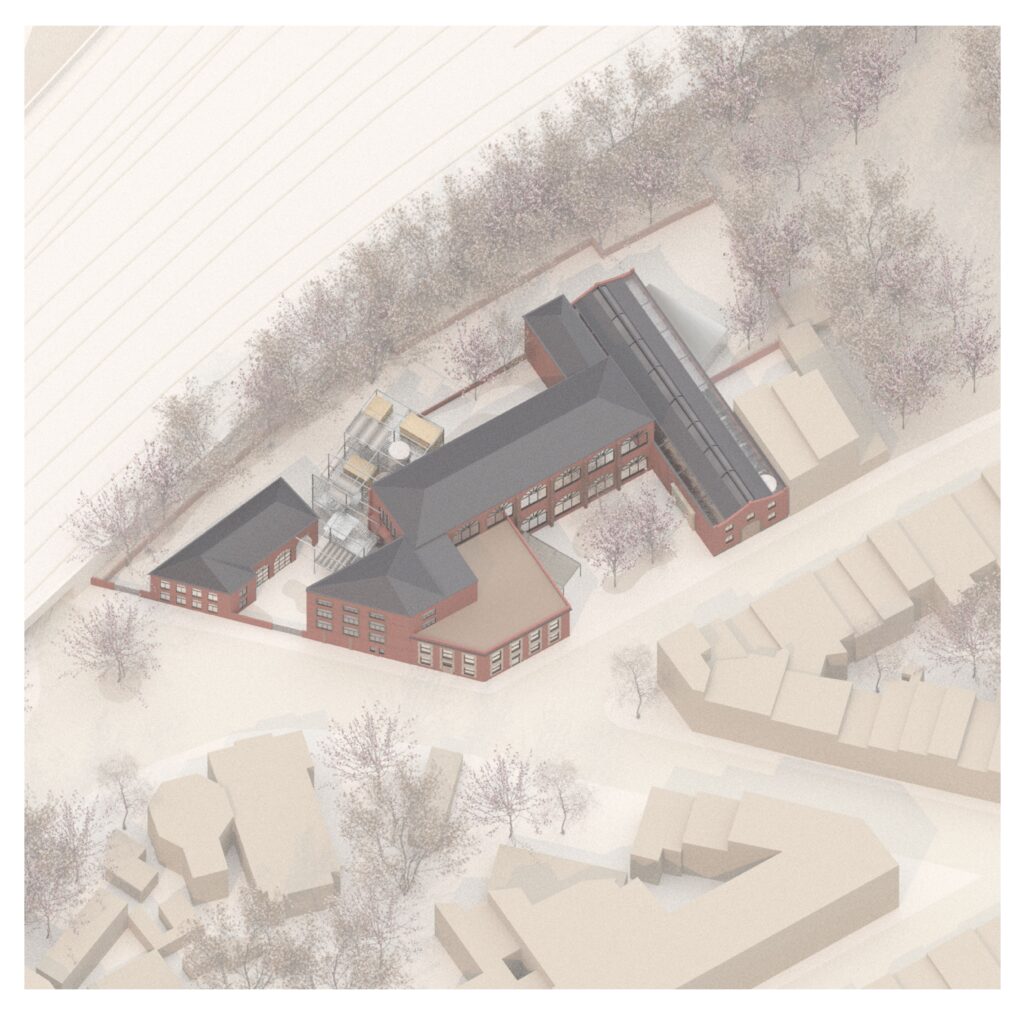
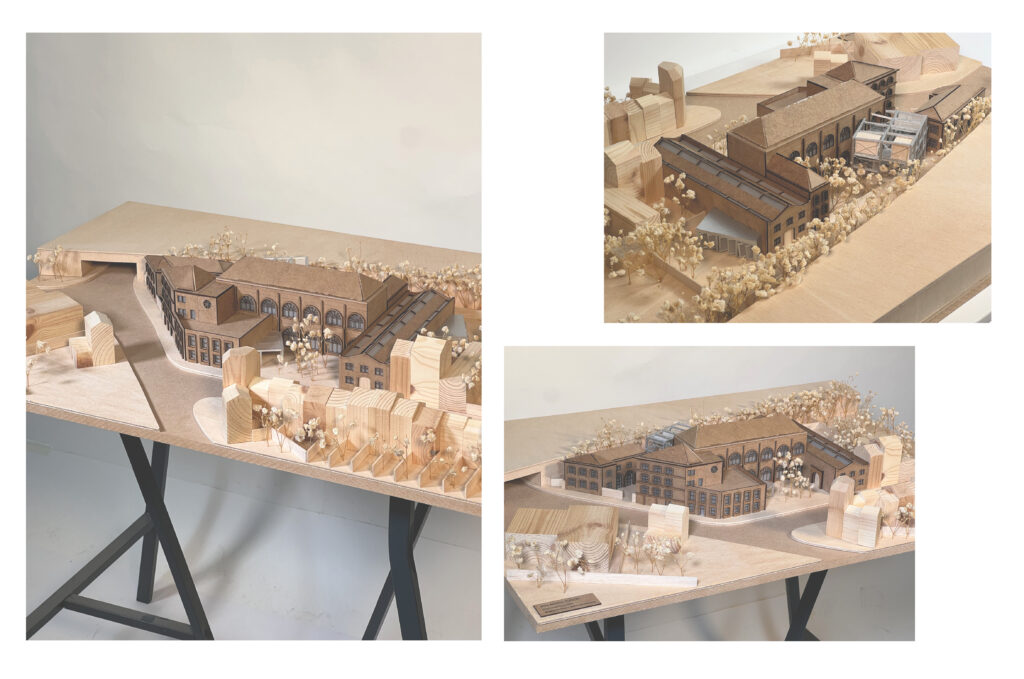
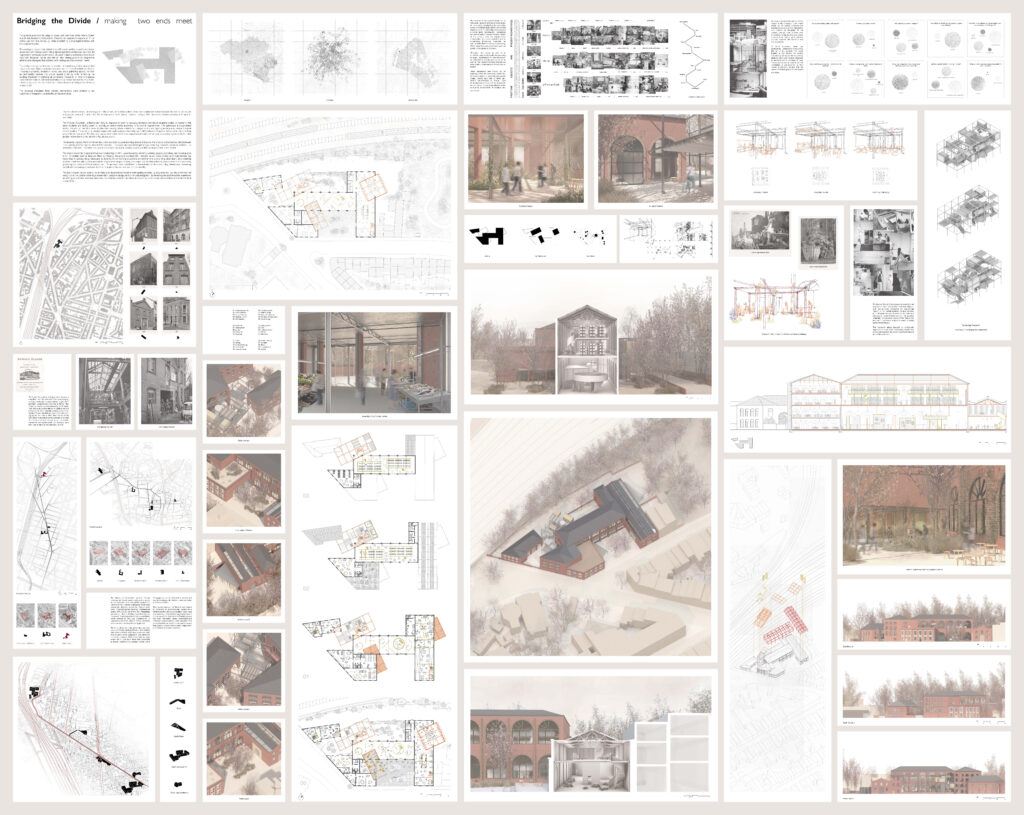
This Final Design Thesis investigates how architecture can act as a mediating infrastructure within conditions of urban fragmentation, institutional pressure, and post-industrial transition in Brussels. Focusing on the adaptive reuse of the former Blaton Aubert warehouses in Schaerbeek, the project proposes an extension of the Sint-Lucas Faculty of Architecture that simultaneously engages with the surrounding residential neighbourhood. It is positioned within a context marked by spatial shortage within the university, socio-spatial inequality in the city, and the increasing separation between academic institutions and their urban environments.
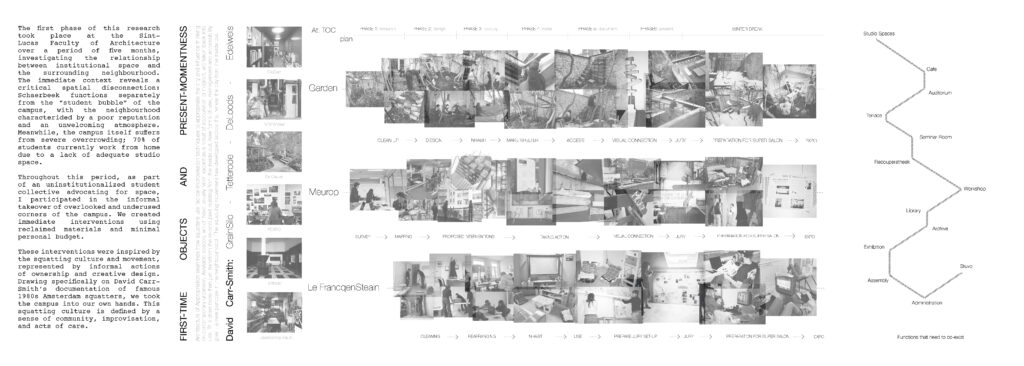
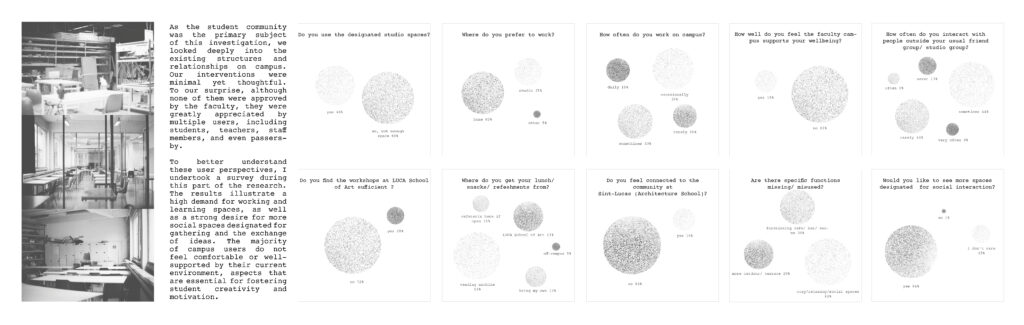
The thesis examines how the campus can be reconfigured as a distributed and porous system, where learning and social life are no longer confined to isolated academic interiors but extended into shared urban space. Through research conducted over five months at Sint-Lucas, including spatial surveys, informal occupations, and student-led interventions, the project identifies a lack of studio space, informal environments, and accessible social infrastructure as key limitations of the existing campus. These findings inform a design strategy that prioritises adaptability, permeability, and collective use.
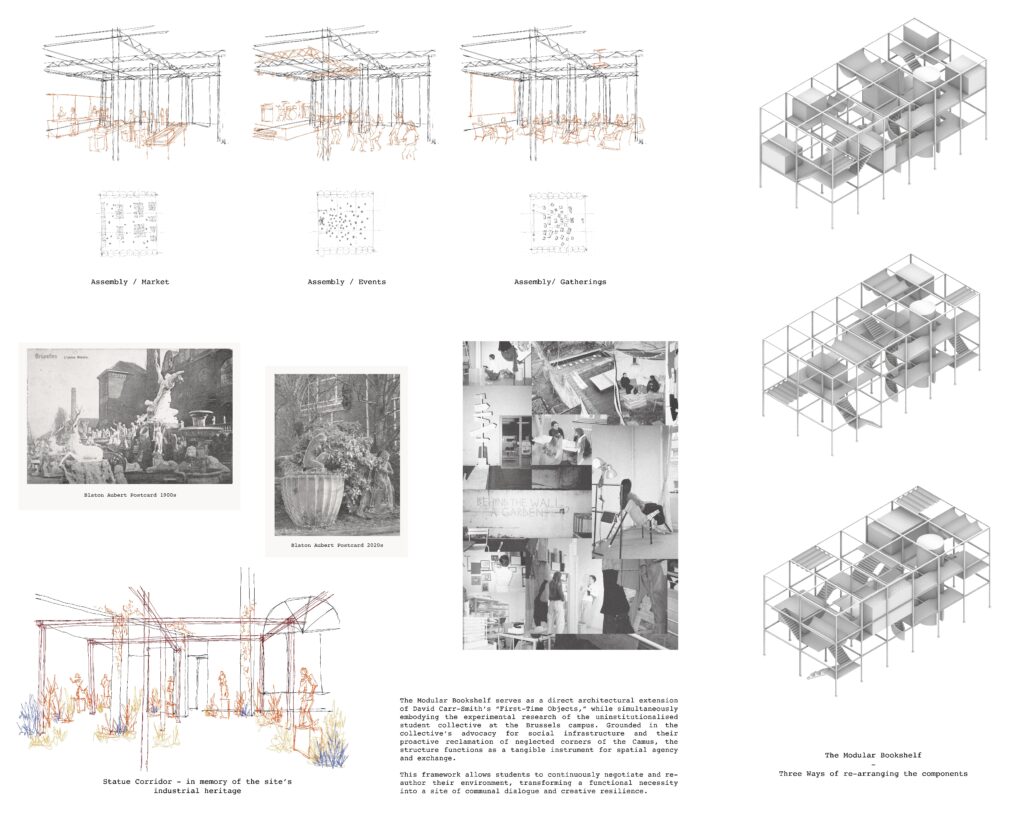
The methodological framework combines spatial ethnography with critical spatial practice, drawing on theories of urban commons, mixed communities, and ethical urbanism. Informal interventions at Le Francq and references to precedents such as WTC Tower Teaching and student-led initiatives demonstrate how spatial appropriation can reveal latent institutional needs. The ethical position of the thesis aligns with concepts of shared spatial production, care, and collective agency, where architecture is understood as an evolving system rather than a fixed object.
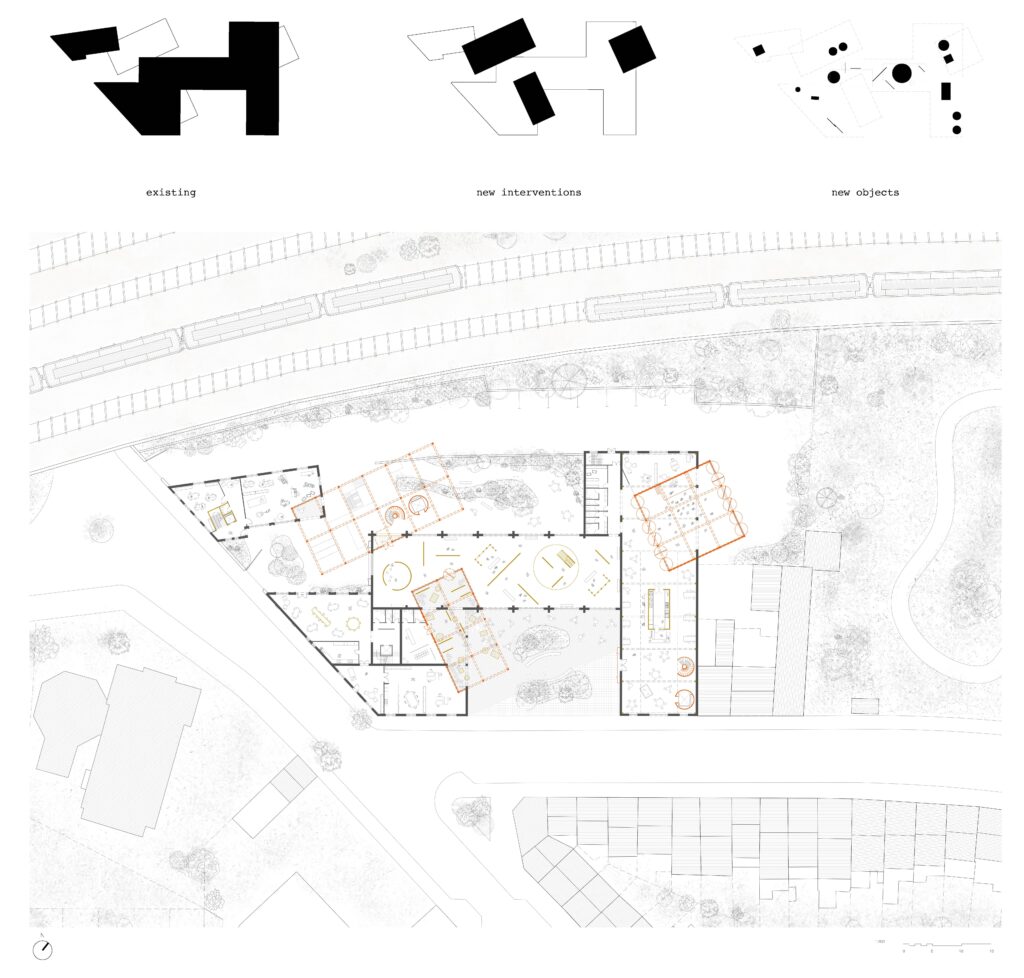
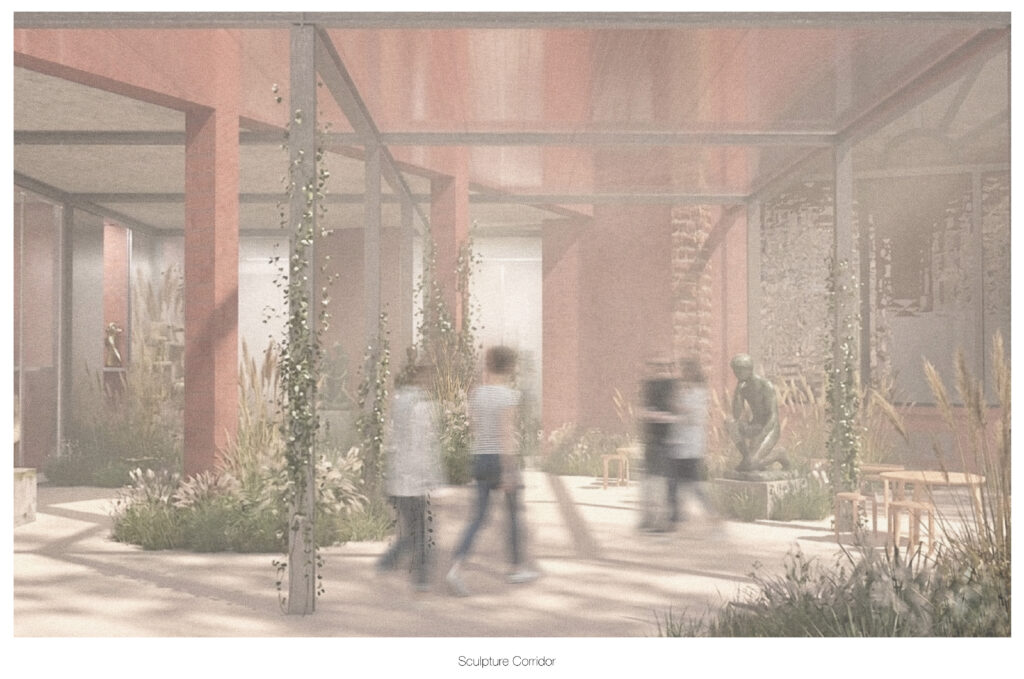
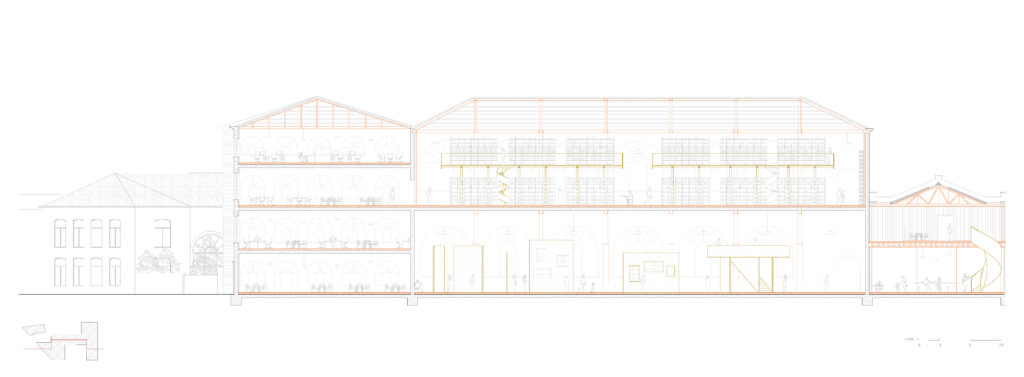
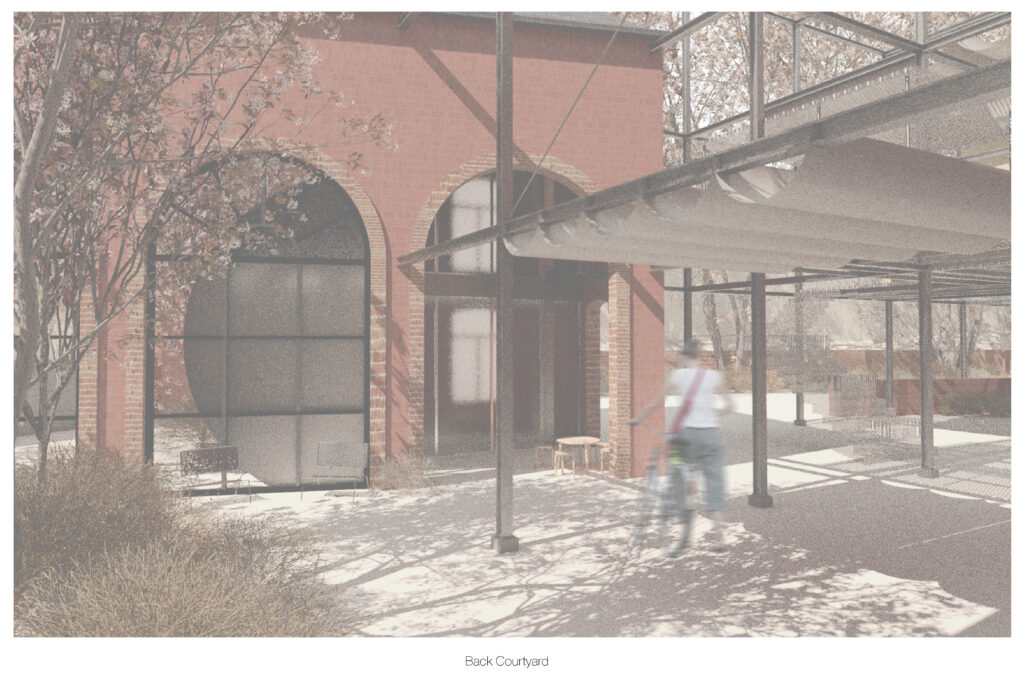
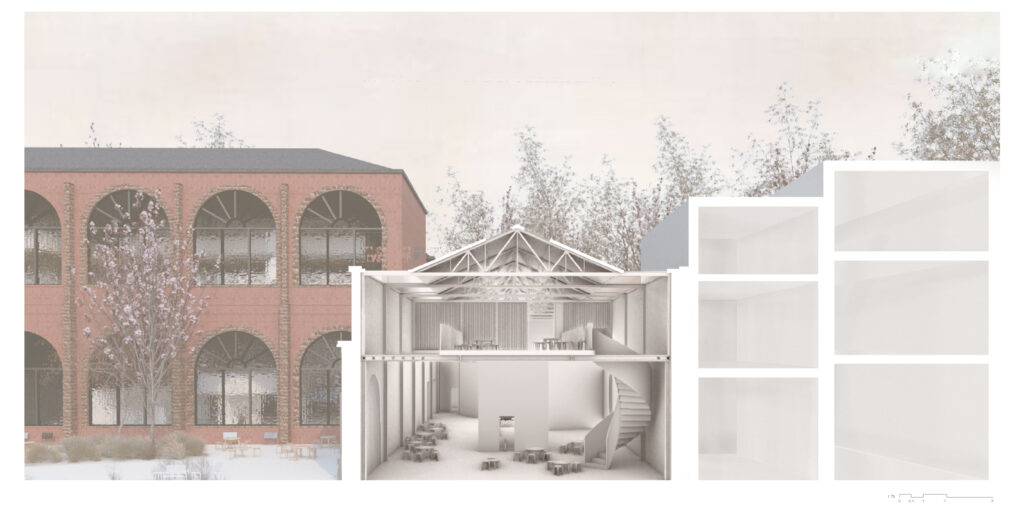
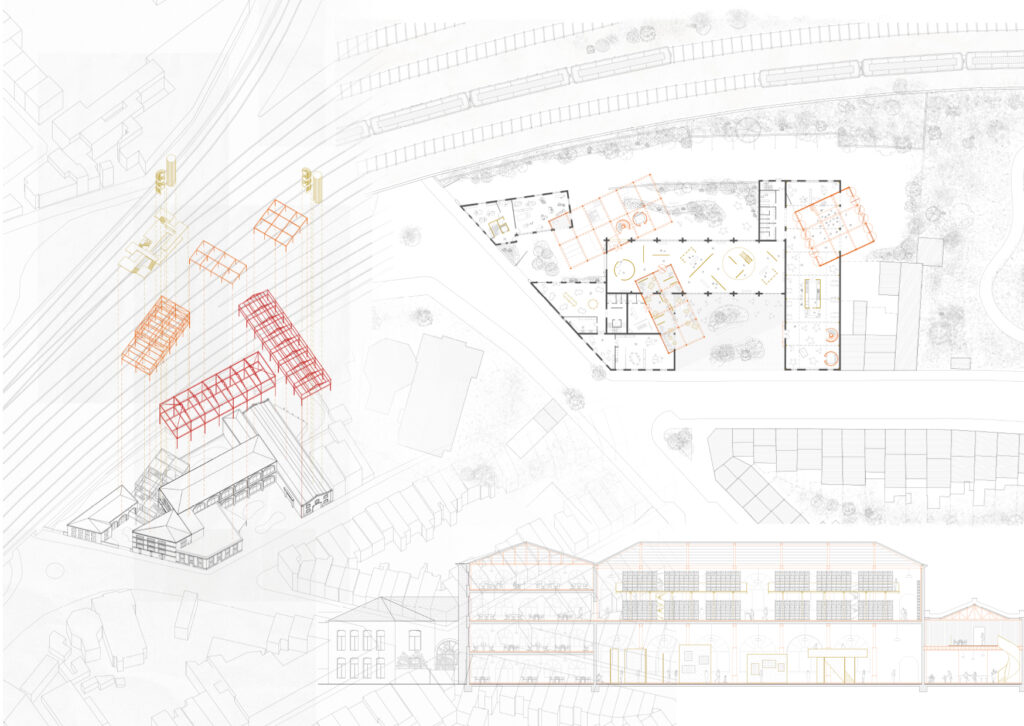
Architecturally, the proposal develops three key interventions within the Blaton Aubert site, structured around threshold conditions that mediate between public and institutional realms. These aim to integrate student life with the local community of Schaerbeek while preserving the industrial character of the site. Ultimately, the thesis argues for an architecture that operates as an urban commons, enabling coexistence, spatial flexibility, and long-term social and material resilience.