Yifei Gao
I am a communication designer currently studying at the Glasgow School of Art. My practice explores memory, emotional traces, and everyday narratives through publications, archives, collected objects, and interactive systems.
By combining thermal paper, illustrations, messages, programming, and found materials, I construct fragmented forms of storytelling that blur the boundary between documentation and personal memory. I am particularly interested in how technology and graphic design can work together to create emotional and archival experiences.
My work often focuses on overlooked moments in daily life and how ordinary records can become evidence of human experience.
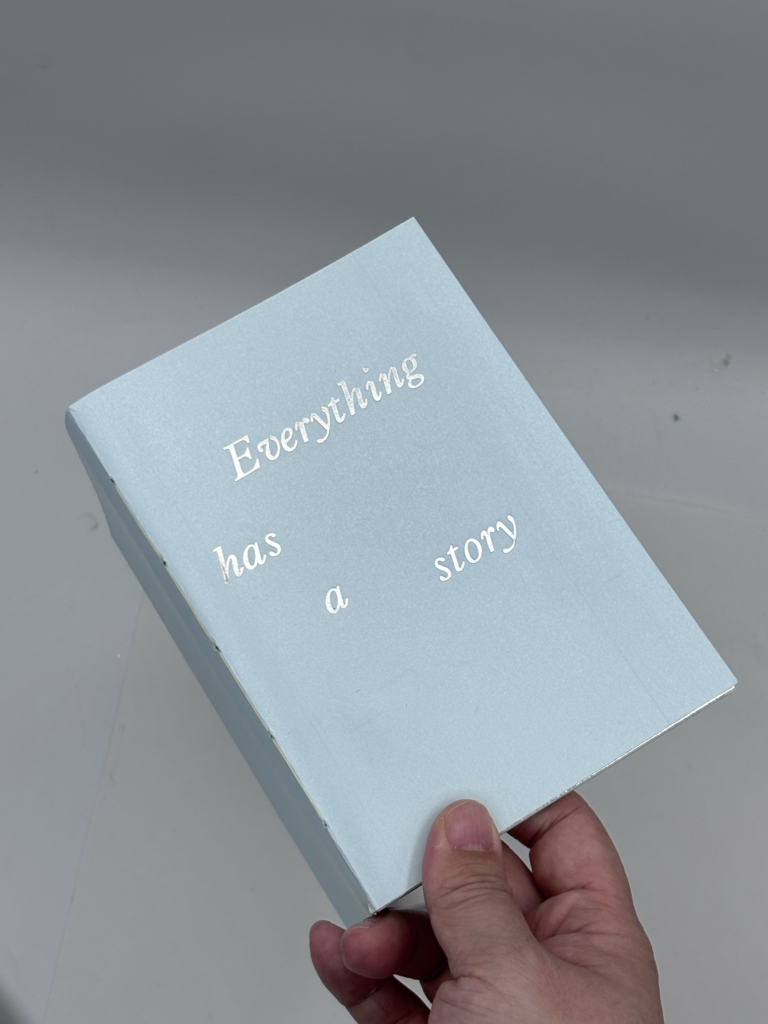
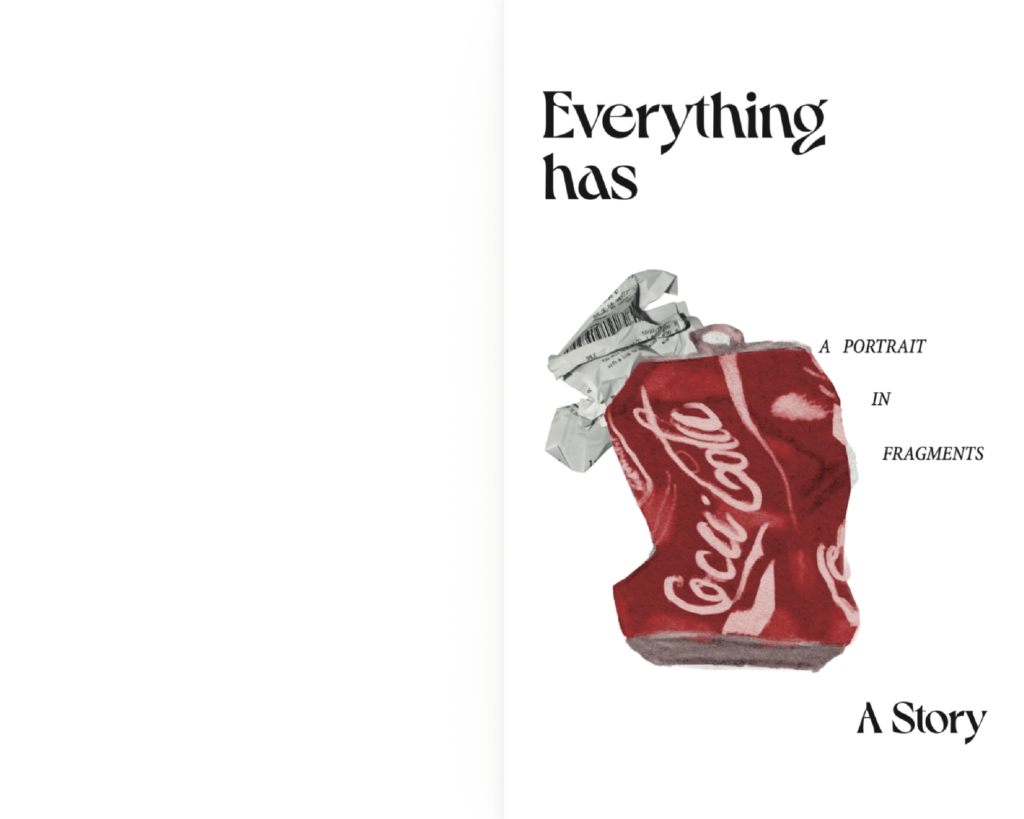
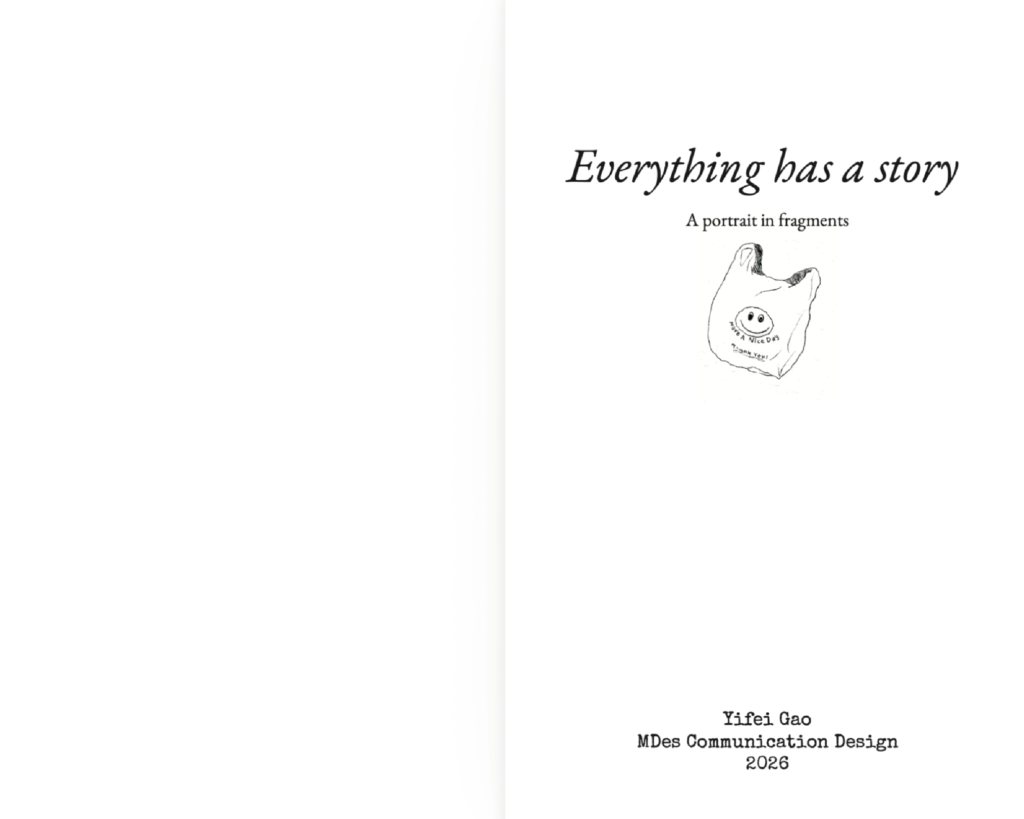
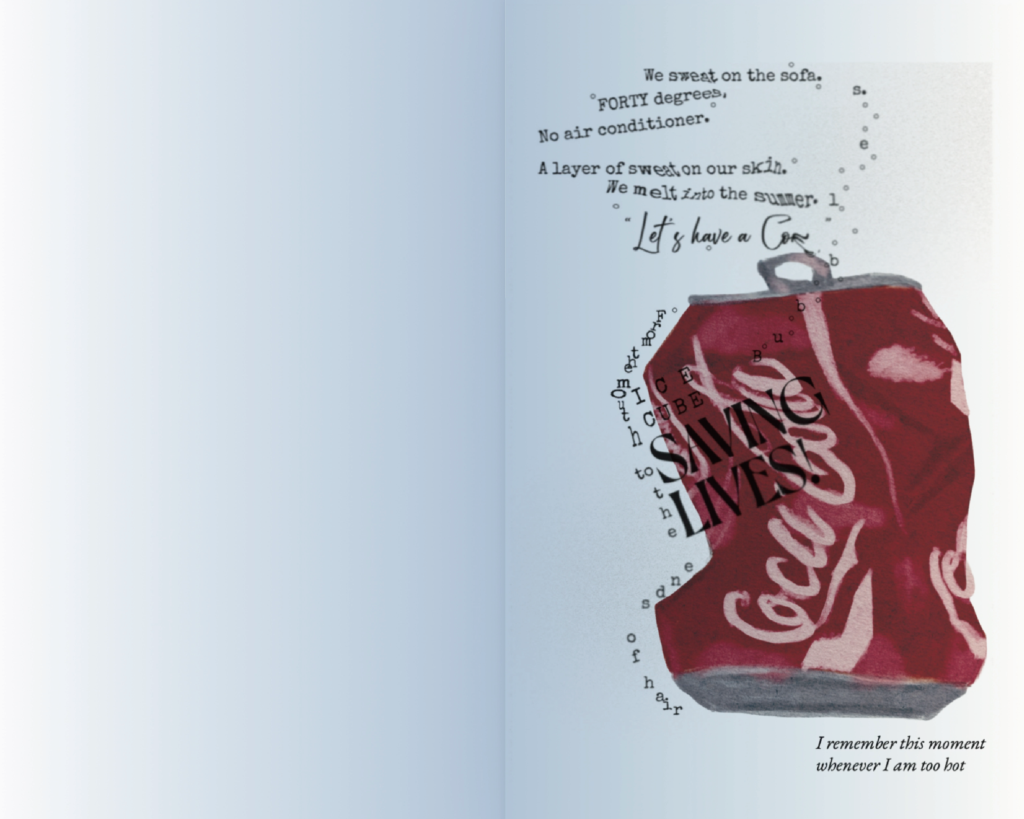
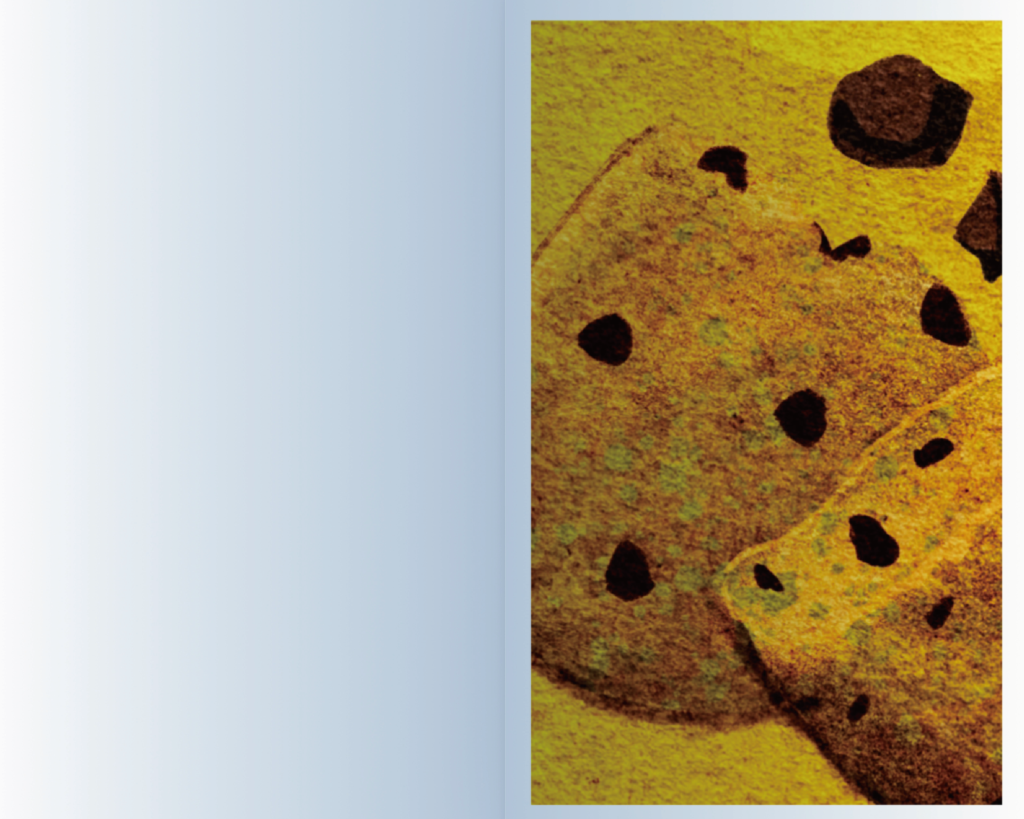
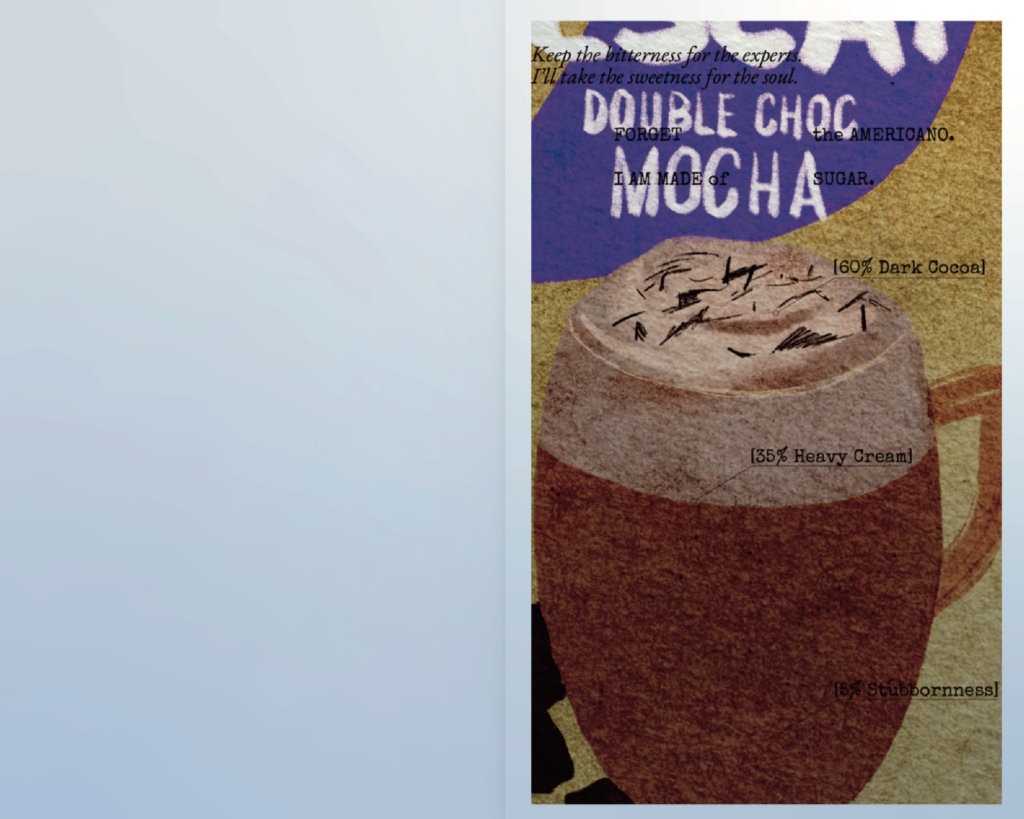
Everything has a story (Object Story)
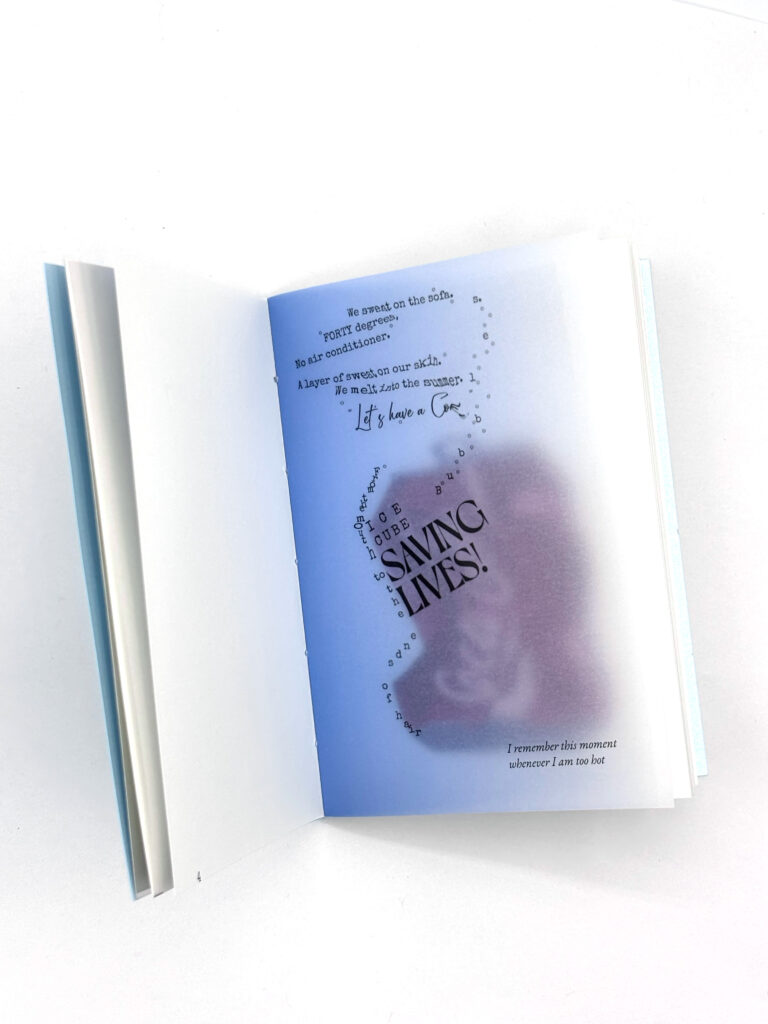
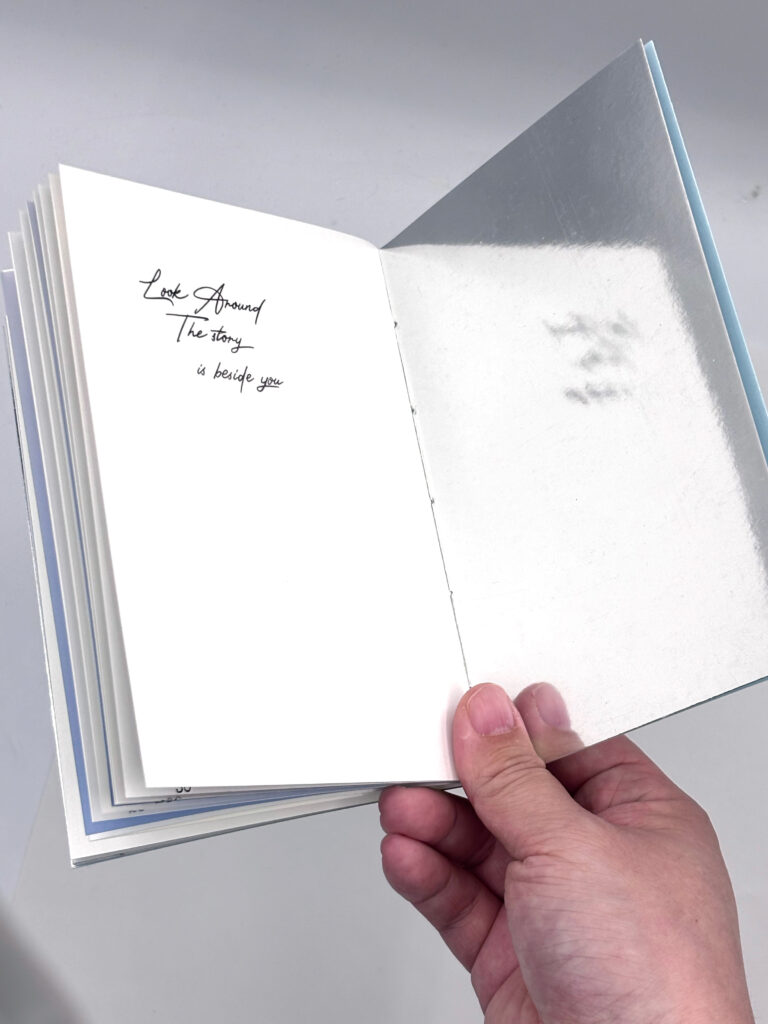
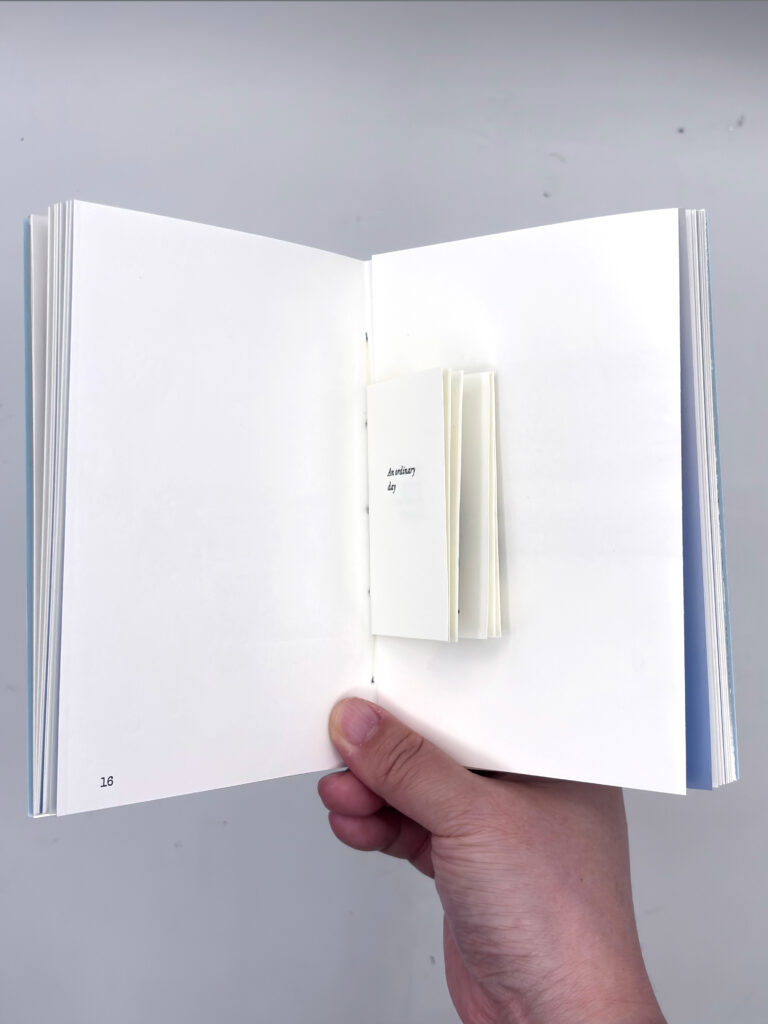
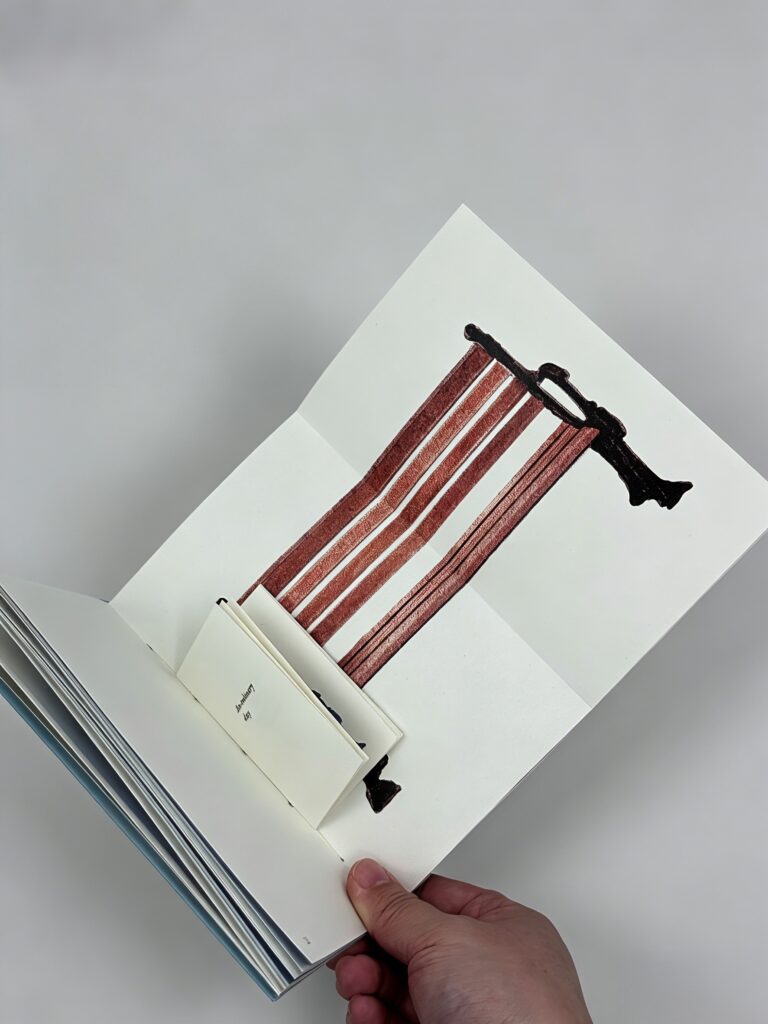
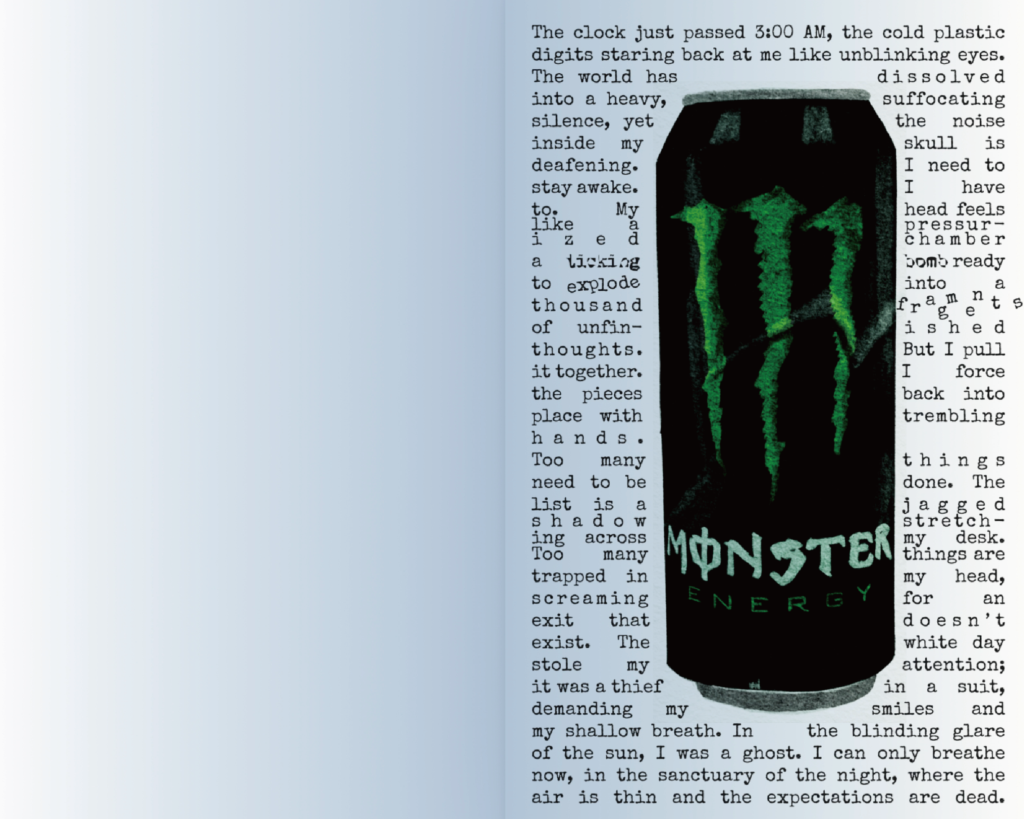
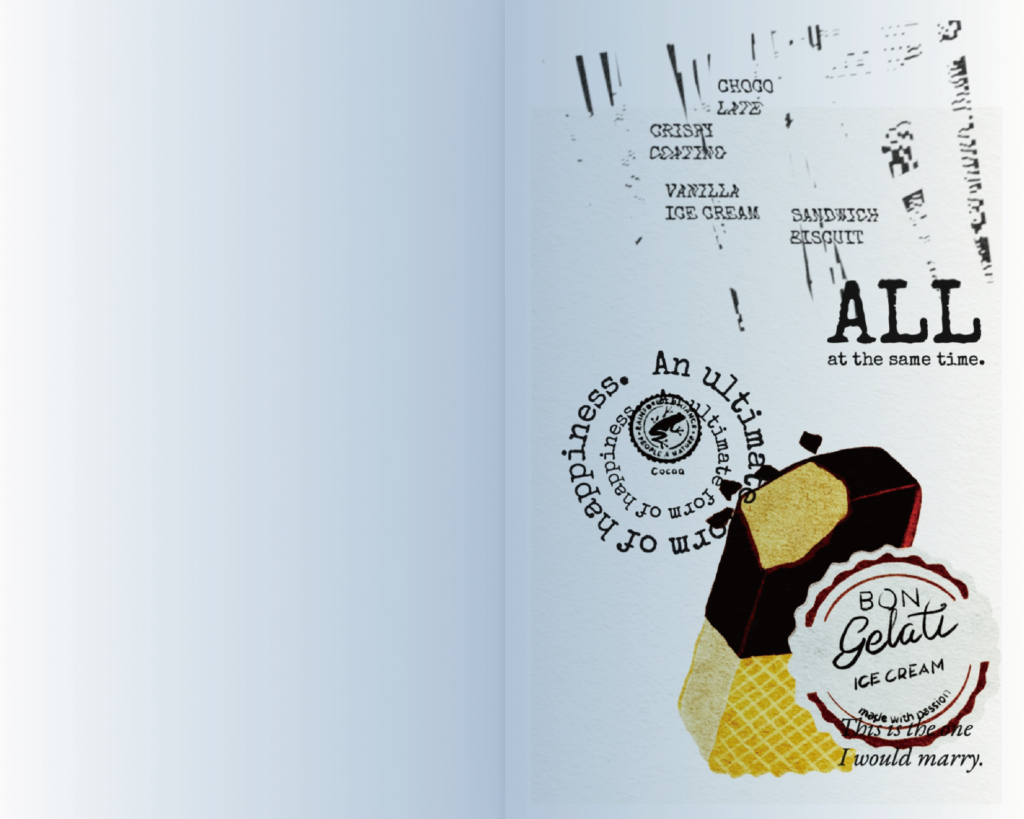
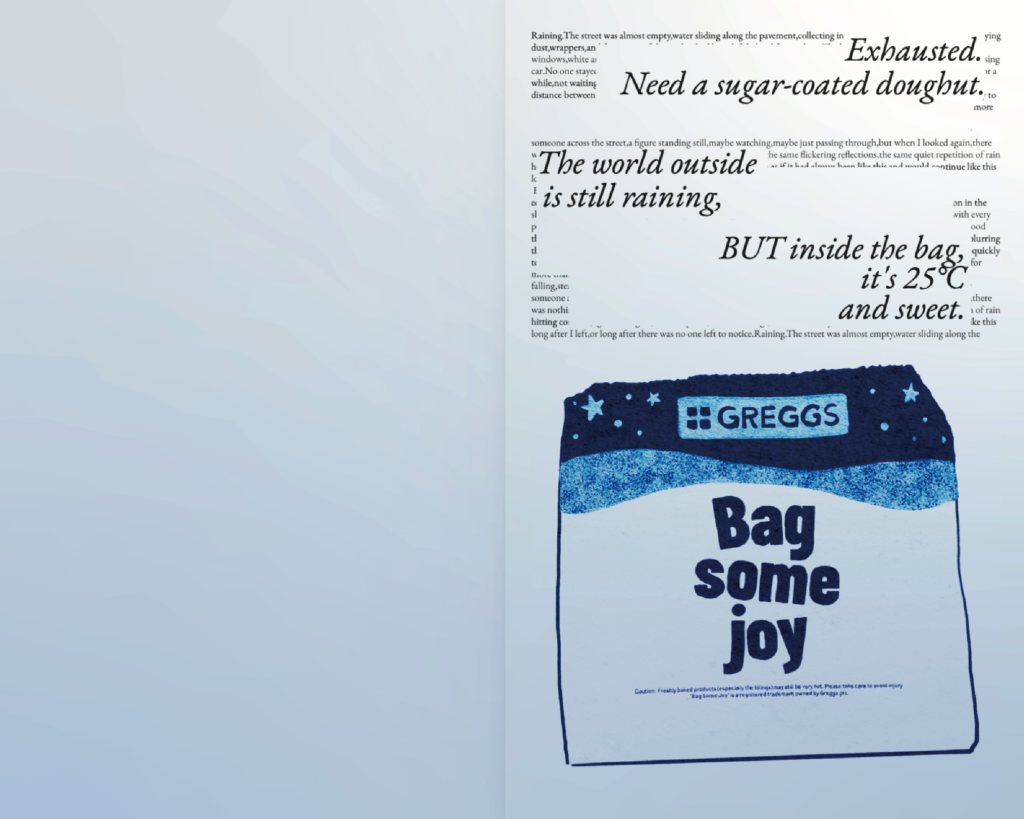
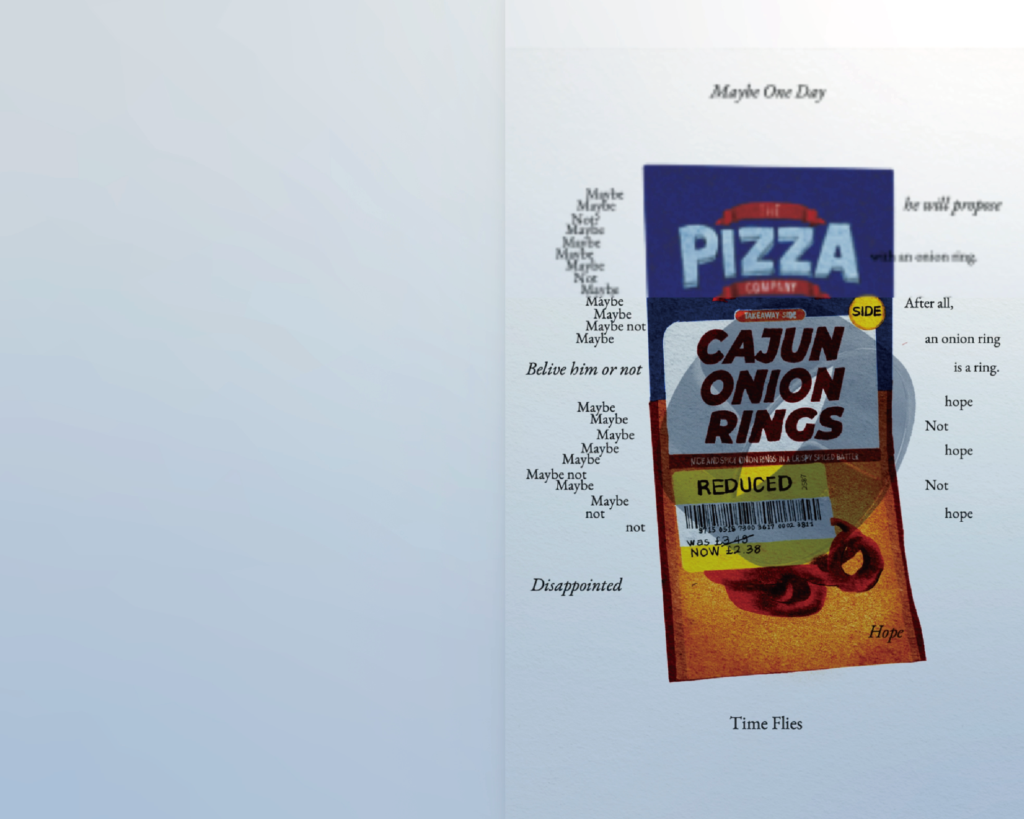
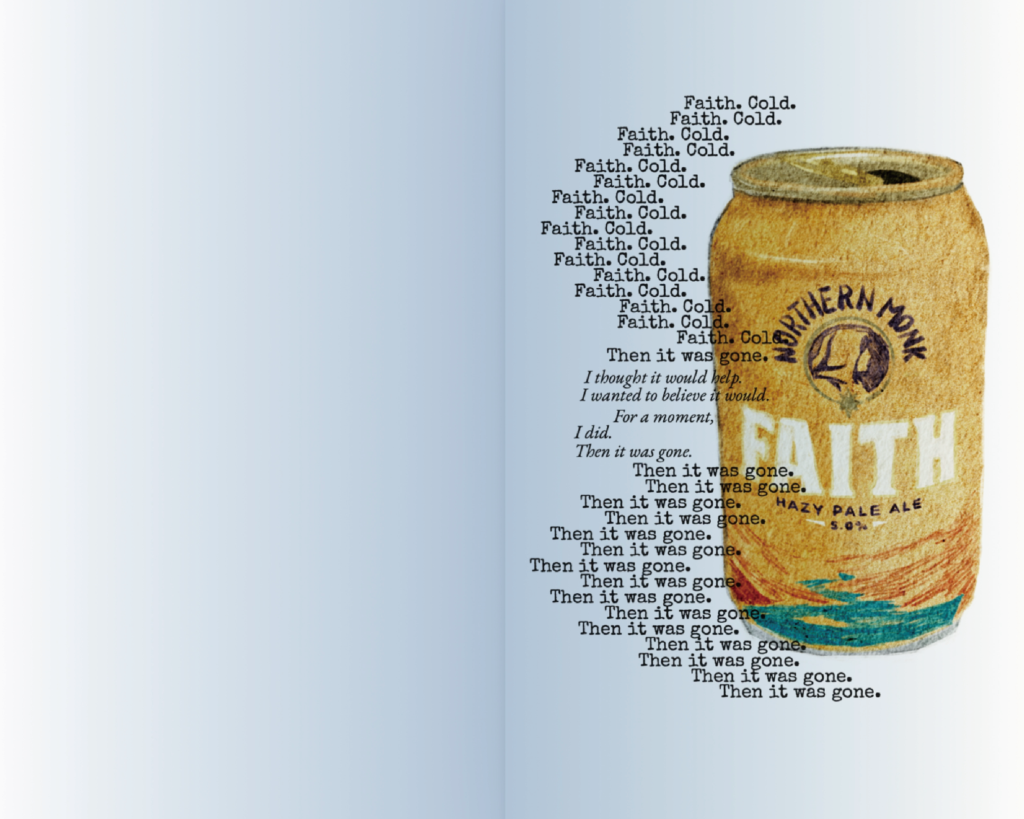
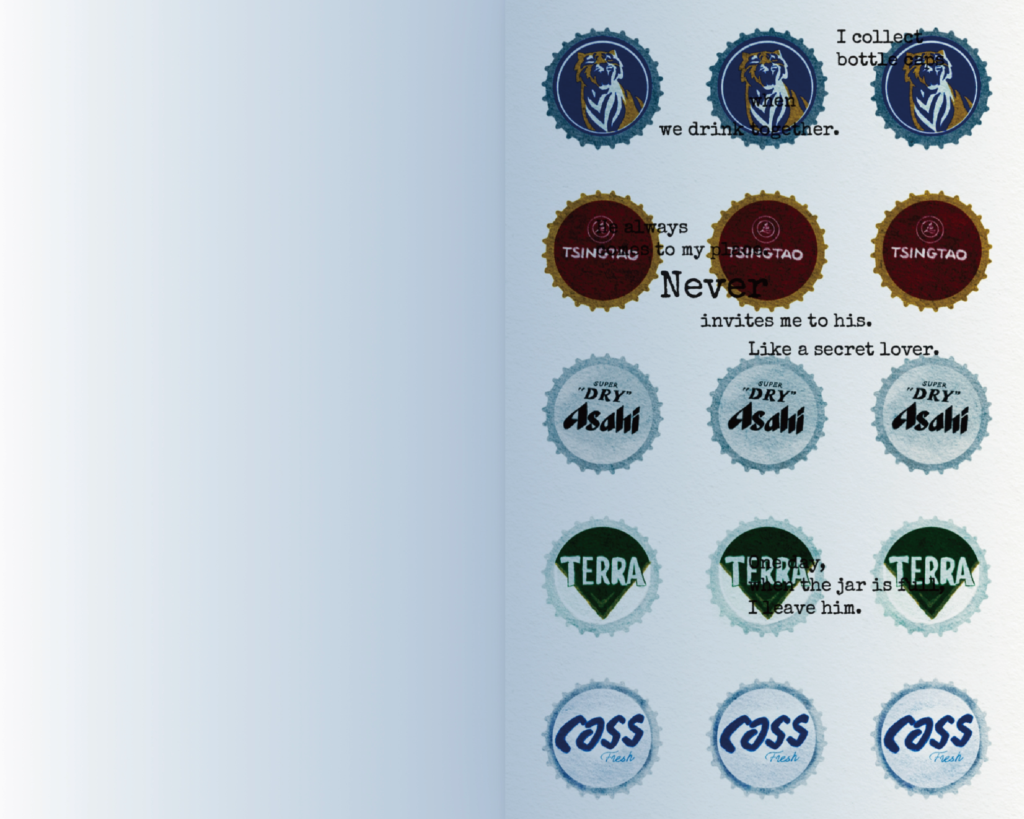
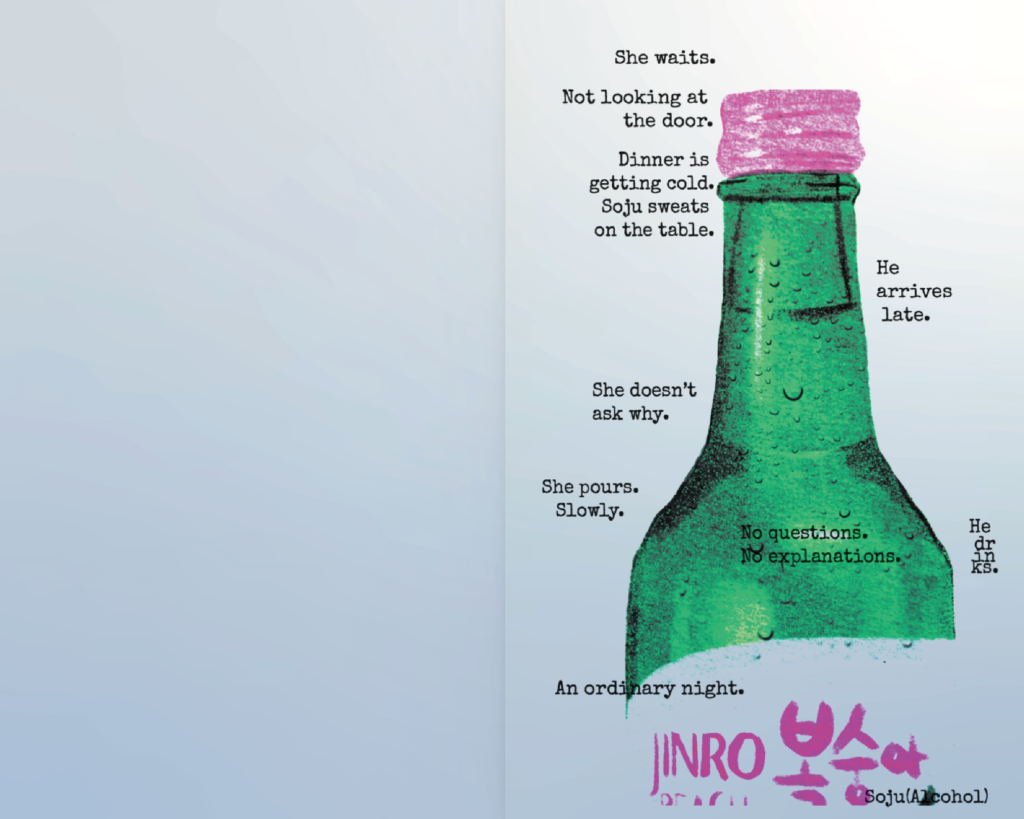
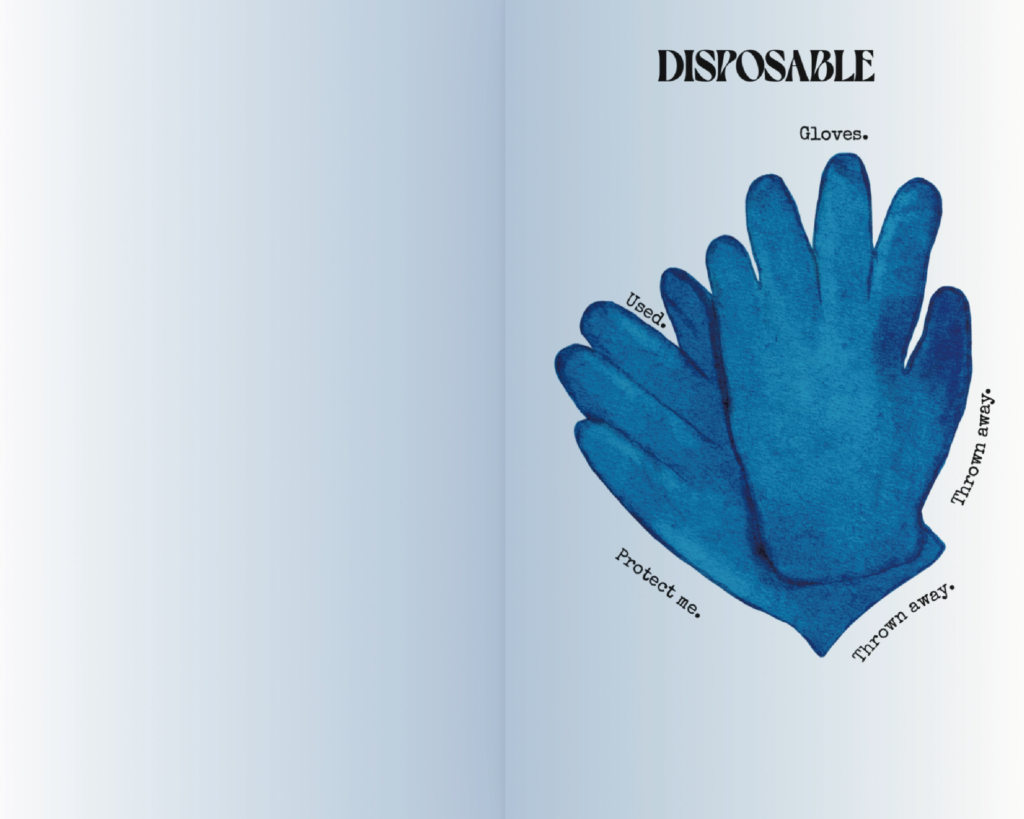
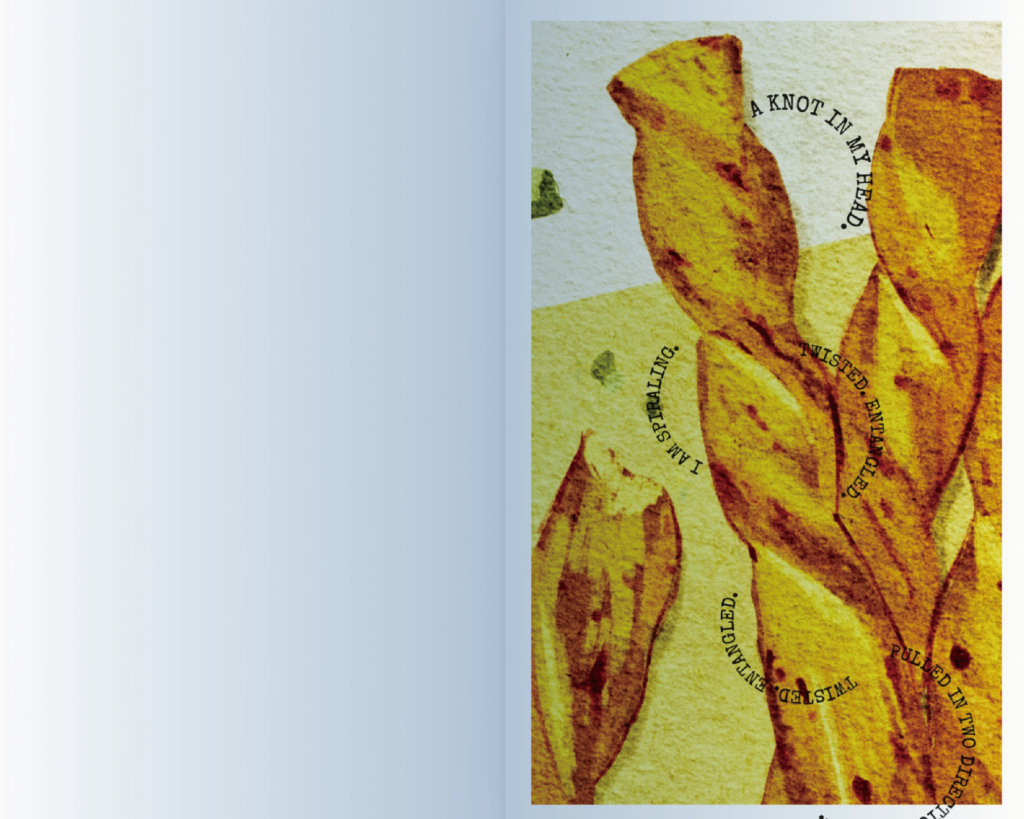
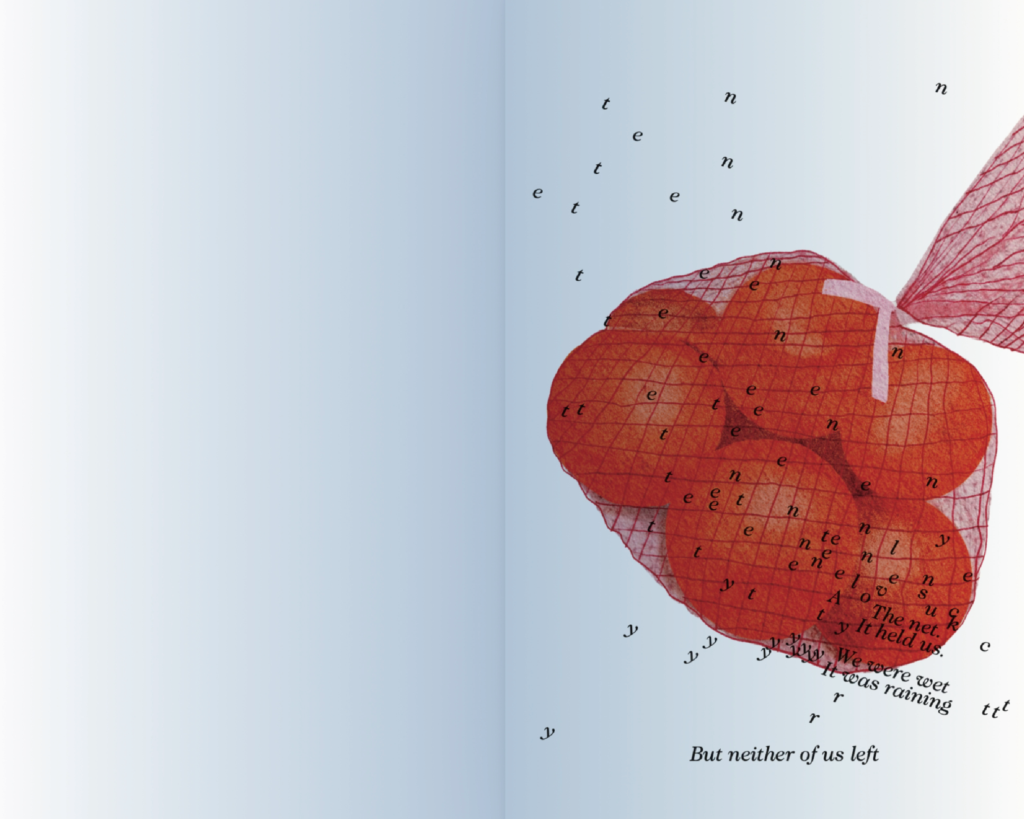
This project explores how receipts, tickets, notes, and other everyday traces can reveal fragments of a life. Combining text, images, and collected materials, the work constructs narratives through gaps and accumulation rather than linear storytelling. Influenced by epistolary structures and Fluxus practices such as Alison Knowles’ Bean Rolls, the project invites viewers to reflect on their own memories and emotional connections to ordinary objects and moments.
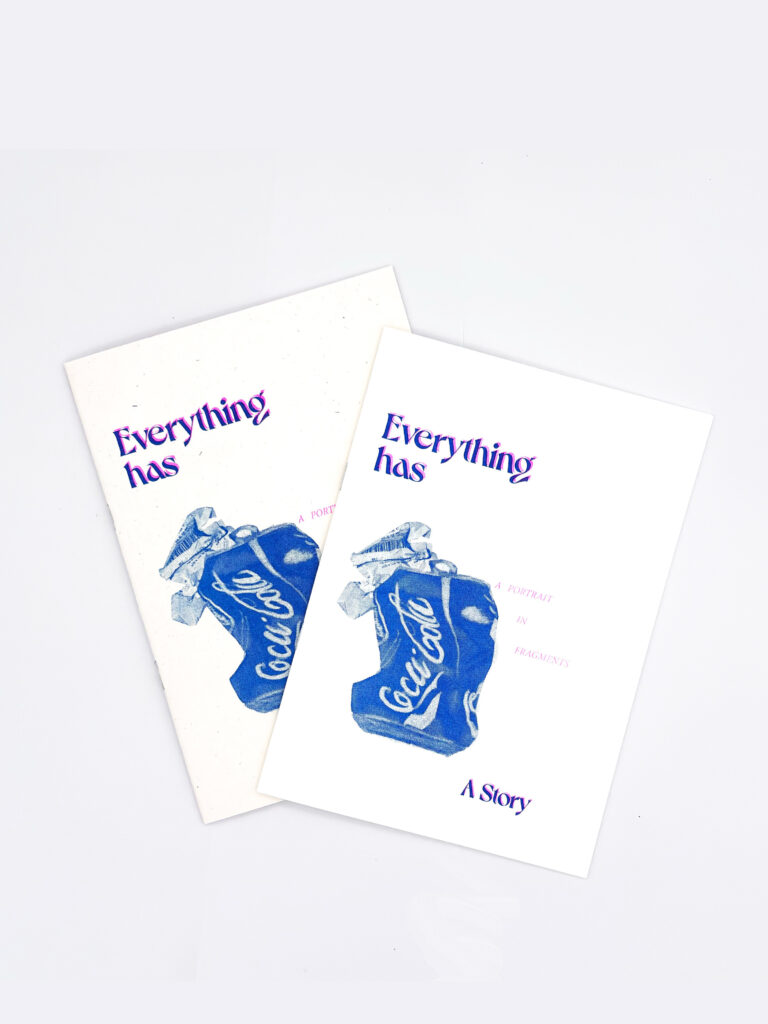
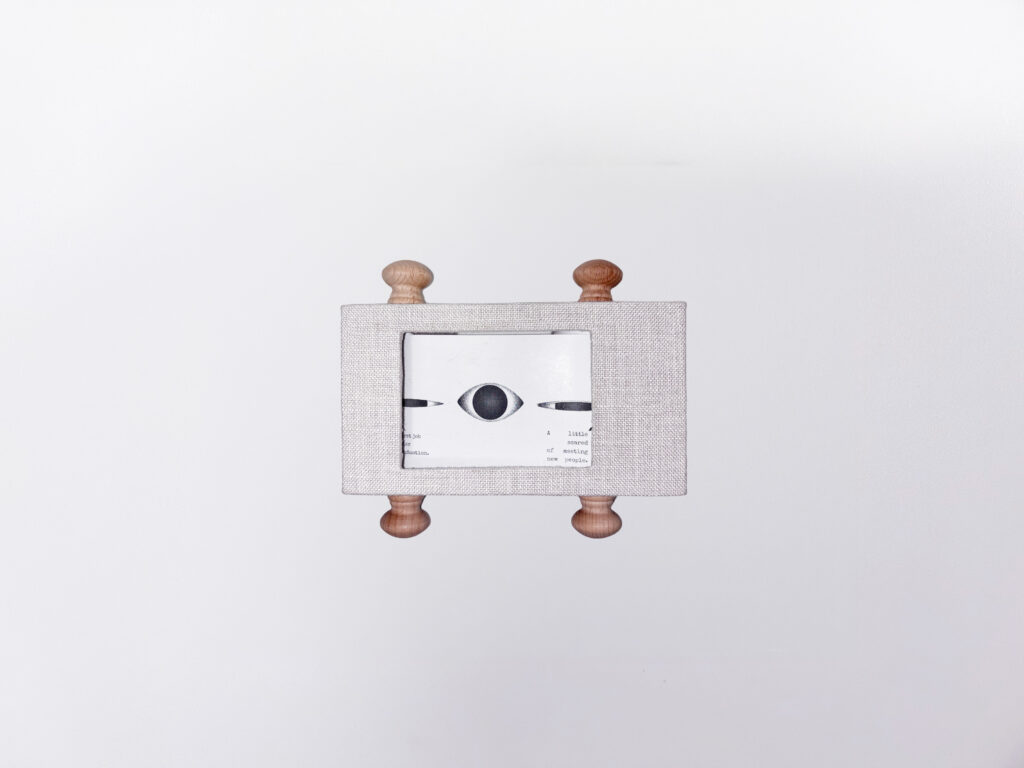
The final work includes two zines, the first is the object story, and the second is a love story in a roll of thermal paper.
The object story is printed in two formats: laser colour print with transparent paper and RISO print.
Everything has a story (Love Story)
I wrote my experiences on a roll of thermal paper. It reflects an immature and tender memory of early youth. Through receipts, exchanged messages, illustrations, diaries, and notes, I revisit a story that has gradually faded over time. By exploring this archival mode of storytelling, I attempt to narrate a personal experience, while the receipts I collected begin to take on new meanings for me. I hope viewers can also recall fragments of their own past through these everyday records that are so often overlooked.



















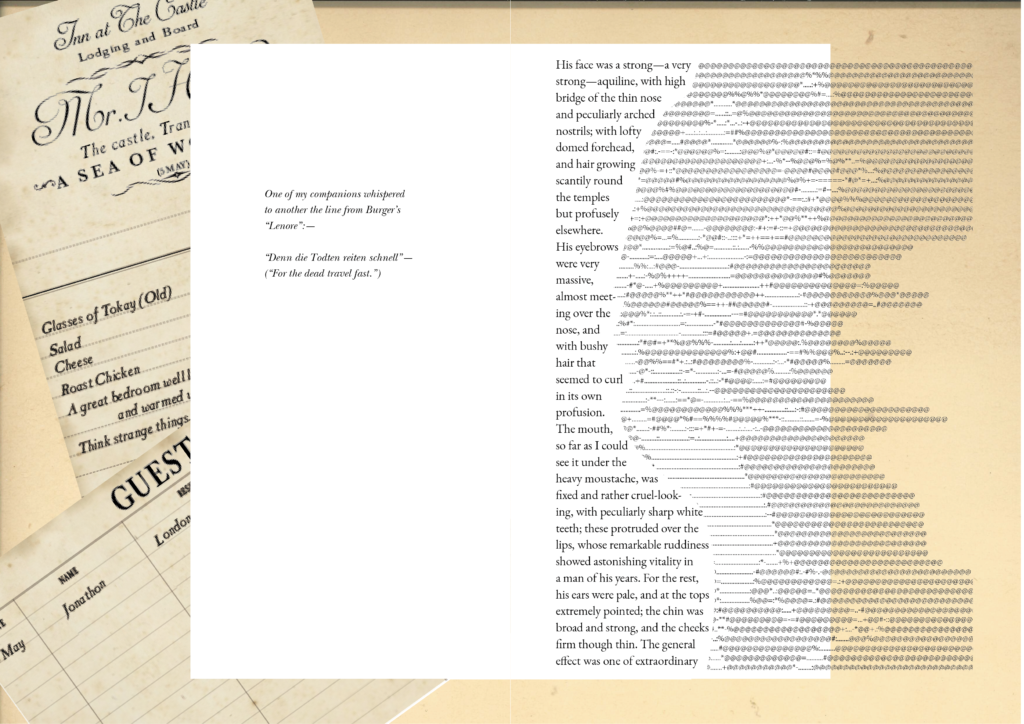
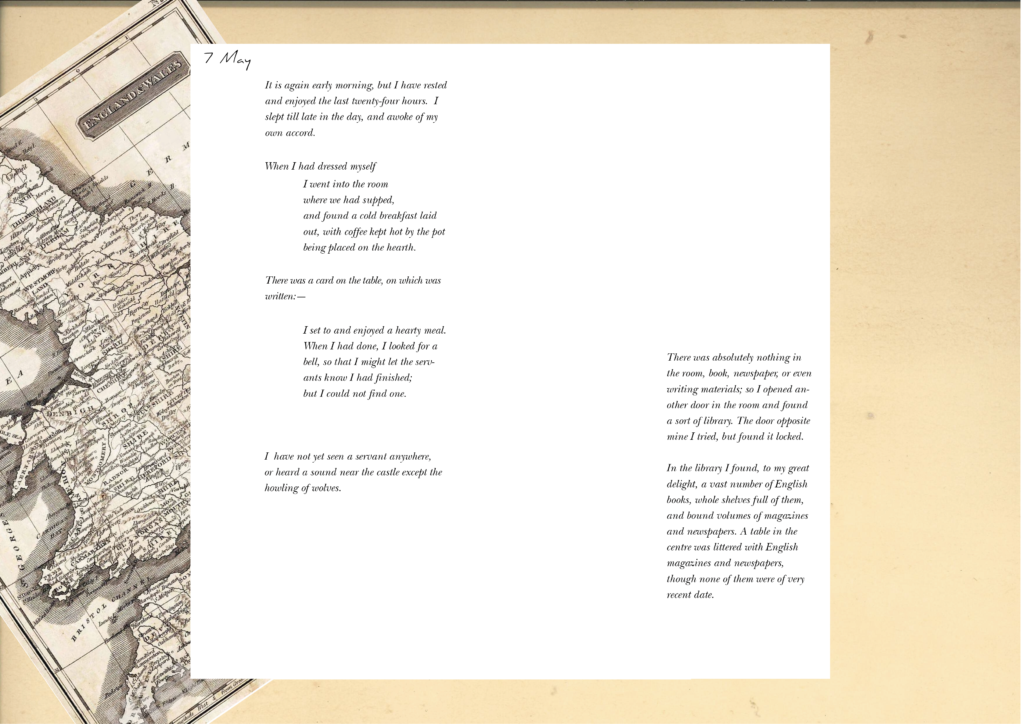
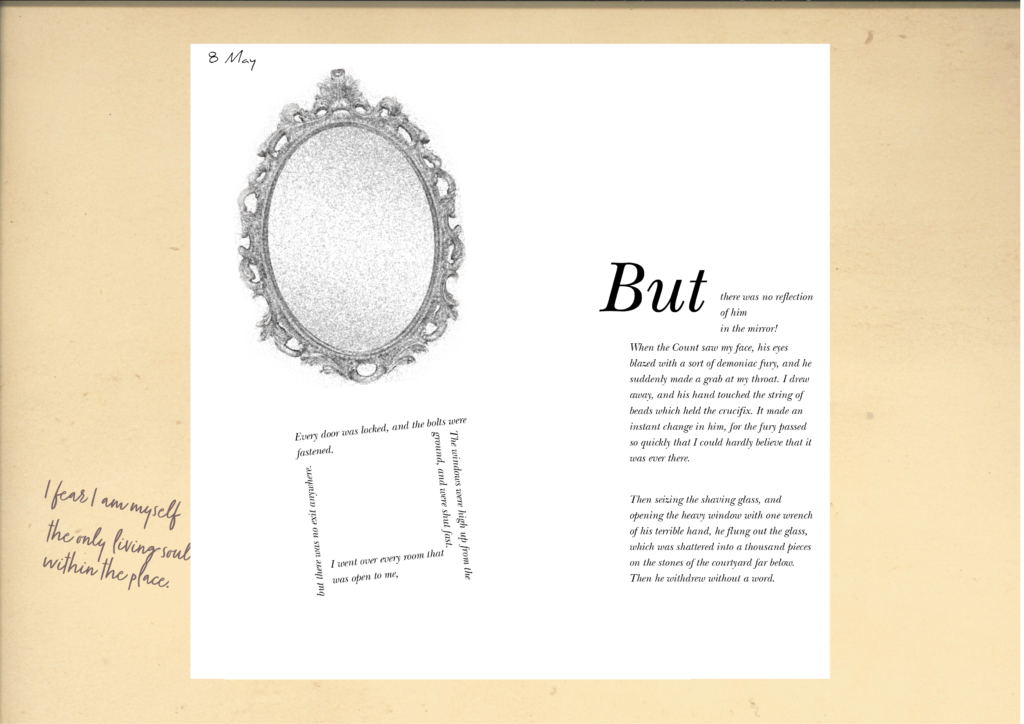
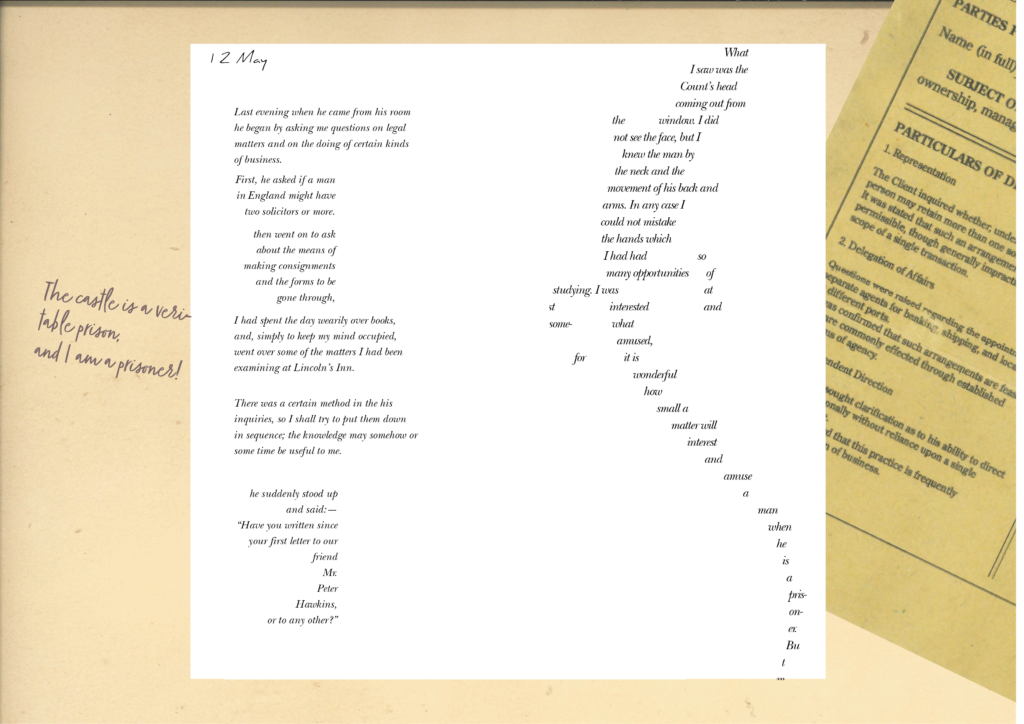
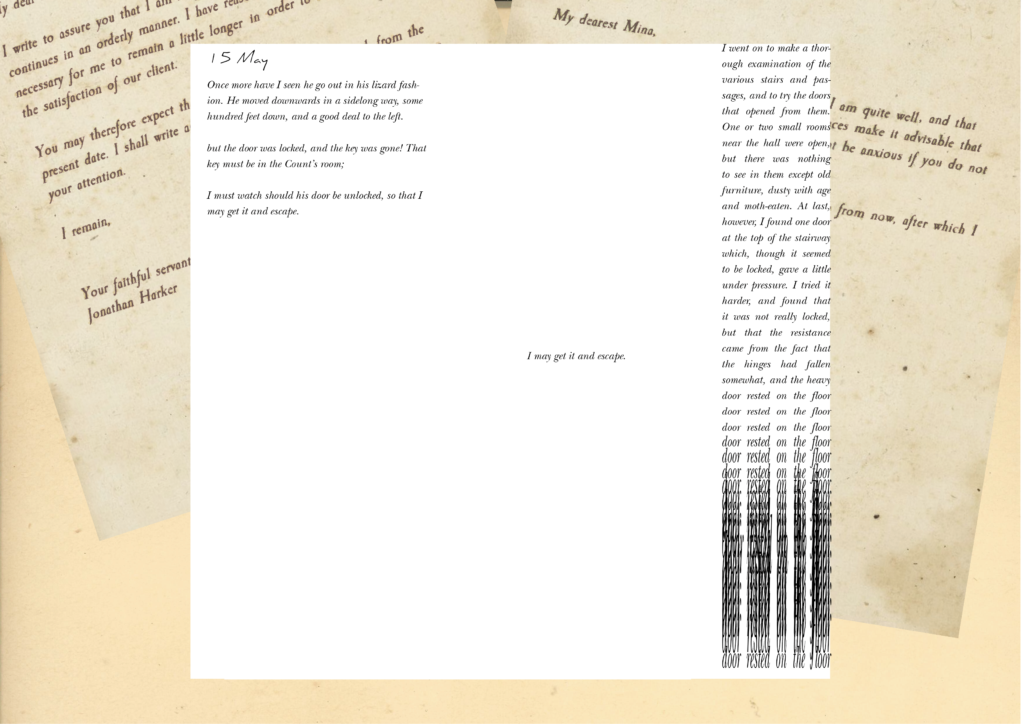
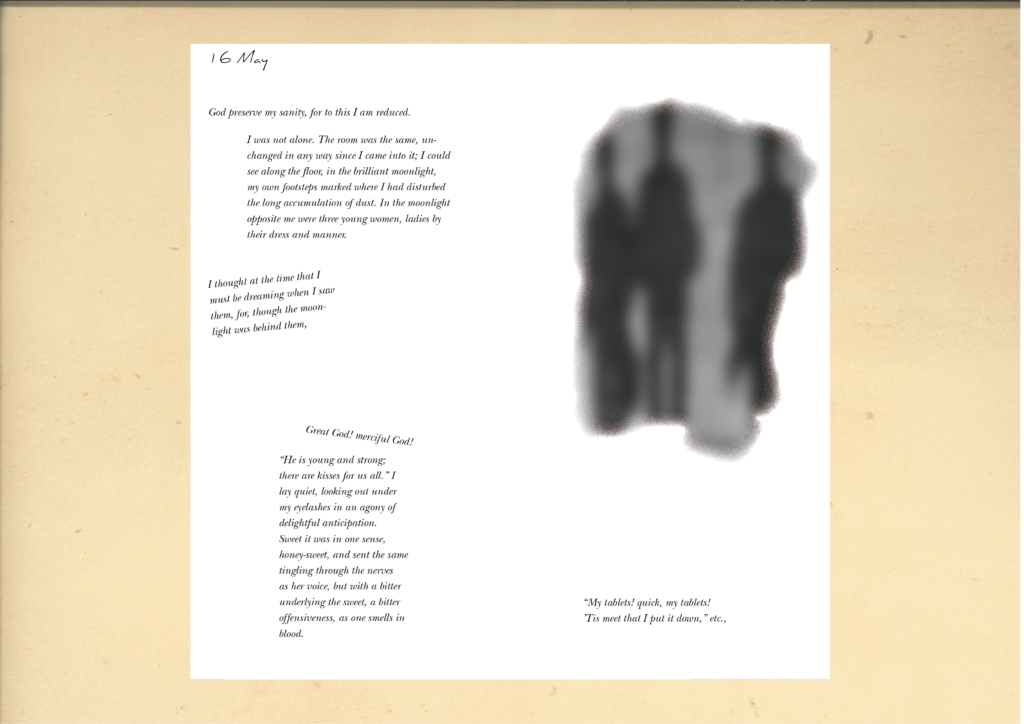
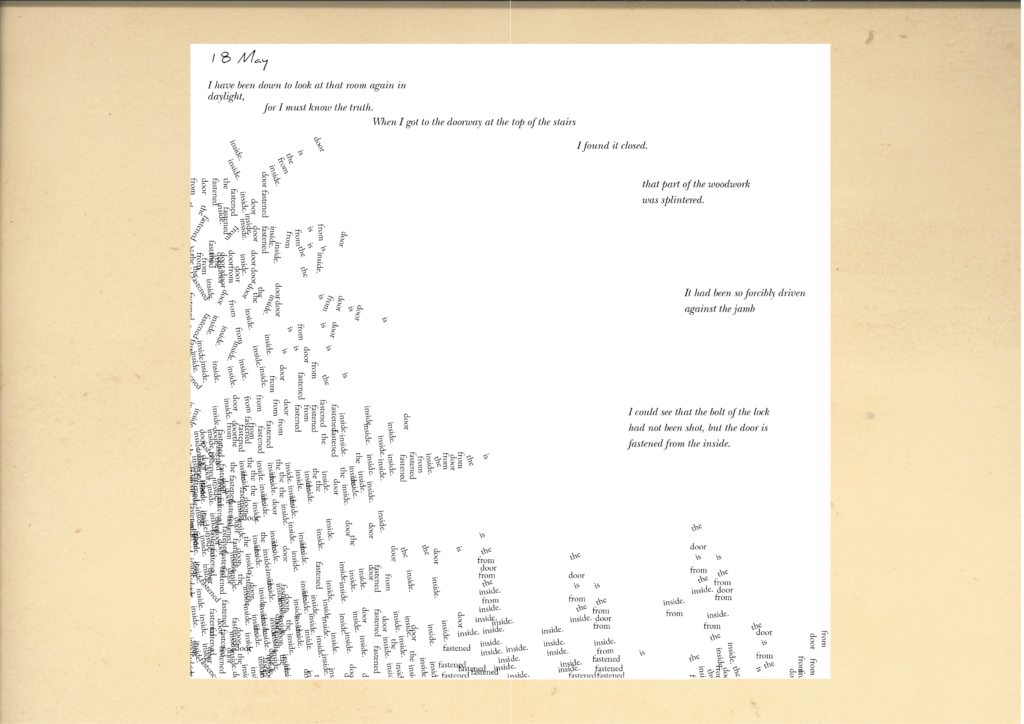
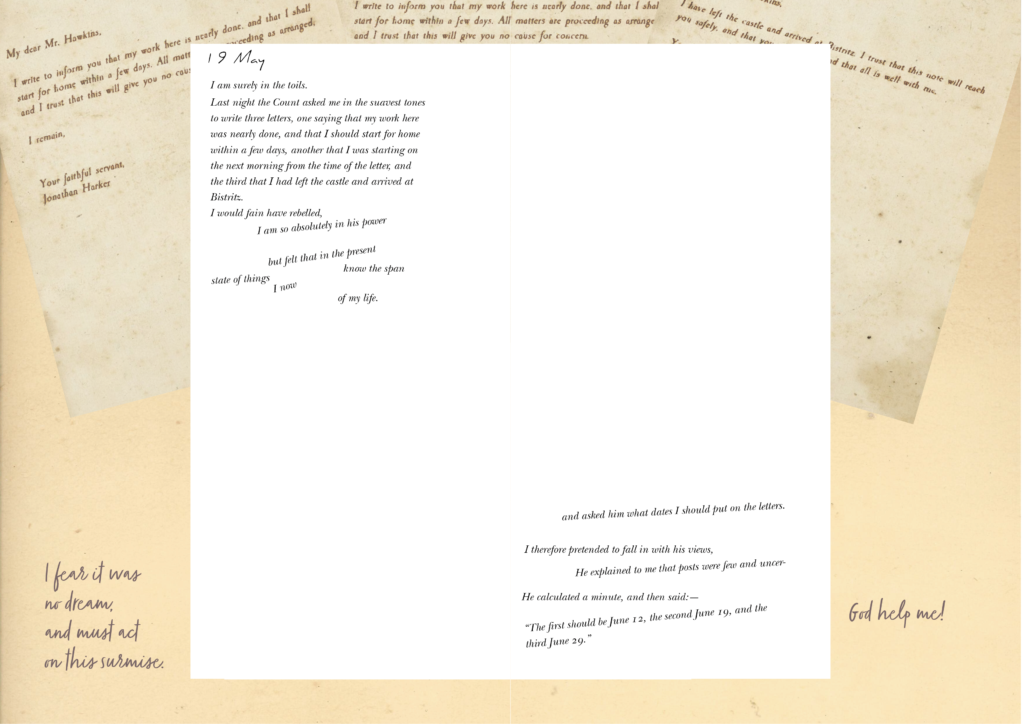
Dracula (Archive Method Explore)
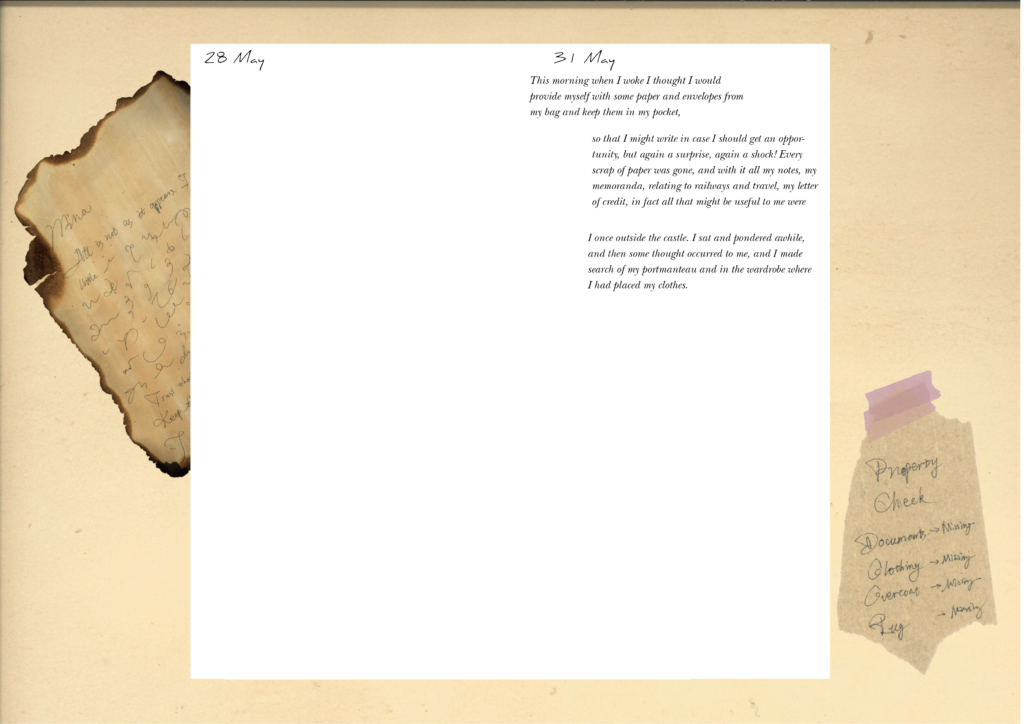
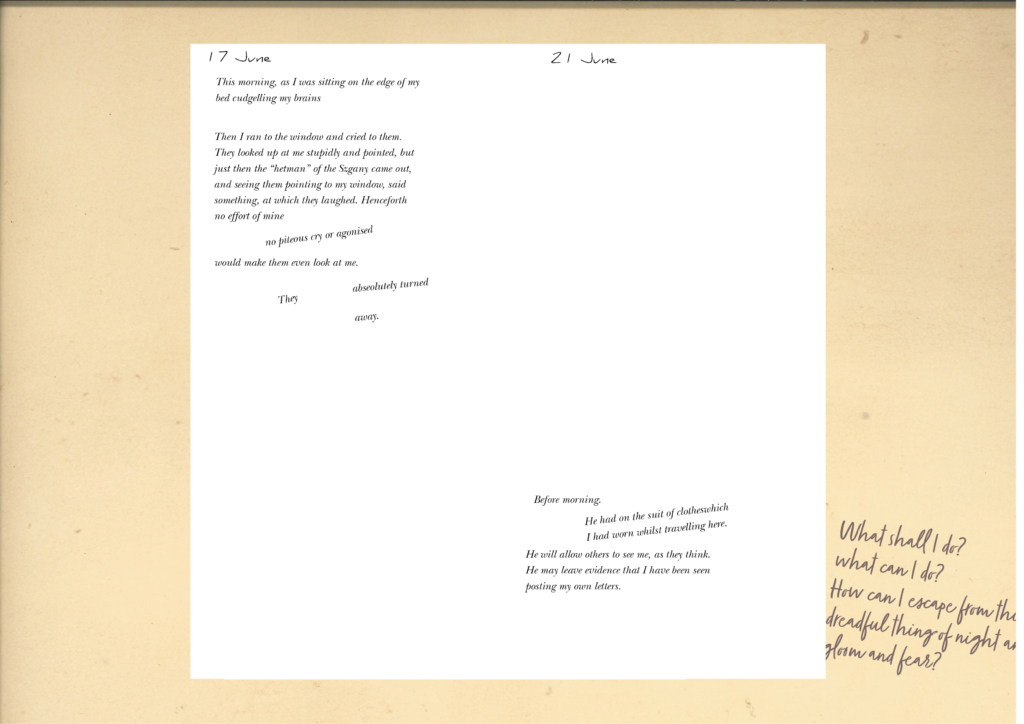
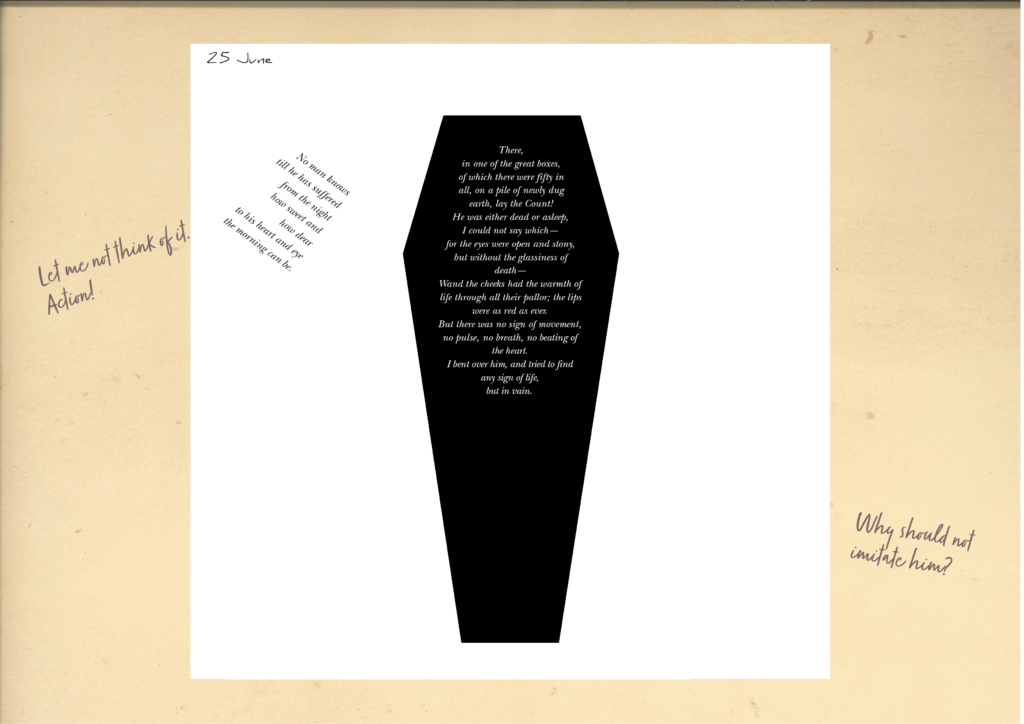
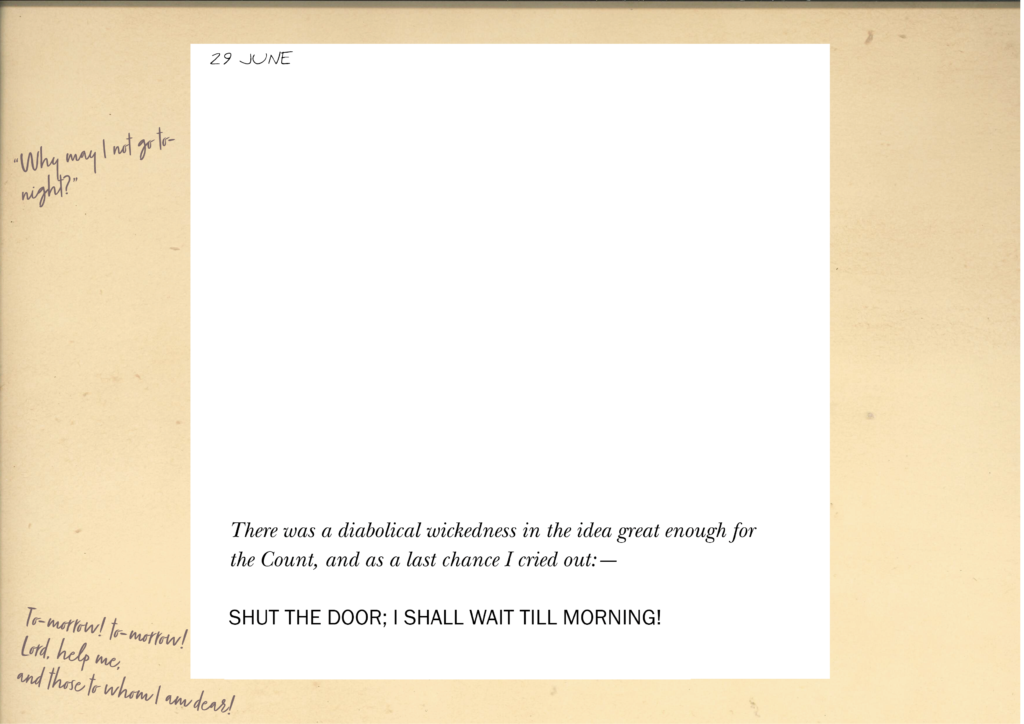
I used Dracula to experiment with narrative structure.
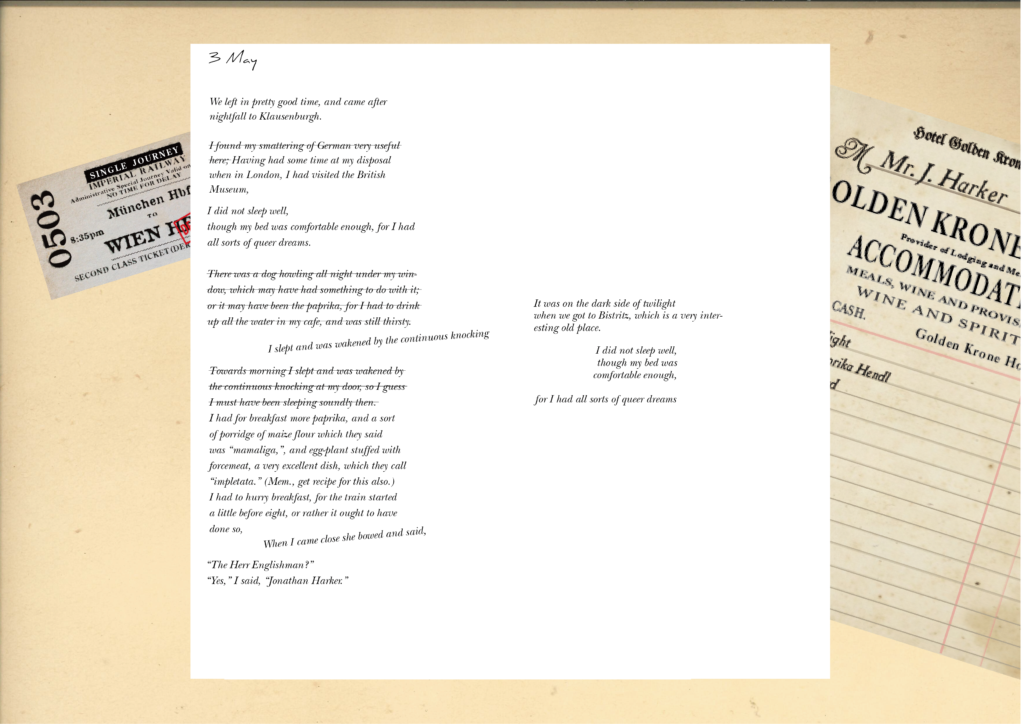
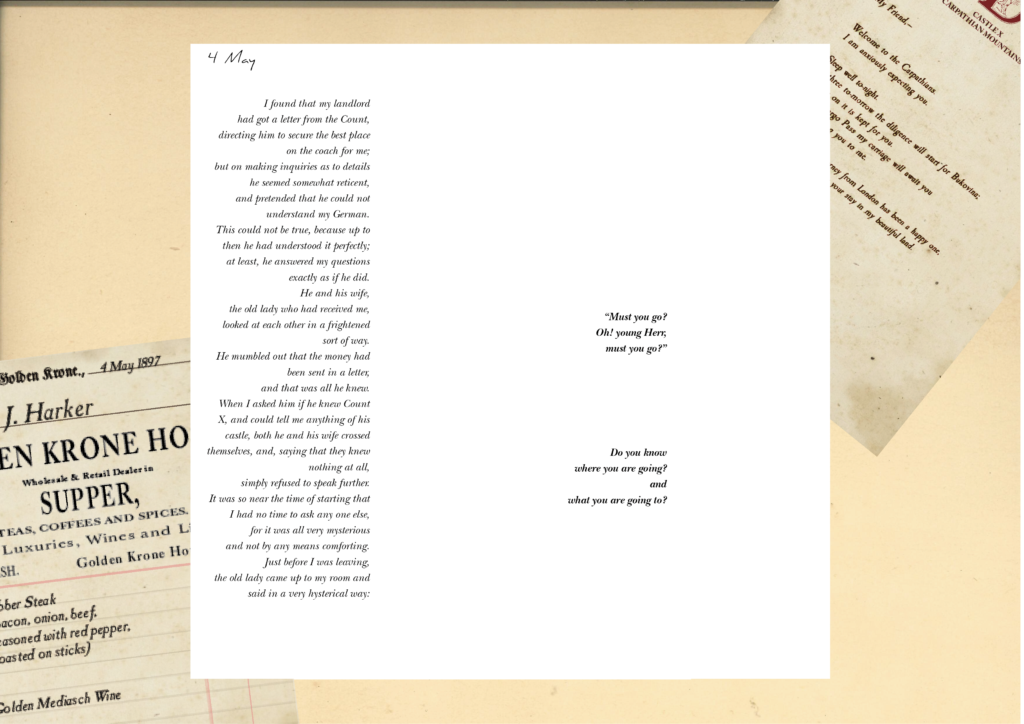
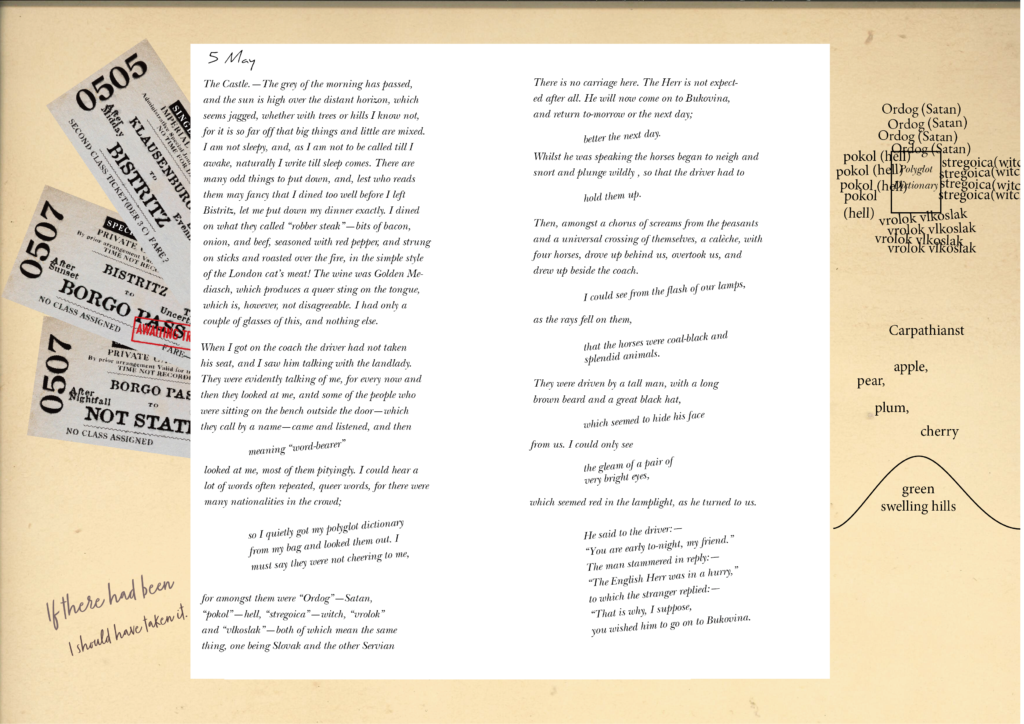
What interested me most was its epistolary format. The story is constructed through letters, diary entries, telegrams, and other forms of documentation. Although there is no single continuous narration, the fragmented materials still create a complete and immersive story.
This made me realise that narratives do not always need to follow a linear structure. Fragments themselves can construct meaning, as long as they are carefully organised and readable.
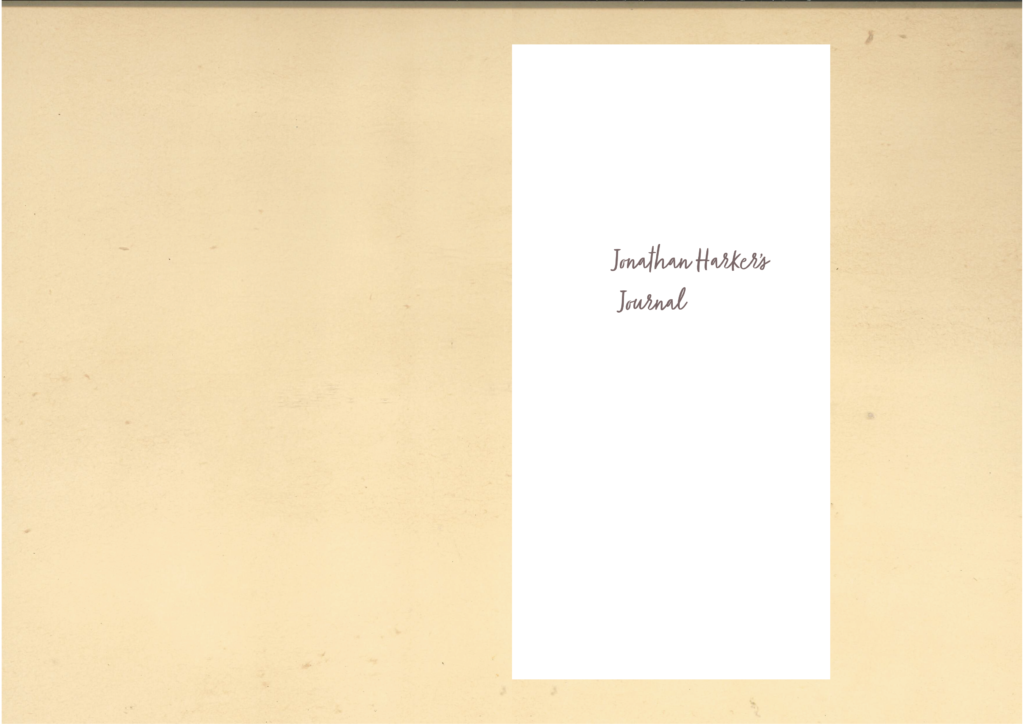
I focused particularly on Jonathan Harker’s diary entries and translated each day into a visual narrative. The diary format became a way for me to explore how fragmented records could build a sense of time, memory, and progression.