Shuhan Jia
(she/her)
Shuhan is a graphic designer from China, working across publishing, installation, and material exploration.
Influenced by her experience of living between different cultural contexts, she is interested in the visual simplification and aestheticisation of culture through familiar images and decorative forms. Her work explores how Orientalism and ornamentation operate together as visual mechanisms within everyday Western visual culture, shaping how Asian identities and symbols are represented and consumed.
Fabricated Orient: The Archive
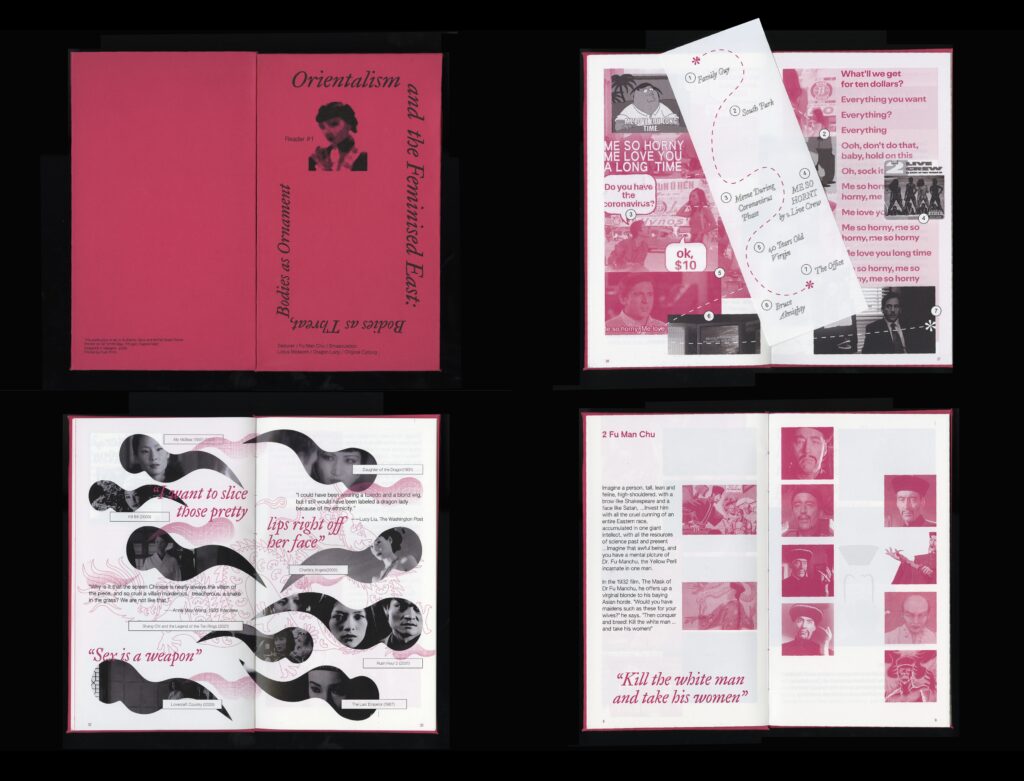
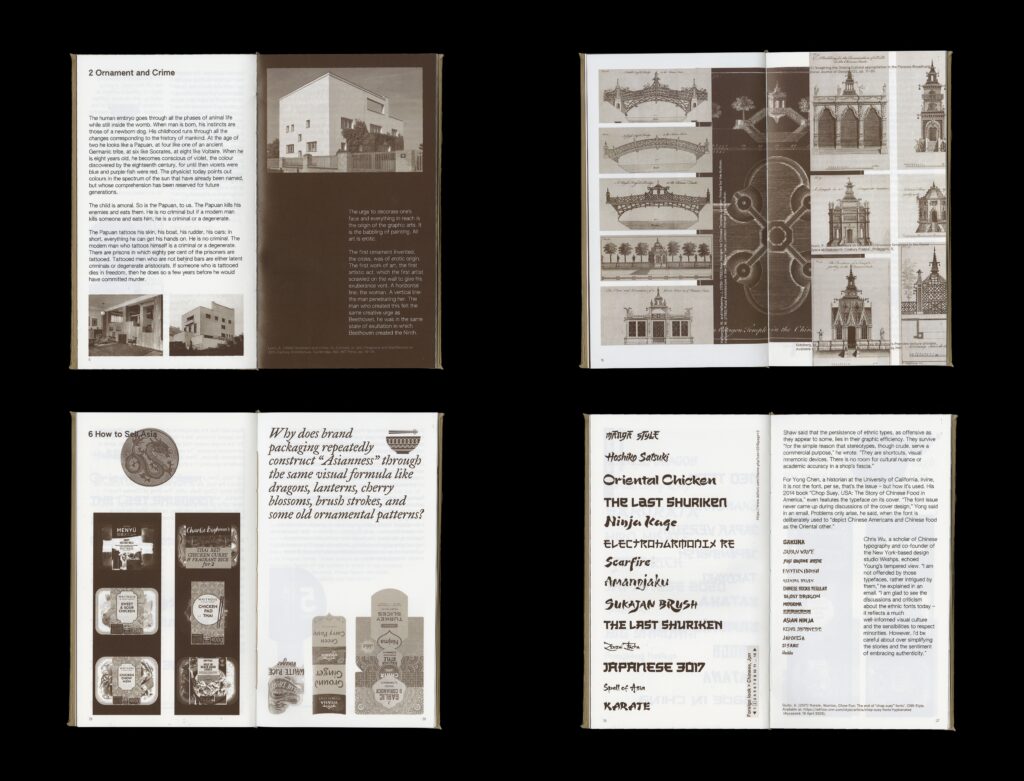
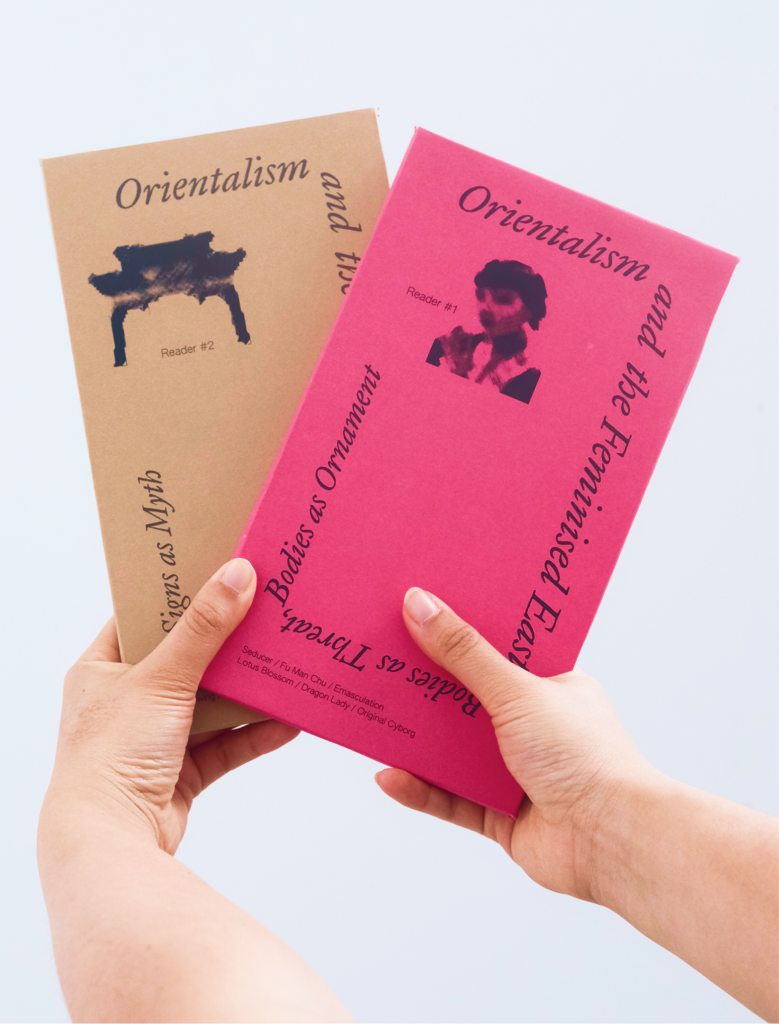
These two readers function as research publications and visual archives within Fabricated Orient.
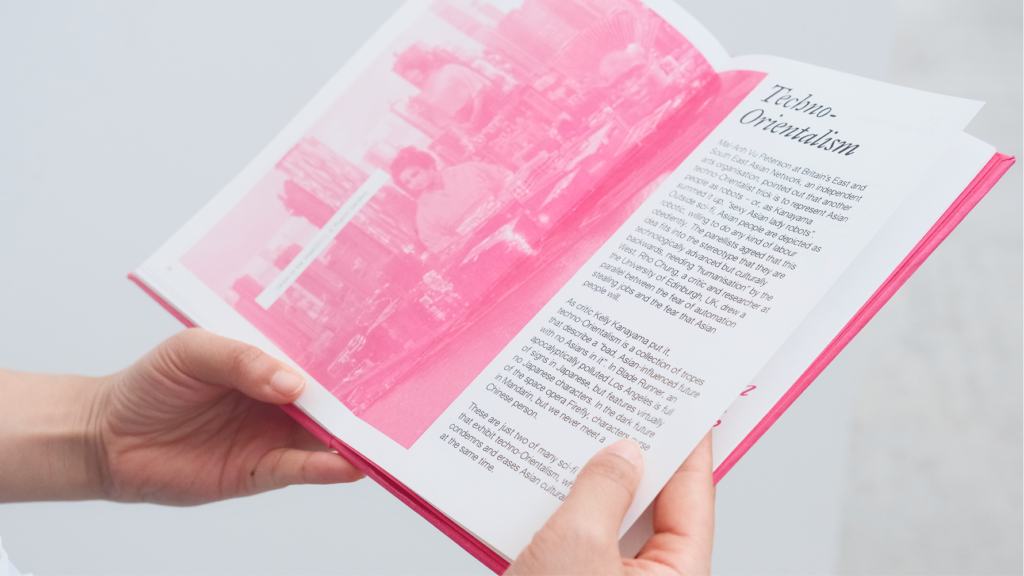
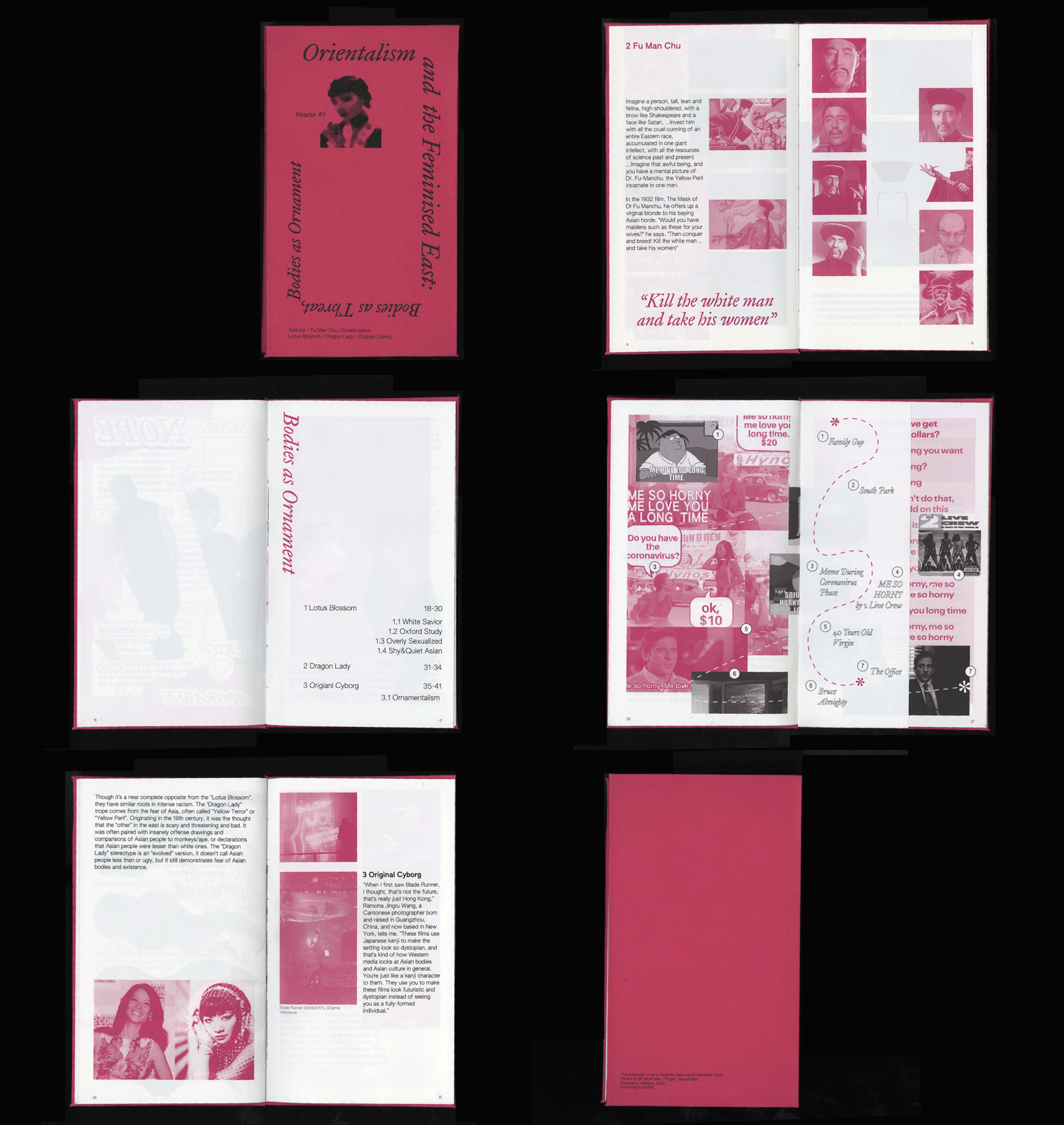
Reader #1: Orientalism and the Feminised West: Bodies as Threat, Bodies as Ornament
Focusing on the body, this reader examines how Asian identities are constructed within Western visual culture as both exoticised threats and feminised ornament through archives, media, and everyday stereotypes.
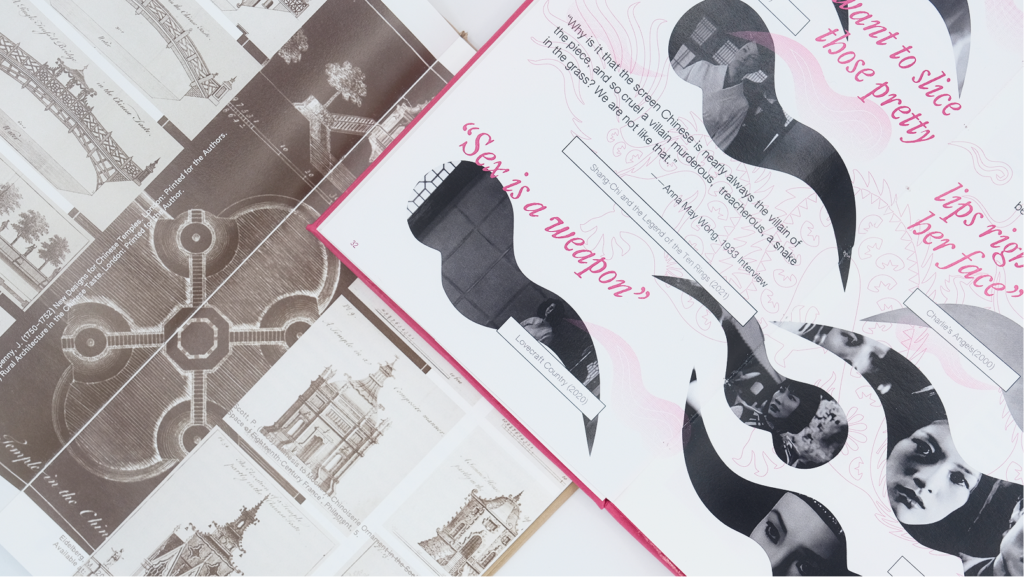
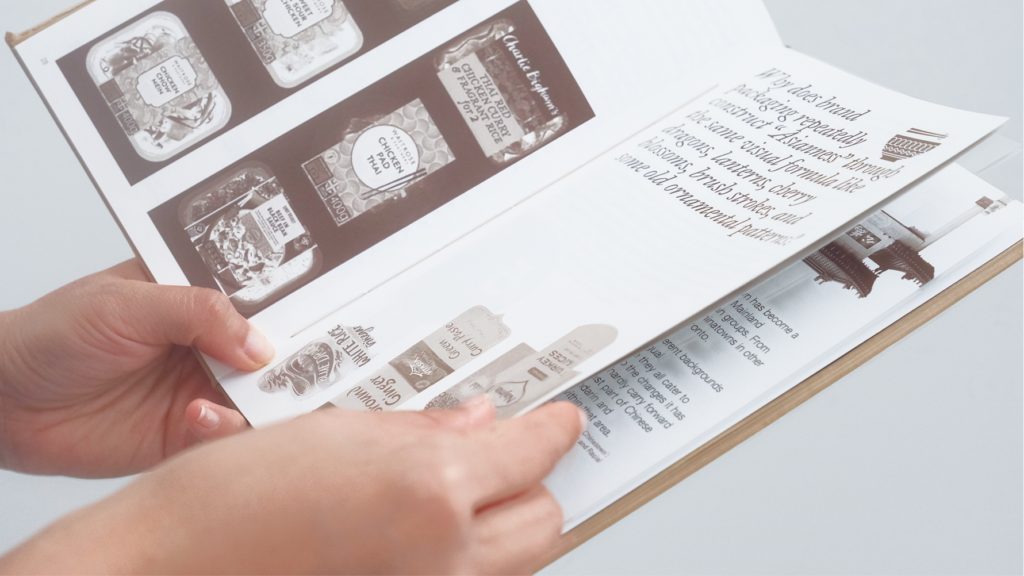
Reader #2: Orientalism and the Ornamentalism: Signs as Surface, Signs as Myth
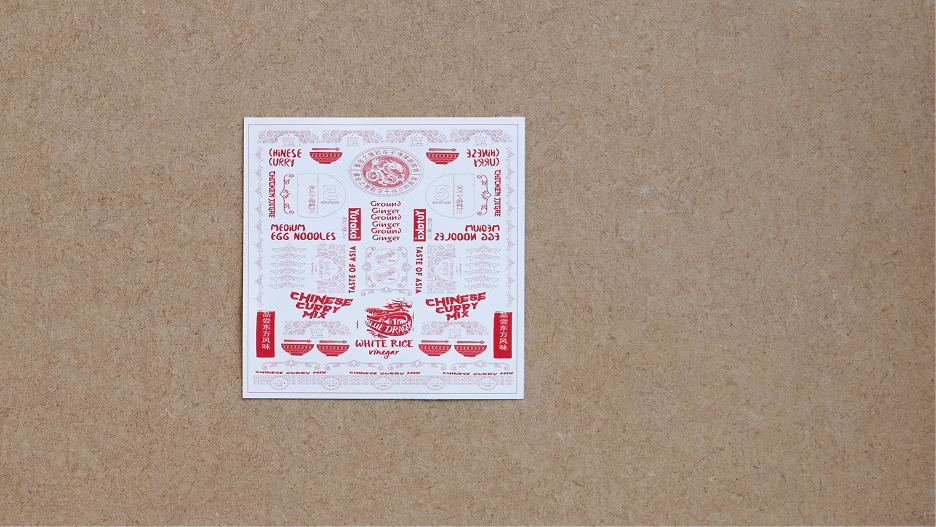
Focusing on objects and visual systems, this reader explores stereotypical “Asian” typefaces, packaging, Chinoiserie, and themed spaces like Chinatown, examining how “Asia” is repeatedly flattened into decoration, atmosphere, and consumable surface.
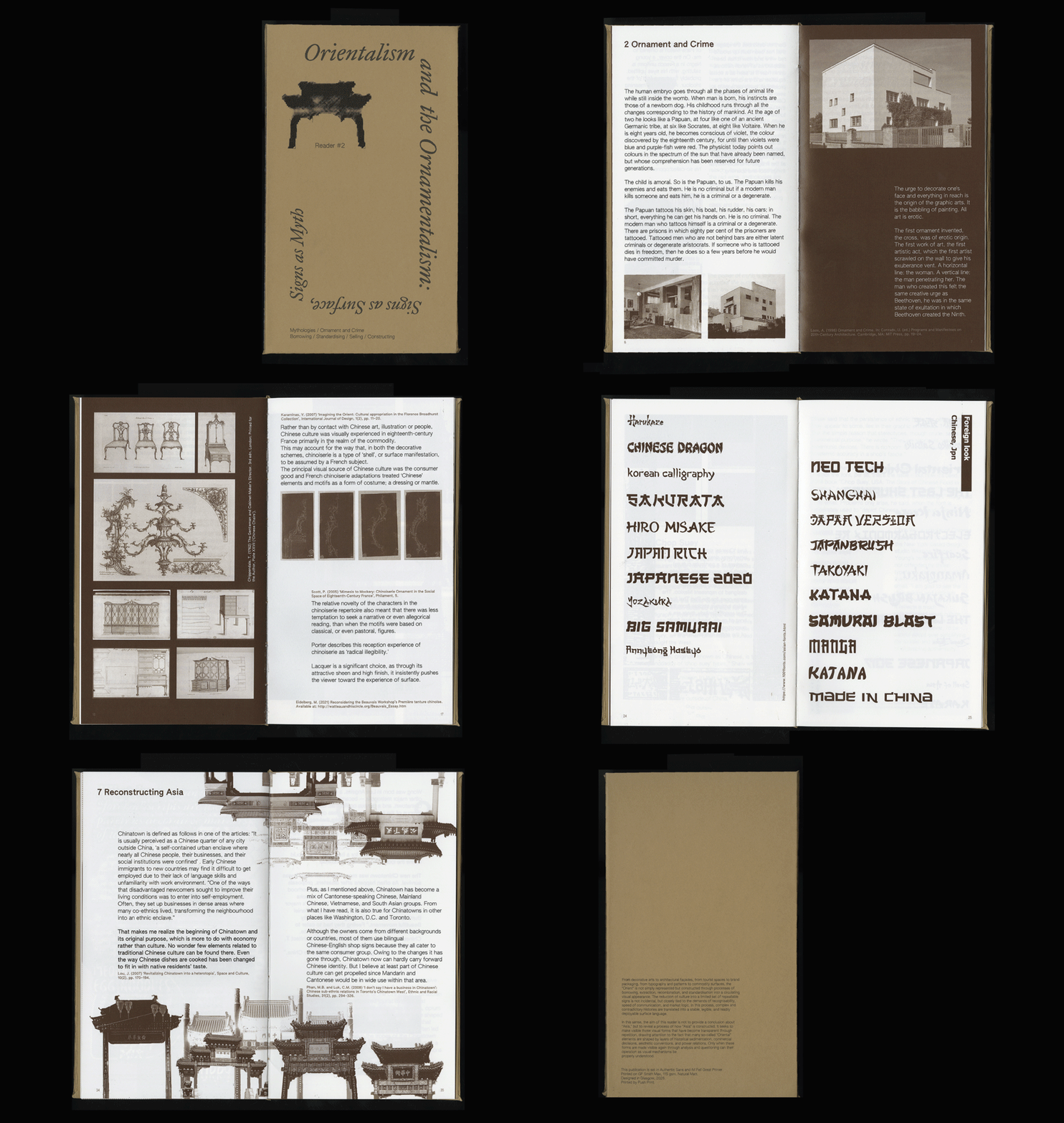
Fabricated Orient
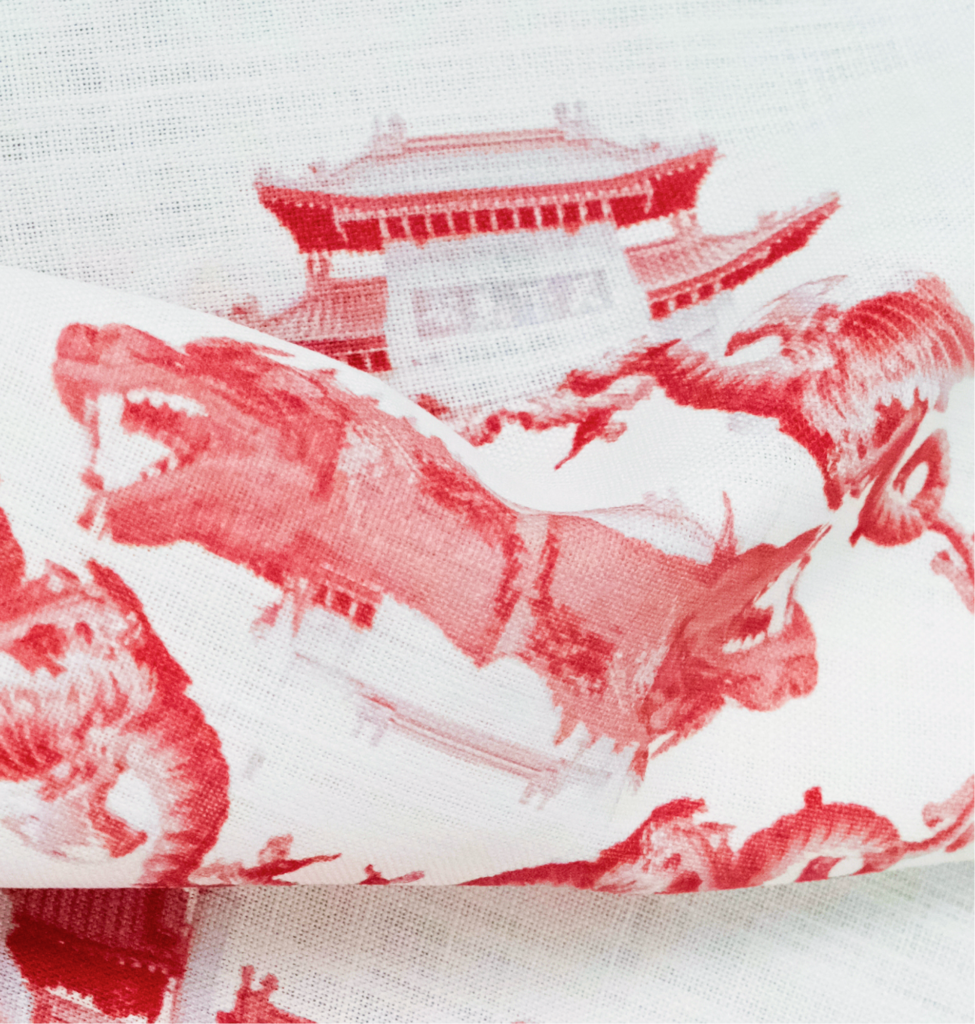
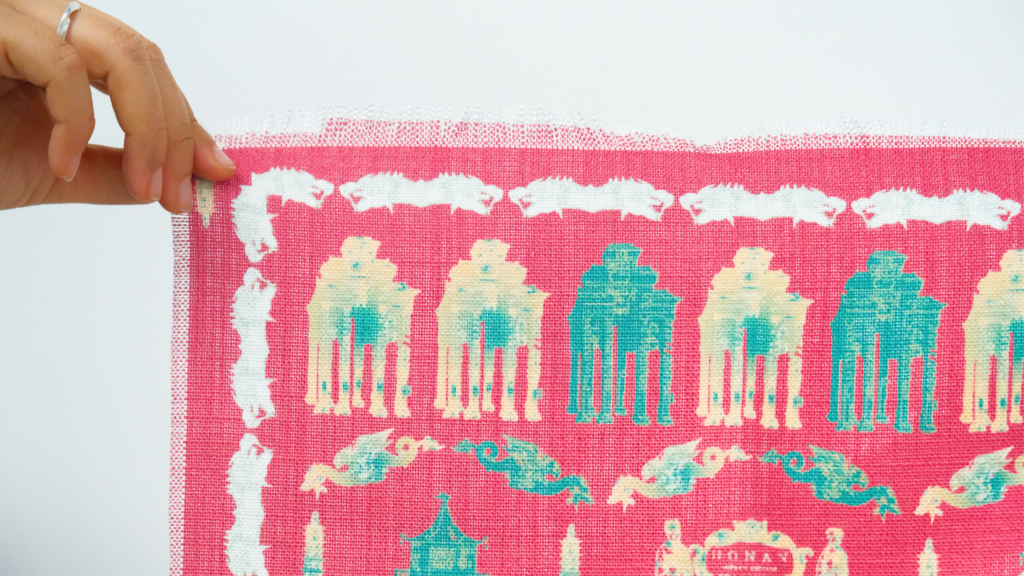
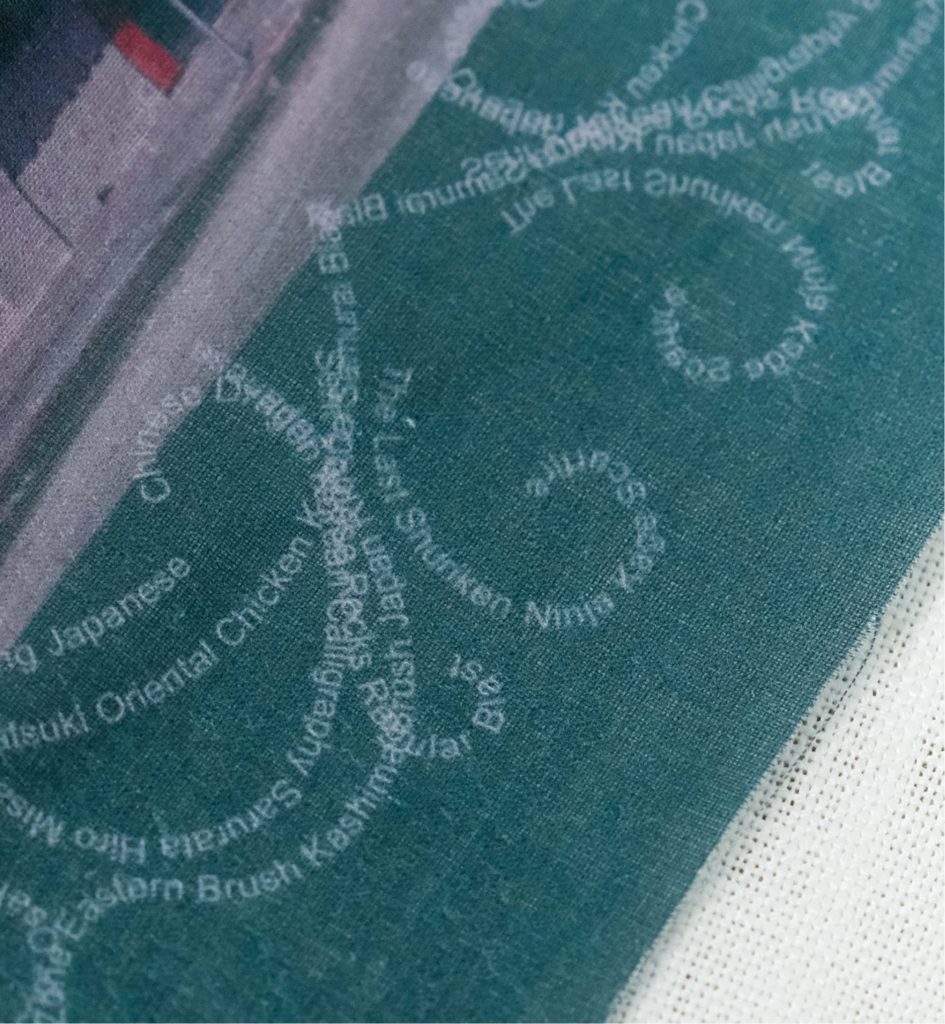
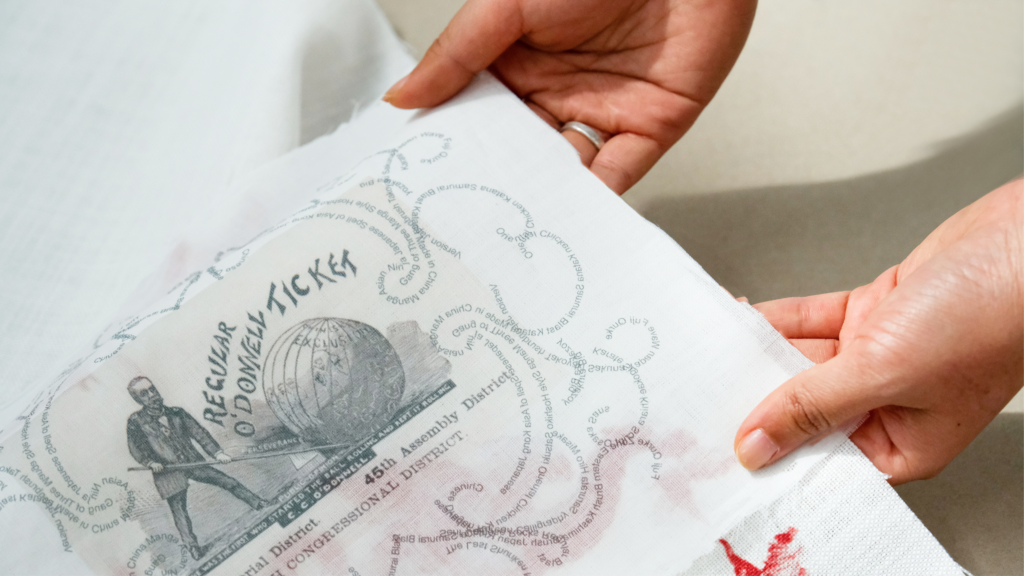
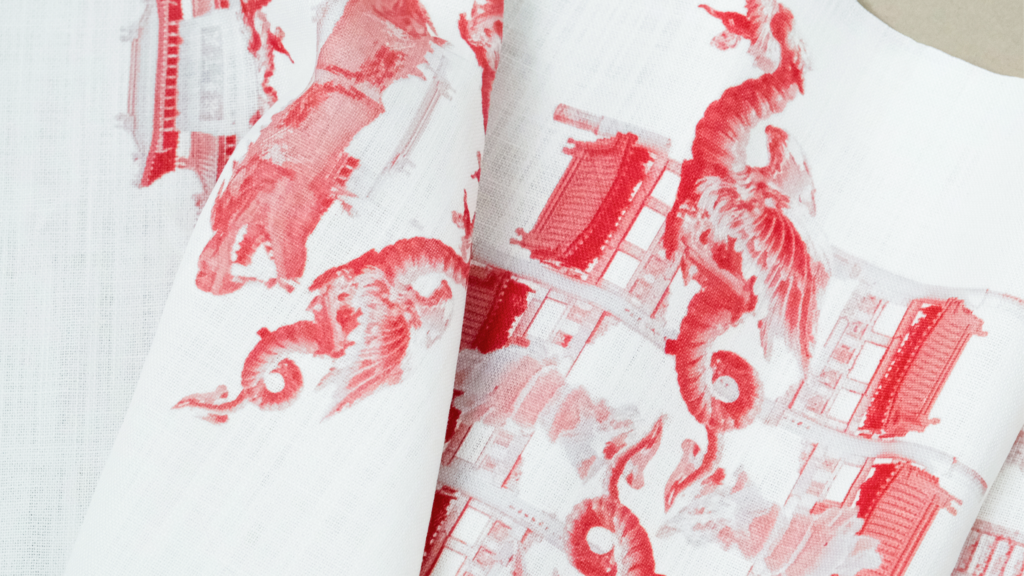
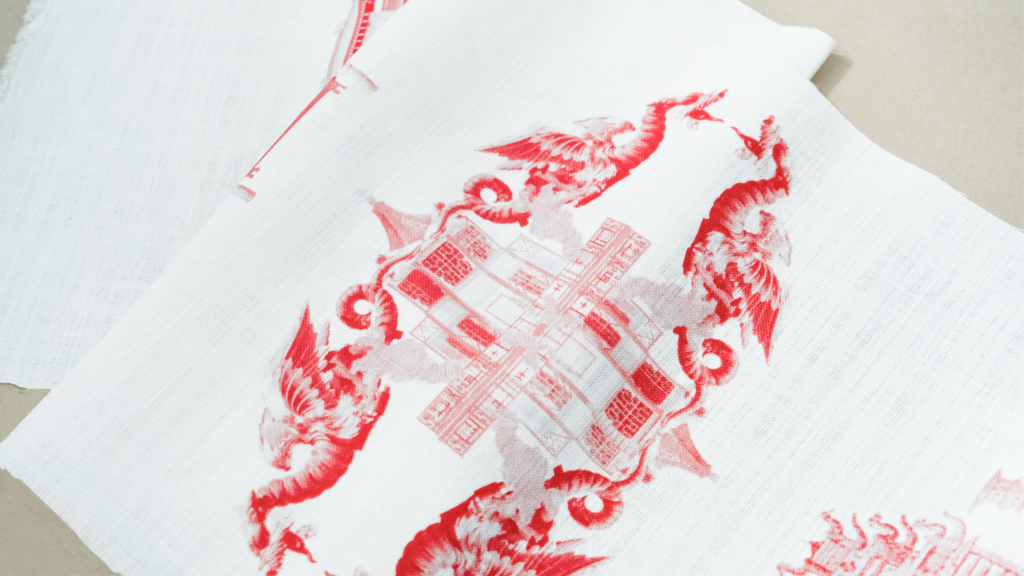
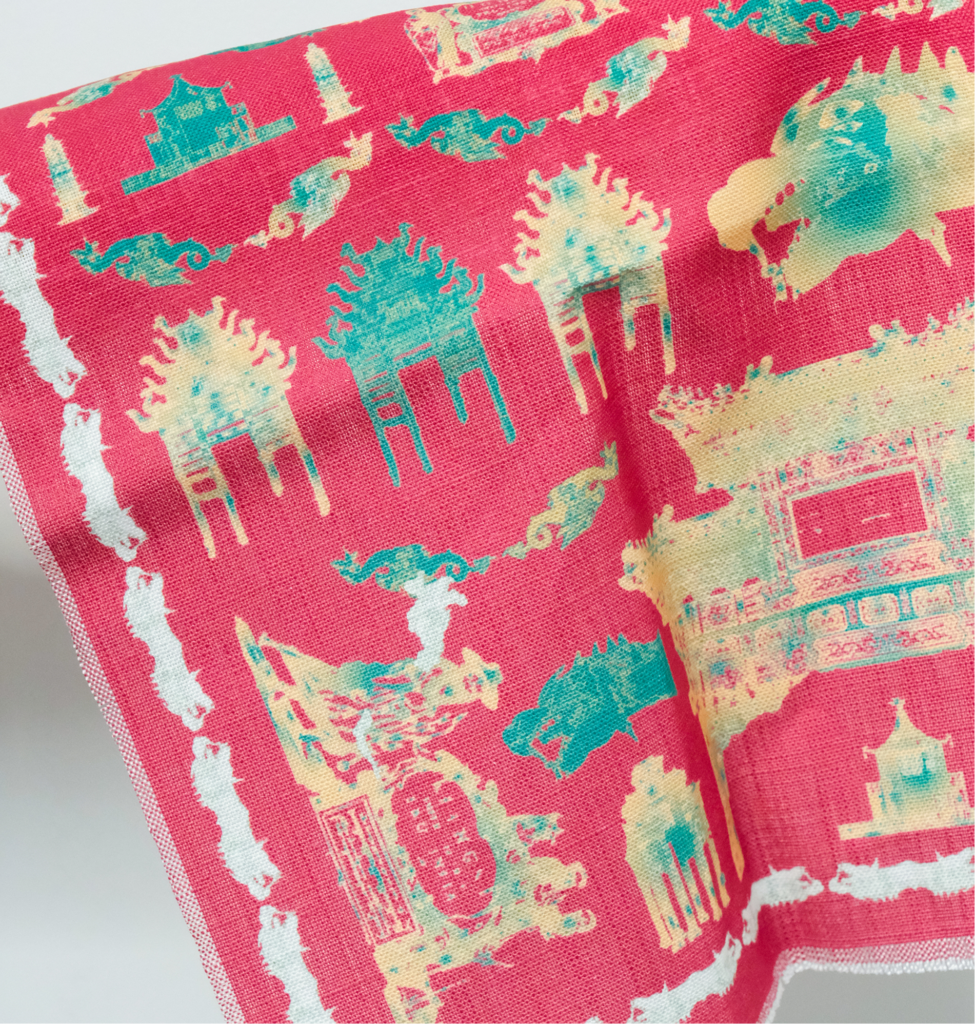
Fabricated Orient explores how imagined ideas of “Asia” are constructed within Western visual culture through decorative forms, typography, and surface imagery. Developed through material experimentation with fabric and print, the project examines how Asian identities and cultural symbols become stylised and consumed through familiar visual language.
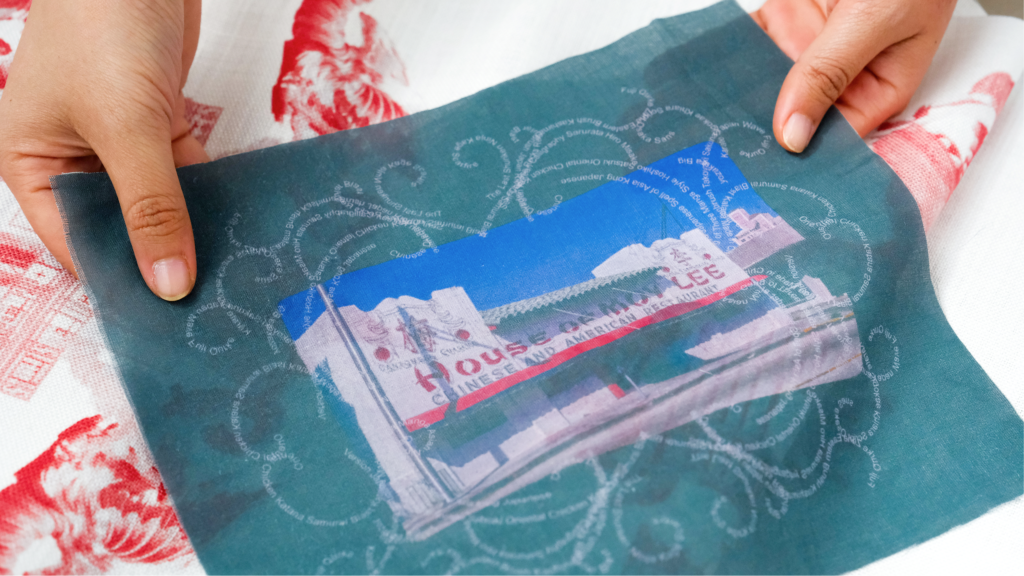
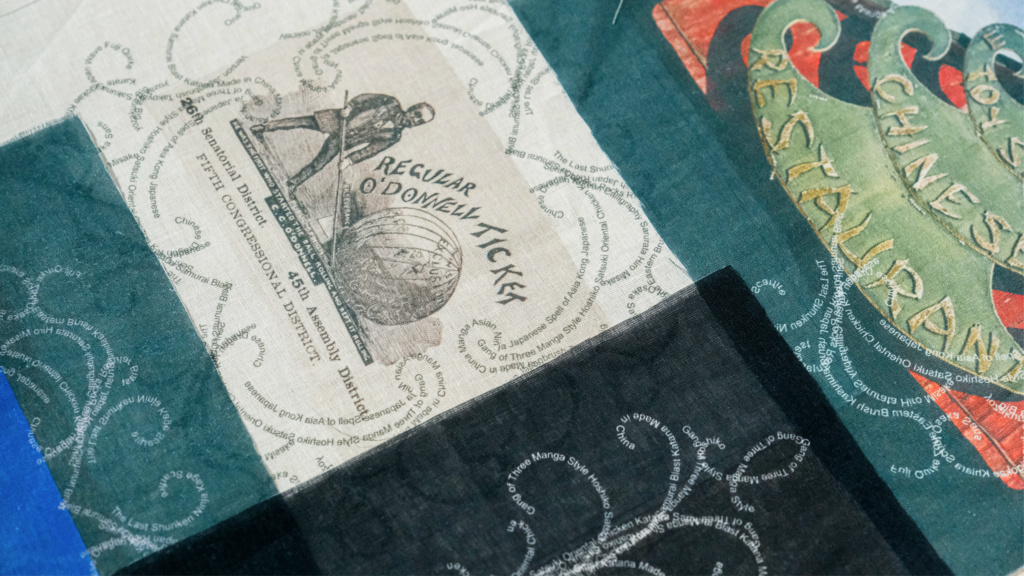
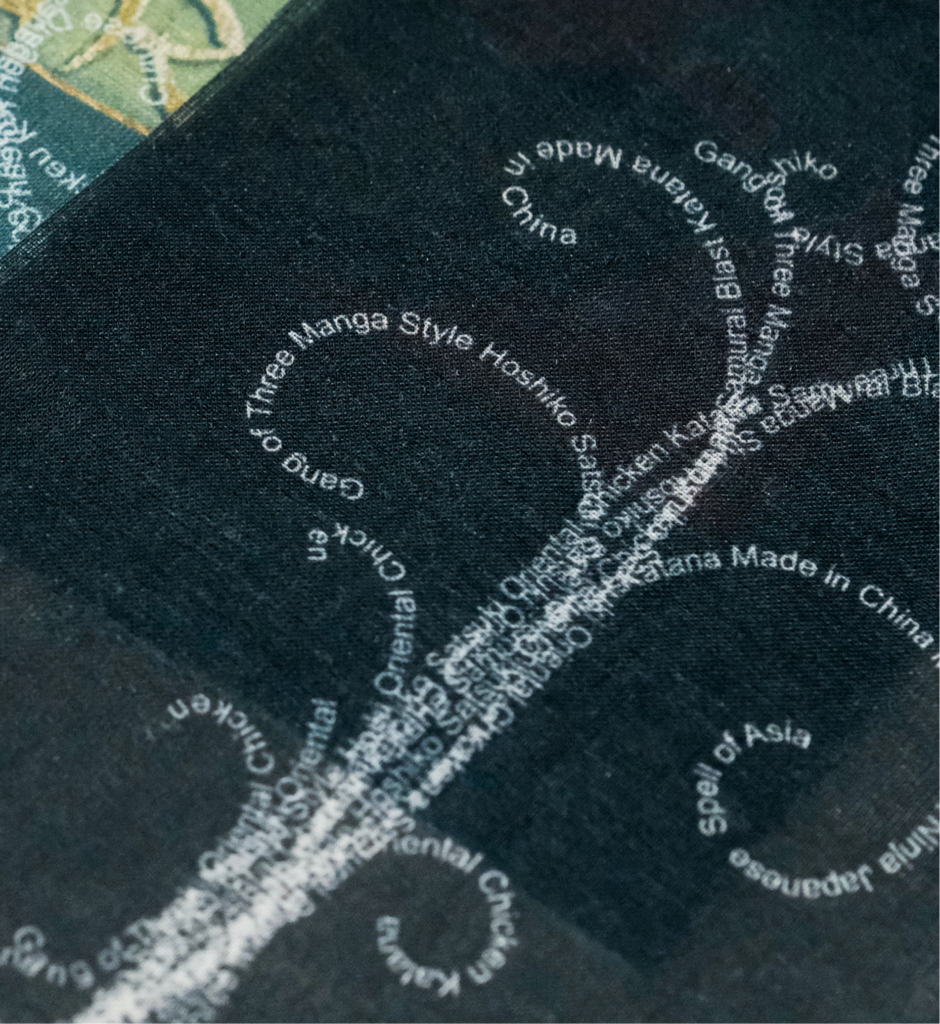
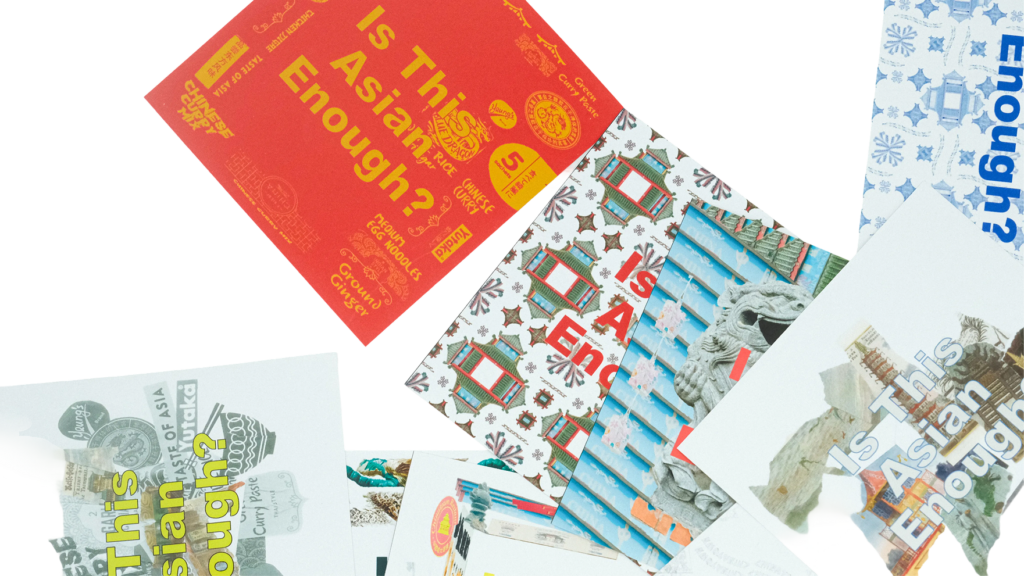
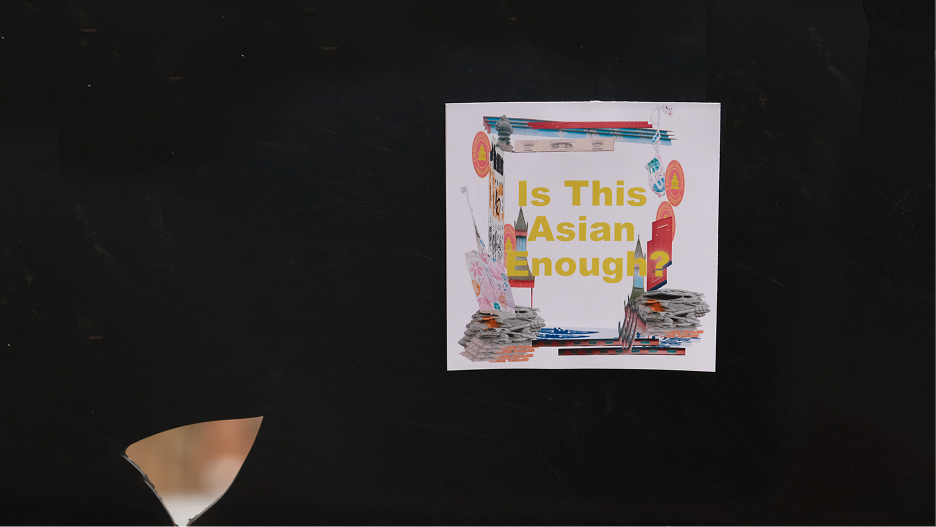
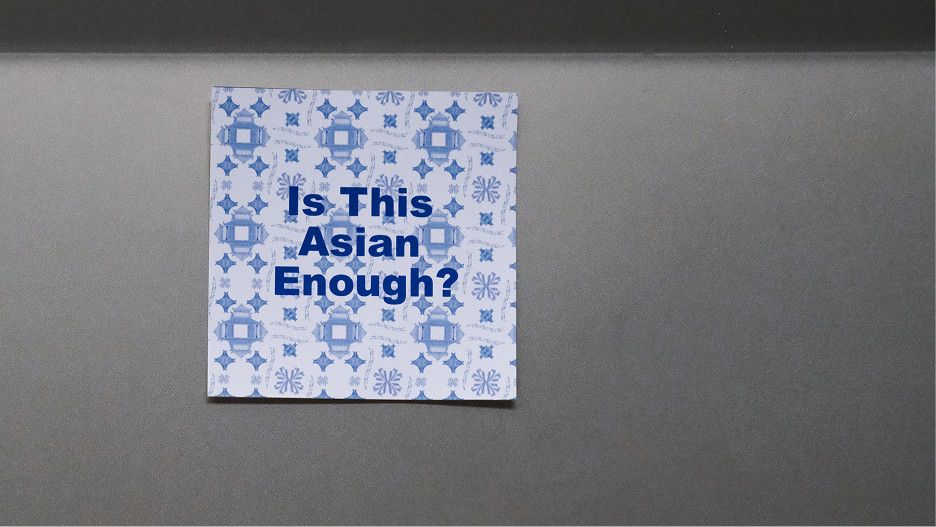
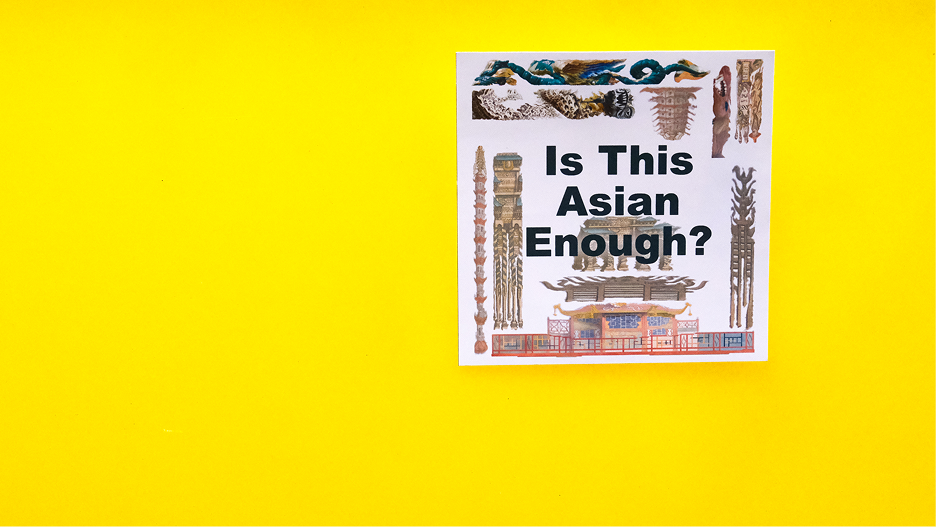
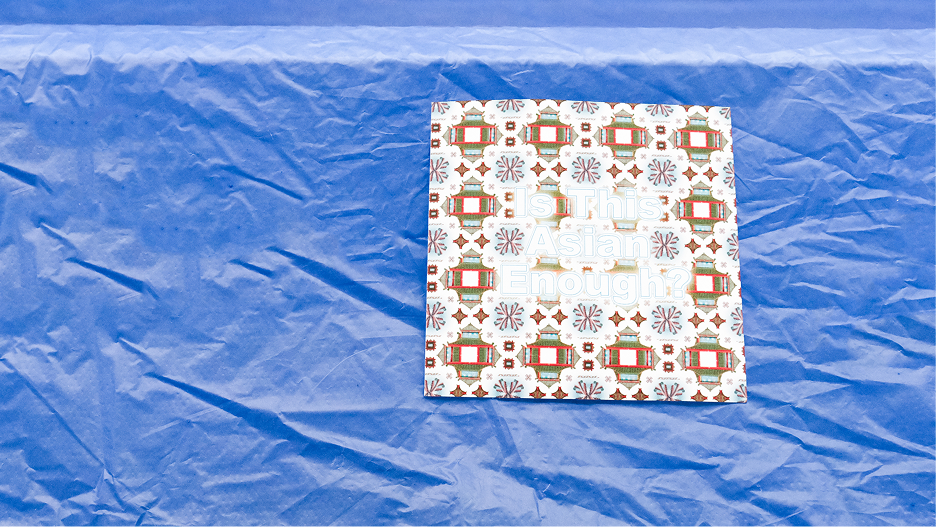
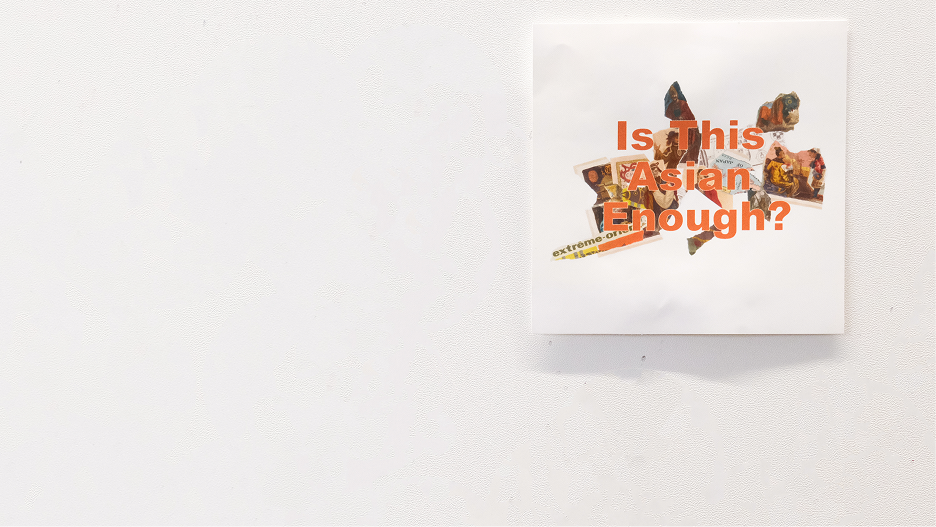
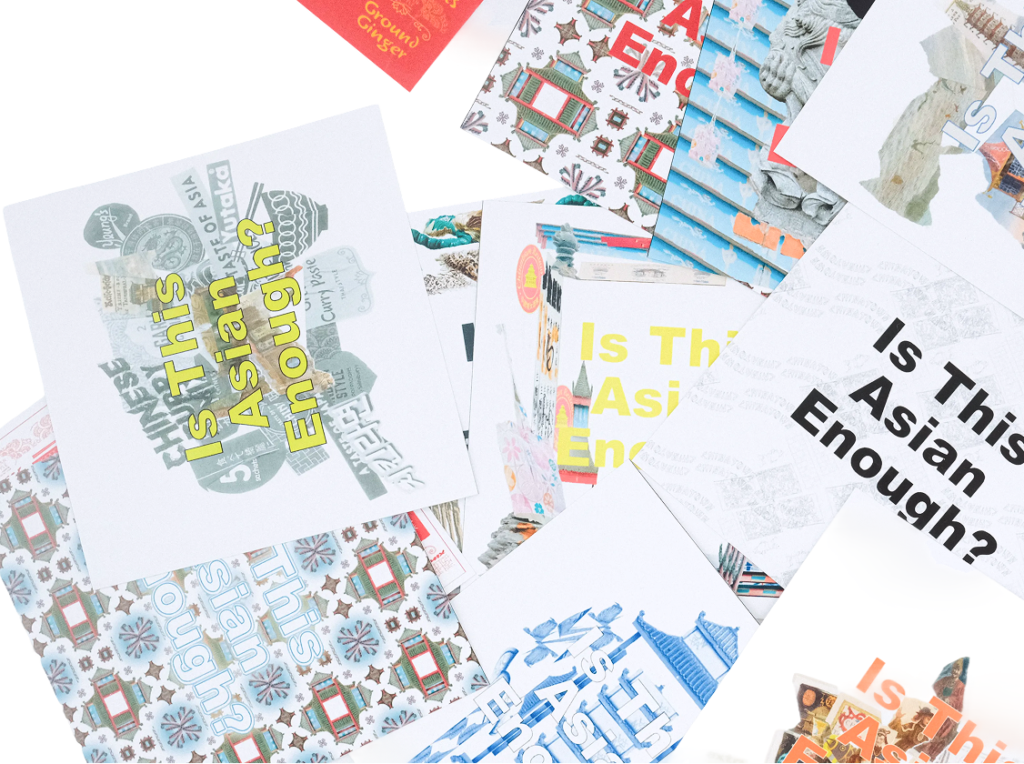
Is This Asian Enough?
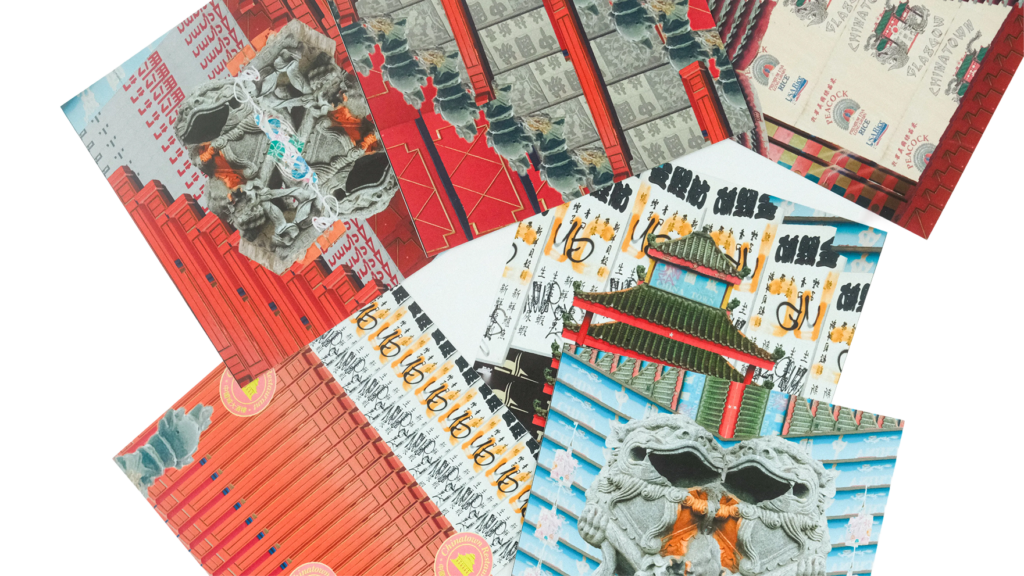
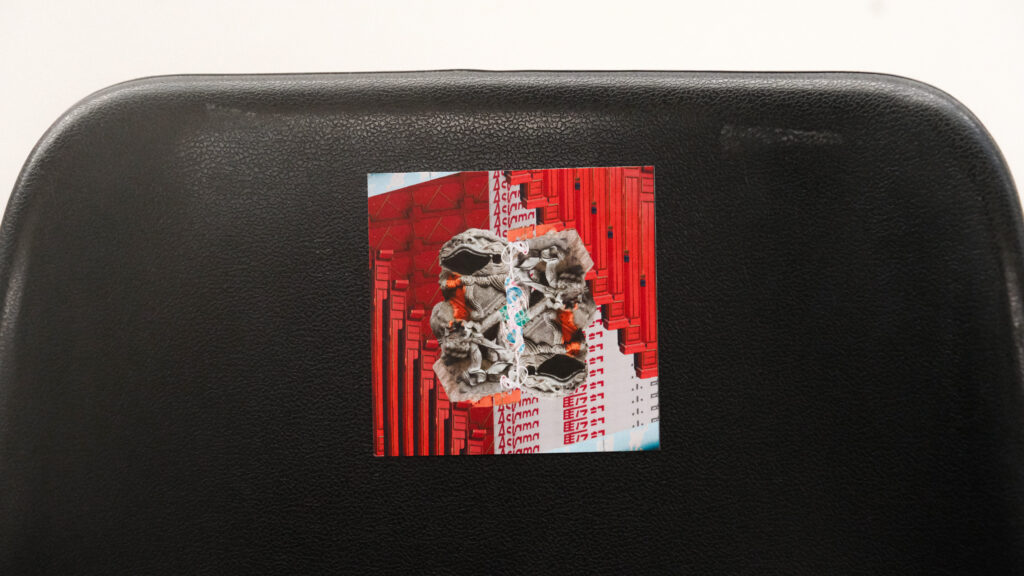
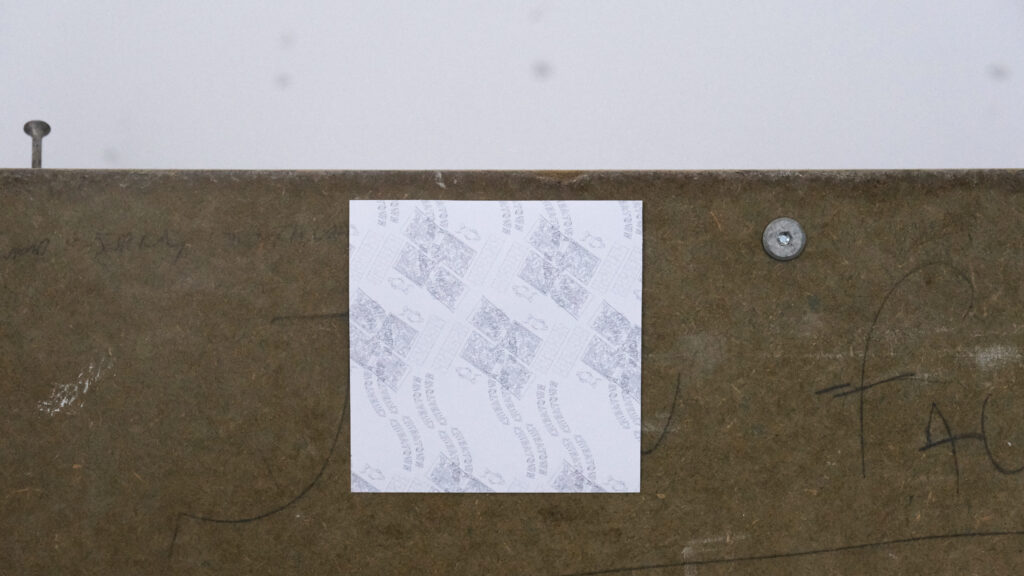
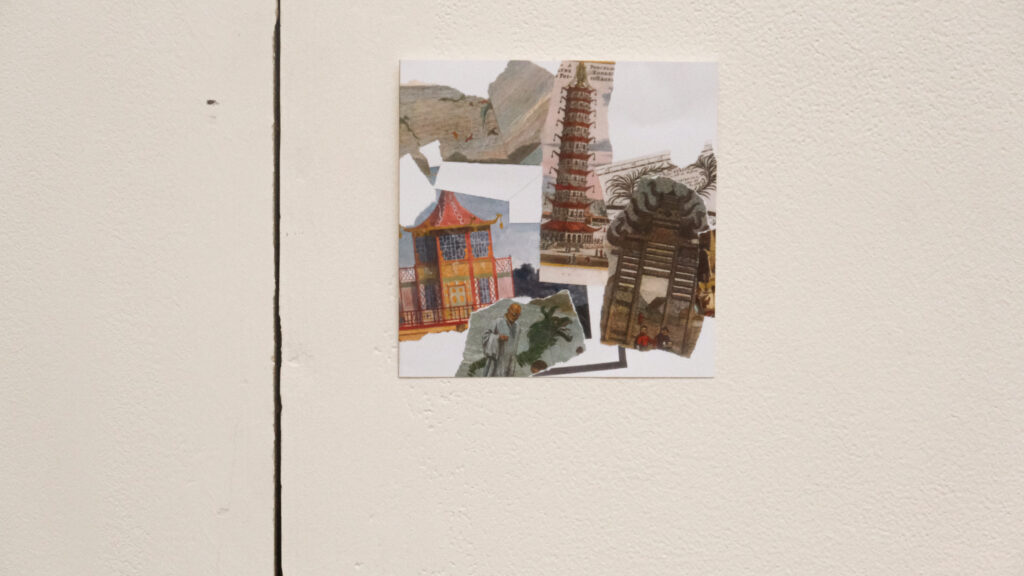
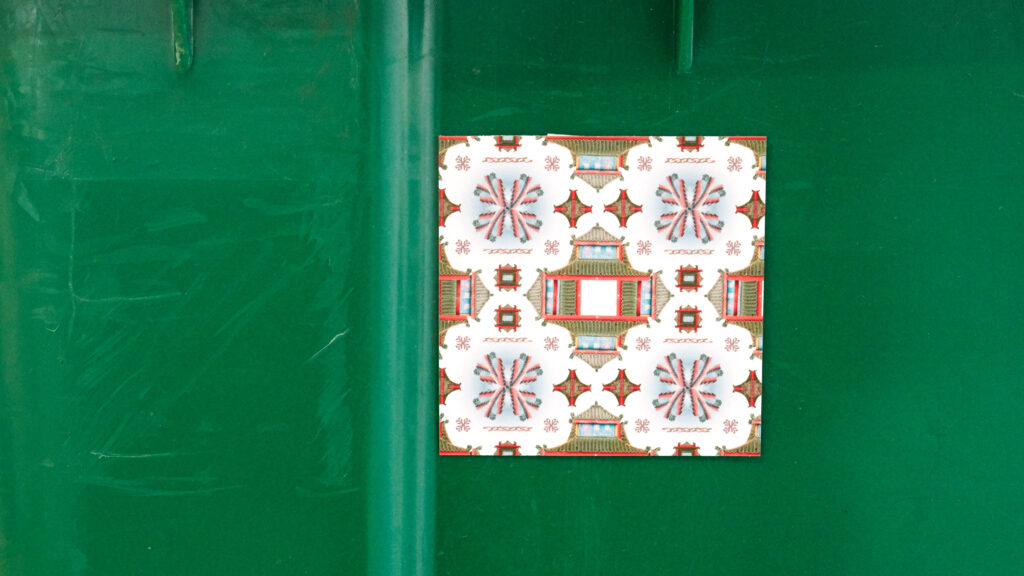
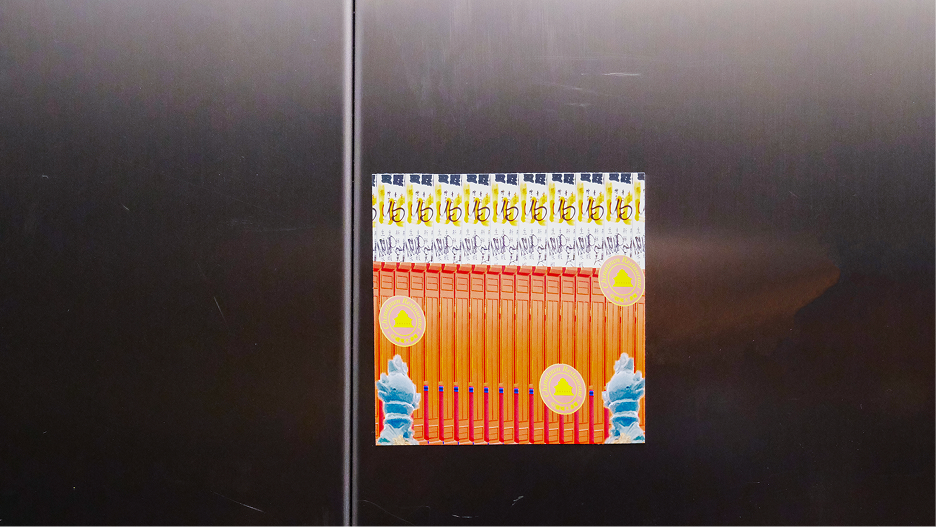
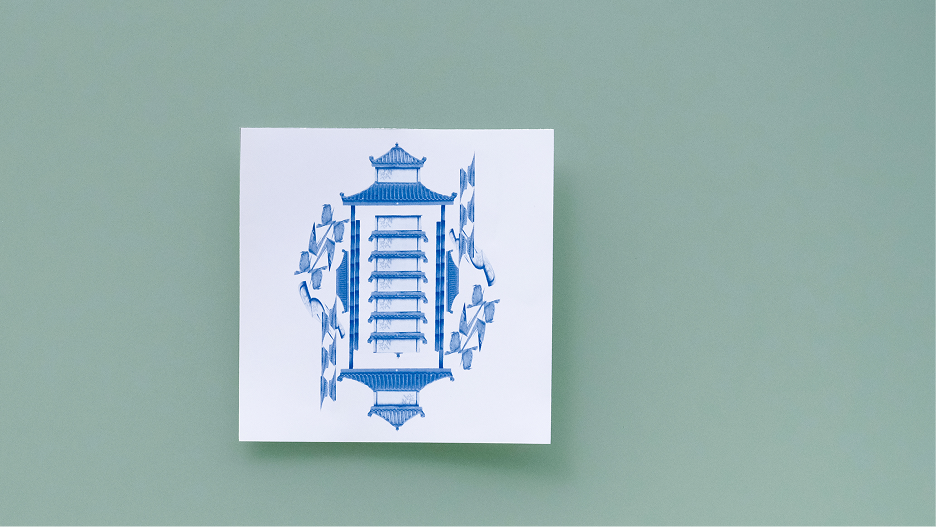
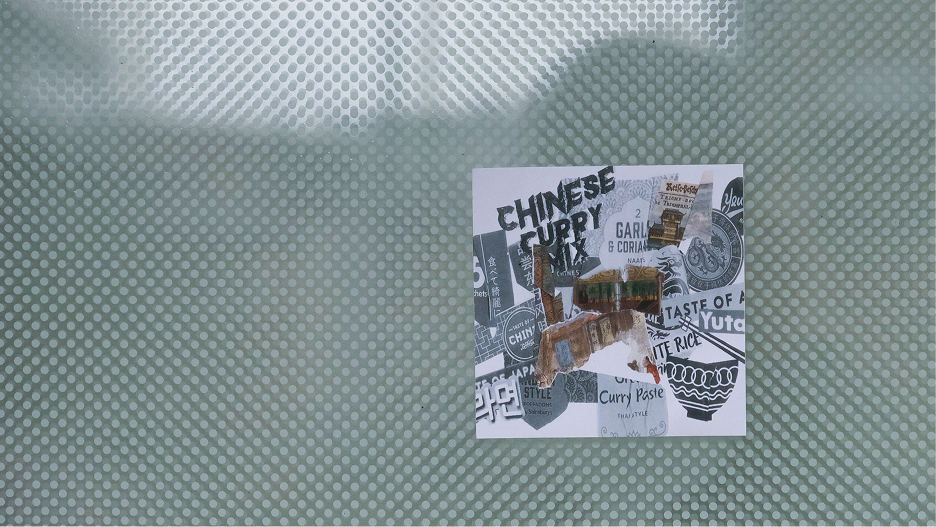
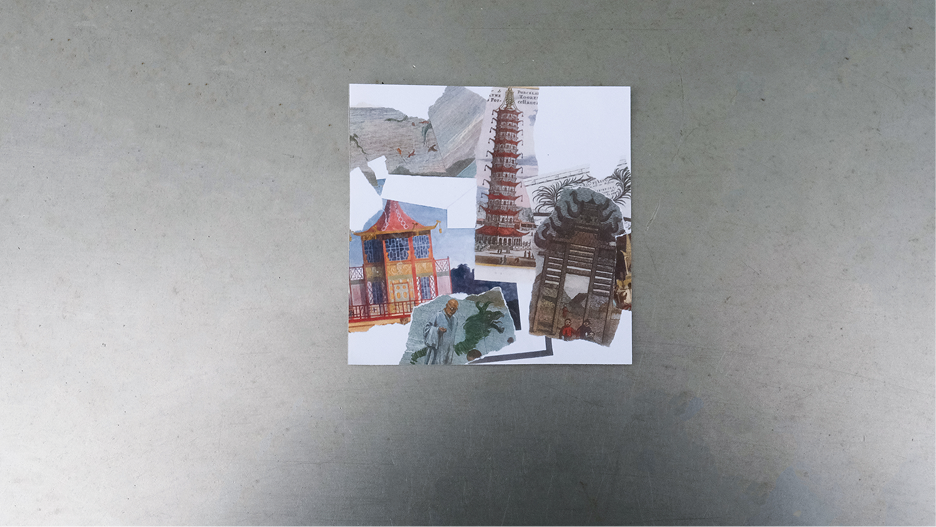
Is This Asian Enough? explores “Asianness” as a visual surface that can be applied, repeated, and consumed through familiar graphic stereotypes. Using stickers made from collected visual experiments and existing “Asian” motifs, the work investigates how cultural identity becomes flattened into recognisable decorative signs. By placing these stickers onto different objects and materials, the project reflects on the ways visual language constructs simplified and transferable ideas of cultural identity.