Angus Hamilton James
(He/Him)
Angus Hamilton James is an artist and writer based in Glasgow. His practice centres around recursive systems of photography, often highlighting entrenched material and chemical aspects of the discipline which are overlooked, and examining their presence on the picture plane. His work analyzes and draws lines between contemporary and traditional image making technologies, most frequently focusing on Artificial Intelligence
His work has taken the form of sculptural installations, moving image work, games, circuit boards, images, and prints, rarely lingering on one medium. Central to his practice is a questioning of the nature of photography and the concepts that are associated with it, connecting different phenomena in pedantic ways to highlight the systems by which we understand media. His work is informed by media studies, research papers, and artworks, and often attempts to bridge the gap between these fields.
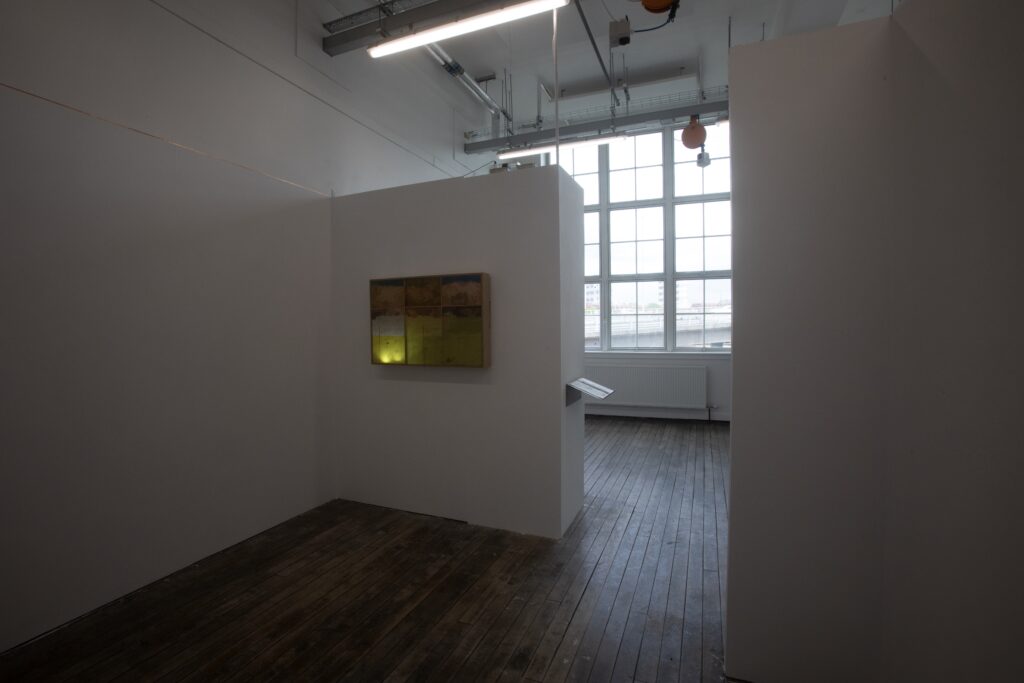
Overview, Degree Show
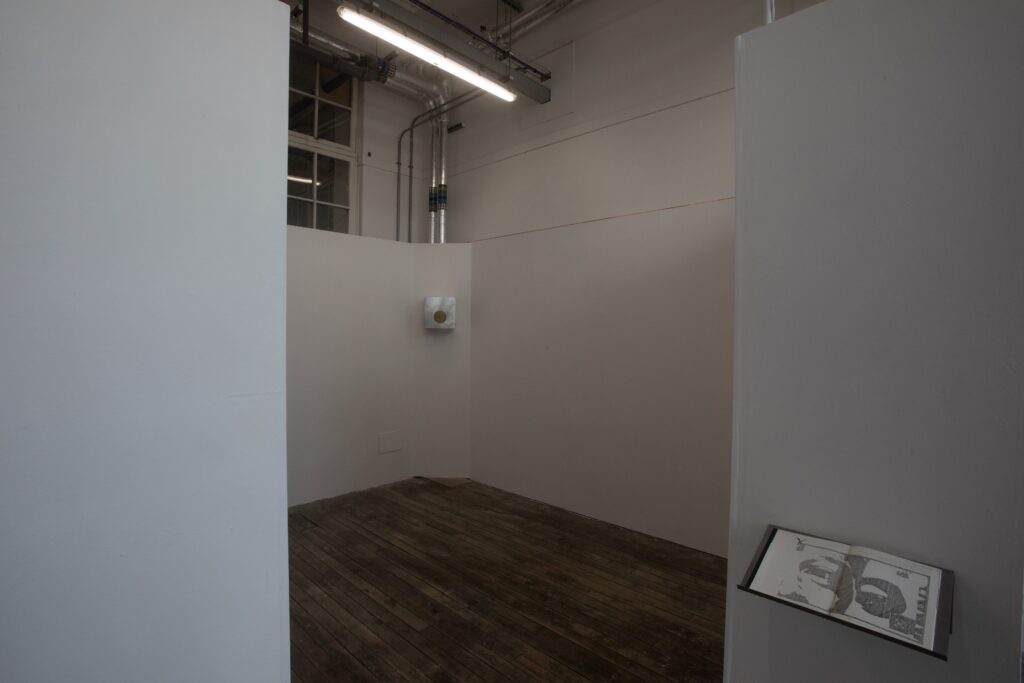
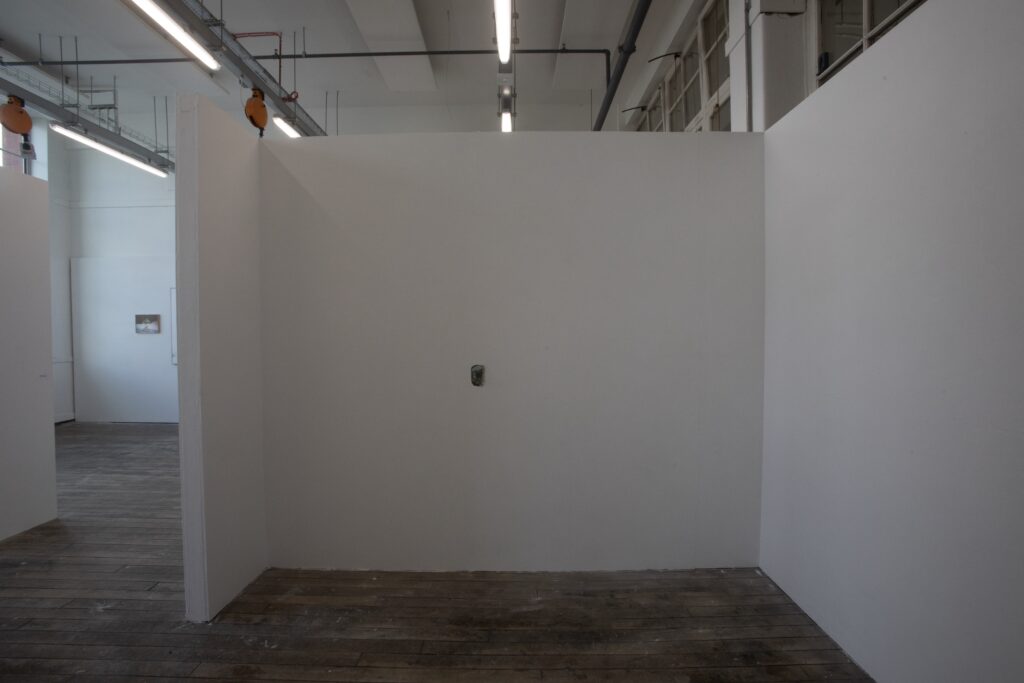
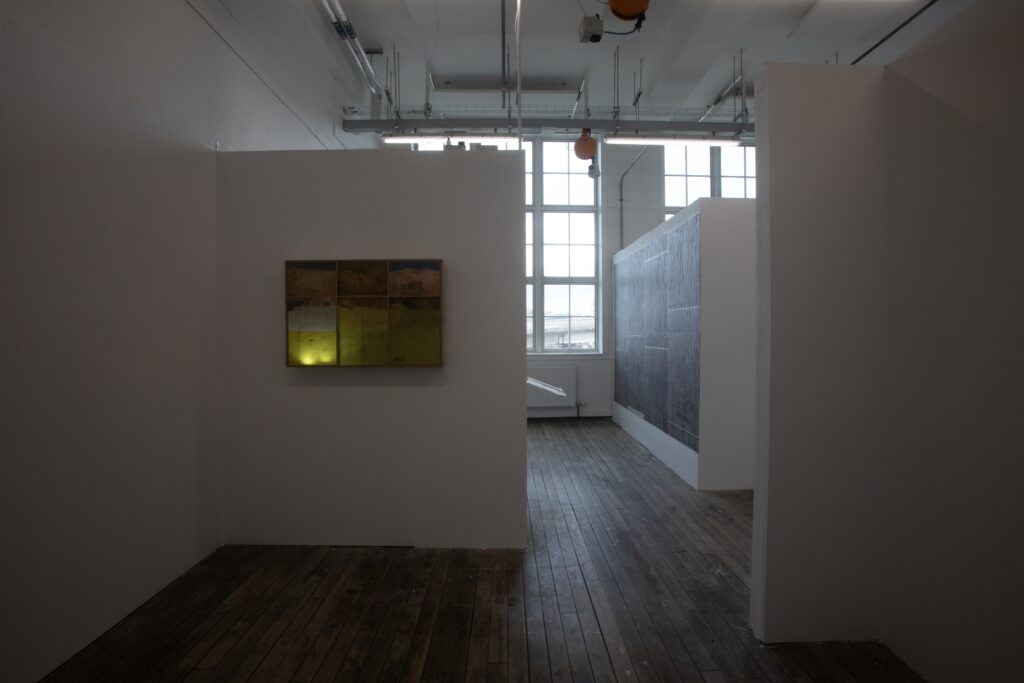
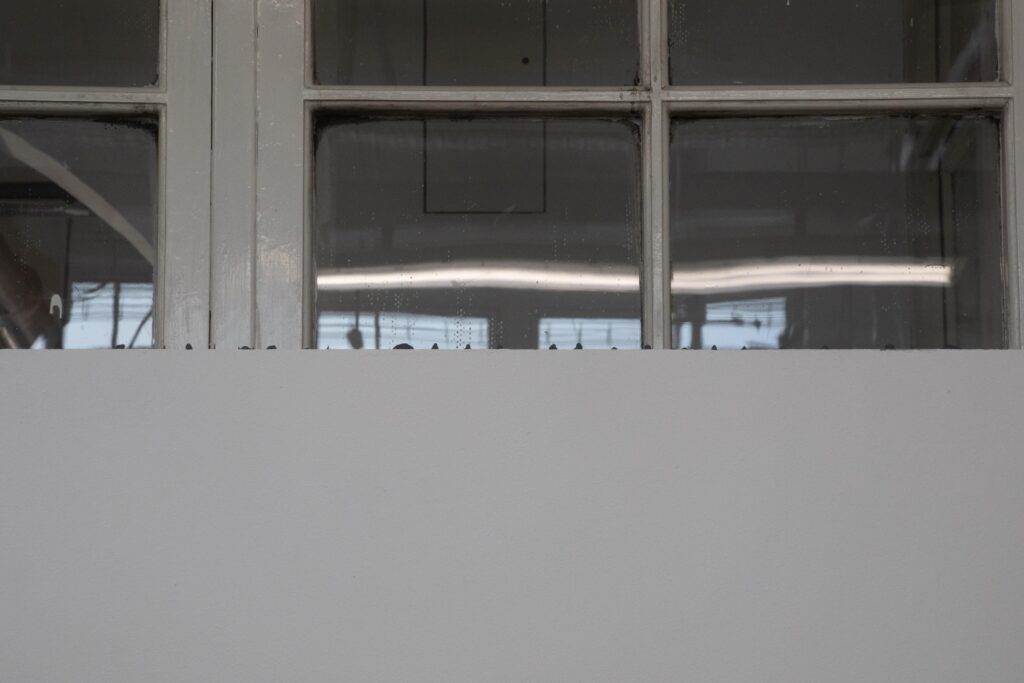
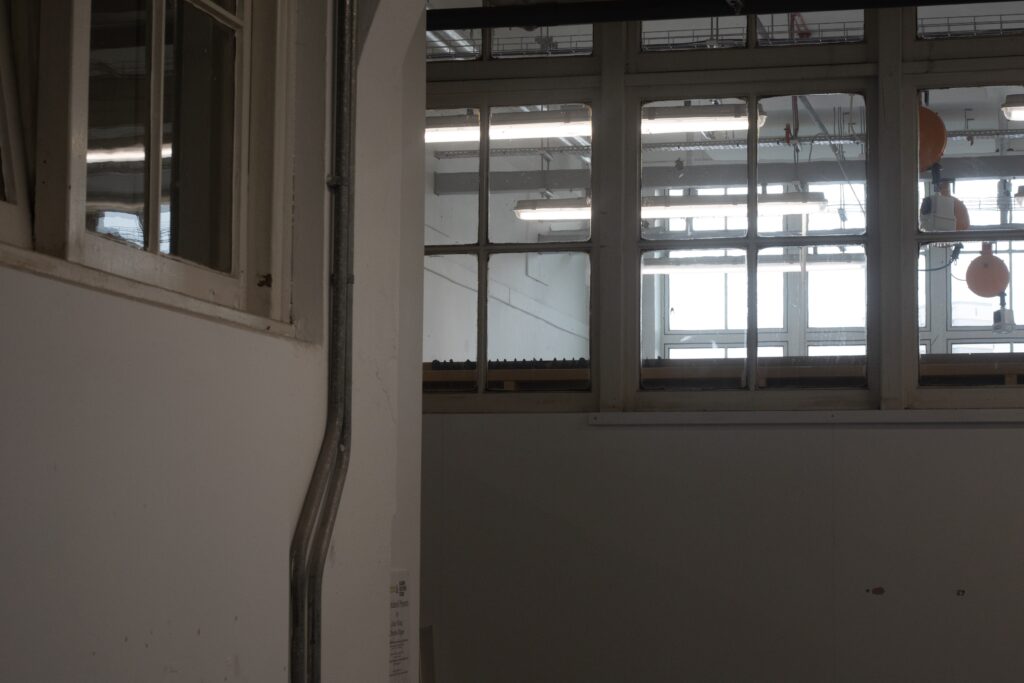
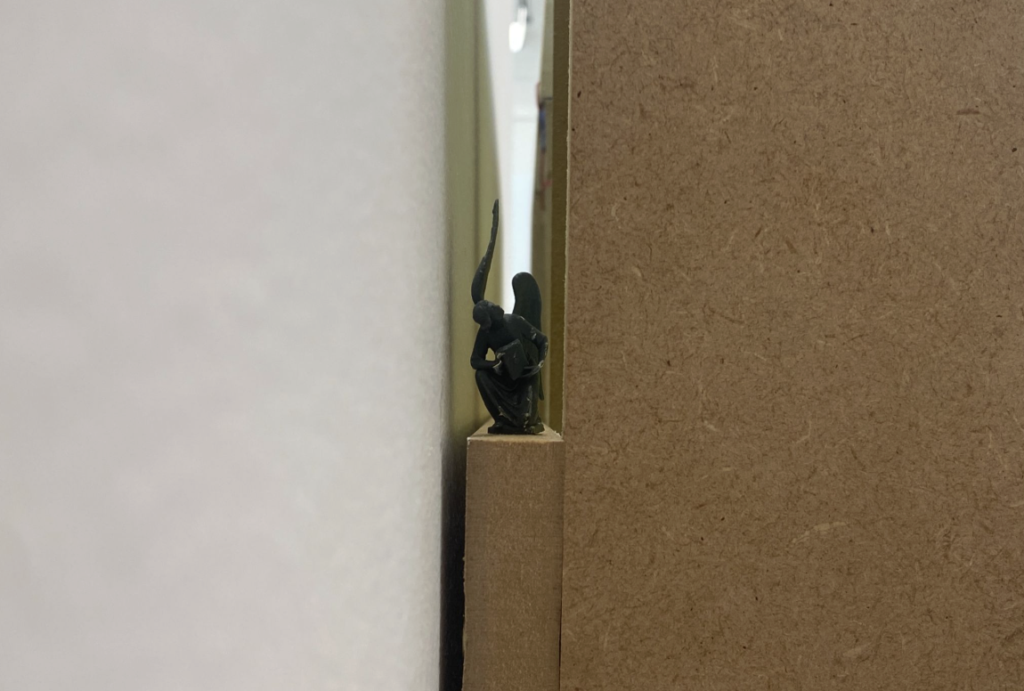
Lighting Field (After Walter de Maria)
‘Lighting Field (After Walter de Maria)’, MDF, Copper and Fibreglass Board, Wire, Tin, LEDs, Desk Fan, Photo Emulsion, Resin Printed Angel of Saint Matthew (2026).
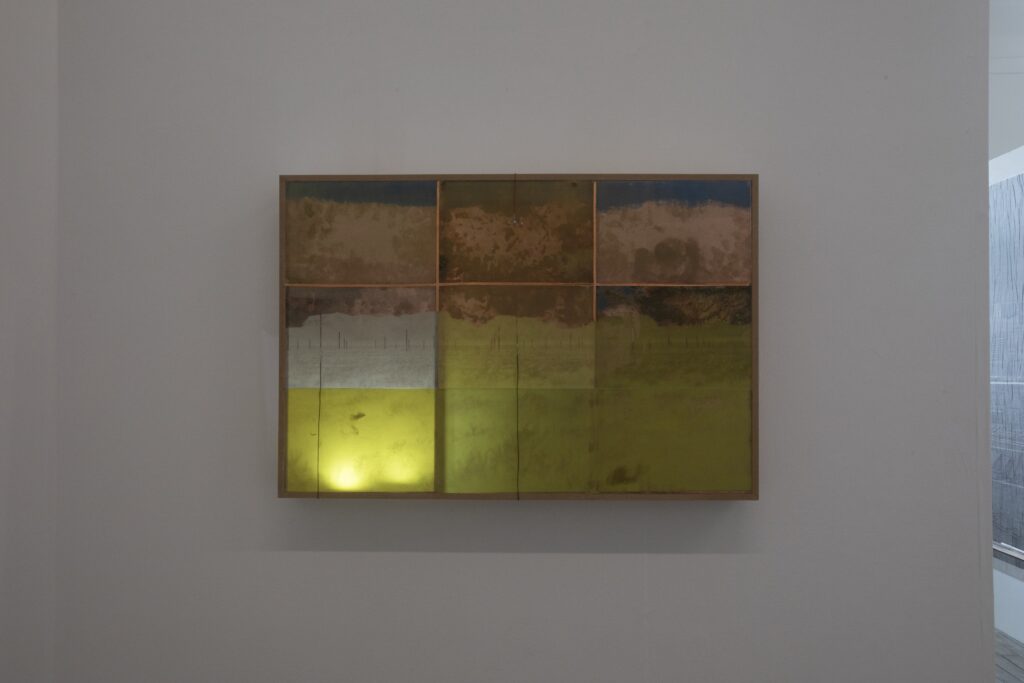
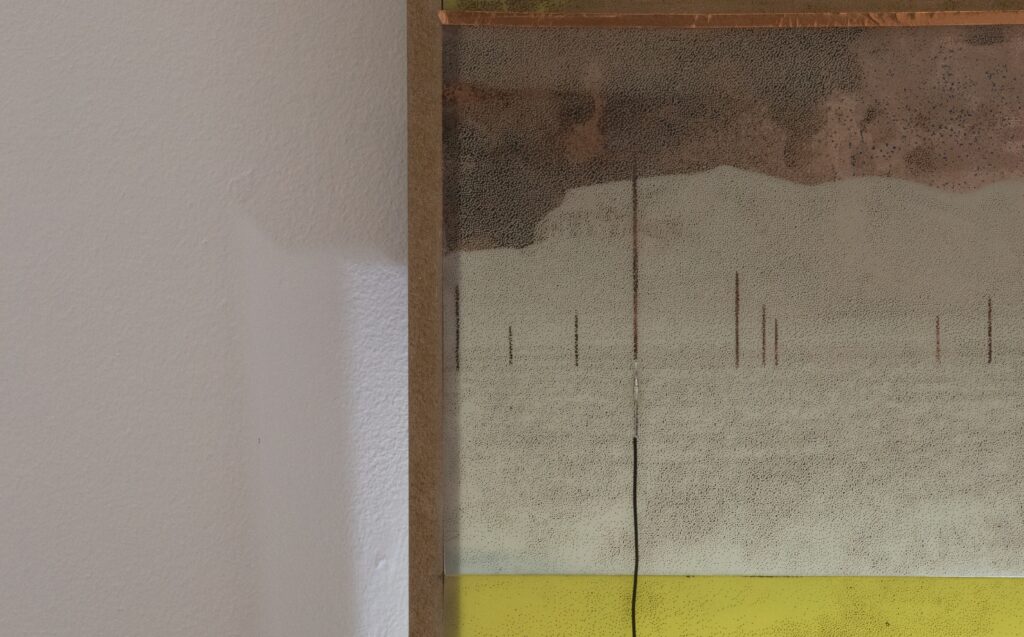
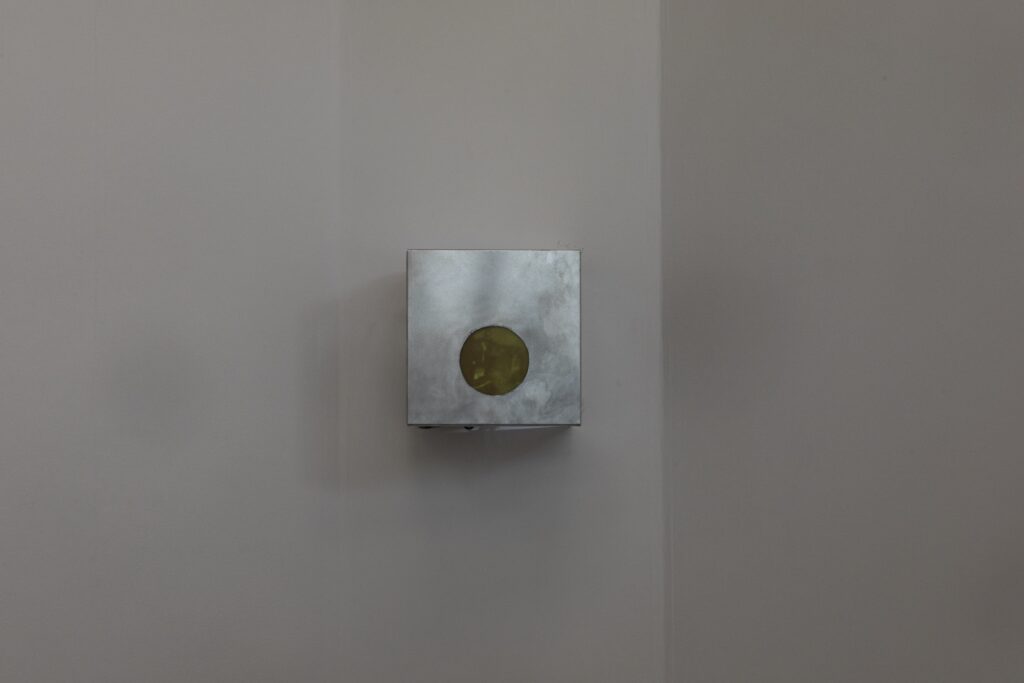
Circuit Photograph (After Igor Kostin)
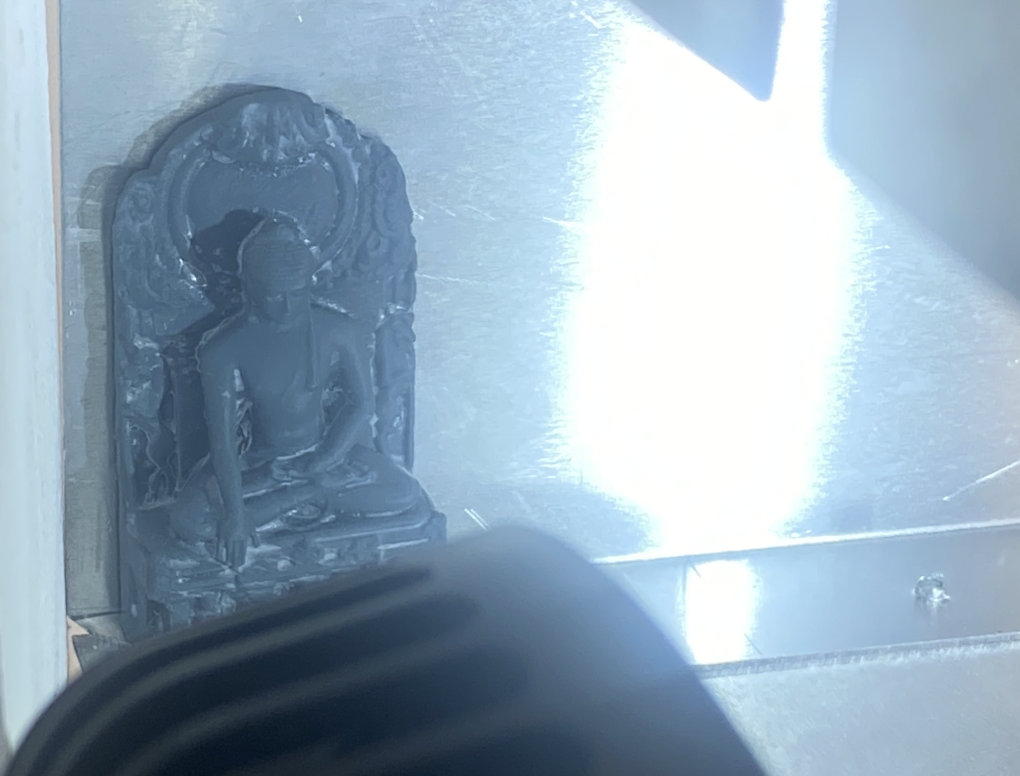
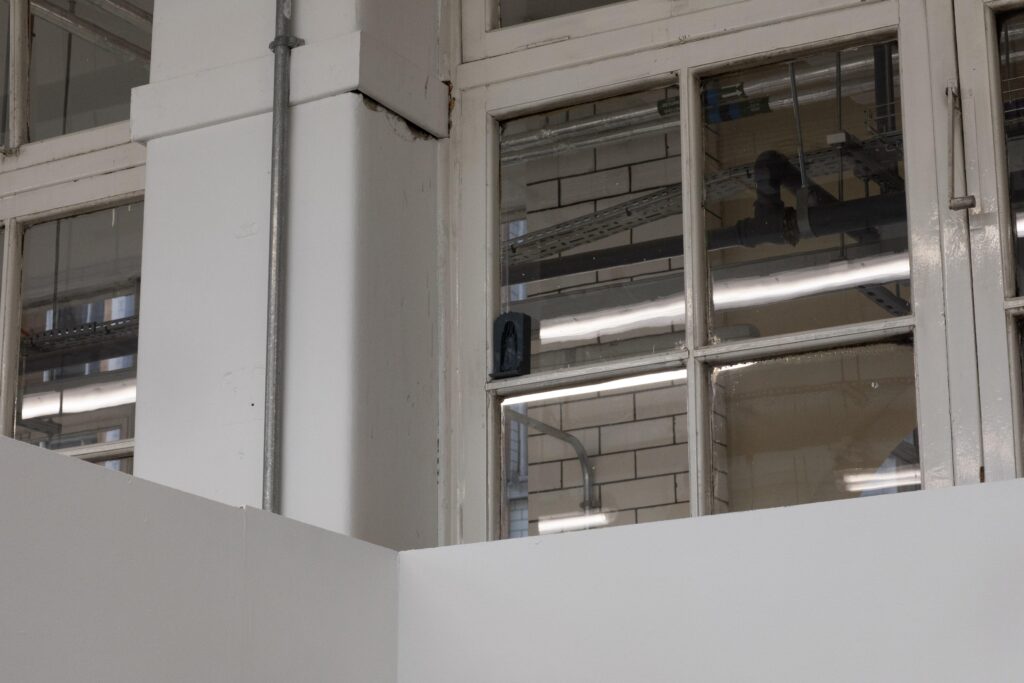
‘Circuit Photograph (After Igor Kostin)’ Steel Box, Copper and Fibreglass Board, Wire, Tin, LED, Desk Fan, Resin Printed Buddha (2026).
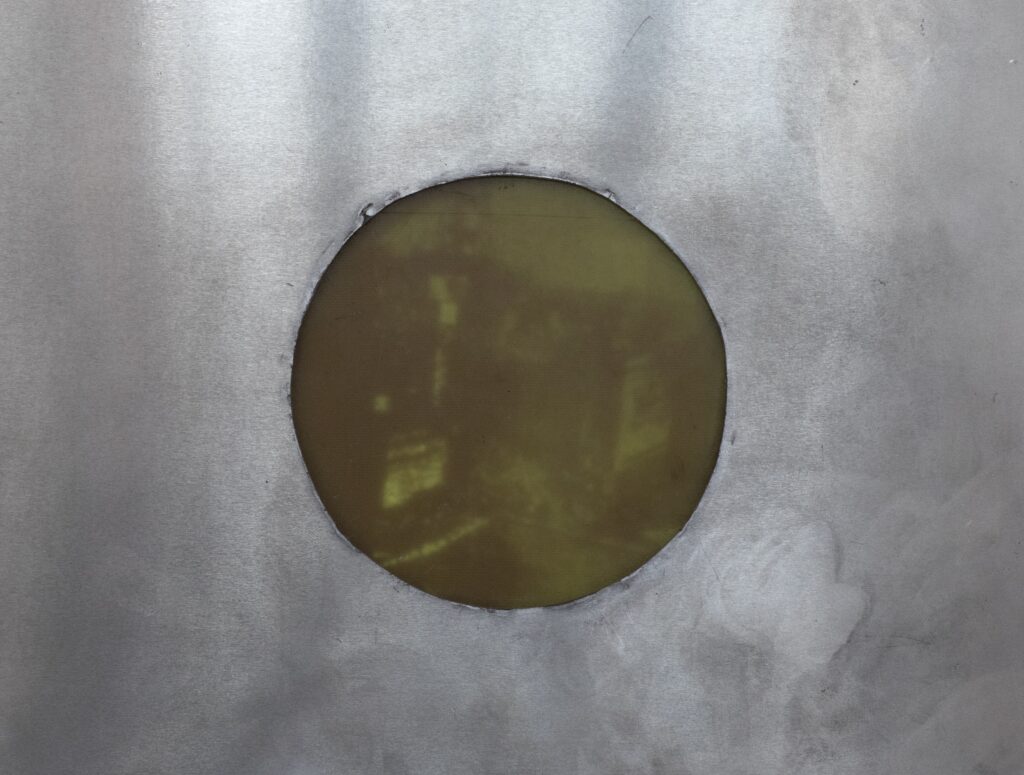
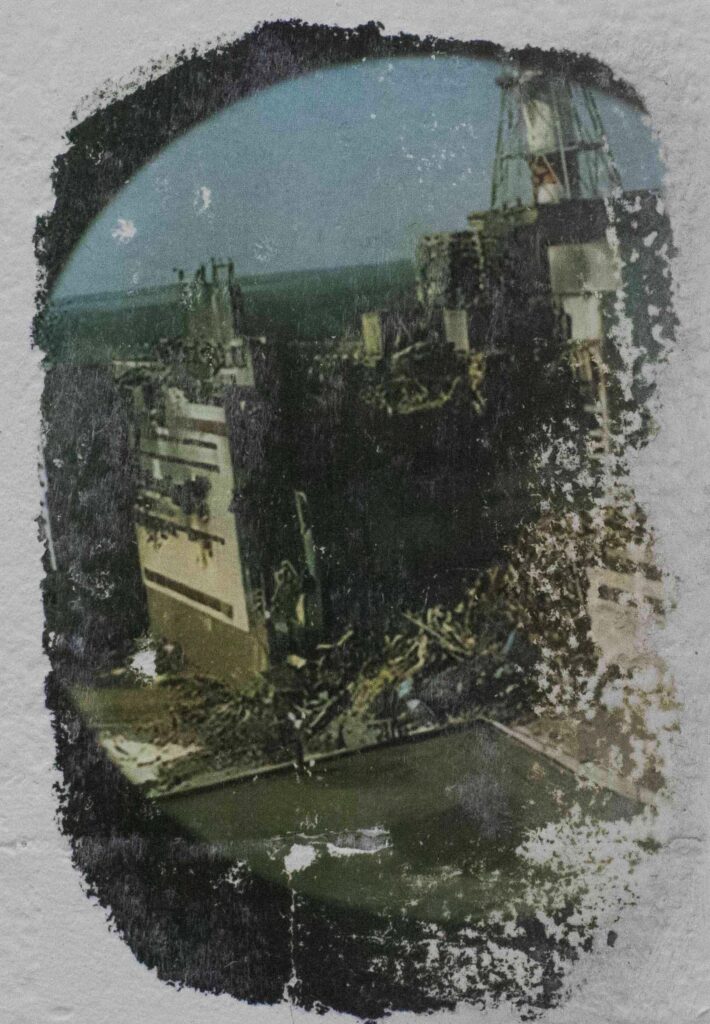
Untitled (After Igor Kostin)
‘Untitled (After Igor Kostin’ (2026). Gel Transfer on Board
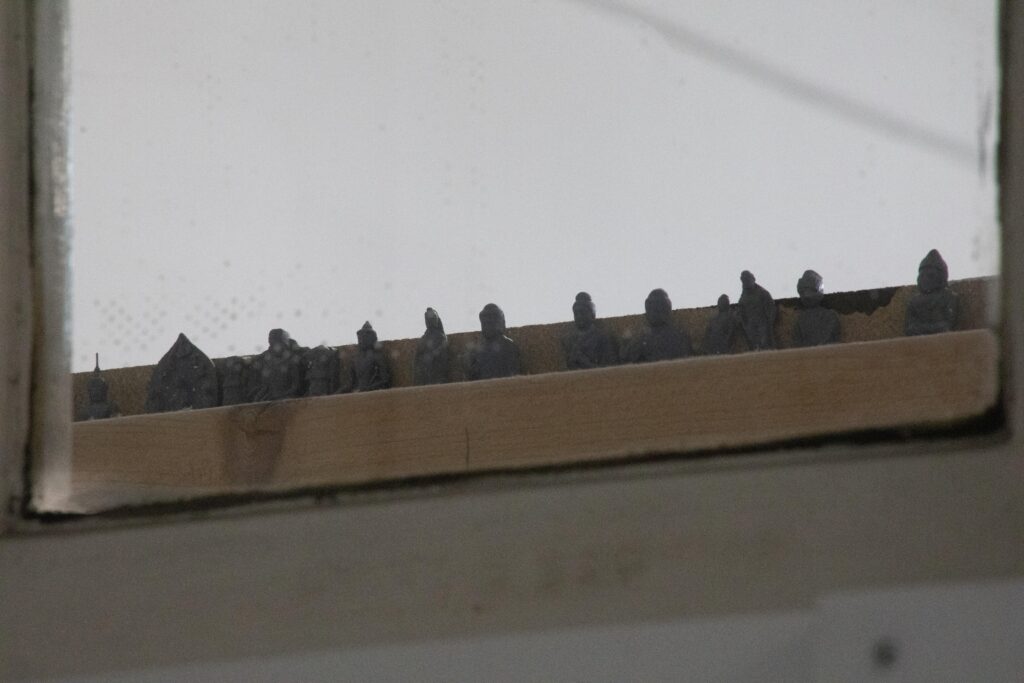
‘Buddha Photographs’
‘Buddha Photographs’ Collection of 41 Resin Printed Buddhas, (2026).
1 Path With 2 Degrees of Separation
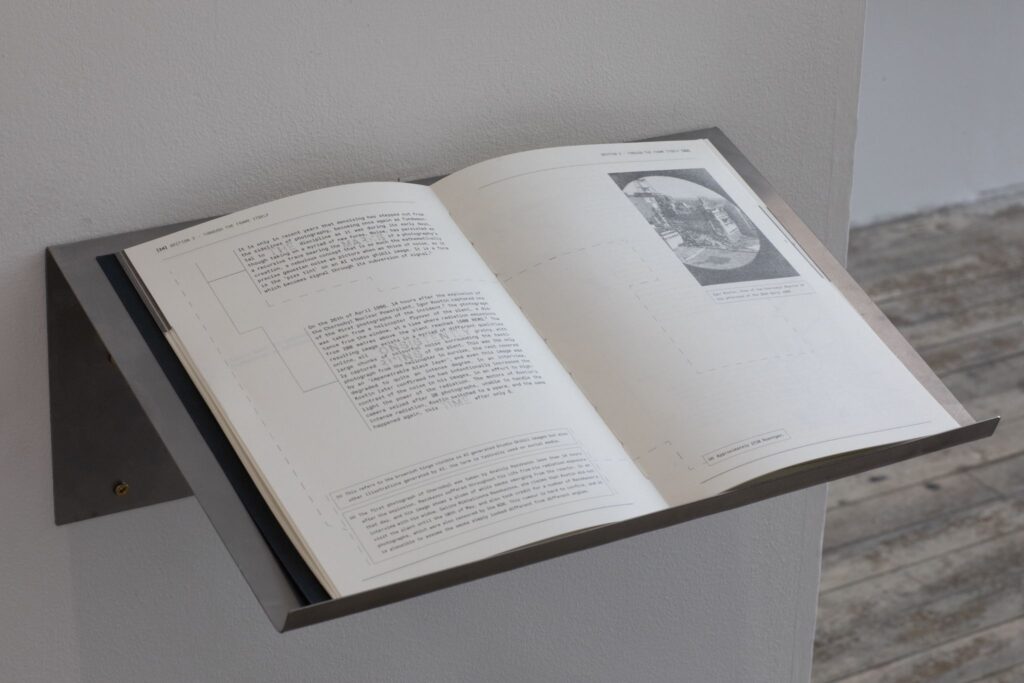
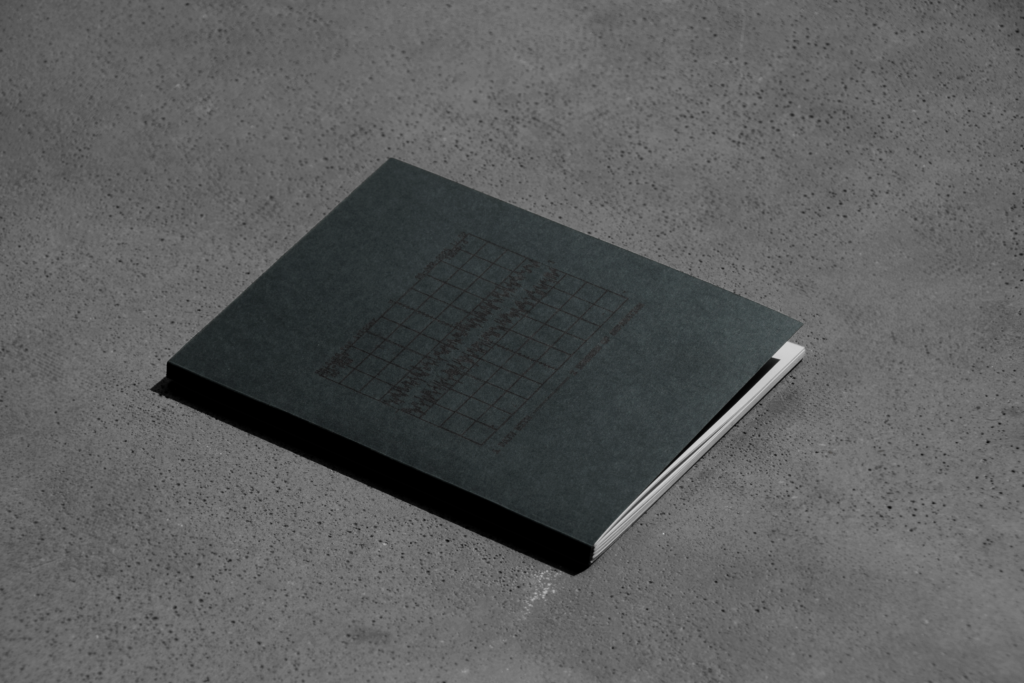
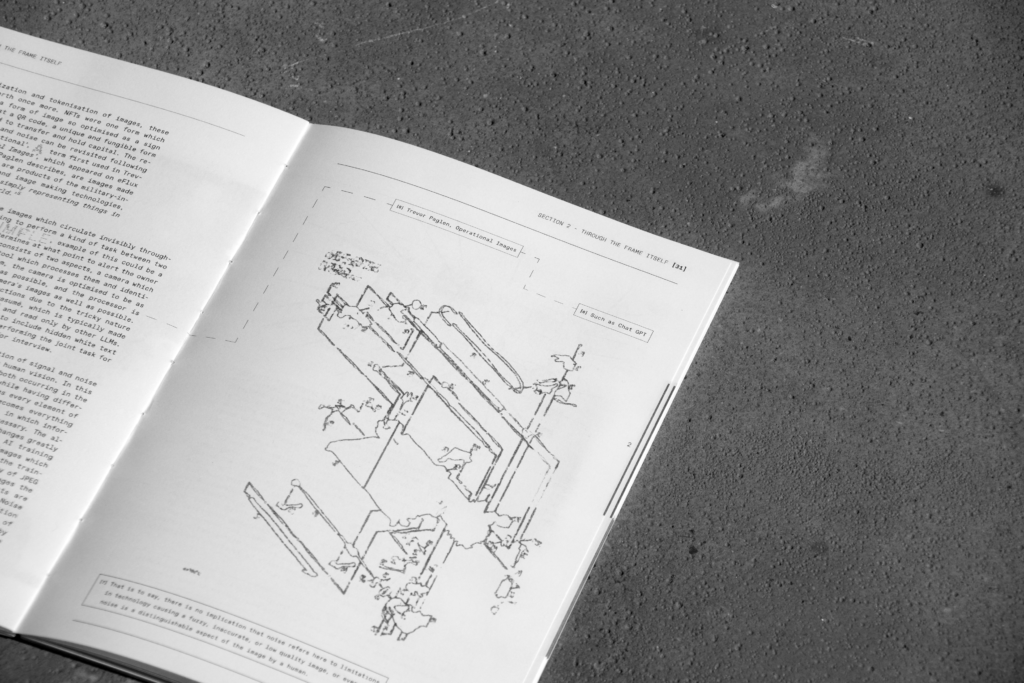
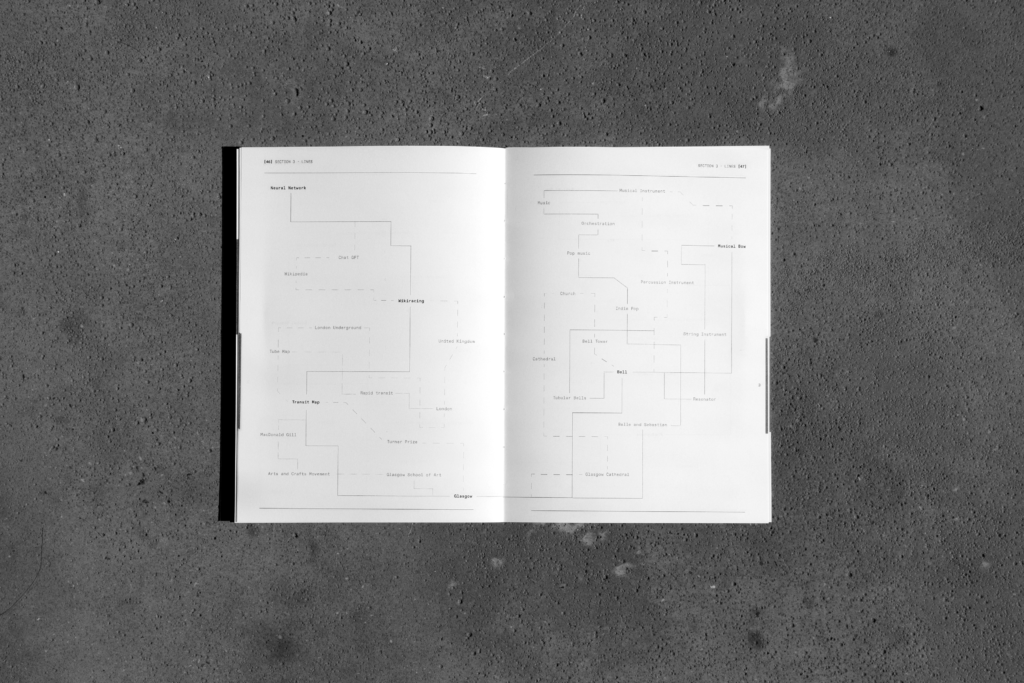
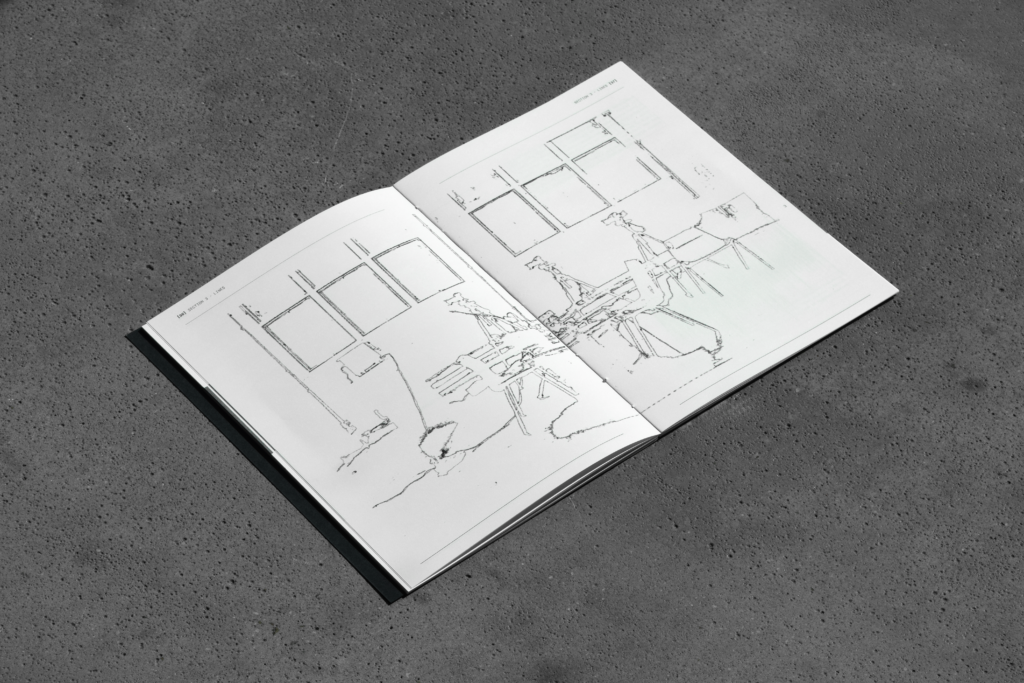
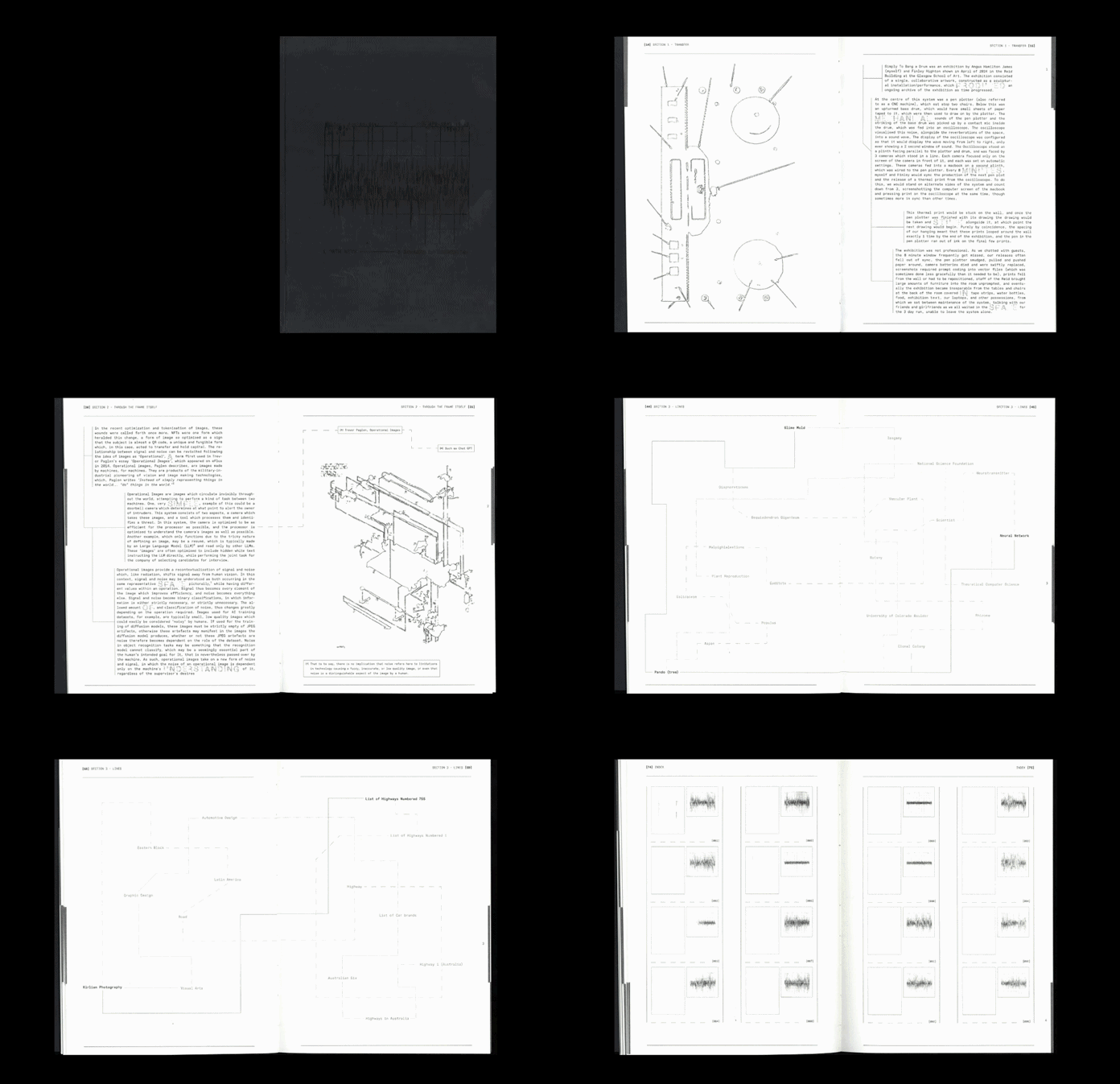
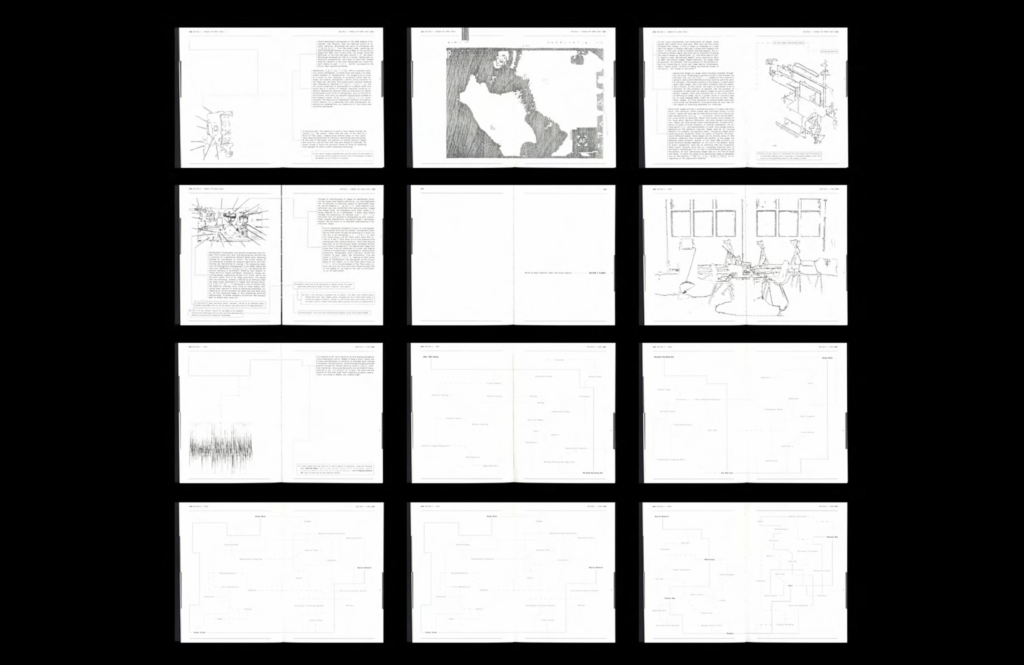
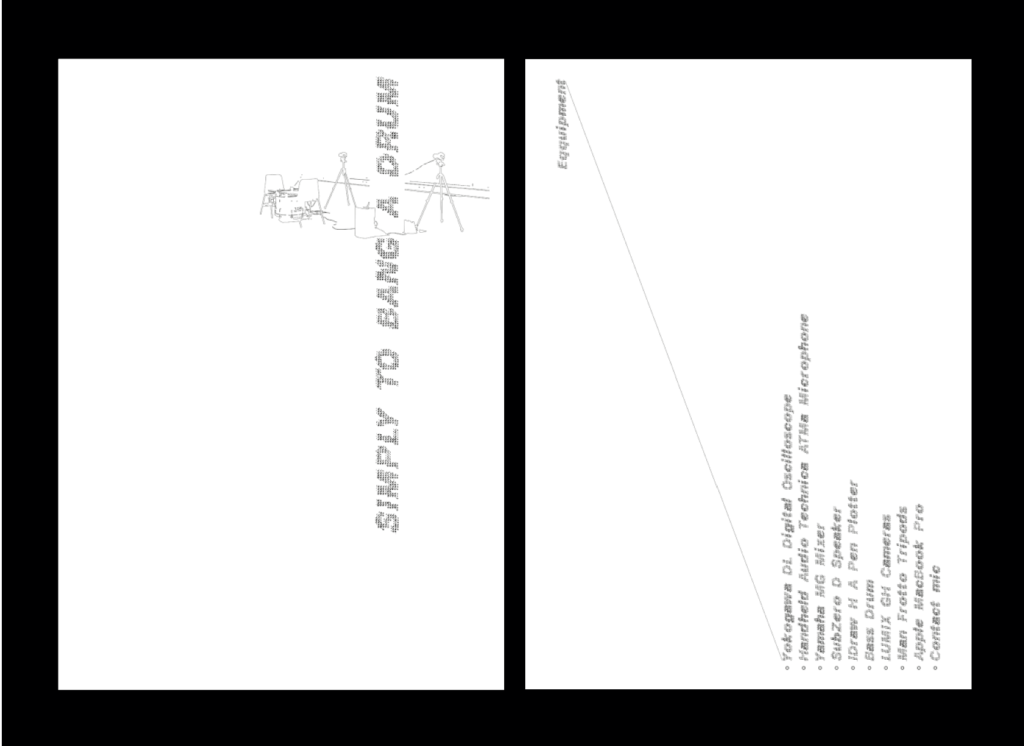
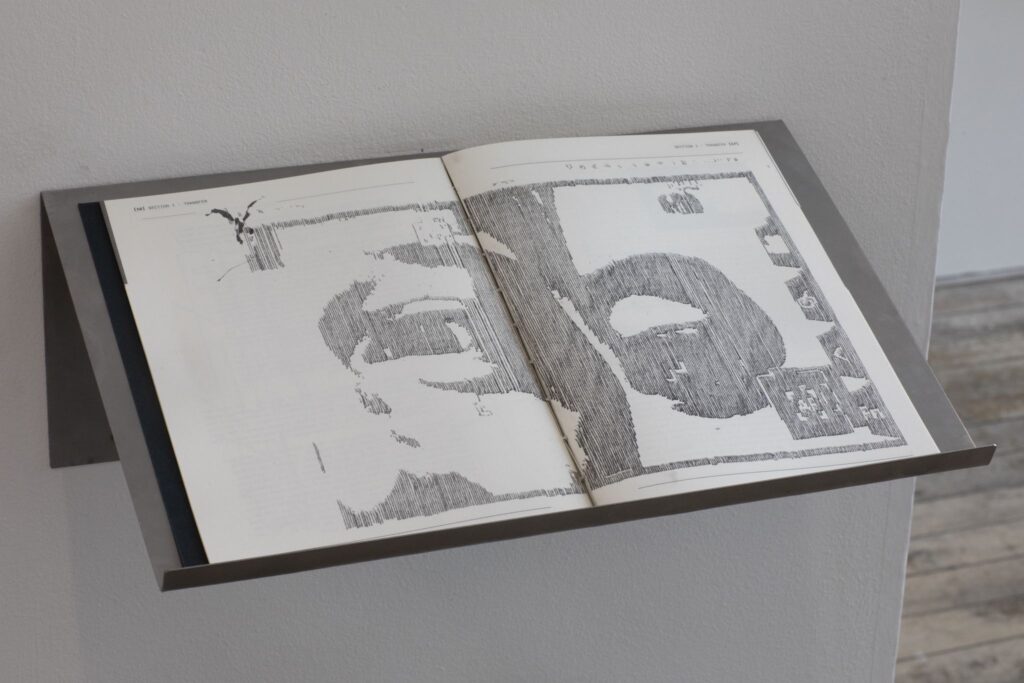
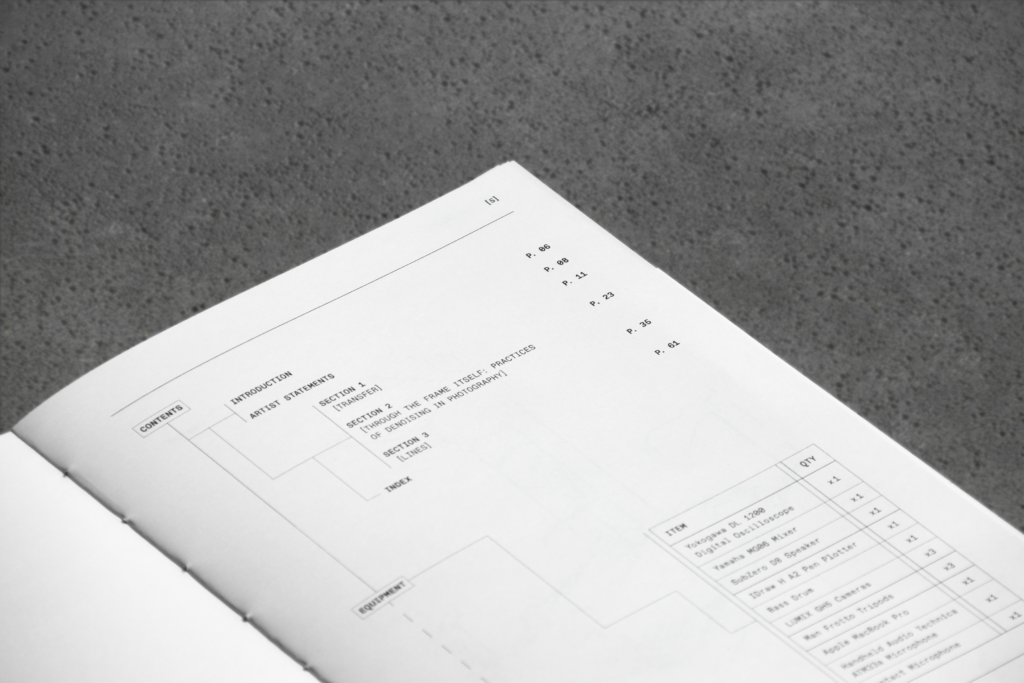
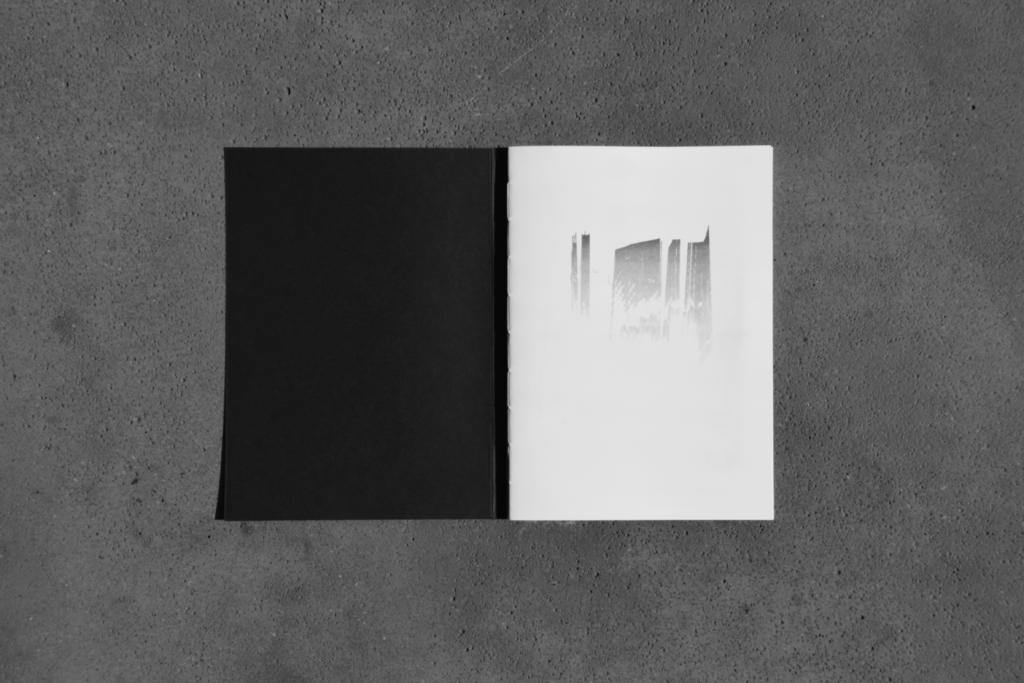
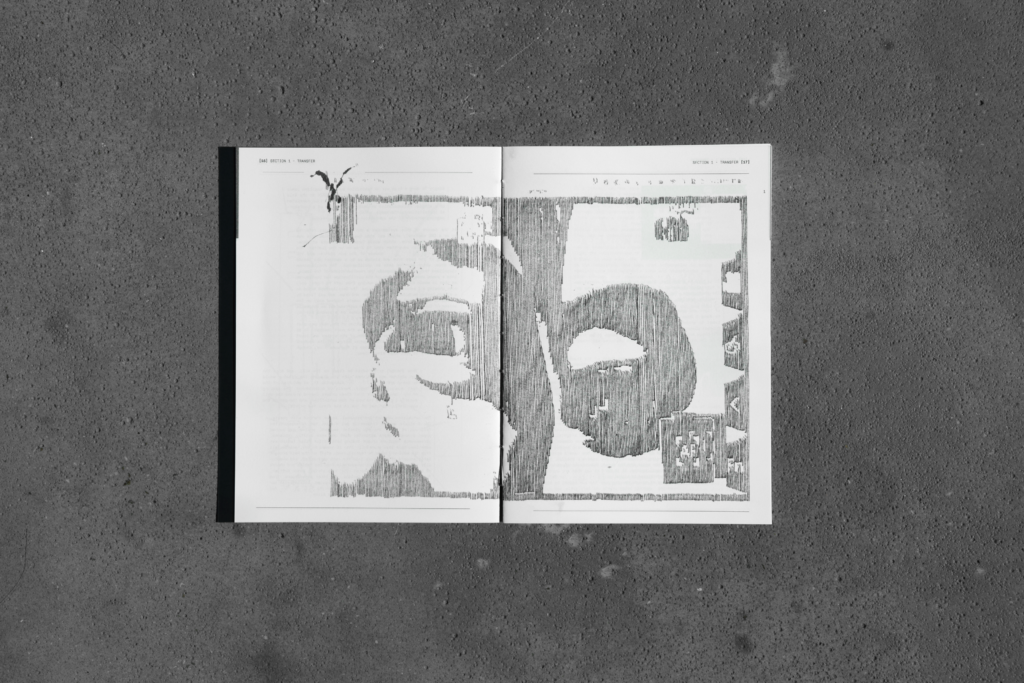
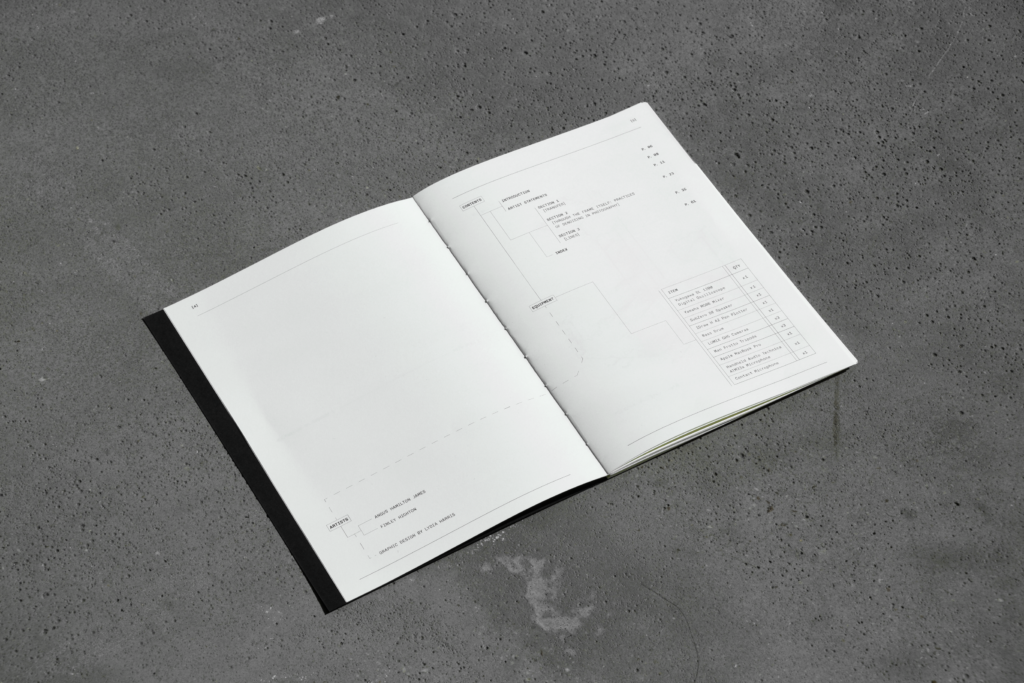
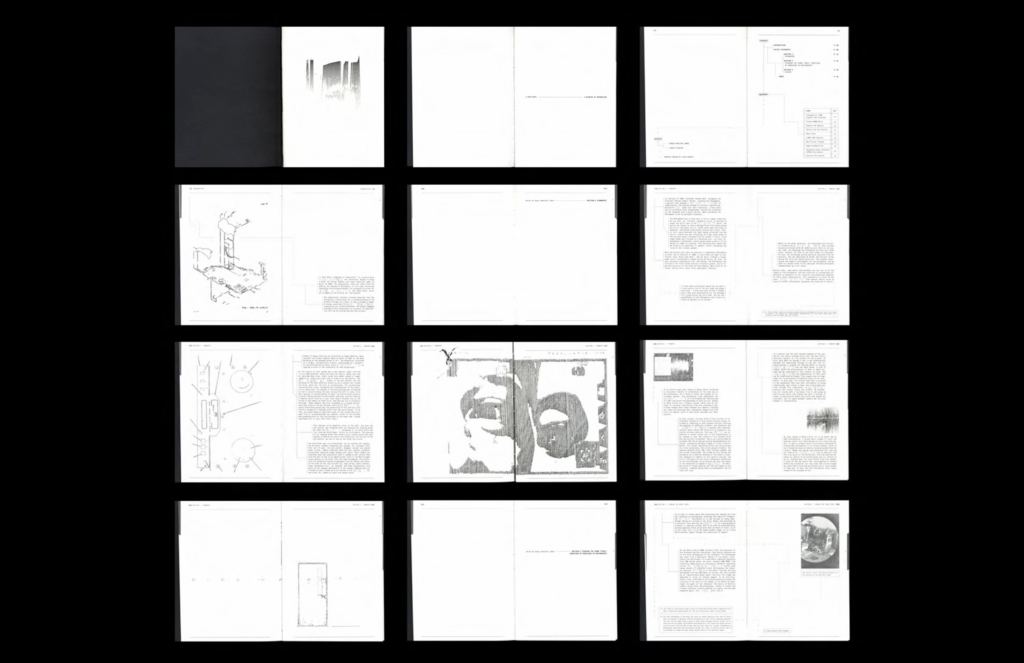
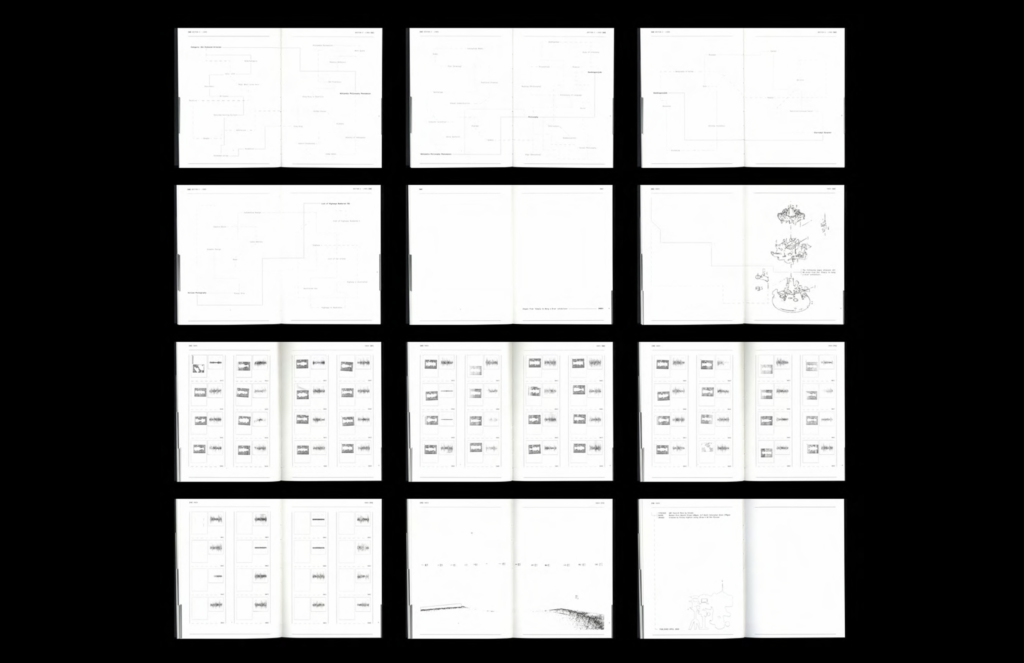
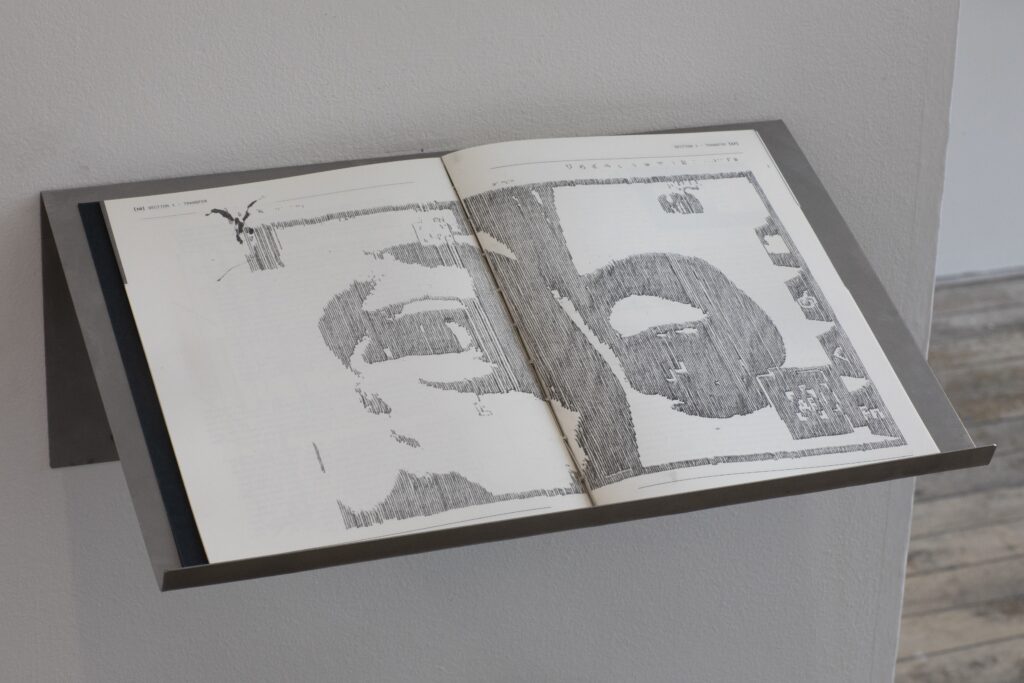
‘1 Path With 2 Degrees of Separation’, is an 80 page riso printed publication showing the works of Angus Hamilton James and Finley Highton, exploring contemporary image making through archival material from the exhibition ‘Simply to Bang a Drum’ (2025) alongside a collection of essays.
Each publication comes hand bound, with 1 of 7 relief printed dust covers that depict oscilloscope images from different moments during the exhibition. Inside are 3 essays which explore image transfer, artwork, noise, radiation, and logical structures. All images have been drawn by the same pen plotter from the exhibition itself, together with a custom font re-introducing the machine in fragments of the writing.