Colm Moore
(He/Him)
“For a chamber is no more a cage than reverie is an escape.”
— Gaston Bachelard
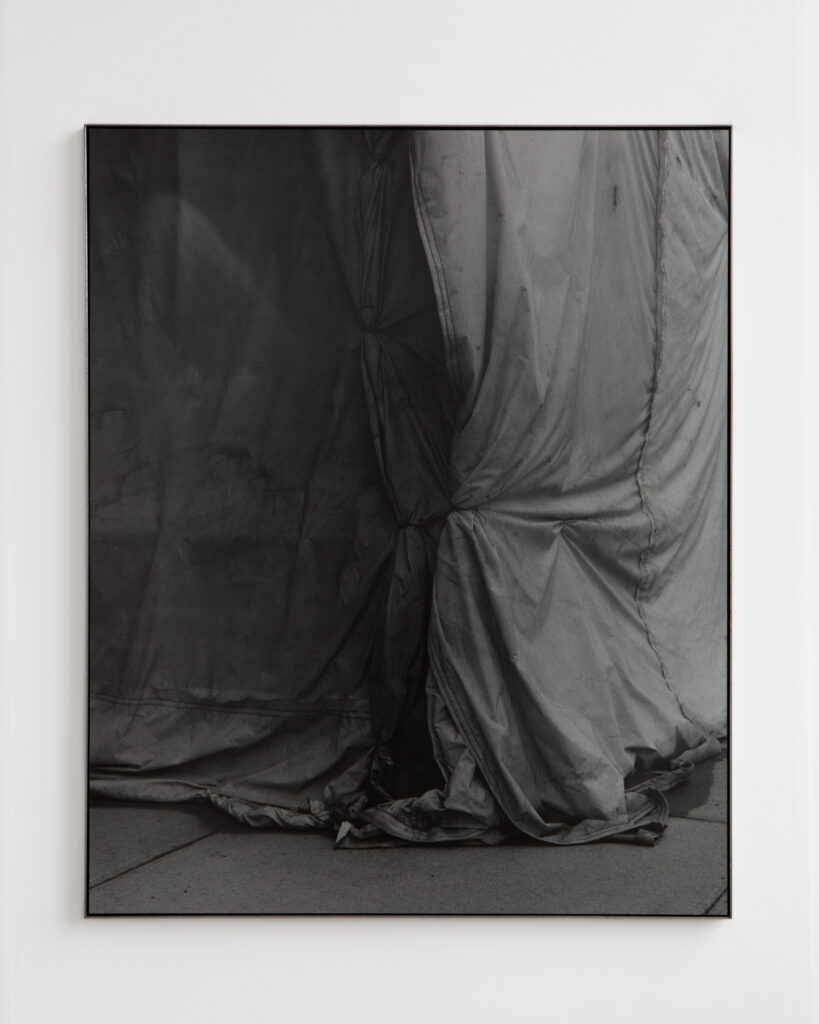
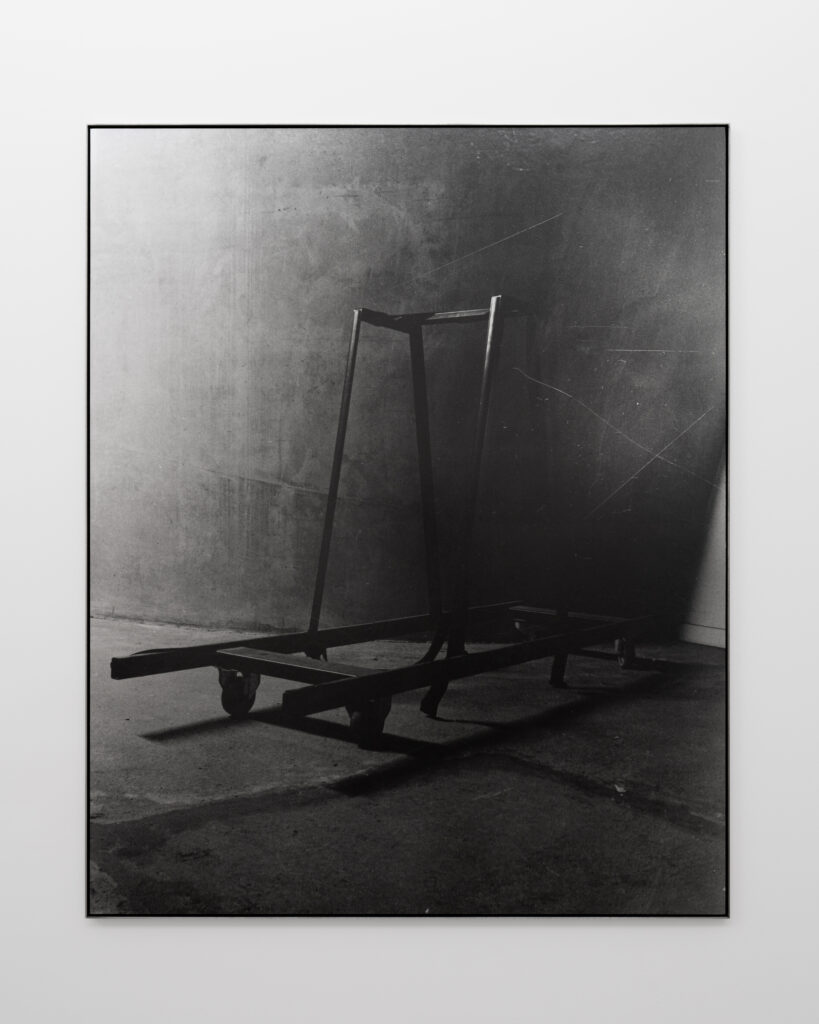
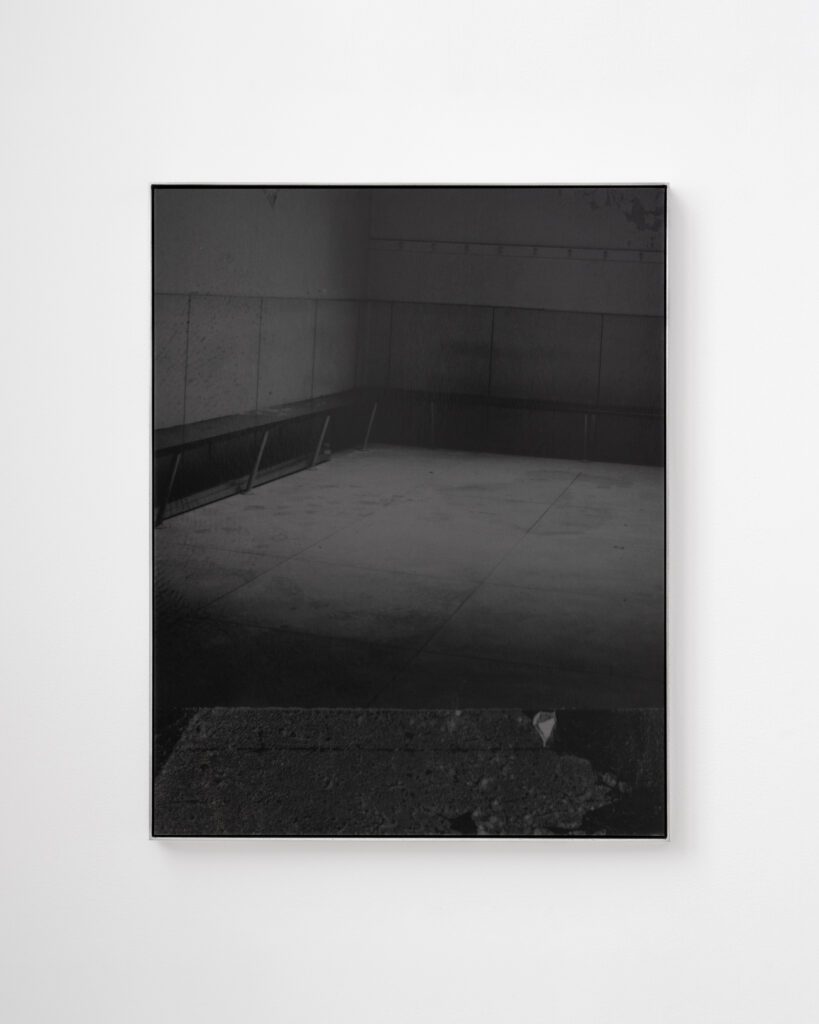
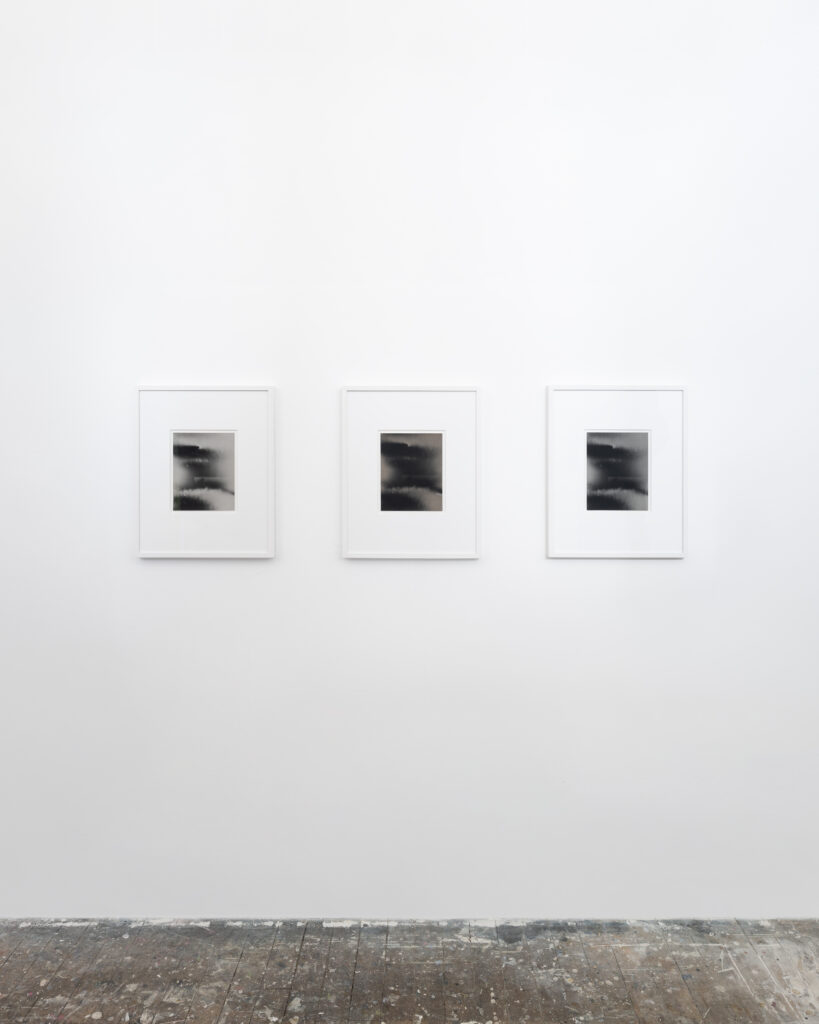
What remains in a room after it has been left behind? Chamber explores the subtle ways spaces hold presence, carrying traces that continue to reverberate beyond their source.
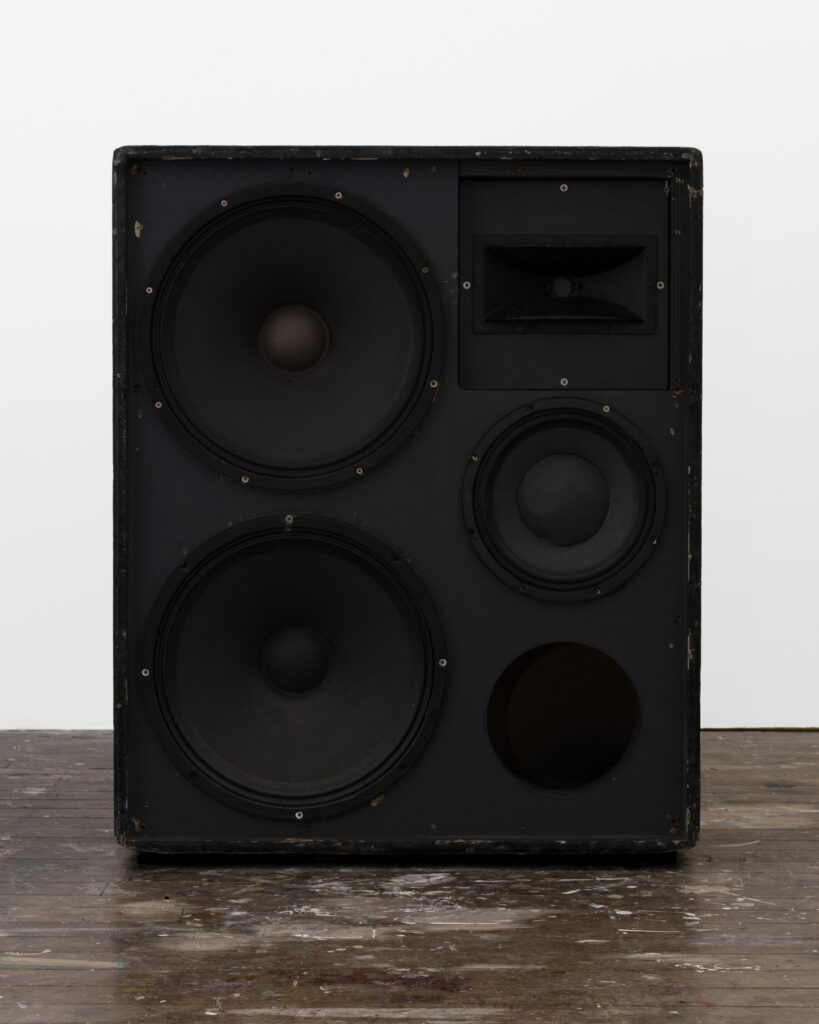
The title draws from the Latin root of camera—meaning “chamber” or “room”—while evoking the resonant cavity of a musical instrument. Throughout the exhibition, the chamber emerges as both physical enclosure and psychological space. Moore is drawn to forms suspended between opposing conditions: shelter and confinement, interior and exterior, intimacy and distance. Presented without fixed narrative, these works function as thresholds, opening space for interpretation rather than offering resolution.
Photography operates here, less as description than as material process. These moments Moore refers to as “the veil”—the exposure of paper to light, the development of film, the emergence of an image through chemistry—mark states of openness within the work, periods of transition in which material agency guides its evolution. Central to the exhibition is an interest in resonance. Inspired in part by Arvo Pärt’s Tintinnabuli compositions—where simple, repeated structures generate expansive fields of reverberation—the works explore how meaning shifts as it passes through material and context.
This sense of continual transformation extends into the exhibition’s steel structures. Like photographic materials, steel records its own passage through time. Marked by fabrication and progressively altered by oxidation, it remains responsive to its environment, placing the work in direct conversation with the atmosphere it inhabits.
Across Chamber, nothing settles. Images, objects, and sounds move through one another, accumulating traces as they pass. Meaning emerges through encounter rather than resolution, carried by reverberations that linger beyond their source. What remains is not a fixed image, but an atmosphere—something held in suspension, shifting with the viewer’s presence.