

Conor Quinn
(he/him)
I am a multidisiplinary designer passionate about what things are made of, how we experience them, and what happens to them after we’re done with them. My practice centres on organic materials and regenerative design, working with living systems, place-based matter, and waste streams to create objects that belong to the places they come from. I pair regenerative practice with listening to place and working with community, staying close to the culture and people a material carries with it.

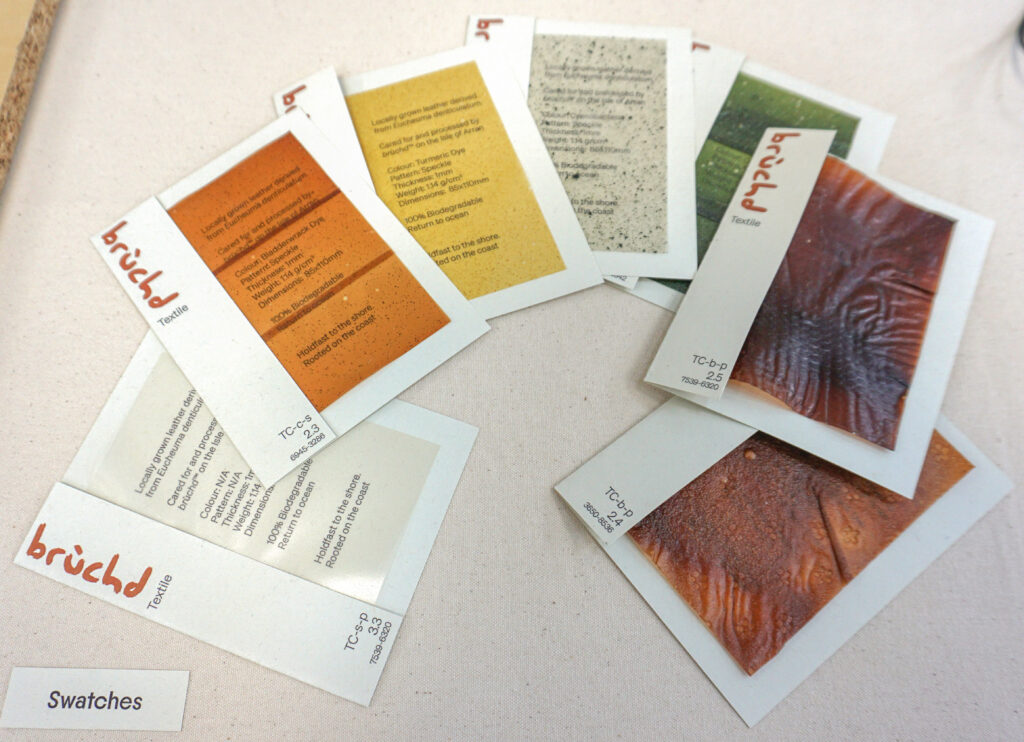
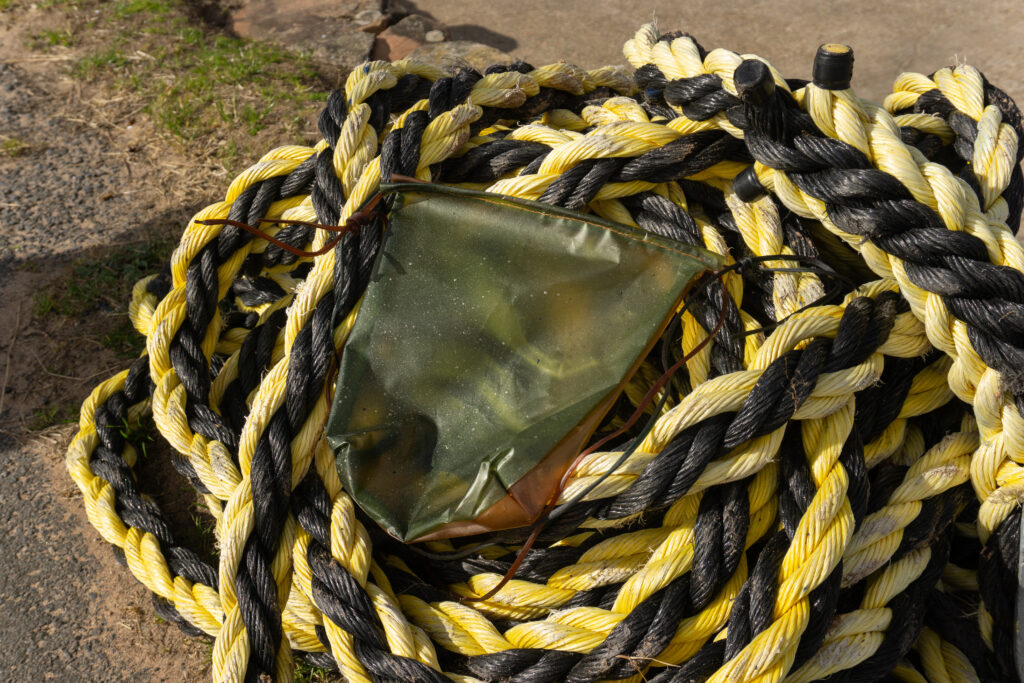
Brùchd – Seaweed Biomaterials
Brùchd is a community-rooted biomaterial system situated on the Isle of Arran, cultivating a new industry from the same waters its products are made to protect. The project responds to two key insights: tons plastic fishing gear and packaging is lost to the west coast seabed every year, and the communities most affected by that loss have no stake in the supply chain that pollutes it. Brùchd proposes a single locally-cultivated seaweed material with two distinct lives: as biodegradable fishing gear for independent shellfish fishers and as a textile for Arran’s makers and small producers. Cultivation is visible from the shore, processing happens within the community that uses the output and value retained on the island becomes employment, skills, and an evolving local economy, rather than supplier extraction. The system is designed to be replicable along the wider Scottish west coast where similar coastal communities navigate the same contradiction of dependence on a sea they don’t control.
How does a coastal industry become a holdfast for the communities that grew it? Through acts of cultivation, making, and use as a means of rebuilding connection to material and place.




Matter_ID – Accessible Material Literacy
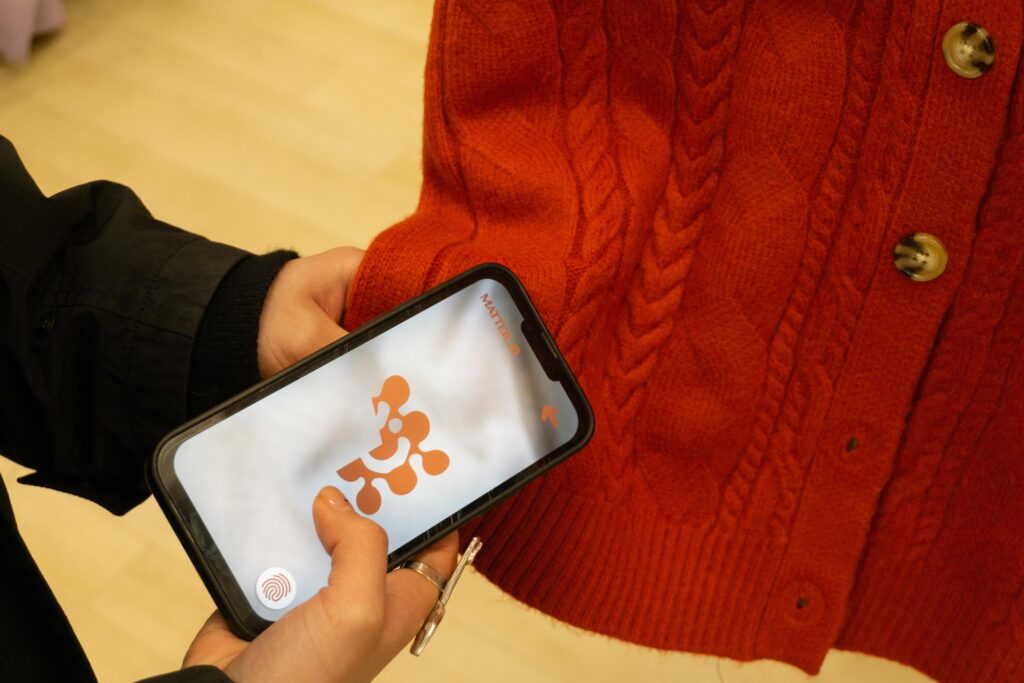
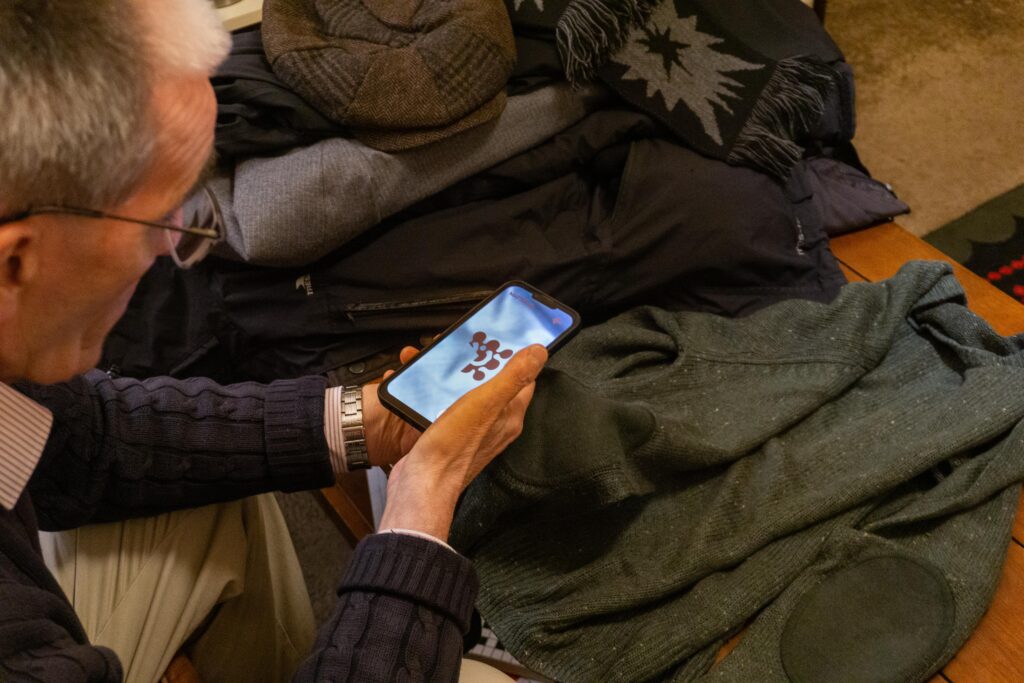
In an era defined by material innovation and fast fashion waste, it is easy to feel overwhelmed by the complex chemical terminology required to shop consciously. MATTER_ID demystifies this jargon, translating it into accessible language and instantly recognizable indicators of health.
By breaking down these barriers, we foster ‘material intelligence,’ empowering users to make wiser, informed decisions. MATTER_ID decodes the complex makeup of your clothing to reveal how it affects both you and the environment, putting you firmly in control of your wardrobe’s impact.
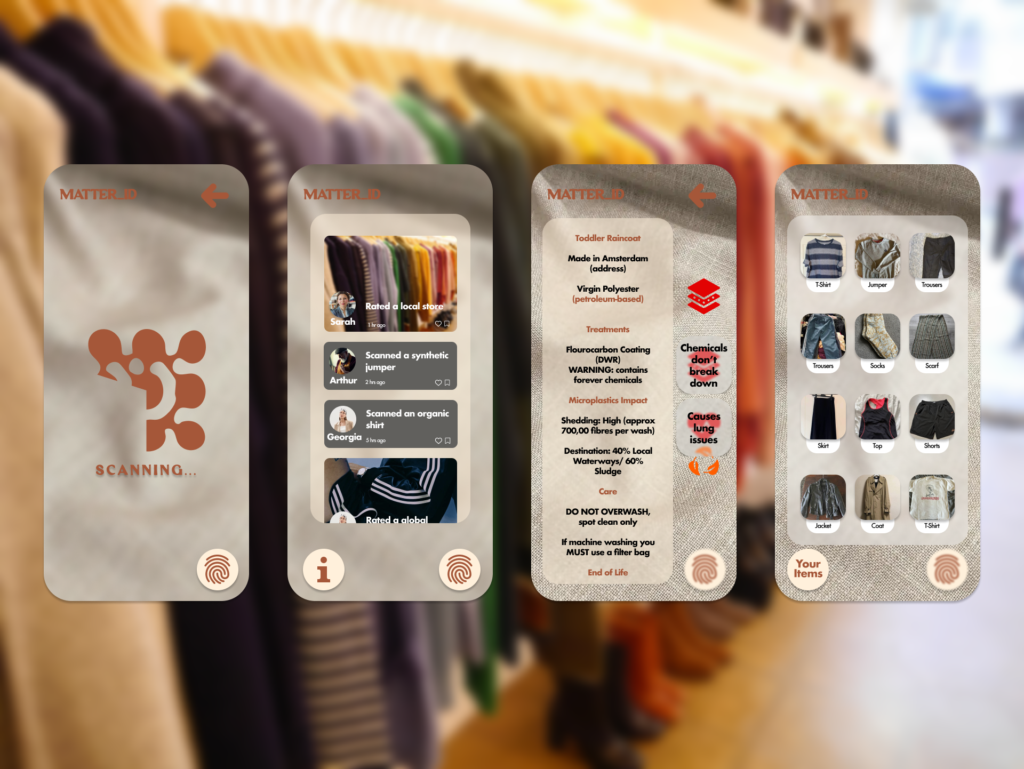
Matter Labs
From our collaborative project Creating Future Worlds, exhibited at the Advanced Research Centre in Glasgow, our group employed an iterative, research-led approach to develop this design proposal in response to the theme of Planetary Health: Civic. To contextualise the project, we developed a future narrative grounded in current trajectories and plausible environmental and socio-political shifts.
In 2035, the climate crisis reached a critical tipping point, triggering widespread global restructuring and the strict enforcement of the Polluter Pays Principle. This shift led to a dramatic reduction in material extraction, petrochemical manufacturing, and exploitative labour practices, compelling industries to account for the environmental and social costs embedded within global production systems.
As these systemic changes unfolded, society began to confront the toxic material cultures that had long underpinned consumerism and industrial growth. Efforts toward ecological repair became inseparable from broader attempts to restore relationships with land, reconfigure material circulation, and reshape collective attitudes toward consumption and responsibility.
However, despite these transformations, harmful substances remain embedded in everyday life, from synthetic fibres shedding microplastics to toxic dyes and chemical residues persisting within products and environments. This raises a central question: how can society address the long-term legacy of contamination already woven into modern material culture?
In response, the team behind MatterLabs™ emerged to confront the consequences of historic manufacturing practices through a series of remediation technologies and treatment processes. Their work enables society to continue using existing materials and products while actively reducing their environmental and biological harm.
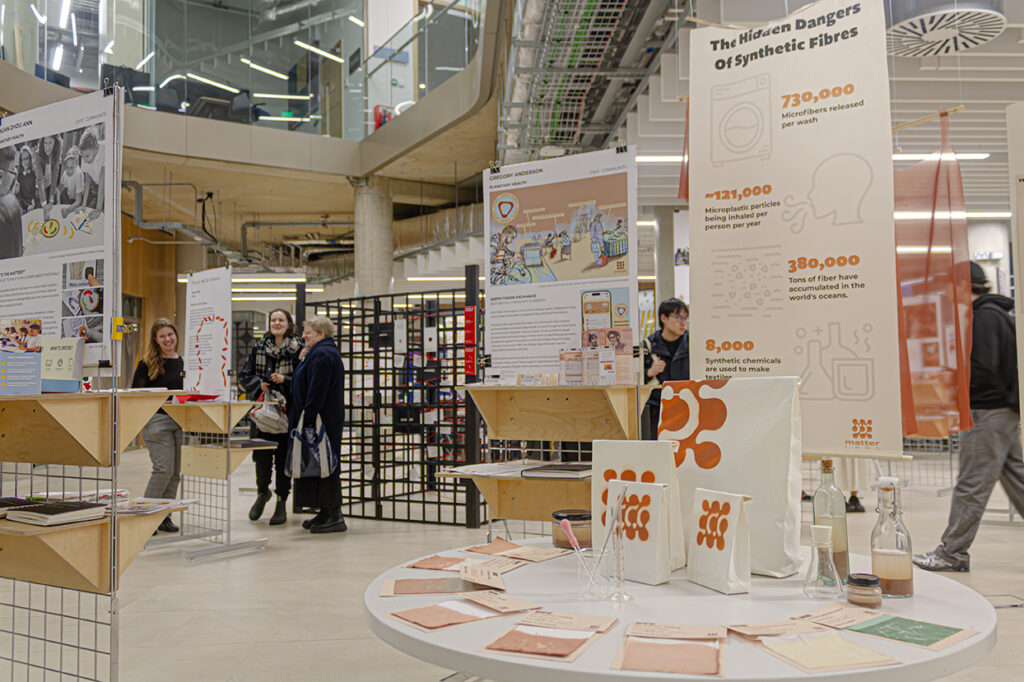
Display of Matter Labs Products After Treatment
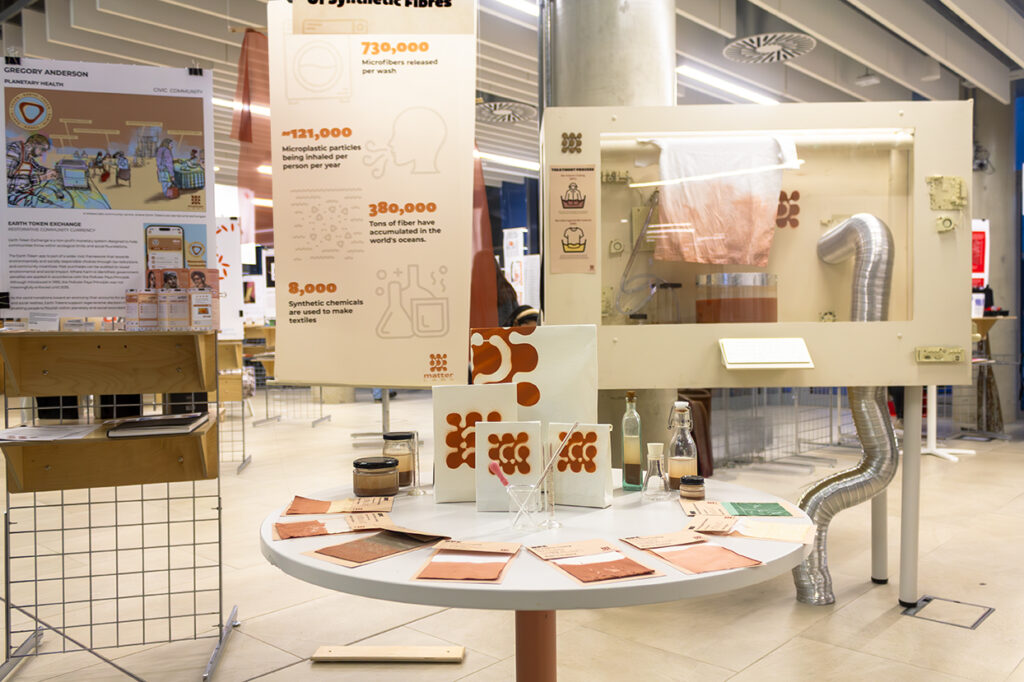
Display of Matter Labs Treatment Facility and Samples
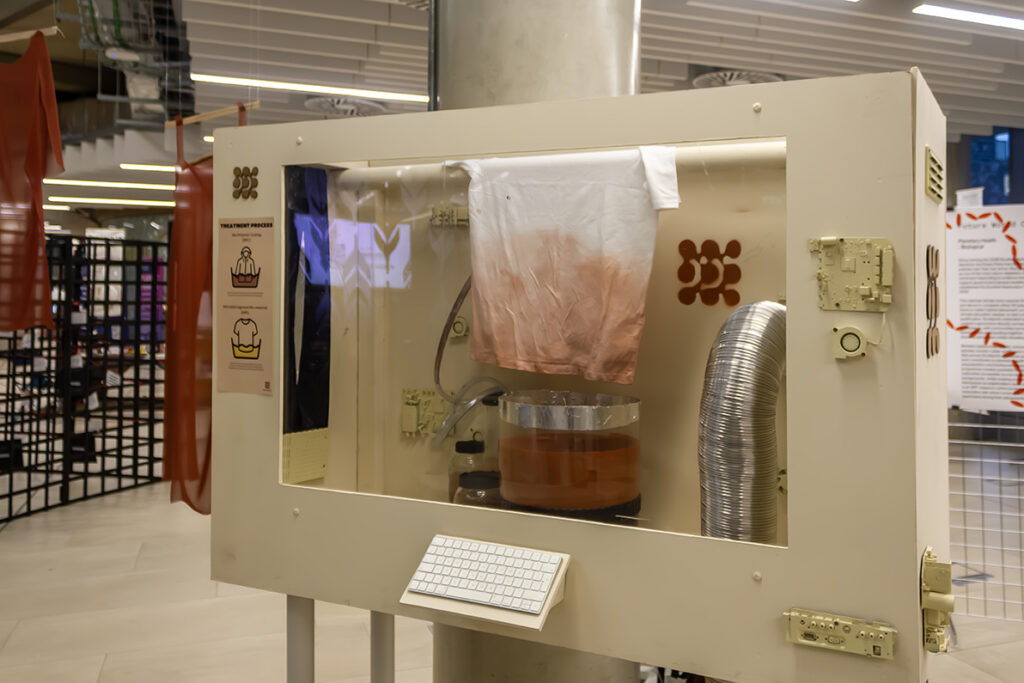
A polyester T-shirt is undergoing neutralisation at a Matter Labs facility, where protective coatings are applied to suppress microplastic shedding and chemical emissions.