
Elena Edwards
(she/her)
Elena Edwards is a Glasgow-based photographer whose practice explores themes concerning the self in its many forms; whether that be memory, heritage, and the body. Drawing from personal experience, her work considers how family history, relationships and place shape identity. Working across photography, text and archival materials, she is interested in the emotional and cultural significance carried by objects and environments. Materiality plays an important role within her practice, often incorporating books, postcards and found objects to examine preservation, nostalgia and personal history. Her work explores photography as a form of documentation, self-exploration and remembrance.
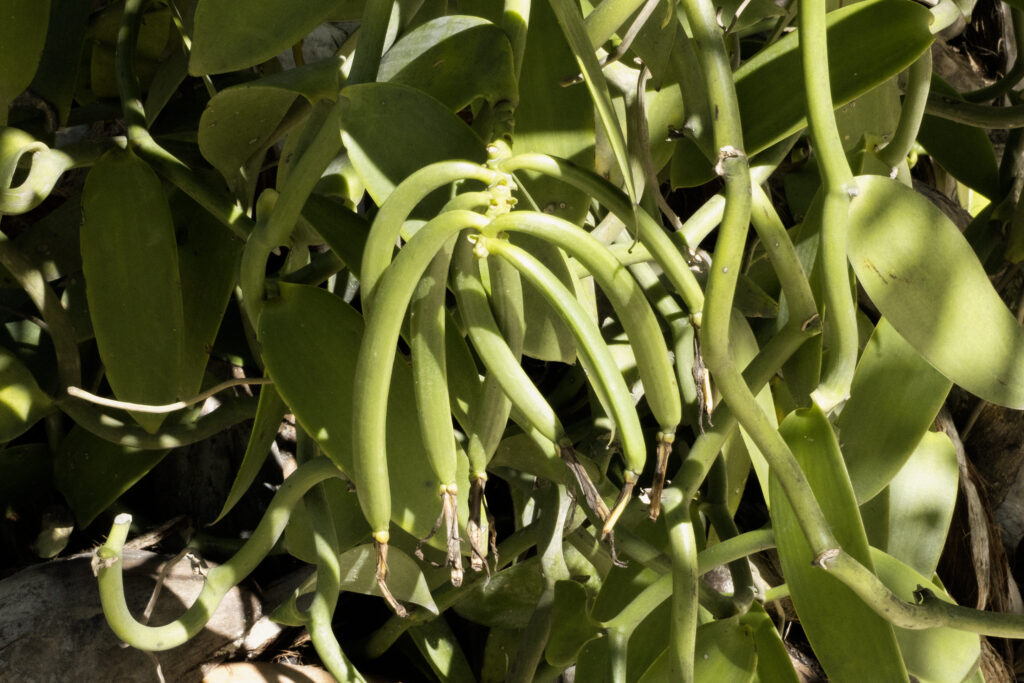
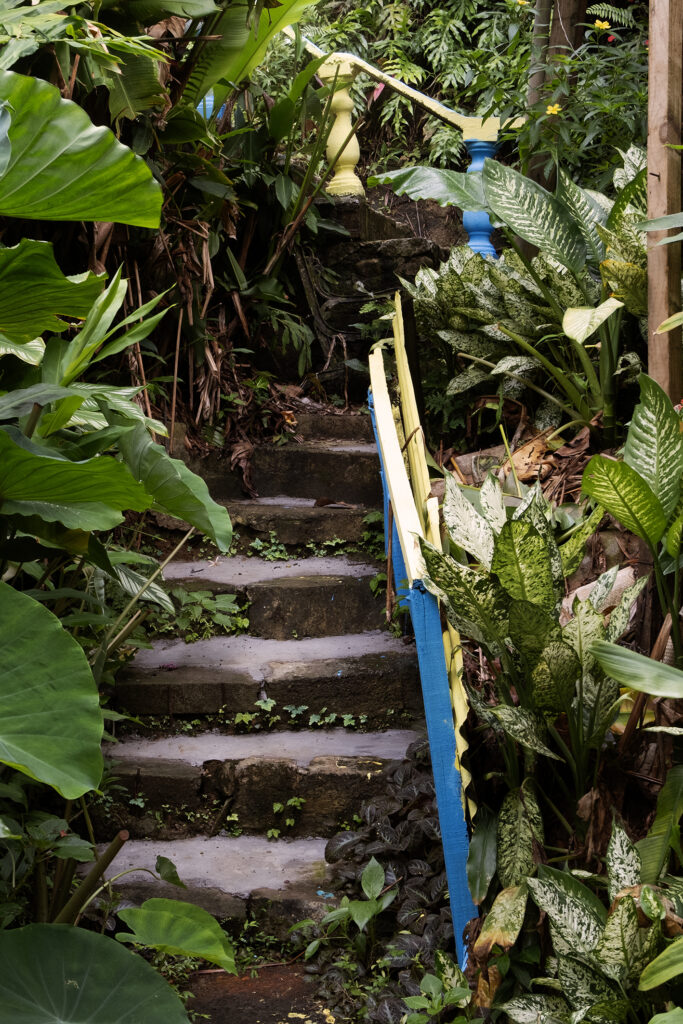
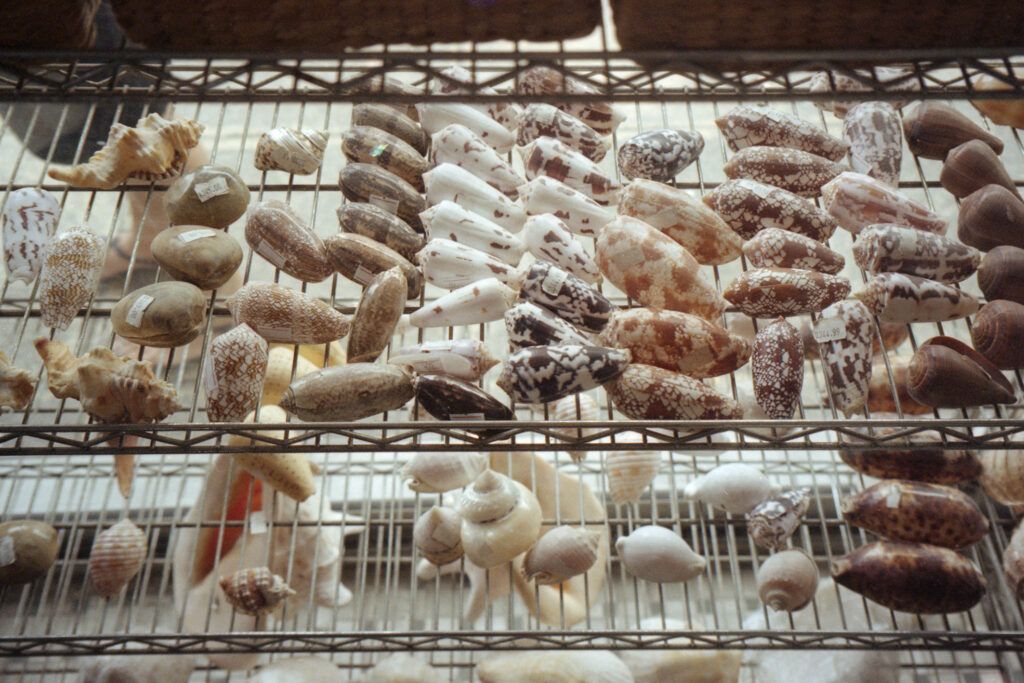
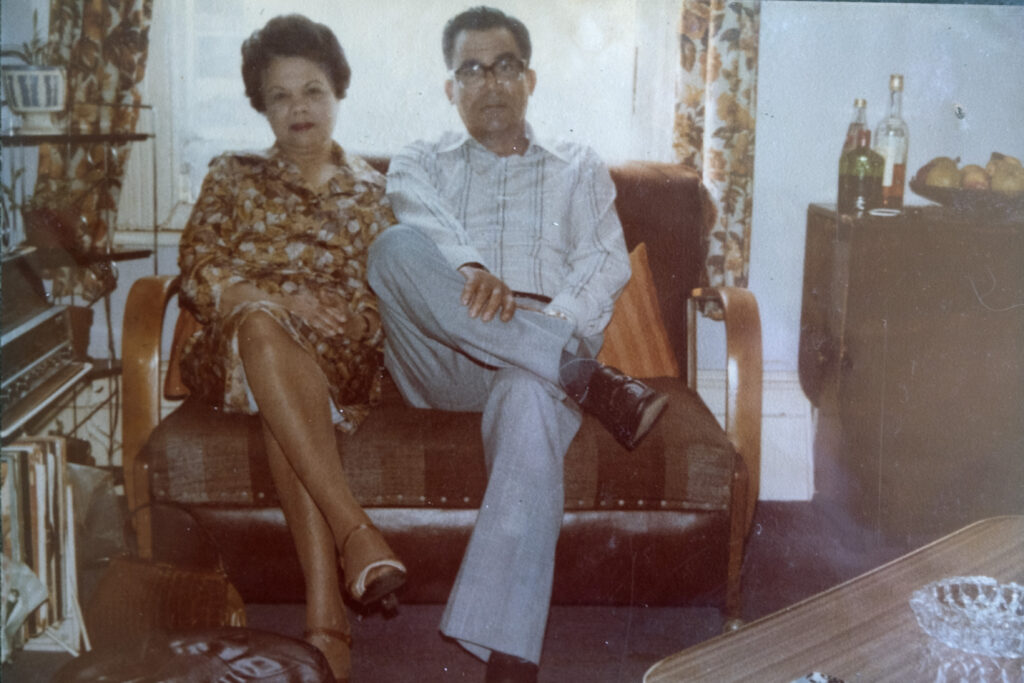
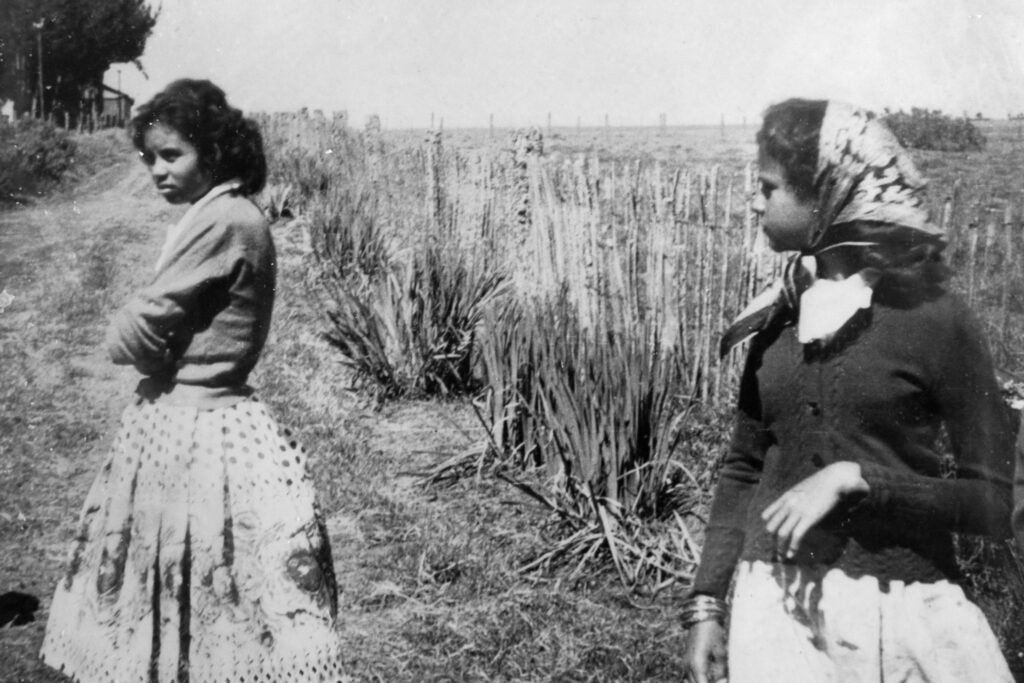
Her recent project, ‘Pearls of the Indian’ focuses on Seychelles, where her paternal grandmother is from, examining the experience of encountering a place previously known only through stories, photographs and souvenirs. Combining personal imagery with found and archival materials, the work reflects on preservation, family history and cultural connection, exploring how photography can function simultaneously as documentation, reconstruction and self-exploration.
Pearls of the Indian Ocean
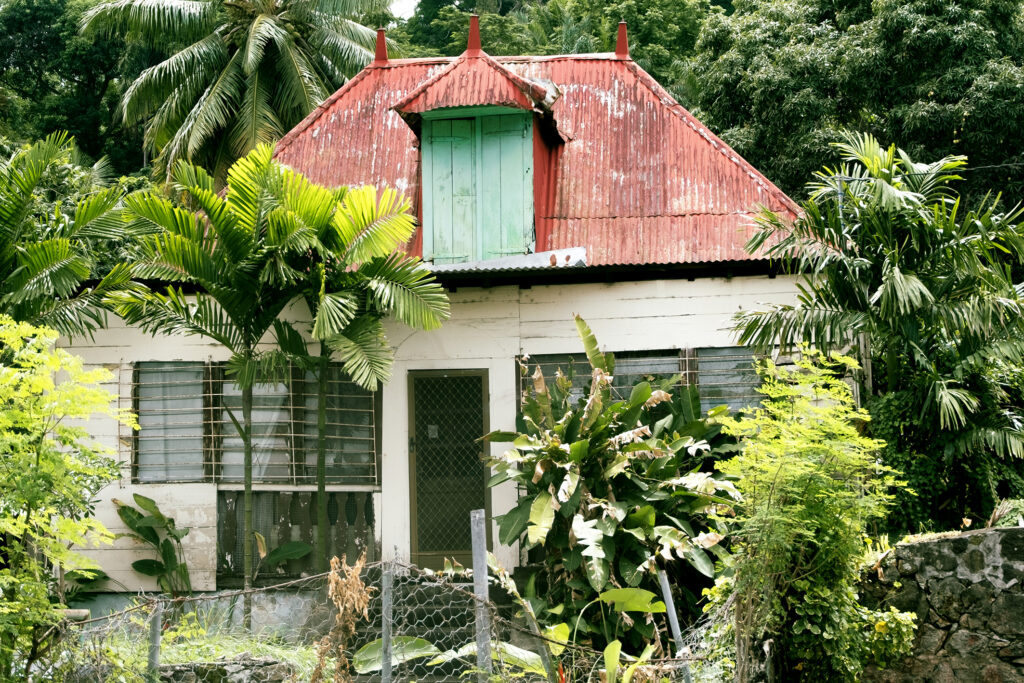
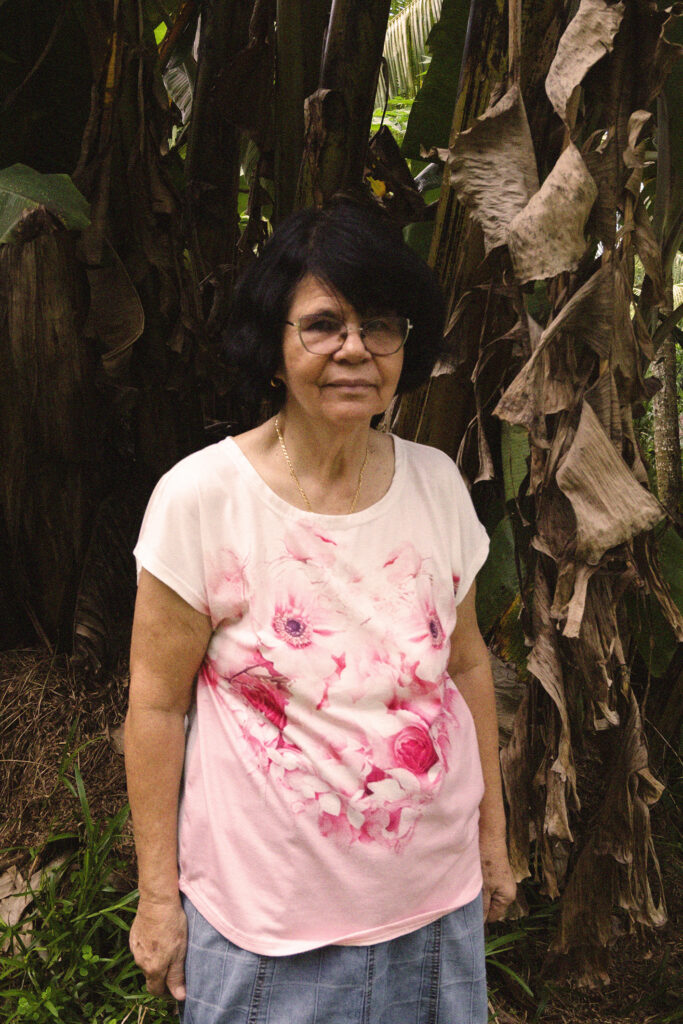
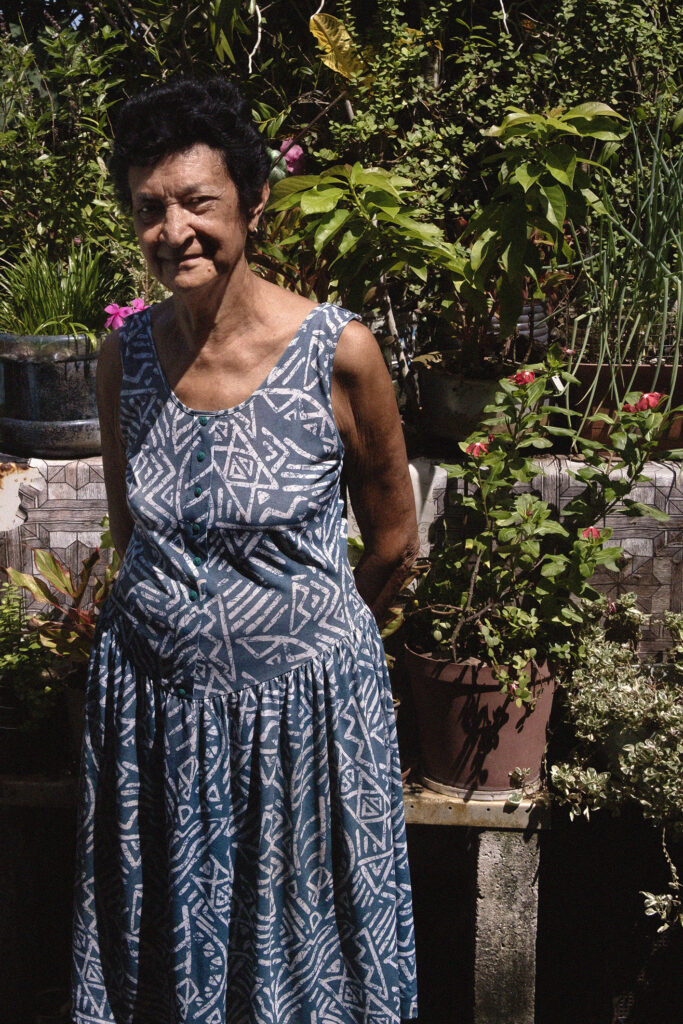
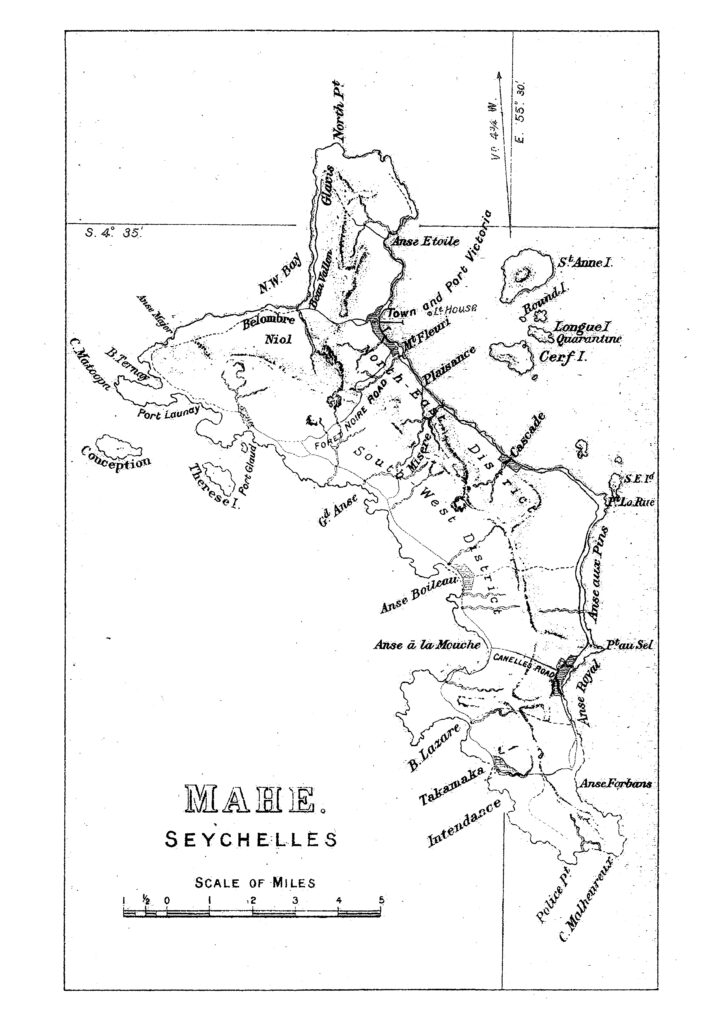
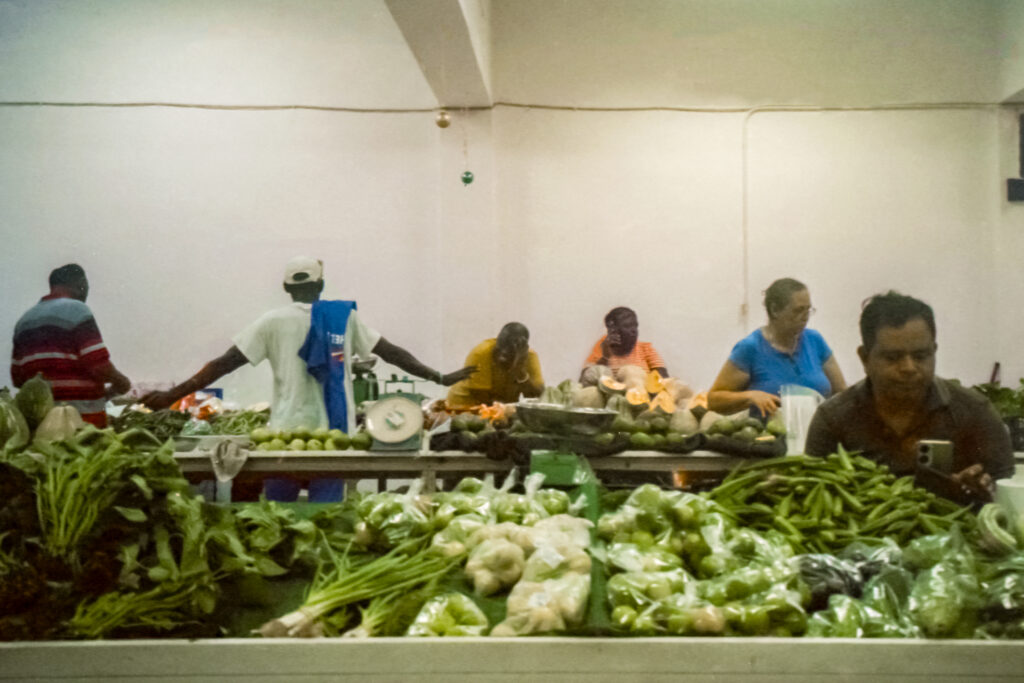
In December I went to Seychelles for the first time, where my grandmother on my father’s side is from. I stayed with my Auntie Melita on her share of the land that was divided between my great grandfather and his siblings, in the north of the main island.
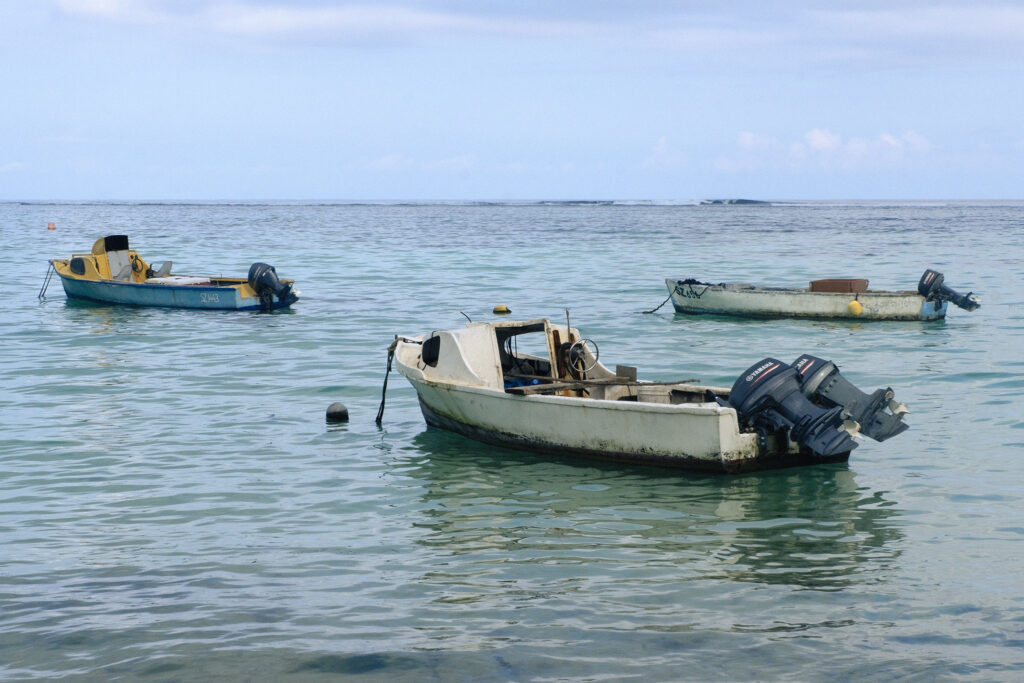
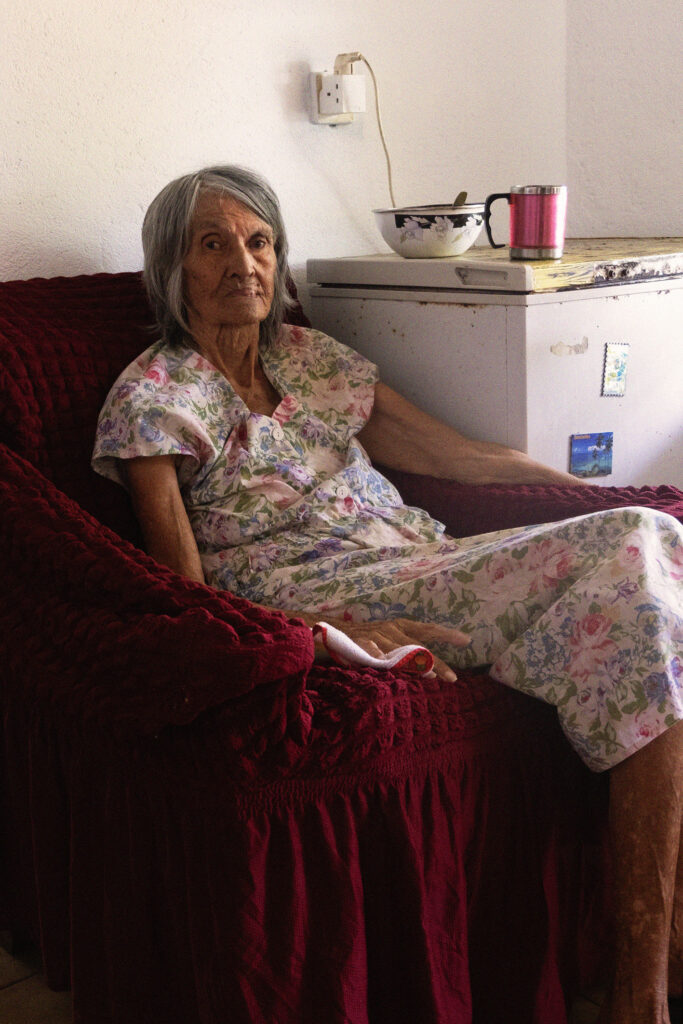
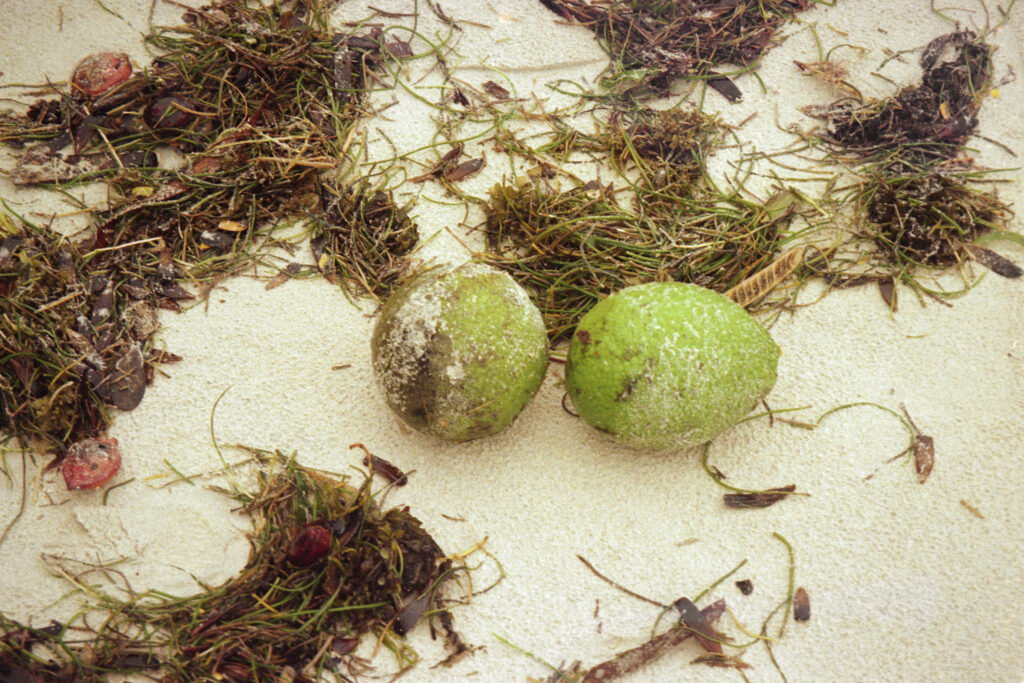
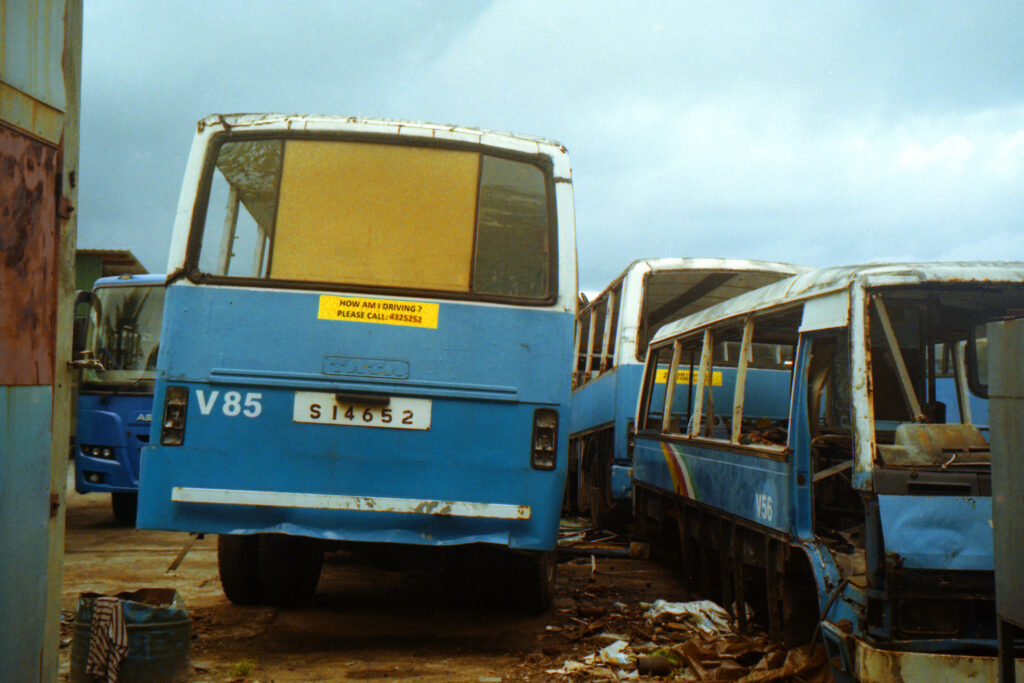
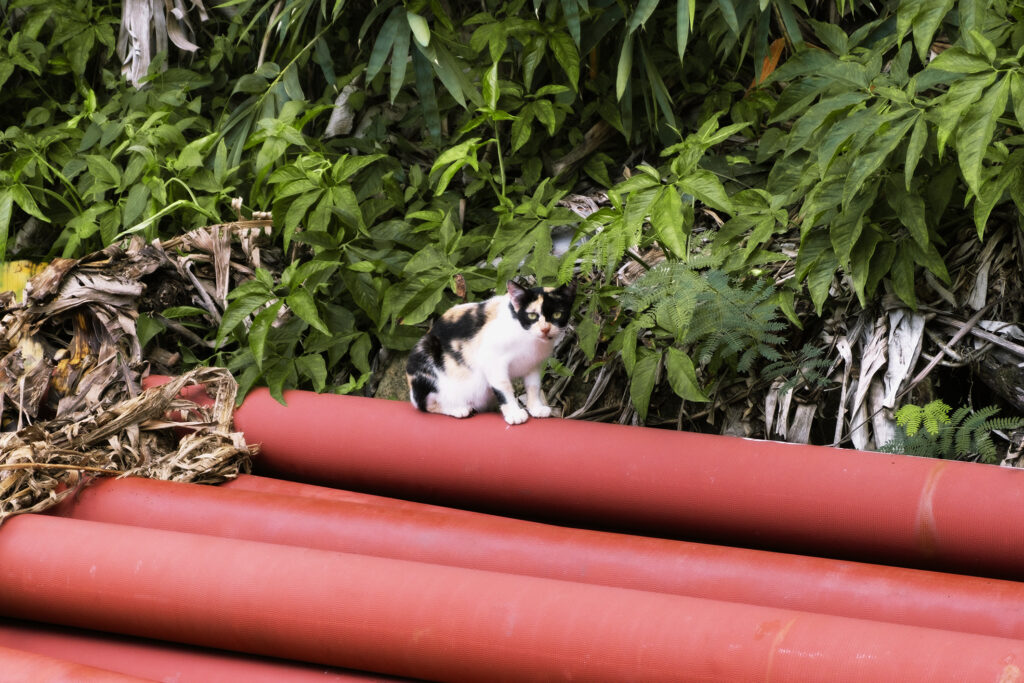
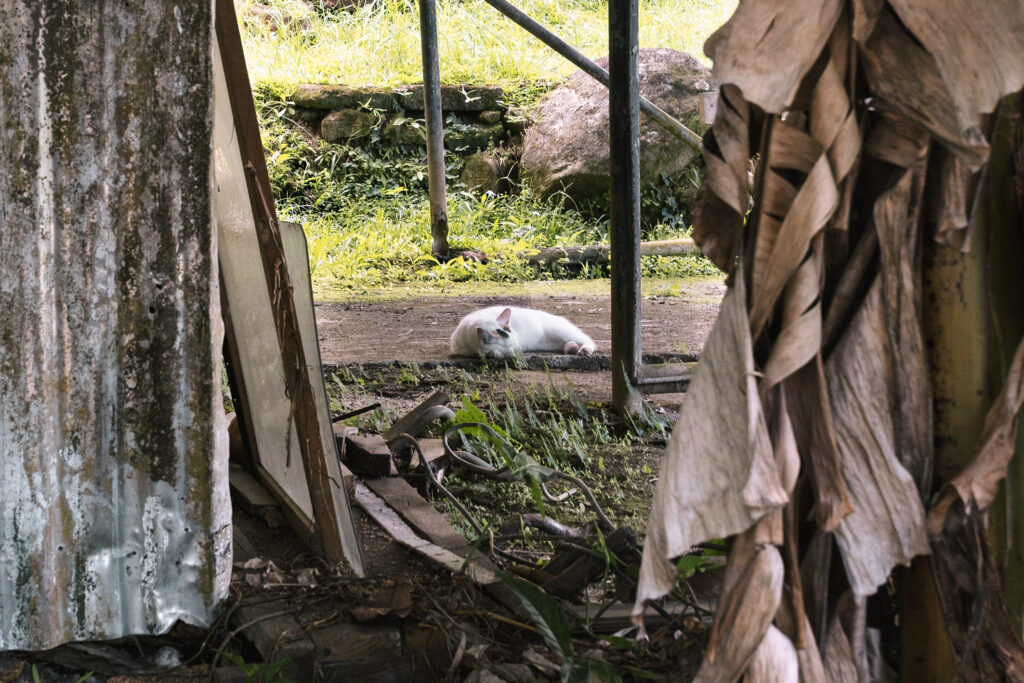
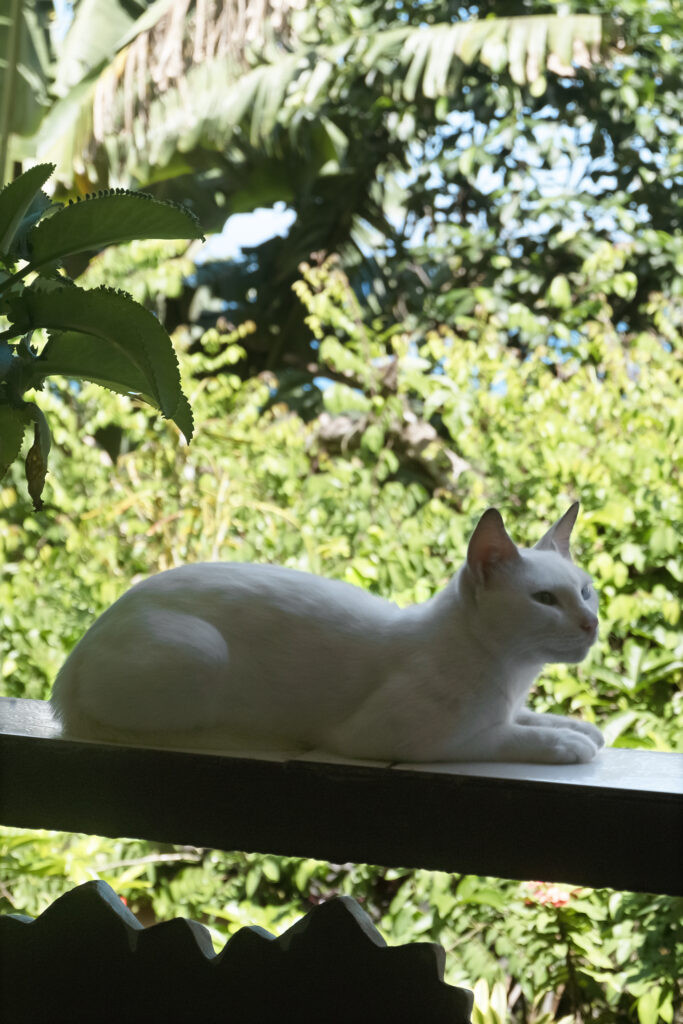
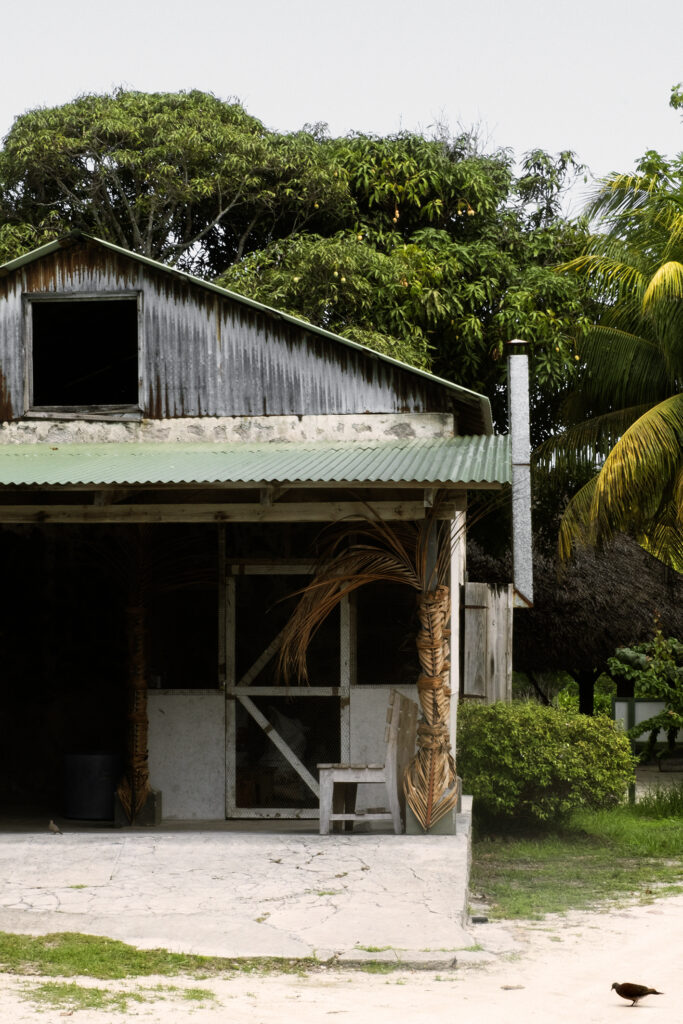
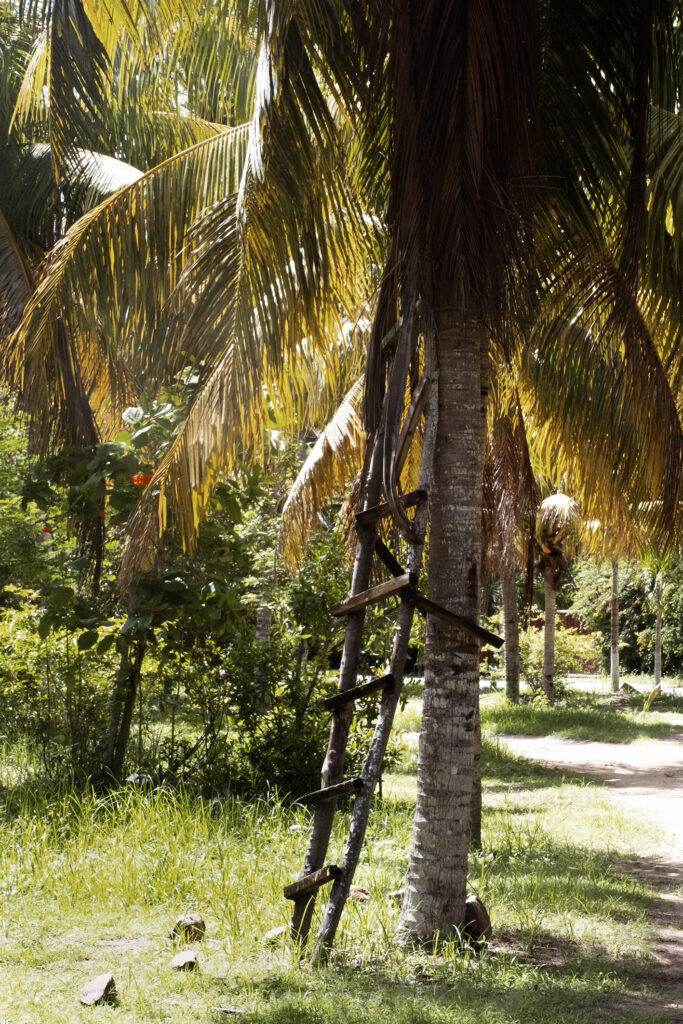
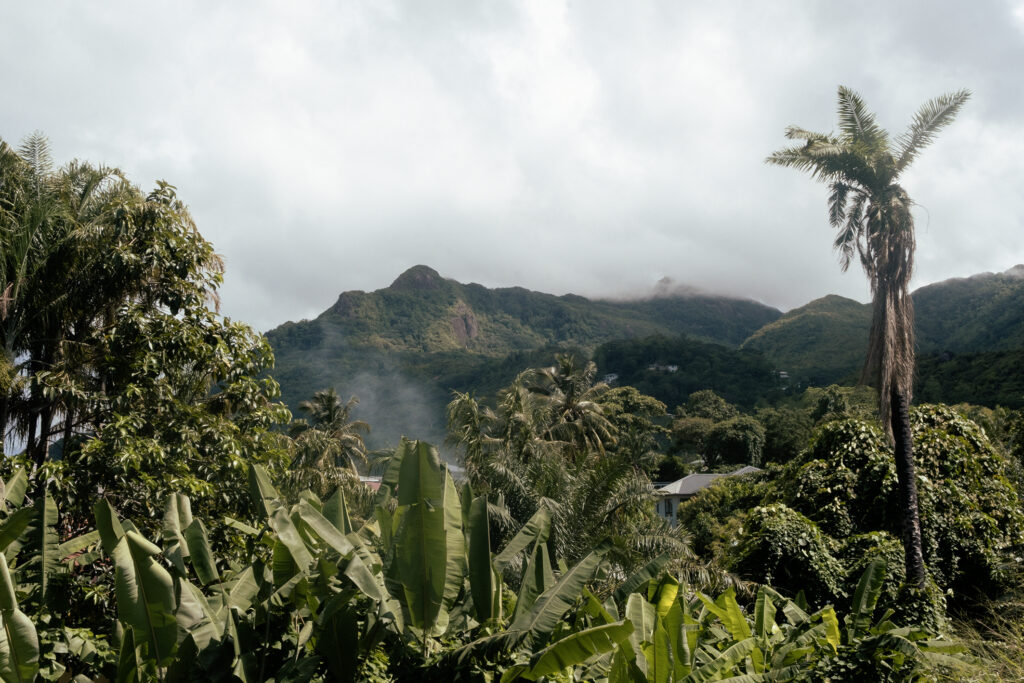
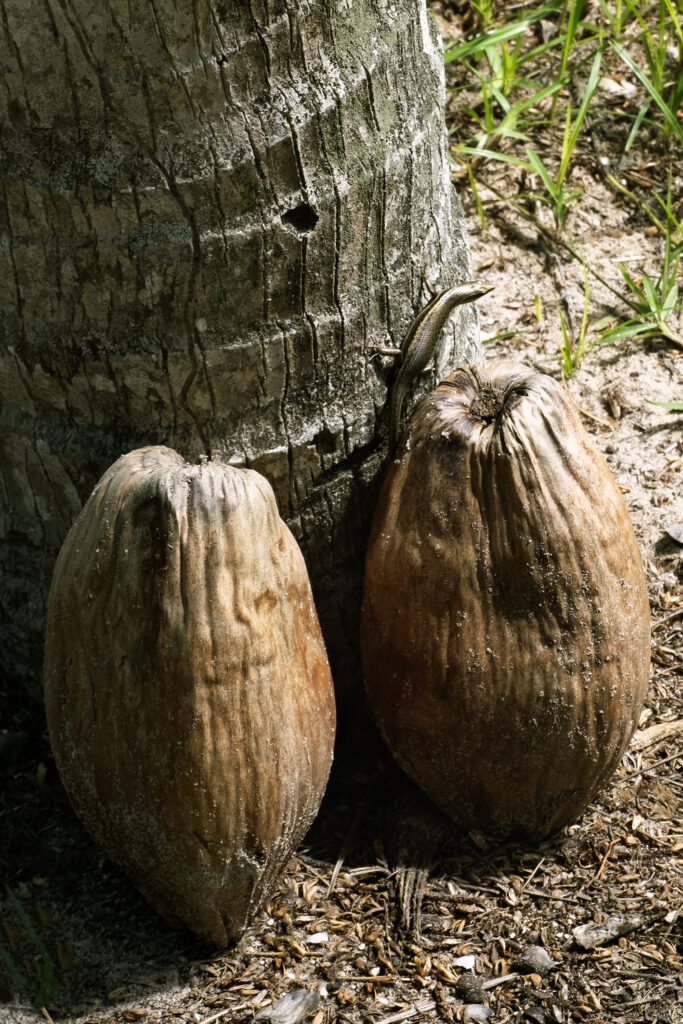
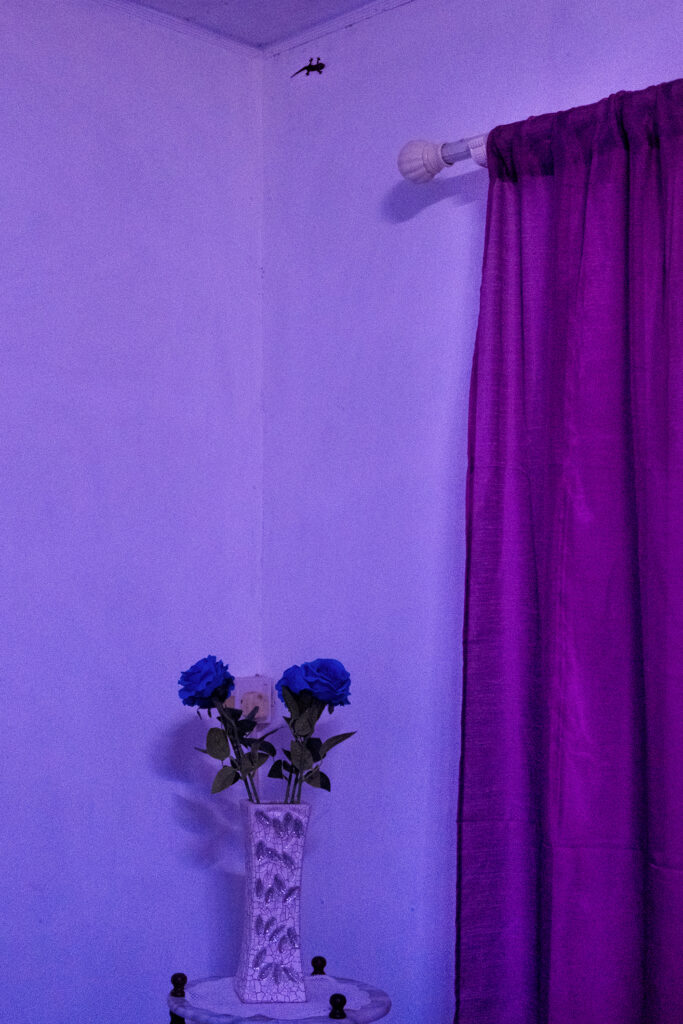
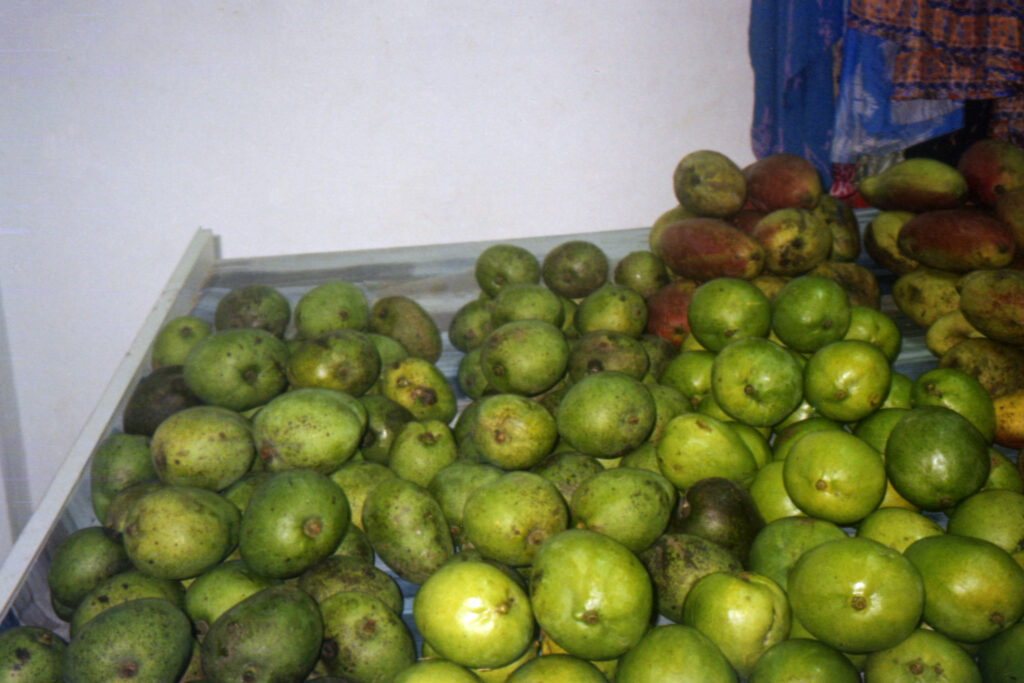
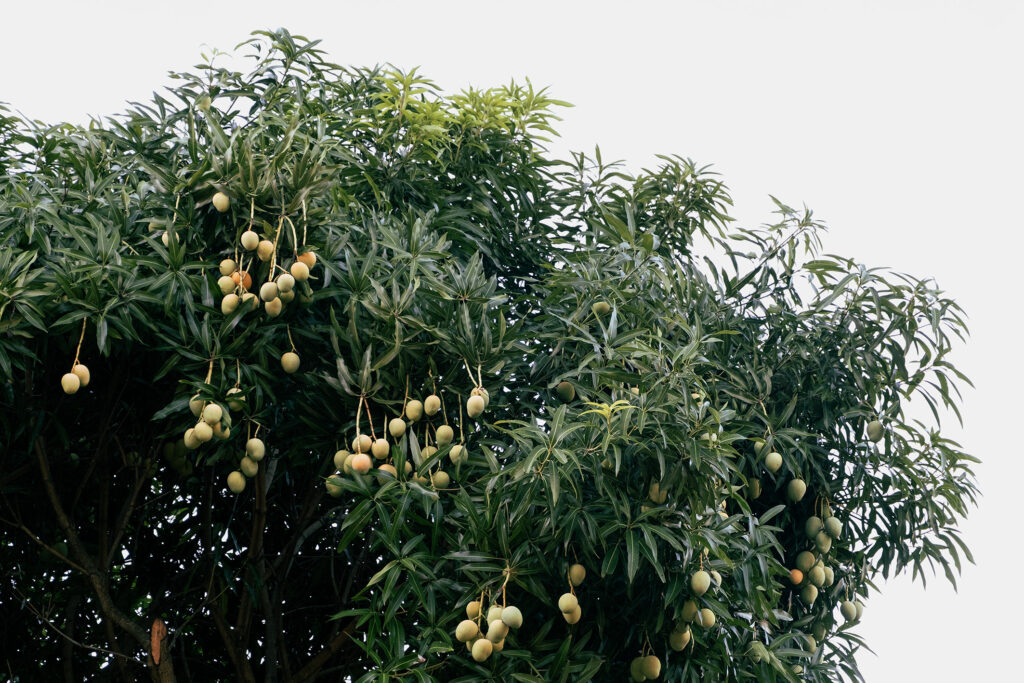
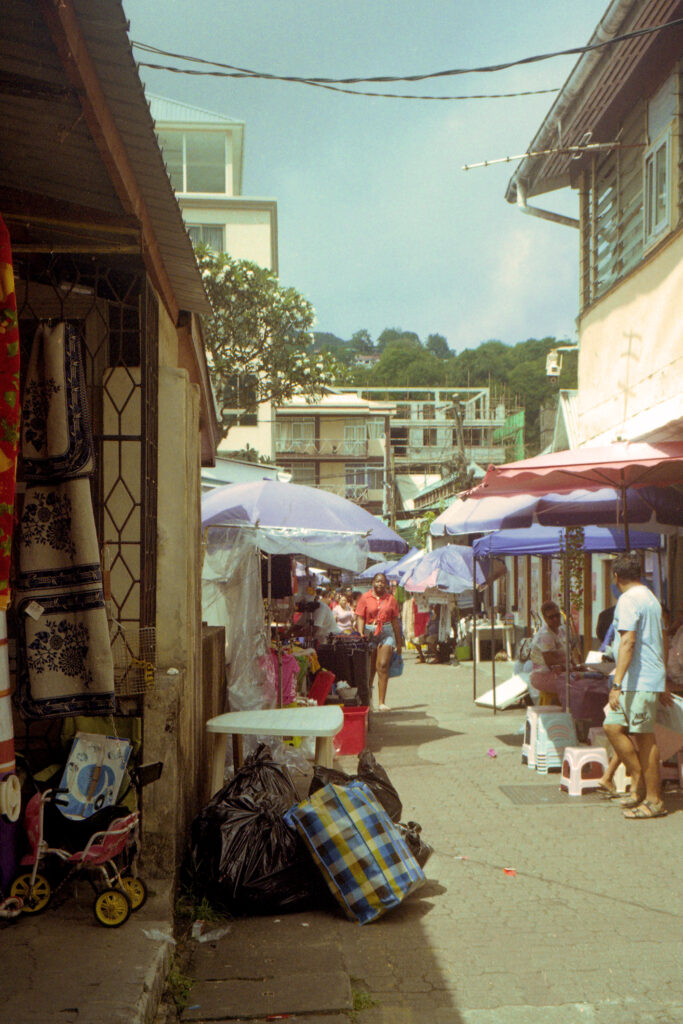
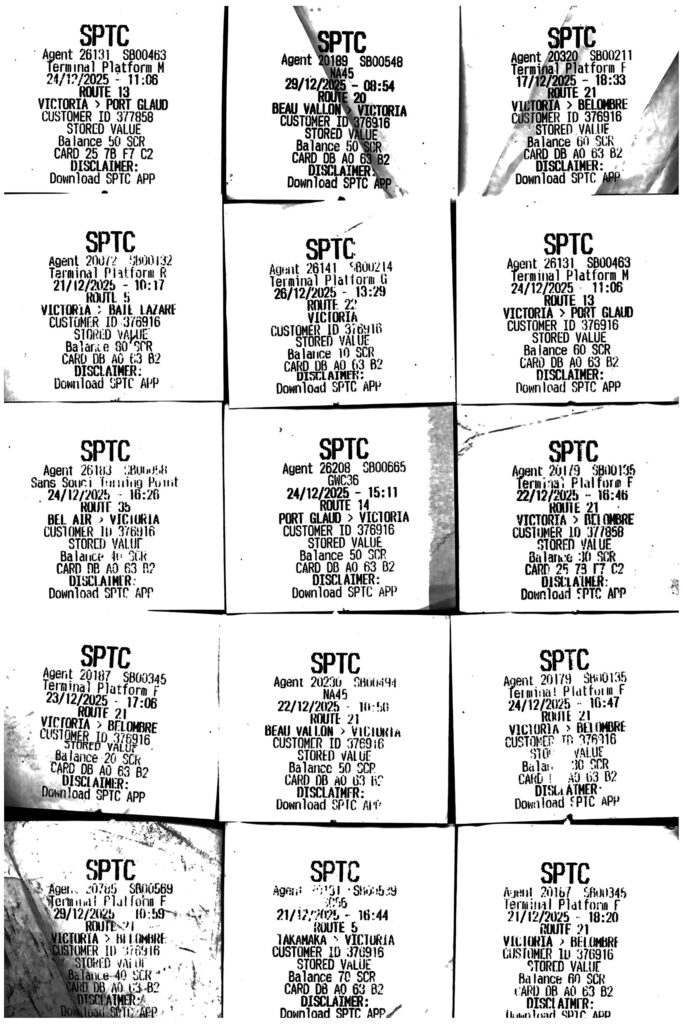
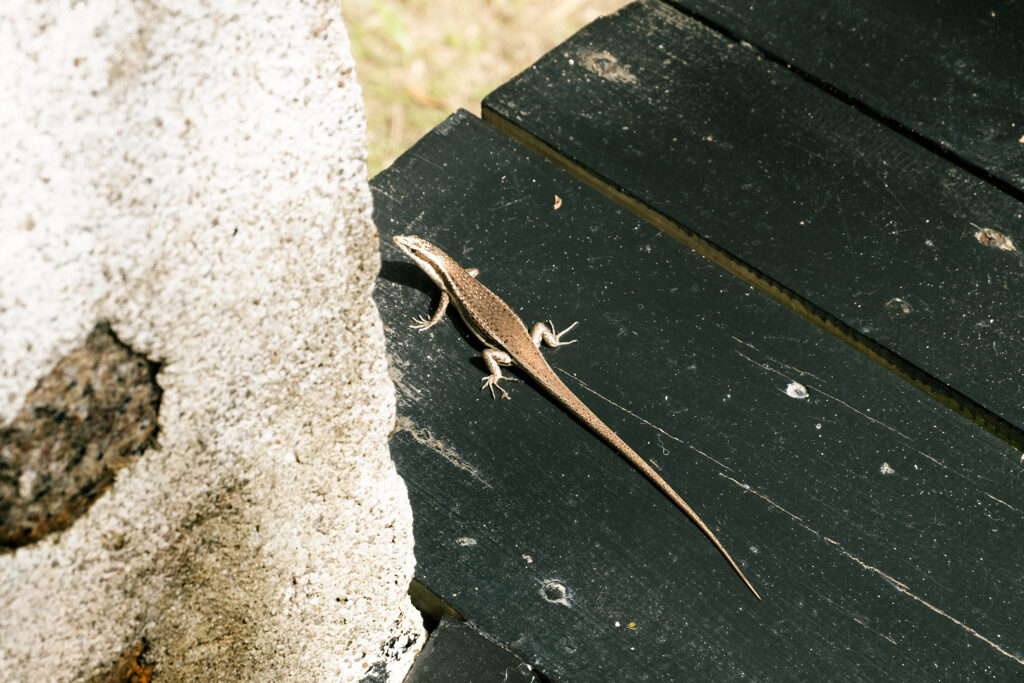
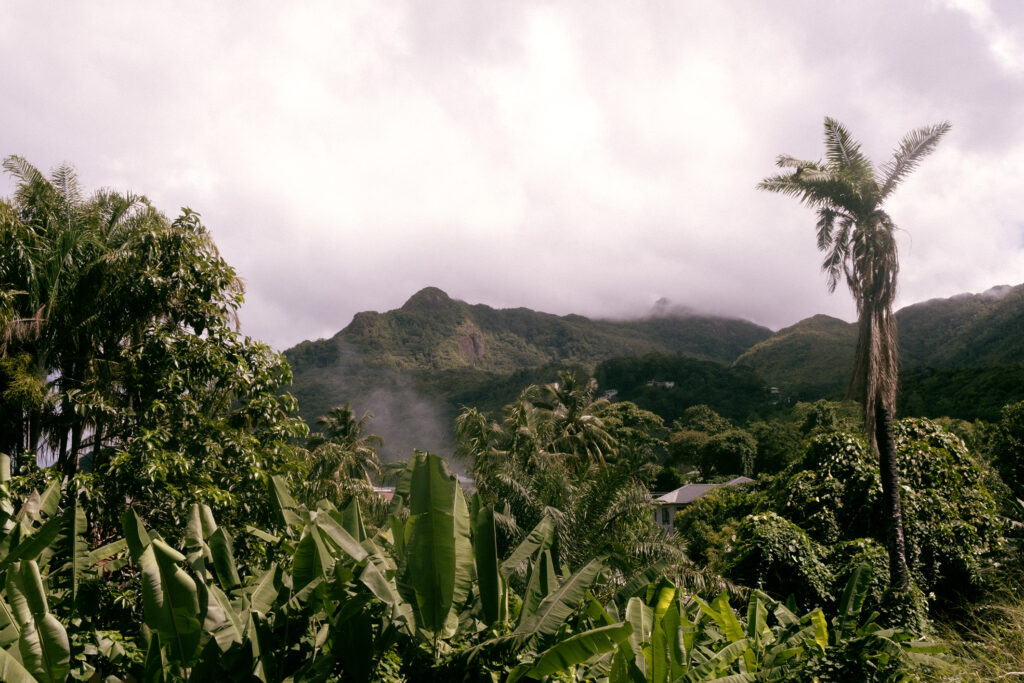
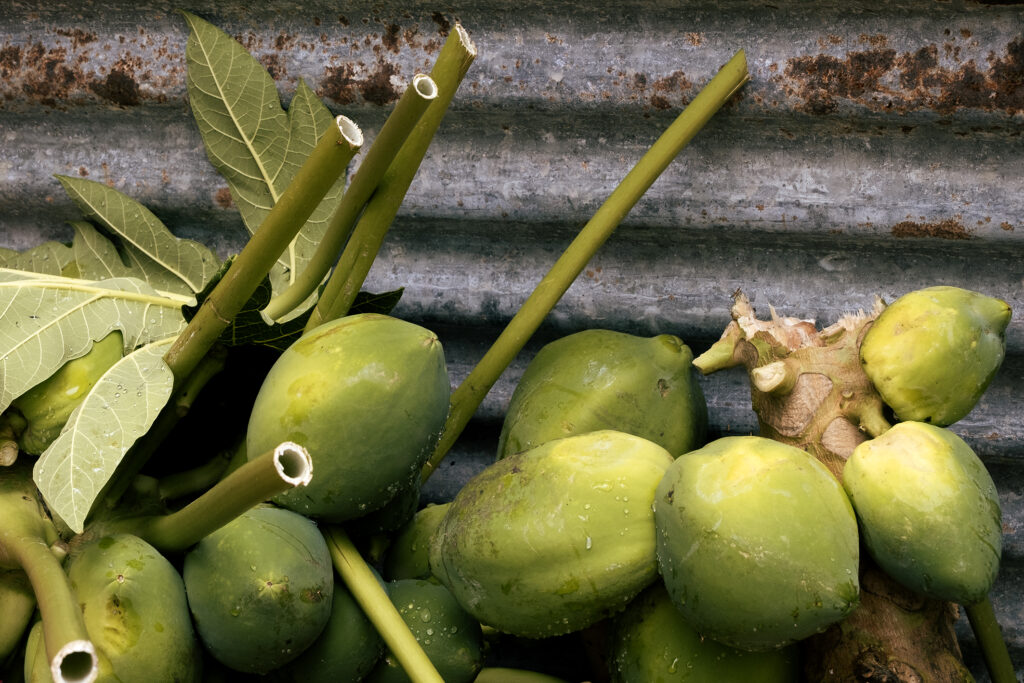
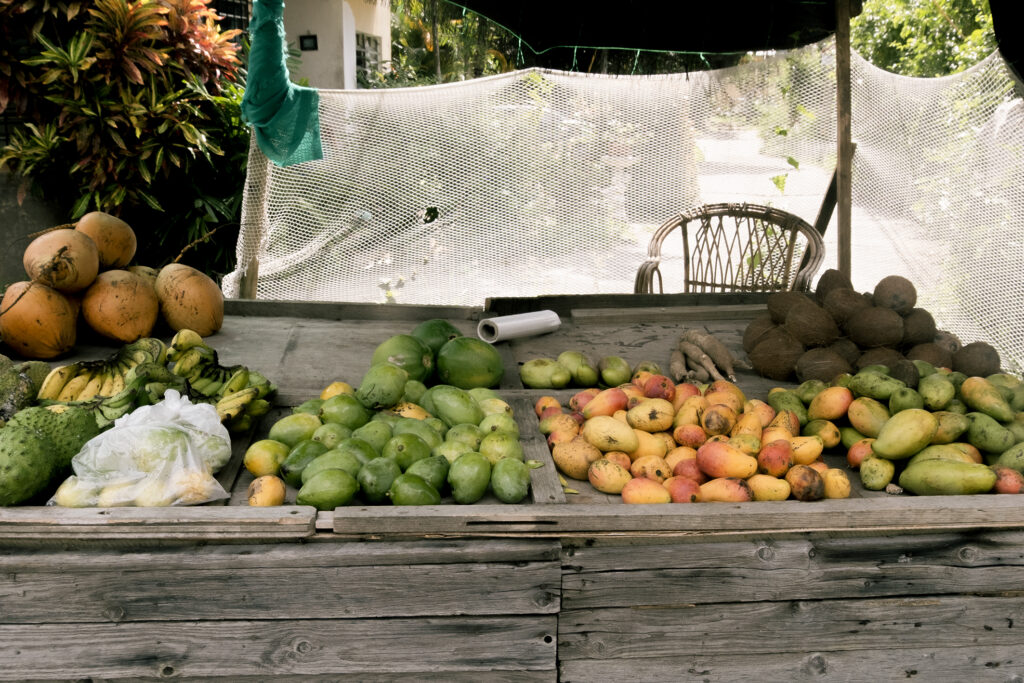
Life is slow here; buses arrive when they please, elderly men sit by the side of the road, sipping cans of Seybrew and watching the cars go by. The streets echo the sound of flip-flops smacking against the pavement, and quiet birdsong amongst the palm trees. Steam rises from the roads after a flash rainstorm. Auntie Melita watches reruns of UB40 when they played in Seychelles on the TV, with the fan pointed at her. Auntie Shiela’s 11 cats roam the neighbourhood and bask in the shade. Auntie Nadeje spends most of her days in the same chair now, she is the last connection to my great-grandfather’s generation. The nights are dark. Lizards climb the walls when the sun goes down. I wake from my sleep at the sound of mangoes falling on the corrugated iron roof of Auntie Melita’s house.
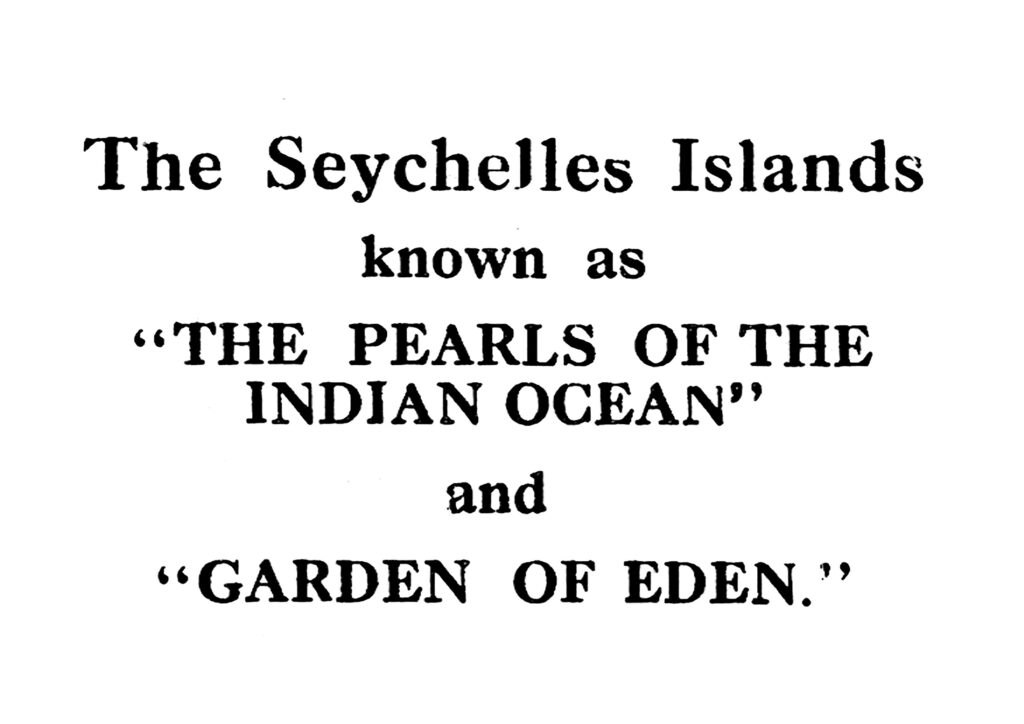
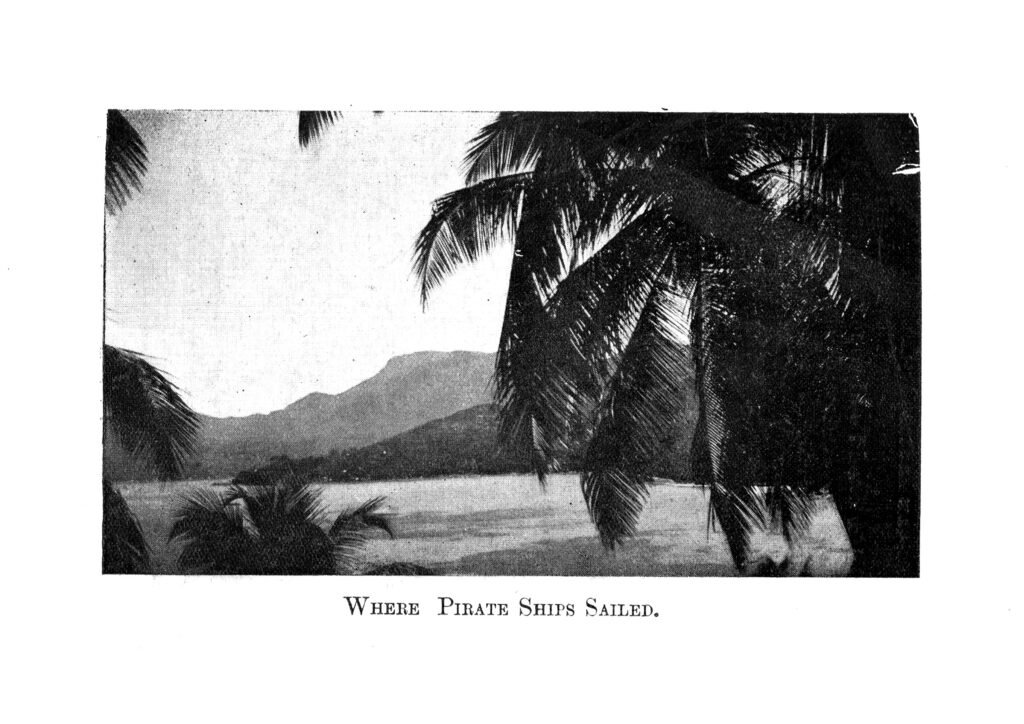
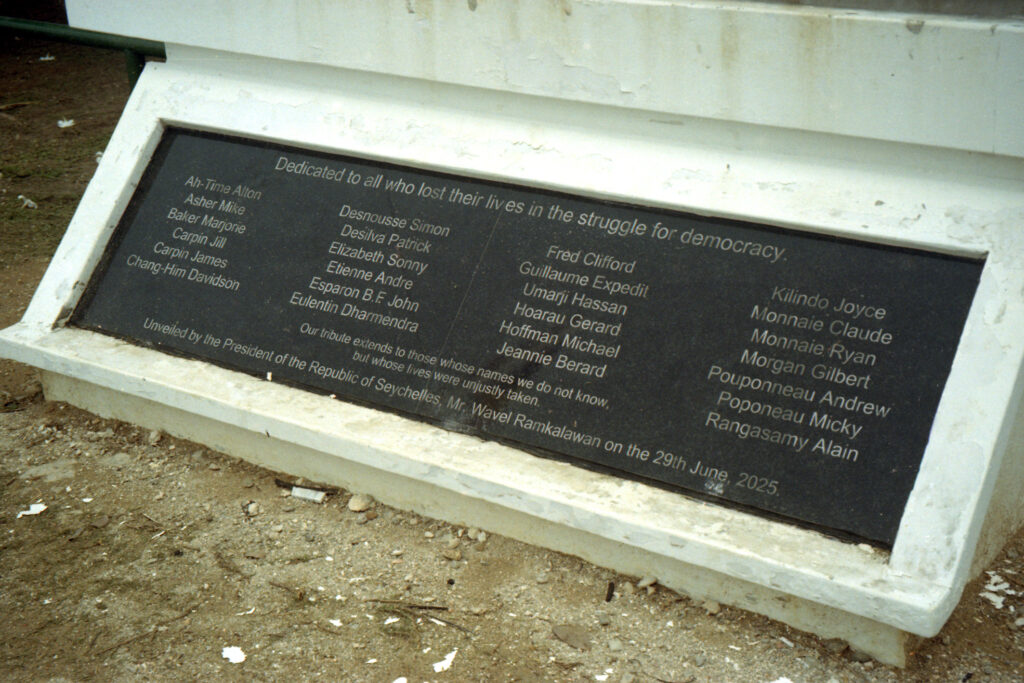
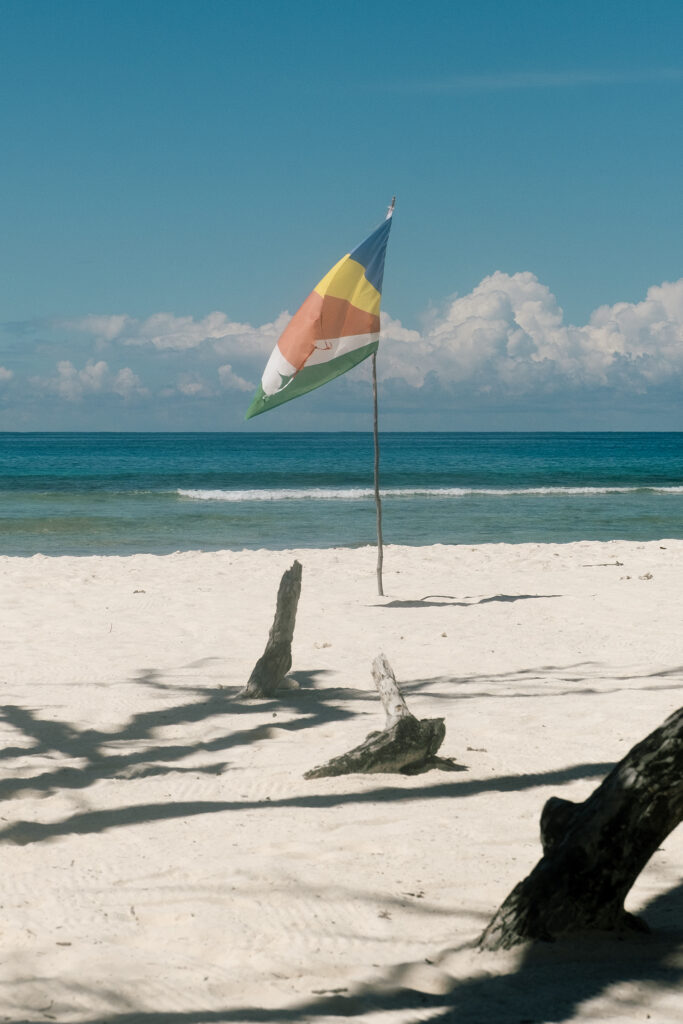
For such a small nation that has only existed for a short time, Seychelles has a complicated history. A pirate’s haven. A colony fought over by the British and French, and thousands of enslaved African’s displaced from their homelands. A socialist coup in the 70s and a reign of terror that lasted into the early 2000s. Now it is mostly shaped by tourism, known to the rest of the world as it’s shown on postcards.
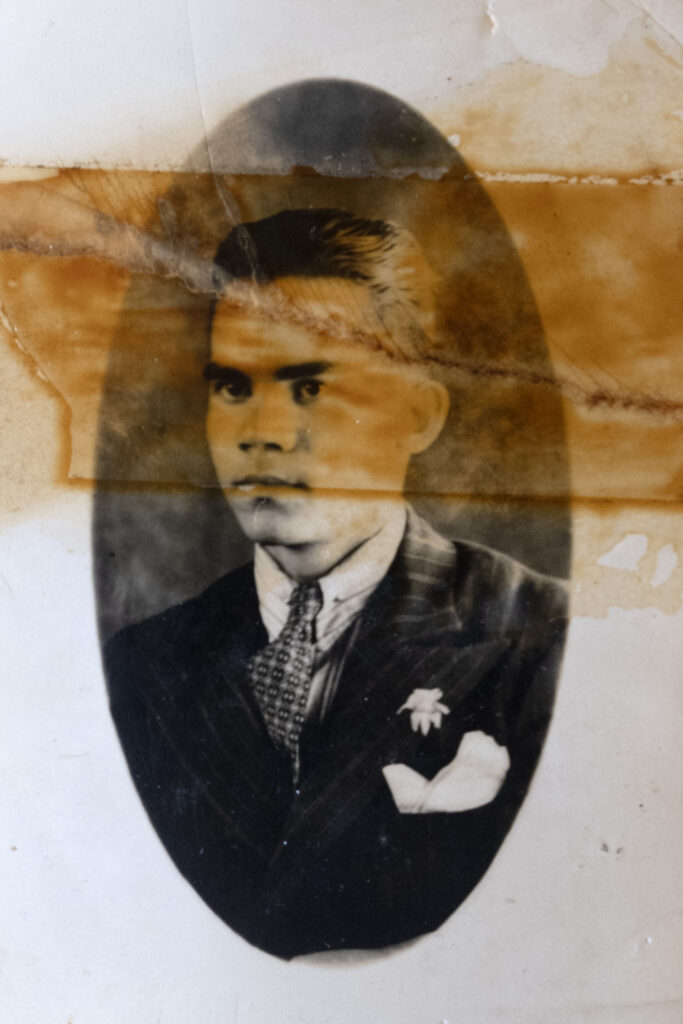
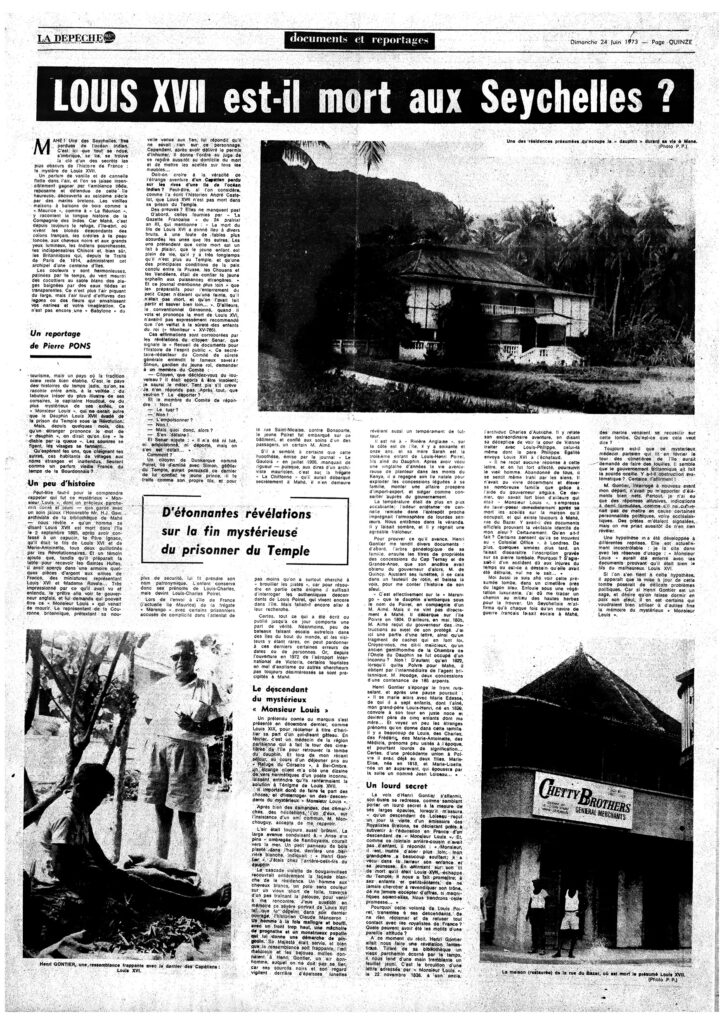
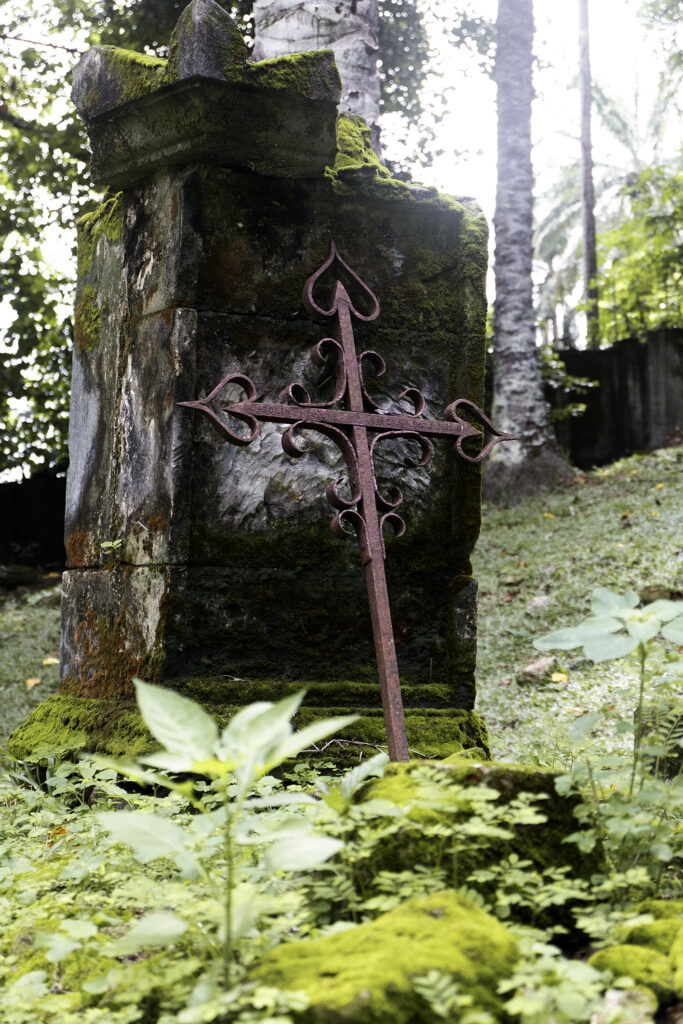
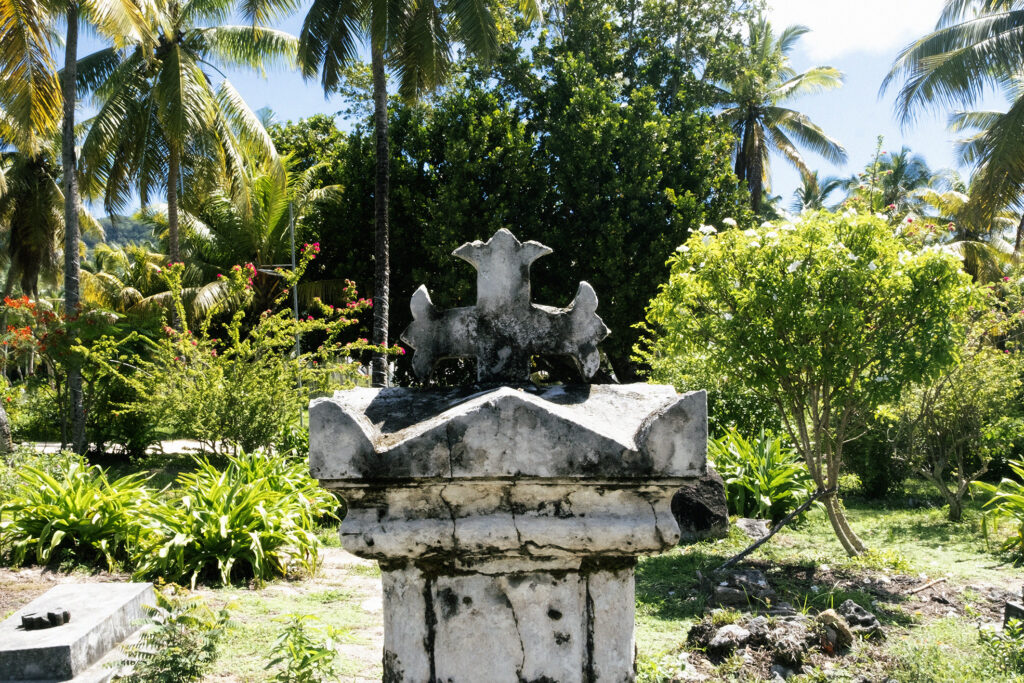
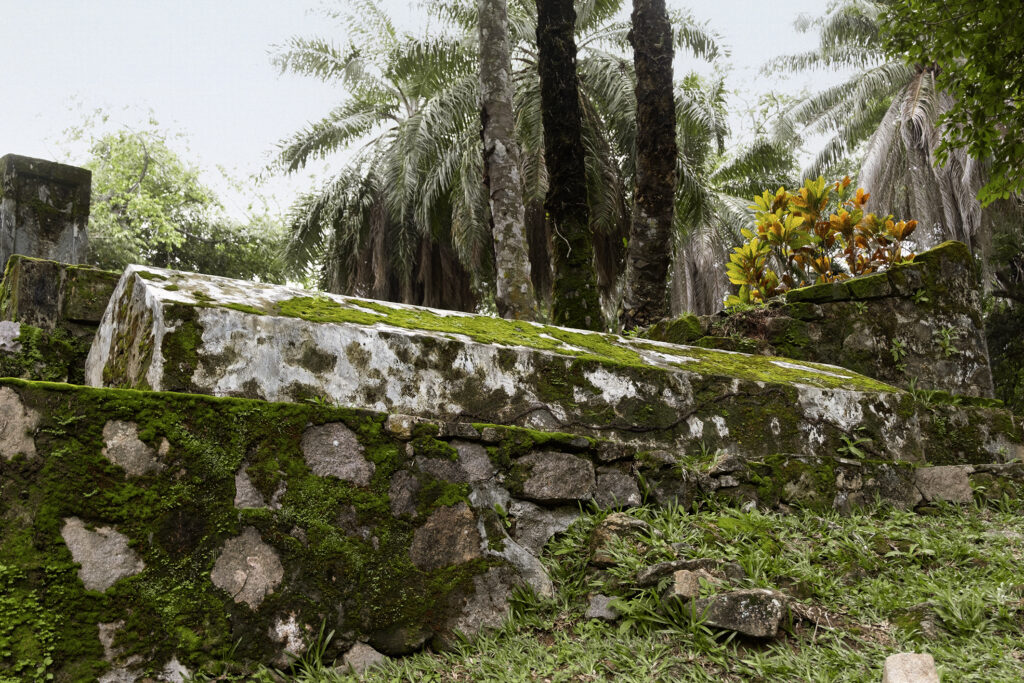
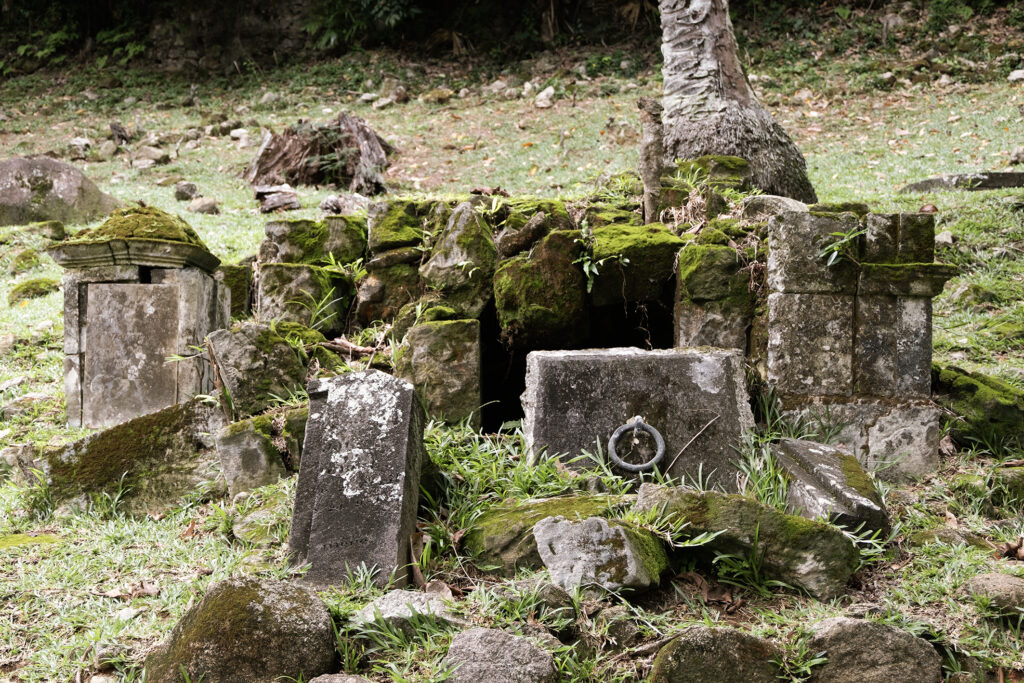
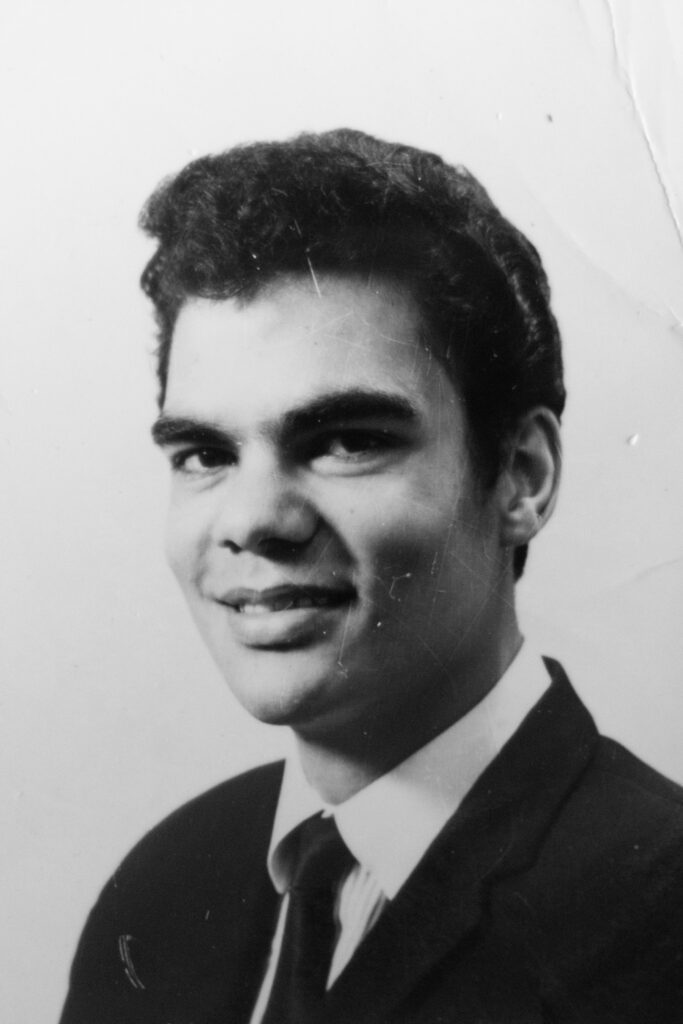
I grew up being told of the history of the islands, and the family I’d never met. The Seychellois are storytellers – I could so vividly imagine a place I’d never been to. Auntie Melita would tell me how the Seychelles used to be over dinner, about the building of the airport and working for the prime minister before the coup. I spent much of my time there retracing steps. I found the grave of Charles Dorothee-Savy in Bel-Air cemetery, much longer than the others, white and covered in moss. A young boy said to have grown too tall and too strong, and been poisoned for it. Or the newspaper article I found in a museum, from 1973, about an ancestor of mine who claimed he was the Dauphin over a hundred years prior, and had actually escaped to Seychelles rather than dying in France during the revolution. I was told these stories as a child but took them for folklore. In some ways they still feel that way.
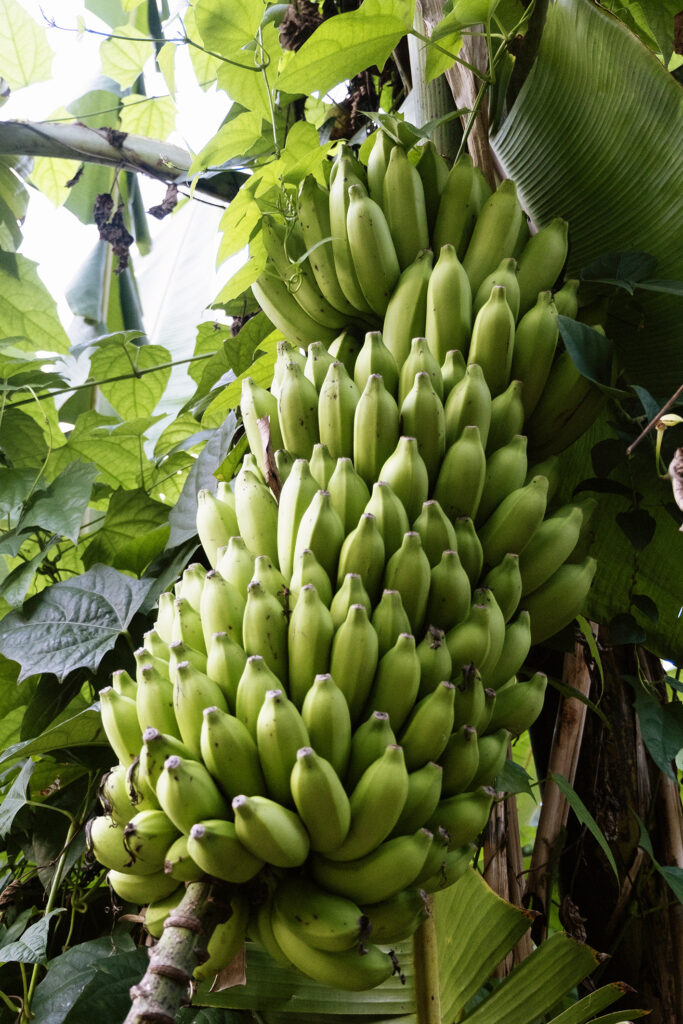
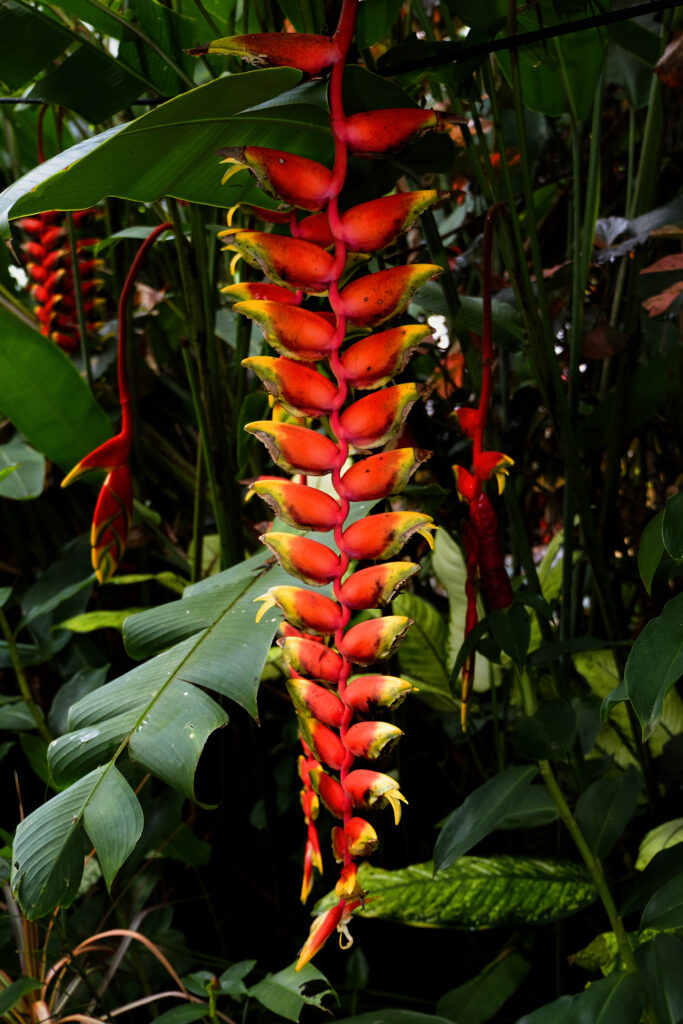
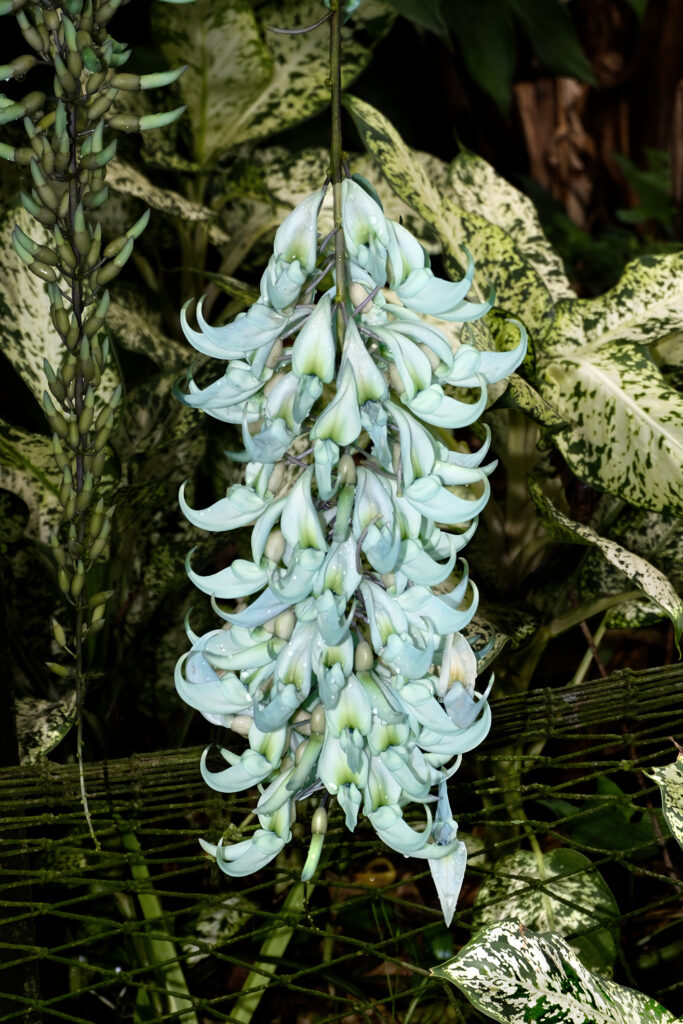
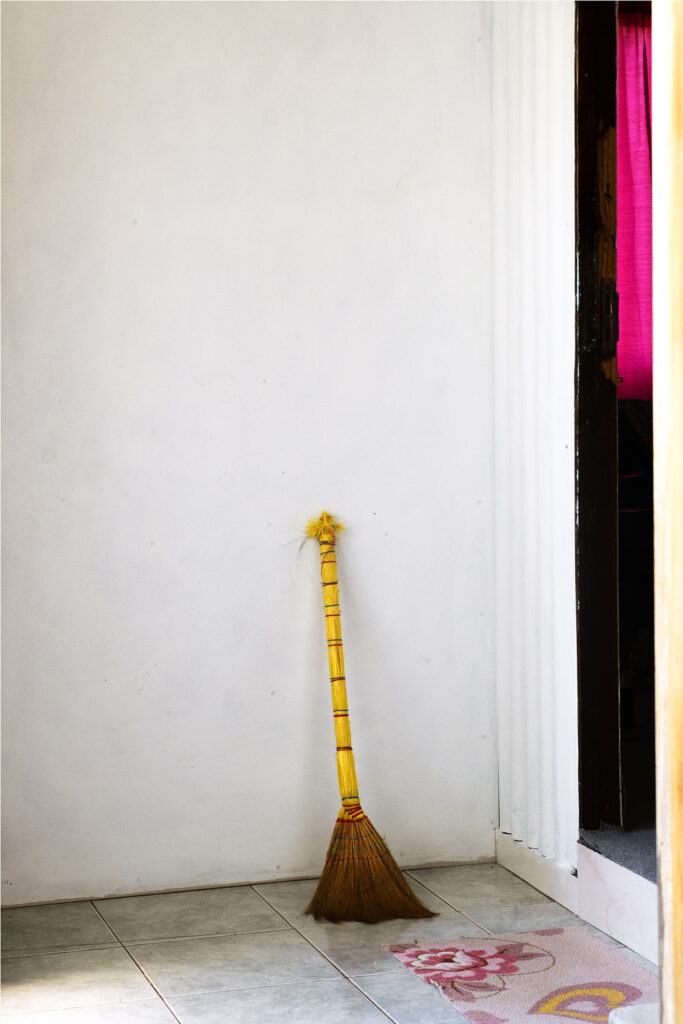
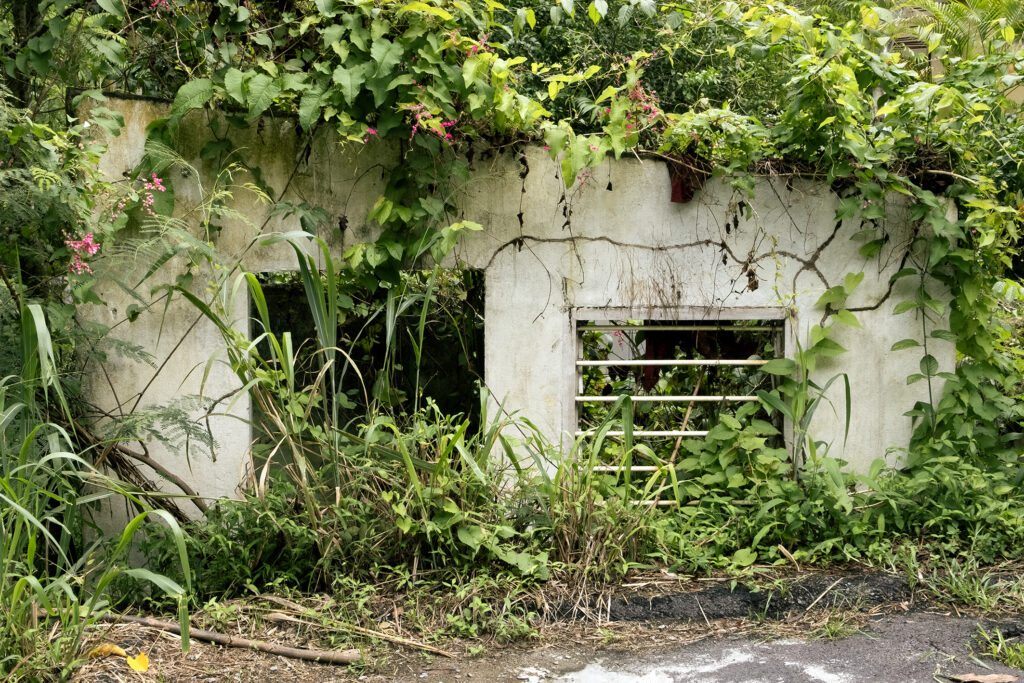
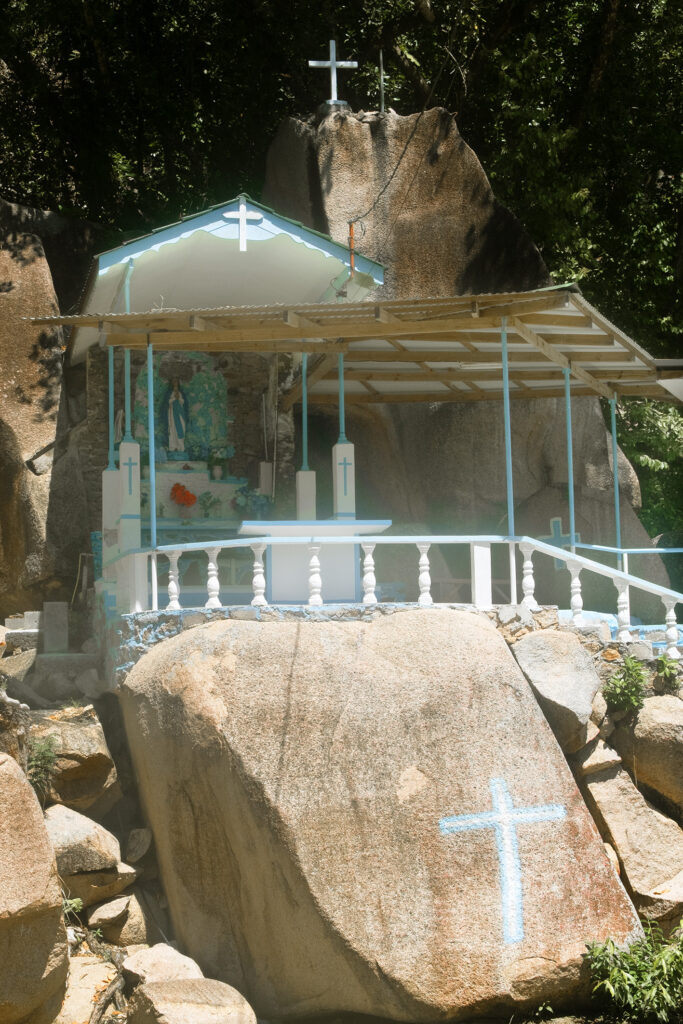
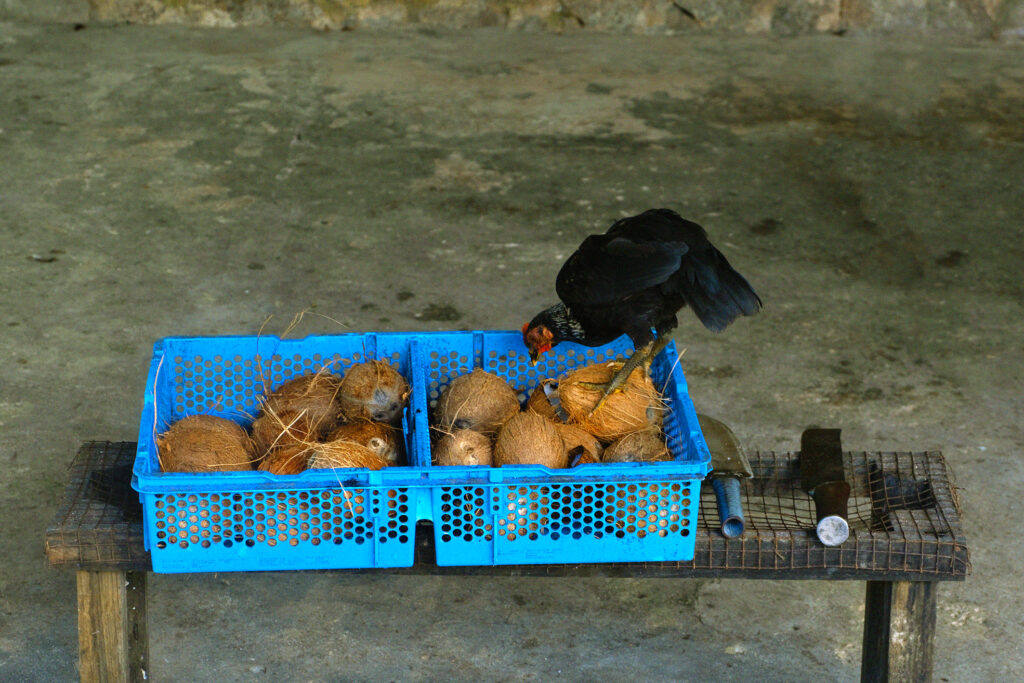
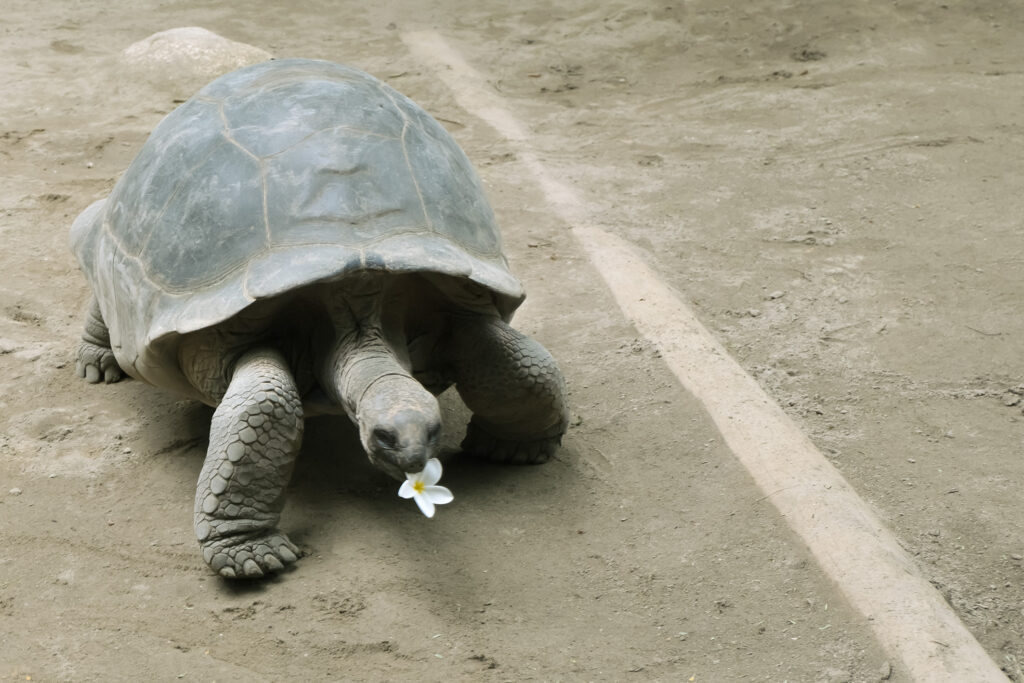
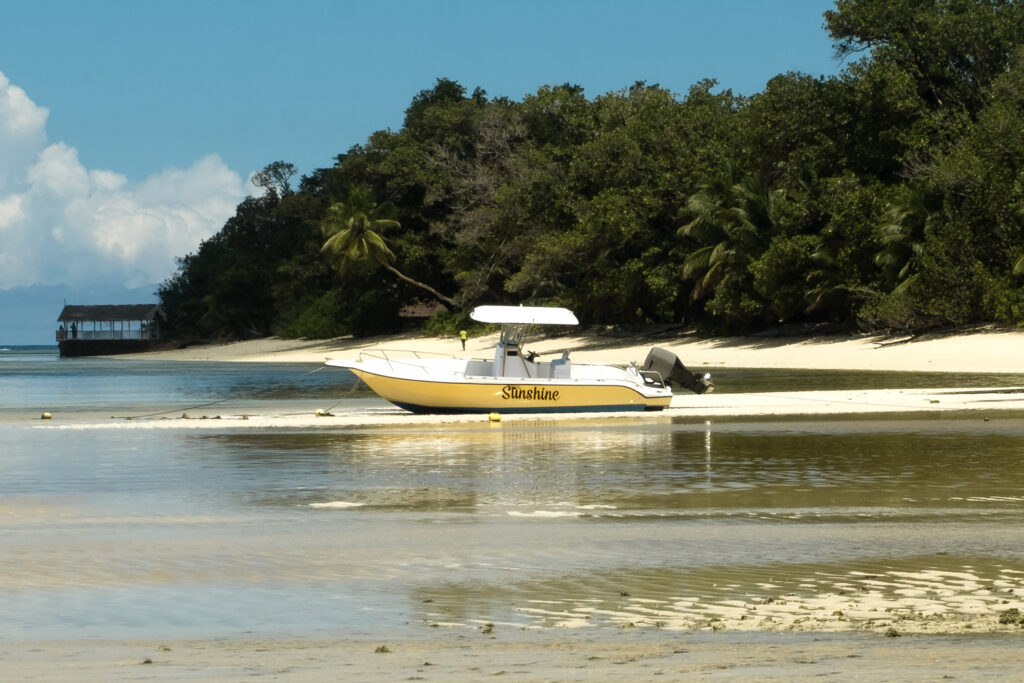
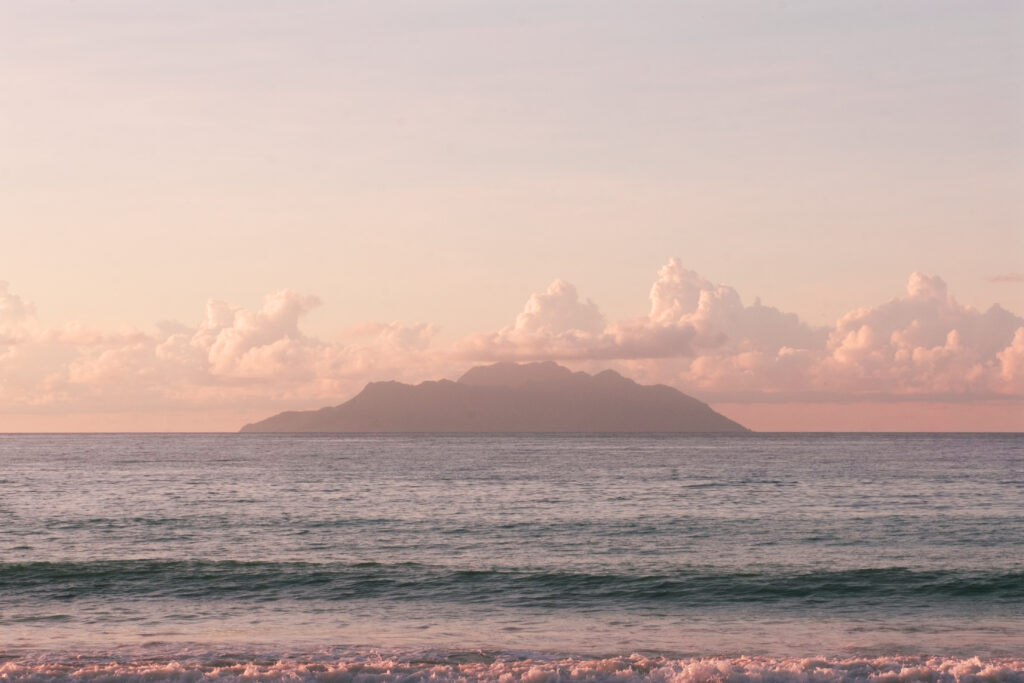
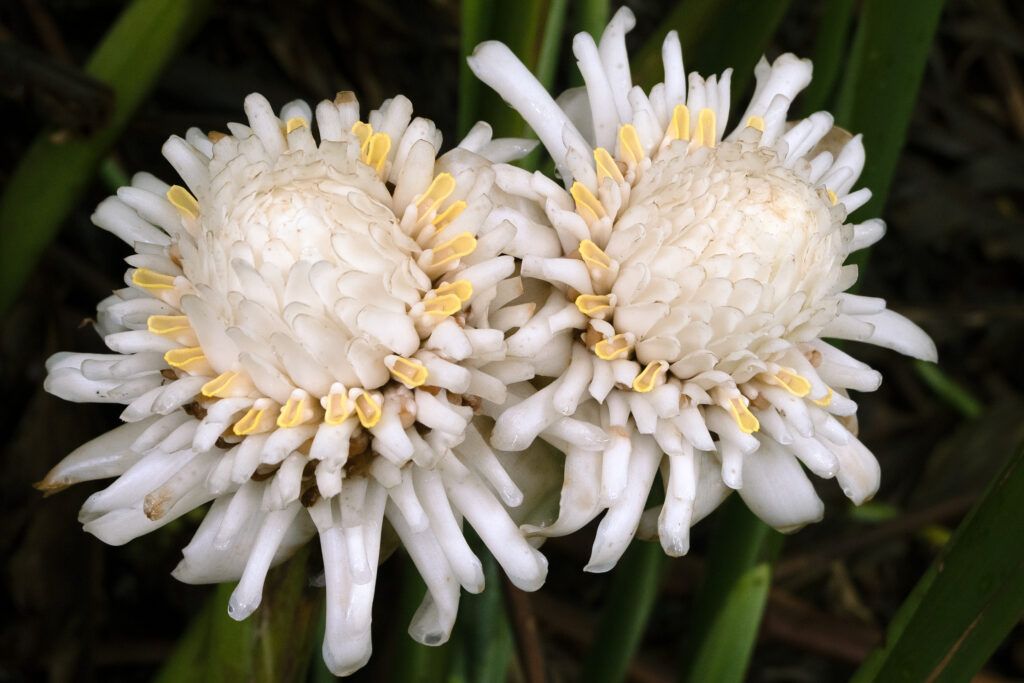
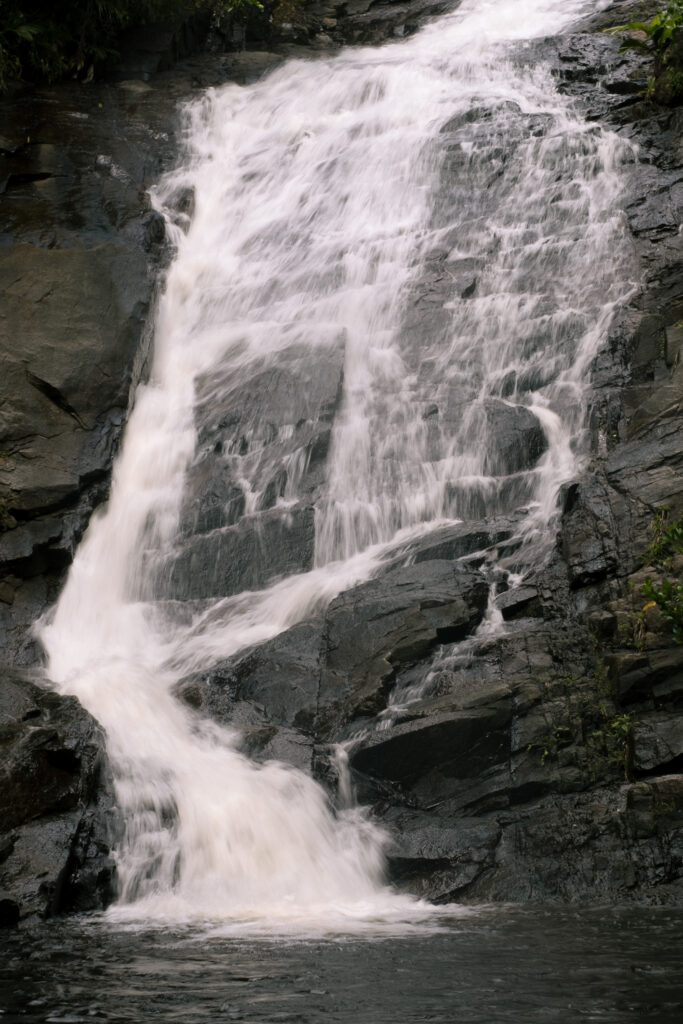
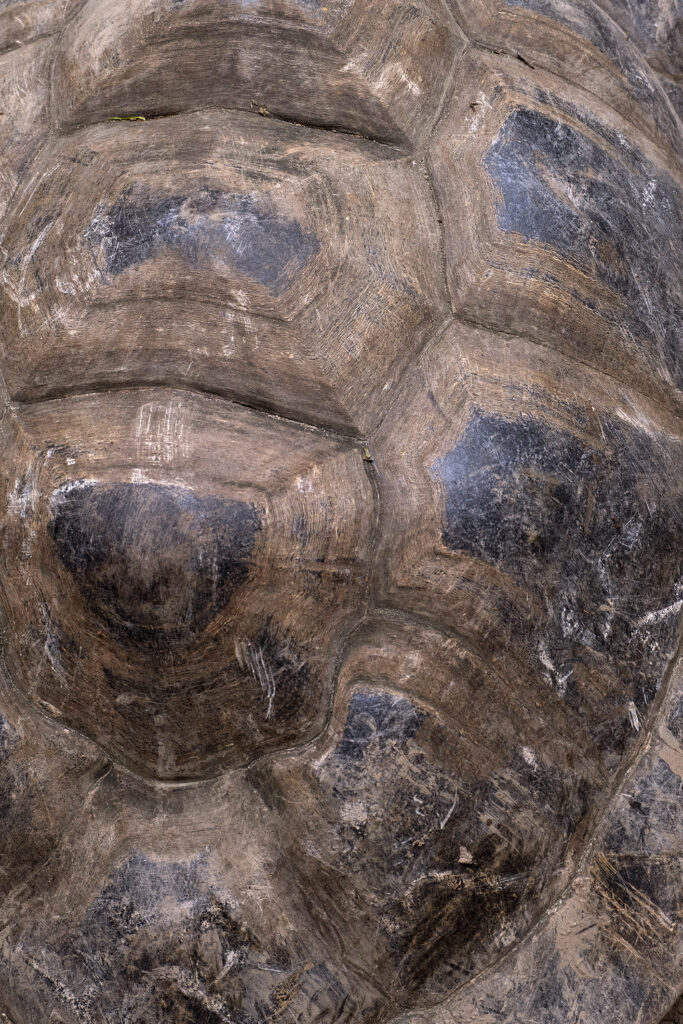
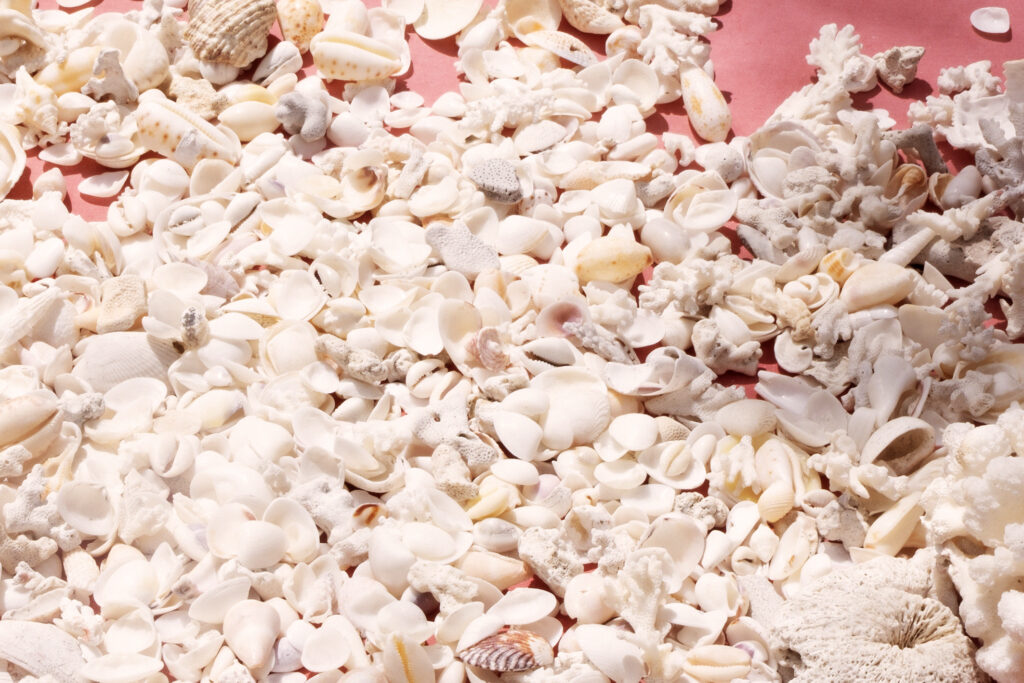
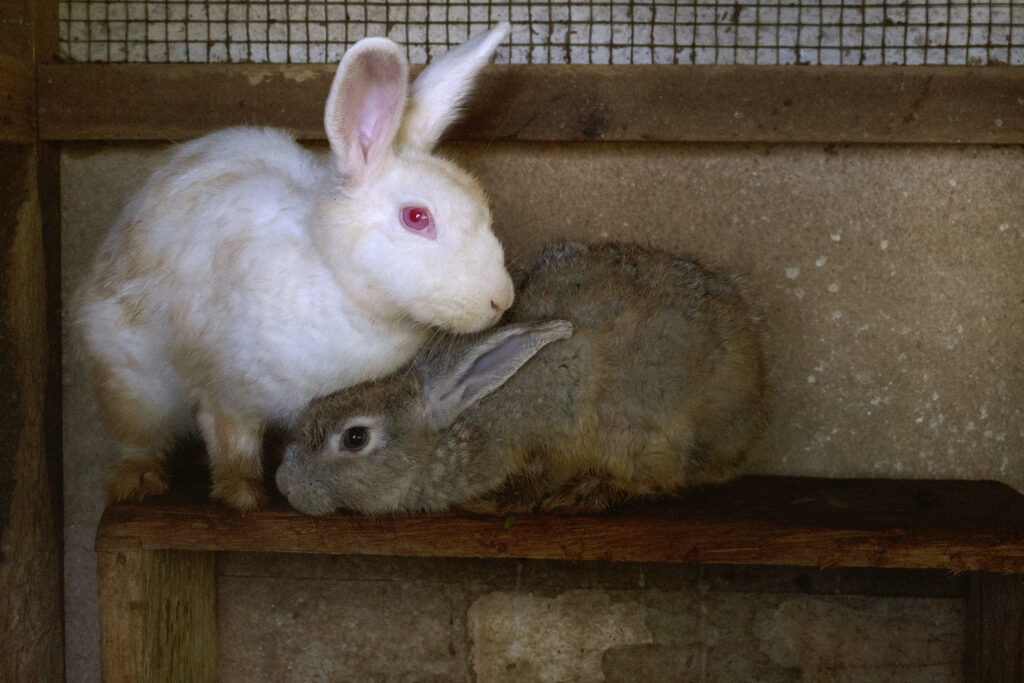
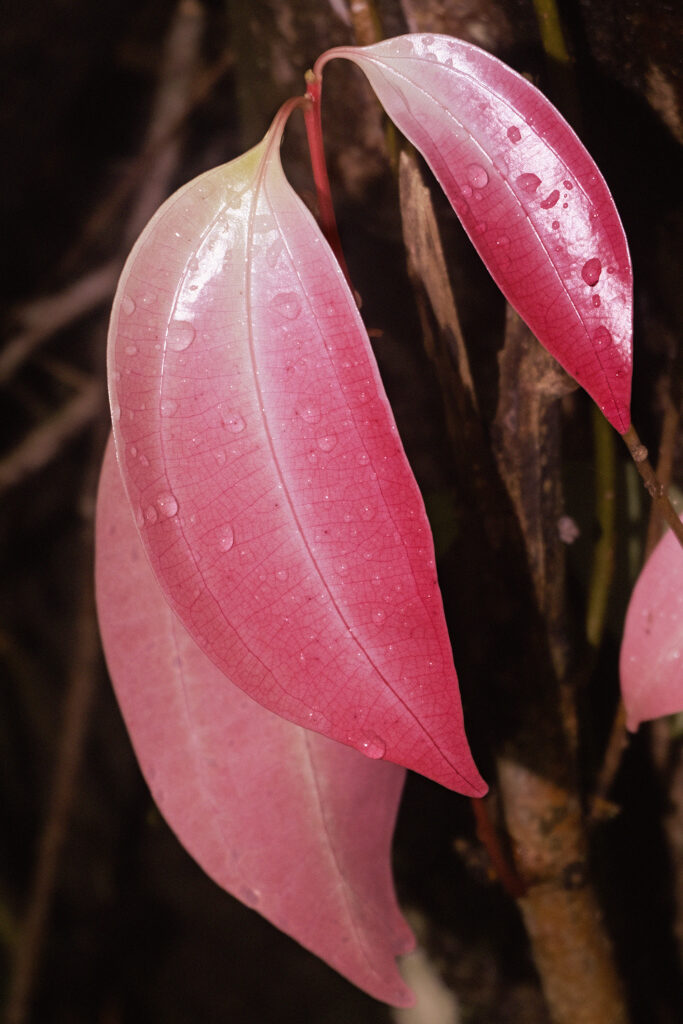
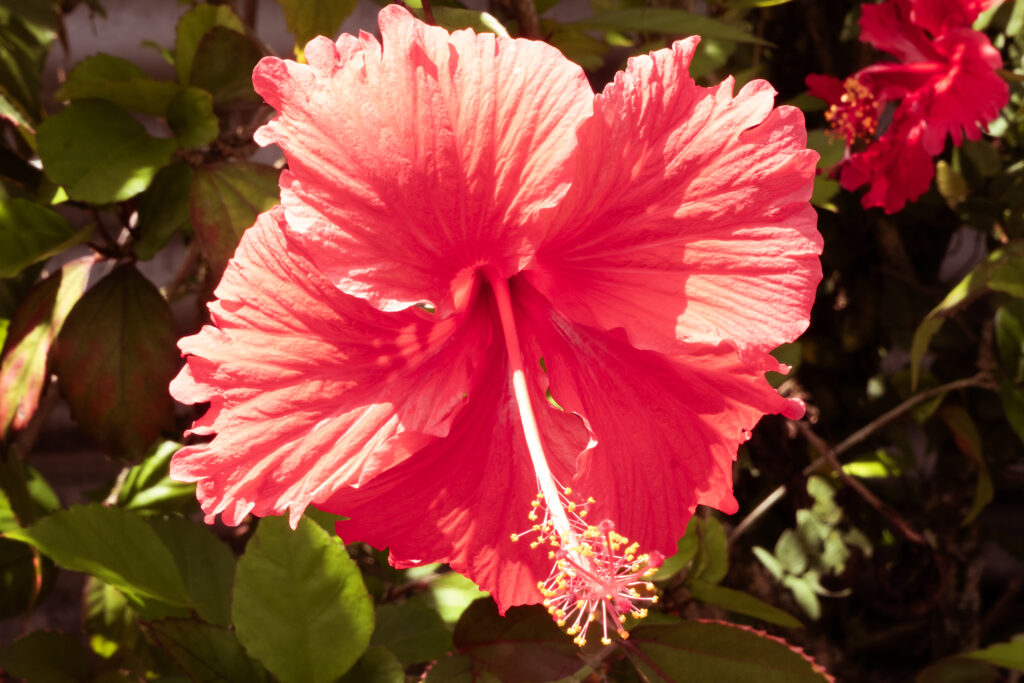
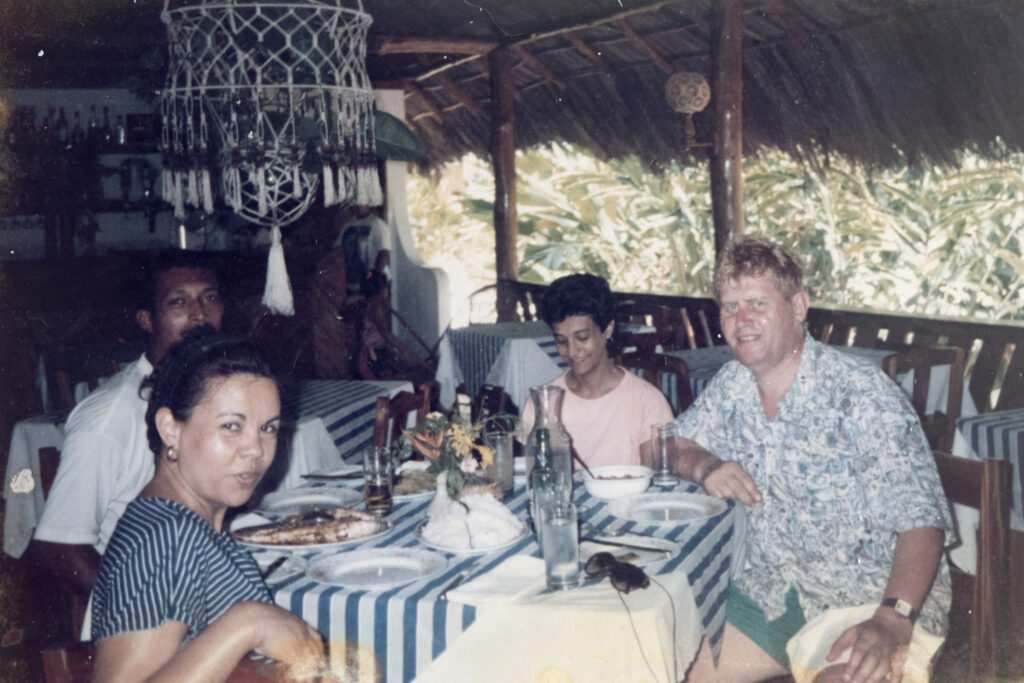
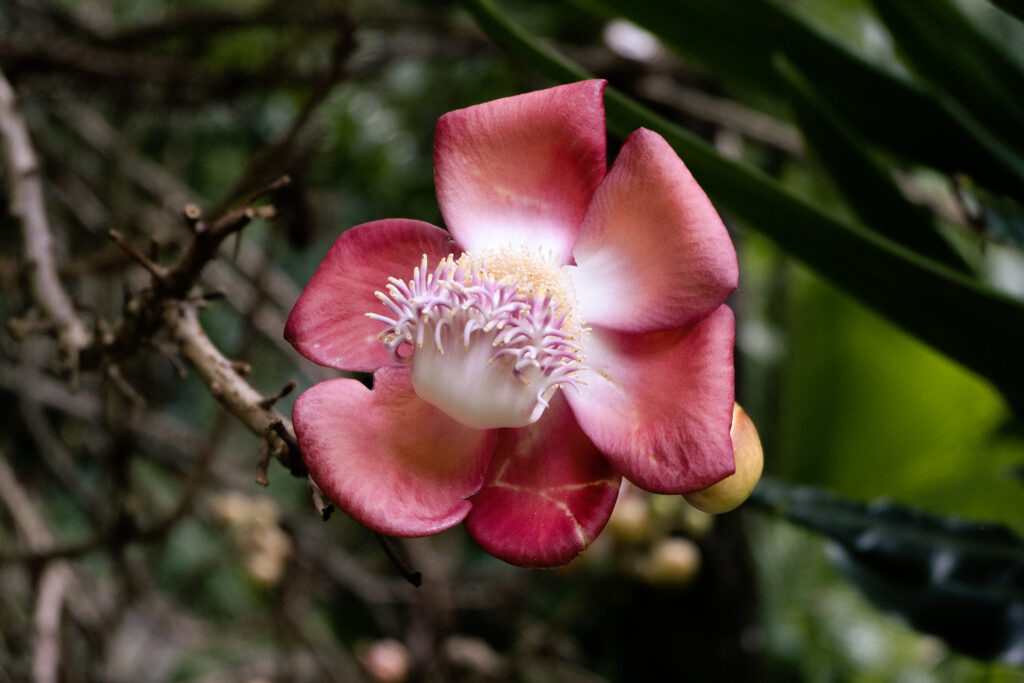
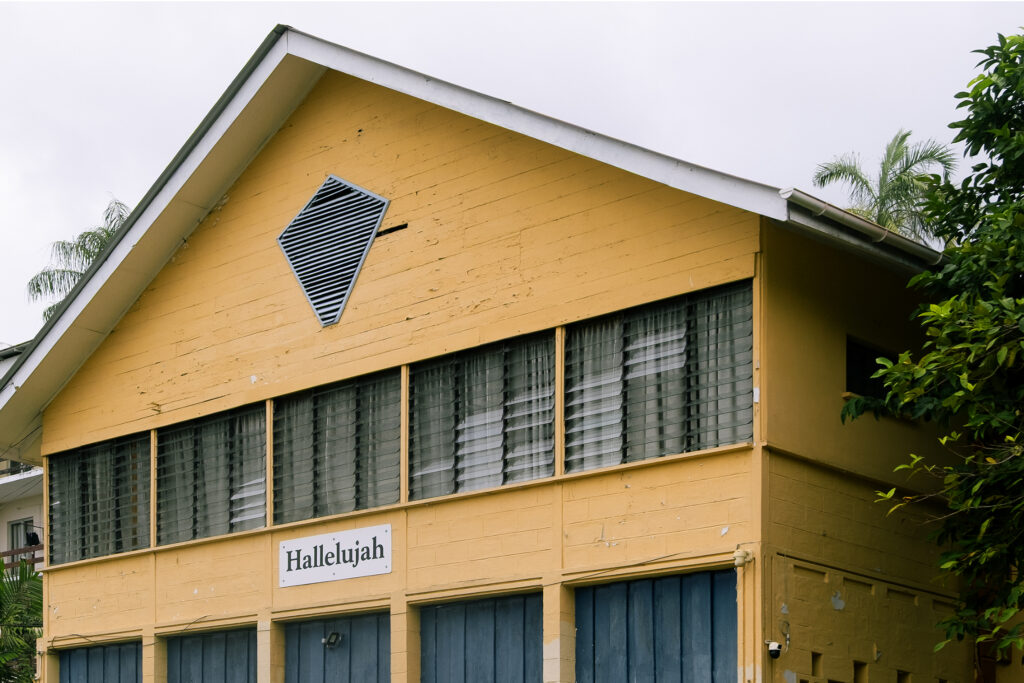
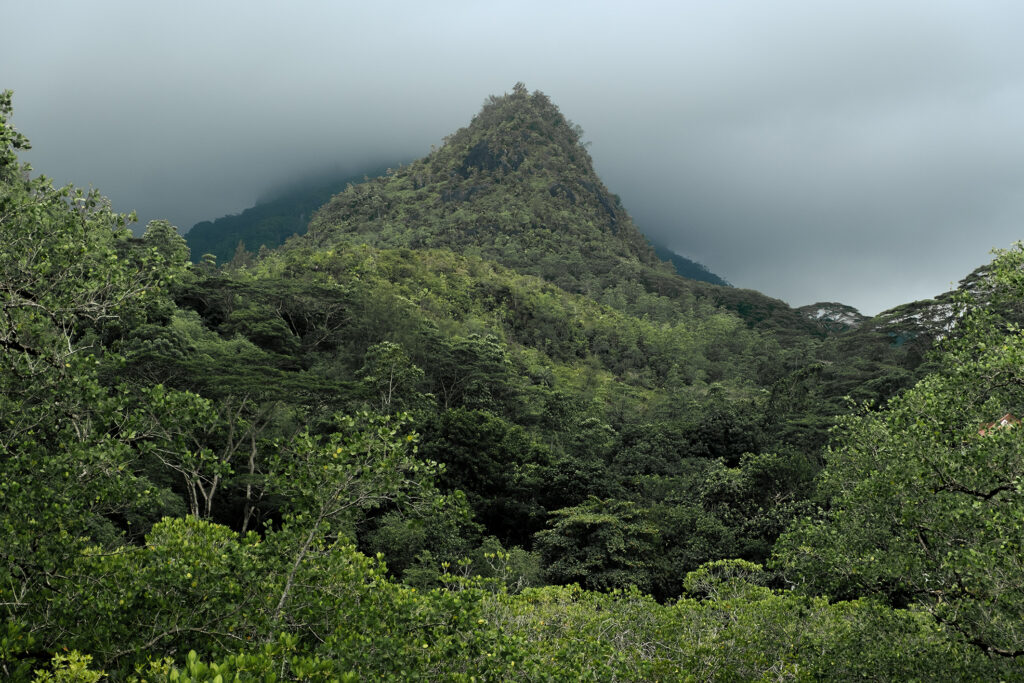
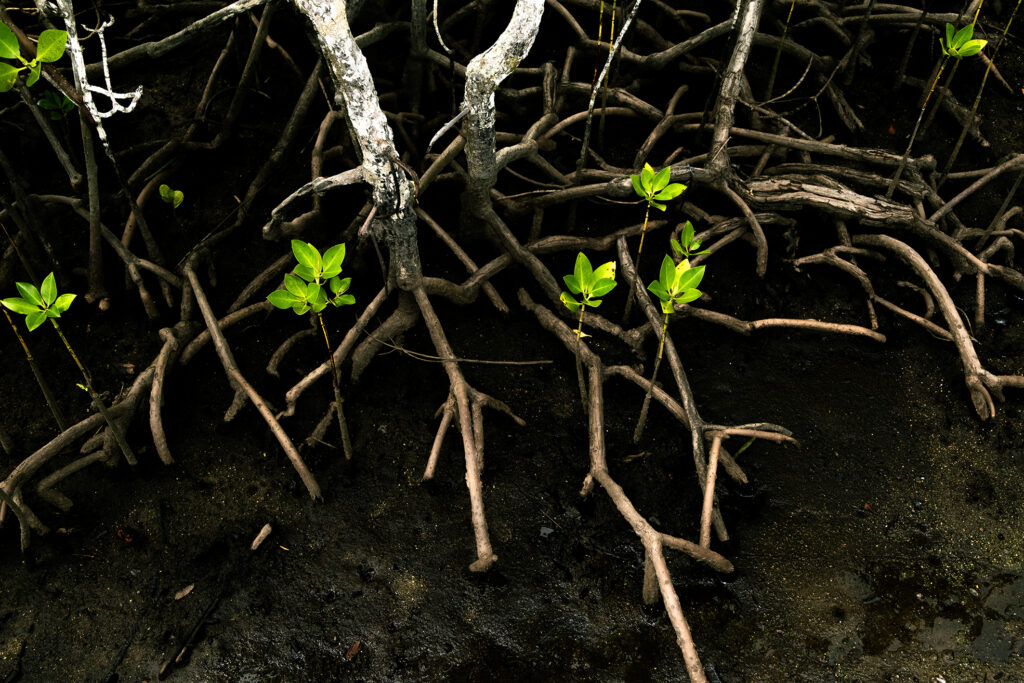
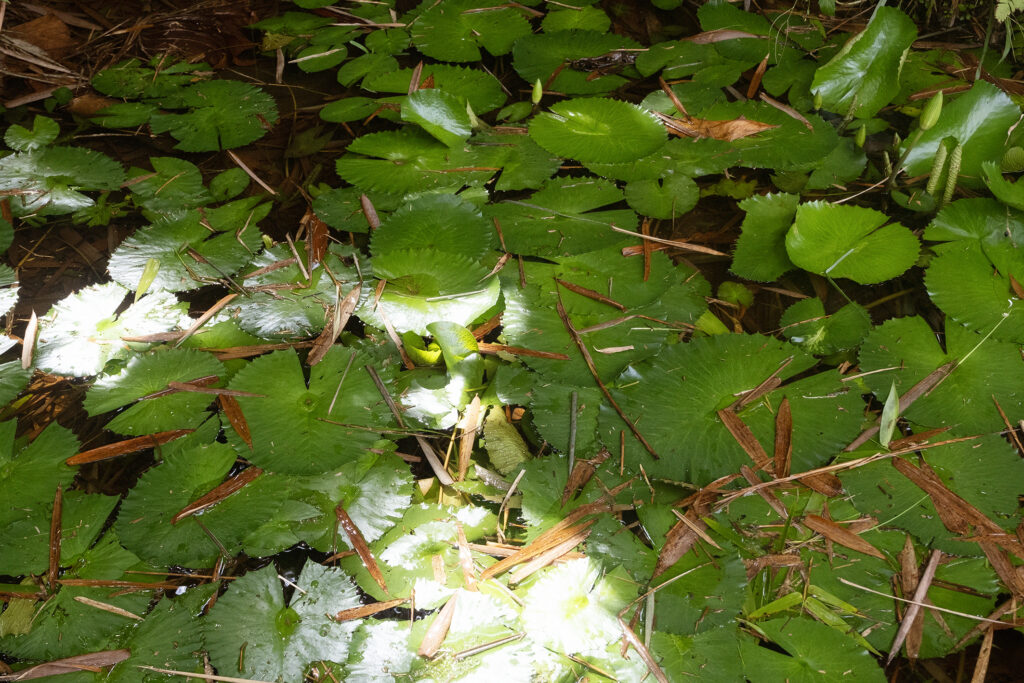
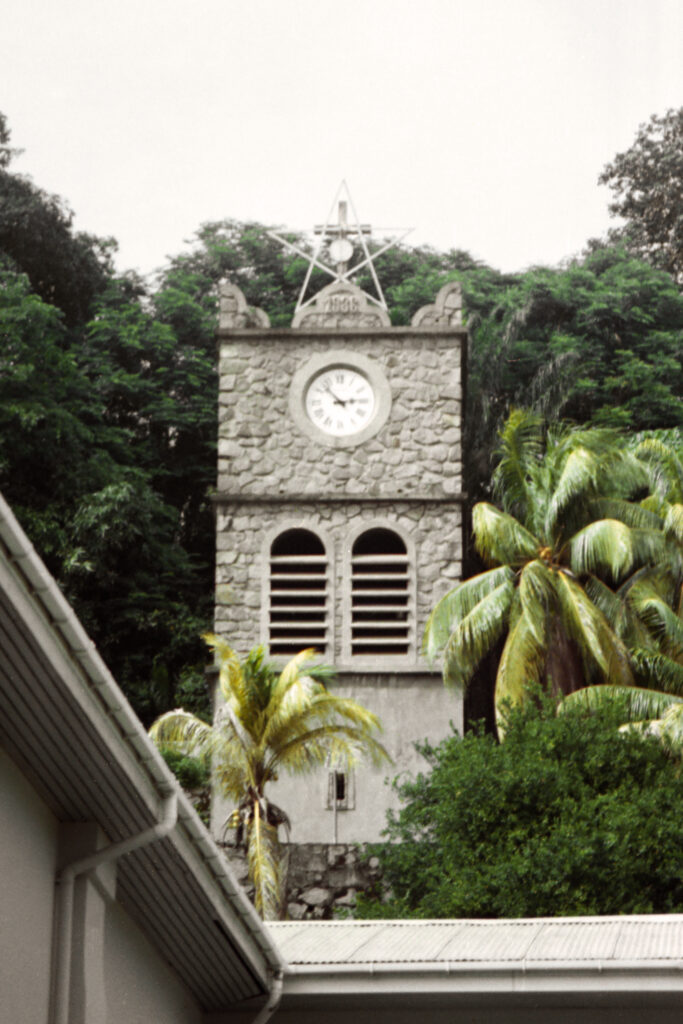
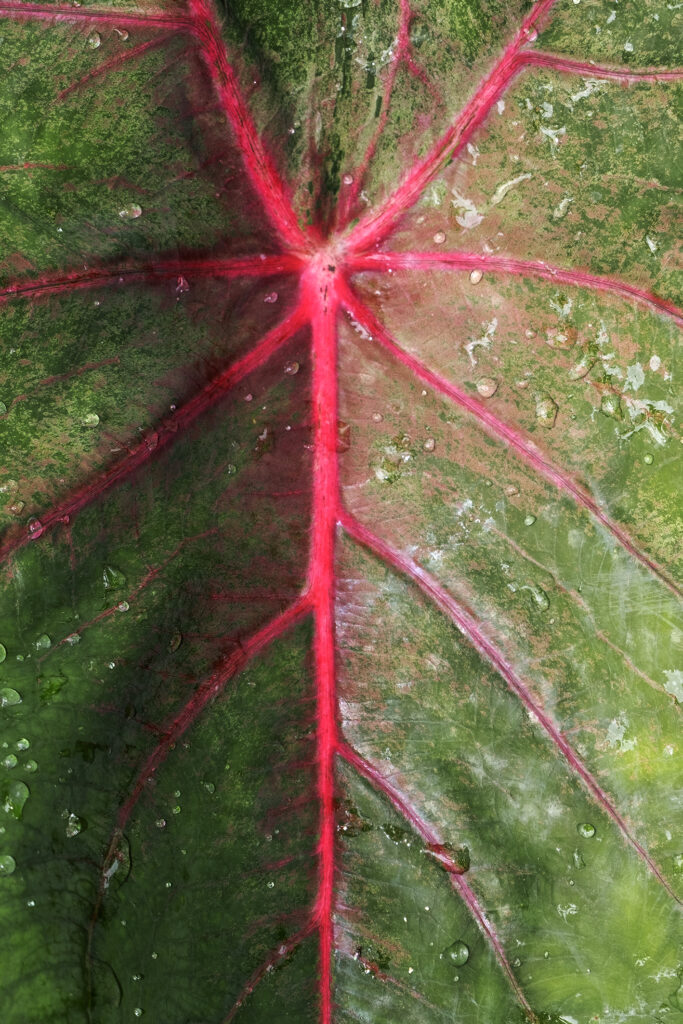
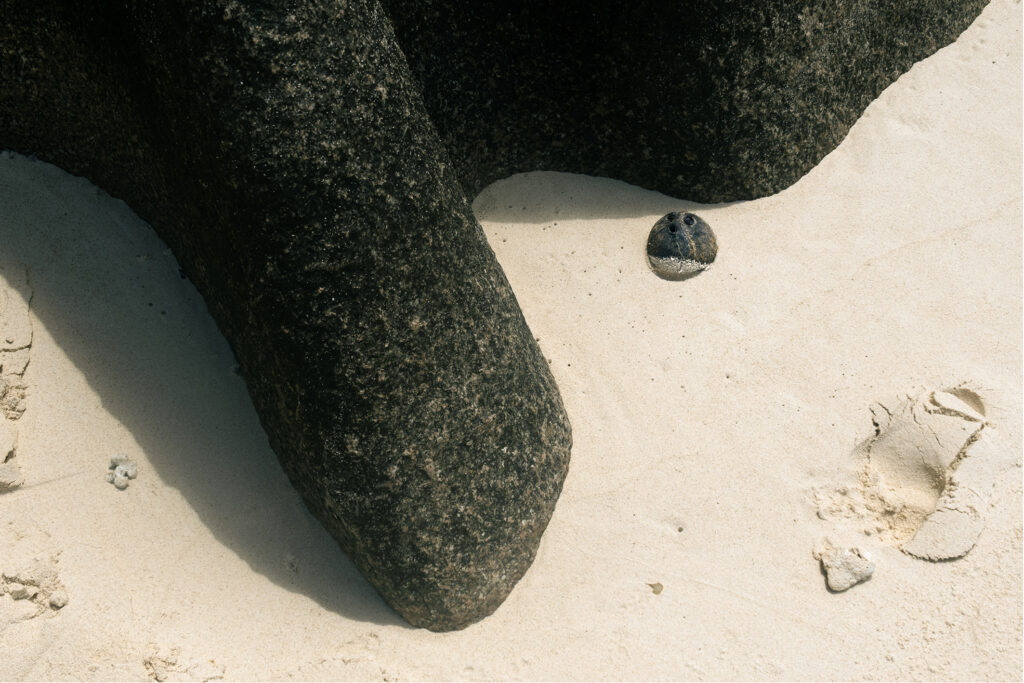
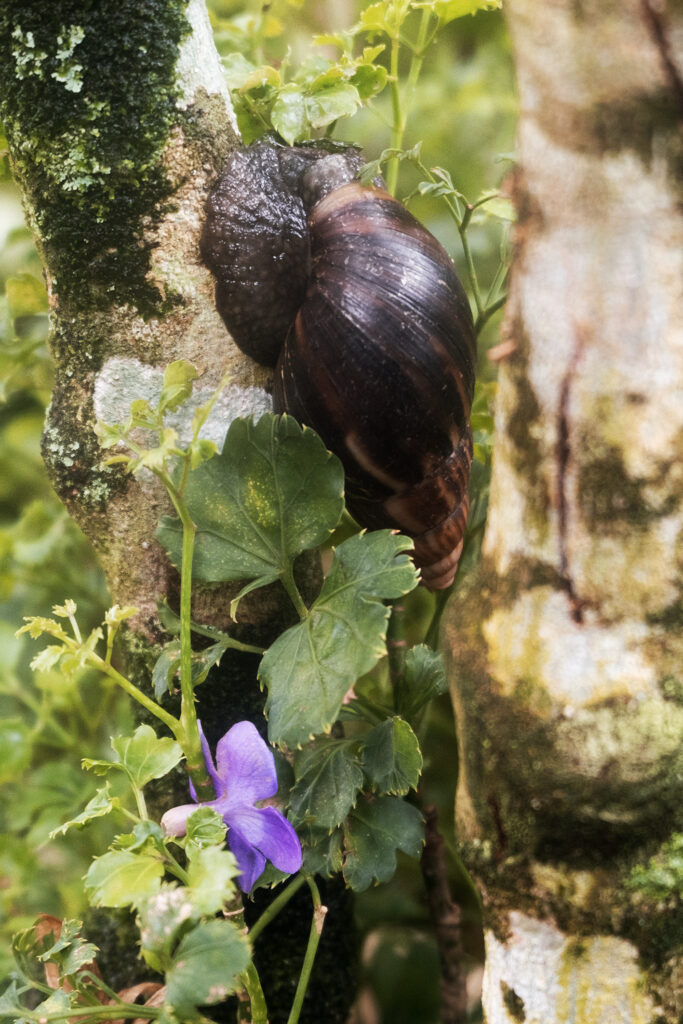
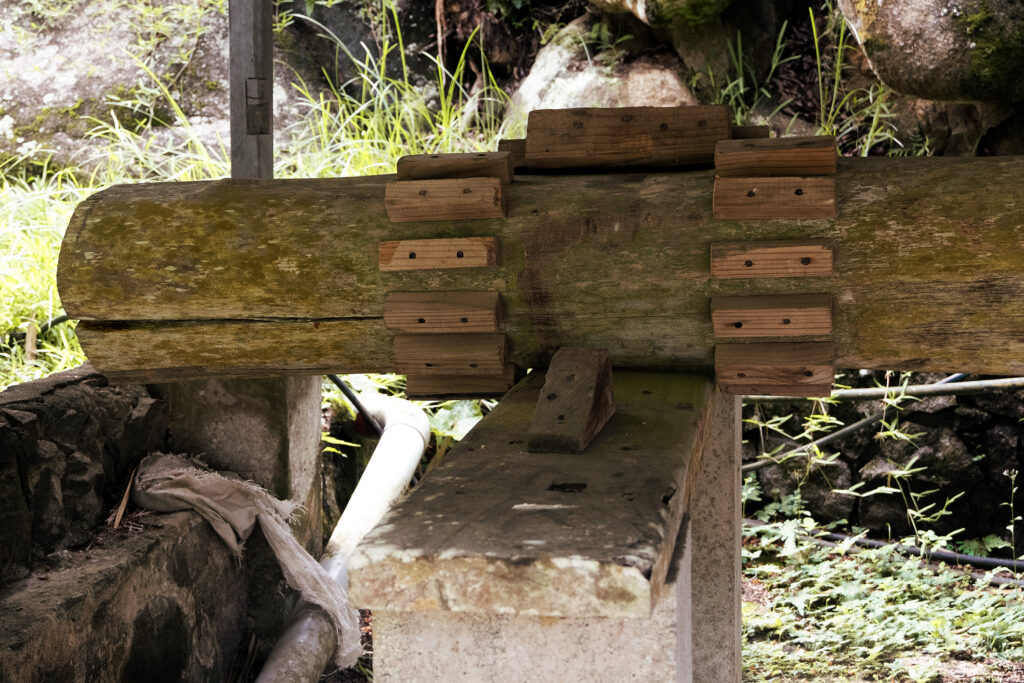
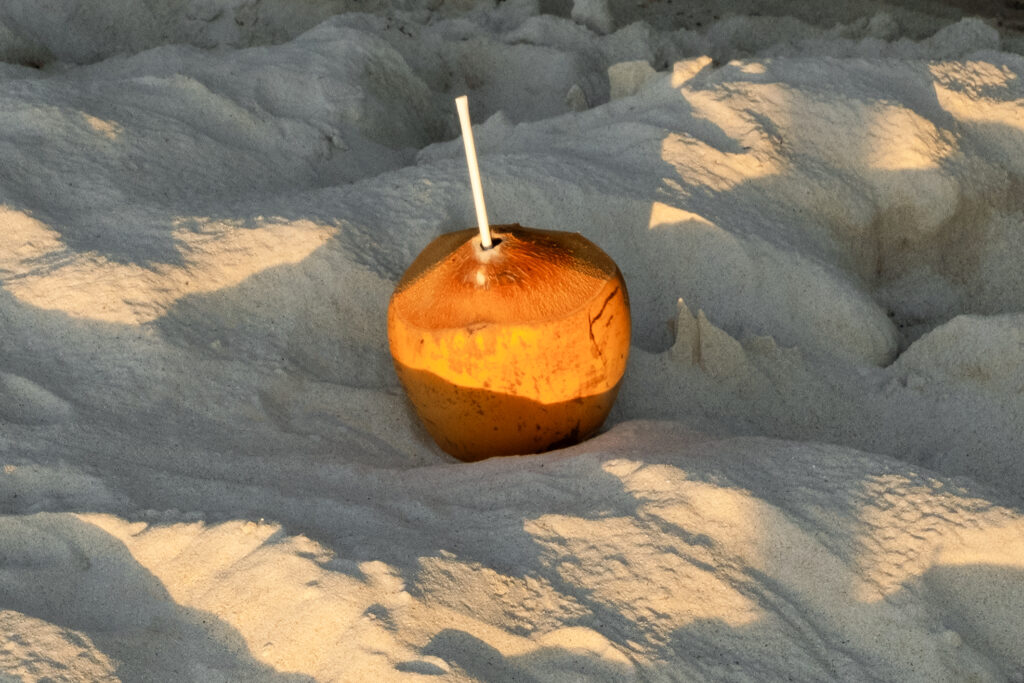
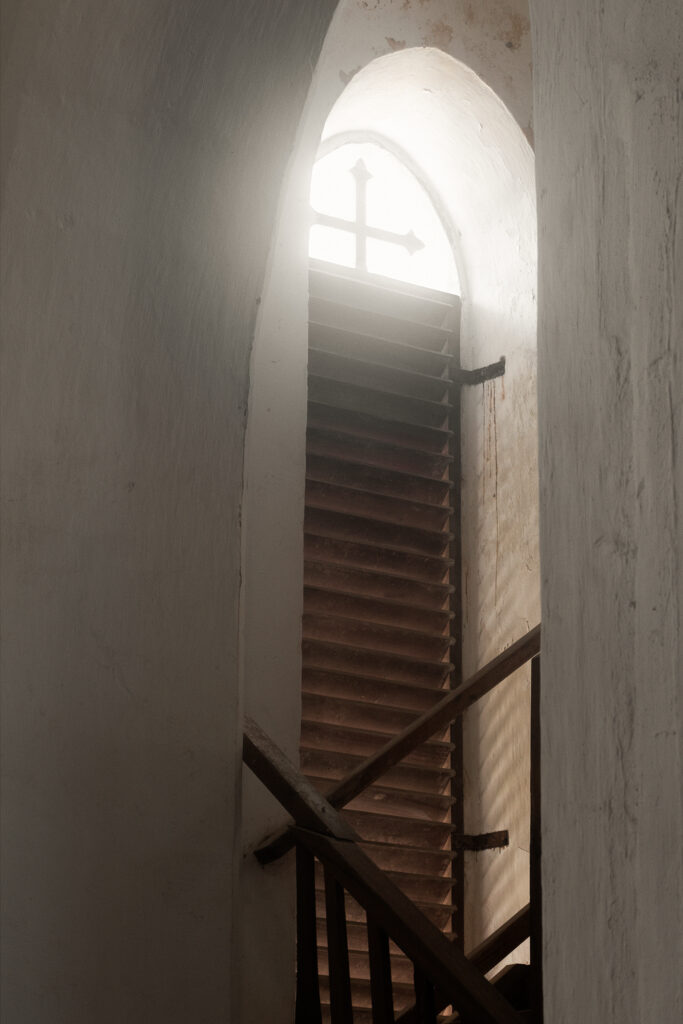
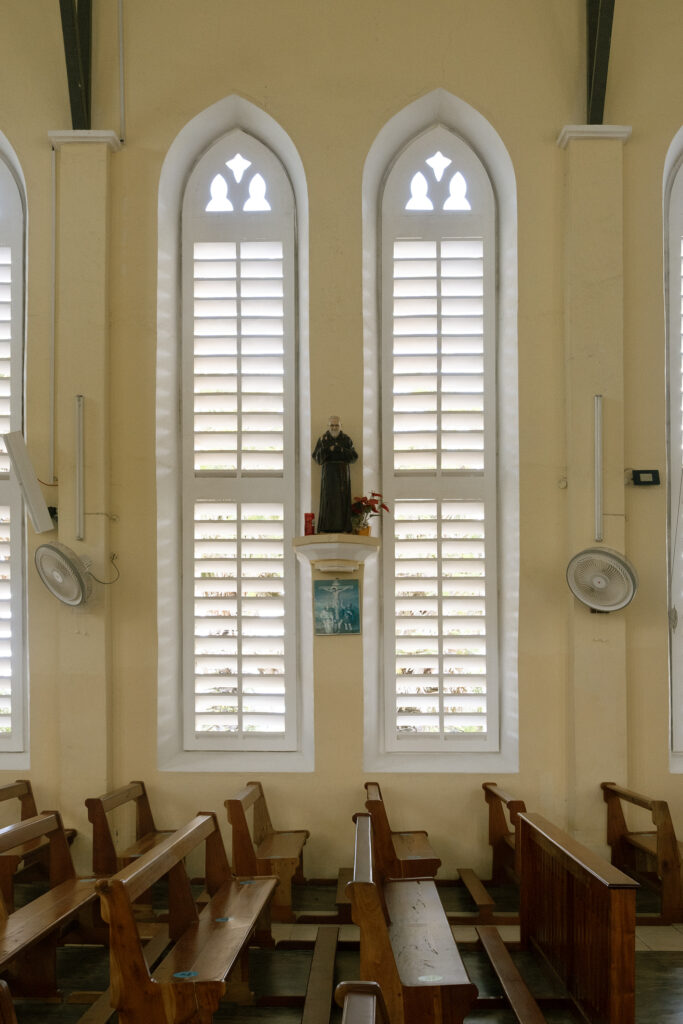
These photographs explore that distance – the familiar and unfamiliar, and the surreal.
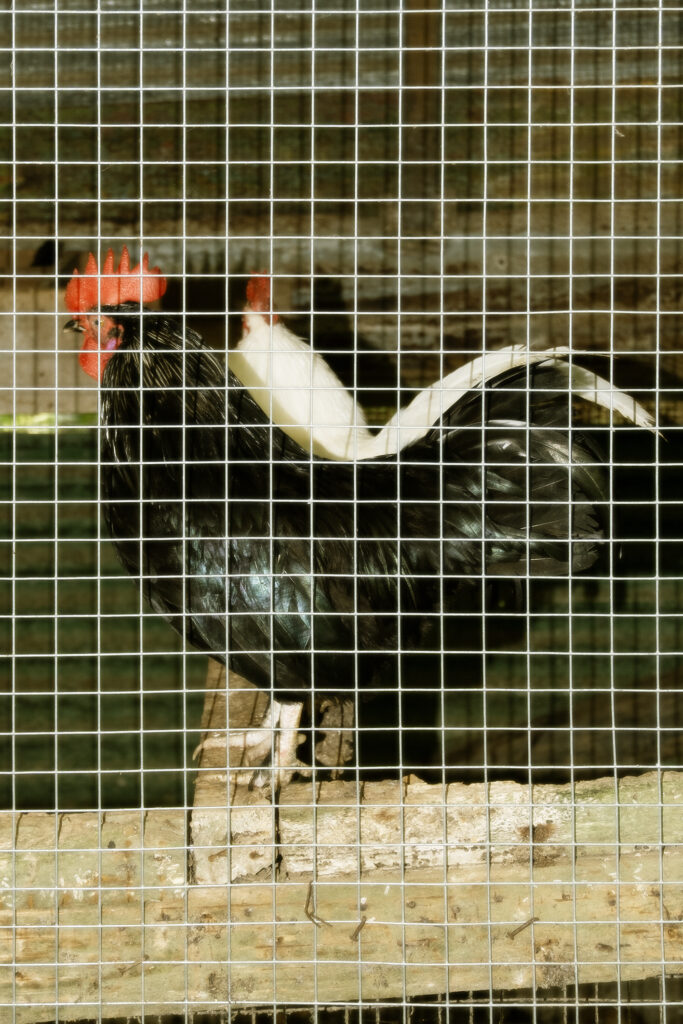
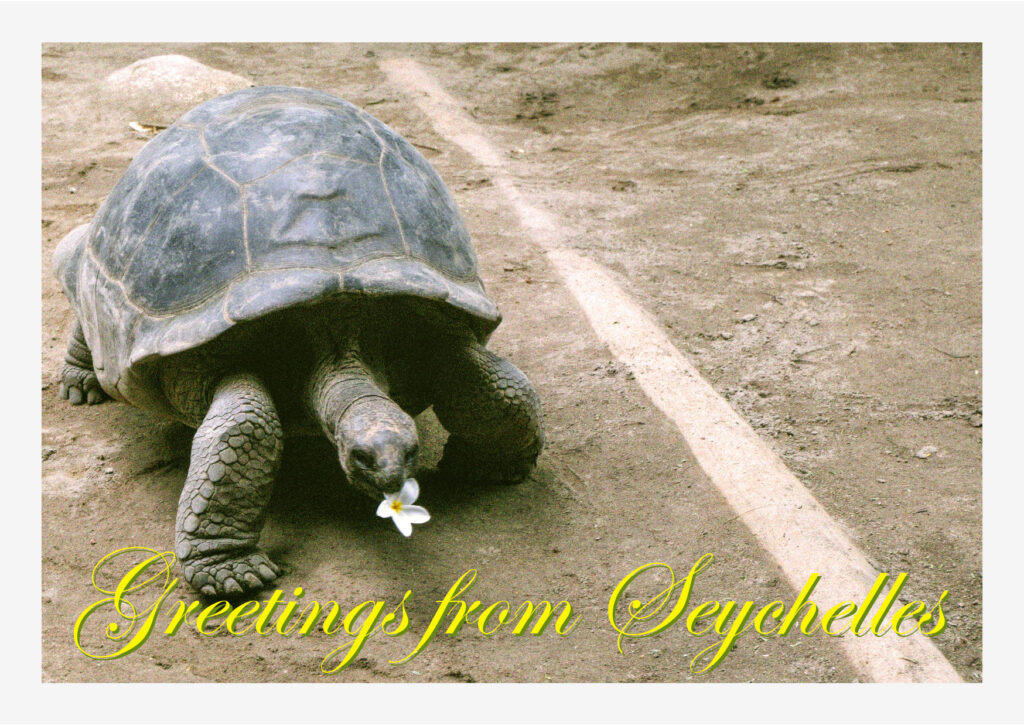
Email or Instagram direct message to purchase.
For Sale: £2 - edition of 75
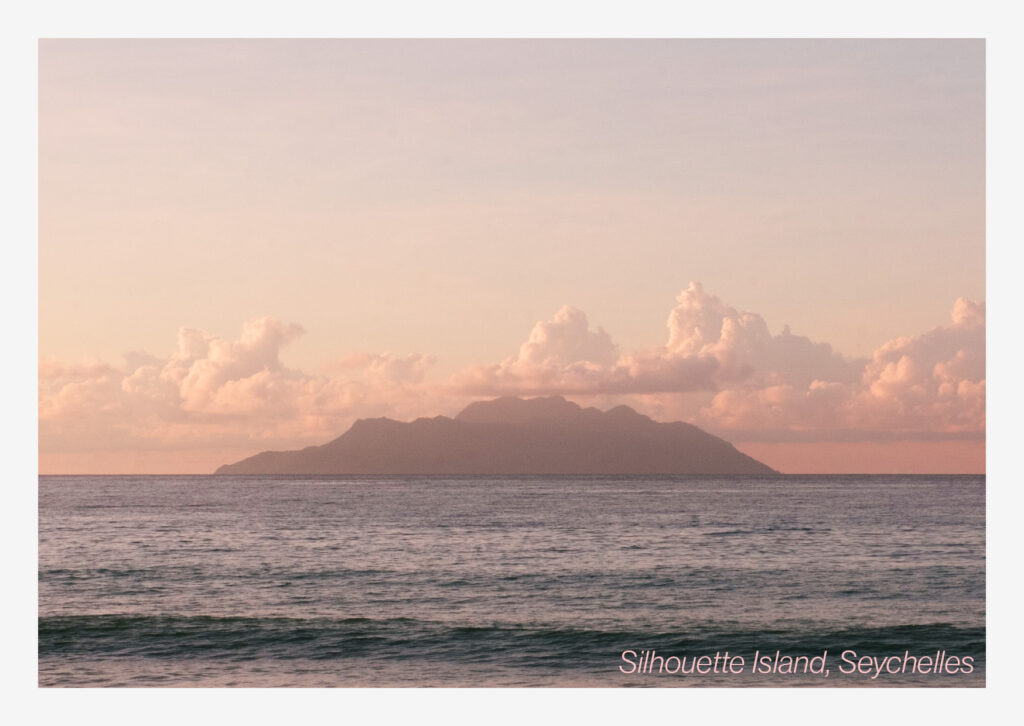
Email or Instagram direct message to purchase.
For Sale: £2 - edition of 75
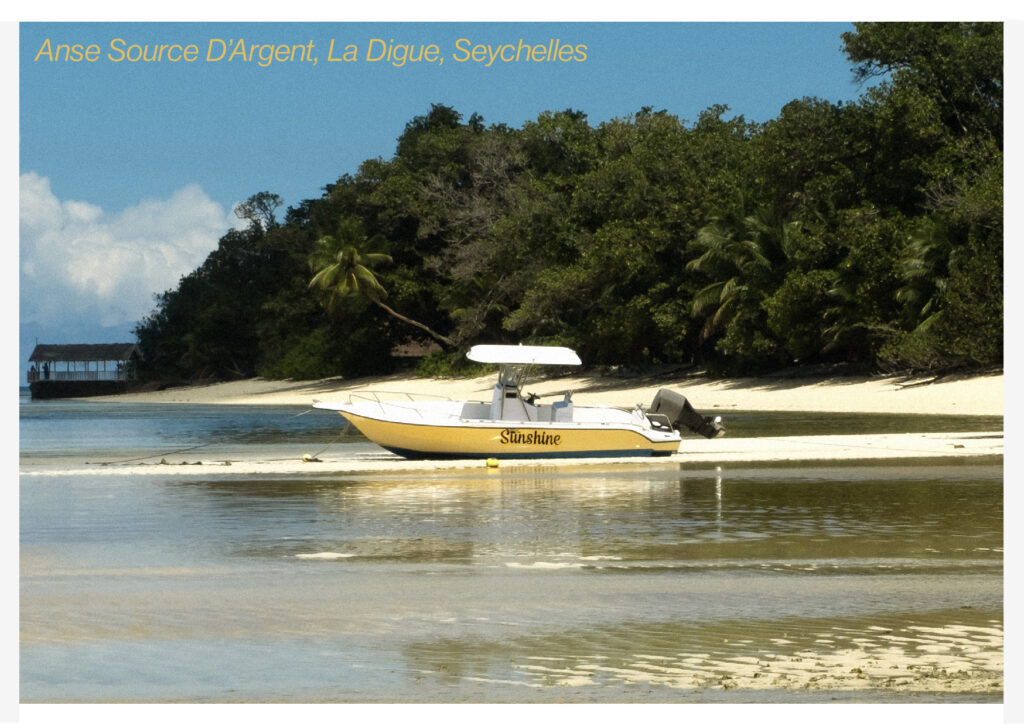
Email or Instagram direct message to purchase.
For Sale: £2 - edition of 75