Eve Giltinan Allais
(she/her)
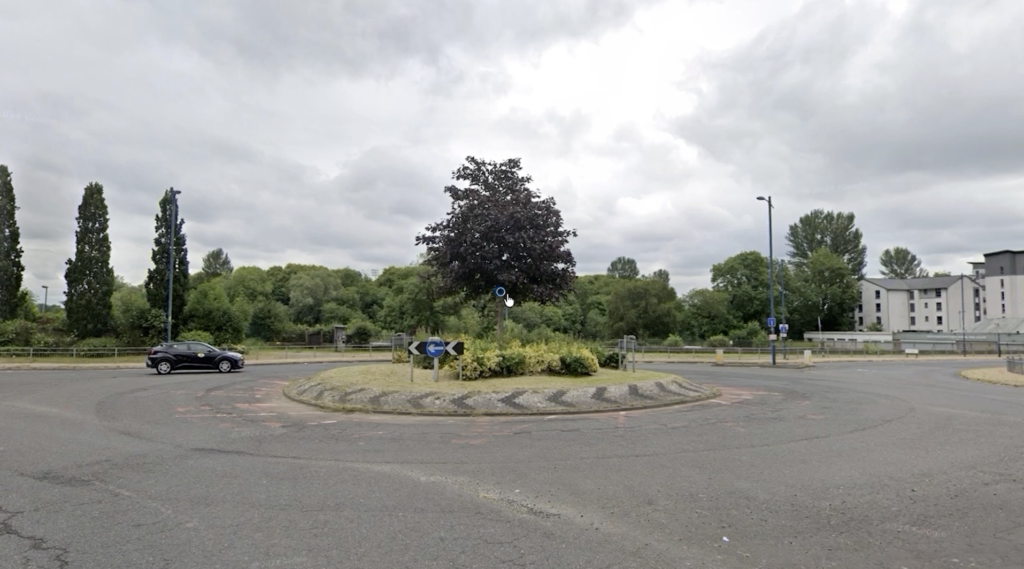
I explore the everyday as both subject and site. Through gestures of markmaking or documentary observations, I draw attention to the overlooked conditions of the mundane. I situate myself in ‘non-places’ (roundabouts, byroads, car washes, building sites and traffic lights) and document the ‘non-time’ which unfolds here. These transient, often disregarded spaces and moments become a stage for observing and understanding human behaviour. By looking from the street and using vernacular documentary methods, while simultaneously working from an imagined perspective of an object, such as a car or Google Street View, I reframe these everyday environments as sites of curiosity, absurdity, and joy. Through a repetitive form of making and study, these sites become emblematic of a wider condition and here, patterns of behaviour are revealed. A recurring figure of a comically serious pedestrian, whose lack of self-awareness reveals the quiet absurdity of routine movement, prompting us to ask, ‘why do we do what we do?’ Through mark-making and moving image, I build a landscape that attempts to map both personal and shared patterns of behaviour and questions of the overlooked.
I am interested in suspended and indeterminate time where ambiguity sits, and it is within this space that more work operates: in the moment between anticipation and response.
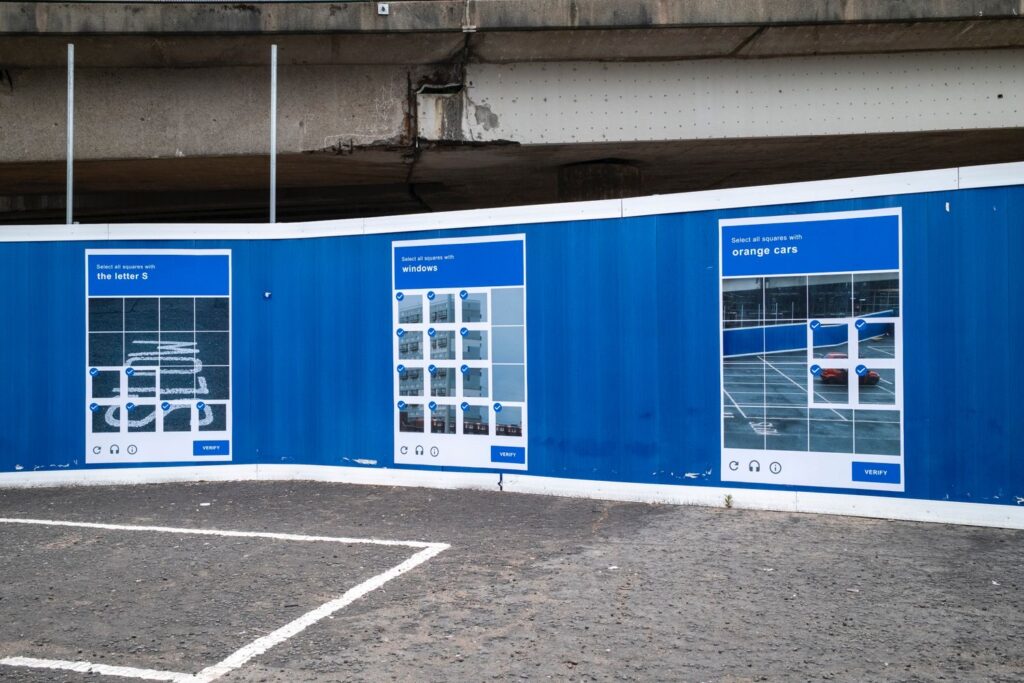
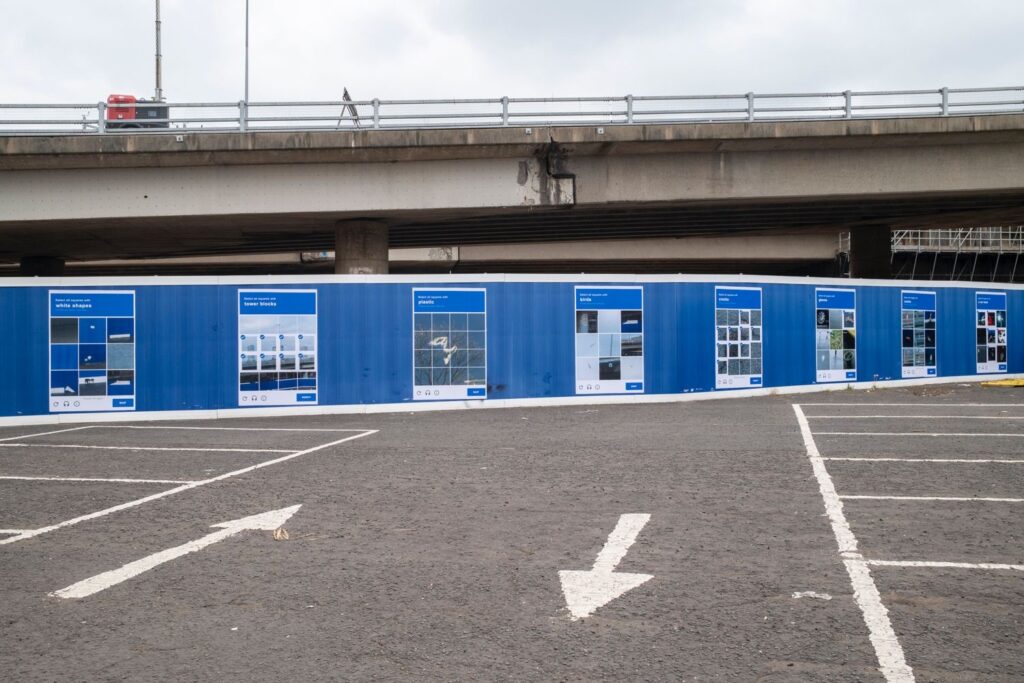
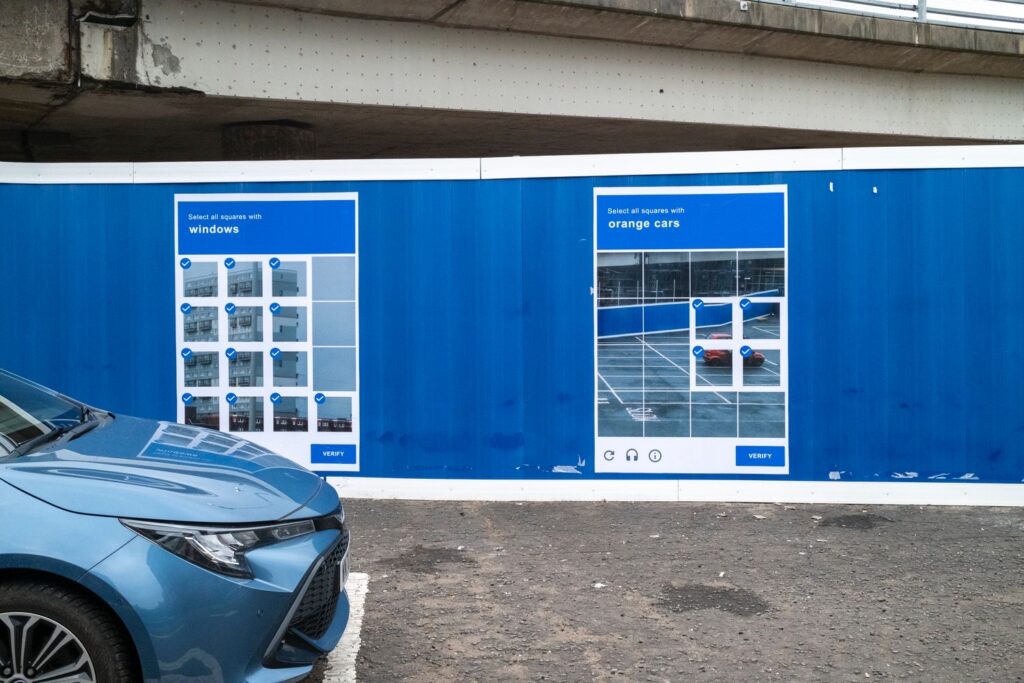
reCAPTCHA in the real world
Traffic lights, crossroads, and parking meters exist around us, yet we rarely pay attention to them until we are sitting at a computer and asked, “Are you a robot?” Suddenly, we begin carefully analysing these ordinary objects, studying the image, checking the traffic light, making sure we have selected the correct squares.
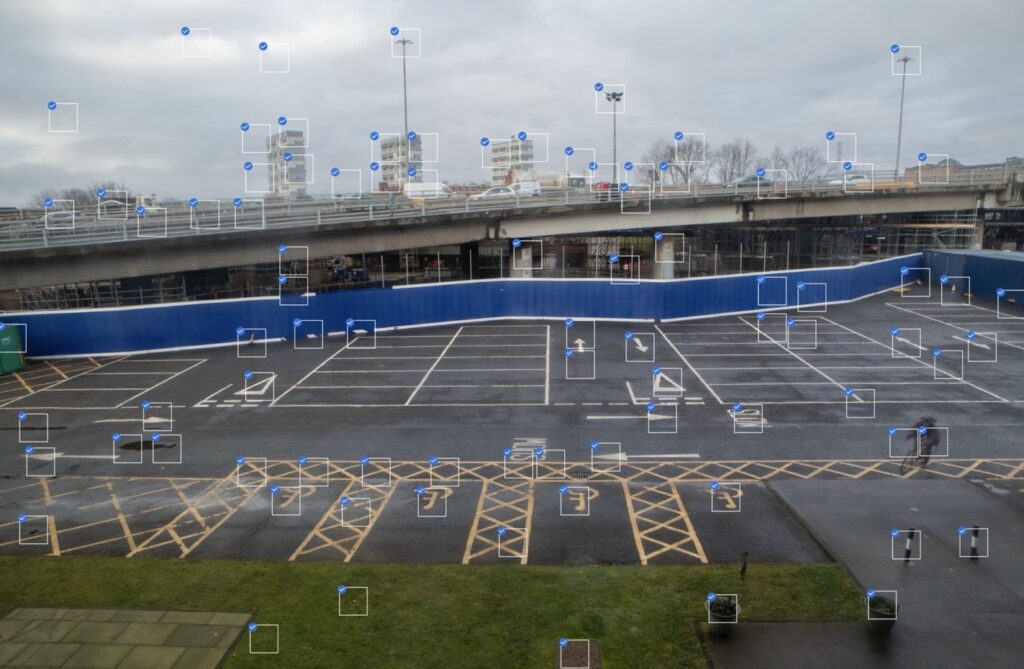
The very things that reCAPTCHA forces us to notice are the same details my practice seeks to highlight. I am interested in the simple mechanisms of everyday life that collectively shape the larger systems around us. reCAPTCHA isolates these overlooked elements and forces us to recognise them; my work brings this process into the real world, encouraging viewers to become more aware of the small, often unnoticed aspects of daily life.
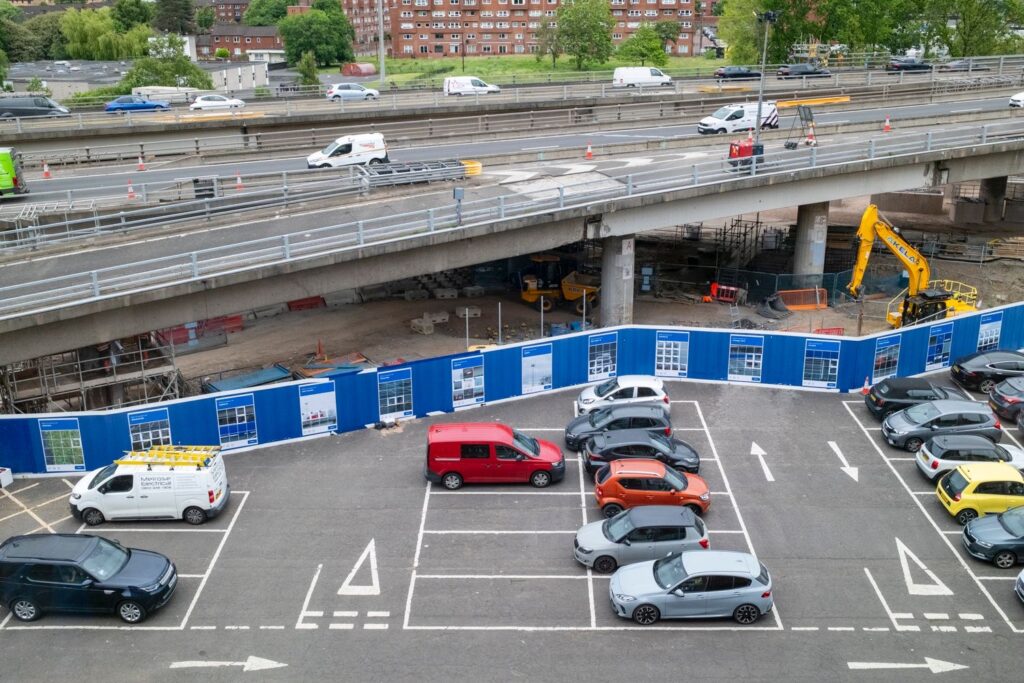
This piece invites viewers to look more closely at their surroundings. The images reflect the exact landscape in which they are situated within the Stow car park, and every selected object is something that has been visible within that specific environment.
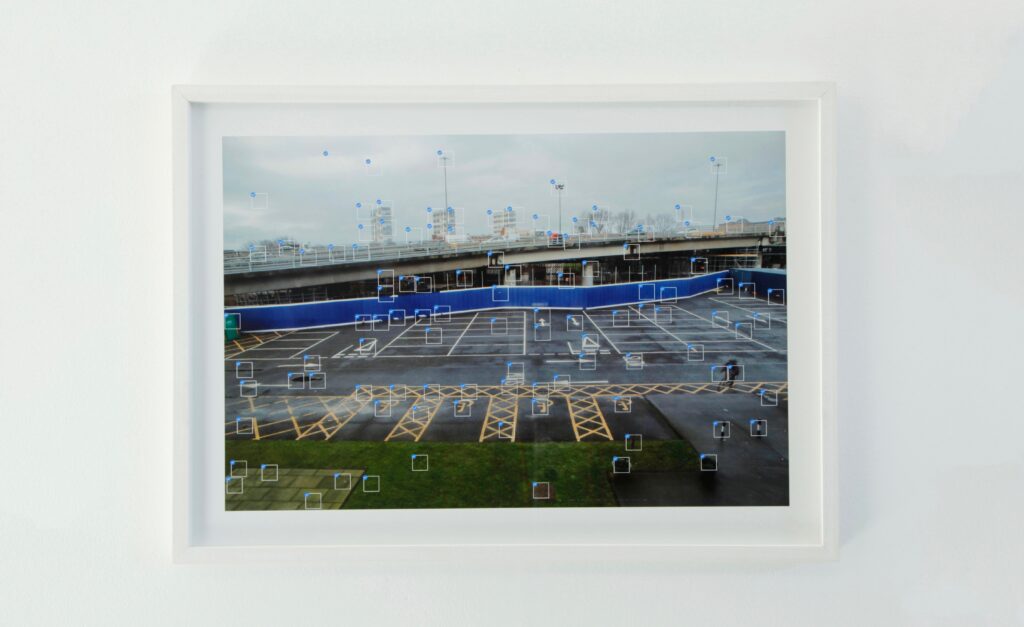
For Sale: Price on Request
Drawings
When my pen touches paper, I begin to understand the thoughts that have been spinning around in my head. As I move through the world, I play a game of association, with my “absurd” logic, connecting things that I feel make sense in ways I can’t always immediately explain. I often become fixated on a single detail, and from that detail I build a map, through drawing, of the things I notice and remember.
Drawing is a way of freezing a moment before it disappears, holding onto places, feelings or encounters I might otherwise forget. It is also how I make sense of the world: why did this thing feel connected to that one? My drawings become storyboards, which I revisit and place side by side to shape narrative and film. Through revisiting and rearranging them, I begin to understand the world I’ve constructed around myself, before returning to these places again through moving image. Drawing is my loading sign.
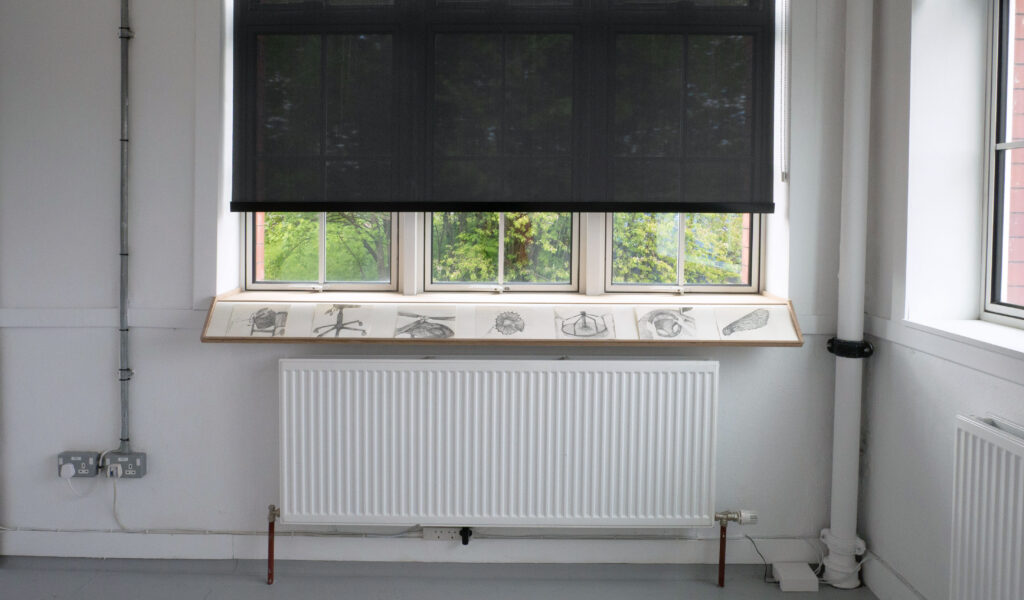
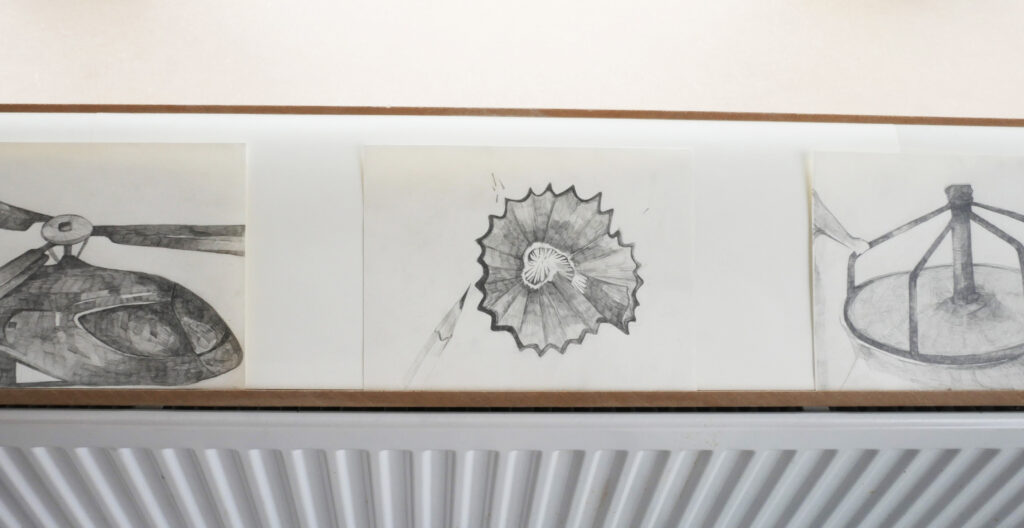
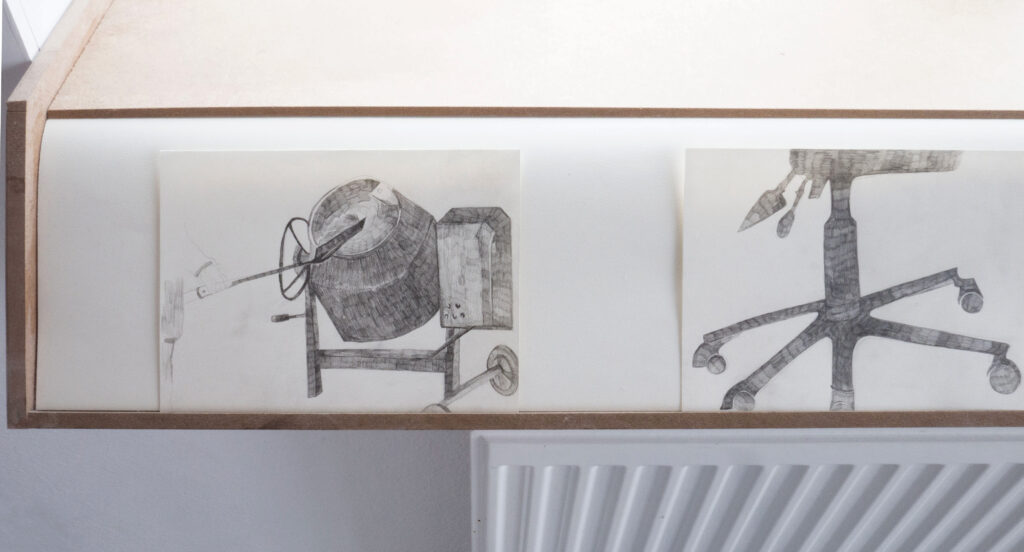
Loading
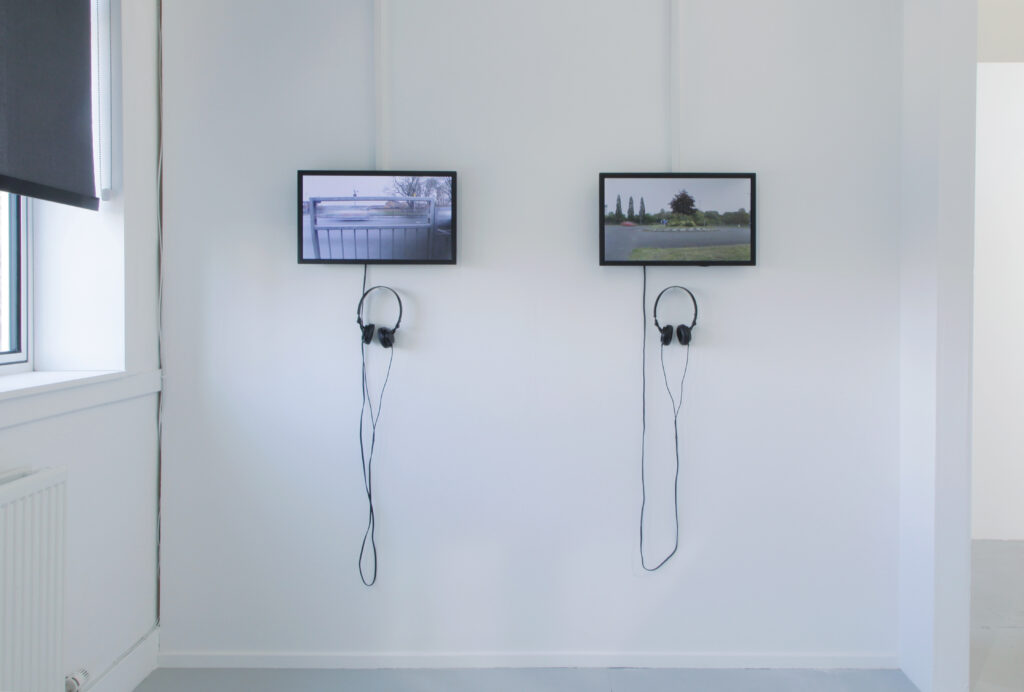
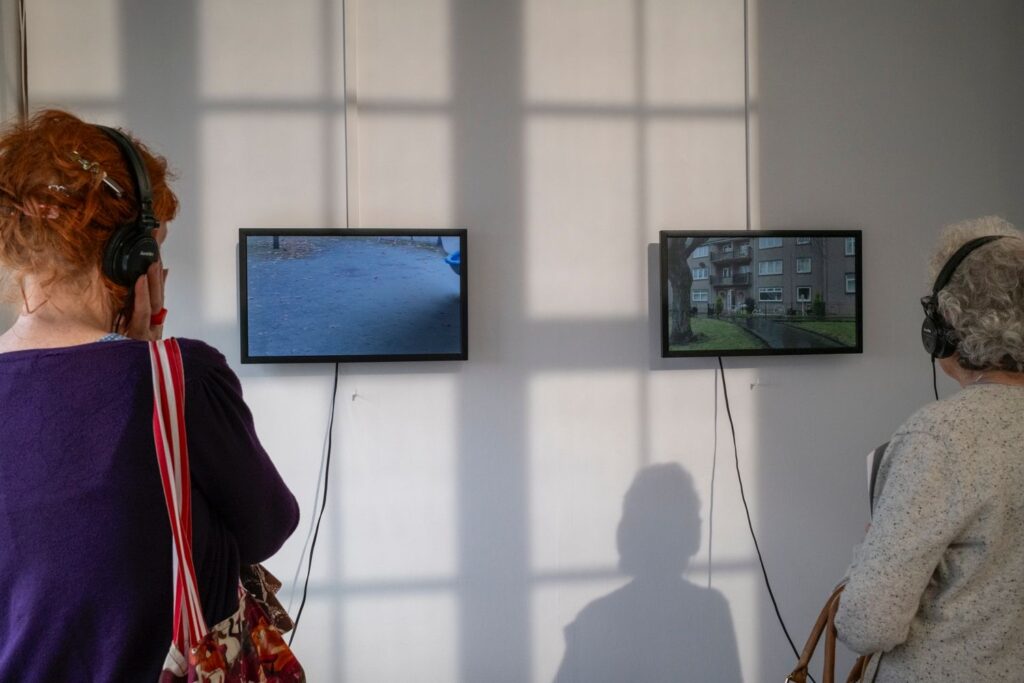
When the cursor starts to spin, so do the cars around a roundabout and the concrete mixers at your closest building site. At the same time, the wind turbine you’ve placed in your garden is whirling, and a kid in the playground is being spun around. In my films, I hold a space where you can both look at and spend time with these small things.