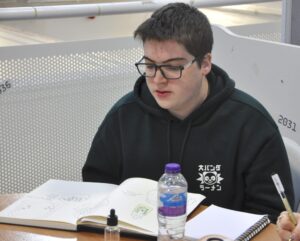
Finn Donachie
(He/Him)
I am a designer with a strong interest in service and inclusive/universal design, my practice homes in on designing products and services that have a positive impact on society and the greater community, I have a great passion and I am driven by developing further equality and accessibility for diverse communities, so they can thrive.
Dineable
Going out to a restaurant with your loved ones is all about having those shared experiences of being together, but how do individuals with learning disabilities cope in a state of sensory overload?
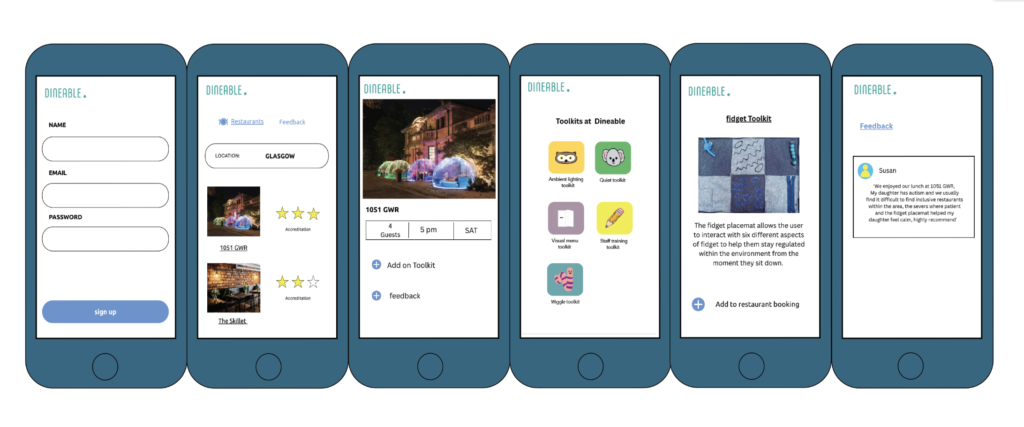
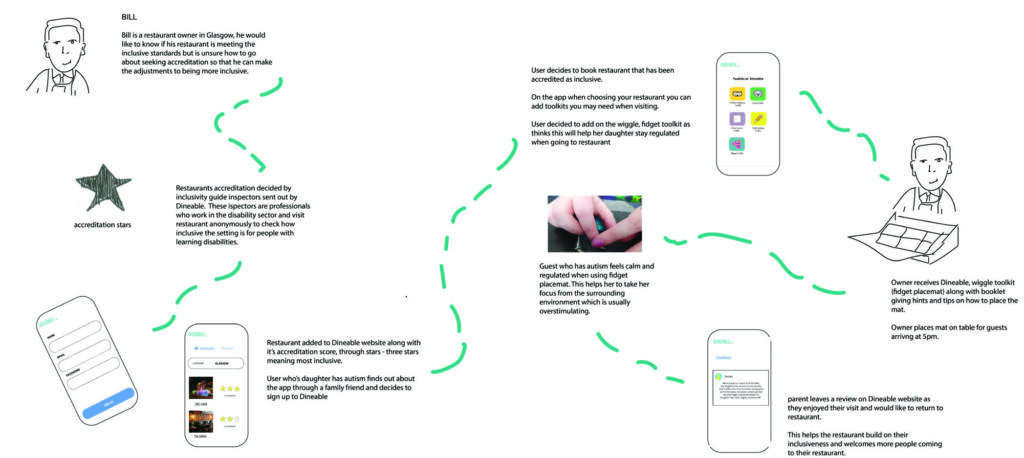
Dineable is an accreditation platform for restaurants, to ensure that dining experiences are inclusive for people with learning disabilities. The Dineable website conveys a restaurants accreditation and allows the user to book a table, add toolkits they may need before visiting the restaurant and give feedback.
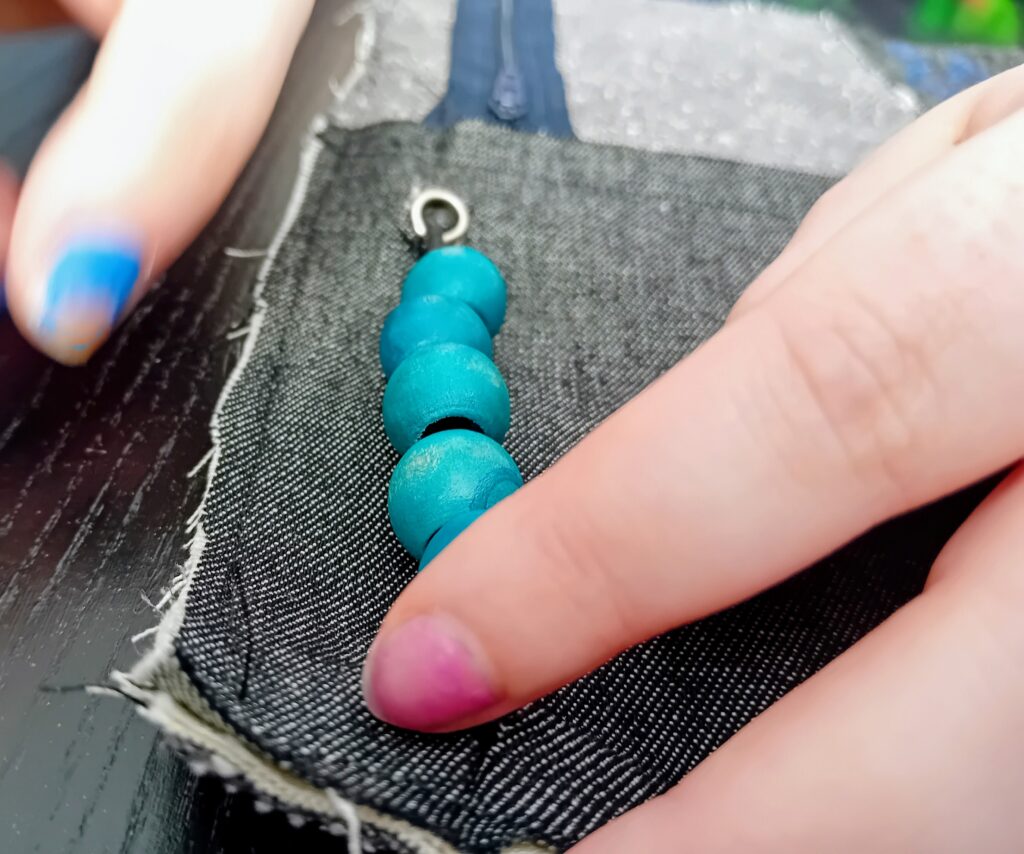
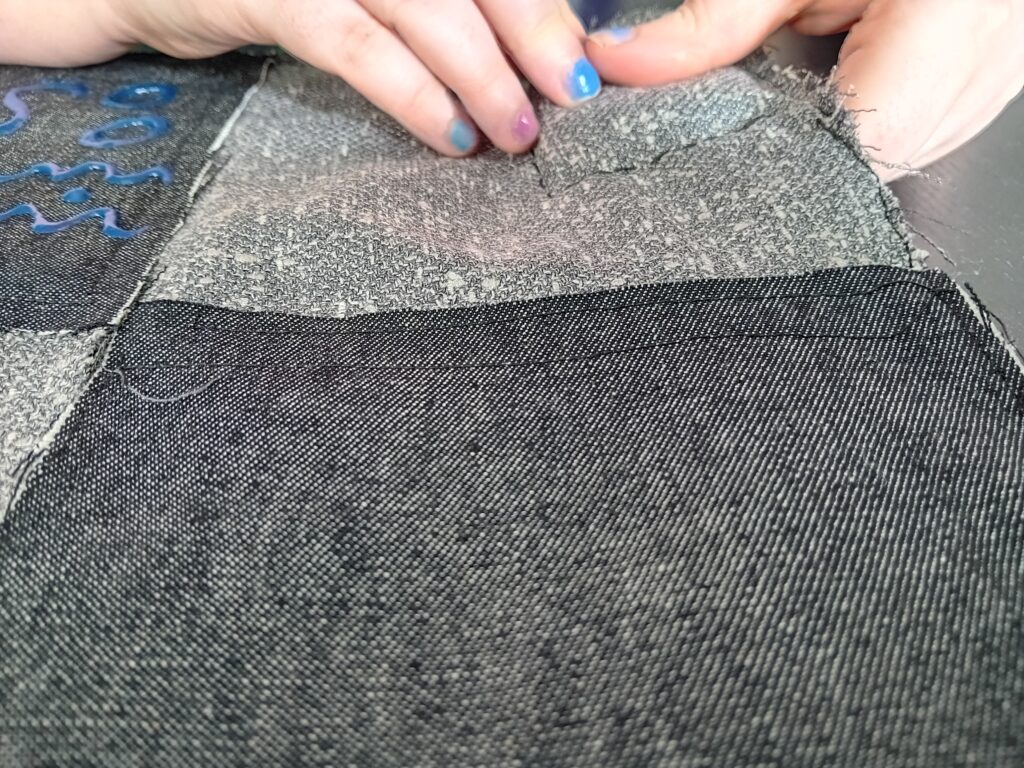
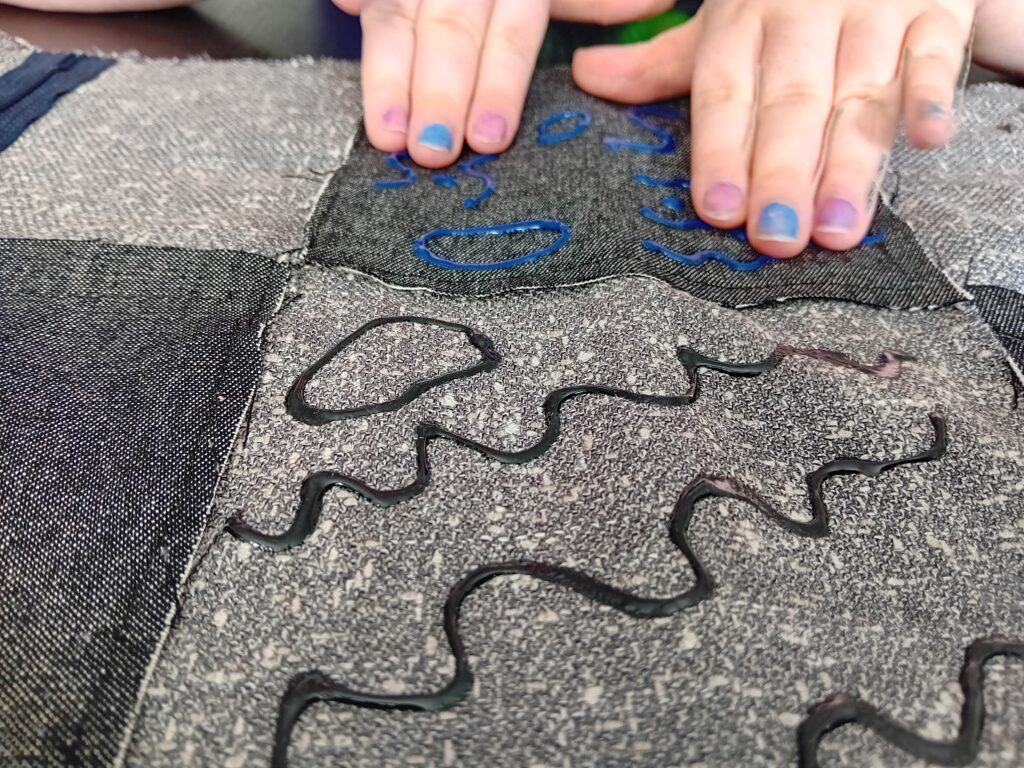
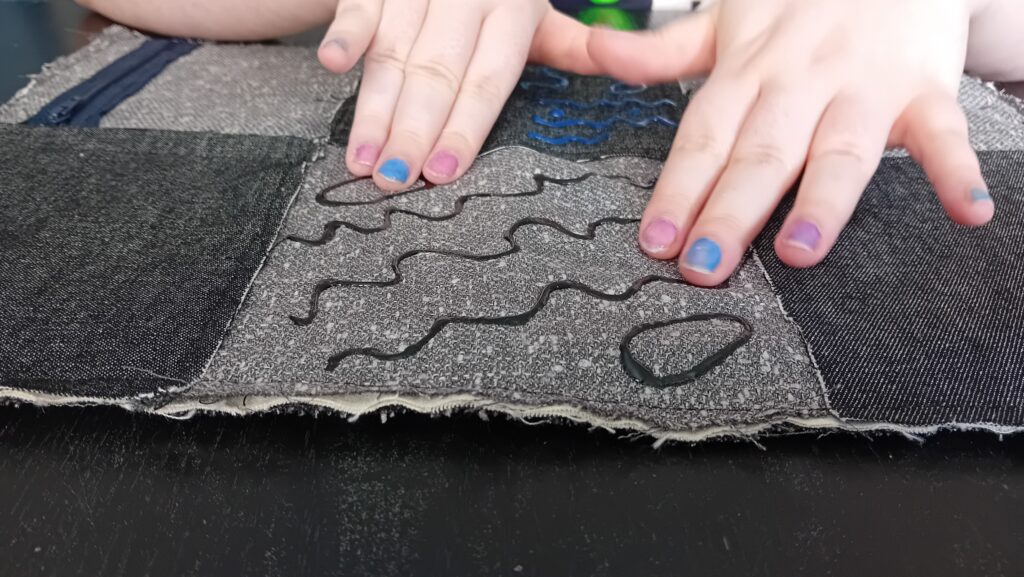
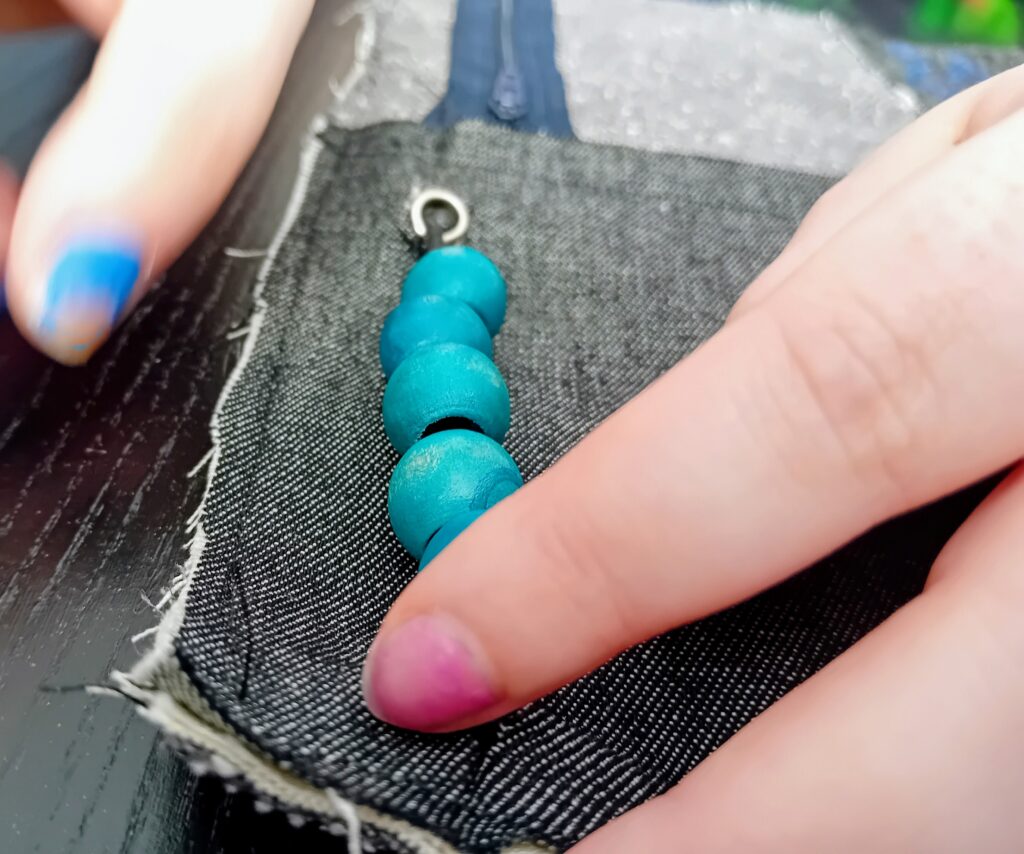
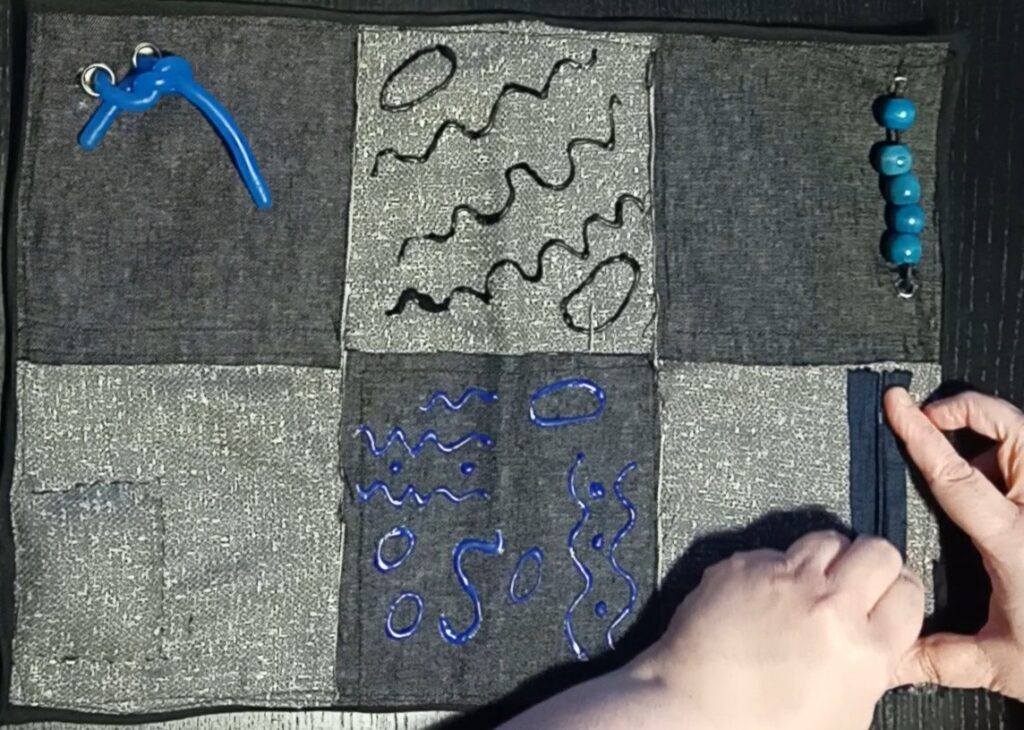
The Wiggle toolkit, is a fidget placemat that allows the user to interact with the various touchpoints on the mat to help them stay regulated within the environment from the moment they sit down.

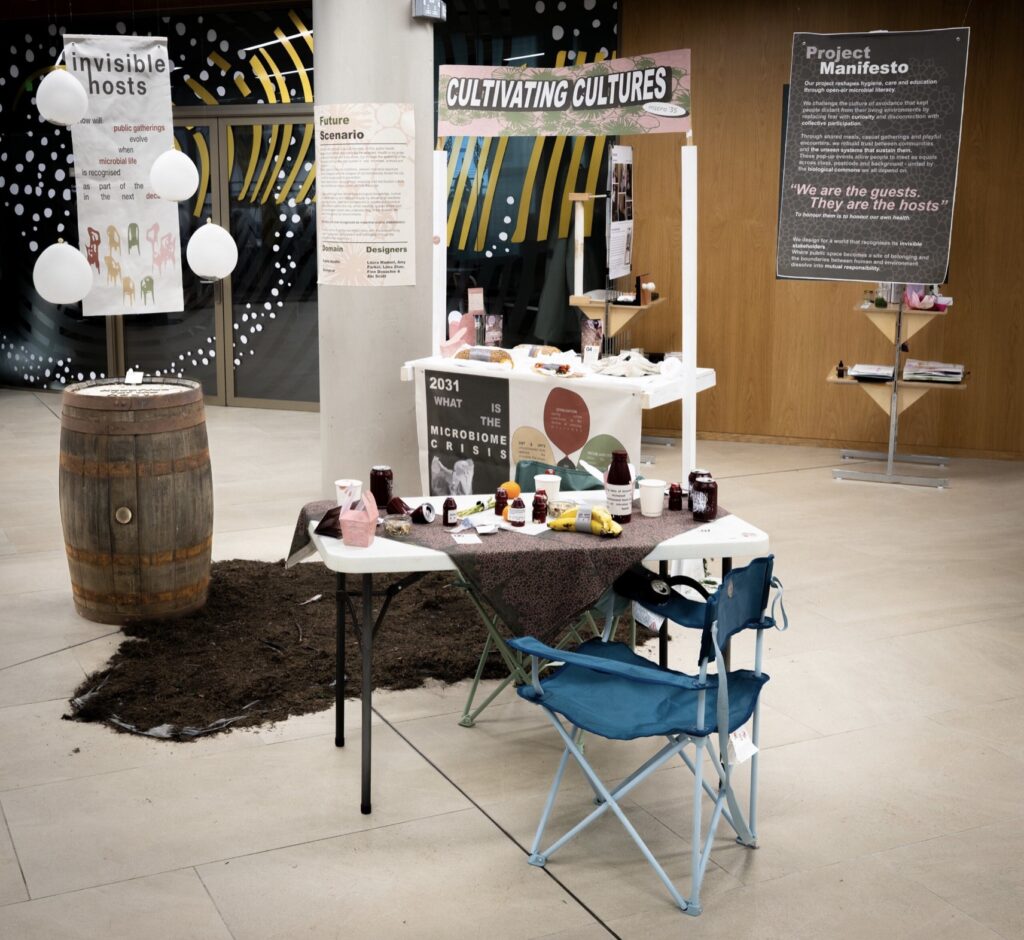
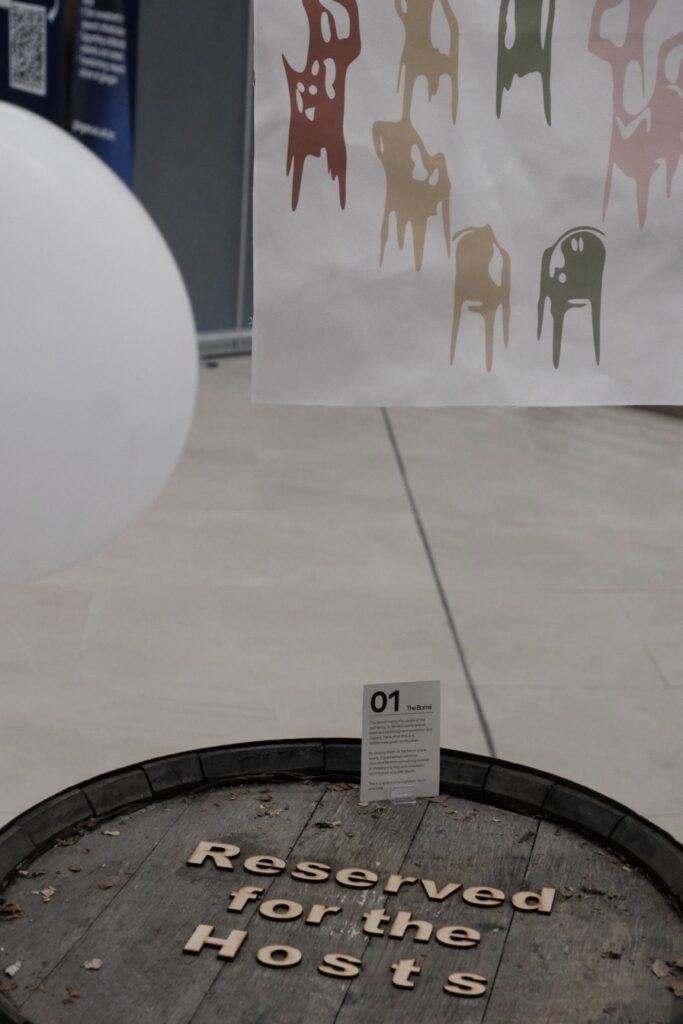
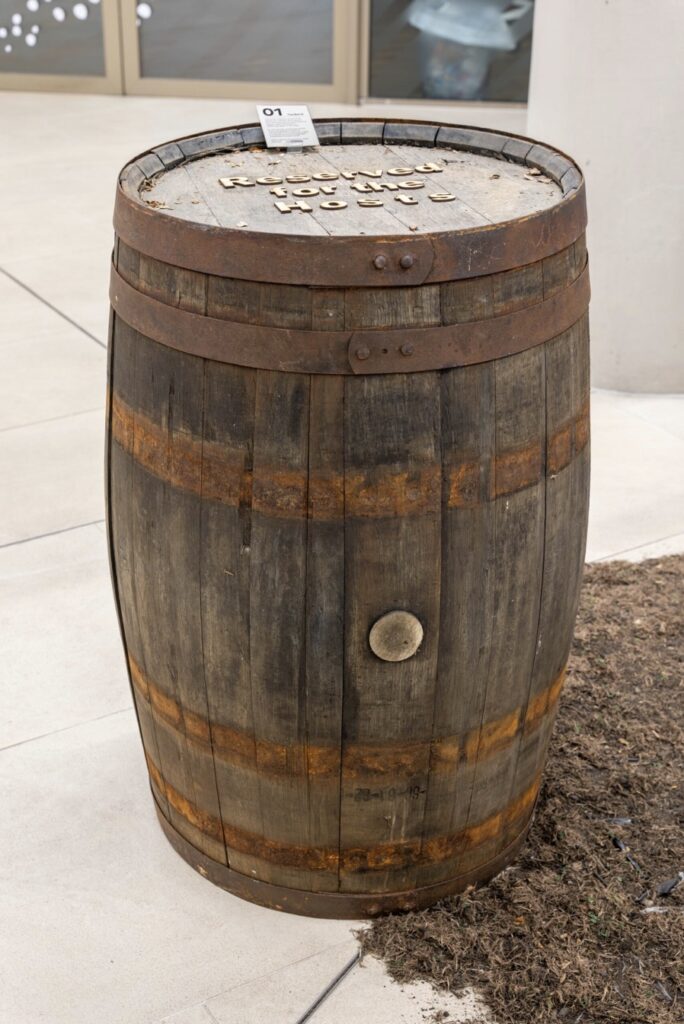
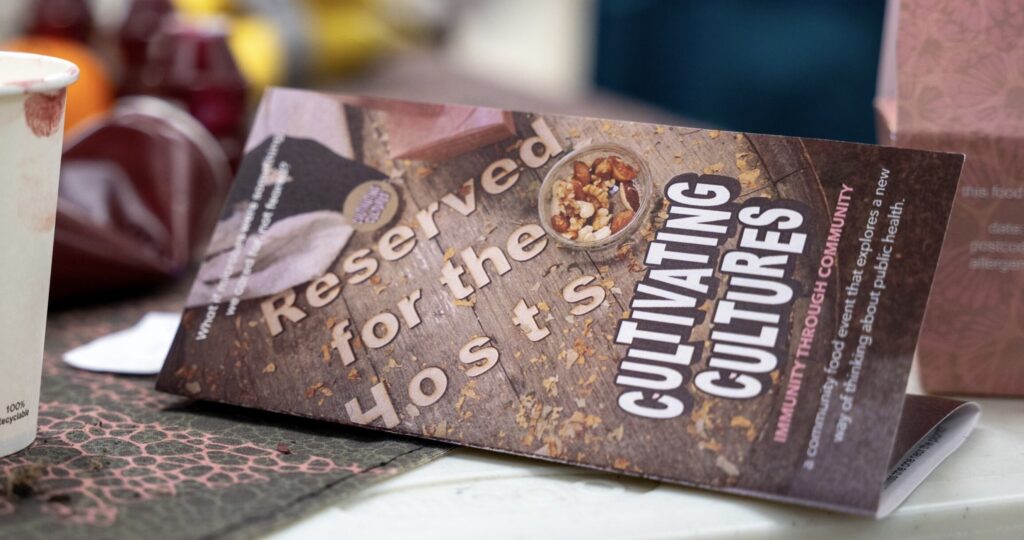
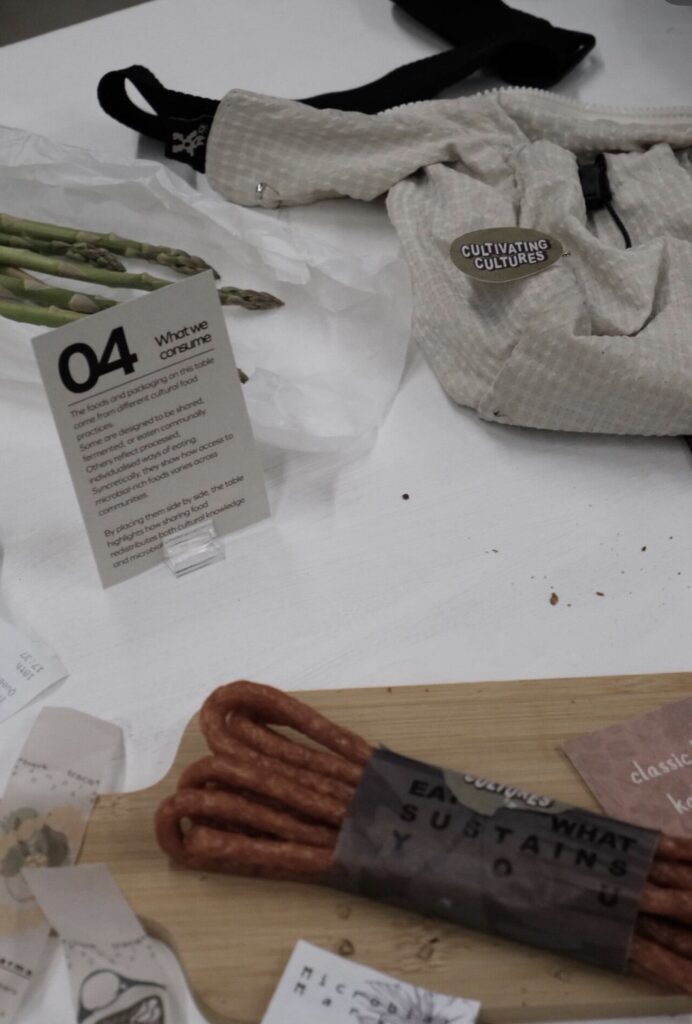
Cultivating Cultures
Year 4 Project
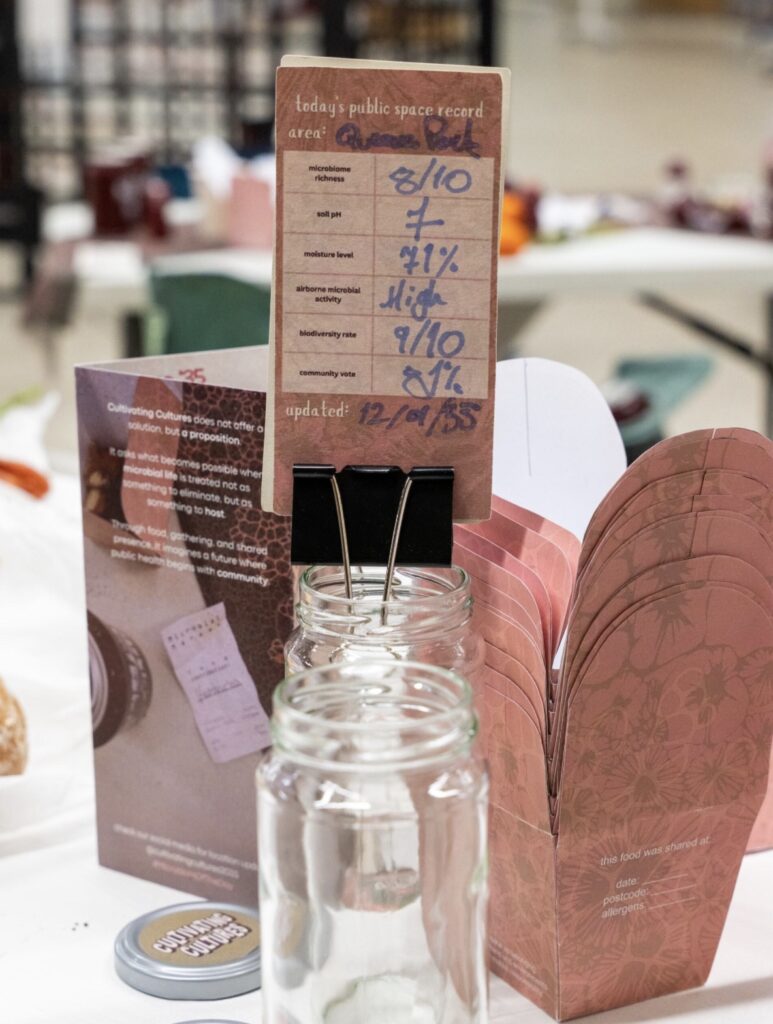
In a world where health is collective
Health, in this world, is not something possessed, it is something practised together.
The body no longer ends at the skin. Wellbeing is shaped by shared air, shared soil,
shared food, and the invisible life moving between us. As ecological loss and social
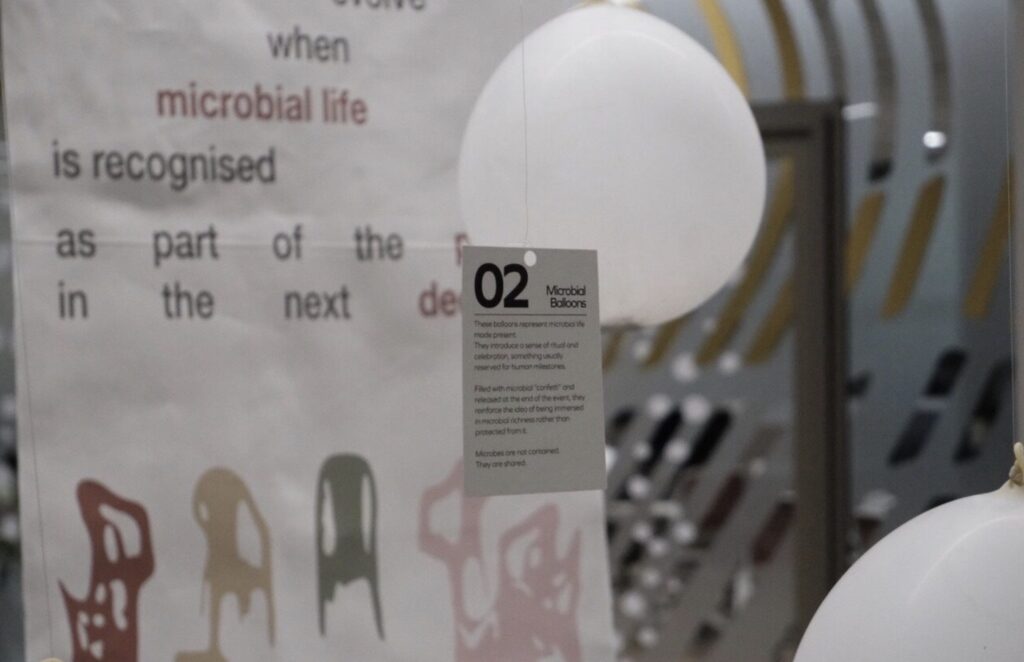
inequality intensified through the 2030s, communities began to treat microbial diversity
as a common good.
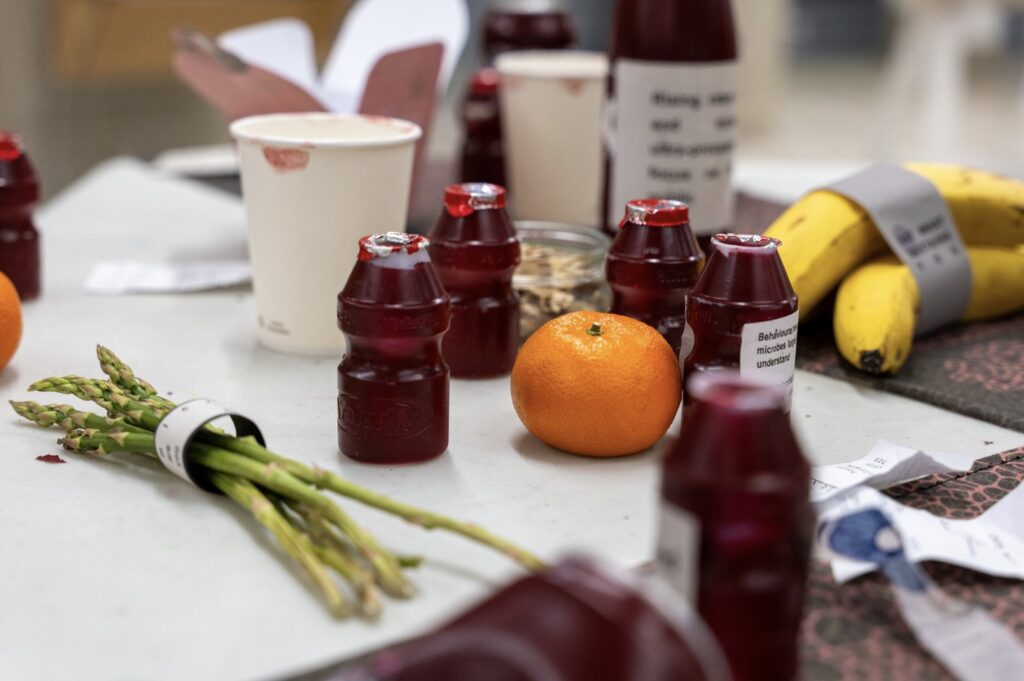
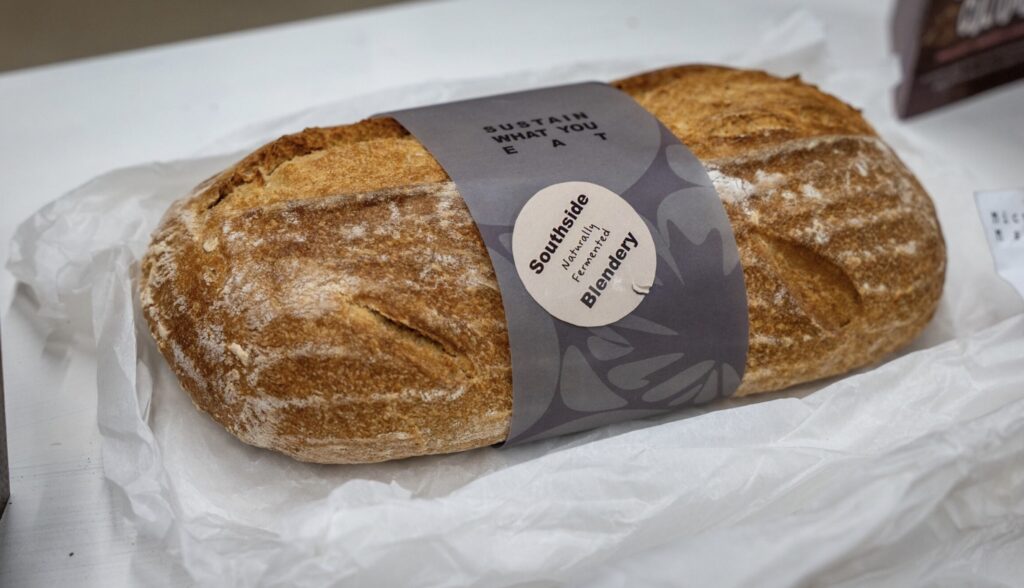
Public gatherings replaced clinical encounters. Care is practised
through touch,
fermentation, storytelling, and play. Public parks, gardens, and streets became sites of
exchange where food, microbes, and knowledge circulate freely.
Here, participation matters more than optimisation. Health circulates through
relationships rather than prescriptions. To belong is to contribute, to receive, and to care
for the living systems that sustain us, human and non-human alike.