Haohua Zeng
Holmen Co-lab Between school&communite
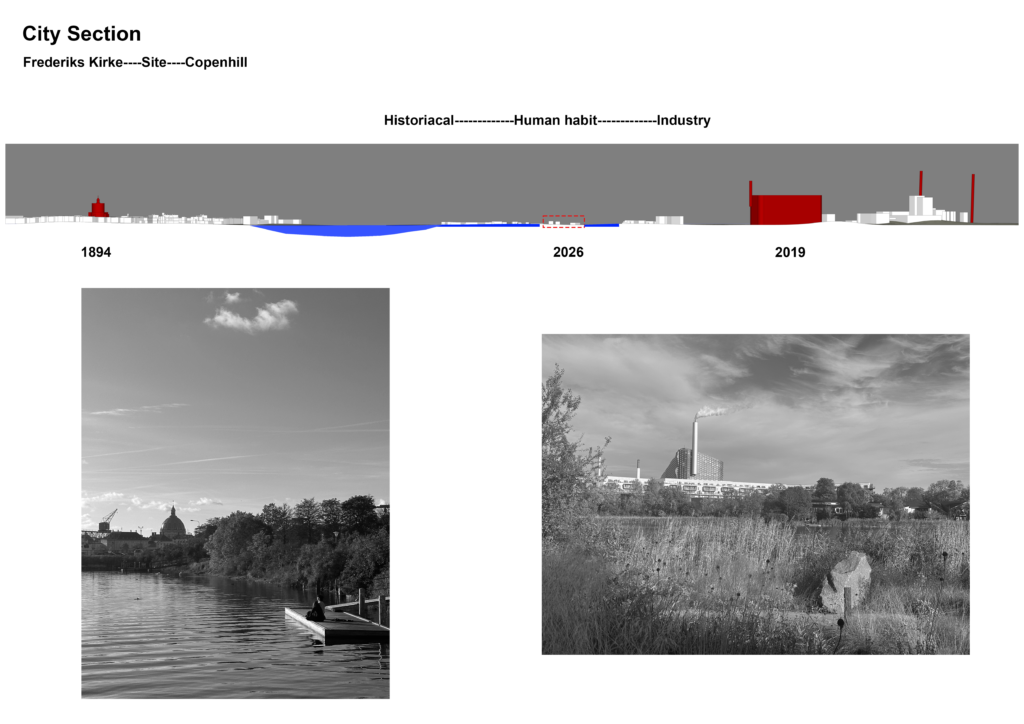
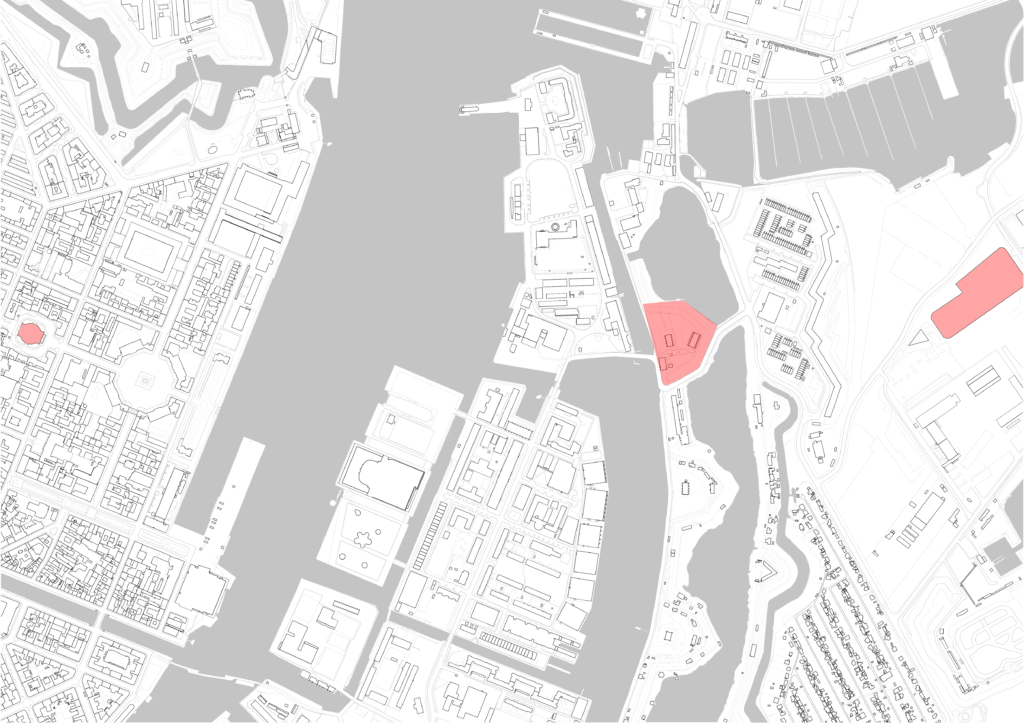
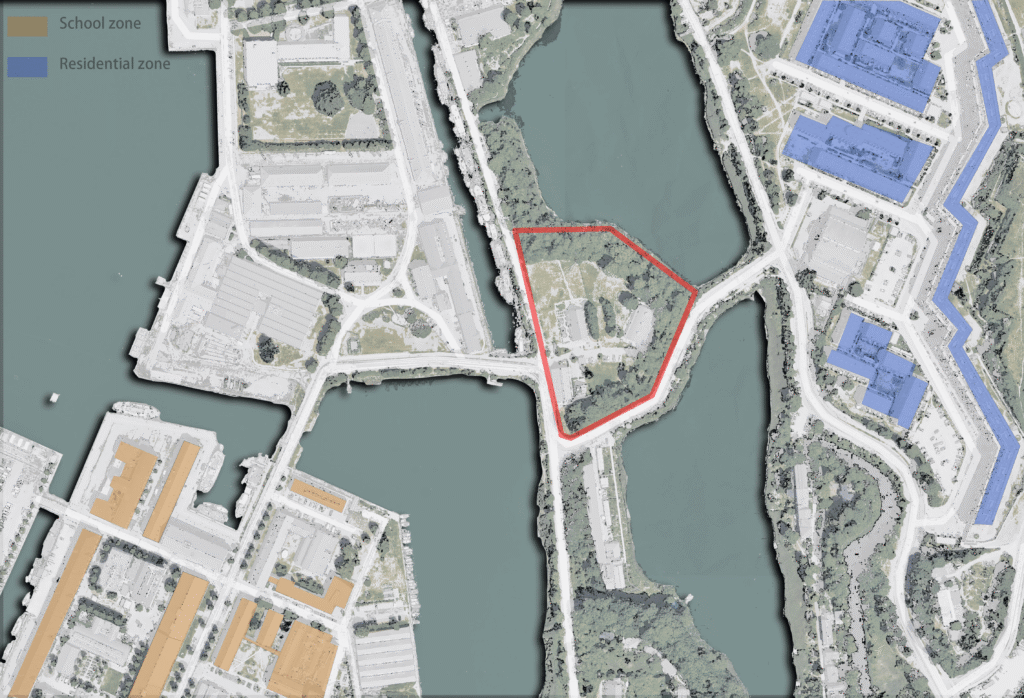
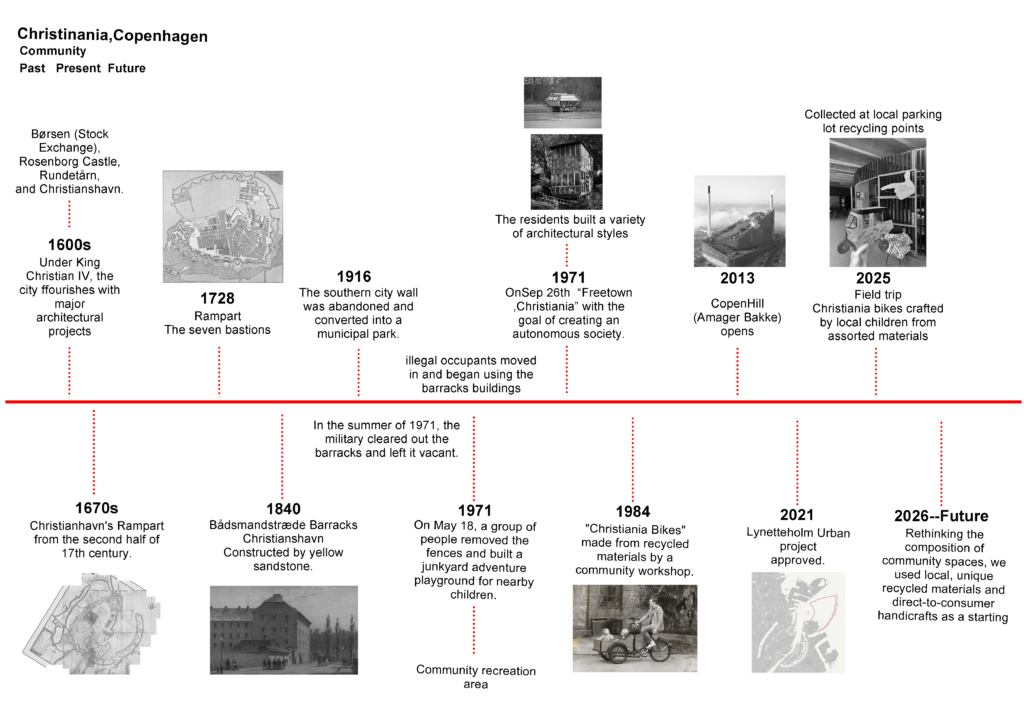
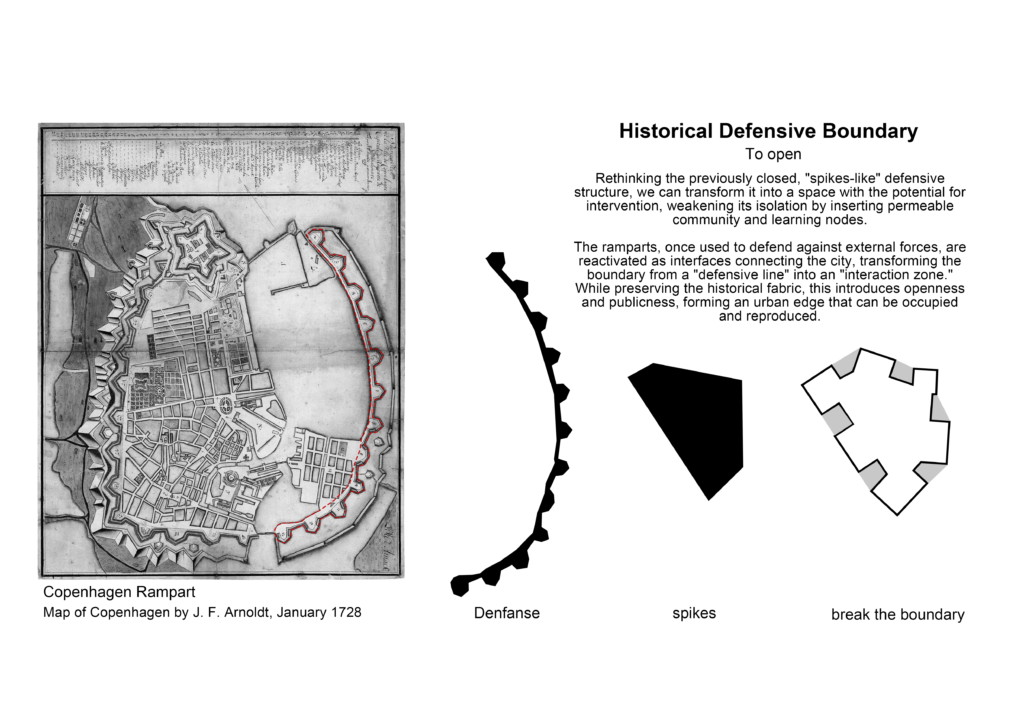
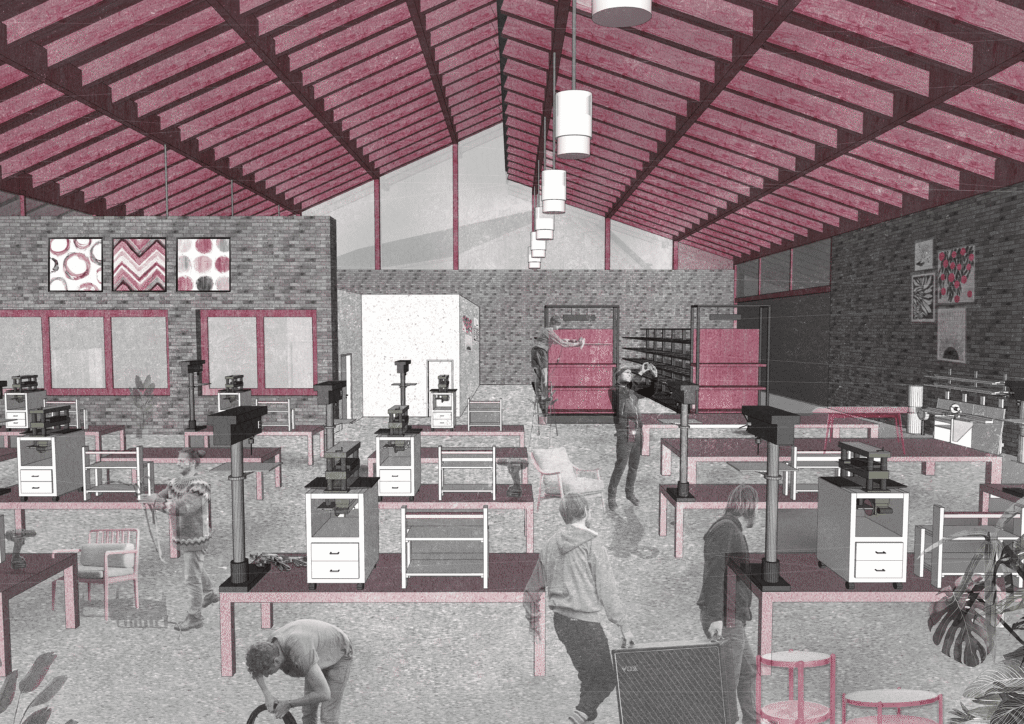
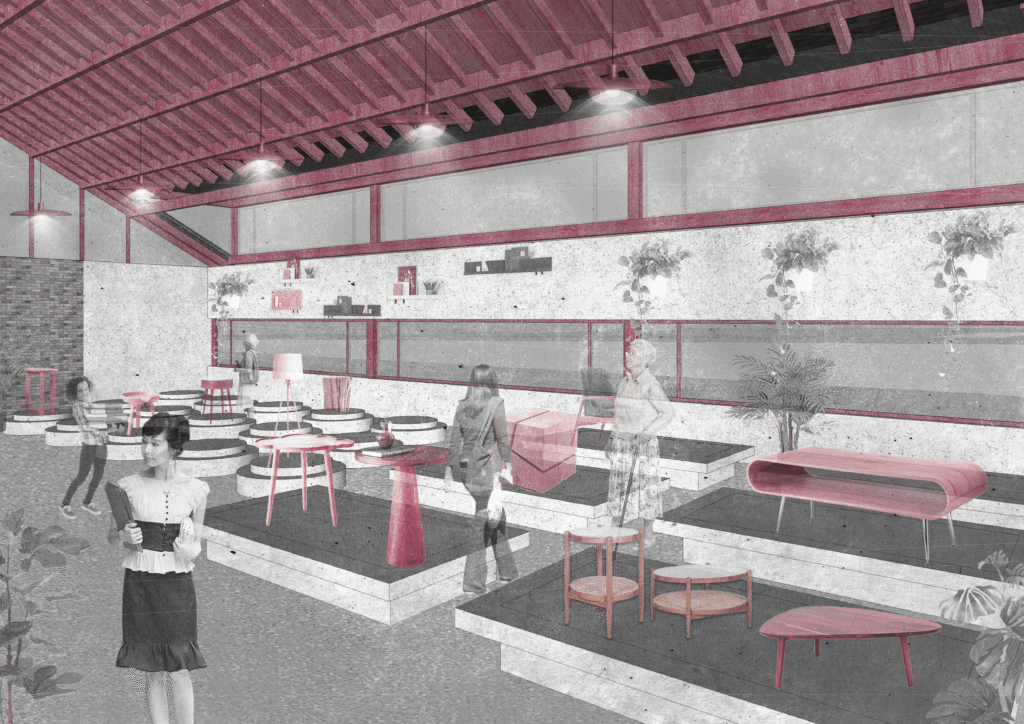
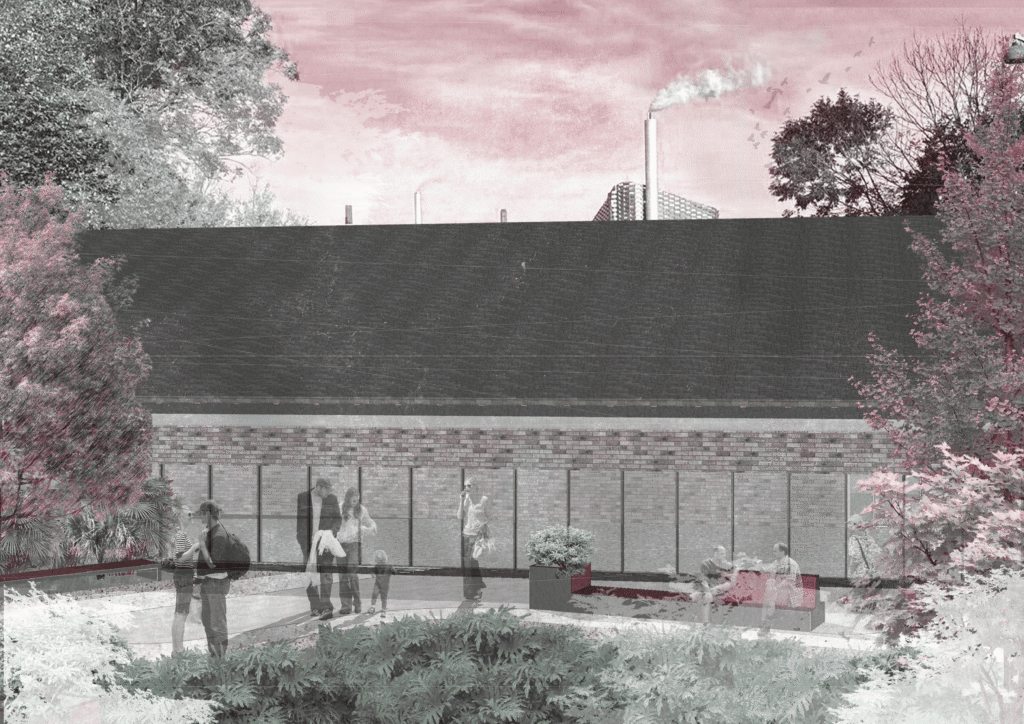
This thesis challenges the prevailing culture of short-term consumption through the lens of Copenhagen. While the city is widely recognised for its sustainable ambitions, much of its environmental performance is embedded within large-scale infrastructural systems. Projects such as CopenHill demonstrate a complete cycle of resource management, yet these systems operate beyond the scale of everyday life, where habits of repair and reuse remain limited. The site carries a contrasting legacy. Since the establishment of Freetown Christiania in 1971, it has been shaped by a culture of self-building, reuse, and collective living. Informal practices—from constructing homes to assembling everyday objects such as bicycles from reclaimed materials—reflect a form of embedded, community-driven repair culture. However, recent urban developments, including Lynetteholm, signal increasing pressure from large-scale expansion, introducing a tension between bottom-up practices and top-down growth. This thesis asks: How can architecture transform repair into a daily habit? What role can it play in mediating between individual consumption and collective responsibility? And how can spatial systems translate large-scale sustainability into lived, human-scale experience? In response, the project proposes a communal complex that integrates repair, production, and reuse within a single spatial system. Rather than separating these activities, the architecture positions them as visible and shared, embedded within everyday life.
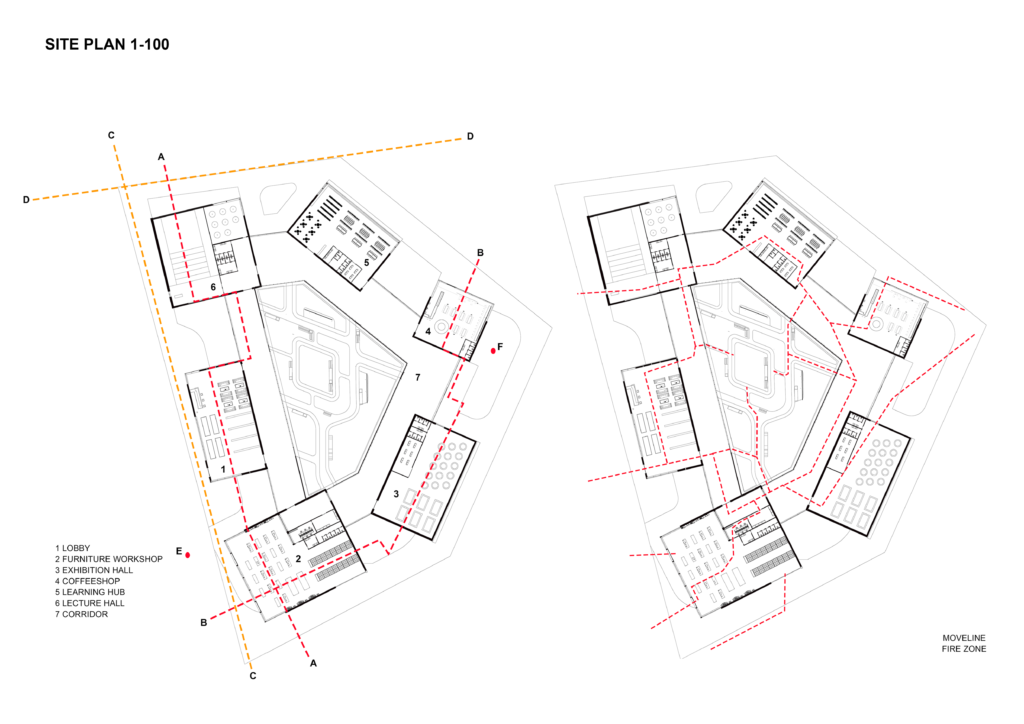
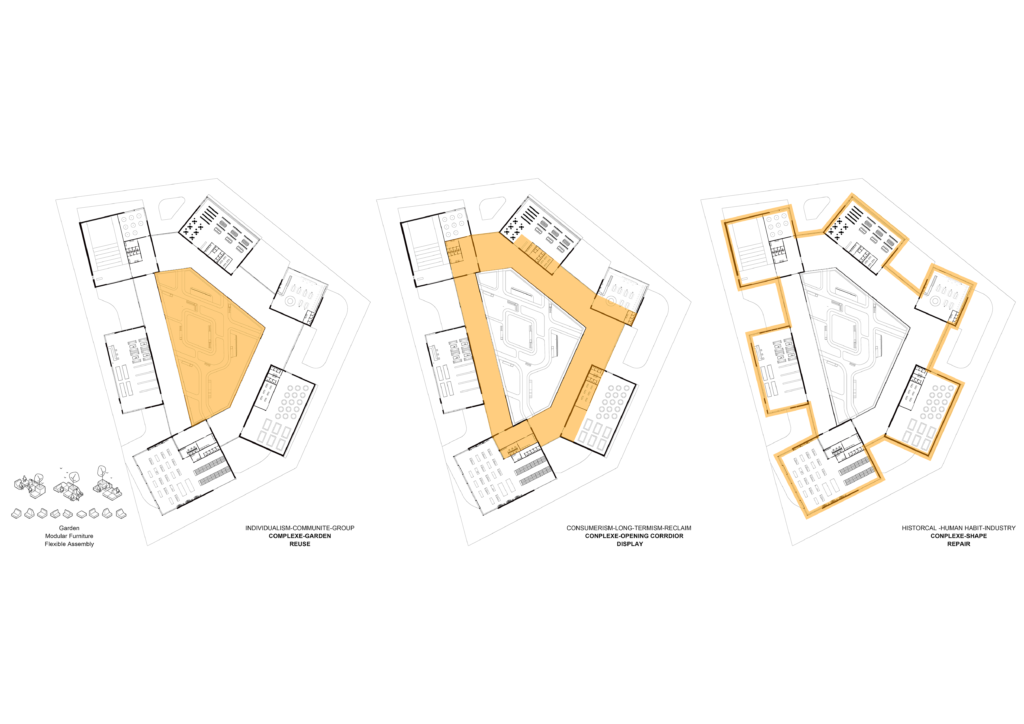
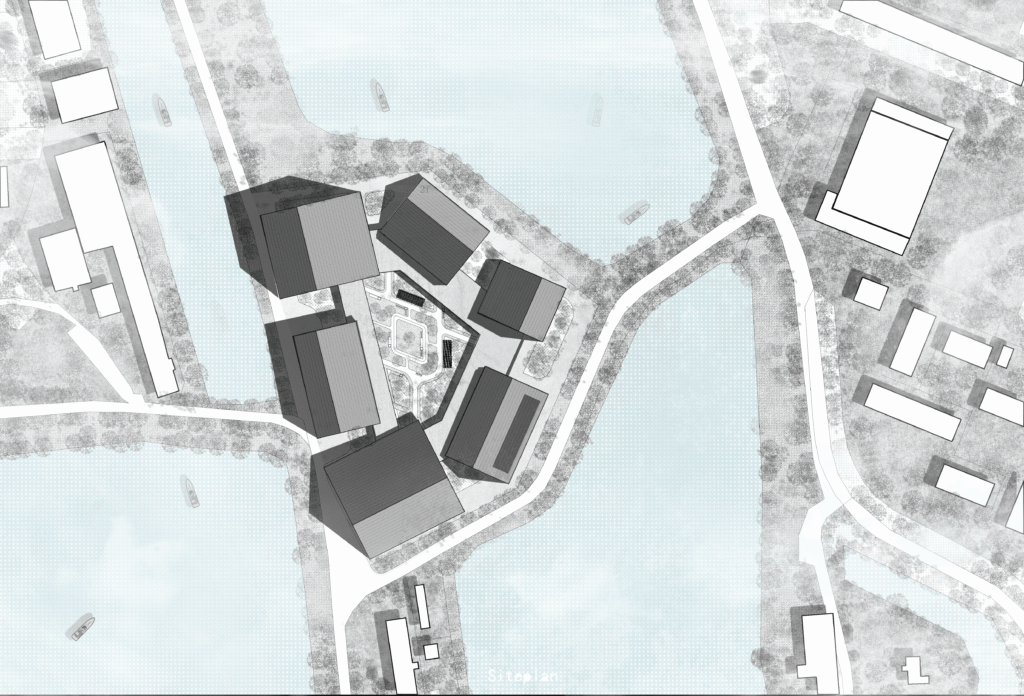
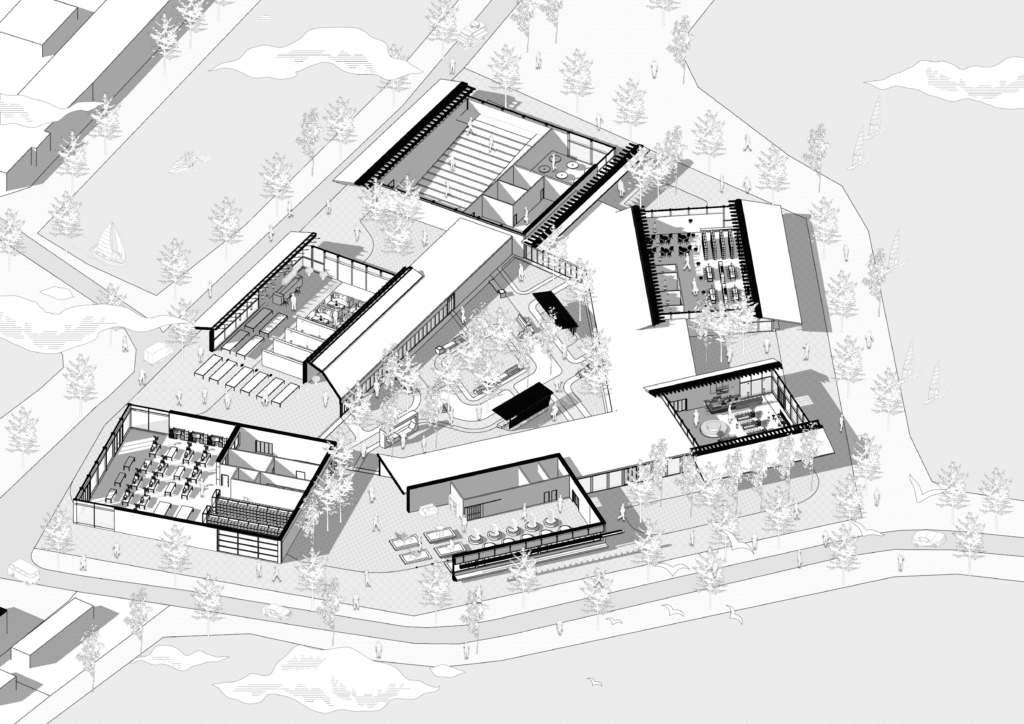
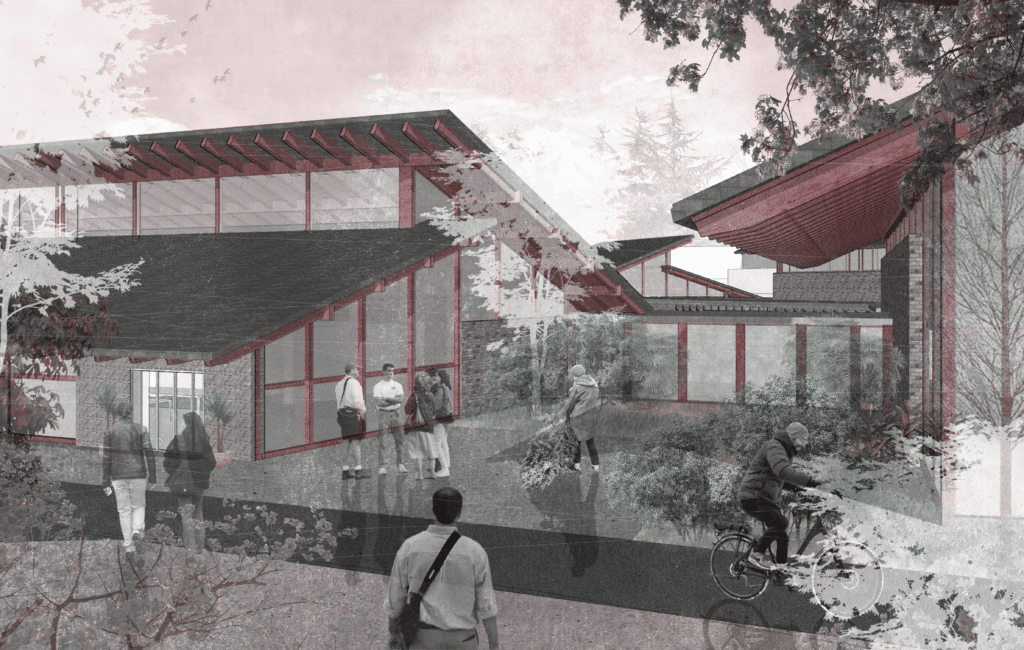
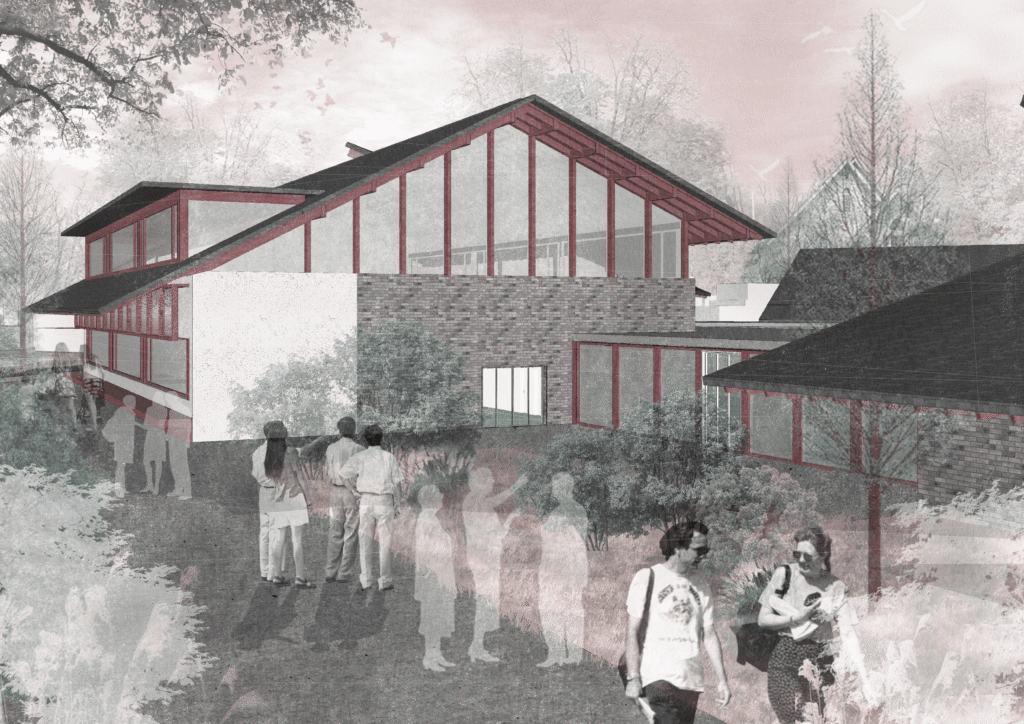
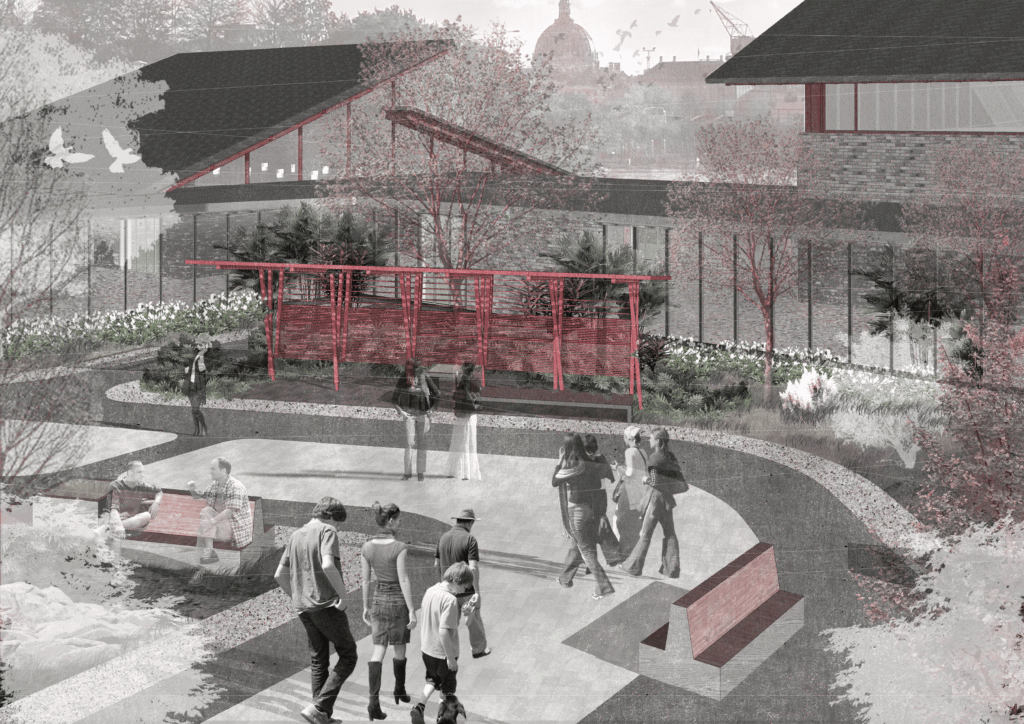
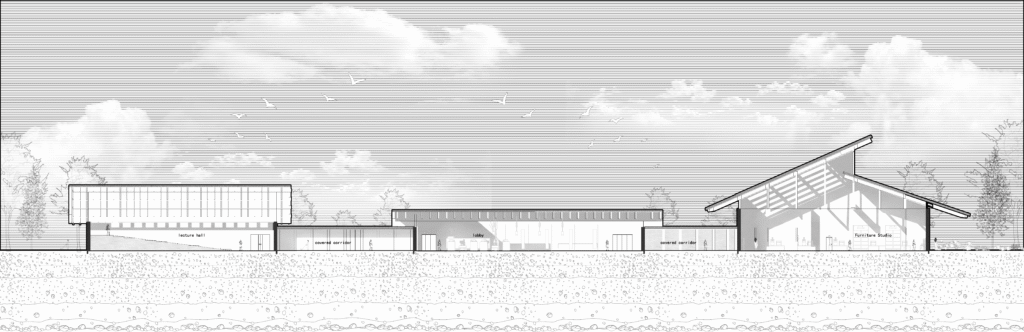
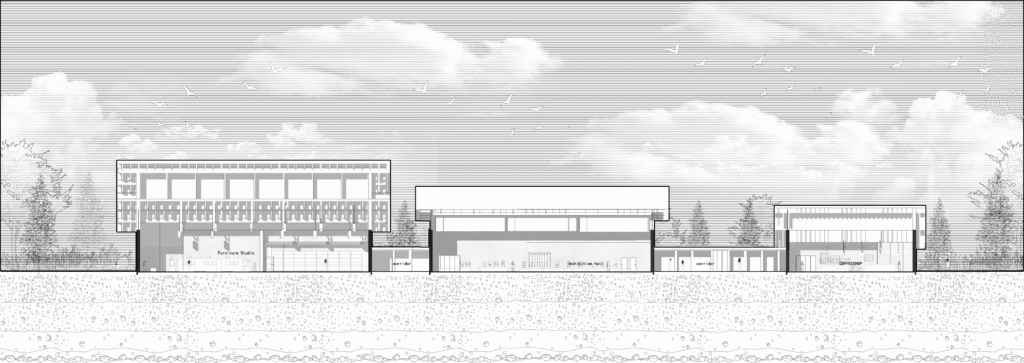
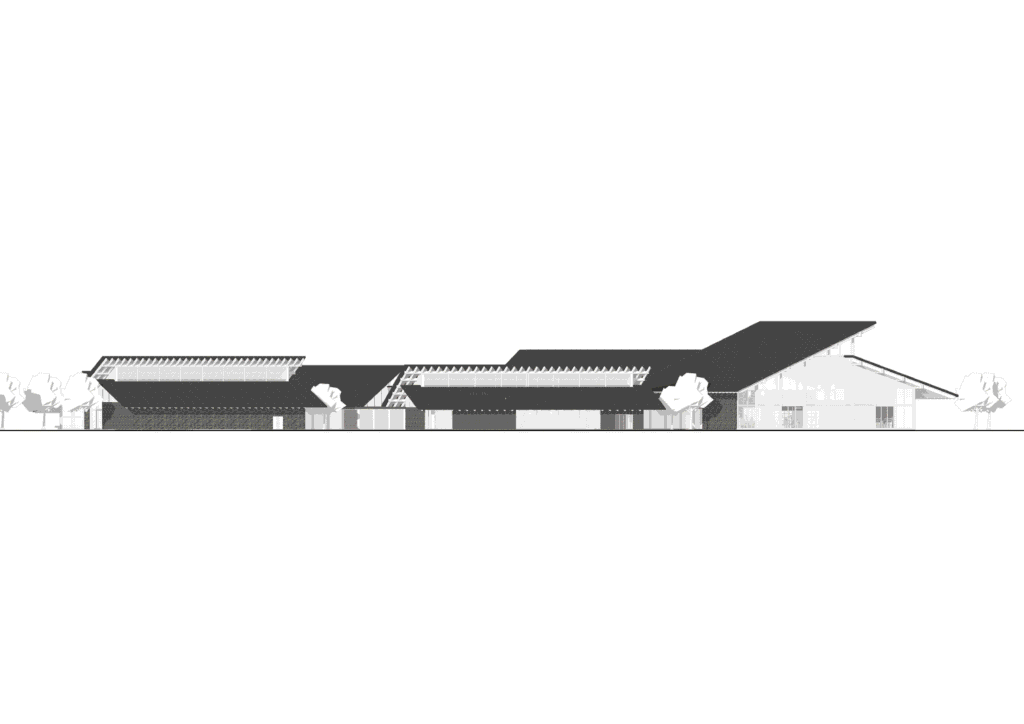
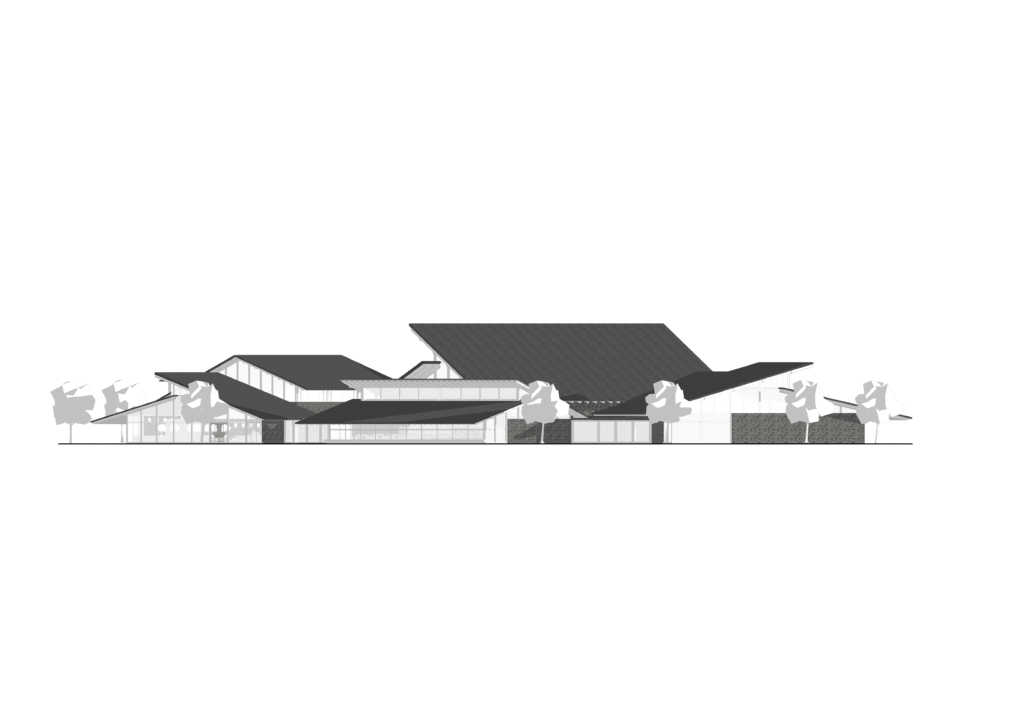
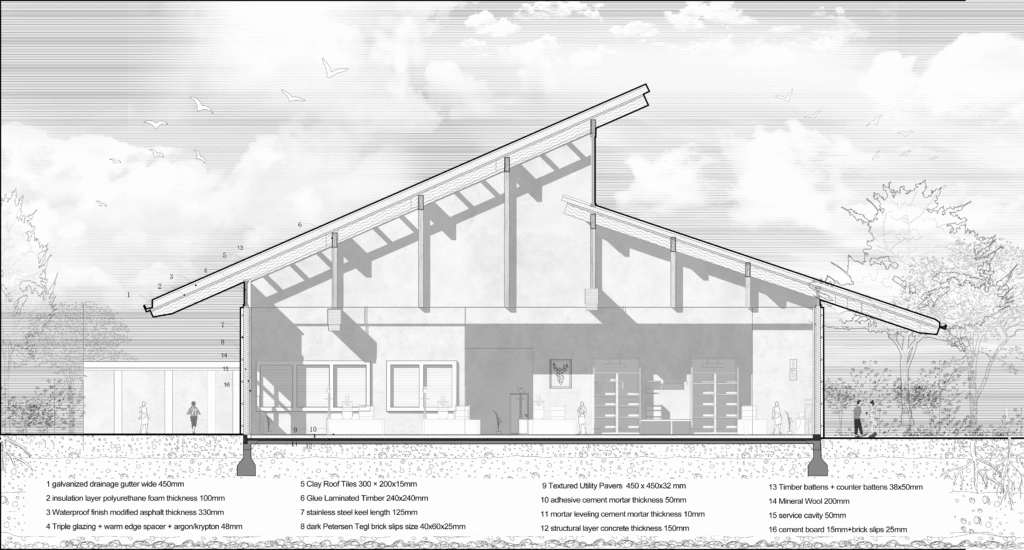
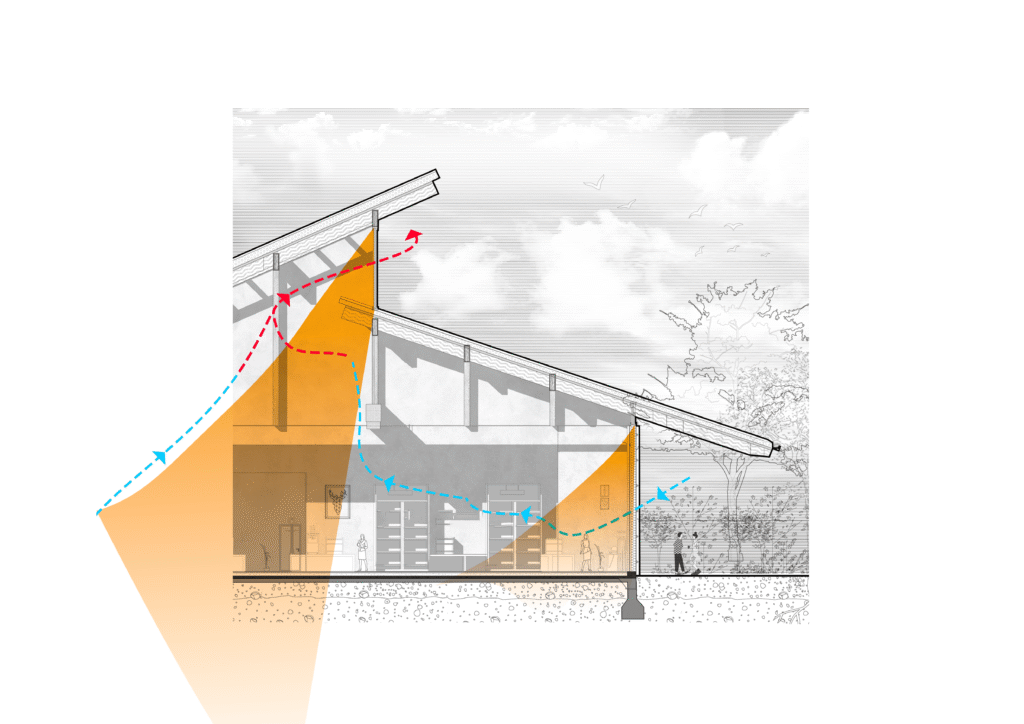
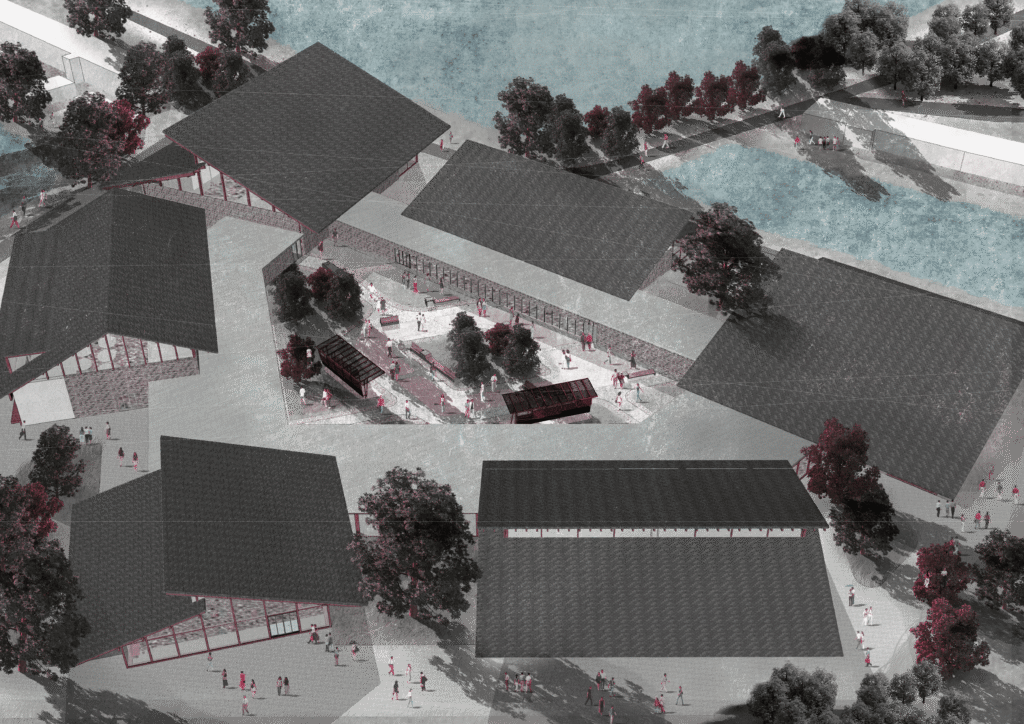
The proposal is organised as a three-ring system. The outer ring consists of six building volumes, forming a porous interface with the city while maintaining individual identities. A continuous middle ring acts as a circulation spine, supporting movement, interaction, and exchange. At the centre, a shared courtyard operates as a space of reuse and collective activity, encouraging ongoing participation and care. Architecturally, the project balances unity and variation. Fragmented roof forms respond to light and orientation, generating a dynamic skyline that reflects both individuality and collective order. Sectionally, the scheme unfolds as a rhythmic sequence of spaces, supporting a range of activities while maintaining continuity. Materially, the project embraces reuse and adaptability. Reclaimed elements and flexible systems allow the architecture to evolve over time, embedding memory and transformation within the built form. Positioned between informal community practices and large-scale infrastructural systems, the project acts as a mediator—translating sustainability from a technical process into a cultural condition. Through repeated engagement, it cultivates a long-term habit of repair, where maintenance, participation, and collective care become integral to everyday urban life.