Harrison Cameron-Barr
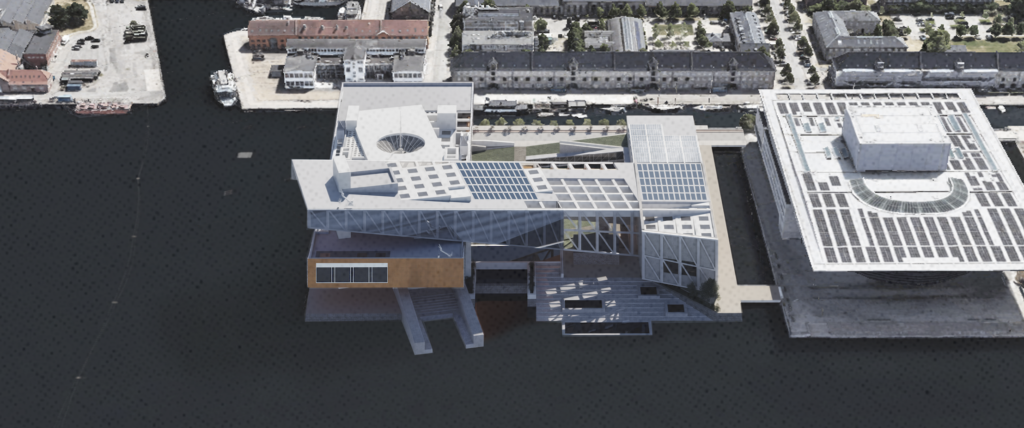
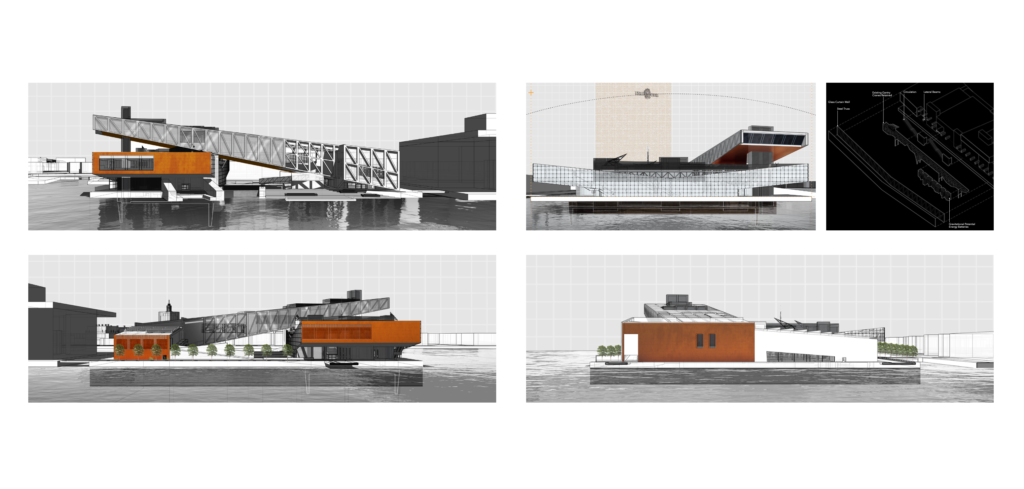
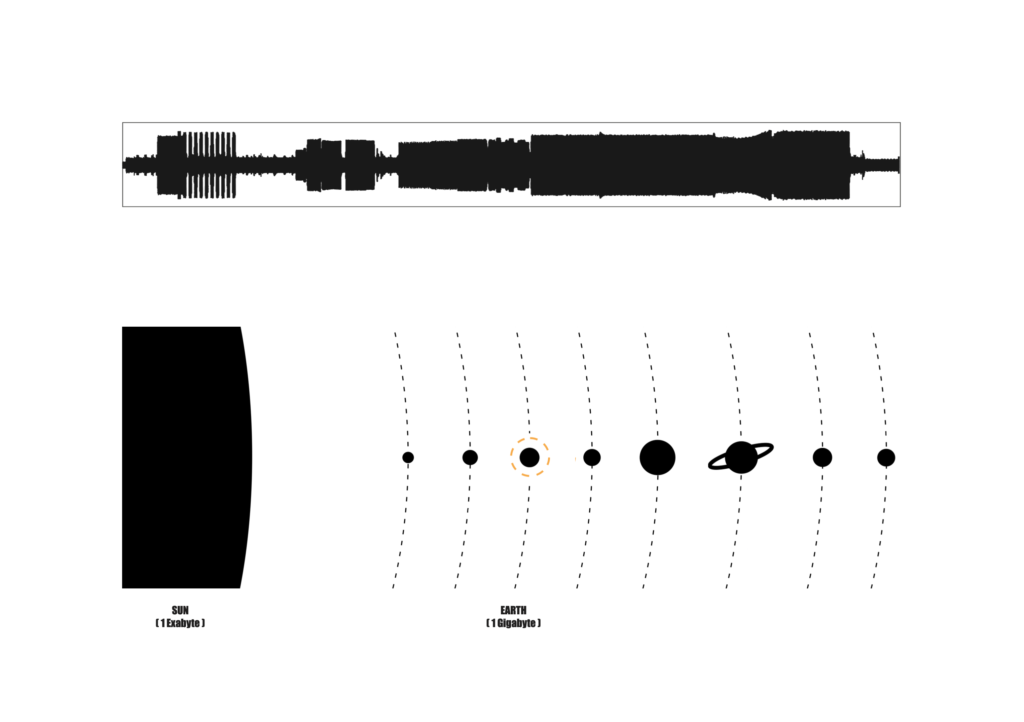
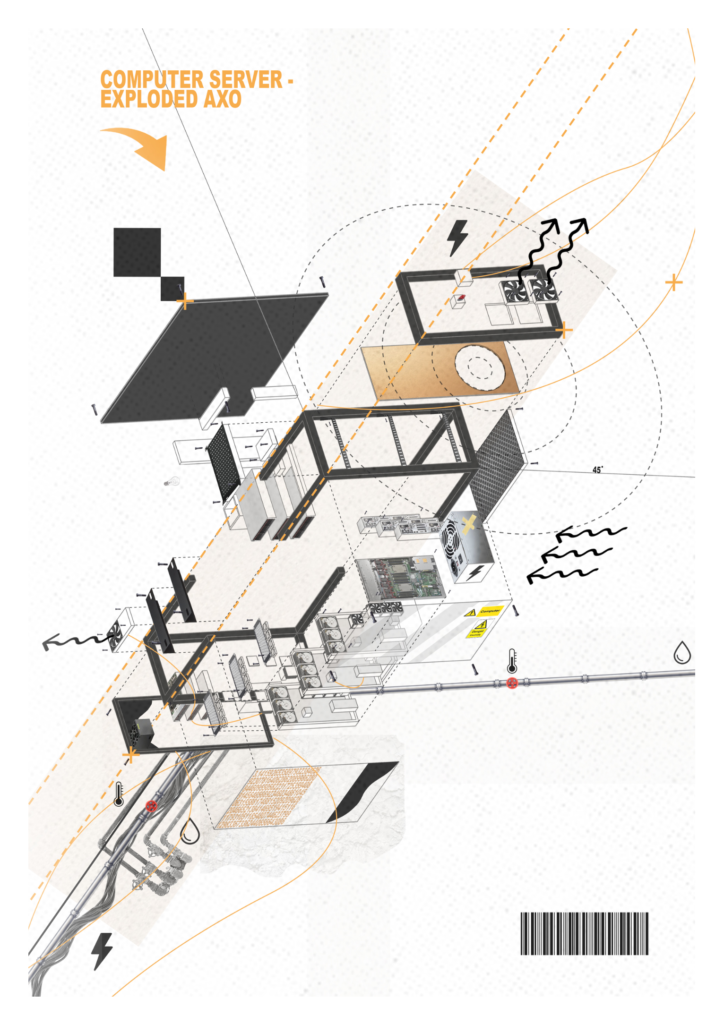
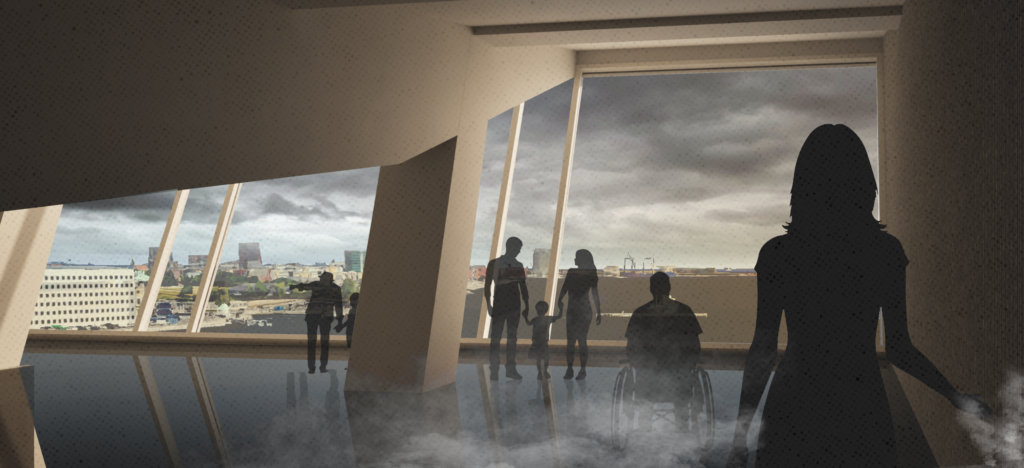
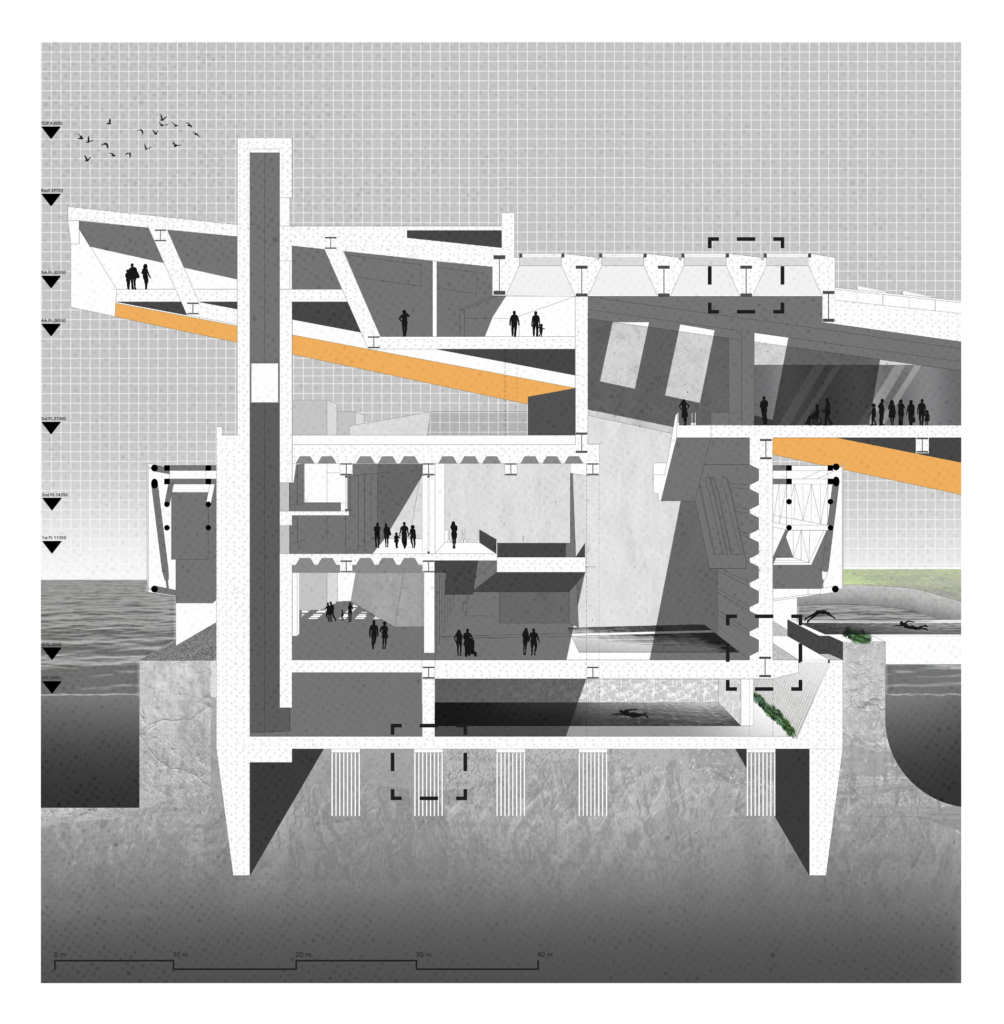
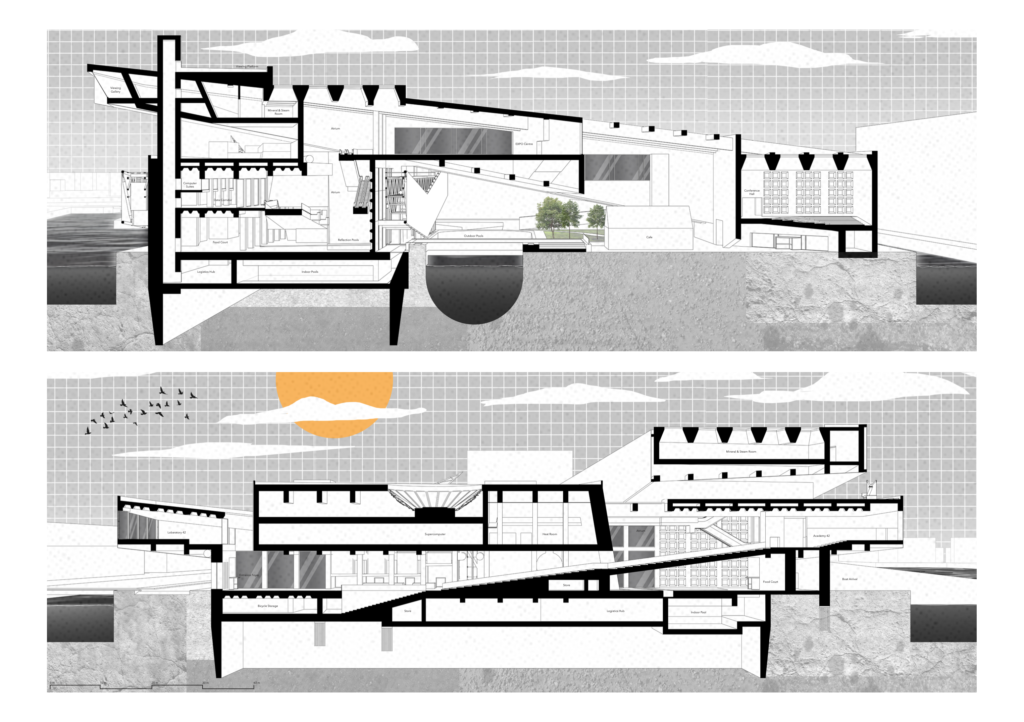
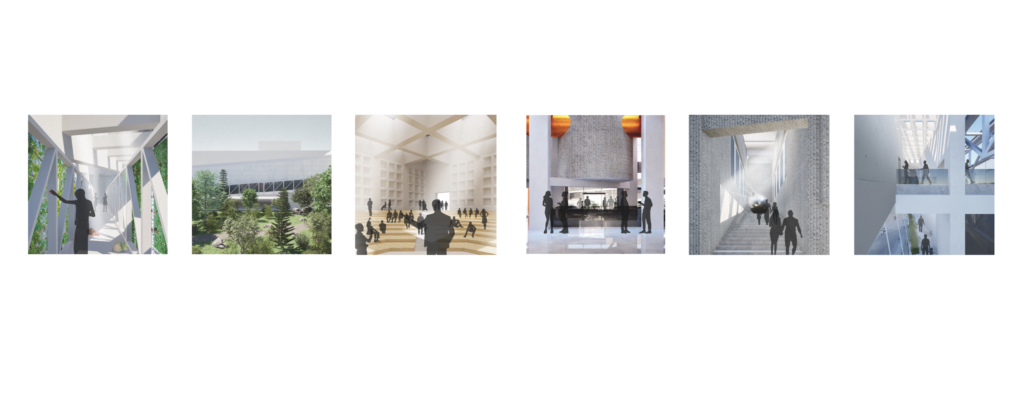
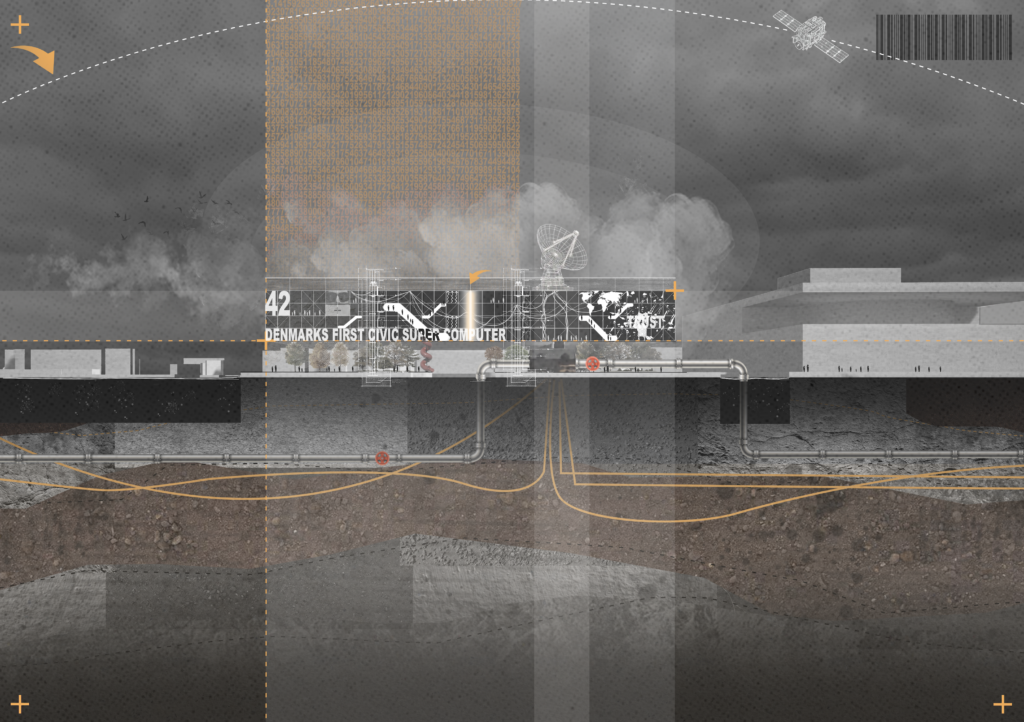
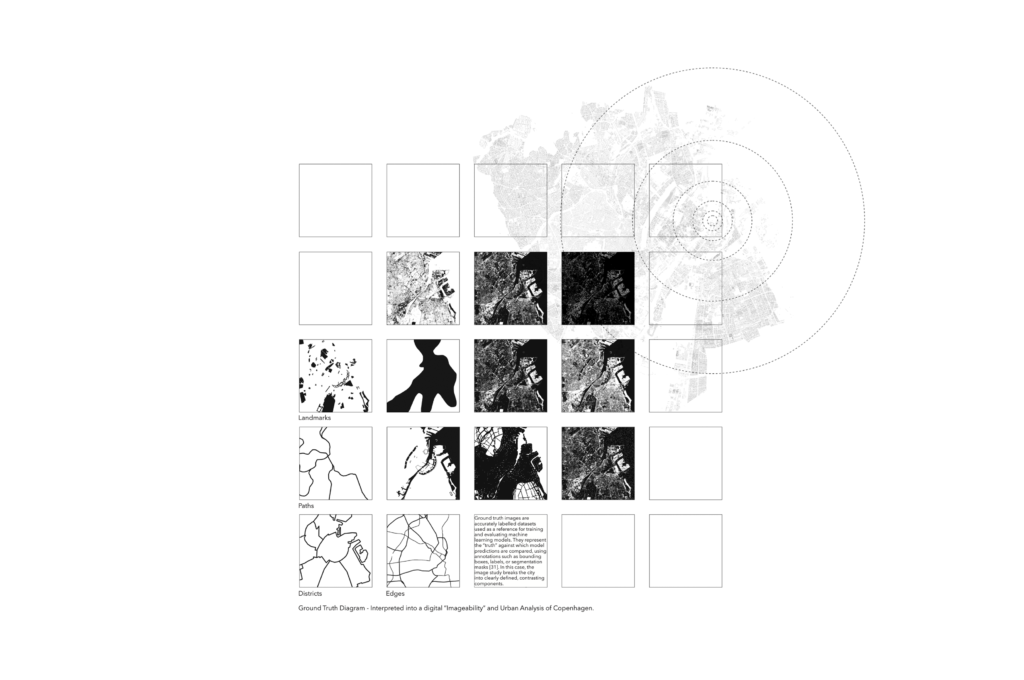
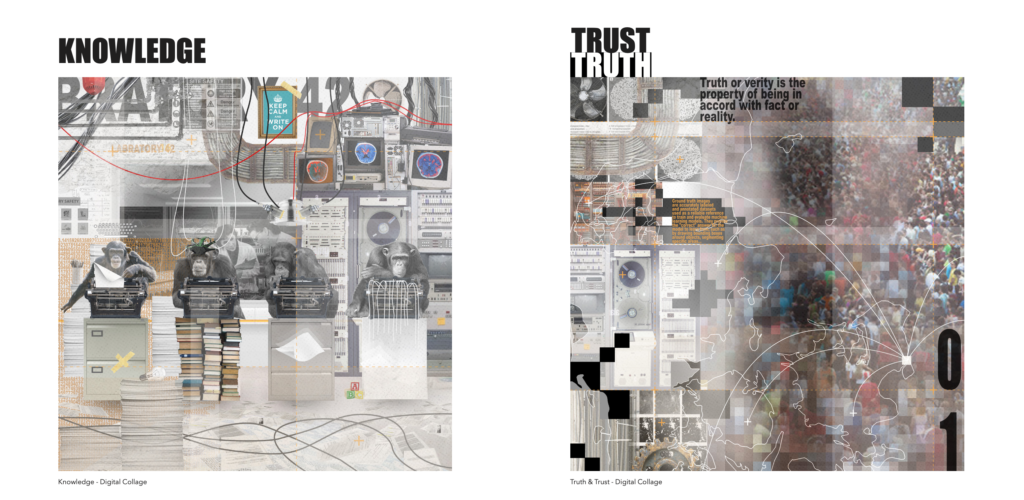
At the centre of the scheme stands the worlds most powerful supercomputer and a new civic institution within Copenhagen, conceived not a technological relic but as a civic and epistemological instrument. It operates as both infrastructure and institution: a tangible manifestation of data and intelligence within the public domain. Recognising that our environments are already computationally active, situates the project within an established paradigm of architecture as a communicative and networked system, integrating itself within the city of Copenhagen.
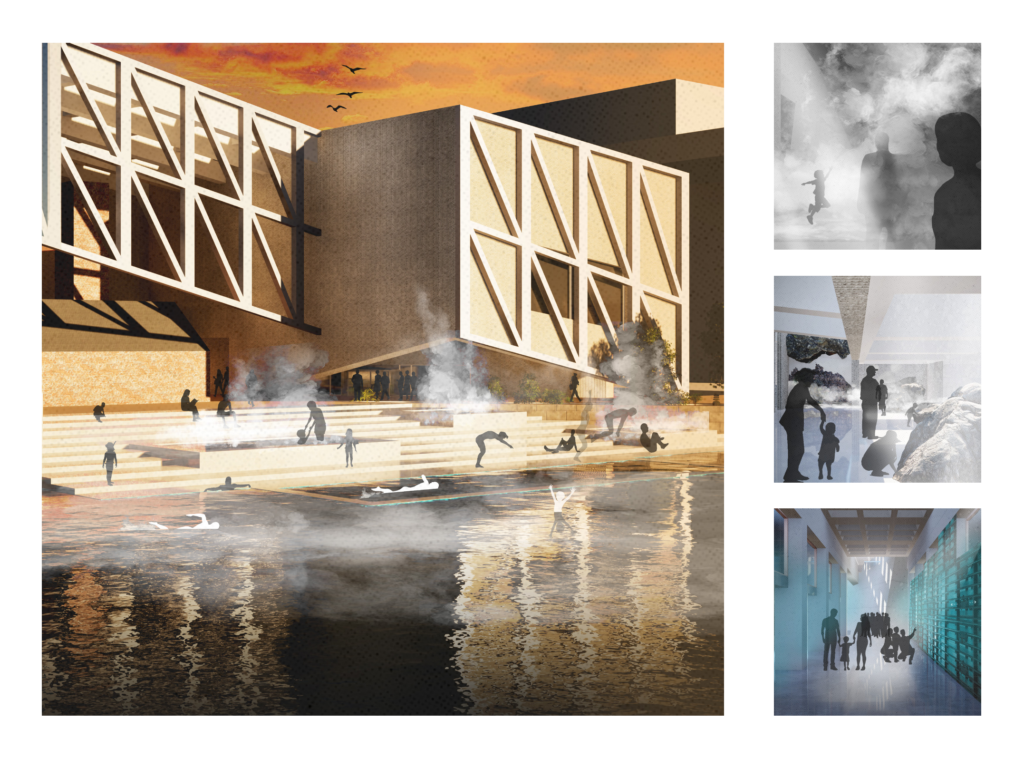
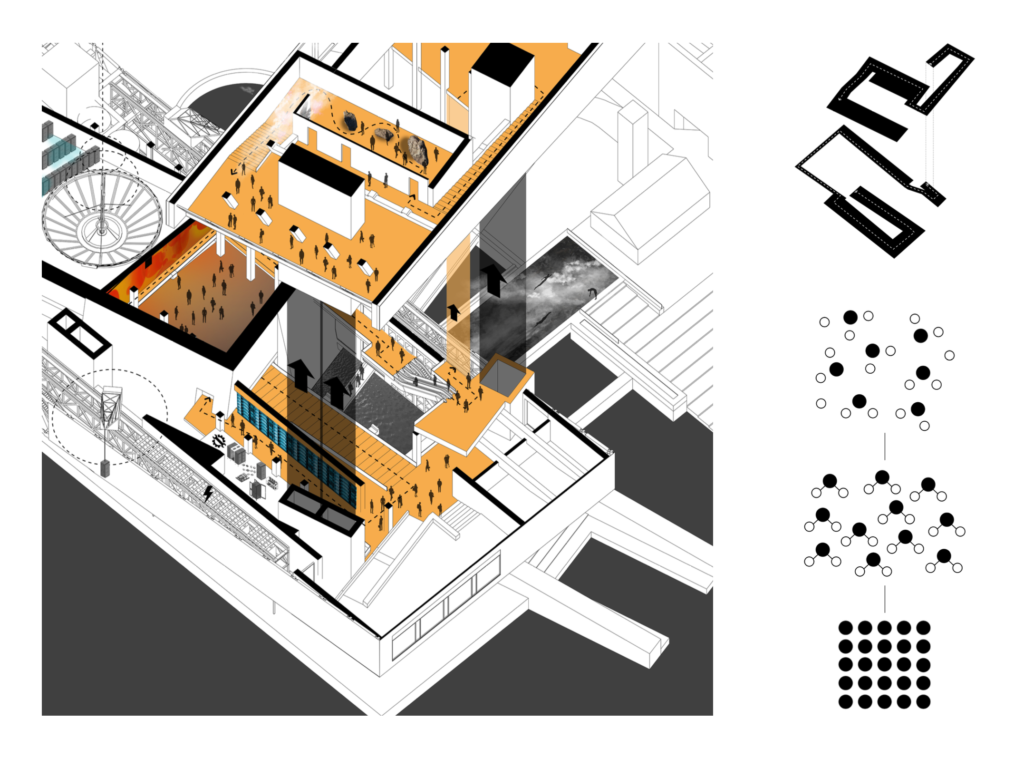
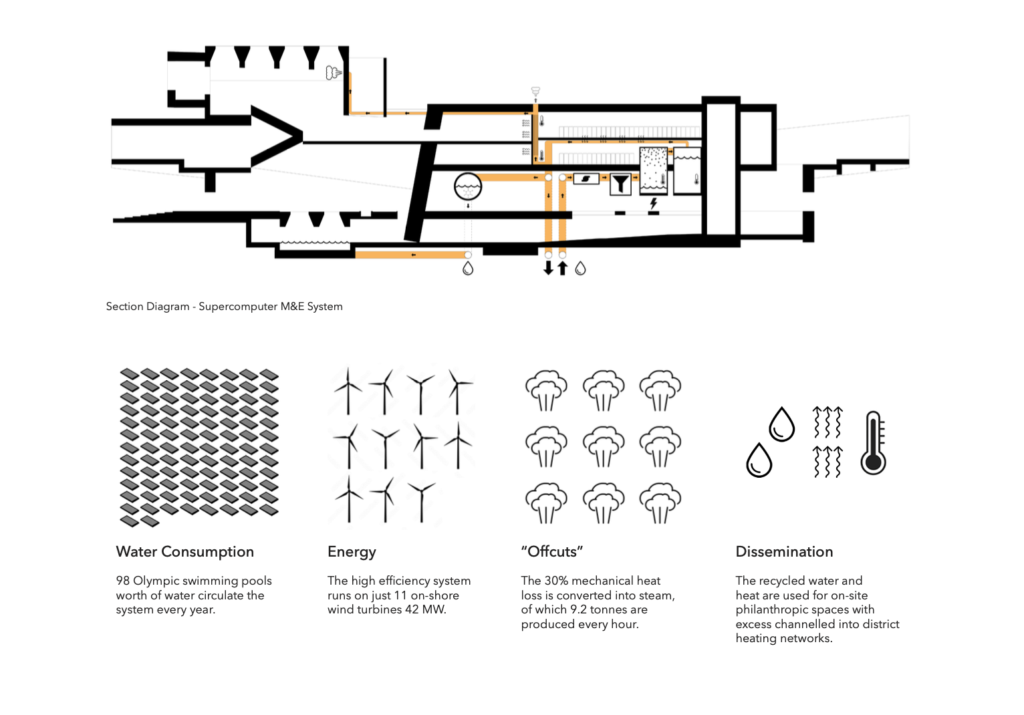
Outdoor programme support landscape, environmental efforts and well-being, while interior additions use computational power for advanced research aligned with Denmark’s emerging goals in AI agriculture and bioscience. Energy-recovery technologies further convert offcut energy into economical, recreational and social spaces, aligning with Denmark’s sustainable energy aspirations.
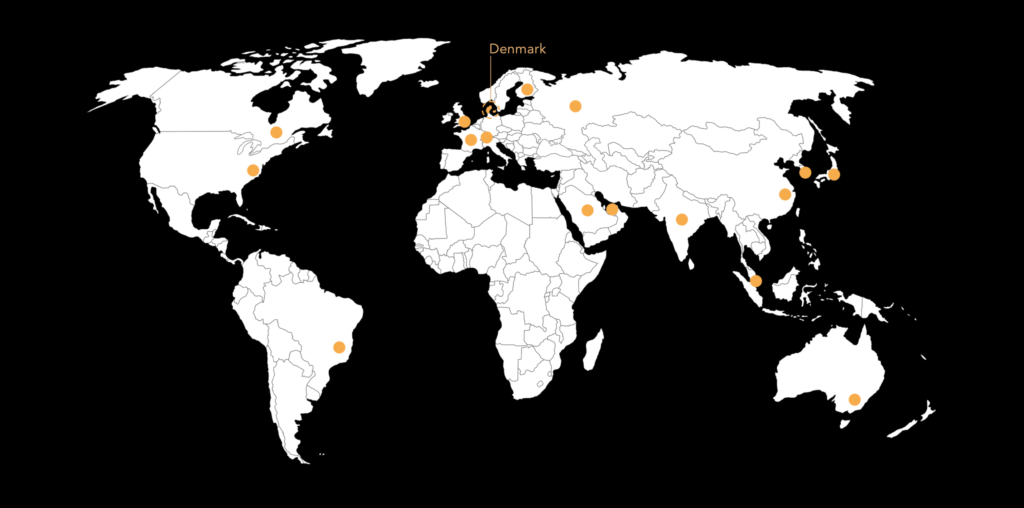
The proposal becomes a spatial investigation into the intersection of education, labour, laboratory, leisure and intelligence. Ethically, it seeks to curate, deploy and democratise knowledge, with civic branches extending from the supercomputer core to the urban centre and outskirts, forming a piece of city and national infrastructure.
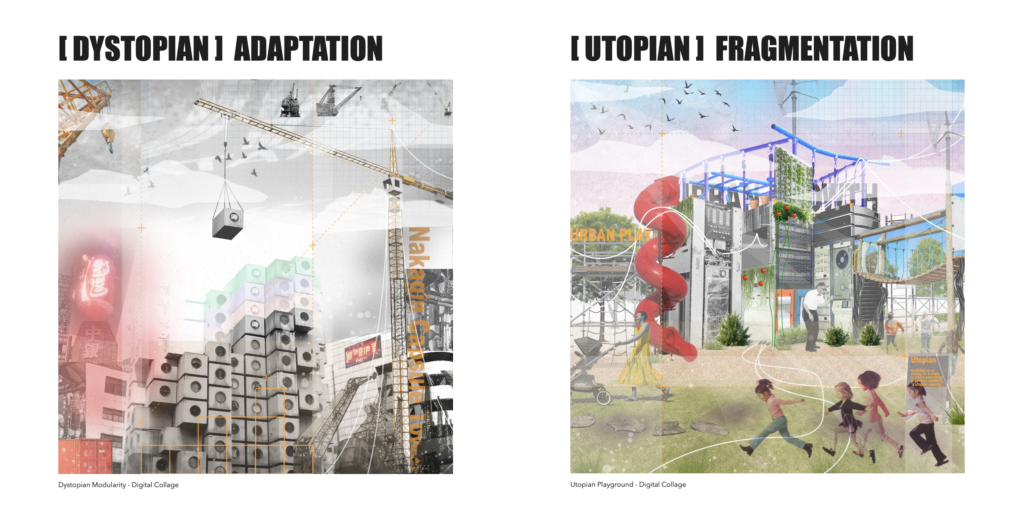
Responding to emerging industries and cultural shifts, this adaptability positions the project within the ongoing dialectic between utopia and dystopia – acknowledging that the same technologies that empower collective intelligence may also deepen inequities. The design therefore works critically within this tension, using architecture as a mediating tool between city and system.
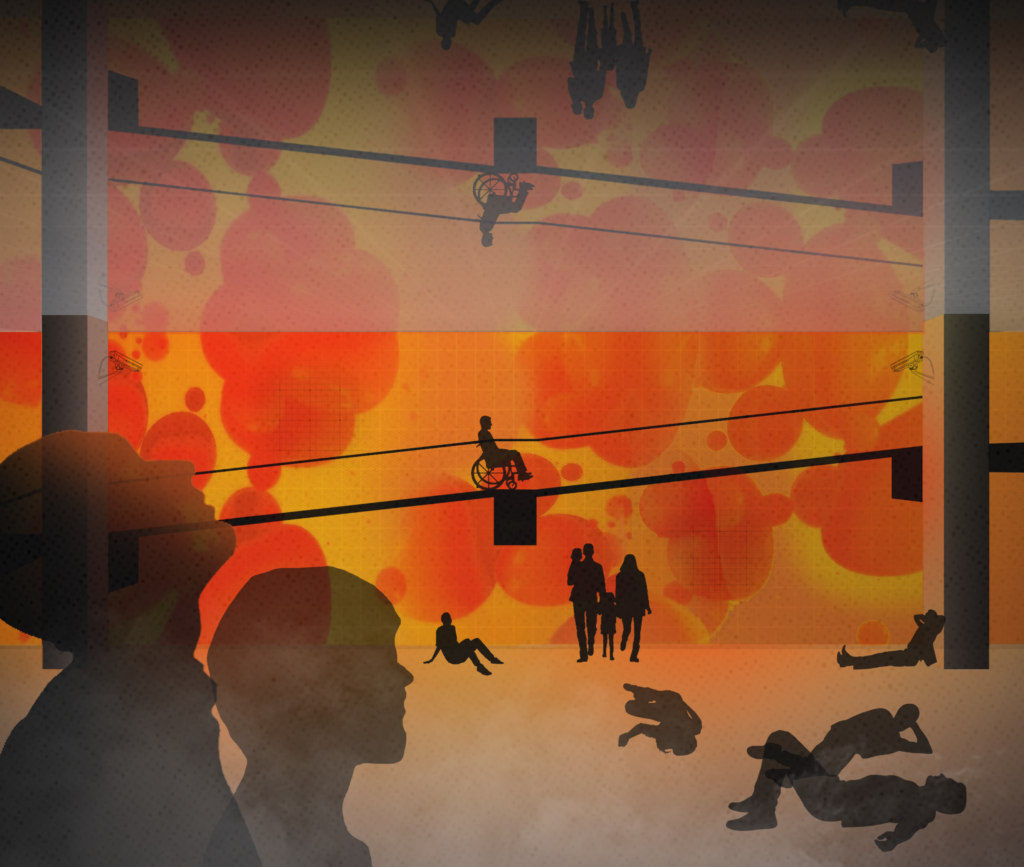
VidenKraft – 42