

Julia Lager
I am a graphic designer whose practice navigates the relationship between typography, materiality, memory, and immersive visual experiences. Working across both two-dimensional and three-dimensional forms, I combine analogue and digital processes to create work that is process-led and personally significant.
My work involves processes such as type design, moving image, projection, 3D modelling, scanning, and printing. I investigate how graphic design can transcend static formats and become something physical and experiential. I am particularly interested in how design can preserve fragments of identity and nostalgia/familiarity within contemporary culture and constructed realities.
Familiar Weight
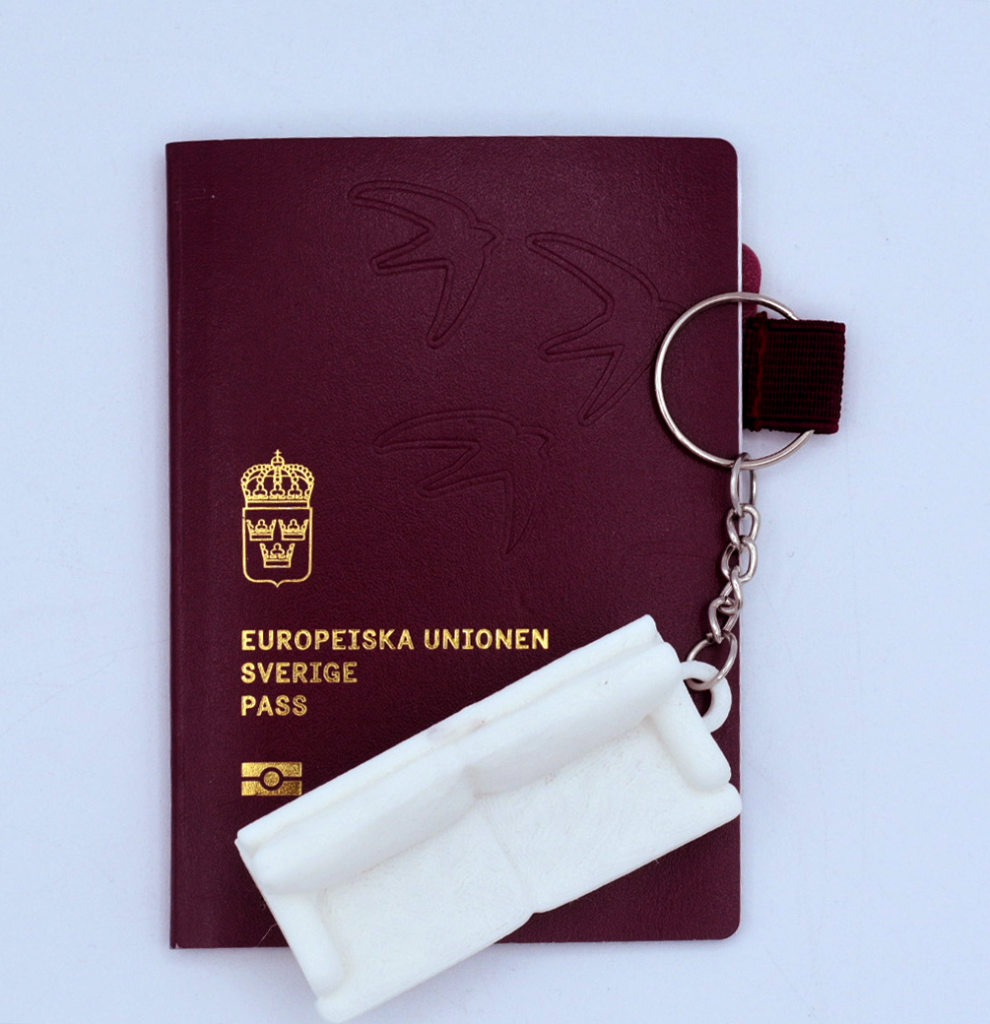
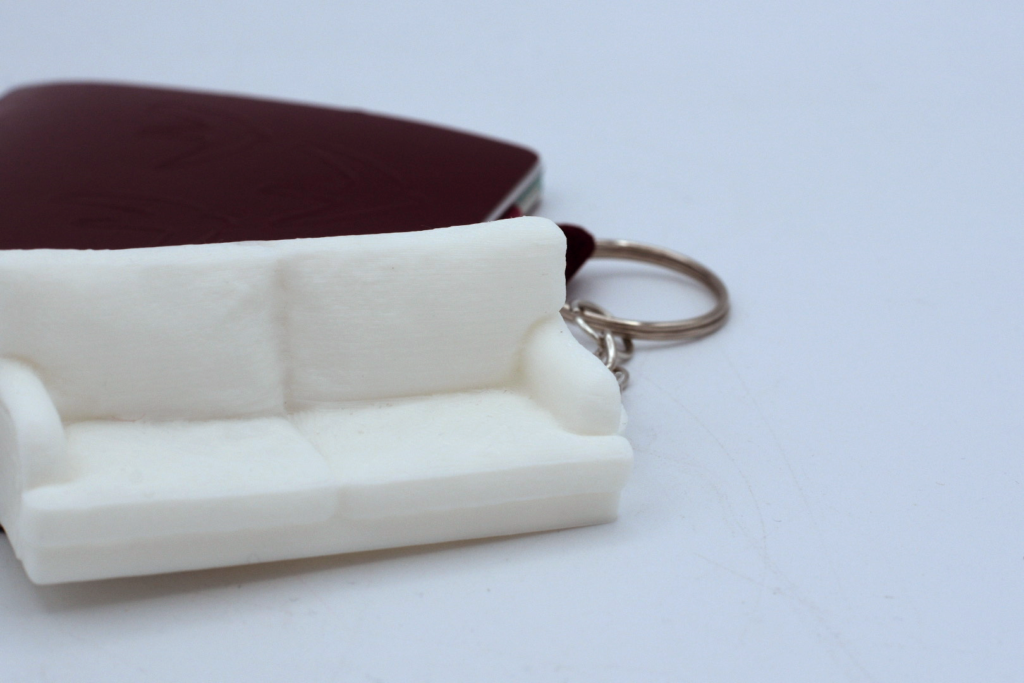
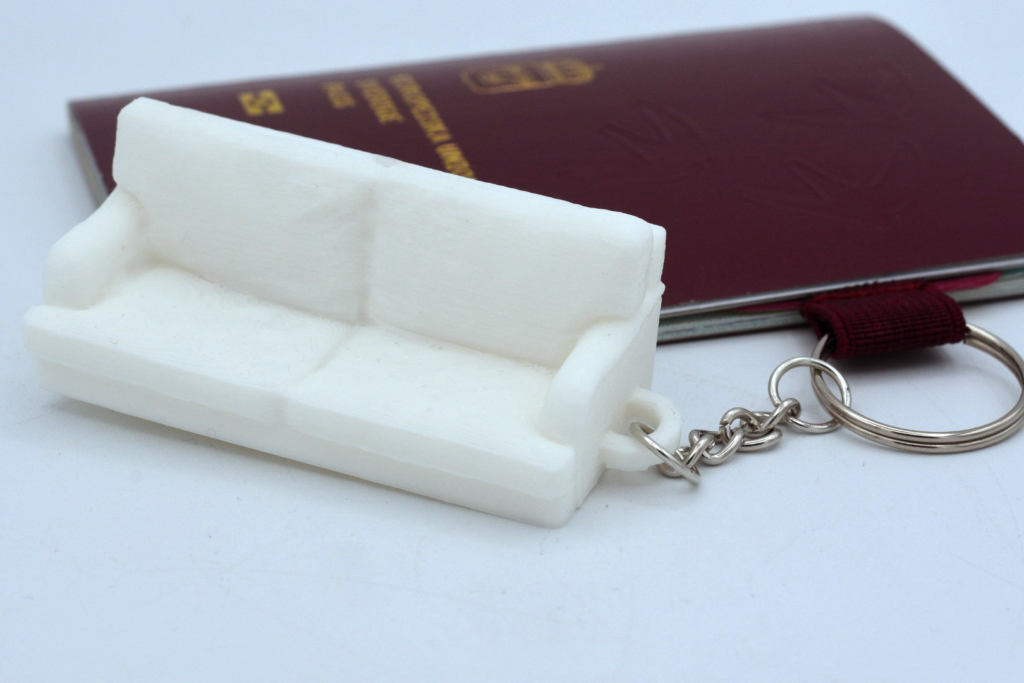
This project explores memory, movement, and the emotional significance objects can hold. Using 3D scanning, modelling, and printing, I recreated a sofa that travelled with me through six different homes in Sweden before being left behind when I moved to Glasgow.
Throughout the process, I experimented with different ways of viewing, analysing, and presenting the object, exploring how digital and physical forms can transform the meaning of familiar belongings. Ideas ranged from situating the sofa within virtual environments to creating a foldable paper version that could be carried flat. Eventually, the object became a 3D-printed keychain.
By attaching the sofa to everyday objects such as keys, bags, and a passport, the work explores ideas of travel, attachment, and portability. The miniature sofa becomes a symbol of familiarity and home, carried between places and accompanying new experiences.
Shifting Forms
A pattern created from the different letters of the typeface New Astro, transformed into a moving image and projected to create a visual impact. The work aims to immerse the viewer in the shapes and patterns formed by the typeface as it shifts and evolves through motion.
A pattern created from the different letters of the typeface New Astro, transformed into a moving image and projected to create a visual impact. The work aims to immerse the viewer in the shapes and patterns formed by the typeface as it shifts and evolves through motion.
The Human Library
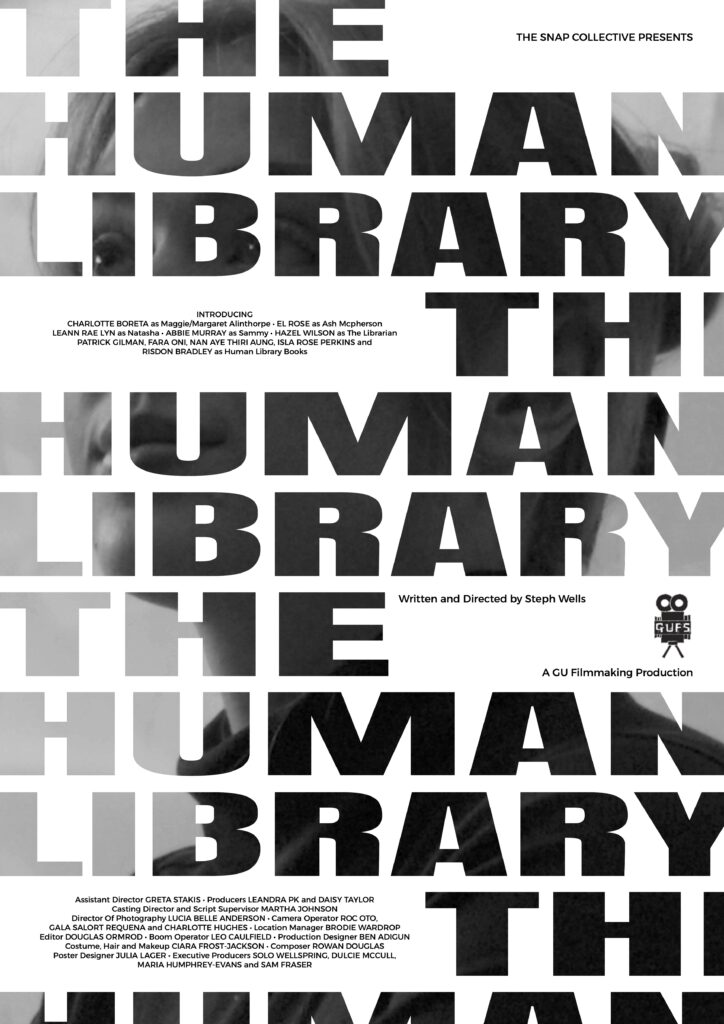
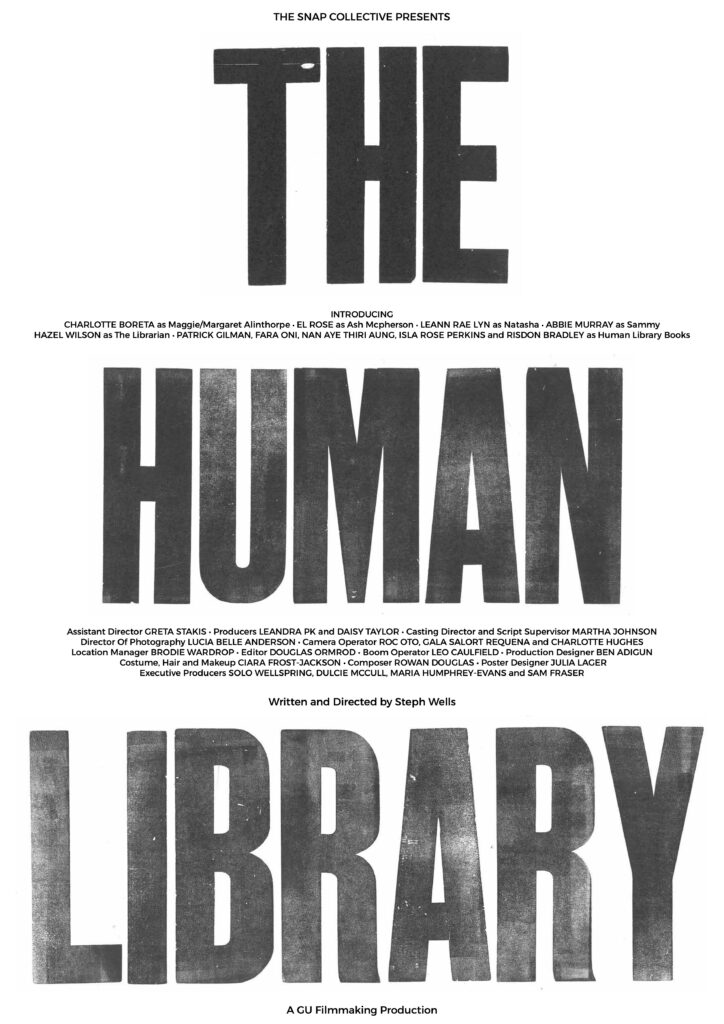
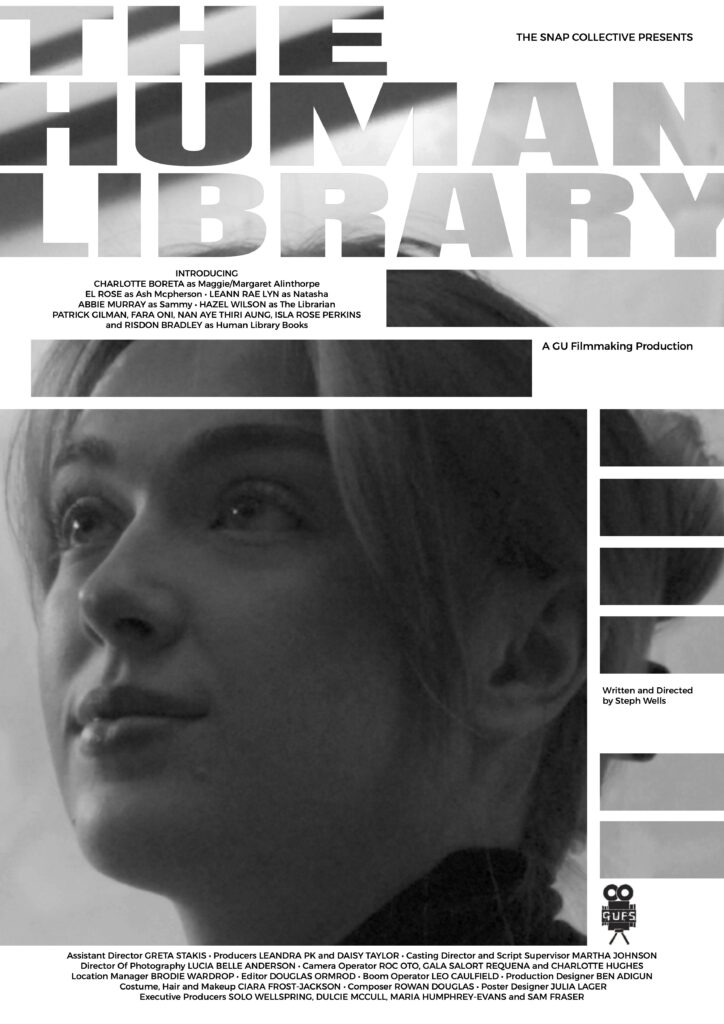
Poster design created for the film The Human Library by the Glasgow University Filmmaking Society. The project responds to the film’s exploration of memory, identity, and the growing tension between human experience and artificial intelligence. Set within a fictional “human library,” where people are borrowed like books and memories are repeatedly erased, the narrative examines the ethics of preserving and consuming human stories.
The poster draws influence from the fragmented psychological imagery of Persona, the graphic language of Saul Bass, and the cinematic atmosphere of Roy Andersson. Using close-up facial imagery and the typeface Anton to distort the image, the work explores how stories can fragment, dissolve, and reform through retelling.
The images of the actress Charlotte Boreta as Maggie from the film were cut, fragmented, and manipulated into compositions resembling bookshelves, visually referencing the film’s central concept of people becoming archival objects. The final designs combine digital processes with letterpress printing to introduce a tactile and human quality, using condensed typography to create the visual impact of books. The selected design was produced for print, while an alternative version was adapted for social media promotion.
For Sale: Price on Request
For Sale: Price on Request
For Sale: Price on Request