Li Liu
My name is Li Liu. I am an illustration-based narrative practitioner working across illustration, animation, book design and games. My practice often begins with personal memories, dreams, rituals and emotional experiences, focusing on feelings that are difficult to articulate directly: loss, escape, separation, repetition, and the ways people reinterpret themselves through memory.
My work combines hand-drawn elements, watercolour, print-like imagery, fragmented narration and game mechanics, seeking to build connections between static images and dynamic narratives. I am interested in how stories can be viewed, read, navigated and played, and I hope to use different media to invite viewers into a space between reality, memory and imagination.
For me, illustration, animation and games are not only ways of telling stories, but also processes of organising experience, preserving emotion and confronting memories anew. I hope my work can quietly yet persistently touch upon the feelings left behind in the depths of everyday life.
BETWEEN TWELVES
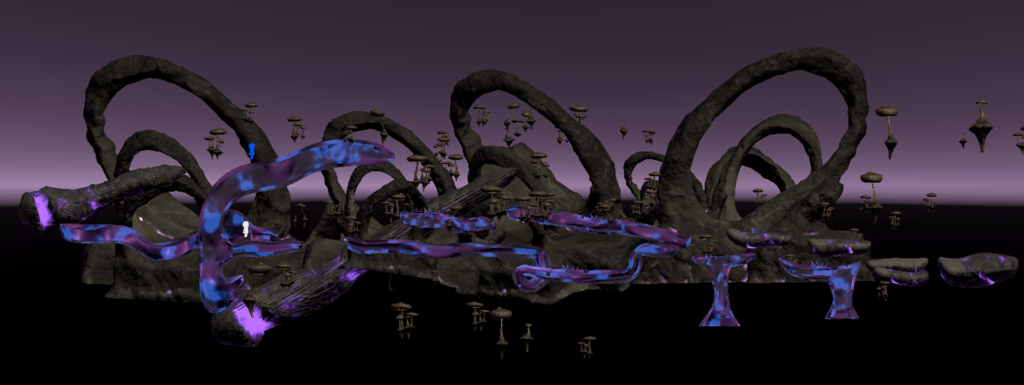
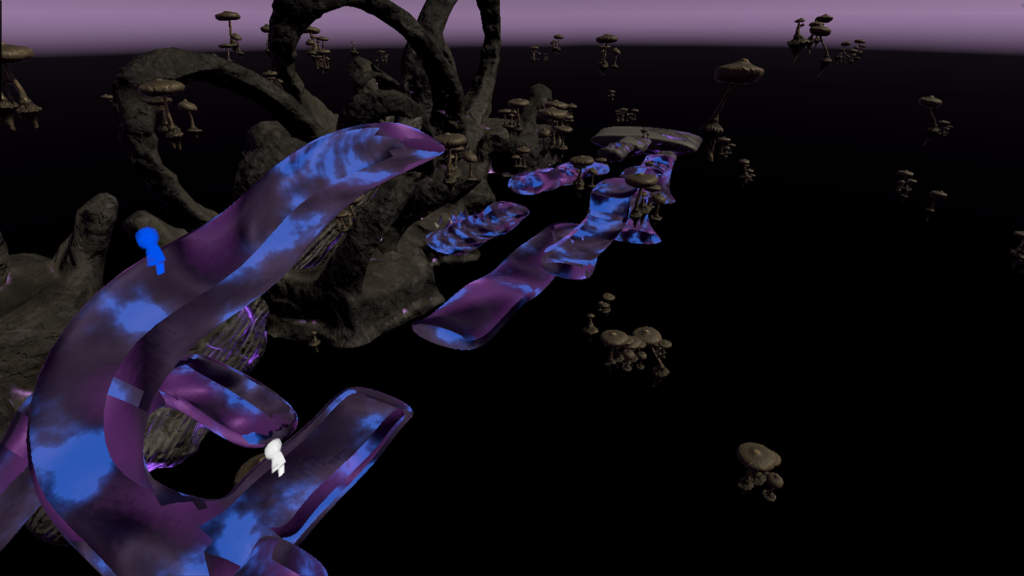
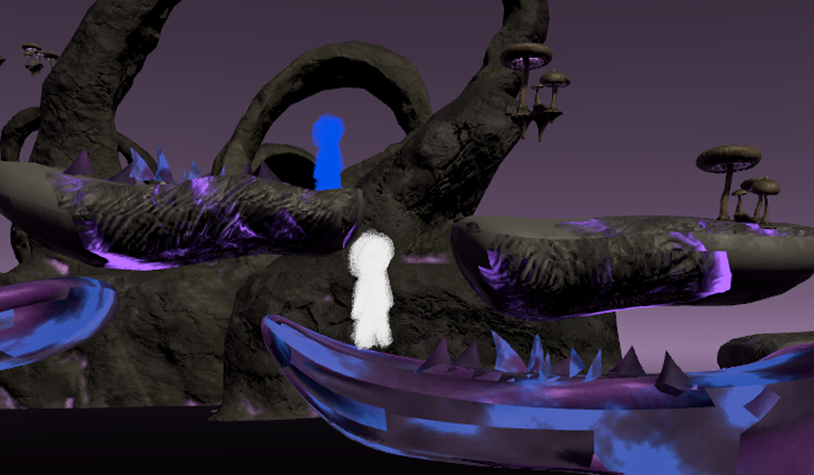
Between Selves is a 3D side-scrolling puzzle game prototype about two separated parts of the self learning to move through the same inner world. The project began with my research into dissociation. I was particularly inspired by The Haunted Self, which proposes the theory of structural dissociation: an individual may split into the Apparently Normal Part (ANP), which continues daily life, and the Emotional Part (EP), which carries unresolved emotional responses.
I translated this relationship into two playable characters, P1 and P2. P1 moves through the visible world, trying to continue forward, while P2 exists as a shadow-like presence on a parallel path. P2 explores another layer of the environment and activates temporary structures such as steps, bridges and vines. P1 then stabilises these unstable paths, turning them into something that can be crossed.
Through this interaction, I wanted to visualise dissociation as more than fragmentation. The game becomes a process of shifting perspective, waiting, returning and reconnecting with another part of the self.
Panoramic Jaikits
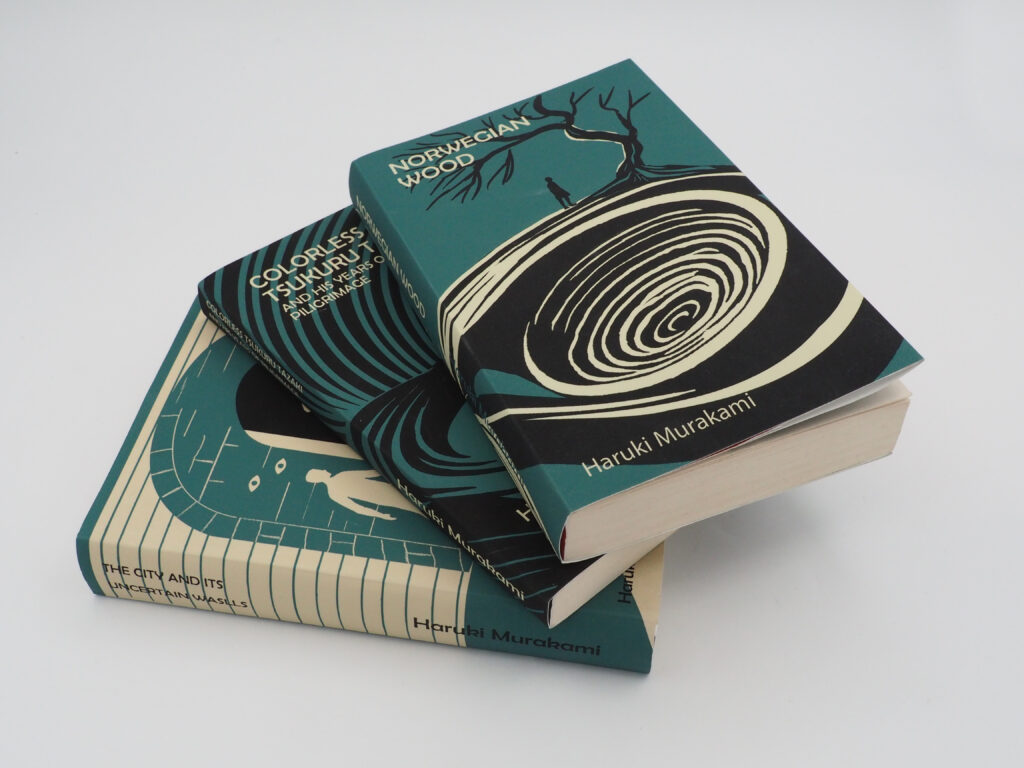
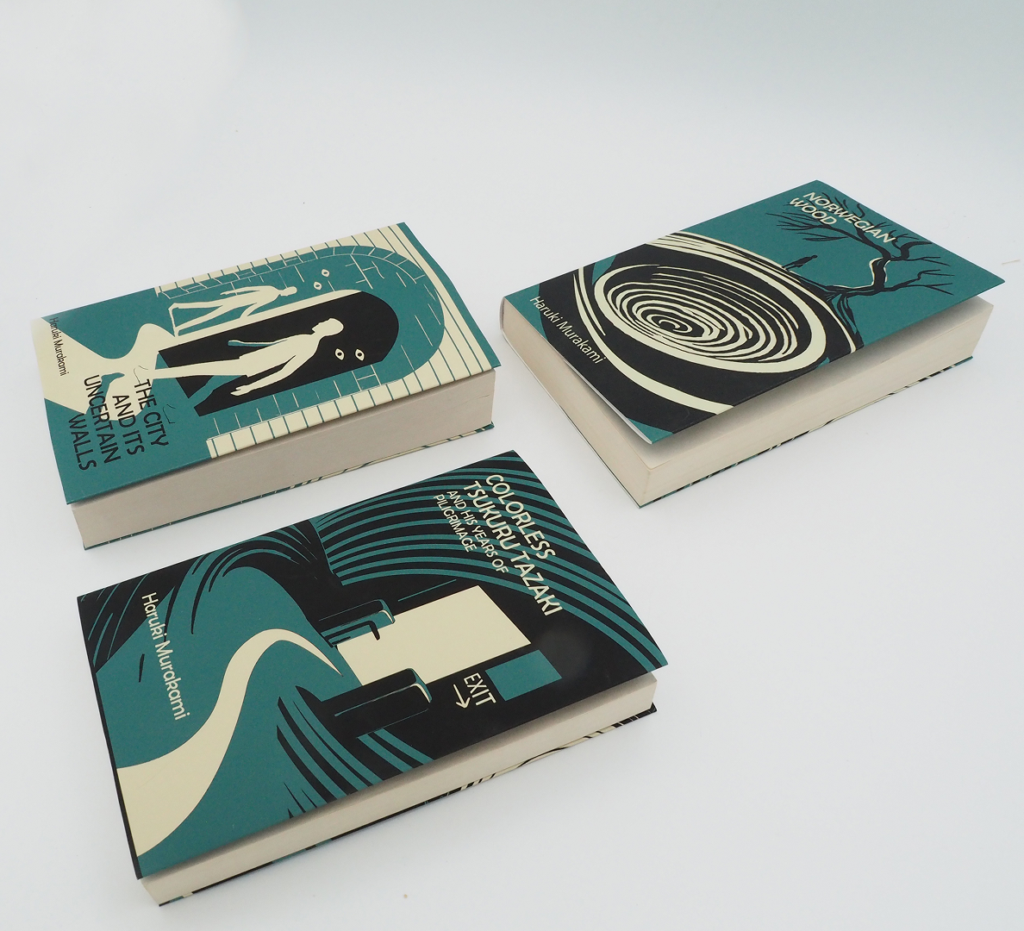
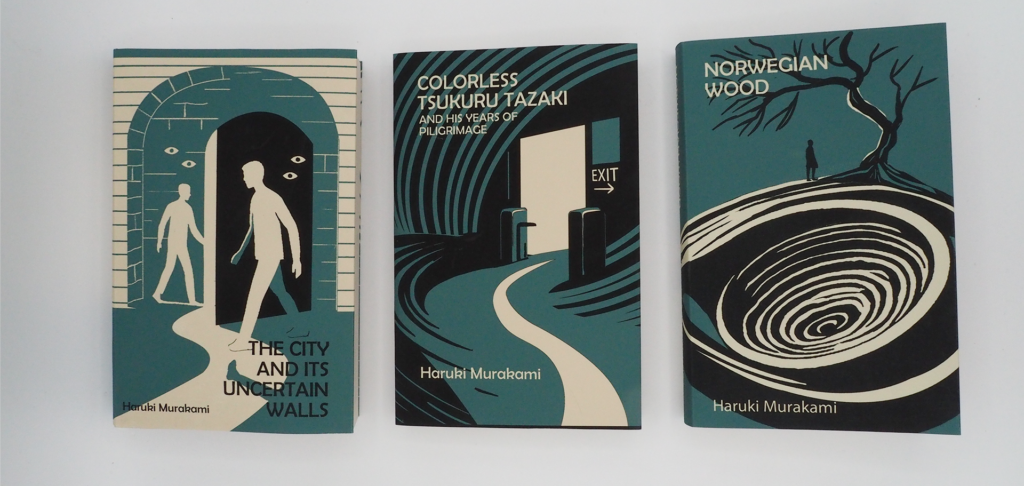
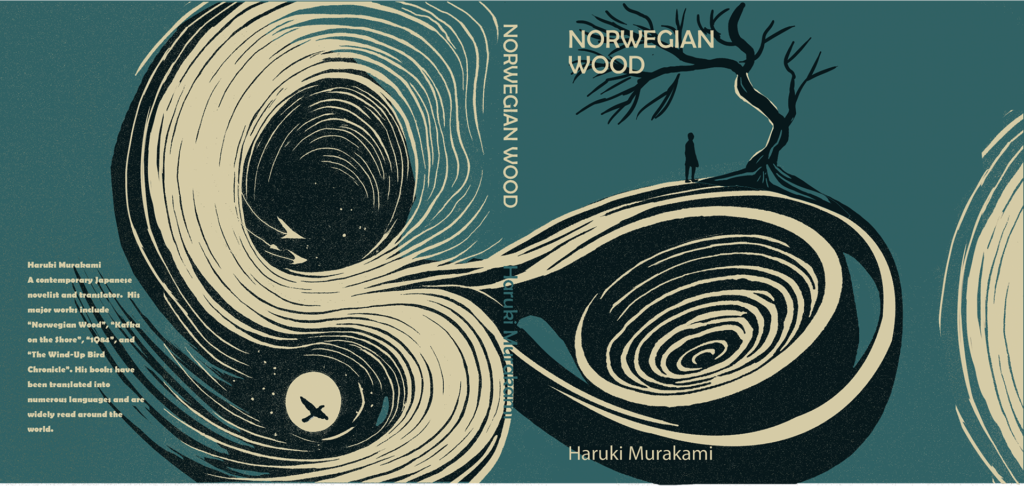
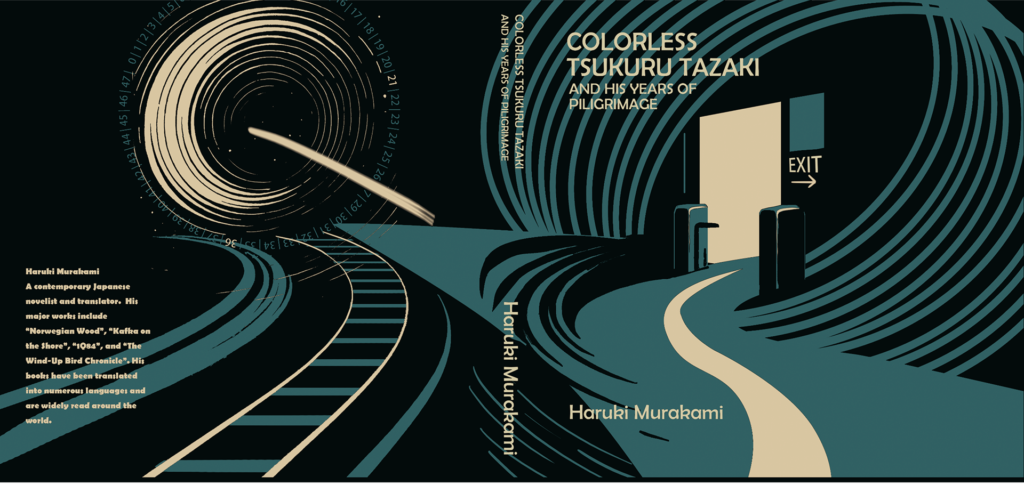
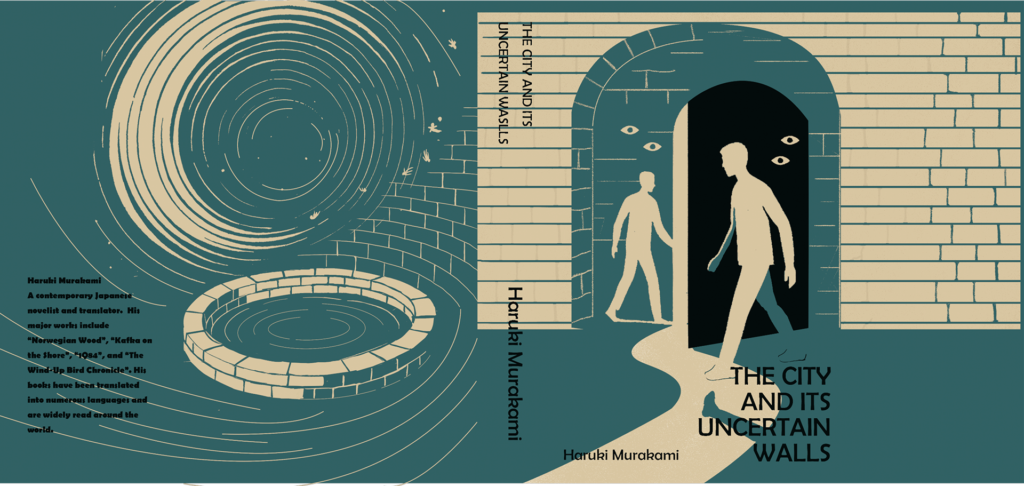
This project is a series of reimagined book covers for three novels by Haruki Murakami: Norwegian Wood, Colorless Tsukuru Tazaki and His Years of Pilgrimage, and The City and Its Uncertain Walls. Through this series, I wanted to explore how book cover design can translate psychological and symbolic narratives into a visual language.
Although each novel tells a different story, I was drawn to the recurring emotional states that run through Murakami’s work: loneliness, memory, loss, unstable identity, and the tension between reality and inner worlds. In response to these themes, I developed each cover around a central symbolic image — the well, the station and railway, and the city wall and shadow — allowing each book to retain its own atmosphere while still belonging to a coherent visual series.
Visually, I wanted the covers to feel restrained, quiet, and slightly uncanny, reflecting the emotional distance and ambiguity within the texts. By combining graphic composition, symbolic imagery, and a limited colour palette, I aimed to create a set of covers that not only represent the narratives of the novels, but also evoke the emotional and psychological spaces they open up for the reader.
“The Snow Woman” Movie Poster
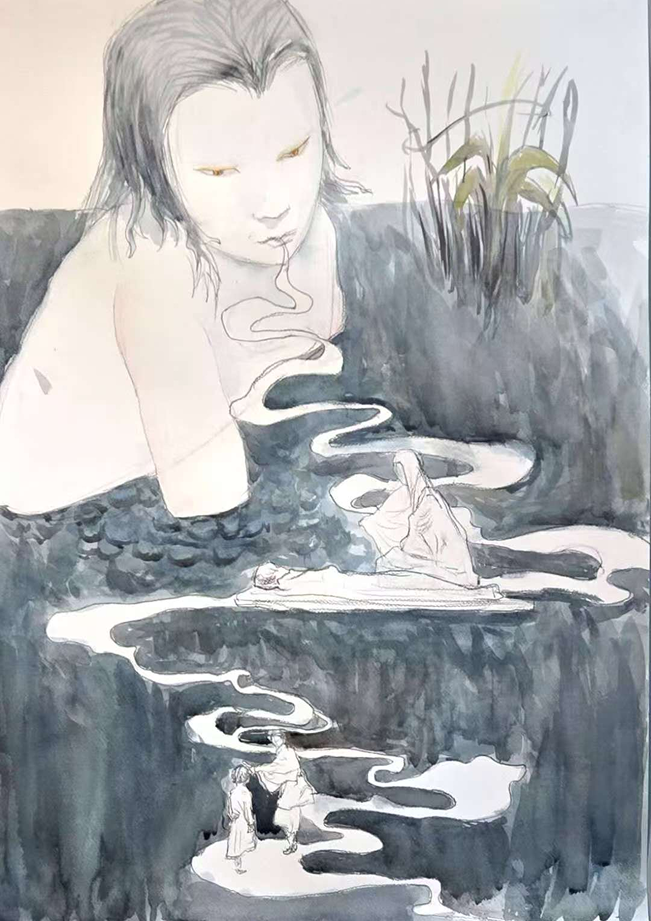
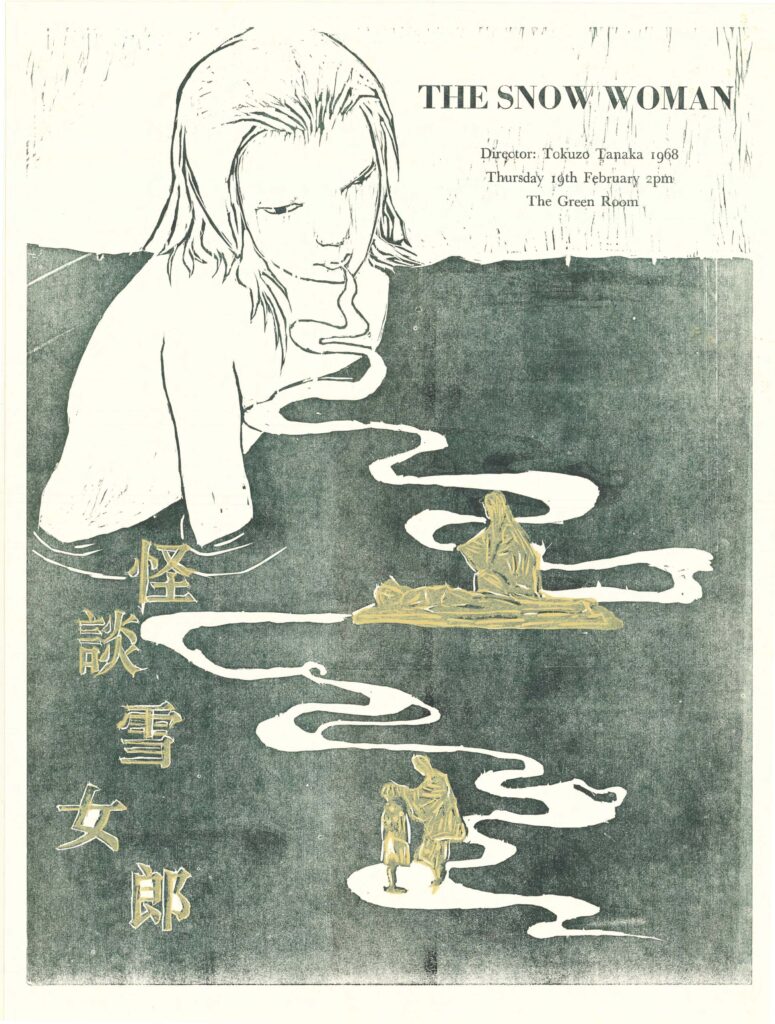
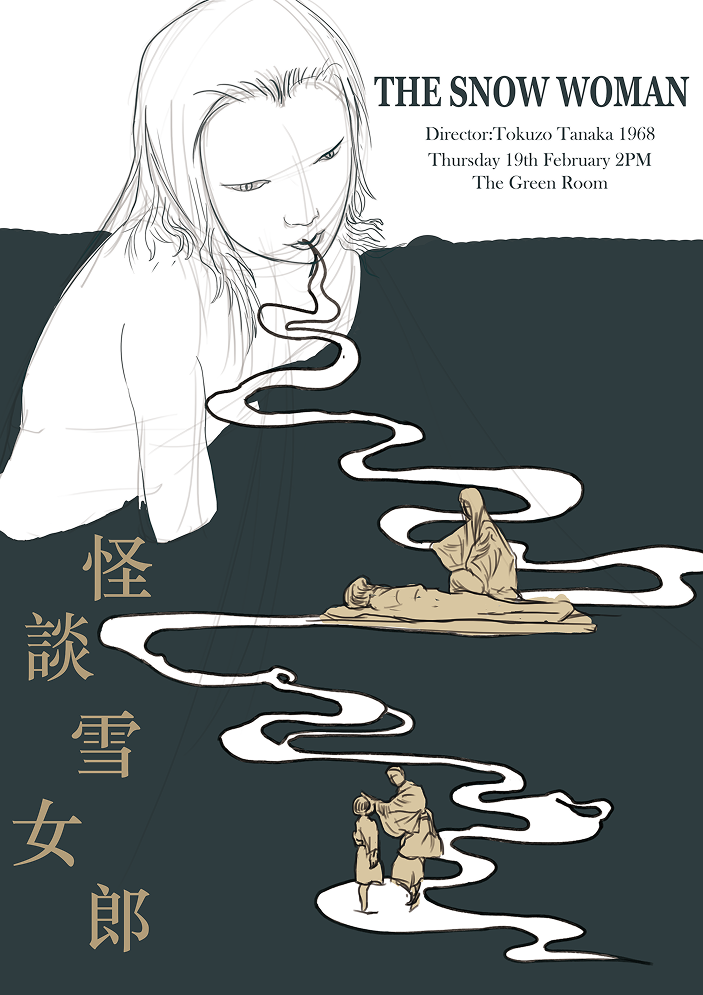
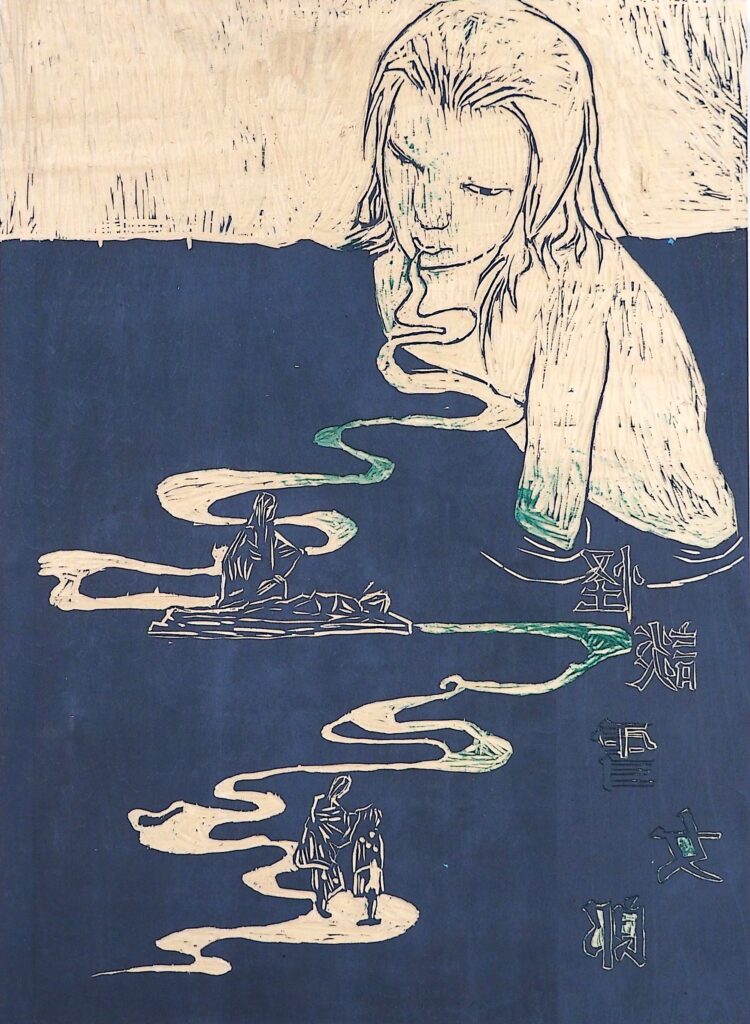
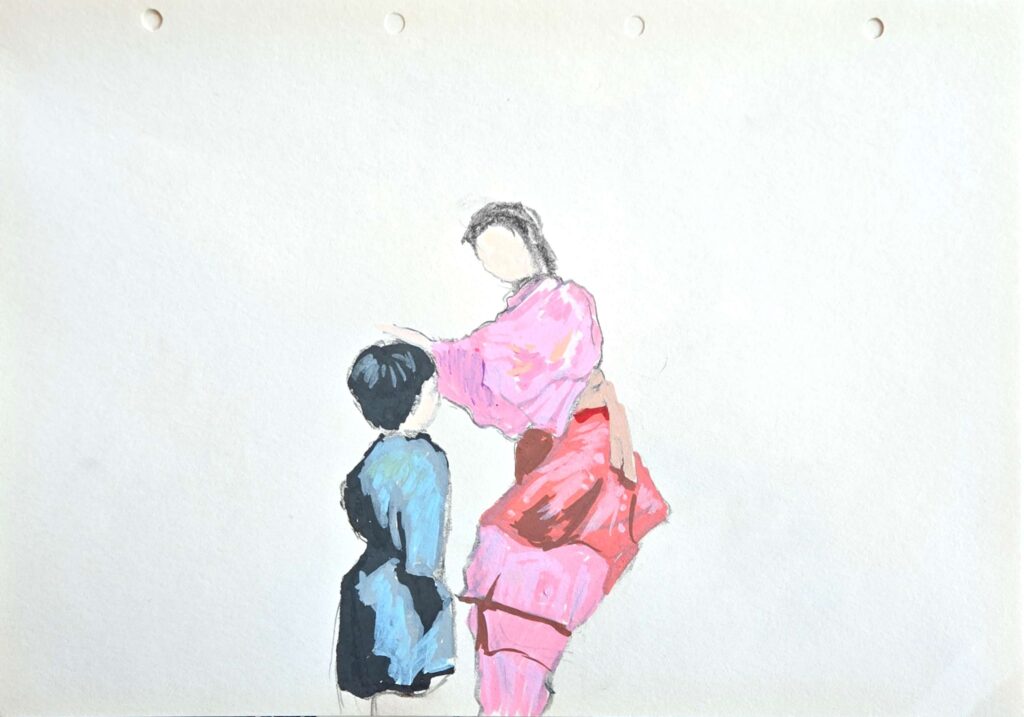
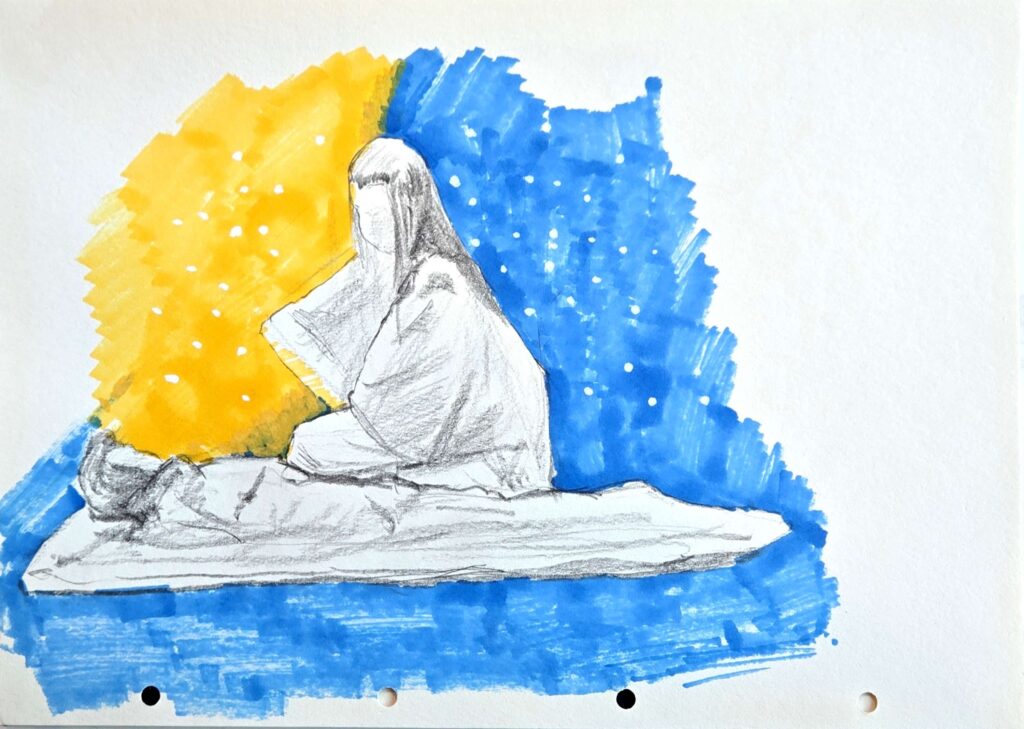
This project was created for the Communication Design Illustration Thursday afternoon film screenings, for which I was assigned The Snow Woman (1968), a Japanese fantasy film based on the legend of Yuki-onna. The film presents the Snow Woman not simply as a supernatural figure of fear, but as a character suspended between danger and tenderness, secrecy and domesticity. In response, I wanted to move away from the most familiar visual clichés of the tale and instead focus on the film’s emotional and atmospheric contrast. The final poster centres on the image of breath, transforming it into both a supernatural force and a vessel of memory, from which scenes of human warmth begin to emerge. I chose woodcut because the act of carving is closely tied to the narrative itself: the Snow Woman’s husband, a carpenter’s apprentice, spends the film trying to carve Kannon’s divine smile, and only at the very end finds that expression in the Snow Woman’s face as she leaves him in tears. In this way, the material process became part of the concept, allowing the poster to echo both the emotional tension of the story and its motif of carving, memory, and revelation. Combined with letterpress, the final piece seeks to reflect the film’s quiet unease and the fragile boundary between the human and the otherworldly.
What Remains
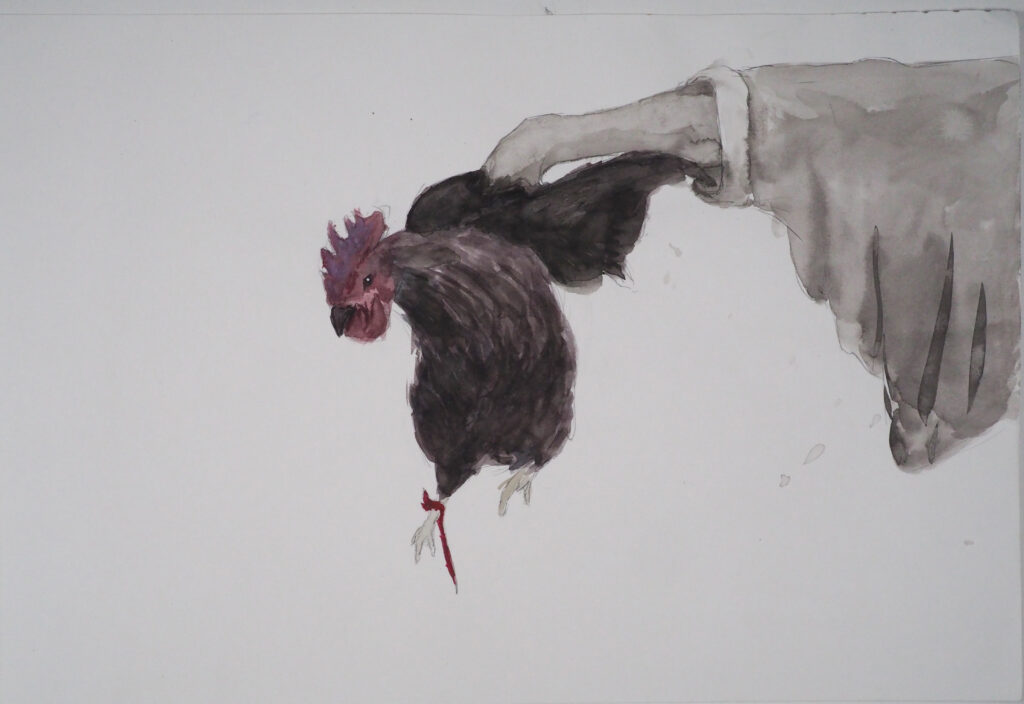
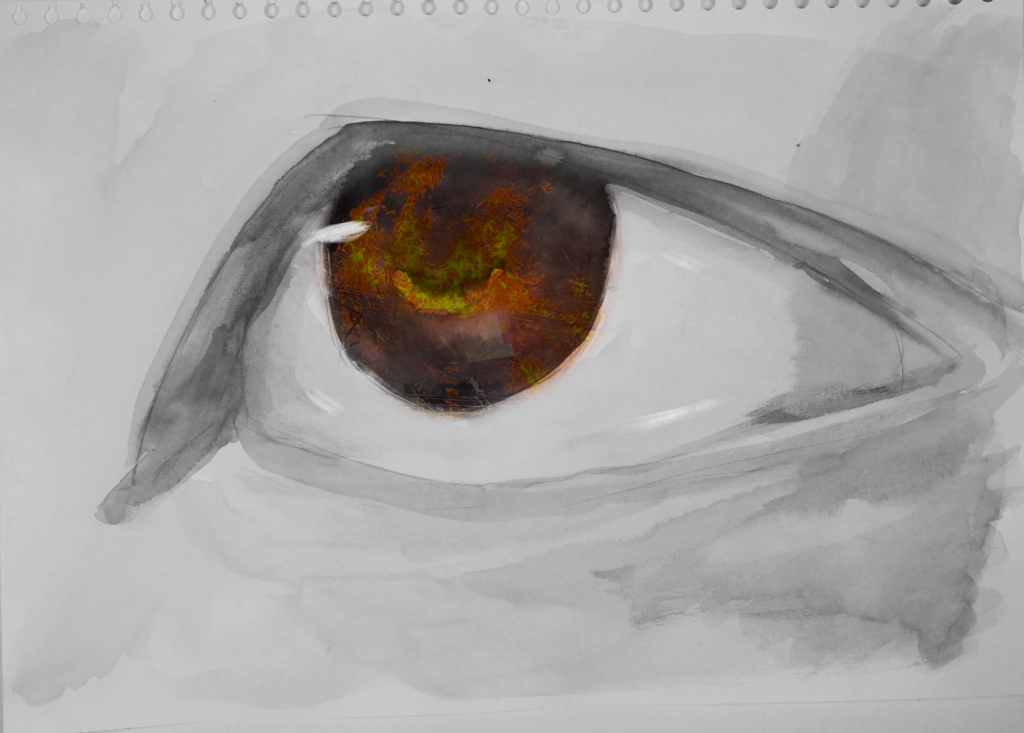
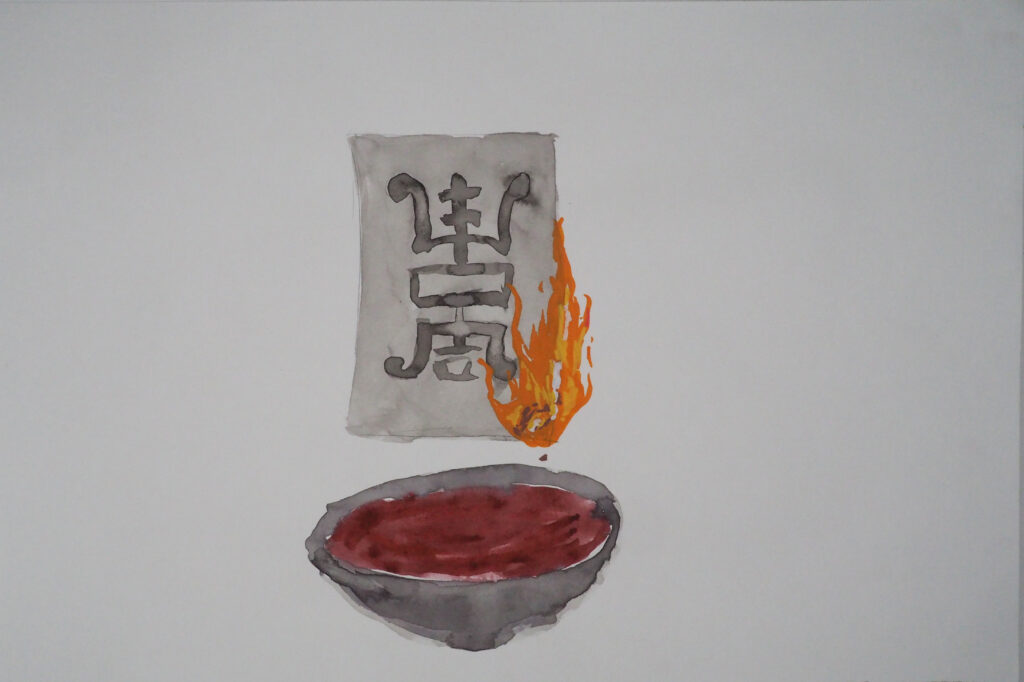
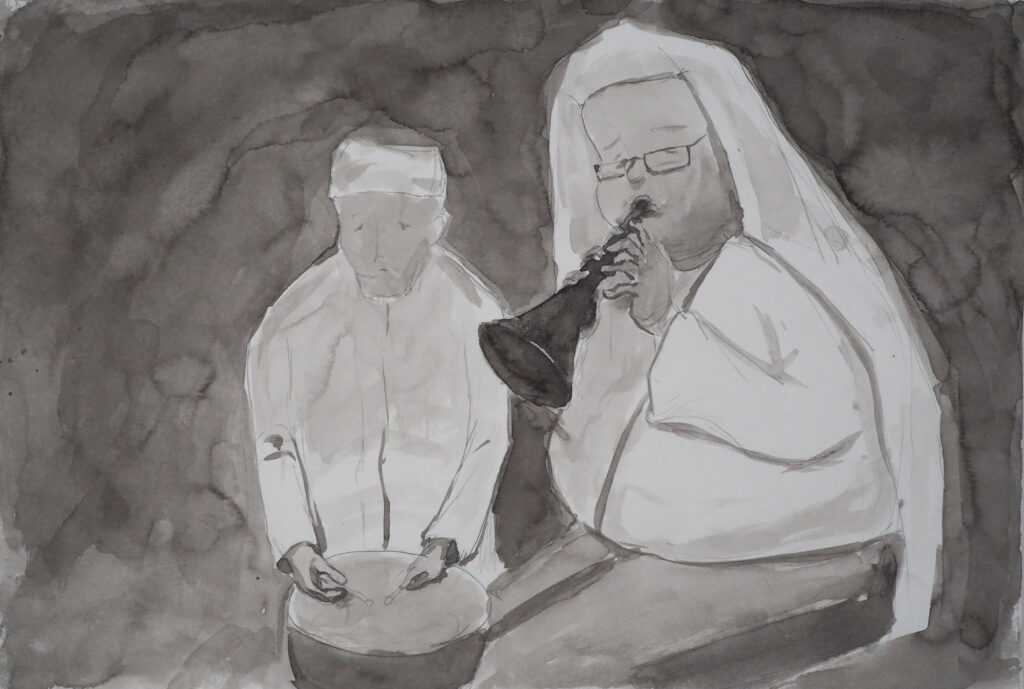
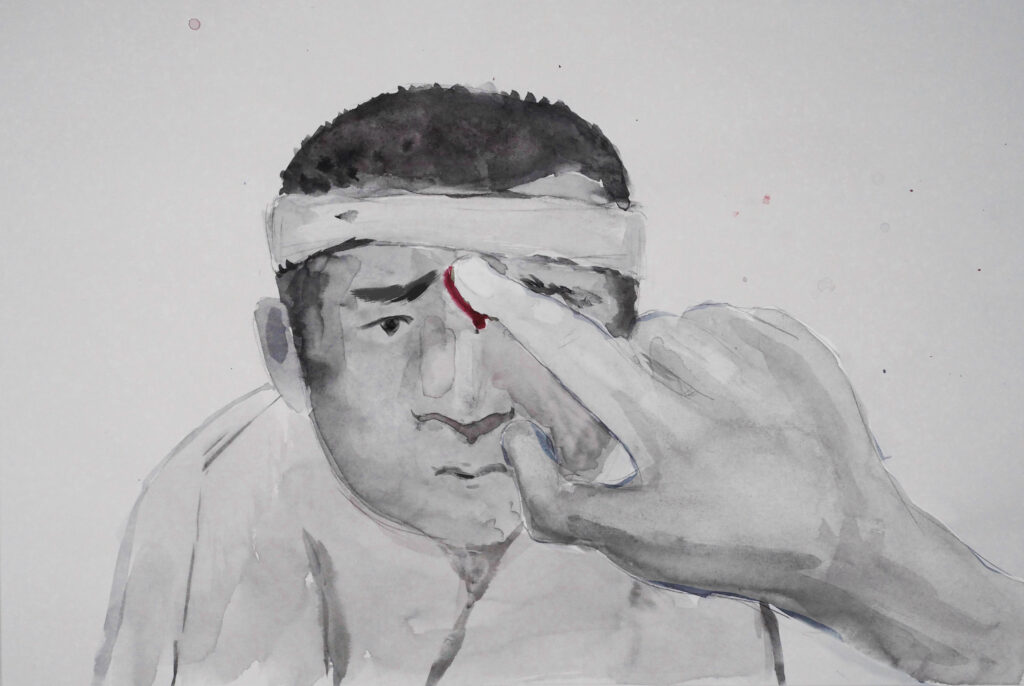
What Remains is a hand-painted watercolour animation based on memories of attending family funerals throughout different stages of my childhood and adolescence. The project draws from personal experiences of traditional rural funeral rituals, including mourning ceremonies, symbolic gestures, and the emotional atmosphere surrounding death within family and community.
Growing up, I often found myself emotionally distant from the people who had passed away, yet deeply affected by the rituals, expectations, and emotions surrounding those events. What stayed with me were not only the funerals themselves, but the lingering feelings afterwards — the silence, repetition, discomfort, and the strange awareness that something had permanently disappeared.
Through fragmented narration, ritual imagery, and layered watercolour animation, I wanted to explore grief not as a singular emotional moment, but as something that quietly remains within memory, inherited ritual, and the body. By combining hand-painted textures with reflective voice-over narration, I aimed to create a visual experience that feels intimate, dreamlike, and emotionally unresolved.