
Louise Kenny
(She/ Her )
Hello! My name is Louise Kenny and I’m a third-year Architecture student. During my time at MSA (Mackintosh School Of Architecture), I have developed a strong interest in creating designs that respond sensitively to the environments in which they are situated. I am particularly interested in architecture that not only respects its surrounding landscape, climate, and cultural context, but also enhances the experience of those who interact with it. Through my studies, I have become increasingly aware of the relationship between the built and natural environment, and I aim to create designs that feel connected to their place rather than imposed upon it.
Life-Long Learning Retreat SW3A 2025
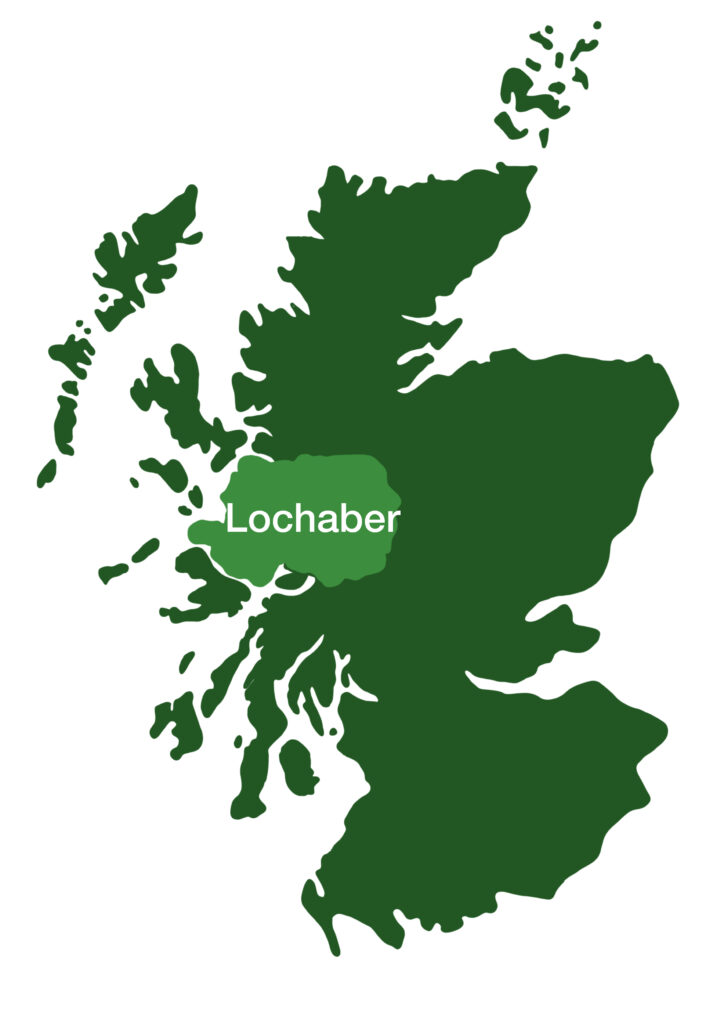
Fort William, Lochaber, Scotland.
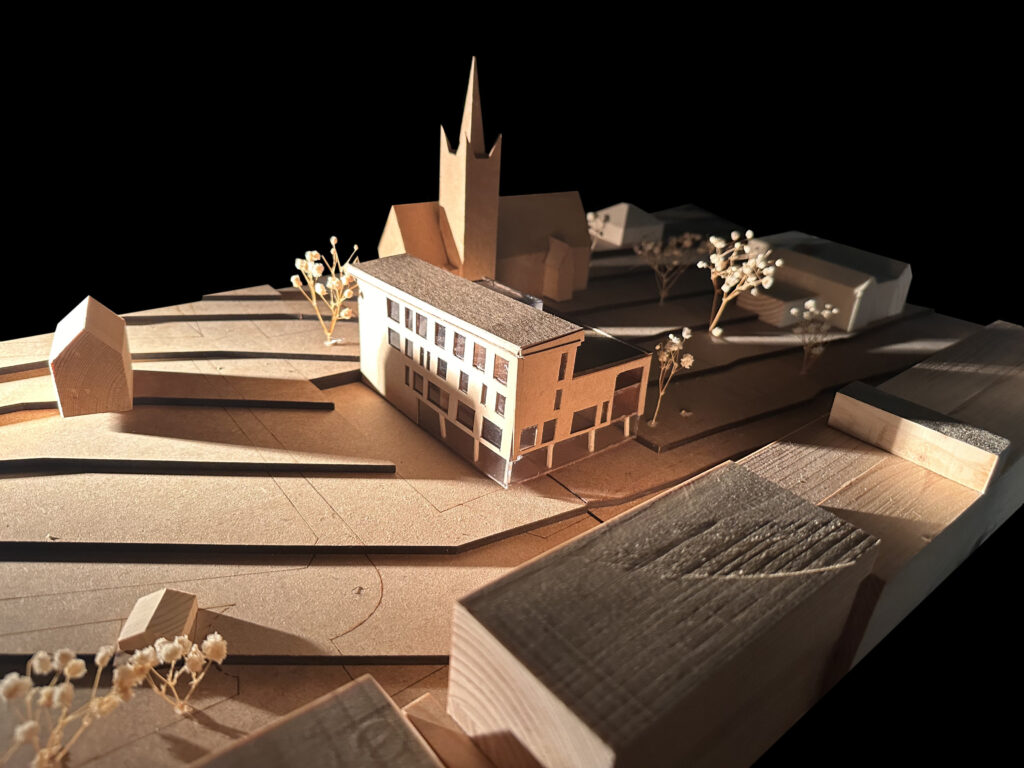
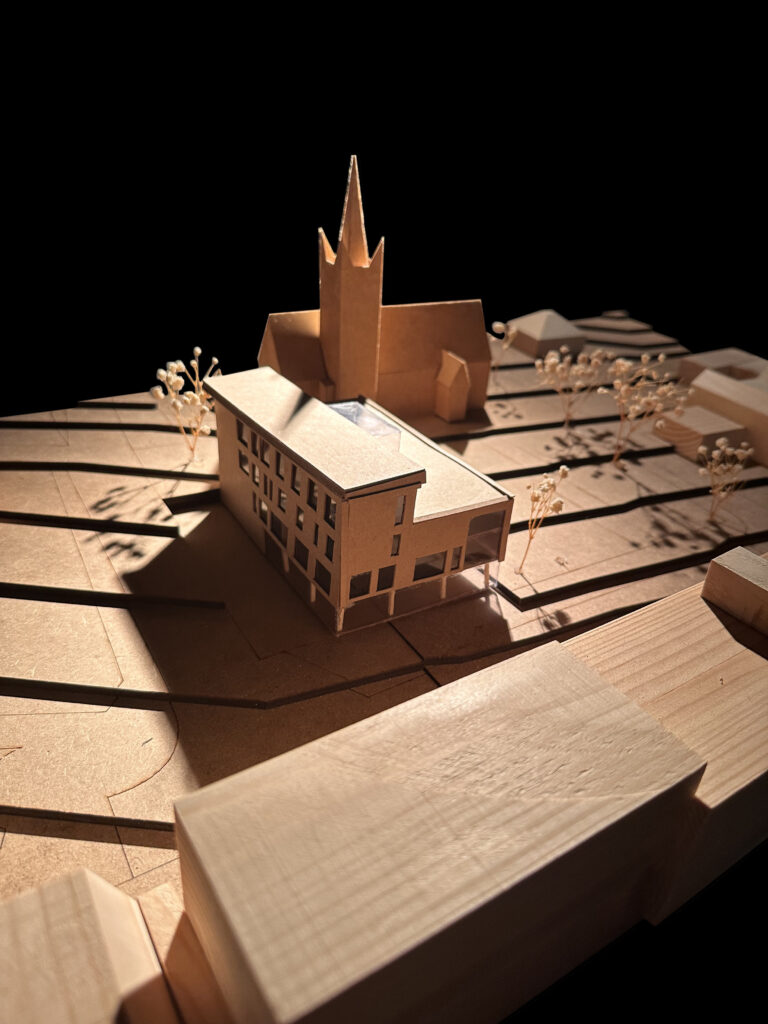
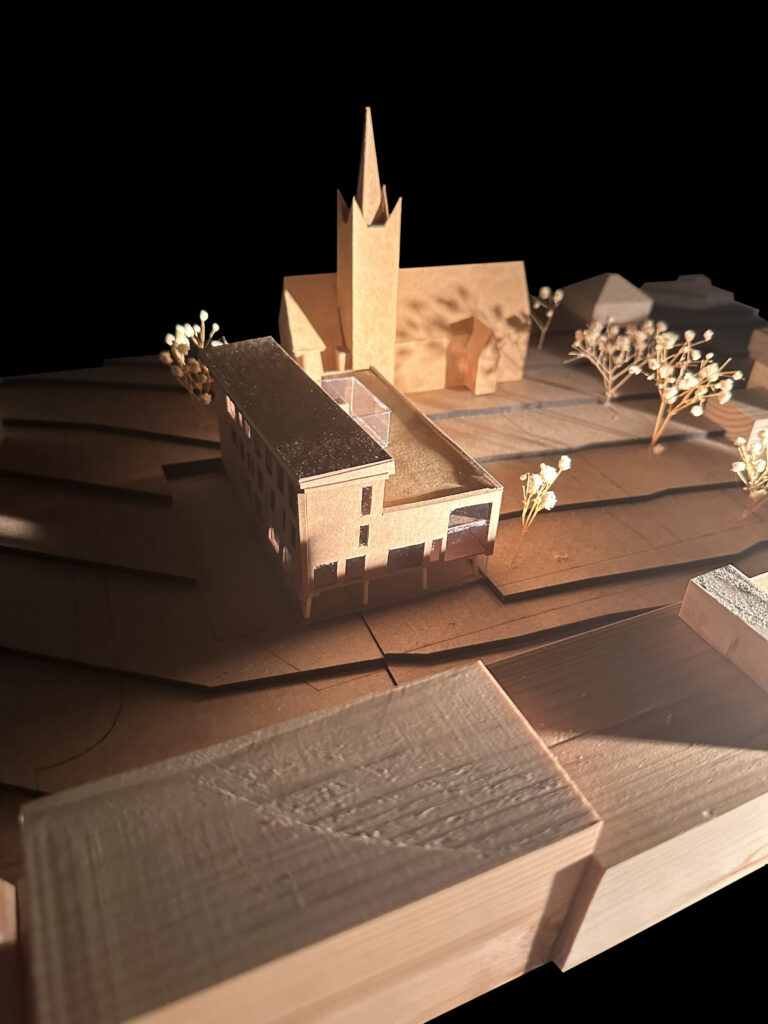
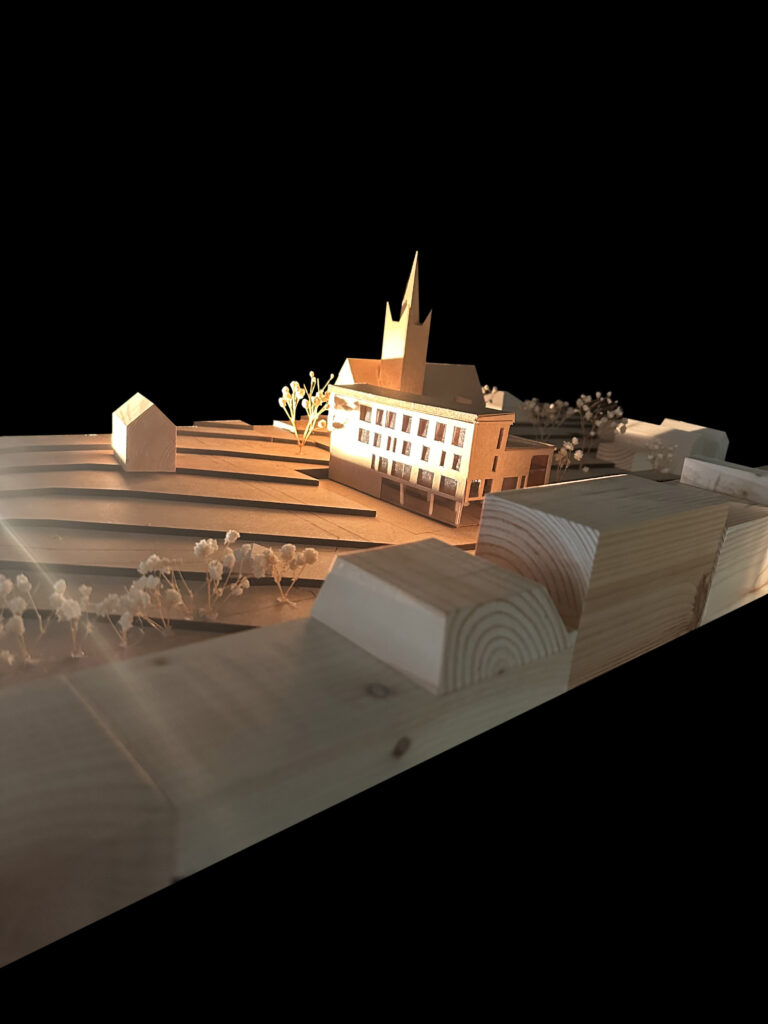
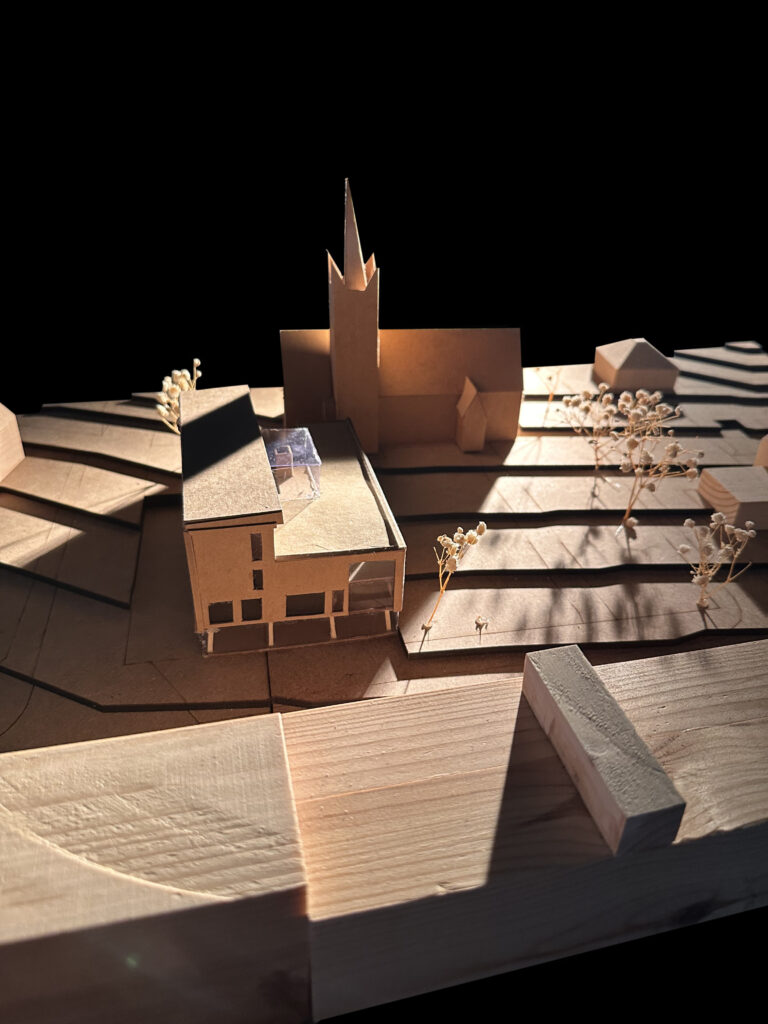
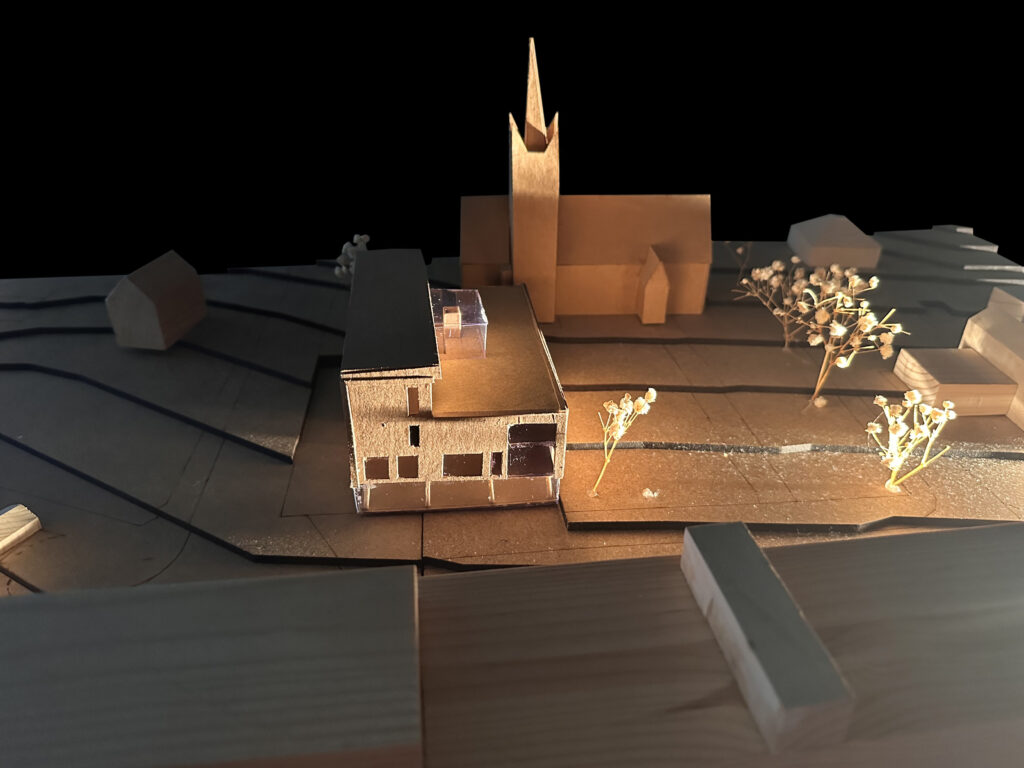
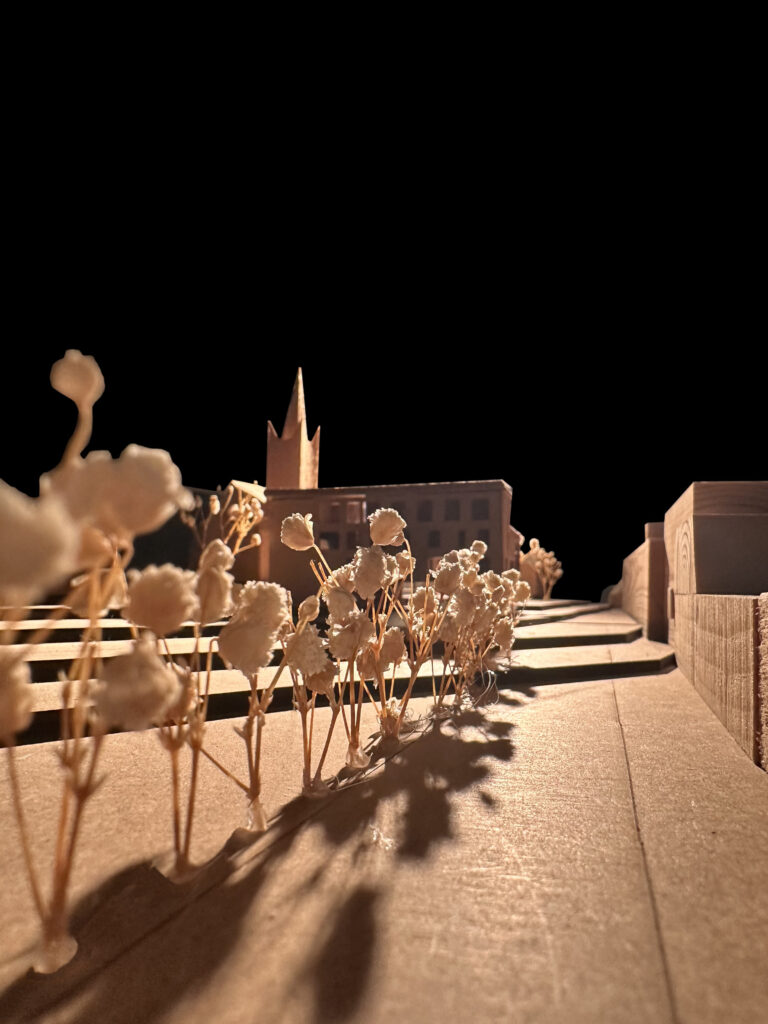
Located at the western end of the Fort William High Street, the proposed Lifelong Learning Wool and Textile Retreat is a modern interpretation in the style of a traditional textile mill. I have designed a structure that incorporates, locally recovered stone, steel and reflects the historical ambience of Fort William. The concept that inspired the design is influenced by dry stone walling which would have been used to build enclosures for the flocks and for the basic properties built upon the tenure plot where the crofters lived and worked.
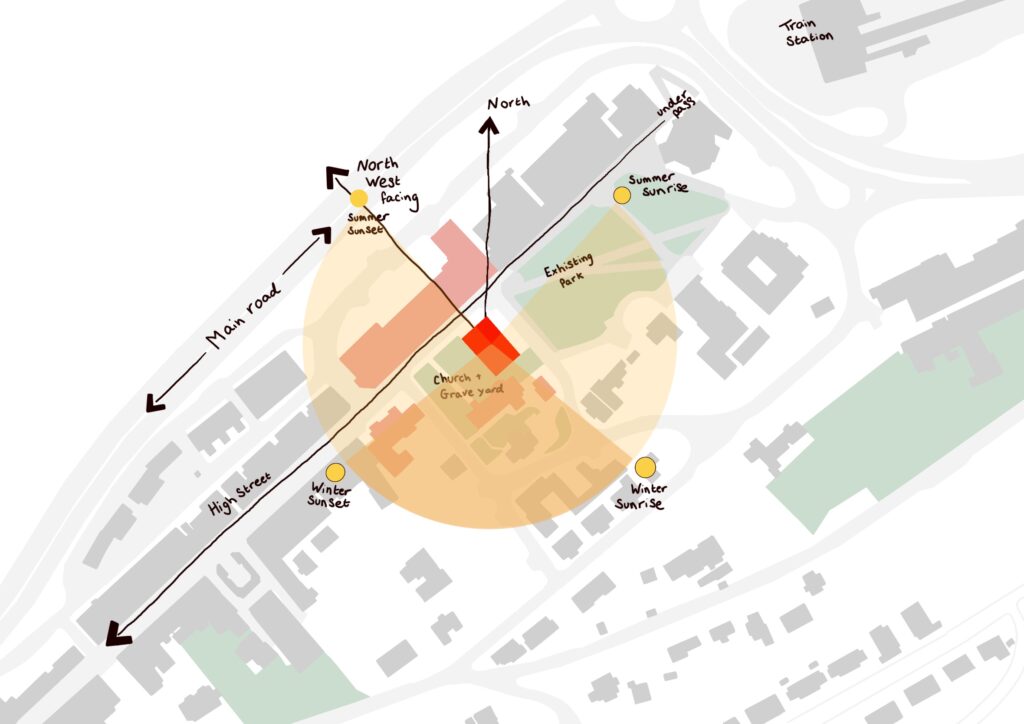
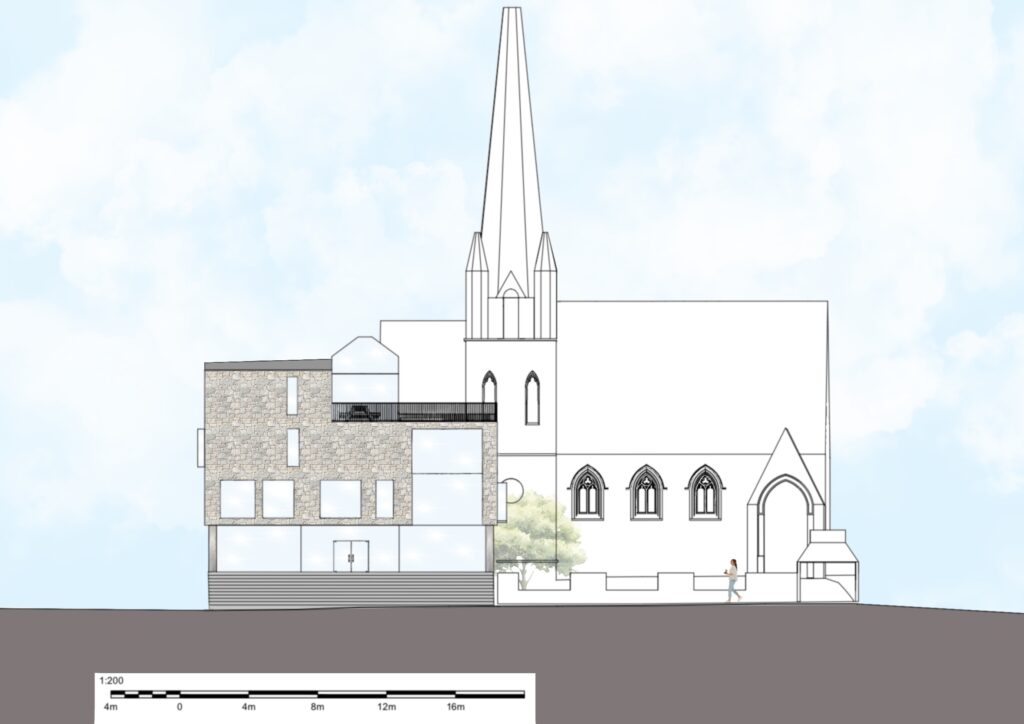
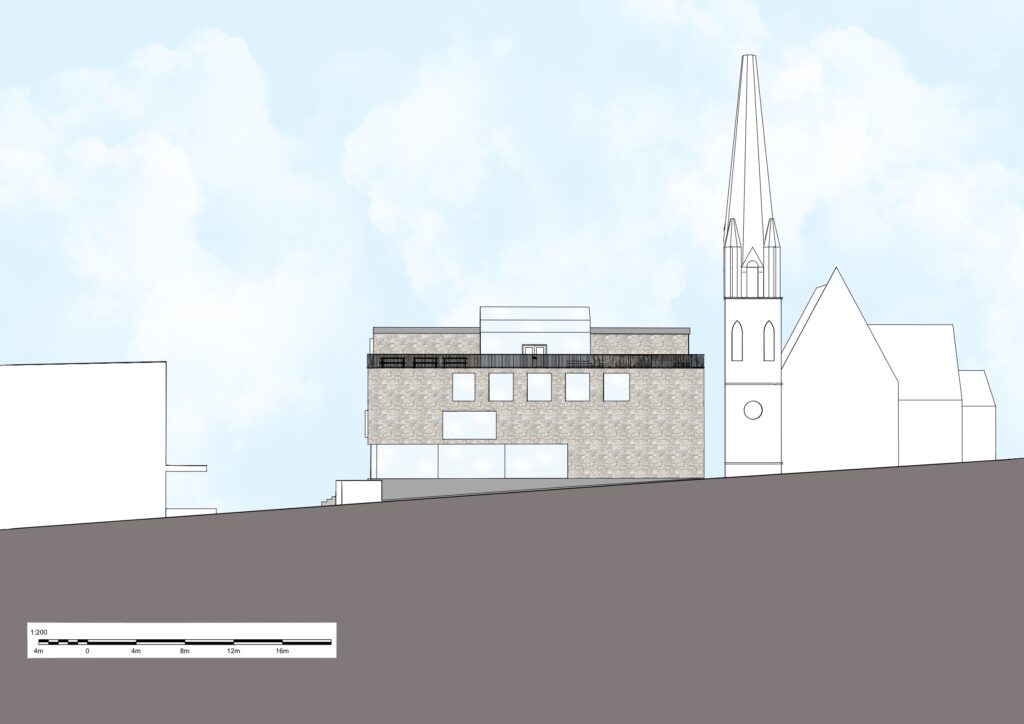
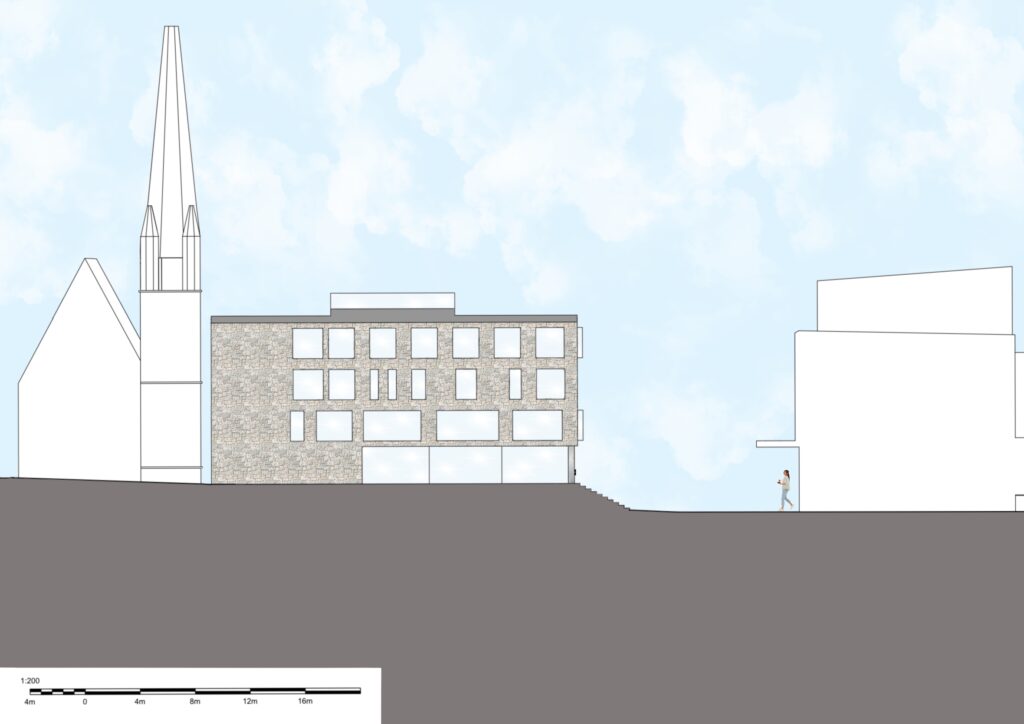
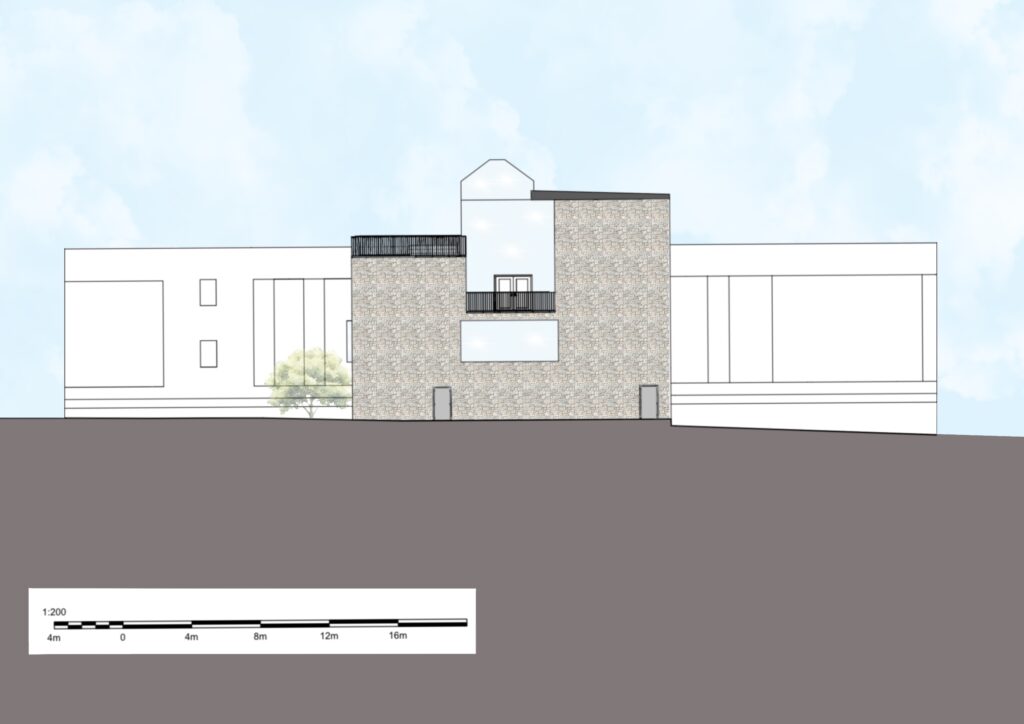
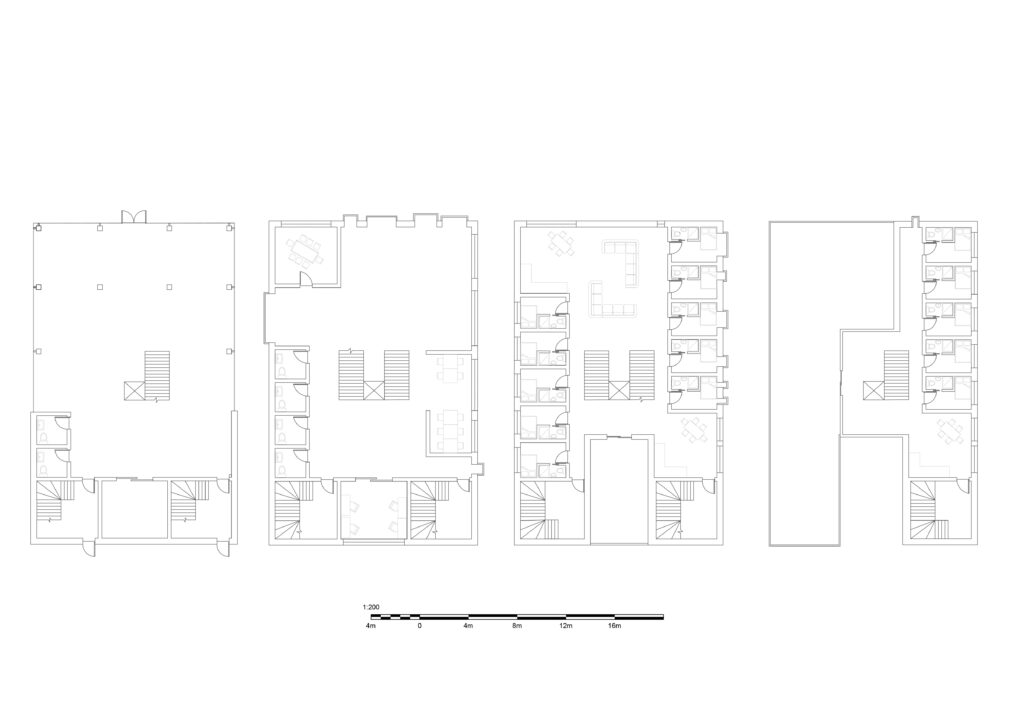
Left to Right, Ground floor to Third floor
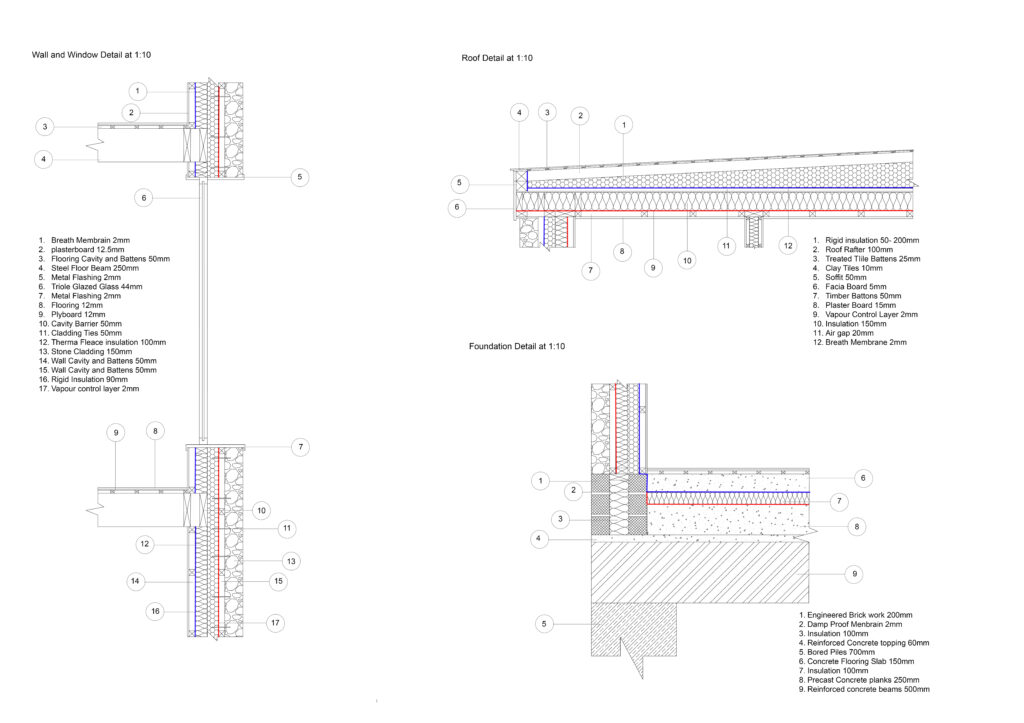
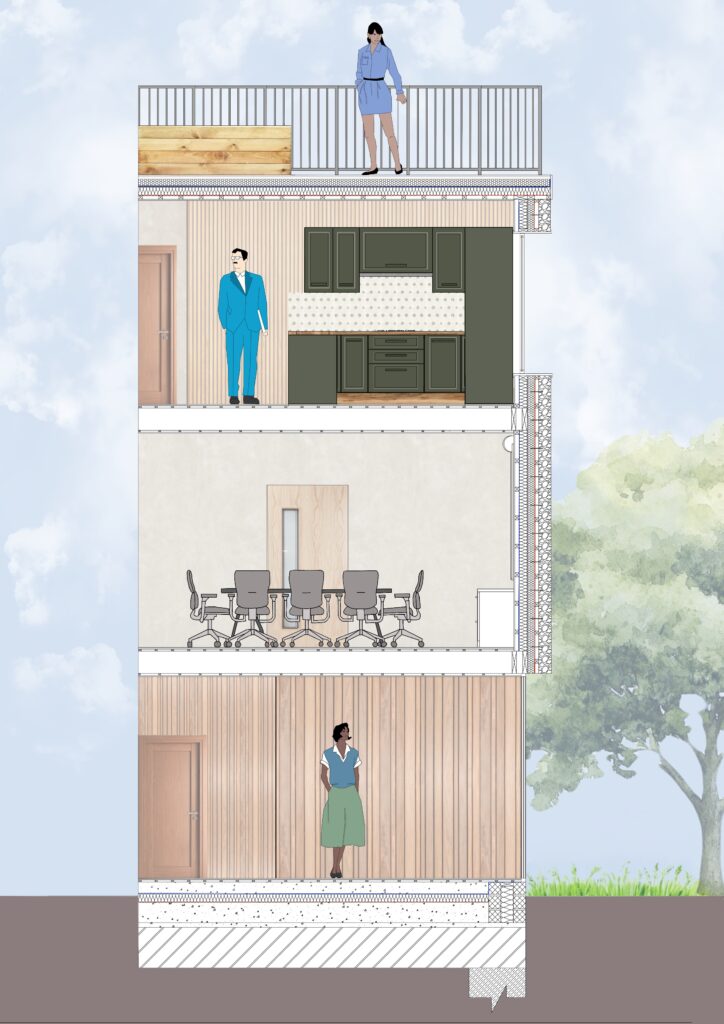
What Makes a Scottish Rainforest? SW3B 2026
Ariundle Oakwood National Nature Reserve, Strontian, Acharacle PH36 4JB, West Highlands
6°42’47.3”N 5°32’54.5”W
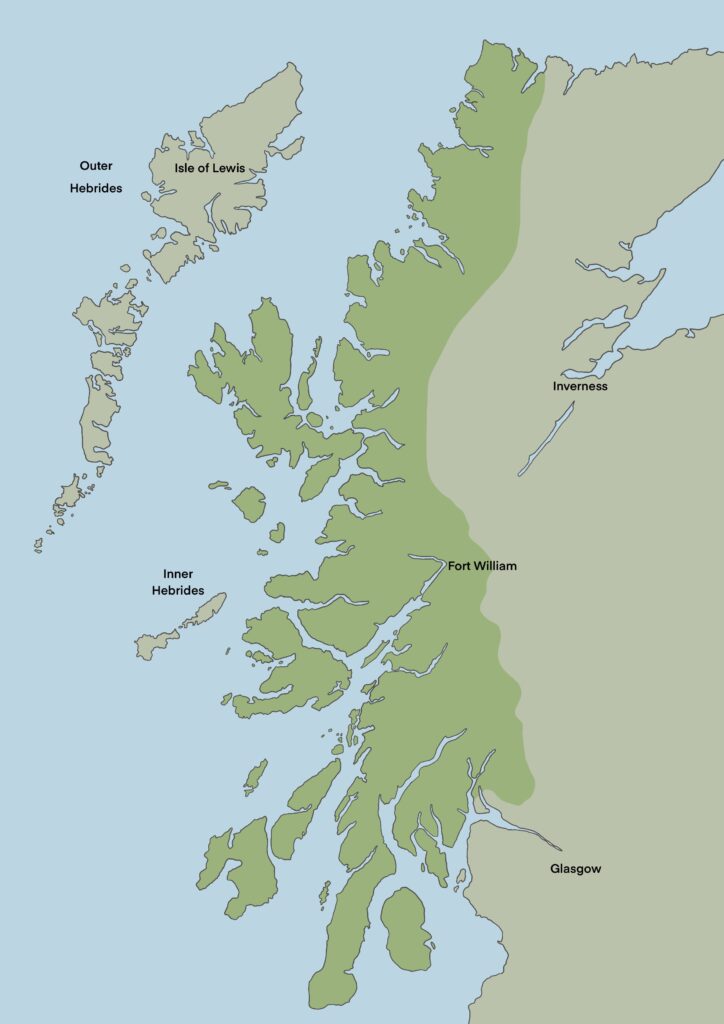
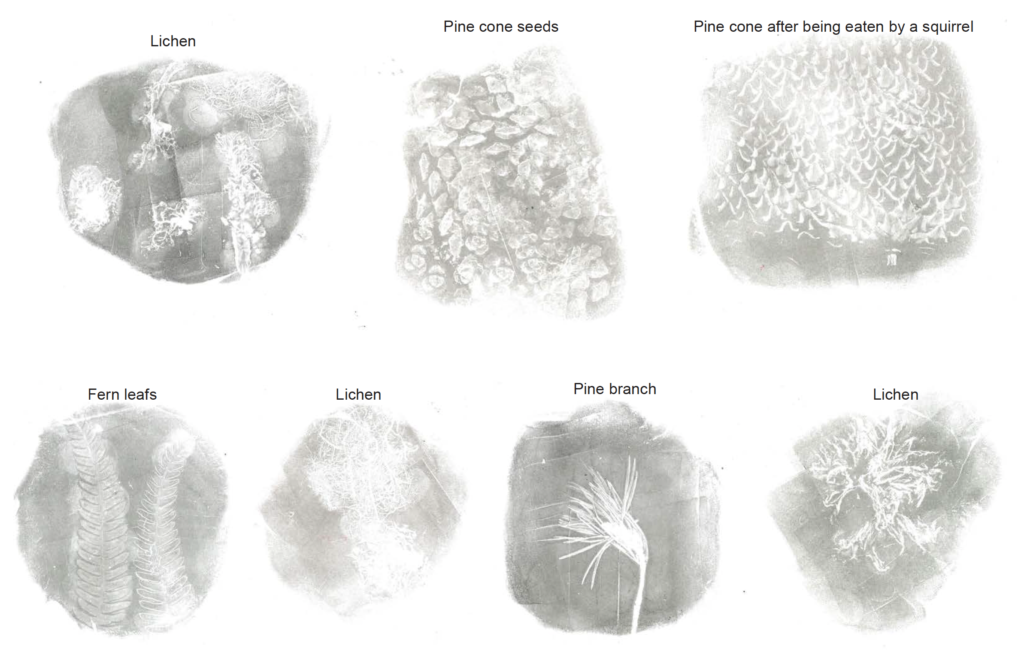
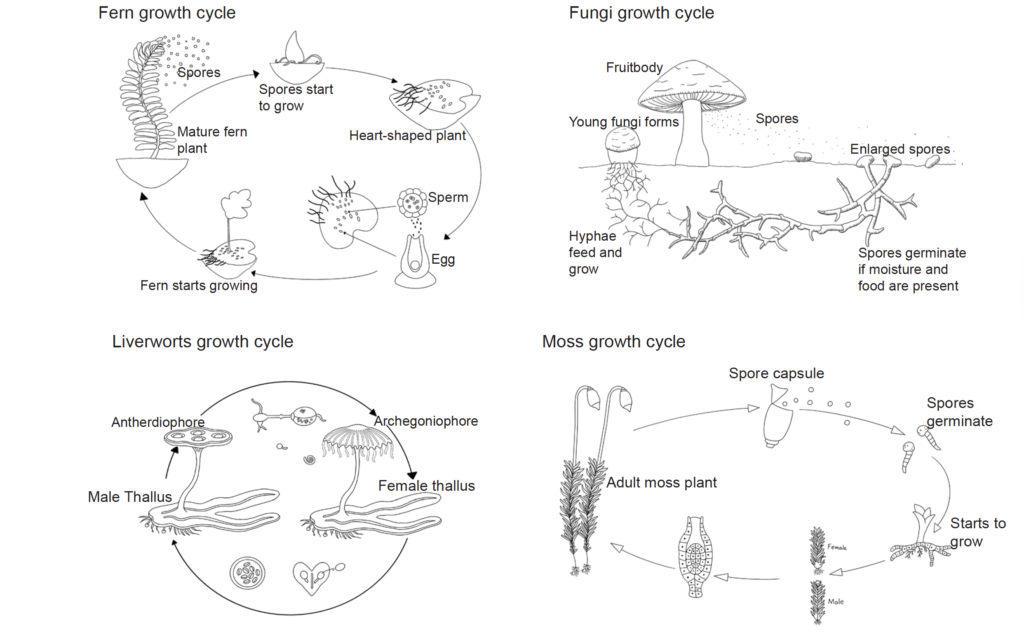
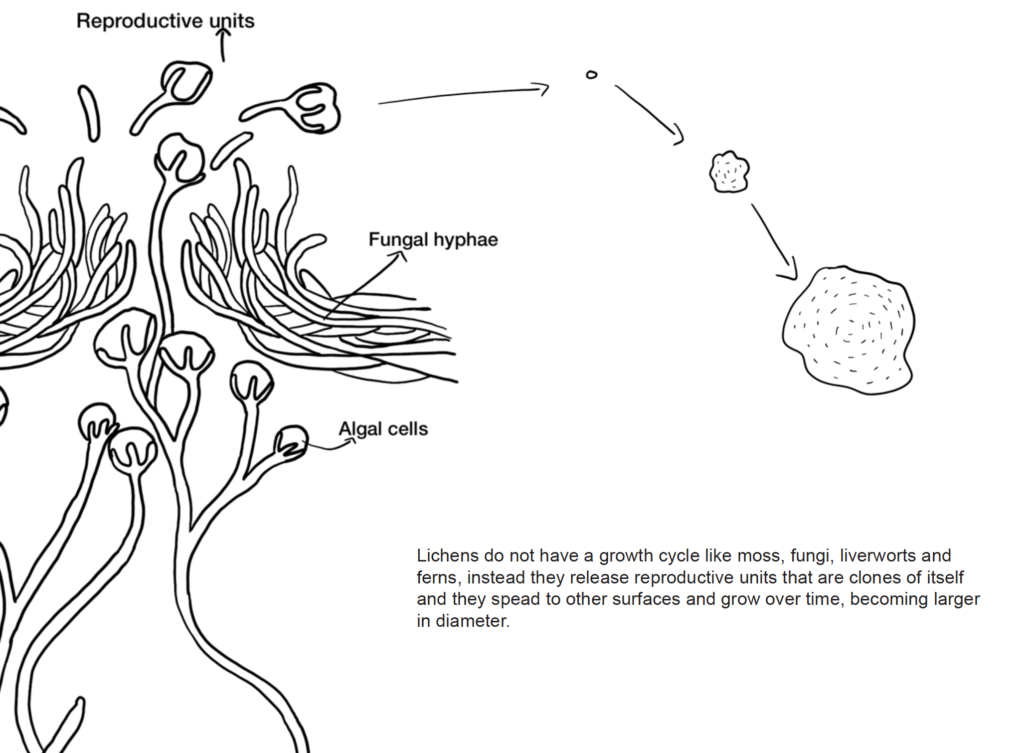
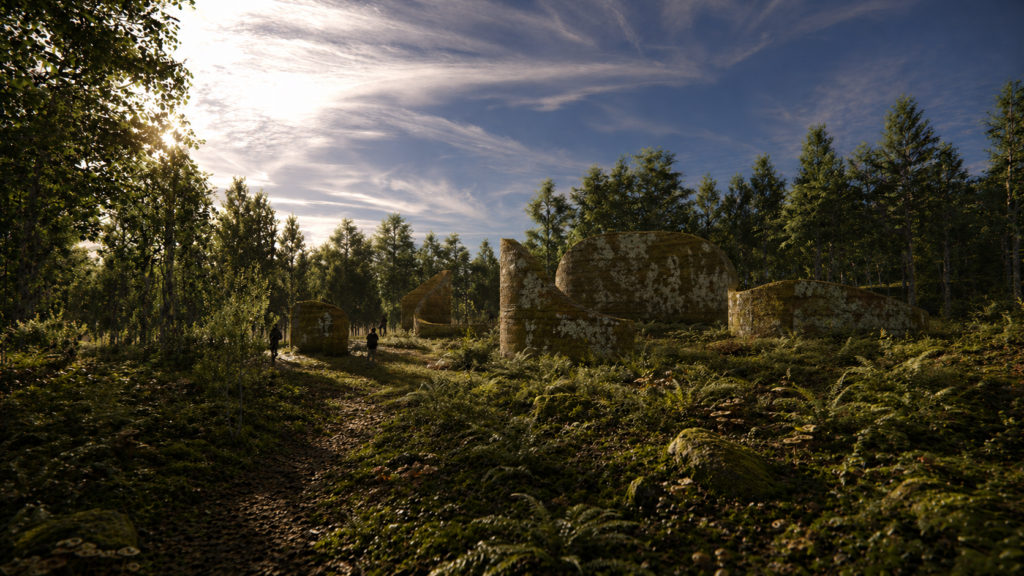
This project is centred on the Scottish Rainforests and upon the elements that define it as a rainforest biome. The climate, vegetation, animal life and the ecosystem of the biological community that has formed on the West coast of Scotland is in response to the regional climate and physical environment. The presence of established flora such as Mosses, Lichens, Fungii, Ferns and Liverworts are primary species which are key for the Rainforest identity.
Rather than detracting and pillaging the landscape, my project aim is to highlight the biodiversity of the Rainforest, particularly these simple plant forms.
The existence of the Rainforest is dependant upon the mild temperate maritime climate which is found along Scotland’s West Coast and is characterised by high precipitation, high humidity and mild winter temperatures, which are sustained by the North Atlantic Drift and the Gulf Stream. Within this narrow climatic threshold, these species of simple plant life form dense and interdependent systems that blur distinctions between surface, structure, and air thus producing a spatial condition defined by saturation and accumulation.
The project originated and developed from a recognition that Scottish Rainforests remain largely overlooked within both ecological discourse and public awareness. This absence prompted an investigative methodology grounded in immersion and direct engagement. Having undertaking several fieldtrips to the Rainforest I was able to immerse myself in the environment to gain a deeper understanding of the biome and my research prioritised sensory and temporal experience with material proximity over abstract observation.
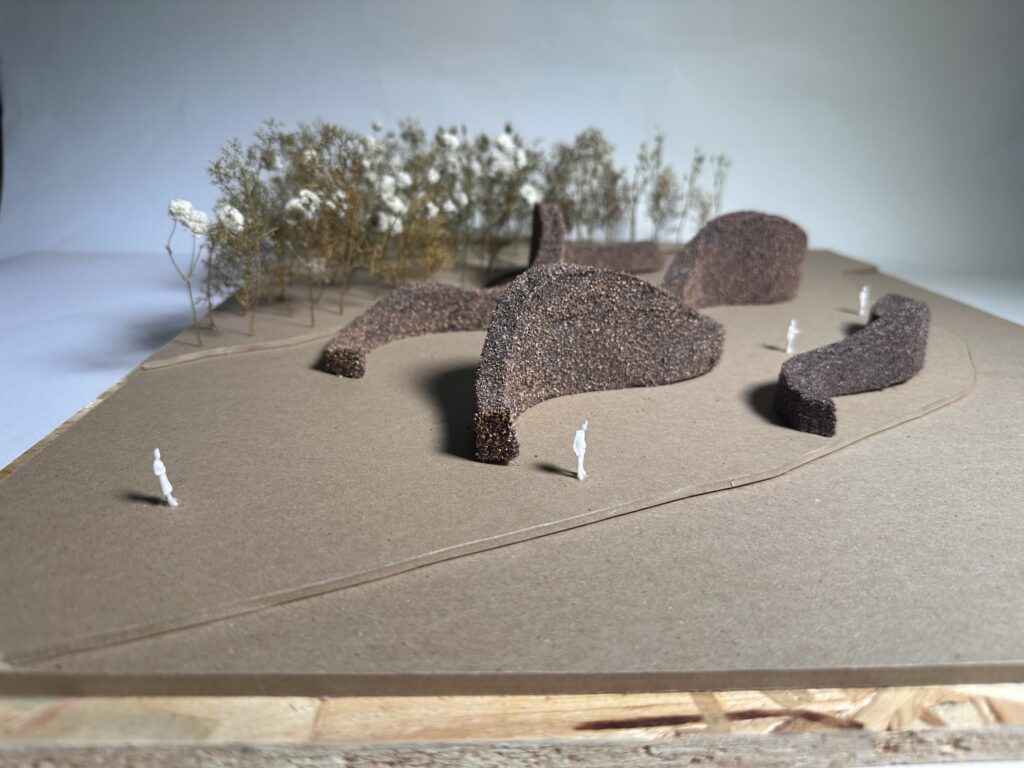
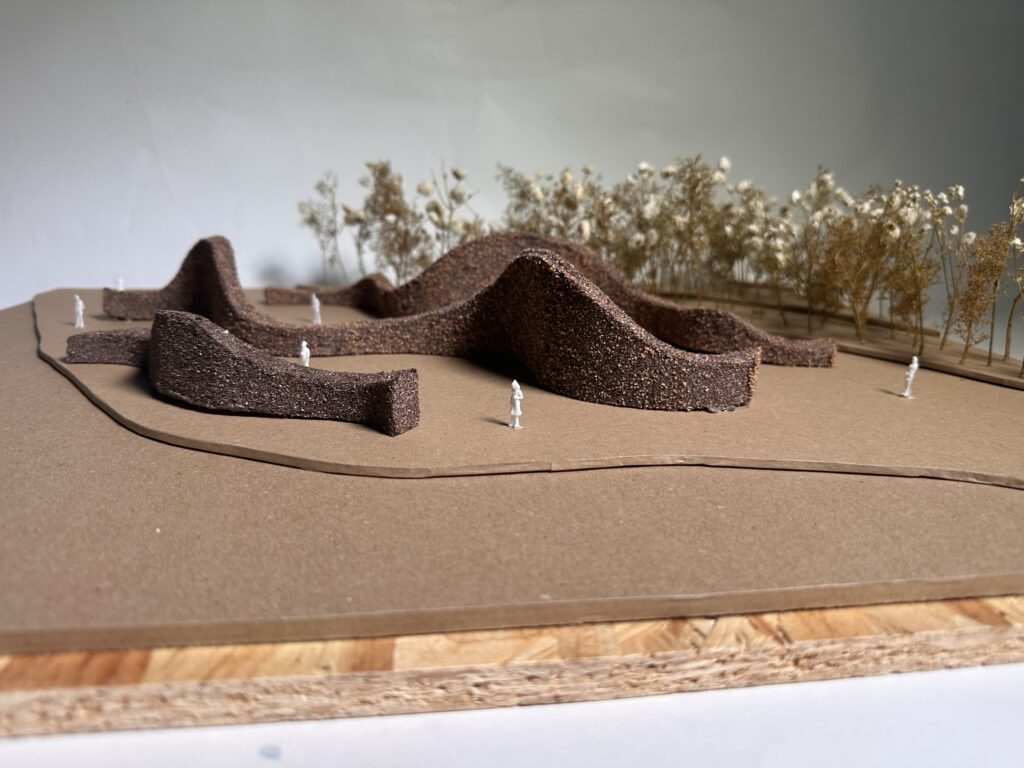
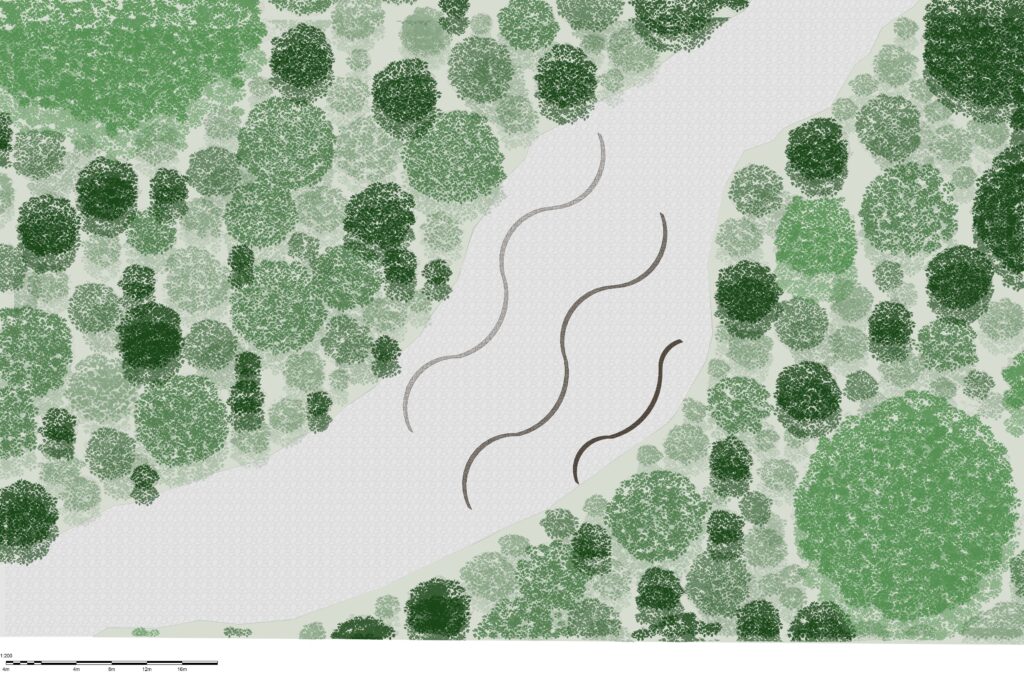
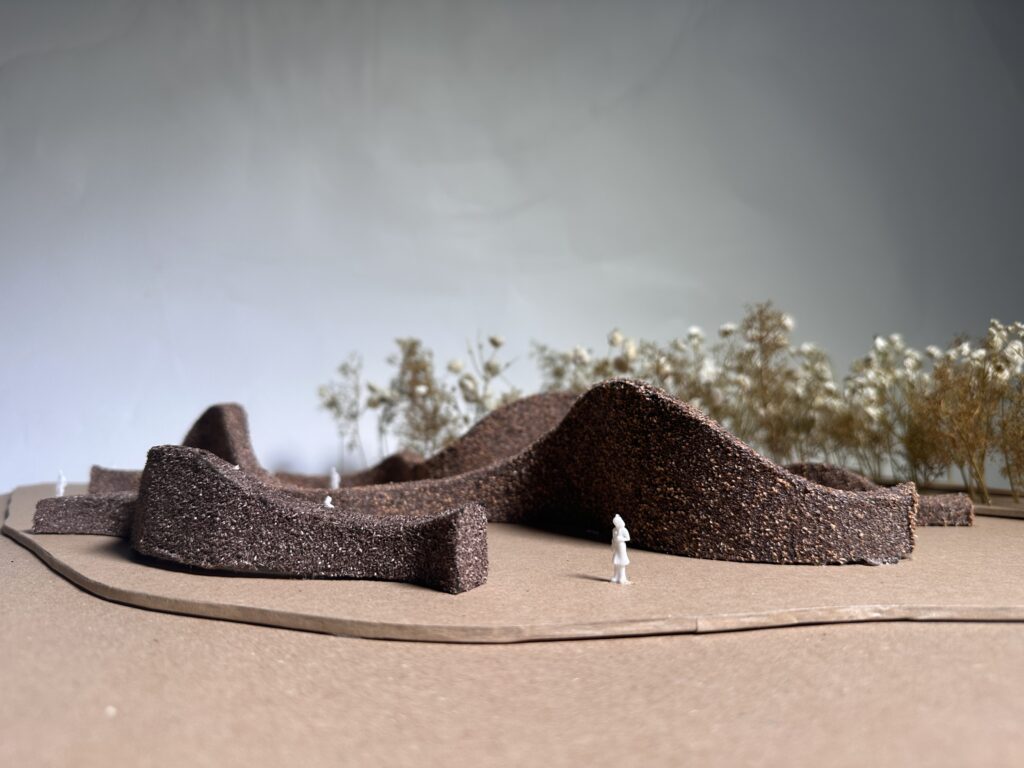
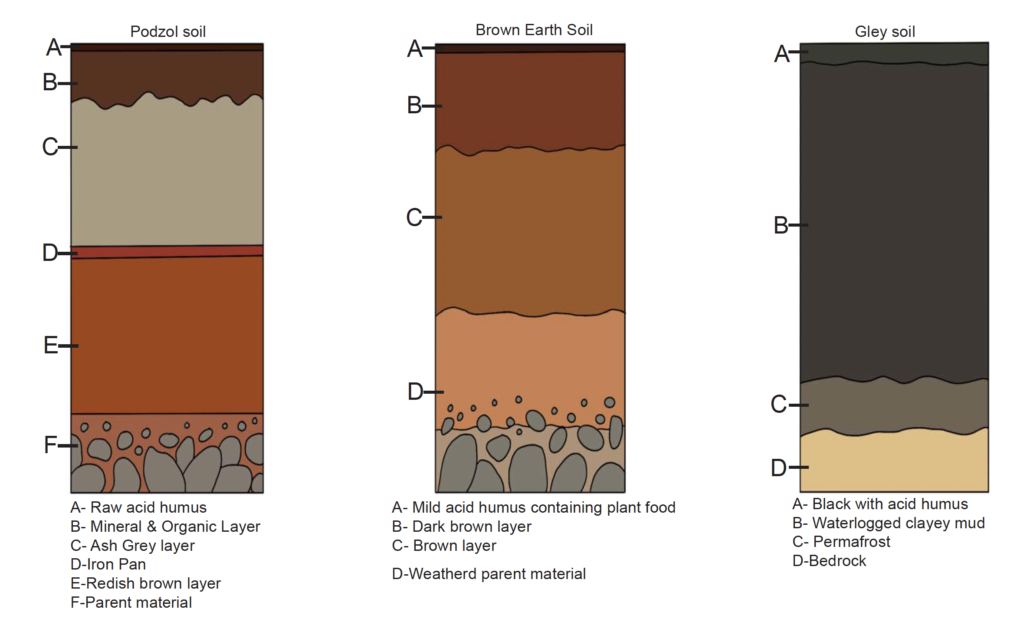
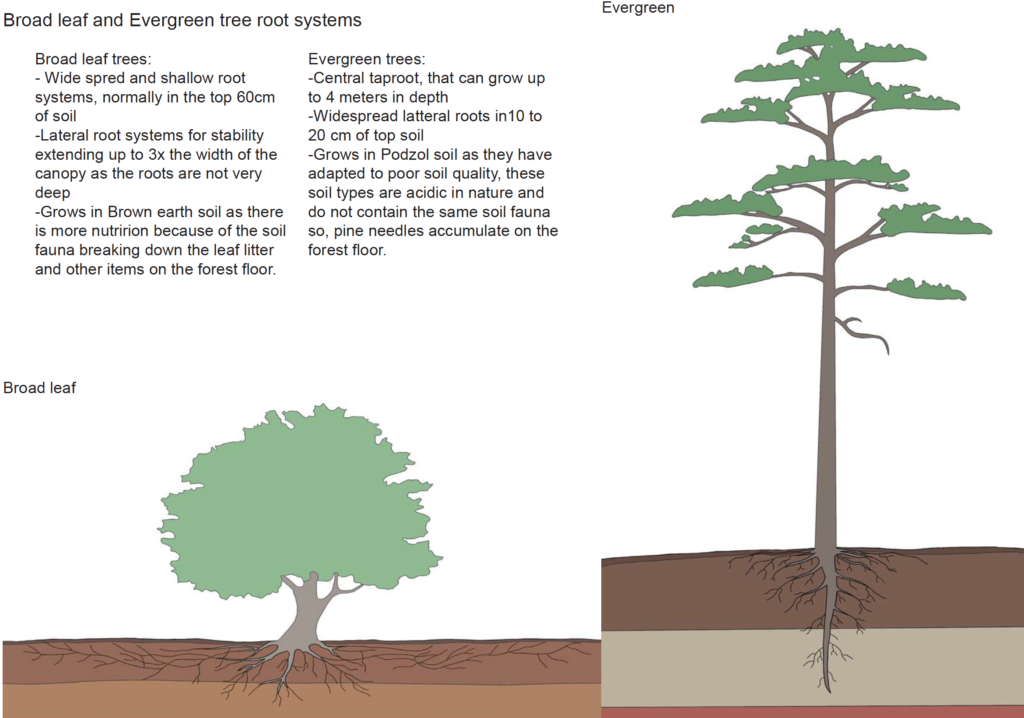
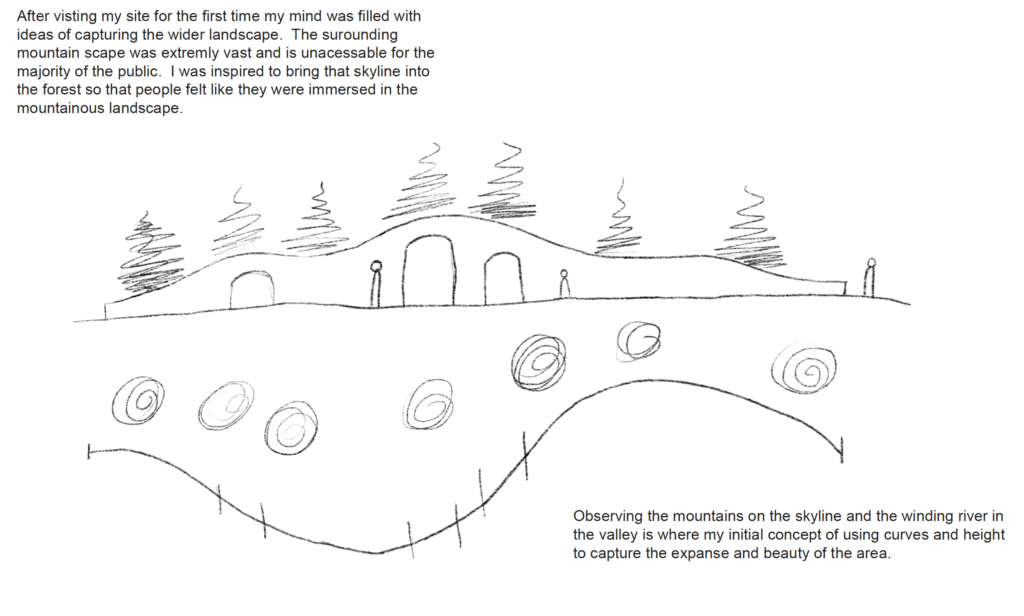
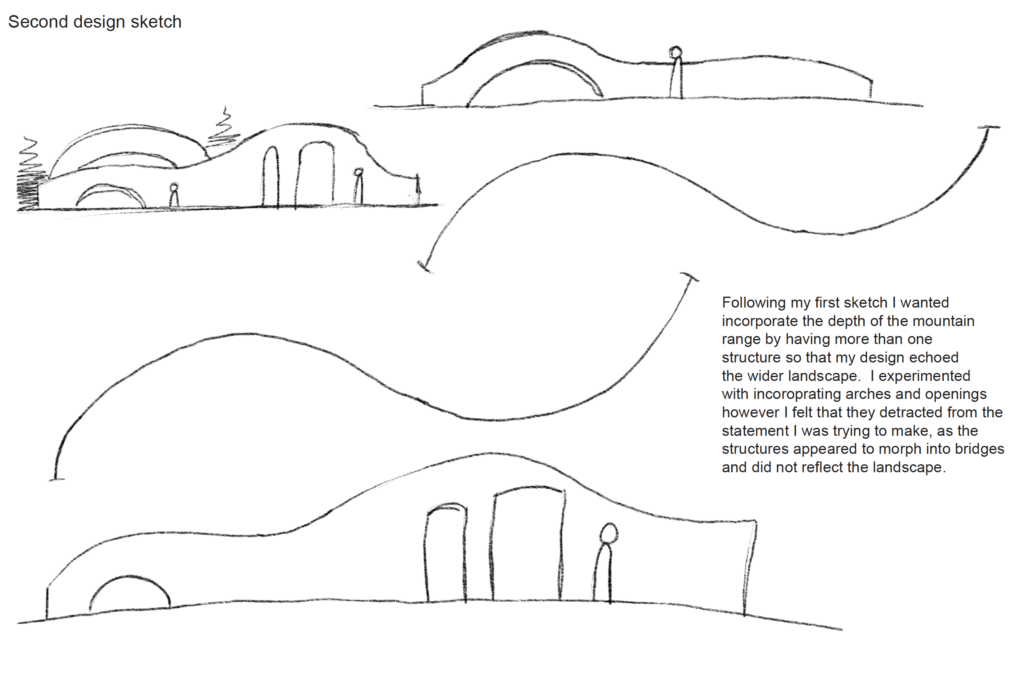
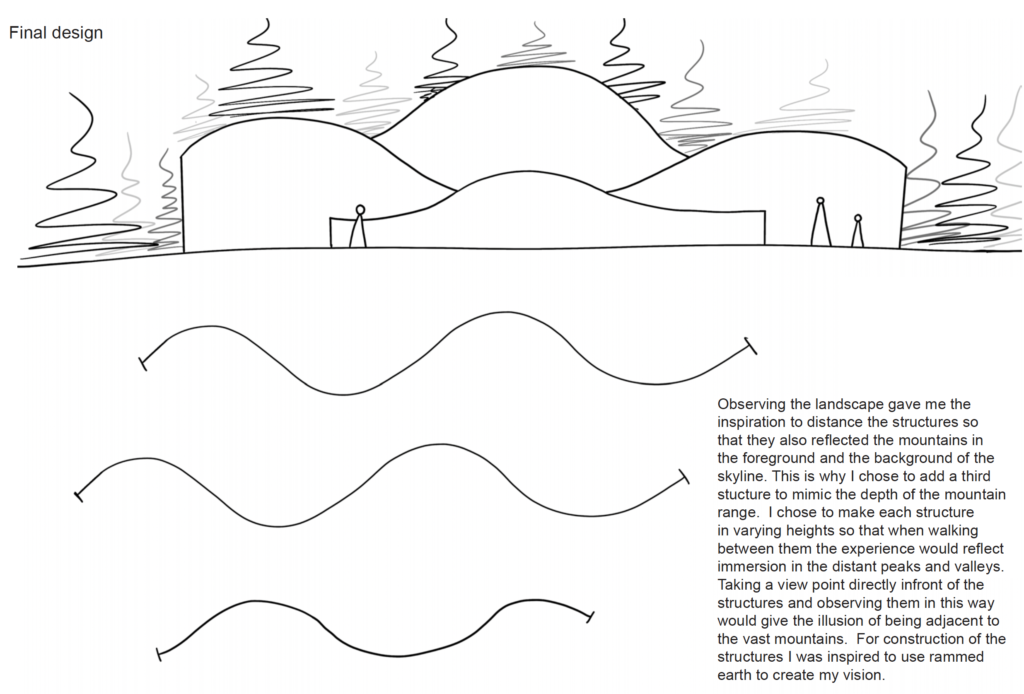
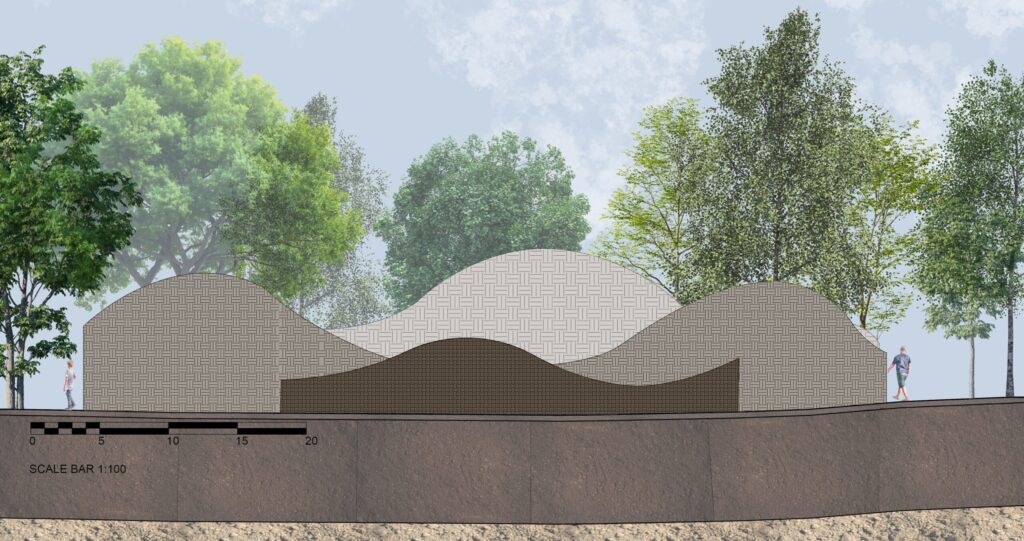
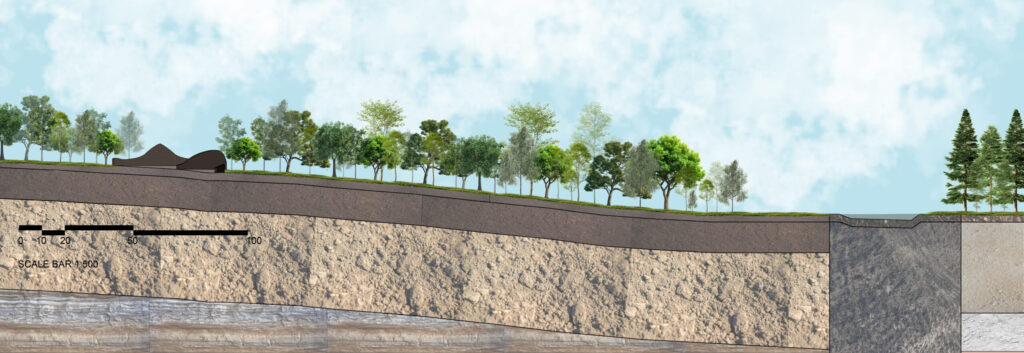
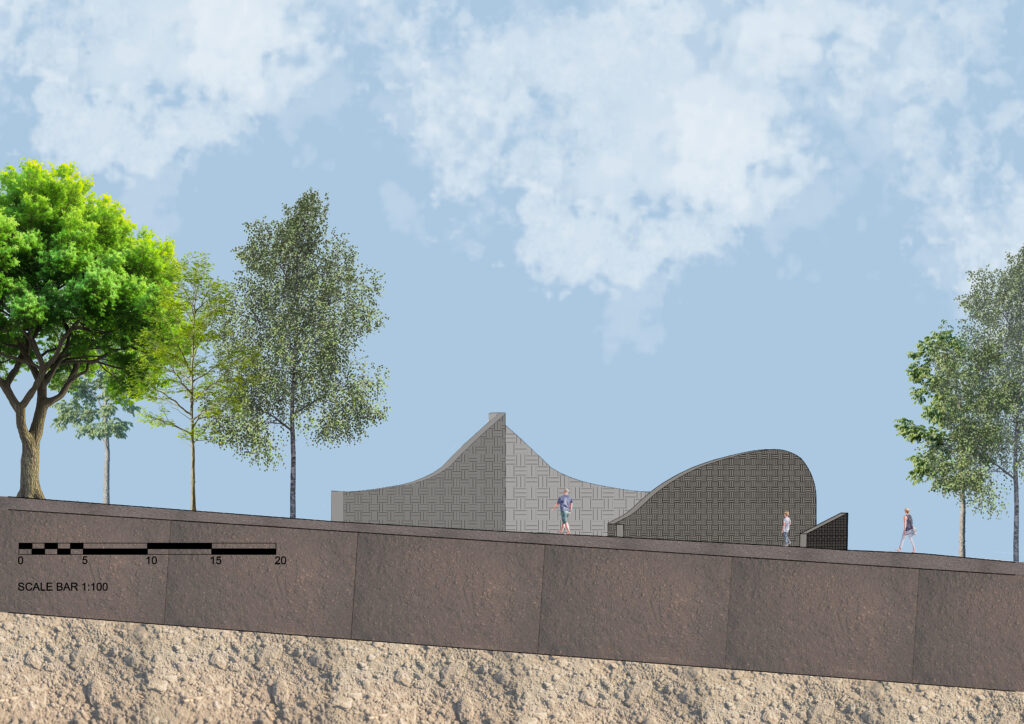
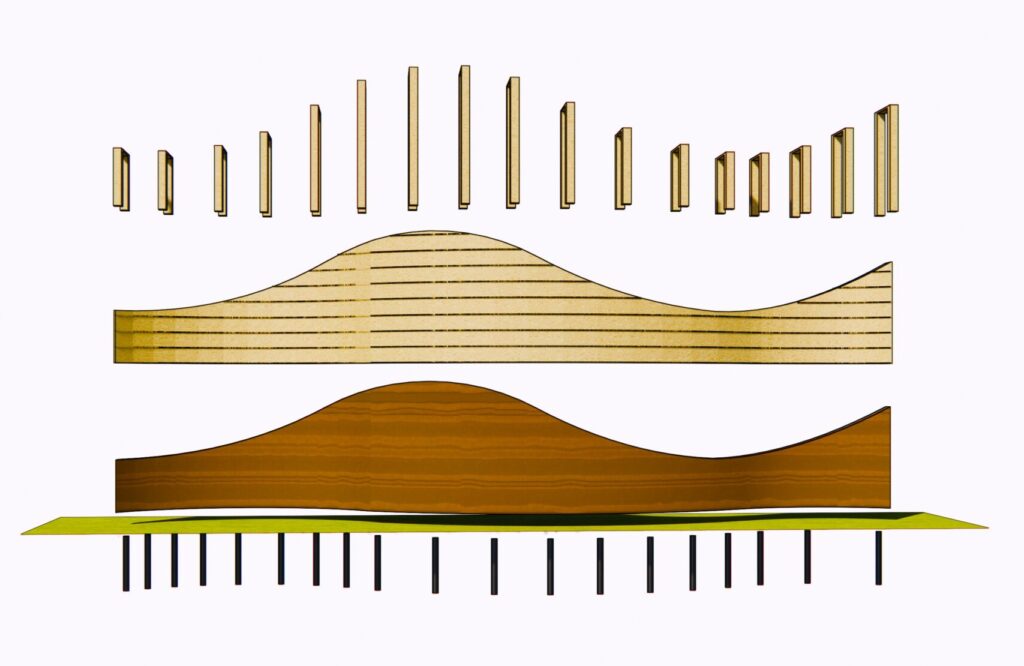
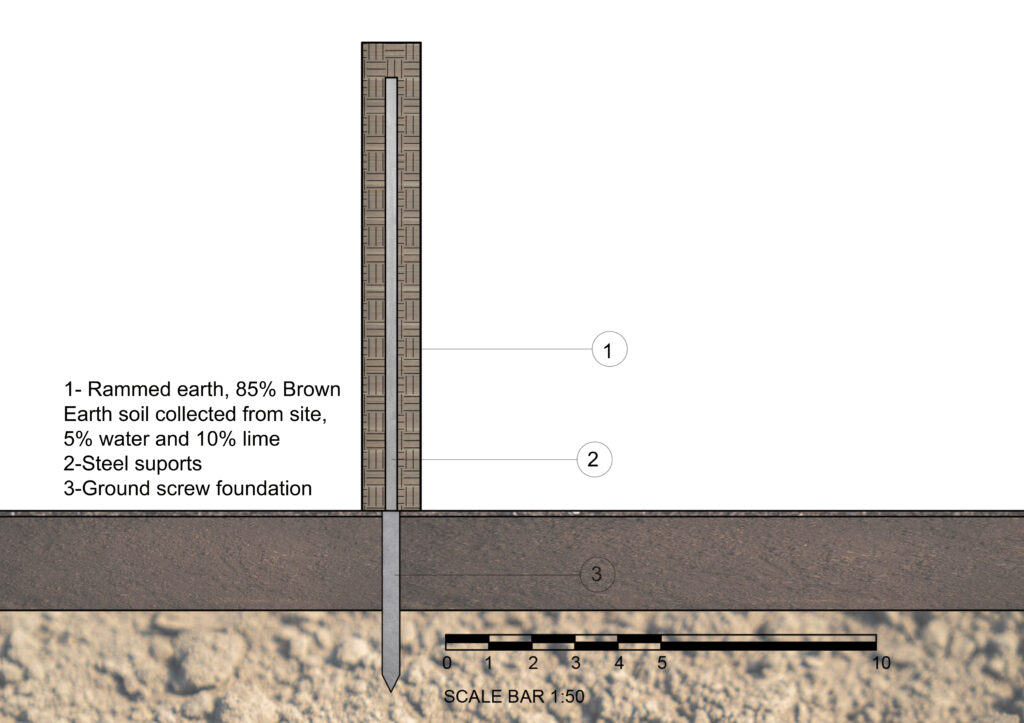
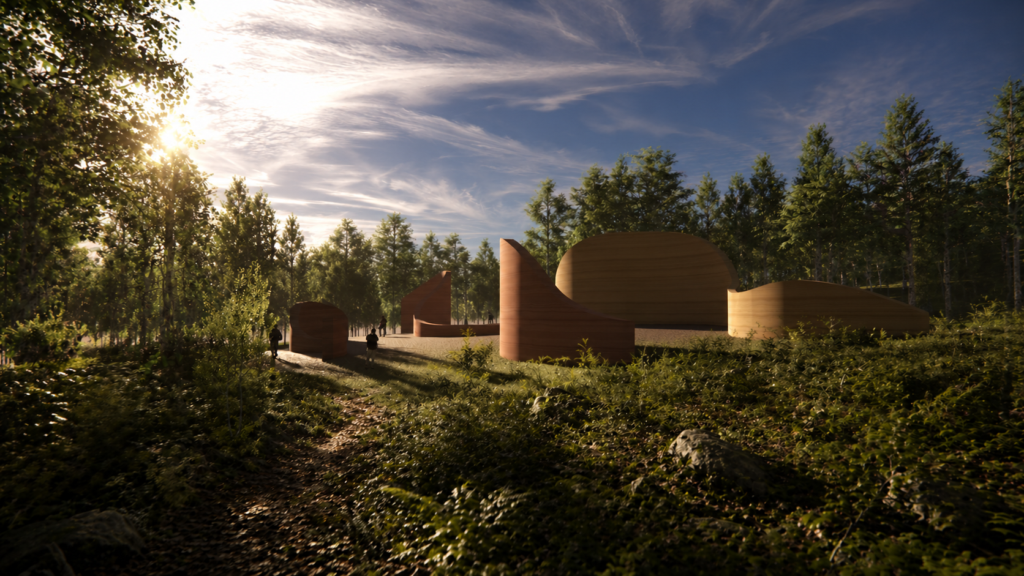
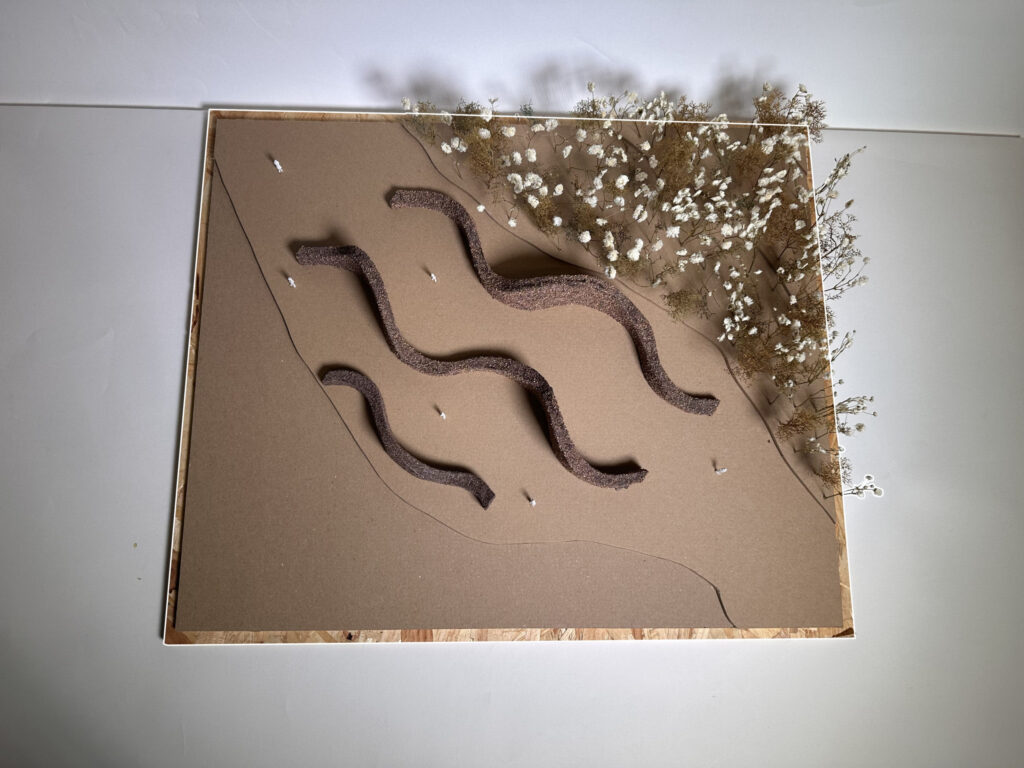
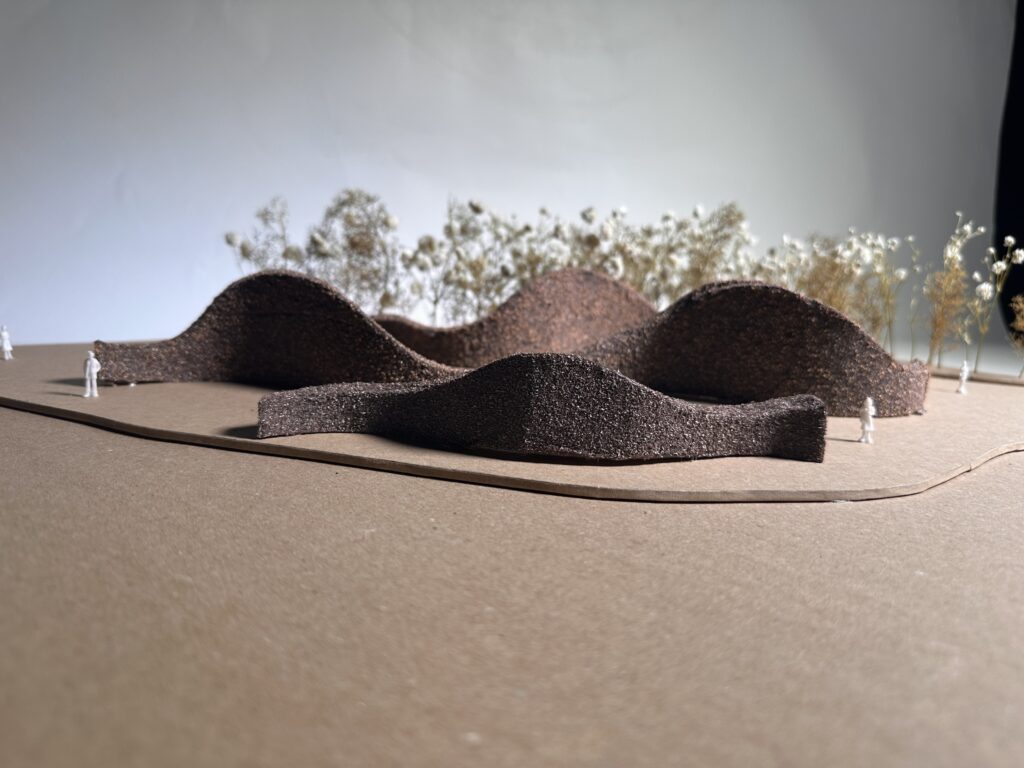
Utilising the landscape and scenic views from the valley as inspiration for developing the installation, I chose to create several structures from rammed earth that would flow within the landscape and capture the aesthetics of the horizon. Researching the geology and soil profiles of the rainforest I chose to utilise local soil resources to create the structures as this would ensure a continuity of the physical environment, thus not introducing an inappropriate soil type, flora and fauna.
In this way, the project reframes the rainforest as a lived condition, where architecture acts not as an imposition, but as a mediator between body, climate, and the fragile ecologies that define this environment.
For Sale: Price on Request