Margaret Susan Botchway
(She/Her)
Margaret Susan Botchway’s artistic practice is a poetic expression of the depths of her emotional state. With a base of psychological self-analysis, she transforms trauma and lived experiences into sculptures and installations, alongside photography and performance. Parallel to this, she is interested in how we address social and environmental issues and how we perceive the events around us, which clearly impact the vision of the world. The materiality of her sculptures shifts its base and composition as the mind changes and adapts in life. There is nothing fixed, neither the materials, the shapes, nor the context. Everything fluctuates, as our emotions are influenced by events in our environment. With each work, she hopes to either provoke or allow others to connect with her way of thinking.
“I have a rational mind that tries to understand instead of battling with the whirl of emotions within my body.
First comes the writing, and after that, the spoken word. If I create a resonant dialogue about what is often left unsaid, you could become part of my own self-understanding.
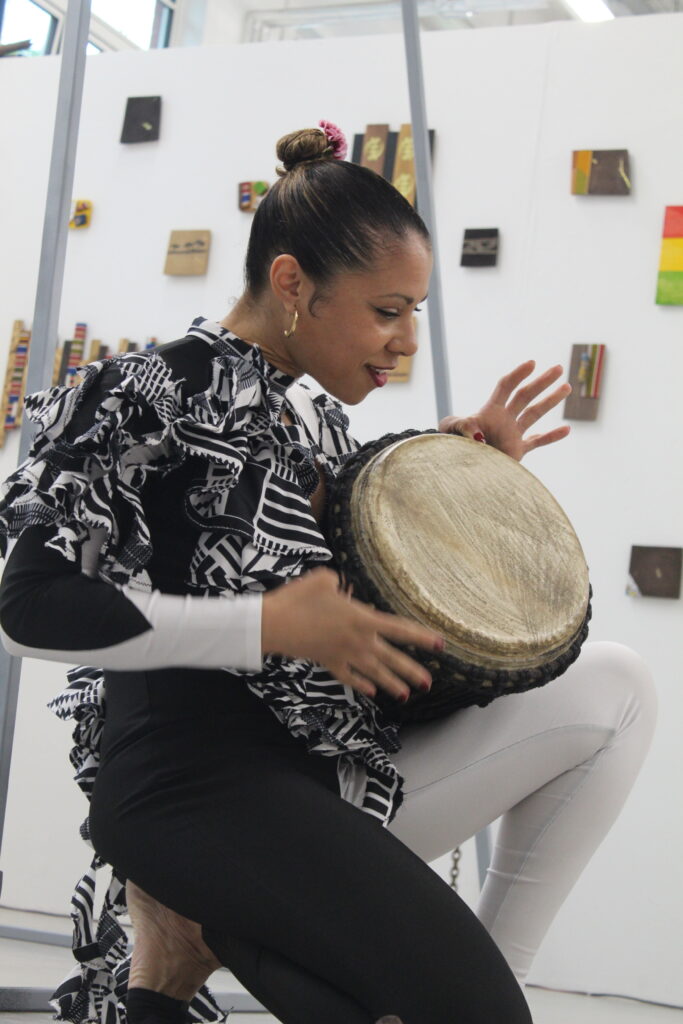
First comes the sculpture, and then the performance. If I inhabit my creations with physical movement, you can become part of the energy that I feed back into the space.
My work becomes multi-dimensional manifestations of conscious and subconscious states that allow you to connect, if you want, with my own personal form of therapy.”
Cognitive Dissonance in Black and White
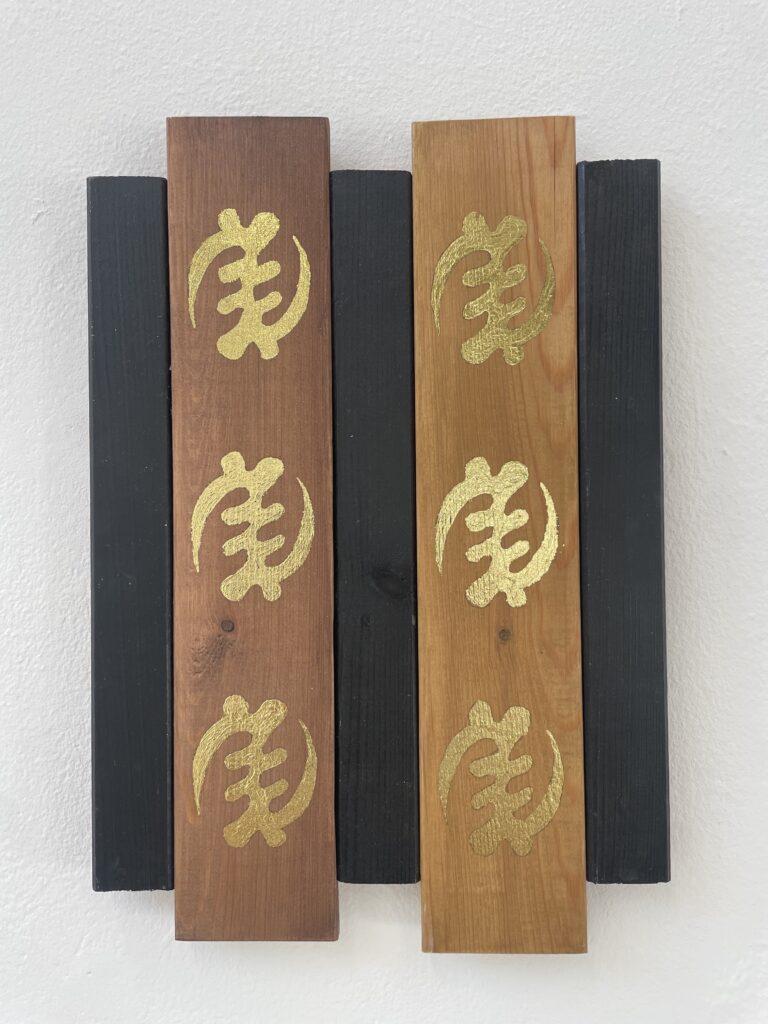
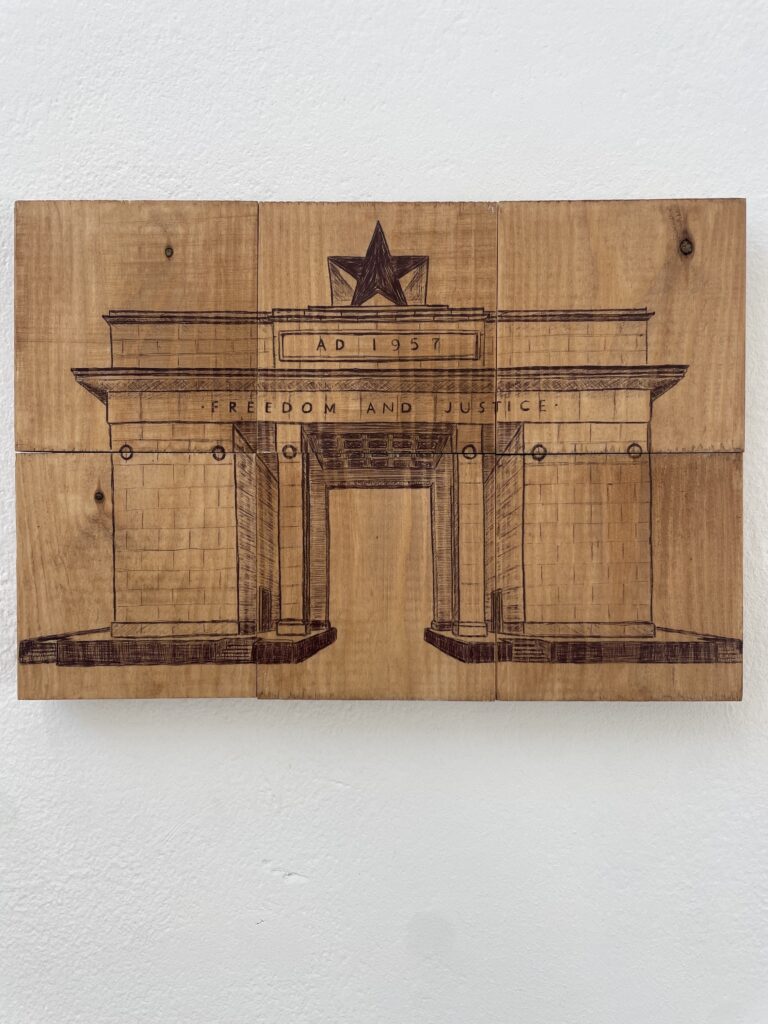
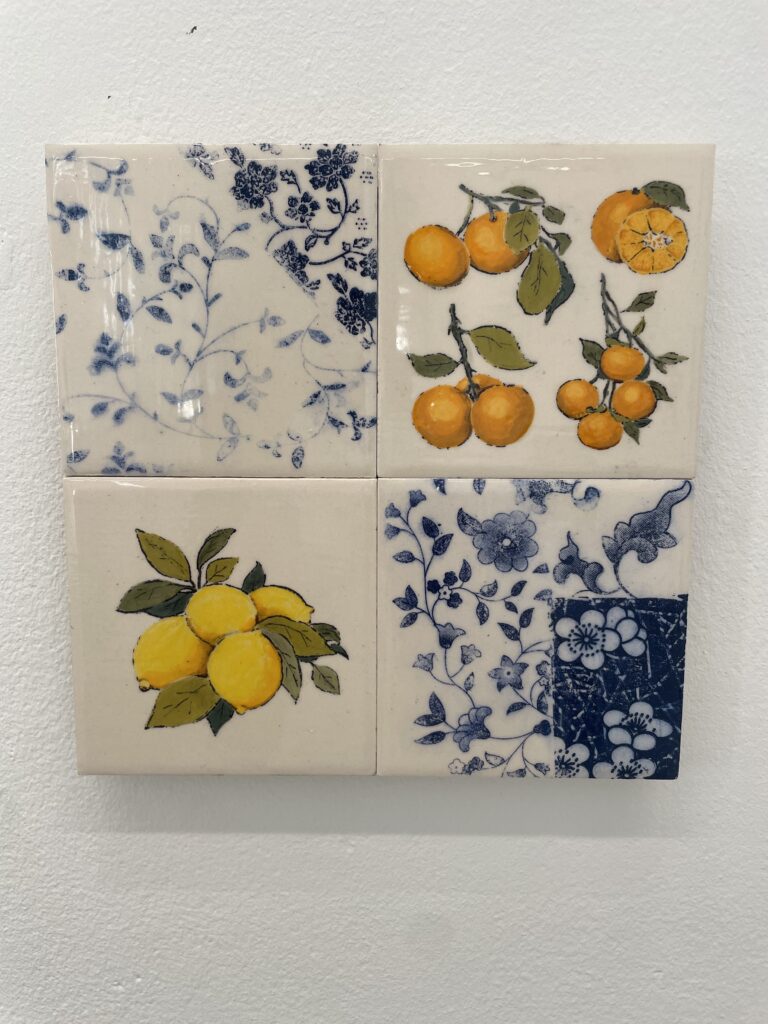
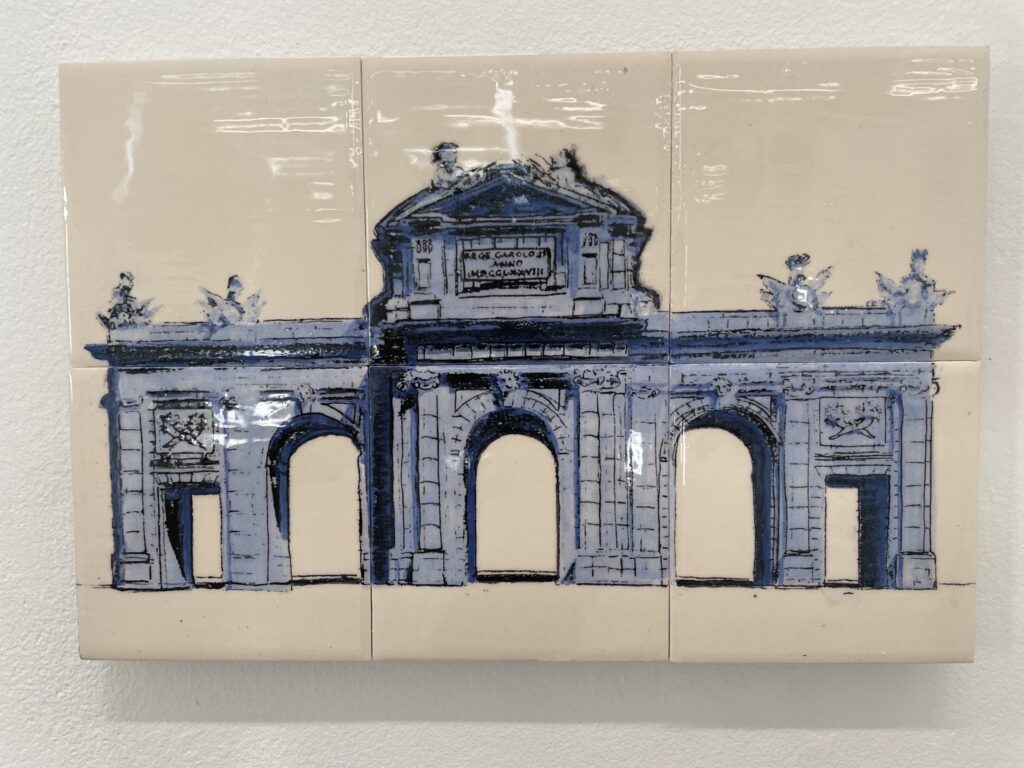
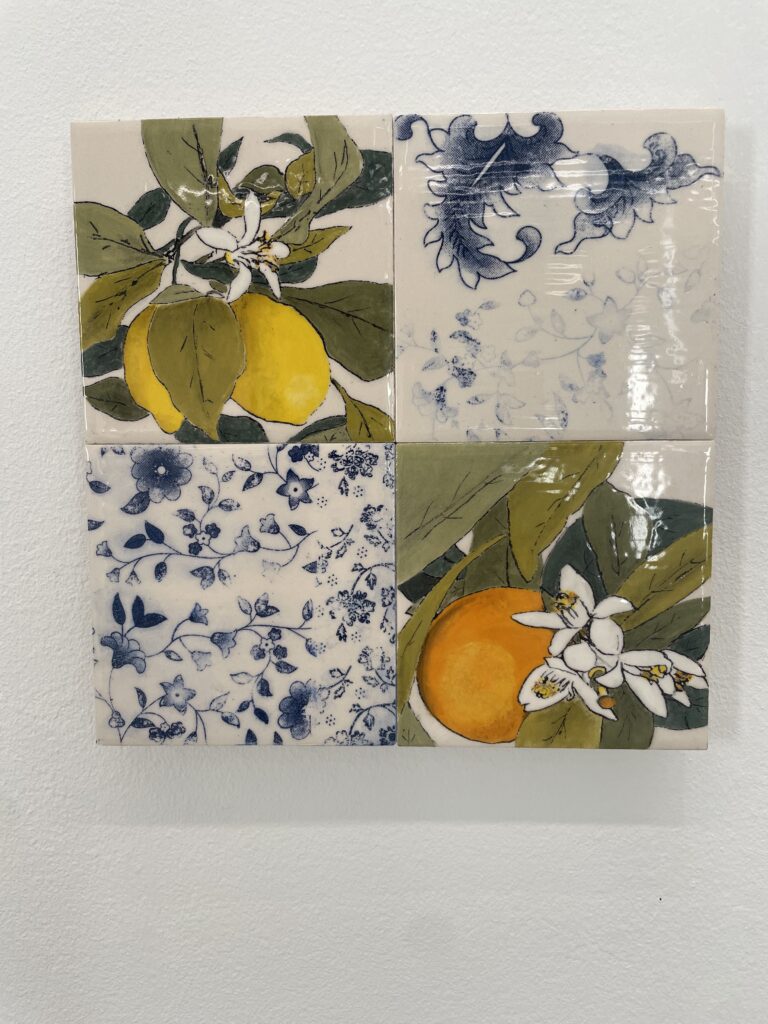
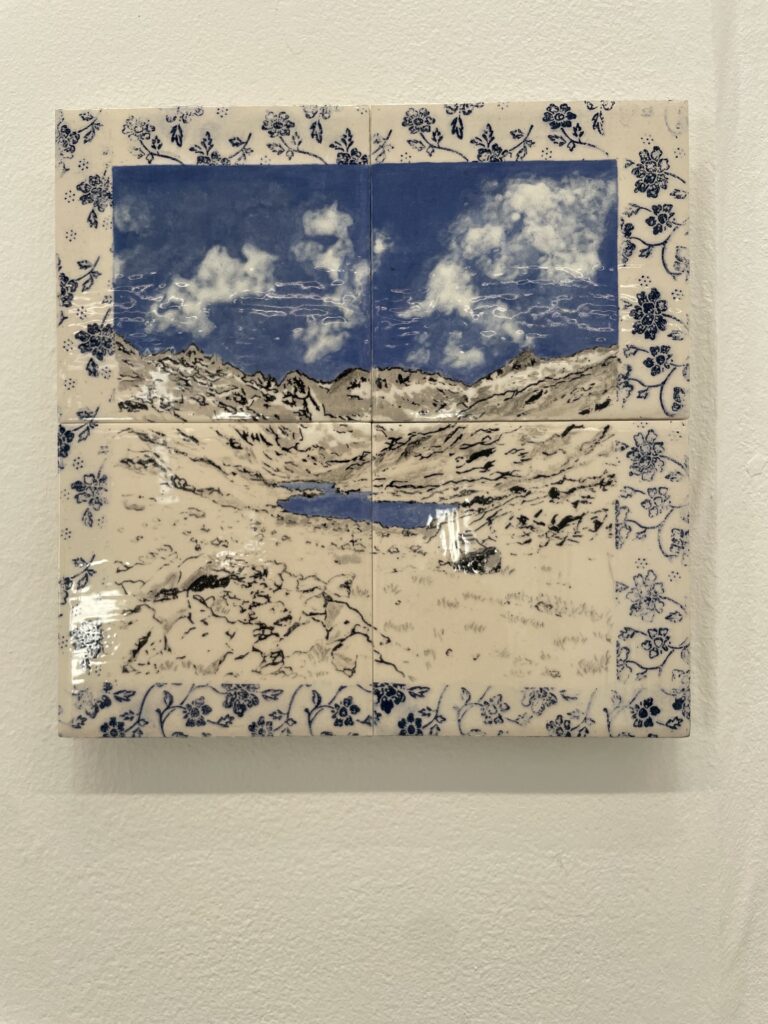
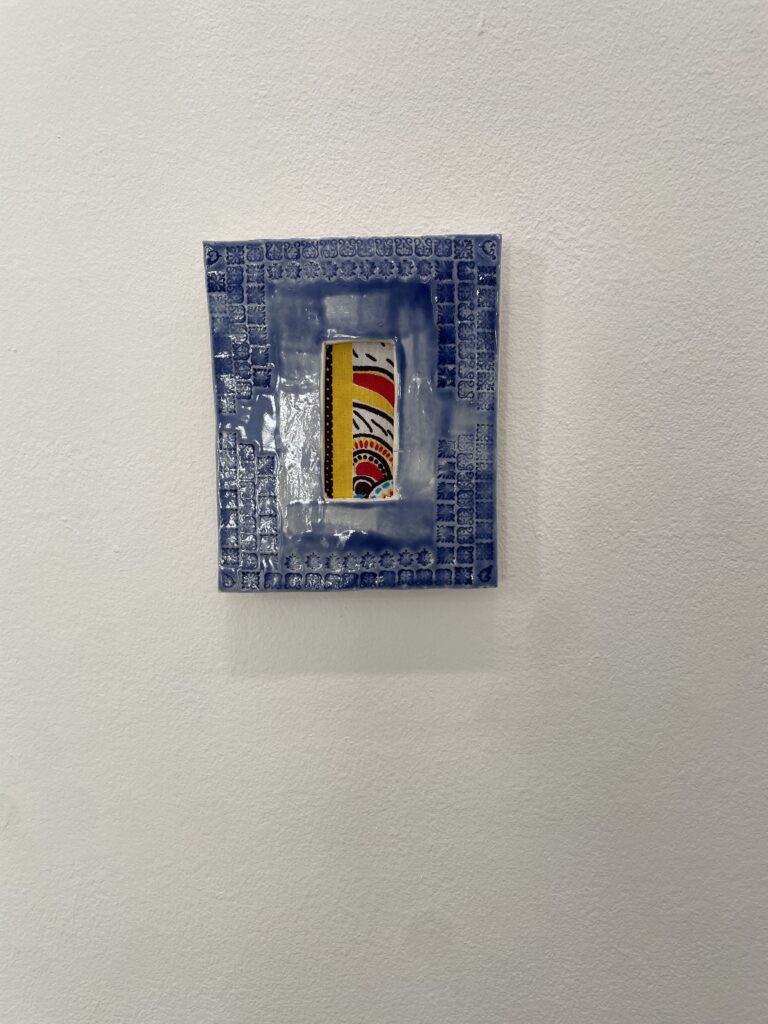
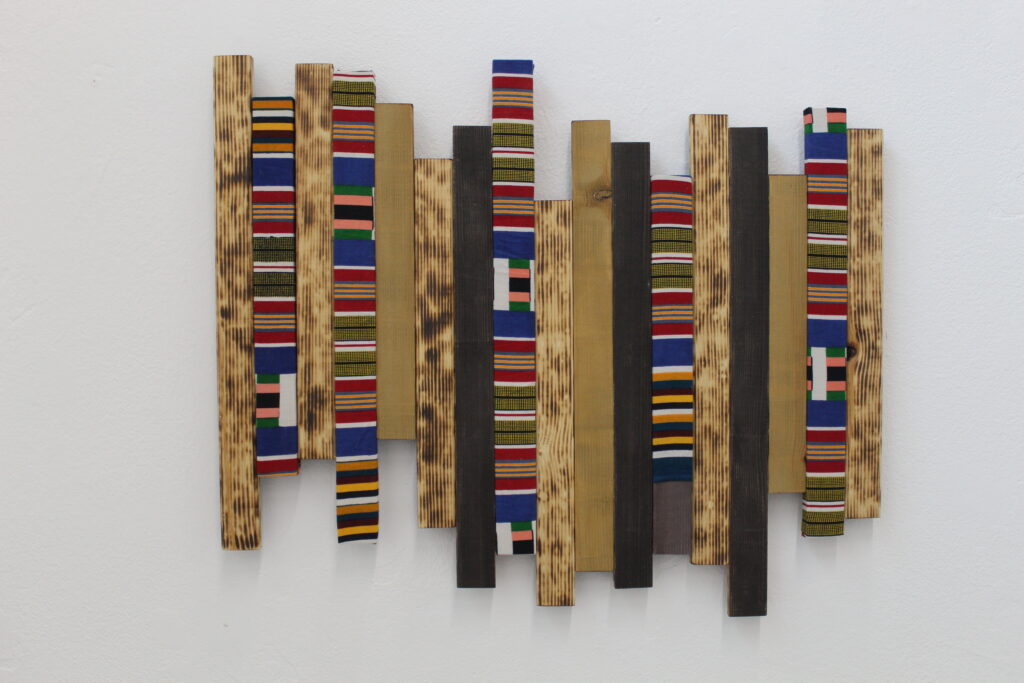
This immersive installation and performance explores the cognitive dissonance experienced by individuals of mixed heritage, particularly those whose backgrounds span histories of colonialism and enslavement. Through a fusion of Spanish and Ghanaian artistic traditions, the work confronts the dissociation created by society’s opposition to cultural mixing, creating a dichotomy between the feeling of being closer to each inheritance at intervals of time in an individual’s span of life and the feeling of not fully belonging to either culture, but existing in a liminal space between them, blending everything into one.
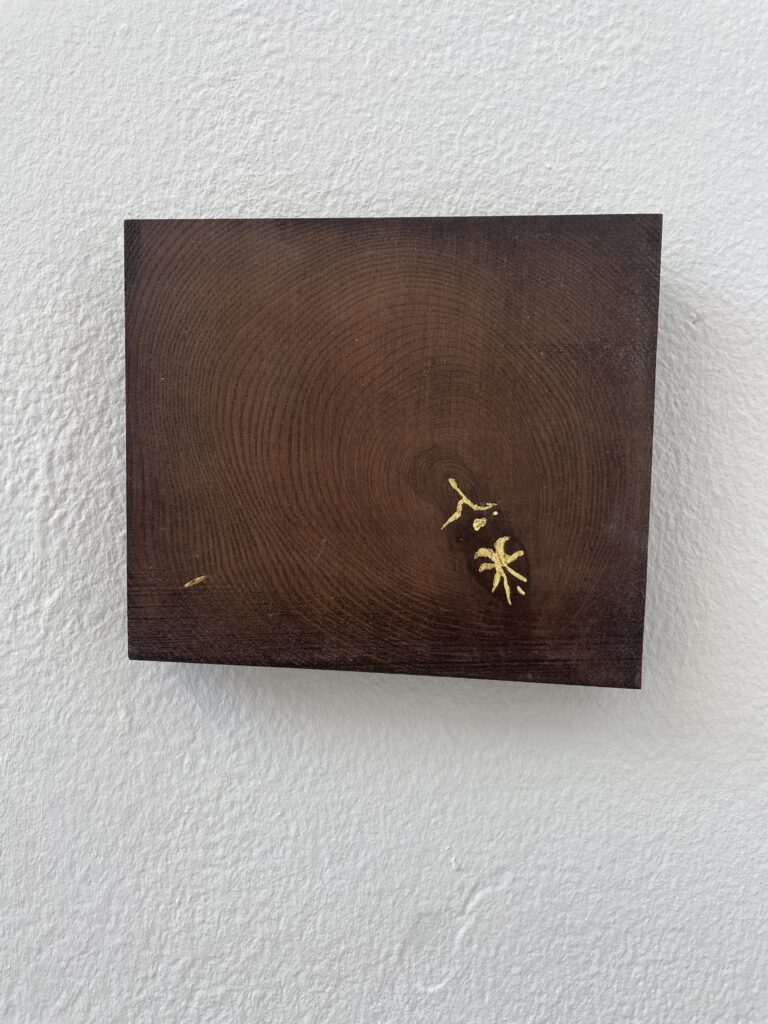
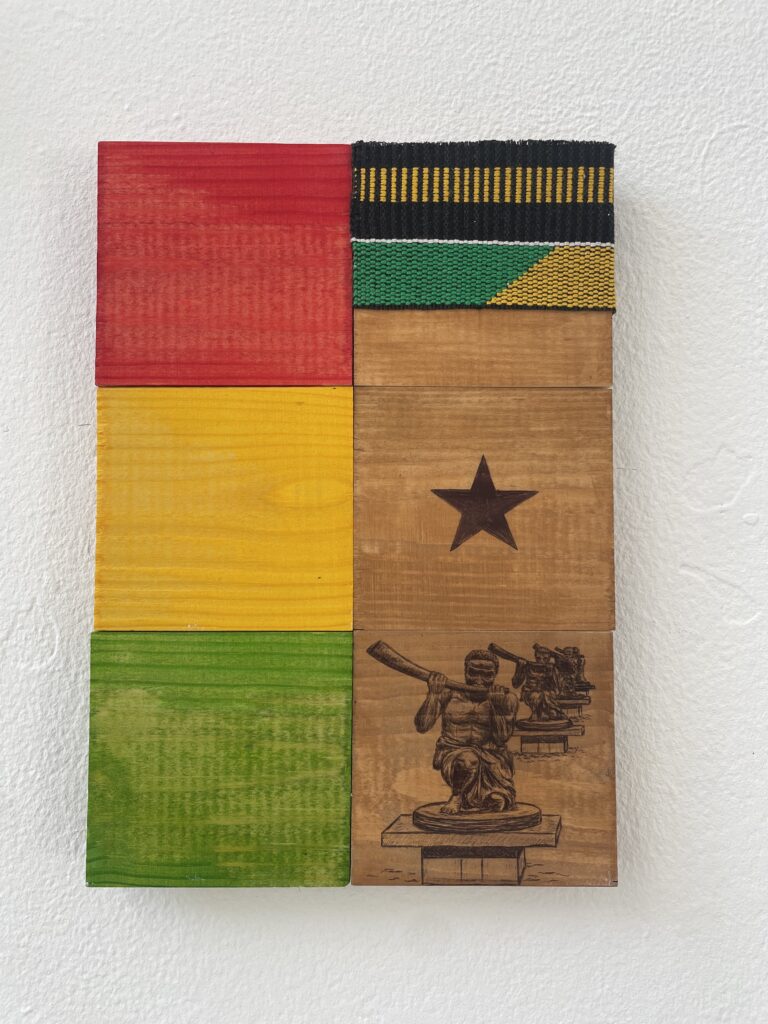
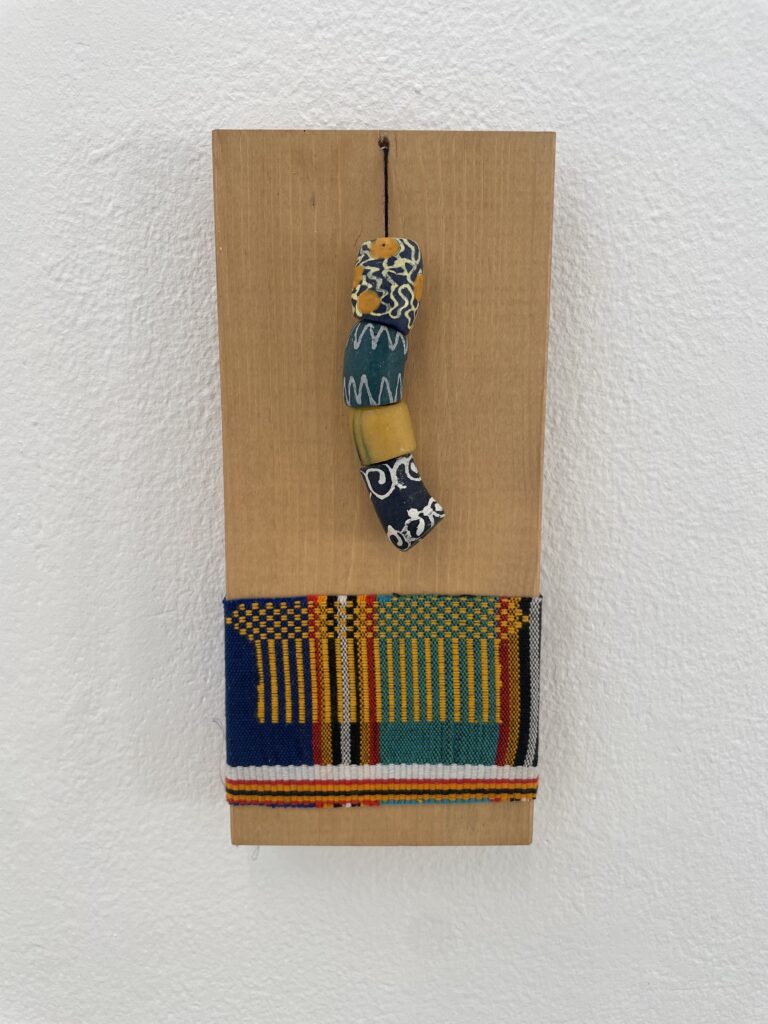
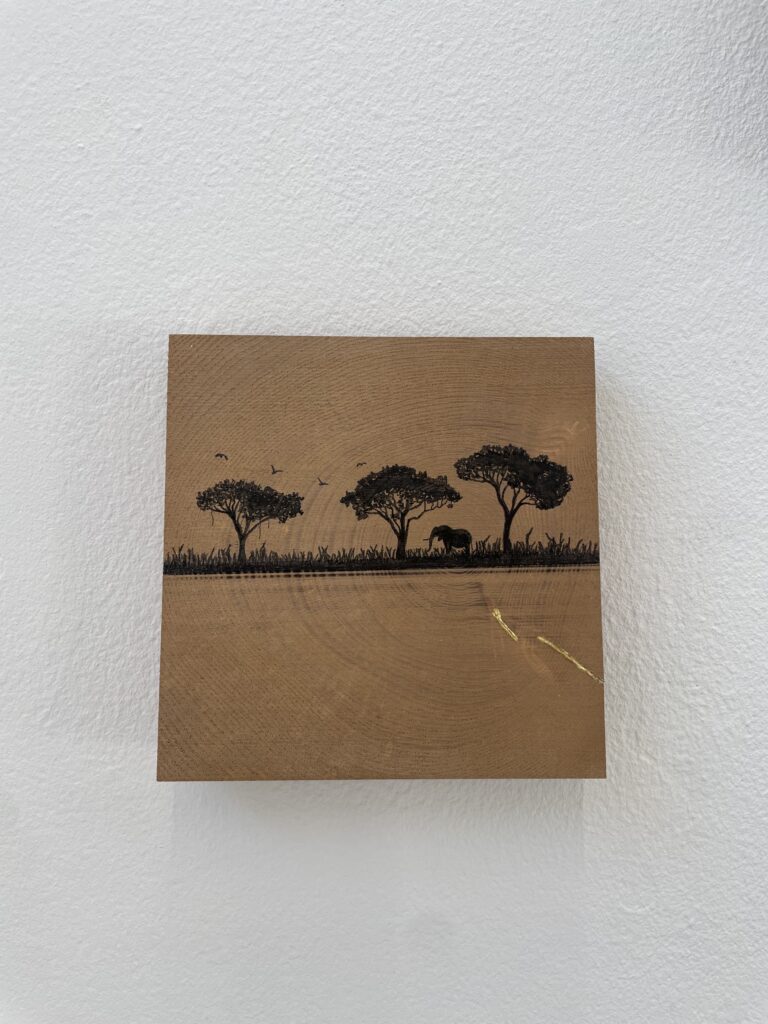
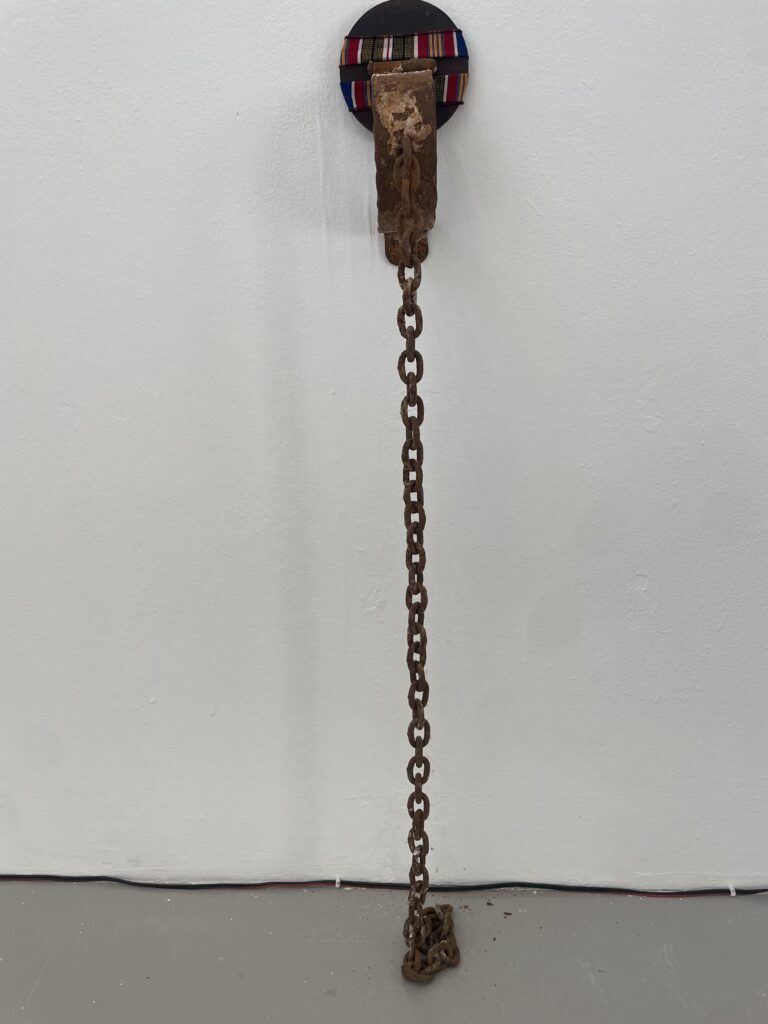
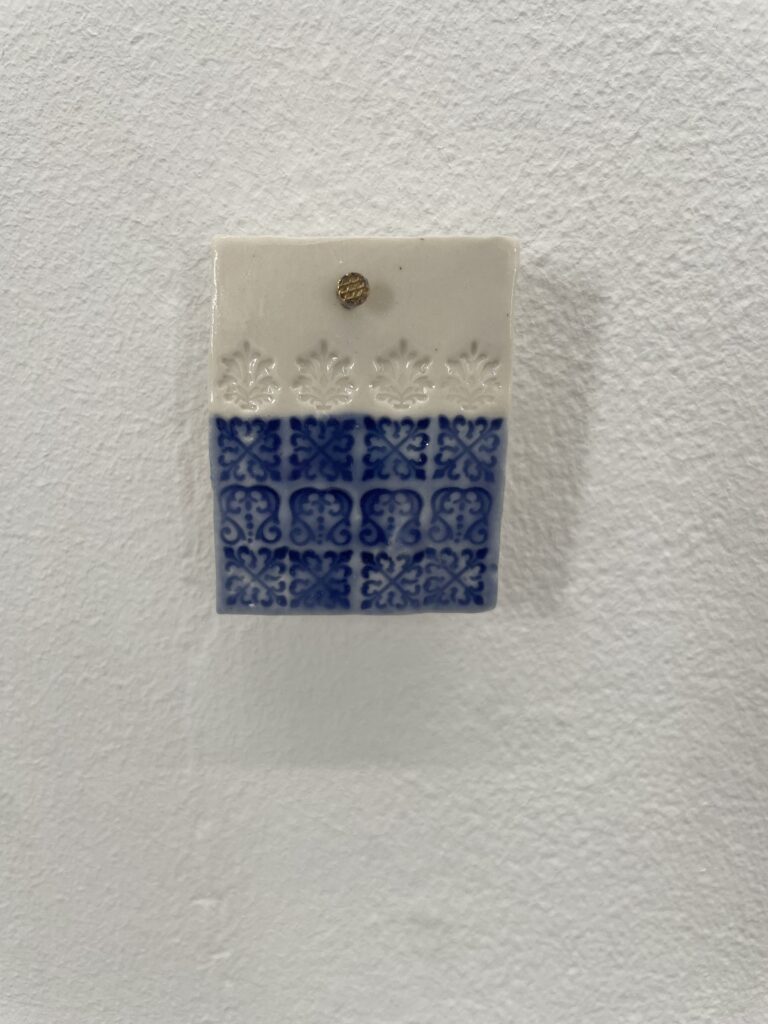
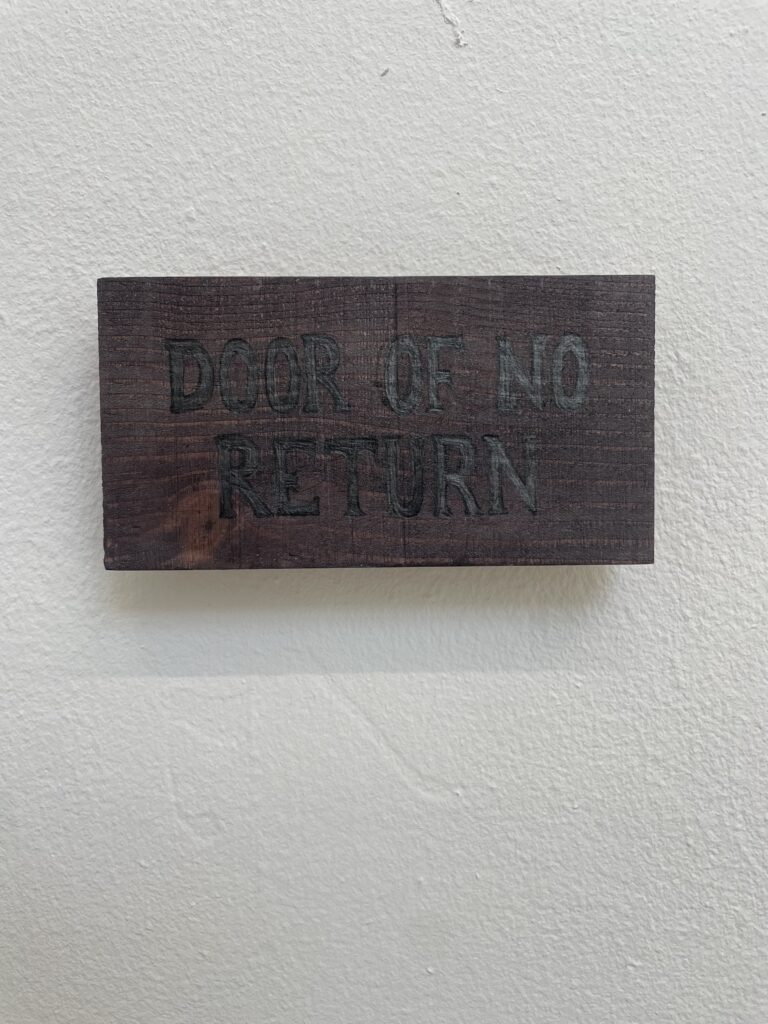
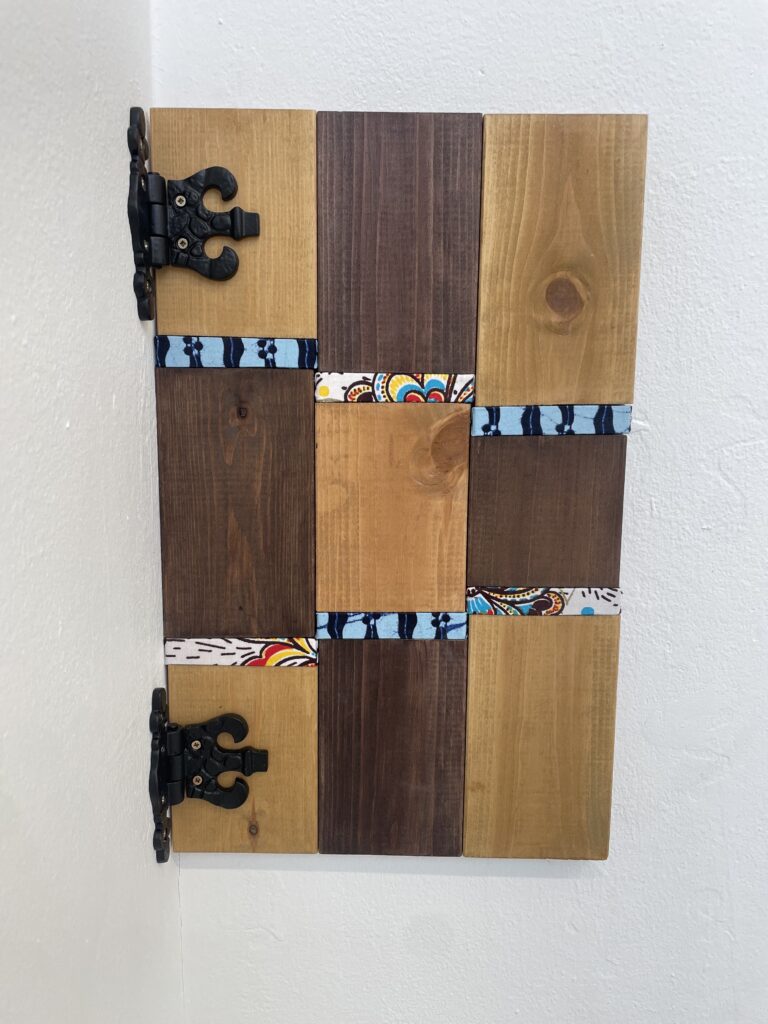
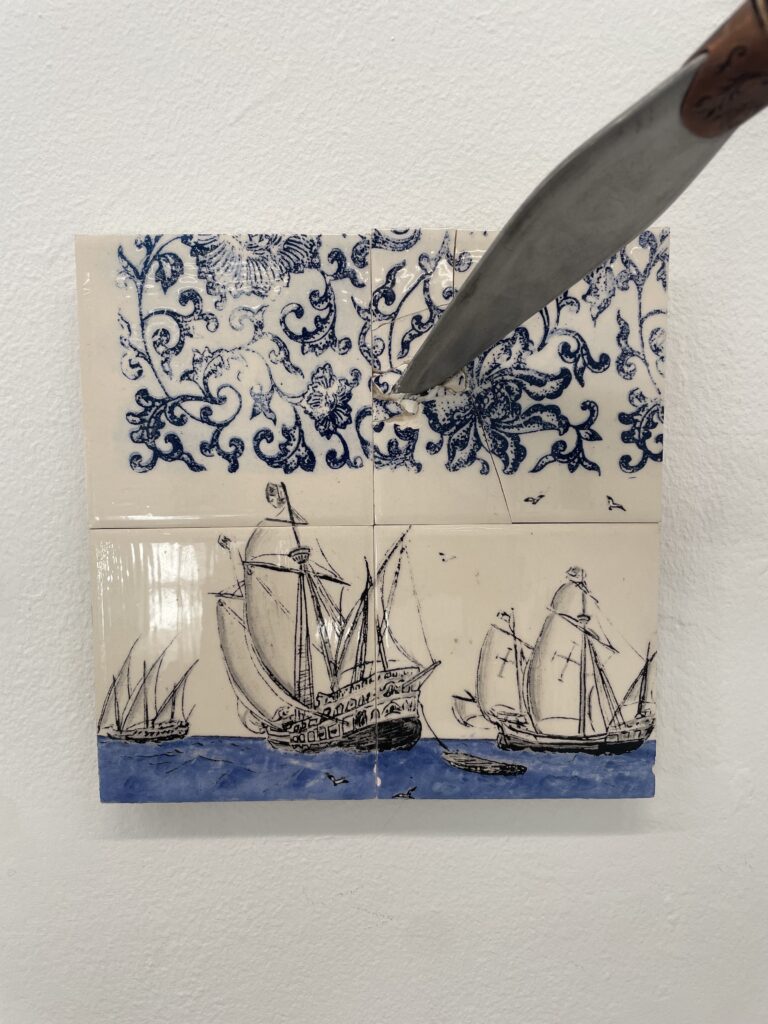
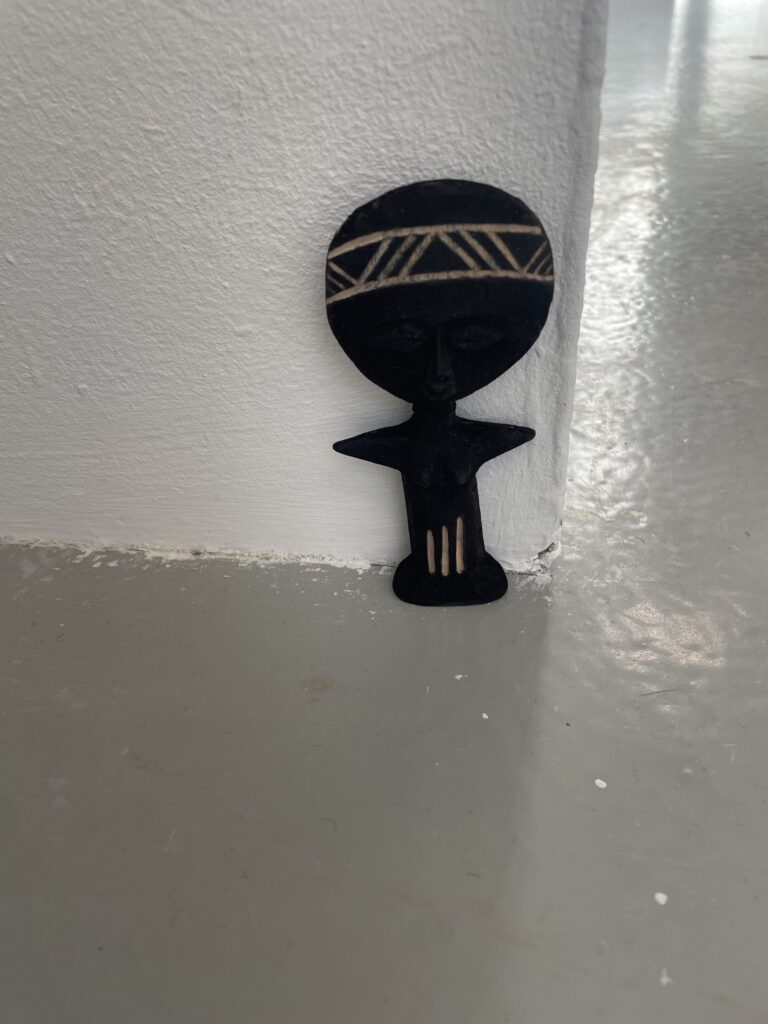
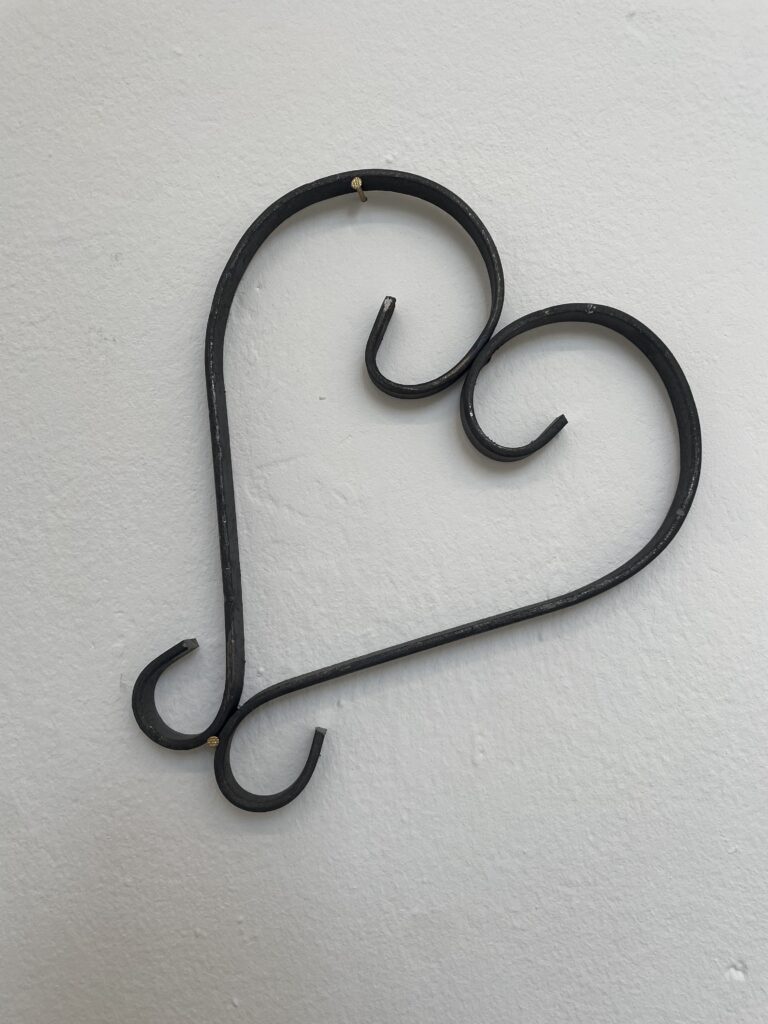
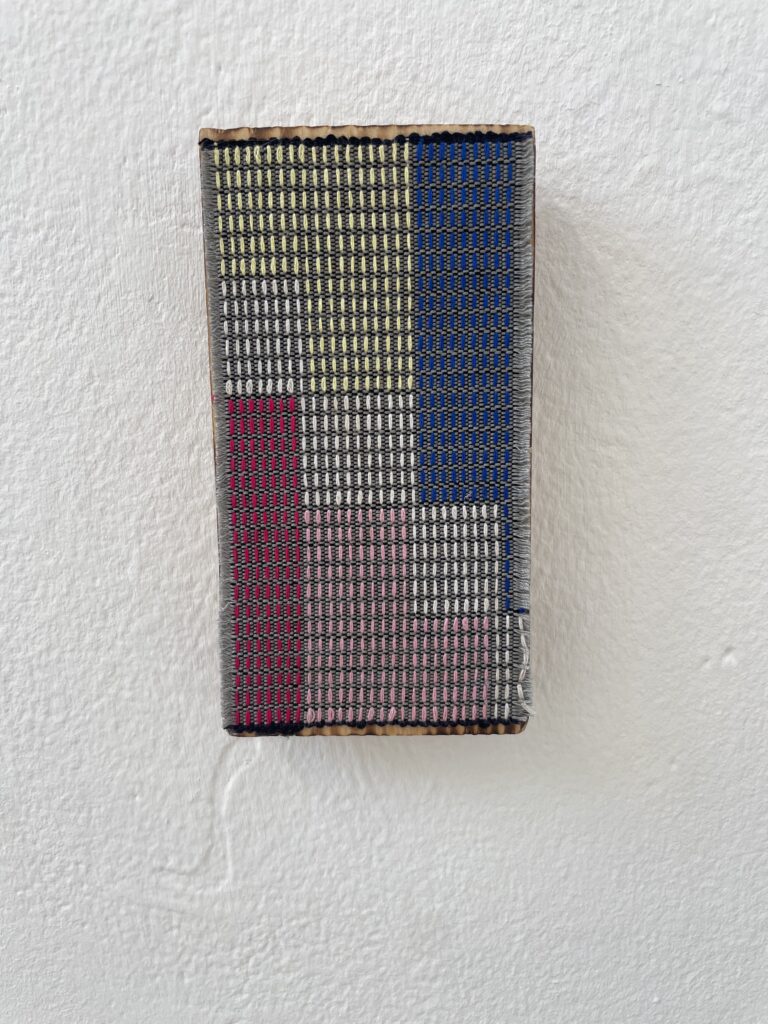
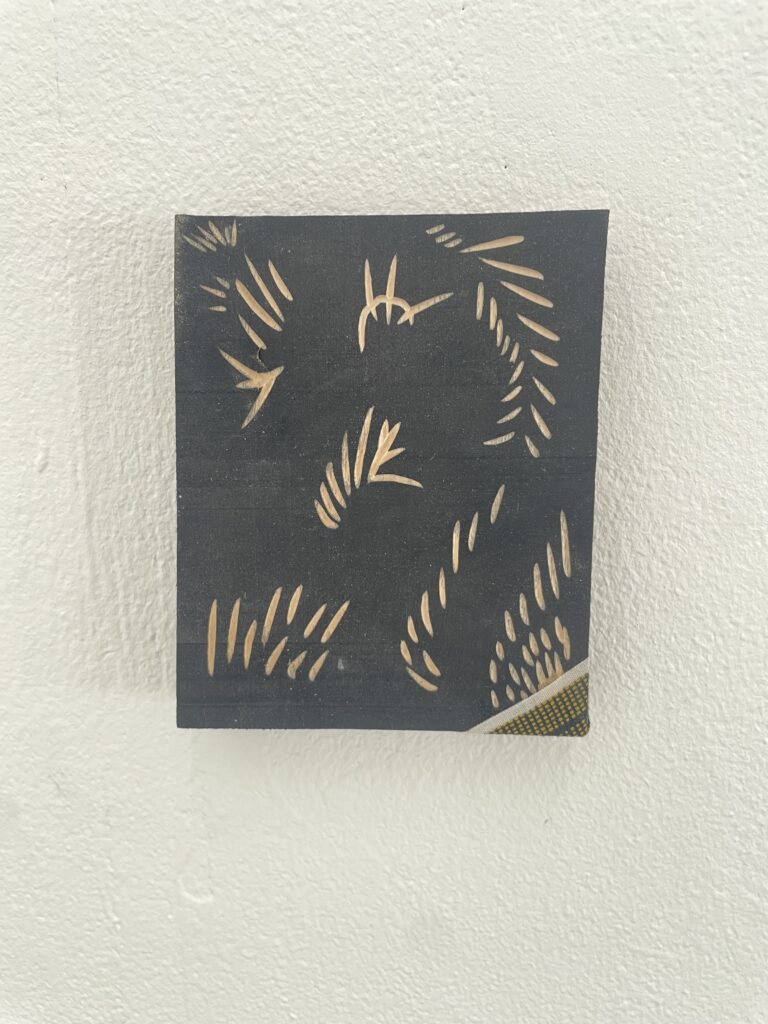
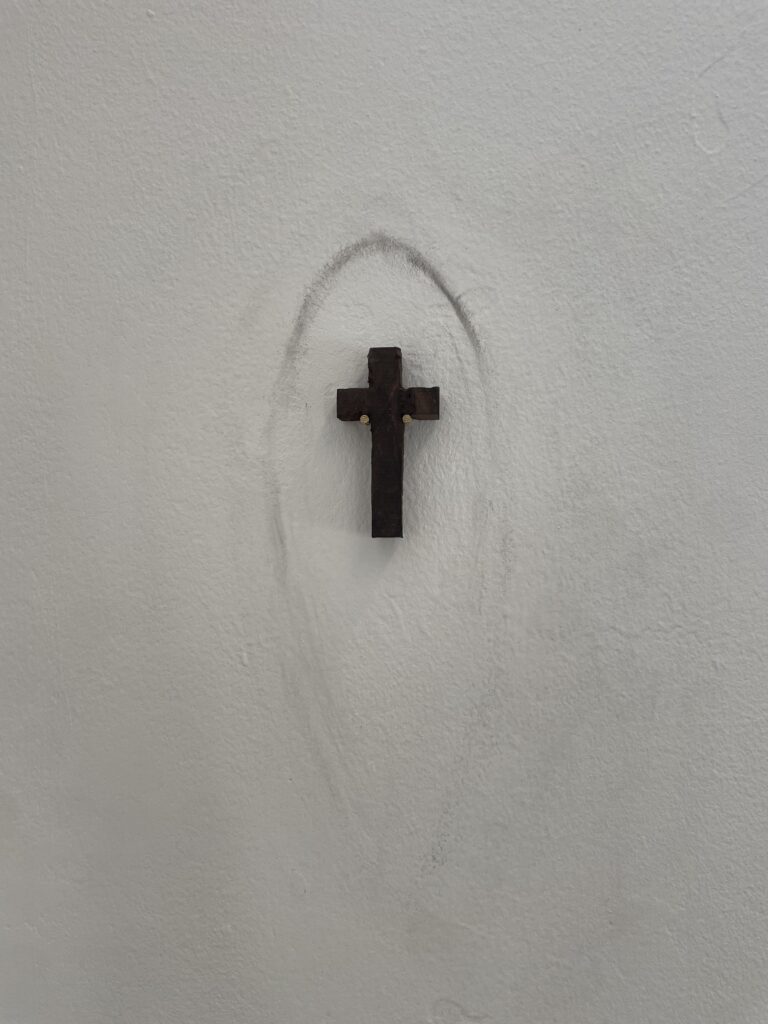
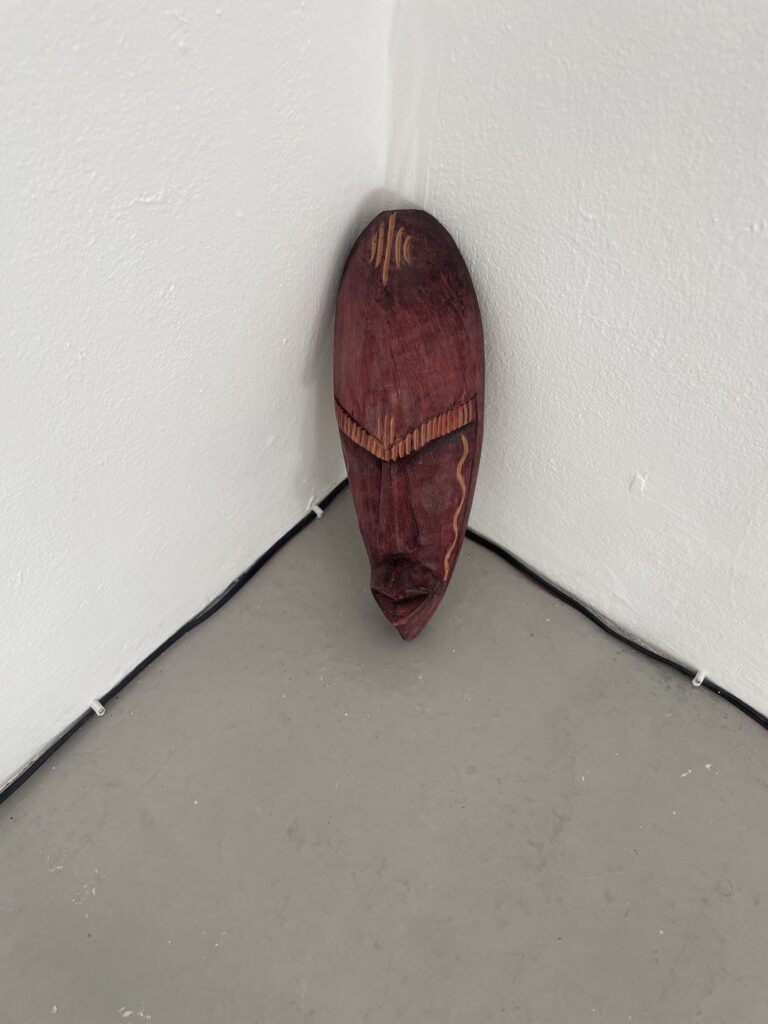
The installation features hand-painted tiles adorned with Spanish motifs, juxtaposed with wood pieces carved and gilded, adorned with hand-drawn motifs and fabrics, crafted in the Ghanaian style. A broken spear wants to obliterate the past damage, a neck shackle refuses to forget. The dual heart remains trapped and suspended in the middle of nowhere as if it belongs in a place called limbo. These elements create a visual dialogue that reflects the tension and harmony of dual identities. The performance amplifies this narrative: a monologue critiques contemporary societal structures, while a dance piece blends the rhythmic styles of both cultures, embodying the struggle and beauty of their convergence and showing a clear path for harmony.
Inspired by personal experiences and rigorous research, directly connected to a Critical Studies Dissertation, Cognitive Dissonance in Black and White invites viewers to reflect on understanding, solidarity, humanity, and anti-racism. It challenges us to confront the legacies of the past and consider how they shape our present—urging a collective commitment to dismantling systemic oppression.