

Maryam Rashid
Hi, I’m Maryam, I am really interested in service, systems design and research. I enjoy engaging and immersing myself in different communities, gathering lived experiences and creating research tools. This year my projects have centered around fostering understanding and learning through serious games. I have also explored how systems interconnect and the impact change has on different stakeholders.
I am keen to improve the lives of others and spread awareness of important issues through my work.
The Coeliac Collective
“64% of people in the UK are undiagnosed with coeliac disease”.-Coeliac UK.
Coeliac Disease is an chronic autoimmune disease where the immune system mistakenly attacks healthy tissue in the small intestine upon consuming gluten. The only treatment is a strict gluten free diet for life. Despite its serious impact coeliac disease is often as seen as ‘diet trend’ or a fussy preference. Grounded in lived experiences from the coeliac disease community, my project focuses on the psychosocial impact of the condition while taking a speculative approach to how systems may need to adapt if there was a rise in coeliac disease.
“The amount of jokes made at my expense, I could never stop eating gluten, I’d rather die than not have bread”- Primary Research
The Coeliac Collective is a charity that is dedicated to providing post diagnosis and social support.
Our campaign operates within food spaces such as restaurants, cafes and the wider hospitality sector to reduce stigma, improve understanding and foster a sense of community.
“It is estimated that the catering industry is missing out on an additional £100 million a year from customers wanting to eat out gluten free.”- Coeliac UK, Catering to Gluten Free: How to get it Right
The campaign allows those who don’t have the condition to develop empathy and knowledge. The Coeliac Collective proudly takes ‘A Collective Approach’, helping struggling systems adapt with the major increase of coeliac disease. We move the challenge of living with coeliac disease from something carried alone to something supported collectively.
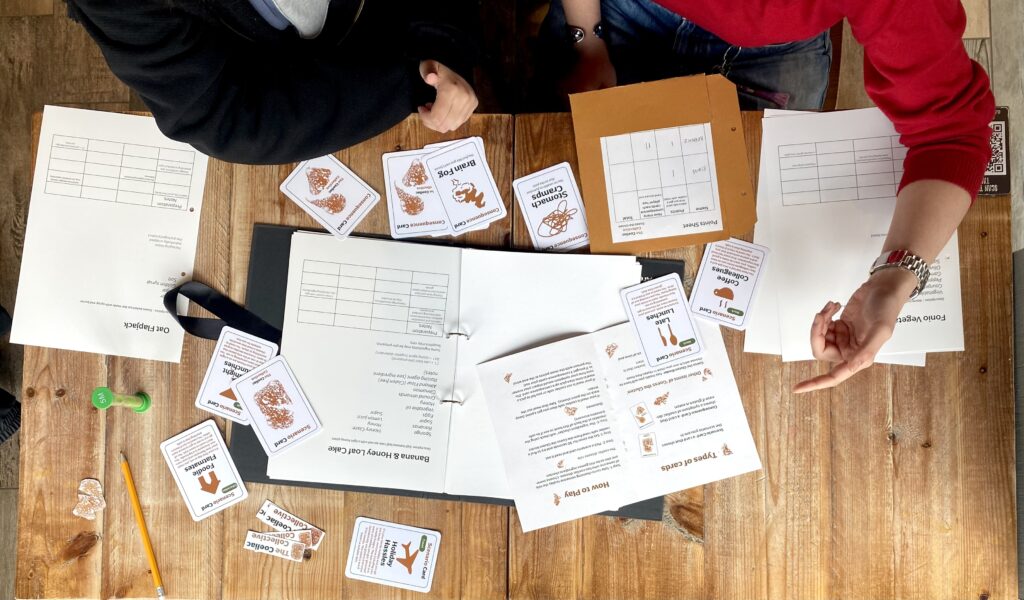
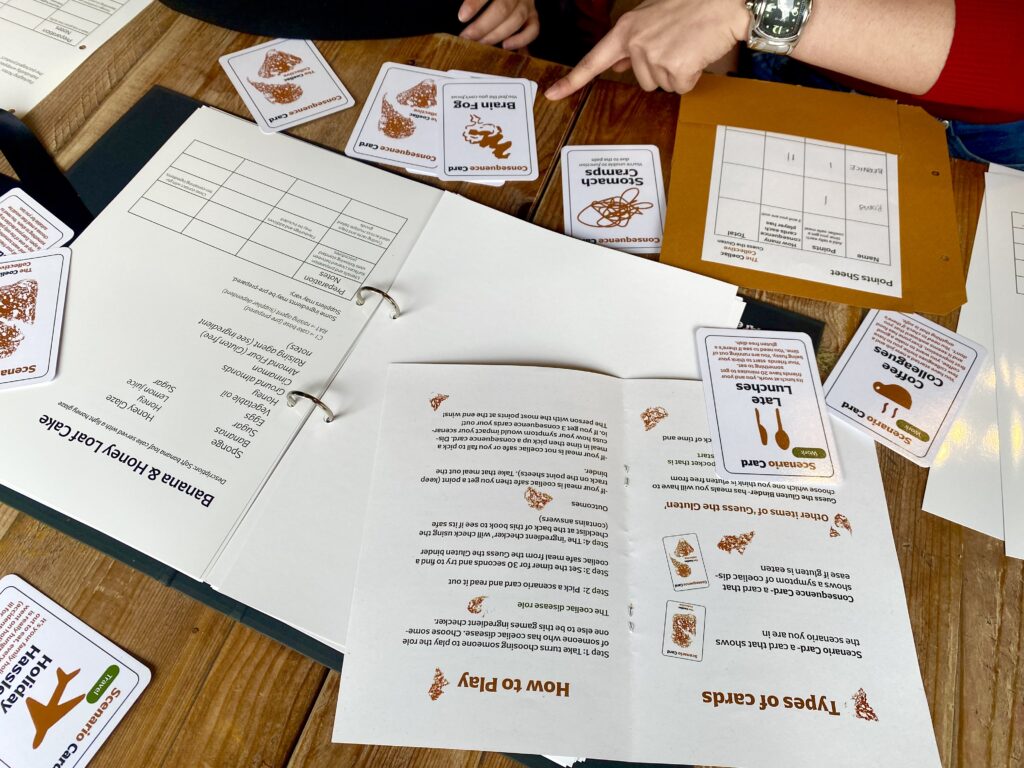
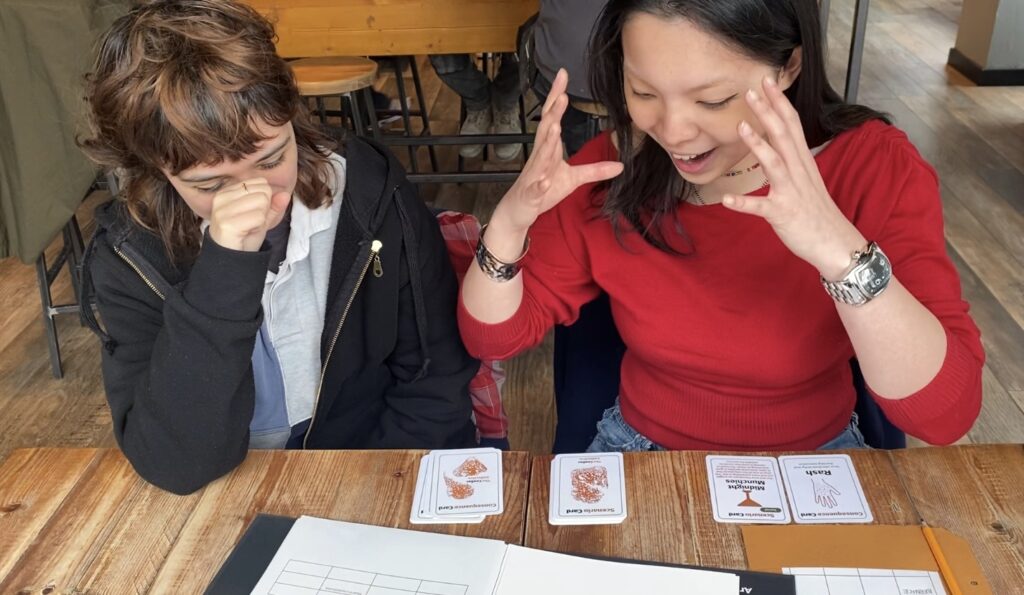
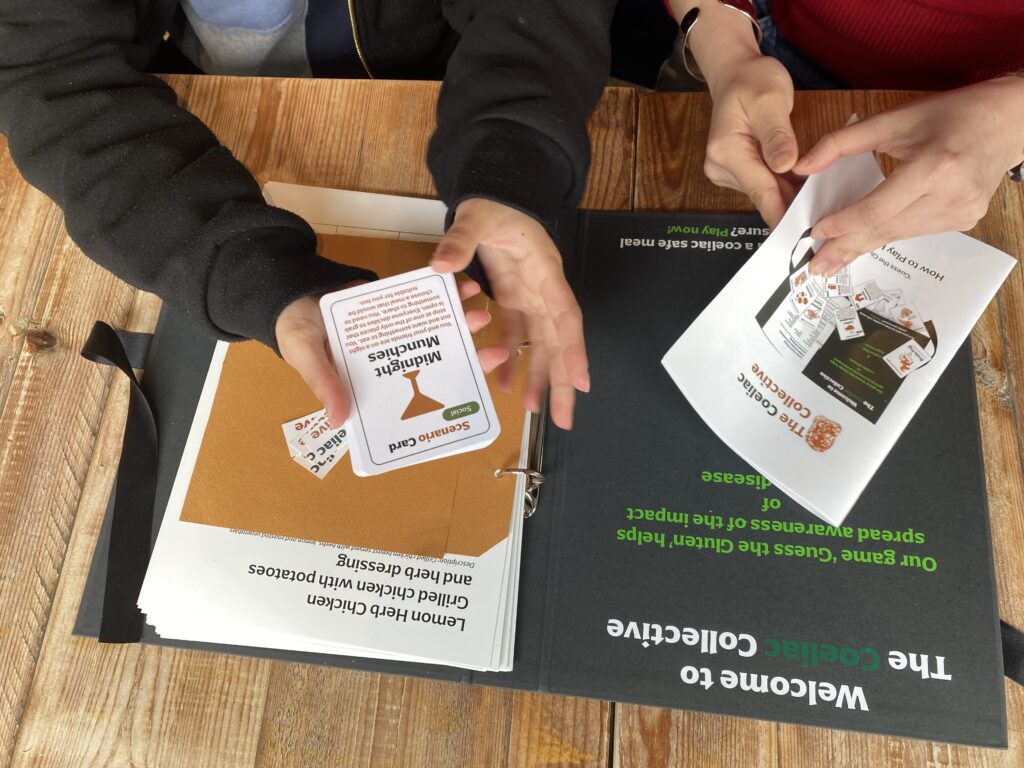
One of the campaign touchpoints is our ‘Guess the Gluten Game’ which is an interactive experience designed to simulate the process of choosing a safe meal with coeliac disease. Inspired by the complexity and dullness of the allergen binder that’s normally given when eating out, players must navigate information, make decisions under pressure and interpret potential risks. This helps those who don’t have the condition understand cross contamination, social struggles, symptoms and foods containing gluten.
Unlimitedly, The Coeliac Collective aims to drive wider systemic change, reducing pressure on healthcare services, foster innovation in gluten-free food and support restaurants in reaching a broader audience.
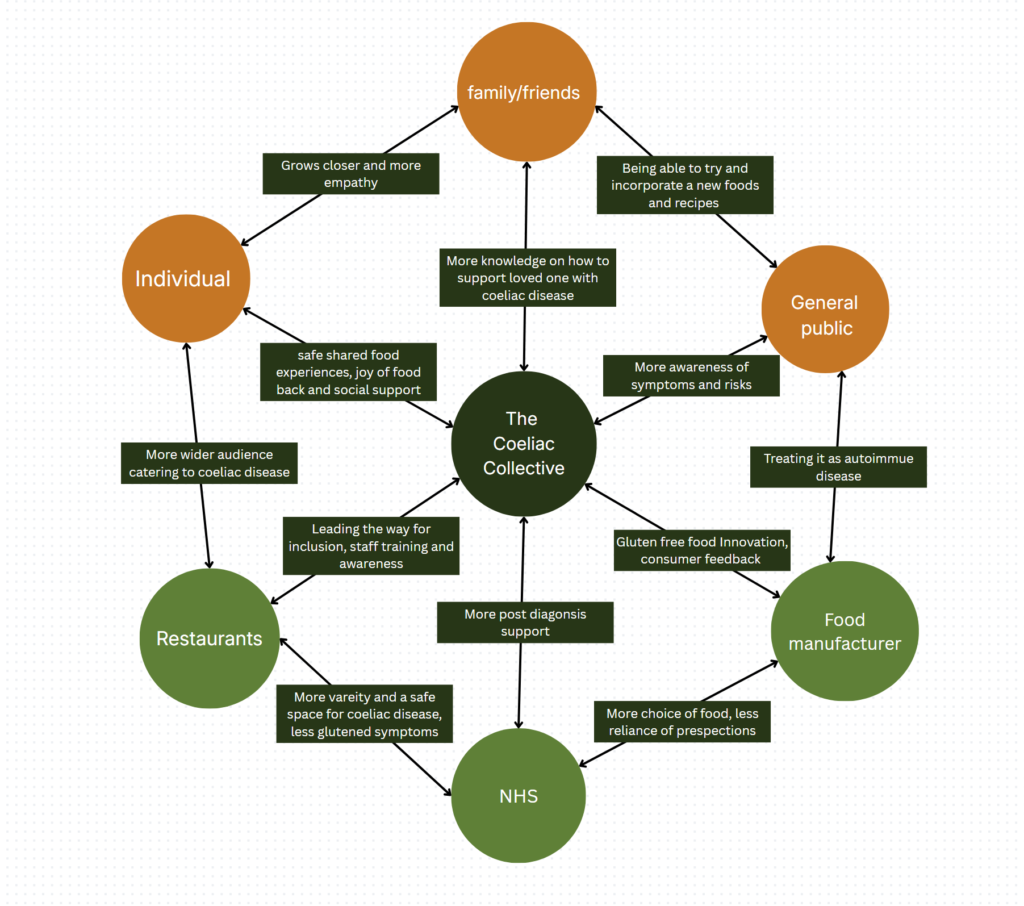
Driving wider impact
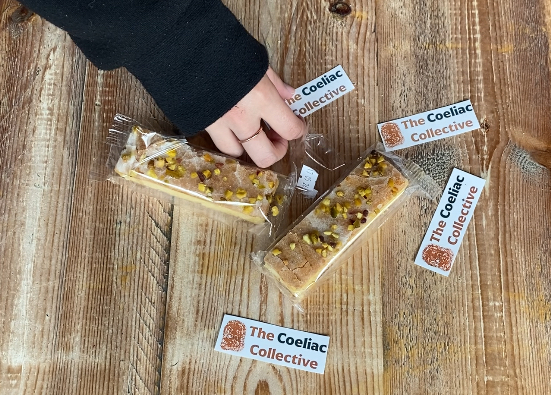
Through staff training and encouraging the use of naturally coeliac friendly options into the menus.
Weekly meet ups for people who relate to the struggles and a opportunity to receive information. Developing a coeliac community to show people they are not alone.
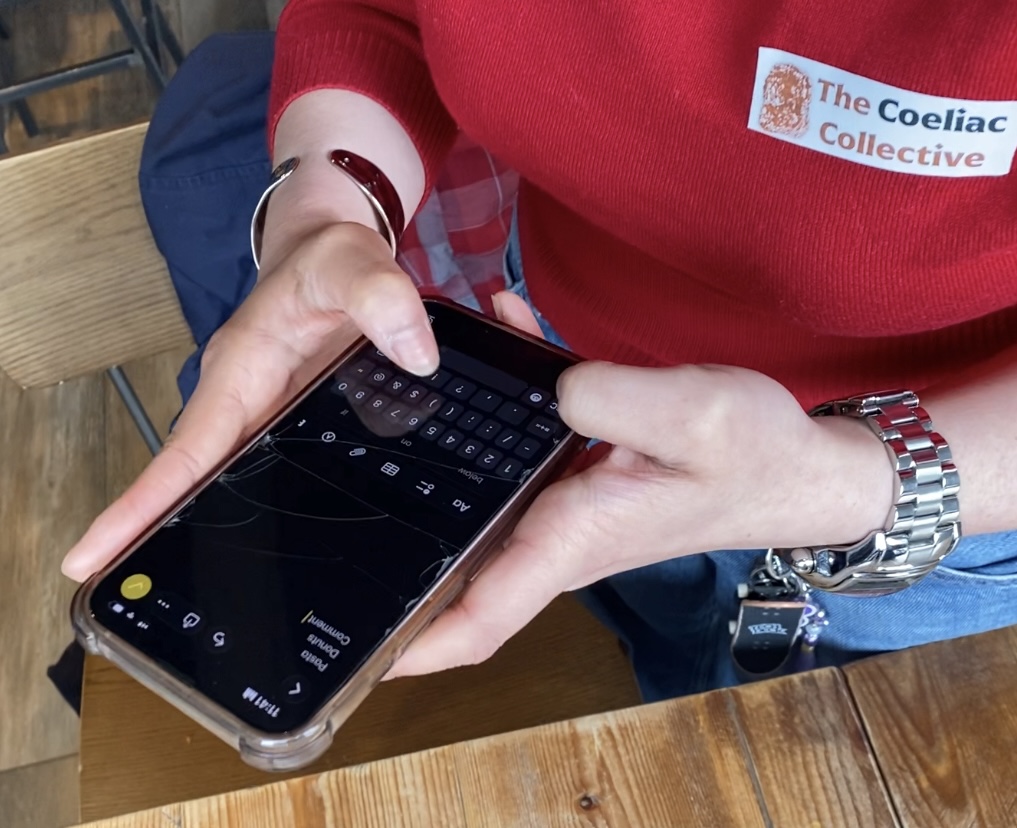
A chance to give feedback on gluten free food and improved standards. Also a opportunity to tell business what foods they miss and would like a coeliac safe option to be developed.
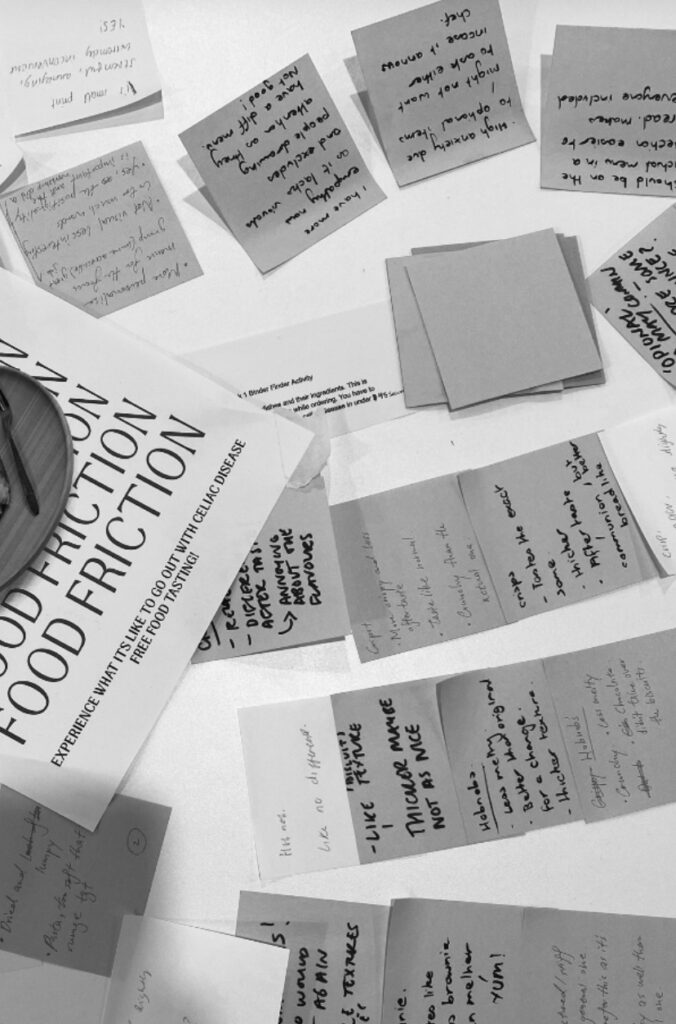
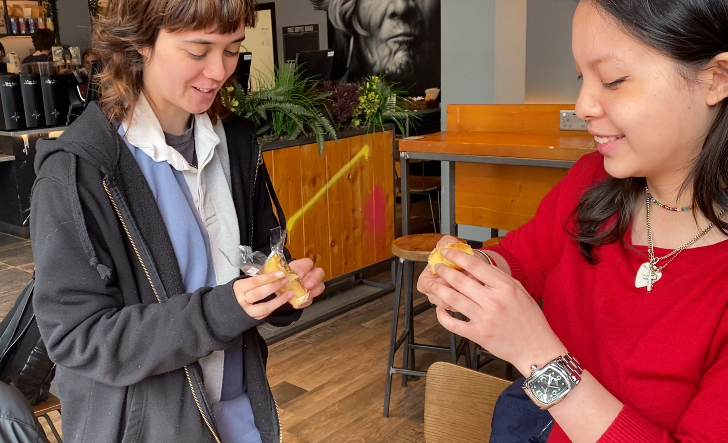
Responses from non-coeliacs trying gluten free food
What’s It Made Of?
The game that grows with you
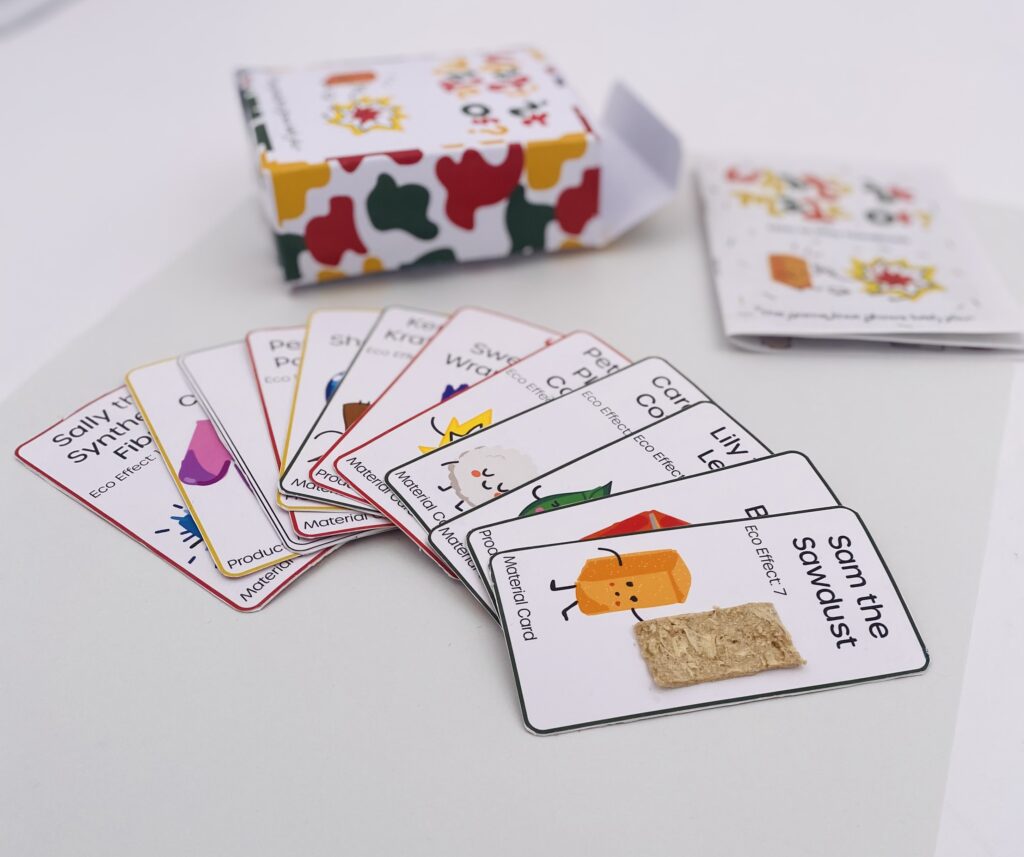
In a future where unsafe materials put children’s health at risk, What’s It Made Of? helps kids build material intelligence from an early age.
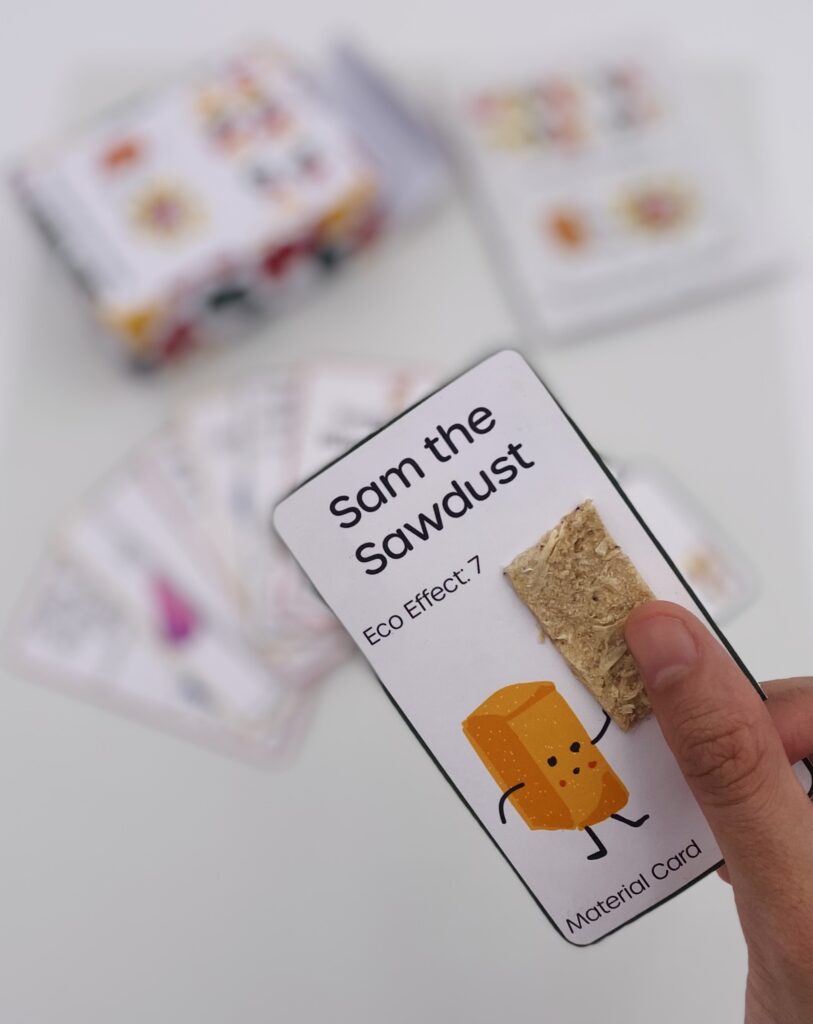
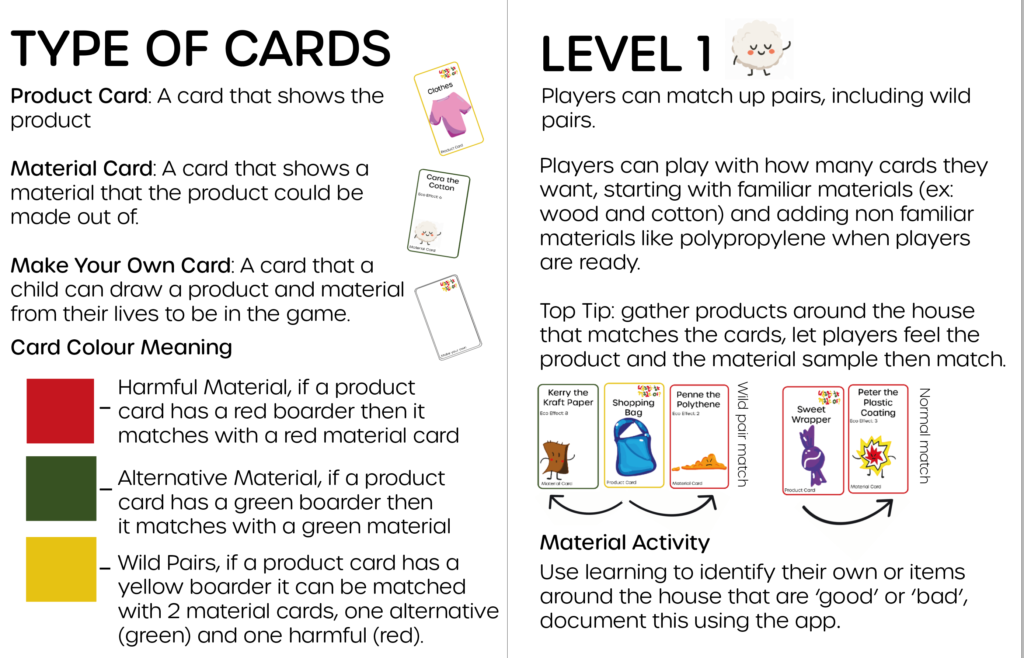
Through fun, skilled levelled card games inspired by Snap, Irish Snap and Top Trumps, children learn to recognise everyday materials and make safer choices. The cards can be played at home, in nurseries, schools, or even in GP waiting rooms.
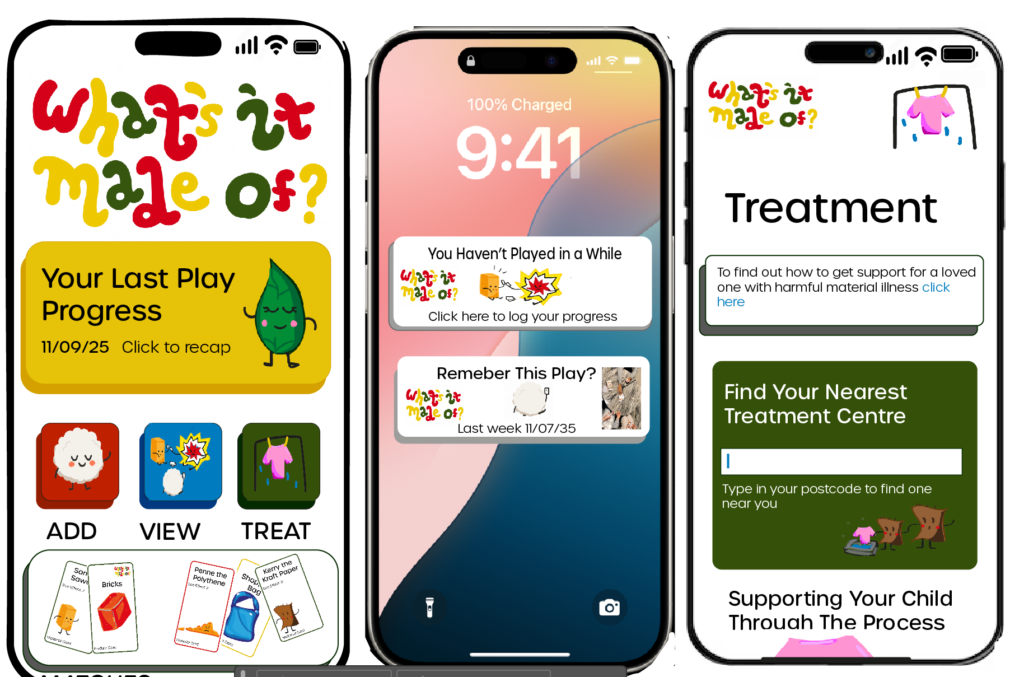
After each game, children take part in a hands-on “Material Activity”. From spotting materials around the house to choosing an item to protect, their progress can be tracked through the What’s It Made Of? app.
This shifts changes how future generations see materials, one game at a time.
Apart of Planetary Health, Civic Group
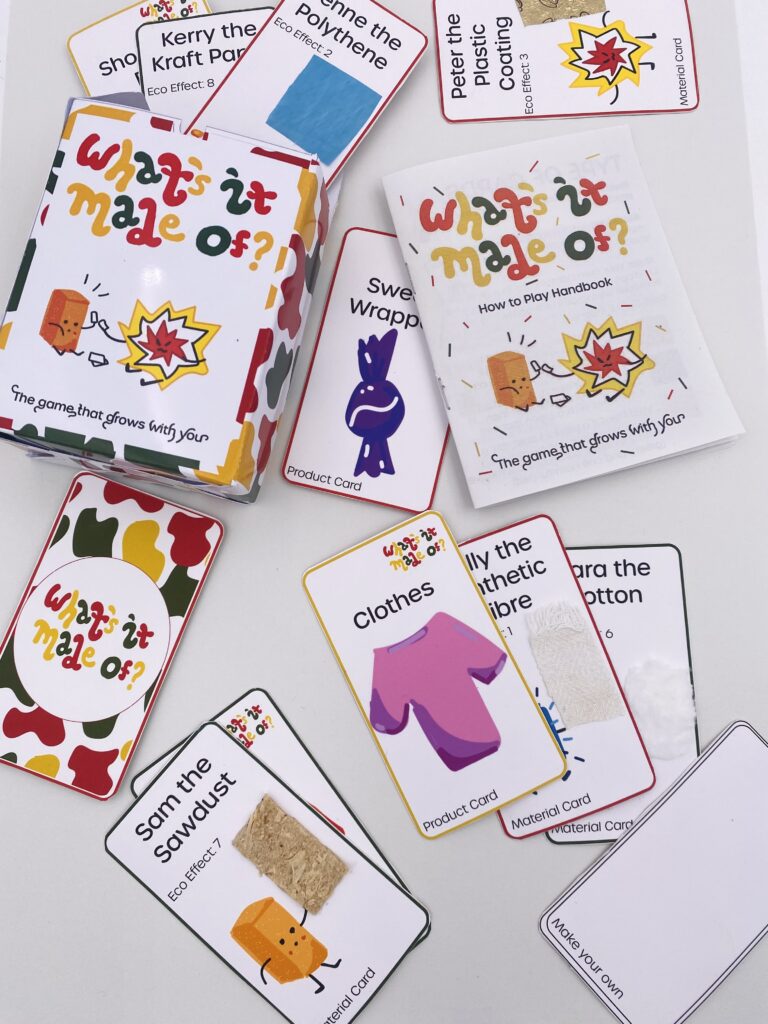
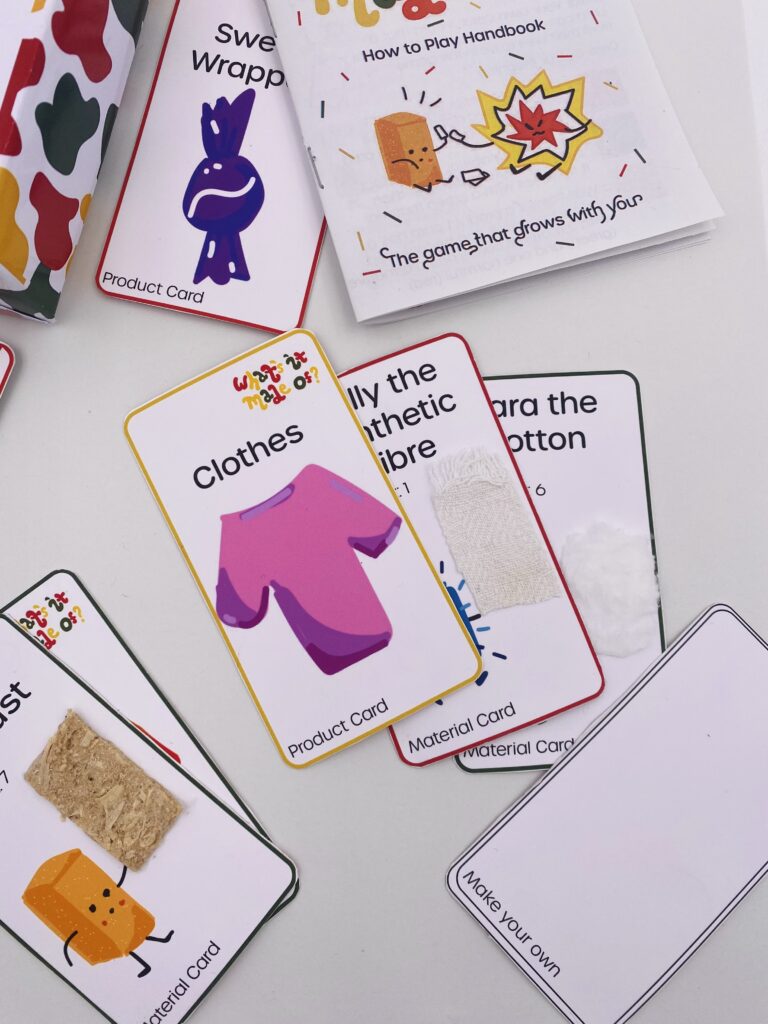
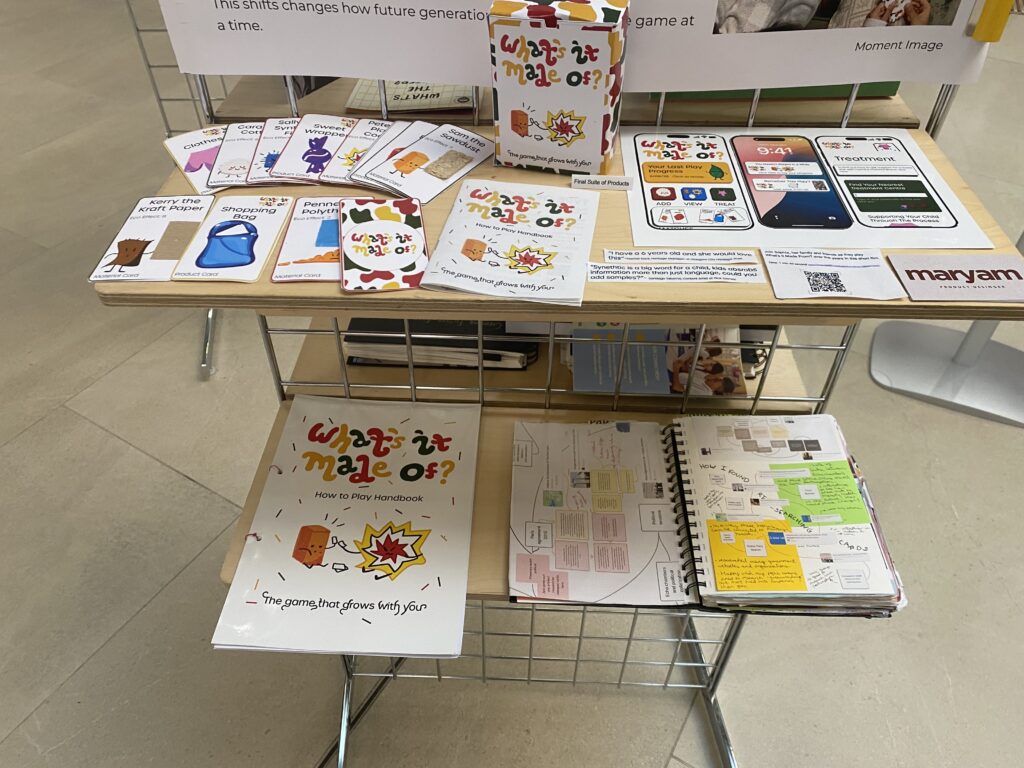
Exhibit in Advanced Research Centre

Matter Labs
From our collaborative project Creating Future Worlds, exhibited at the Advanced Research Centre in Glasgow, our group employed an iterative, research-led approach to develop this design proposal in response to the theme of Planetary Health: Civic. To contextualise the project, we developed a future narrative grounded in current trajectories and plausible environmental and socio-political shifts.
In 2035, the climate crisis reached a critical tipping point, triggering widespread global restructuring and the strict enforcement of the Polluter Pays Principle. This shift led to a dramatic reduction in material extraction, petrochemical manufacturing, and exploitative labour practices, compelling industries to account for the environmental and social costs embedded within global production systems.
As these systemic changes unfolded, society began to confront the toxic material cultures that had long underpinned consumerism and industrial growth. Efforts toward ecological repair became inseparable from broader attempts to restore relationships with land, reconfigure material circulation, and reshape collective attitudes toward consumption and responsibility.
However, despite these transformations, harmful substances remain embedded in everyday life, from synthetic fibres shedding microplastics to toxic dyes and chemical residues persisting within products and environments. This raises a central question: how can society address the long-term legacy of contamination already woven into modern material culture?
In response, the team behind MatterLabs™ emerged to confront the consequences of historic manufacturing practices through a series of remediation technologies and treatment processes. Their work enables society to continue using existing materials and products while actively reducing their environmental and biological harm.
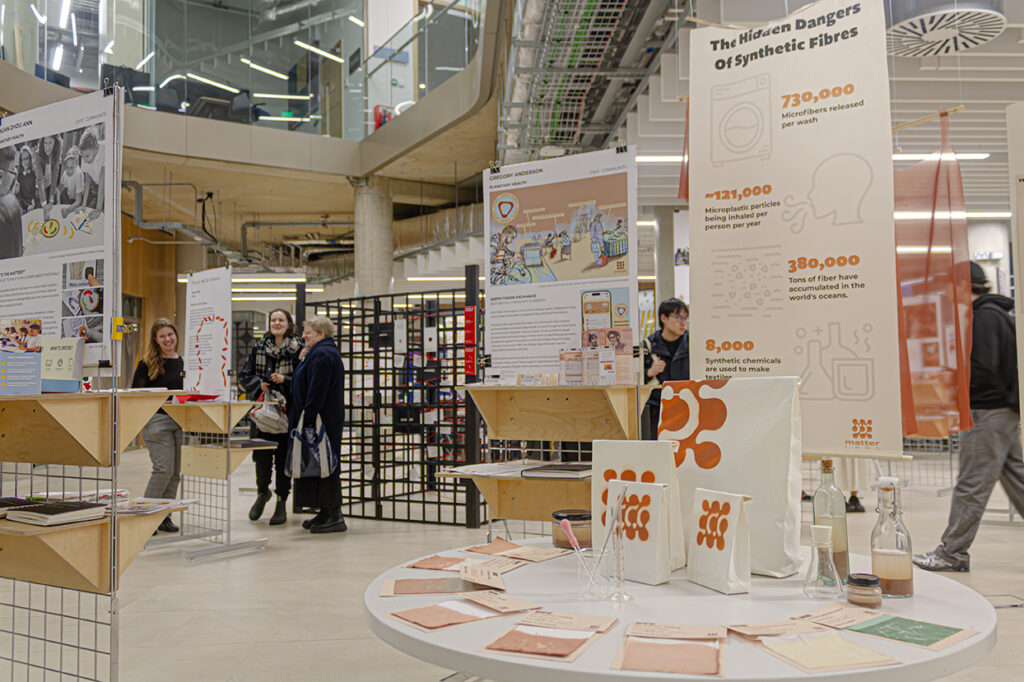
Display of Matter Labs Products After Treatment
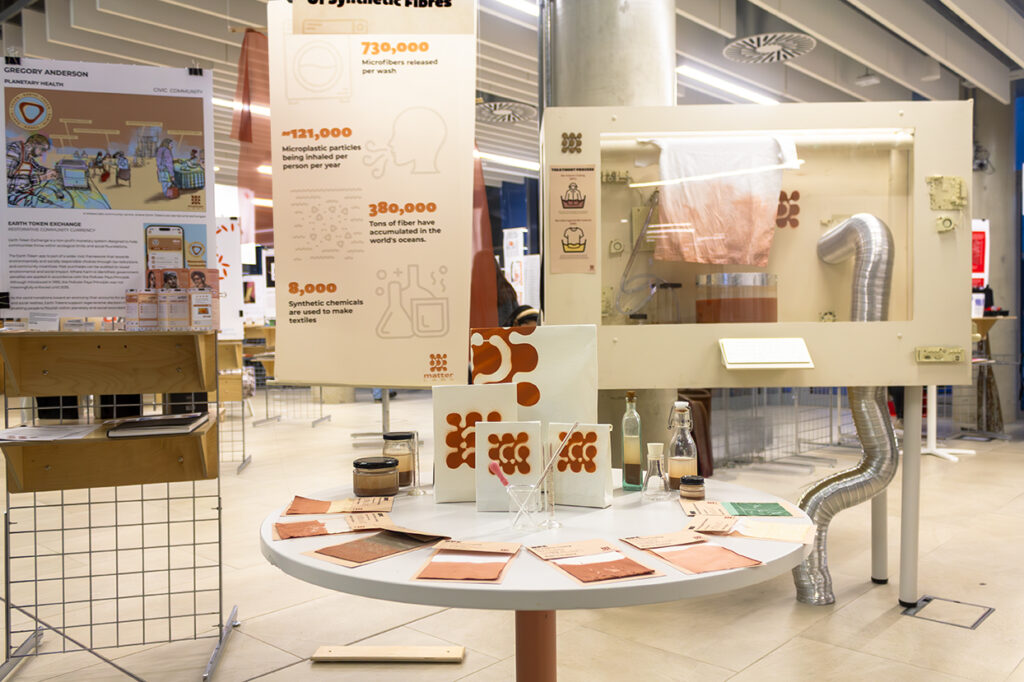
Display of Matter Labs Treatment Facility and Samples
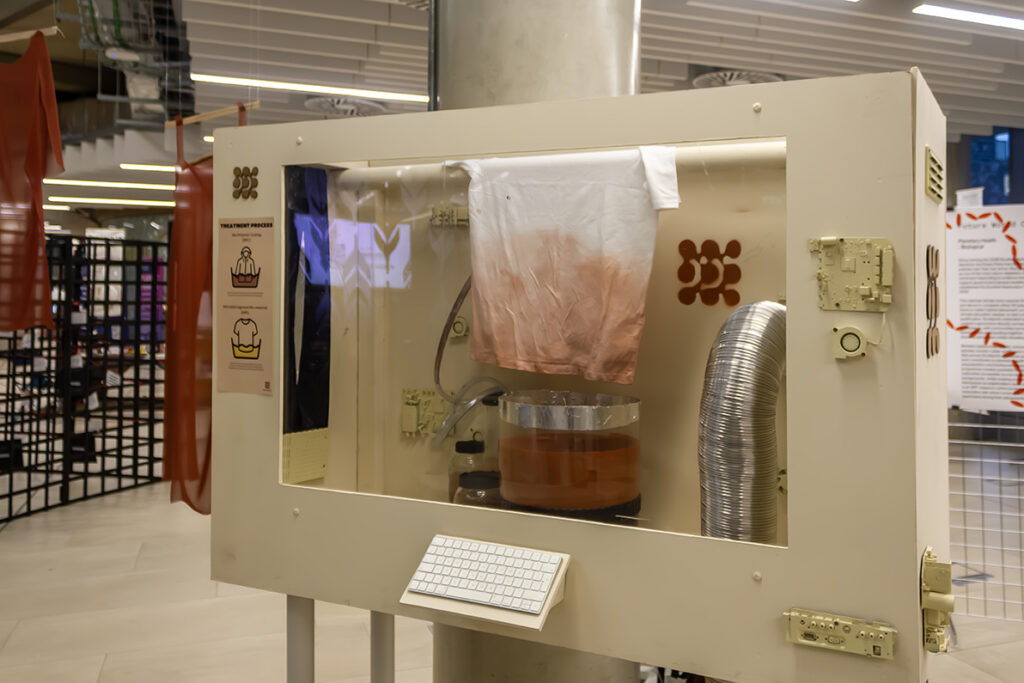
A polyester T-shirt is undergoing neutralisation at a Matter Labs facility, where protective coatings are applied to suppress microplastic shedding and chemical emissions.