Athens Charter 2033 (FDT Development)
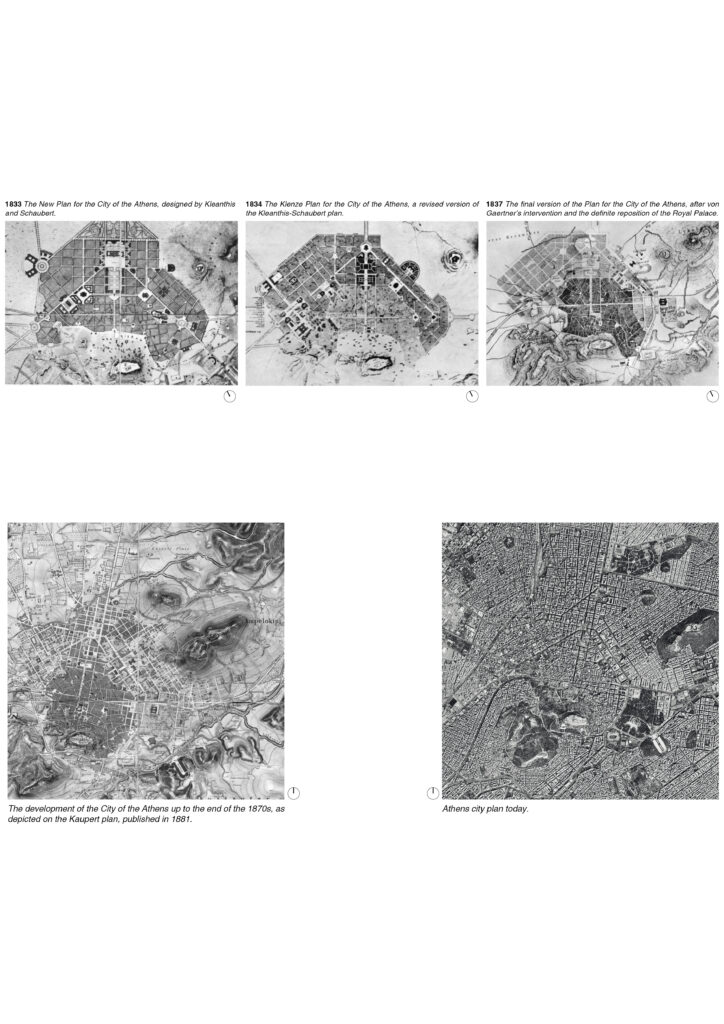
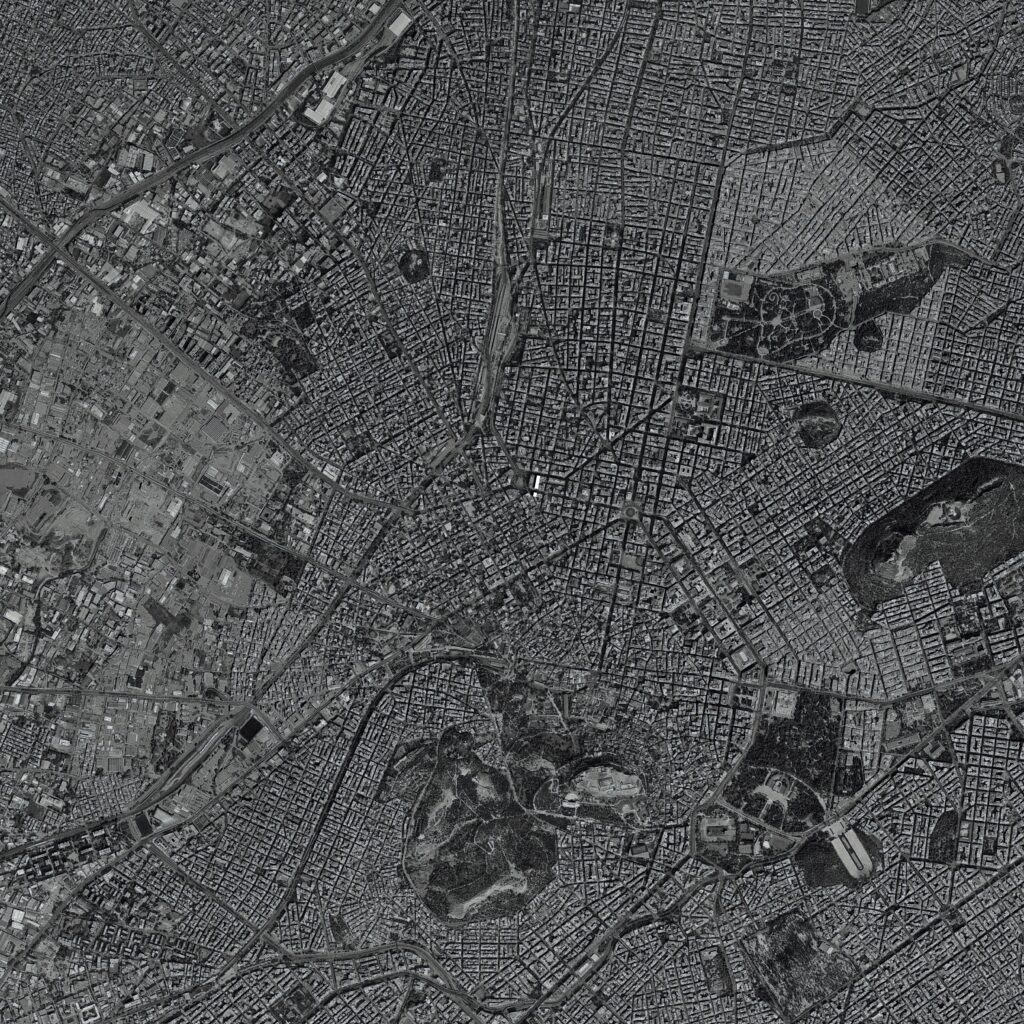
The city planning under Otto I was the only formal urban design for modern Athens, the area shaped by this plan is still visible today. However the later development of the city was rather chaotic and unplanned, the endless repetition of Parkatoikía seemed to make the second urban planning for Athens become a permanent paradox.
Le Corbusier’s Athens Charter 1933 was one of the most influential yet controversial documents in the history of modern urban planning, which heavily influenced the later concept of Linear City. Although the document’s content has little relationship with the specific city of Athens, its name seems to indicate that it would affect Athens someday in the future.
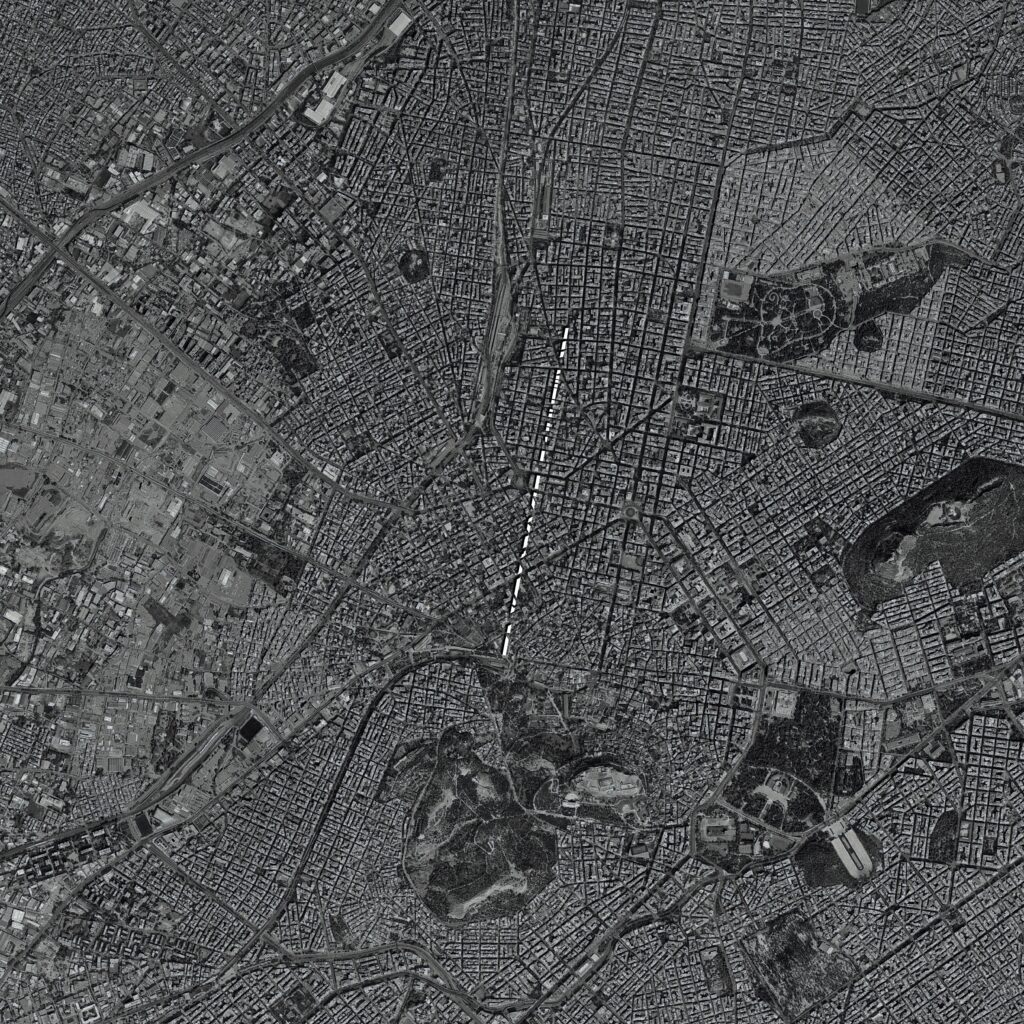
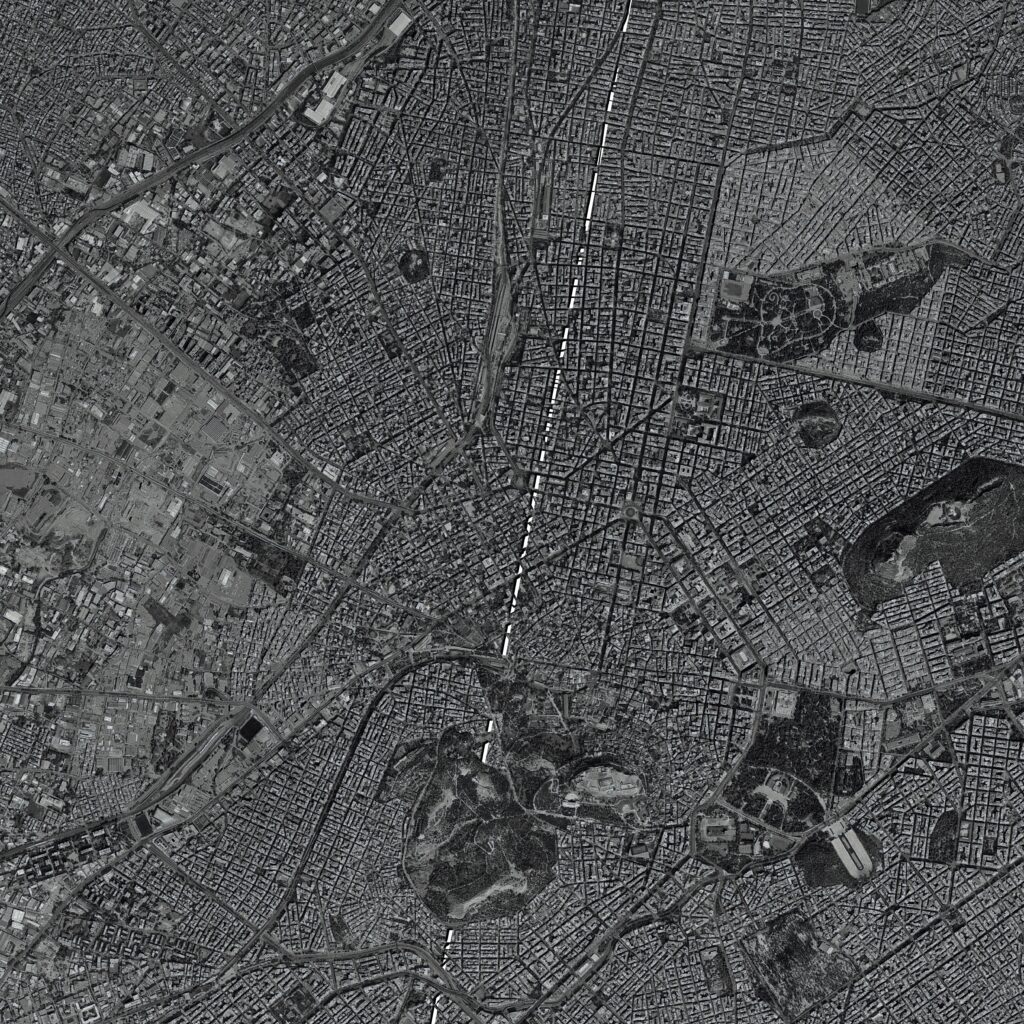
The thesis project’s own linear form provides the potential of introducing the radical concept of Linear City: at the macro level, this line is infinitely extended to form a new city axis, on which all potential empty plots or abandoned Parkatoikías would be used or reused as new public spaces; at the micro level, the new special and replicable form of Stoa adopted by the project would be the prototype for this axis.
This proposal would be a new city planning document – Athens Charter 2033. While Corbusier’s Athens Charter 1933 was a universal manifesto calling for the real demolition of crowded historical city centres to make way for high-rise residential blocks, the Athens Charter 2033 is a proclamation specifically for Athens that advocates the metaphorical and ethical destruction of the ruins by building a long-span linear axis for public life, which gently weaves into the city, connecting the fragmented urban fabric in a simple but powerful manner.