
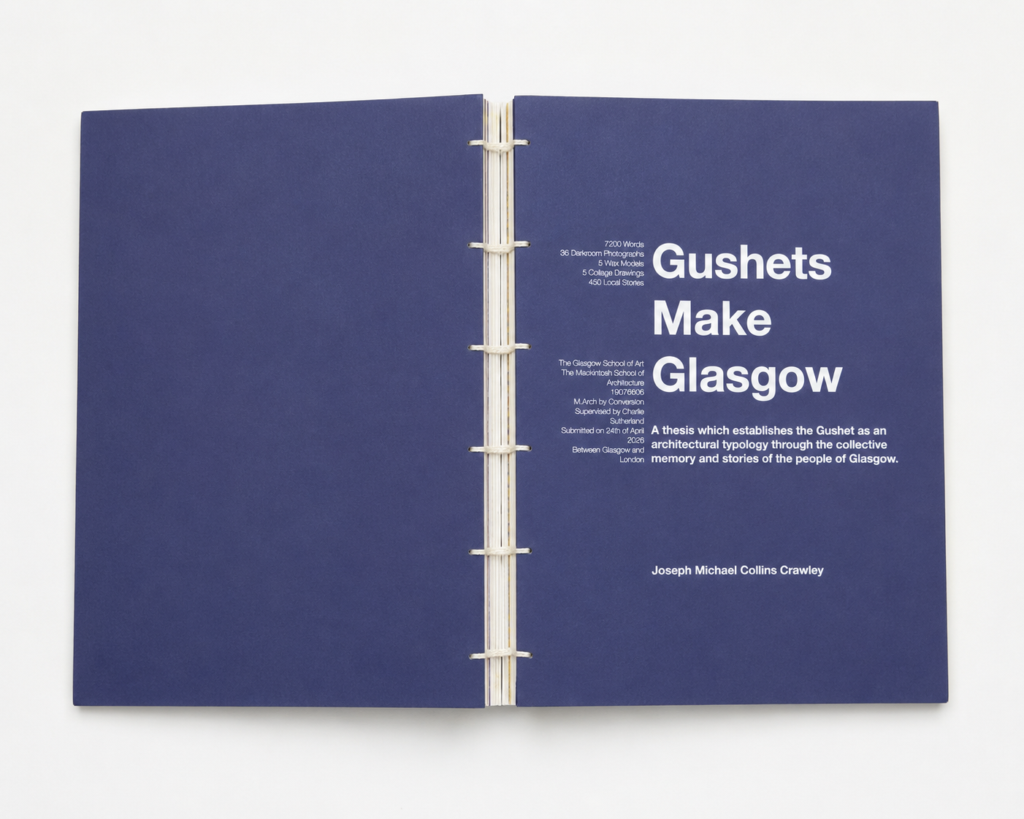
Gushets Make Glasgow
In a climate of new emergence, where the primary focus of the architectural discourse is around the questions of climate change, environmentalism and digitisation etc, it can sometimes be hard to look to the past and to value it in the same we way did during the transition of modernism to post-modernism. It feels as though something fundamentally new is about to happen. It feels as though change is in the air. We can already sense that the parameters of our urban work will change radically – and the image of the city along with them. Because of this, I feel it is important at this point in my work, to give more onus and attention to parts of our city where recognition is due and to subsequently create more appraisal for these pastime tokens.
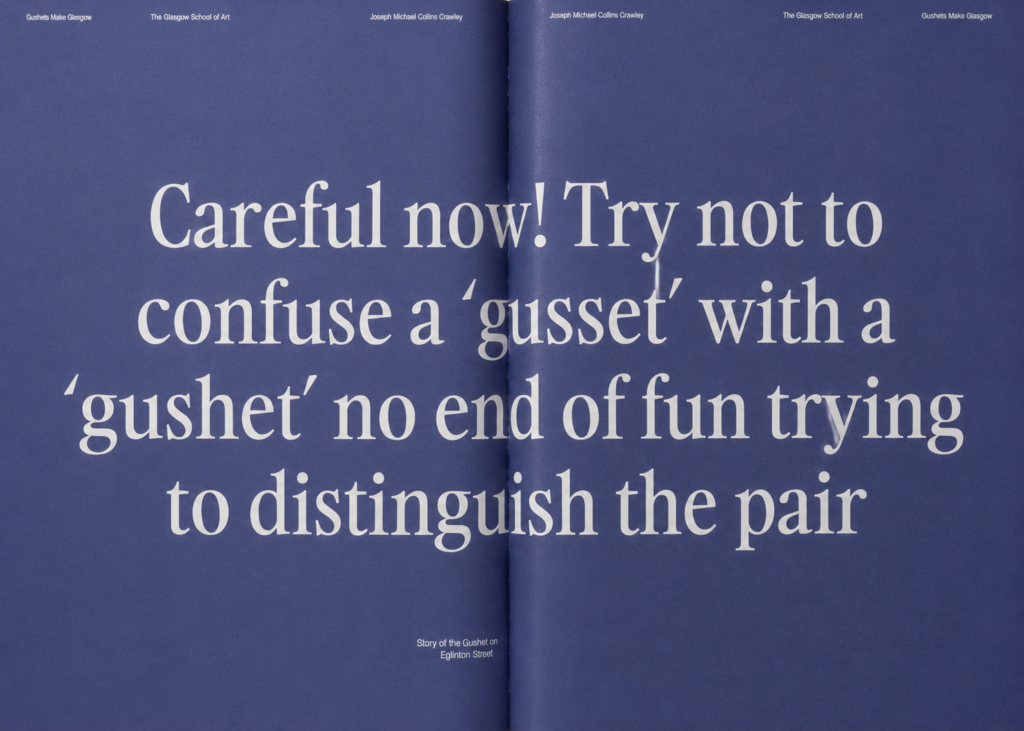
When people enter a new era, they initially tend to look back to the old – to the existing. In Glasgow as of late, we have seen an increased discourse around densification and reverting it back to what once was – a place of thriving industry and cultural activity. In what seems to be a new revolutionary period in architecture, it is quite clear that we should be examining a lot more of what we have in our city, particularly buildings that have been there longer than anyone and anything around it. Growing up in Glasgow, living so intimately with its profound architecture, I have seen years of its decline and blatant destruction, furthermore, its planned obsolescence. It has become clear to me there is a sole survivor of a single type which has been unexplored through time, solely to exist within the memory of the people. This would be the Gushet – a Scots word describing a building standing at the corner and forming an angle between two roads.
Subsequently, the thesis aims to establish the Gushet as an architectural typology through the collective memory and stories of the people of Glasgow.
‘Gushets Make Glasgow’ was submitted in residence at the Porteous’ Studio Writers Residency by Izat Arundell.
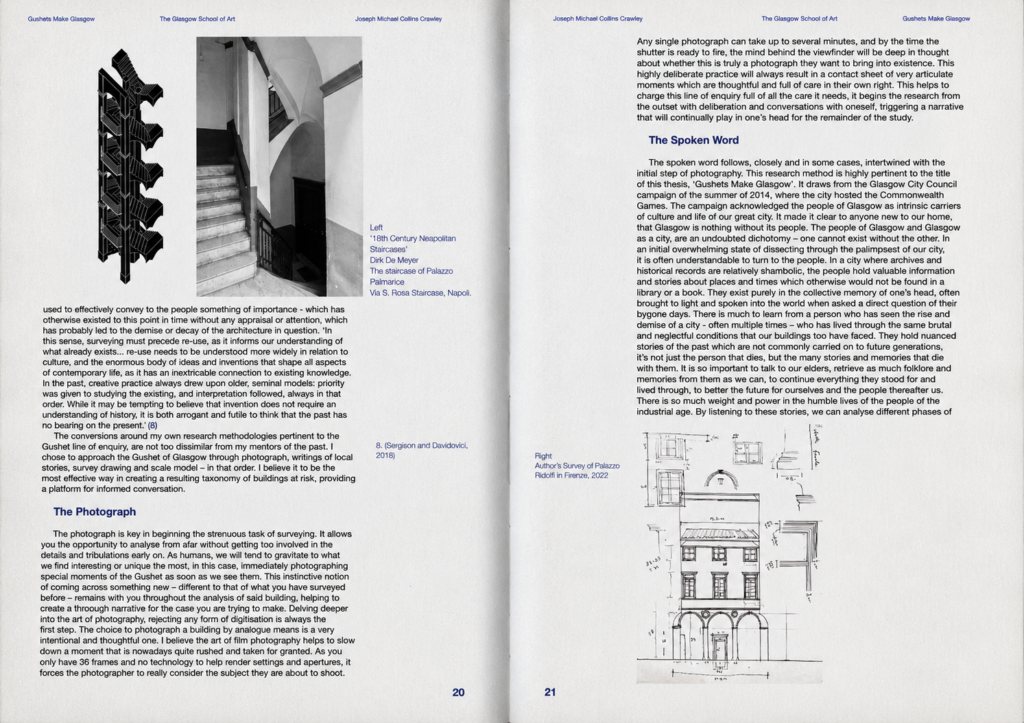
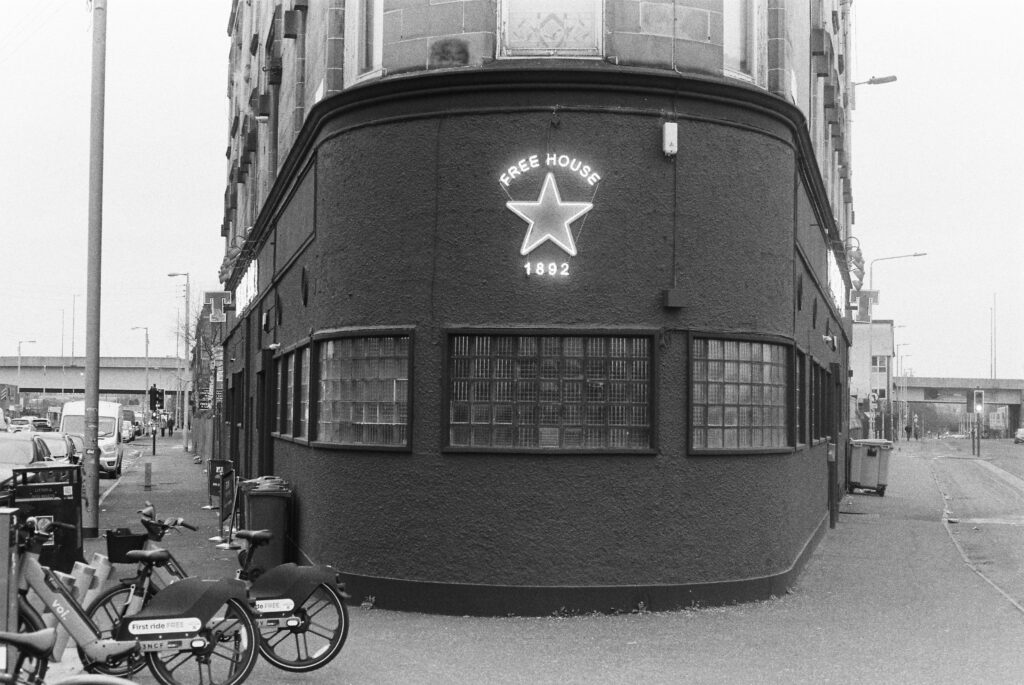
Medium Format, b&w
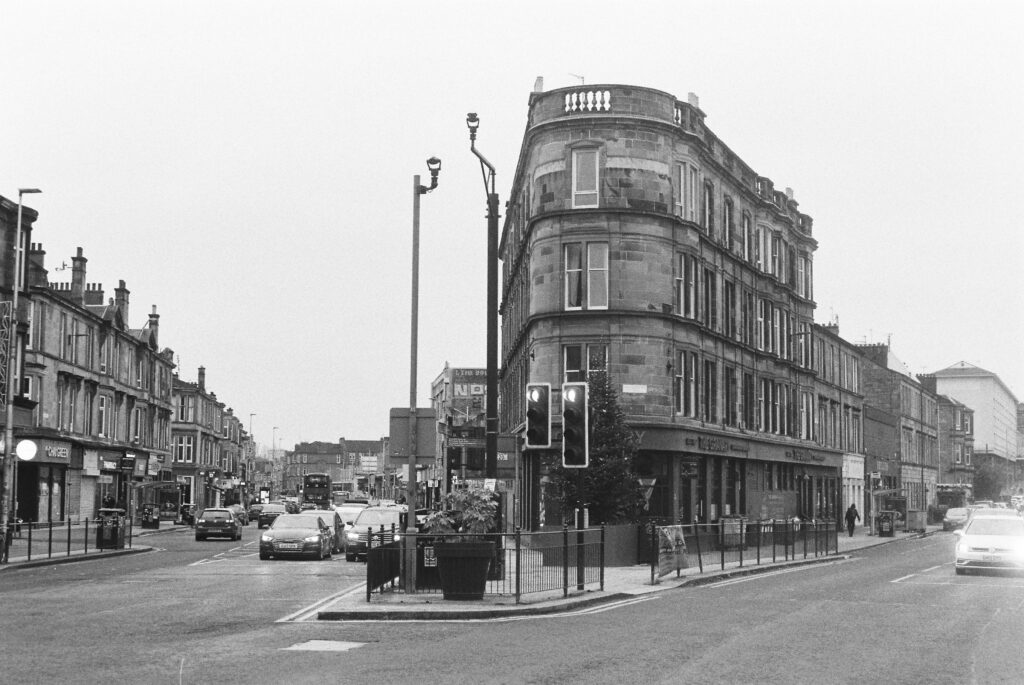
Medium Format, b&w
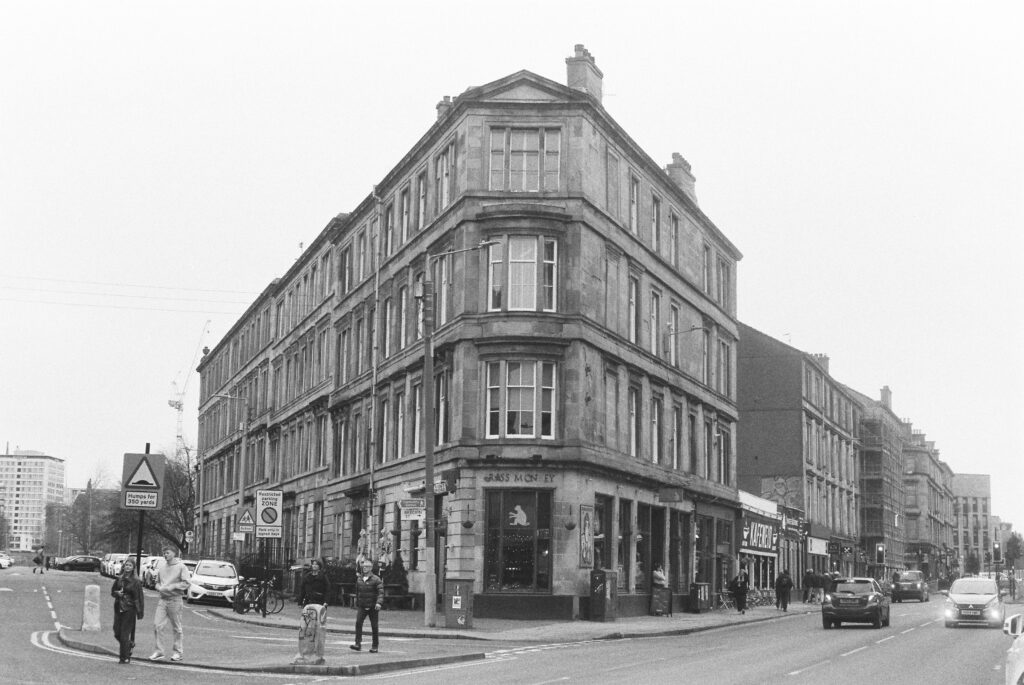
35mm, b&w
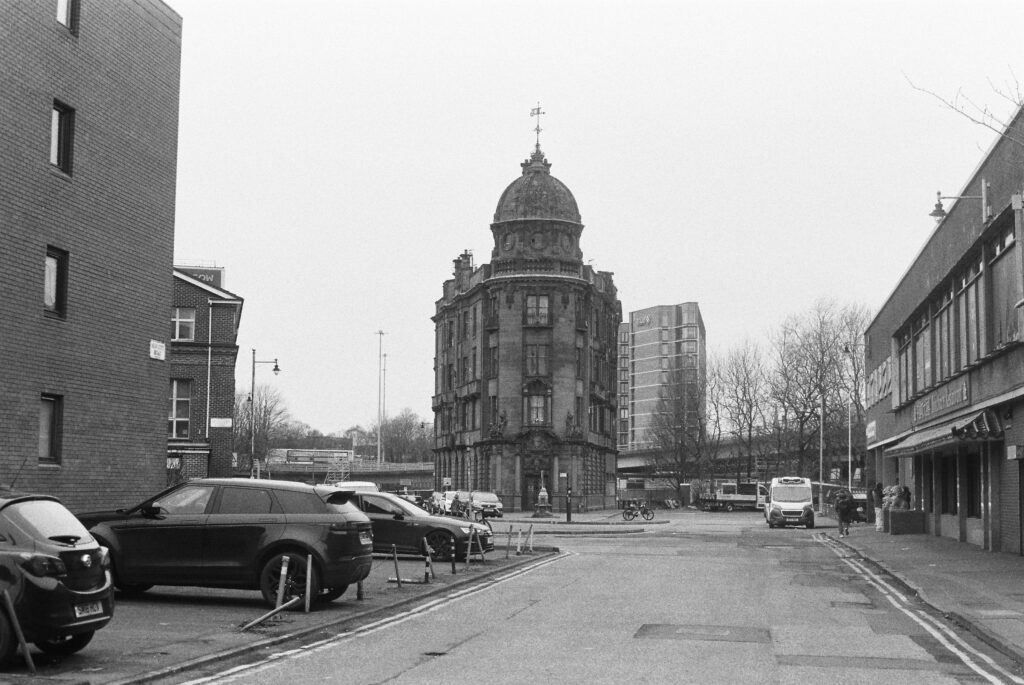
Medium Format, b&w
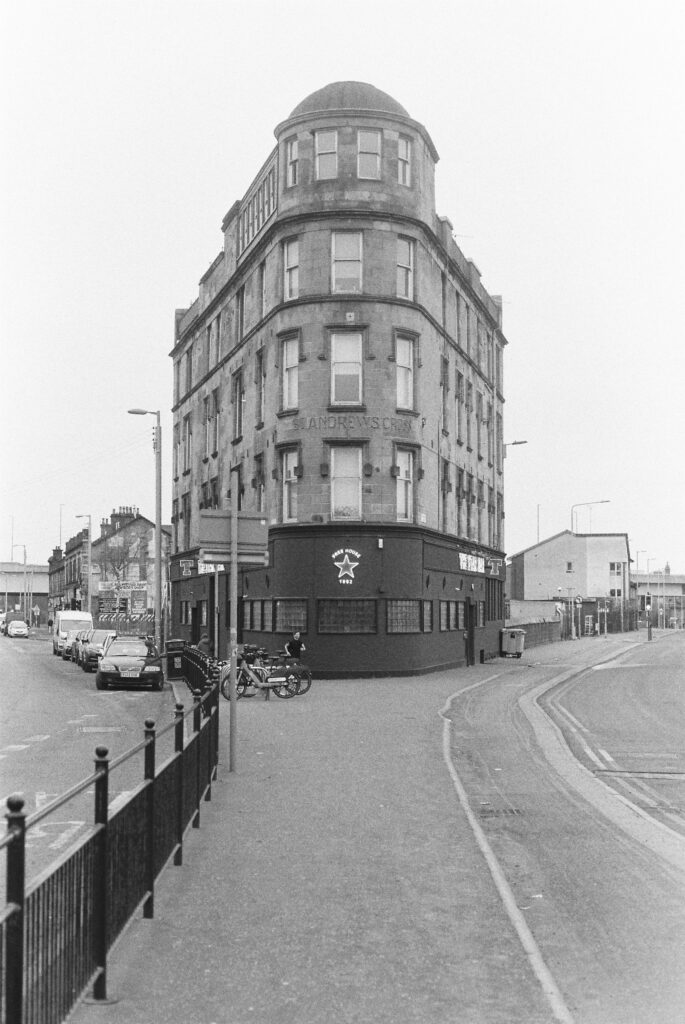
35mm, b&w
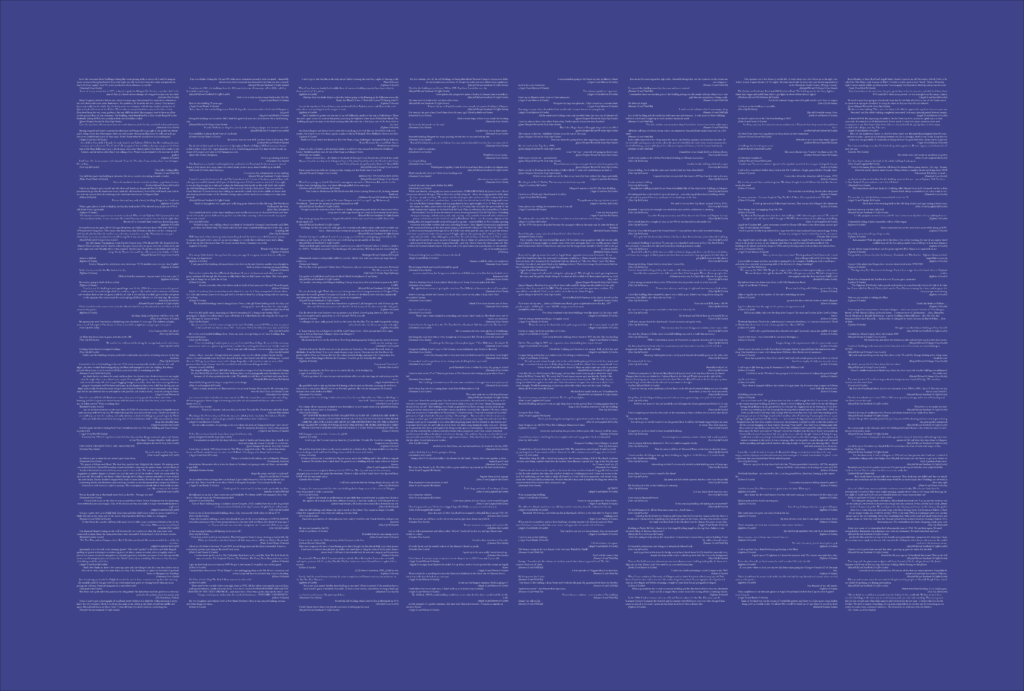
13,000 words, printed on fabric. Handwoven in Pakistan
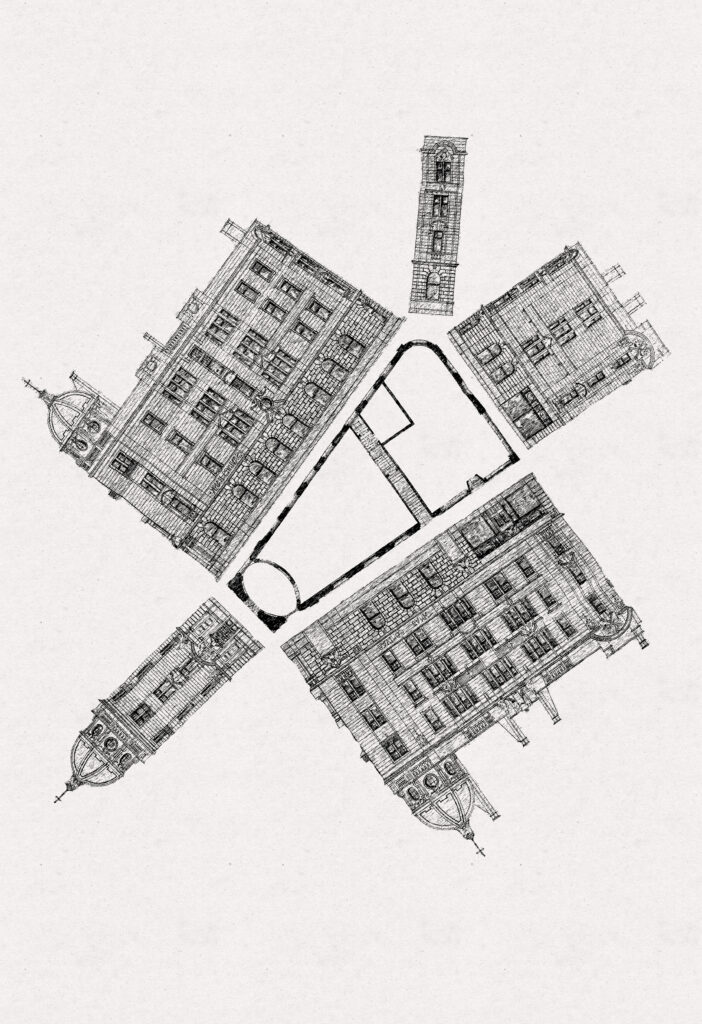
Reflected Elevation and Plan Drawing
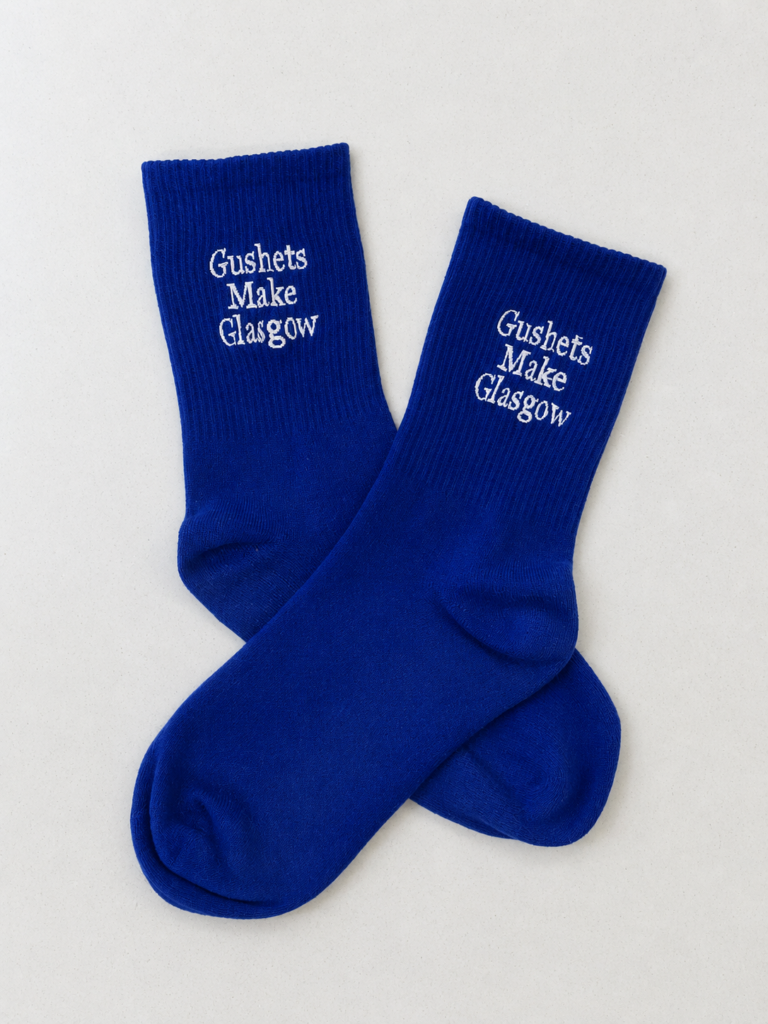
A gift from dott.