Looking for Connection [Research]
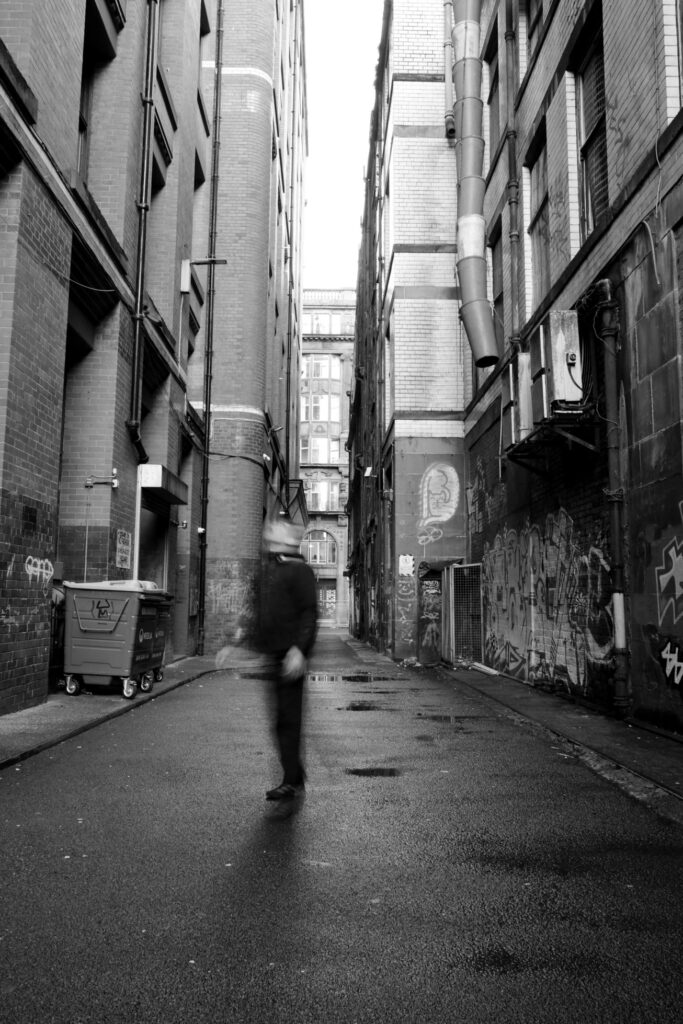
Living in a city does not always mean feeling connected to it. A place may become familiar through routine, repeated routes, and daily use, yet still remain oddly distant. Looking for Connection begins from that gap. It asks what allows a city to feel connectable, and how paying closer attention to those conditions might reveal something about one’s own sense of connection.
The work is concerned with the city at the scale at which it is lived. Rather than approaching architecture only through object, programme, or image, it focuses on the ordinary spatial and social situations that shape how a body moves, slows down, or remains in place. Edges, thresholds, planting, overlooking windows, street width, surface condition, the presence of others, and the pace of movement all begin to matter here, not as isolated features, but as parts of an environment that may support or weaken a sense of relation. The interest is therefore architectural in a broad sense: not only in what the city looks like, but in how it receives presence.
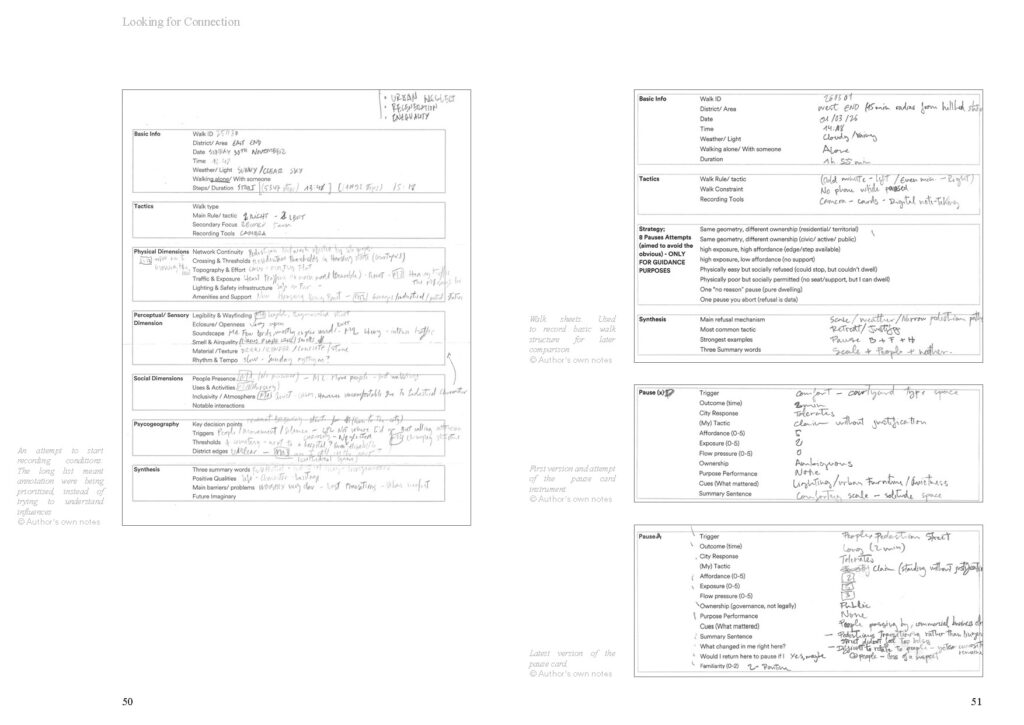
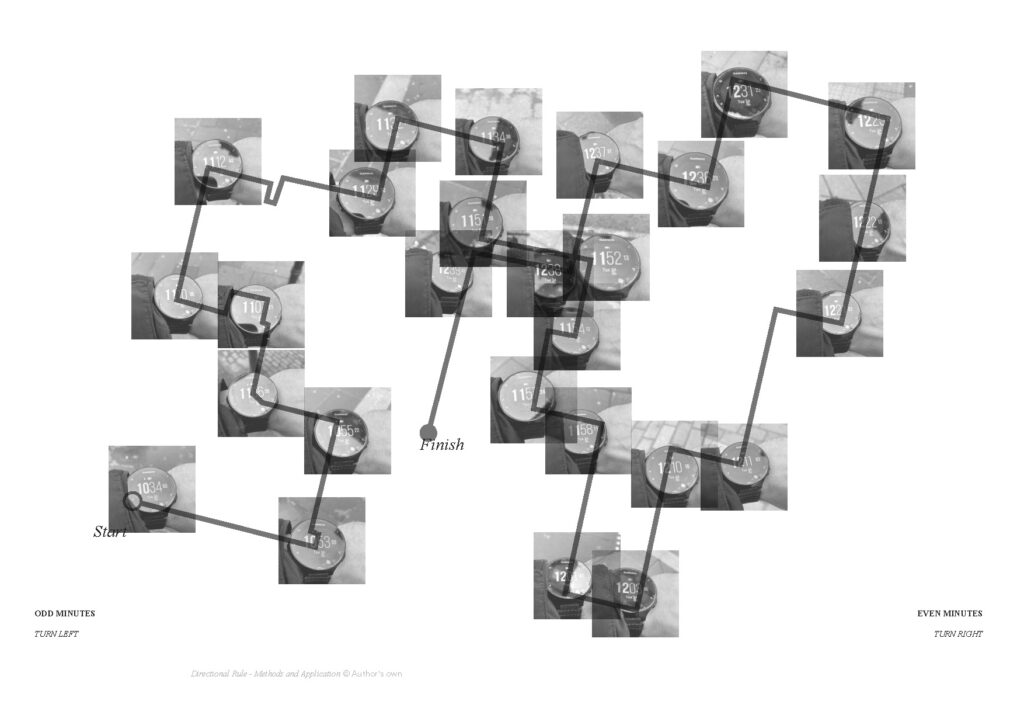
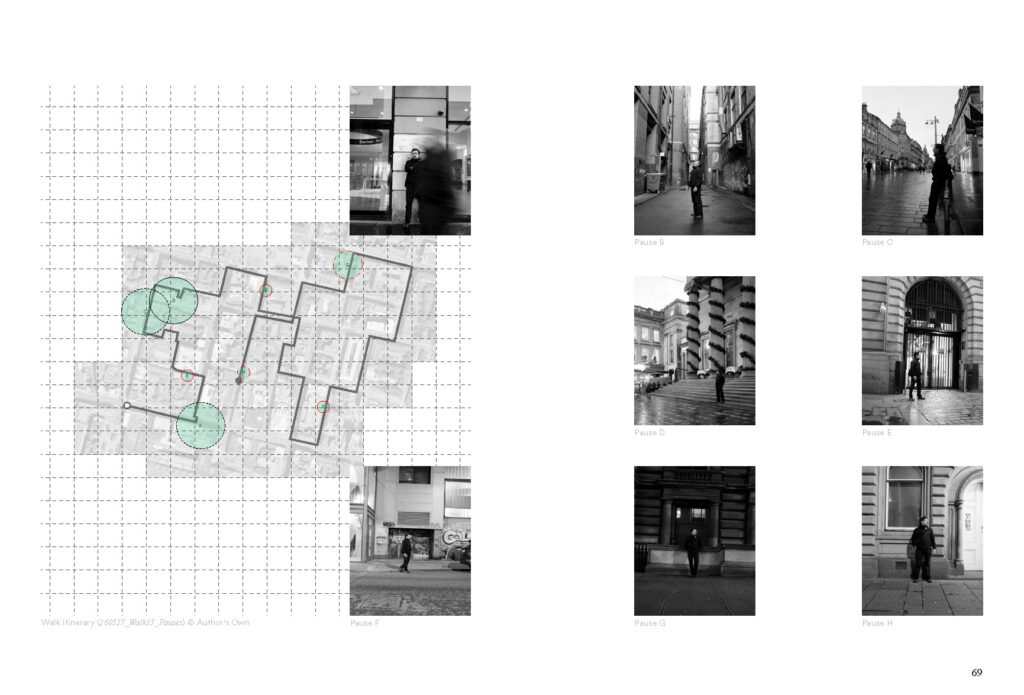
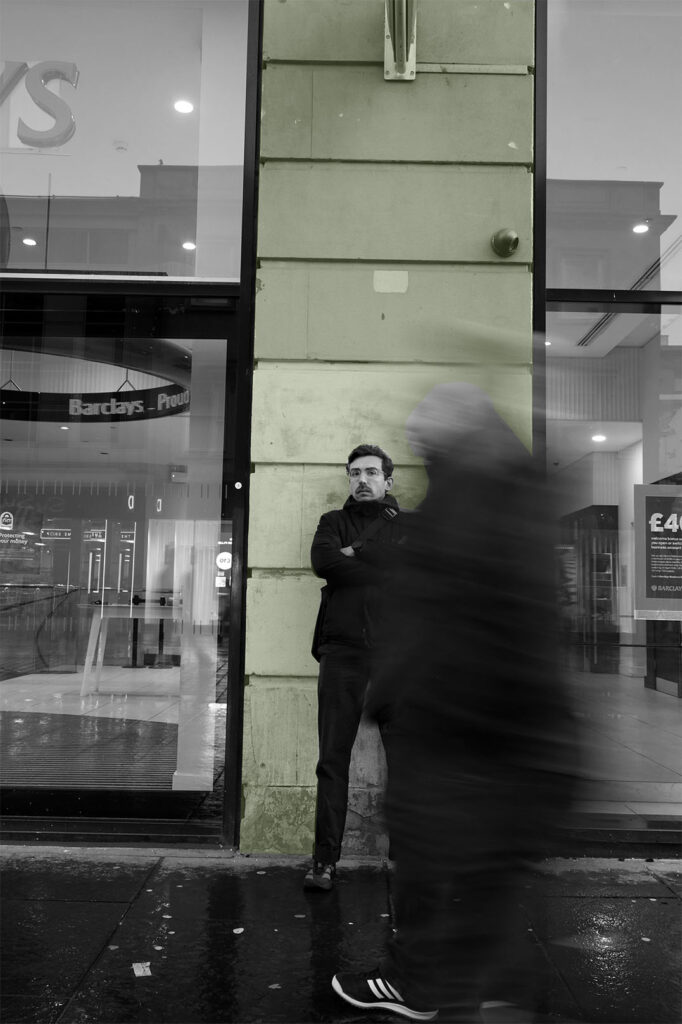
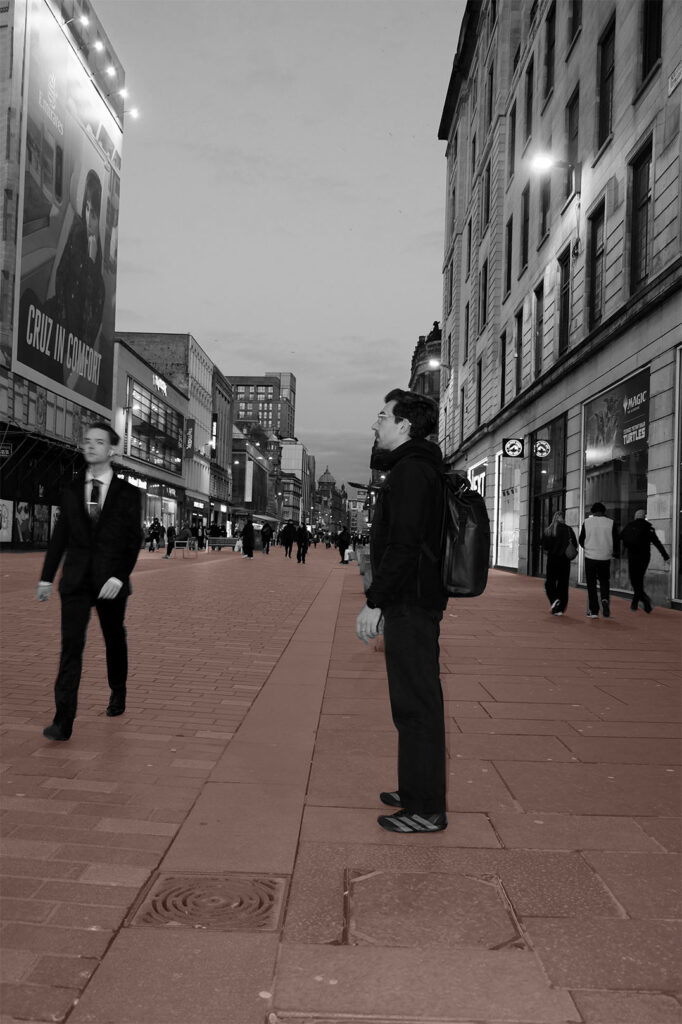
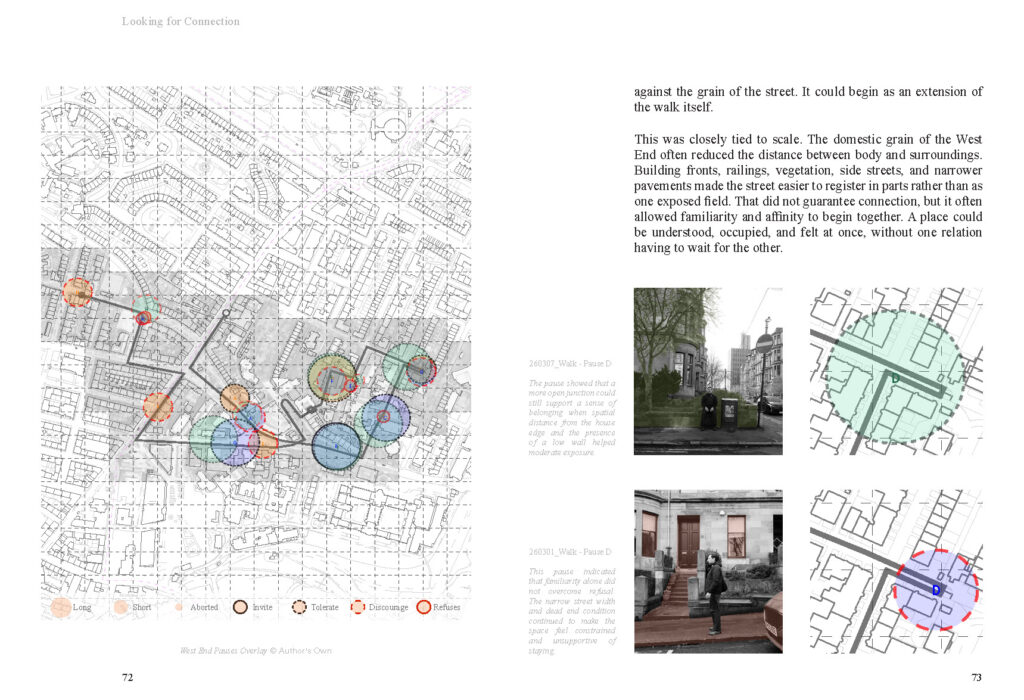
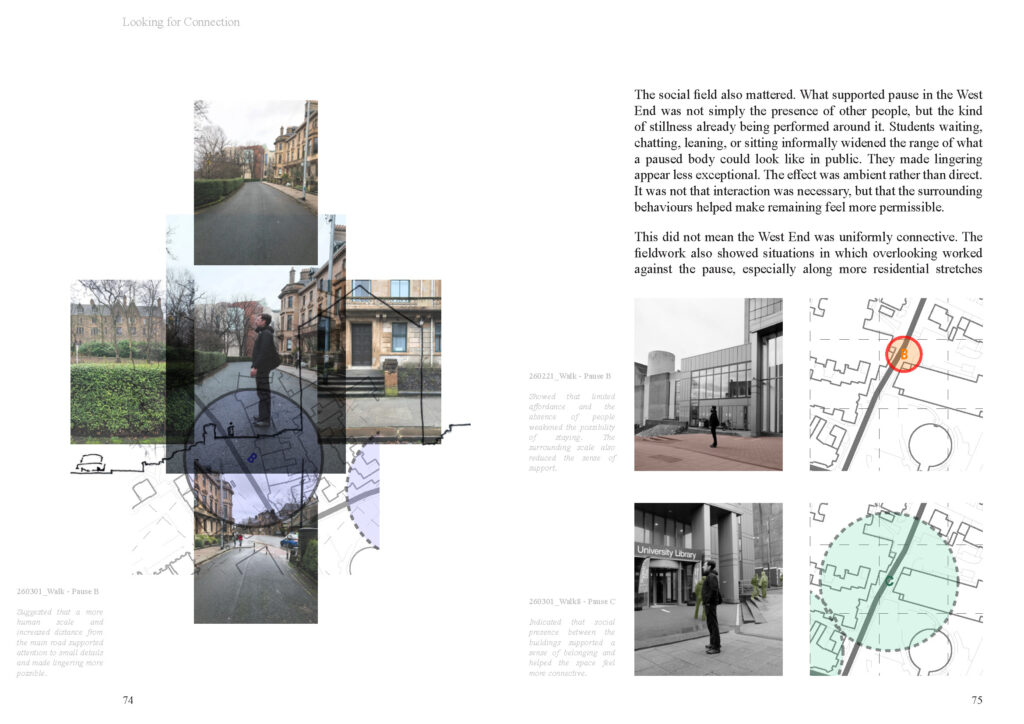
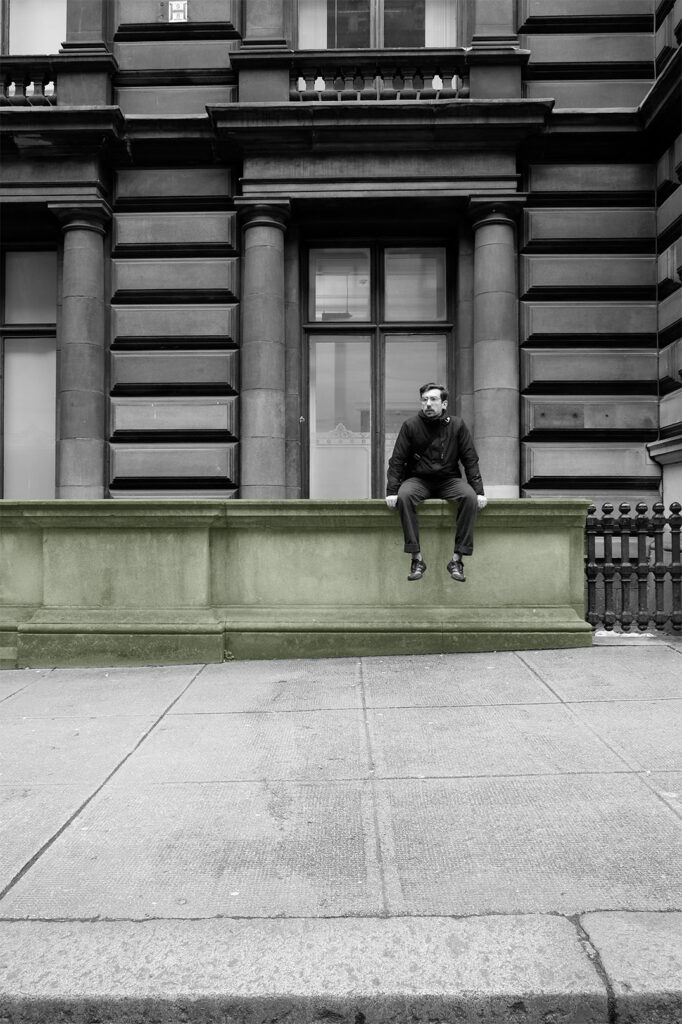
Walking provides the project’s primary mode of enquiry. As a slow and embodied practice, it allows the city to be read through rhythm, atmosphere, material change, and encounter. Yet the project proposes that pausing offers a sharper lens still. If walking lets the city unfold, pausing tests whether a place can hold the body beyond movement alone. A pause asks whether one can remain without discomfort, awkwardness, or the need to explain one’s presence. It turns passing impressions into situated observations and makes comparison possible.
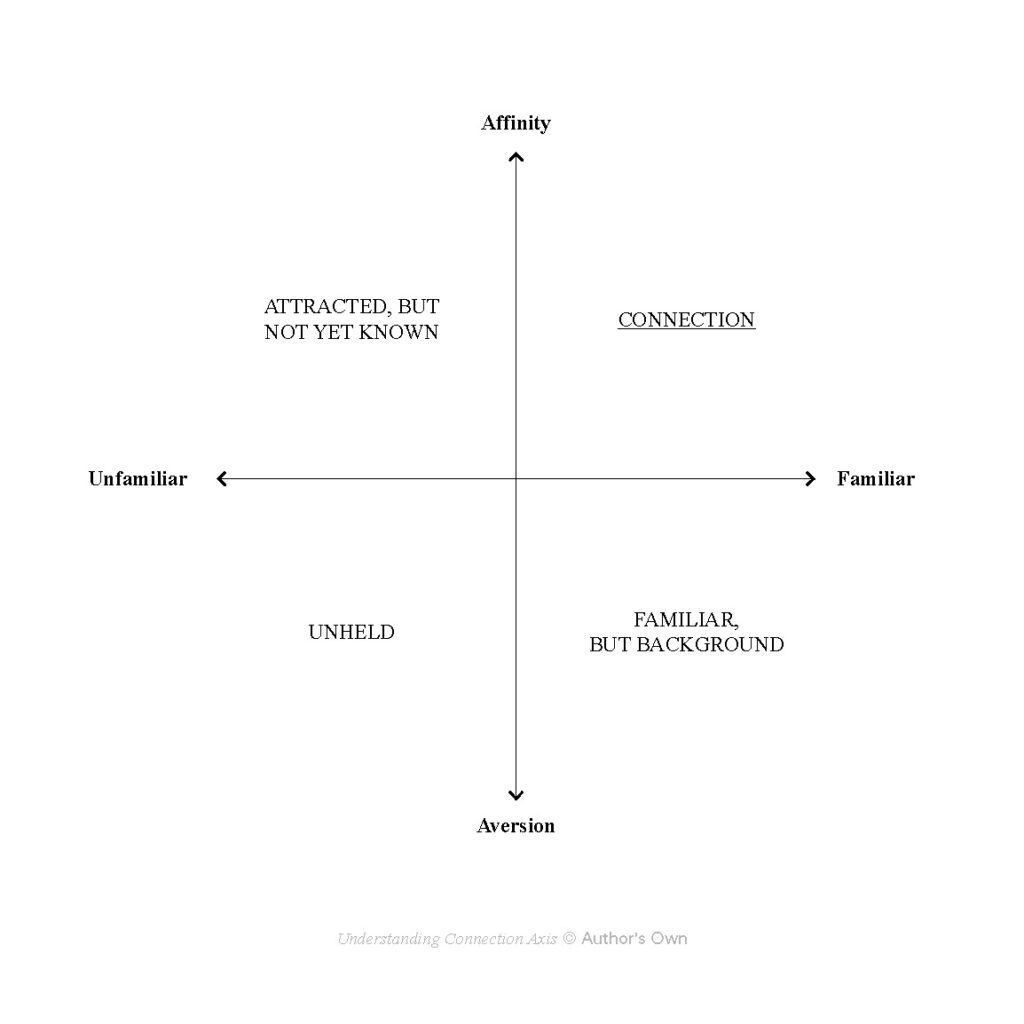
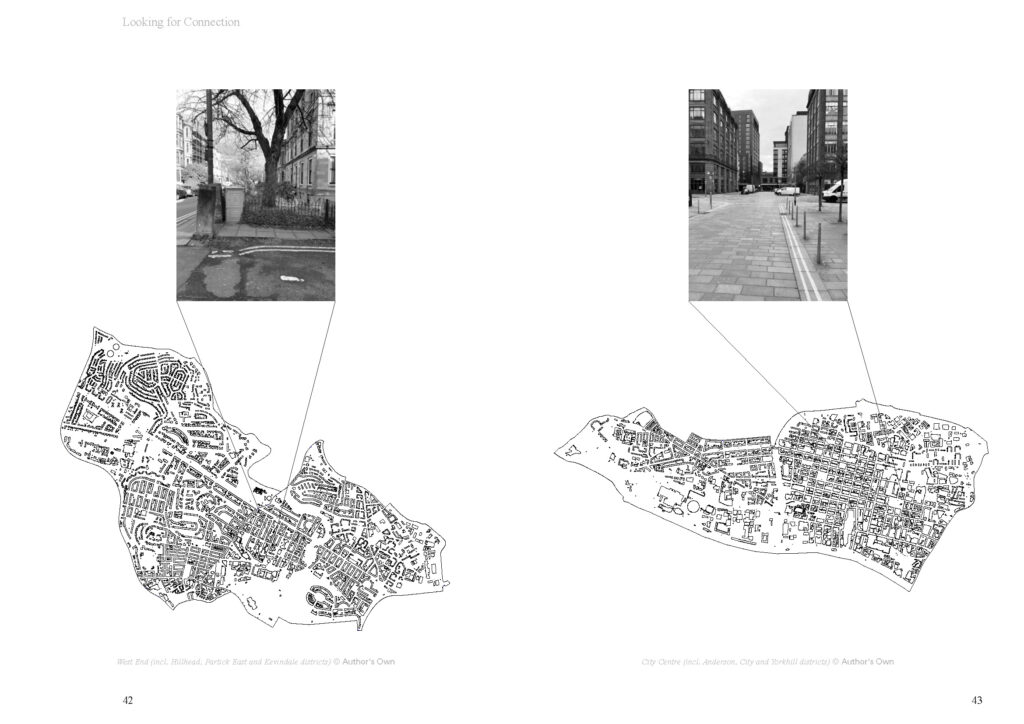
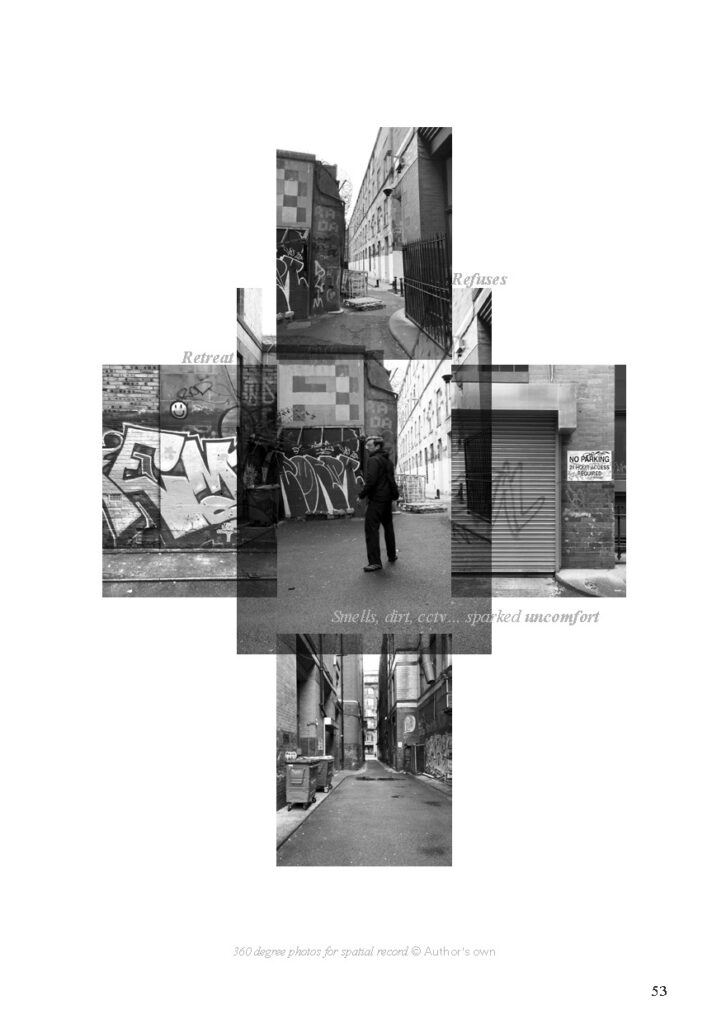
This proposition is explored through repeated fieldwork in Glasgow, with a particular focus on the West End and the City Centre as contrasting urban conditions. Through mapped walks, photographs, pause cards, and written reflection, the project examines where and how connection begins to become legible. From this, connection is approached through the overlap between familiarity and affinity. Familiarity concerns recognition, orientation, and the knowledge that develops through return. Affinity concerns the felt quality of relation between person and place, whether a setting seems to suit, support, or receive one’s presence. The argument is that a city becomes more connectable where these two conditions begin to reinforce one another.
The value of the research lies in making these conditions visible. In a context shaped by speed, efficiency, and distraction, the project argues for slowness and attentiveness as a valid architectural enquiry. It suggests that the capacity of a place to support unforced presence is not incidental to urban life, but central to how meaningful relation is formed. In that sense, the project proposes a way of reading the city through its quieter acts of support, and of understanding connection as something that begins not in abstraction, but in the lived encounter between body and environment.