Planting a Seed of Community
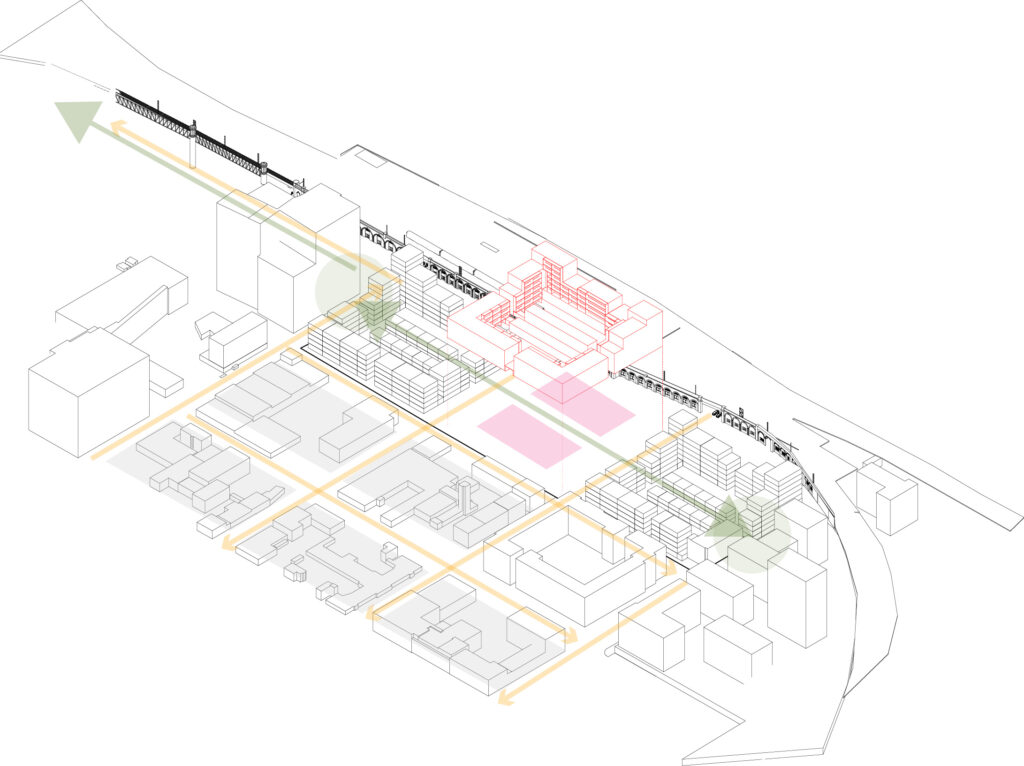
This housing project explores how architecture can repair the fragmented social and urban conditions of post-industrial Glasgow, particularly within the disconnected area of Tradeston. At its core, the project is driven by the idea of “planting a seed” of community within an area dominated by derelict land, car infrastructure, and isolated developments.
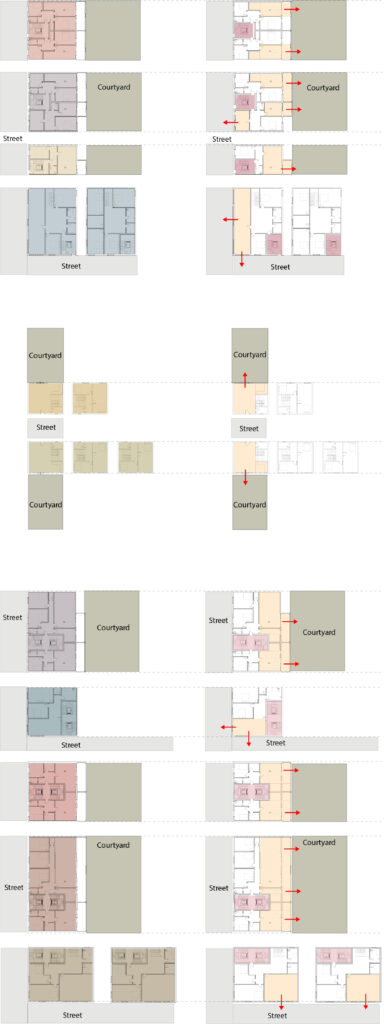
The proposal critiques the way contemporary urban development has become placeless and disposable, contrasting Glasgow’s historic sandstone identity and industrial permanence with the temporary, fragmented nature of modern construction. Through extensive urban analysis, the project identifies boundaries created by roads, railways, rivers, and zoning as key contributors to social isolation within the city. In response, the housing strategy focuses on reconnecting people through pedestrian movement, shared courtyards, and layered thresholds between public and private space.
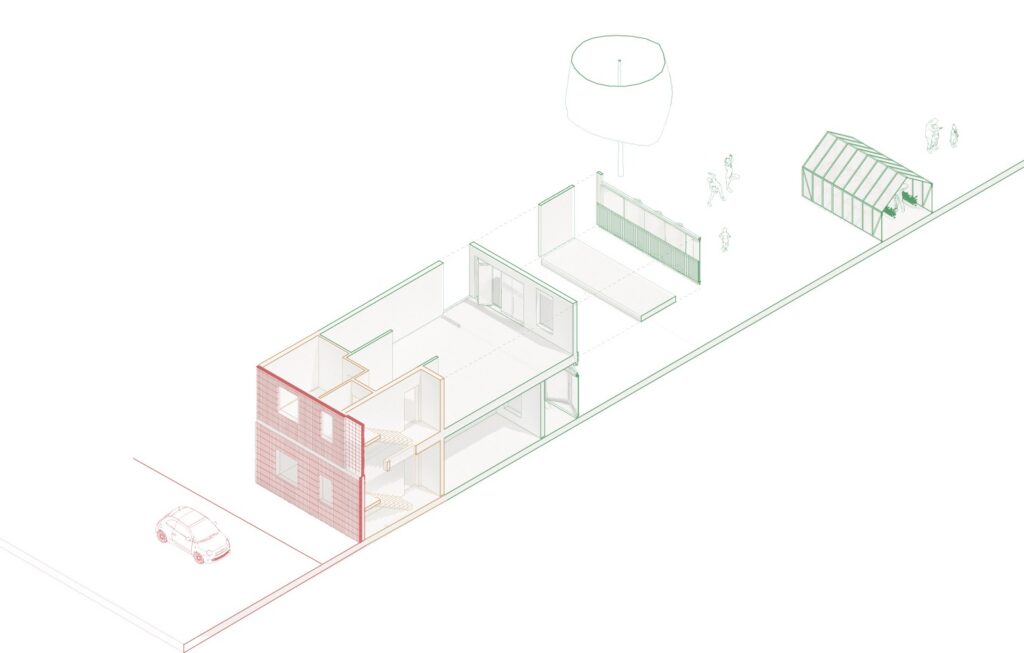
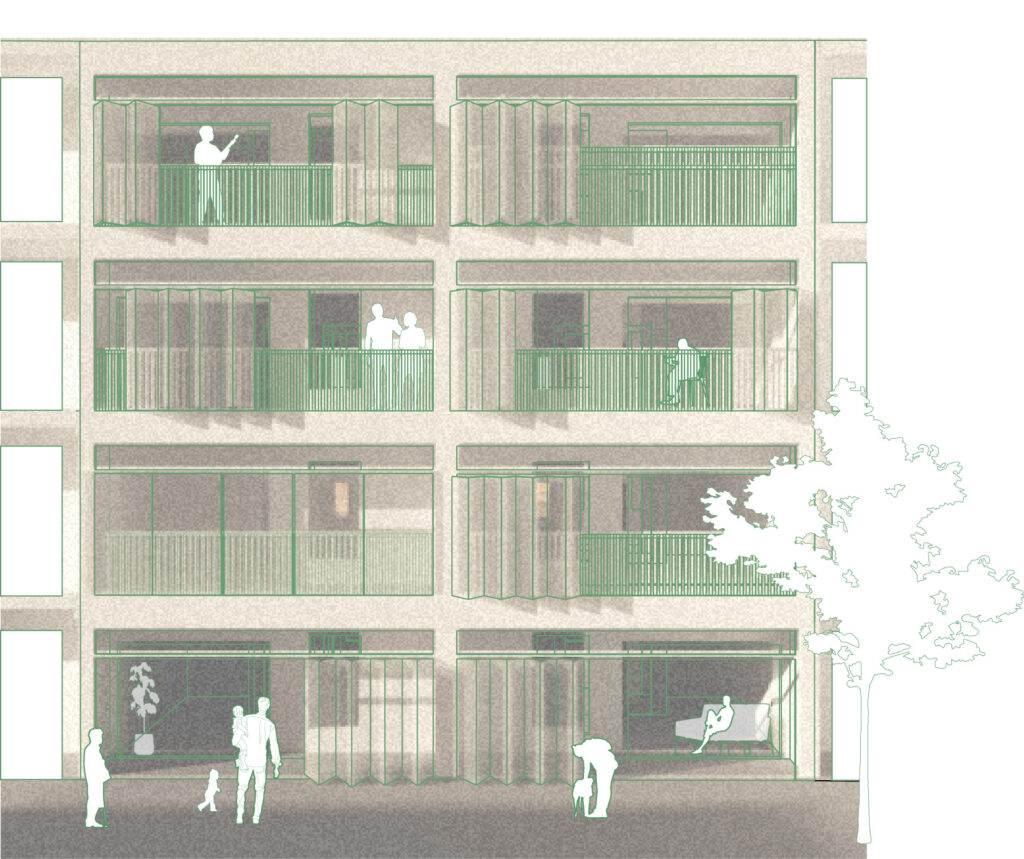
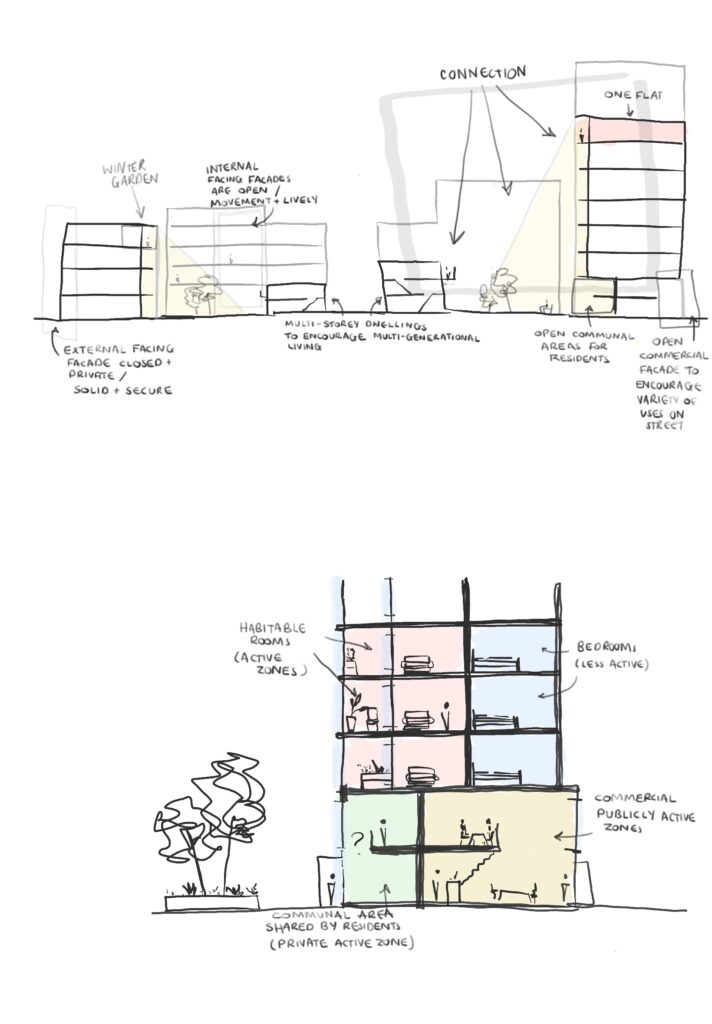
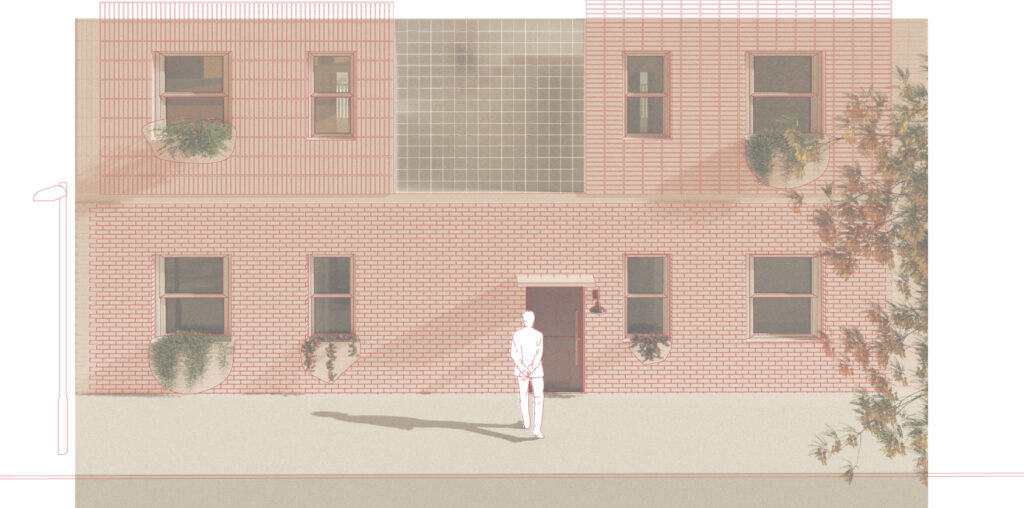
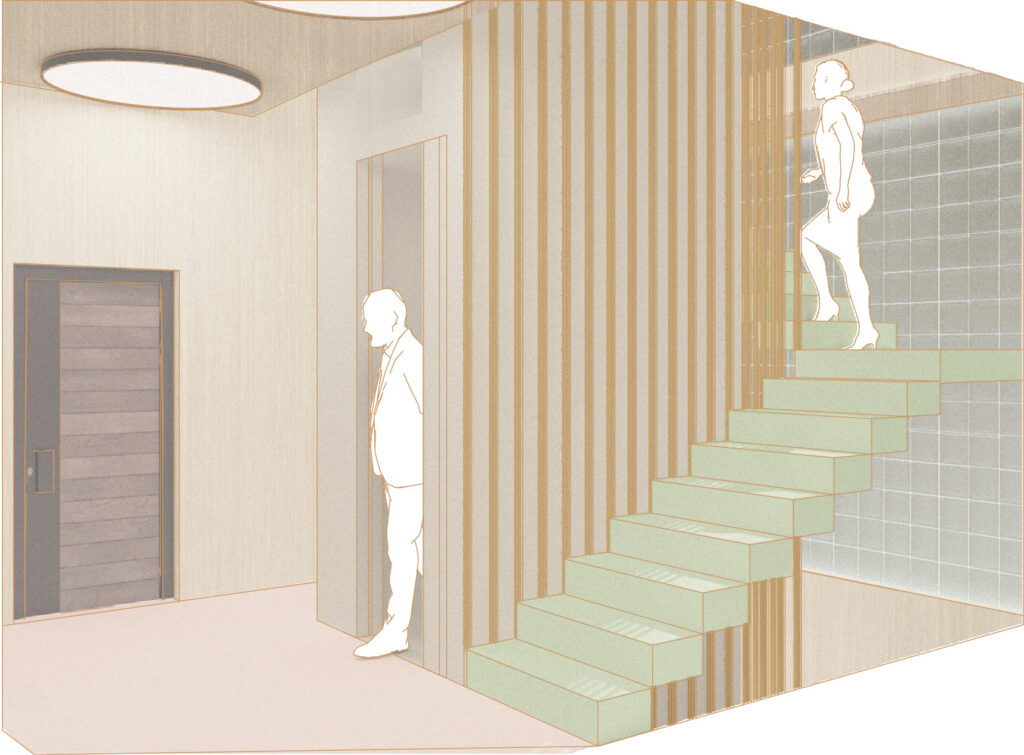
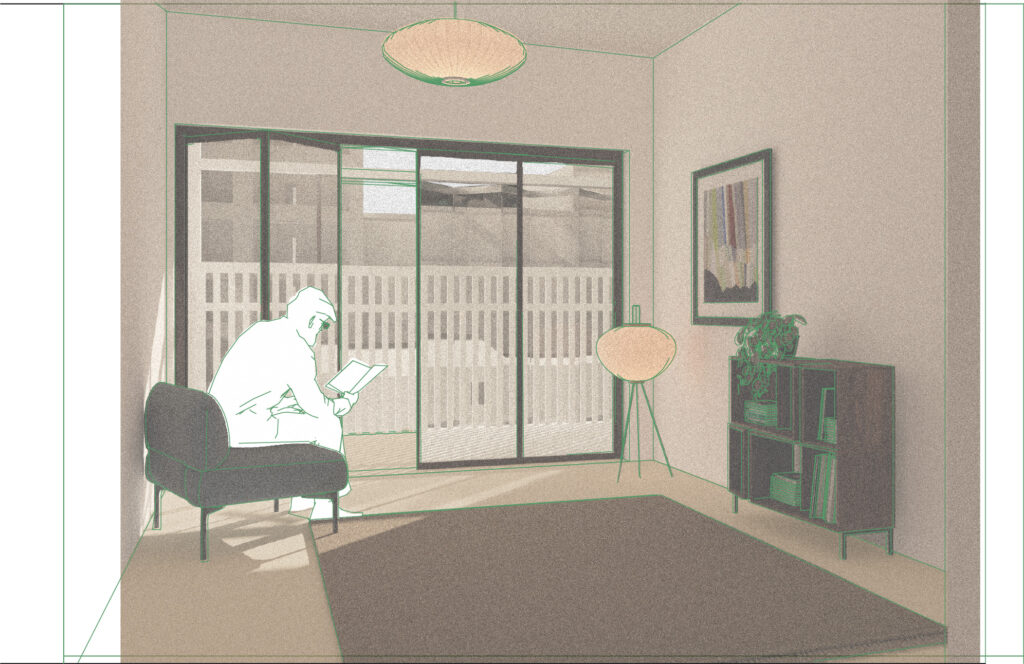
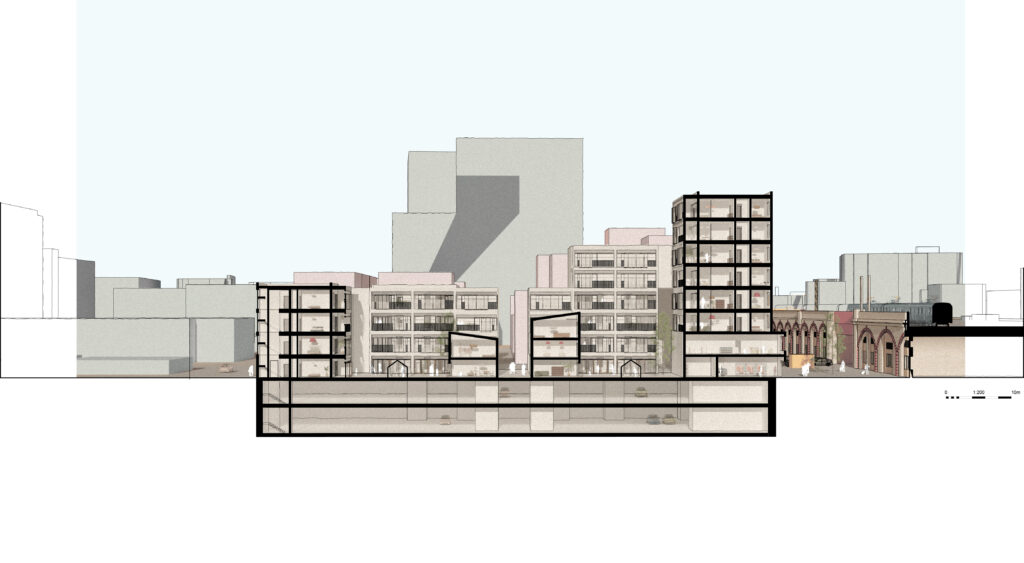
The Glasgow tenement becomes a central inspiration, viewed as a resilient housing typology that successfully fostered urban community in contrast to failed tower developments. Rather than replicating the tenement directly, the proposal reinterprets it for contemporary living by turning active spaces such as kitchens and living rooms inward toward communal courtyards, encouraging visual connection and interaction between residents. Balconies, mews streets, and semi-private circulation spaces create opportunities for casual encounters while still respecting privacy and individual choice. Materiality also plays an important narrative role, combining brick facades that reference Tradeston’s industrial past with glulam and CLT timber structures that represent a more sustainable urban future.
The project carefully explores the contrast between the solid, protective street facade and the open, social courtyard facade, reinforcing the transition from the noisy, isolating city into a calmer shared residential environment. Influenced by ideas from Jan Gehl and Jane Jacobs, the scheme ultimately argues that architecture cannot force community, but it can create the spatial conditions for community to emerge naturally over time. The proposal therefore becomes less about designing iconic buildings and more about designing relationships, encounters, and meaningful life between buildings.