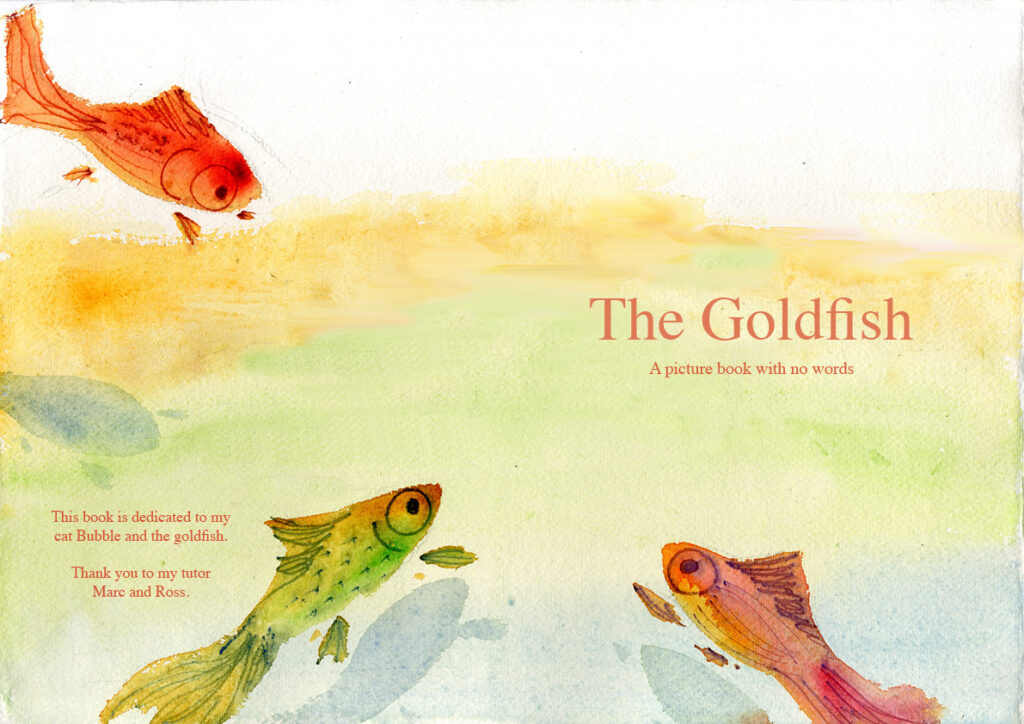
The Goldfish
As this project requires me to integrate my essay into the creative process, I shall begin by explaining the reasons behind this story, what I have created, and the reflections it has sparked. My essay explores how Disneyland immerses visitors by reworking symbols, employing architectural cues, and crafting a theme park world that appears more real than reality itself. As I continued writing, I began to wonder: when happiness is designed and reality is replaced, and contemporary social spaces are no longer neutral venues for experience, are there commercial spaces, much like Disneyland,hat appear joyful yet harbour an emotionalised consumption? And after enduring experiences that are constantly engineered, will I, following this course, become aware of these constructed memories?
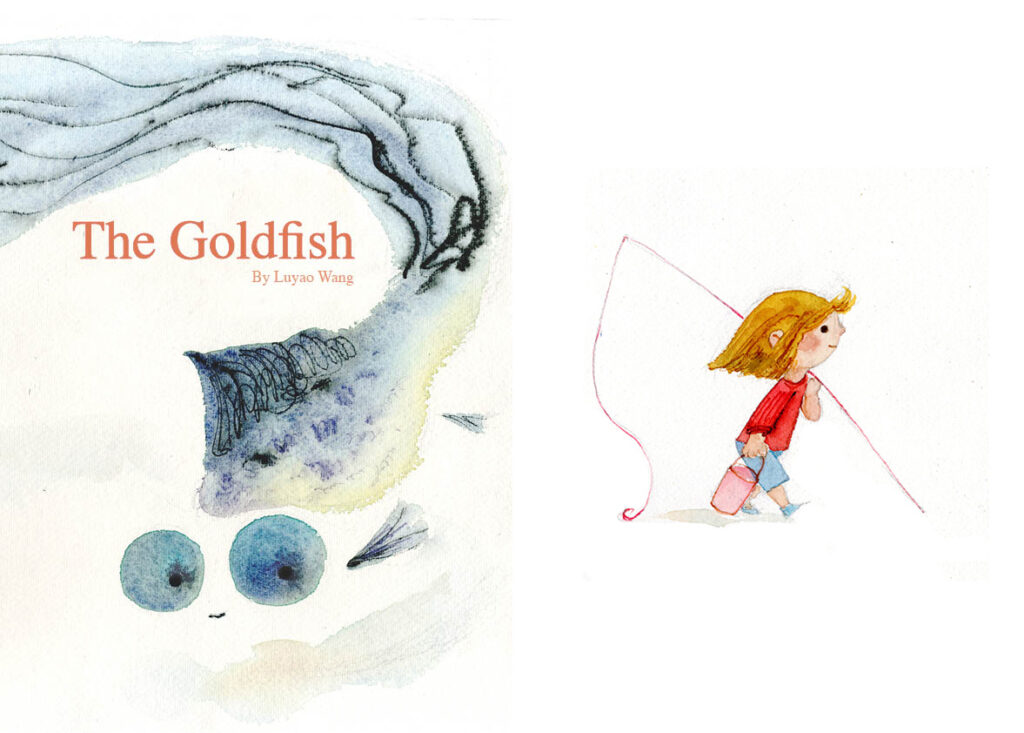
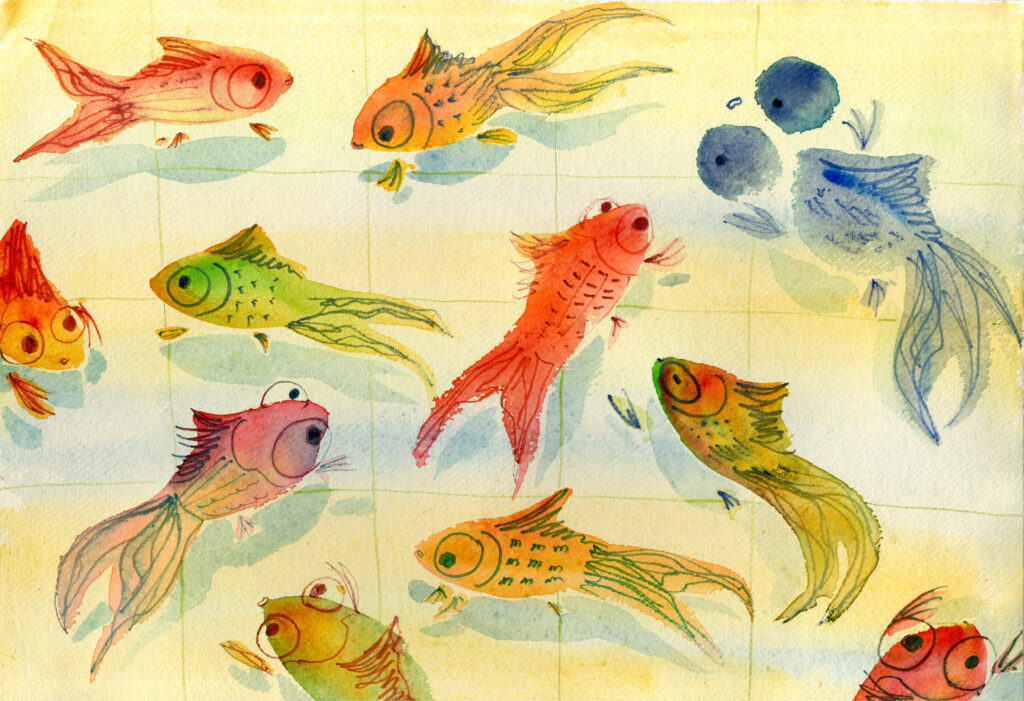
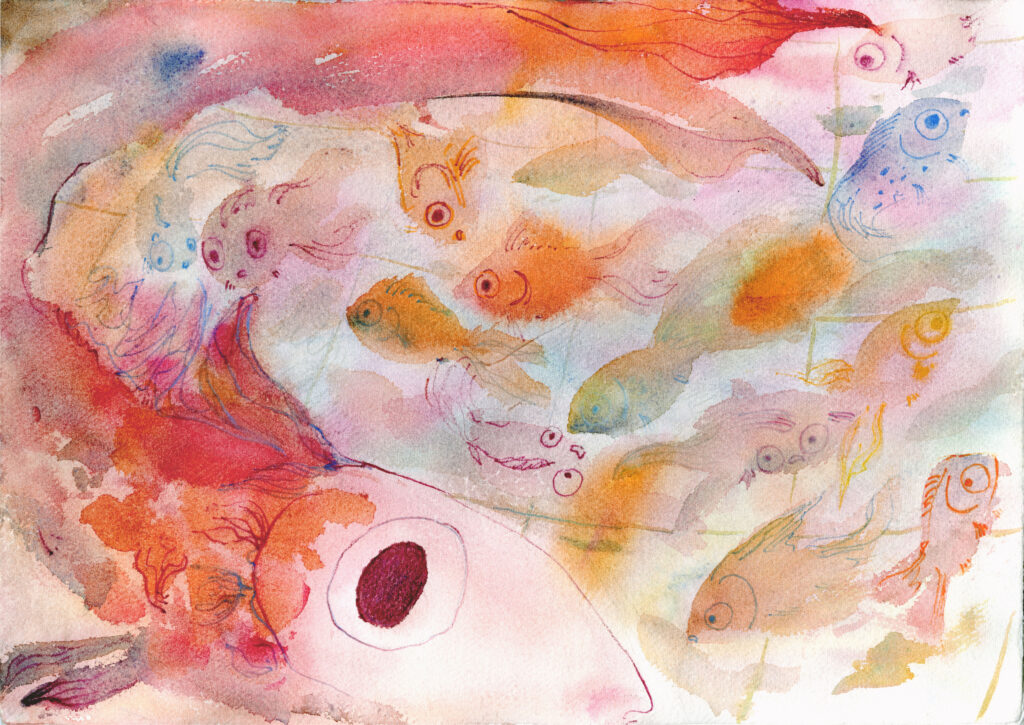
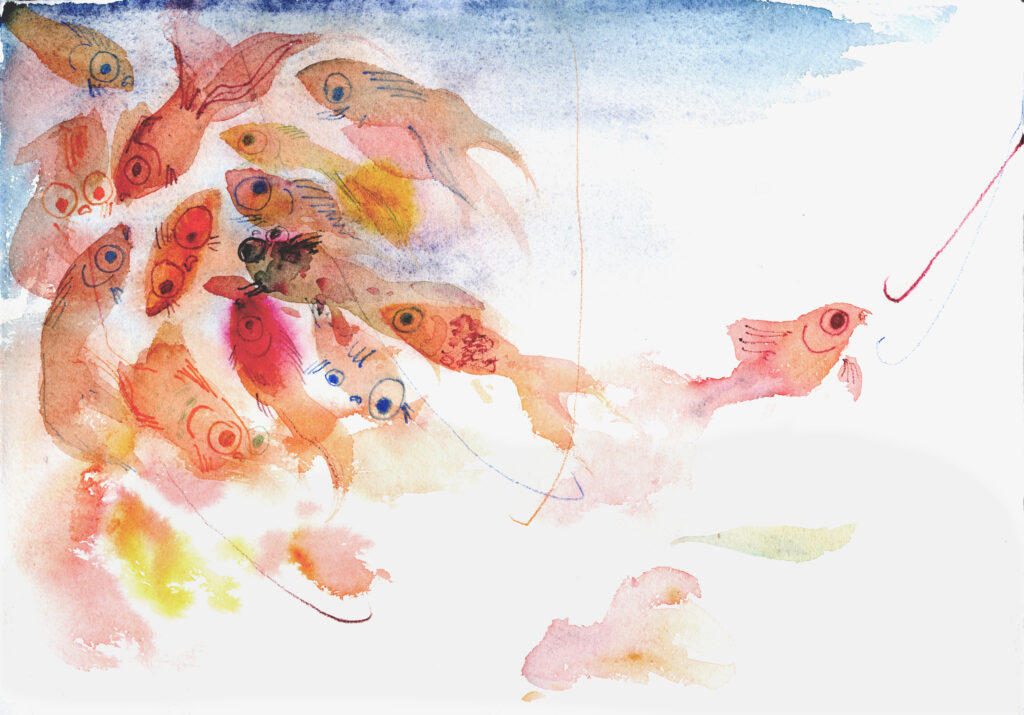
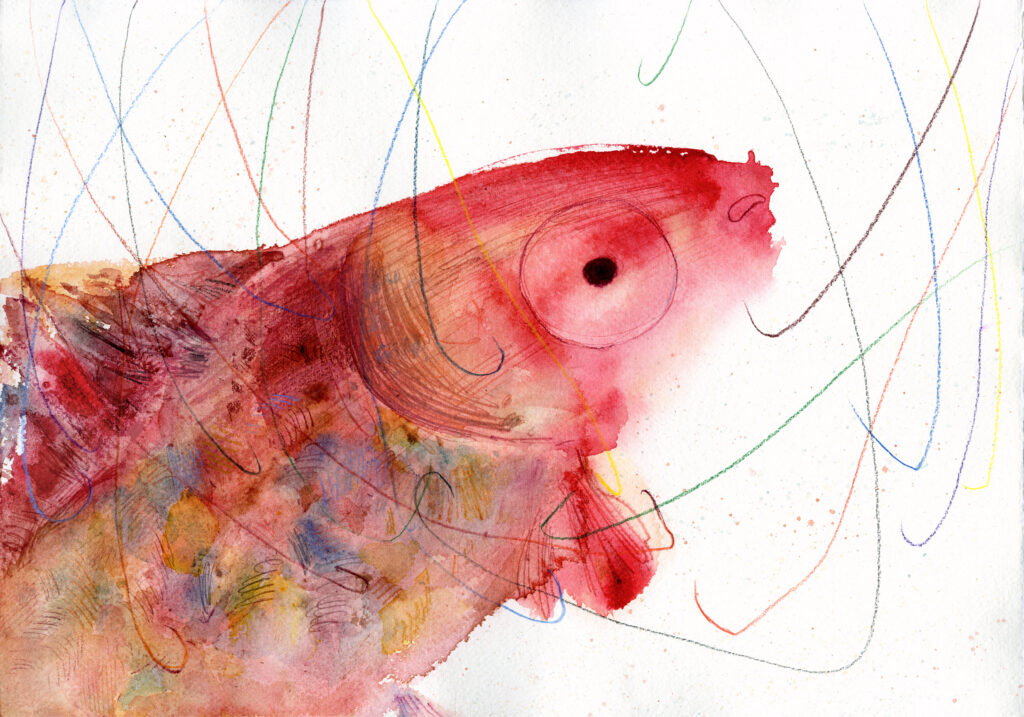
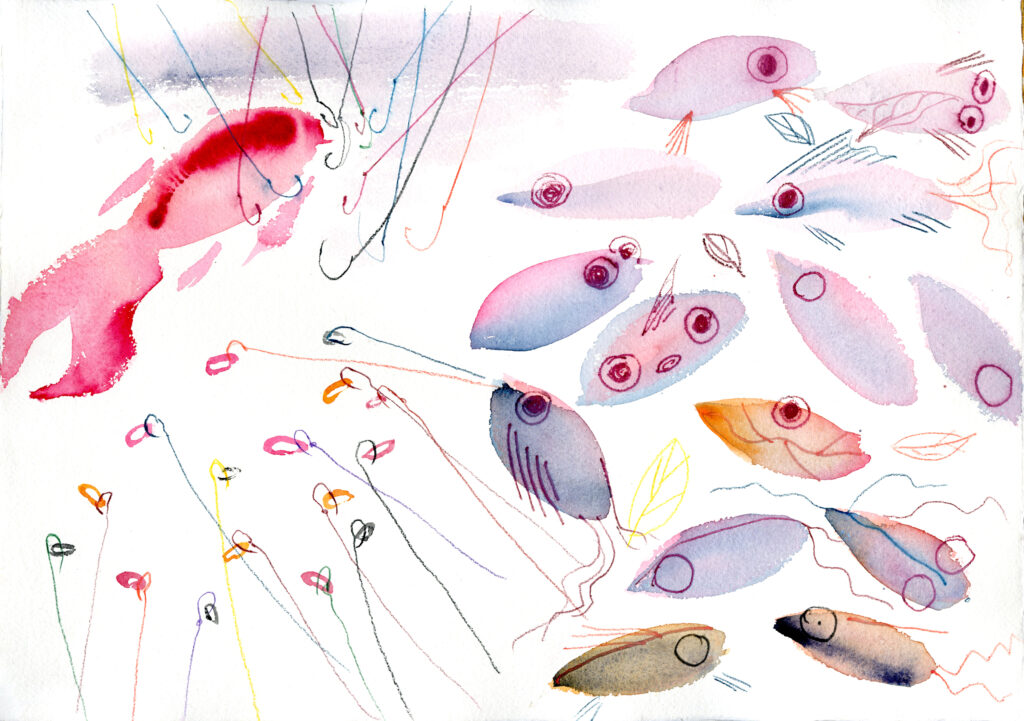
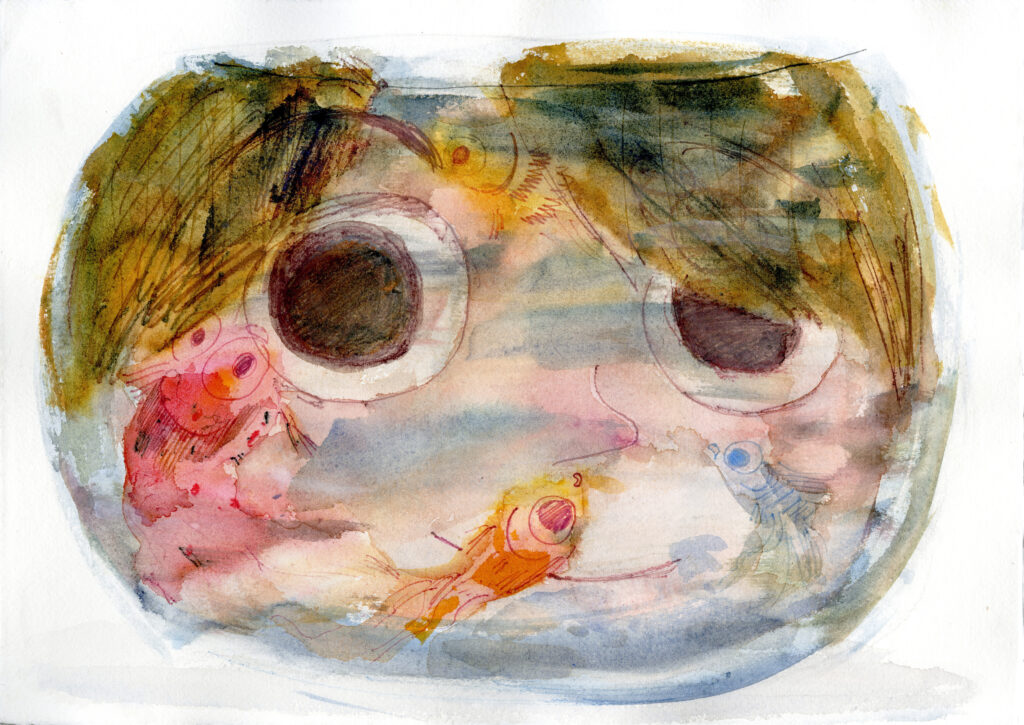
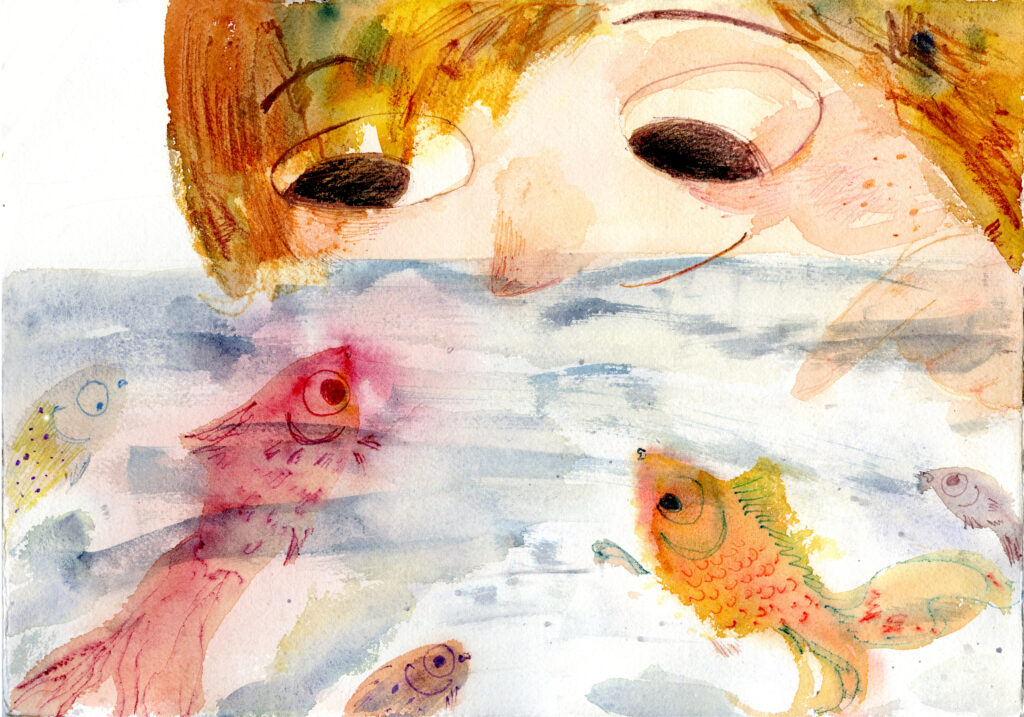
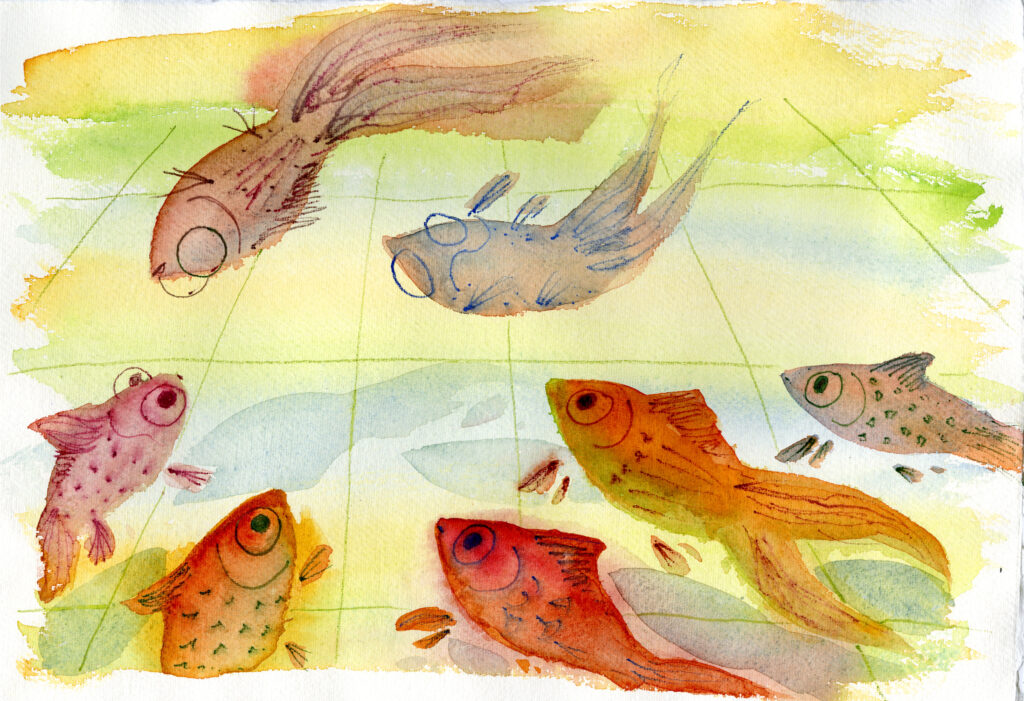
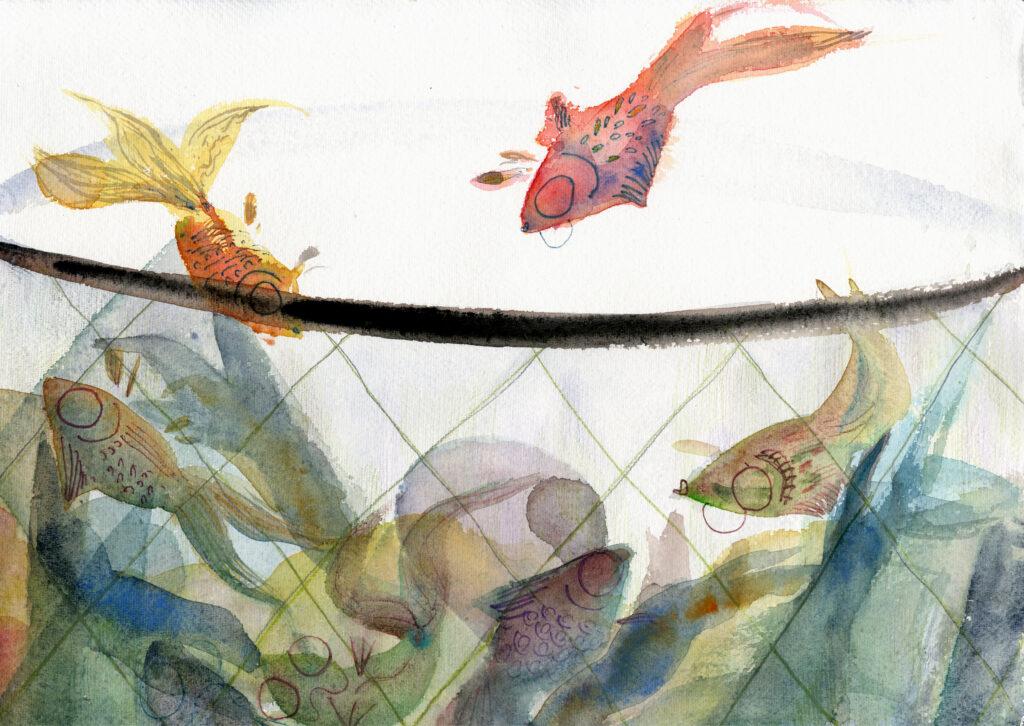
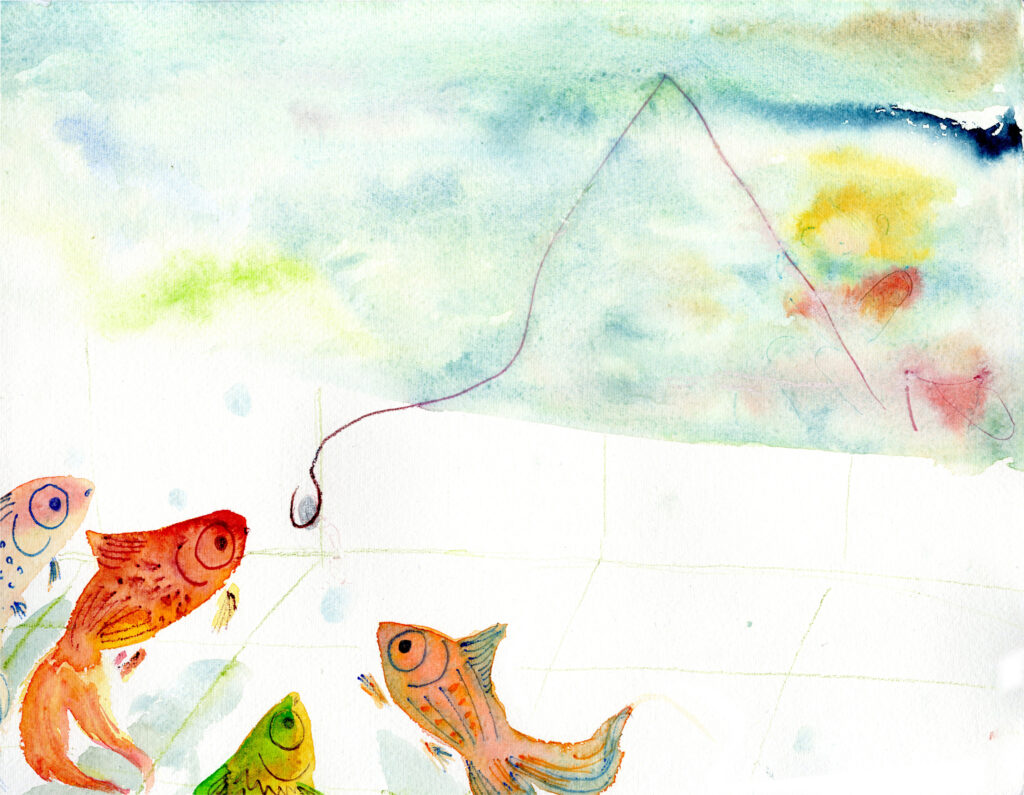
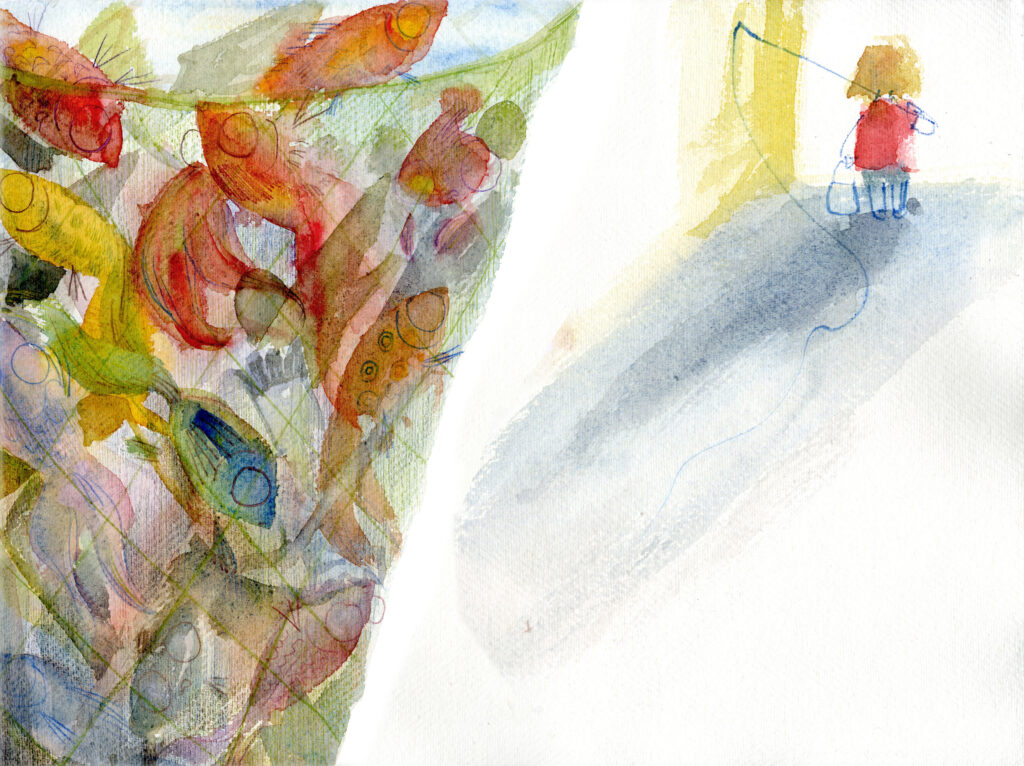
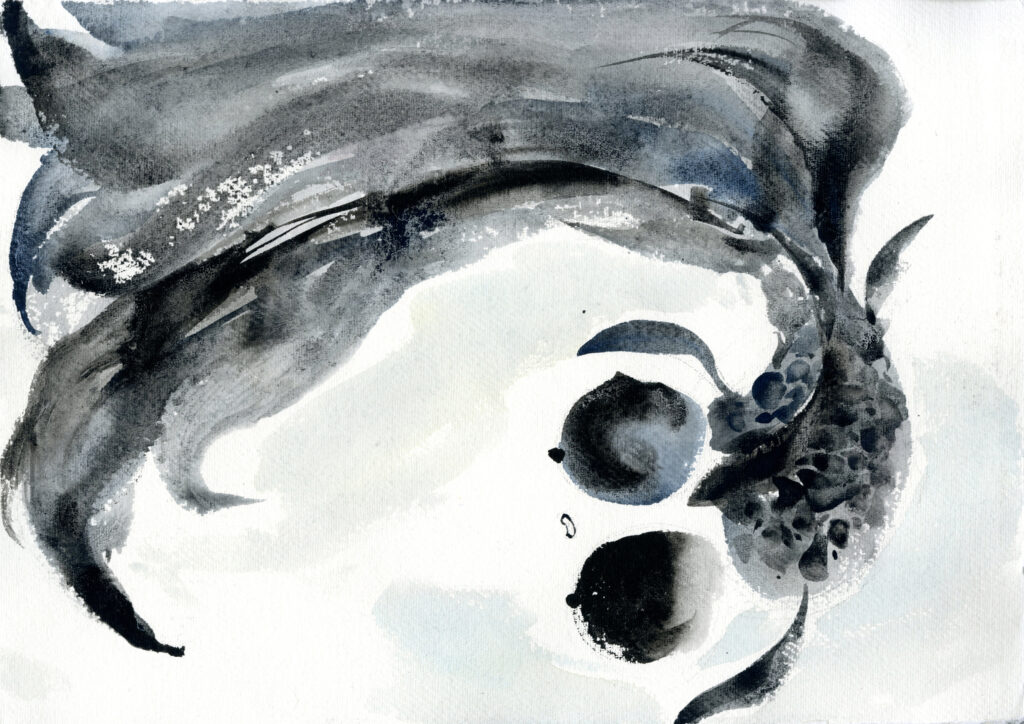
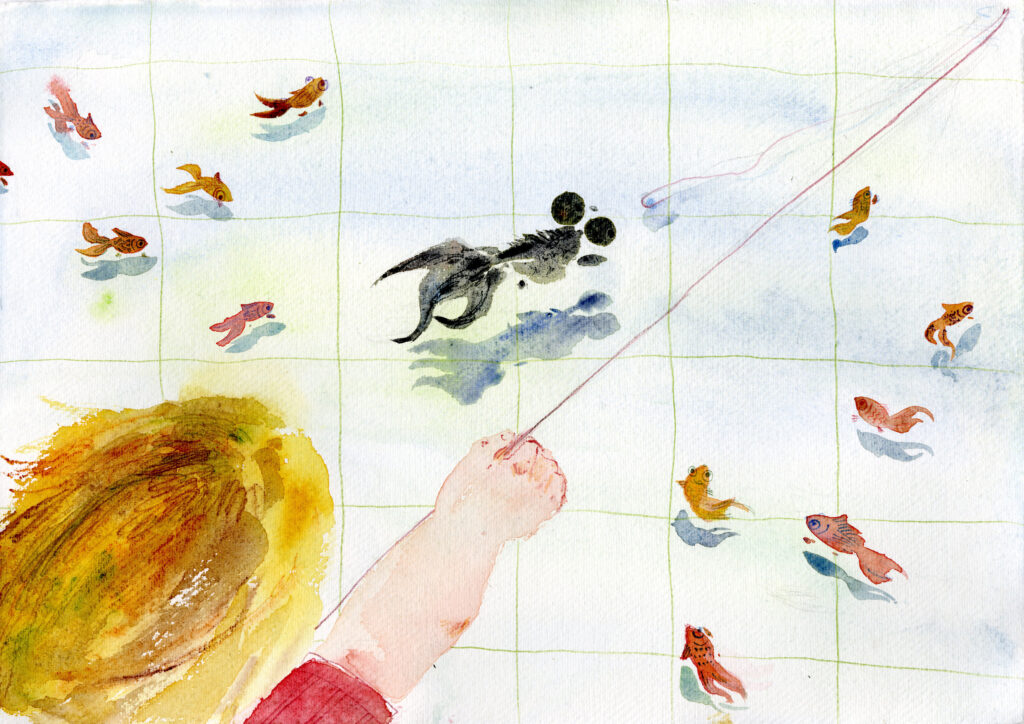
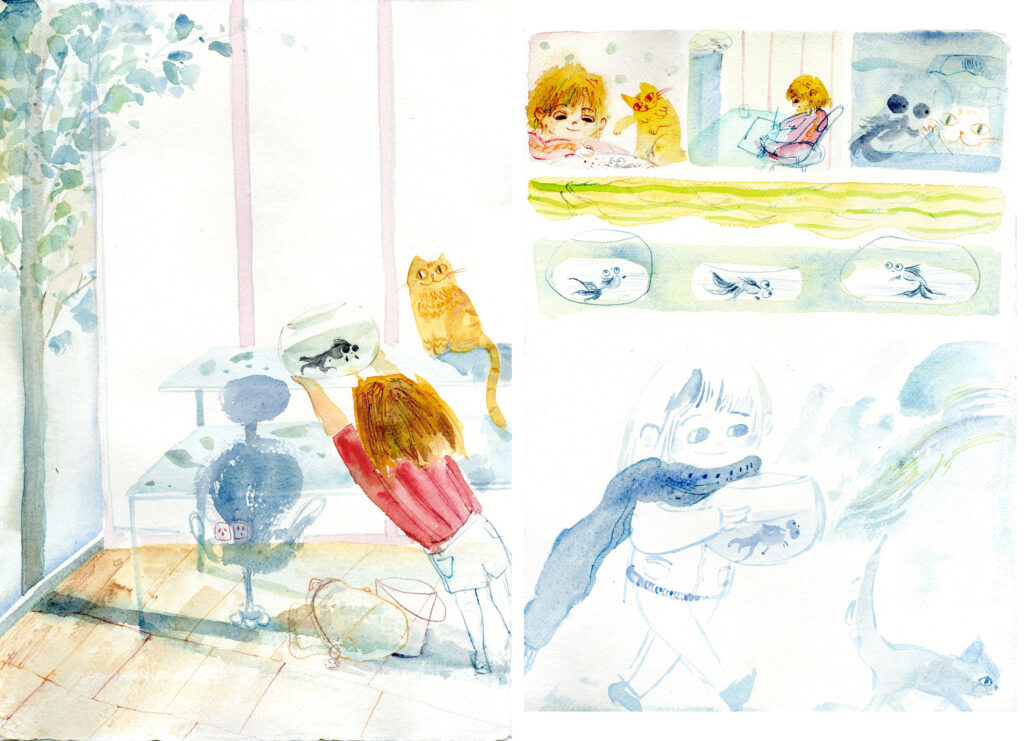
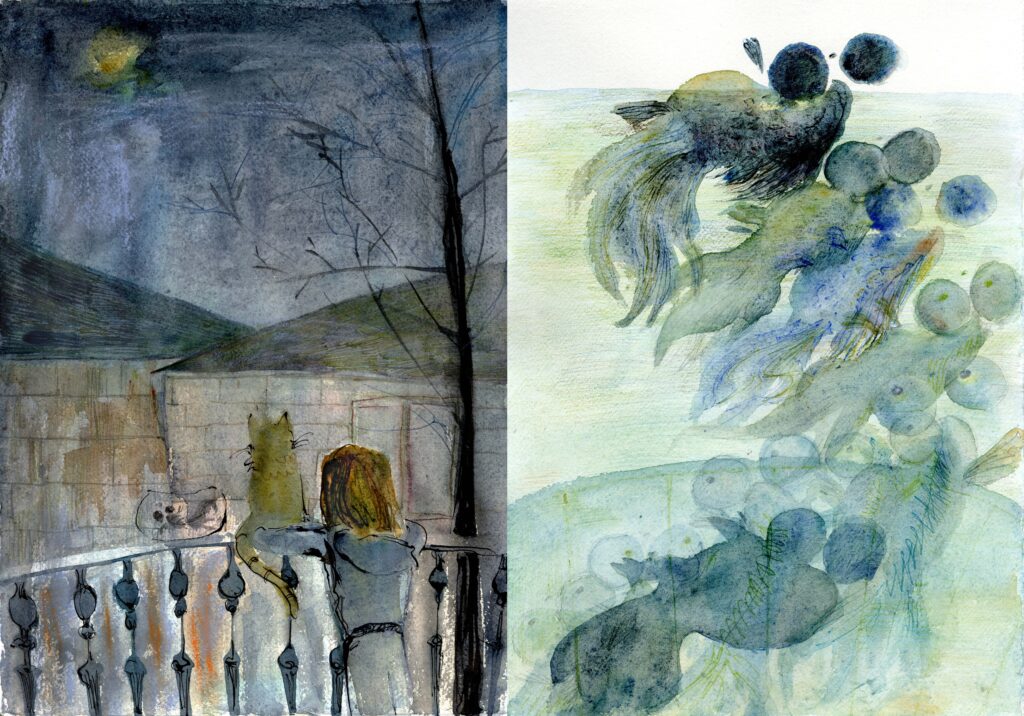
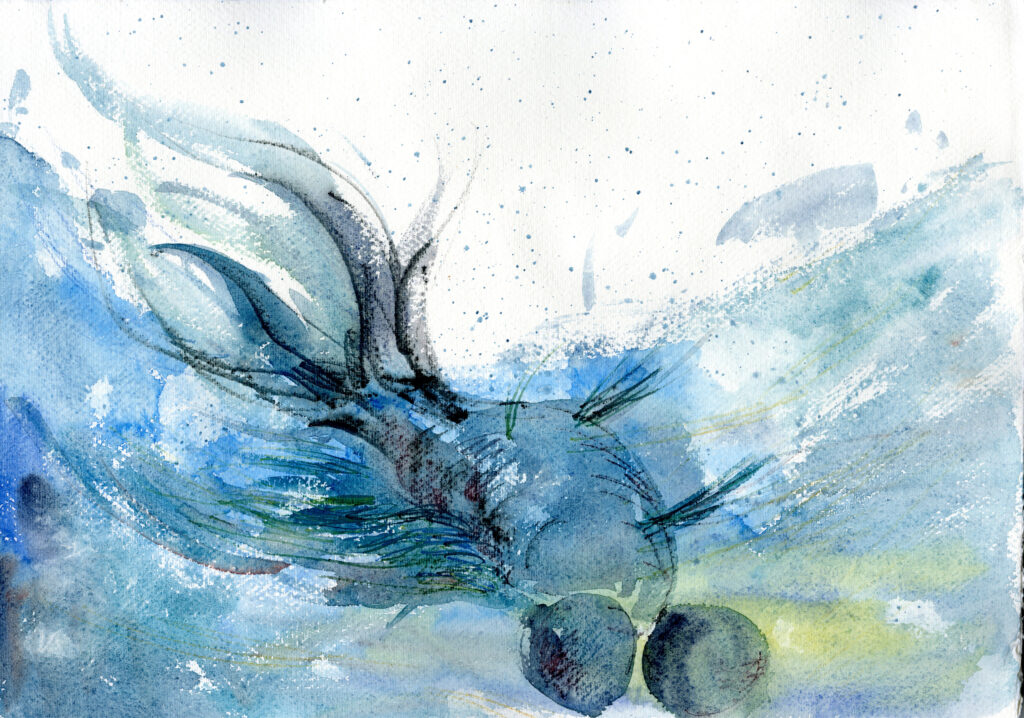
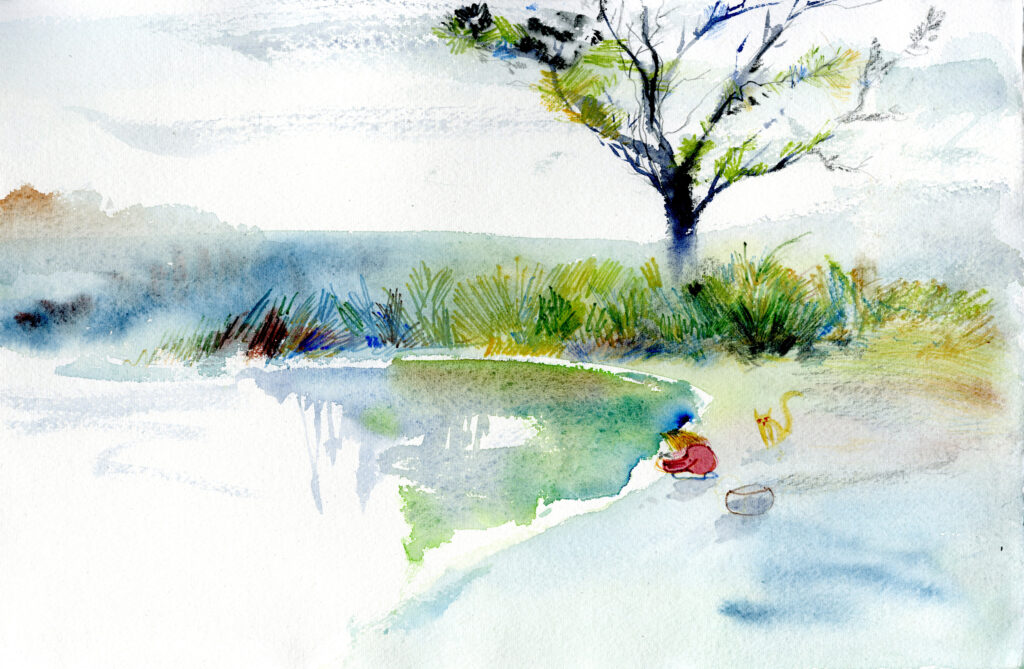
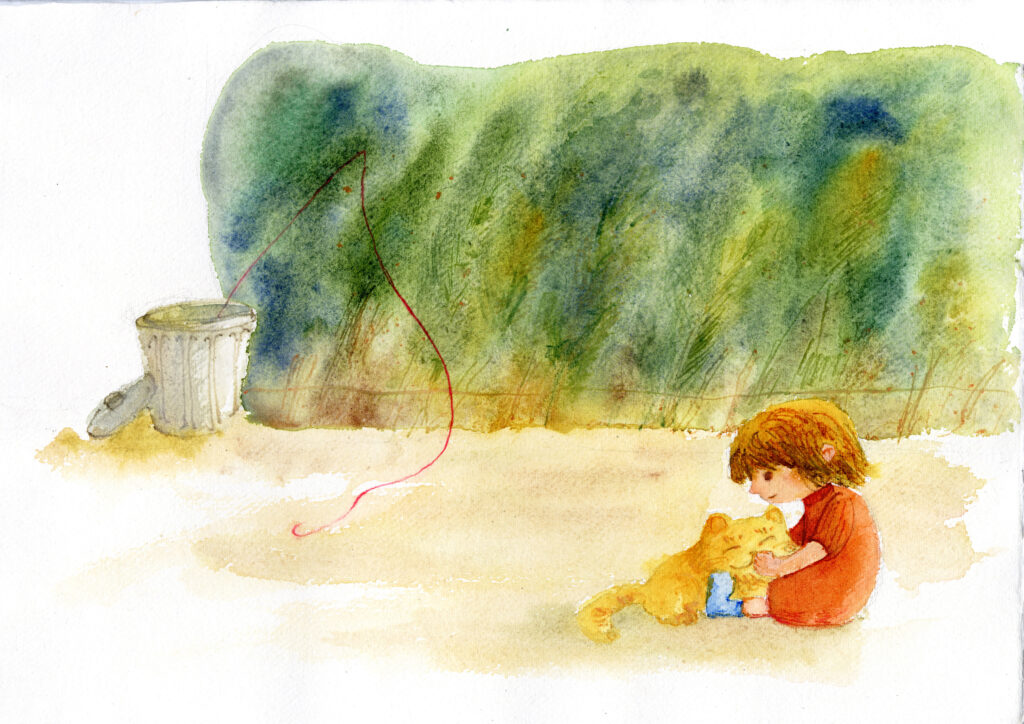
Driven by this curiosity, I began to delve into my hazy childhood memories, and I suddenly realised there were many connections between myself and goldfish that I hadn’t previously recognised; I discovered that my memories were rife with a romanticisation of death. When I was little, fishing for goldfish was all the rage. Every children’s playground had a goldfish pond, and countless children treated it as their weekend pastime. Every week, I would go there and catch five or six goldfish to take home. However, due to my lack of experience in caring for them, and perhaps influenced by the shopkeepers’ advice, I didn’t think twice even if a goldfish died on the way home or just a few hours later; I simply thought I’d catch some more the following week. until one day I caught a black goldfish. Miraculously, it lived in my fishbowl for a whole year. It was only at the moment of its death that I realised these were living creatures, not the ‘toys’ of my childhood. From that moment on, I stopped this activity immediately; whenever I think back on it, I feel an immense sense of cruelty. So I drew a very simple story. In it, a little girl catches goldfish three times. Through catching the black goldfish and watching it grow, she realises that goldfish are not the same as toys, and she never does it again.
The reason I chose to focus on goldfish-catching, using my childhood experiences as the core or theme of this project, was not to criticise the naive cruelty of children. After completing this thesis, I realised that the real issue lies in societal guidance. Against the backdrop of hypermodernity, countless business models that mimic or resemble Disneyland are emerging. Without proper guidancenamely, that life itself should not be treated as a commodity for such consumption for instance, if the stallholders at the goldfish pond had clearly explained to us children that these are living creatures, how to care for them properly, and how to choose a suitable fishbowl rather than selling us decorative ones where a single fish cannot even breathe (of course, this is impossible; if children knew how to care for fish properly, there would not be such a large customer turnover, and every day countless goldfish are treated as disposable toys, either carelessly or violently, for these very reasons). Against this backdrop, where entertainment and commercial models run rampant, children are guided by a deluge of information and prevailing attitudes that obscure the true reality. This is merely a reflection prompted by a single goldfish stall; yet when a single small truth is uncovered, how many more tragic realities lie concealed or have been trivialised by the entertainment industry? This is the reflection I have drawn from completing this project, and I believe there is still much more for me to discover.