Trying to keep you close
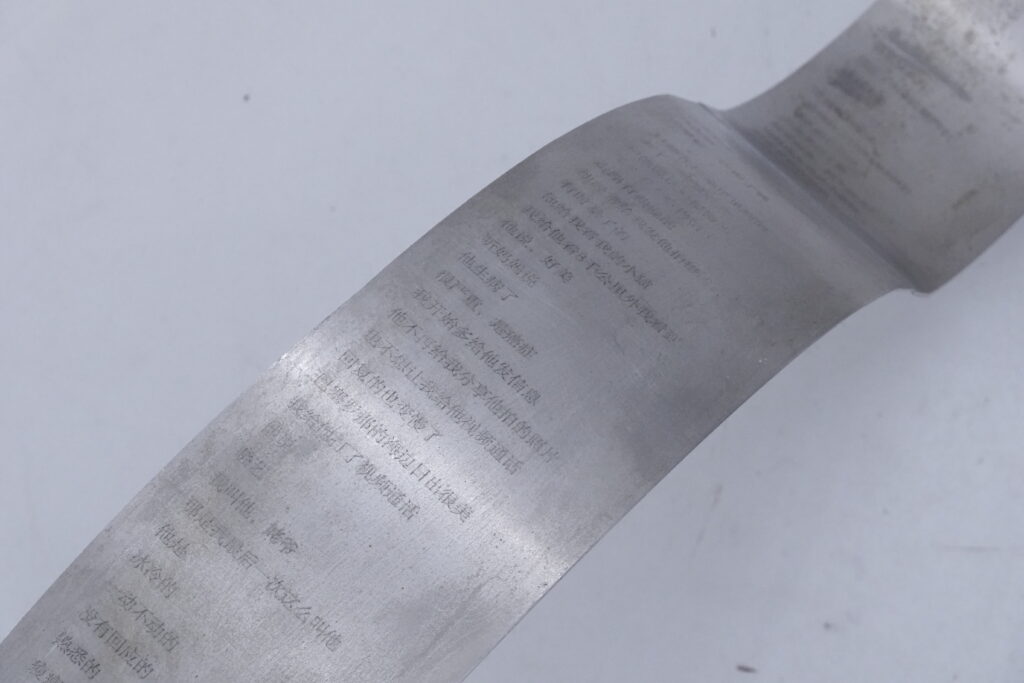
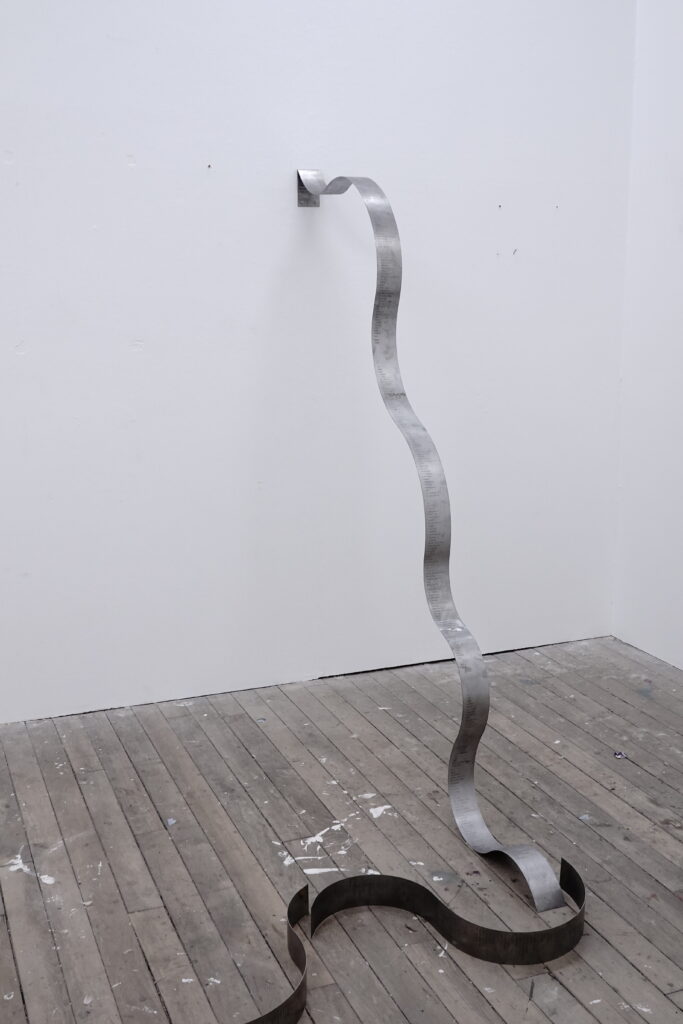
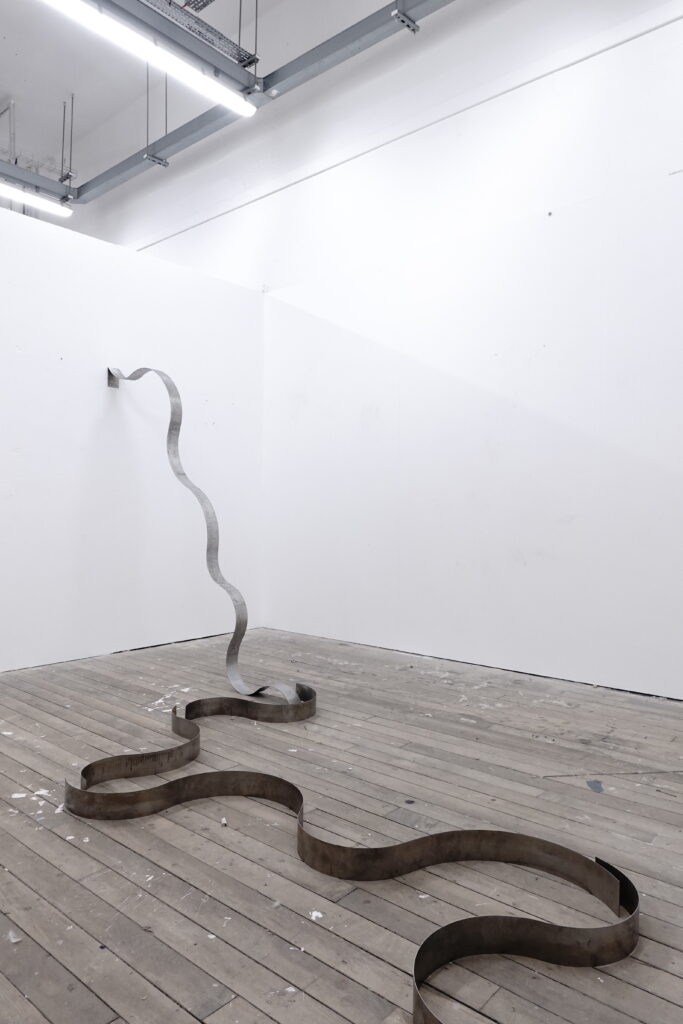
Since my grandfather passed away, no new memories of him are being created. My mind keeps revisiting the old ones, but with each repetition, they become more distorted and faded. Yet if I don’t want these memories to disappear, I have no choice but to review them again and again.
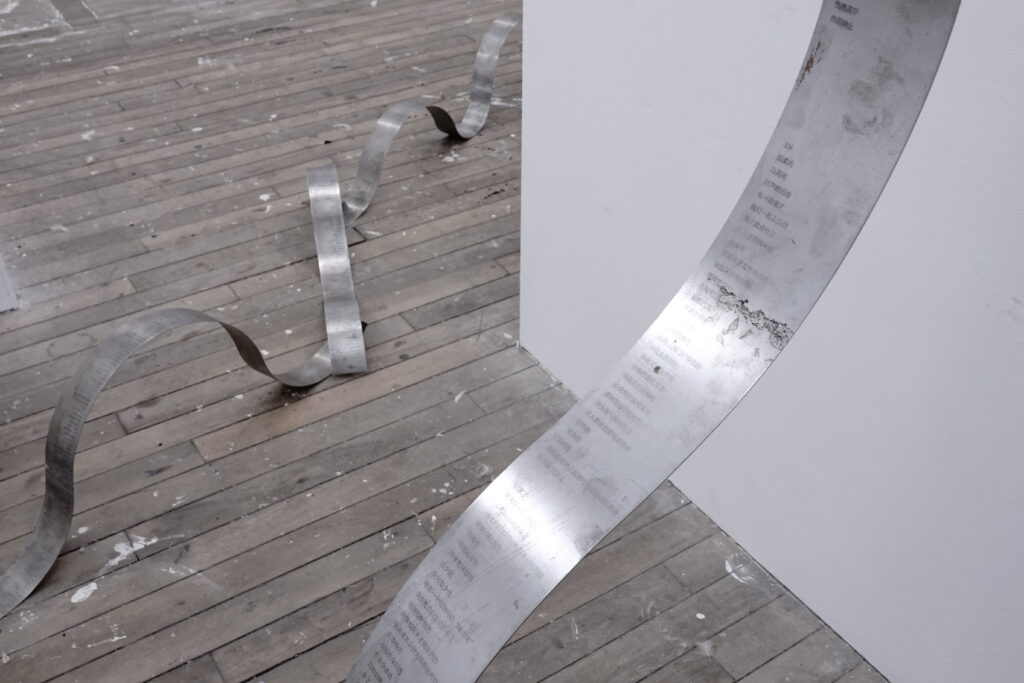
He still lives in my memory, so what I fear most is forgetting. But I’ve also come to realise that memory suffers from survivorship bias—you can only revisit what you’ve already retained, never knowing what has been lost. This frightens me, because I don’t know which parts of his “life” I’ve let slip away. In my writing, I try to reconstruct these memories with words. I seldom use clear subjects in my narration, preferring instead adjectives and vague impressions or events attached to hazy protagonists. The absence of a subject is common in how memory is stored—we often hold onto a certain feeling from a certain moment, which may also fade in time. Human memory is abstract, invisible, yet somehow still accessible. And forgetting feels like the slow spread of rust over metal, creeping over random, unknown patches, covering them bit by bit. The mind won’t create a new memory of the lost person; instead, it will revisit the old memory over and over again. But I realise that the memory suffers from survivorship bias—you can only revisit what you’ve already retained, never knowing what has been lost.