

Yixuan Zhou (Ann)
(She/Her)
Hello, I am Ann. I’m a designer and a ‘life observer’!
I love making, crafting, and experimenting with strange ideas. Always inspired by life experience, I want to create something that can strike a chord. For me, design is more than just creating products that meet needs or solve problems, it’s about how people and things coexist. And it is also a way of showing how you see the world and how you interact with it.
I would love to hear more ideas about design! And I hope my work can spark reflection on everyday life, society, and ‘what is good design.’ 😀
Phone-Centred Design
‘Phone-Centred Design’ is a self-initiated design project as part of my final year at the Glasgow School of Art.
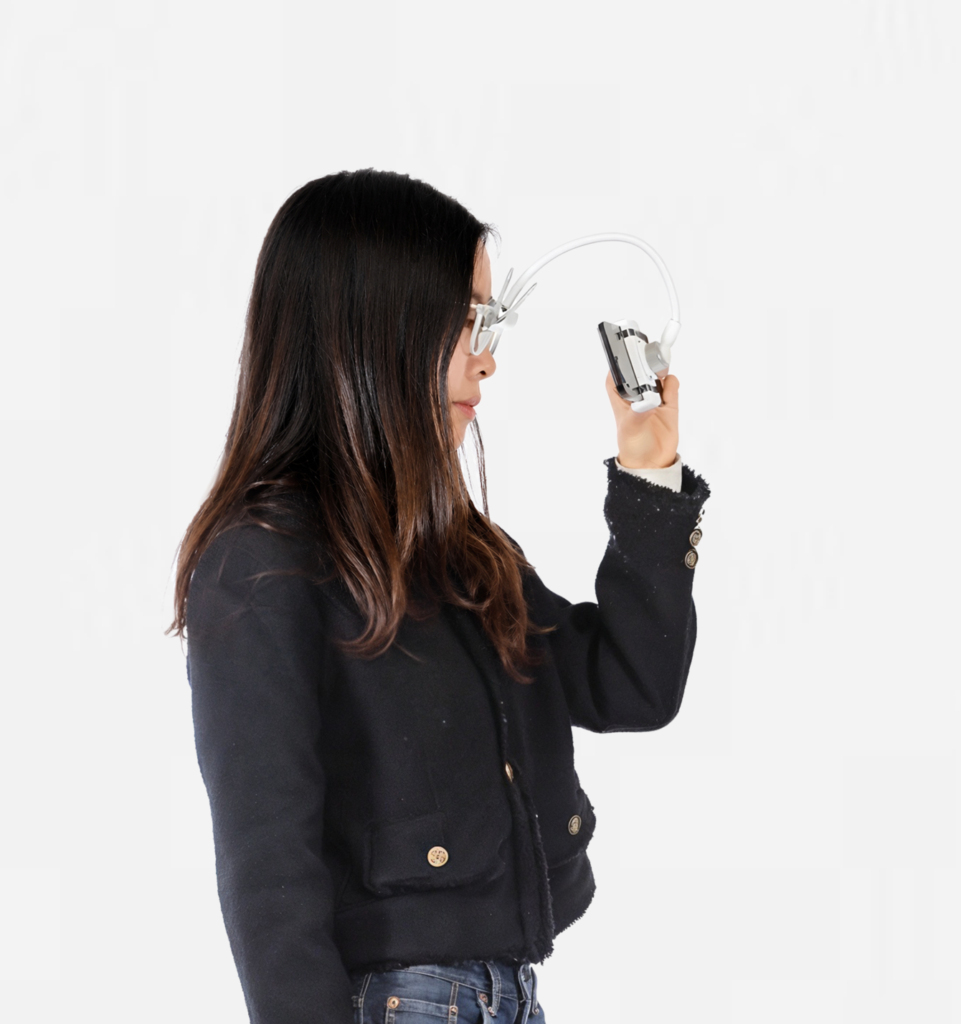
This project started from my confusion about design: some good designs can sometimes lead to dependency (like Smartphones, cars…), while some designs surrounding them, seemingly fulfilling user needs, actually reinforce addictive behaviours (like personal recommendation algorithms, bedside phone holders, etc.). I collectively call these overly convenient designs. In this project, I’ll use mobile phones as an example.
Smartphones have fundamentally changed how people live, communicate, and experience the world. They have also reshaped everyday behaviour, creating habits centred around constant connection. Many products now support and optimise smartphone-led routines, often deepening dependency without notice.
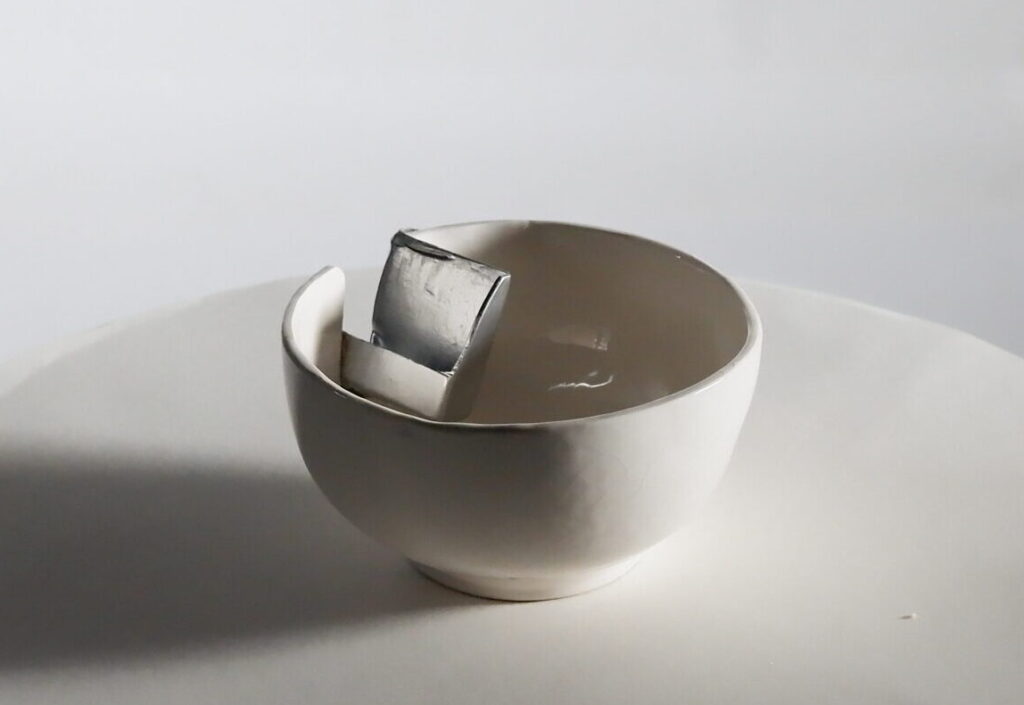
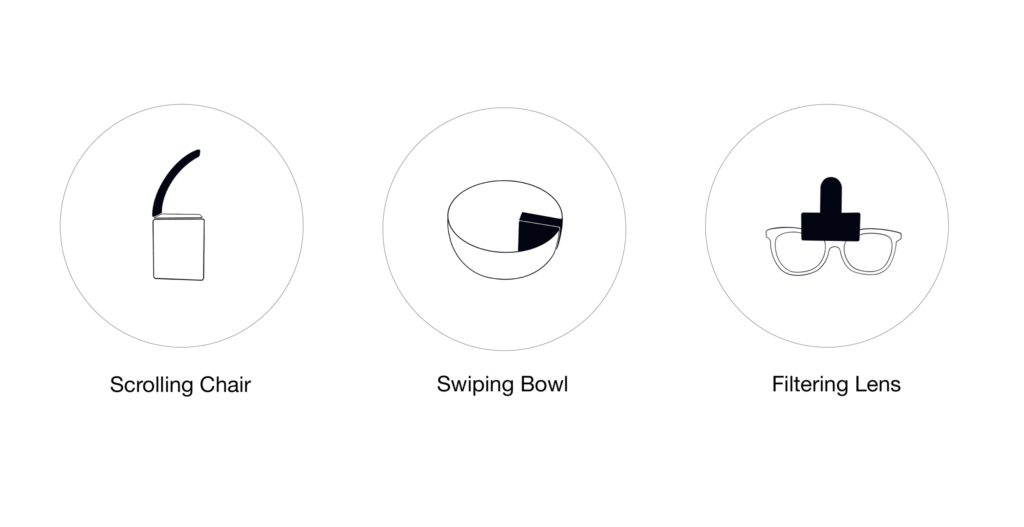
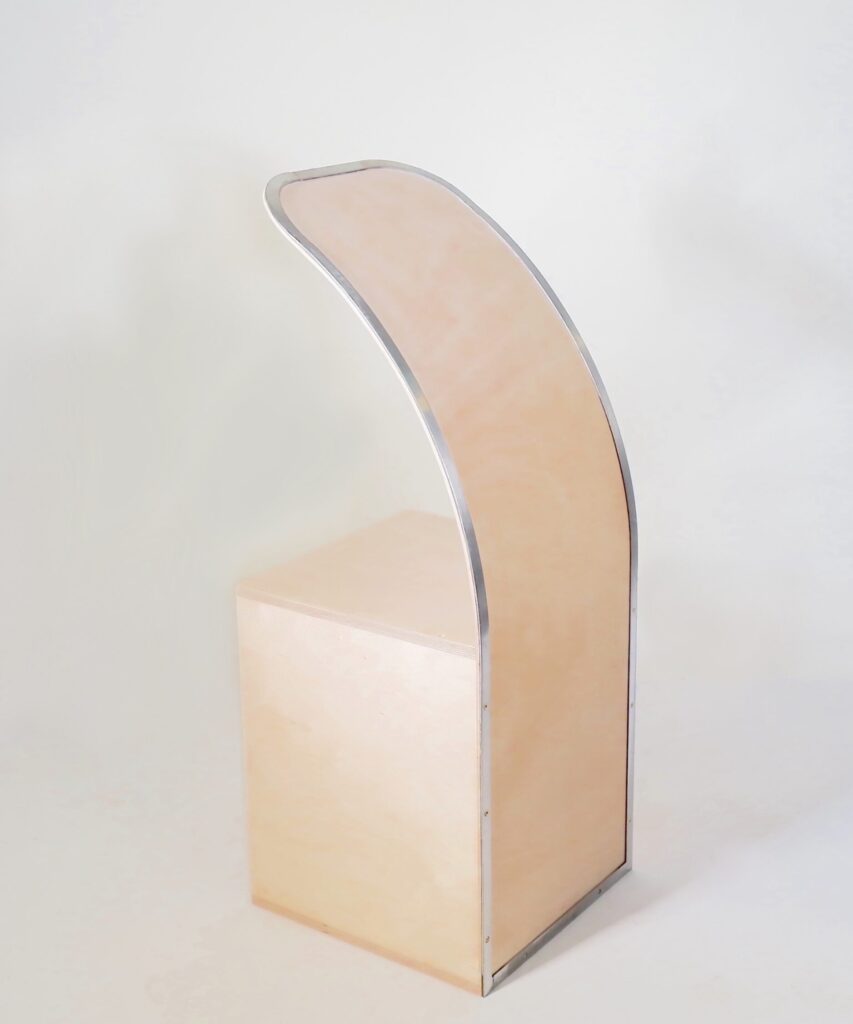
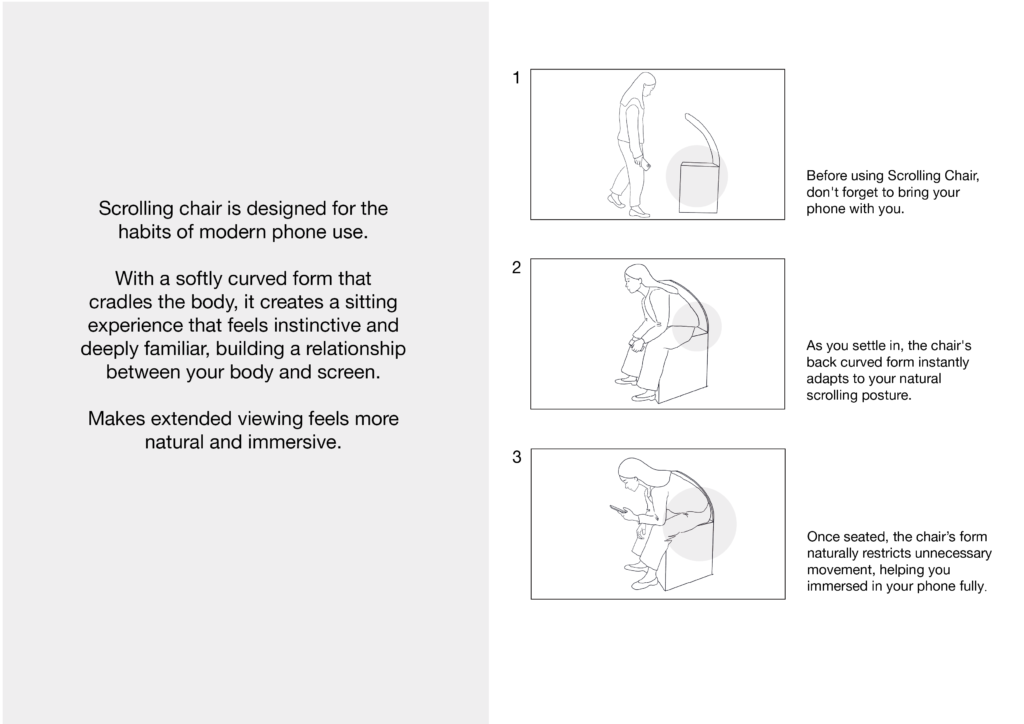
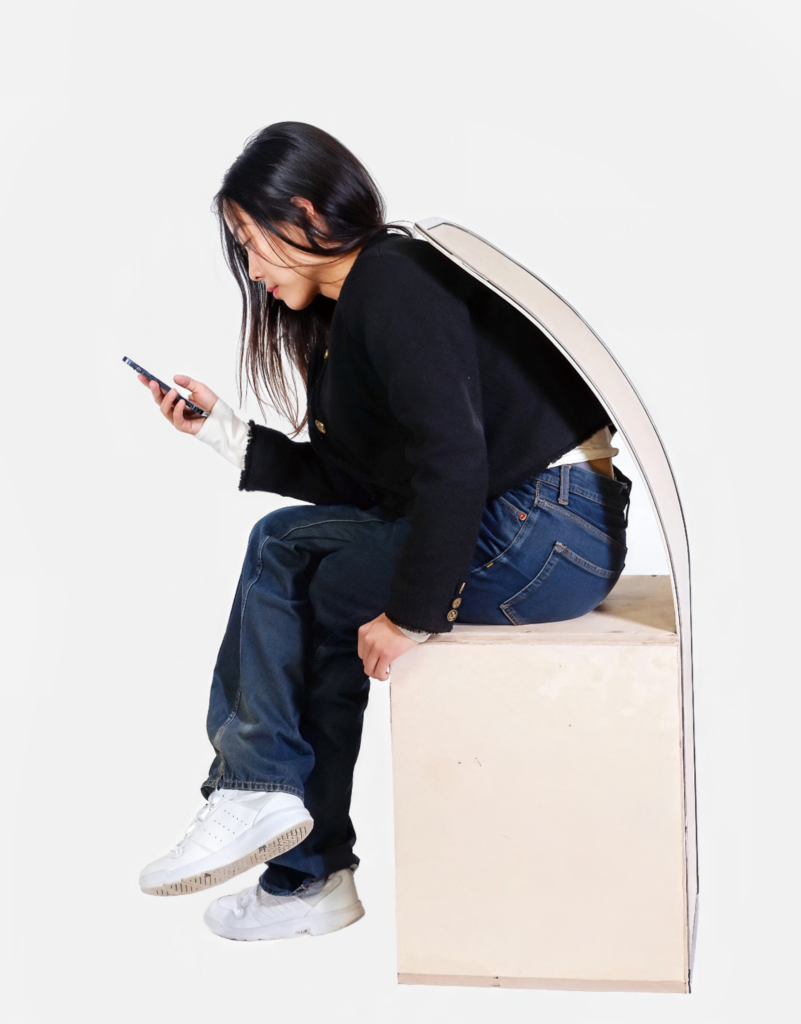
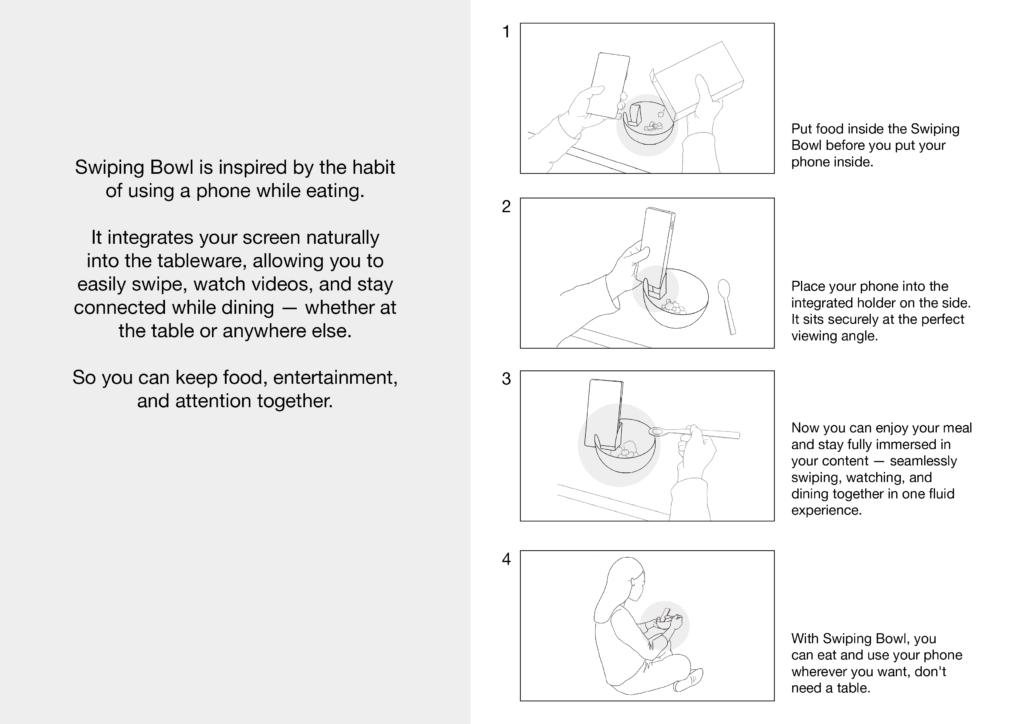
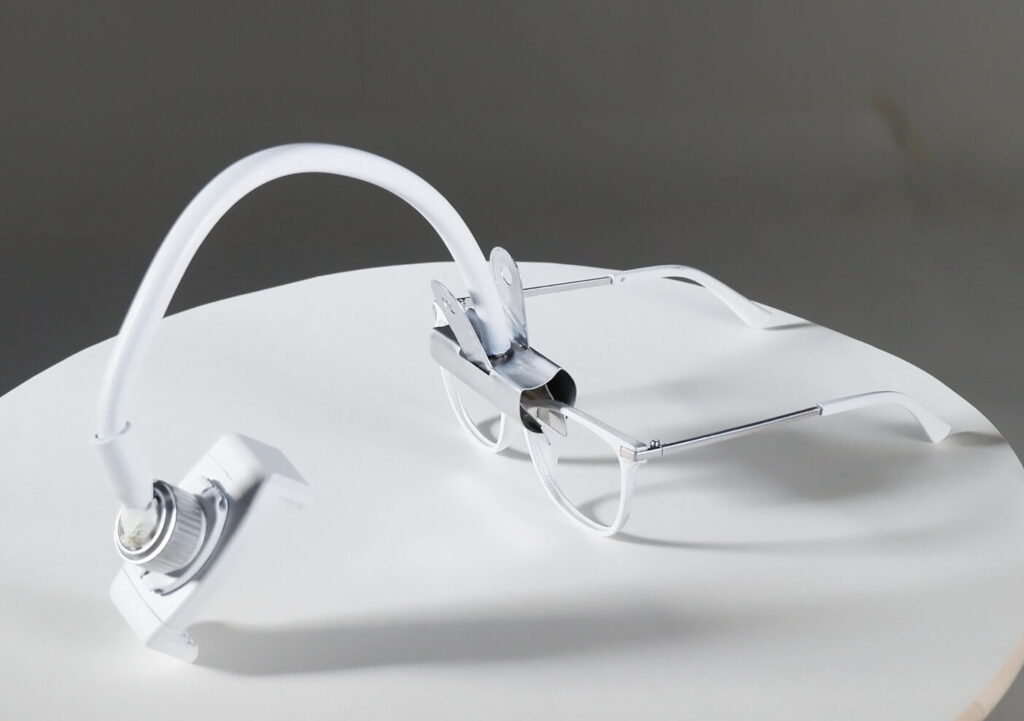
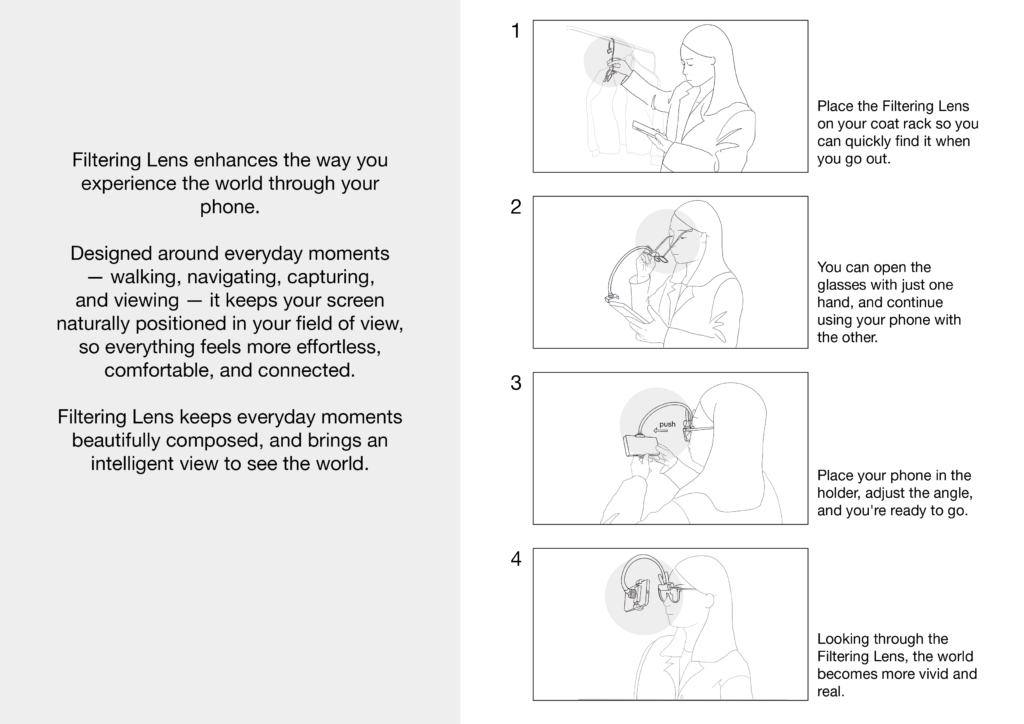
Phone-Centred Design is a critical design project that asks: What if phone use becomes the primary design driver for products? Inspired by Apple’s design language, the project redesigned everyday objects around smartphone behaviours. And create 3 overly convenient products.
By using overly convenient design as a critical lens, it creates a space for discussion and reflection—questioning how over-convenience can reinforce dependency and how we use and design products today.

‘WHAT’S THE MATTER?’
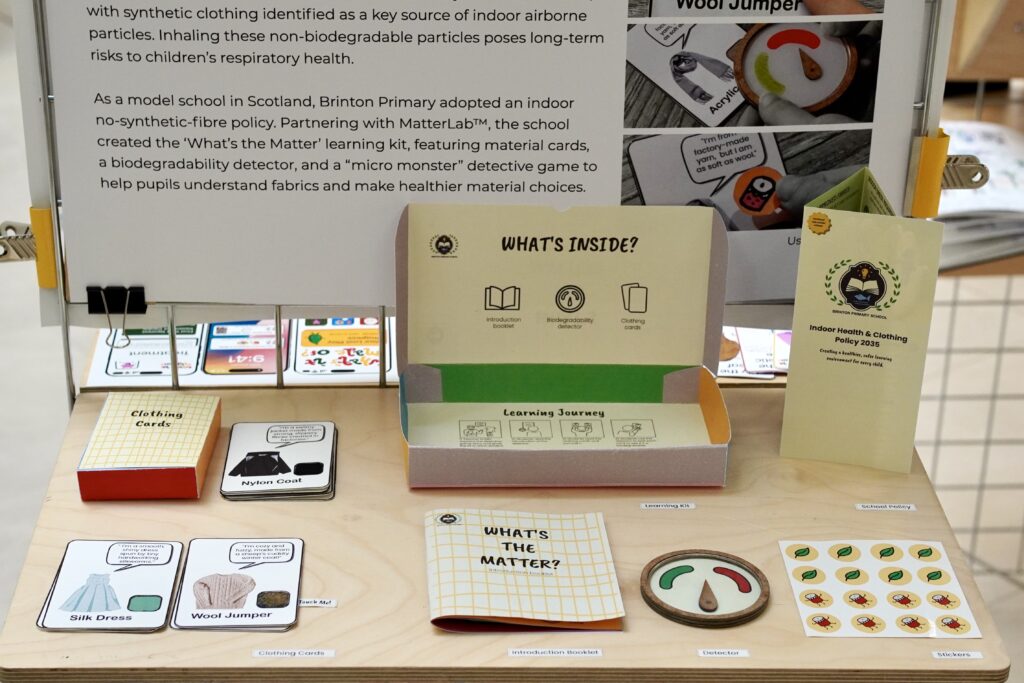
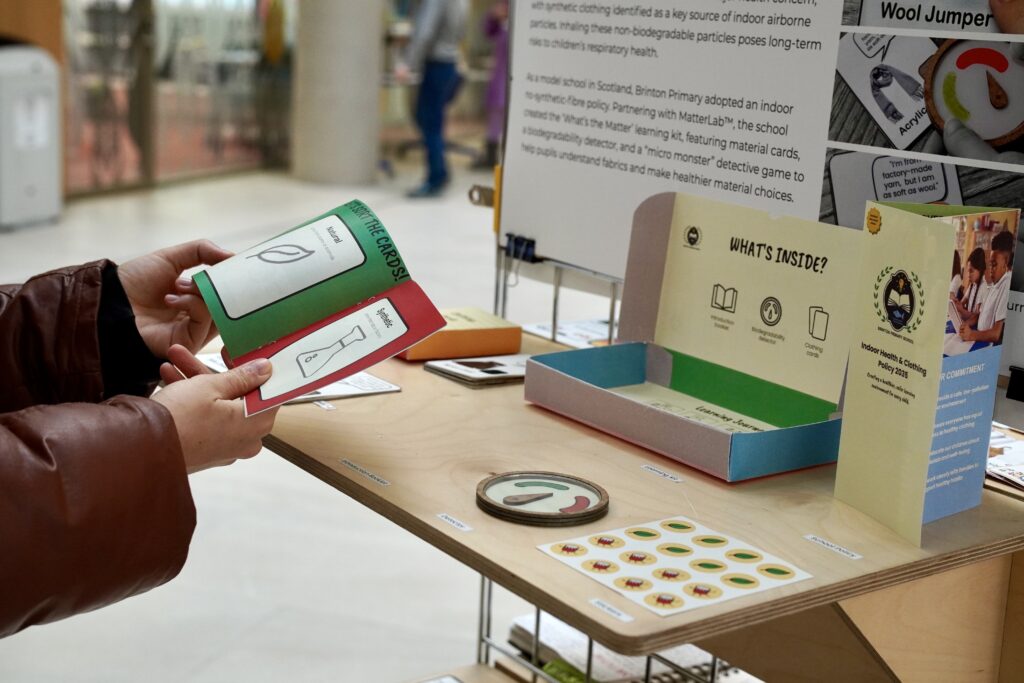
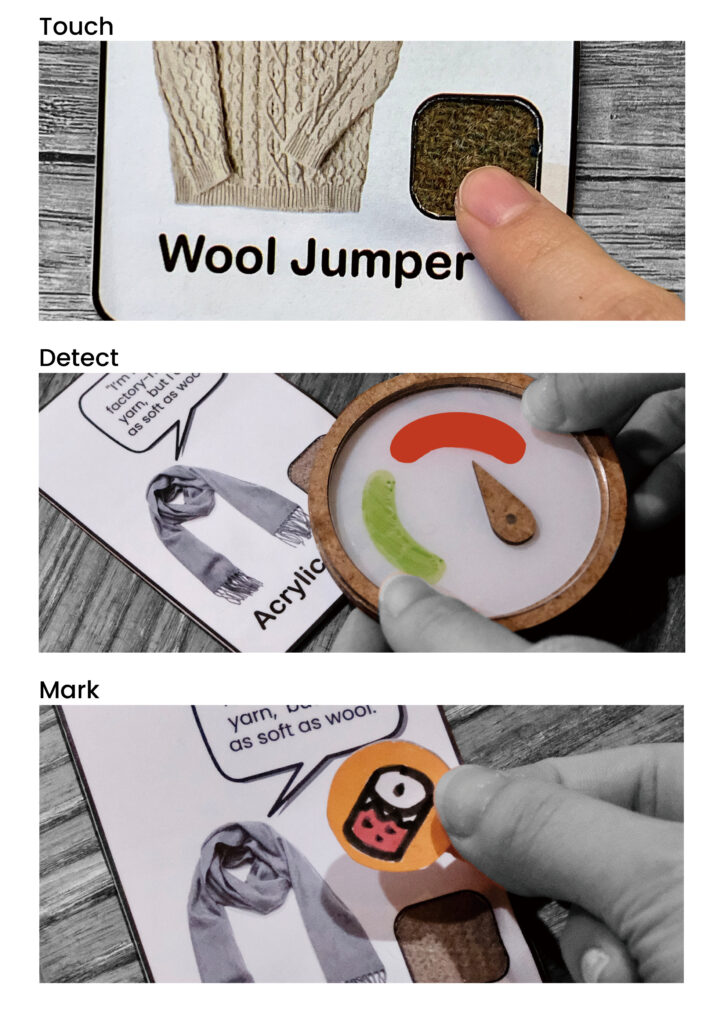
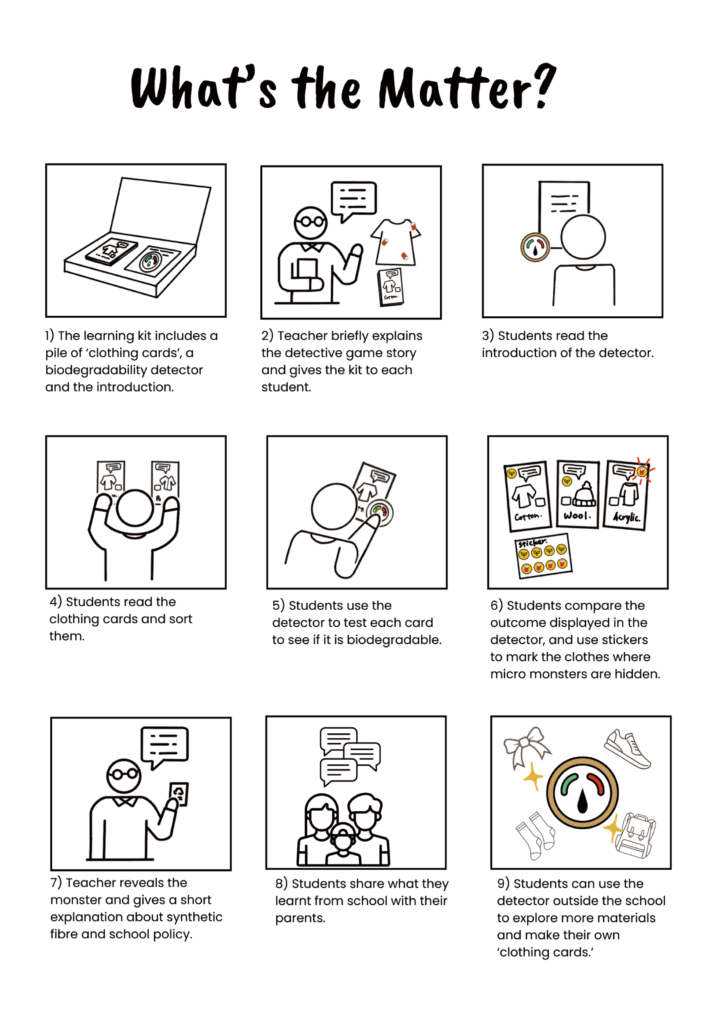
‘What’s the Matter’ is a learning kit to help pupils learn about materials. This project is my personal project based on the world we create in CFE.
By 2036, microplastic pollution had become a major health concern, with synthetic clothing identified as a key source of indoor airborne particles. Inhaling these non-biodegradable particles poses long-term risks to children’s respiratory health.
As a model school in Scotland, Brinton Primary(a fake primary school) adopted an indoor no-synthetic-fibre policy. Partnering with MatterLab™, the school created the ‘What’s the Matter’ learning kit, featuring material cards, a biodegradability detector, and a “micro monster” detective game to help pupils understand fabrics and make healthier material choices.
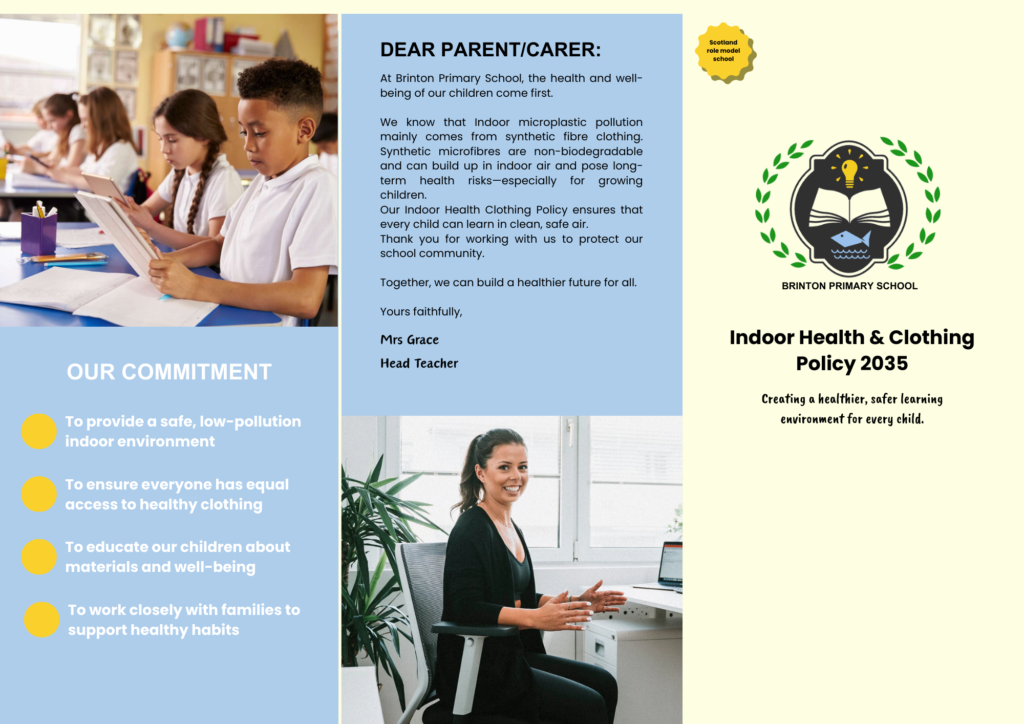
Information about the school
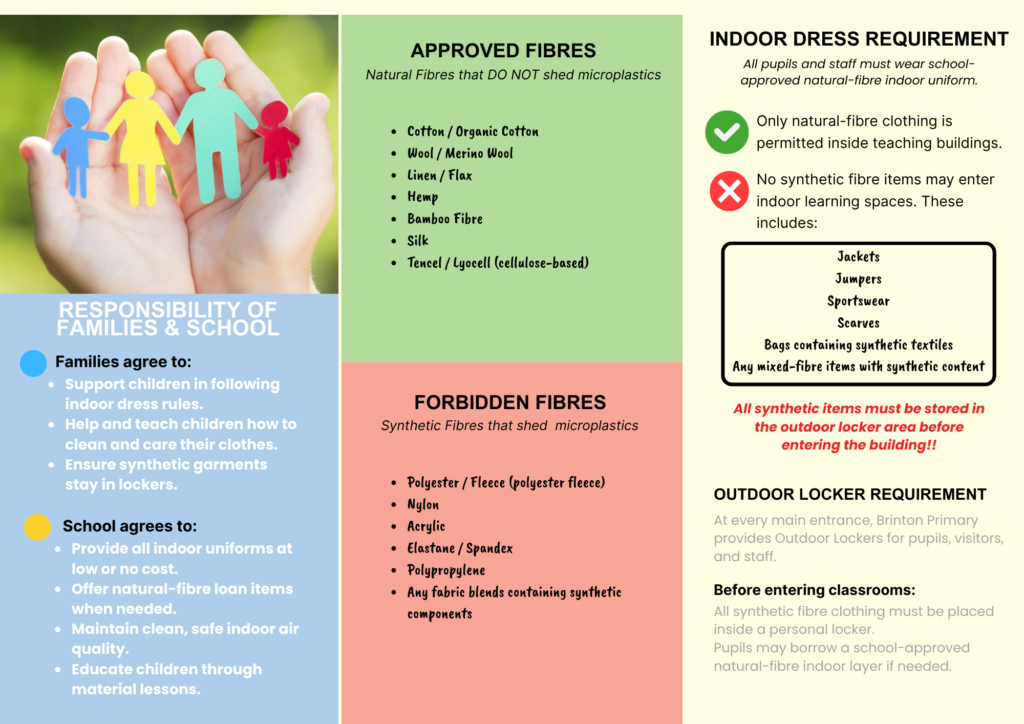
Material list that are allowed and not allowed to be worn at school
Matter Labs
From our collaborative project Creating Future Worlds, exhibited at the Advanced Research Centre in Glasgow, our group employed an iterative, research-led approach to develop this design proposal in response to the theme of Planetary Health: Civic. To contextualise the project, we developed a future narrative grounded in current trajectories and plausible environmental and socio-political shifts.
In 2035, the climate crisis reached a critical tipping point, triggering widespread global restructuring and the strict enforcement of the Polluter Pays Principle. This shift led to a dramatic reduction in material extraction, petrochemical manufacturing, and exploitative labour practices, compelling industries to account for the environmental and social costs embedded within global production systems.
As these systemic changes unfolded, society began to confront the toxic material cultures that had long underpinned consumerism and industrial growth. Efforts toward ecological repair became inseparable from broader attempts to restore relationships with land, reconfigure material circulation, and reshape collective attitudes toward consumption and responsibility.
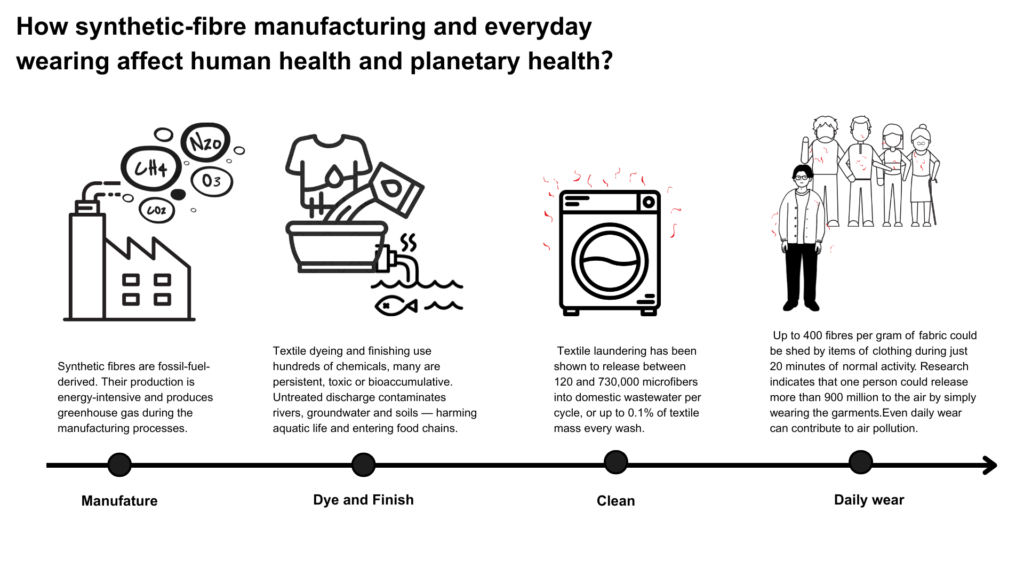
However, despite these transformations, harmful substances remain embedded in everyday life, from synthetic fibres shedding microplastics to toxic dyes and chemical residues persisting within products and environments. This raises a central question: how can society address the long-term legacy of contamination already woven into modern material culture?
In response, the team behind MatterLabs™ emerged to confront the consequences of historic manufacturing practices through a series of remediation technologies and treatment processes. Their work enables society to continue using existing materials and products while actively reducing their environmental and biological harm.
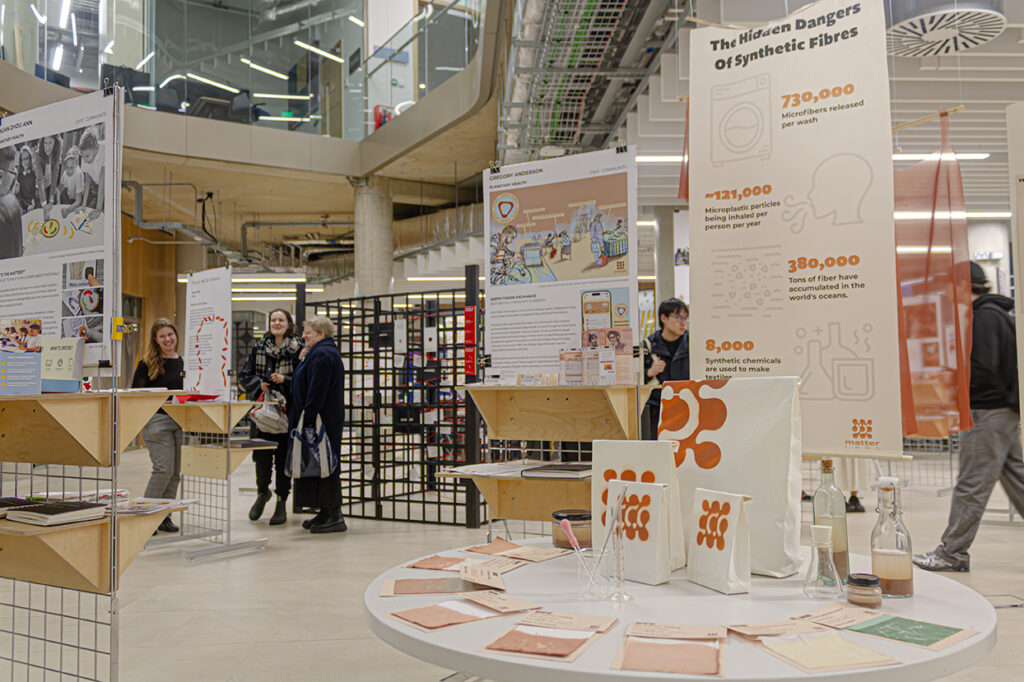
Display of Matter Labs Products After Treatment
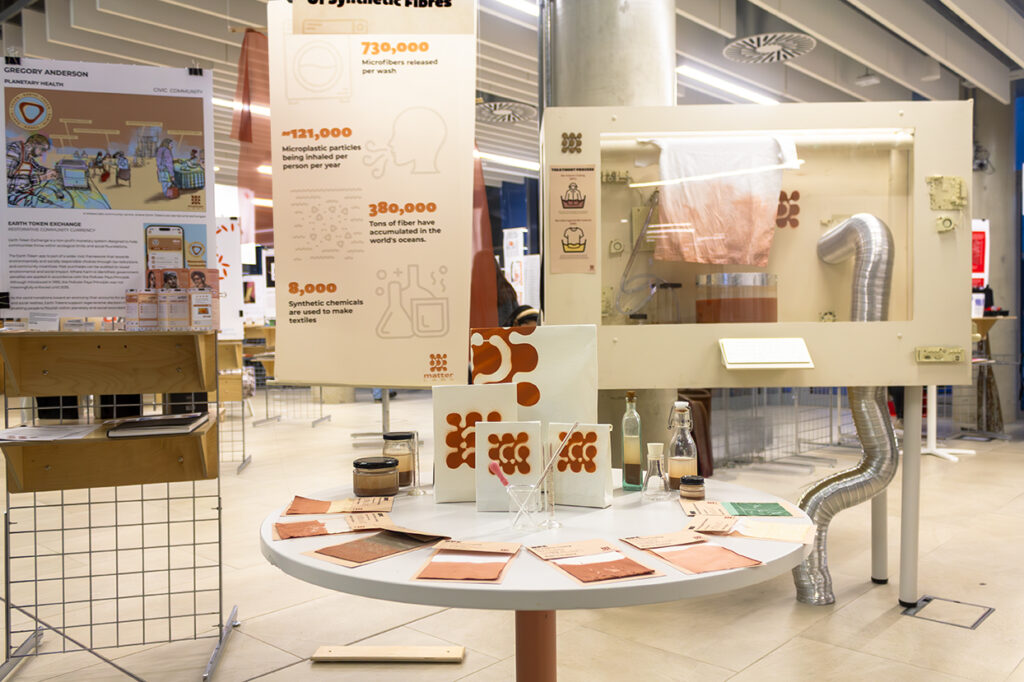
Display of Matter Labs Treatment Facility and Samples
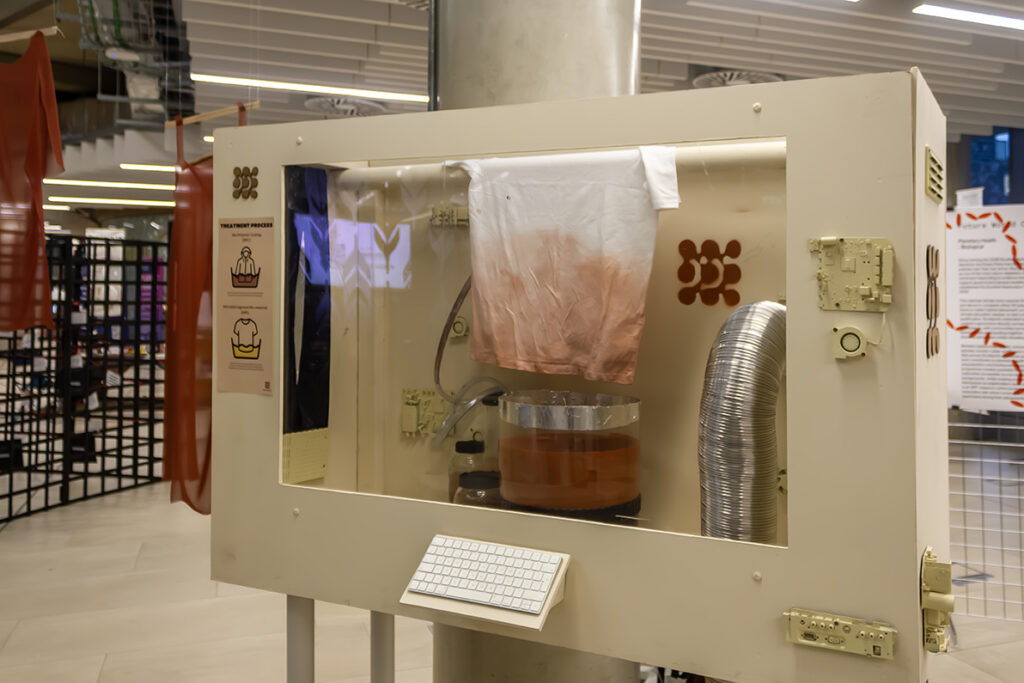
A polyester T-shirt is undergoing neutralisation at a Matter Labs facility, where protective coatings are applied to suppress microplastic shedding and chemical emissions.