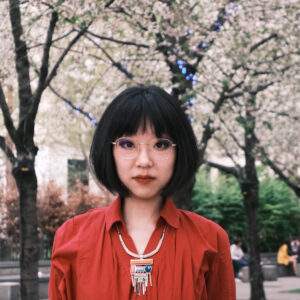
Yuchen Liu
(She/her)
Yuchen Liu (b. 2000) is a Chinese practice-led artist-researcher working across painting, installation, moving image and participatory projects. Her practice explores the perceptual relationship between human sensibility and non-human presences, focusing on how encounters with materials and environments shape perception, memory and spiritual resonance.
Her work often begins from personal experience and develops through sustained interaction with matter. In earlier projects, this took form through imagined plant archives and speculative life-worlds. During her recent study at the Glasgow School of Art, stone has become a central medium in her practice. Its density, resistance and geological duration offer a way to slow down the act of making and to stay with material change over time.
Informed by phenomenology and material culture, Liu approaches stone as an active participant within relational processes. Through repeated touch, responsive surfaces and spatial arrangement, she allows its physical qualities to shape the rhythm, structure and atmosphere of the work. Layered mineral textures and immersive settings explore the energy that emerges between body, matter and environment, inviting attentive looking and perceptual reflection, while opening quiet ways of sensing care, continuity and the vitality of the material world.
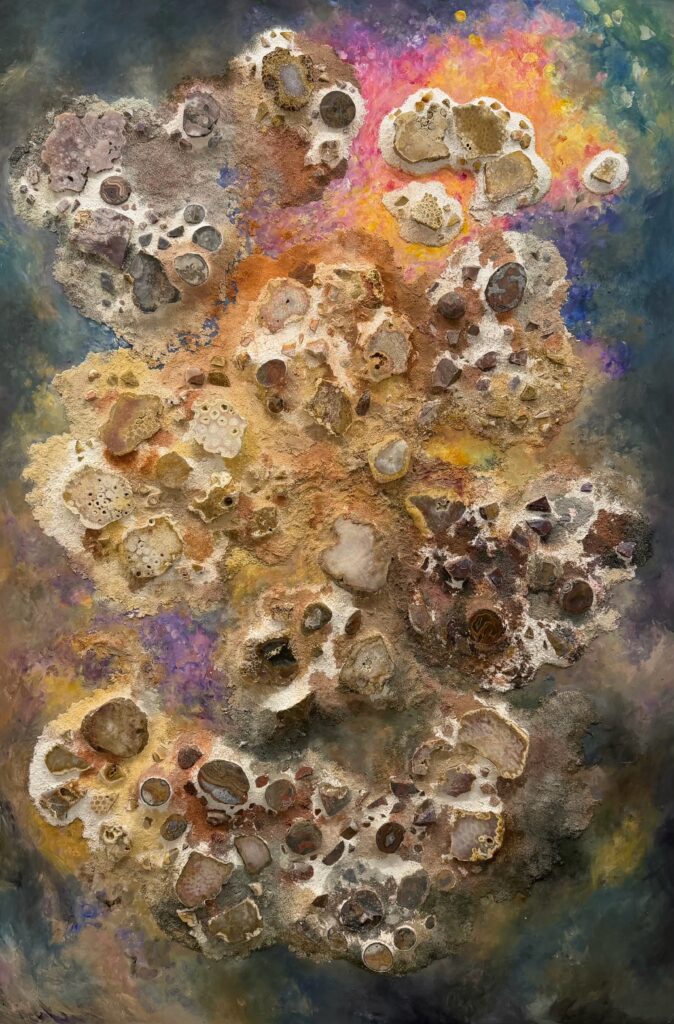
Illusion without Illusion
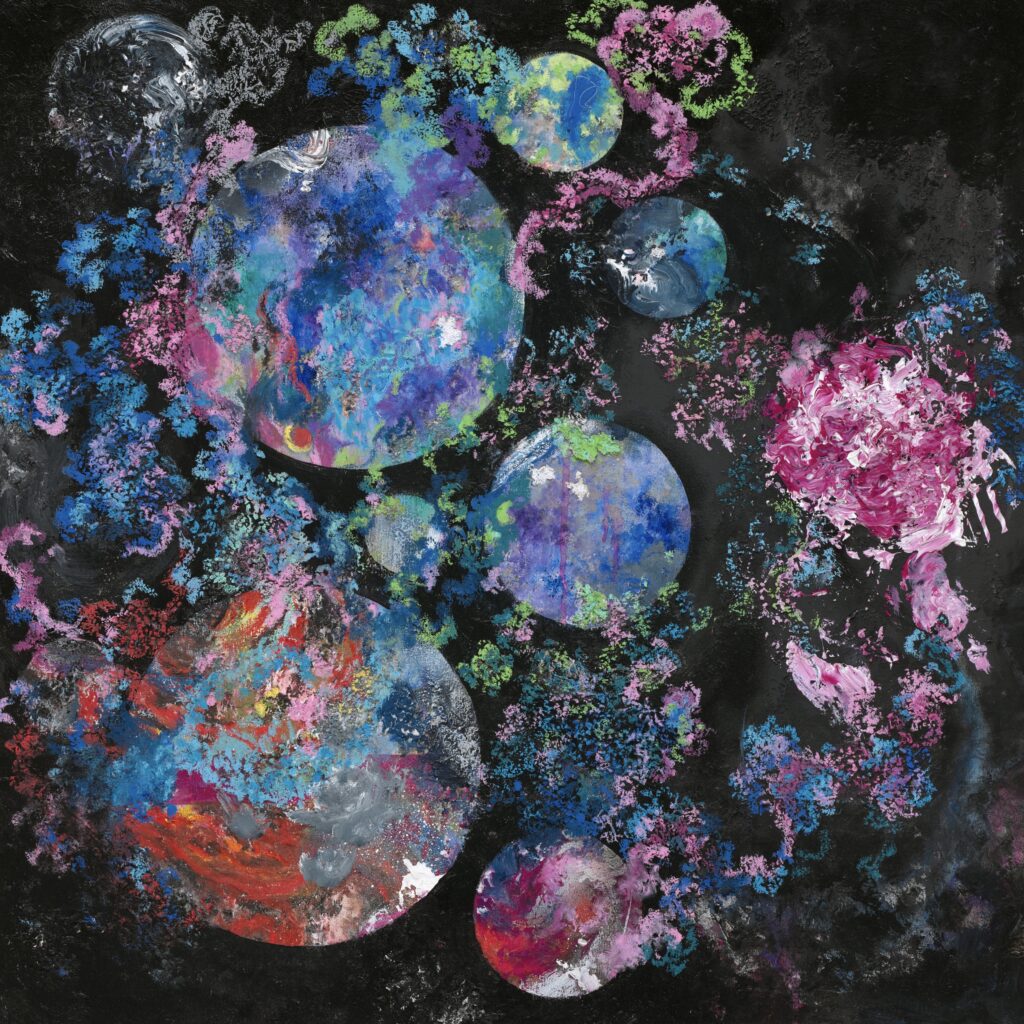
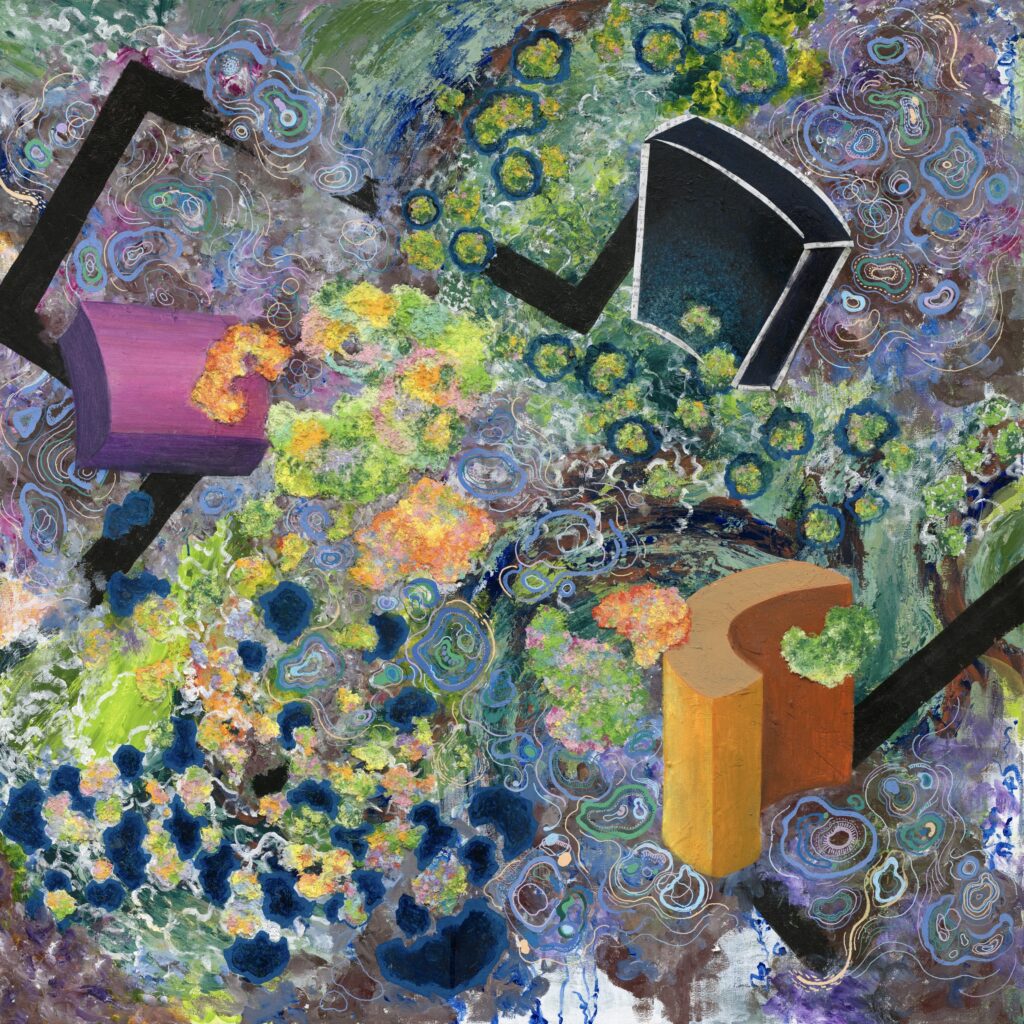
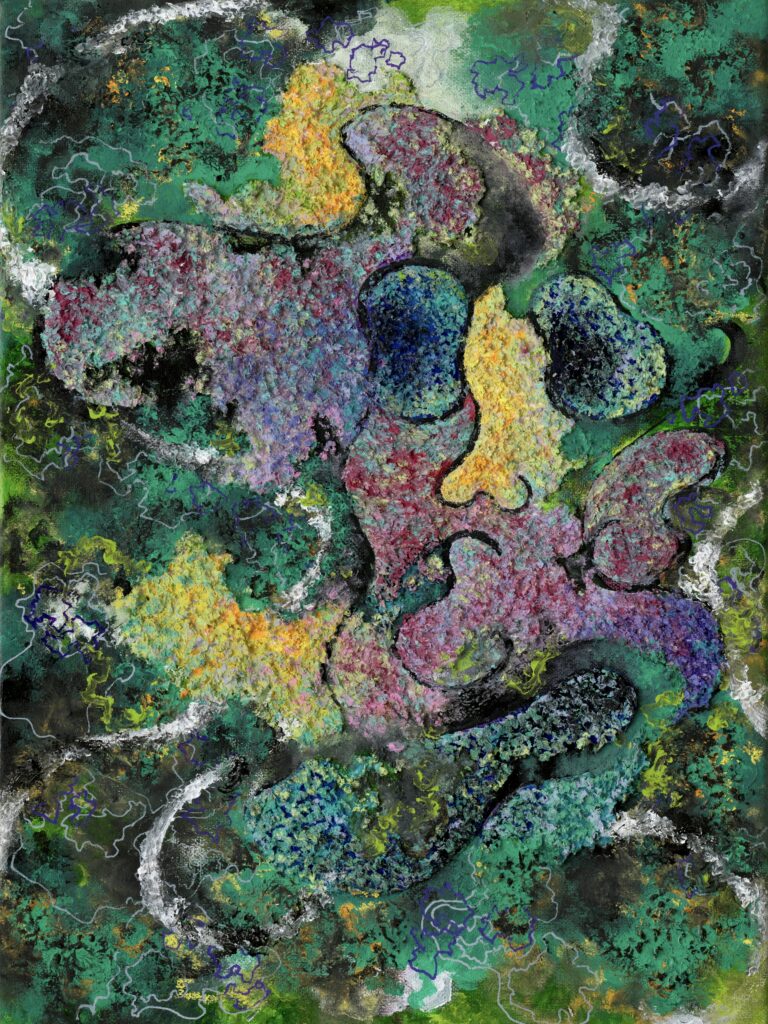
In my practice, painting is a reversible and repeatable process, while life is an irreversible journey. Therefore, I tend to start from the internal game of painting, connecting painting practice with life developmemt, in order to achieve inward introspection. As a creator with a distant knowledge background from visual art, facing the layered mismatch between individual experience composed almost of “rational knowledge” and the “perception” system of painting, “sublation” naturally becomes a necessary and urgent issue. At the same time, two seemingly unrelated life experiences also share a common connection. Just as the reason I chose paper pulp as the textual material, textbooks and draft papers can become inseparable parts of the artwork after being torn, soaked, and reshaped, blending with different elements representing sensibility and rationality in the picture, to create randomness and certainty from different perspectives, and showing exploration and reconstruction when facing spiritual confusion. It can be said that this project starts with my own reflection as the inspiration, and is connected by the abandonment, stacking, and reconstruction of the colors and textures of painting itself, demonstrating the irretrievability and unpredictability of life development, as well as the important significance of self-acceptance in this process.
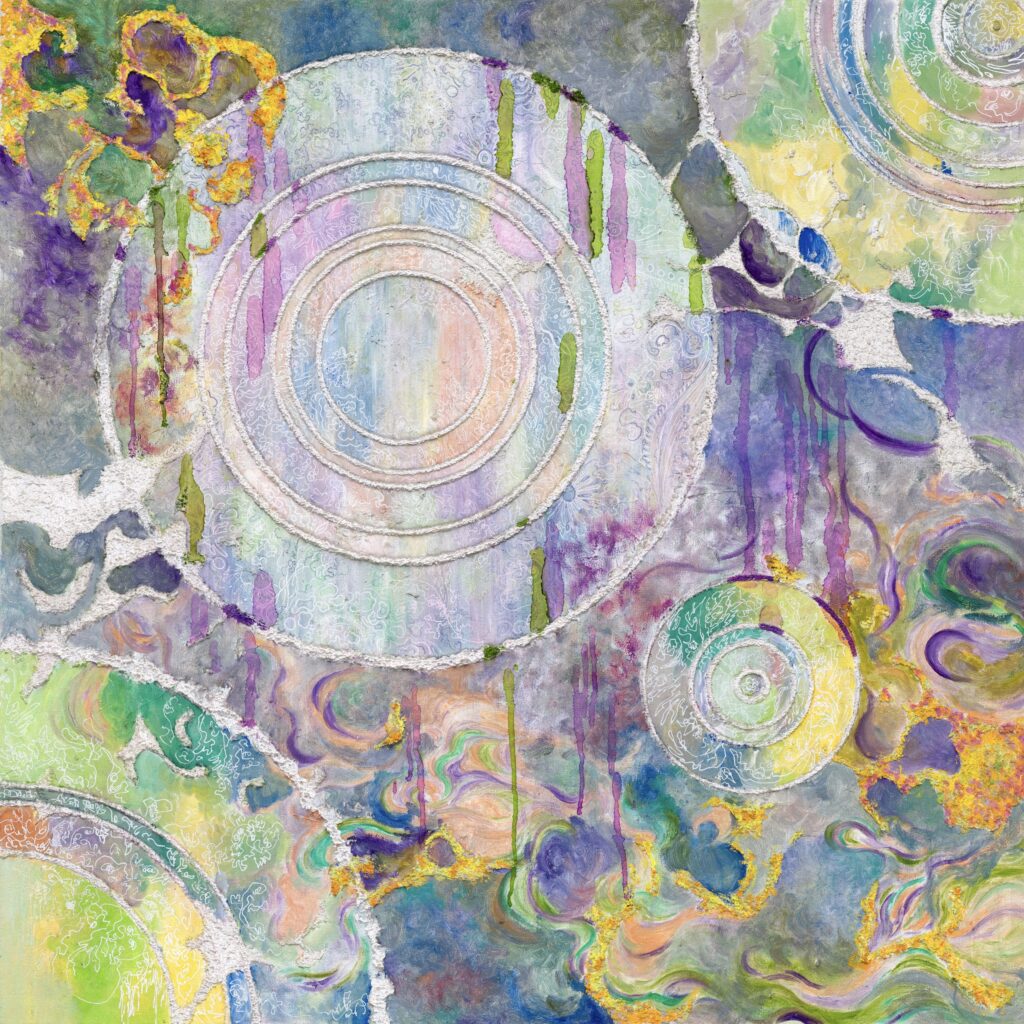
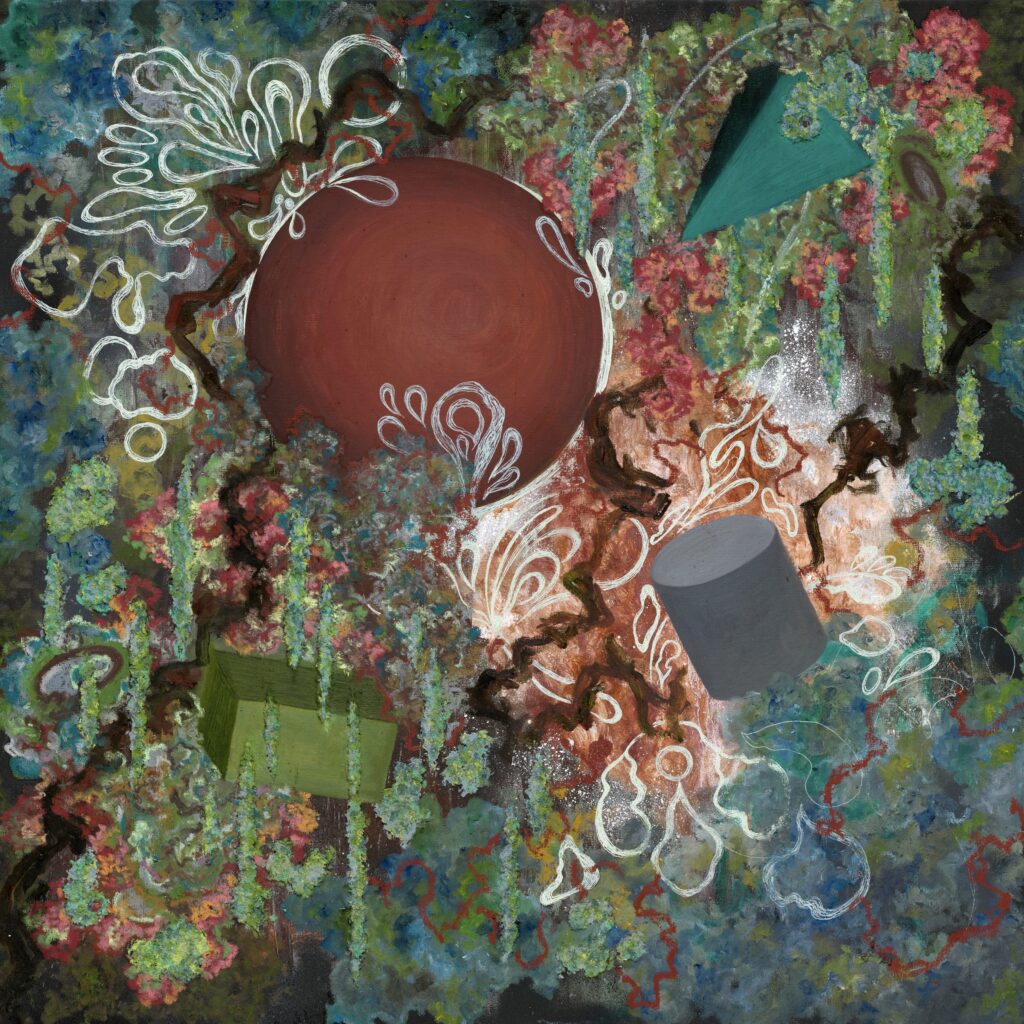
The Plant Archive
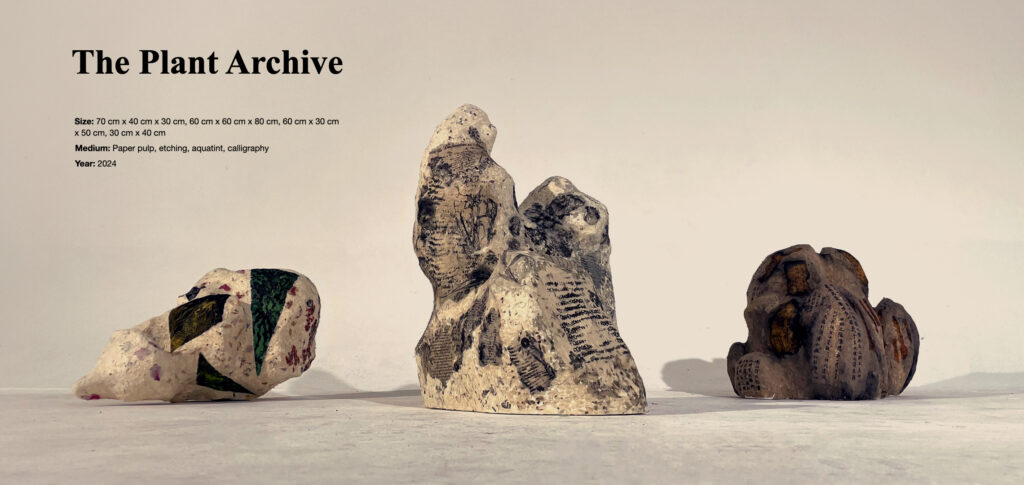
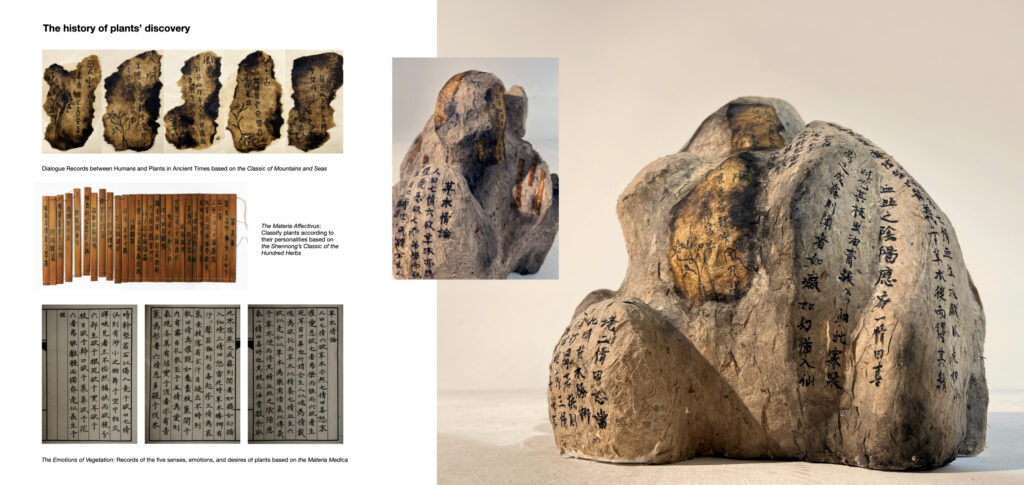
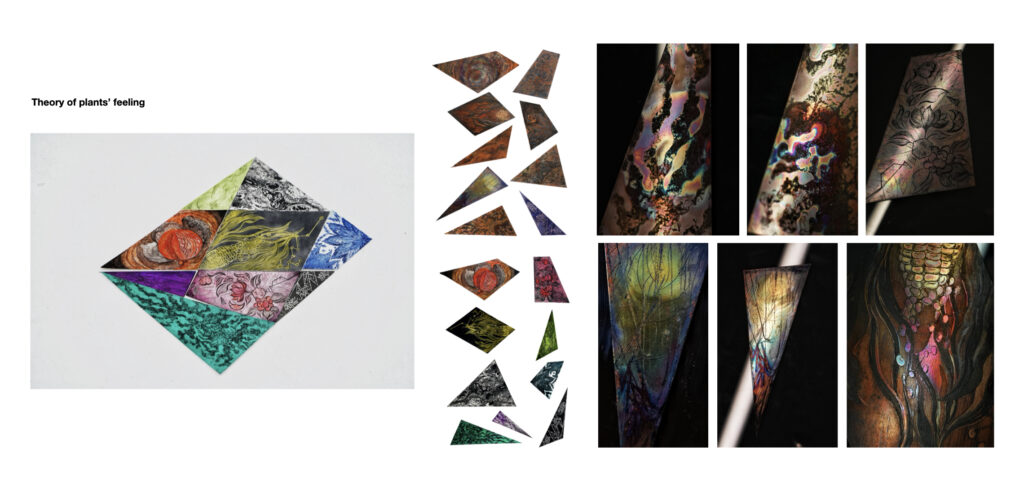
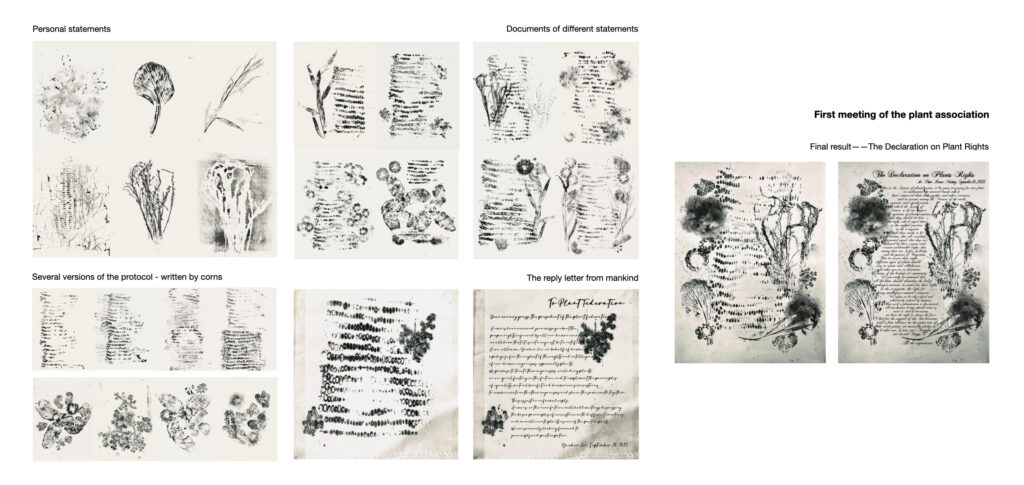
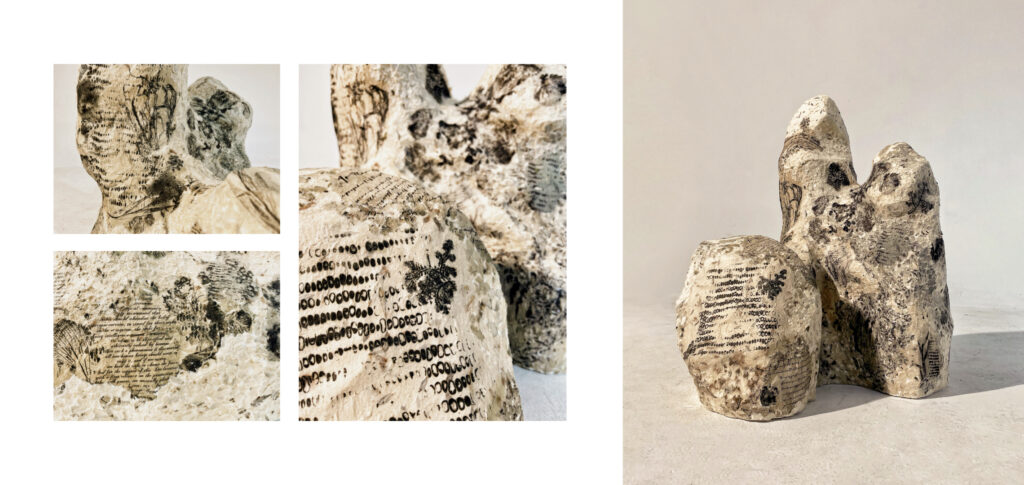
Through the creation of a “de-anthropocentric” view of plants’ intelligence, in which the real and the unreal are intertwined, I intend to decentralize and reshape the world, thus to explore the fragility of the boundary between reality and illusion under human definition and the possibilities of using art to create actuality. Therefore, I have created a well-documented and logical “fictional” plant archive in order to contemplate the relationships and status of life. In this project, plants become mirrors of human beings, possessing same emotions and desires, and being able to communicate with humans on a completely equal footing. Ultimately, installation books are chosen for display to reflect the limitations and fragility of the human definition.
The Ineffable Tomorrow
No Nightingale
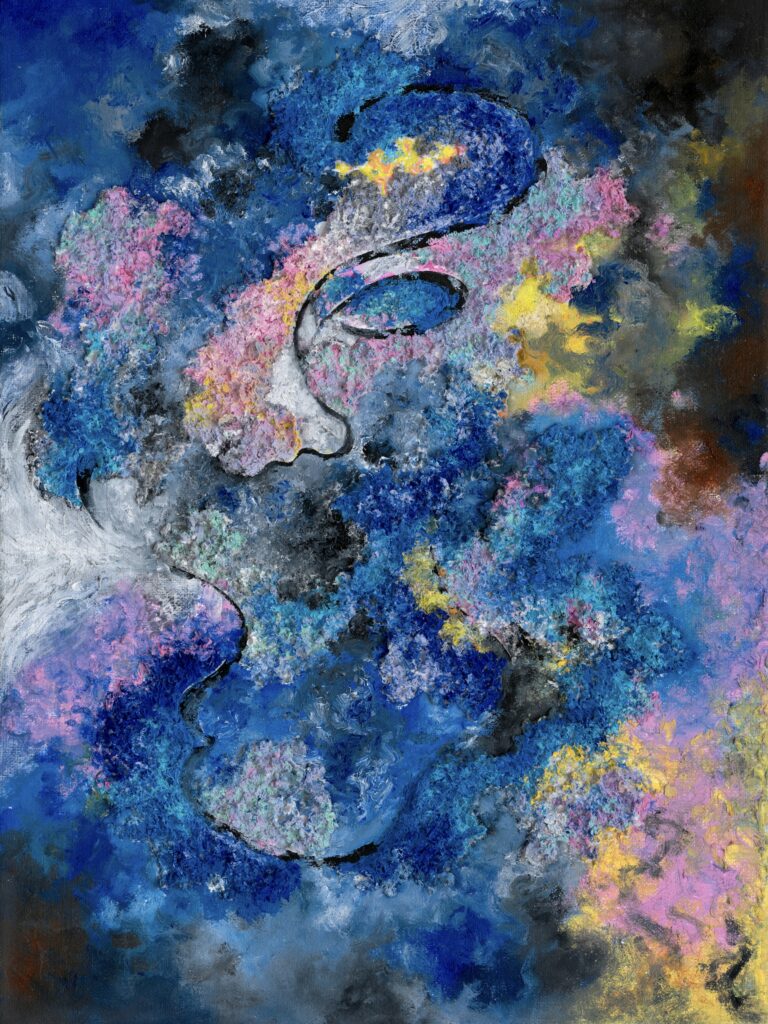
This project boldly imagines a universe cycle associated with the Ouroboros from a science fiction perspective, discusses the individual’s sorrow of being unable to break free from the vast torrent and no external concern, consequently, peering into the invincibility of fate.
Five million years from now, after multiple rises and falls, human civilization, having collided and connected with alien civilizations, has left its mark across several star systems. The explosive development of technology brings humans closer to the truth of universe existence and foresees the inevitable ruin of intelligent life in the universe cycle. After numerous desperate attempts at salvation only hasten the ruin process, humans ultimately clears themselves in despair. Another five million years after human extinction, intelligent life from planets once colonized by Earth humans reaches Earth, and unearth the origins, development, prosperity, and decline of human civilization — both birth and decay exist eternally in the universe cycle. Facing the human remnants buried in the oblivion, they feel insignificant and powerless, as if looking into a mirror reflecting their future.
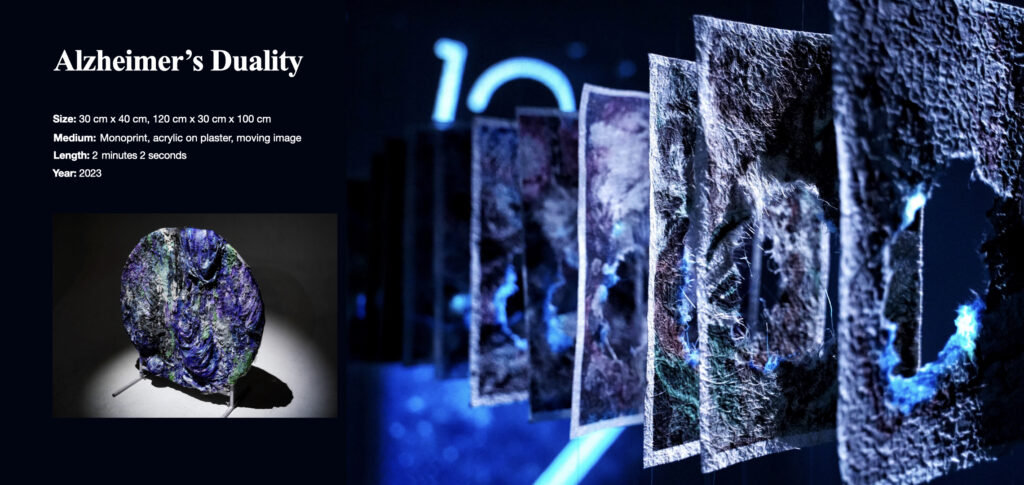
Alzheimer’s Duality
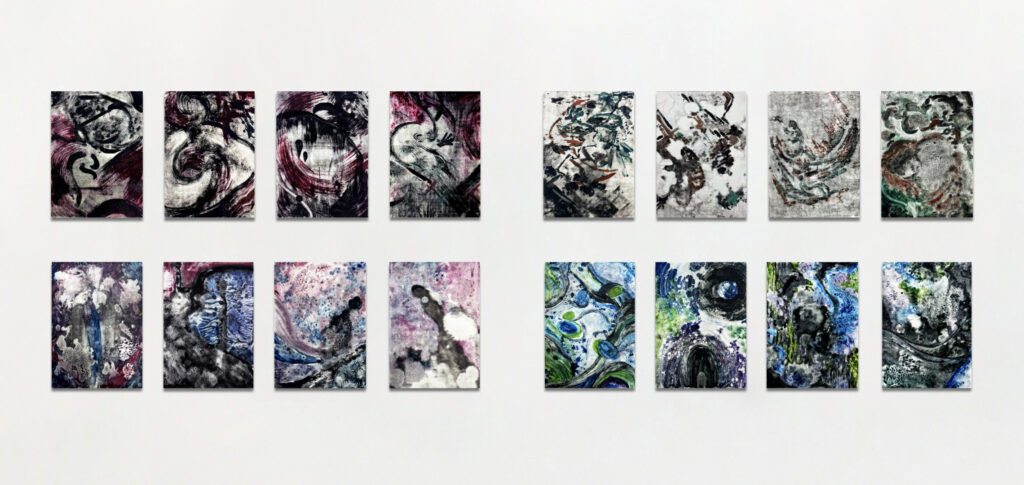
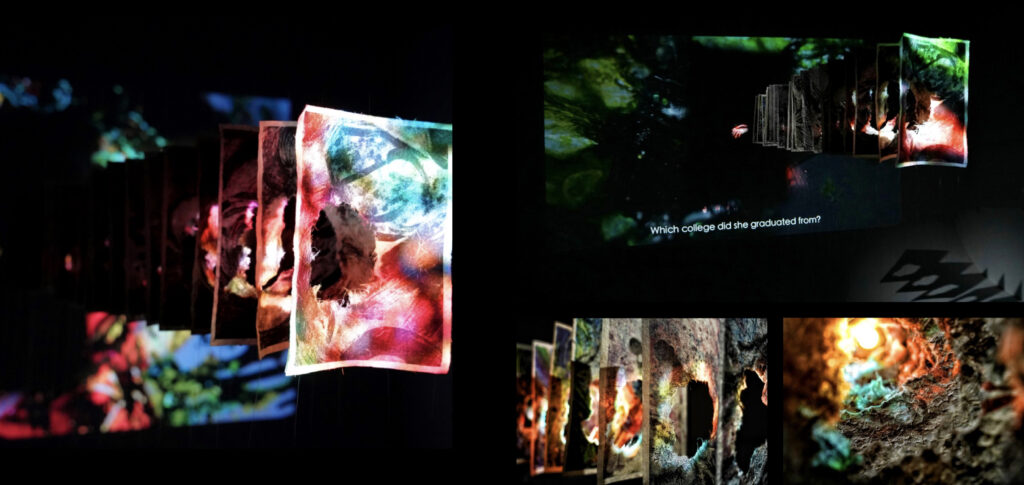
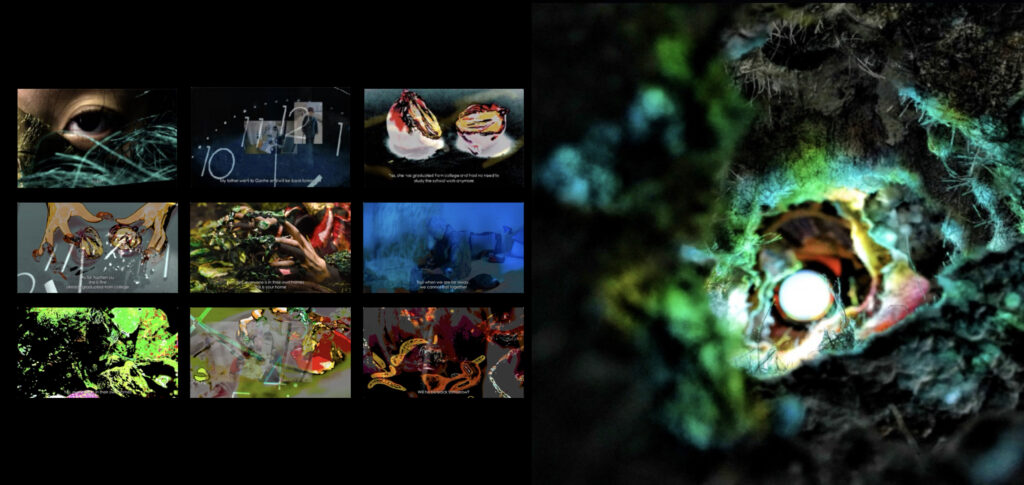
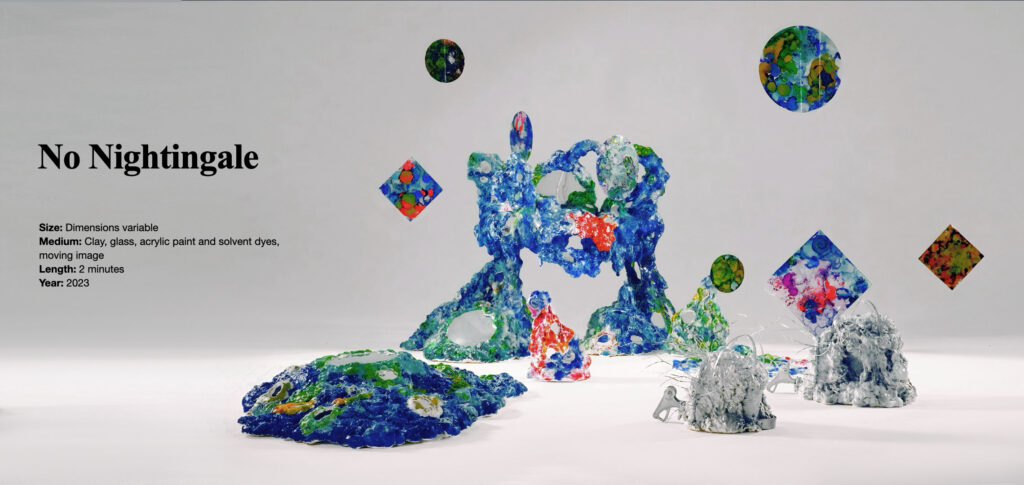
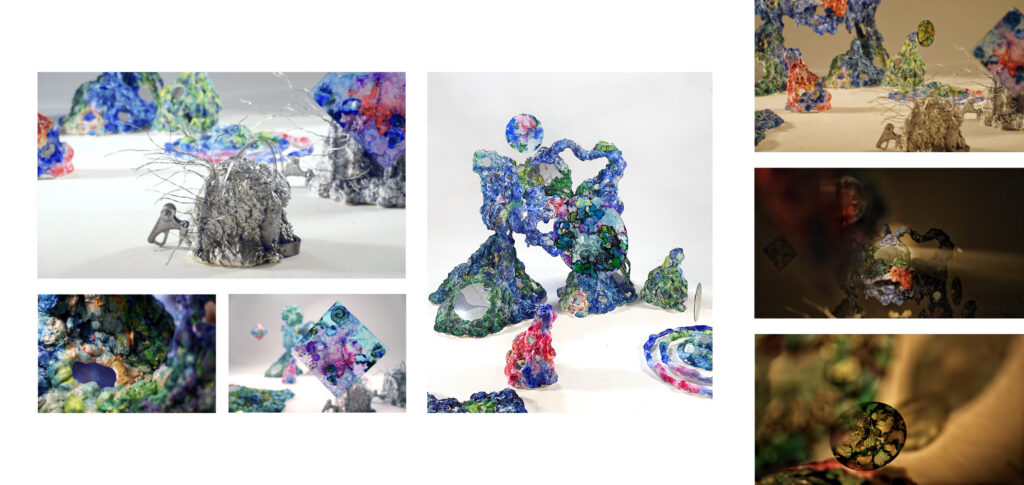
This work was made during my grandmother’s experience with Alzheimer’s disease. Through fragmented images, layered subtitles, family conversations, shifting rhythms, and monoprint traces, the work reflects the disorientation of memory and the tenderness that remains within it. Rather than presenting Alzheimer’s only as loss, it traces the coexistence of confusion, care, repetition, and love. Personal memories, imagined scenes, and moments of daily speech overlap, forming a non-linear space where time becomes unstable, but emotional connection continues to endure.