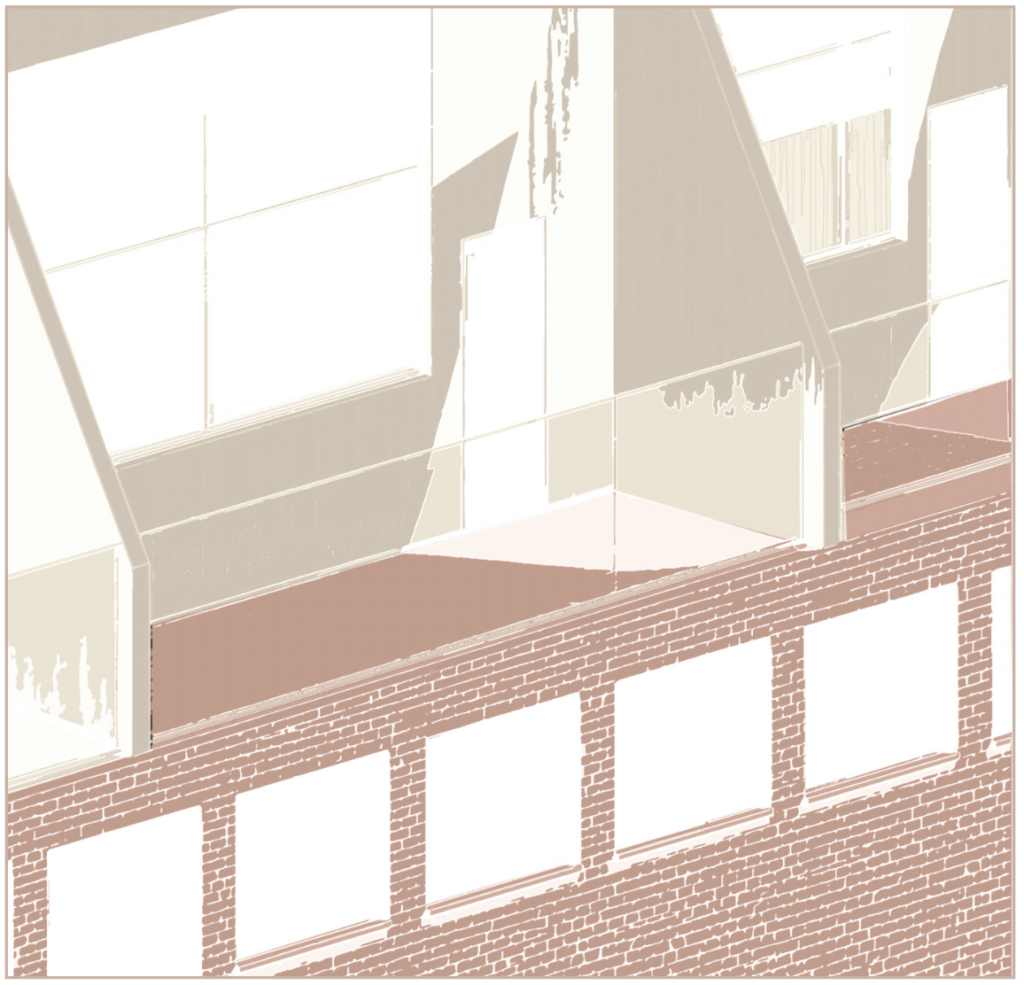
Urban Housing Project: A Fortress for Tradeston
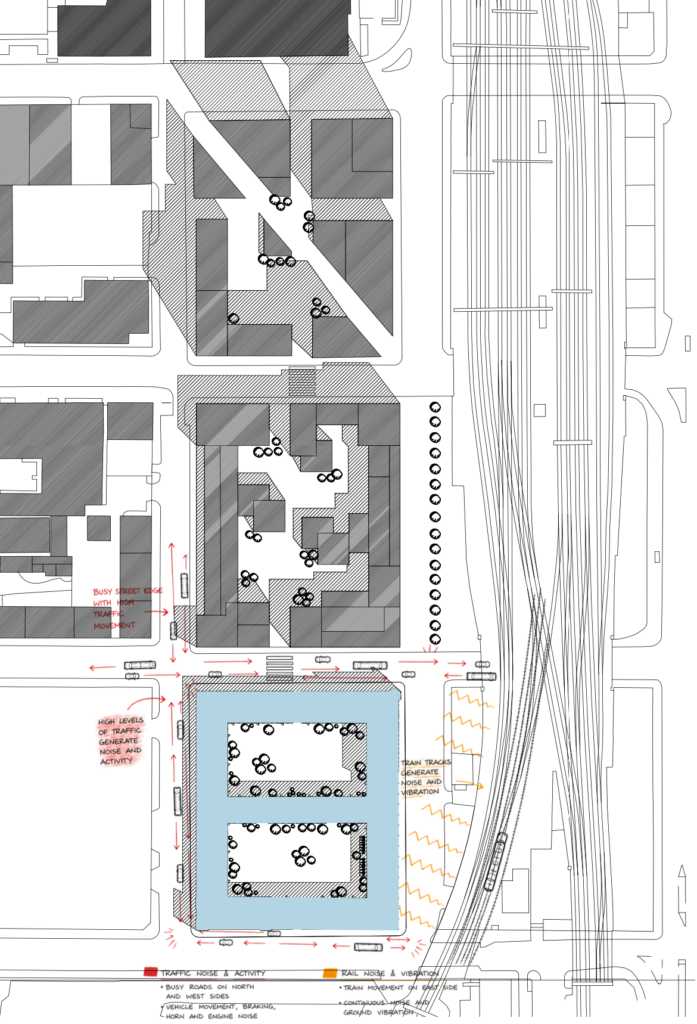
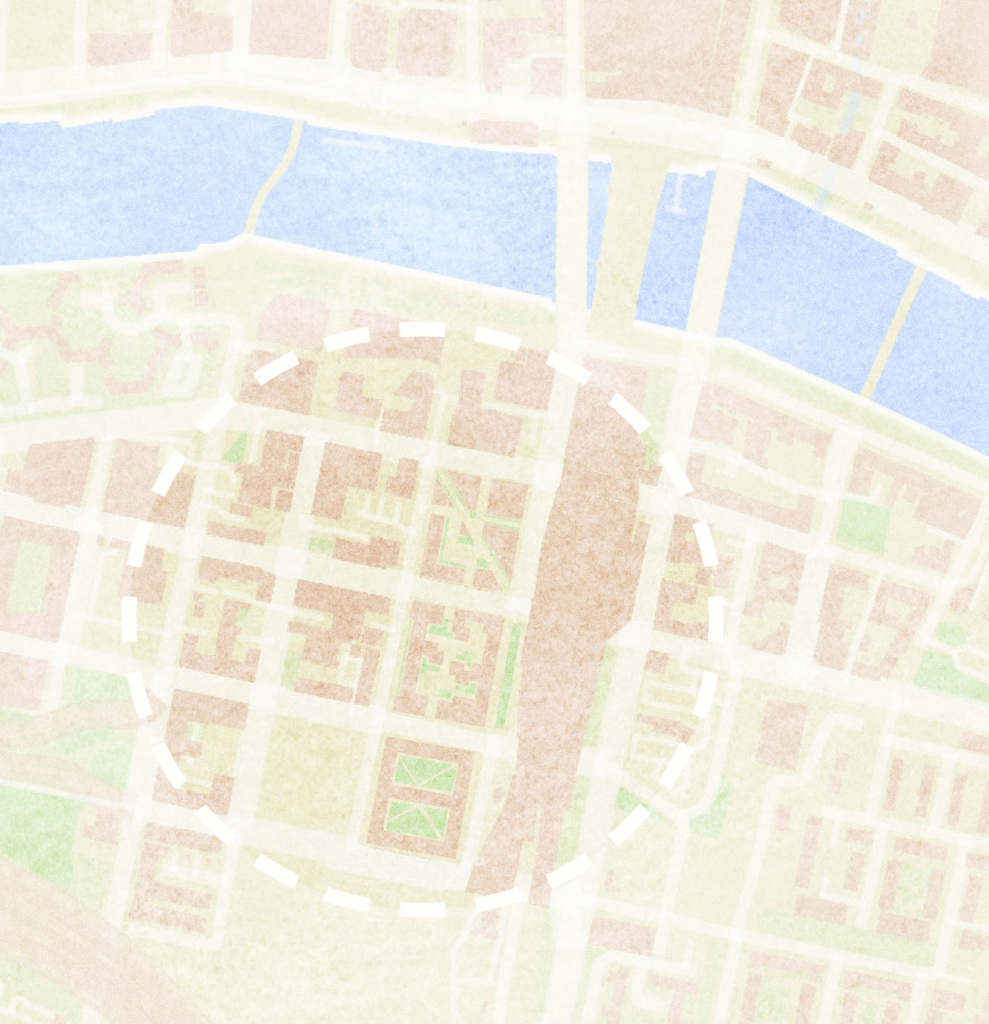
This project explores urban housing within the dense and complex context of Tradeston, on the block surrounding the former telephone exchange building. Located close to major infrastructure and railway lines, the site is heavily shaped by noise, air pollution, and the pressures of a tightly packed urban environment. Despite its central location within Glasgow, the area is often seen as an undesirable place to live due to its lack of green space, harsh surroundings, and limited sense of community or privacy. The project responds to these challenges by rethinking how housing can create a sense of protection, care, and comfort within difficult urban conditions.
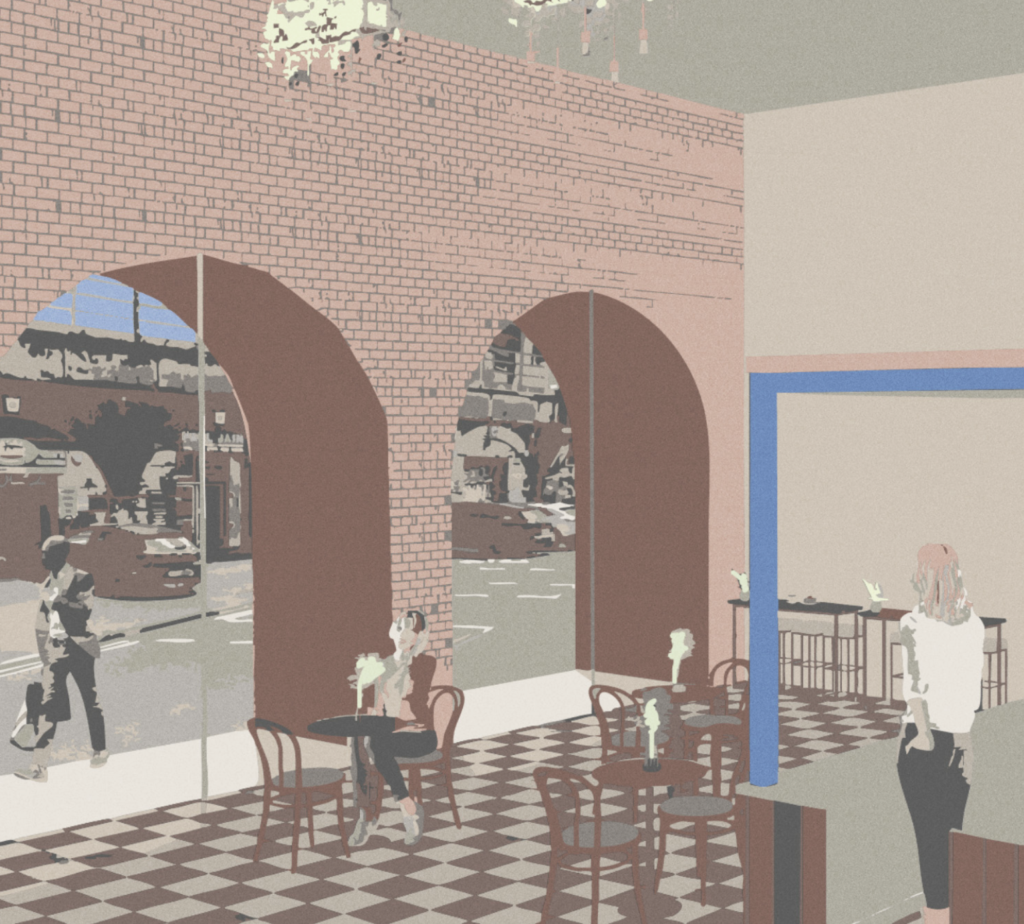
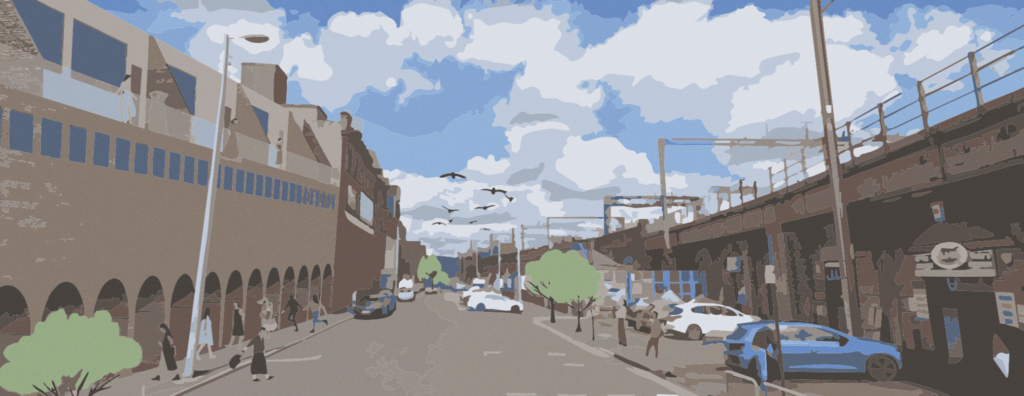
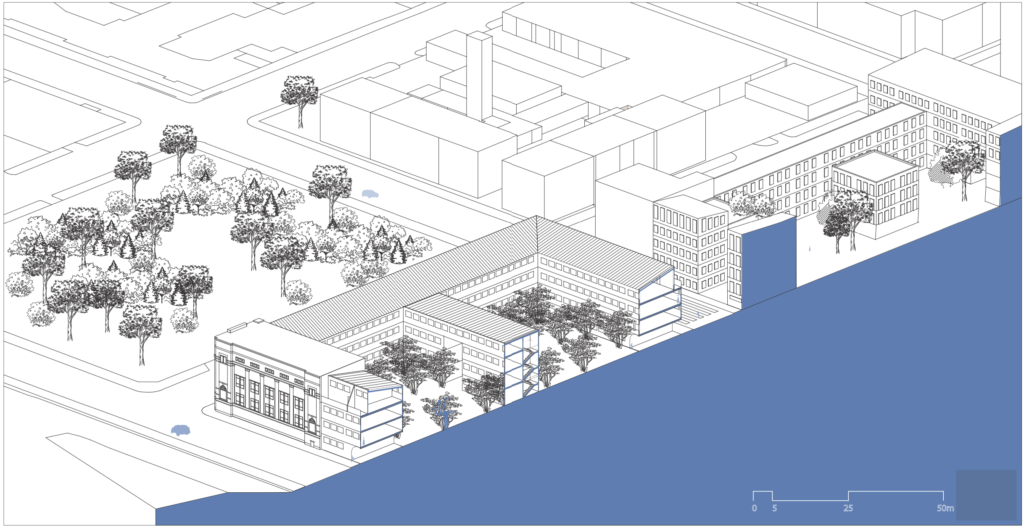
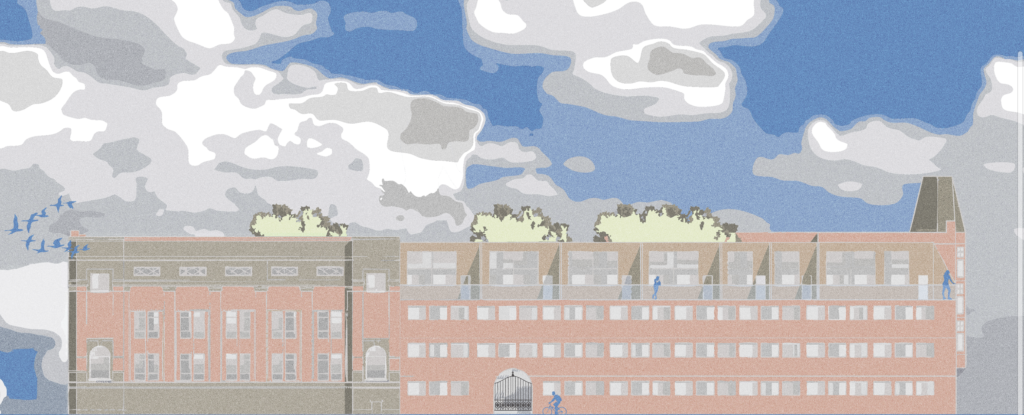
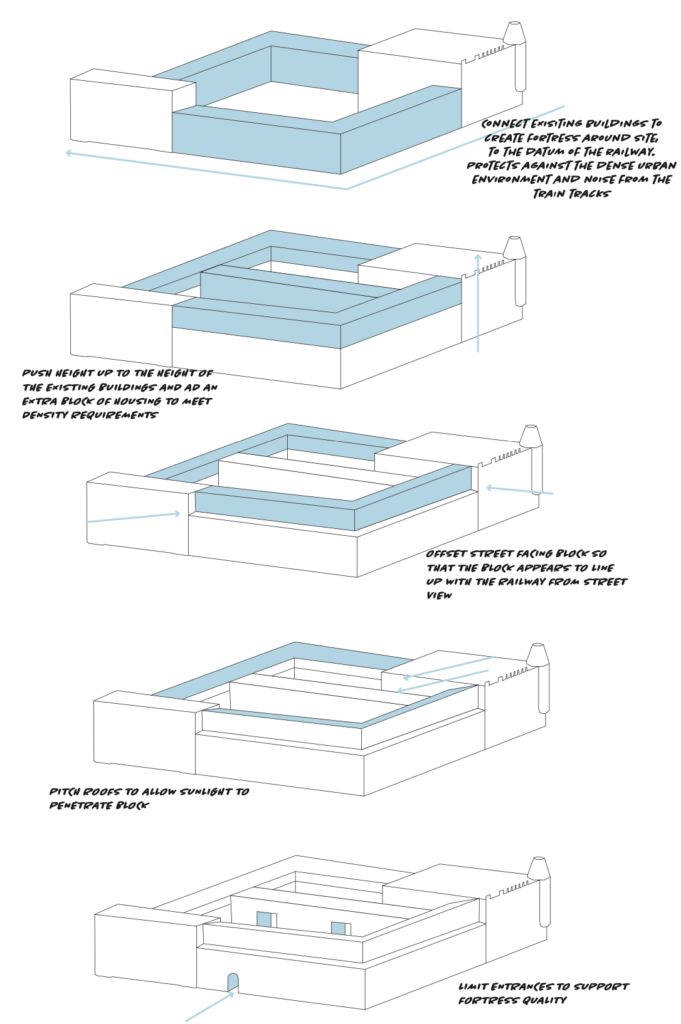
The site is also shaped by the old telephone exchange, a category B listed building, which informed both the scale and architectural approach of the proposal. The project considers how new housing can respectfully sit alongside historic structures without overpowering them. The height of the proposal responds directly to the surrounding built context, stepping and aligning itself in relation to the existing buildings in order to maintain their visual presence within the streetscape. Rather than competing with the historic fabric, the project aims to frame and support it, creating a dialogue between old and new architecture.
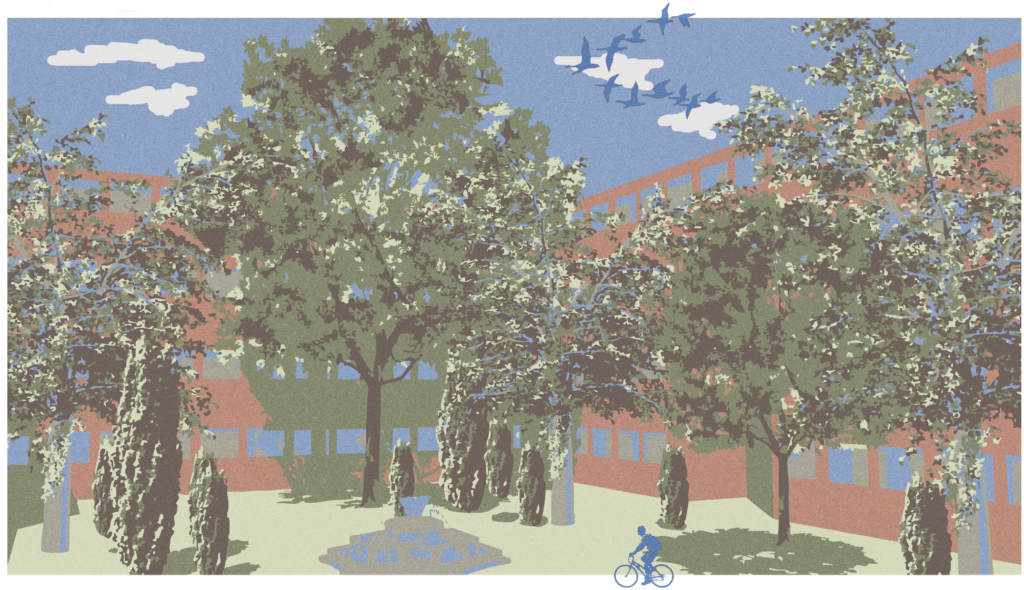
The proposal takes the form of a fortress like structure that encloses and protects a central courtyard. With only two controlled entrances into the block, the project creates a stronger sense of security and separation from the surrounding noise and activity of the city. This approach allows the internal courtyard to become a quieter and calmer environment for residents, encouraging social interaction while maintaining privacy and safety.
At the heart of the project is the idea of a caring ecology. Trees and planting are used throughout the courtyard and around the edges of the site to help absorb sound pollution from the nearby railway infrastructure, while also improving air quality and creating a softer, healthier environment. The landscape becomes an important architectural tool, helping to improve wellbeing and reconnect residents with nature within a dense urban setting.
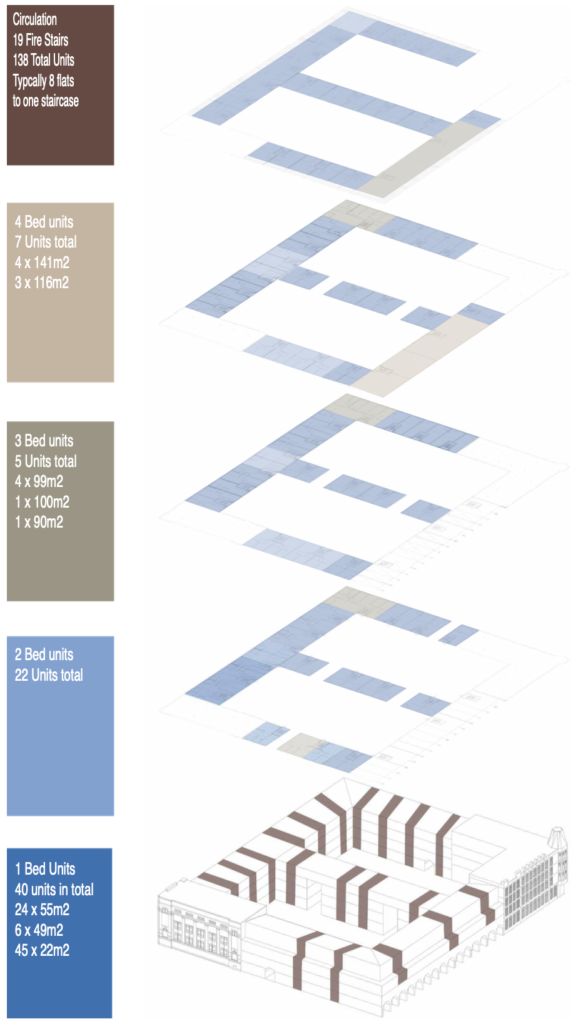
The organisation of the housing carefully considers privacy, threshold conditions, and the experience of everyday living. Bedrooms are positioned to face inward toward the quieter courtyard rather than the noisy surrounding streets, creating more peaceful domestic spaces. Transitional thresholds between public, semi public, and private areas are carefully designed to give residents a sense of ownership and control over their environment. Shared circulation spaces and communal areas encourage interaction between neighbours, while still allowing opportunities for retreat and personal privacy.
The project also considers a range of different users and living situations, creating housing that supports a diverse urban community. By responding directly to the site’s challenges through spatial organisation, landscape, material expression, and sensitivity to the existing historic context, the proposal aims to transform an overlooked and difficult site into a place that feels secure, welcoming, and liveable.
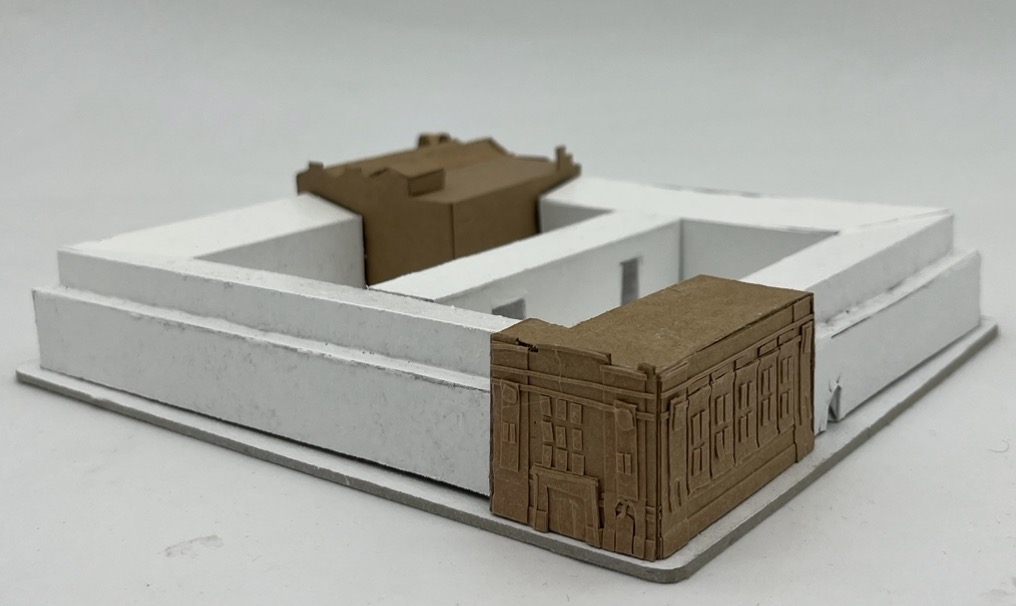
card, spray paint