Site
Mia Hutton
Site
Mia Hutton
Site Analysis
Mia Hutton
Research / Development
Mia Hutton
Updated Facade

Site
Site Analysis
Research / Development
Updated Facade
SITE CONTEXT
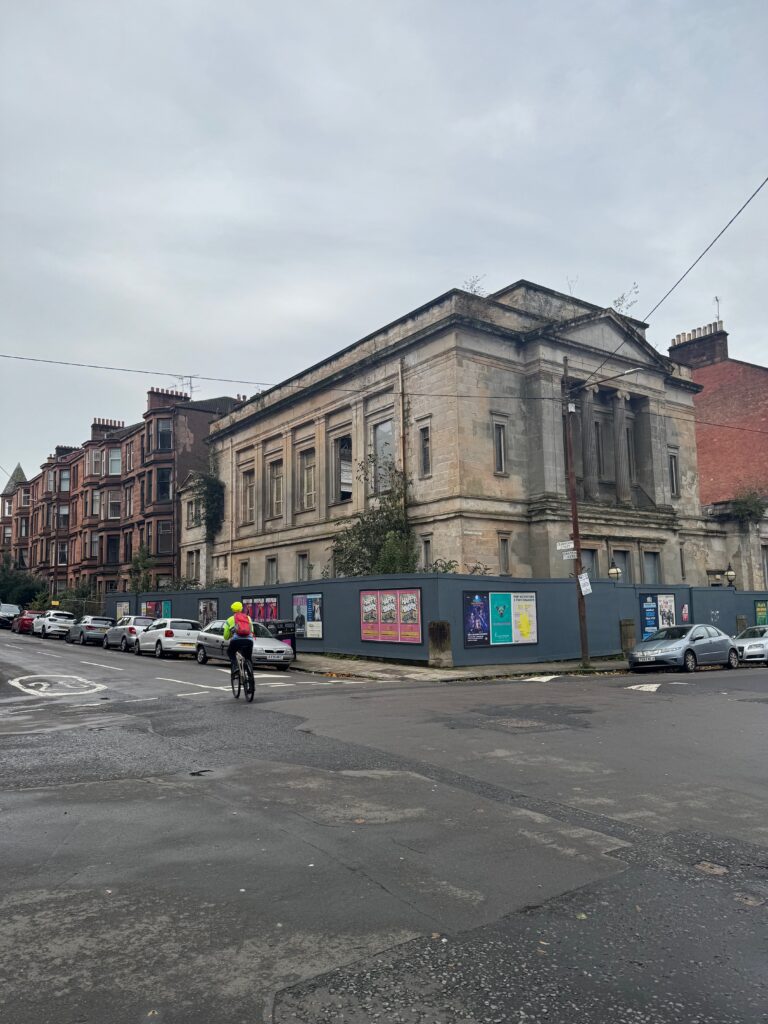
The buildings to the immediate west and south of the existing church are 4 which has meant
storey red sandstone tenements. On the opposite side of Cresswell Street edge of the Western Baths which sit directly opposite the Church on the is a new 4 storey contemporary flatted development and the southern edge of the Western Baths which sit directly opposite the church on the opposite side of Cresswell Street.
Current building
Movement And Connections
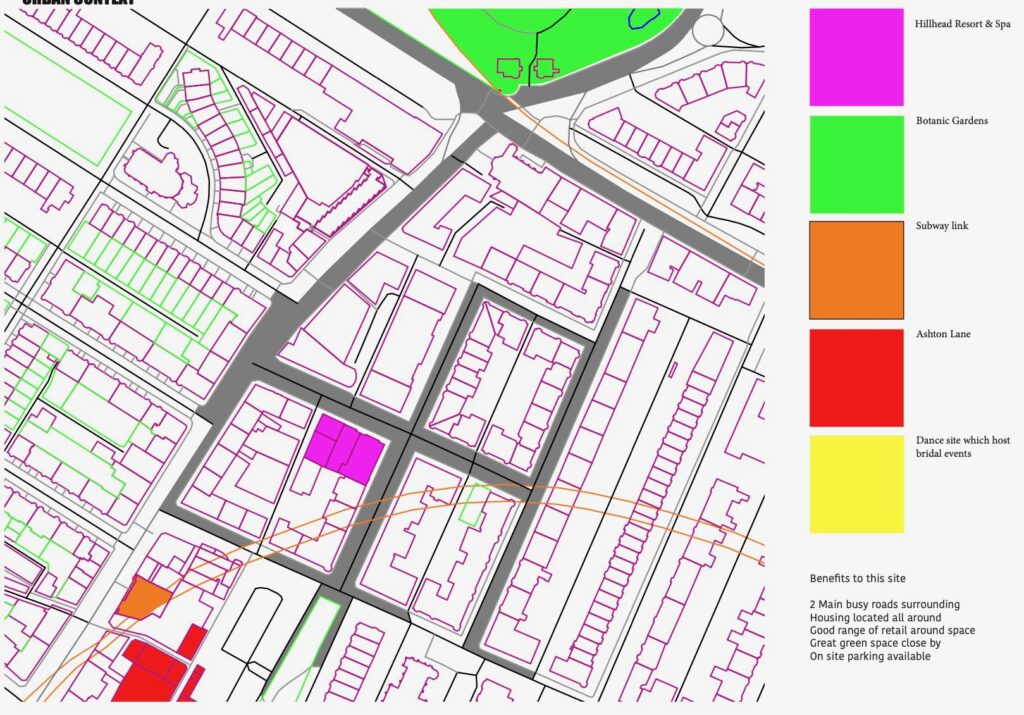
The site is well served by existing core footpath and cycle network (CW2 and C37) which both run from Kelvingrove Park in the south through
the Botanic Gardens in the north. The surrounding grid street pattern means the site is also well connected to Byres Road and surrounding local ameni- ties.
Local Amenities
The site is well served by local amenities along Byers Road which is considered as a town centre within the Glasgow City Development Plan. Facilities include a number of shops, cafes, bars, clubs, galleries, community number of parks, footpaths and cycleways within the surrounding area. build- ings and educational buildings within the university. There are also a number of parks, footpaths and cycleways within the surrounding area.
Public Transport
The site is well served by the excellent surrounding local public transport network,
network which includes buses and the nearby Hillhead subway stop on Byres Road
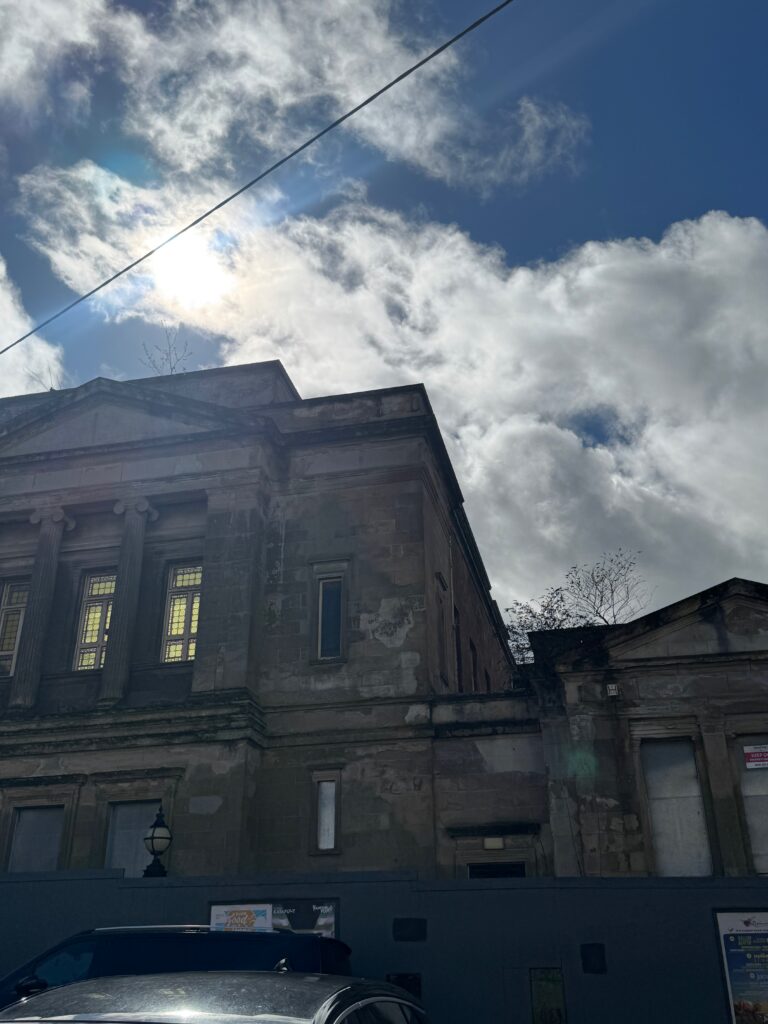
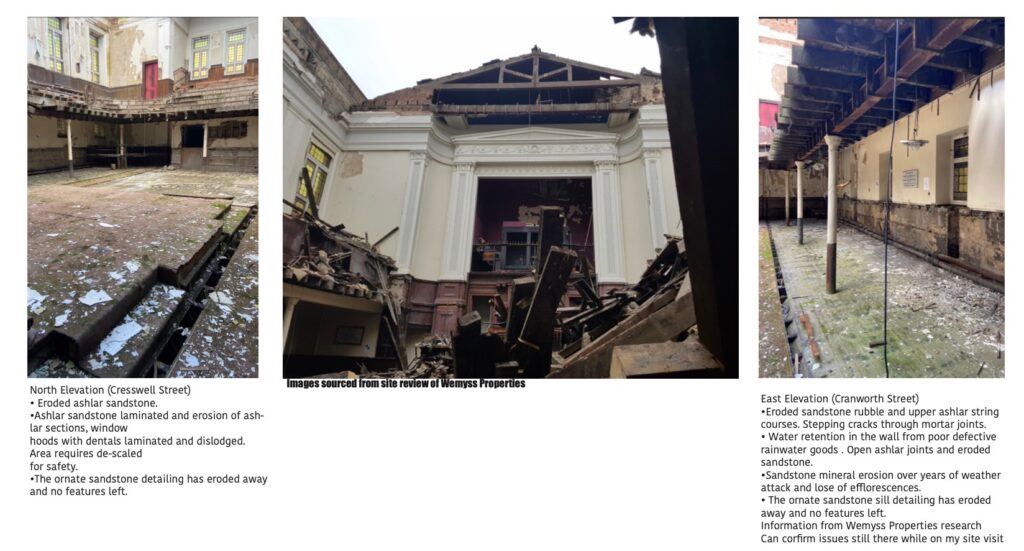
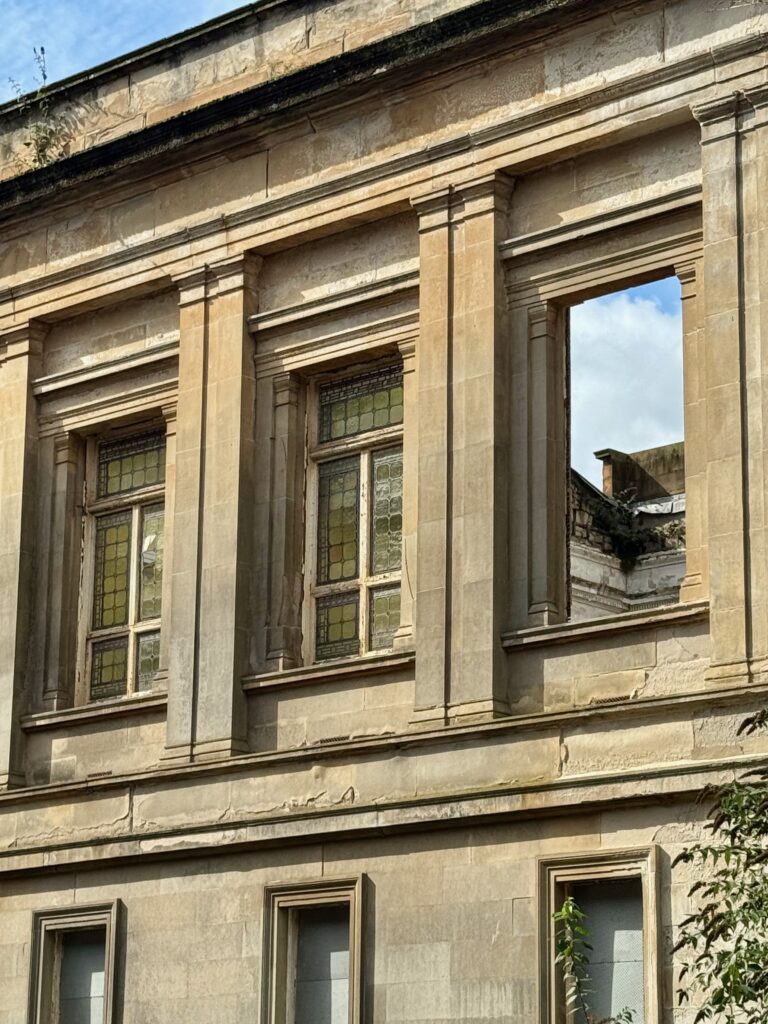
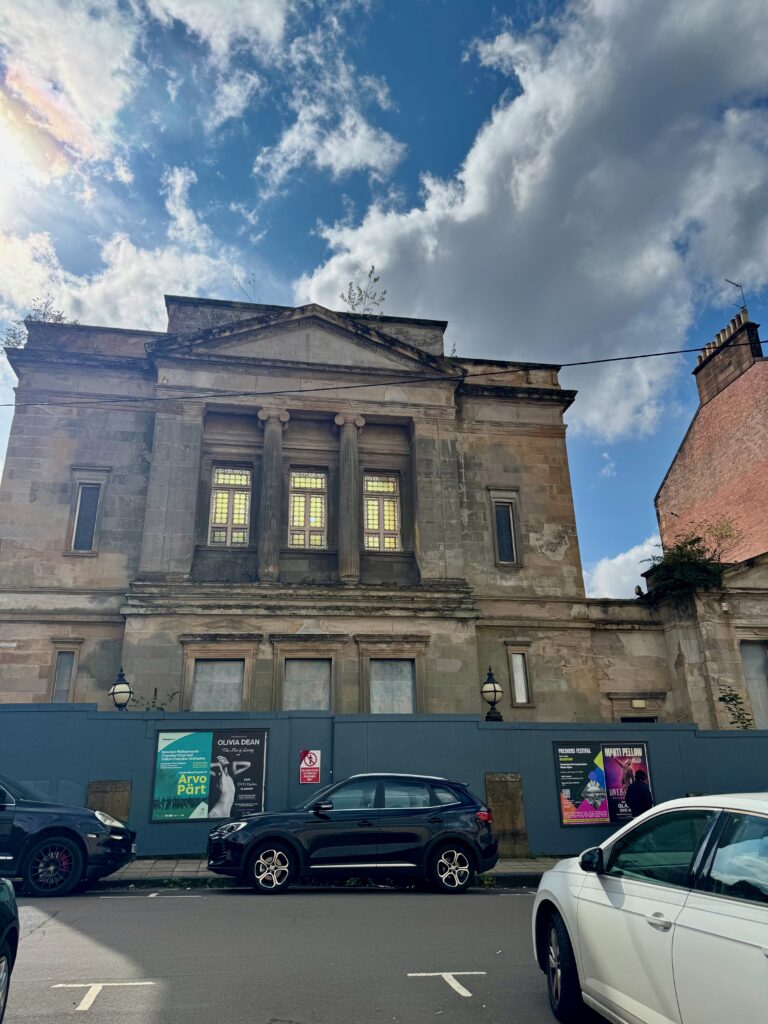
North Elevation (Cresswell Street)
• Eroded ashlar sandstone.
•Ashlar sandstone laminated and erosion of ashlar sections, window hoods with dentals laminated and dislodged. Area requires de-scaled for safety.
•The ornate sandstone detailing has eroded away and no features left.
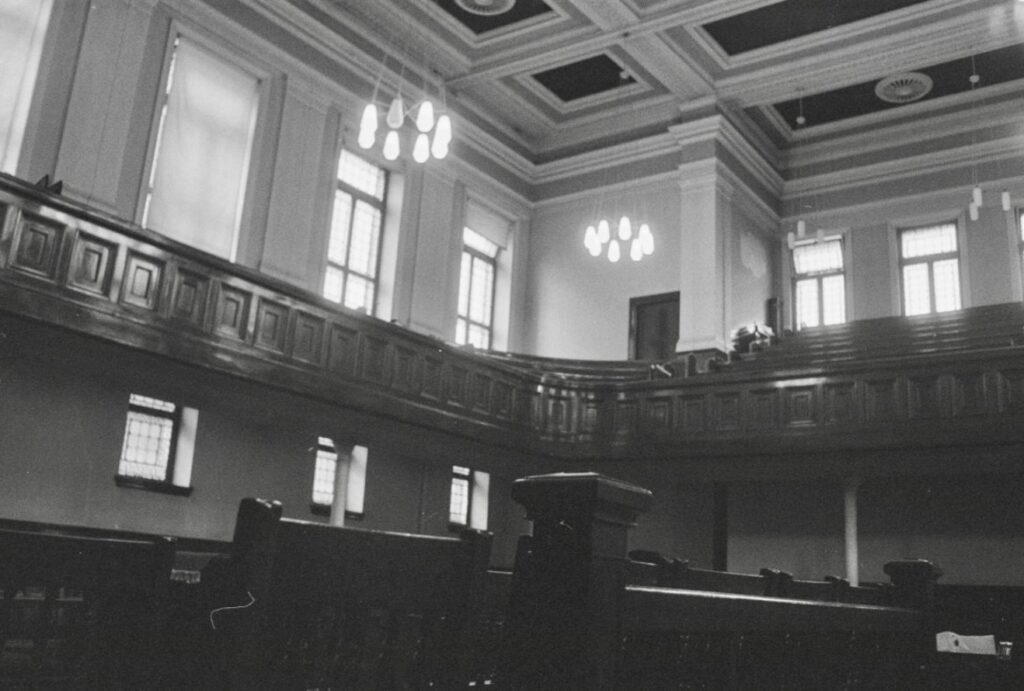
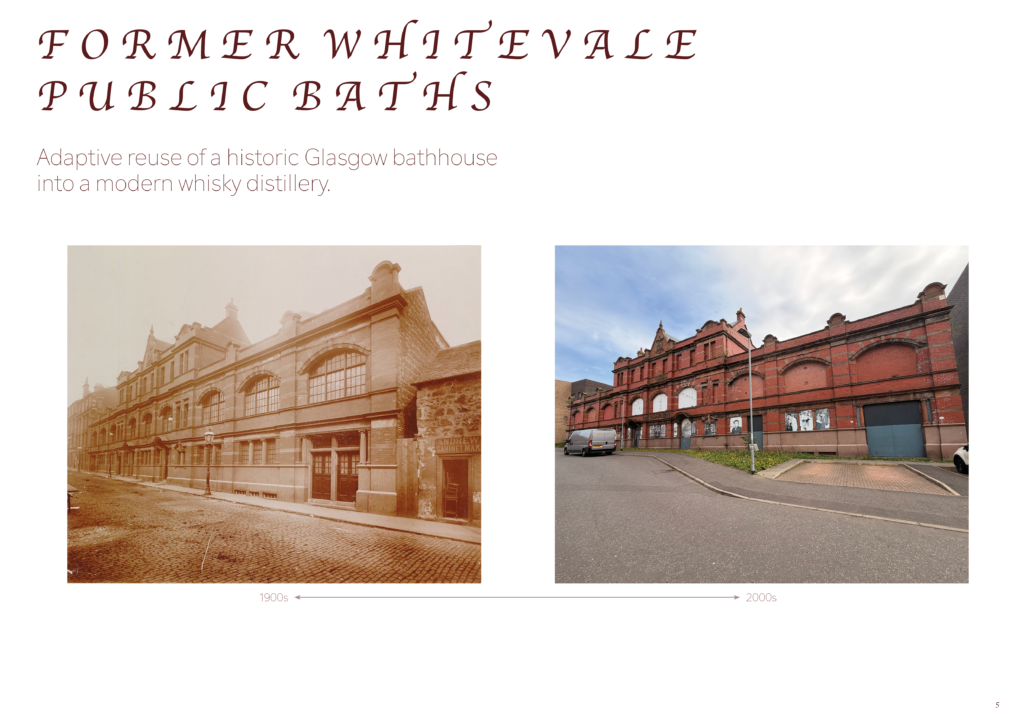
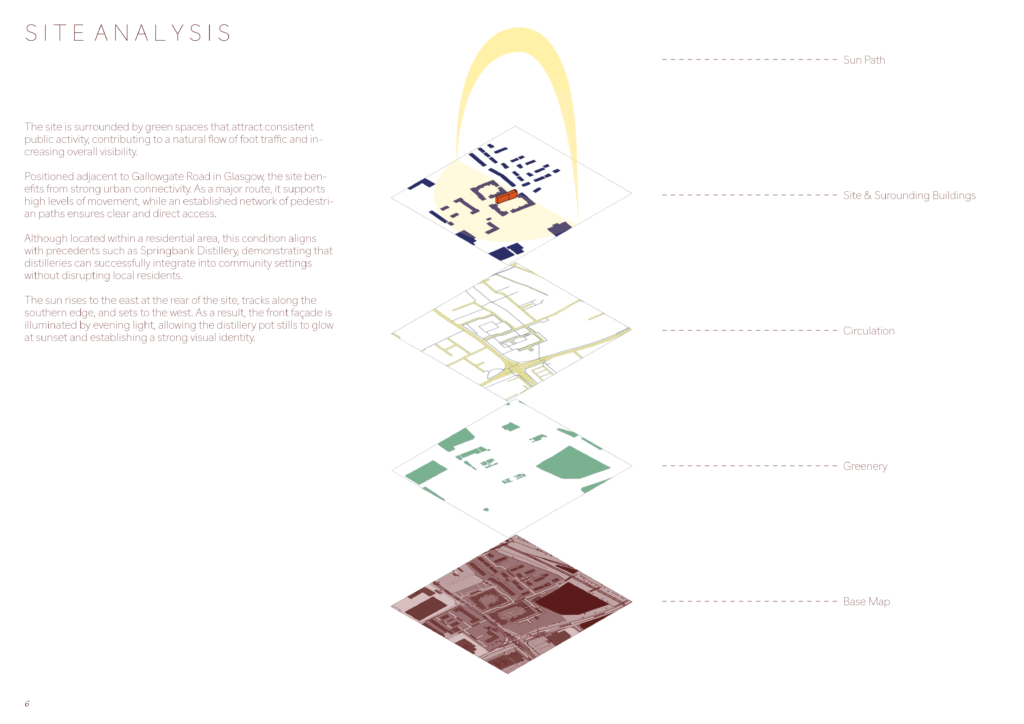
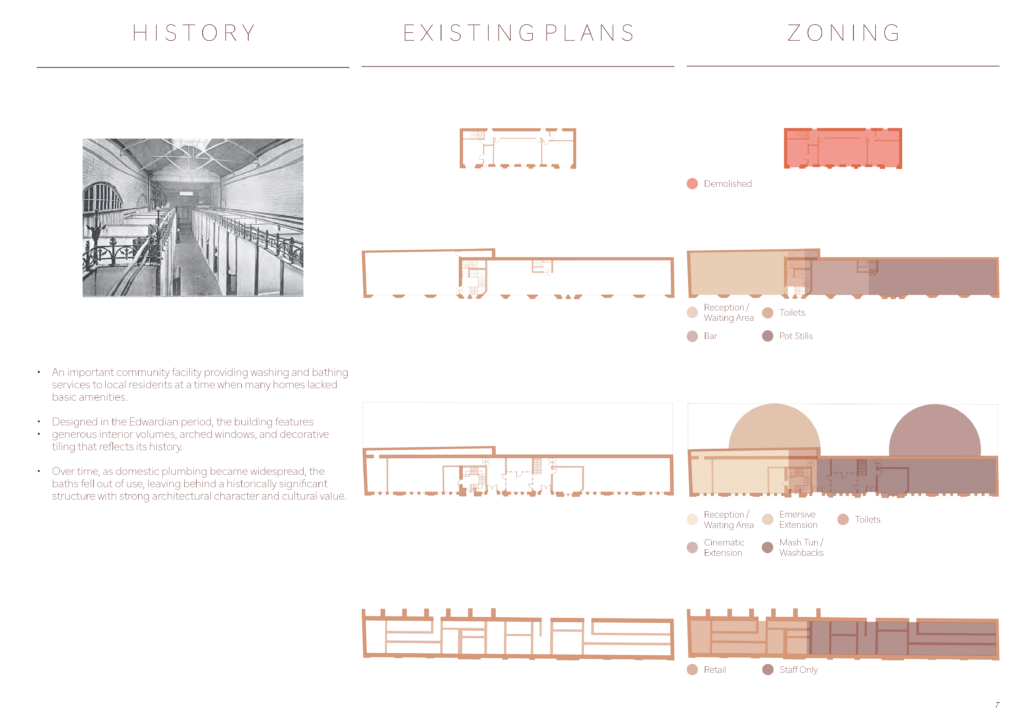
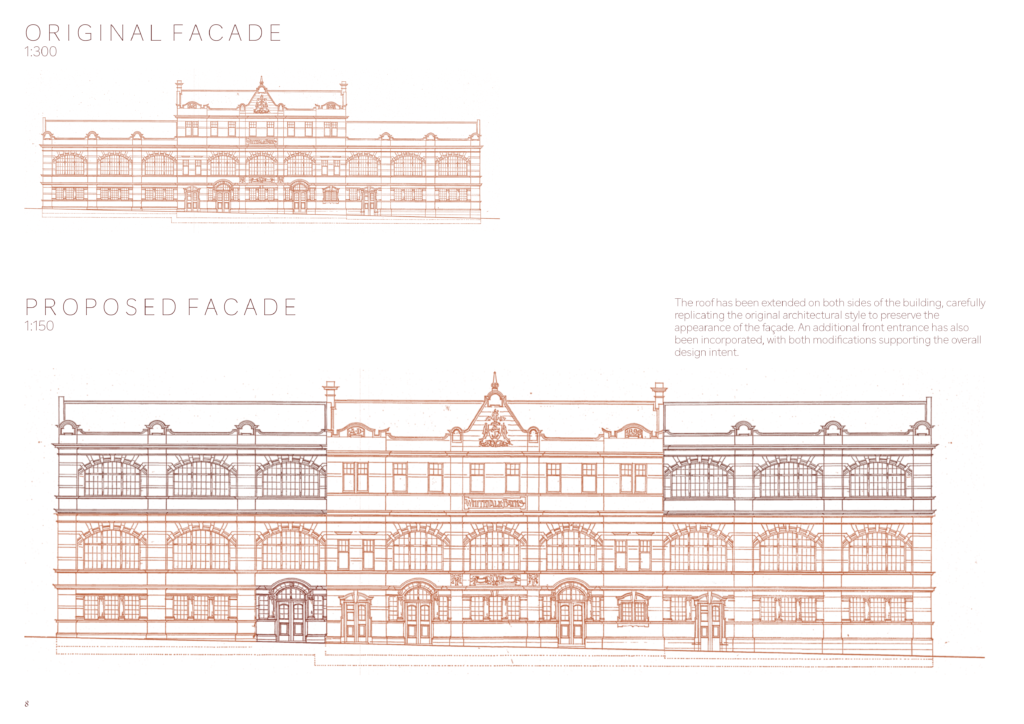
Former Whitevale Baths
75-89 Whitevale Street
Glasgow G31 1AQ
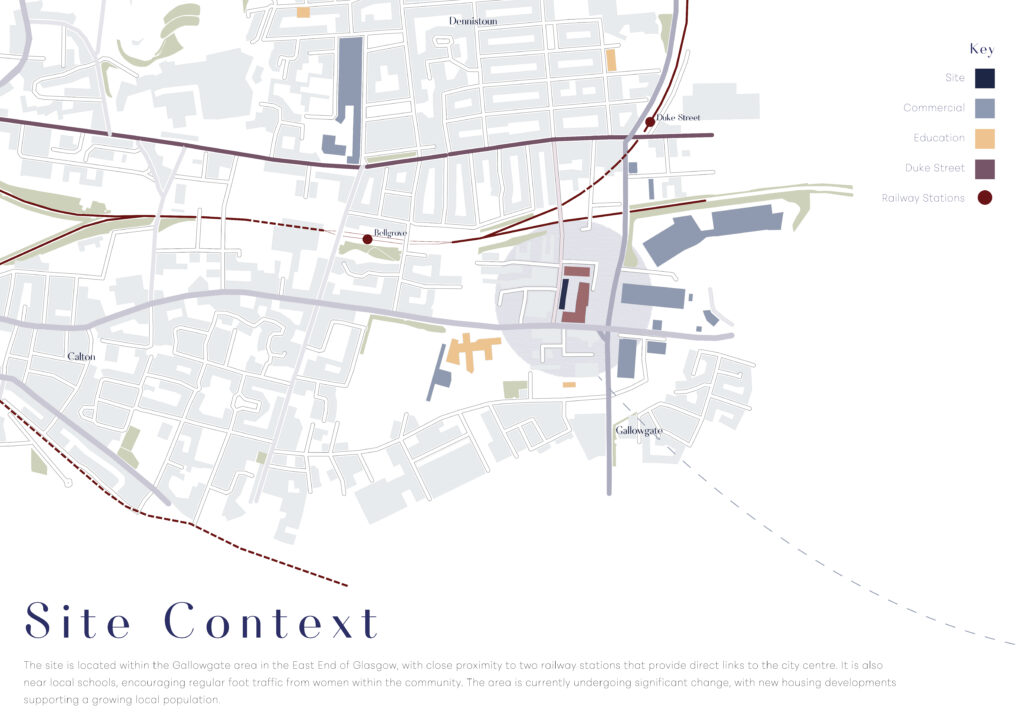
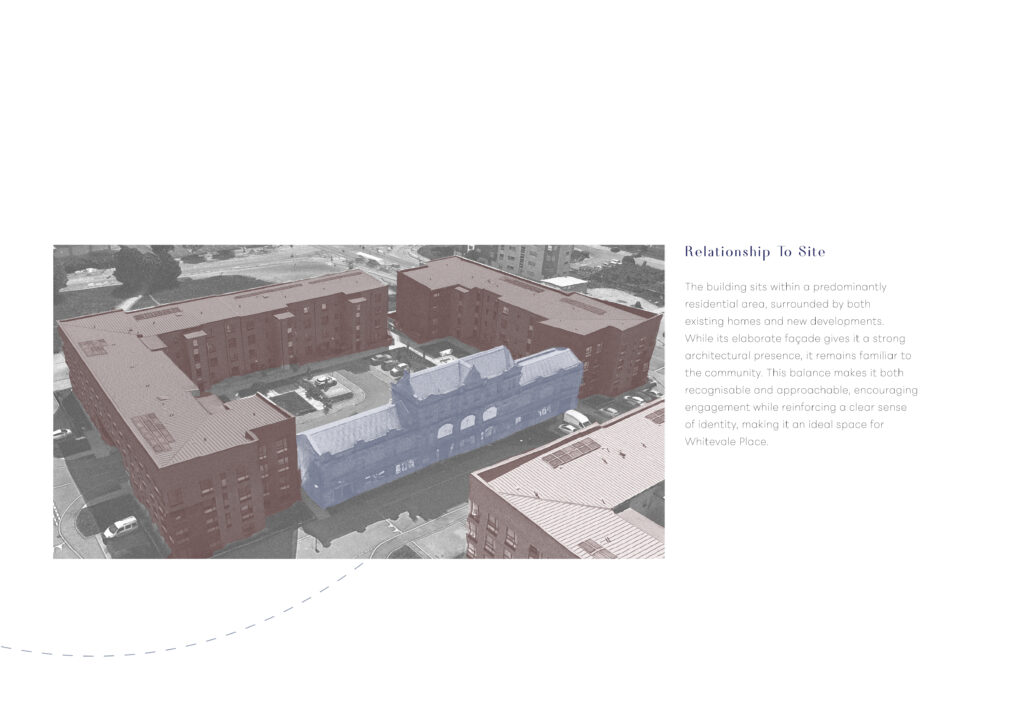
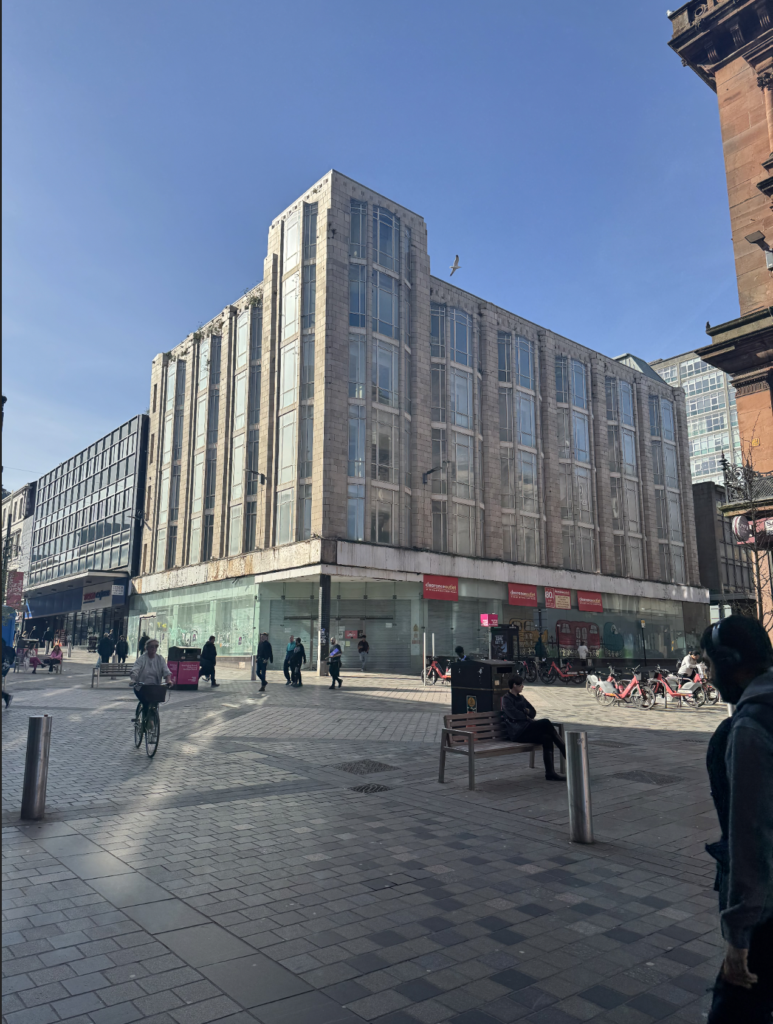
Sauchiehall Street already supports a diverse urban mix of hotels, hospitality, workspaces and cultural activity, creating energy across the day and evening. However, much of this activity remains fragmented, with limited integration between living, working and public social experience. Positioned in Glasgow’s Golden Z, the former C&A building presents an opportunity to respond to this changing context through adaptive reuse. Co-Z builds on what already exists while addressing what is missing, a cohesive design-led, live-work and social destination that contributes to a more vibrant and sustainable city.
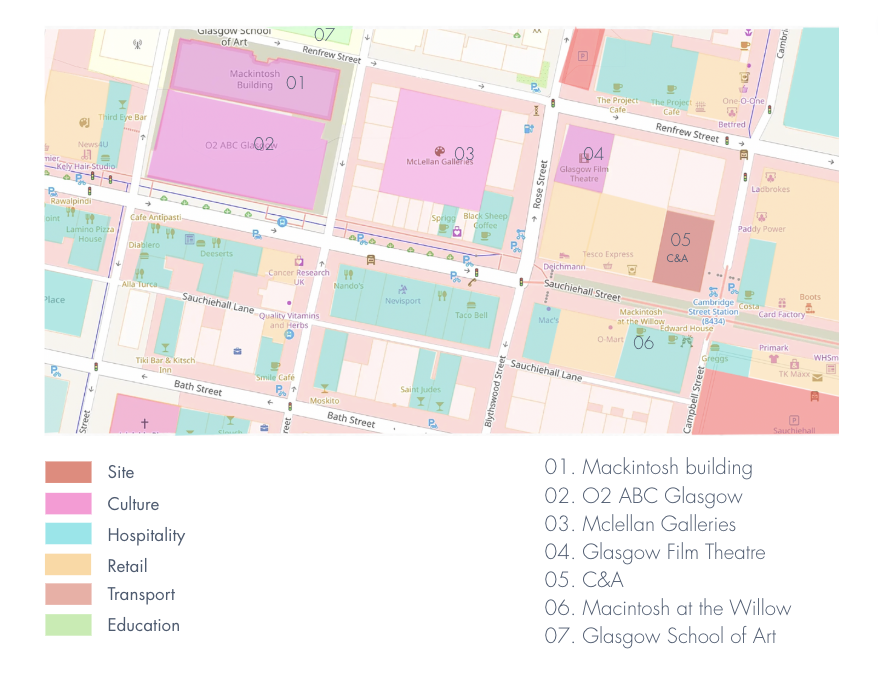
Credit Glasgow City Council Maps
The Still Collective is located at 64 Waterloo Street
This is a Category B-Listed Victorian commercial building constructed between 1898 and 1900 and designed by architect James Chalmers.
Its structure is defined by a free-classical stone facade, built with polished red ashlar sandstone, and with polished granite used at the basement and parts of the ground floor for durability and visual weight.
The building rises three storeys with an attic and a polygonal corner tower, a typical structural feature of the late 19th-century Glasgow architecture.
The facade incorporates Corinthian pilasters, stone mullioned and transomed windows, carved timber elements, and a balustraded parapet, all of which are integral to the load-bearing masonry envelope.

With the whiskey company Wright & Greig Ltd booming, they hired Architect James Chalmers to build them a new storehouse and office building. Due to the Victorian Era the building was built in, traditional features are present: a stone facade, ironwork and beautifully intricate detailing. In 1918 Wright & Greig disolved into The Distillers Company Ltd (DLC), (later purchased by Guiness PLC in 1986).The building remained working as a whiskey distillers office until later in the 20th century. When the whiskey business left Waterloo Street, it became a multi-tennant commercial building. Hosting companies such as: Curious - Design Vitel Ltd - Tech/Comm Coltas/LittleBigShop - Advertising Bellcom - Advertising Diageo - Bottled water Dialogue Marketing - Marketing
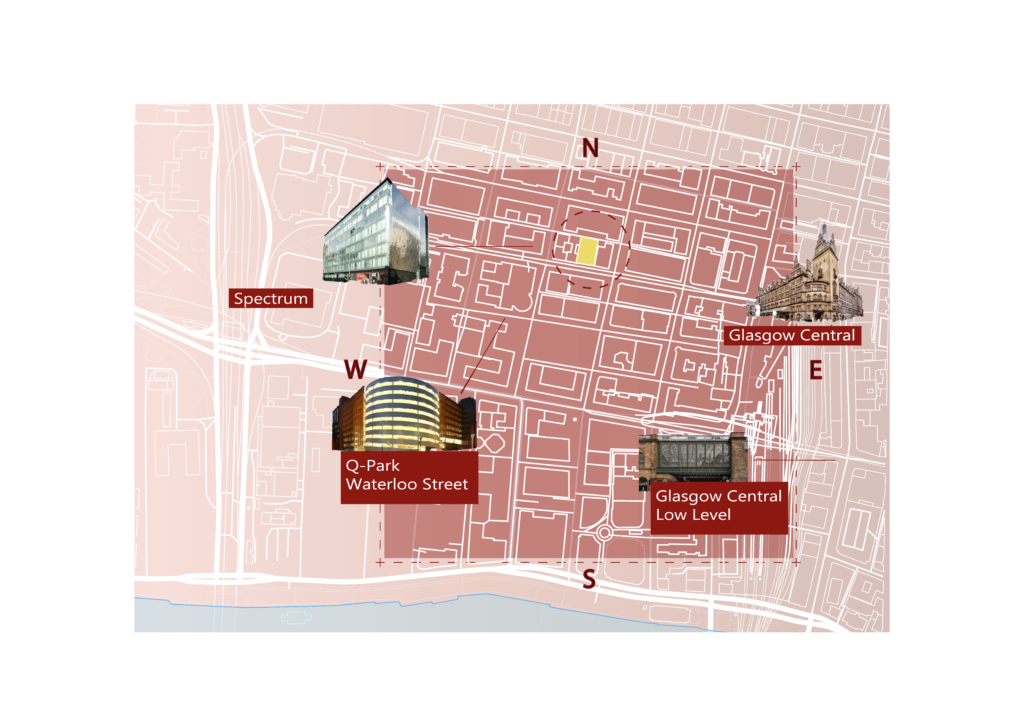
Sitting in one of Glasgow’s busiest commercial districts, surrounded by dense office buildings, cafes and transport infrastructure, the site benefits from excellent connectivity: Glasgow Central Station is less than three minutes away, providing national rail links, while multiple bus links run along Hope Street and Waterloo Street, creating a constant pedestrian flow.