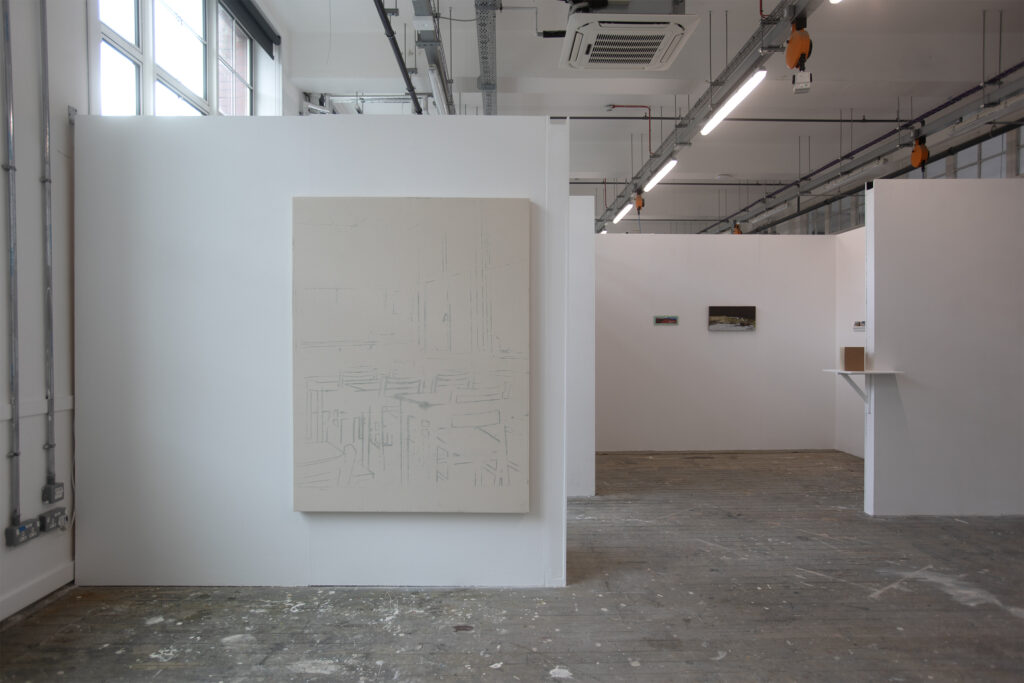
Degree Show
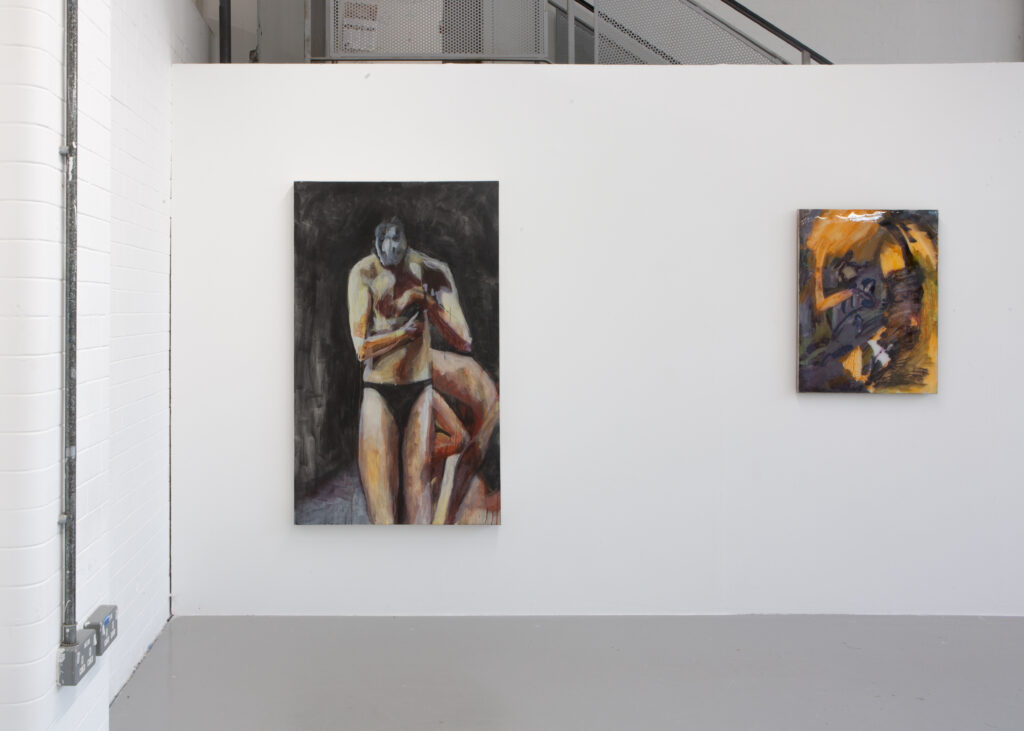

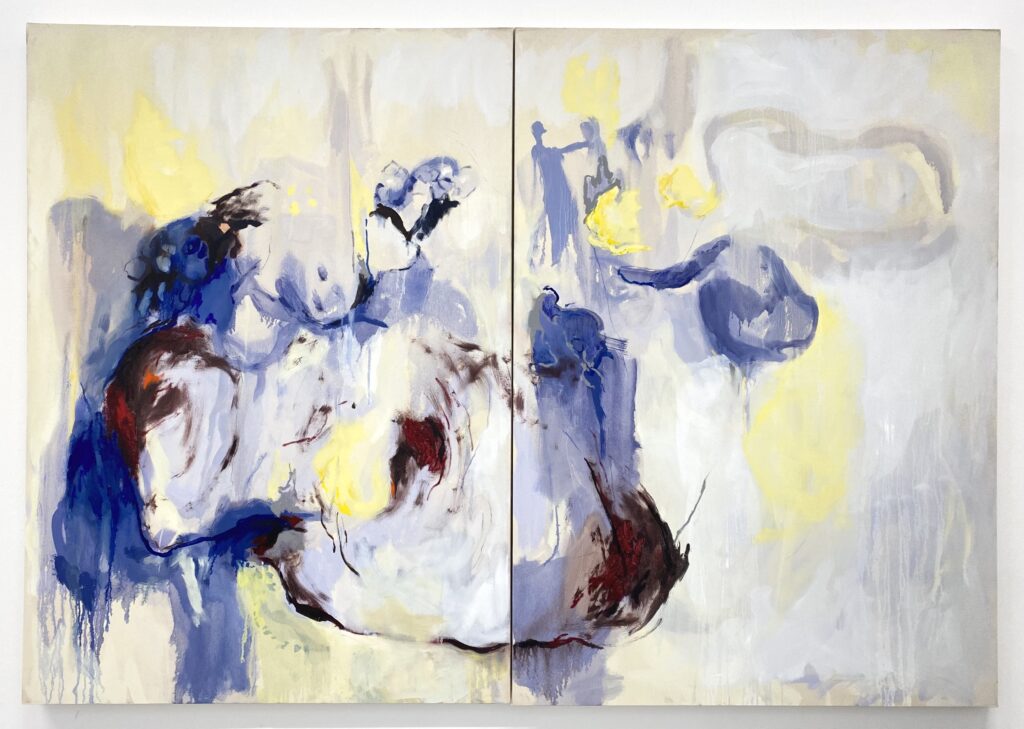
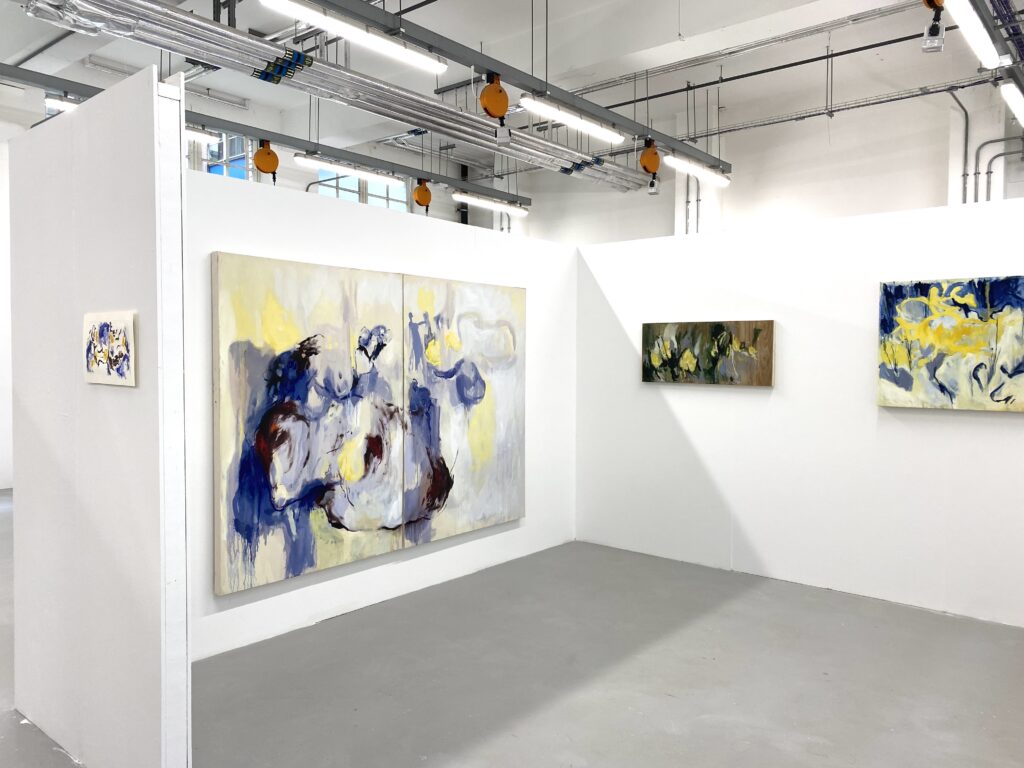
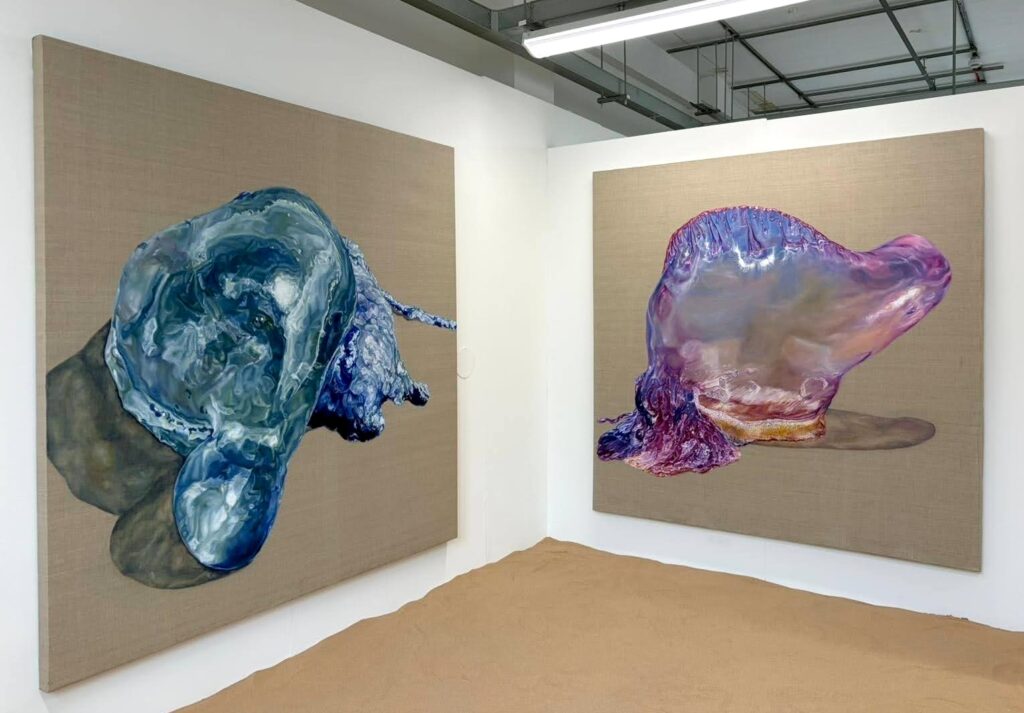
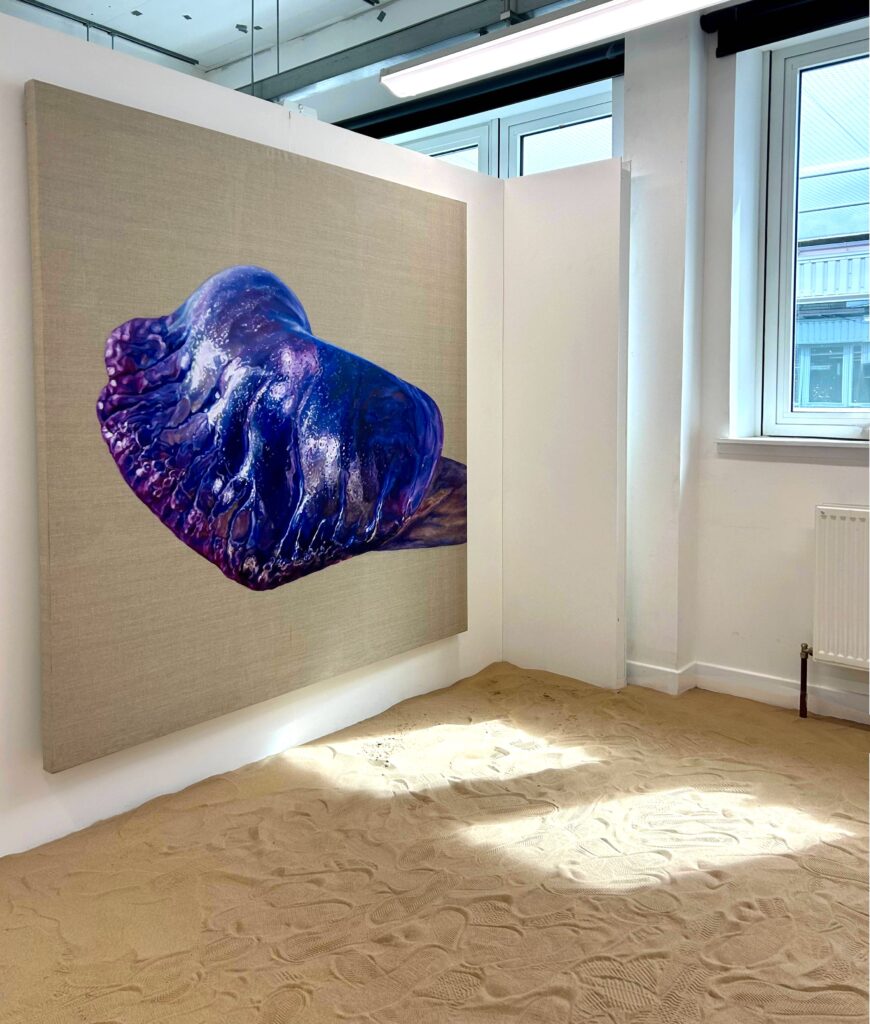
Oil on Canvas, 155x222cm, 2026
For Sale: Price on Request
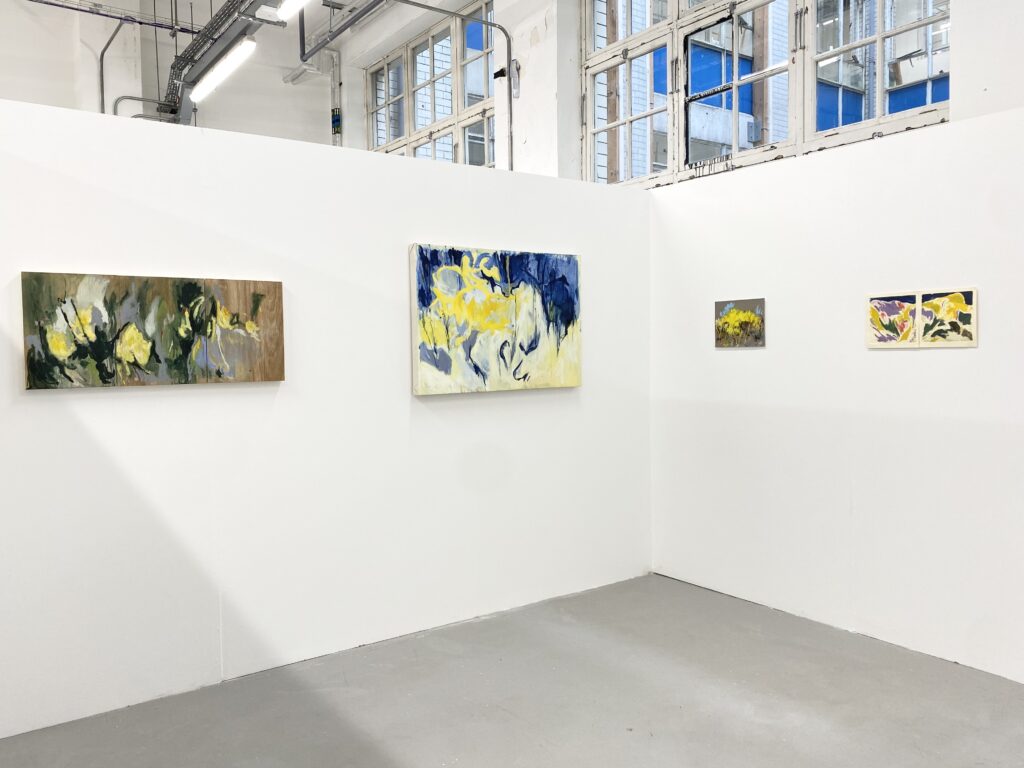
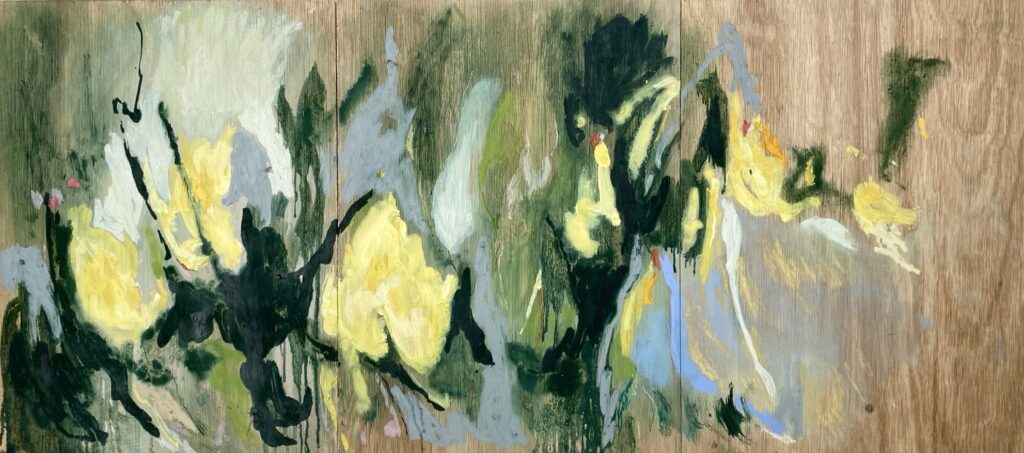
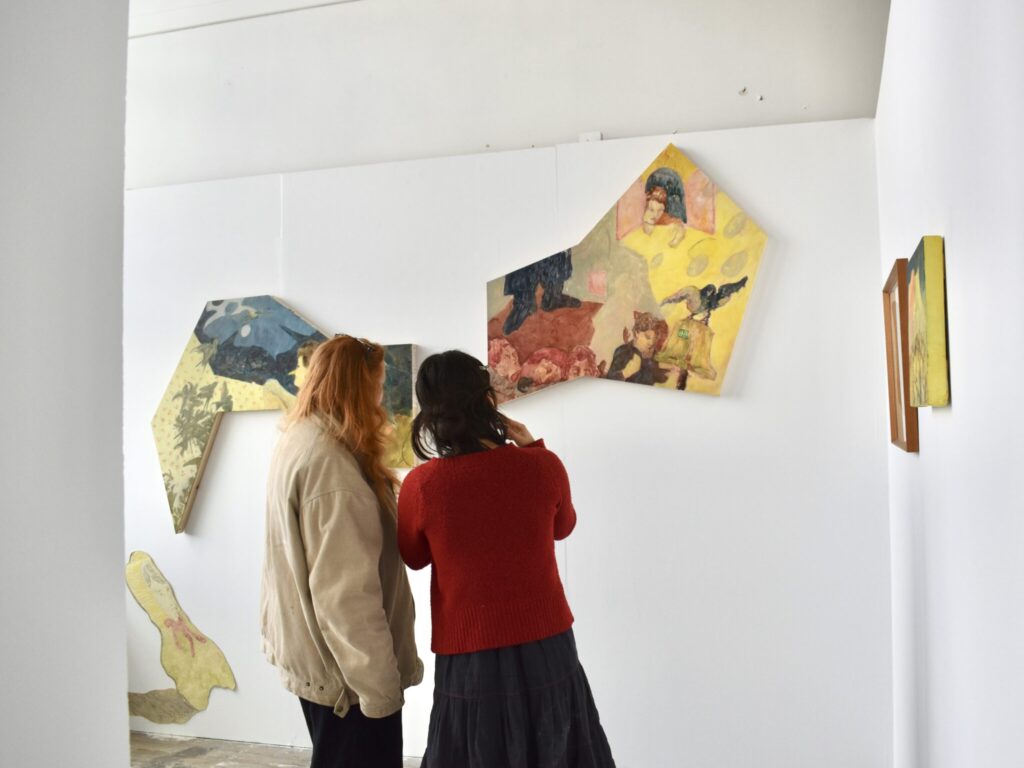
Oil on Ply, 91x40cm, 2026
For Sale: Price on Request
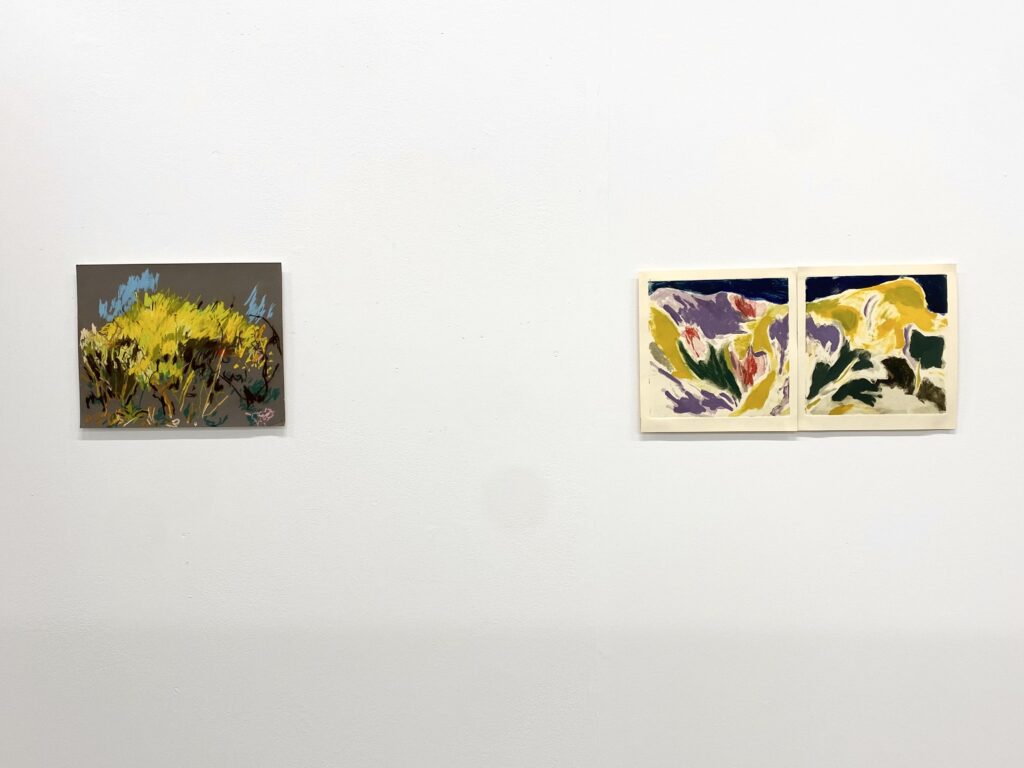
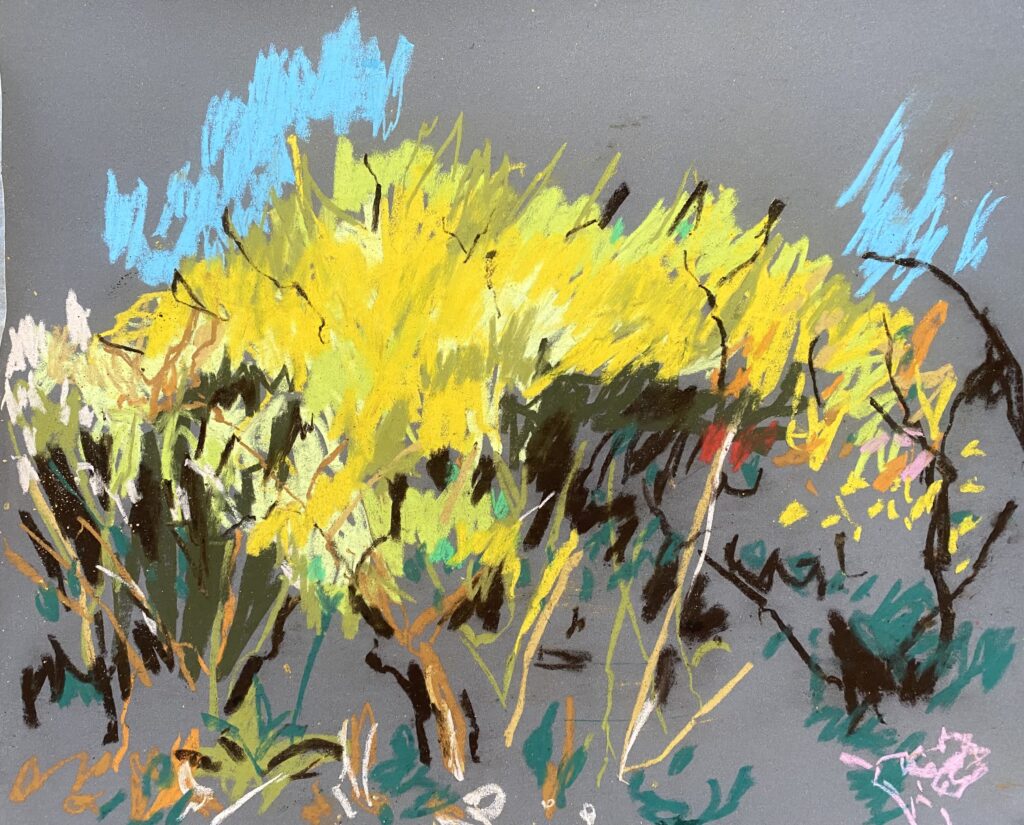
Soft Pastel on Paper, 25x35cm , 2025
For Sale: Price on Request
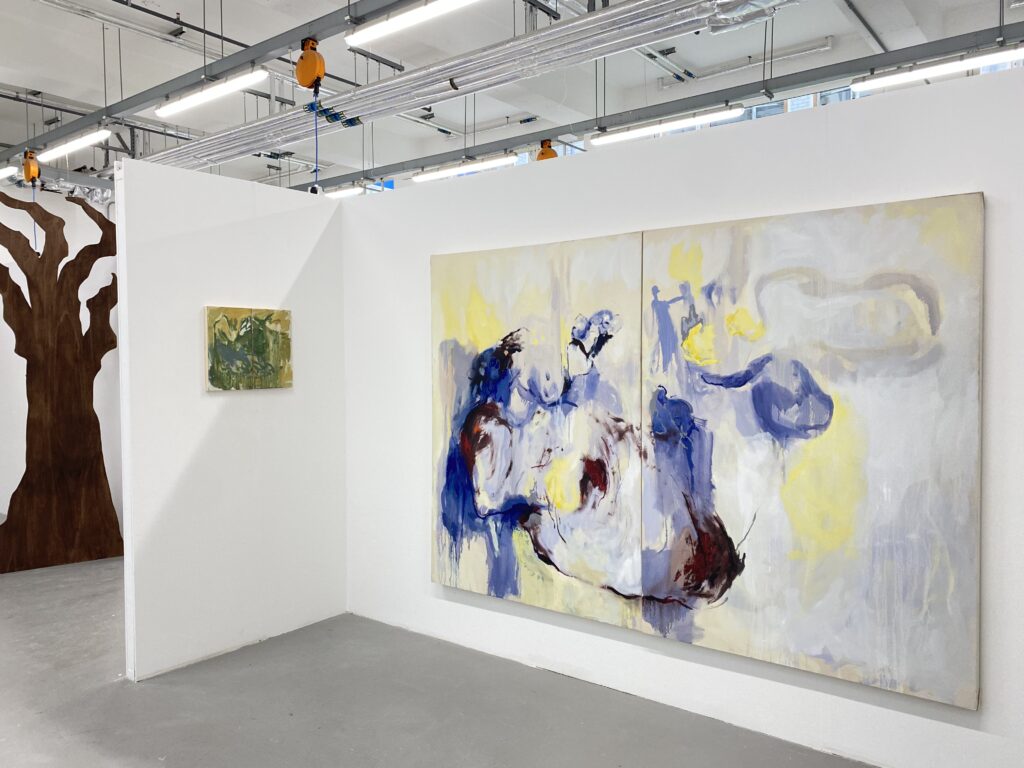
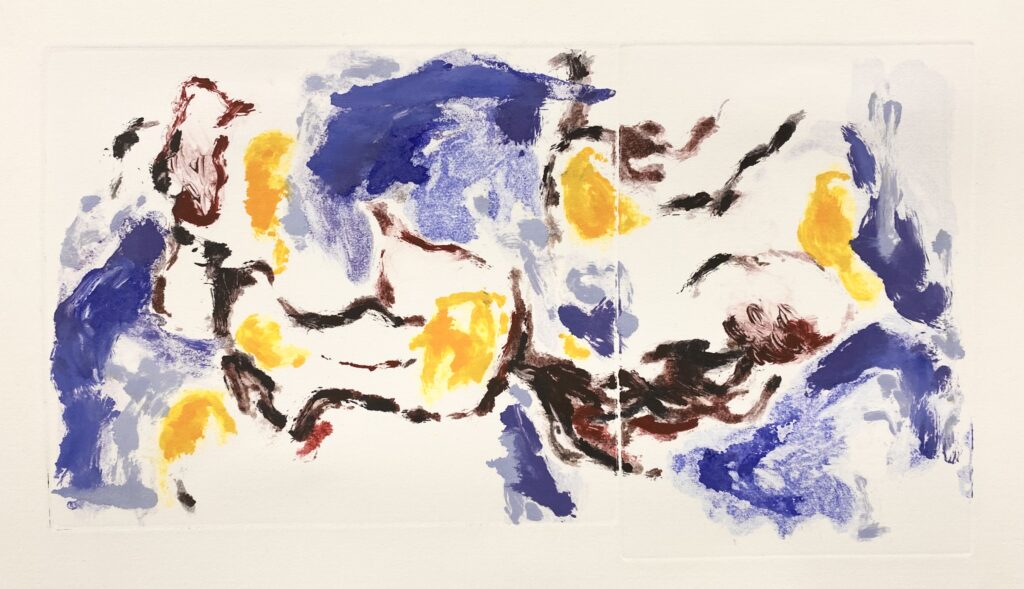
Monotype on Paper, 40x20cm, 2026
For Sale: Price on Request
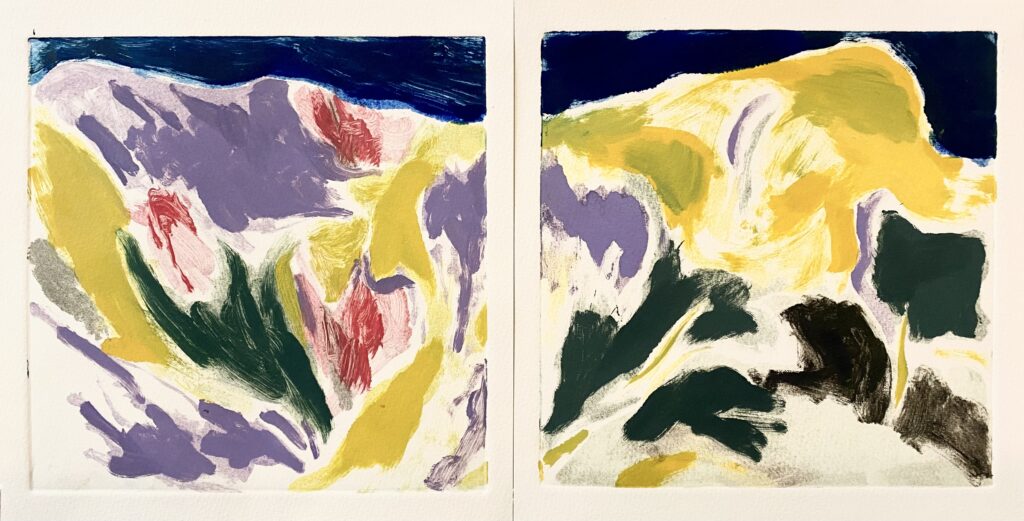
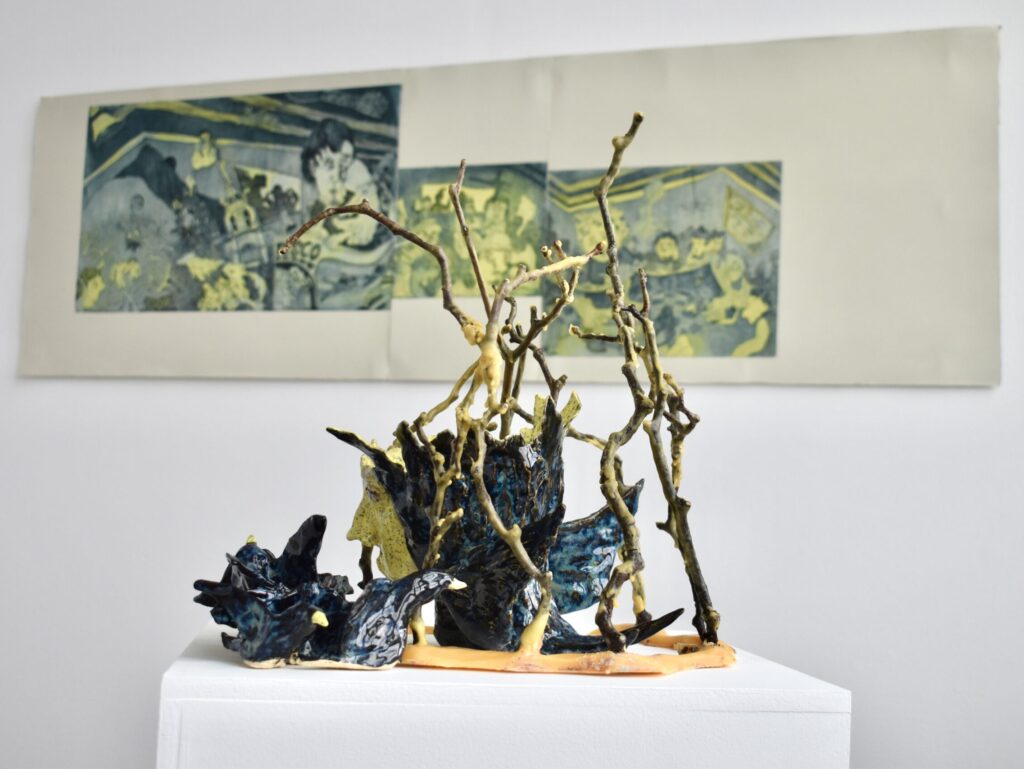
Monotype on Paper, 30x60cm, 2025
For Sale: Price on Request
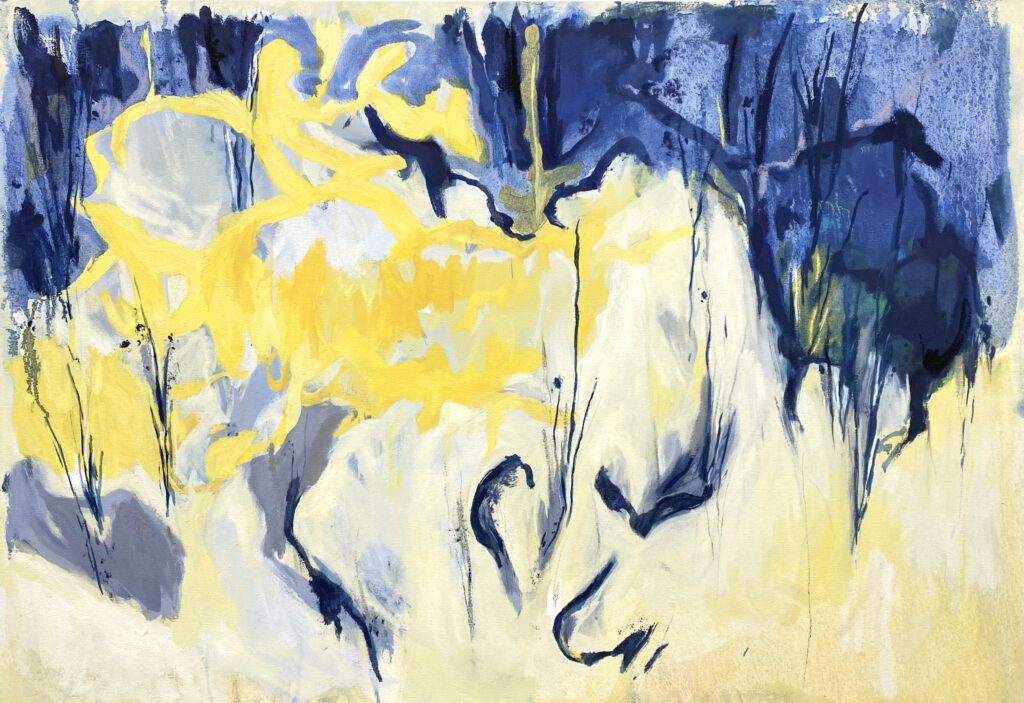
Oil on Canvas, 100x60cm, 2026
For Sale: Price on Request
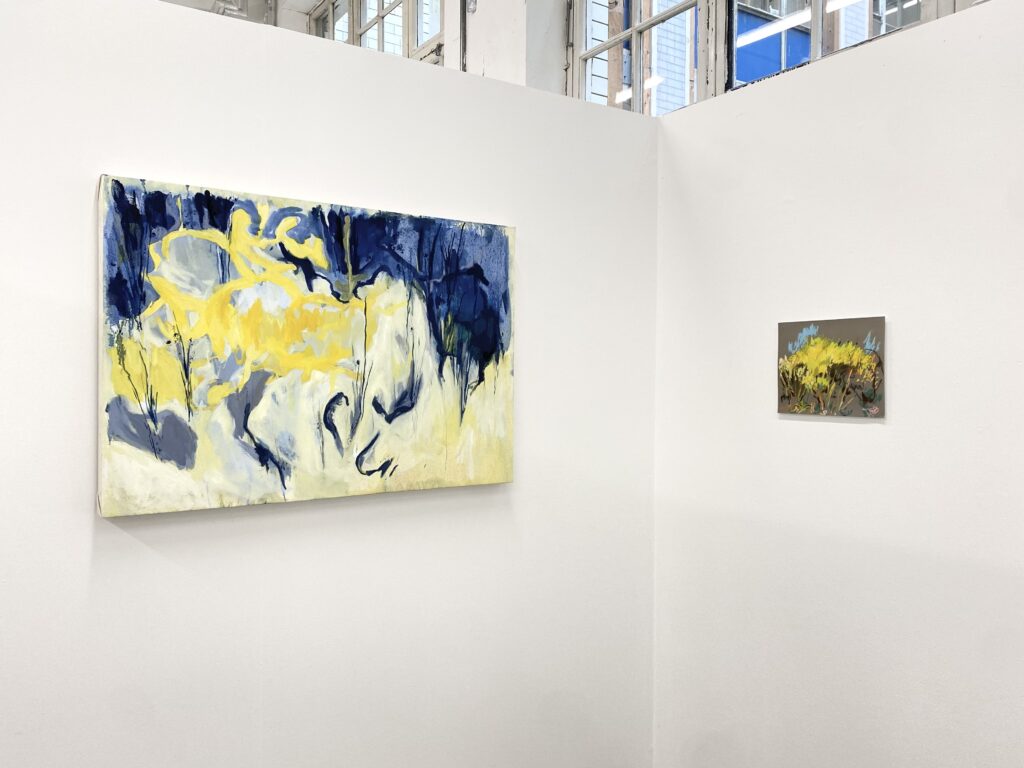
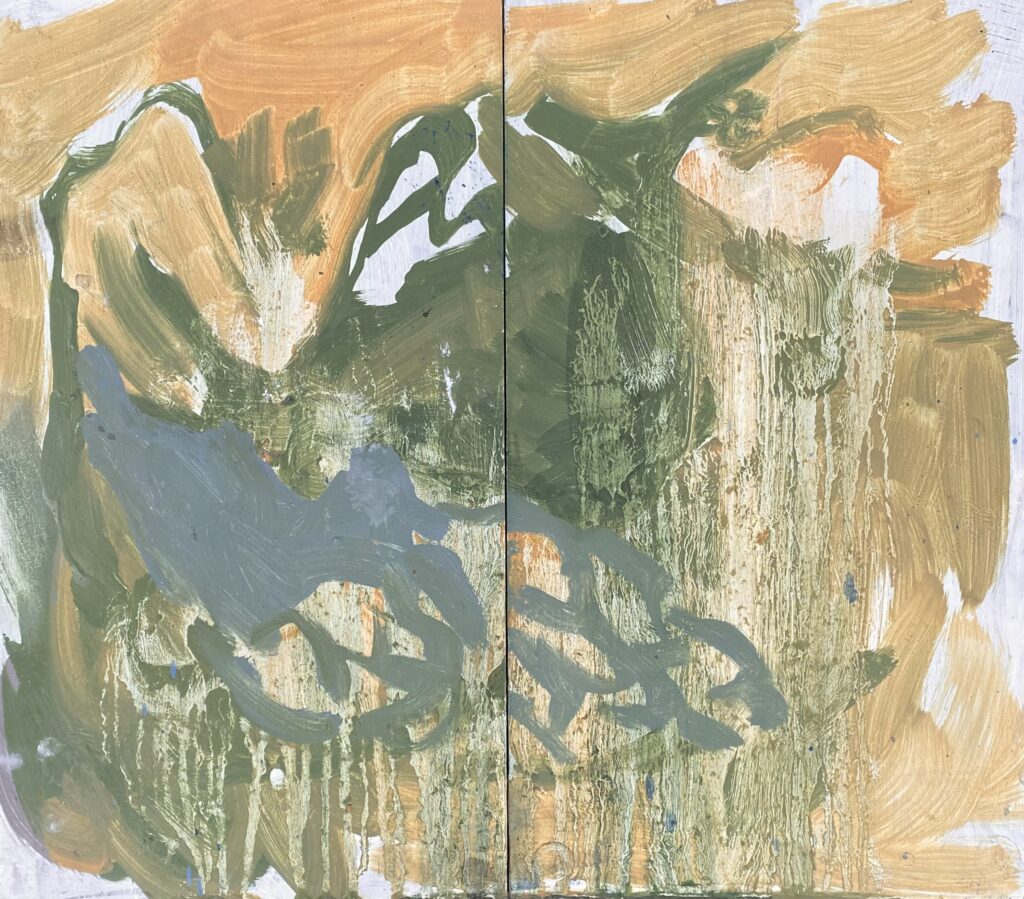
Oil on Board, 40x30cm, 2026
For Sale: Price on Request
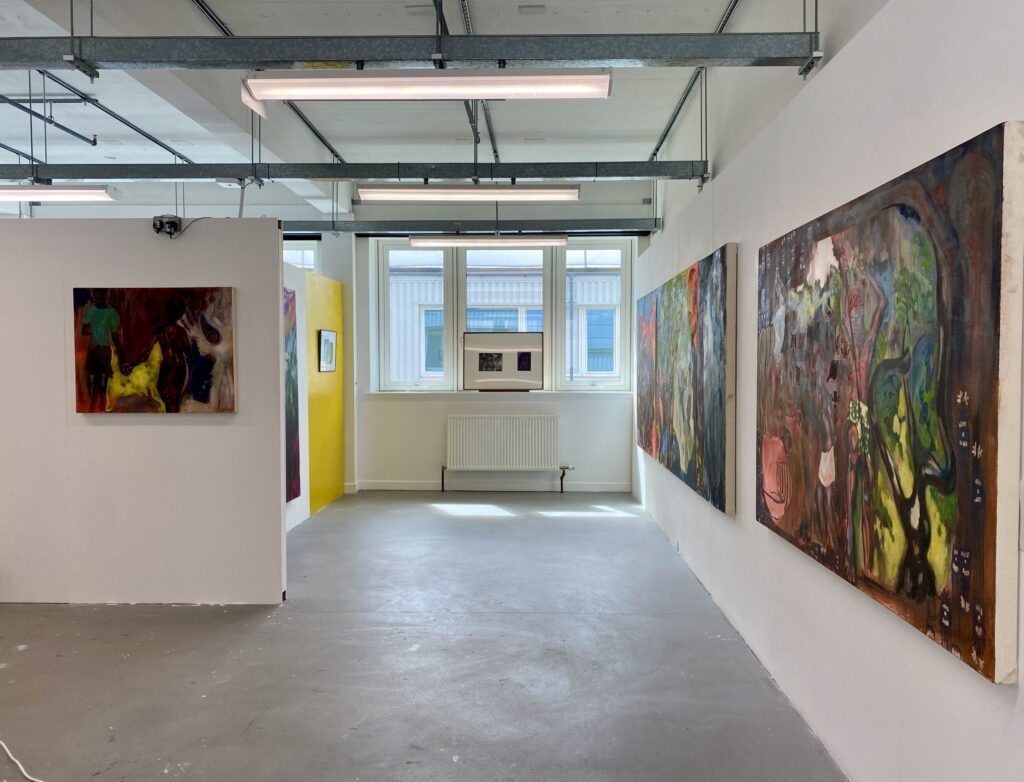
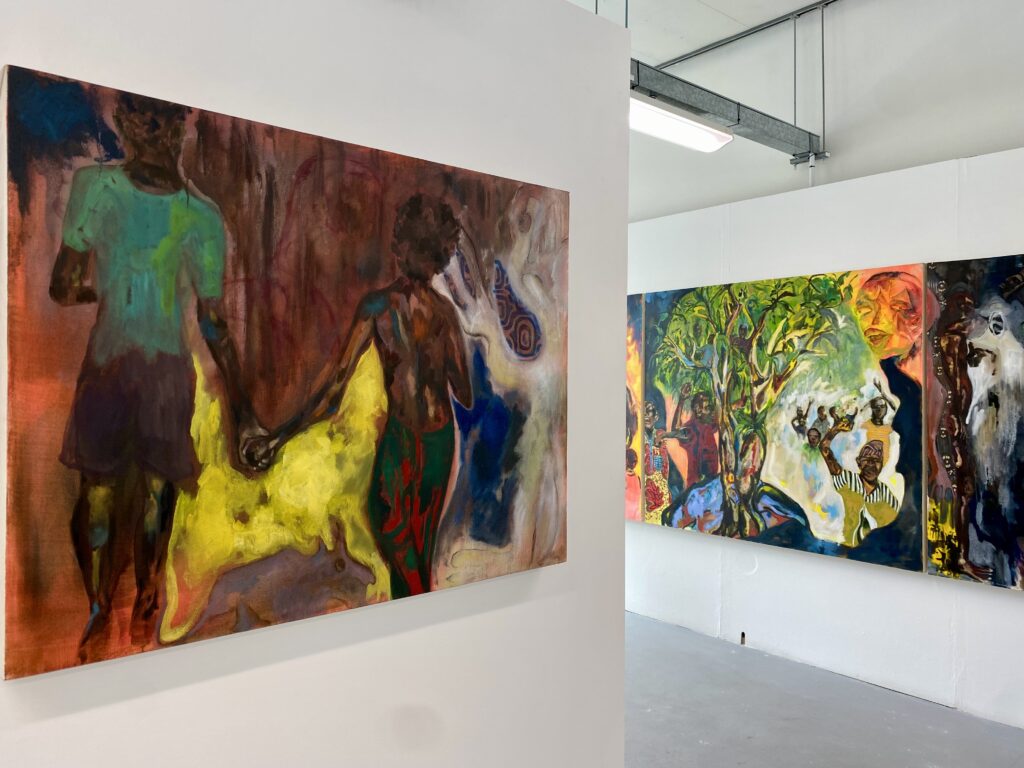
Evie Robinson, Departure, 2025, oil on canvas, 90cm x 70cm (left), The Gardens of Yoruba (right), Featured in The Scotsman Review.
For Sale: Price on Request
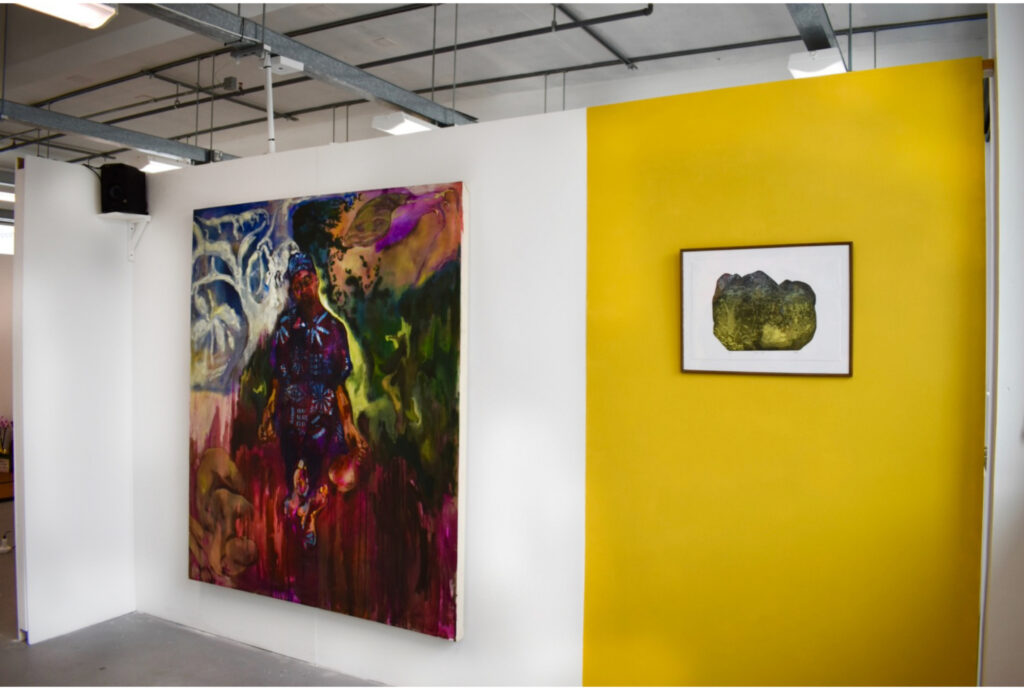
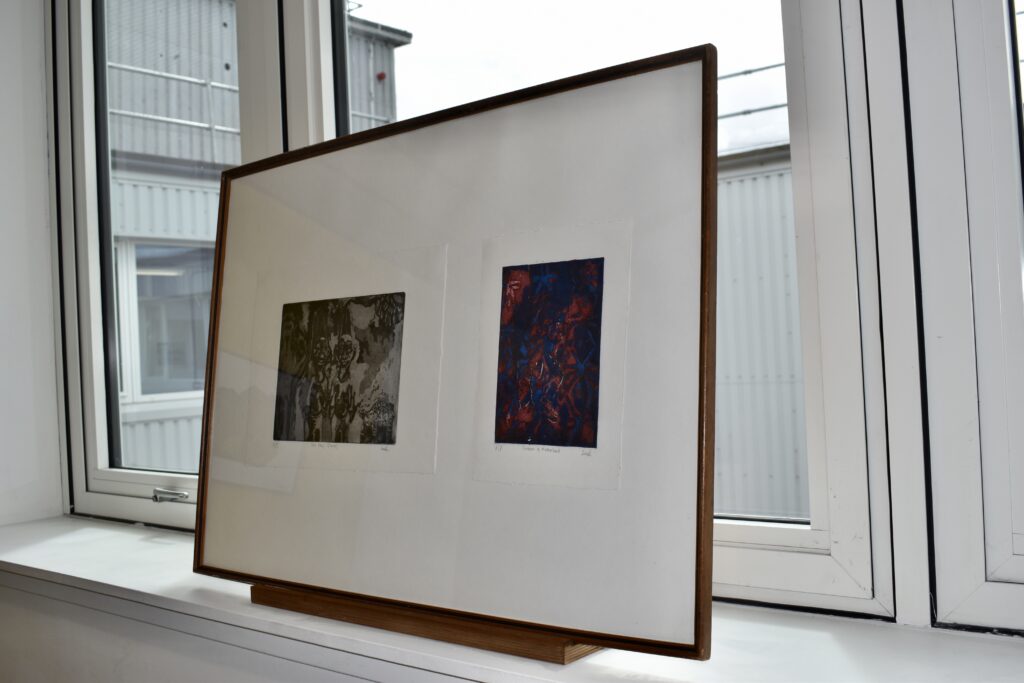
For Sale: Price on Request
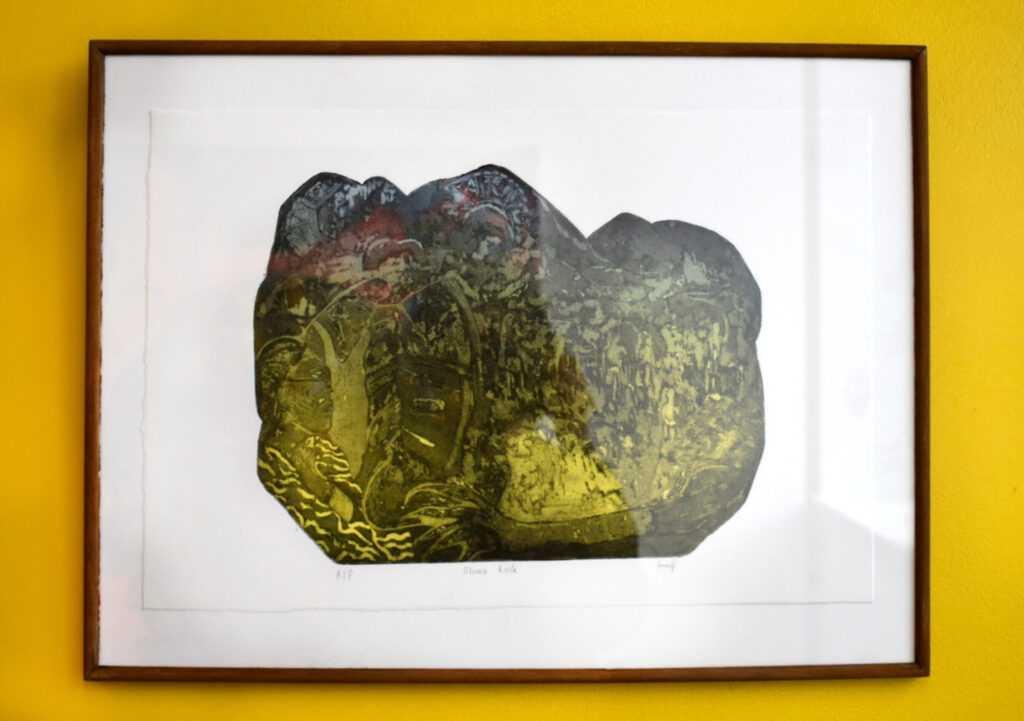
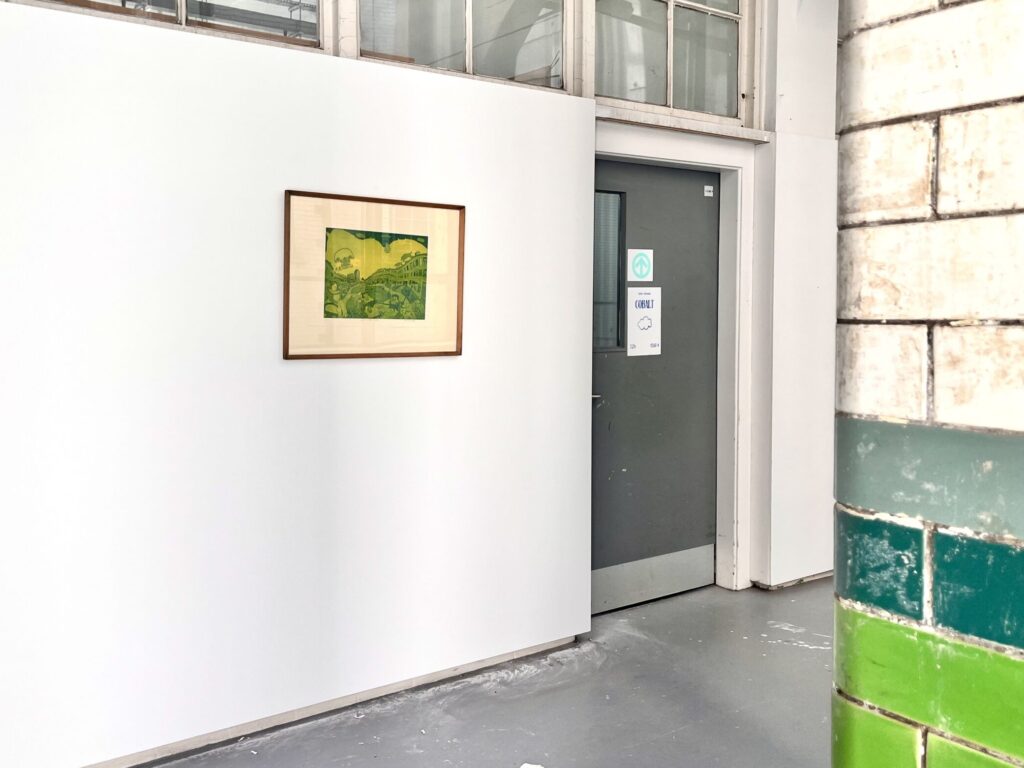
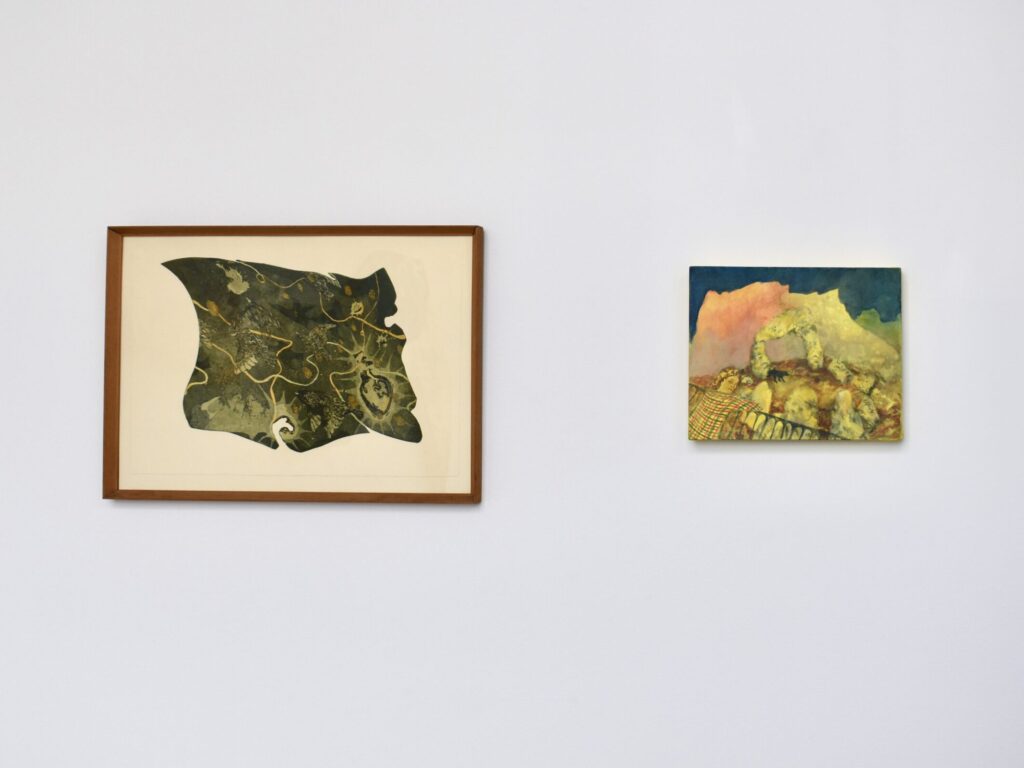
2026, Framed etching with aquatint on Fabriano, 31cm x 25cm
For Sale: Price on Request
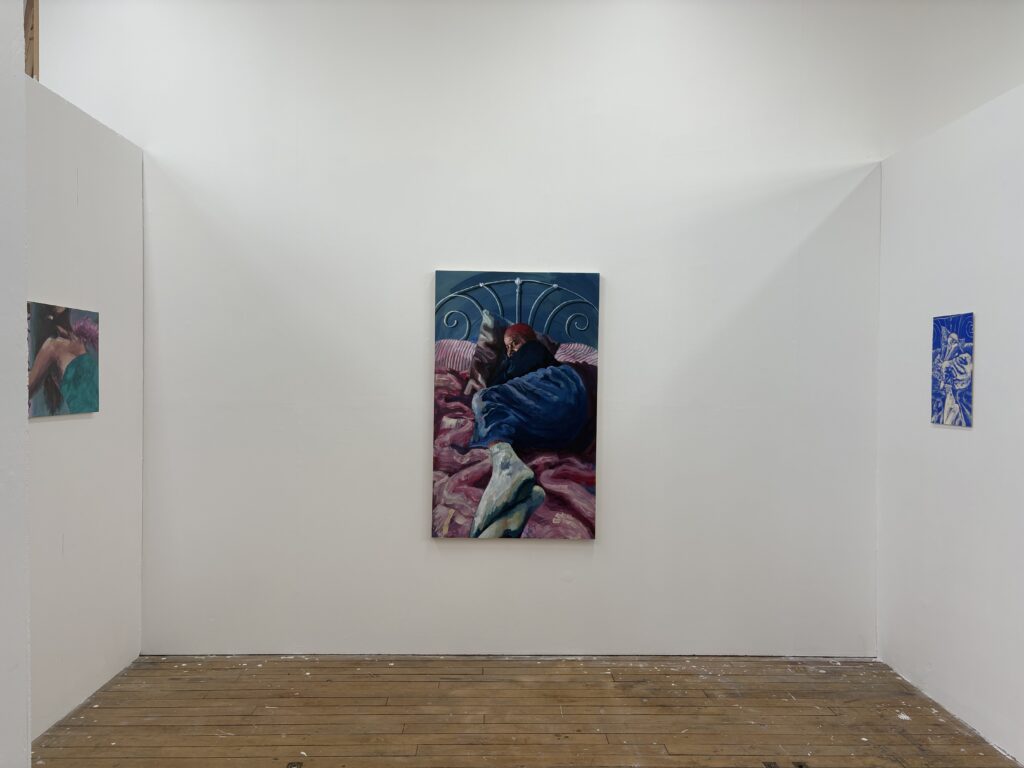
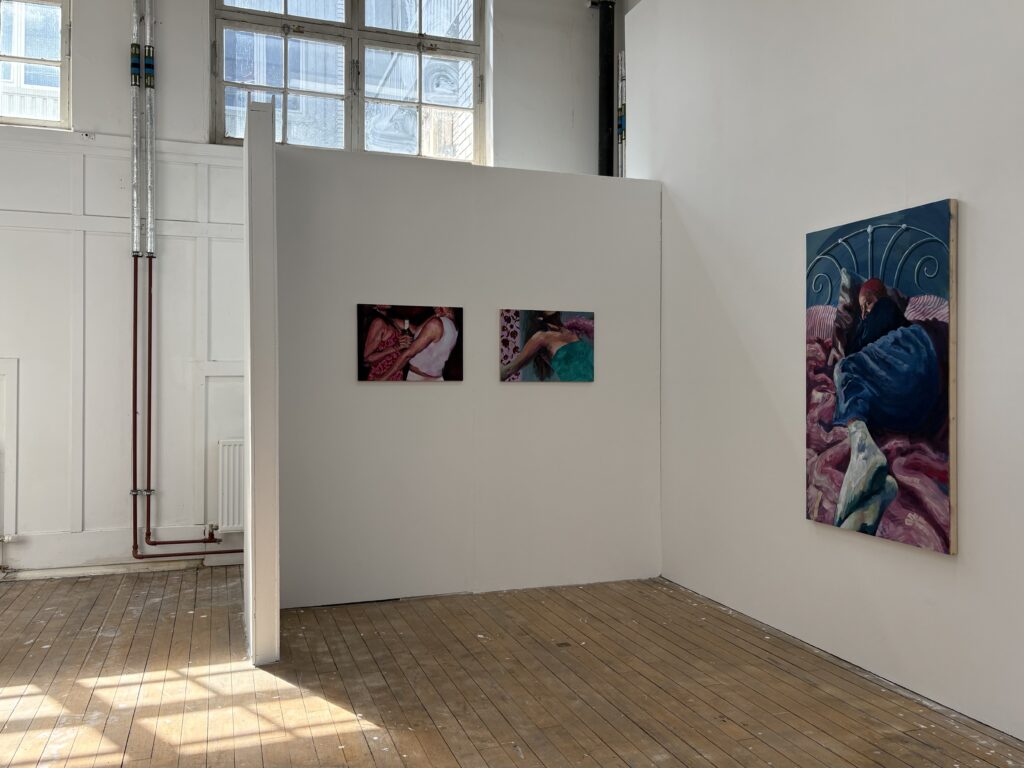
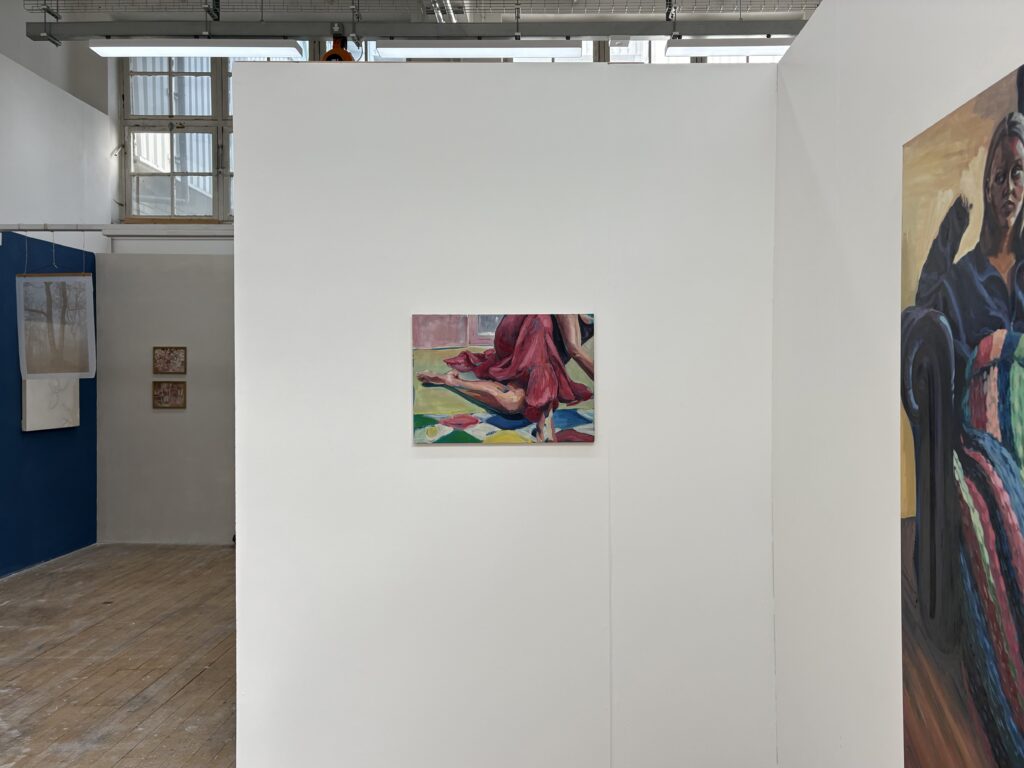
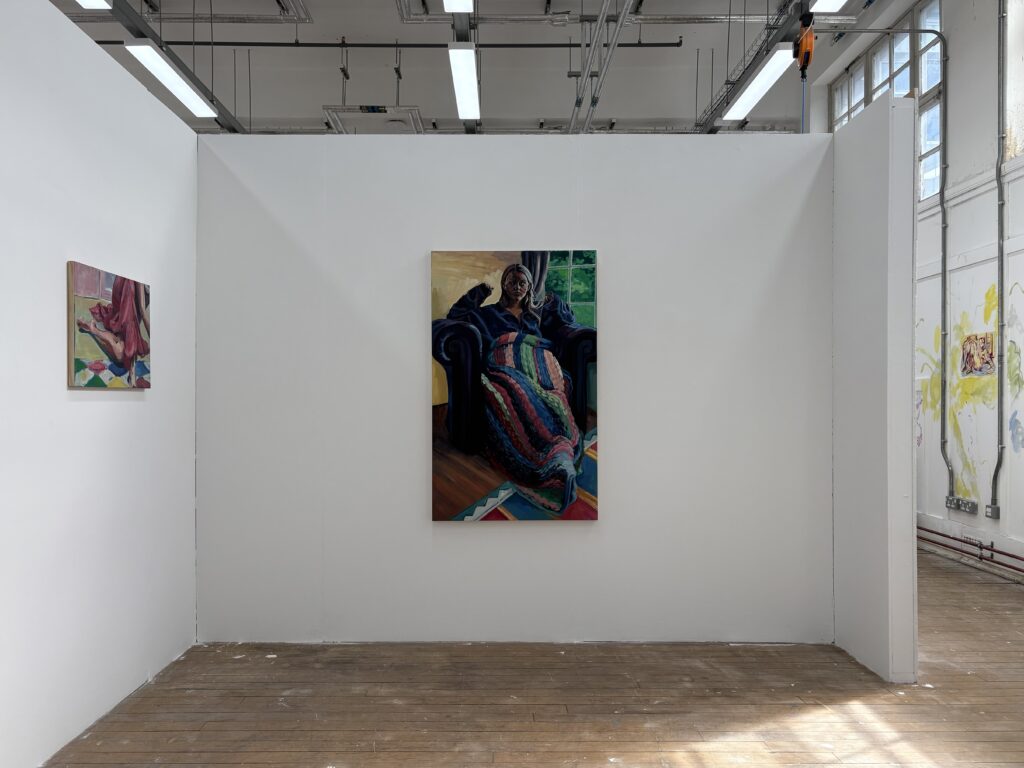
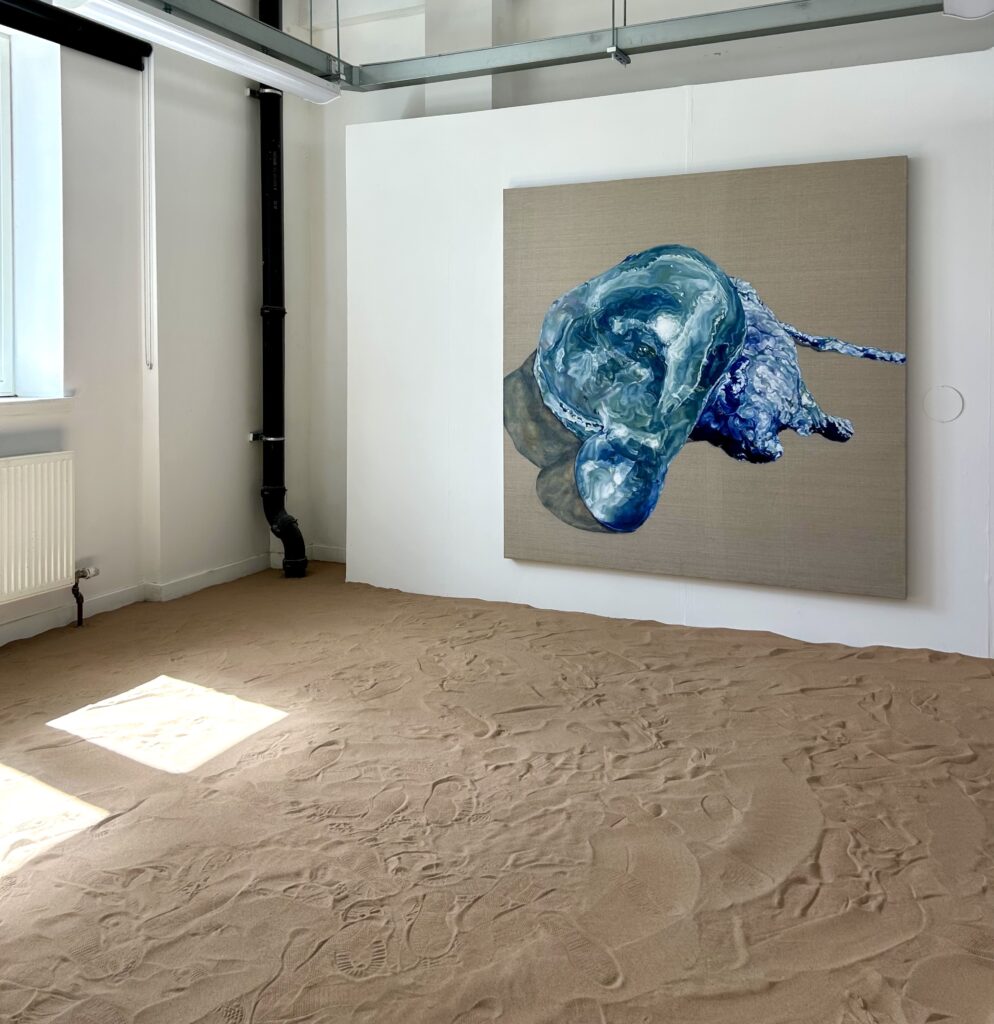
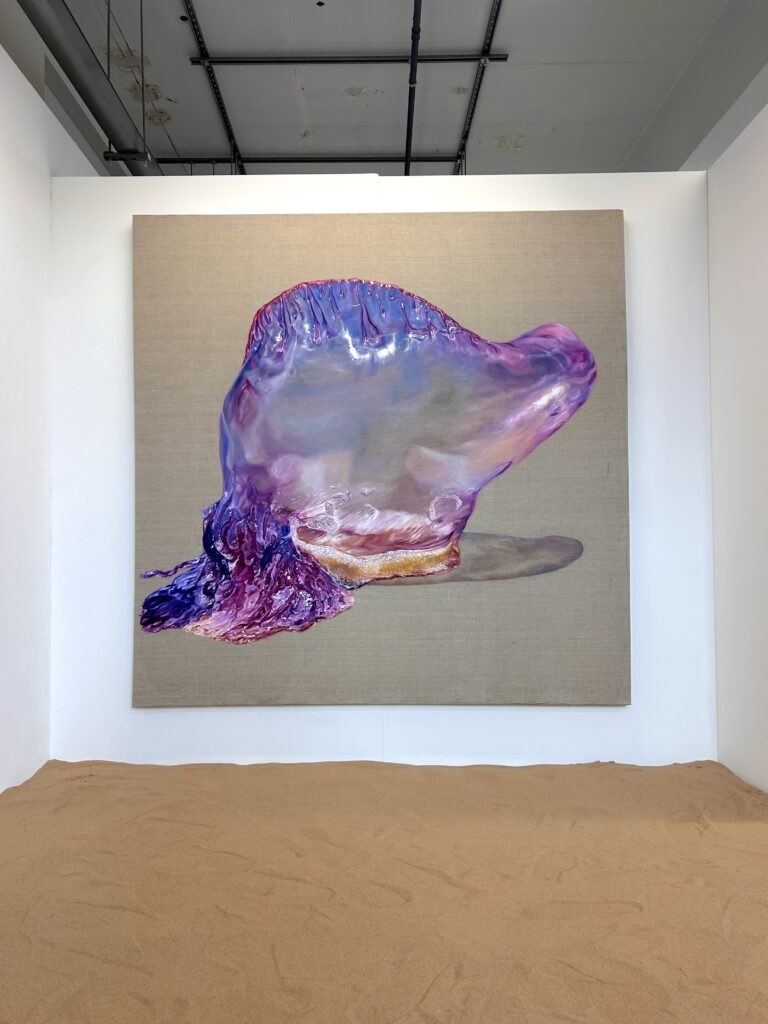
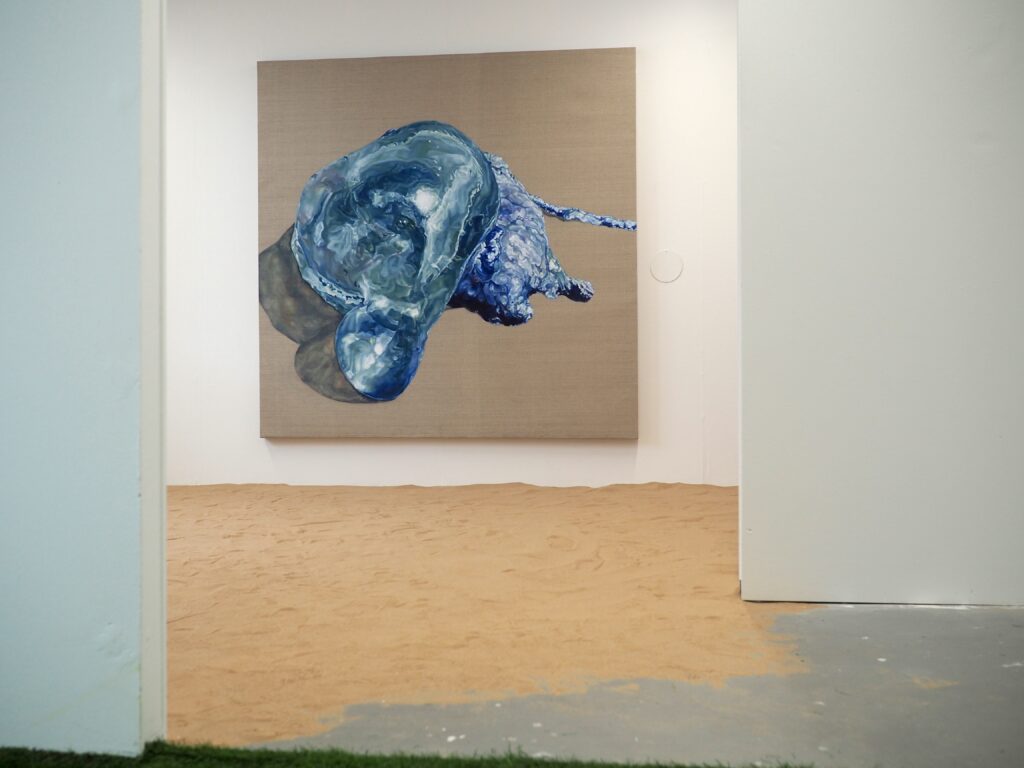
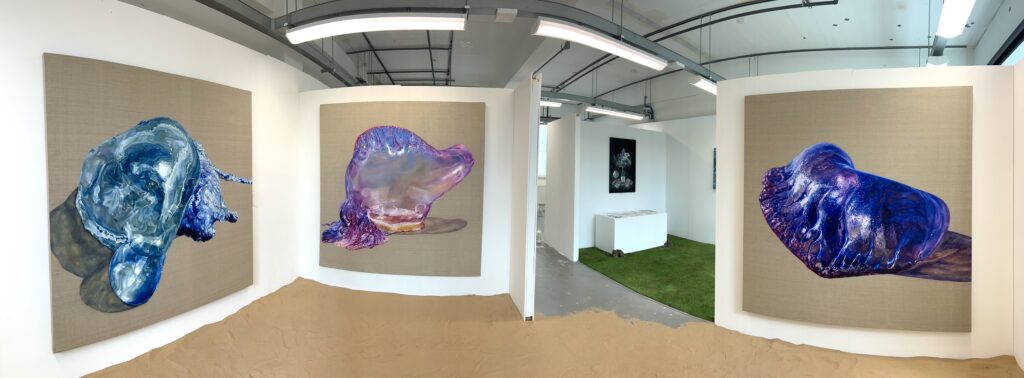
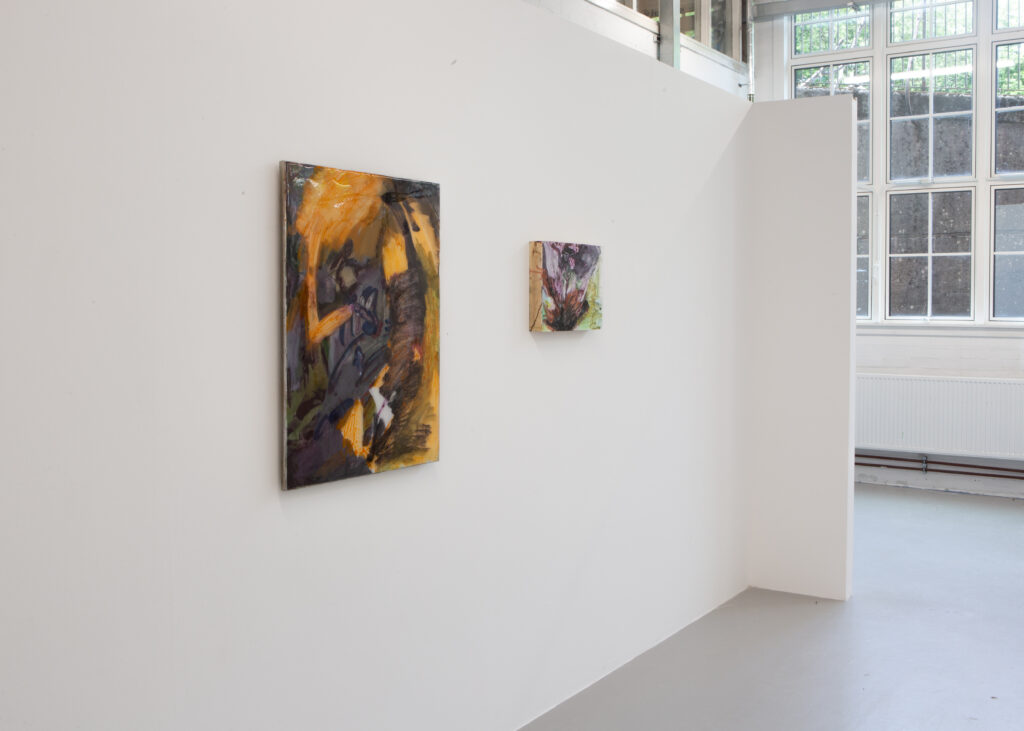
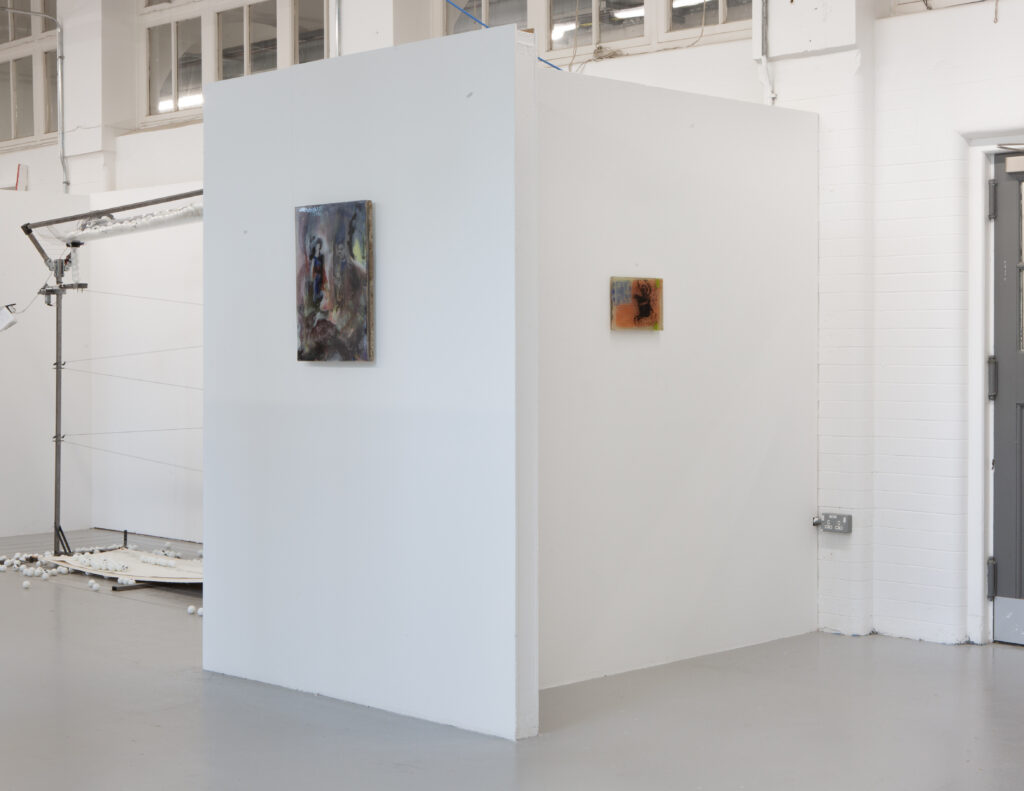
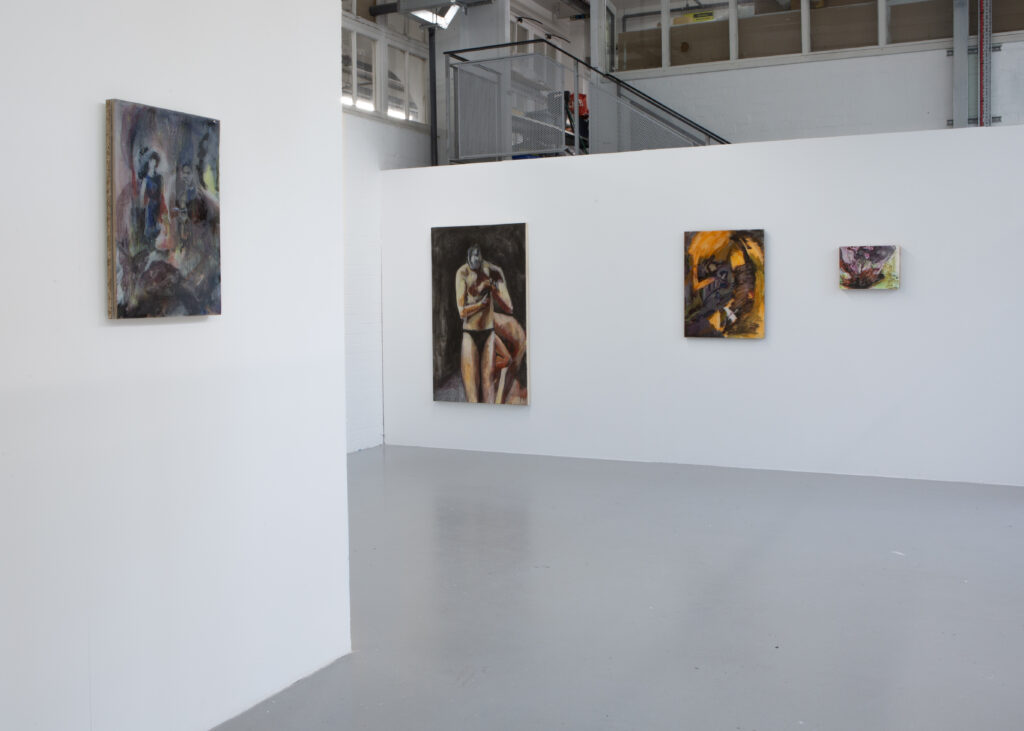
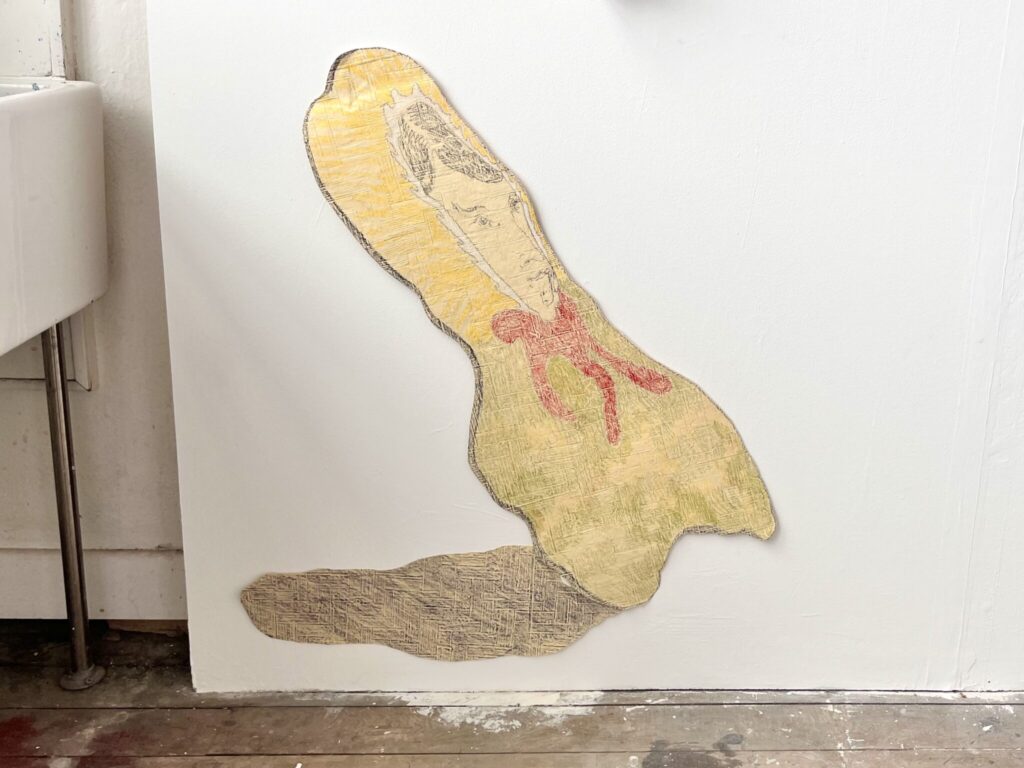
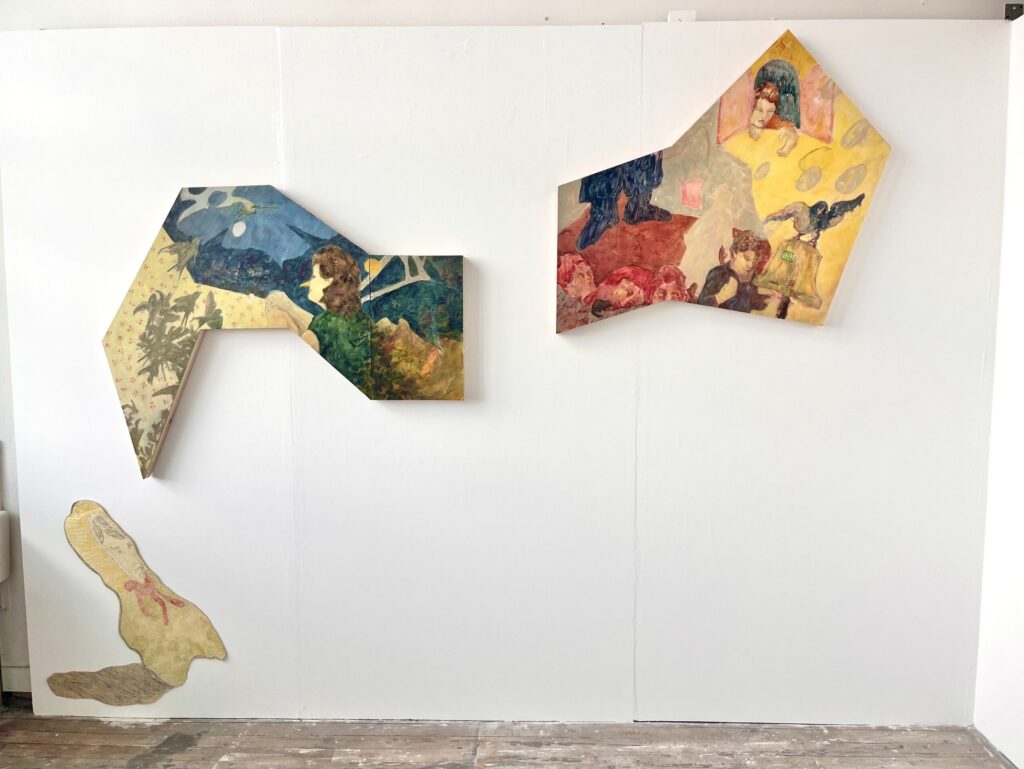
My degree show is made up of fragmented windows offering insights into both our interior lives where I bend and disrupt thresholds of domesticity and psychological spaces that reveal themselves in dreams, memory and historical narrative. This point of hybridity where you are unable to discern if a place is real or imagined or whether figures are from the past or present is the theme for many of my pieces.
Throughout the series windows, birds and theatrical domestic places become their own motifs for revealing and concealing, this simultaneously positions the viewer as both an observer and participator. Influenced by mythology, natural landscapes such as bogs and the exclusion of female figures from historical canon, I warp and construct these new lenses as an attempt to destabilise fixed ideas of identity and reality. The energy and relationship between crowds, landscapes and anima became a particular interest to my practice this year, this was explored through readings of Metamorphosis.
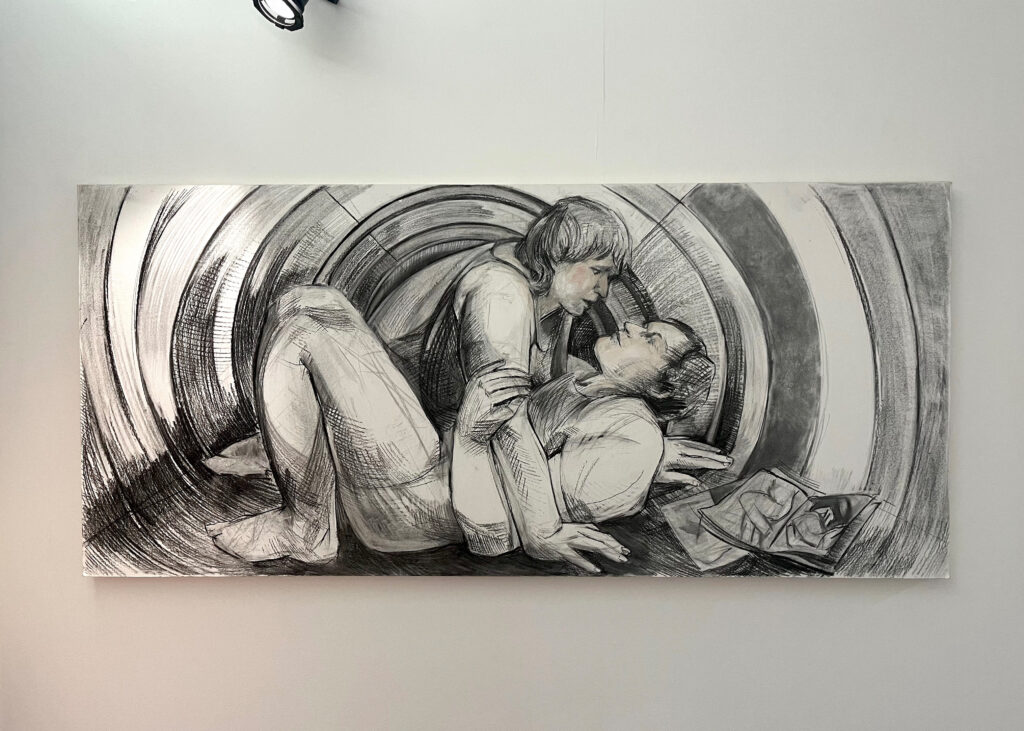
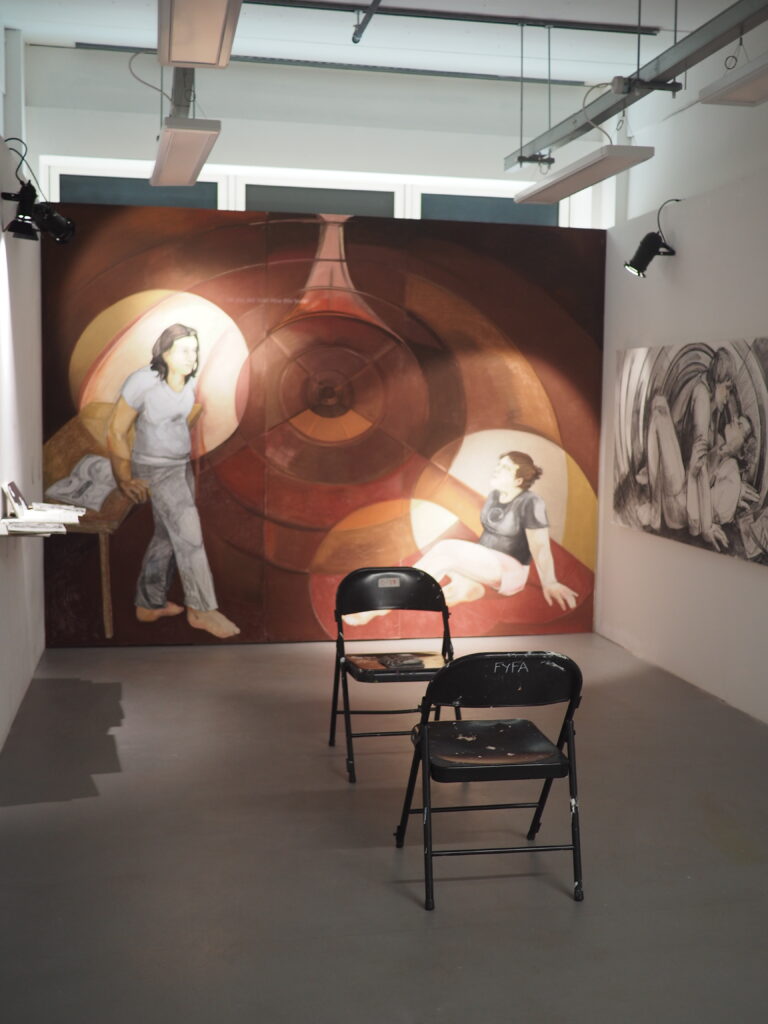
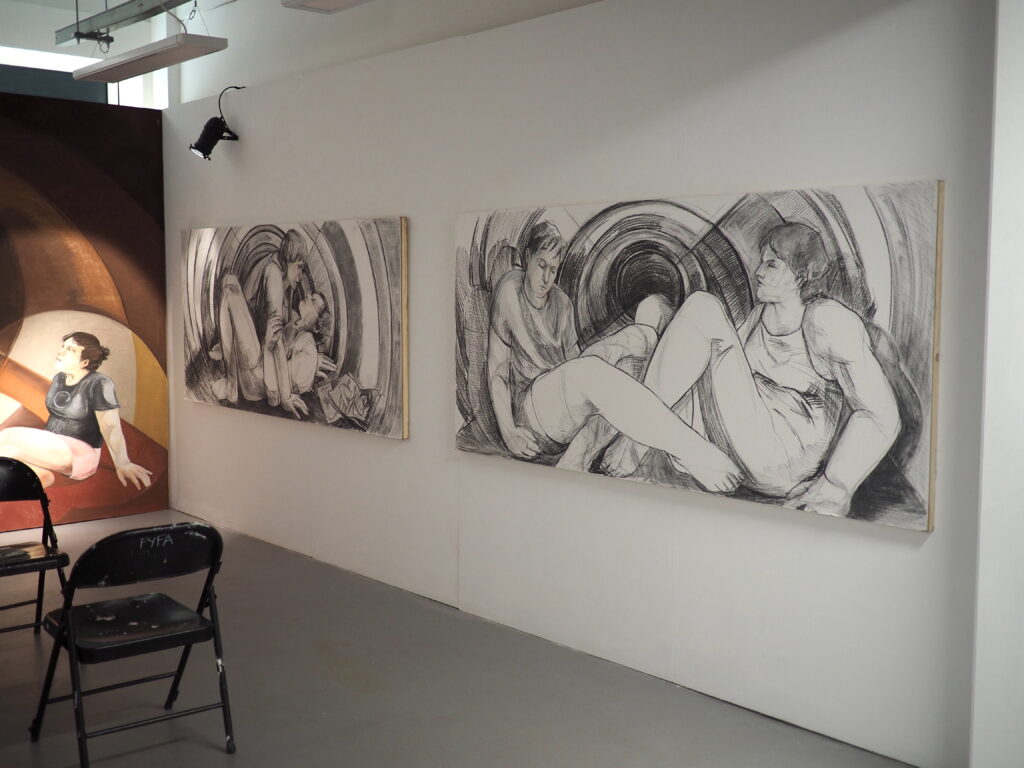
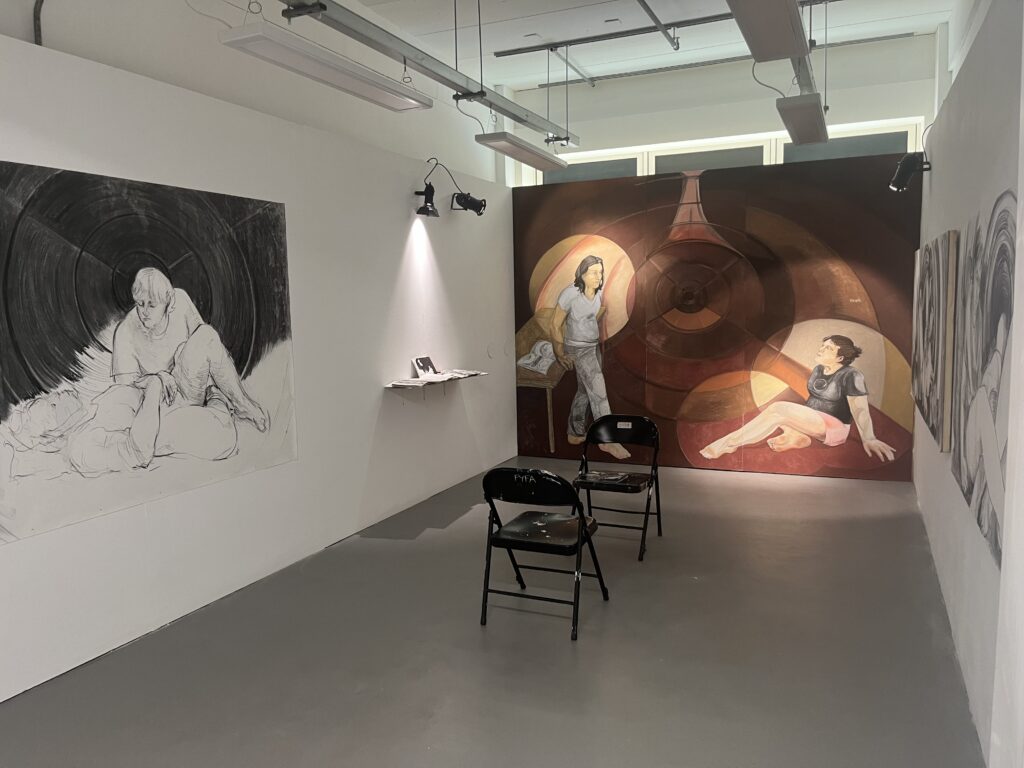
Tunnel Drawing #7, Charcoal and Chalk Pastel on Board, 2026
For Sale: Price on Request
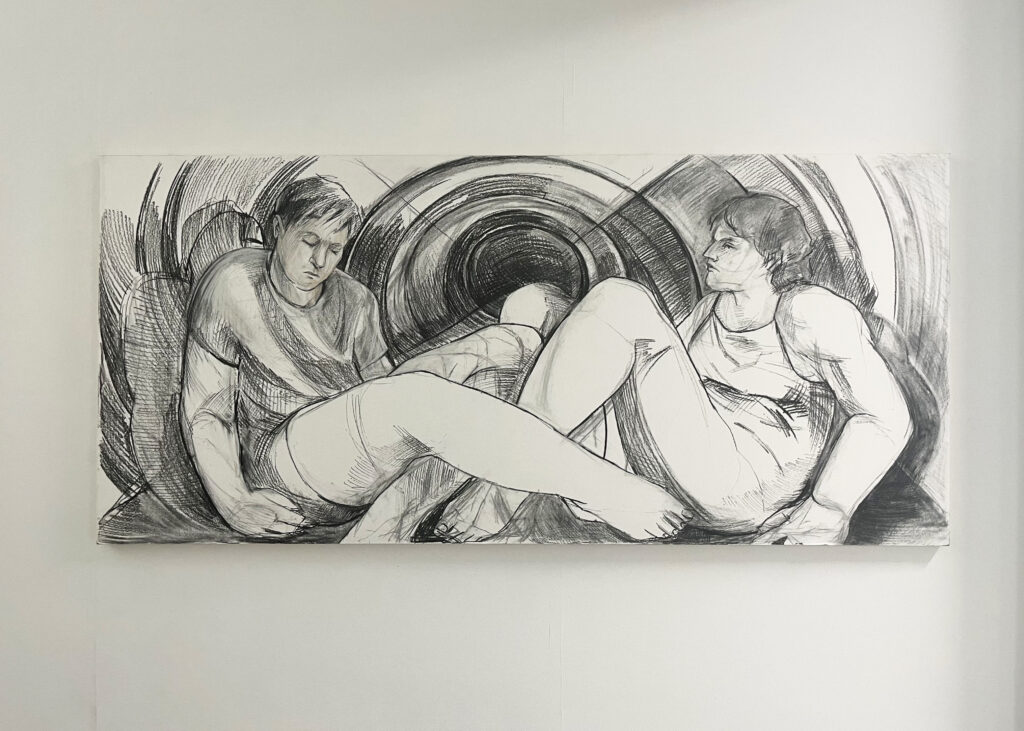
Tunnel Drawing #6, Charcoal and Chalk Pastel on Board, 2026
For Sale: Price on Request
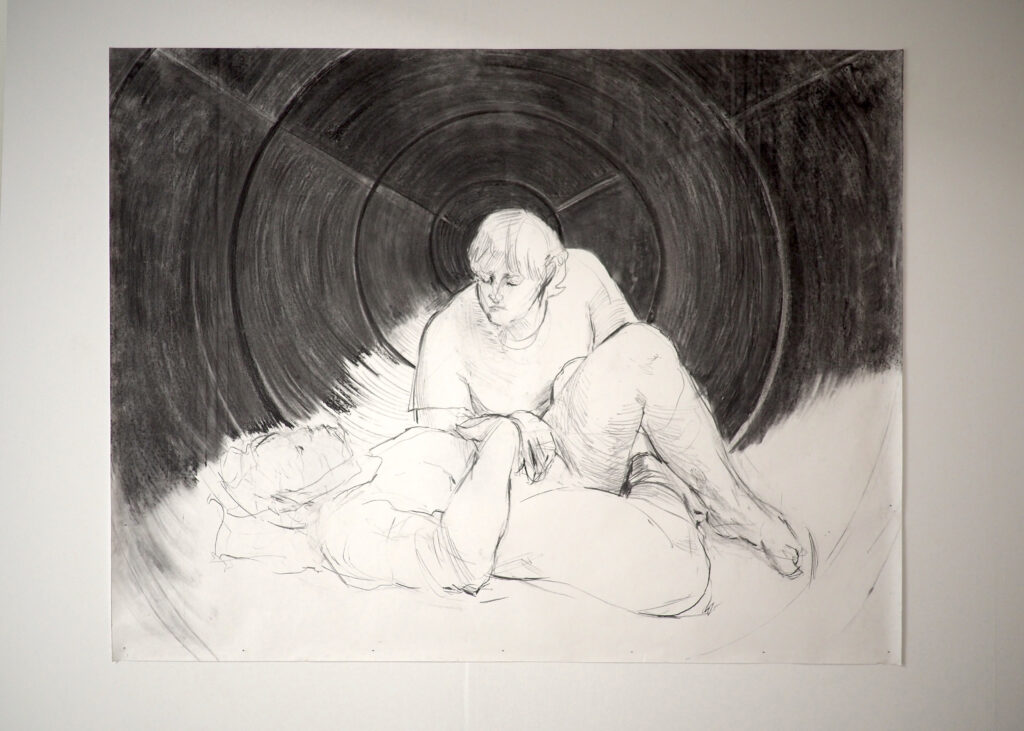
Tunnel Drawing #4, Charcoal on Paper, 2025
For Sale: Price on Request
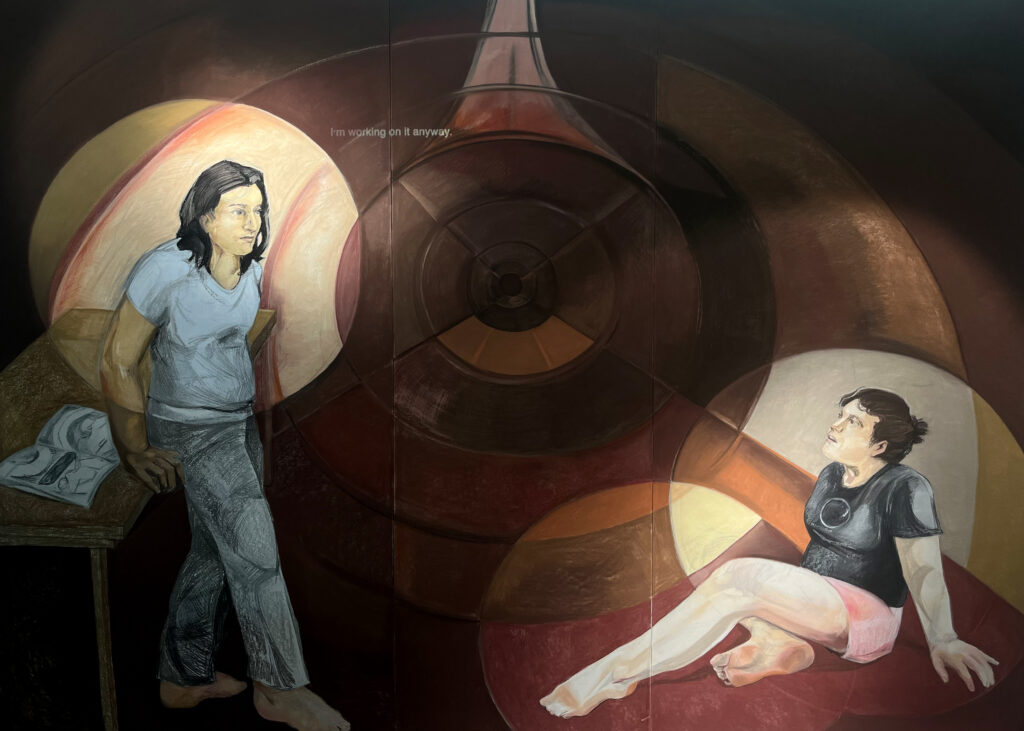
Tunnel Drawing #8, Chalk Pastels on Board and Moving Image Projection, 2026
For Sale: Price on Request
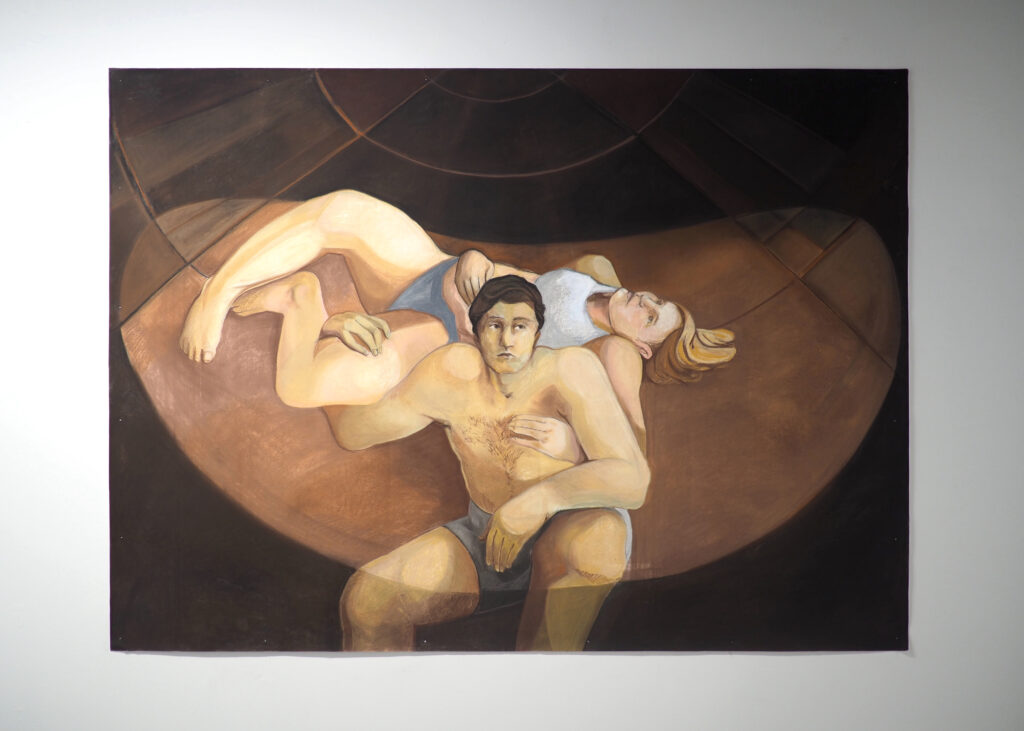
Tunnel Drawing #5, Chalk Pastel on Paper, 2025
For Sale: Price on Request
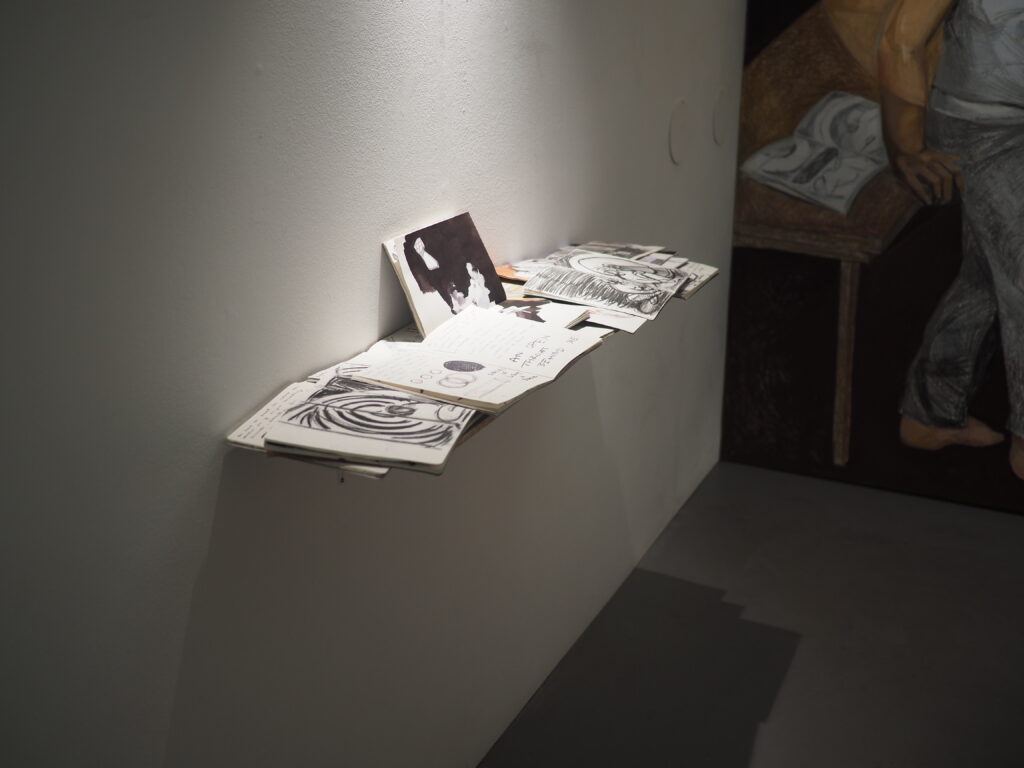
Multi-media on Paper
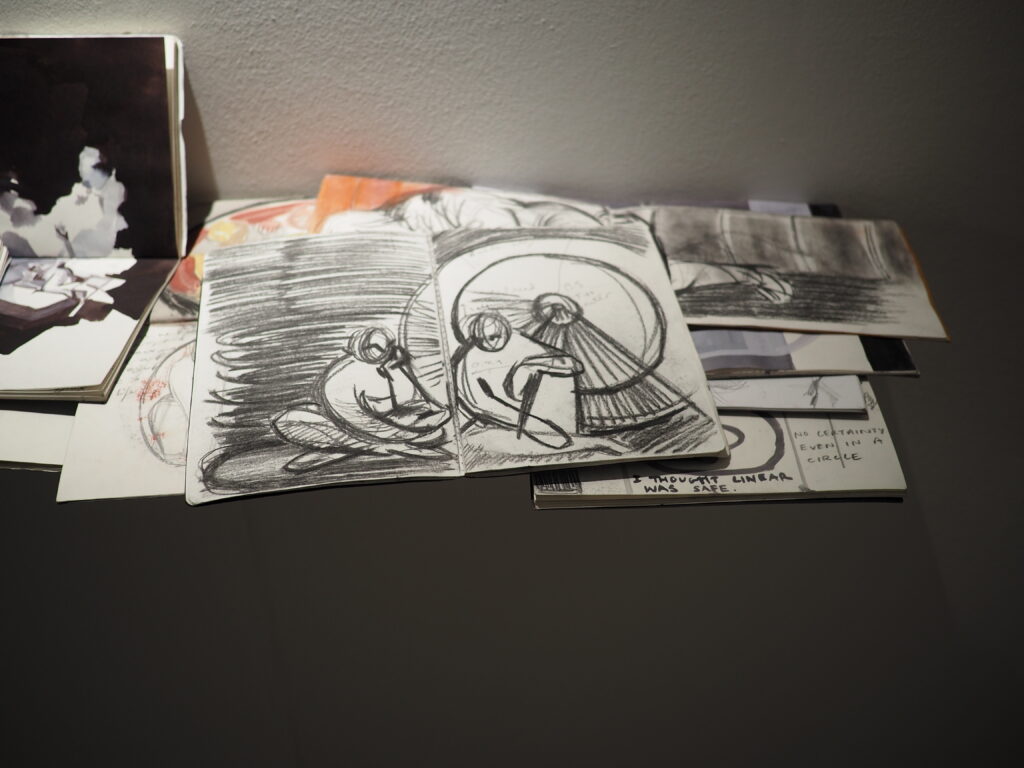
Sketchbooks 2025 - 2026 Detail
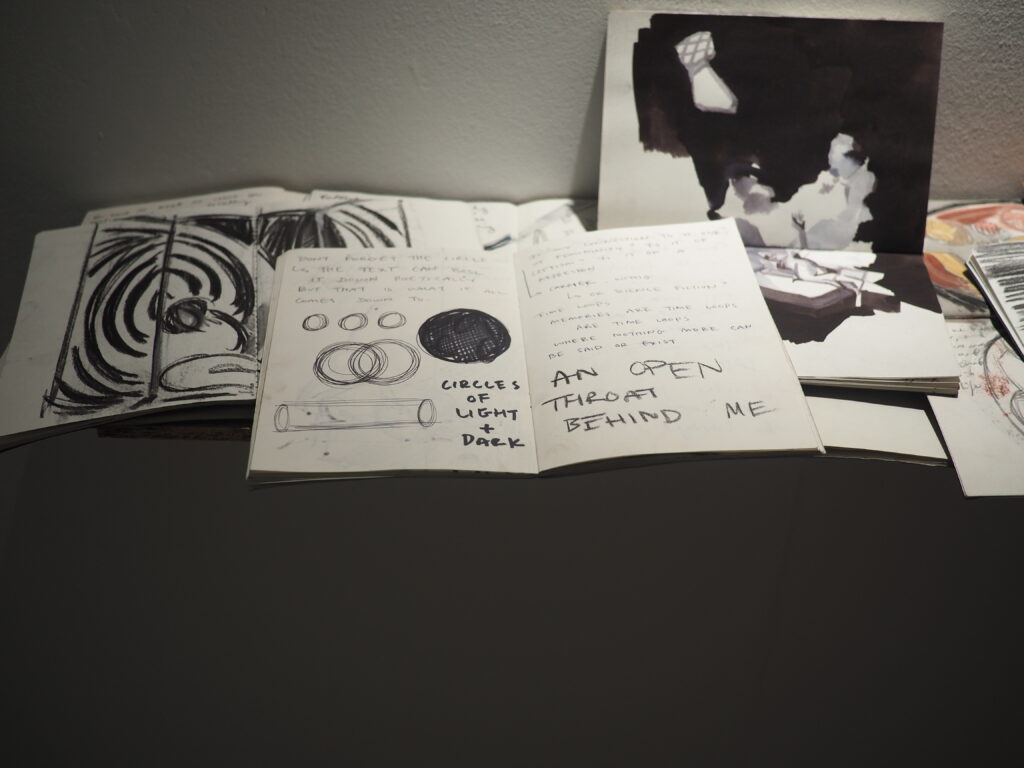
Sketchbooks 2025 - 2026 Detail
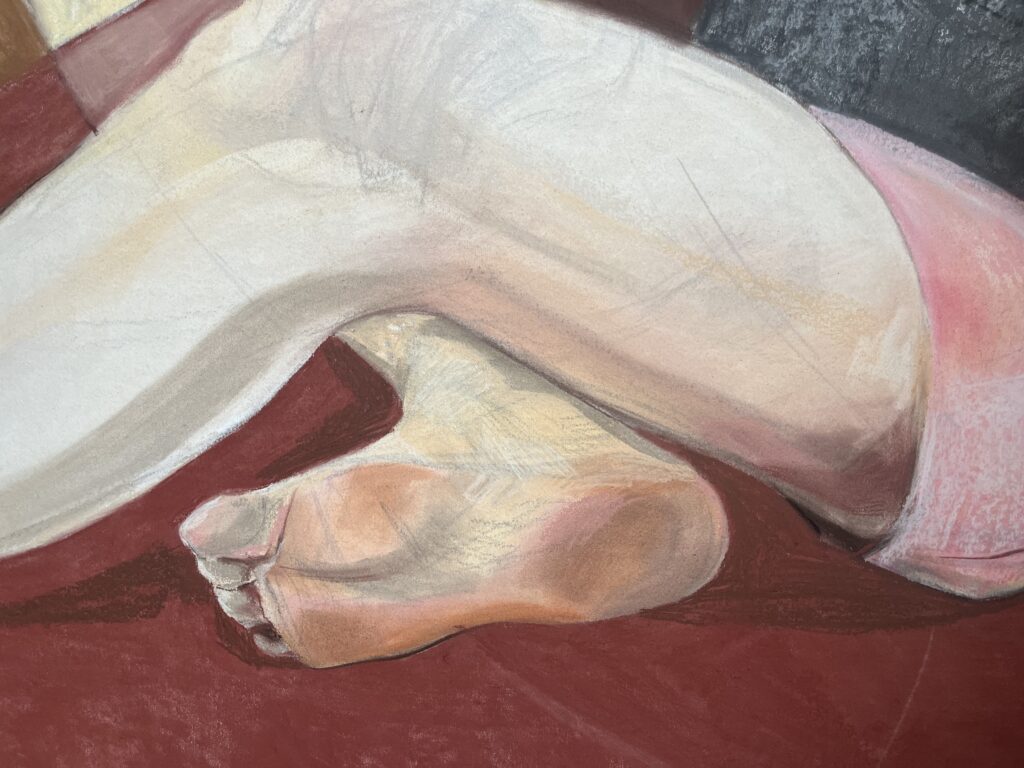
Open Throat Detail
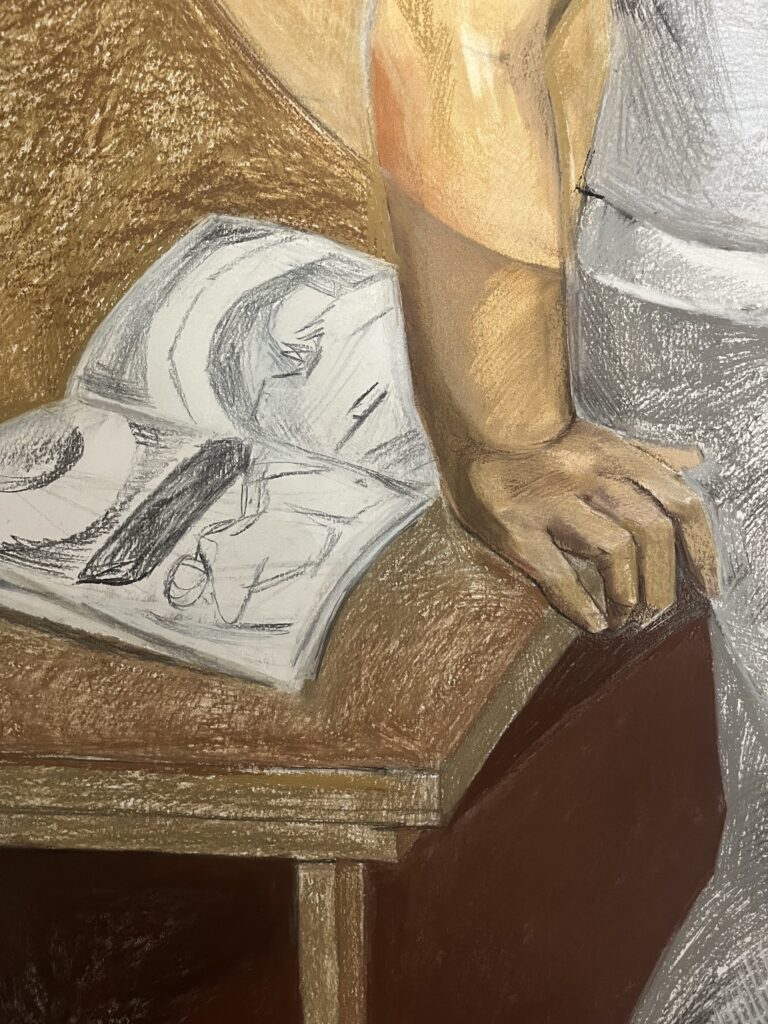
Open Throat Detail
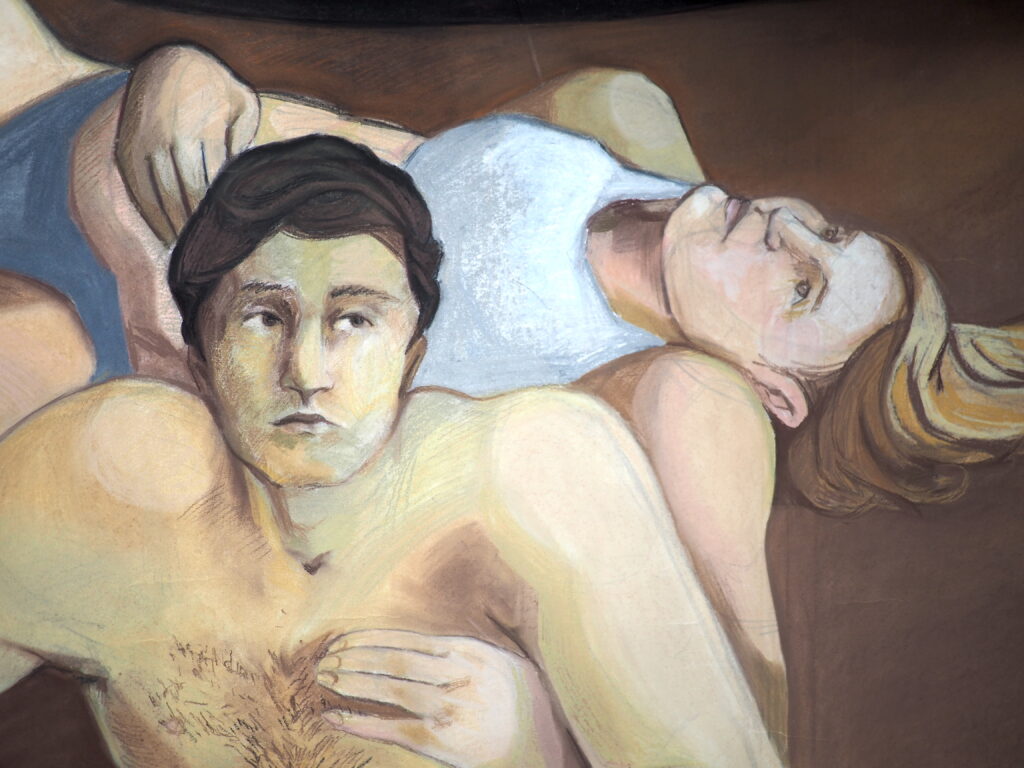
Tunnel Drawing #5 Detail
Safia’s practice explores the transformative properties of materials activated by light in space.
Using industrial and organic materials — including aluminium chain, perspex, and dyed textiles — she investigates tensions between materiality and fabrication, whether shaped by hand or machine. Hardness and softness, opacity and translucency, structure and fragility remain central to the work.
Photography plays an important role within her process, particularly images of reflections, windows, curtains, gates, and transitional architectural surfaces. Screens, partitions, and suspended forms echo these visual cues, recurring as semi-permeable architectures that choreograph movement and perception within space.
These observations are translated through layering, repetition, and surface manipulation, in which industrial materials are softened by fabric and gesture. Repetition functions as both ritual and labour, with cutting, sanding, drilling, sewing, and construction becoming integral to the work’s development.
Influenced by Giuliana Bruno’s writing on screen materiality, Safia approaches installation as a form of drawing and painting in space. More recently, sound has extended the work into multisensory environments that explore atmosphere, immersion, and the relationship and interconnectedness of body, architecture, and perception.
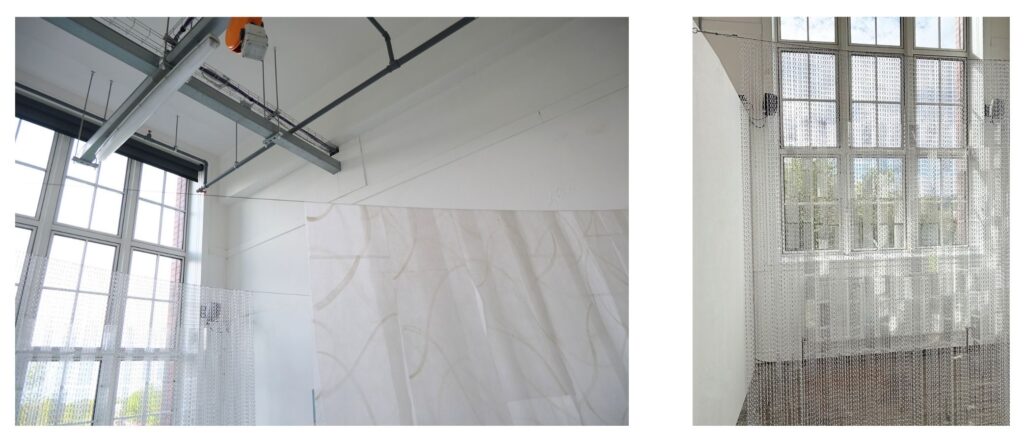
Suspensions: white ink on polypropylene sheet, aluminium chain, spraypaint & acrylic paint on roofing panel tiles, wire
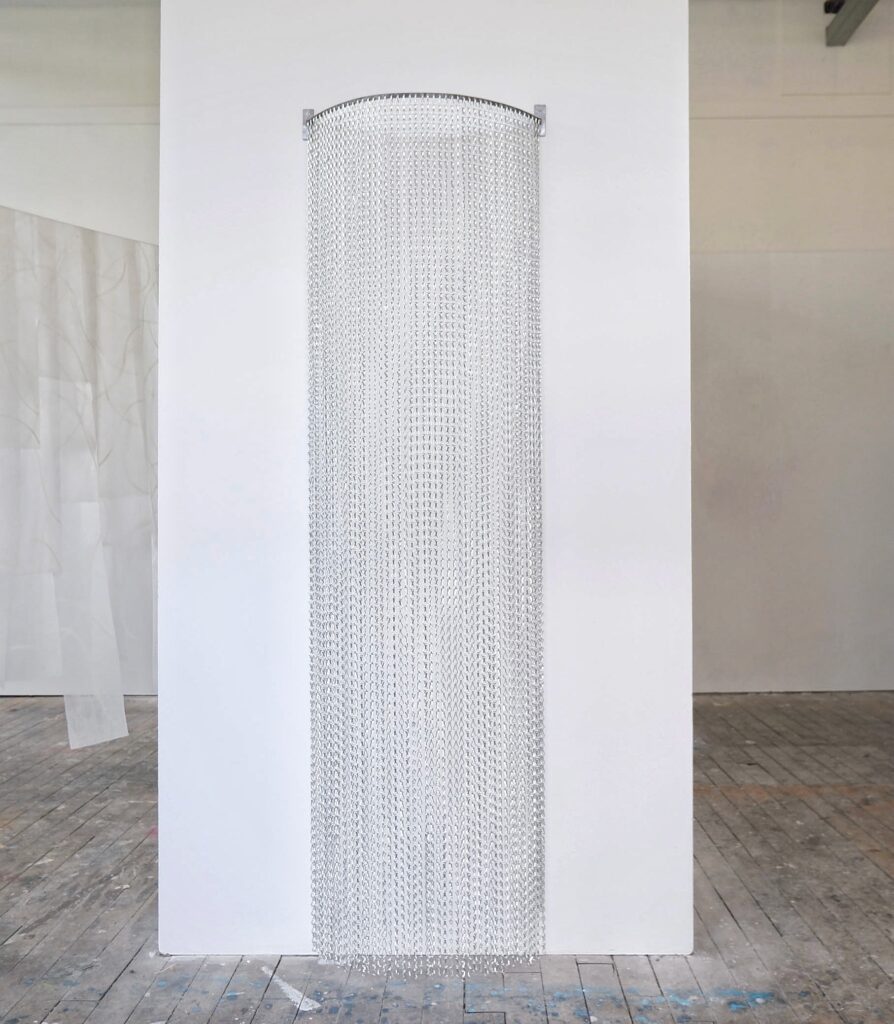
Aluminium chain and welded steel, 70 × 200 cm
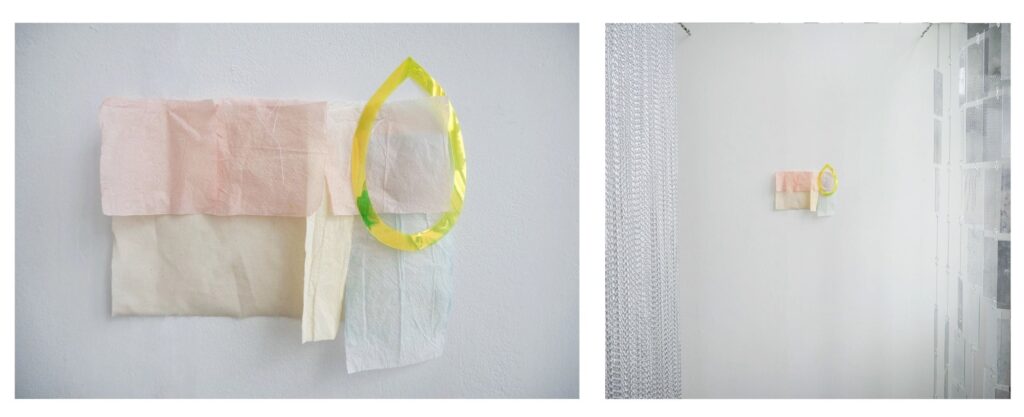
Dyed paper towels hand-sewn on calico, holographic vinyl, 15cm x 20cm
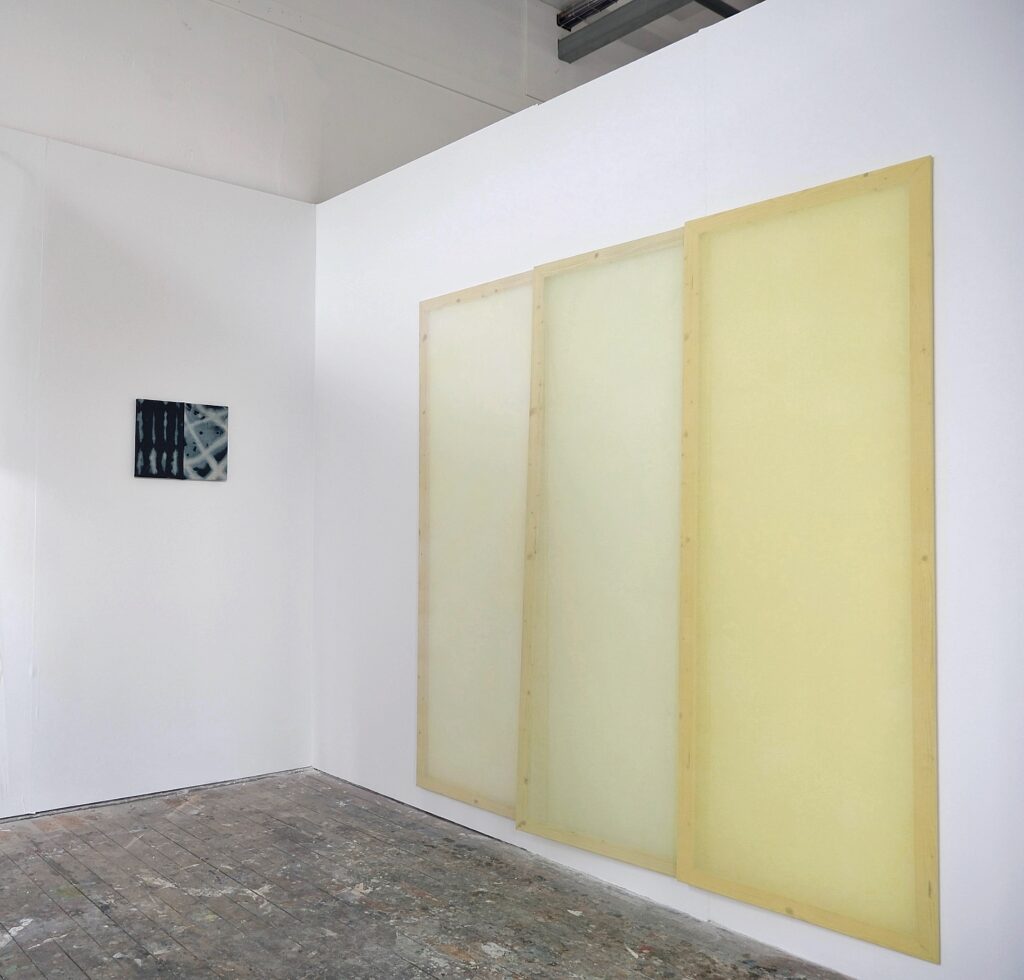
Overlapping panels, beechwood, dyed voile, 3 x 60cm x 180cm & bleached denim, 30cm x 40cm
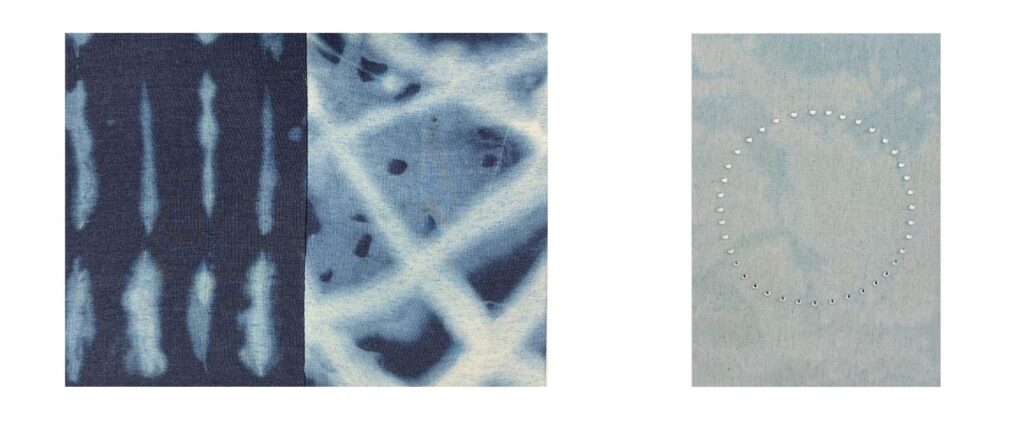
Bleached denim, hand-sewn, 30cm x 40cm & Bleached denim, adhesive rhinestones, 22cm x 29cm
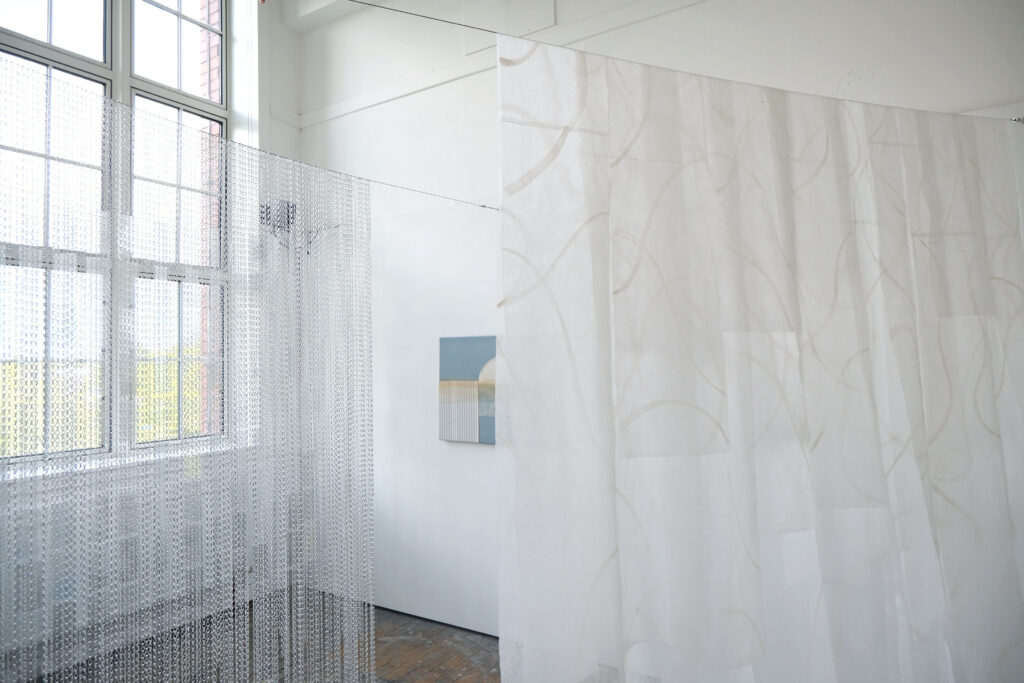
Suspensions & wall work (Gold net, bleached denim, felt, calico, and outdoor seating fabric on denim, hand & machine-sewn, 60cm x 80cm)
May-Jun 2026, The Glasgow School of Art Stow Building
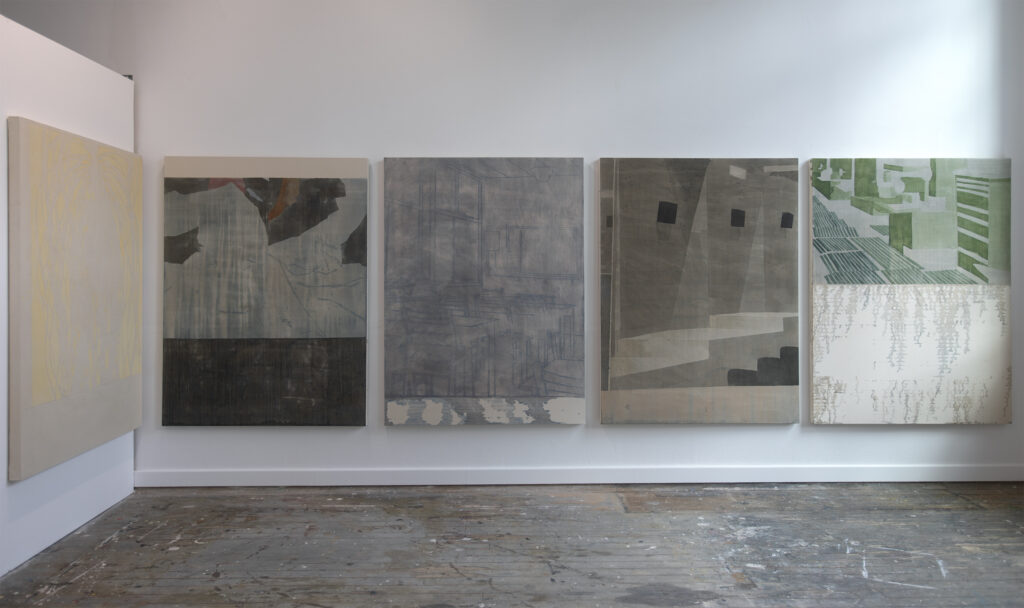
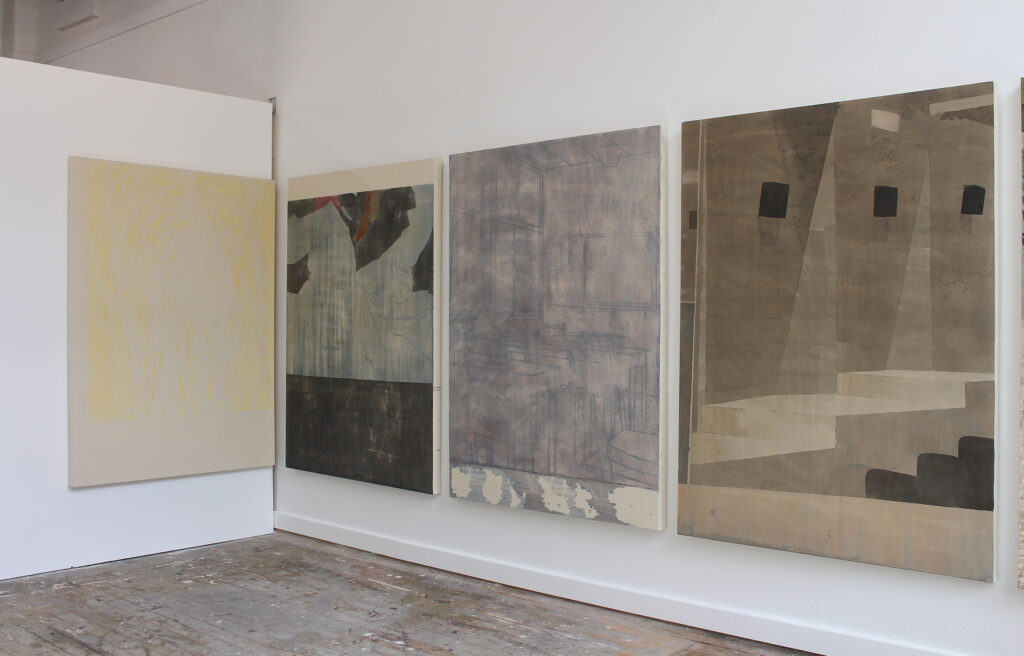
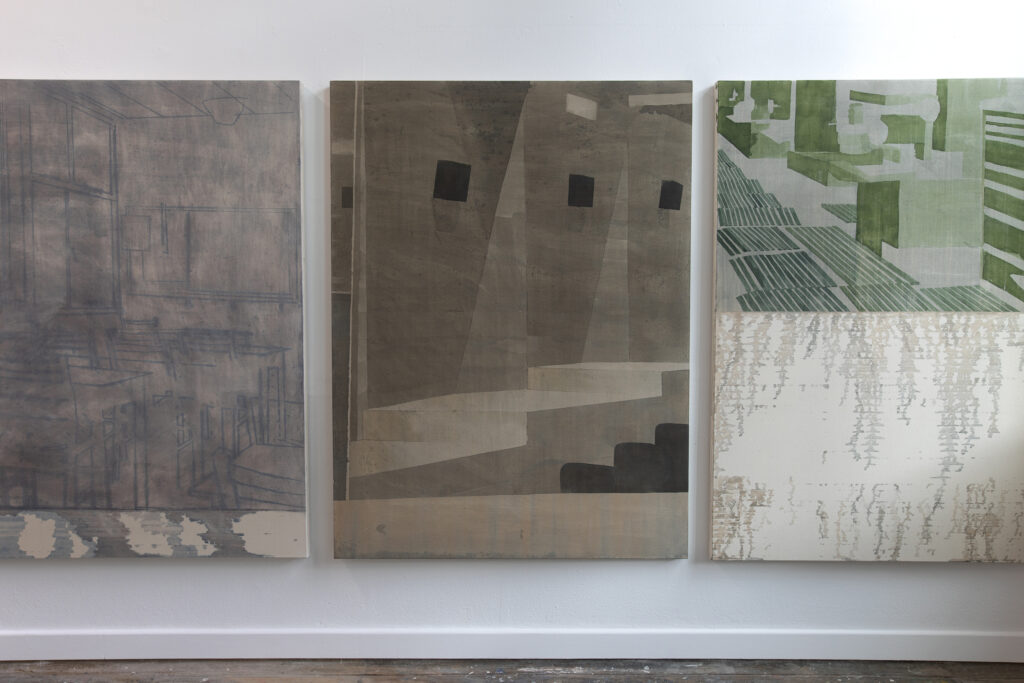
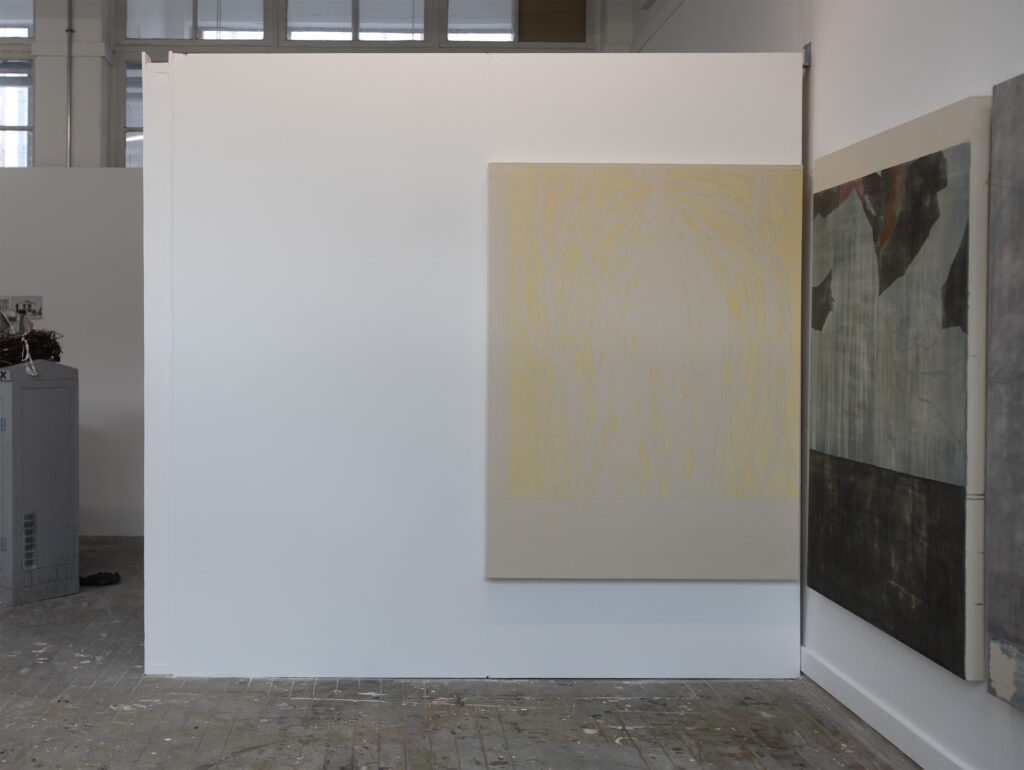
Maj Olsson Gendt is a chemist of paint. She studies the behaviours and structures of concentrated and diluted acrylic washes, brushwork, pencil drawings and primers as they react with one another. Her process explores the possibilities and limitations of paint, allowing the material to behave according to its own qualities. In her work, the canvas is considered an object in itself, with the belief that the image is already there, yet to be revealed, letting the surface, structure, and physicality shape the work.
Maj’s practice uses appropriated photographs that have been found in books, exhibitions, architecture, interior magazines, or taken by peers. This process reflects on authorship and uniqueness, and views images as part of a chain reaction in which each is a direct or indirect product of the previous one. Within the paintings, traces of the source remain visible, such as a distortion of perspective caused by the bend of a page. Through the choice of image, the paintings explore spaces that feel inhabited yet unoccupied.