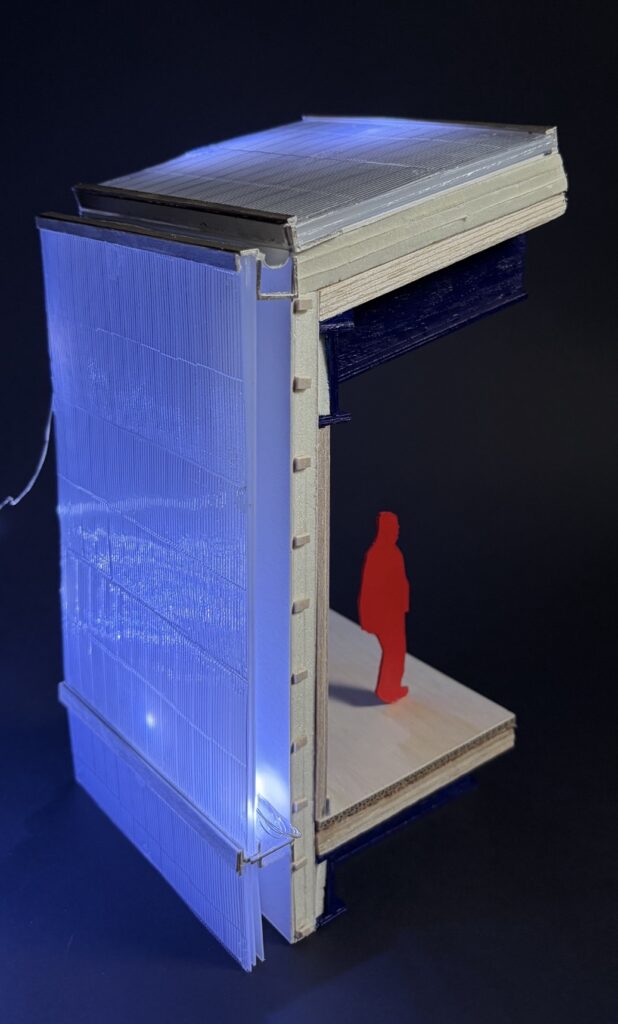
The Right to the Night: A Civic Lantern for Glasgow
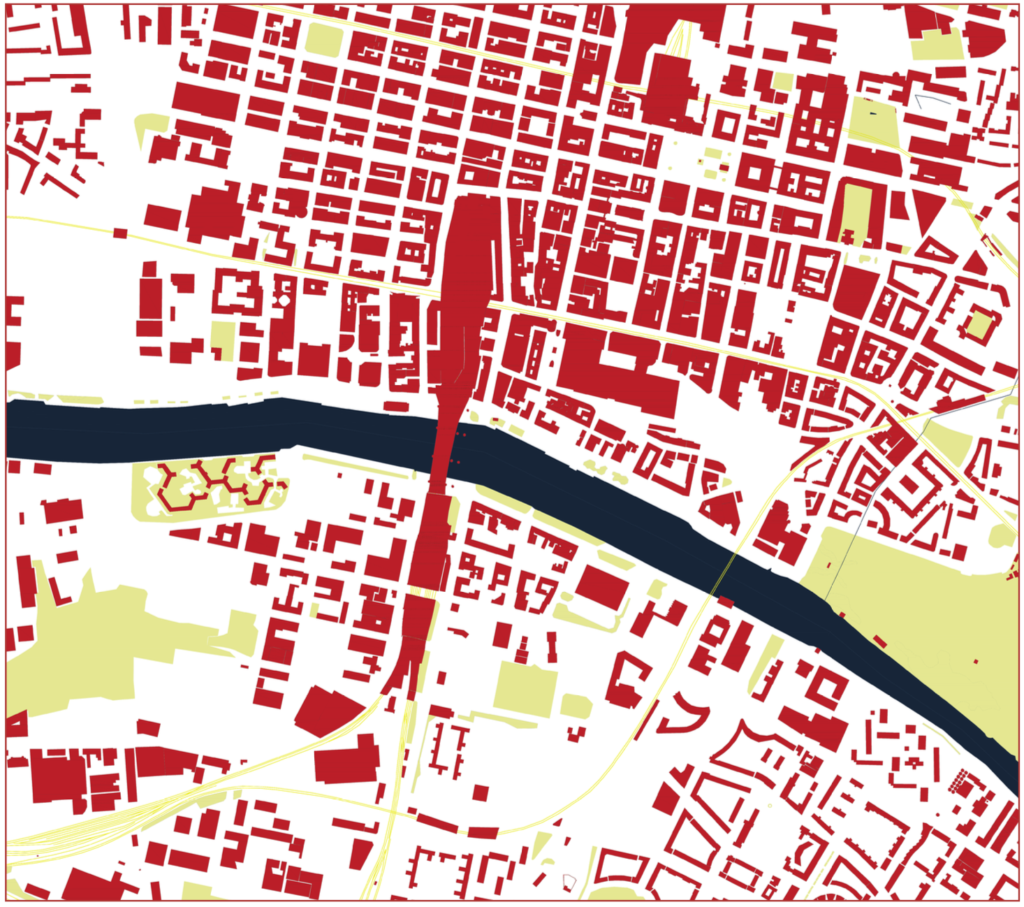
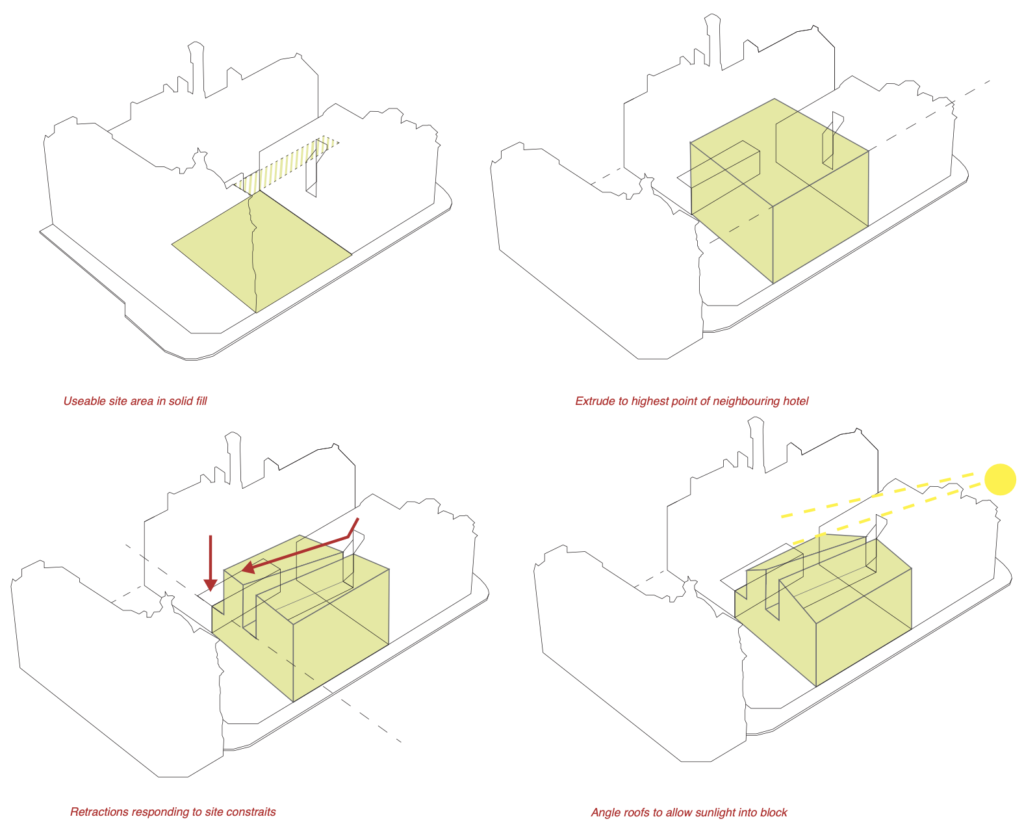
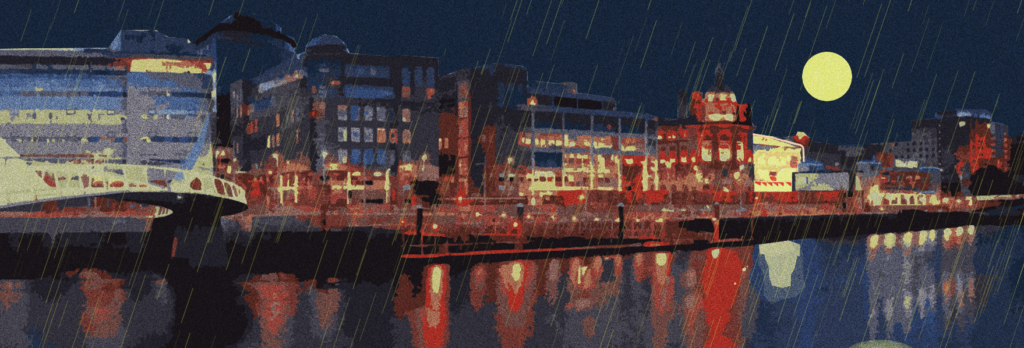
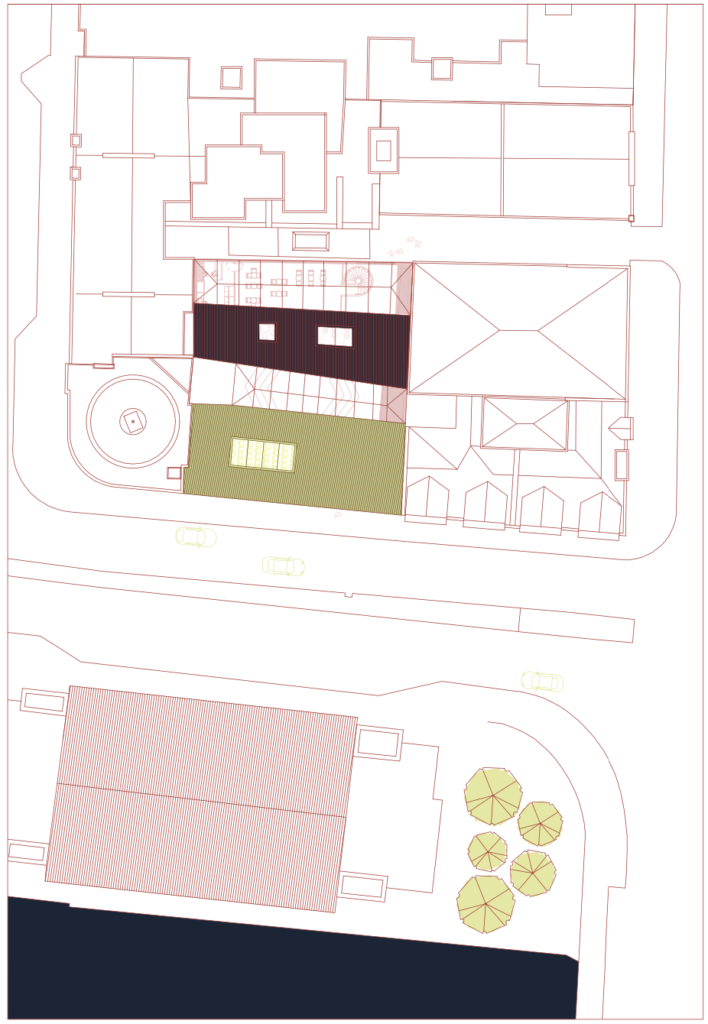
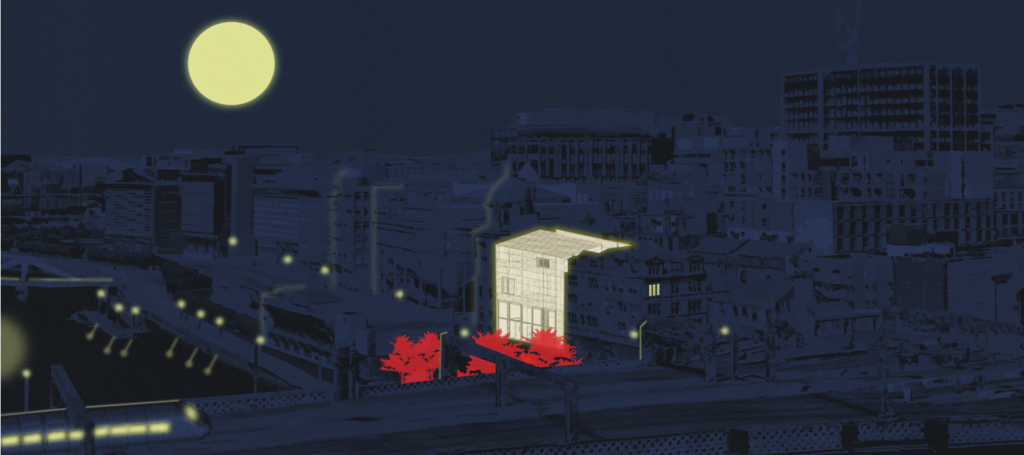
This project explores the potential of the vacant site located between the Clydeport Building and Oswald Chambers on Broomielaw in Glasgow. Positioned along the waterfront, the site sits within an area that is heavily occupied by office buildings and commercial activity during the day, but becomes quiet and empty after working hours. This project responds to that condition by questioning how architecture can help bring life back into the city centre at night in a way that is social, inclusive, and community focused.
The brief is guided by three clients: the Glasgow Institute of Architects (GIA), the Glasgow Buildings Preservation Trust (GBPT), and the Urban Rooms Network (URN). Together, these organisations promote architecture, heritage, public engagement, and discussion about the future of the city. Inspired by waterfront case studies such as Bryggen, the proposal aims to create a new type of evening destination for Glasgow, not centred around nightlife or clubbing, but around conversation, culture, and civic engagement.
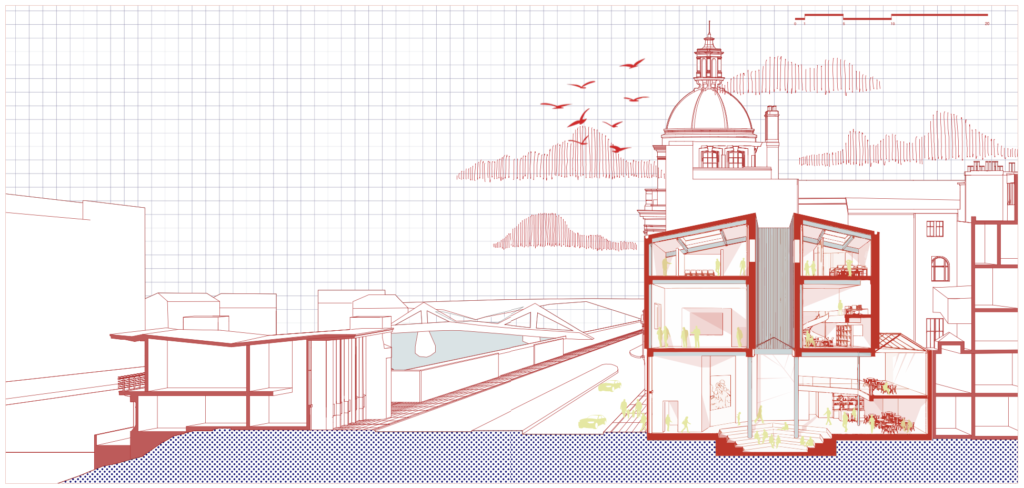
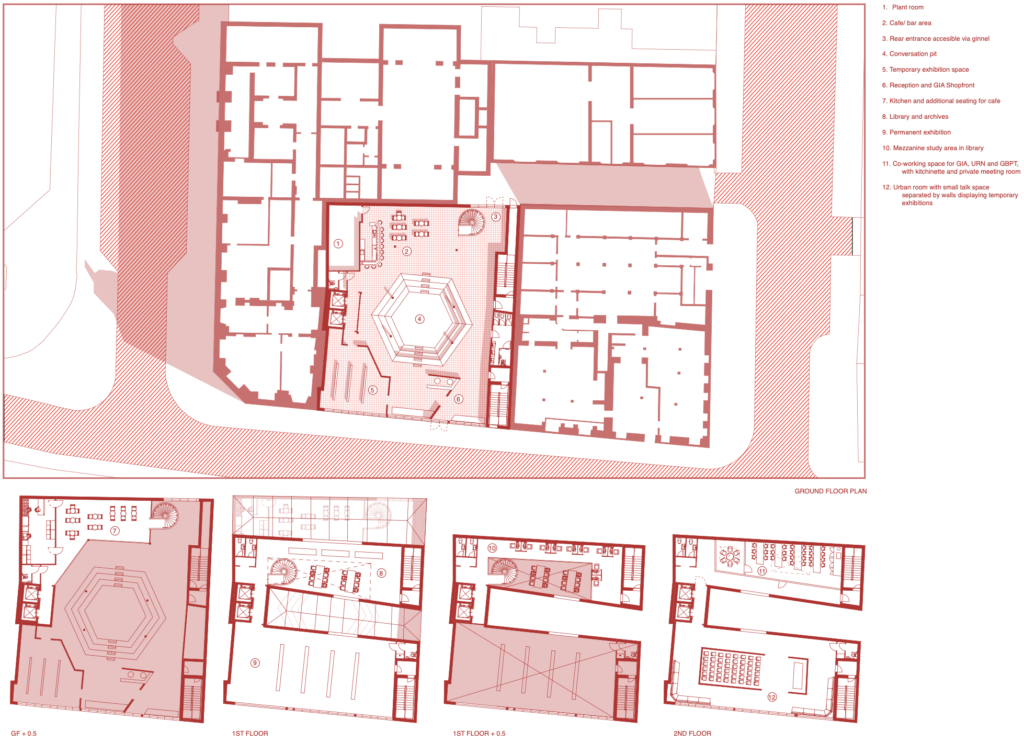
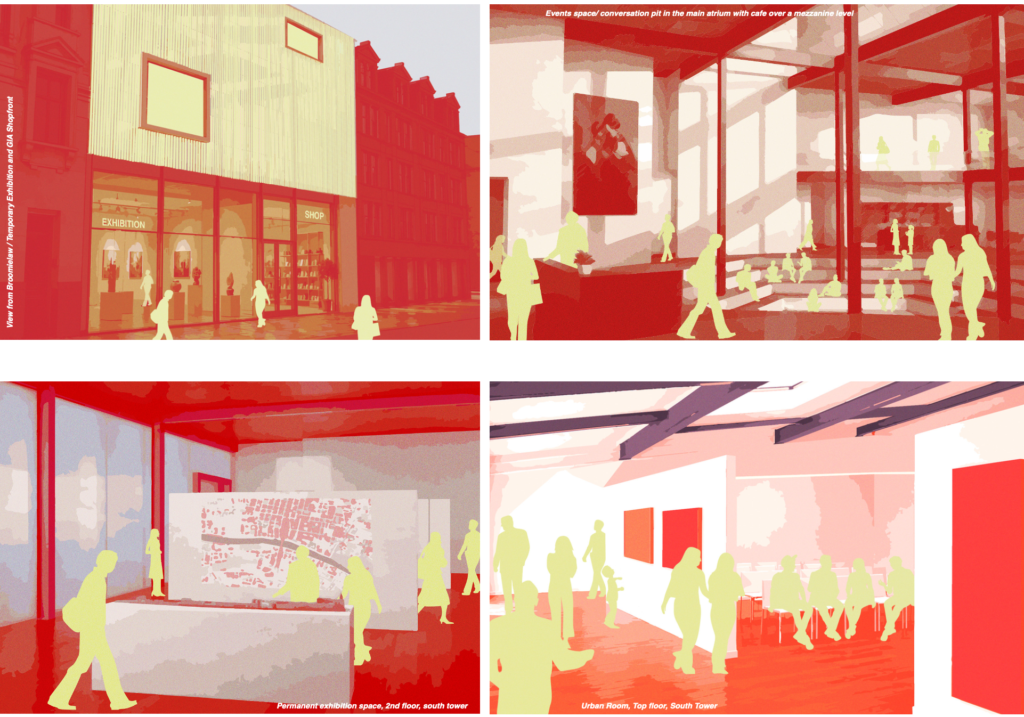
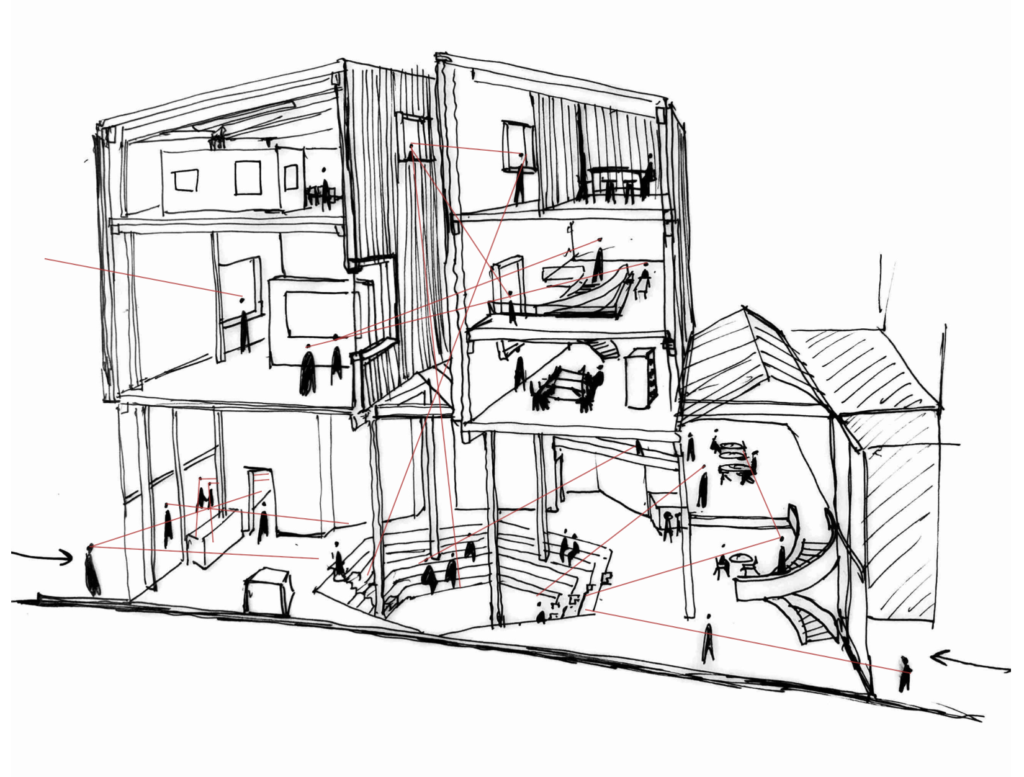
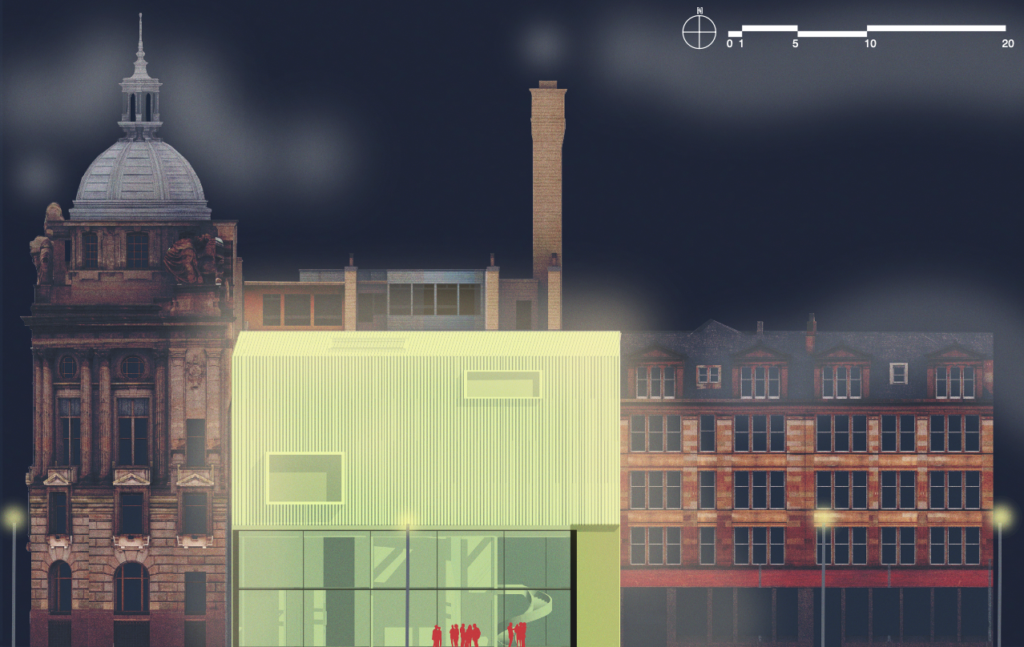
The building is designed as a visible and welcoming presence within the city. A glowing façade faces the street, hinting at the activity and life inside without fully revealing it. This creates curiosity and invites passersby to enter and take part. At the centre of the building, a conversation pit and events space organise the surrounding exhibition areas and cafe, encouraging gathering and discussion. The exhibition space and GIA shopfront are both visible from the street, strengthening the relationship between the building and the public realm.
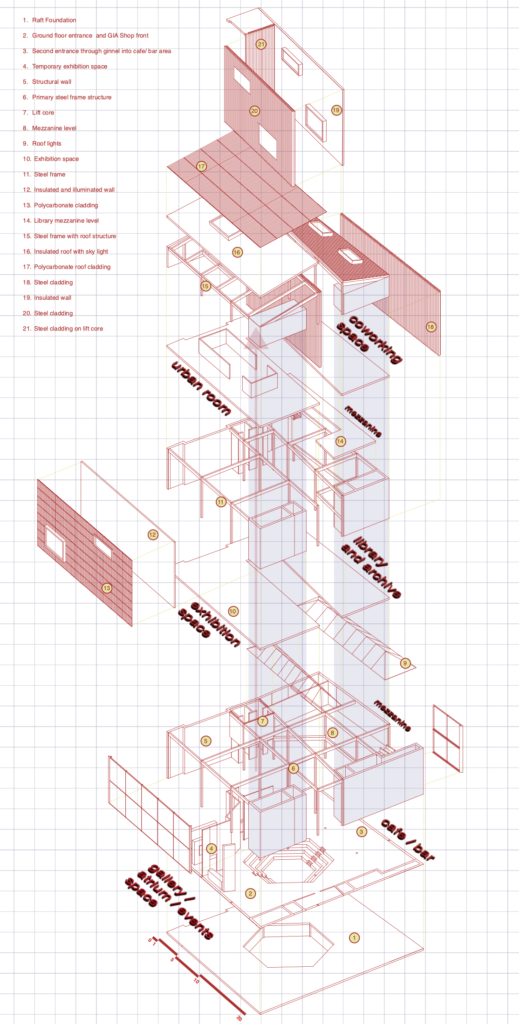
Movement through the building is carefully designed to encourage interaction between visitors. Access to the exhibition spaces, library, Urban Room, and co-working areas is channelled through a shared pair of lifts, creating moments for informal conversation and exchange. This reinforces the project’s wider architectural ambition: to place dialogue about the future of Glasgow at the centre of the experience.
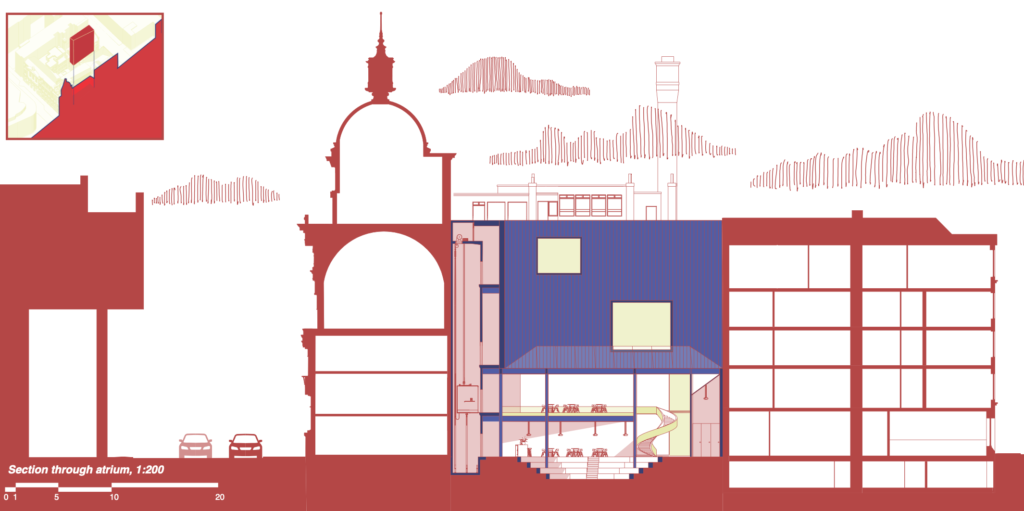
A vertical channel running through the middle of the building separates the upper floors into two distinct towers, which appear to float above a large glazed base. The front tower contains the gallery and Urban Room, creating a more open and public atmosphere, while the rear tower houses the co-working spaces, library, and archive, offering quieter and more private environments. Large angled windows connect these two zones visually, creating opportunities for dialogue between public and professional spaces.
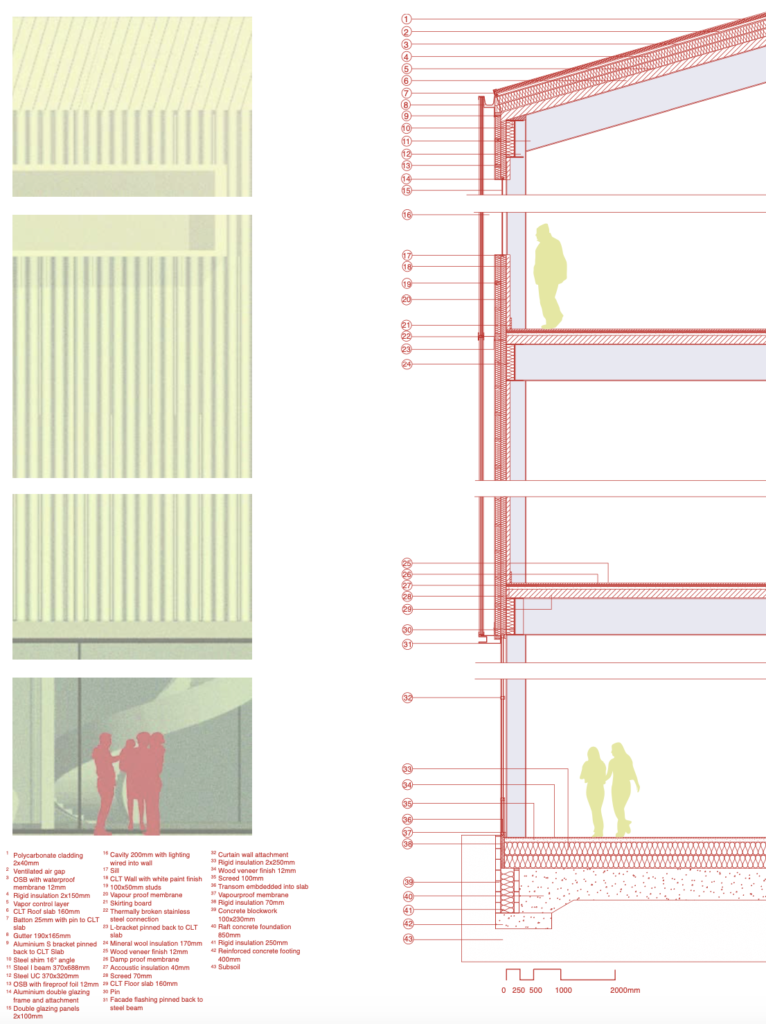
The materiality of the towers reflects both Glasgow’s industrial history and its future ambitions. The rear tower is clad in blue corrugated steel, referencing the shipbuilding heritage of the River Clyde and the industrial identity of the site. In contrast, the front façade presents a lighter and more futuristic expression, symbolising a forward-looking vision for Glasgow and its evolving cultural identity.
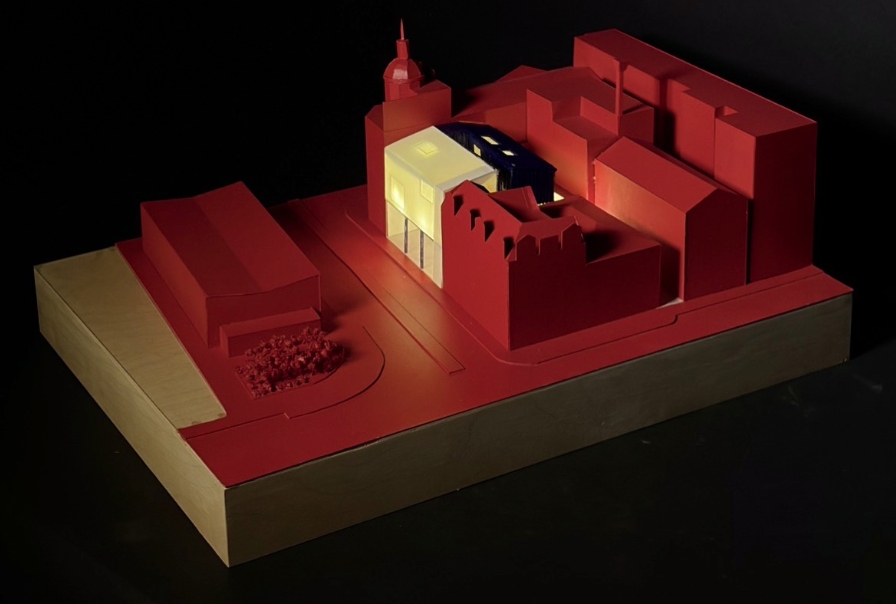
Cardboard, plywood, acetate
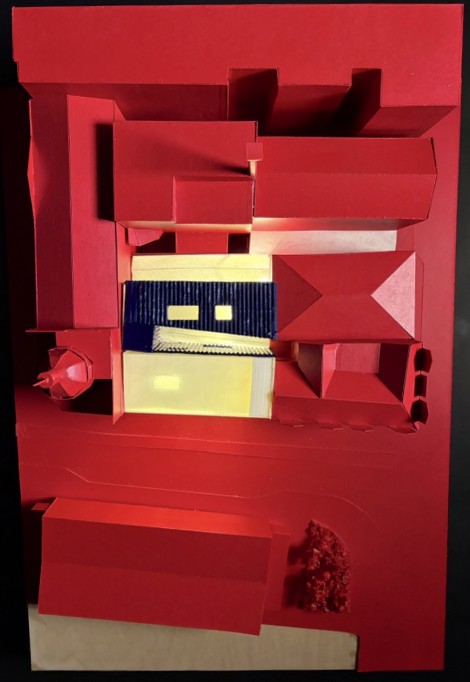
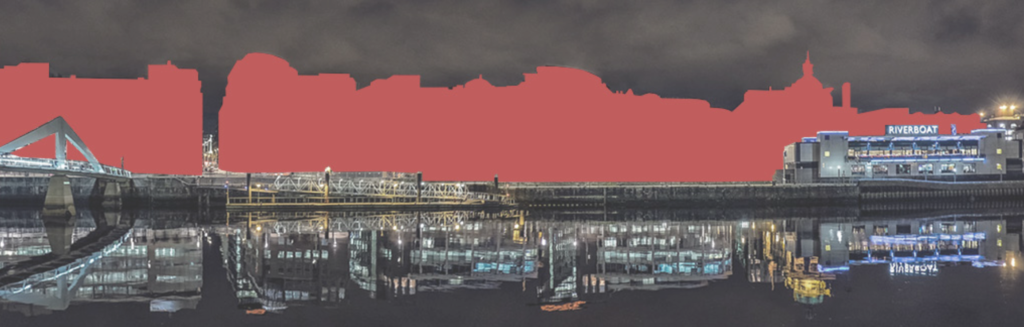

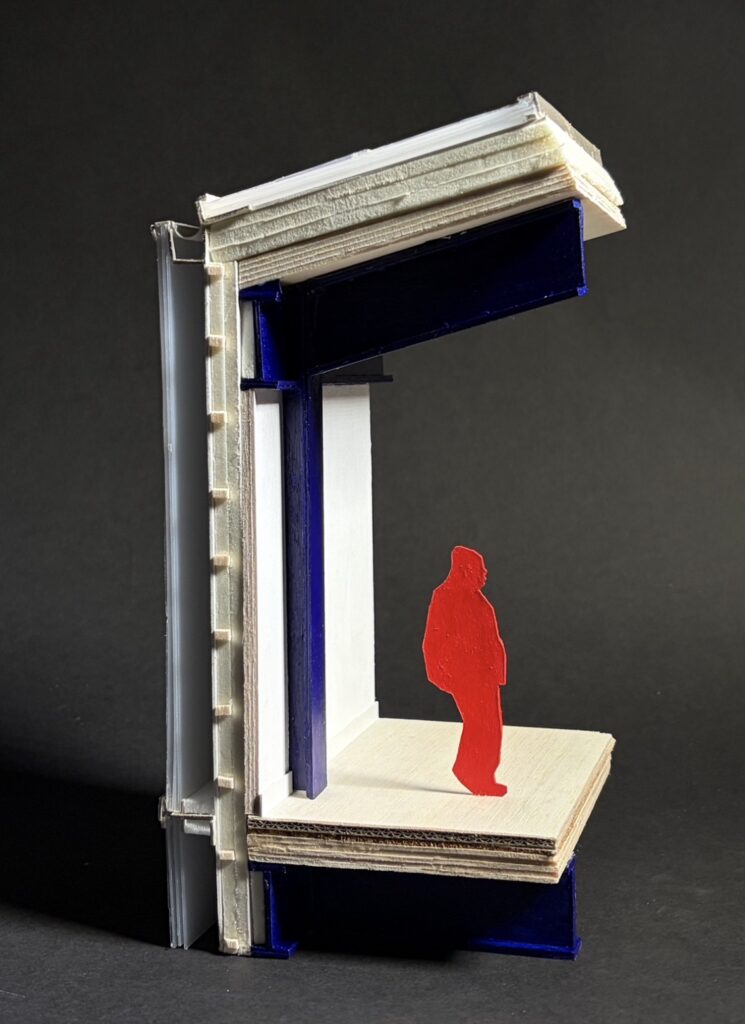
Acetate, balsa wood, cork, card board, paint, foam board